Featured Precision Quartzware & Capillary Solutions
Direct factory-manufactured fused silica and quartzware for extreme thermal, optical, and chemical containment applications. Fully customizable to strict ISO and ASTM engineering standards.
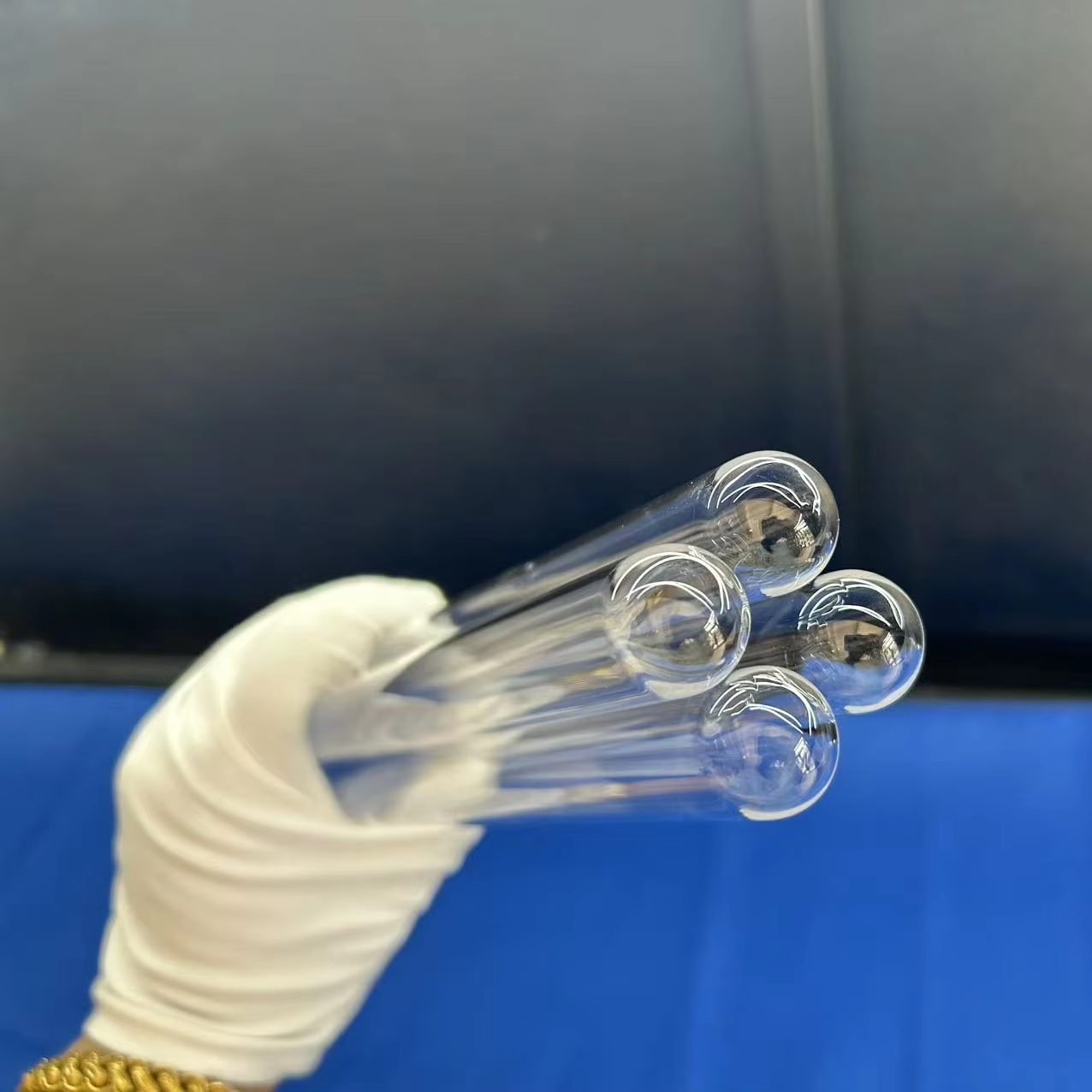
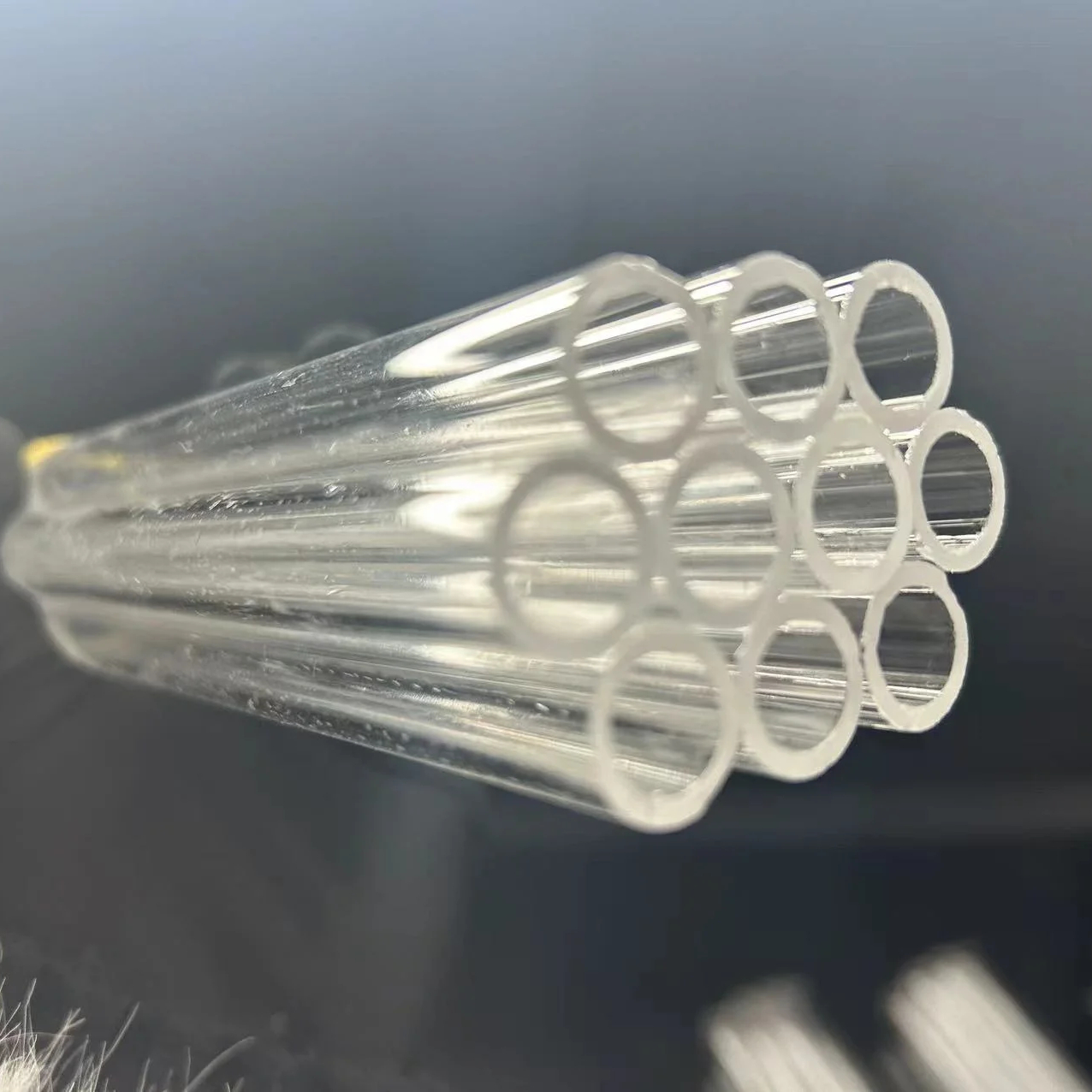
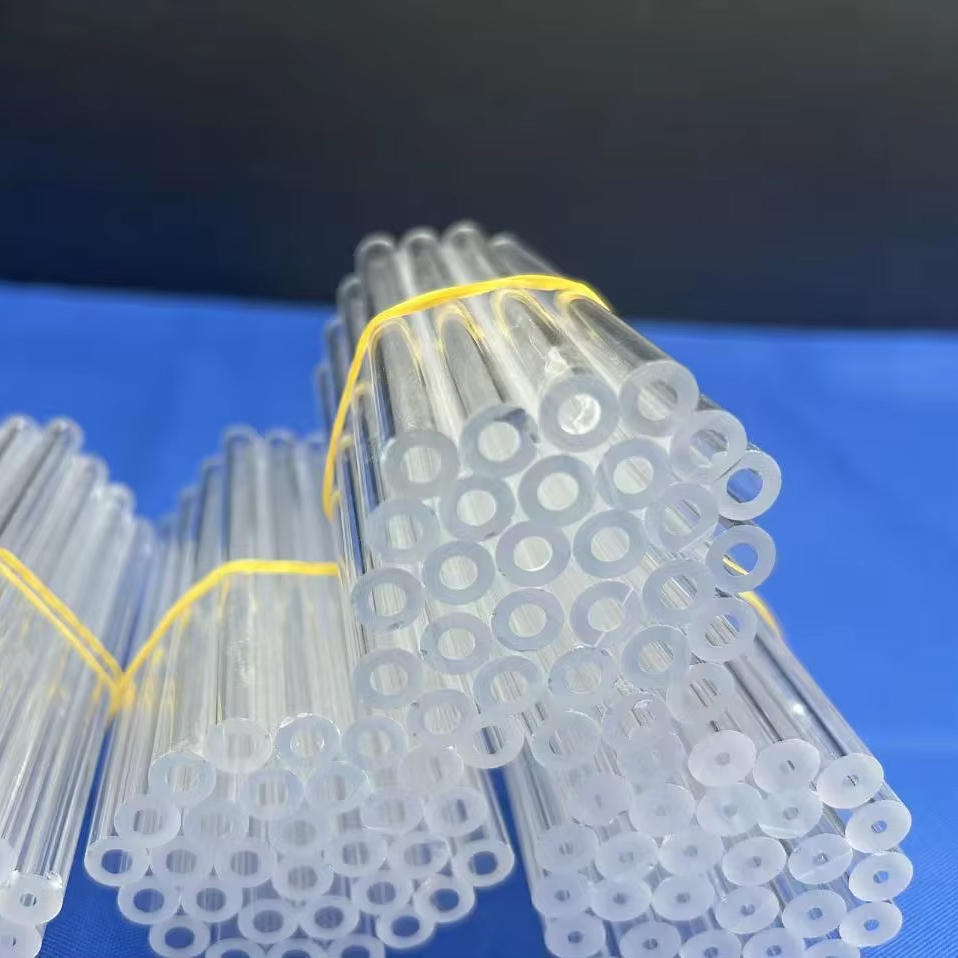
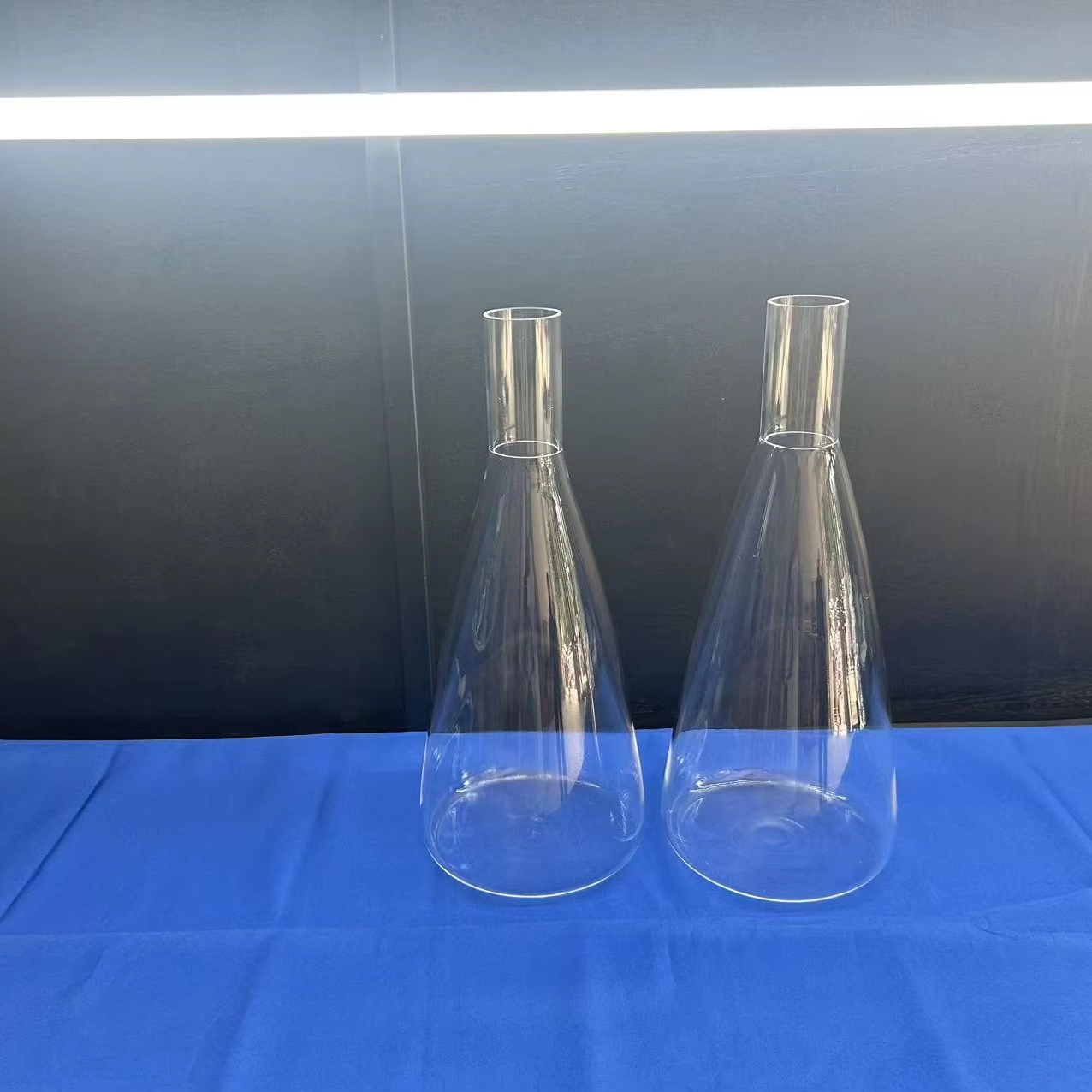
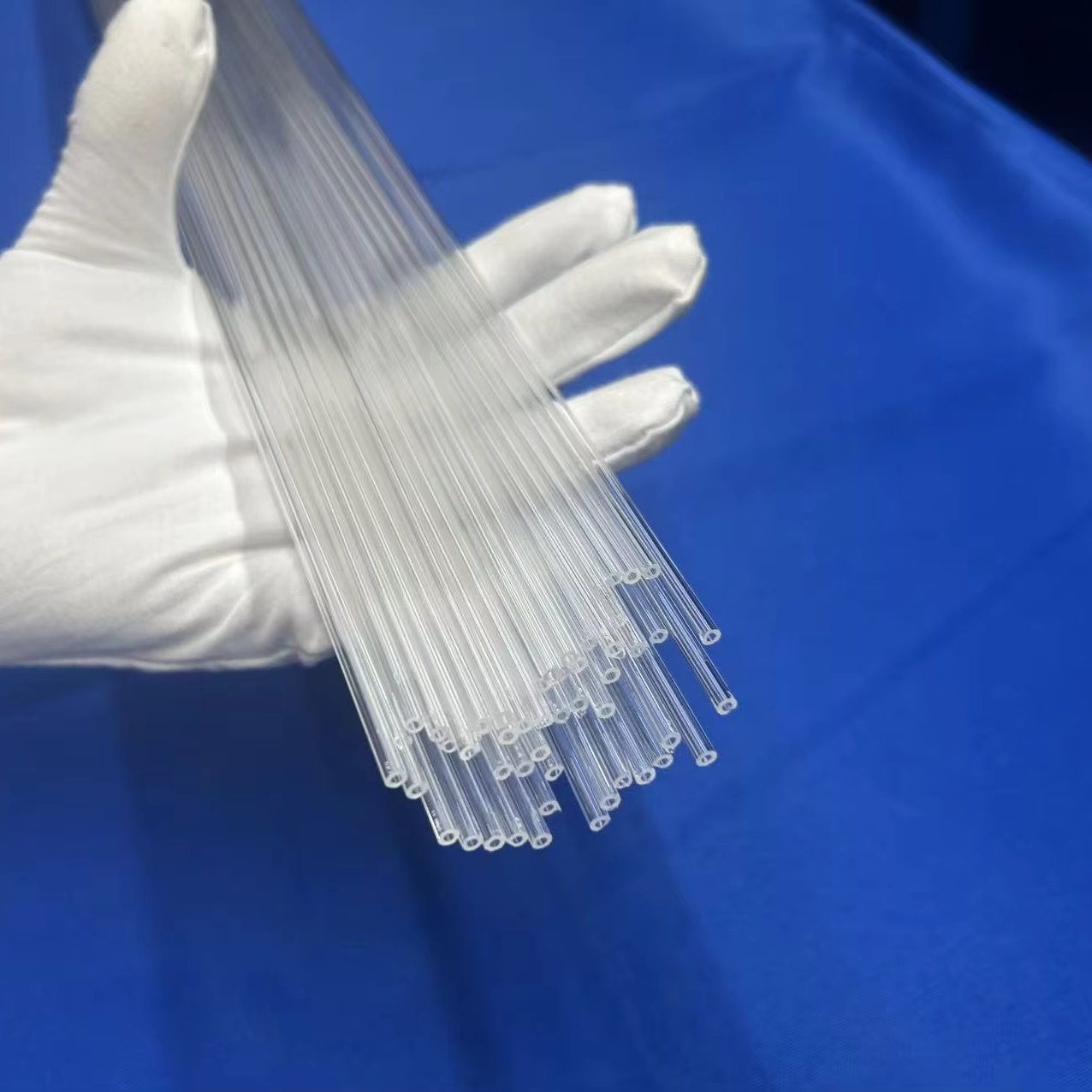
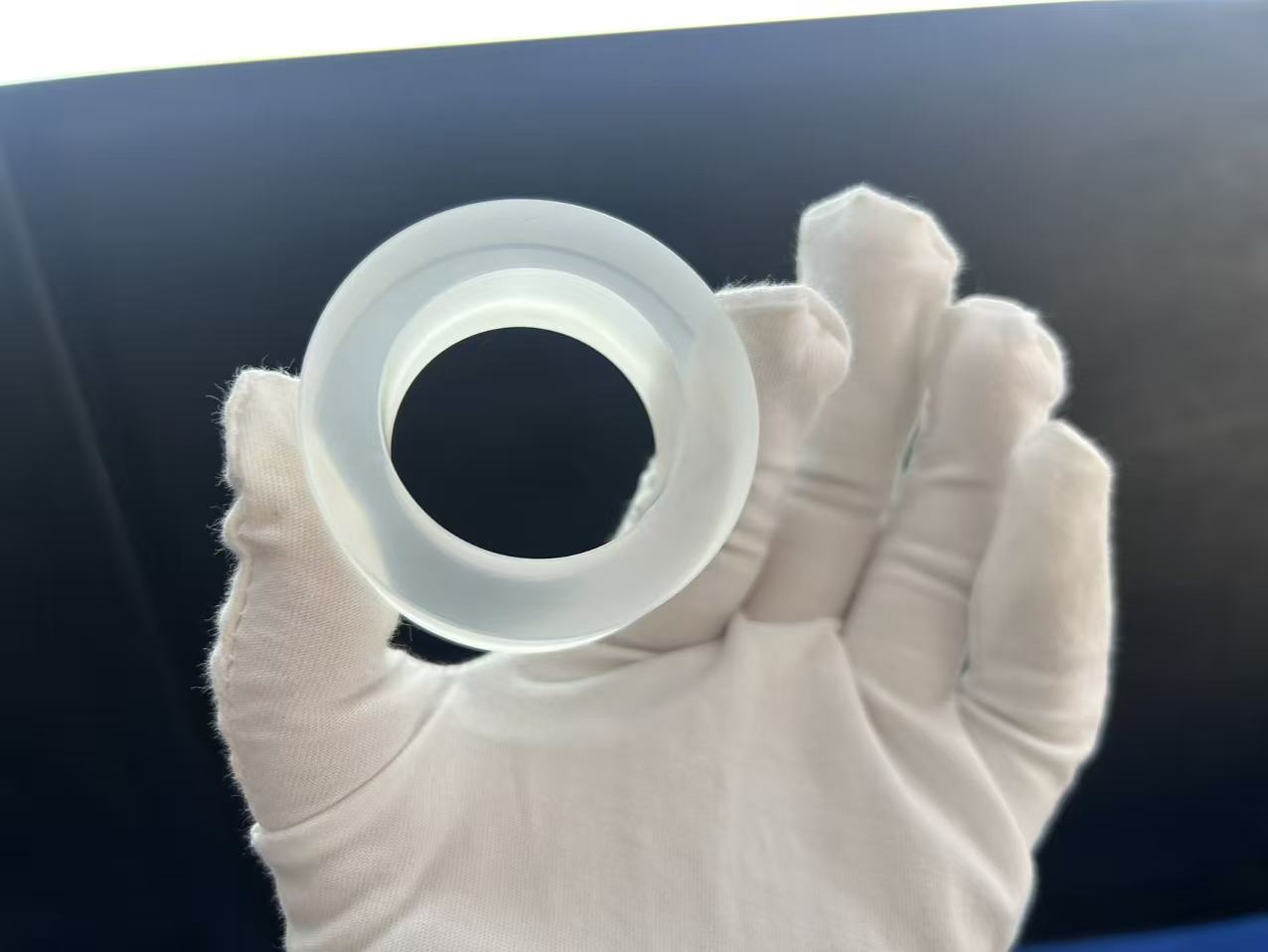
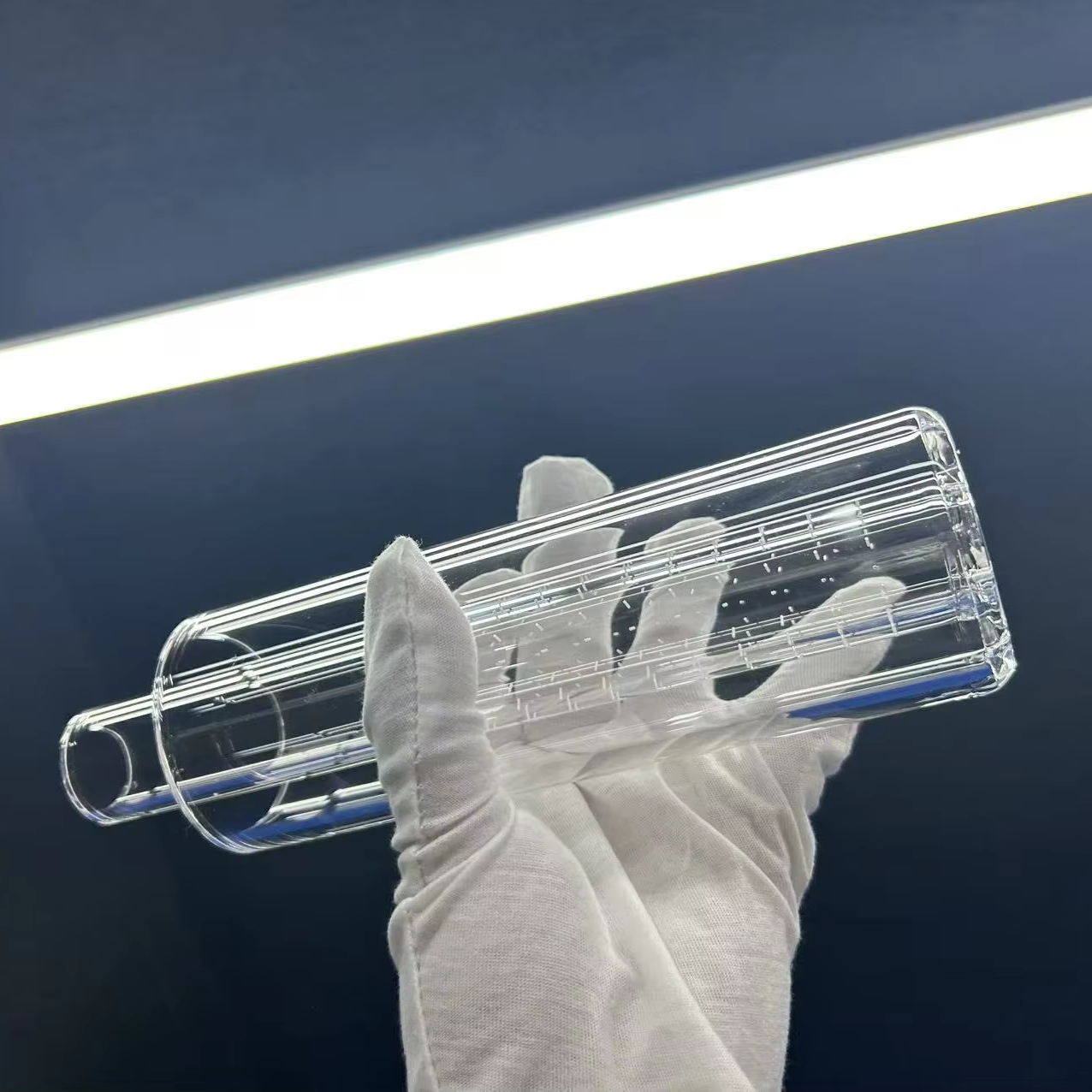
The Micro-Fluidic Physics of High-Purity Capillary Quartz Tubing
Within precision instrumentation, capillary quartz tubing (fused silica / SiO₂) represents the critical boundary where micro-fluidics, optical spectroscopy, and severe operational temperatures converge. Unlike conventional borosilicate or soda-lime glass, synthetic and natural fused silica exhibit an ultra-low linear coefficient of thermal expansion (5.5 × 10⁻⁷ /°C across 20°C to 320°C). This characteristic completely eliminates thermal shock failure when shifting from cryogenic states to furnace temperatures exceeding 1,100°C.
For Houston's chemical characterization laboratories along the Ship Channel and Energy Corridor, capillary tubes act as gas chromatography (GC) transfer lines, mass spectrometry injection sleeves, and micro-flow channels. Nivra Quartz manufactures capillary products with inner bore diameters (ID) scaling from 0.050 mm (50 μm) up to 2.0 mm, maintaining bore concentricity tolerances within ±0.003 mm using optical drawing towers equipped with dual-axis laser micrometer feedback loops.
Furthermore, internal burst pressure resistance obeys Laplace’s Thin-Walled and Lamé's Thick-Walled cylinder theorems: because capillary tubes have a high wall-to-bore ratio, micro-bore quartz capillaries easily withstand hydraulic and pneumatic operating pressures above 300 bar to 700 bar (4,350 to 10,000+ psi), enabling direct downhole hydrocarbon fluid sampling without mechanical fatigue.
| Physical / Chemical Property | Fused Quartz Value | Engineering Advantage |
|---|---|---|
| Silicon Dioxide (SiO₂) Purity | ≥ 99.99% – 99.999% | Zero catalytic contamination in GC lines |
| Hydroxyl (OH⁻) Concentration | < 5 ppm to 30 ppm (JGS3 / JGS2) | Eliminates IR attenuation water absorption peaks |
| Continuous Working Temp | 1,100 °C (1,450 °C peak short-term) | Stable under refinery pyrolysis conditions |
| Dielectric Strength (20°C, 1MHz) | 25 – 40 kV/mm | Superior high-voltage capillary electrophoresis |
| Spectral Transmission Range | 185 nm – 3,500 nm (UV-Vis-NIR) | Deep-UV fluorescence & Raman transparent |
| Inner Bore Concentricity / Ovality | ≤ 2.5% deviation | Laminar, non-turbulent micro-fluid flow |
Localized Capillary Quartz Engineering for Texas Infrastructure
Houston is the undisputed energy capital of the world and home to the world's largest medical complex. Our capillary quartz tubes serve the precise operational demands across these elite geographic clusters.
Houston Ship Channel Petrochem & Refining
Crucial for continuous online process gas chromatographs (PGC), sample vaporizers, and trace sulfur chemiluminescence analyzers across Deer Park, Pasadena, and Baytown ethylene cracking complexes. High purity guarantees zero active adsorption sites.
Energy Corridor HPHT Downhole Tools
Engineered for subsea and deep-formation logging tools (MWD/LWD) in deep-water Gulf of Mexico operations. Capillary quartz provides mechanical protection and pure dielectric insulation for fiber-optic temperature sensors exposed to 20,000 psi and 200°C.
Texas Medical Center (TMC) Biotechnology
Used in capillary zone electrophoresis (CZE), capillary isoelectric focusing (cIEF), and single-cell microfluidic cytometry at MD Anderson and Baylor College of Medicine. Our synthetic JGS1 quartz provides near-zero background autofluorescence under 260/280 nm UV excitation.
NASA Johnson Space Center & Aerospace
Integrated into microgravity fluid physics experiment cells, vacuum chamber mass-spectrometer bleed orifices, and cryogenic propellant test lines at Clear Lake facilities. Thermal stability avoids cracking during severe cyclic temperature spikes.
Gulf Coast Industrial Trends Driving Micro-Quartz Adoption
How evolving environmental mandates, hydrogen initiatives, and lab automation in Texas demand tighter tolerance capillary quartz materials.
EPA Method 325 Fenceline Sorbent Tube Standards
Refineries throughout the Houston-Galveston-Brazoria non-attainment area are enforcing real-time benzene and VOC fenceline monitoring. Our precision fused silica tubes serve as thermally stable desorption liners that guarantee 100% chromatographic recovery without background hydrocarbon leaching.
Clean Hydrogen & CCUS Supercritical Analysis
As Gulf Coast facilities pioneer hydrogen blending and carbon capture, transport lines deal with extreme hydrogen embrittlement and supercritical CO₂ corrosion. Quartz capillary sampling manifolds demonstrate complete metallurgical immunity, preventing pipeline embrittlement sensor degradation.
Continuous Micro-Channel Flow Chemistry
Specialty chemical manufacturers in Freeport and Bayport are transitioning from batch reactors to continuous microfluidic synthesis. Nivra Quartz manufactures custom multi-bore, square-bore, and spiral-wound capillary modules that dramatically improve exothermal heat transfer rates.
Direct-from-Factory Excellence: Nivra Quartz
Founded in February 2019 and headquartered at 285 Heping East Road, Lianyungang, Jiangsu, China—the global epicenter of high-purity natural silica mineral reserves—Donghai County Nivra Quartz Products Co., Ltd. combines comprehensive raw mineral processing with advanced high-precision fabrication.
With an experienced manufacturing team of 101 to 200 skilled glassblowers, CNC machinists, and optical engineers, we operate a vertically integrated production line: oxy-hydrogen high-temperature drawing, optical lathe tooling, ultrasonic micro-hole drilling, precision fire-polishing, and cleanroom class 10,000 annealing furnaces.
Our operational model bridges direct manufacturing with agile global logistics. Over 40% of our production is exported directly to North American OEM buyers, laboratories, and industrial fabricators across Texas and the United States, reinforced by a verified 5.0/5.0 buyer satisfaction score and an industry-leading average technical response time under 5 hours.
Risk-Engineered Sourcing Advantages for Procurement Teams
Eliminating international supply chain uncertainties through certified material provenance, verifiable inspection logs, and turnkey logistics.
Sub-Micron Bore Tolerances
Laser interferometer monitoring throughout the capillary draw ensures precise outer diameter (OD) and internal bore (ID) tolerances down to ±0.003 mm, guaranteeing reproducible retention times in analytical chromatography.
≤ 5-Hour Technical Response
With an audited 88.89% inquiry response rate, our quartz processing engineers evaluate CAD, STEP, and PDF drawings swiftly, providing manufacturability feedback, DFM advice, and rapid formal quotations tailored for US buyers.
Zero-Breakage Export Crating
Fragile micro-capillaries are degreased, ultrasonic-cleaned, vacuum sealed, and encased in customized high-density shock-absorbing EPE foam frameworks inside rugged wooden export crates for safe transit to Houston.
Houston Procurement & Engineering FAQ
Clear, authoritative technical answers addressing common design, material selection, and international shipping questions.
What is the difference between JGS1, JGS2, and JGS3 capillary grades?
JGS1 is synthetic fused silica manufactured with silicon tetrachloride (SiCl₄), offering superior transmission down to the deep ultraviolet spectrum (185 nm to 2,500 nm), free of bubbles and inclusions, making it essential for UV spectroscopy and Texas Medical Center genomics. JGS2 is optical-grade fused quartz made from natural quartz crystal, transmitting from 220 nm to 2,500 nm, ideal for standard industrial sight glass and GC liners. JGS3 is infrared-grade fused quartz with ultra-low hydroxyl (OH⁻ < 5 ppm), eliminating the typical 2,730 nm OH absorption band, ideal for IR thermal pyrometry in refinery pyrolysis units.
How do micro-capillary quartz tubes handle extreme downhole HPHT pressures?
Capillary quartz tubes utilize their cylindrical geometry and thick wall-to-bore ratio to withstand internal burst pressures according to Lamé’s stress equation: P = S × (OD² - ID²) / (OD² + ID²). Because fused quartz exhibits high compressive strength (over 1,100 MPa), a capillary tube with an OD of 1.0 mm and an ID of 0.1 mm can safely withstand sustained hydraulic pressures exceeding 700 bar (10,150 psi), making it ideal for downhole oil and gas formation fluid characterization tools.
What custom end finishes and tip geometries can you fabricate?
We provide complete in-house fabrication options: precision 90° mechanical cleaving with optical flat polishing (λ/4 surface flatness), precision fire-polishing to remove micro-fractures, capillary taper drawing for electrospray ionization (ESI) emitter nozzles, spherical bubble bulb sealing, side-hole micro-perforations, and fused transitions to borosilicate or Kovar metal flanges for high-vacuum chambers.
How does quartz perform against sour gas (H₂S) and organic acids?
Fused quartz is chemically inert to virtually all acids—including concentrated hydrochloric, nitric, and sulfuric acids—and completely unaffected by hydrogen sulfide (H₂S), elemental sulfur, and organic solvents. The only chemicals that react with quartz are hydrofluoric acid (HF) and concentrated phosphoric acid (H₃PO₄) above 150°C. It is the premier standard for sour-gas analysis where stainless steel lines fail due to sulfide stress corrosion cracking.
What are your MOQs, sampling cycles, and prototype lead times?
For standard capillary tubing diameters, our Minimum Order Quantity (MOQ) starts as low as 1 to 10 pieces to support R&D engineers, university labs, and rapid OEM pilot builds. Custom prototyping orders based on specific CAD drawings are typically fabricated, measured, and air-dispatched within 7 to 10 business days.
What are the freight options and delivery lead times to Houston, Texas?
We offer DDP (Delivered Duty Paid), DAP, and CIF terms. Time-critical capillary orders ship via expedited air freight (FedEx, DHL, UPS) directly to George Bush Intercontinental Airport (IAH) within 4 to 6 business days. Volume production runs are palletized in certified fumigation-free wooden crates and shipped via ocean container directly to the Port of Houston, taking approximately 22 to 28 days transit time.