Featured Industrial & Analytical Quartz Products for Sapporo
Direct from our Donghai facility to Hokkaido: verified tolerances, ultra-low trace metal contamination, and full resistance to extreme thermal and chemical environments.
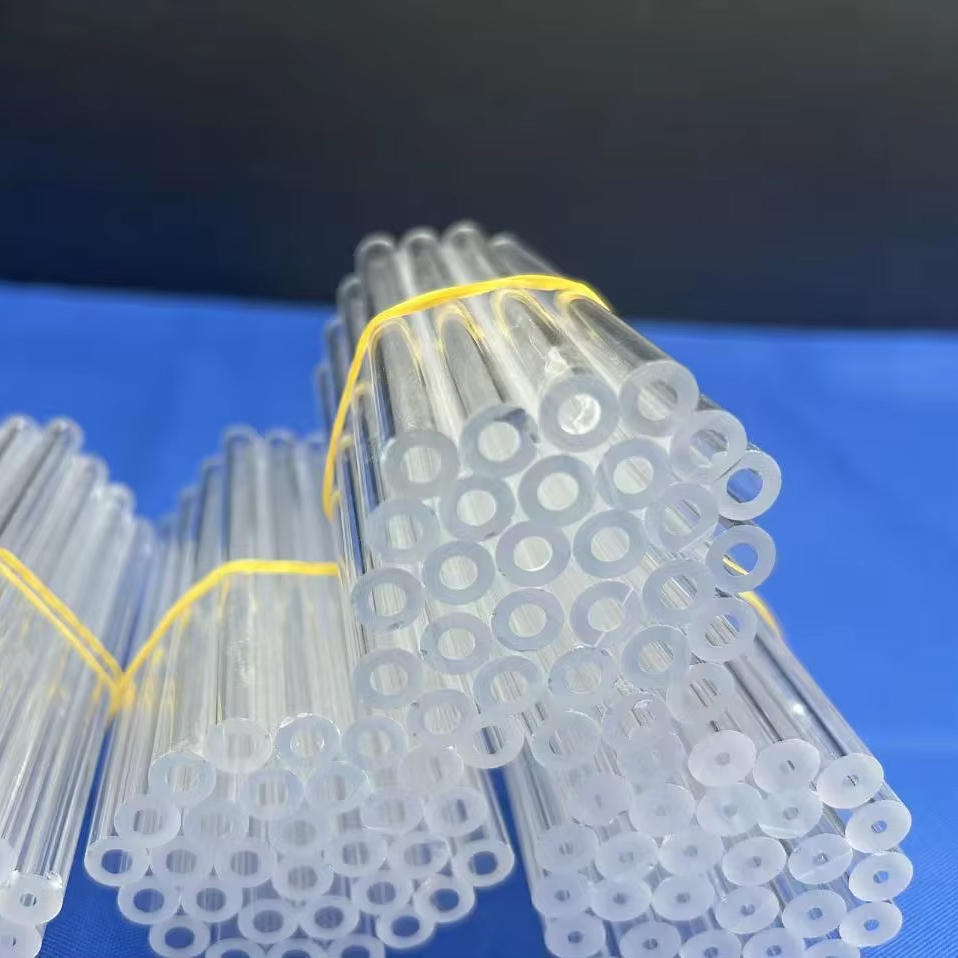
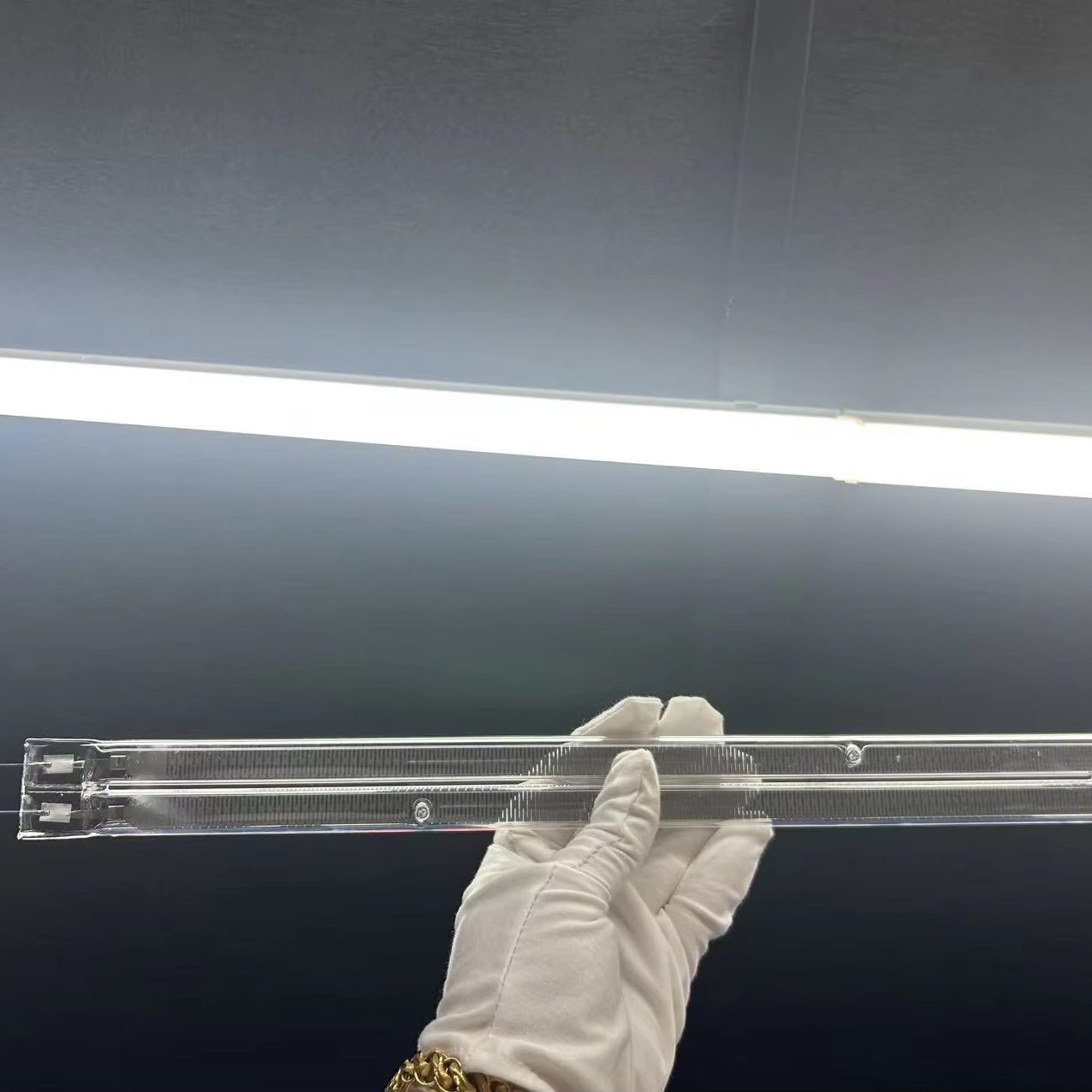
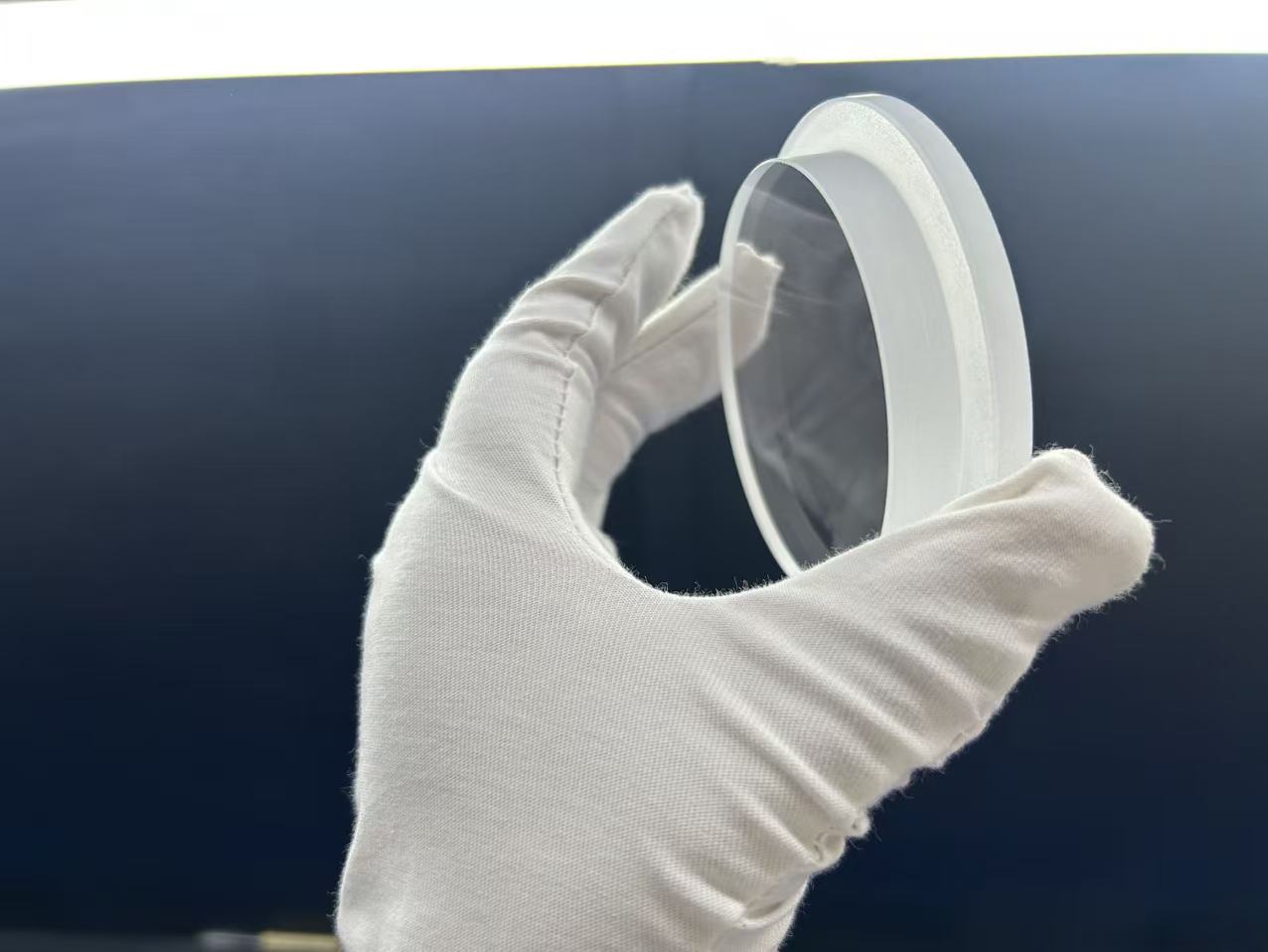
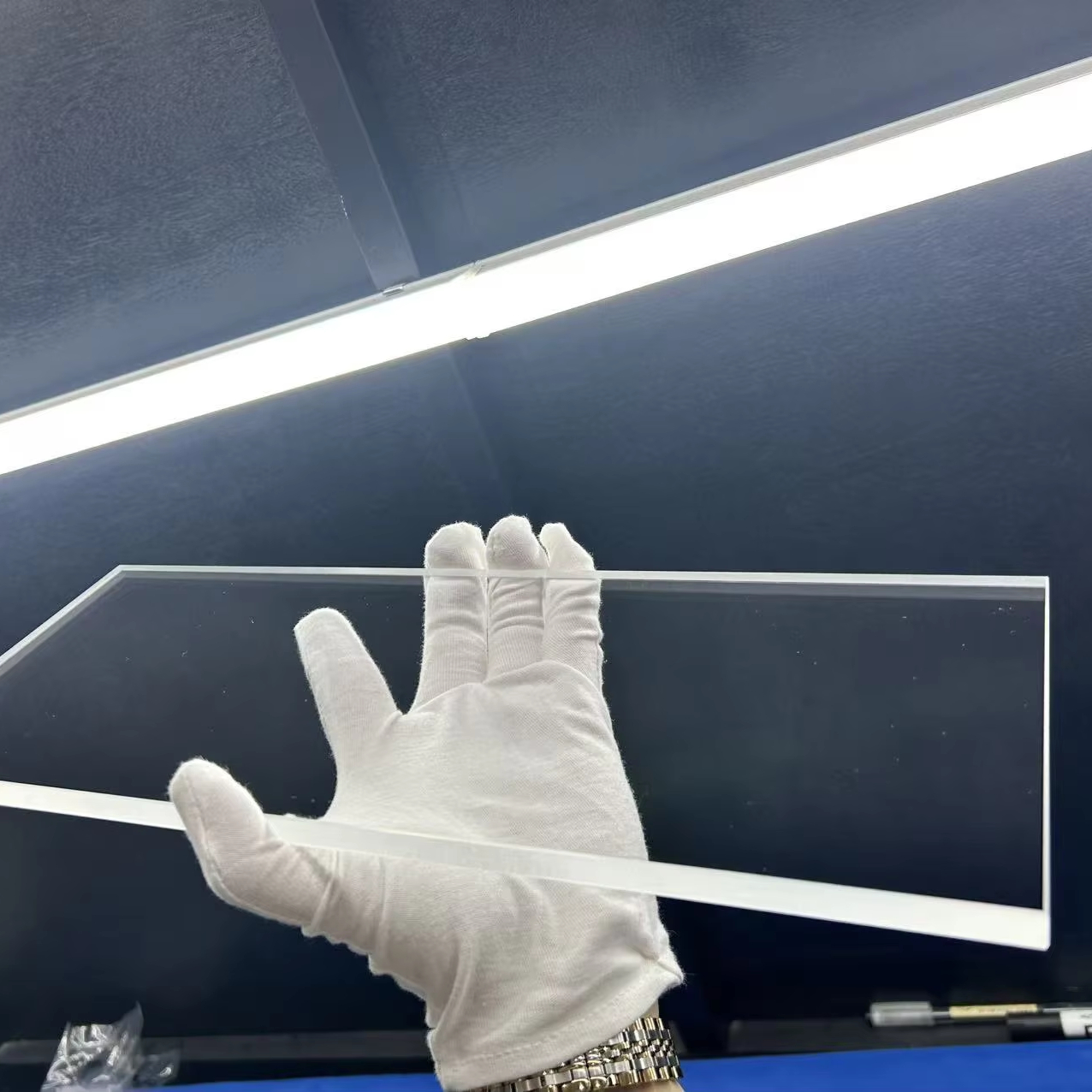
Microbore Capillary Quartz Tubing: Engineering Fundamentals for Sapporo High-Tech Enterprises
A comprehensive analysis of synthetic fused silica versus natural fused quartz capillary dynamics, dimensional repeatability, and thermal endurance under sub-zero and ultra-clean room conditions.
1. Molecular Morphology and Chemical Homogeneity
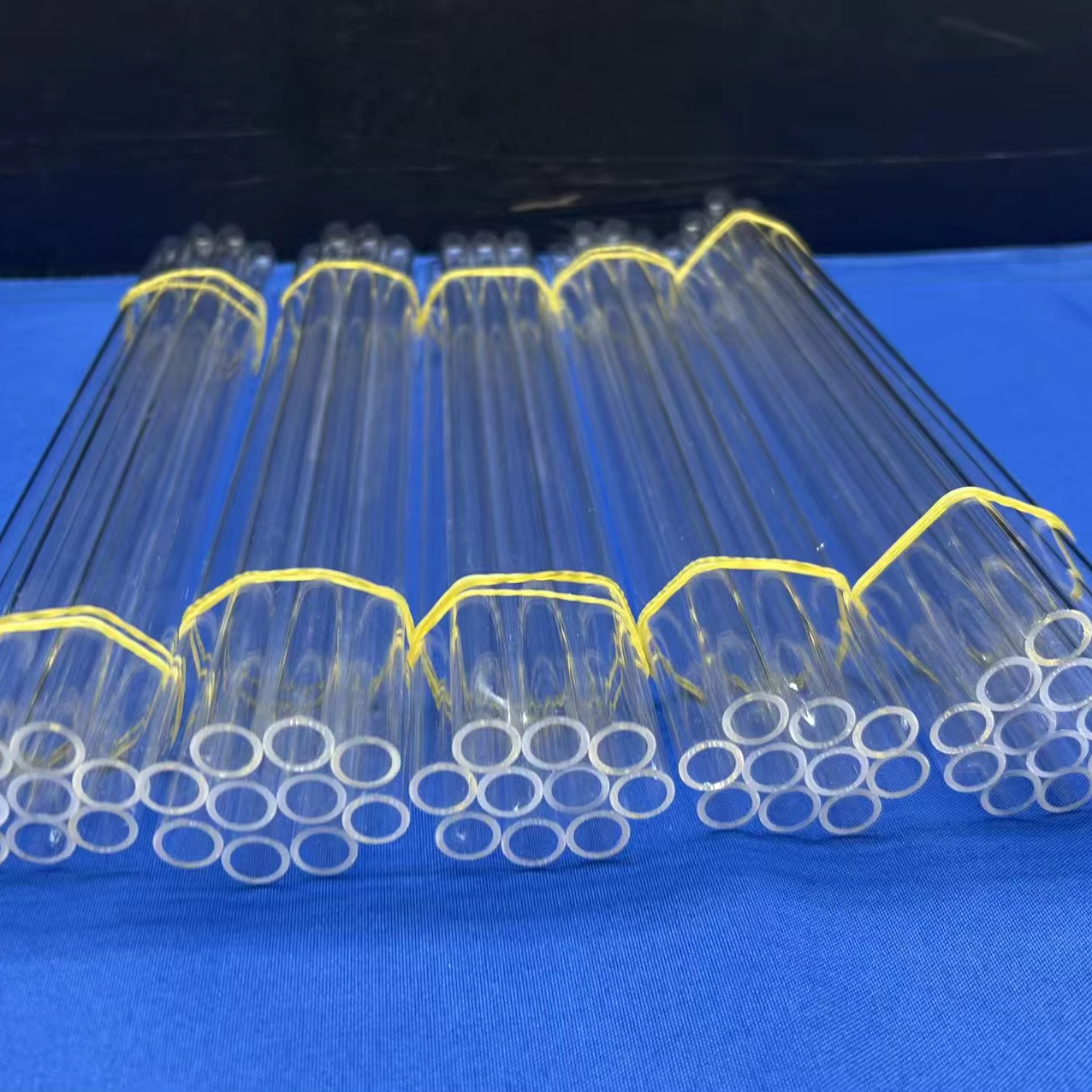
Capillary quartz tubing represents the zenith of glass drawing engineering. Unlike standard borosilicate tubing, microbore capillary tubes manufactured by Nivra Quartz utilize high-purity natural silica sand from Donghai and synthetic silicon tetrachloride (SiCl₄) vapor precursors. In semiconductor wafer processing, capillary electrophoresis (CE), and gas chromatography (GC) deployed in Hokkaido's academic and industrial corridors, material inertness is paramount. At inner diameters down to 5 µm, any network-modifying cation—such as sodium (Na⁺), potassium (K⁺), or iron (Fe³⁺)—can cause chromatographic peak tailing, micro-fluidic baseline drift, or catastrophic devitrification at temperatures above 1000°C.
| Property Parameter | JGS1 (Synthetic Silica) | JGS2 (Fused Quartz) | JGS3 (Low-OH Infrared) | Sapphire (Al₂O₃) Reference |
|---|---|---|---|---|
| Optical Spectrum Window | 185 nm – 2500 nm (Deep UV) | 220 nm – 2500 nm (UV-Vis) | 260 nm – 3500 nm (Near-IR) | 200 nm – 5000 nm (Broad Band) |
| Hydroxyl Content ([OH⁻]) | < 1200 ppm (Hydrophilic) | < 30 ppm | < 5 ppm (Water-Free) | 0 ppm (Anhydrous) |
| Thermal Shock Resilience | ΔT = 1000°C water quench safe | ΔT = 1000°C water quench safe | ΔT = 1000°C water quench safe | ΔT = 300°C (Prone to fracture) |
| Dielectric Strength (20°C) | 25 – 40 kV/mm | 25 – 35 kV/mm | 30 – 40 kV/mm | 40 kV/mm |
| Bore Concentricity / Ovality | > 96% / < 1.5% | > 94% / < 2.0% | > 94% / < 2.0% | > 92% / < 3.0% |
2. Microbore Mechanical Integrity & Burst Pressure Dynamics
For ultra-high-pressure liquid chromatography (UHPLC) and sub-nanoliter cryogenic sample delivery systems utilized at Hokkaido University (Kita-ku, Sapporo), hydraulic burst resistance is calculated via Barlow's Formula: P = (2 · S · t) / D, where S denotes the tensile strength of pristine fused silica (~48 MPa), t represents the micro-wall thickness, and D is the outer diameter. Our drawing towers maintain wall thickness circularity with laser micrometers operating at 2500 Hz, ensuring that capillary tubing withstands internal pressures exceeding 15,000 psi (103 MPa) without micro-fissuring.
Zero Inner-Wall Leaching
Acid-washed with reagent-grade ultra-pure hydrofluoric (HF) and nitric (HNO₃) sequences. Metal cation impurities (Al, Fe, Ca, Ti) remain below 0.1 ppm, preventing sample contamination in mass spectrometry.
Sub-Zero Stress Immunity
With an ultra-low coefficient of thermal expansion (5.5 × 10⁻⁷ /°C), our capillary quartz tubes can cycle instantly between liquid helium (-269°C) and furnace ignition (+1100°C) with zero risk of micro-fracture.
Precision End-Face Geometries
We provide ultra-flat mechanical diamond cleaved ends, laser-cut sealed micro-ampoules, polished 90° optical surfaces, and micro-flare funnels engineered specifically for Japanese robotic auto-samplers.
Targeted Application Scenarios in Sapporo & Hokkaido
From the emerging "Hokkaido Valley" semiconductor mega-projects in nearby Chitose to biotechnology hubs across Sapporo, precision quartz micro-tubes are critical components.
Semiconductor Wafer Processing
Serving the 2nm silicon foundries expanding in Chitose & Sapporo's technology corridors. Quartz capillaries function as ultra-pure gas injection nozzles, purge conduits, and micro-plasma tubes for atomic layer deposition (ALD).
Biotech & DNA Capillary Electrophoresis
In Sapporo's pharmaceutical and genomics research laboratories, high-transmittance JGS1 UV capillaries serve as detection windows for capillary zone electrophoresis (CZE), ensuring high signal-to-noise ratios at 214 nm and 254 nm.
Sub-Zero Environmental Sensing
Sapporo's severe winter climate requires specialized analytical probes. Fused quartz capillaries withstand severe freeze-thaw expansion cycles in outdoor air-particulate samplers, atmospheric sensors, and volcanic geothermal probes across Hokkaido.
Optical Fiber Preforms & Splicing
Serving Hokkaido's telecommunication backbones and photonic laser arrays. Ultra-pure capillary ferrules and micro-alignment sleeves provide precise concentricity down to 1 micrometer for sub-decibel insertion loss.
Hokkaido's High-Tech Evolution: Trends Shaping Quartz Procurement
Strategic macroeconomic shifts across northern Japan are driving demand for precision Chinese quartz glass manufacturing direct from Donghai County.
1. The Chitose Semiconductor Boom
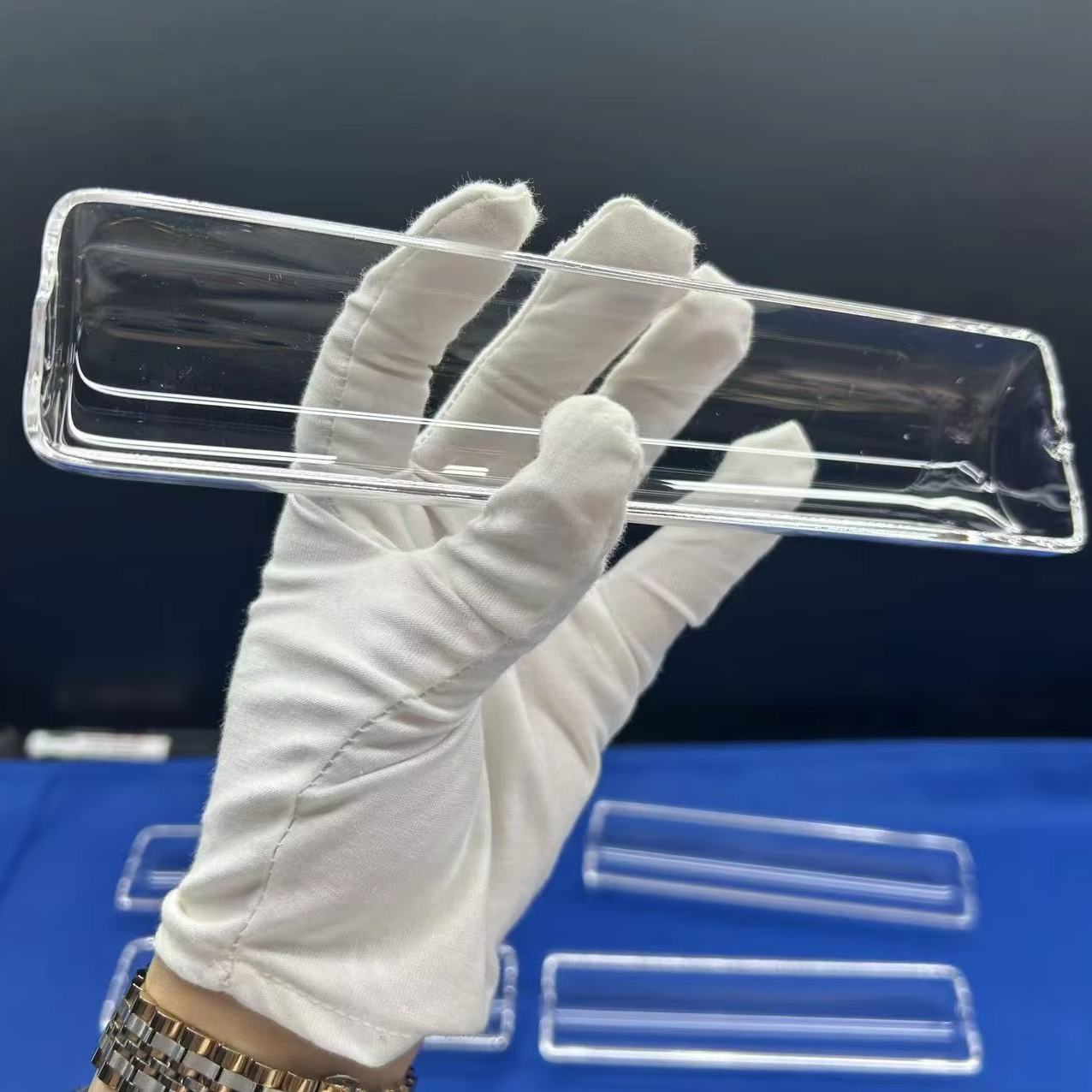
With Japan's premier advanced foundry project (Rapidus) establishing deep roots adjacent to Sapporo in Chitose, Hokkaido is evolving into the Silicon Island of the North. This has caused an unprecedented spike in OEM and replacement demand for high-purity fused silica consumables: capillary purge nozzles, quartz boats, furnace process tubes, and step plates that satisfy strict micro-contamination benchmarks.
2. Direct Supply Chain Reshoring
Japanese procurement managers across Sapporo have historically relied on domestic trading houses (Shosha) with 200–300% markups. Engineering leaders are now pivoting directly to source-integrated manufacturers like Nivra Quartz in Donghai, bypassing intermediary overheads while securing rapid 5-hour engineering feedback and direct drawing revisions.
3. Green Hydrogen & Microfluidics
Sapporo's aggressive Net-Zero 2050 municipal roadmap has triggered massive R&D investments into cold-weather water electrolysis, cryogenic hydrogen flow measurement, and micro-channel catalytic reactors. Capillary quartz tubes act as optically transparent, high-pressure reaction vessels capable of non-destructive spectroscopic analysis.
Donghai County Nivra Quartz Products Co., Ltd.
Founded in February 2019 at 285 Heping East Road, Lianyungang, Jiangsu, Nivra Quartz operates at the epicenter of China’s crystal and silica industry. Combining local raw material abundance with a verified manufacturing team of 101–200 skilled operators, we provide turn-key cutting, CNC drilling, laser micromachining, optical polishing, flame-forming, and ISO 9001 certified cleanroom inspection.
- Exceptional Responsiveness: Average engineering response time ≤ 5 hours with an 88.89% inquiry answer rate.
- Verified Commercial Trust: 5.0 / 5.0 buyer satisfaction score; 43 verified international transactions totaling > US$40,000+ in past 6 months.
- Full In-House Processing Chain: Thermal draw towers, annealing furnaces up to 1250°C, cleanroom class 10,000 vacuum packing.
- Door-to-Door Sapporo Freight: Seamless air cargo delivery to New Chitose Airport (CTS) and sea container lines to Port of Tomakomai or Otaru.

Frequently Asked Questions by Sapporo Buyers
Practical, engineering-grade clarity on tolerances, customs documentation, cold-chain packaging, and order quantities for Japanese industrial clients.
How do you prevent fragile capillary quartz tubes from fracturing during winter transit to Sapporo?
Winter transit through New Chitose Airport (CTS) or the ports of Tomakomai/Otaru involves temperatures dropping below -15°C to -20°C. Quartz glass itself is immune to thermal shock, but standard plastic packaging becomes brittle. We utilize multi-layer shock isolation: each capillary bundle is housed within shock-absorbent anti-static polypropylene sleeves, sealed in moisture-barrier bags with desiccants, and suspended inside high-density expandable polyethylene (EPE) custom die-cut cradles. Outer shipping cases are heavy-duty, fumigation-free plywood crates reinforced with aluminum perimeter ribs to prevent deflection under heavy cargo loads.
Can Nivra Quartz manufacture microbore capillary tubes matching JIS (Japanese Industrial Standards)?
Yes. Our processing conforms to JIS R 3201 (fused quartz physical properties) and JIS K 0115 (general rules for molecular absorptiometry). We can produce microbore tubing with inner diameters (ID) as small as 5 µm and outer diameters (OD) from 0.1 mm to 10.0 mm. We utilize calibrated optical laser gauges to certify concentricity >95% and bore ovality <1.5%. Every shipment includes a Certificate of Analysis (CoA) with dimensional inspection data.
What is the difference between JGS1, JGS2, and JGS3 capillary tubes for analytical laboratories?
The distinction lies in raw material synthesis and trace hydroxyl ([OH⁻]) radical levels:
JGS1 (Synthetic Fused Silica): High transmission down to 185 nm in the deep-UV spectrum. Ideal for UV-visible capillary detectors, HPLC flow cells, and excimer laser guides.
JGS2 (Fused Natural Quartz): Excellent optical clarity from 220 nm to 2500 nm, representing the industry standard for analytical test tubes, furnace sleeves, and general labware.
JGS3 (Low-OH Fused Quartz): Vacuum-fused with [OH⁻] < 5 ppm. It eliminates the deep water-absorption bands at 2730 nm, making it essential for infrared spectrometry, thermal radiation guides, and pyrometry tubes.
What are your Minimum Order Quantities (MOQ) and lead times for Sapporo research facilities?
For prototyping, university R&D at Hokkaido University, and semiconductor pilot tests, our MOQ starts from 1 to 10 pieces for standard-geometry capillary tubes. Custom precision microbore configurations typically start at 50 to 100 pieces. Production lead time for custom drawings is typically 7 to 12 business days, followed by 3 to 5 days air express delivery directly to Sapporo via DHL, FedEx, or SF Express.
Do you accommodate Japanese corporate payment terms and import duty documentation?
Yes. We provide complete international commercial documentation compliant with Japan Customs (NACS), including Commercial Invoices with correct HS Codes (7002.31 for fused quartz tubing), Packing Lists, Certificates of Origin (COO), and Material Safety Data Sheets (MSDS). Payment terms include T/T wire transfer, L/C at sight, and Alibaba Trade Assurance for complete escrow protection.
How can we verify purity if our cleanroom requires strict trace metal compliance?
Upon request, we furnish Inductively Coupled Plasma Mass Spectrometry (ICP-MS) purity test certificates verifying total metal cation contamination levels below 5 ppm for regular fused quartz and below 0.1 ppm for JGS1 synthetic silica. Trace element reports itemize concentrations for Fe, Al, Ca, Mg, Ti, Cu, Na, and Li to meet cleanroom Class 100/10 requirements.
Request Custom Capillary Quartz Engineering Support for Sapporo
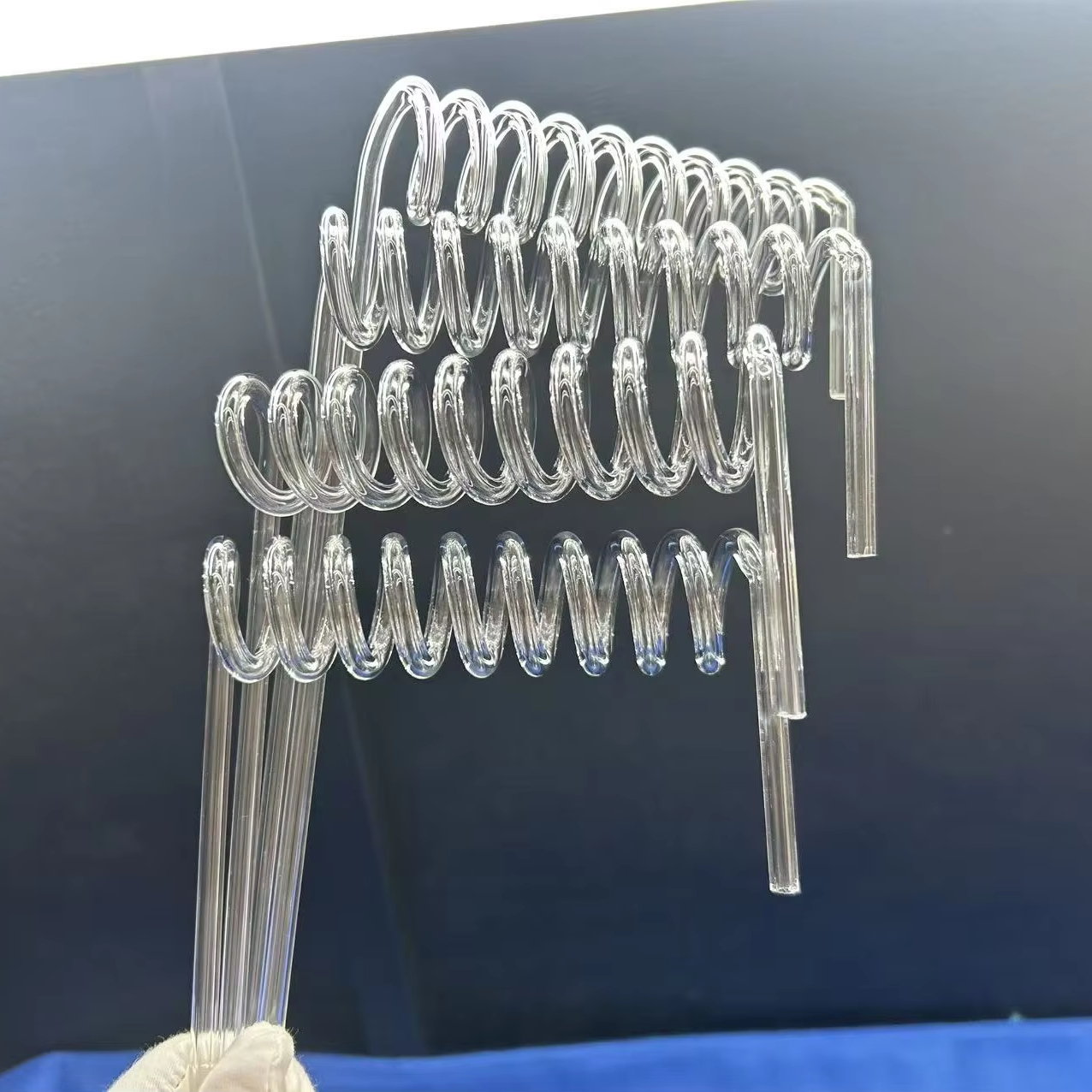
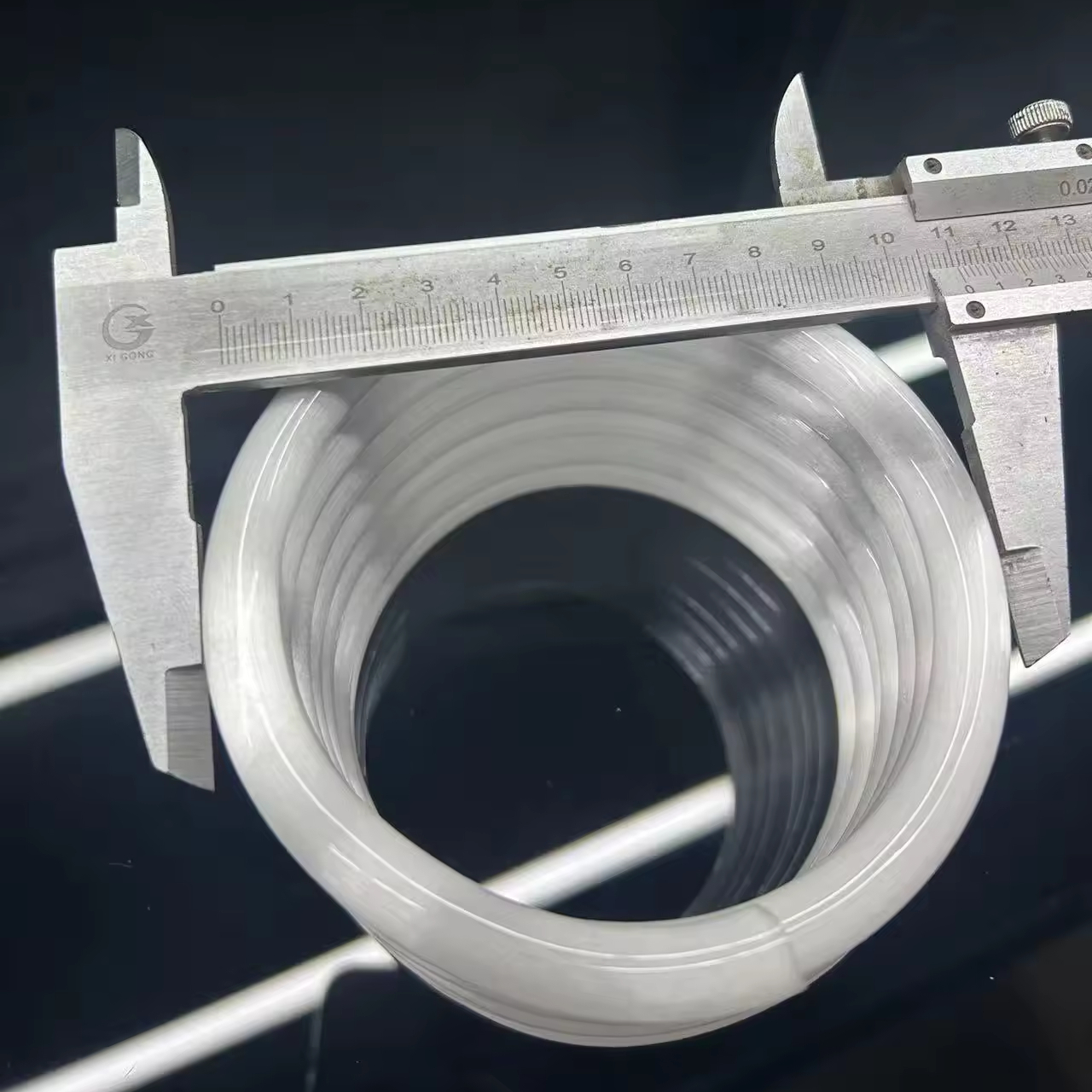
Whether you require CAD-specified microbore capillaries, specialized helical quartz coils, high-purity wafer carriers, or infrared heating modules, our engineering staff responds within 5 hours with a comprehensive design and cost breakdown.