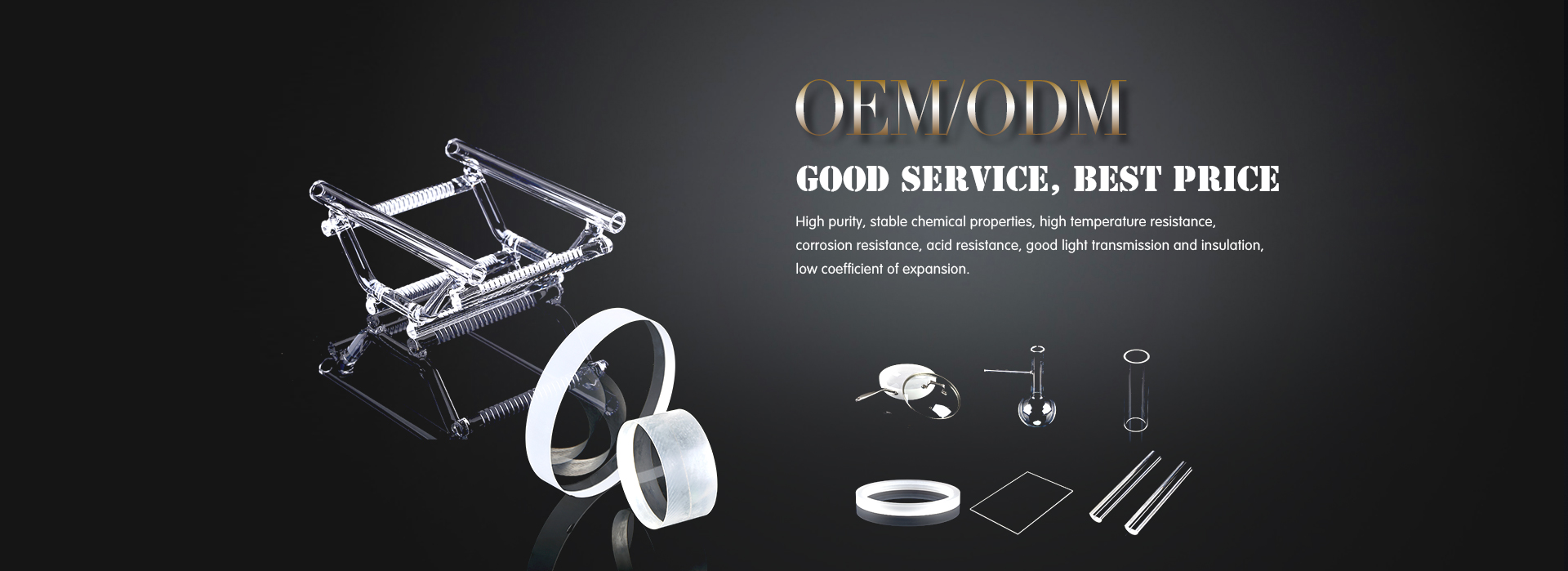
High Purity Fused Silica Powder (chemically non-crystalline Silicon Dioxide, amorphous SiO₂) represents an apex engineered material among industrial inorganic non-metallic minerals. Unlike natural crystalline quartz sand, which undergoes abrupt, catastrophic volumetric expansion at 573°C due to the transition between alpha-quartz and beta-quartz, fused silica is synthesized by melting ultra-pure quartz crystals in electric resistance or arc furnaces at temperatures exceeding 2,000°C. Upon reaching an amorphous liquid state, the melt is subjected to rapid thermodynamic quenching. This freezes the disordered, random-network silicon-oxygen tetrahedra ([SiO₄]), locking the material into a permanently isotropic, vitreous phase with an amorphous content typically certified above 99.8% to 100% via X-ray Powder Diffraction (XRD) analysis.
Following thermal vitrification, the pure bulk fused quartz glass ingots are processed through high-pressure water pulverization, jaw crushing with non-ferrous ceramic liners, and fluidized bed jet pulverization. By utilizing supersonic clean compressed air or inert gas and ceramic-lined collision chambers (alumina or silicon nitride), iron contamination is strictly avoided, yielding an exceptionally white, fine powder with Fe content consistently below 10 ppm, and in microelectronic grades, below 1–2 ppm. The resulting High Purity Fused Silica Powder delivers an extraordinarily low Coefficient of Thermal Expansion (CTE: 0.54 × 10⁻⁶/K from 20°C to 1000°C), phenomenal dielectric properties (dielectric constant Dk ≈ 3.8 at 1 MHz–10 GHz, dissipation factor Df < 0.0008), outstanding chemical resistance against aggressive acids, and superior volume resistivity exceeding 10¹⁶ Ω·cm.
All data confirmed by calibrated lab analysis. Batch-specific Certificates of Analysis (COA) with laser diffraction granulometry curves (D10, D50, D90, D97) are included with each export consignment.