Featured Industrial Quartz & Optical Sight Components
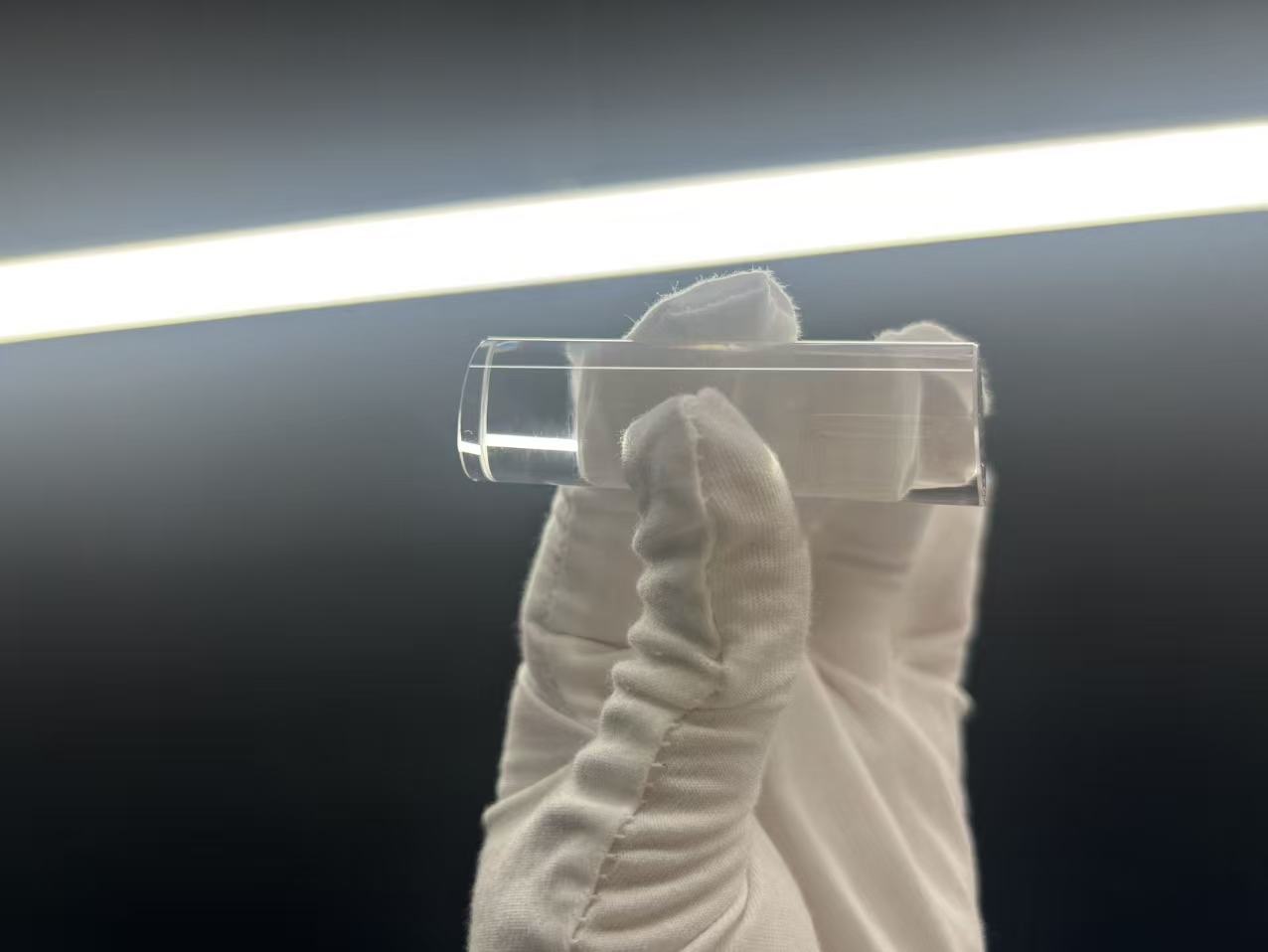
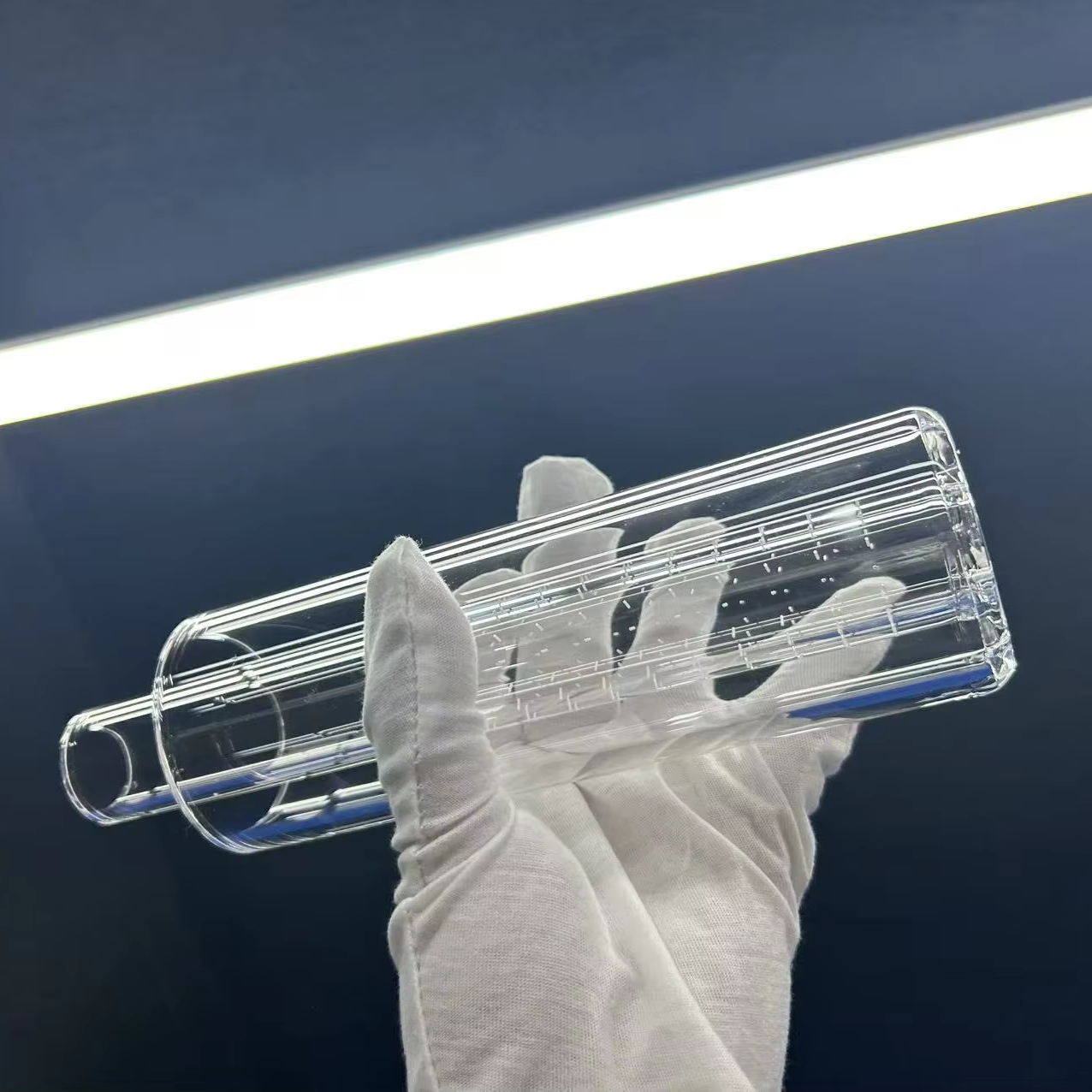
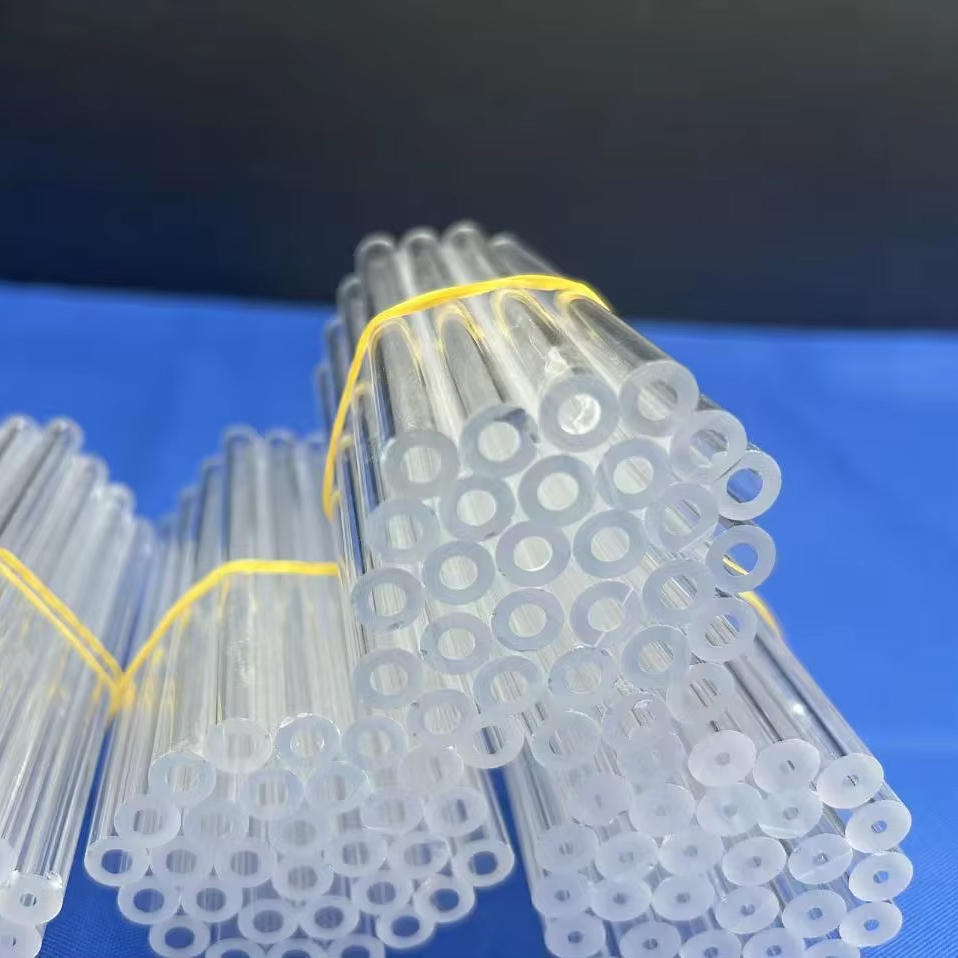
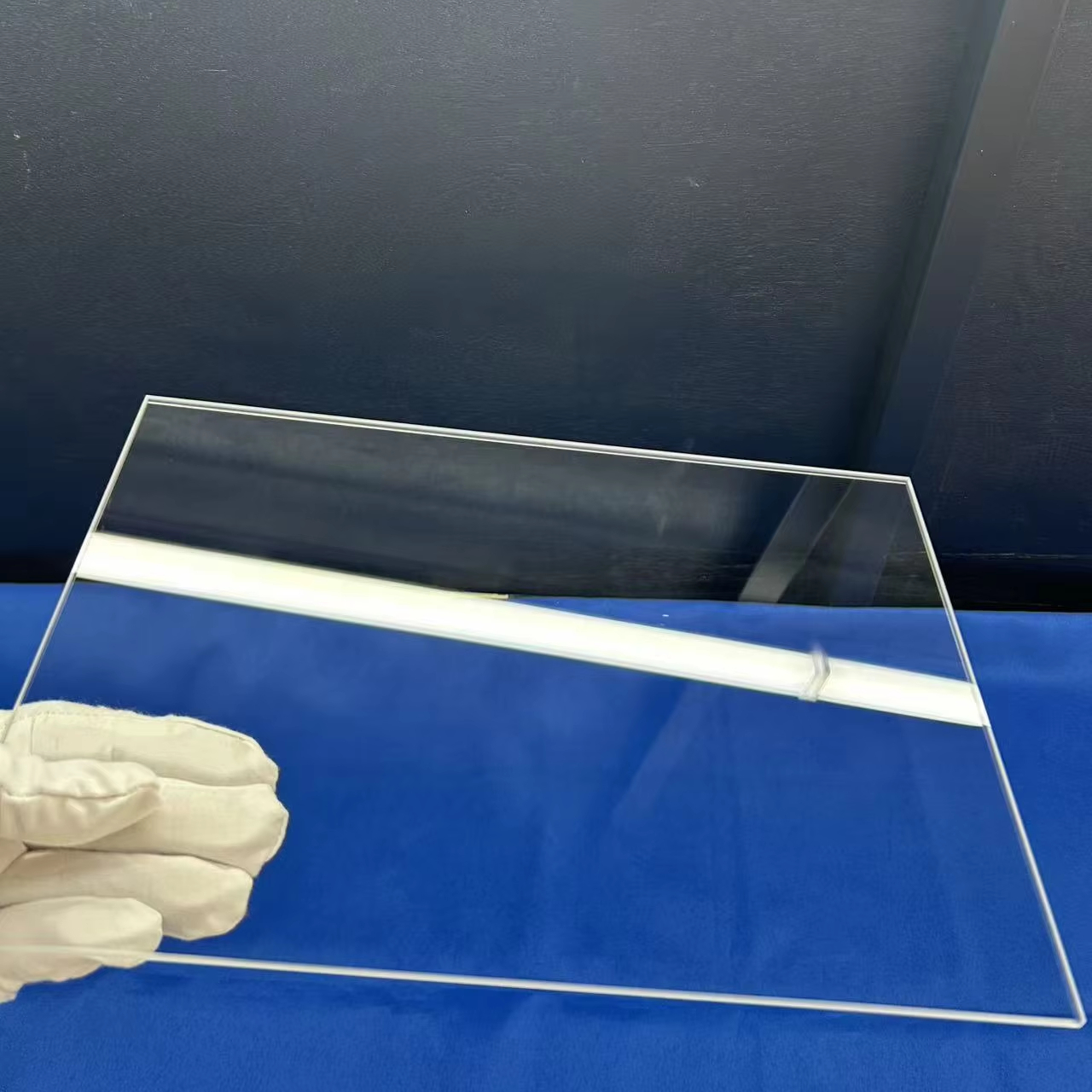
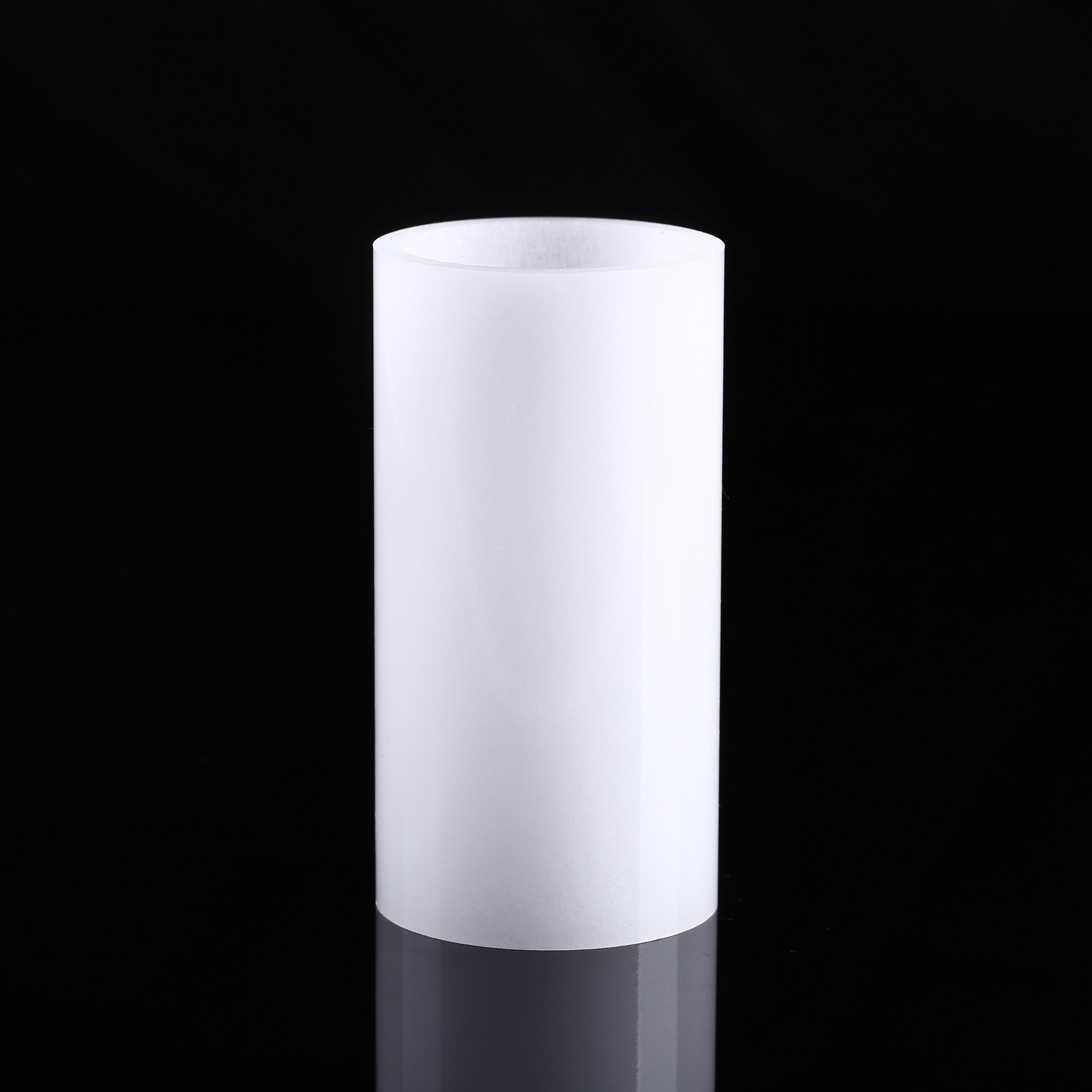
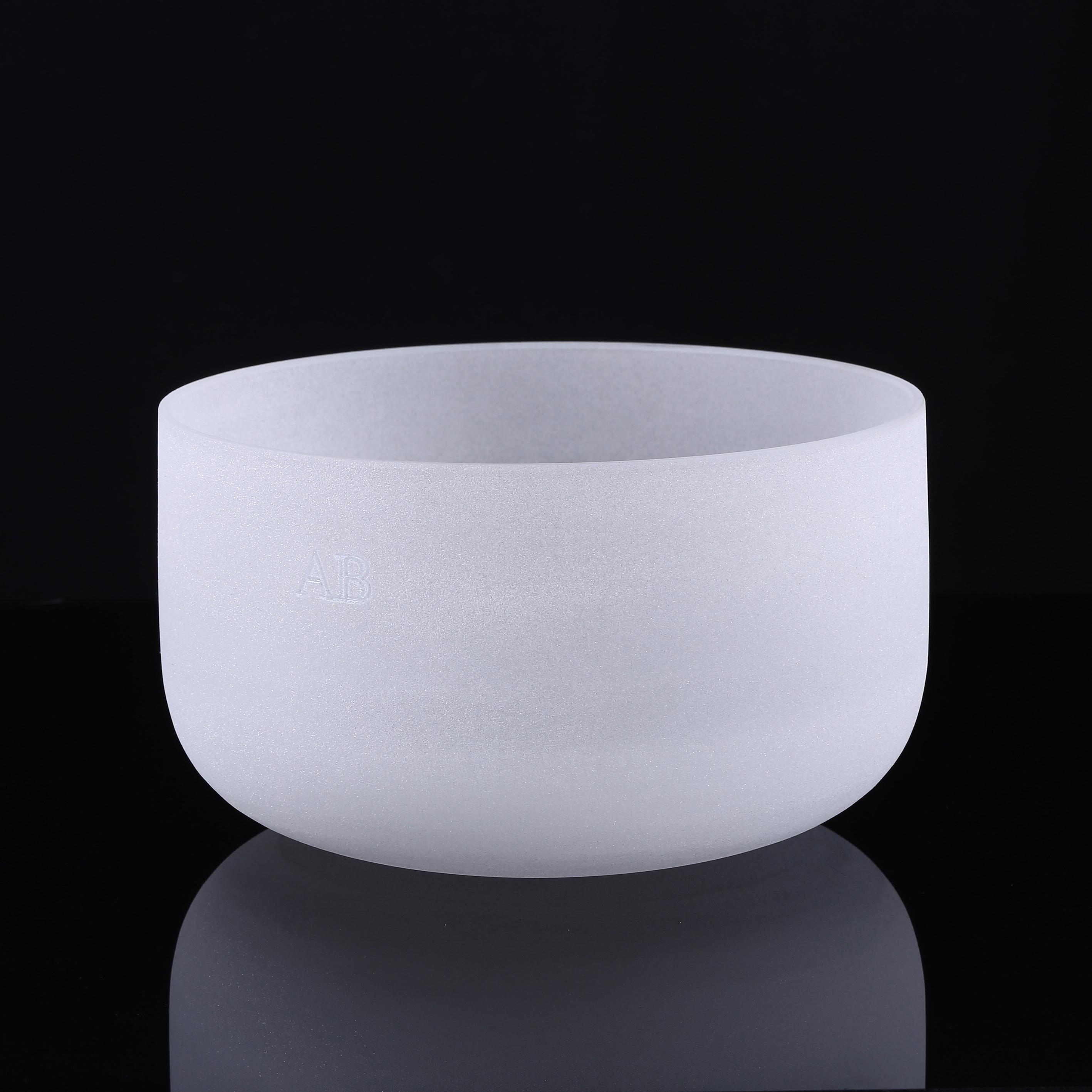
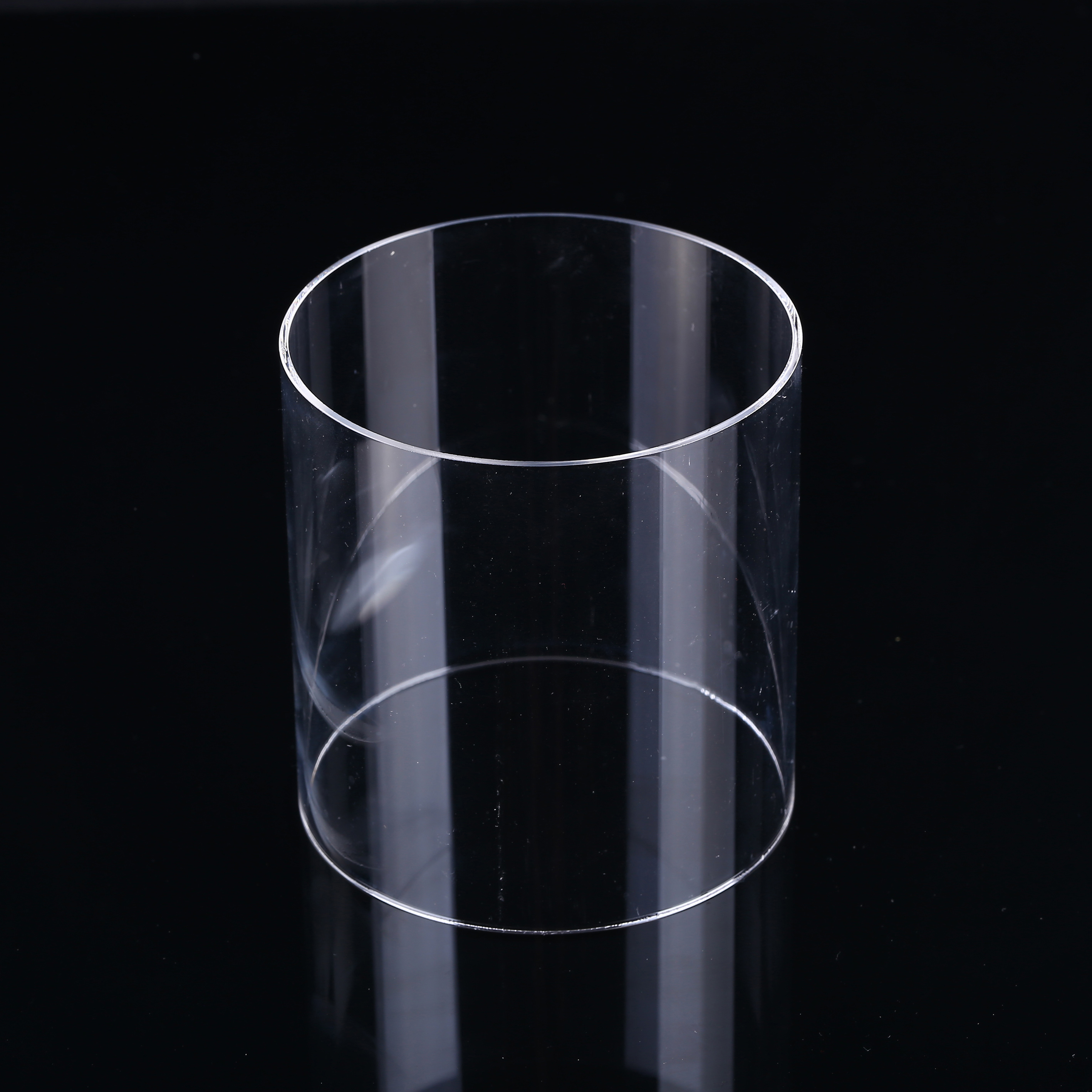
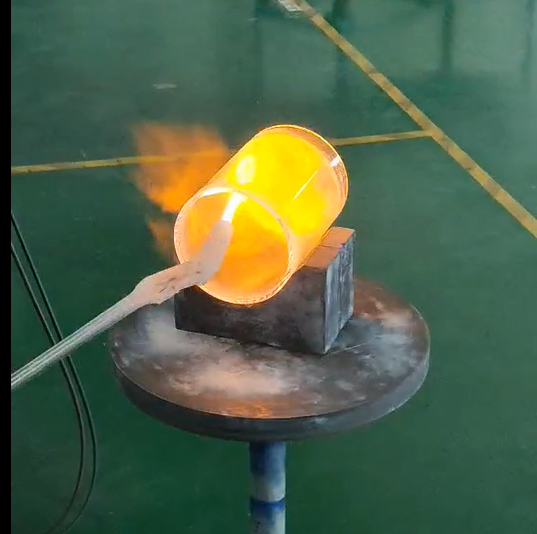
Direct from Donghai County Nivra Quartz Products Co., Ltd. Every product is rigorously processed through automated cutting, CNC ultrasonic drilling, planar optical lapping, and fire-polishing to guarantee zero-inclusion purity and vacuum-tight dimensional accuracy.
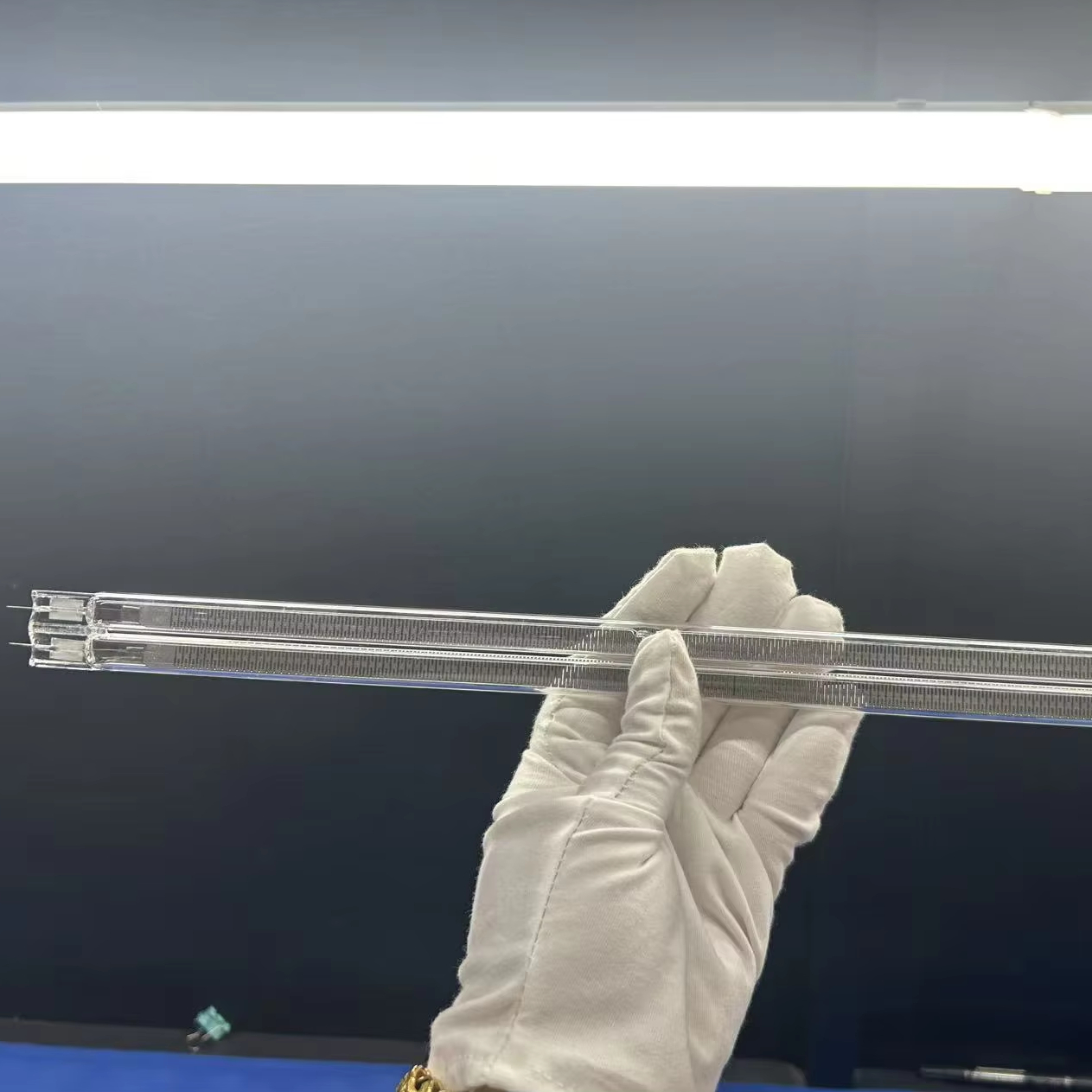
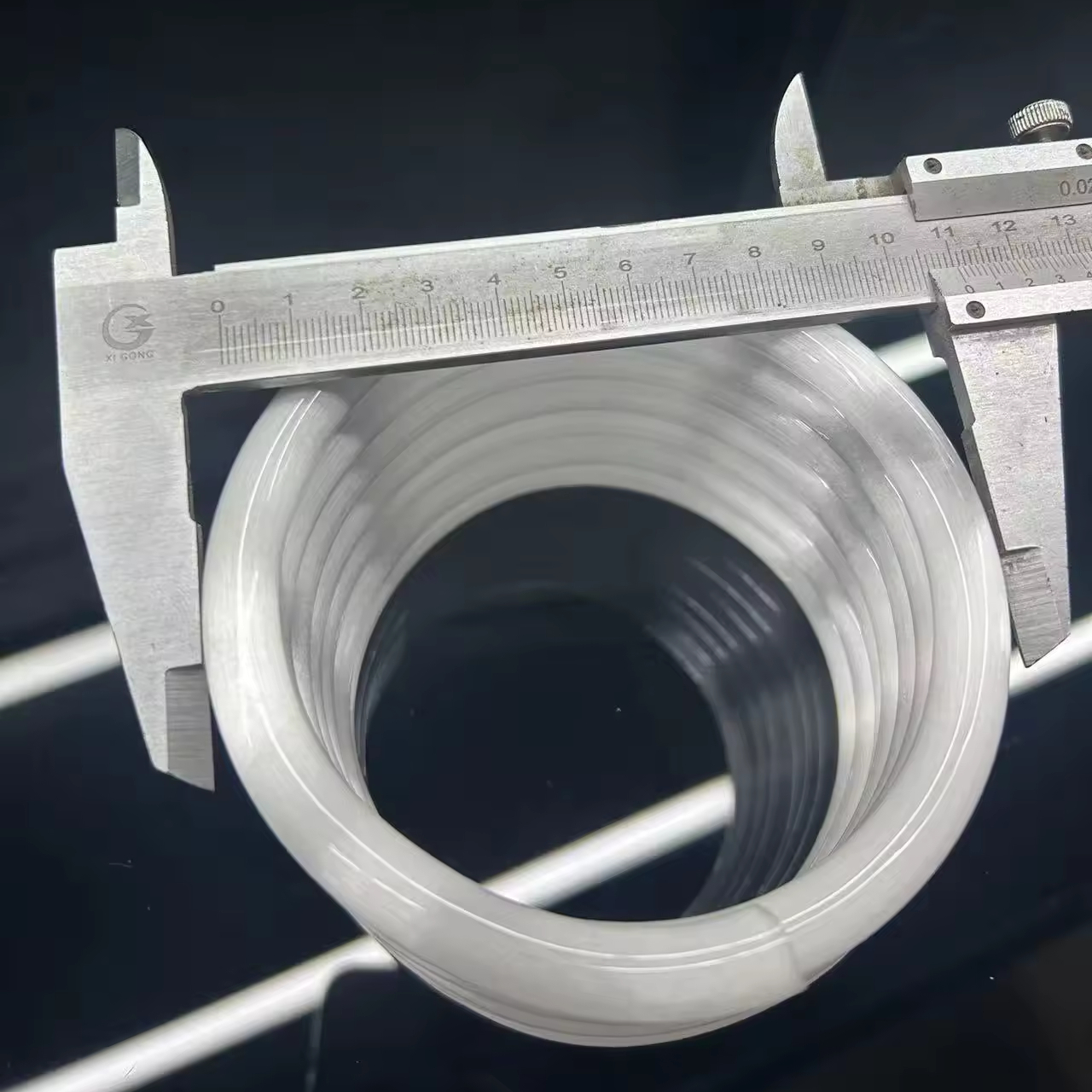
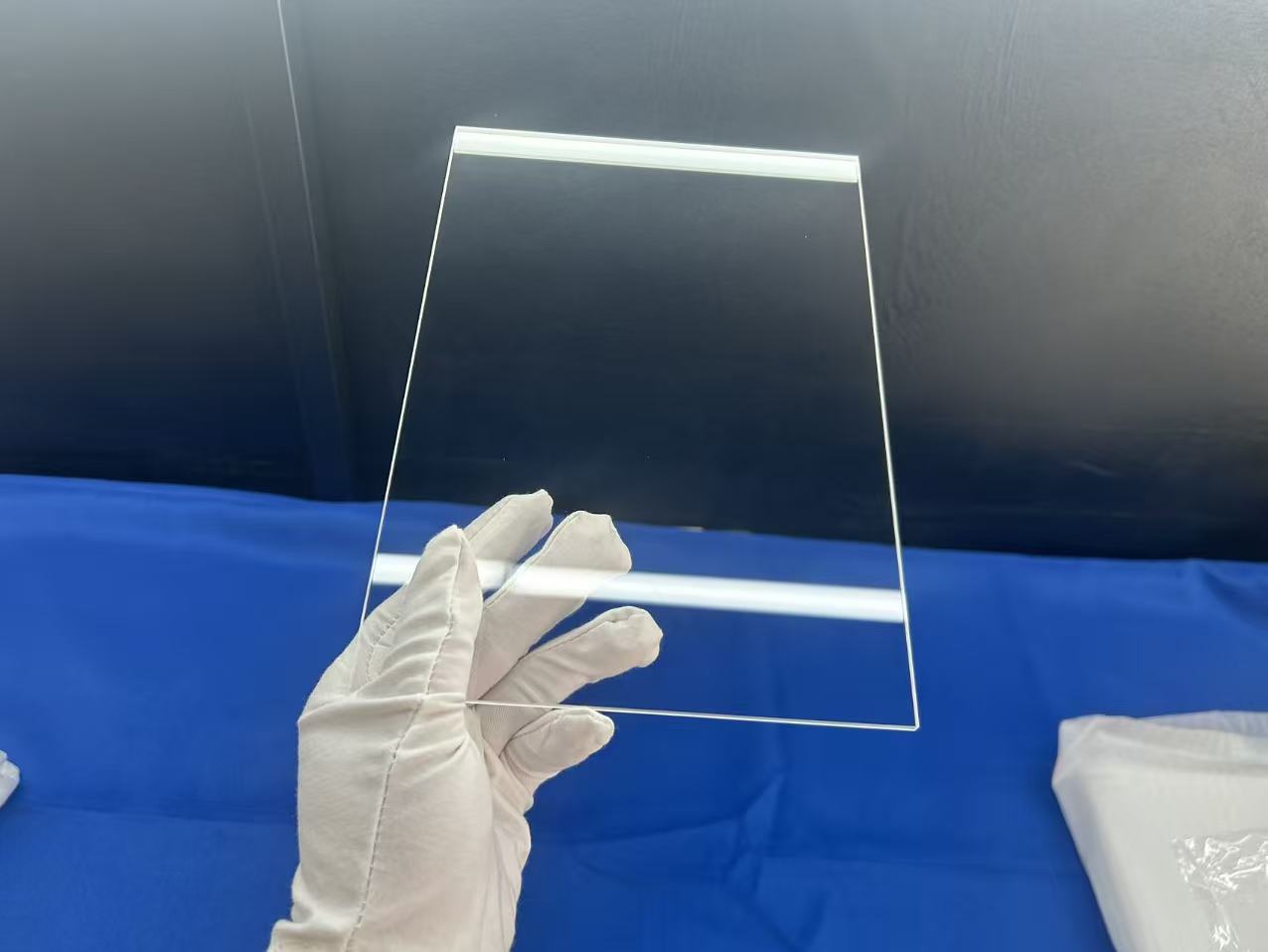
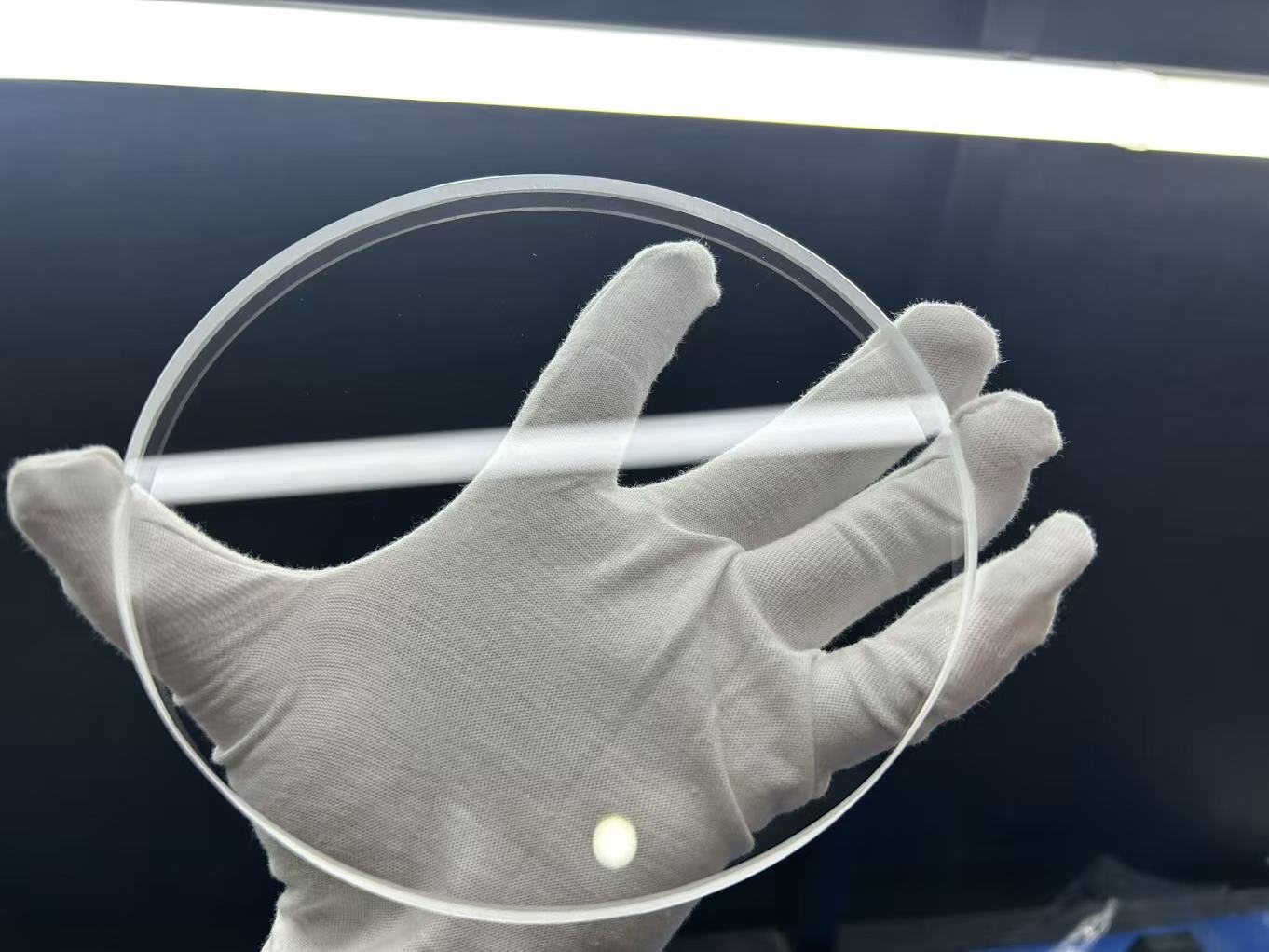
Physics of Industrial Quartz Sight Glasses: Beyond Standard Borosilicate
In high-pressure vessel operations, chemical reactors, semiconductor furnace viewports, and cryogenic chambers, visual observation windows serve as the critical boundary between extreme internal environments and external operating personnel. Specifying a quartz sight glass is not merely a replacement of standard glass; it is an uncompromising requirement for thermodynamic stability and spectral fidelity.
Thermal Shock Immunity
Borosilicate glass fails precipitously when subjected to sudden temperature differentials exceeding 150°C. In stark contrast, Nivra fused quartz possesses an ultra-low linear thermal expansion coefficient of 5.5 × 10⁻⁷ /°C (between 20°C and 320°C). This microstructural stability allows our sight glass discs to be heated to 1150°C and plunged directly into ice water without structural fracturing, microscopic micro-crack propagation, or catastrophic thermal spalling.
Continuous High-Temp Threshold
With a transformation softening point reaching 1683°C and an annealing point at 1215°C, high-purity clear fused quartz operates indefinitely at 1100°C without plastic deformation or devitrification under proper atmosphere. For rapid thermal processing (RTP) or transient furnace surges, Nivra quartz discs securely endure peaks up to 1450°C, ensuring unbroken structural integrity where aluminosilicate and soda-lime glasses would liquify or implode.
Deep Spectral Transmittance
Standard industrial sight ports severely attenuate short-wave ultraviolet (UV) radiation below 350 nm and broad near-infrared (NIR) past 2000 nm. Utilizing premium synthetic and refined crystalline silica, our sight glasses transmit across the spectrum from 185 nm deep-ultraviolet through 3500 nm infrared. This optical clarity enables pyrometric temperature monitoring, FTIR spectroscopic sampling, and high-energy laser transmission without chromatic absorption distortions.
| Material Classification | SiO₂ Purity (%) | Usable Spectral Range | Max Working Temp (Continuous) | Thermal Expansion Coeff. | Chemical Acid Resistance |
|---|---|---|---|---|---|
| JGS1 Synthetic Fused Silica | ≥ 99.9999% | 185 nm – 2500 nm (Deep UV) | 1100 °C (Short: 1350 °C) | 5.4 × 10⁻⁷ /°C | Immune (Except HF & Hot H₃PO₄) |
| JGS2 Optical Fused Quartz | ≥ 99.99% | 220 nm – 2500 nm (UV-Vis) | 1100 °C (Short: 1450 °C) | 5.5 × 10⁻⁷ /°C | Exceptional (Class 1 Acid Proof) |
| JGS3 Infrared Grade Fused Silica | ≥ 99.995% (Low -OH) | 260 nm – 3500 nm (IR Optimized) | 1100 °C (Short: 1450 °C) | 5.5 × 10⁻⁷ /°C | Exceptional across solvents/acids |
| Borosilicate Glass 3.3 (Standard) | ≈ 81% | 320 nm – 2000 nm (Visible only) | 280 °C (Short: 450 °C) | 33.0 × 10⁻⁷ /°C | Moderate (Prone to alkaline leaching) |
Pressure Vessel Calculation & DIN 7080 Safety Protocol
A critical risk in pressurized chemical synthesis, petrochemical cracking, and high-vacuum sputtering chambers is mechanical failure of the viewing port. Unlike metals, vitreous silica exhibits brittle rupture behavior under tensile stress. Engineering the minimum thickness of a circular quartz sight glass requires rigorous adherence to DIN 7080, ASME Boiler and Pressure Vessel Code (BPVC) Section VIII, and ISO hydrostatic standards.
Thickness Formula (DIN 7080)
For an unsupported, clamped circular sight glass window, the minimum design thickness t is determined by:
t = dm × √((p × C) / (10 × σb × S))
Where dm is the effective sealing diameter (mm), p is maximum operating pressure (bar), σb is minimum bending rupture strength (approx. 50 N/mm² for fused quartz), and S represents the mandatory safety coefficient (typically ≥ 8 to 10 for toxic or high-temperature media).
Surface Microcrack Mitigation
The practical fracture threshold of quartz sight glasses is predominantly governed by Griffith surface flaws generated during perimeter grinding and face lapping. Nivra executes proprietary double-sided chemical-mechanical planarization (CMP) and fire-edge chamfering. By eliminating sub-surface damage (SSD) and achieving an optical surface roughness of Ra ≤ 0.5 nm, notch-stress concentrations under pressure are minimized, doubling actual burst safety margins.
Gasketing & Clamping Flanges
Quartz sight glass discs must never experience direct point-contact mechanical loads against metal flanges. Differential thermal expansion between metallic retaining rings (e.g., 316L Stainless Steel, Inconel) and quartz requires calibrated flat gaskets (PTFE, Grafoil, or pure Nickel). Clamping bolts must be tightened with a calibrated torque wrench in a cross-star sequence to prevent localized asymmetric shear vectors.
Future Procurement Trends in Industrial Quartz Sight Glass Engineering
Sourcing directors across the European Union, North America, and East Asia are confronting evolving equipment architectures. Industry transitions require higher operational temperatures, corrosive plasma atmospheres, and real-time analytical process controls. Understanding future procurement trends enables supply-chain planners to future-proof vendor agreements and mitigate critical lead-time bottlenecks.
Sub-2nm Semiconductor Fab Demand
As semiconductor wafer fabs ramp GAA (Gate-All-Around) architecture and Extreme UV (EUV) lithography inspection nodes, chamber observation windows require zero trace element contamination. Procurement demand is shifting rapidly from natural fused quartz to Synthetic Fused Silica (JGS1) with heavy metal impurities below 10 ppb to prevent alkali vaporization inside ALD and high-density plasma etch reactors.
Clean Energy & Green H₂ Infrastructure
High-pressure alkaline and PEM water electrolysis systems operating at elevated temperatures require robust, non-reactive sight windows for fluid gas phase transition monitoring. Quartz sight glasses are replacing engineered plastics and borosilicates due to zero hydrogen embrittlement and long-term chemical durability in aggressive, oxygen-saturated aqueous environments.
Automated Visual Inspection Ports
The acceleration of Industry 4.0 has integrated machine vision, pyrometric thermography, and continuous laser spectrometry directly into chemical reactor pipelines. Sourcing contracts increasingly demand sight glass discs with custom Anti-Reflective (AR) optical multi-coatings, metalized brazing rims for hermetic glass-to-metal sealing, and laser-engraved QR traceability for automated predictive maintenance tracking.
Supply Chain Reshoring & Direct Sourcing
Escalating intermediary markups and geopolitical logistics friction are steering Tier-1 equipment manufacturers toward direct collaboration with verified source manufacturers. By bypassing trading layers and partnering directly with integrated fabrication hubs in Donghai County, procurement teams achieve direct access to raw quartz reserves, technical drawing validation, and 20% to 35% component cost reduction.
Global Manufacturing Scale, Traceability, and Quality Verification
Established in February 2019 in Donghai County, Lianyungang, Jiangsu — the historic capital of China's silica and crystal geology — Donghai County Nivra Quartz Products Co., Ltd. has grown into an international manufacturing partner with over 100 to 200 skilled specialists. Operating on the principle of "Quality First, Reputation First", Nivra Quartz bridges raw natural mineral purity with modern semiconductor-grade optical fabrication.
Integrated Donghai Raw Material Advantage
Situated directly at the epicentre of China's highest-grade silica veins, Nivra possesses uninhibited access to premium quartz raw stone. This local geological advantage ensures uninterrupted material availability, rigorous supply continuity during global supply shortages, and exceptional SiO₂ purity (≥ 99.99%) without paying external raw import premiums.
Precision In-House Machining Complex
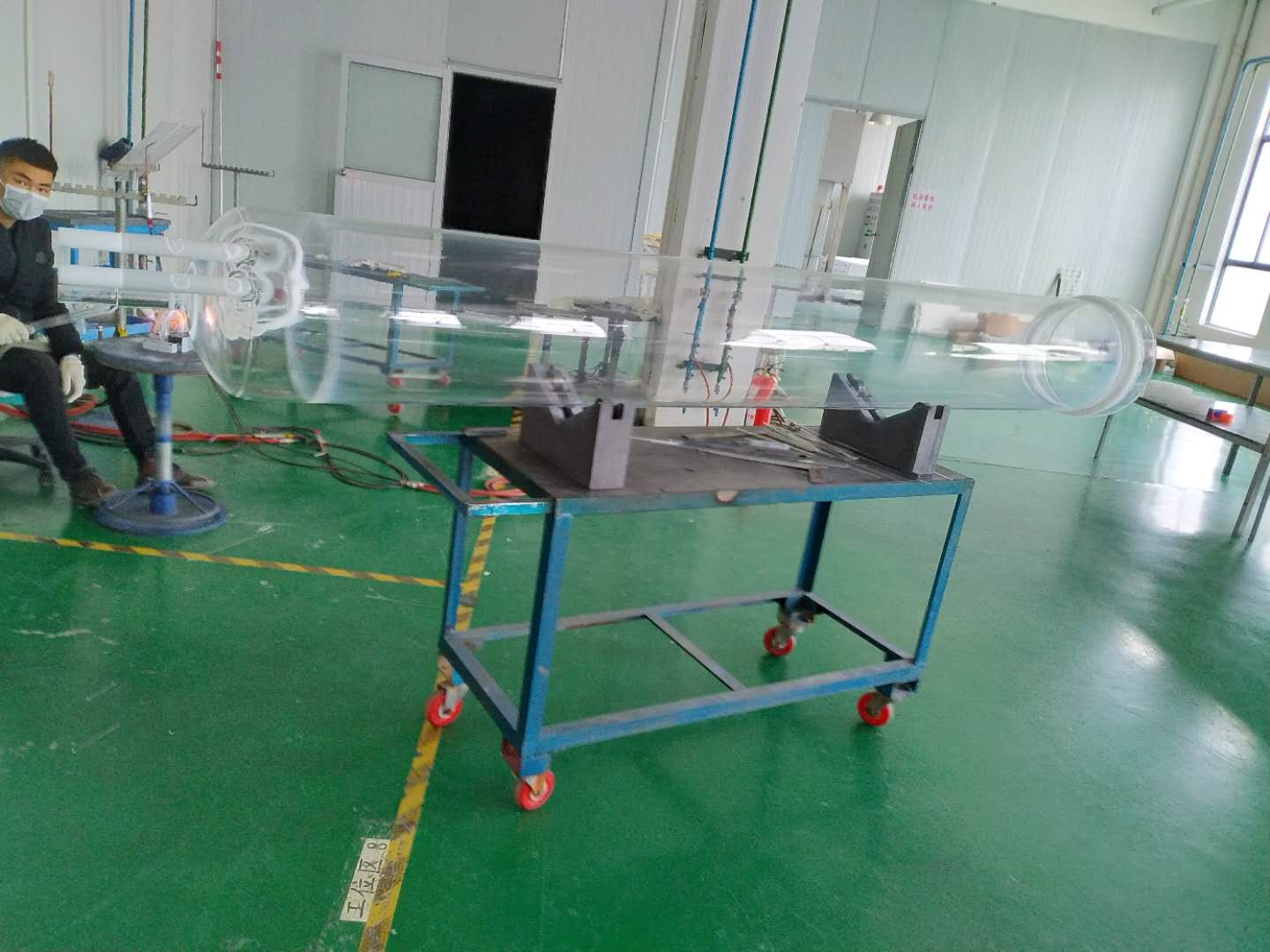
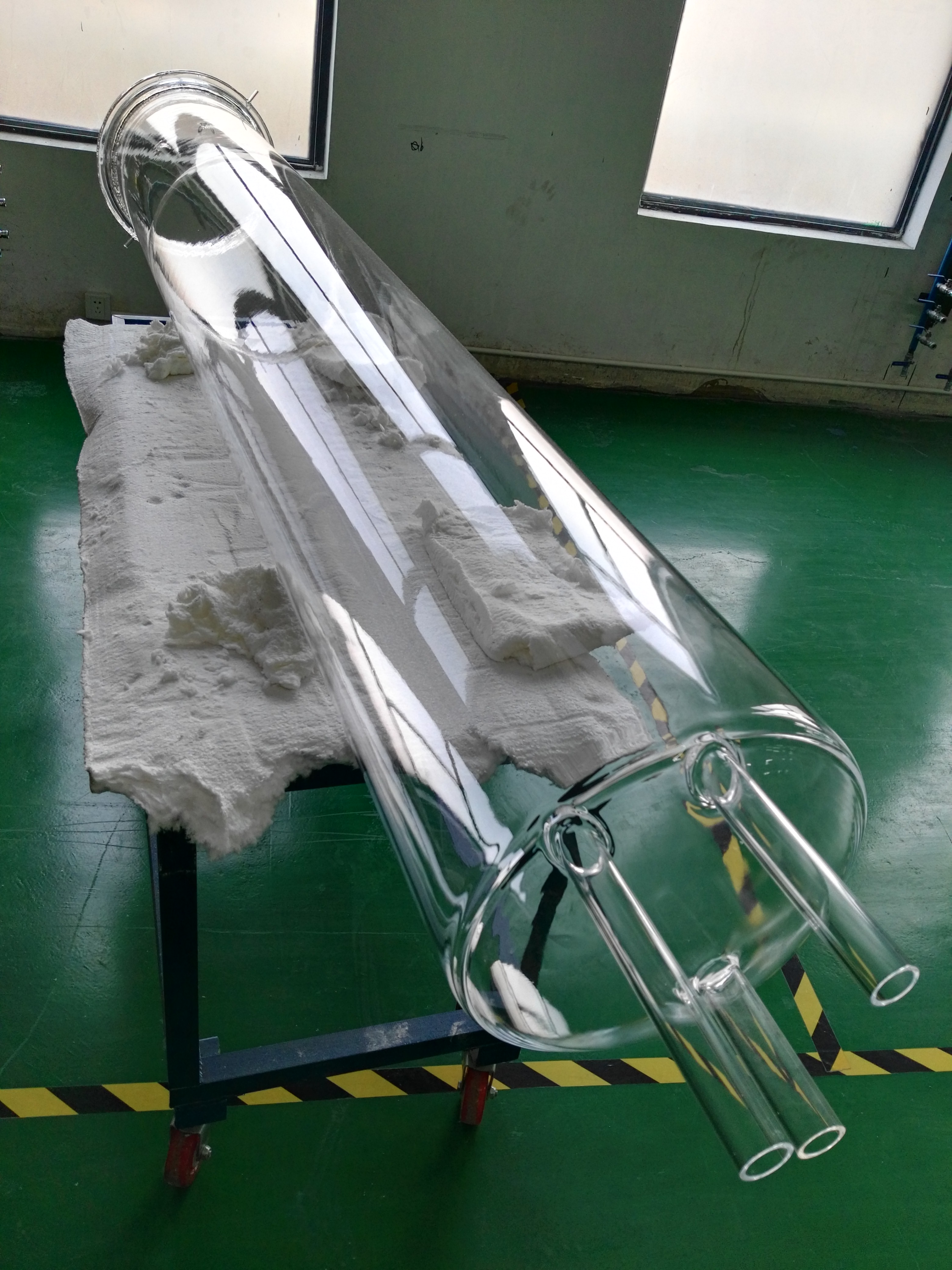
Our workshop integrates continuous electric fusion furnaces, multi-axis CNC glass machining centres, ultrasonic hole drilling, laser profiling, and multi-station planetary polishing lines. From circular sight discs with ground chamfers to complex rectangular quartz sight ports with custom bolt counterbores, all operations are executed internally with dimensional tolerances controlled within ±0.05 mm.
Audited Track Record & Export Infrastructure
Verified on-site by international certification authorities, Nivra Quartz maintains an established global export network. Our distribution footprint covers North America (40%), Western Europe (20%), Eastern Europe (14%), and South America (11.4%). With 43 verified international transactions valued over US$40,000+ in a single six-month benchmark, a confirmed 5.0/5 customer satisfaction score, and an average engineering response time under 5 hours, your procurement risk is thoroughly eliminated.
Official Quality System Documents & Qualification Verifications
Full commercial registration, third-party facility audits, and compliance documentation available for technical due diligence.
How to Specify the Correct Quartz Sight Glass Grade
A pervasive procurement inefficiency is the over-specification of costly deep-UV synthetic glass where general fused quartz suffices, or Conversely, deploying natural quartz in deep-UV excimer laser paths leading to rapid solarization and failure. Use our engineer-vetted decision guide below.
Select JGS1 Fused Silica When:
• The viewing apparatus relies on UV transmission below 260 nm (e.g., 193 nm, 248 nm, 254 nm germicidal or lithographic lines).
• The application involves high-flux laser optics requiring extreme homogeneity, negligible bubble class, and zero fluorescence.
• The vessel handles advanced semiconductor precursors where zero metallic impurities (< 1 ppm total) are mandatory.
Select JGS2 Clear Fused Quartz When:
• Standard visual observation, pyrometry, or illumination ports operate across the 260 nm to 2500 nm range.
• High-pressure and high-temperature conditions (up to 1100°C) dominate over deep-UV spectroscopic transmission.
• Budget efficiency is crucial: JGS2 delivers identical mechanical, pressure, and thermal shock properties at substantially lower cost than synthetic silica.
Select JGS3 Infrared Fused Quartz When:
• The optical diagnostic equipment operates in the near to mid-infrared spectrum between 2000 nm and 3500 nm.
• Water hydroxyl (-OH) absorption bands must be entirely eliminated (OH content typically ≤ 2 to 5 ppm).
• Thermal imaging cameras, gas analyzers, and FLIR systems require crisp infrared imaging through vacuum or pressure seals.
Frequently Asked Engineering & Procurement Questions
Direct answers to the most critical technical, commercial, and freight safety questions encountered by procurement professionals sourcing quartz sight glass windows.
01. What is the operational pressure limit of a Nivra quartz sight glass?
Fused quartz sight glass discs do not possess a single static pressure limit; operating pressure is a calculated structural function of the unsupported diameter (unclamped viewing aperture), disc thickness, process operating temperature, and clamping gasket compliance. A 100 mm diameter disc with 15 mm thickness designed under DIN 7080 easily withstands 25 to 40 bar continuous hydrostatic pressure with a safety factor of 10. We calculate exact burst and allowable operating pressure curves for your drawing dimensions prior to fabrication.
02. How does quartz sight glass handle chemical etching from process fluids?
Fused quartz exhibits unparalleled chemical inertia, classified as Class 1 acid resistance. It is entirely insoluble in neutral and acidic solutions, including boiling sulfuric, nitric, and hydrochloric acids. The only chemical reagents that aggressively attack fused quartz are hydrofluoric acid (HF) at any concentration, and concentrated phosphoric acid (H₃PO₄) above 150°C. In high-temperature alkaline solutions (e.g., hot NaOH above 60°C), surface etching can occur slowly over prolonged exposure.
03. What surface finishes and optical tolerances can you guarantee?
For high-precision analytical or laser ports, Nivra provides optical surface finishes conforming to MIL-PRF-13830B or ISO 10110 standards. We reliably manufacture surfaces with scratch-dig specifications of 60/40 (industrial standard) down to 20/10 (laser grade), with surface flatness reaching λ/4 to λ/10 per 25 mm diameter at 632.8 nm, and parallelism within ≤ 30 arc seconds. Industrial fluid sight glasses are typically delivered with fine-ground, beveled edges to eliminate edge-chipping stress risers.
04. What is the MOQ and production turnaround for custom prototype drawings?
Unlike large-scale commodity glass plants, Nivra Quartz maintains dedicated low-volume CNC prototyping cells. Standard sight glass discs and customized square quartz plates feature an MOQ as low as 1 to 10 pieces. Standard prototypes are fabricated and dimensionally certified within 5 to 8 business days following drawing sign-off. High-volume production batches (100 to 5,000+ pieces) are planned through scheduled phased deliveries to ensure steady assembly line integration.
05. How does Nivra Quartz ensure zero breakage during international air and sea transit?
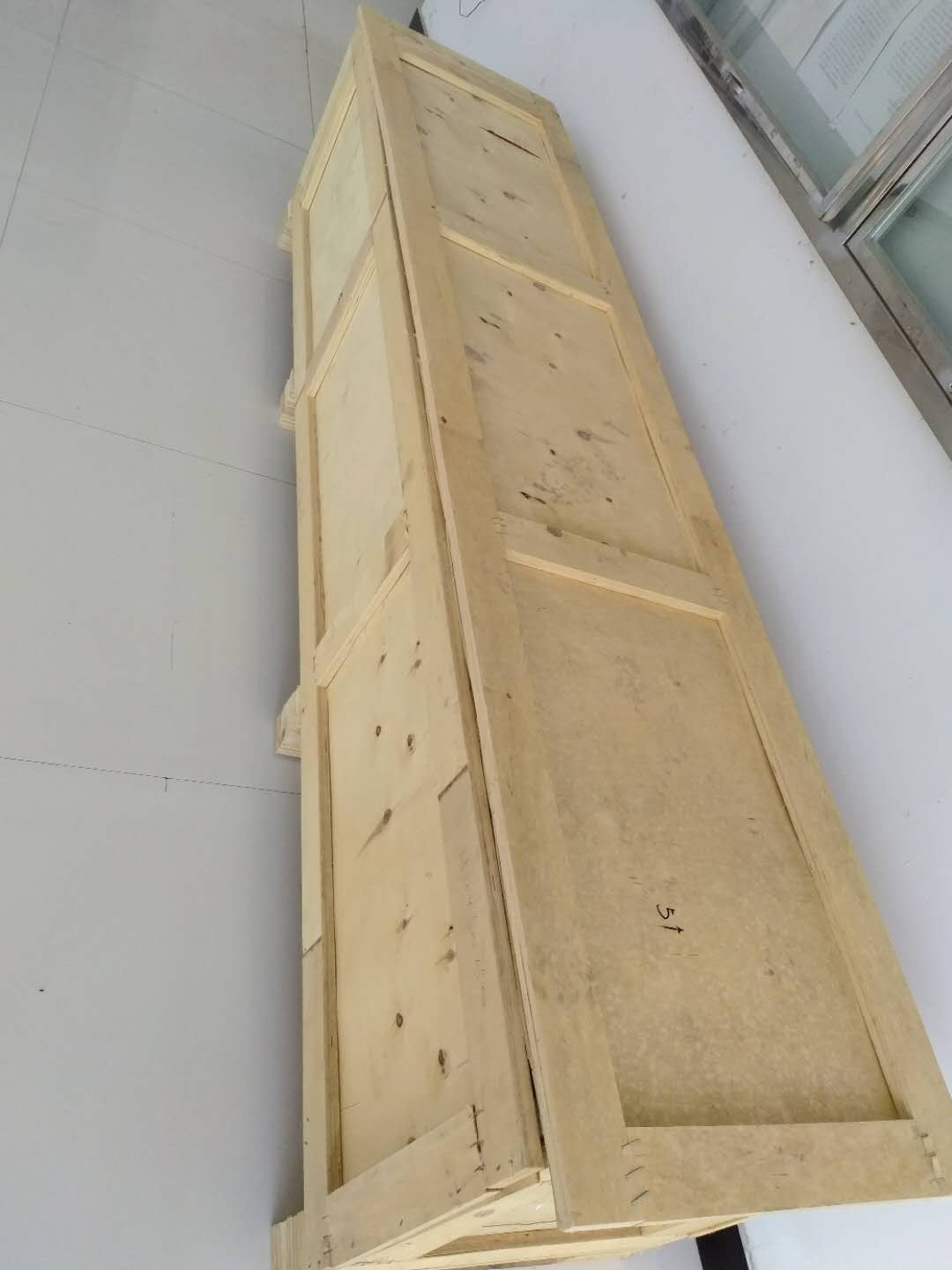
Our fragile export packaging protocol complies with international shock absorption standards. Each finished quartz sight glass is individually degreased, ultrasonically cleaned, sealed in static-free vacuum barrier packaging, and nestled in custom-molded high-density EPE foam cavities. Packaging units are sealed within double-walled corrugated export boxes or heavy fumigation-free wooden crates reinforced with steel corner framing. Over 99.8% of our worldwide shipments arrive zero-defect and ready for installation.
06. Can you supply sight glasses with custom drilling, step-joints, or metallization?
Yes. Nivra Quartz offers complete OEM/ODM machining capabilities. We regularly supply stepped sight glasses (rabbeted edge discs for counter-bored flanges), concave/convex pressure windows, oblique angled sight ports, ultrasonic diamond-drilled mounting holes, and edge-metallized quartz discs (Ti/Pt/Au or Ni coating) engineered for vacuum-brazed direct glass-to-metal hermetic joints.