Engineered Optical Quartz & Laboratory Glassware Lineup
Precision-ground fused silica sheets, heating elements, and analytical vessels manufactured under micron-level tolerance controls in Donghai County, China.
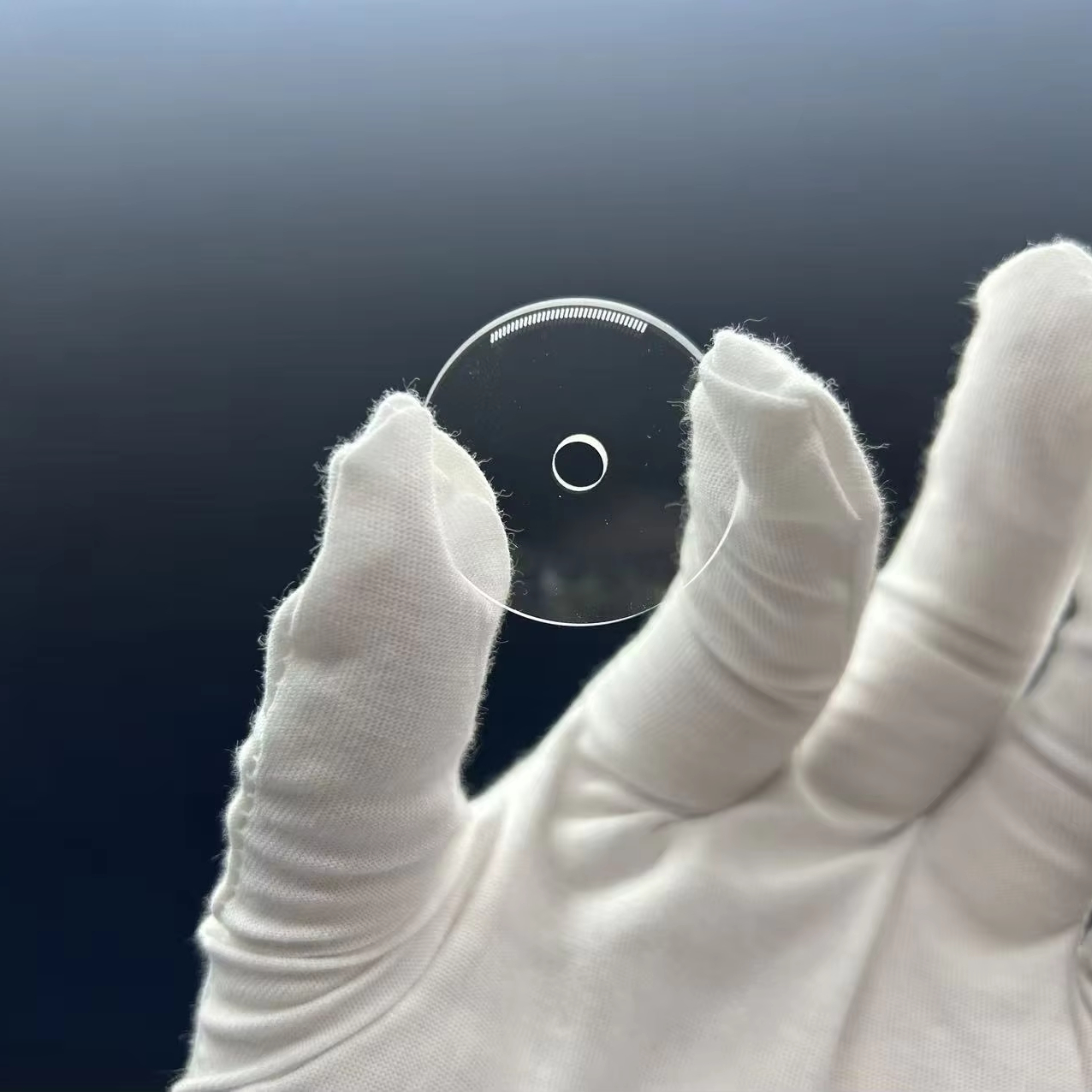
Frosted Quartz Sheet
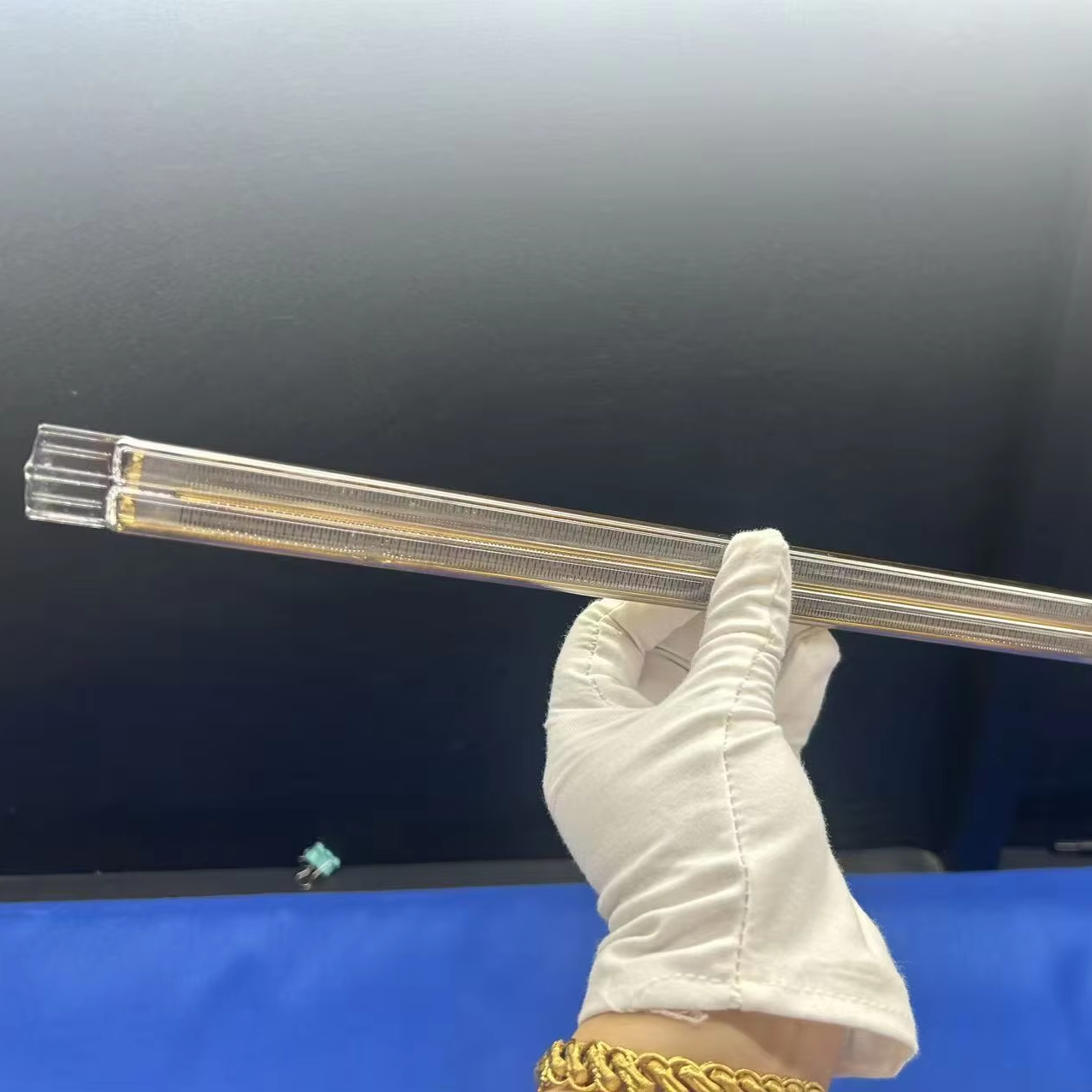
Graphene Quartz Heating Tube
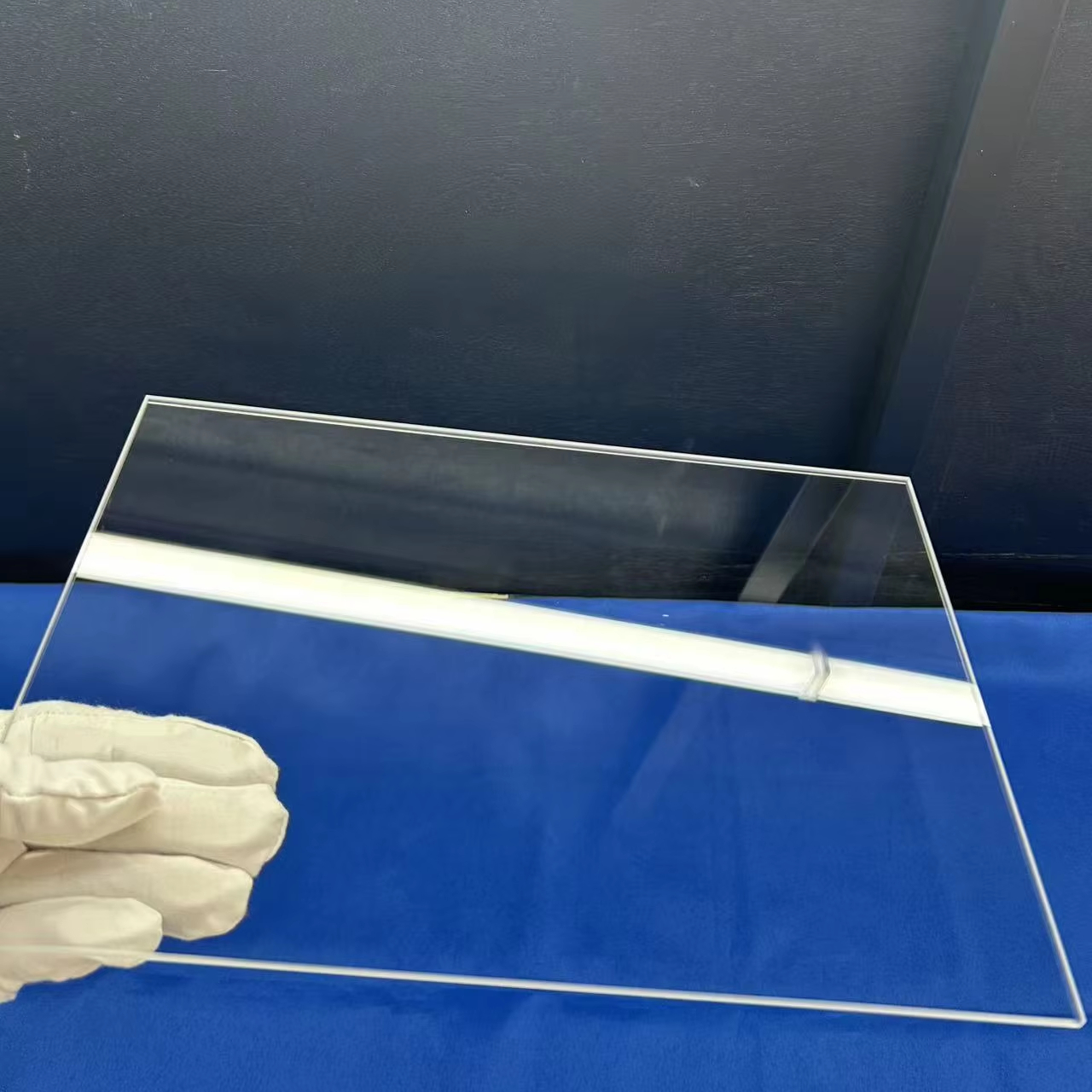
Custom Polished Transparent Square Quartz Plate 4mm Thick
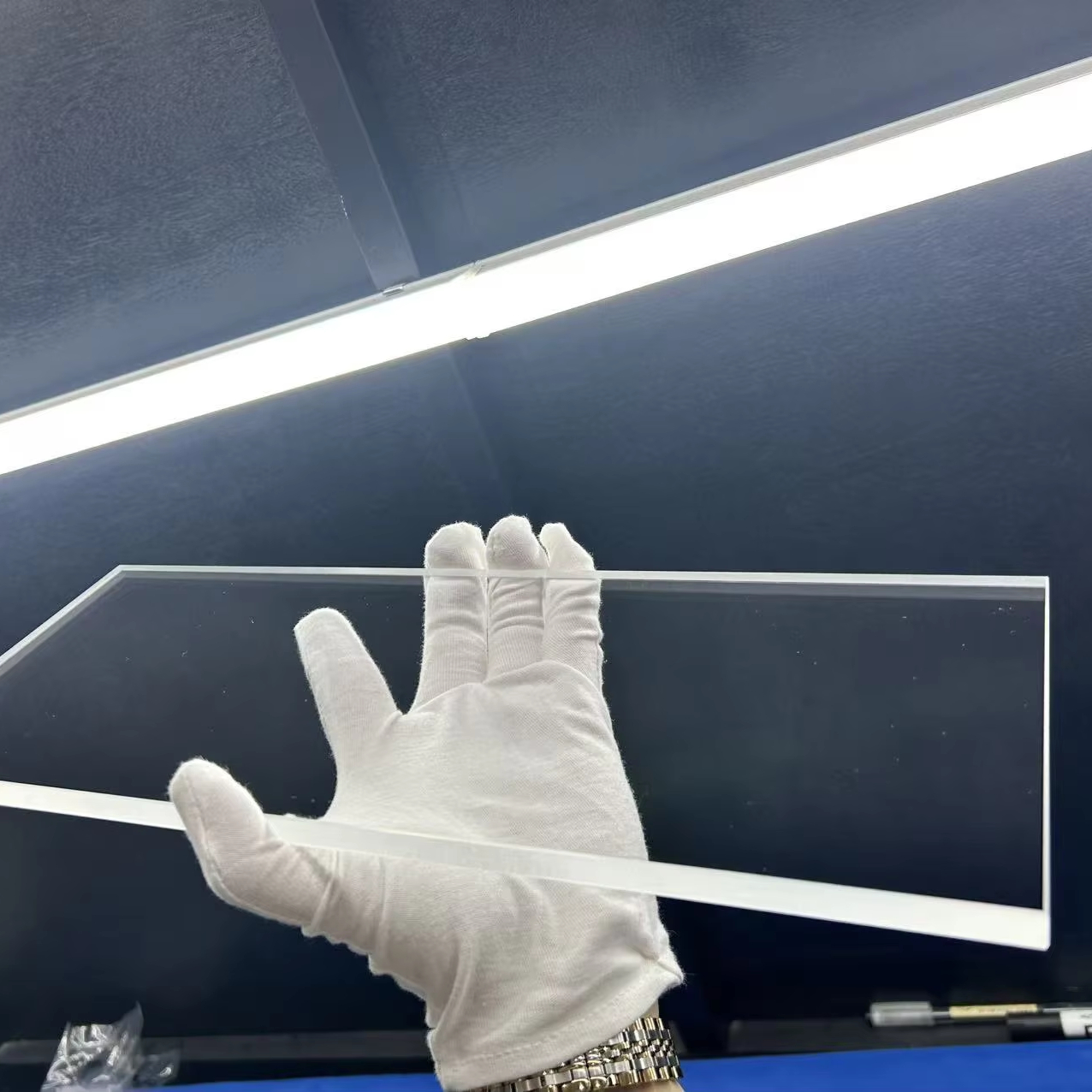
Ultra Clear High Purity Quartz Sheet
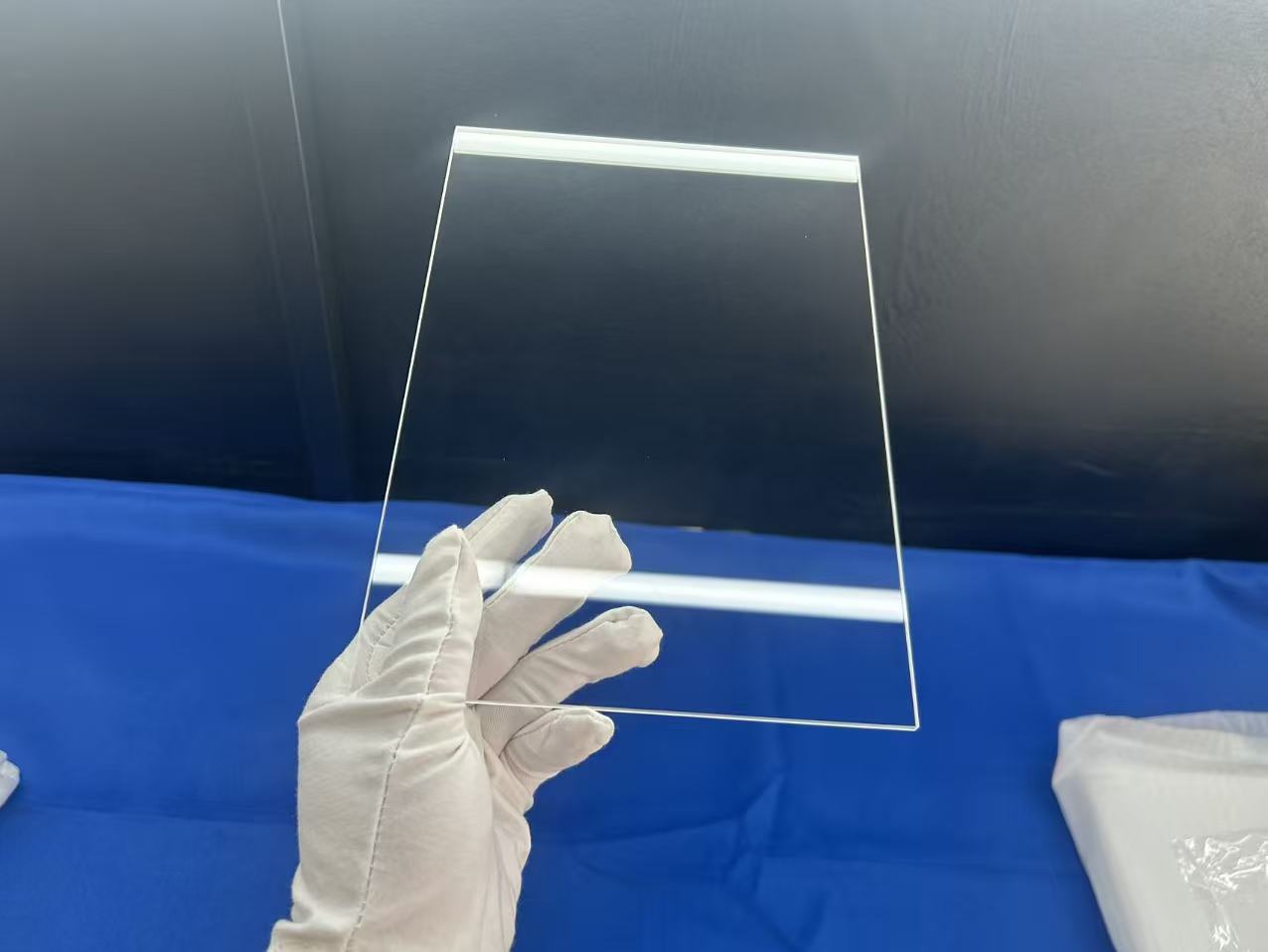
Custom Polished Square Quartz Glass Plate 3mm Thick
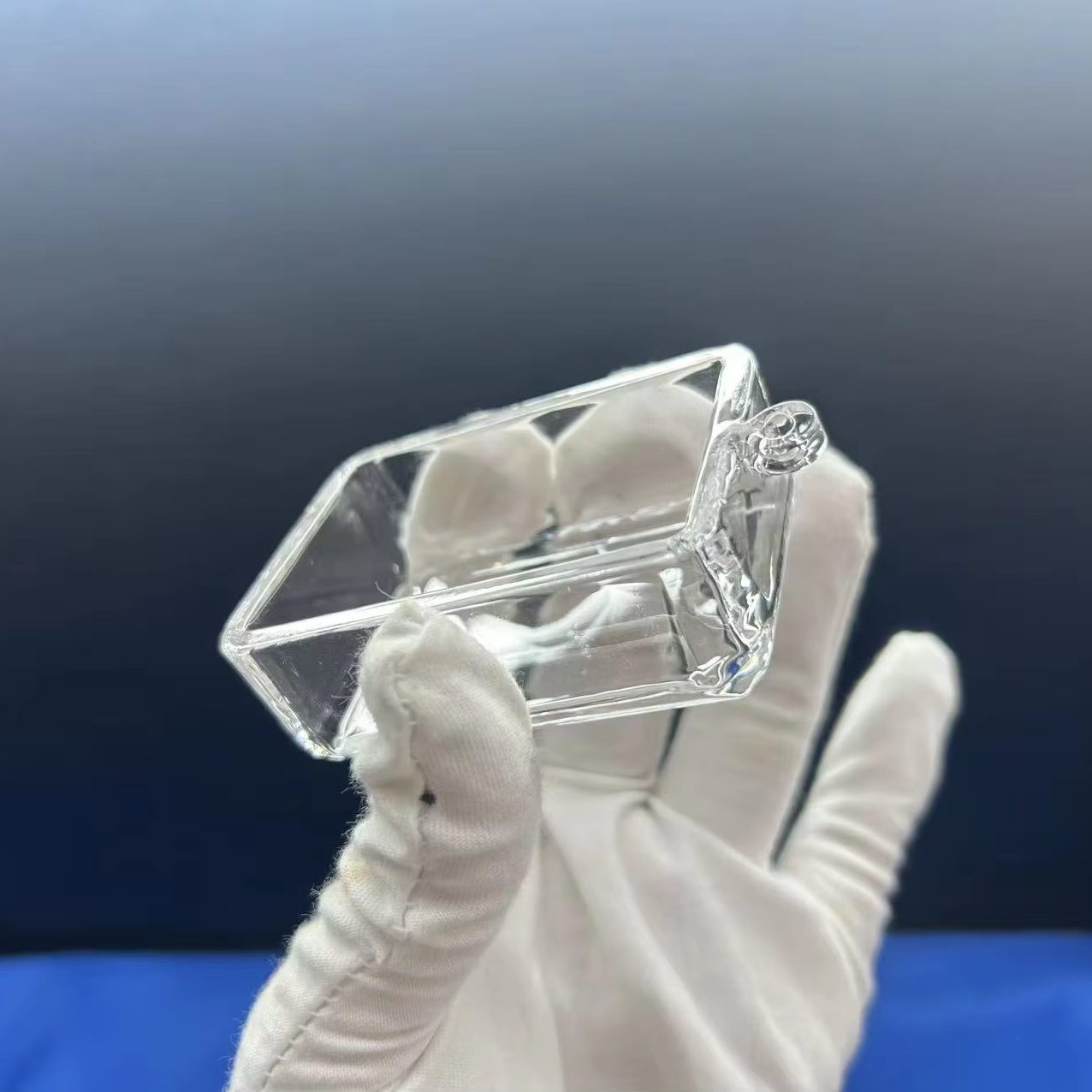
Precision Quartz Bath & Cleaning Tank
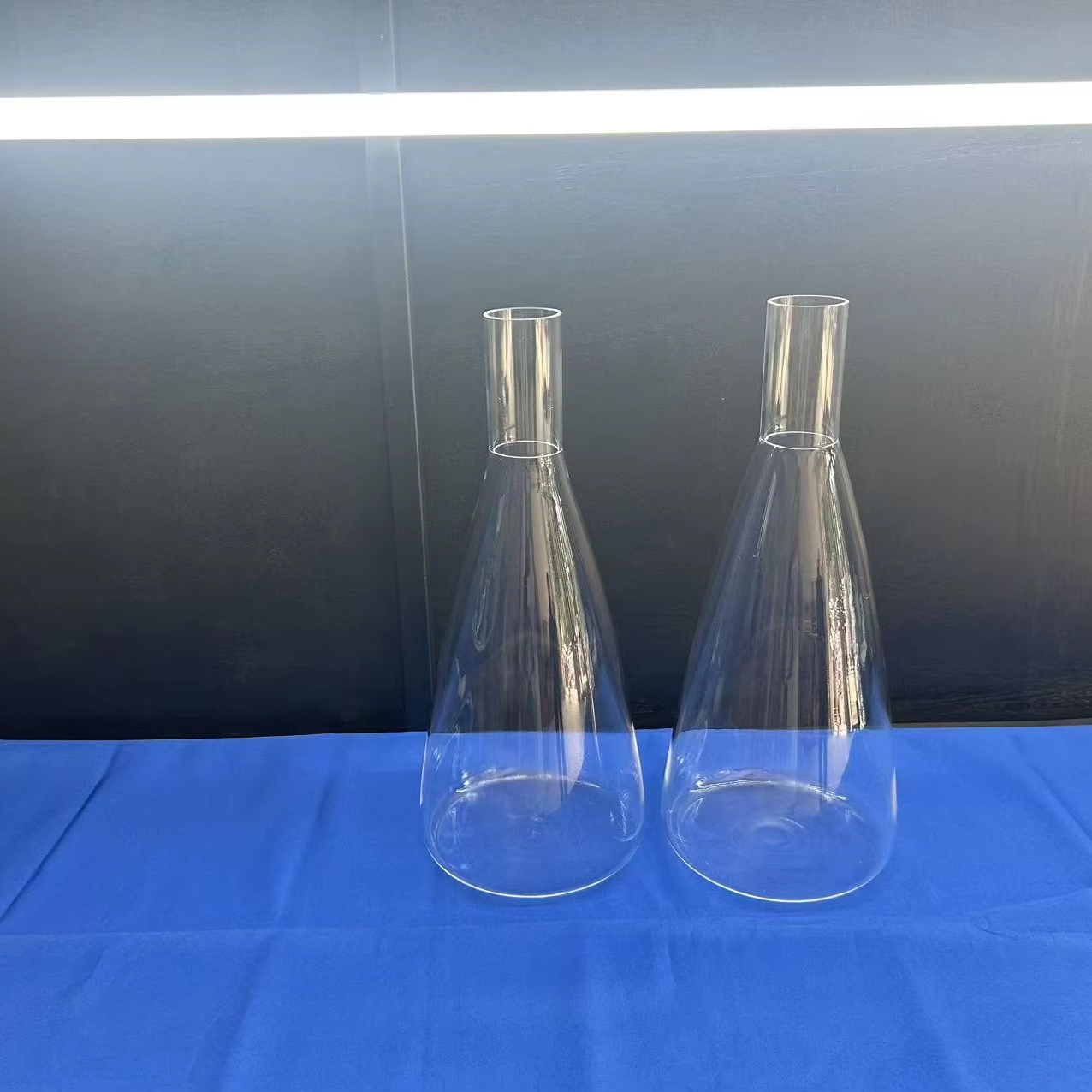
Laboratory Fused Silica Quartz Flask
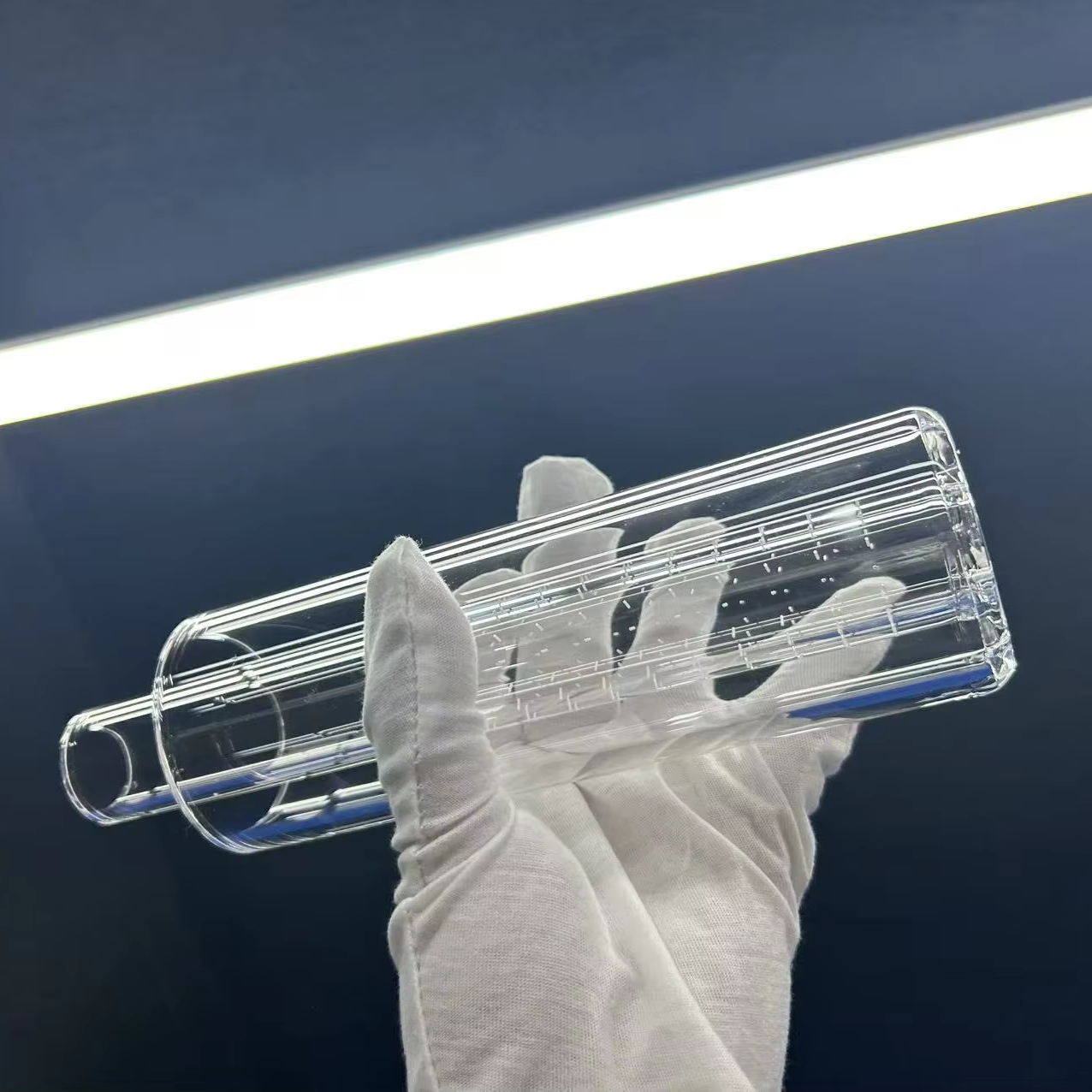
Customized Perforated Quartz Diffusion Tube
High-Purity Quartz Metallurgy & Optical Cuvette Physics
Understanding the critical differences in quartz synthesis, transmission spectra, and optical window molecular bonding.
In modern analytical chemistry, clinical diagnostics, and molecular spectroscopy, the quartz glass cuvette serves as the definitive reference point for sample light absorbance, transmission, and emission. Unlike standard optical glasses, such as borosilicate or soda-lime formulations, fused silica possesses an exceptionally pure silicon dioxide (SiO₂ ≥ 99.99%) crystal lattice. This ultra-pure lattice eliminates transitional metal impurities like iron, titanium, and cobalt, which typically cause destructive parasitic absorption in the ultraviolet spectrum.
As a premier quartz cuvette manufacturer based in the Donghai industrial quartz corridor, Donghai County Nivra Quartz Products Co., Ltd. implements strict grade-segregation techniques during raw crystal melting and chemical vapor deposition. The transmission performance of an analytical cuvette depends entirely on the raw optical quartz substrate selected:
- JGS1 Synthetic Fused Silica (Far Ultraviolet Grade): Synthesized via high-temperature chemical vapor deposition (CVD) of silicon tetrachloride (SiCl₄) in an oxygen-hydrogen flame. JGS1 exhibits virtually zero metallic impurities and delivers an outstanding optical transmission window extending from 185 nm to 2500 nm. It features no absorption dip at 245 nm, rendering it the benchmark selection for UV-Vis spectrophotometry, DNA/RNA quantification at 260/280 nm, excimer laser optics, and microcuvette fluorometry.
- JGS2 Optical Fused Quartz (UV-Visible Grade): Produced by electric arc or gas-fusion melting of refined natural crystal powder. JGS2 yields consistent transmission across 220 nm to 2500 nm. It represents the most cost-efficient choice for commercial absorption cells, environmental water analysis, industrial colorimeters, and high-temperature sight observation windows.
- JGS3 Infrared Optical Quartz (Water-Free Grade): Vacuum-melted to deliberately strip hydroxyl (OH⁻) ions below 5 ppm. Standard quartz exhibits a prominent OH⁻ absorption peak around 2.73 µm. JGS3 completely suppresses this absorption band, achieving transparent infrared throughput from 260 nm up to 3500 nm, essential for FTIR (Fourier-Transform Infrared) spectroscopy and near-IR laser characterization.
Beyond material composition, optical cell longevity and measurement reproducibility hinge on assembly methods. Conventional, low-cost laboratory cells utilize epoxy resin adhesives to join the optical windows to the body. Under continuous exposure to organic solvents (such as acetone, chloroform, and toluene) or extreme acid washes, organic adhesives swell, leach contaminants into the light path, and inevitably crack. In contrast, Nivra Quartz exclusively utilizes molecular high-temperature thermal fusion. Under controlled hydrogen-oxygen micro-flame torches and computer-regulated vacuum furnaces, the optical windows and side walls melt into a single, seamless silica matrix. The resulting joints withstand direct immersion in concentrated hydrochloric acid, aqua regia, and autoclaving cycles up to 1100°C without delamination.
| Optical Material Grade | Effective Wavelength Range | Typical Transmission (10mm) | Hydroxyl (OH⁻) Content | Primary Application Fields |
|---|---|---|---|---|
| JGS1 (Synthetic Silica) | 185 nm – 2,500 nm | > 85% @ 200 nm; ≥ 92% @ 250–1100 nm | 150 – 300 ppm | Deep UV Spectroscopy, Fluorescence, HPLC Flow Cells |
| JGS2 (Optical Quartz) | 220 nm – 2,500 nm | > 80% @ 230 nm; ≥ 90% @ 260–1200 nm | 30 – 100 ppm | Standard UV-Vis Analysis, Colorimetry, Industrial Monitoring |
| JGS3 (Infrared Silica) | 260 nm – 3,500 nm | > 88% across 300–3000 nm (No OH⁻ dip) | < 5 ppm | FTIR, NIR Spectroscopy, Laser Collimation Windows |
| Optical Crown Glass | 340 nm – 2,500 nm | ≥ 90% @ 360–1000 nm (Opaque in UV) | N/A | Routine Visible-Spectrum Testing, Educational Labs |
Engineered Optical Cell Typologies & Selection Criteria
Precision-matched optical paths designed to eliminate stray light and optical distortion across analytical instruments.
Standard Absorption Cuvettes
Engineered with two clear opposing optical windows and two ground matte side walls to eliminate internal reflections. Features standard pathlengths of 10mm, 20mm, 50mm, and 100mm, with certified optical path tolerances held strictly within ±0.01 mm according to DIN/ISO analytical standards.
Fluorescence Cuvettes (4-Window)
Polished to optical laser quality (Scratch-Dig 20/10) on all four vertical perimeter faces. Designed specifically for right-angle fluorometers and spectrofluorometric assays where excitation light enters at 90° relative to emission signal detection, preventing light scattering.
Sub-Micro & Ultra-Micro Cells
Integrated with precision black quartz side-masking to absorb stray photons. Accommodates sample apertures from 500 µL down to 10 µL, serving as the workhorse for high-value genomic assays, protein isolation, and pharmacokinetic micro-volume screening without signal attenuation.
Flow-Through & HPLC Detectors
Built with precision inlet and outlet PEEK/quartz capillary tube interfaces. The internal fluid chamber features hydrodynamic geometry designed to eliminate micro-vortices and gas bubble stagnation during in-line continuous chemical analysis and high-pressure liquid chromatography.
Cylindrical & Polarimetry Cells
Designed for large optical pathlengths (up to 100mm) without significant fluid volume increases. Extensively adopted in circular dichroism (CD), chiral stereochemistry research, and optical rotation verification of enantiomers in pharmaceutical compounding.
Demountable & Cryogenic Cells
Configured with separable JGS1 optical window plates and chemically inert PTFE gaskets. Enables rapid cleaning of viscous oils, slurries, and biological polymers, while withstanding thermal shock from liquid nitrogen (-196°C) up to +400°C without window cleavage.
Future Industry Trends: The 2025–2030 Quartz Sourcing Roadmap
How evolving analytical demands, semiconductor miniaturization, and supply-chain restructuring reshape global optical component procurement.
Global procurement teams in pharmaceutical instrumentation, analytical life sciences, and photolithography metrology face rapid technological transitions. Sourcing directors must align their supply chains with four decisive trends over the 2025–2030 planning horizon:
1. Shift Toward Sub-Microliter Microfluidic Integration: Traditional 3.5 mL macro-cuvettes are increasingly supplemented by automated microfluidic-integrated quartz flow chips and sub-micro cells. As biopharmaceutical pipelines focus on high-potency monoclonal antibodies and specialized mRNA formulations, reagent conservation is paramount. Optical quartz manufacturers must fabricate micro-channels with aspect ratios tighter than 50 µm while preserving surface roughness below Ra 0.3 nm to prevent protein adsorption along flow-cell walls.
2. Deep-UV and Vacuum-UV (VUV) Metrology Requirements: With semiconductor fabrication nodes advancing past 3nm and extreme UV (EUV) lithography dominating wafer processing, analytical inspection systems demand quartz cuvettes and optical windows capable of high transmittance down to 190 nm and below. This requires synthetic silica with virtually undetectable bubble classes (DIN 58927 Class 0) and zero laser-induced fluorescence (LIF), preventing anomalous sensor noise in high-power excimer inspection systems.
3. Cluster-Direct Procurement from Source Capitals: Western OEM instrument builders are bypassing secondary optical traders and sourcing directly from manufacturing hubs. Donghai County in Jiangsu Province processes over 70% of China's high-purity quartz reserves. Sourcing directly from verified Donghai manufacturers like Nivra Quartz eliminates multi-tier distributor markups (delivering 30% to 45% landed cost reductions), accelerates custom engineering turnaround, and grants audit-level visibility into raw crystal supply chains.
4. Automated Molecular Sintering Over Artisanal Flame Working: While manual flame-torch glassblowing remains a core artisanal capability, scalable precision manufacturing demands automated CNC diamond five-axis grinding and robotic thermal diffusion bonding. Automated cell assembly achieves microscopic optical axis parallelism (< 15 arcseconds) and eliminates operator-induced variance in window thickness, directly improving measurement accuracy across high-throughput clinical spectrometers.
Why Global Exporters Trust Nivra Quartz Products Co., Ltd.
Located in Donghai, Jiangsu — Combining localized mineral dominance with certified international quality governance.
Donghai Mineral & Industrial Cluster
Headquartered at 285 Heping East Road, Lianyungang, Jiangsu, China. We tap directly into the world's most concentrated silicon refining ecosystem, ensuring uninterrupted access to certified 99.99% SiO₂ fused silica ingots at benchmark production costs.
Rapid Engineering Cycle (≤ 5h)
Our engineering division delivers preliminary technical assessments, tolerancing reviews, and formal quotations in under 5 hours. We boast an audited 88.89% inquiry response rate, ensuring overseas engineering programs encounter zero communication bottlenecks.
Rigorous In-House Quality Assurance
Every cuvette, plate, and tube batch undergoes laser interferometric flatness testing, spectrophotometric transmission mapping, and polarimetric stress birefringence verification. Parts are cleaned in ISO Class 6 cleanrooms before vacuum packing.
Proven Worldwide Export Logistics
With verified market distribution across North America (40%), Western Europe (20%), Eastern Europe (14%), and South America (11.4%), our custom multi-layer foam and wooden crate export packaging guarantees zero in-transit shatter rates via DHL, FedEx, air freight, or sea cargo.
Dedicated OEM / ODM Customization
Full support for CAD, DWG, PDF, and STEP 3D models. We engineer custom micro-volumes, bespoke optical path lengths (from 0.1mm to 200mm), specialized anti-reflective (AR) window coatings, and tailored PEEK threaded flow connectors to your exact instrument design.
5.0 / 5.0 Verified Customer Trust
Recognized with flawless 5.0/5 ratings across supplier delivery, dimensional fidelity, and after-sales accountability. Supported by a 23% verified buyer repeat purchase rate across premier research institutes, universities, and instrumentation consortia.
Frequently Asked Questions: Industrial & Analytical Quartz Sourcing
Direct technical answers to the most common queries raised by procurement managers, laboratory directors, and optical design engineers.