High-Purity Quartz Vessels & Custom Precision Components
Manufactured from high-purity natural and synthetic quartz sand (SiO₂ ≥ 99.99%). Engineered for continuous thermal operations up to 1100°C and aggressive acid concentration procedures.
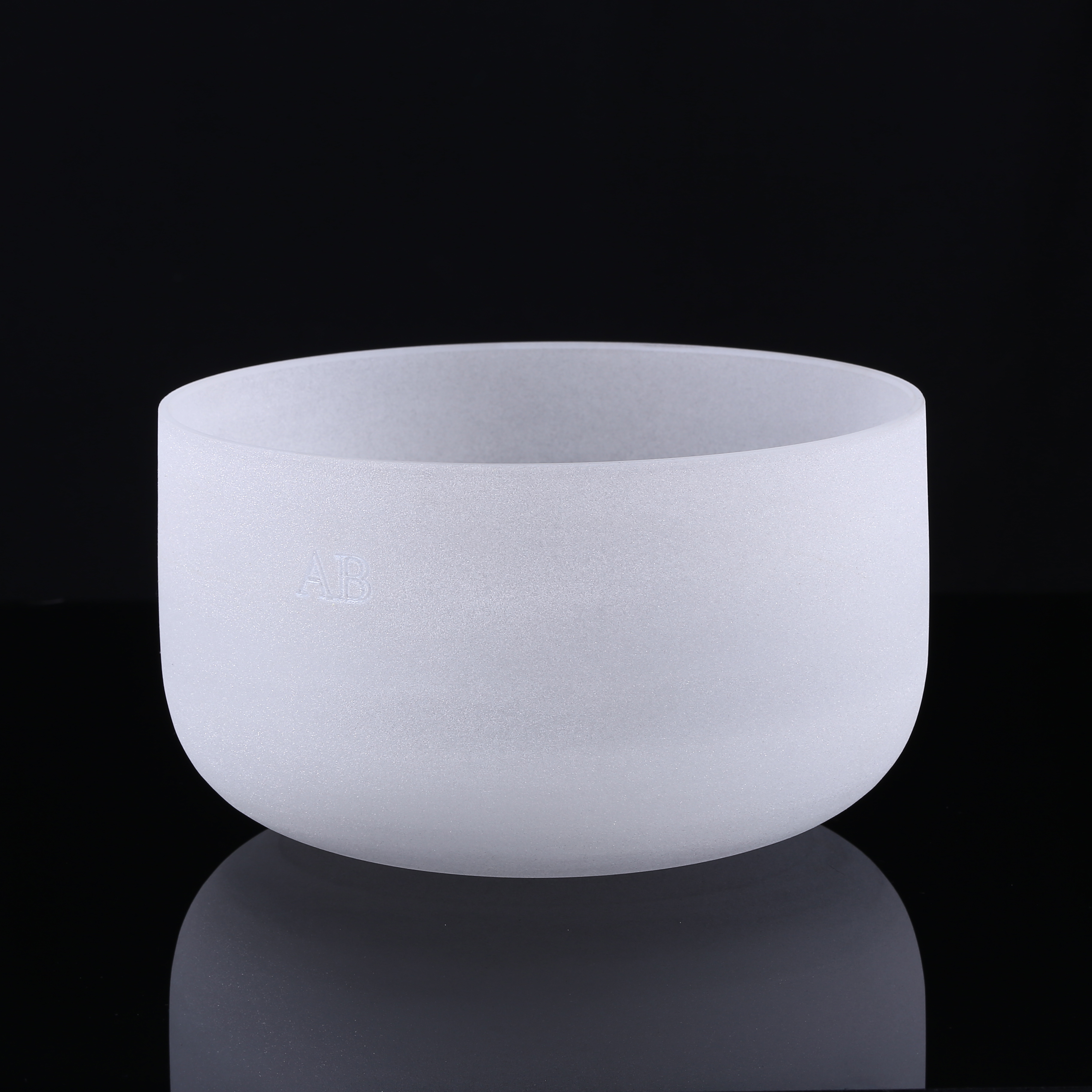
High Temperature Fused Silica Quartz Crucible
Designed for induction melting, calcining, and severe thermal evaporating applications with extreme thermal shock resistance.
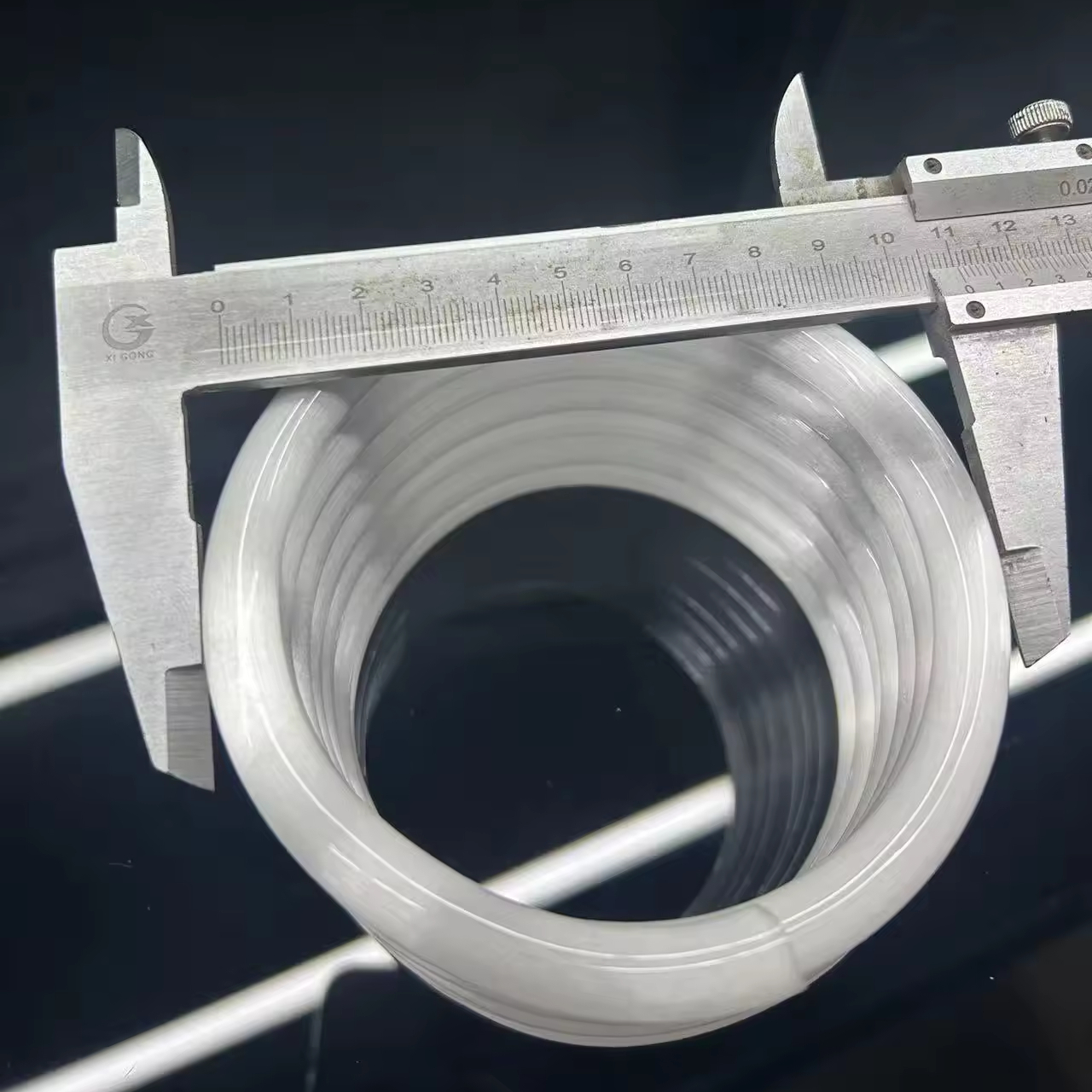
Helical Clear Quartz Glass Coil t Tube
Precision coiled borosilicate-substitute fused quartz tube for rapid heat-exchange and volatile vapor condensing units.
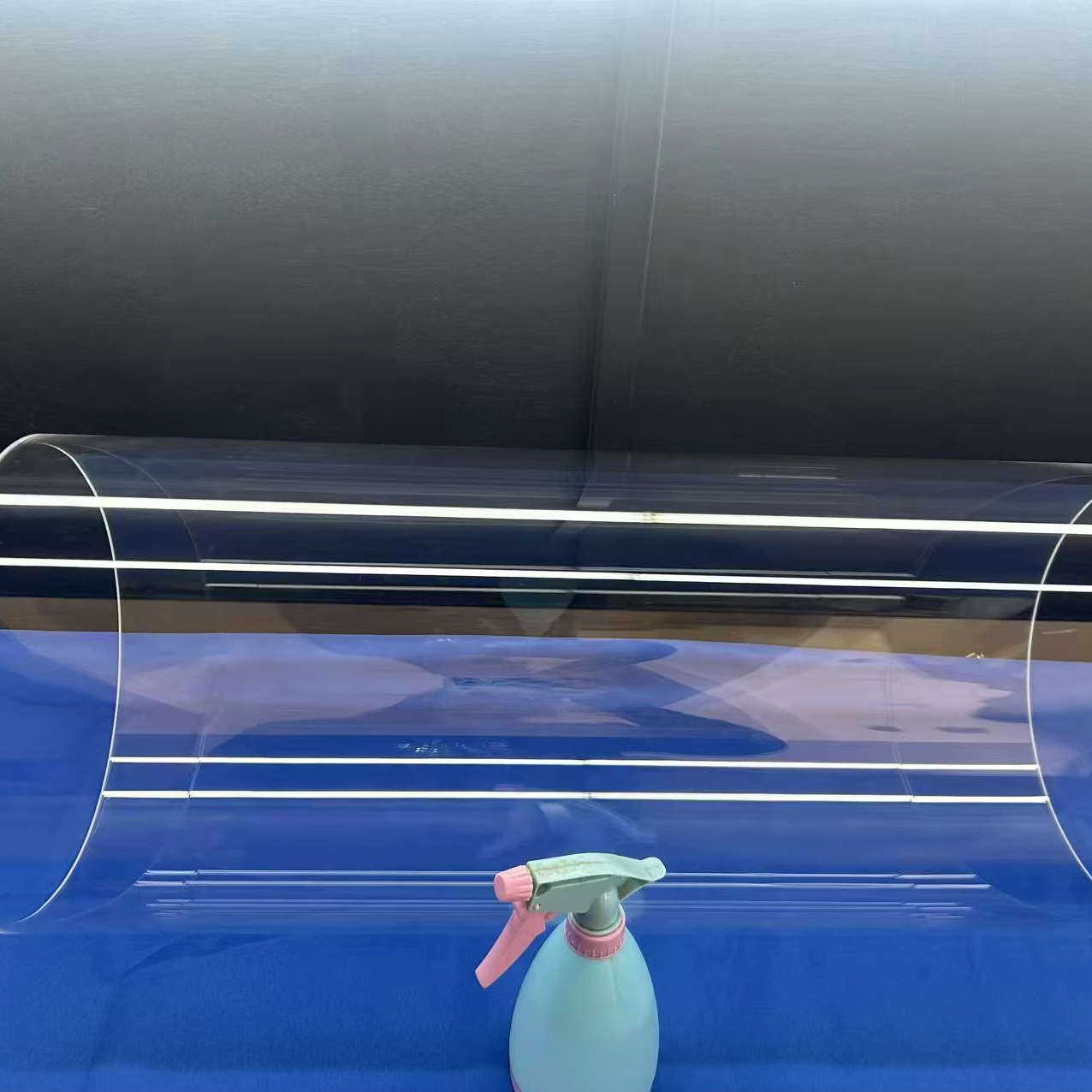
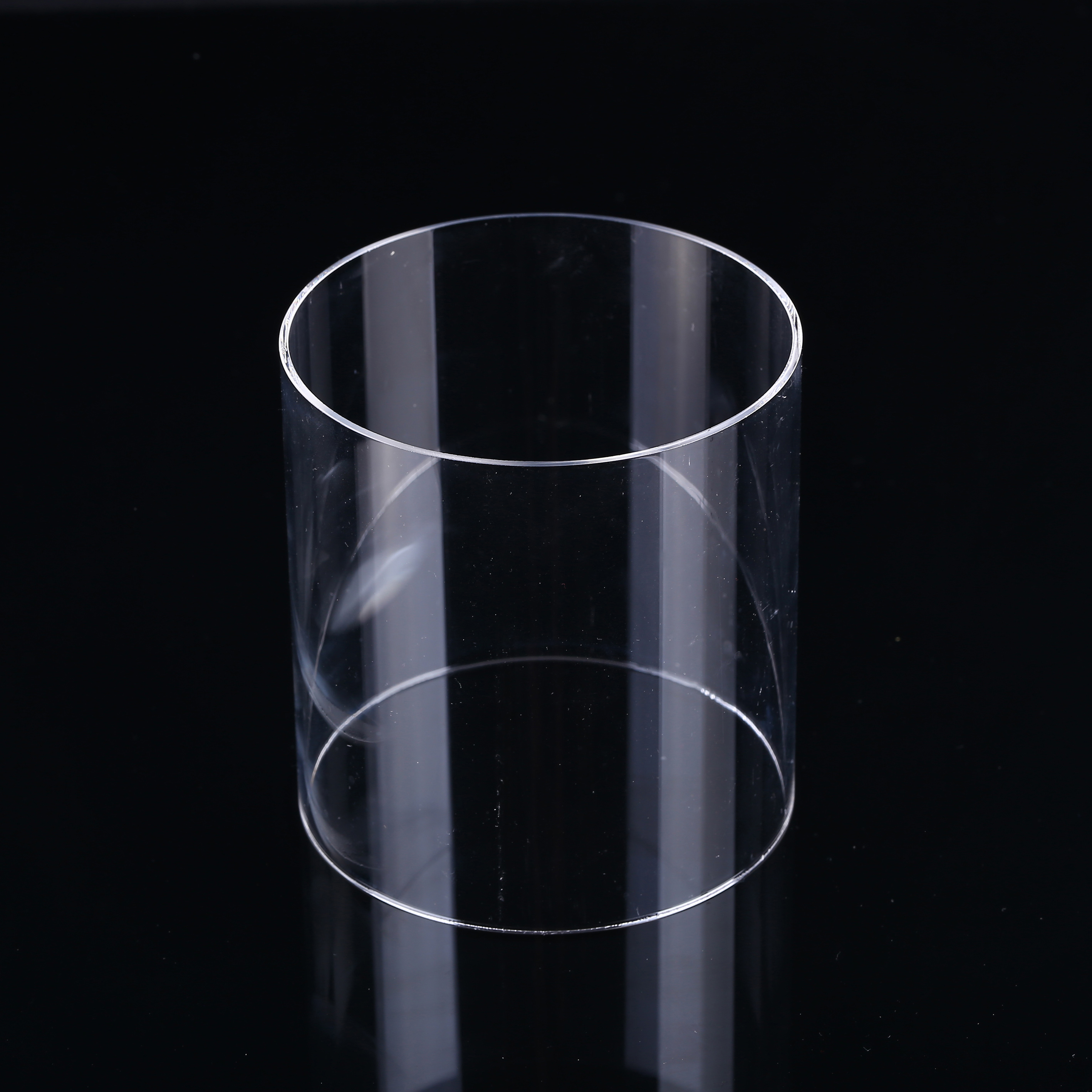
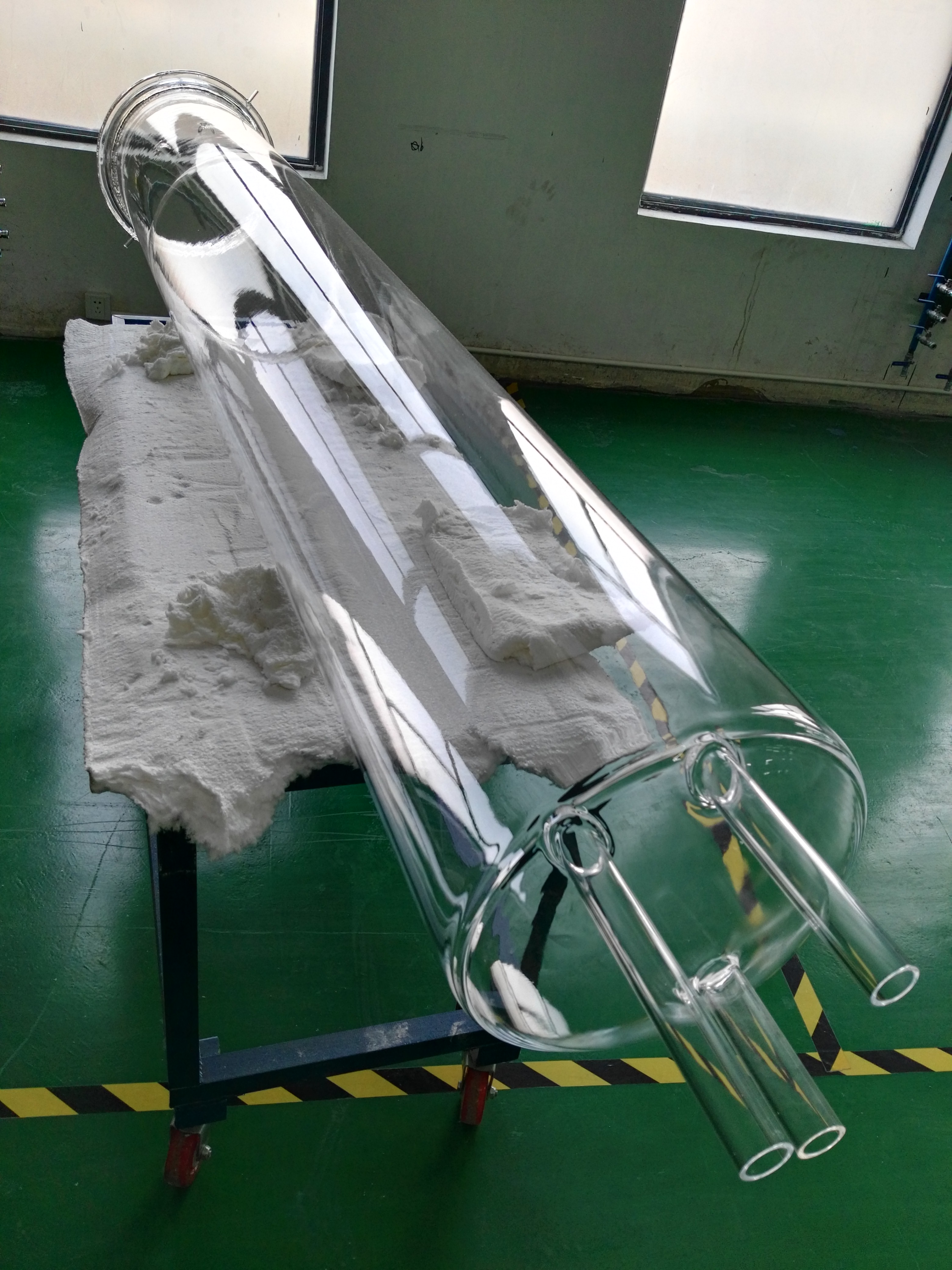
Customizable High Purity Fused Quartz Glass Tube
Ultra-clean diffusion and process tubing customized for semiconductor furnace tubes, burners, and acid reaction chambers.
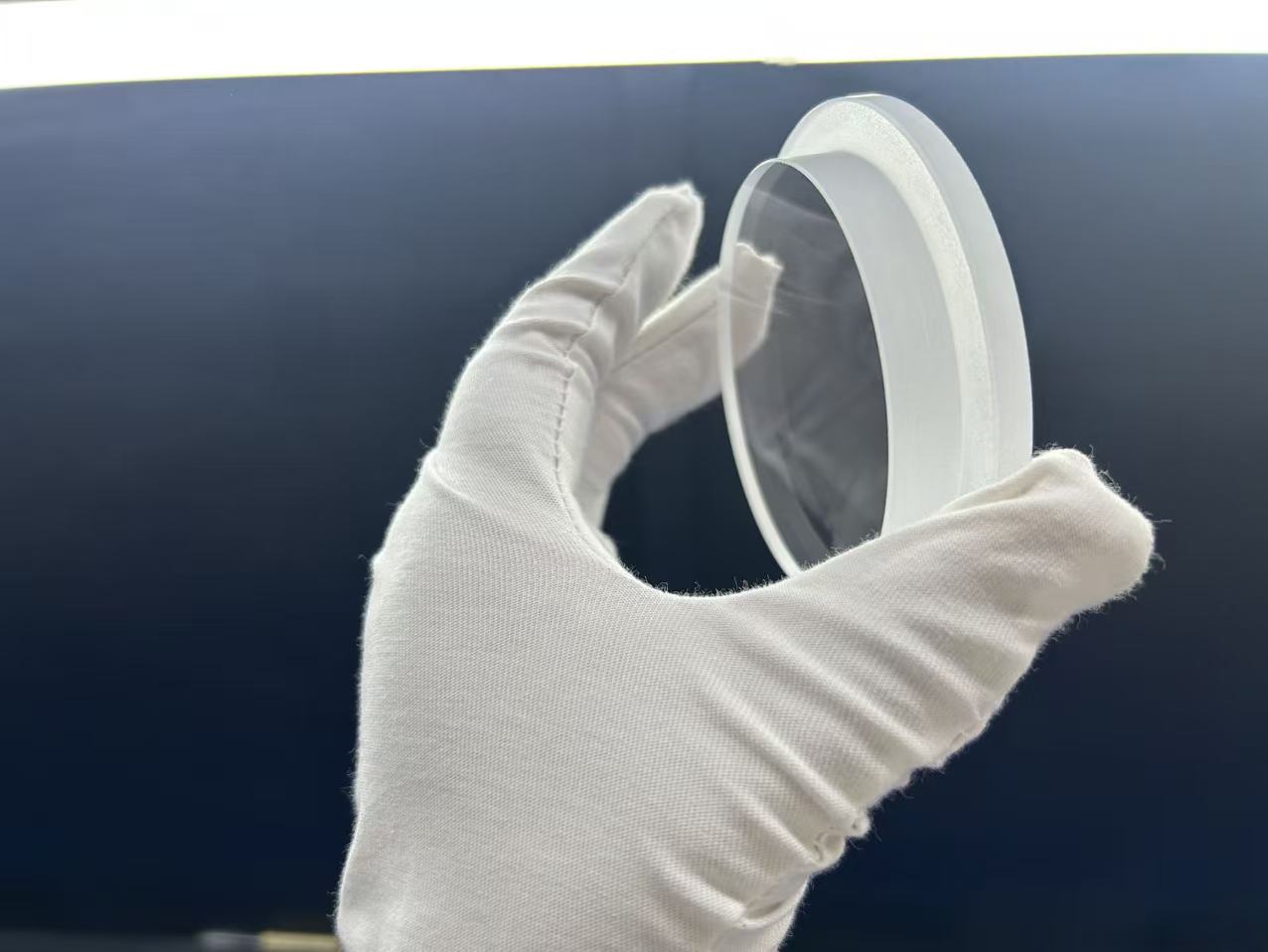
Ultra-thick Quartz Double-Layer Step Plate
Heavy-duty optical observation and vacuum chamber step windows offering high-flatness fire-polishing and laser cutting.
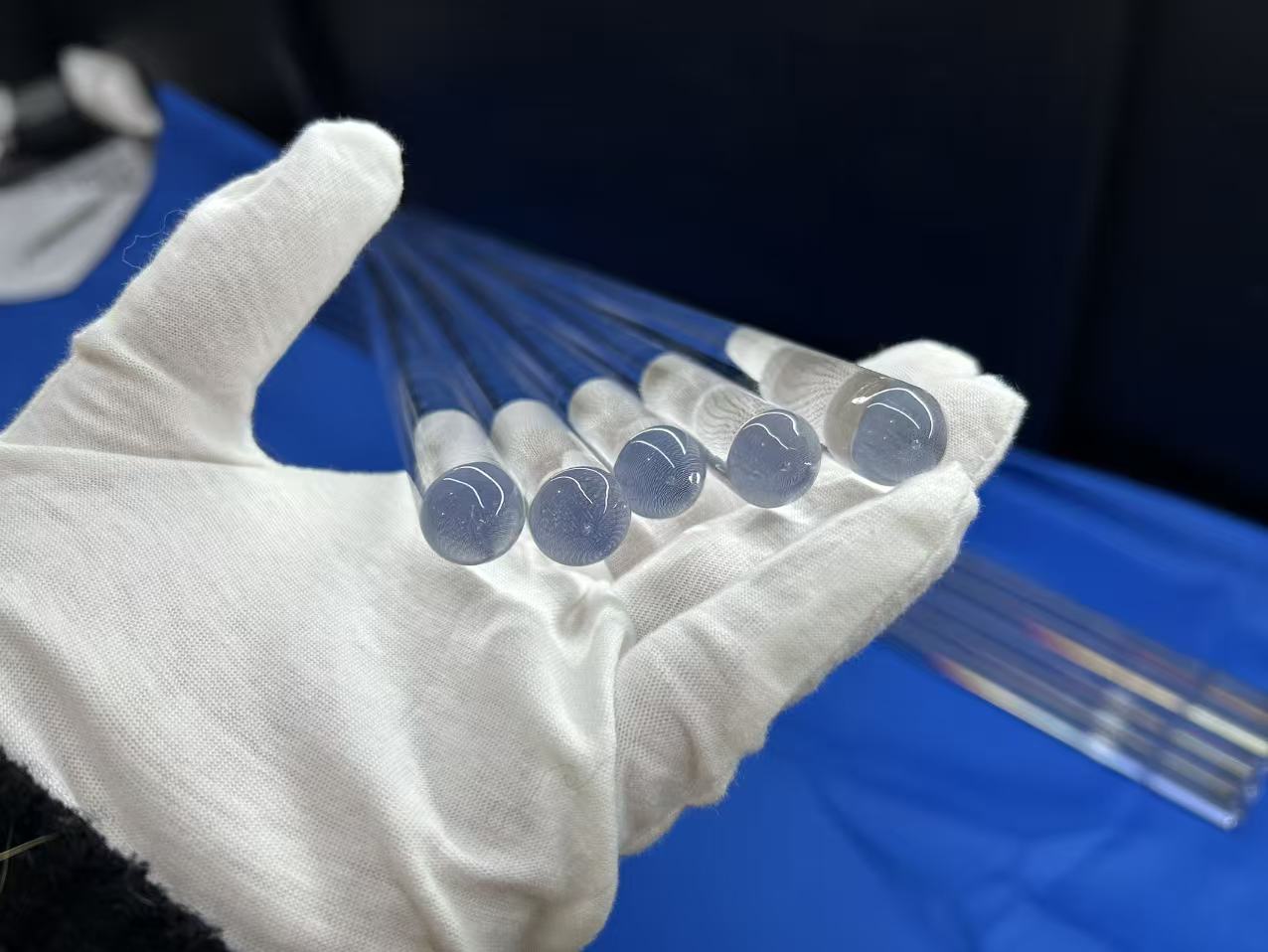
High-Purity Fused Quartz Round Rods
Thermal support rods, stirring shafts, and wafer carrier components featuring flame welding, bending, and fire-polishing.
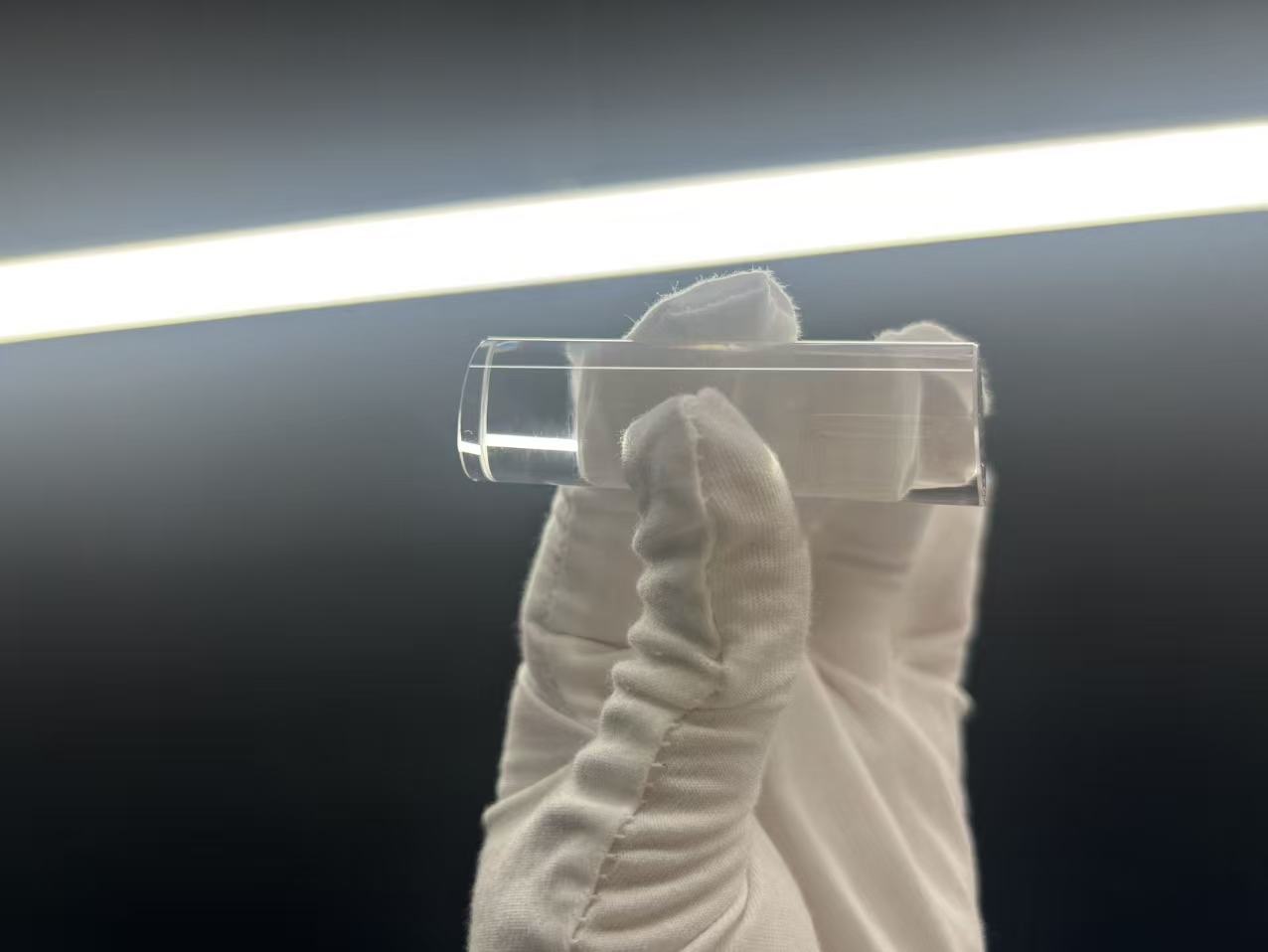
Round Head Quartz Stirring Rod
Chemically inert hemispherical head rod tailored for trace metal extraction, digestion mixing, and high-temp reagent blending.
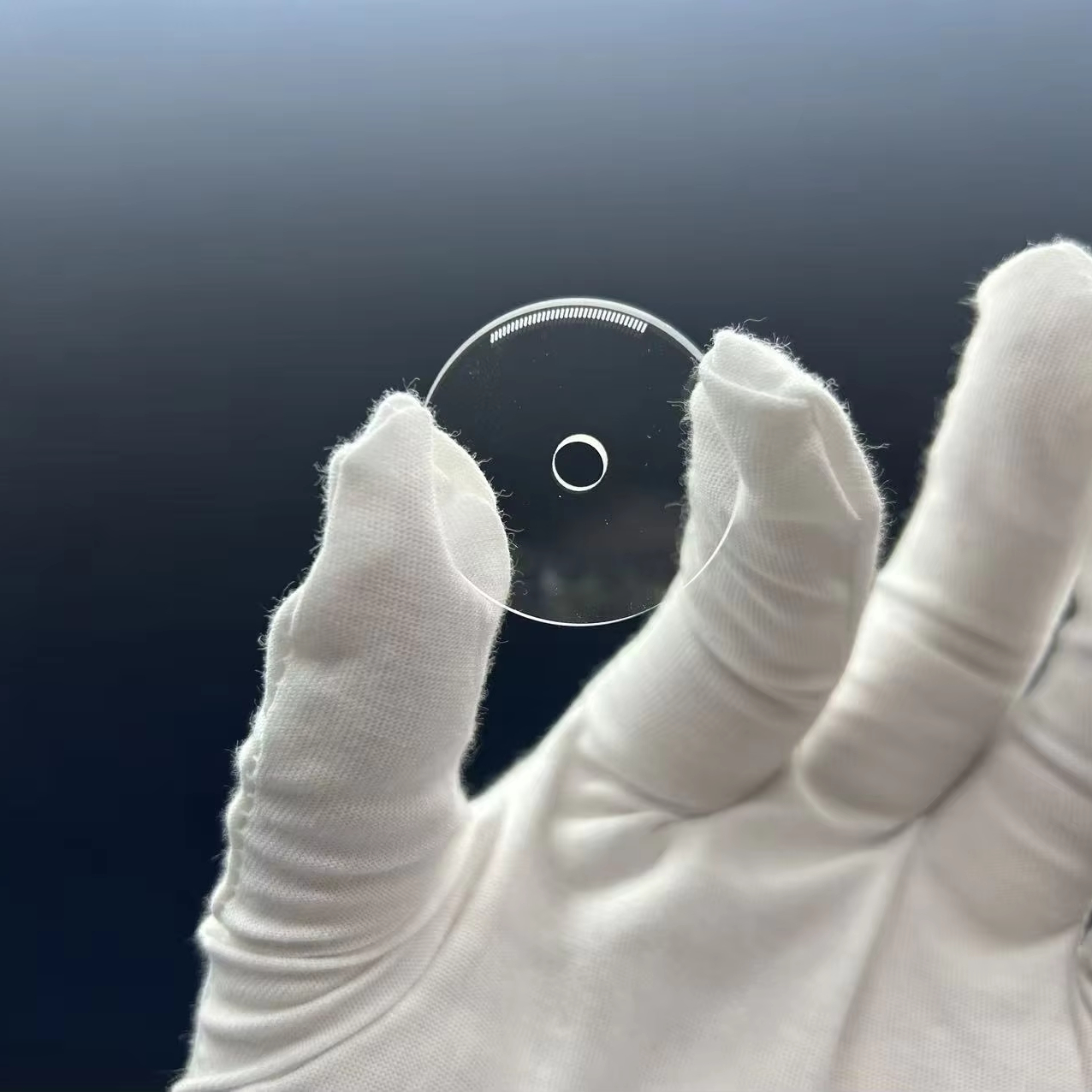
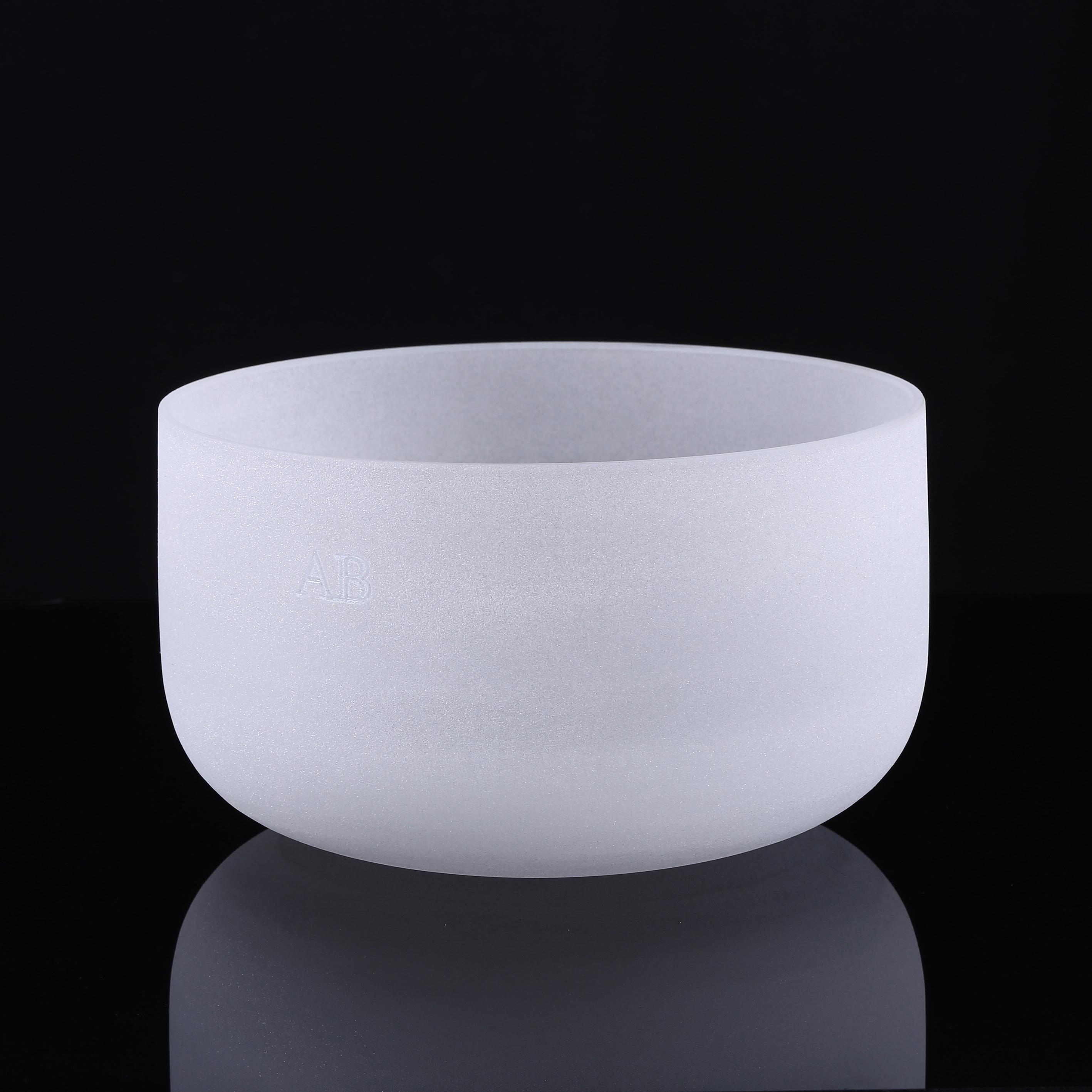
Precision Frosted Quartz Sheet & Evaporator Cover
Evenly sandblasted or acid-etched quartz substrate for uniform thermal radiation dispersion and anti-glare reaction vessels.
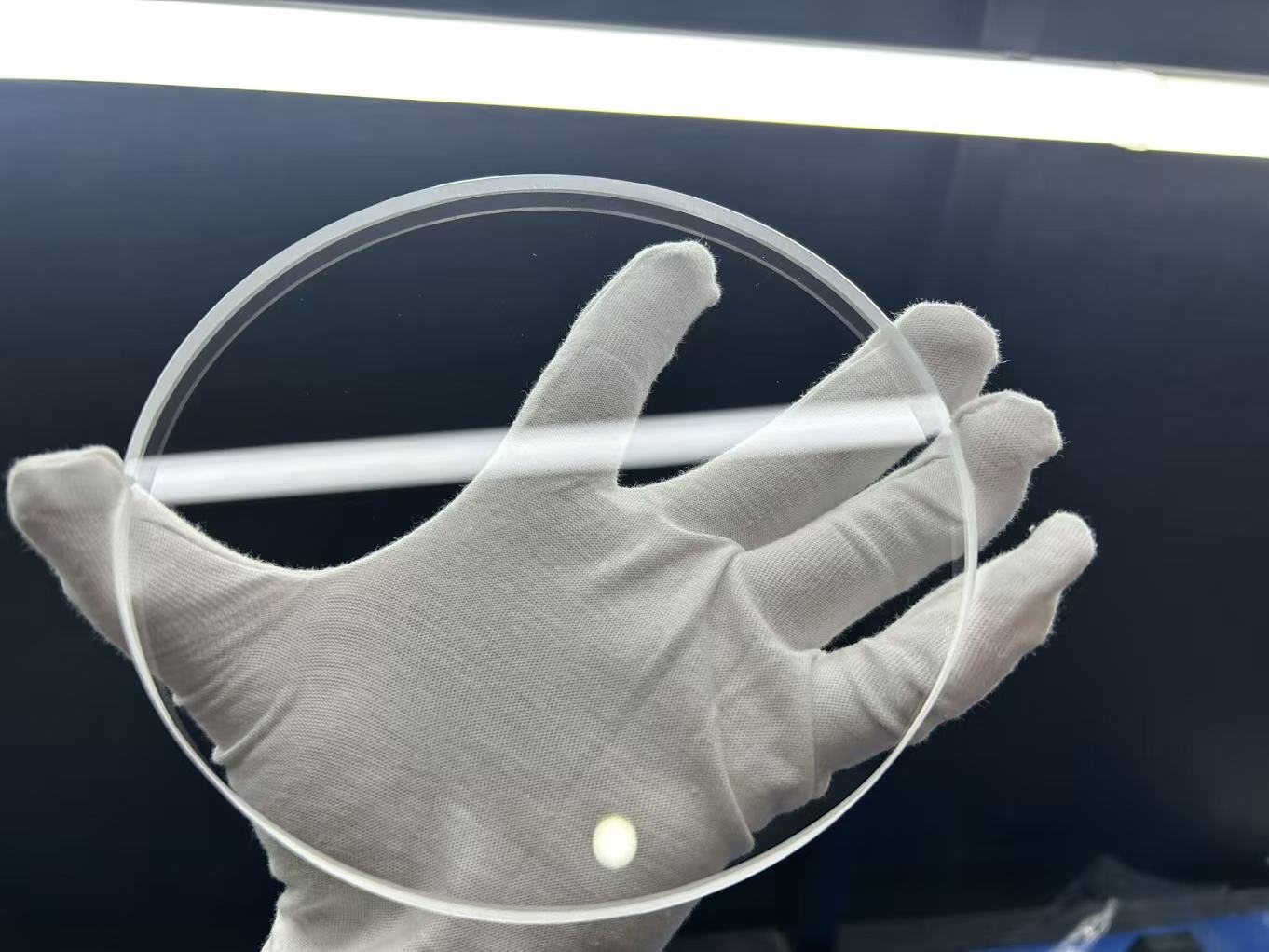
Clear Fused Quartz Glass Sheet for Photovoltaics
Deep UV-Visible transmittance quartz substrate for analytical spectrophotometer sample windows and solar cell testing.
Engineering Superiority: Why Fused Silica Outperforms Borosilicate & Platinum
In analytical laboratories, wafer fab wet benches, and specialty chemical synthesis, the quartz evaporating dish is the indispensable vessel for evaporative concentration, trace ashing, and crystallization.
Unlike standard borosilicate 3.3 laboratory glassware, which contains significant network modifiers such as B₂O₃, Na₂O, and Al₂O₃, fused quartz consists purely of an amorphous tetrahedral network of silicon dioxide (SiO₂ ≥ 99.99%). In high-temperature evaporation processes exceeding 500°C, borosilicate glasses suffer from dramatic mechanical softening and ionic leaching, contaminating analyte samples with parts-per-million (ppm) levels of boron, sodium, and calcium. Porous porcelain evaporating basins present rough micro-surfaces that trap crystalline precipitates, resulting in cross-contamination and hysteresis during precise gravimetric analysis.
Clear fused quartz evaporating dishes engineered by Donghai County Nivra Quartz Products Co., Ltd. exhibit a nearly zero thermal expansion coefficient (CTE ≈ 5.5 × 10⁻⁷ /°C). This allows the vessel to withstand instantaneous quench shocks from 1100°C directly into ice-cold water without structural cleavage or mechanical crazing. Furthermore, while platinum evaporating dishes are prohibitively expensive and prone to alloying attacks by aqua regia or heavy metal oxides, fused silica provides near-universal chemical inertness across the full acidic spectrum—making it the benchmark substrate for preparing trace-level standards and electronic-grade precursor chemicals.
Comparative Engineering Matrix: Quartz Grades vs. Conventional Labware
Selecting the precise silica grade avoids costly over-engineering while preventing premature devitrification and analytical inaccuracies during high-temperature evaporation.
| Material Category | SiO₂ / Purity Index | Softening Point | Max Working Temp | Thermal Shock (ΔT) | Spectral Cutoff | Recommended Use Cases |
|---|---|---|---|---|---|---|
| JGS1 Synthetic Fused Silica | ≥ 99.999% | 1730°C | 1200°C | > 1100°C | 185 nm (Deep UV) | Semiconductor trace metal evaporation, UV photochemistry, sub-ppb analysis. |
| JGS2 Optical Fused Quartz | ≥ 99.99% | 1683°C | 1100°C | > 1000°C | 220 nm (UV-Vis) | Standard analytical evaporating dishes, acid digestion basins, sight glasses. |
| JGS3 Low-OH Fused Quartz | ≥ 99.99% (Low [OH]) | 1680°C | 1150°C | > 1000°C | 260 nm – 3500 nm (IR) | Infrared thermal evaporation, pyrochemical slag processing, crystal growth. |
| Borosilicate 3.3 Glass | ~81% (Contains B/Na/Al) | 820°C | 450°C | ~ 150°C | 310 nm | Low-temperature routine classroom evaporation; unsuitable for heavy acids. |
| Laboratory Porcelain | Mullite / Silica blend | 1400°C | 1050°C | ~ 200°C (Slow cool) | Opaque | General gravimetric ashing; high cross-contamination risk due to porosity. |
Devitrification Prevention Protocol (Cristobalite Phase Shift)
Fused silica is thermodynamically metastable at ambient temperatures. When operating above 1150°C, the presence of surface alkali ions (sodium, potassium, lithium from fingerprints or unpurified wash water) accelerates heterogeneous nucleation into α-cristobalite. Cristobalite undergoes a destructive volumetric contraction (~2.8%) upon cooling through the 200°C–270°C transition zone, producing characteristic micro-crazing and shattering. Nivra Quartz applies proprietary HF passivation and fire-polishing to all dish rims and spouts to suppress nucleation sites and guarantee extended operational life.
Macro Trends Transforming Global Fused Quartz Procurement
Industry 4.0 automation, semiconductor node shrinkage, and geopolitical supply chain realignments are reshaping how procurement executives source quartz hardware.
1. Sub-ppb Metal Leaching Thresholds
As semiconductor fabrication scales to sub-3nm gate architectures and 3D NAND gate stacking reaches 300+ layers, process chemicals (ultra-pure H₂SO₄, HNO₃, HCl) require zero contamination. Global fabs are mandating ICP-MS certified quartz evaporating vessels with iron (Fe) < 0.1 ppm and aluminum (Al) < 10 ppm to prevent wafer yield degradation.
2. Automated Robotic Flame Polishing
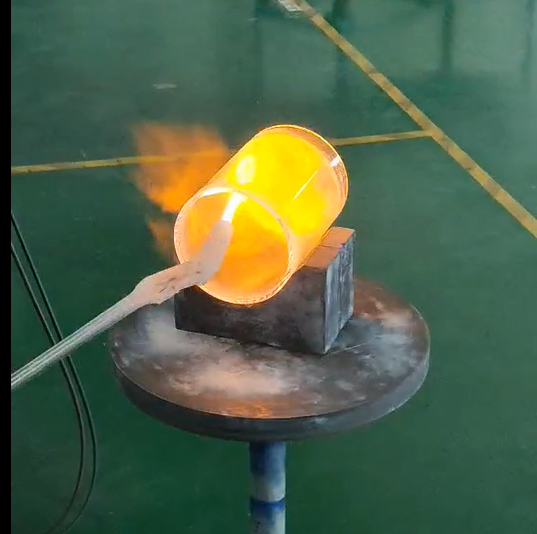
Manual lathe flame-working is transitioning to multi-axis CNC hot-forming machines. Automated oxy-hydrogen burner profiling ensures uniform wall thickness across spherical and flat-bottom evaporating dishes, eliminating localized thermal stresses that cause sudden failure under cycling.
3. Supply Chain Clustering in Donghai
Buyers in North America and Western Europe are consolidating orders with direct manufacturers in Donghai County—China's crystal capital. Integrating raw sand purification, crucible melting, and secondary CNC machining in one localized cluster slashes procurement lead times by 35% compared to fragmented brokers.
4. Closed-Loop Circular Quartz Recycling & Regrinding
Driven by ESG sustainability mandates, tier-1 research institutions and metallurgical processors are utilizing high-purity quartz recycling channels. Spent vessels, broken flanges, and devitrified crucibles are re-crushed, re-melted into fused silica cullet, and reclaimed into non-critical heating shrouds and furnace tubes, lowering total lifecycle emissions.
Integrated Manufacturing Powerhouse in Donghai, Jiangsu
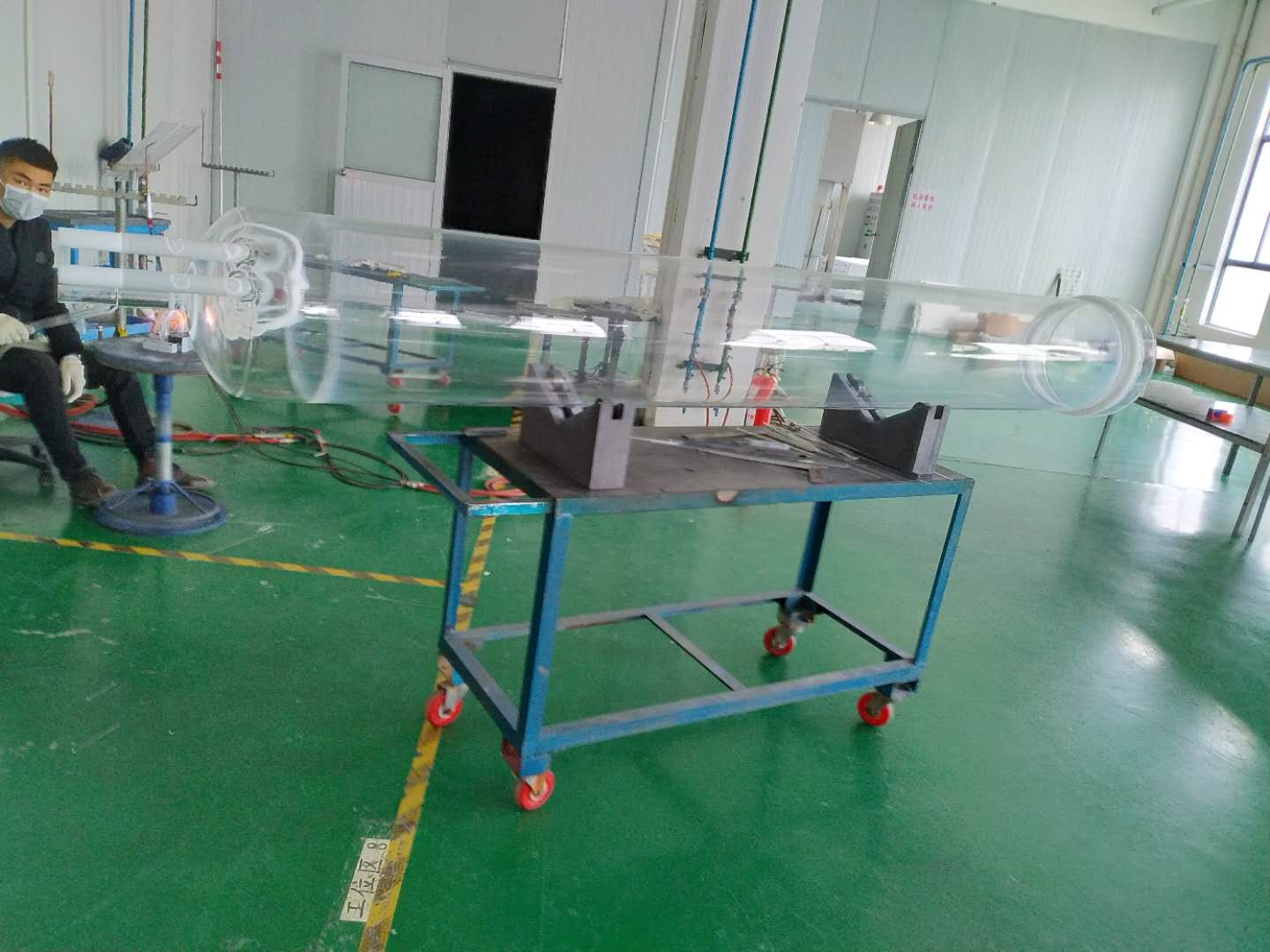
Founded in February 2019 at 285 Heping East Road, Lianyungang, Nivra Quartz combines a verified 101–200 employee facility with world-class OEM fabrication precision.

ISO & Third-Party Audited
Premises inspected on-site by international certification authorities. Rigorous verification for wall thickness, concentricity, and bubble-free DIN 58927 compliance.
≤5h Rapid Quote Turnaround
88.89% measured response rate with full engineering review of PDF, DWG, and STEP models within 5 hours. Direct communication with quartz master fabricators.
Zero-Breakage Export Logistics
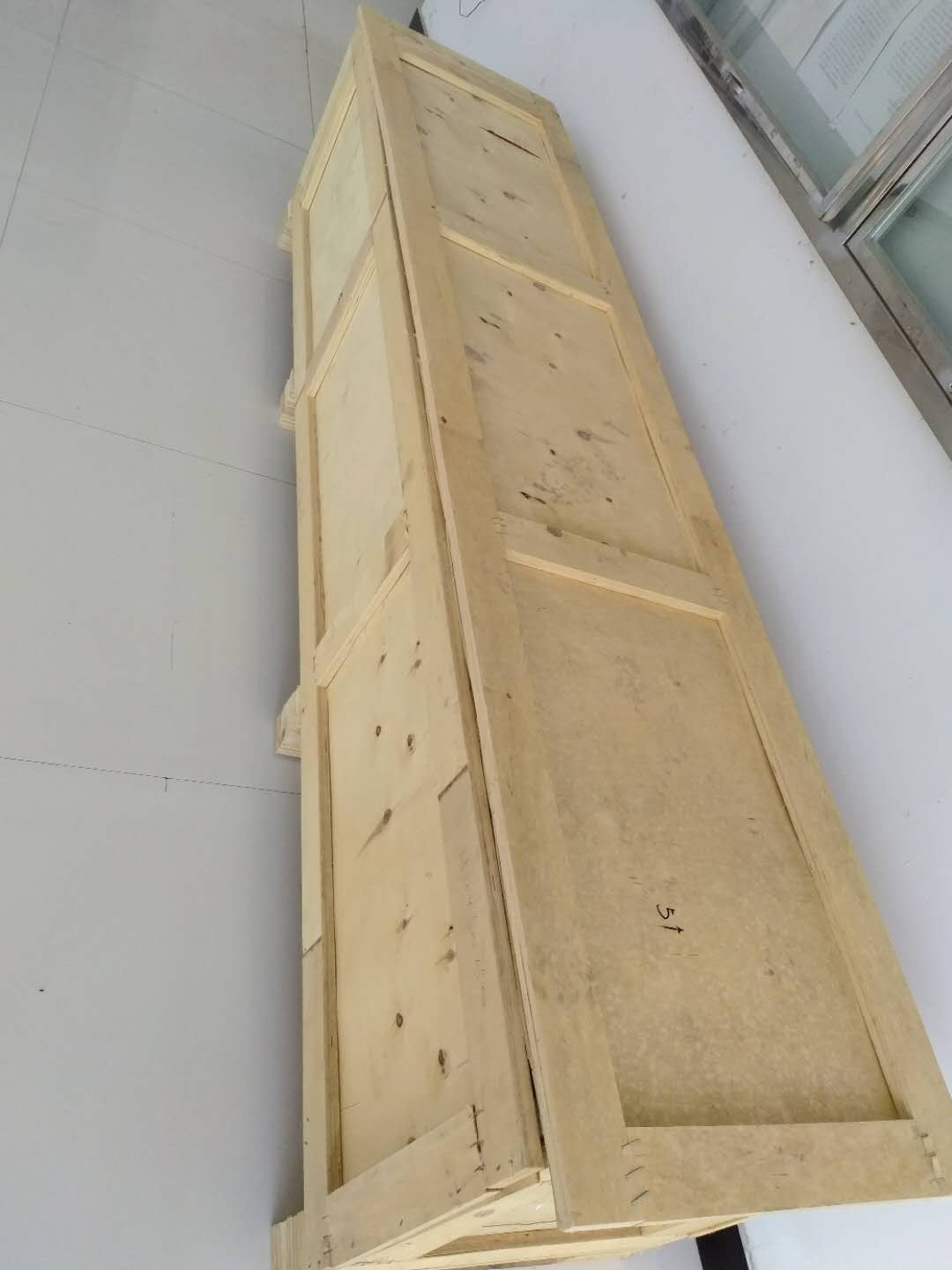
Multi-layered vacuum bubble wrap, high-density polyethylene suspension foam, and reinforced plywood crates engineered for intercontinental sea and air freight.
Low MOQ & Rapid Prototyping
Prototypes from 1-10 pieces for custom evaporating basins, spiral condensers, and step plates with rapid transition to high-volume containerized production.
Frequently Asked Questions on Sourcing Quartz Evaporating Dishes
In-depth engineering answers addressing thermal thresholds, chemical compatibility, packaging, and custom drawing submissions.
What are the maximum operational temperatures for quartz evaporating dishes? +
Our clear fused quartz evaporating dishes operate reliably under continuous heating up to 1100°C (2012°F) and can tolerate short-duration thermal excursions up to 1450°C (2642°F). The transformation point of high-purity vitreous silica is approximately 1075°C, with an annealing point at 1180°C and a softening point near 1683°C. For continuous calcination or evaporations exceeding 1150°C, ensure the dish is shielded from atmospheric alkali contaminants to avoid accelerated surface devitrification.
How does fused quartz react with concentrated acids (HF, H₃PO₄, Aqua Regia)? +
Fused silica shows unmatched chemical resistance against virtually all mineral and organic acids, including concentrated nitric acid (HNO₃), hydrochloric acid (HCl), sulfuric acid (H₂SO₄), and aqua regia, even at boiling temperatures. The only critical exceptions are Hydrofluoric Acid (HF), which dissolves SiO₂ via hexafluorosilicic acid formation, and concentrated Phosphoric Acid (H₃PO₄) at temperatures above 150°C. Caustic alkaline solutions (KOH, NaOH) will slowly etch the surface at elevated temperatures.
What is the difference between round-bottom and flat-bottom evaporating dishes? +
Round-bottom quartz evaporating dishes offer the highest thermal shock tolerance and uniform heat dispersal when heated by open gas flames, mantle heaters, or sand baths, preventing localized thermal stress concentrations. Flat-bottom dishes provide superior stability on laboratory hot plates, ceramic heating benches, and benchtop stirrers, ensuring optimal heat transfer across the flat base interface. We supply both designs with precision-poured spouts.
How do you prevent breakage when exporting fragile quartz dishes internationally? +
Export packaging complies with rigorous ISTA-certified drop standards. Each quartz dish undergoes ultrasonic degreasing, cleanroom dust removal, and individual wrapping in multi-ply anti-static pearl cotton foam. The wrapped components are suspended in high-density polyethylene (EPE) custom inserts inside double-wall corrugated cartons, which are then packed into fumigation-free solid plywood export cases with external shock-watch warning sensors.
Can Nivra Quartz manufacture custom dimensions with tight dimensional tolerances? +
Yes. As an OEM and ODM facility with CNC grinding, laser core-drilling, and computer-controlled lathes, we manufacture evaporating basins from miniature 10ml volumes up to oversized 5000ml industrial tanks. Standard outer diameter tolerances are held within ±0.2mm, with precision ground rims held to ±0.05mm. Send your CAD drawings (PDF, DWG, DXF, or STEP) for instant technical review.
What are your minimum order quantities (MOQ) and production lead times? +
For standard catalogue sizes (45mm to 150mm diameter), our MOQ starts at just 1 to 10 pieces, making prototyping accessible. For custom CNC machined geometries or large-volume production runs, lead times typically range from 7 to 15 business days. Rapid sample fabrication is supported within 3 to 5 business days post drawing approval.
Ready to Optimize Your High-Purity Quartz Ware Bill of Materials?
Whether you need standard high-purity quartz evaporating dishes, custom-welded spiral condensation glassware, or optical step plates, Nivra Quartz engineers deliver uncompromised quality, competitive factory pricing, and verified rapid export logistics.