High-Purity Quartz Vessels & Cleaning Line Essentials
Critical wet bench assemblies require seamless thermal uniformity, defect-free welding, and exceptional resistance to hot hydrofluoric, hydrochloric, and piranha chemical mixtures. Explore our core precision-machined quartz products.
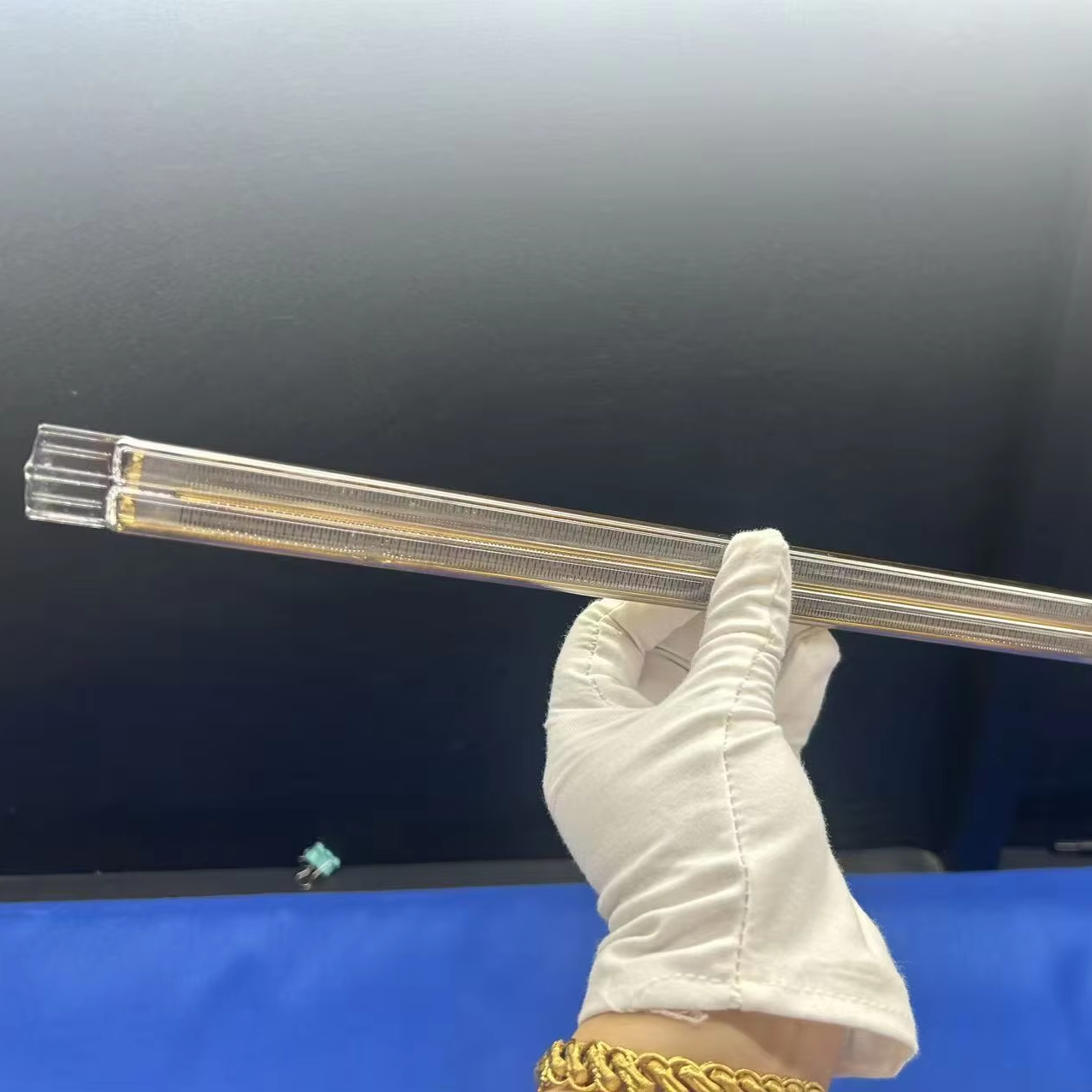
Graphene Quartz Heating Tube
High-efficiency electrothermal conversion tubes for quick chemical bath heating. Excellent thermal shock resistance and high infrared transmittance.
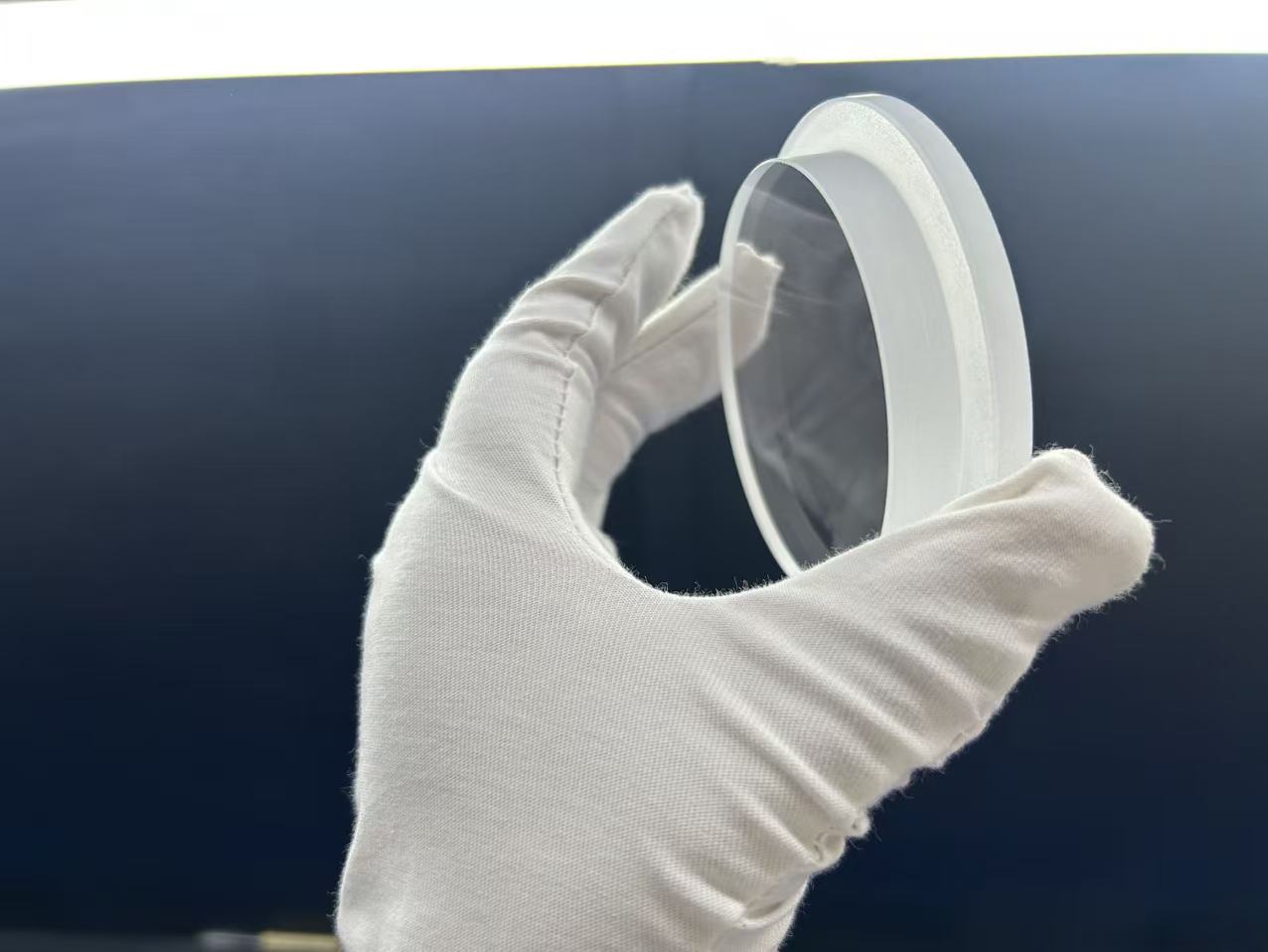
High-purity Ultra-thick Quartz Double-Layer Step Plate
Custom-machined stepped plates providing rugged chemical foundation in wet cleaning sinks. Fine diamond edge-grinding and optical polishing.
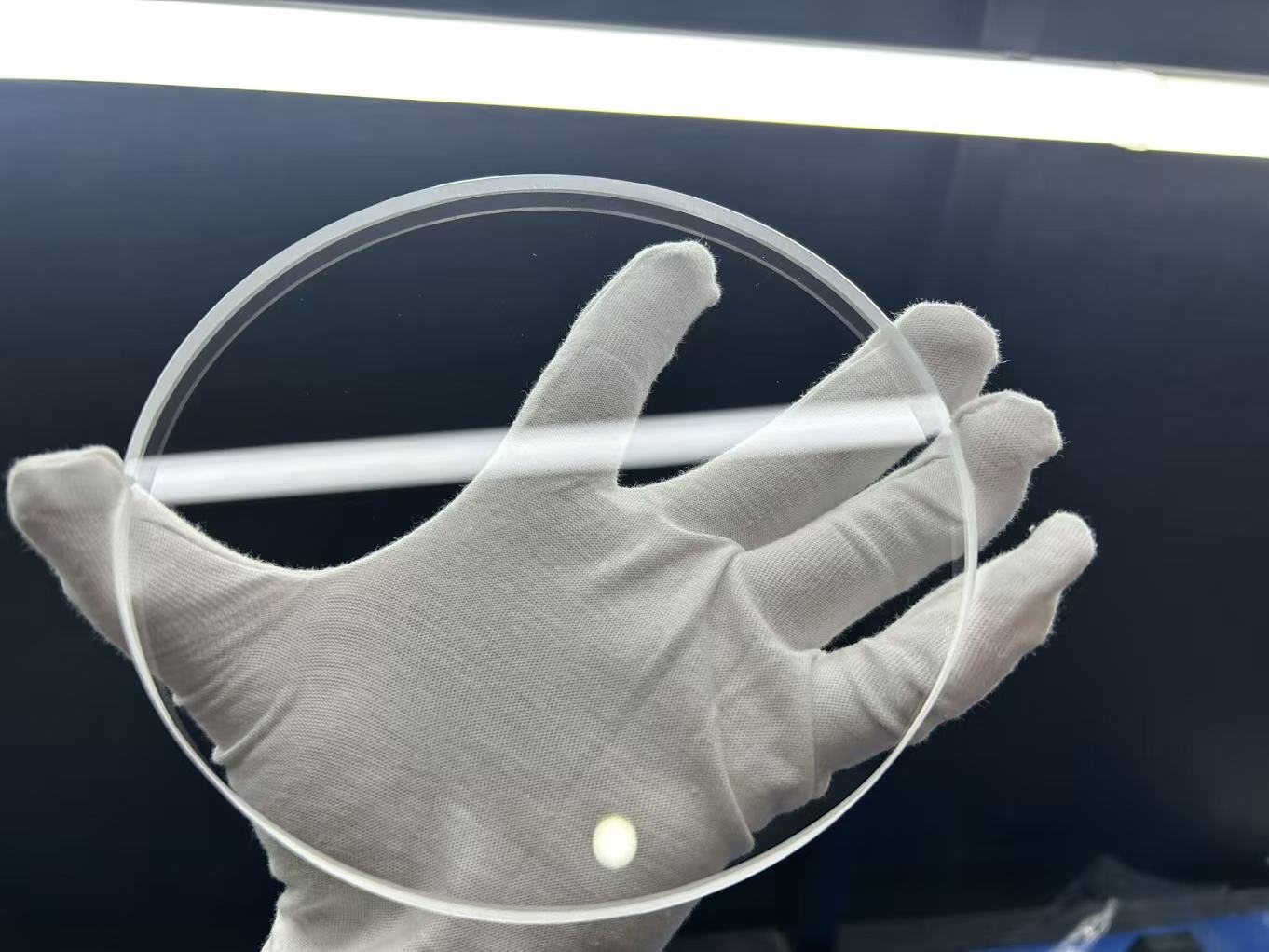
Clear Fused Quartz Glass Sheet for Optics & PV
Optically clear baffle plates and tank divider sheets. High transmission from deep UV through infrared with sub-nanometer surface roughness.
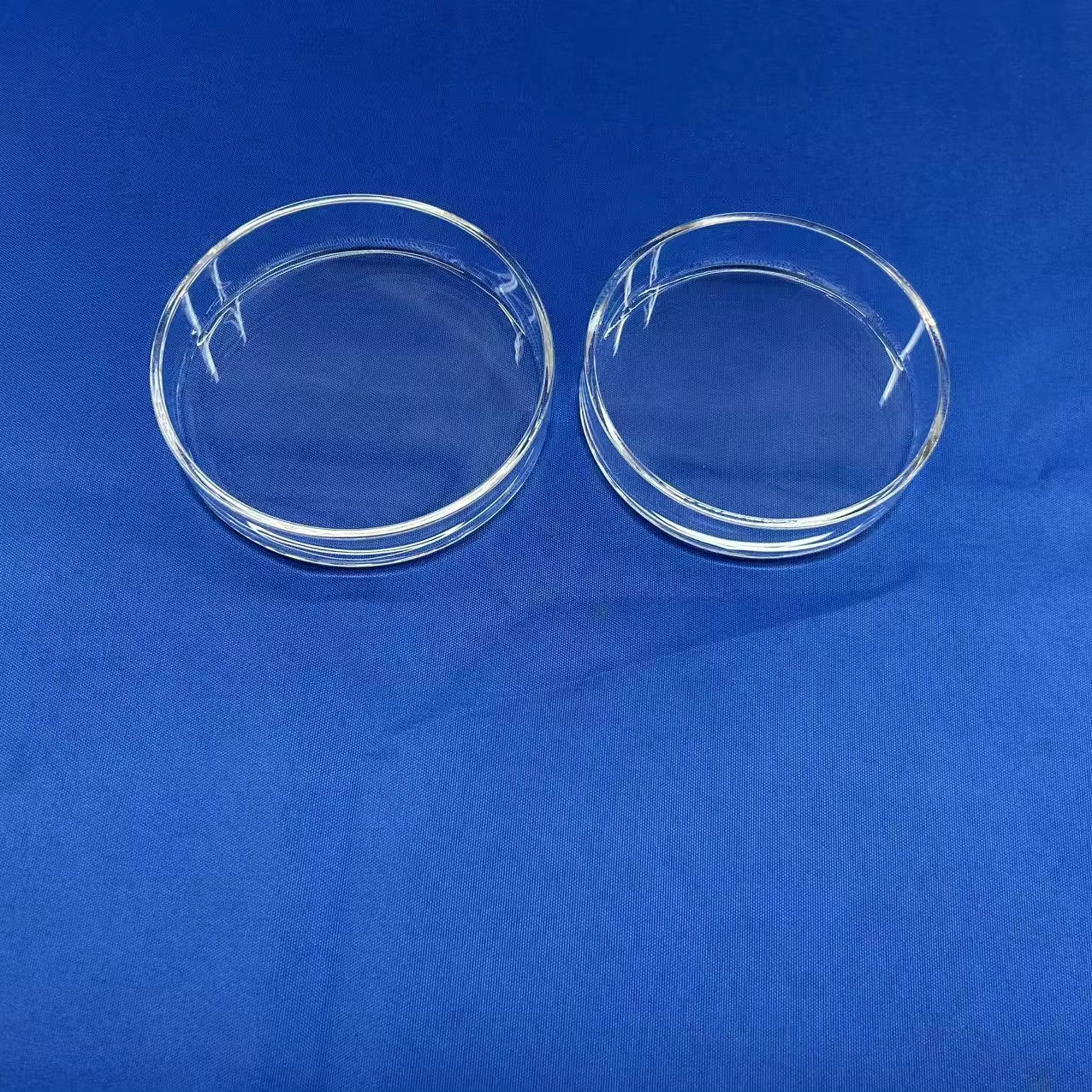
High-purity Quartz Glass Petri Dishes with Lids
Chemically inert lab receptacles for wafer coupon testing, chemical digestion, and sample handling in Class 100 cleanrooms.
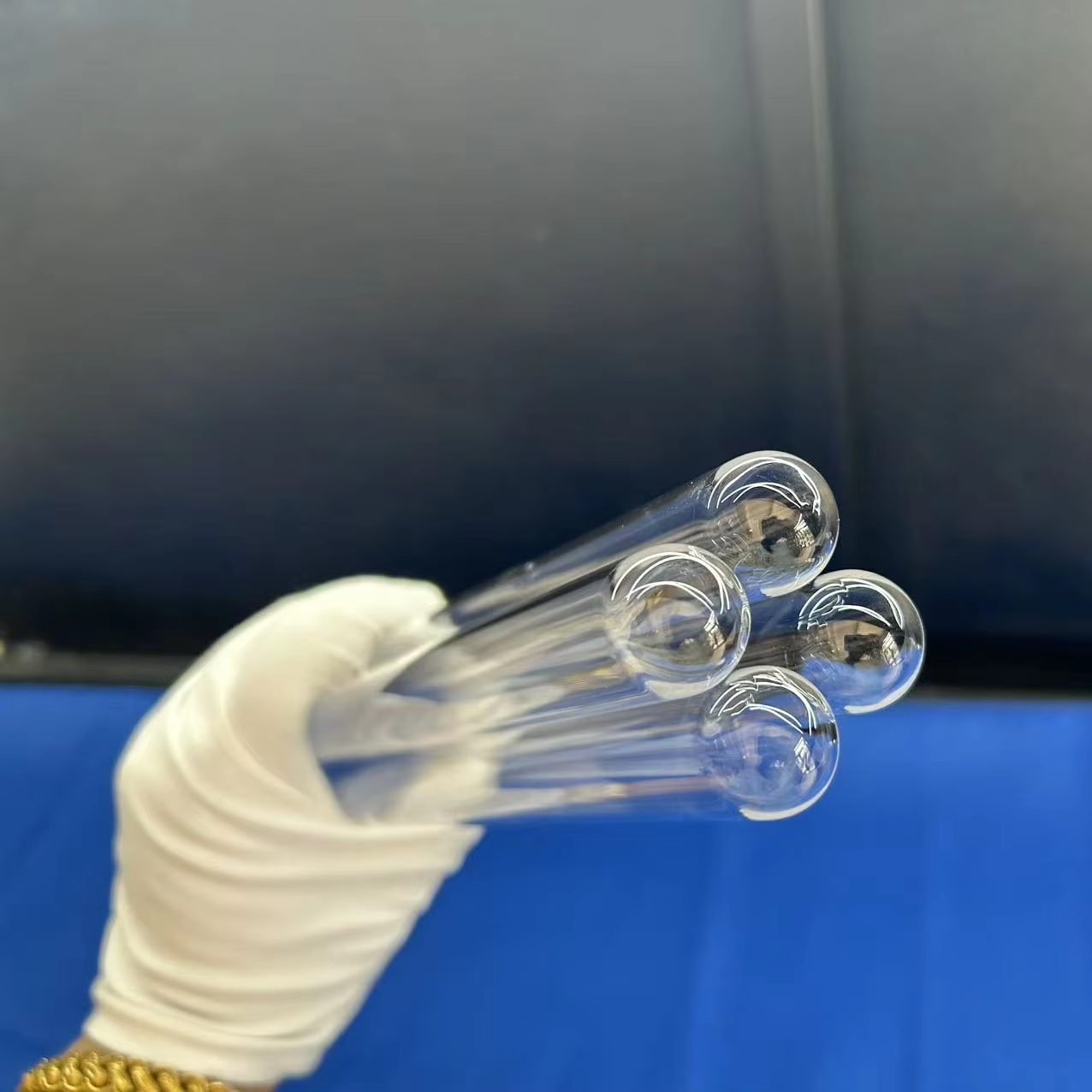
High-purity Fused Silica Bottom Sealing Tubes
Diameter 20–25mm bottom-sealed tubes for liquid drainage stoppers, chemical dosing quills, and internal thermal sensor protection wells.
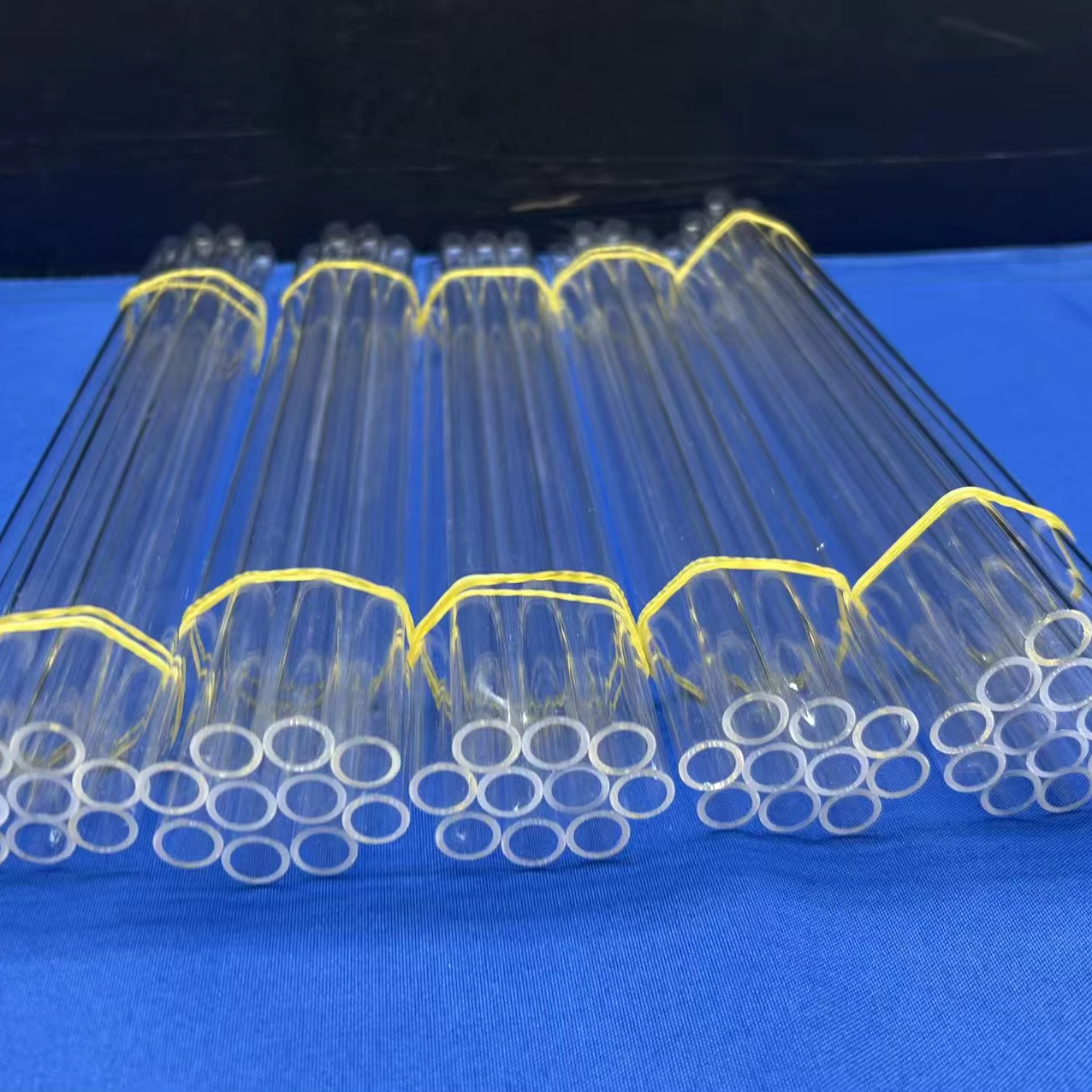
Standard & Custom Quartz Test Tube
Essential for offline chemical bath titration, ICP-MS bath trace-metal sampling, and high-temperature acid decomposition tests.
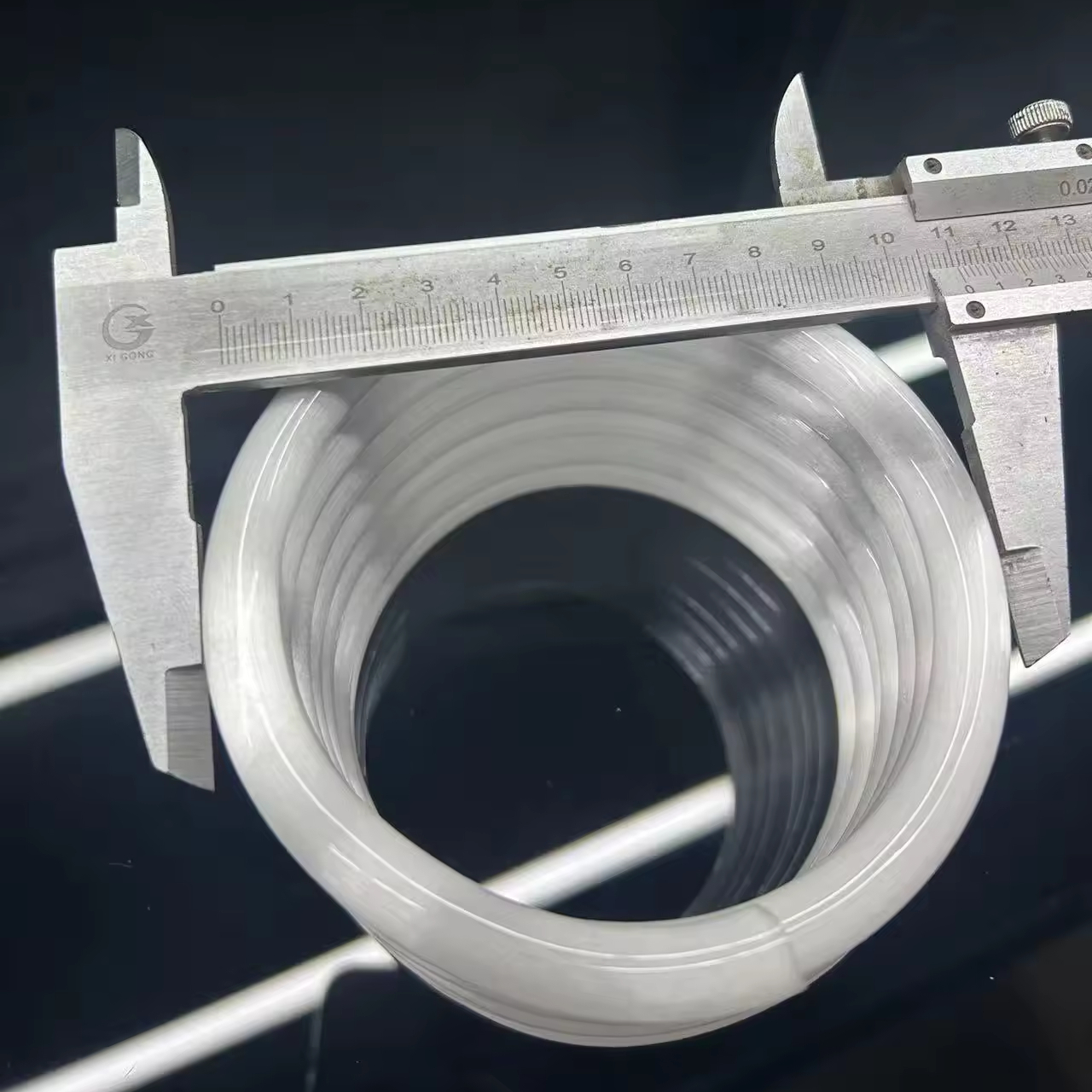
Helical Clear Quartz Glass Coil Tube
Precision coiled heat exchanger tubes for circulating DI water heating and acid cooling loops. Prevents metallic contamination in ultra-pure baths.
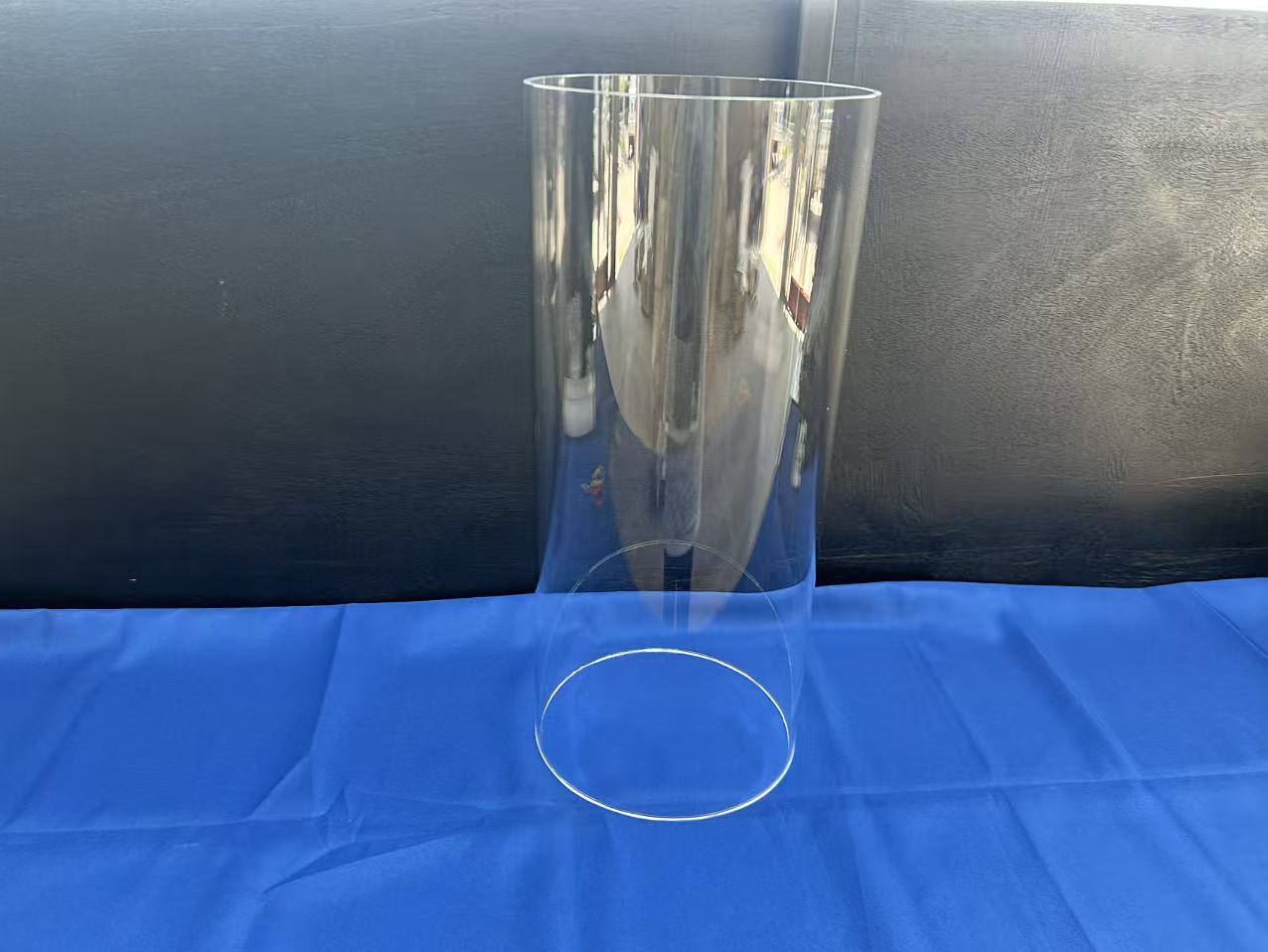
Large-Diameter Fused Quartz Tubes
Cylindrical cleaning shells, overflow collars, and wafer batch process chambers. Flame-polished rim finishes and CNC slotting services.
Material Science & Structural Mechanics in Quartz Wet Tanks
In semiconductor wafer manufacturing and precision optical fabrication, the wet cleaning bench is a critical gatekeeper of device yields. A comprehensive review of quartz tank fabrication, hydroxyl management, and chemical endurance.
Purity Foundations: JGS1, JGS2 & Synthetic Silica Benchmarking
Quartz cleaning tanks operate in hostile thermochemical environments where process fluids such as SC-1 (NH₄OH/H₂O₂/H₂O), SC-2 (HCl/H₂O₂/H₂O), and Hot SPM (Piranha, H₂SO₄/H₂O₂) attack vessel walls at temperatures reaching 130°C–180°C. Standard borosilicate glass or low-grade quartz quickly degrades, releasing ionic impurities that ruin sub-10nm gate structures.
Our cleaning baths are engineered exclusively from electrowinning-refined natural fused quartz (JGS2) or synthetic amorphous fused silica (JGS1). With a SiO₂ content ≥ 99.999%, toxic alkali metals (sodium, potassium, lithium) and transition elements (iron, copper, nickel, chromium) are curbed below sub-ppm and single-digit ppb levels, preventing trace contamination of silicon wafers and optoelectronic wafers.
Furthermore, through vacuum dehydroxylation thermal schedules, internal OH⁻ content is suppressed below 15 ppm. This prevents mechanical embrittlement, reduces micro-cracking during rapid temperature cycling, and lowers chemical spallation in sulfuric and phosphoric acid applications.
| Impurity Element | Standard Industrial Quartz | Nivra High-Purity Grade |
|---|---|---|
| Aluminum (Al) | 14.0 – 20.0 ppm | < 5.0 ppm |
| Iron (Fe) | 0.8 – 2.0 ppm | < 0.1 ppm |
| Sodium (Na) | 1.5 – 3.0 ppm | < 0.3 ppm |
| Potassium (K) | 1.0 – 2.5 ppm | < 0.2 ppm |
| Copper (Cu) | 0.1 – 0.5 ppm | < 0.01 ppm |
| Hydroxyl Content (OH⁻) | 120 – 180 ppm | < 15 ppm (De-OH Grade) |
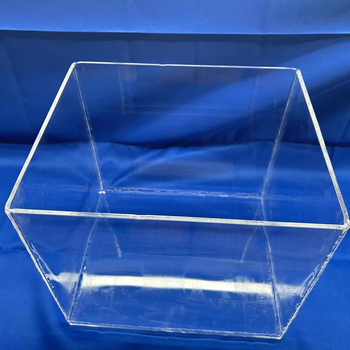
Seamless Hot-Fusion Welding & Annealing Physics
The structural failure of a quartz cleaning tank almost universally originates at the seams. Traditional plate assemblies relying on localized torch tacking leave microscopic micro-notches, thermal shock zones, and steep hoop-stress concentrations.
At Nivra Quartz, every rectangular bath is assembled using continuous automatic flame-fusion processes with high-purity quartz filler rods under cleanroom atmospheric enclosures. Following weld assembly, each cleaning tank undergoes a multi-stage stress-relief annealing cycle in our programmable computer-controlled bell furnaces:
- Ramp-Up: Linear heating at 3.5°C/min to the annealing point (1140°C–1200°C).
- Isothermal Soak: 4 to 8 hours to allow molecular realignment of the SiO₄ tetrahedral network.
- Ultra-Slow Cooling: Controlled cool-down at ≤ 1.2°C/min through the transformation zone down to 400°C.
Each finished tank is validated via crossed-polarizers (Sénarmont compensator polariscopy) to verify residual optical retardation is strictly < 10 nm/cm, preventing stress corrosion cracking when exposed to thermal shocks up to 1000°C.
Technological Frontiers in Quartz Cleaning Bath Systems
Next-generation wafer fabrication nodes (sub-3nm logic, 300-layer 3D NAND) and large-format solar wafers demand unprecedented cleanliness, hydrodynamics, and acoustic endurance from quartz process tanks.
Megasonic Acoustic Matching & Cavitation Shielding
Modern wet benches use 800 kHz to 2.0 MHz megasonic transducers directly bonded to the quartz tank floor. Microscopic surface pits can lead to cavitation erosion, fracturing the vessel. Next-generation tanks feature double-sided CMP (Chemical Mechanical Polishing) with surface roughness Ra ≤ 0.2 nm and tailored acoustic impedance bottom plates that maximize acoustic power transmission while eliminating acoustic standing-wave hot spots.
Quick-Dump Rinse (QDR) Fluid Dynamic Geometry
Water and chemical conservation requirements are driving complex internal geometries. Monolithic quick-dump designs feature CNC-machined knife-edge overflow weirs, bottom dump doors with mirror-flat quartz-to-quartz seals, and directional laminar flow nozzles. This architecture achieves a 99.9% ionic dilution purge in under 18 seconds without bubble entrapment or dead-zone vortex formation.
Integrated Laser-Drilled Ozone/N₂ Micro-Spargers
Ozonated chemistry (DIO3) is rapidly displacing toxic piranha cleans for resist stripping. Modern quartz tanks incorporate integrated sub-surface quartz spargers with sub-micron laser-drilled micro-orifices. These produce micro-nanobubbles that uniformly saturate cleaning baths, dramatically increasing chemical oxidation kinetics without mechanical agitation damage.
Future Procurement Trends for Semiconductor Quartzware (2025–2030)
Global supply chain restructuring, fab expansions in the US, Europe, and Asia, and rising quality standards are reshaping how equipment procurement teams select and qualify quartz fabrication partners.
Total Cost of Ownership (TCO) vs. Initial CapEx
Fab managers are moving away from evaluating the lowest purchase price, shifting toward Total Cost of Ownership metrics. Tanks engineered with superior annealing profiles and lower internal OH⁻ concentrations resist chemical pitting, offering 30%–50% longer campaign lifetimes between fab maintenance cycles.
Traceable ICP-MS Material Certification
Procurement protocols now require lot-level ICP-MS (Inductively Coupled Plasma Mass Spectrometry) trace metal certificates. Buyers require validated testing down to the parts-per-billion level for Fe, Cu, Ni, and Na directly from raw ingot slices through to the final acid-etched delivery stage.
Direct-from-Source Donghai Clustering
Global OEMs are consolidating relationships directly with primary processors located in Donghai County—the crystal and quartz capital of China. Bypassing multi-tier trading brokers reduces lead times, stabilizes raw boule availability, and cuts procurement budgets by 18%–25%.
Circular Quartz Re-Melting & Re-Polishing
With environmental and ESG mandates increasing in semiconductor and PV sectors, fabs are instituting tank refurbishing protocols. Heavily etched tanks are skim-milled, ground, fire-polished, and re-annealed for second-life service, cutting raw material consumption and carbon footprints.
Why Tier-1 Wet Bench Manufacturers Partner With Nivra
Established in 2019 at 285 Heping East Road, Donghai County, Lianyungang, Jiangsu, Nivra Quartz combines advanced multi-axis CNC glass machining with master torchcrafting to supply high-purity quartz across six continents.

On-Site Verified Facility
101–200 Technicians • 40% North American Export Share • 5.0/5 Score
Full In-House Processing Chain
From raw quartz boule slabbing, CNC wire-sawing, multi-axis edge beveling, and ultrasonic hole coring to robotic hydrogen-oxygen welding and optical-flat double-sided lapping, every fabrication phase is maintained under strict internal quality gates.
Rapid Engineering Feedback (≤ 5 Hours)
Our engineering team reviews PDF, DWG, and 3D STEP drawings within 5 hours, resolving manufacturability issues, edge radiusing, wall thickness trade-offs, and thermal expansion factors before metal hits the quartz.
Zero-Breakage Global Crating System
Every finished quartz cleaning vessel is vacuum-sealed in anti-static, moisture-proof barrier foil, suspended inside customized multi-density closed-cell EPE foam, and enclosed in heavy-duty ISPM-15 compliant export plywood crates with shock indicators.
Frequently Asked Questions on Quartz Cleaning Tank Procurement
Practical engineering answers addressing material grades, tolerances, thermal shock resistance, and logistics for procurement specialists and cleanroom facilities engineers.
What is the key difference between JGS1, JGS2, and JGS3 quartz in cleaning tanks?
JGS1 is synthetic amorphous silica fabricated from SiCl₄. It features zero optical bubbles, deep UV transmission (185–2500 nm), and sub-ppb trace metals, making it ideal for excimer laser cleaning and 3nm wafer cleaning baths. JGS2 is refined natural fused quartz (220–2500 nm transmission). It offers the best balance of structural strength, mechanical durability, and affordability for standard wet benches (HF, SPM, SC-1). JGS3 is infrared-grade quartz with virtually zero hydroxyl content (< 2 ppm OH⁻), designed primarily for high-temperature IR thermal processing and infrared heater jackets.
How do your quartz cleaning tanks withstand concentrated hydrofluoric acid (HF)?
Pure SiO₂ naturally reacts with hydrofluoric acid according to the reaction SiO₂ + 4HF → SiF₄ + 2H₂O. However, our seamless fire-polished finishes and low-defect crystal matrices ensure an exceptionally uniform etch rate without localized preferential boundary attack. For extended HF service, we engineer increased wall thicknesses (typically 8mm–15mm) to provide years of dependable process life.
What mechanical tolerances can you achieve on welded quartz cleaning tanks?
Standard tank tolerances are held to ±0.5 mm for overall dimensional outlines. Through post-weld CNC milling and laser profile inspection, we regularly achieve ±0.1 mm on critical mounting shoulders, weir step heights, overflow lips, and ultrasonic transducer flat bonding planes.
What thermal working limits and shock limits can these quartz tanks endure?
Clear fused quartz has a low coefficient of thermal expansion (α ≈ 5.5 × 10⁻⁷ /°C). Tanks can run continuously at 1100°C and endure short excursions to 1450°C (softening point ≈ 1683°C). More importantly for wet benches, our fully annealed tanks can survive sudden transitions from 180°C boiling piranha baths directly into 20°C quick-dump deionized water flushes without fracturing.
Can you manufacture custom-designed tanks directly from customer CAD drawings?
Yes. Over 70% of our production consists of customized OEM/ODM builds. We accept 3D STEP, IGES, SolidWorks, and 2D DXF or PDF files. Our manufacturing review covers edge radii, thermal relief seams, weir drain configurations, and chemical port flanging before production commences.
What is the minimum order quantity (MOQ) and production lead time?
For custom cleaning tanks, prototype orders start at 1 piece to support engineering evaluations. For standard quartz tubes, test tubes, and plates, MOQ ranges between 10 and 50 pieces. Prototype lead time is typically 10 to 18 business days, while volume batch runs ship within 20 to 30 days.
How do you verify internal stress and weld integrity prior to export?
Every welded tank undergoes dual-stage quality gate verification: 1) Helium mass spectrometer leak detection down to 1 × 10⁻⁹ mbar·L/s to ensure zero micro-porosity along weld joints; 2) Full-body optical polariscope inspection under polarized light to verify residual birefringence complies with ASTM C148 standards (< 10 nm/cm).
What measures prevent transit damage during international air and sea freight?
Our packaging meets stringent ISTA drop-testing criteria. Quartz tanks are wrapped in Class 100 cleanroom film, fitted with custom-cut, high-elasticity closed-cell polyethylene foam beds, and packed inside reinforced, fumigation-free wooden crates equipped with Tip-N-Tell and Drop-N-Tell impact sensors.
Request an Engineering Review & Fabrication Quote
Need a drop-in replacement cleaning vessel or engineering an advanced sub-5nm wet bench? Upload your technical drawings, chemical specifications, and quantity requirements. Our Donghai technical sales team will provide an initial analysis within 5 hours.
Get a Quote