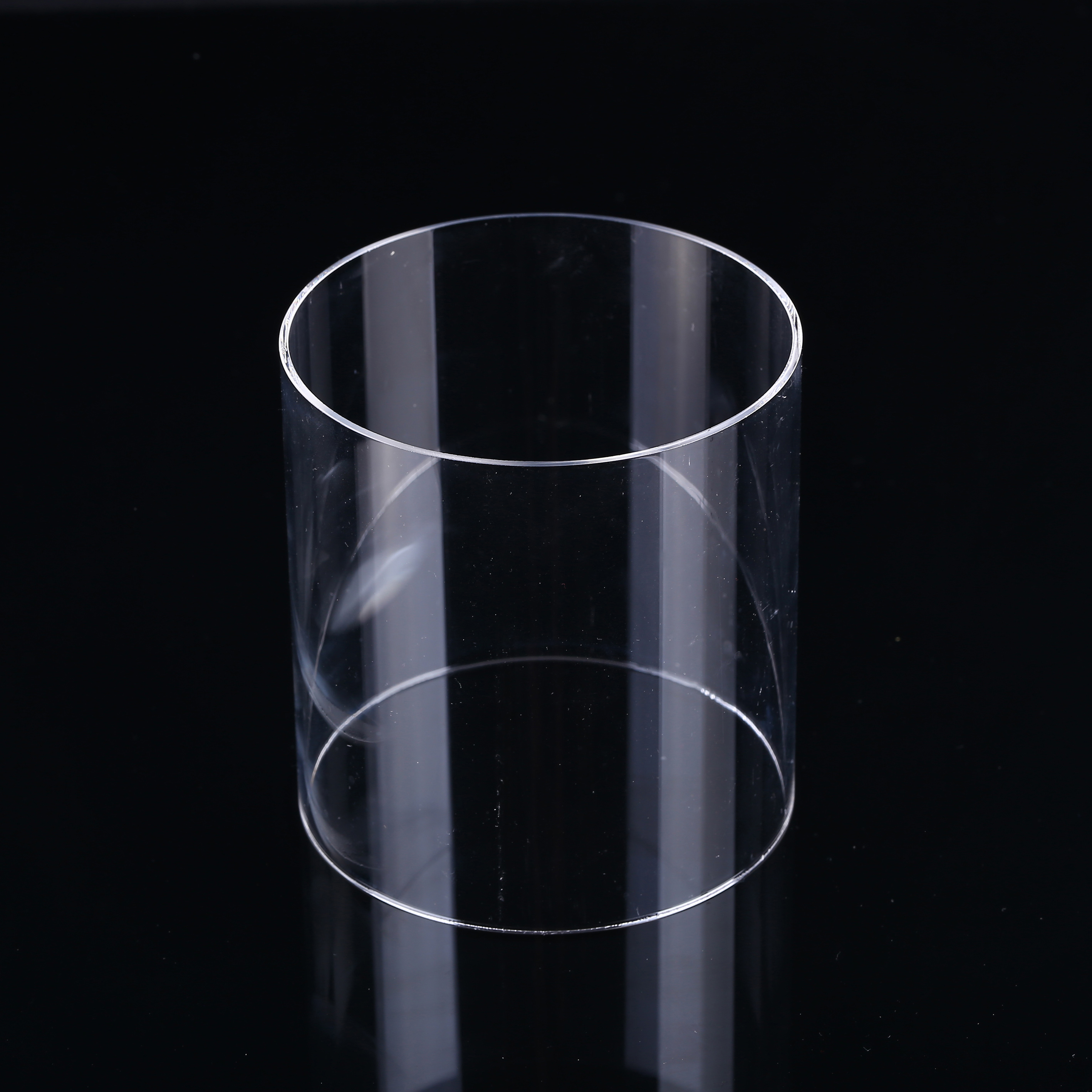
Top Trusted Fused Silica Tube Factory & Supplier

Global Engineering Whitepaper: Precision Thermal Properties, Low-OH Metallurgical Purity, and High-Yield Fabrication for Semiconductor, Photovoltaic & Optical Infrastructure

Direct From Donghai Facility

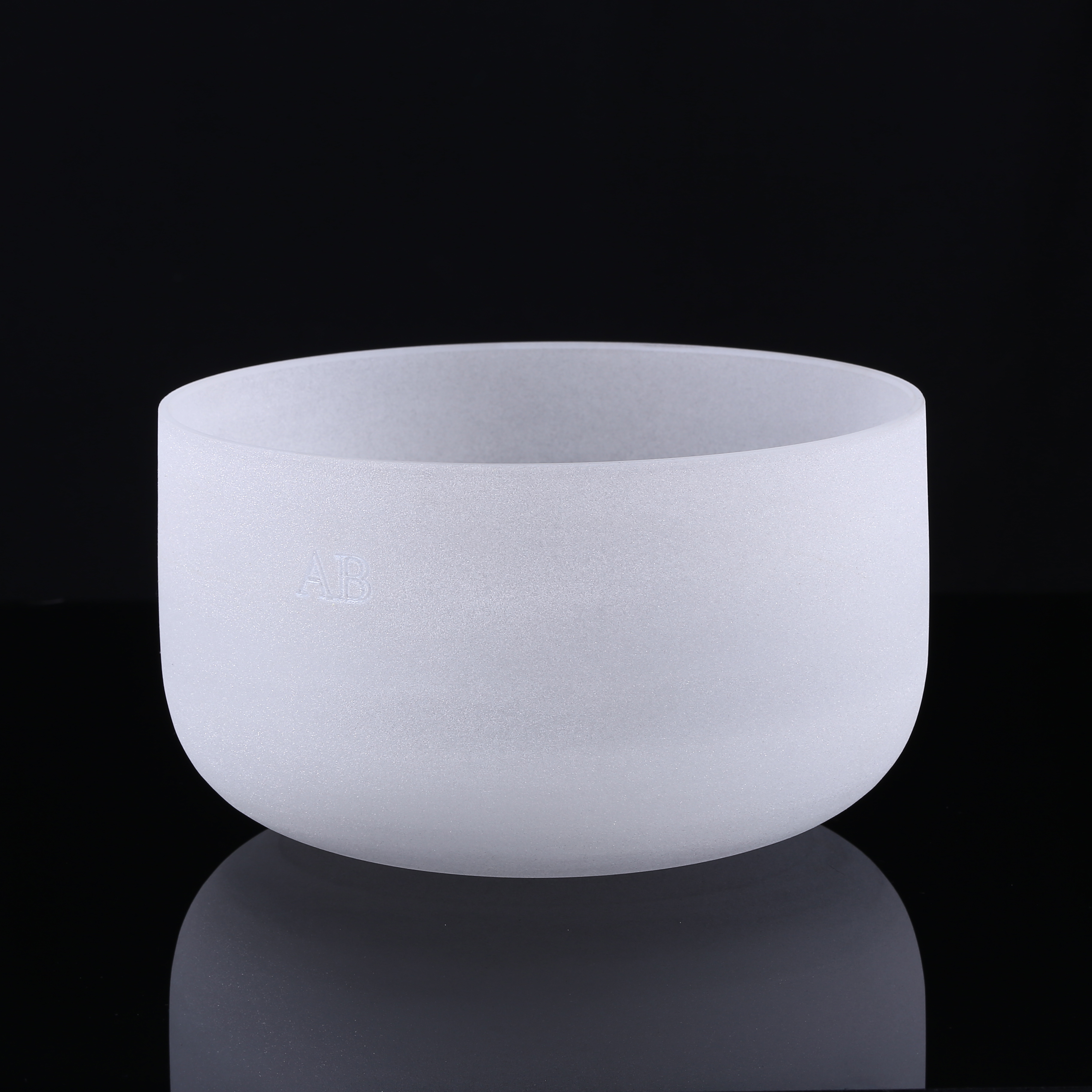
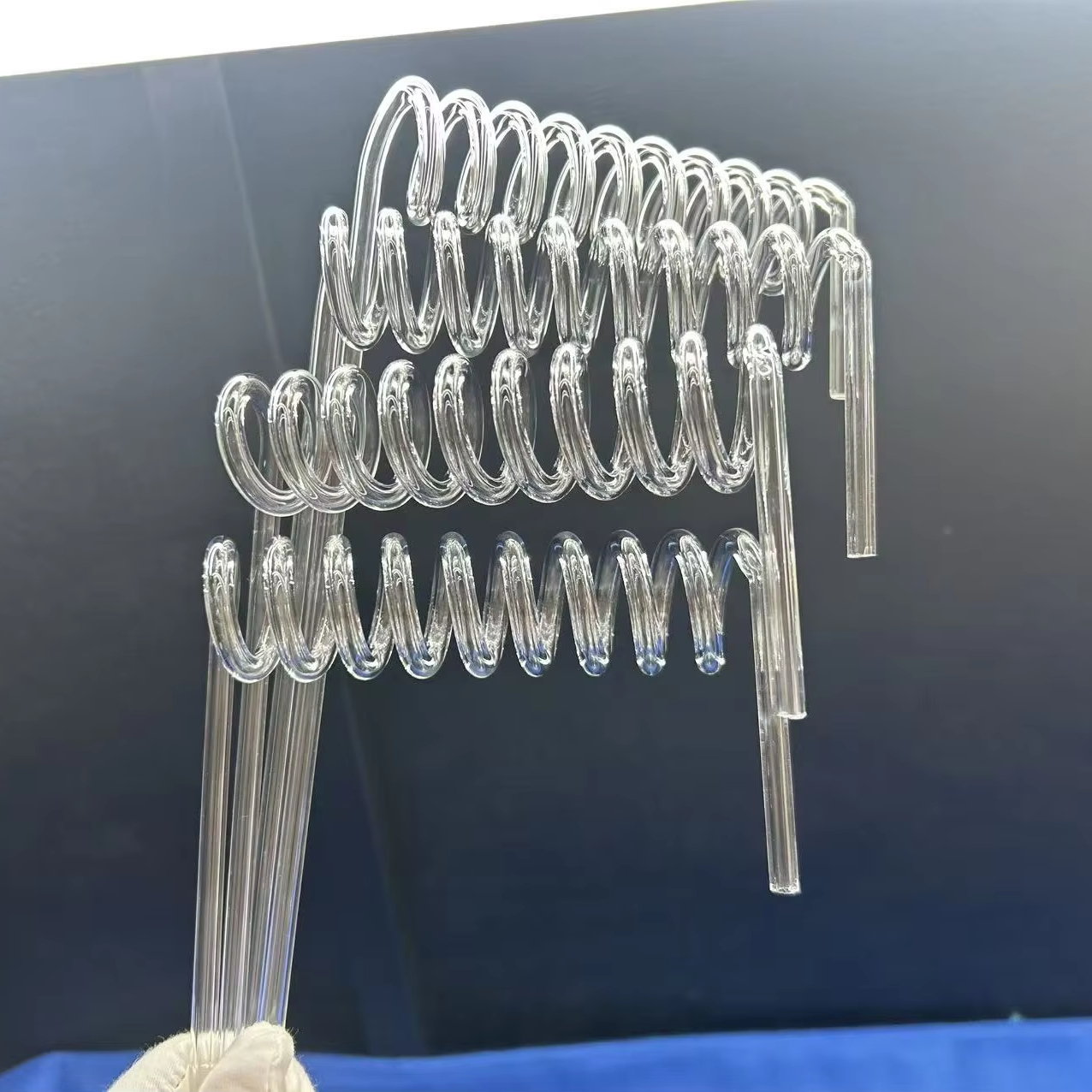
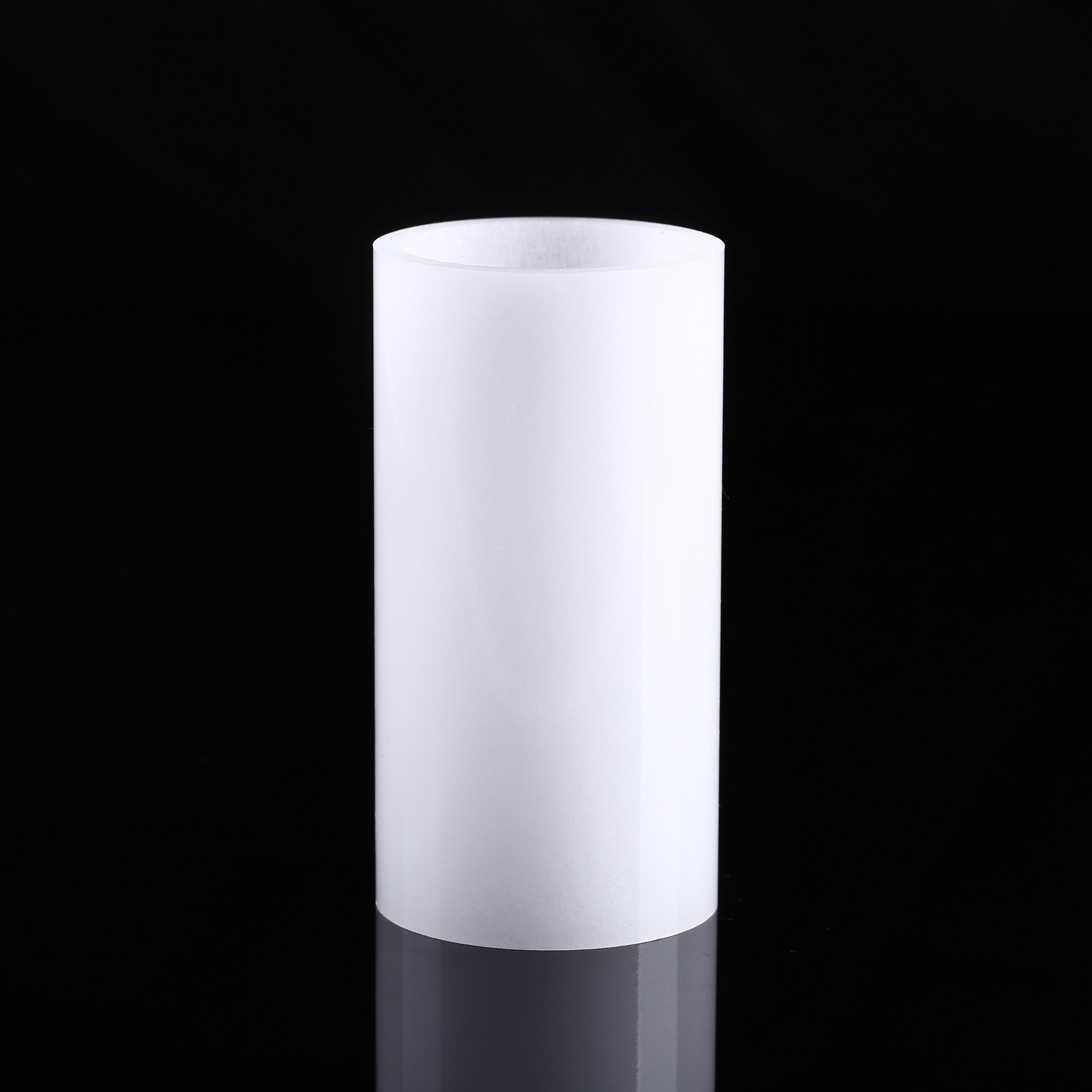
Featured High-Purity Fused Quartz & Silica Solutions

Engineered to exact geometric tolerances with spectral purity exceeding 99.99% SiO₂. Discover standard stock configurations and rapid-turn custom OEM profiles.

2019
Established in Donghai
101–200
Specialized Engineers
≤ 5 Hours
Technical RFQ Response
5.0 / 5.0
Global Buyer Satisfaction
Manufacturing Excellence

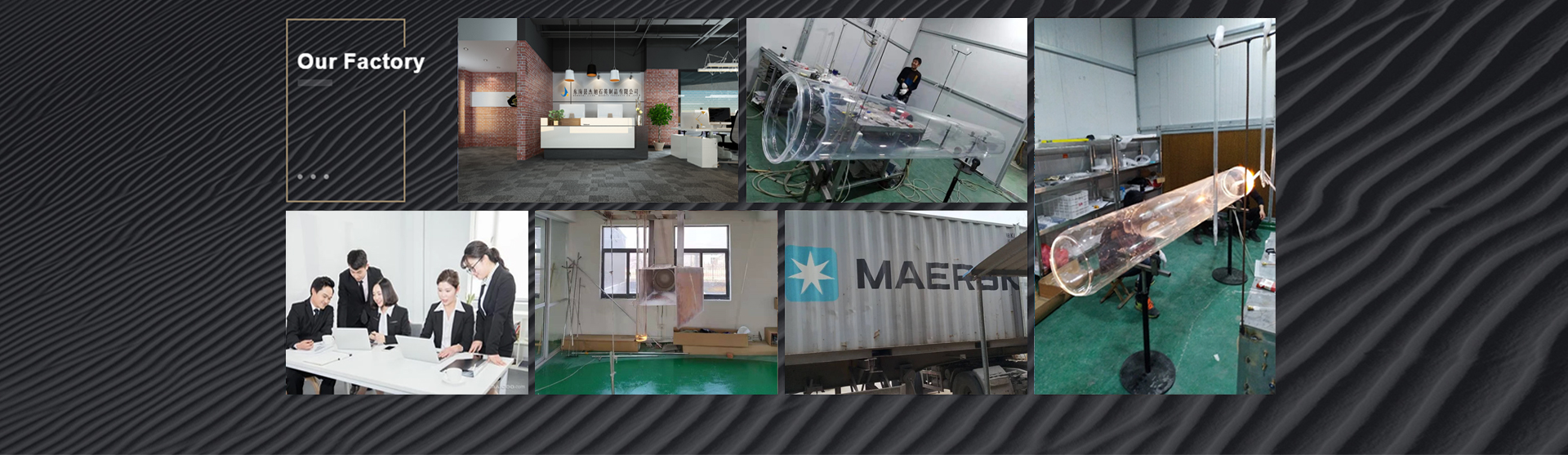
Integrated Donghai Manufacturing: The Global Hub for Advanced Silica Processing

Operating from 285 Heping East Road, Lianyungang, Jiangsu, Donghai County Nivra Quartz Products Co., Ltd. serves as an authoritative pillar in engineered vitreous quartz.

Donghai County is universally recognized as the quartz and crystal epicenter of China, concentrating more than 70% of the world's high-purity natural silica sand processing and thermal refinement facilities. Established in February 2019, Donghai County Nivra Quartz Products Co., Ltd. has scaled into a world-tier manufacturing enterprise encompassing 101 to 200 high-precision glassmakers, optical technicians, and ceramic process engineers. By consolidating raw crystalline mineral grading, electric-vacuum thermal drawing, and diamond CNC sub-millimeter machining within an integrated campus, our direct factory model eliminates non-value-added intermediary markups while enforcing rigorous metallurgical trace impurity controls.

Modern semiconductor fabrication plants (fabs) and photovoltaic mono-cell manufacturers demand uncompromising component stability. Our manufacturing floor combines computerized horizontal glass lathes, dual-sided chemical mechanical planarization (CMP) equipment, hydrogen-oxygen thermal micro-welding stations, and high-capacity electrical de-stressing annealing lehrs capable of treating 600mm external diameter furnace tubes without thermal shock degradation. With an on-time verified delivery rating of 5.0/5.0 and an inquiry resolution turnaround under 5 hours, Nivra Quartz bridges the gap between raw material science and zero-defect OEM execution.

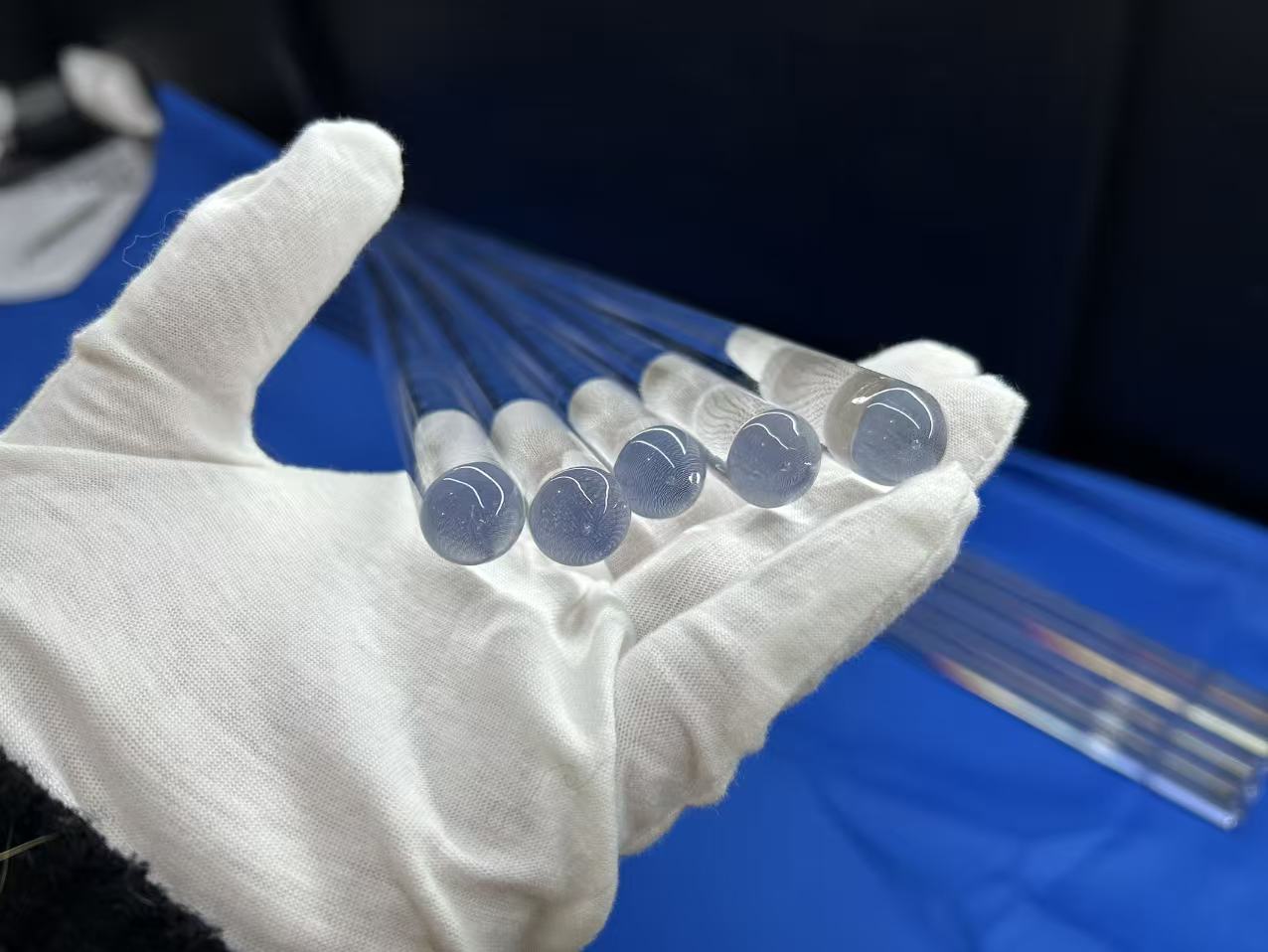
Nivra Quartz Automated Drawing and Sizing Line
Continuous Thermal Sizing & Drawing Workshop
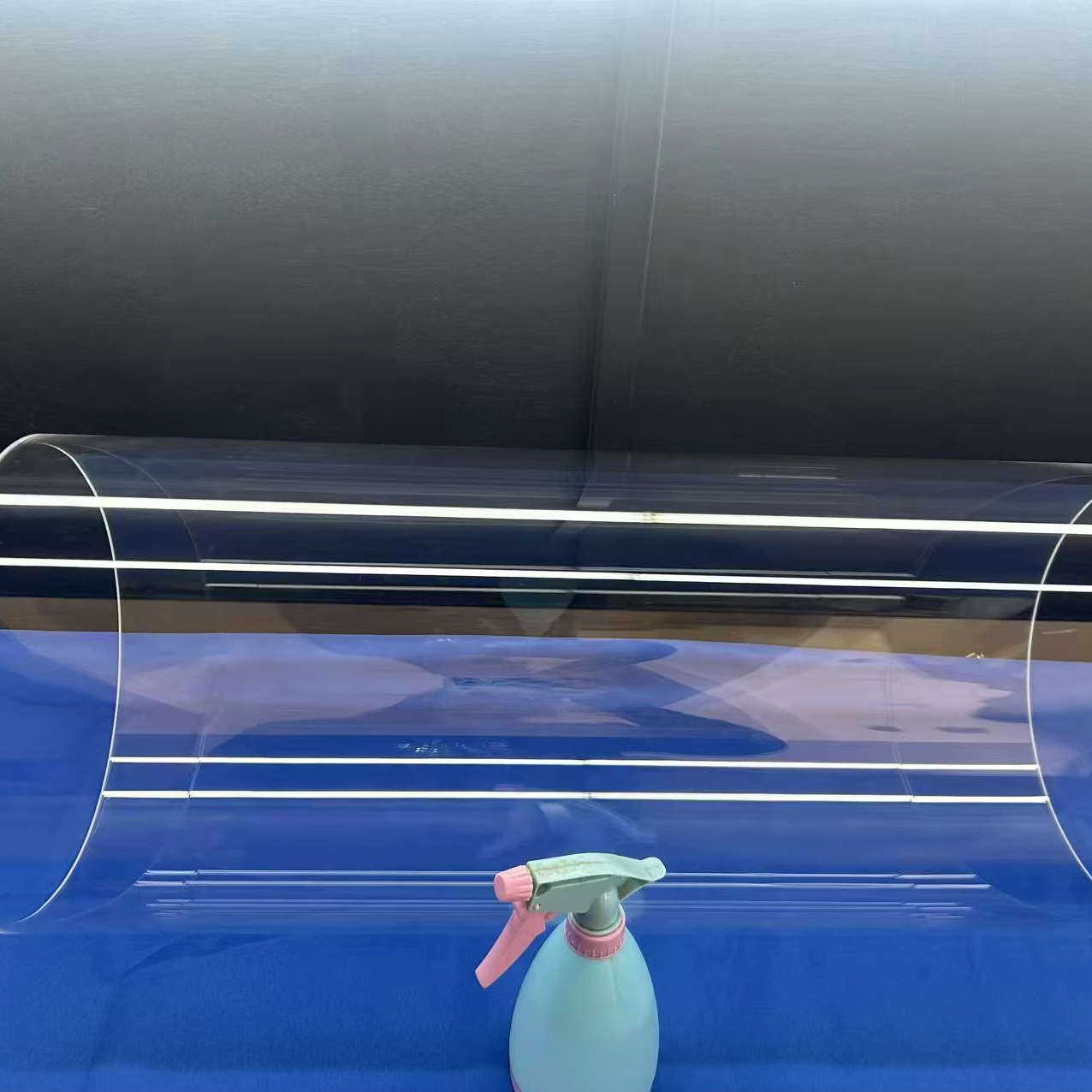
Diamond CNC Machining and Slotting Center
5-Axis CNC Precision Grinding & Slotting
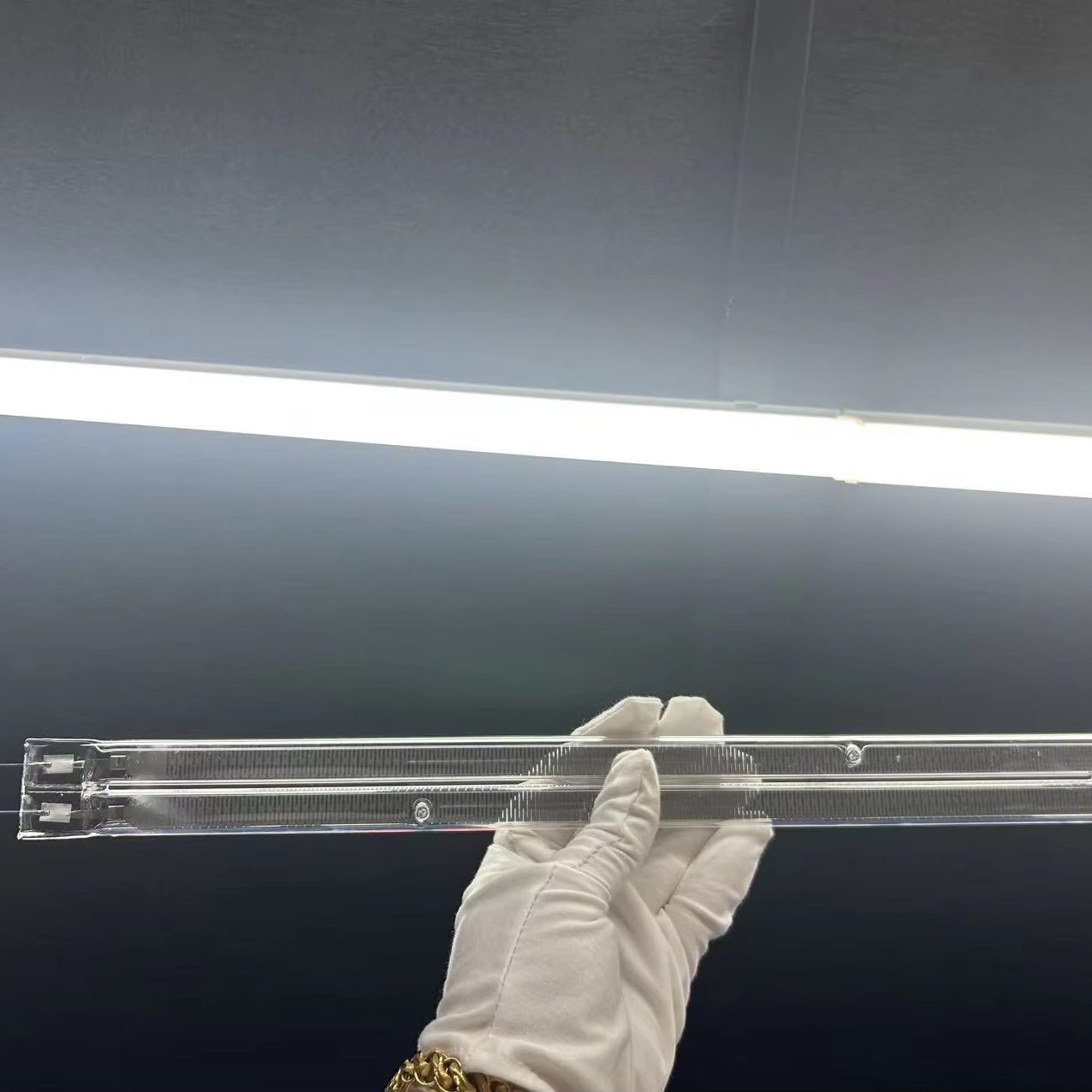
Finished Quartz Ware Optical Inspection and Storage
Metrology, Class 100 Cleaning & Cleanroom Packing
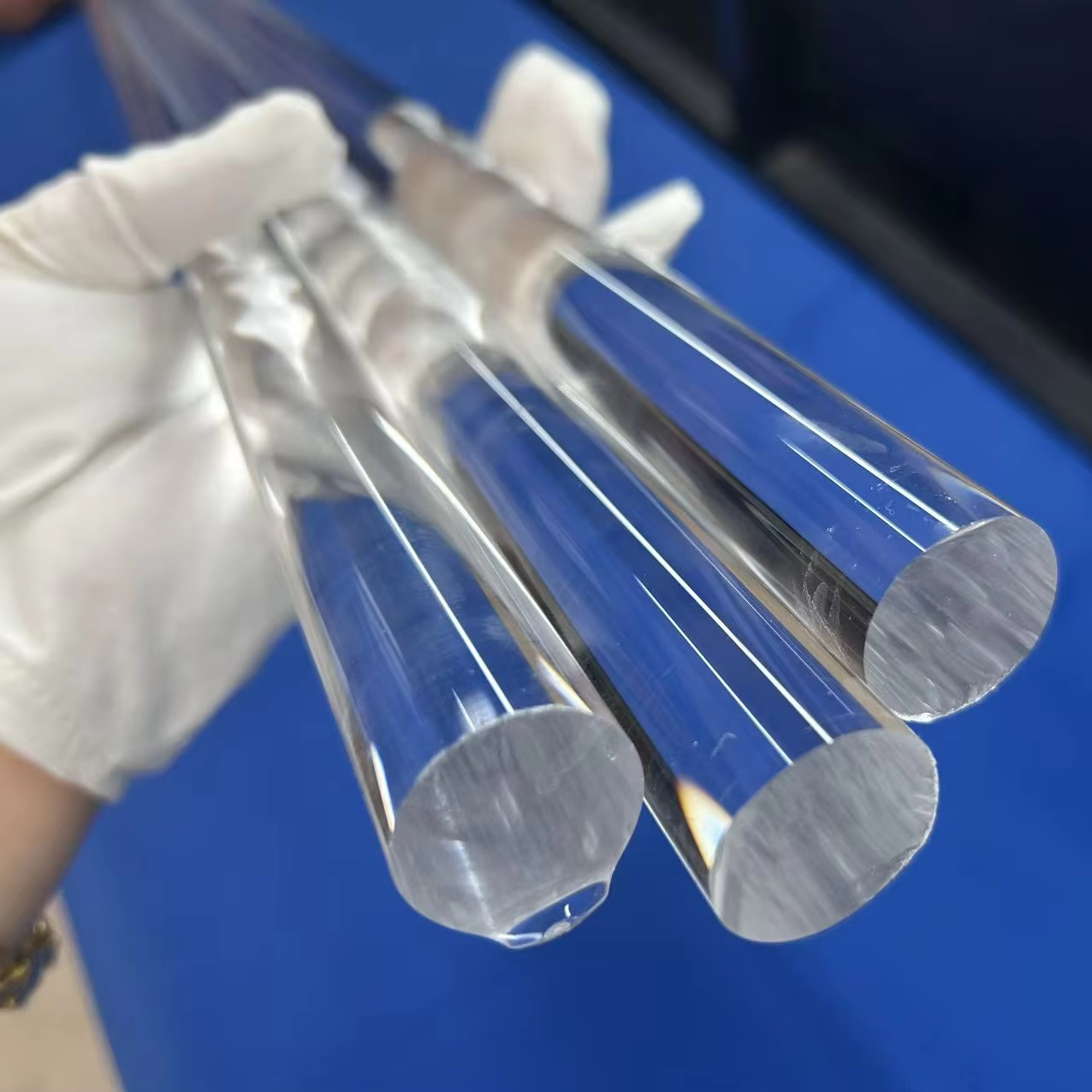
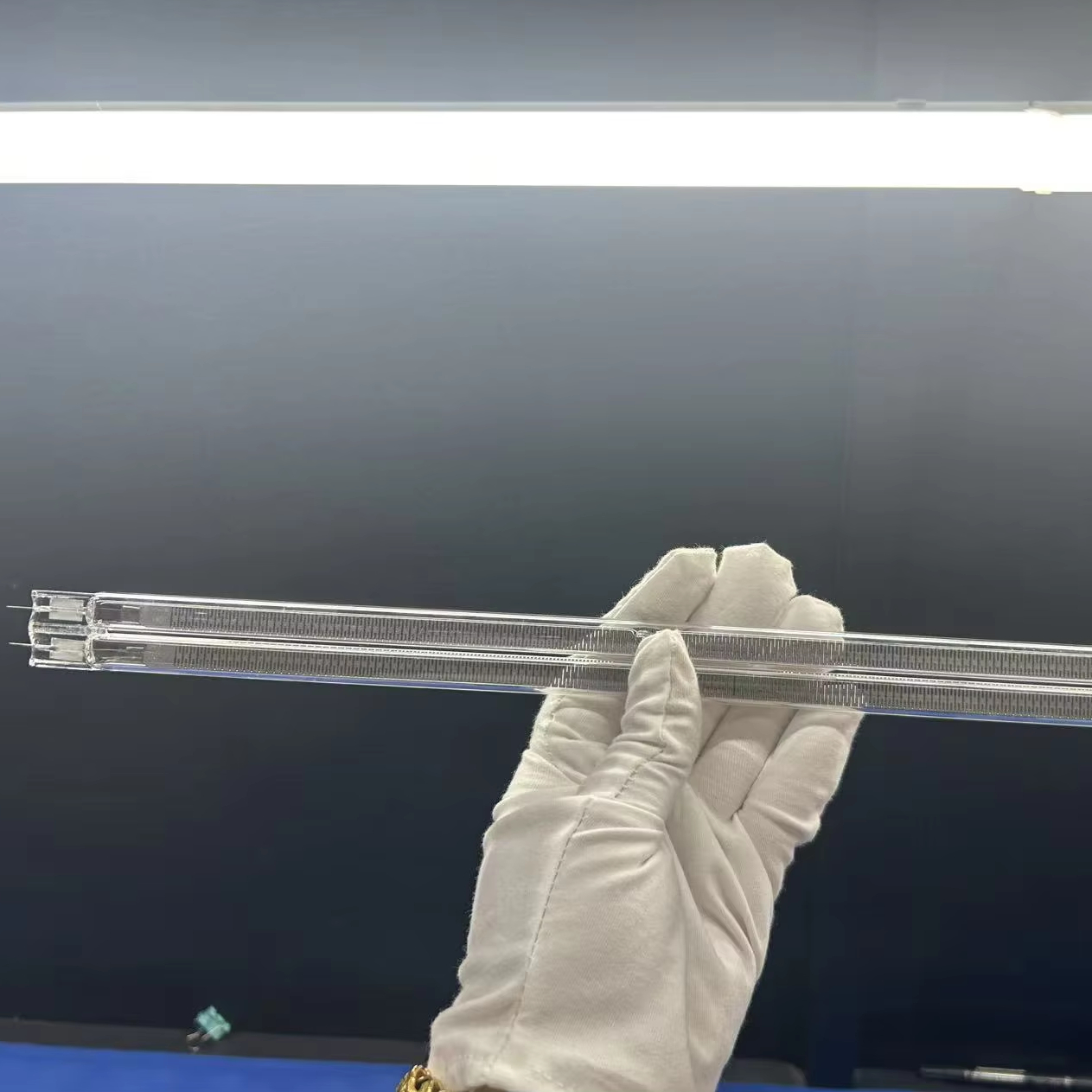
Comprehensive Custom Quartzware Assembly
OEM Component Welding & Flame Polishing
Deep Material Science

Engineering Metallurgy: Vitreous Fused Silica vs. High-Purity Fused Quartz

An exhaustive analysis of network-forming silicon dioxide, hydroxyl (OH⁻) thermodynamics, and trace metallic mitigation in critical process envelopes.

In high-specification industrial engineering, the terms fused silica and fused quartz are often conflated despite differing structural origins and functional behaviors. Fused quartz is typically synthesized by melting naturally occurring high-purity crystalline quartz sands ($SiO_2 > 99.99\%$) via high-temperature electric arc furnaces or oxy-hydrogen gas fusion. This method produces an extraordinarily dense vitreous silica structure with minimal gaseous bubble inclusion, excellent structural viscosity at elevated temperatures, and nominal electrical conductivity. Conversely, synthetic fused silica is produced via the chemical vapor deposition (CVD) or vapor axial deposition (VAD) of high-purity silicon tetrachloride ($SiCl_4$) or siloxane precursors reacting in an oxy-hydrogen flame. This results in virtually zero trace heavy metallic impurities (often totaling less than 0.1 ppm) and superior transmission within the deep ultraviolet spectrum (down to 185 nm, representing the JGS1 standard).

"The mechanical and optical integrity of a fused silica tube under thermal fatigue is dictated by its hydroxyl (OH⁻) content. While synthetic silica (JGS1) typically exhibits high OH⁻ concentrations (600–1200 ppm) lowering its softening temperature, electric-vacuum fused quartz maintains ultra-low OH⁻ levels (< 5–20 ppm), suppressing infrared absorption peaks at 2.73 µm and elevating the deformation threshold above 1200°C."

Thermodynamic & Physical Benchmark Matrix

Procurement directors and vacuum chamber designers should evaluate structural candidates against the empirical material benchmarks listed below:

Physical / Thermal Property Electric Fused Quartz (Low OH) Gas Fused Quartz (Standard) Synthetic Fused Silica (JGS1) Optical Fused Quartz (JGS2)
Chemical Formula & Purity SiO₂ ≥ 99.995% SiO₂ ≥ 99.99% SiO₂ ≥ 99.9999% (Synthetic) SiO₂ ≥ 99.995%
Hydroxyl [OH⁻] Content < 5 – 20 ppm 150 – 250 ppm 800 – 1200 ppm 30 – 100 ppm
Useful Spectral Transmission 260 nm – 3500 nm (IR-Grade) 220 nm – 2800 nm 185 nm – 2500 nm (Deep UV) 220 nm – 2500 nm (Standard Optical)
Softening Point (Log η = 7.6) 1683 °C 1660 °C 1585 °C 1665 °C
Annealing Point (Log η = 13.0) 1215 °C 1180 °C 1075 °C 1175 °C
Strain Point (Log η = 14.5) 1120 °C 1075 °C 990 °C 1070 °C
Thermal Expansion (20°C–320°C) 5.5 × 10⁻⁷ / °C 5.5 × 10⁻⁷ / °C 5.2 × 10⁻⁷ / °C 5.4 × 10⁻⁷ / °C
Dielectric Constant (1 MHz) 3.75 3.77 3.80 3.78

Devitrification Kinetics and Cristobalite Transformation

A pervasive operational challenge with fused silica components under sustained operating temperatures above 1150°C is devitrification—the phase transformation of metastable vitreous amorphous silica into crystalline alpha- and beta-cristobalite. Cristobalite formation fundamentally undermines the mechanical reliability of quartz tubes due to a 5% volumetric contraction occurring as the material cools through the 200°C–275°C beta-to-alpha inversion zone. This contraction induces catastrophic micro-cracking and wall spalling.

At the Nivra Quartz manufacturing site, devitrification kinetics are systematically retarded through two core methods: meticulous reduction of alkali metals (Na, K, Li to < 0.5 ppm), which act as surface crystallization catalysts, and high-temperature hydrocarbon-free thermal fire-polishing that eliminates sub-micron structural flaws and mechanical micro-notches where crystal nucleation initiates.

Market Intelligence

Future Procurement Trends: Navigating the 2025–2030 Fused Silica Landscape

Crucial strategic shifts driving international sourcing decisions across high-technology manufacturing verticals.

Large-Diameter 300mm/450mm Tube Scaling

As semiconductor wafer fabrication transitions toward hyper-integrated atomic layer deposition (ALD) and low-pressure CVD architectures, procurement is moving from standard 200mm diameter quartz diffusion tubes to 450mm+ outer-diameter tubes with wall tolerances held under ±0.2mm to prevent plasma leakage and thermal fluting.

Sub-ppb Trace Metal Contamination Limits

Next-generation sub-3nm node chip manufacturing requires high-yield quartz hardware with iron (Fe), copper (Cu), and nickel (Ni) contamination suppressed to parts-per-billion (ppb) thresholds. Suppliers lacking verified GD-MS (Glow Discharge Mass Spectrometry) validation programs are being phased out of global Tier-1 vendor rosters.

Monolithic Fabricated Quartz Consolidations

Procurement teams are shifting away from multi-component quartz assemblies joined with elastomer O-rings or mechanical clamp joints. The industry is standardizing on monolithic welded quartz components—such as single-piece fused manifolds, integrated spiral exchangers, and monolithic quartz boats—eliminating contamination vectors and joint creep.

Mitigating Global Geopolitical and Sand Supply Bottlenecks

A critical consideration for international procurement teams is the concentration of ultra-high-purity (IOTA-grade) natural quartz sand refining. Historically dominated by single-source deposits, the supply chain has diversified. Nivra Quartz leverages Donghai's robust multi-channel mineral refinement channels, securing redundant reserves of raw pegmatite quartz alongside advanced synthetic chemical precursors. This multi-origin sourcing model shields long-term OEM customers from regional sand allocation shortages, guaranteeing stable multi-year rolling production contracts with deterministic lead times.

Process Evolution

Evolution of Silica Processing: From Manual Flame Work to Multi-Axis CNC Machining

How technical advancements in diamond tool milling, laser fire-polishing, and computerized annealing enable zero-stress geometries.

Era 1: Artisanal Oxy-Hydrogen Lathes

Early industrial quartzware relied heavily on manual torch adjustments and visual assessment by operators. While sufficient for rudimentary sight glasses and low-temperature chemical test tubes, thermal gradients routinely introduced permanent residual hoop stresses exceeding 12 MPa, causing unprovoked structural failures under thermal shock.

Era 2: Semi-Automated Diamond Tooling

The introduction of specialized CNC ultrasonic grinding stations enabled high-precision milling of wafer slots, vacuum bolt holes, and complex gas injection nozzles directly into raw fused quartz tubes. Submerged flood coolant diamond milling mitigated micro-fissuring, bringing dimensional tolerances down to ±0.05mm for semiconductor wafer carriers.

Era 3: Laser Micro-Welding & Polarimetry

Modern production at Nivra Quartz utilizes computerized CO₂ laser fusing, robotic flame contouring, and automated polarimetric strain measurement. Every finished tube undergoes polariscope retardation testing, ensuring internal birefringence stays below 5 nm/cm, which guarantees exceptional stability under continuous thermal cycling.

Procurement Directives

Technical FAQ: Engineering & Sourcing Specifications

Detailed, non-boilerplate answers addressing the precise technical parameters requested by mechanical engineers, vacuum specialists, and procurement teams.

Q1: How does Nivra Quartz ensure wall thickness uniformity and minimize bow in long tubes?
We employ continuous laser micrometer gauging during vertical drawing processes, maintaining outer diameter (OD) and inner diameter (ID) variations within ±0.15mm over lengths up to 3,000mm. Total camber (bow) is inspected on precision granite tables and kept below 1.5mm per linear meter, satisfying robotic pick-and-place and diffusion paddle insertion clearances.
Q2: What bubble, inclusion, and airline classes are applied to Nivra optical and industrial tubing?
Tubing is inspected under high-intensity collimated lighting according to DIN 58927 and ISO 10110 standards. Semiconductor and optical grades exhibit zero open surface bubbles or visual inclusions larger than 0.1mm. For heavy industrial heating and infrared applications, microscopic inclusions are categorized under Class 1 or Class 2 specifications based on your operating requirements.
Q3: Can quartz tubes be joined directly to borosilicate glass or metal flanges?
Direct thermal fusion between fused silica ($\alpha = 5.5 \times 10^{-7}/\text{°C}$) and borosilicate glass ($\alpha \approx 33 \times 10^{-7}/\text{°C}$) creates severe thermal stress cracking. To bridge this expansion gap, Nivra manufactures graded glass-to-quartz transition seals with intermediate expansion steps. For metal connections, we offer ground quartz flanges compatible with fluoropolymer/Viton seals or custom Kovar-matched assemblies.
Q4: How does Nivra Quartz approach custom prototypes and minimum order quantities (MOQ)?
Because all cutting, grinding, torch working, and annealing equipment is housed internally at our Donghai facility, we support custom fabrication runs with an MOQ of just 1 to 5 pieces for prototyping and validation. For high-volume production, our automated drawing and cutting lines scale to tens of thousands of units monthly with strict unit-to-unit consistency.
Q5: What surface finishes are available for custom fused quartz tubes and plates?
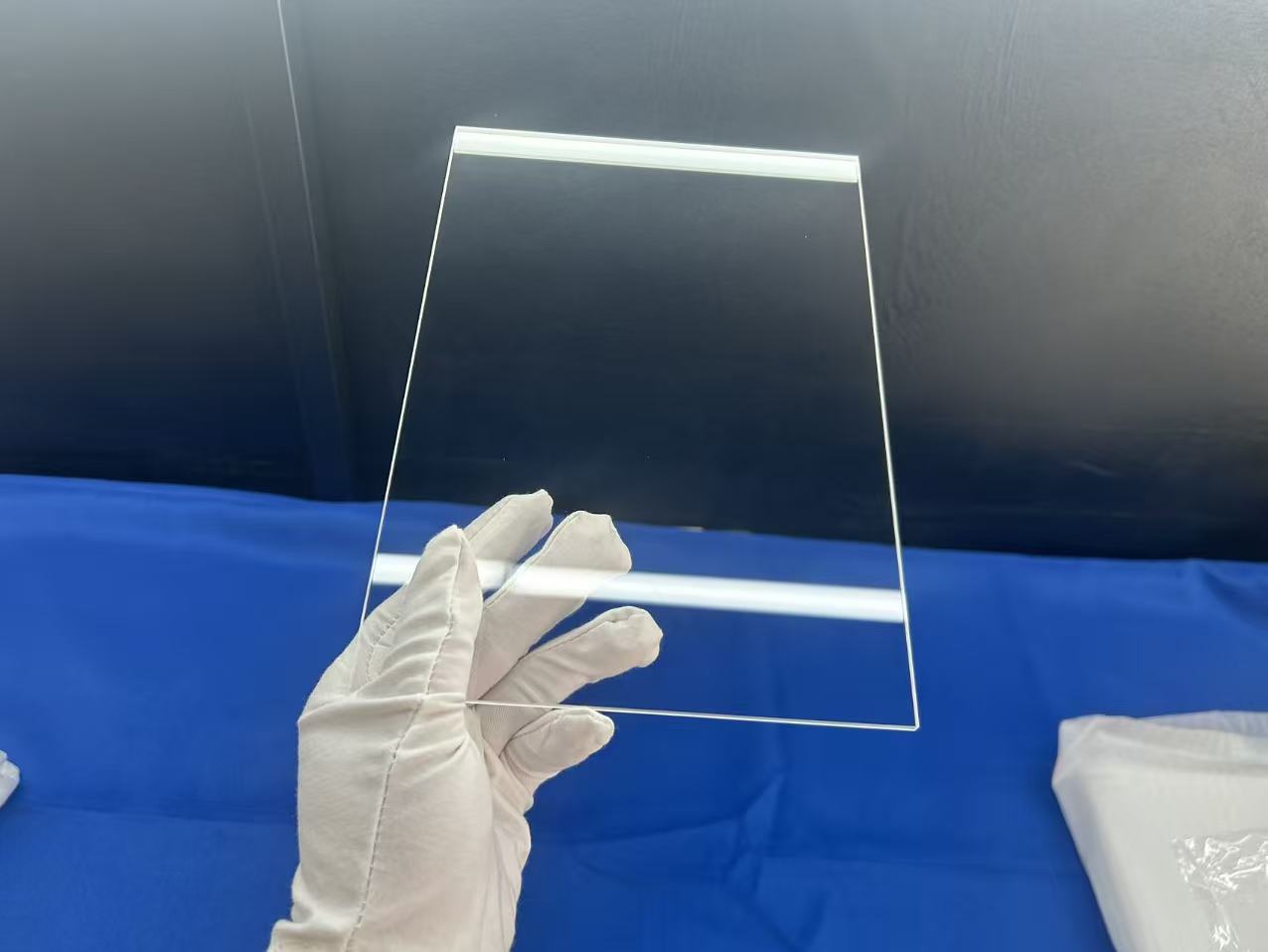
We provide four standard surface finishes: Commercial Cut & Ground (rough sawn, deburred), Fine Ground/Lapped (Ra 0.8–1.2µm), Fire-Polished (ultra-smooth thermal glaze offering maximum mechanical bending strength), and Optical Polish (CMP double-side polished achieving 60/40 or 40/20 scratch/dig and Ra < 0.5nm).
Q6: What thermal shock differentials can a Nivra fused silica tube withstand?
Thanks to its extremely low coefficient of thermal expansion, a clear fused quartz tube heated to 1100°C can be plunged into 20°C water without catastrophic fracture. However, mechanical loads, uneven wall cross-sections, and surface devitrification can reduce thermal shock resilience; we recommend clean operating environments free of alkali dust to maximize service longevity.
Q7: What packaging and crating protocols prevent breakage during international transport?
Exported quartz tubes are washed, particulate-sealed, and individually sheathed in shock-absorbing EPE foam sleeves. Tubes are suspended inside rigid dual-wall honeycomb cartons, which are then packed inside ISPM-15 compliant fumigation-free solid plywood crates lined with impact-absorbing foam blocks. We maintain a verified shipping damage rate under 0.2% worldwide.
Q8: How do your engineers evaluate custom design drawings and 3D CAD files?
Our engineering team processes native STEP, IGES, DWG, DXF, and PDF drawings. Within our standard 5-hour review window, our team verifies wall-to-diameter aspect ratios, corner fillet radii for stress relief, flame-polishing clearances, and dimensional tolerances, providing comprehensive Design-for-Manufacturability (DFM) feedback alongside quotation.
Accelerate Your Quartz Supply Chain with Factory-Direct Engineering

Partner directly with Donghai County Nivra Quartz Products Co., Ltd. for dependable dimensional precision, verifiable purity documentation, and rapid-turn delivery across North America, Europe, and Asia-Pacific.