High-Purity Fused Silica & Precision Quartz Products
Directly sourced and meticulously processed in Donghai, China. Explore our high-performance fused quartz tubes, plates, rods, and custom thermal components.
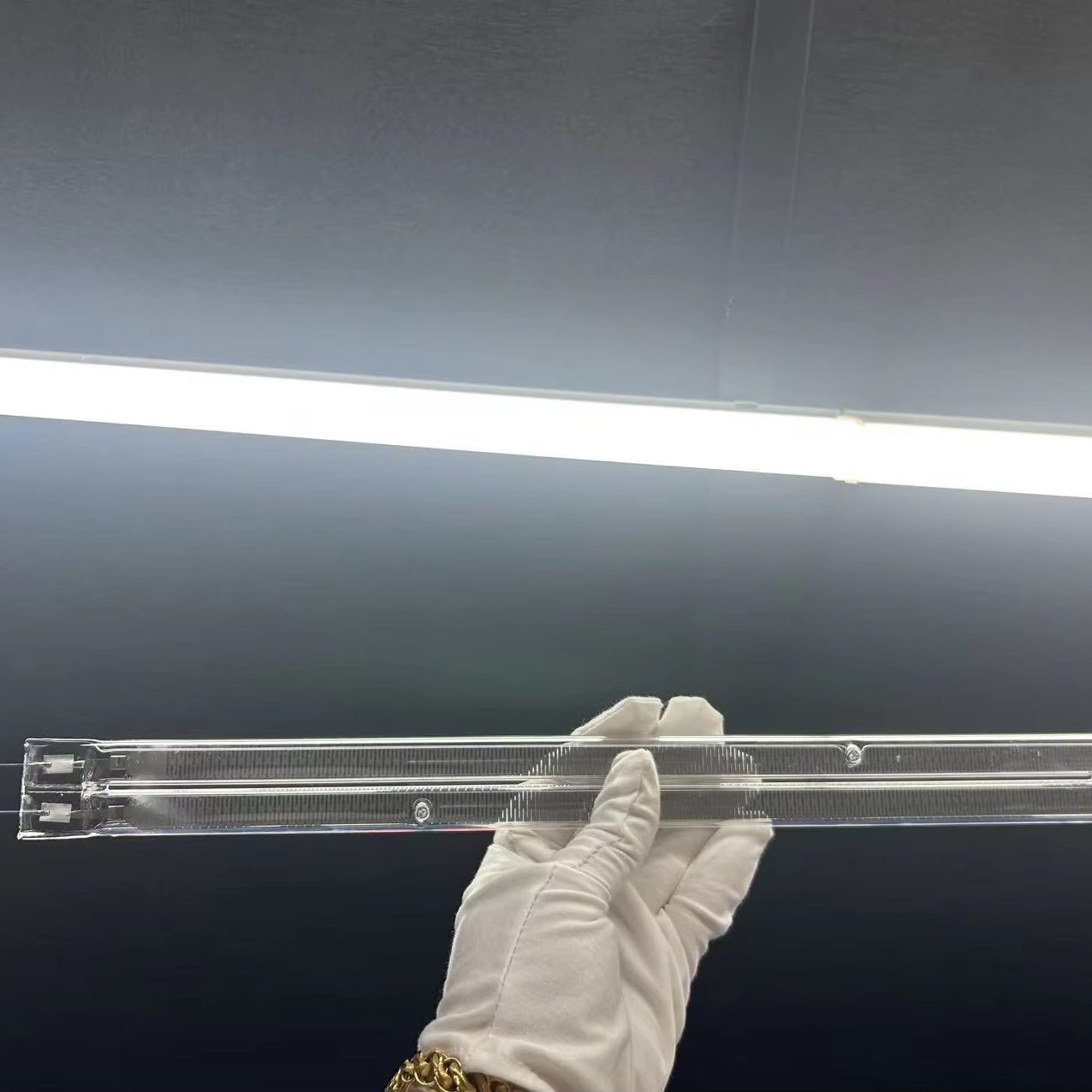
220V 700W 300MM 10mm Diameter Infrared Heating Tube Carbon Fiber / Halogen / Graphene
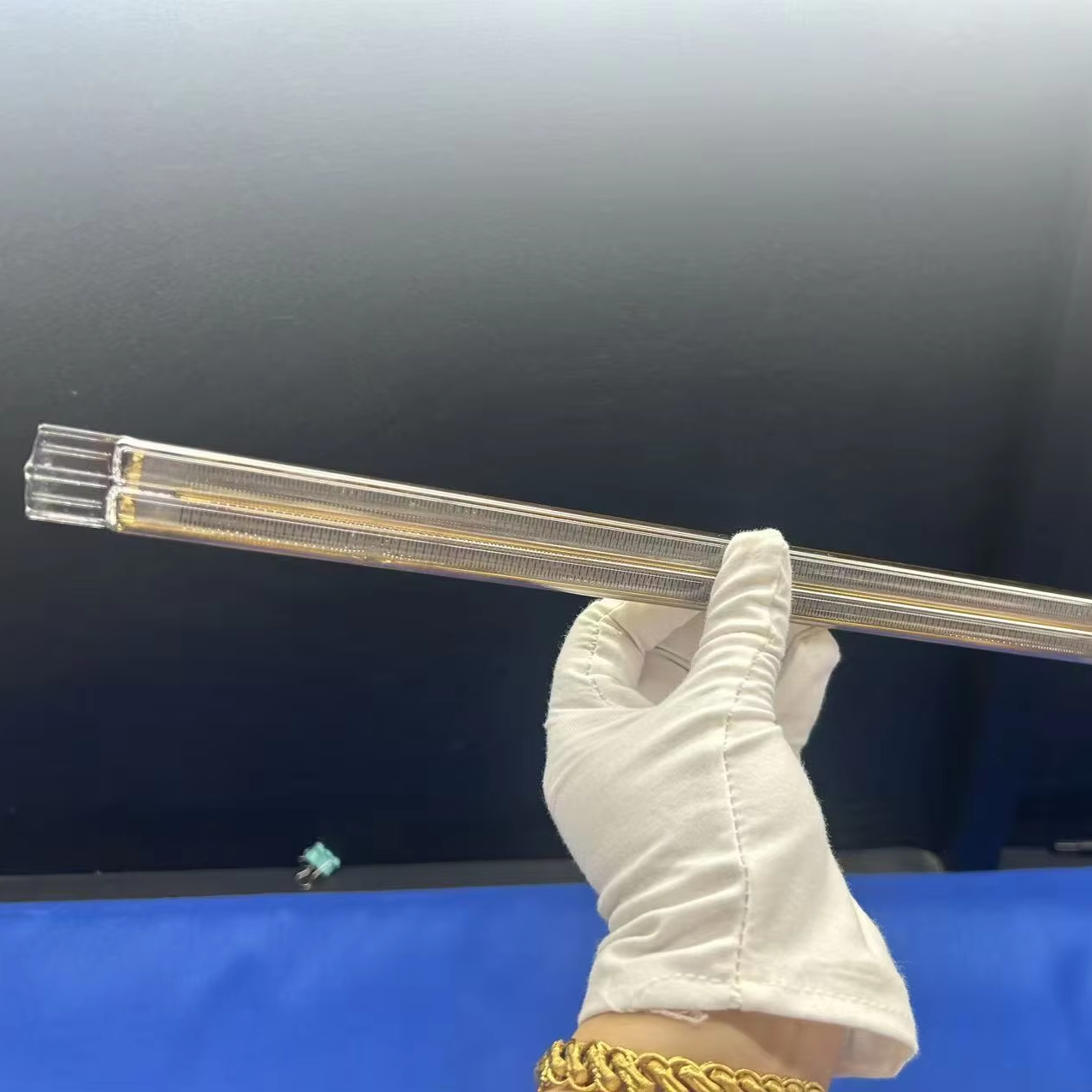
High Efficiency Graphene Quartz Heating Tube for Rapid Thermal Processing
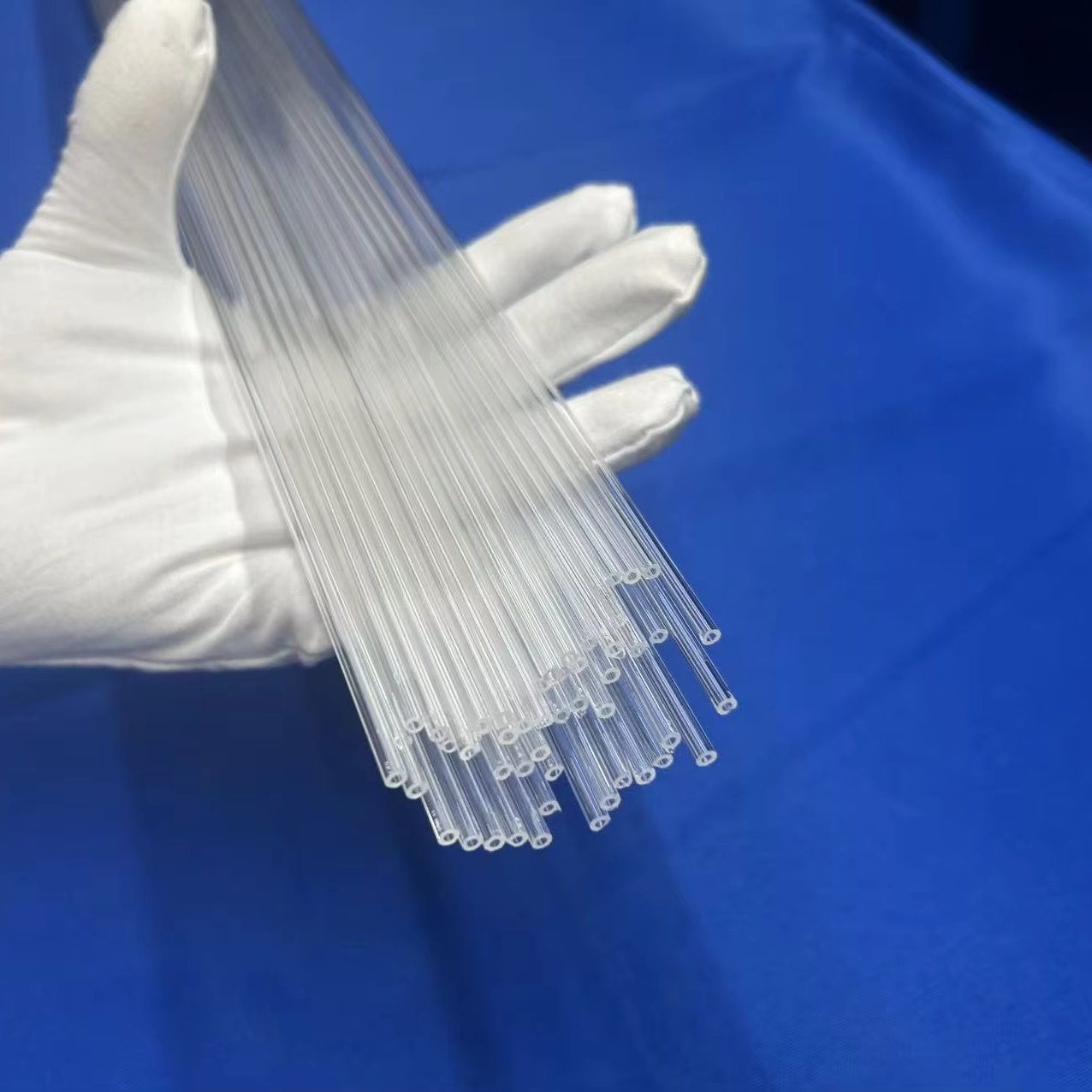
High Precision Capillary Quartz Tube for Chromatography & Analytical Instruments
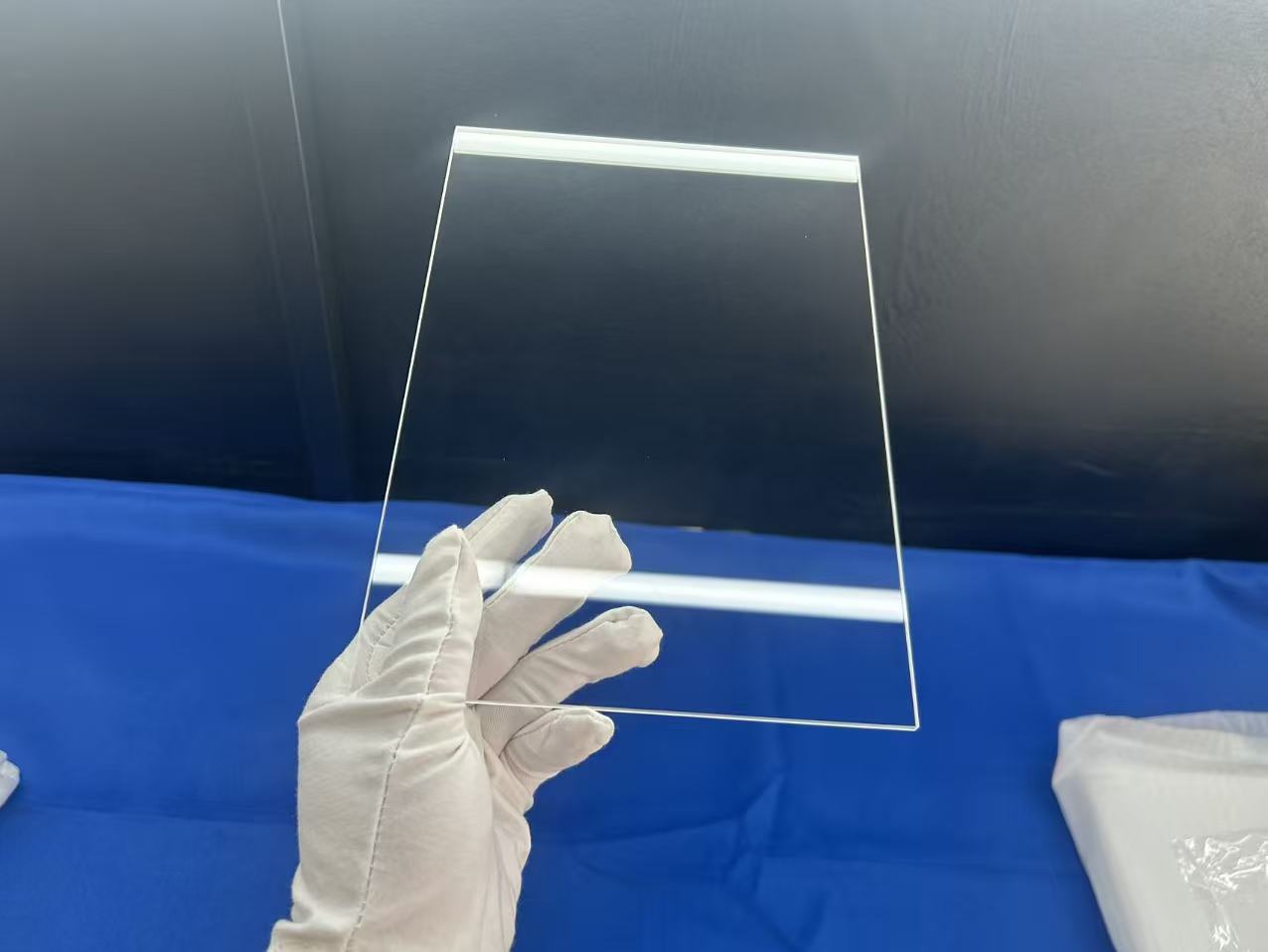
Custom Polished High Purity Transparent Square Quartz Glass Plate 3mm Thick
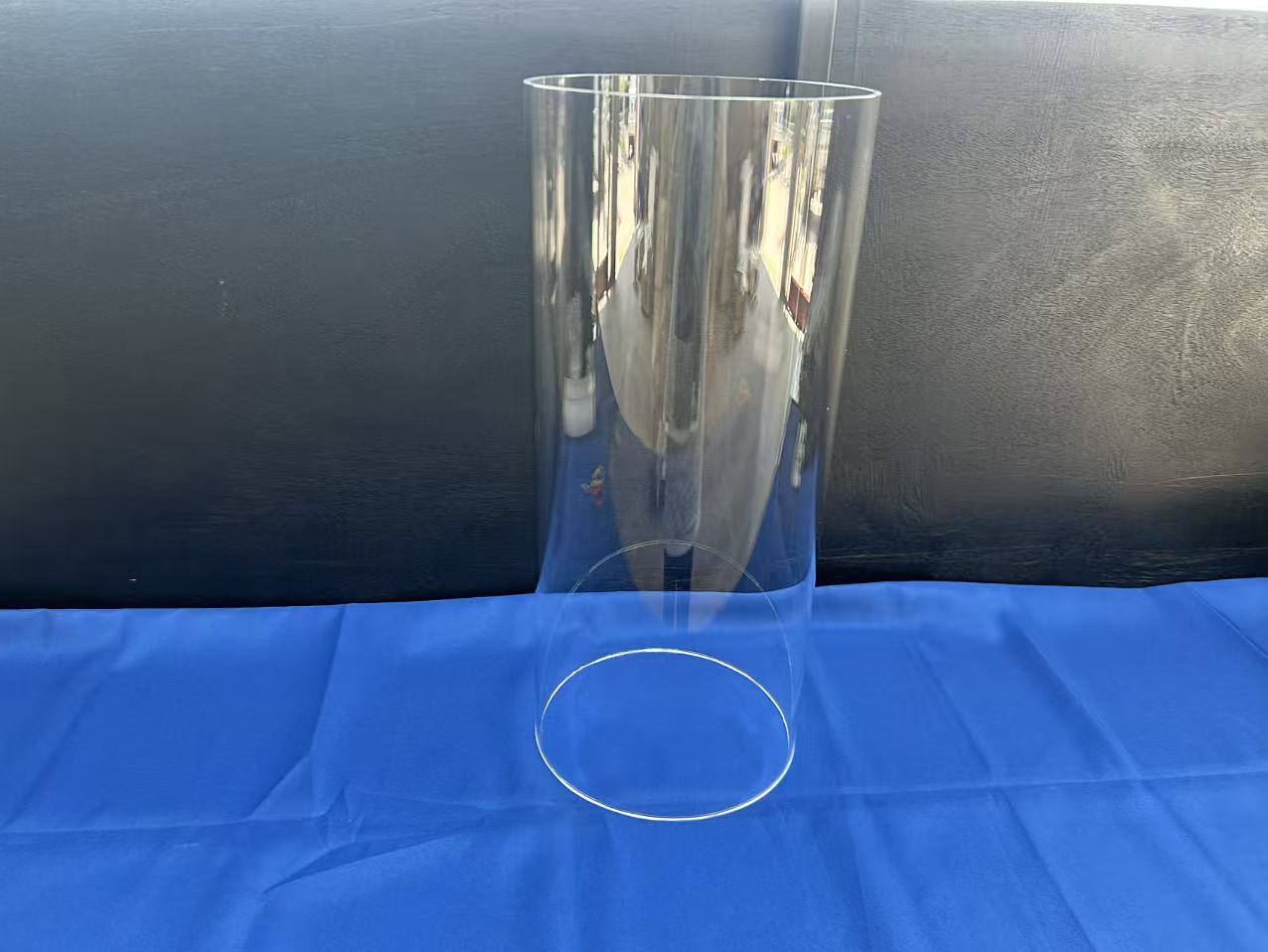
Custom Large-Diameter High-Purity Fused Quartz Tubes with Cutting & Welding
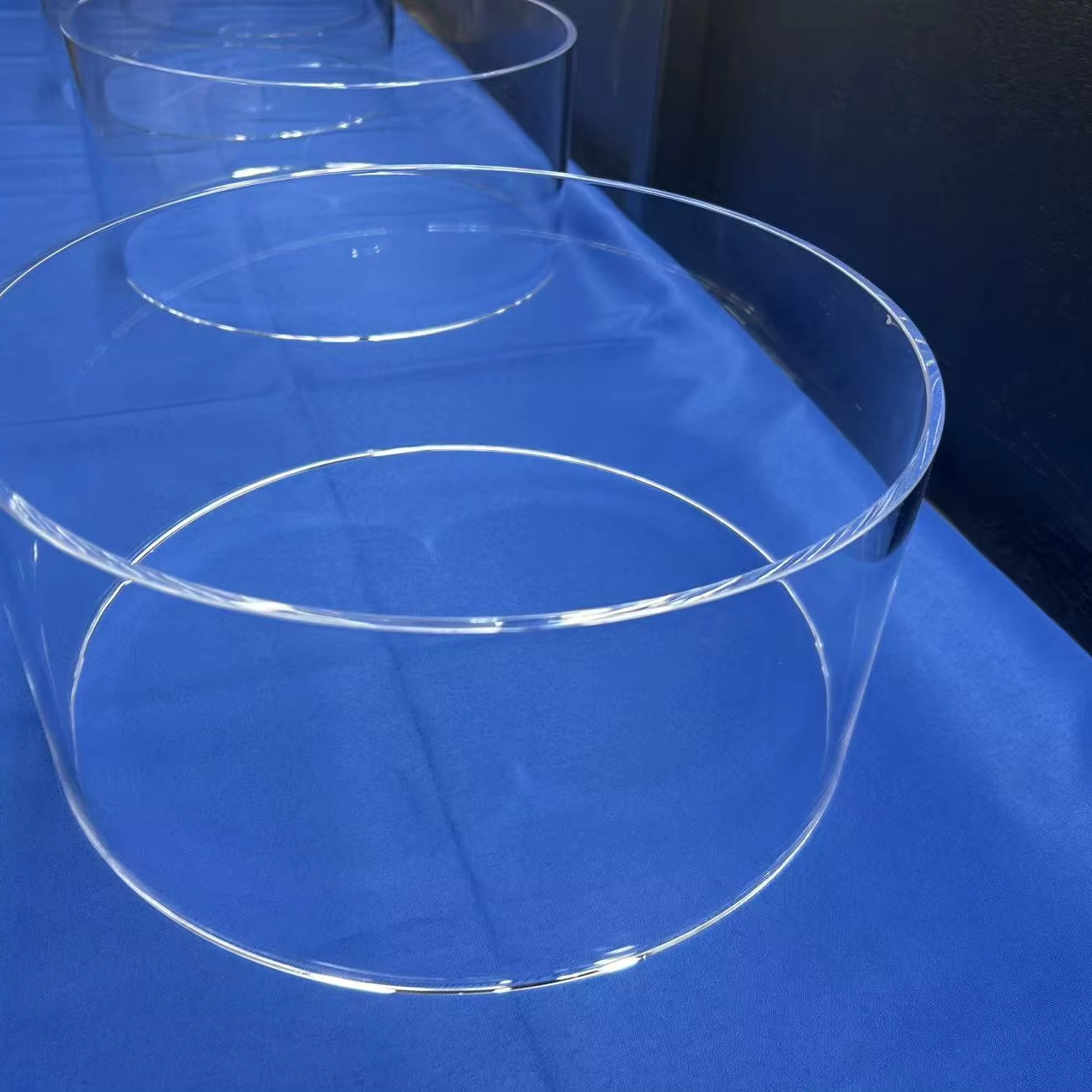
High-Purity Fused Quartz Large Diameter Round Rods with Bending & Machining
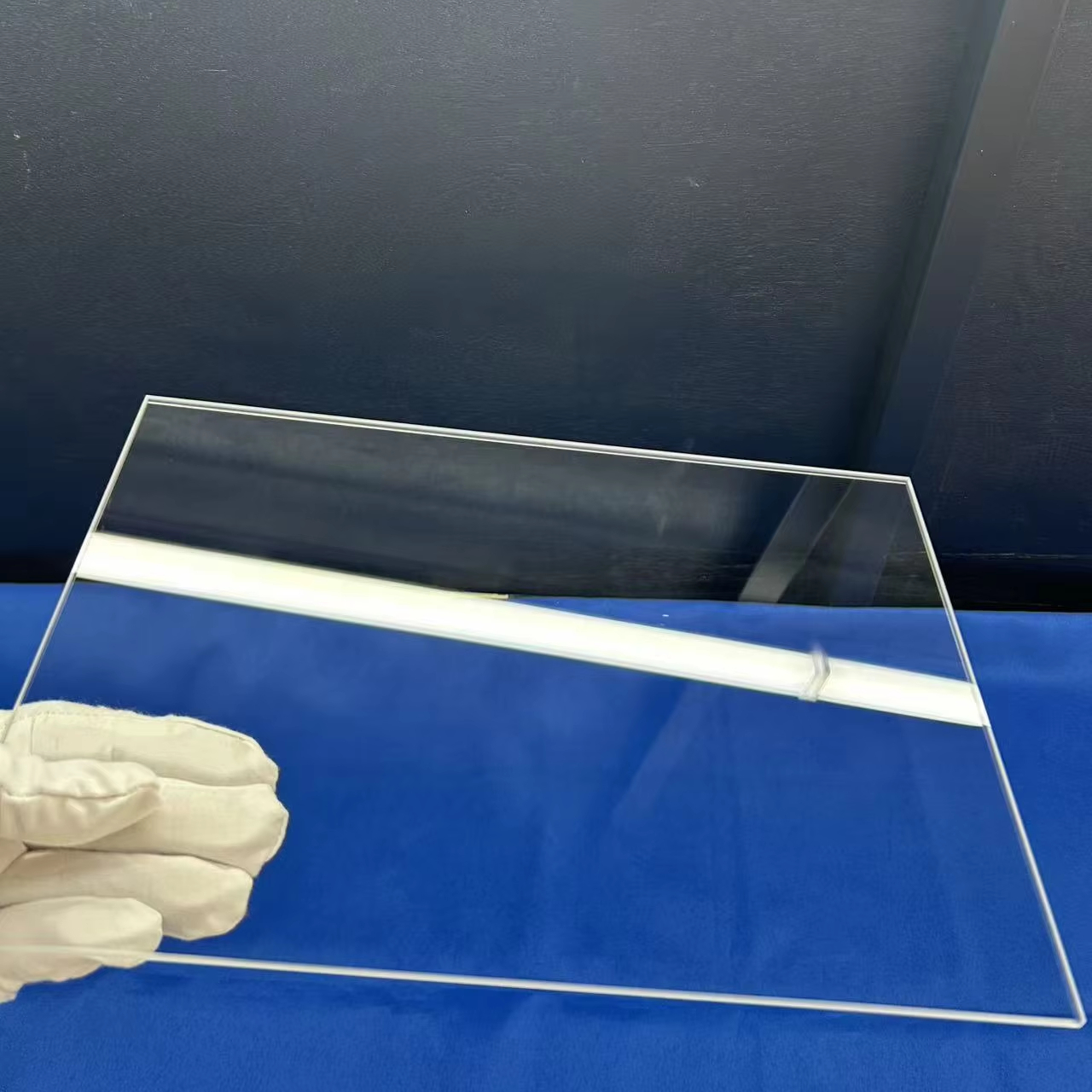
Custom Polished Optical Square Quartz Glass Clear Plate 4mm Thick for Laser Windows
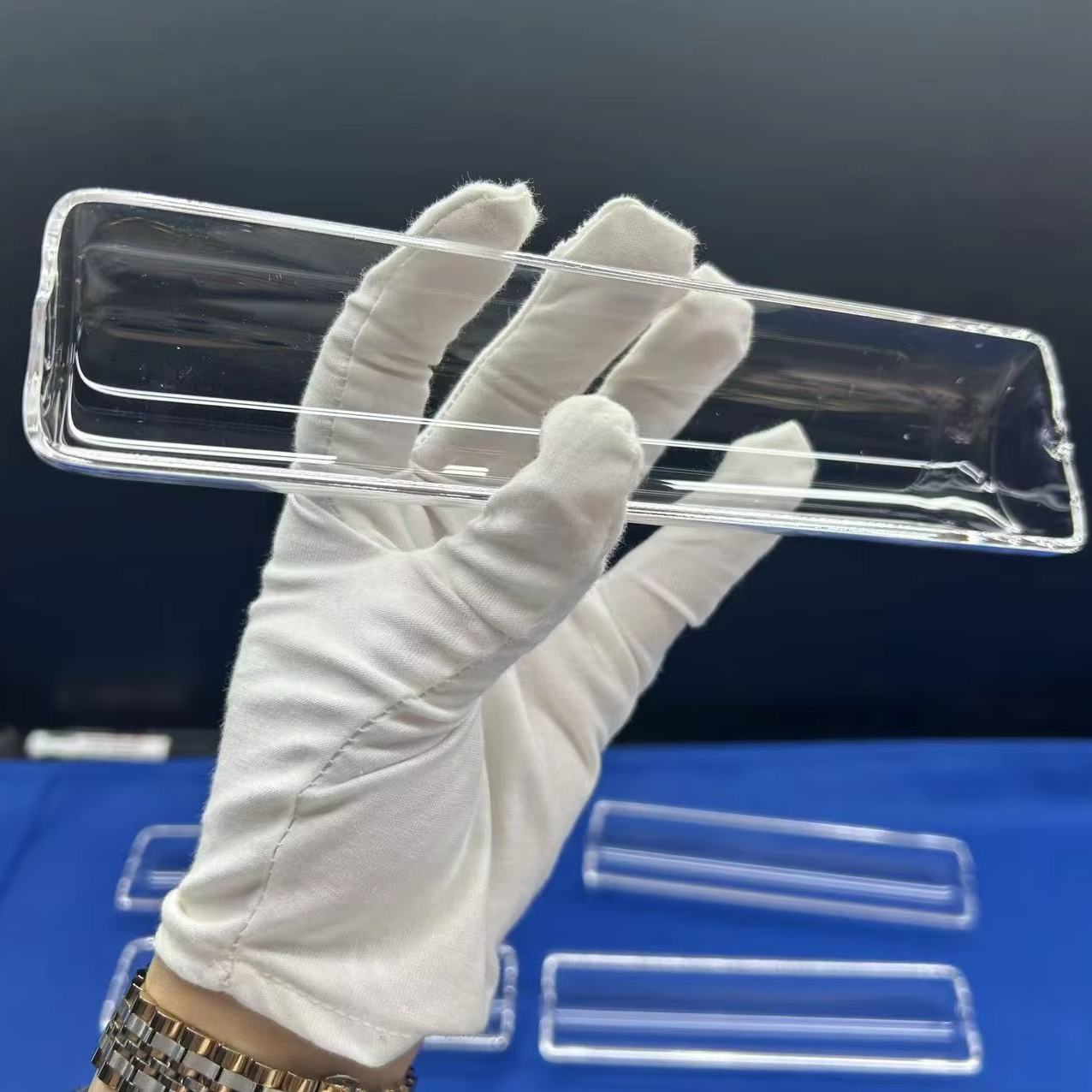
Customized Clear Fused Silica Quartz Boat & Polished Wafer Carriers
1. Executive Industry Summary: Fused Silica Block Manufacturing & Sourcing Ecosystem
As advanced technology sectors—including semiconductor photolithography, deep-UV lasers, photovoltaic ingot growth, and high-energy physics—strive for higher thermal stability and flawless optical transmittance, fused silica blocks have emerged as a non-negotiable foundational material. Monolithic fused silica blocks are non-crystalline, vitreous forms of silicon dioxide (SiO₂) manufactured either through flame fusion of natural quartz grains or chemical synthesis via silicon tetrachloride (SiCl₄) flame hydrolysis.
Headquartered in Donghai County, Jiangsu Province—the world-renowned capital of China's crystal and quartz industry—Donghai County Nivra Quartz Products Co., Ltd. stands at the forefront of precision quartzware manufacturing. Combining ultra-purity raw material reserves with state-of-the-art cold-machining, CNC grinding, laser core cutting, and optical polishing technologies, Nivra Quartz supplies high-grade fused silica blocks, slabs, and blanks designed to perform under extreme operational conditions.
E-E-A-T Quality Commitment: Every fused silica block leaving our Donghai manufacturing hub undergoes rigorous spectrographic verification, ultrasonic flaw detection, stress birefringence testing, and surface roughness measuring (Ra < 0.5 nm capability) to guarantee zero-defect integration into OEM equipment.
2. Material Science Architecture: Synthetic Fused Silica vs. Electric Fused Quartz Blocks
Selecting the optimal block material requires a clear understanding of the metallurgical and synthetic processes that dictate optical transmission bands, thermal shock resistance, bubble ratings, and hydroxyl (OH⁻) concentration.
2.1 Synthetic Fused Silica Blocks (JGS1 Grade / Type IV)
Synthetic fused silica is manufactured by hydrolyzing volatile silicon compounds in an oxygen-hydrogen flame. This synthetic chemical route yields extraordinary material purity, virtually eliminating metallic trace impurities (Fe, Al, Ti, Na, K, Li under 0.1 ppm total).
- Deep-UV Transmission: Outstanding transmittance down to 185 nm without solarization, making it the premier choice for excimer lasers, DUV stepper lenses, and semiconductor photomask substrates.
- Hydroxyl Concentration: High OH content (typically 600–1000 ppm) provides exceptional optical isotropy and freedom from refractive index variations, though it creates a strong absorption band at 2.73 µm in the infrared spectrum.
2.2 Electric Fused Natural Quartz Blocks (JGS2 Grade / Type II)
Produced by melting high-purity natural rock crystal grains in high-vacuum or inert gas electrical resistance furnaces. Electric fused quartz blocks feature extremely low hydroxyl content (< 30 ppm), yielding superior infrared transmission up to 3.5 µm and minimal outgassing during high-vacuum thermal processing.
- Thermal Resistance: Higher softening point (~1683°C) and resistance to thermal deformation compared to synthetic grades.
- Applications: High-temperature sight glasses, industrial furnace liners, infrared reflection chambers, and semiconductor wafer processing boats.
2.3 Dry Synthetic / IR Fused Silica Blocks (JGS3 Grade / Type III)
Produced via plasma fusion or specialized vacuum drying processes, JGS3 blocks combine the trace metallic purity of synthetic silica with an ultra-low hydroxyl level (< 5 ppm). This unique material eliminates the 2.73 µm OH absorption band, providing seamless optical clarity spanning from 260 nm in the near-UV across the entire visible spectrum up to 3.7 µm in the mid-infrared.
| Material Parameter | JGS1 (Synthetic UV Grade) | JGS2 (Natural Optical Grade) | JGS3 (Infrared Synthetic) |
|---|---|---|---|
| Primary Raw Material | SiCl₄ Synthetic Gas Synthesis | High-Purity Natural Quartz Sand | Synthetic Silane / Plasma Processed |
| SiO₂ Purity Level | ≥ 99.9999% (6N) | ≥ 99.99% (4N) | ≥ 99.9999% (6N) |
| Optimal Spectral Transmission Range | 185 nm – 2500 nm (Deep UV) | 220 nm – 2500 nm (UV-Vis) | 260 nm – 3700 nm (Full IR) |
| OH⁻ Hydroxyl Content | 600 – 1200 ppm | < 30 ppm | < 5 ppm (Low OH) |
| Coefficient of Thermal Expansion (CTE) | 5.5 × 10⁻⁷ / °C (20–300°C) | 5.4 × 10⁻⁷ / °C (20–300°C) | 5.5 × 10⁻⁷ / °C (20–300°C) |
| Maximum Working Temperature | 1050°C Continuous / 1300°C Short Term | 1100°C Continuous / 1450°C Short Term | 1100°C Continuous / 1400°C Short Term |
| Bubble Class (ISO 10110) | Class 0 (Virtually Bubble Free) | Class 1–2 (Controlled Inclusions) | Class 0–1 (Low Inclusion) |
3. Industry Technology Trends Driving Fused Silica Innovations
The global demand for high-grade monolithic fused silica blocks is being reshaped by major technological revolutions across semiconductor manufacturing, clean energy transformation, and laser defense systems:
3.1 Node Shrinkage in Semiconductor Lithography (EUV & DUV Progress)
As semiconductor wafer fabs transition to 3nm, 2nm, and advanced sub-nanometer logic nodes, photolithography tools demand optics with unprecedented spatial uniformity and minimal laser-induced damage. Fused silica block blanks used for illuminator lenses, beam splitters, and photomasks must demonstrate zero stress birefringence (< 2 nm/cm) and complete freedom from micro-striae, driving suppliers to refine 3D-annealing thermal cycles that span several weeks per ingot.
3.2 Ultra-Large Monolithic Blocks for Aerospace & Deep-Sea Observation
Aerospace reconnaissance sensors, high-altitude optical payloads, and extreme-pressure deep-sea submersibles require thick, high-aperture fused silica window blocks capable of withstanding massive pressure differentials and sudden thermal shock without optical distortion. Modern manufacturing now leverages multi-axis CNC shaping and robotic lap-polishing to produce blocks exceeding 1000 mm in lateral dimensions.
3.3 Next-Generation N-Type Photovoltaic Cell Manufacturing
The global solar industry's rapid migration toward TOPCon (Tunnel Oxide Passivated Contact) and Perovskite-Silicon Tandem cells demands clean processing environments. High-purity fused silica blocks are aggressively machined into custom heating chambers, quartz diffusion boats, and high-temperature furnace flanges that prevent trace metal contamination during phosphorus and boron doping steps.
4. Strategic Procurement Trends: Future-Proofing Global Supply Chains
Global procurement directors and supply chain managers are shifting away from spot-market buying toward strategic partnerships with integrated manufacturers who control both raw material processing and secondary precision machining. Key procurement trends include:
4.1 Total Cost of Ownership (TCO) & Near-Zero Yield Loss
While low-cost quartz blocks may appear economically attractive initially, minor internal micro-cracks or unrecorded metallic inclusions cause severe fracturing during secondary CNC milling or high-temperature vacuum baking. Modern buyers prioritize suppliers providing certified ultrasonic inspection reports, full spectrographic trace elements documentation, and ISO-compliant annealing records to minimize downstream machining scrap rate.
4.2 Co-Engineering and Rapid Prototyping Capabilities
OEM engineering teams increasingly expect suppliers to provide direct DFM (Design for Manufacturability) consulting. Nivra Quartz supports engineers by converting step-model drawings (STEP/DWG/PDF) into optimized tooling paths within hours, reducing product development cycles from months to days.
4.3 Eco-Vanguard Chemical Refinement & Raw Material Traceability
With stringent ESG mandates taking hold across North America and Western Europe, buyers demand full supply chain transparency. Sourcing quartz from established hubs like Donghai ensures clear chain-of-custody tracking from local quartz vein extraction through green high-temperature electric refining, minimizing carbon emissions while securing steady raw sand supplies.
Direct Factory Capabilities & OEM Excellence
Combining natural resource proximity with rigorous quality assurance to deliver world-class fused silica components.
Donghai Raw Material Hub
Located in Lianyungang, Donghai County—China's crystal capital—giving us direct access to high-purity quartz reserves and lowering raw material costs for our global partners.
End-to-End Processing Chain
In-house flame fusion, electric furnace melting, 5-axis CNC grinding, glass lathe welding, fire polishing, and optical lapping eliminate sub-contractor delays and cost markups.
Strict Quality Assurance
Verified on-site by third-party inspection firms. Every export order undergoes 100% dimensional measurement, stress inspection, and cleanliness packing before shipment.
Rapid Technical Response
Our engineering sales staff maintains an average inquiry response time under 5 hours, offering rapid design review, tolerance confirmation, and instant commercial quotes.
Proven Export Track Record
Trusted supplier to OEM buyers across North America (40%), Western Europe (20%), Eastern Europe (14%), and South America. High reorder rate driven by consistent reliability.
Breakage-Proof Export Packing
Custom shock-absorbing foam inserts, vacuum sealing, and reinforced fumigation-free wooden cases guarantee safe international air and ocean freight transit.
Frequently Asked Questions (FAQ) for Global Buyers
Detailed answers to technical and procurement questions regarding fused silica blocks, material grades, and custom manufacturing.
JGS2 is melted from high-purity natural quartz crystals, making it ideal for general UV-Visible optical windows, thermal sight glasses, and high-temperature structural components with low OH⁻ (< 30 ppm).
JGS3 is dry synthetic silica with ultra-low OH⁻ (< 5 ppm) designed specifically for mid-infrared optics up to 3.7 µm, eliminating the strong 2.73 µm water absorption band.
- Commercial Fine Ground: Ra 0.8 µm – 1.6 µm for structural mounts and furnace liners.
- Standard Optical Polish: 60/40 or 40/20 Scratch/Dig, surface roughness Ra < 1.5 nm for sight windows.
- Precision Laser / Substrate Polish: 20/10 or 10/5 Scratch/Dig, surface roughness Ra < 0.5 nm, with optical flatness up to λ/10 per inch for laser optics.
Ready to Request a Quote for Custom Fused Silica Blocks?
Send us your engineering drawings, dimensions, required silica grade (JGS1/JGS2/JGS3), and quantity. Our technical team in Donghai will review your requirements and respond within 5 hours.
Get a Quote