1. Executive Summary & Material Science Fundamentals of Fused Quartz Glass
In modern high-technology industrial processes—ranging from sub-nanometer semiconductor wafer processing to photovoltaic cell diffusion and optical laser optics—Fused Quartz Glass (Silicon Dioxide, SiO₂) stands as an irreplaceable foundational material. Unlike conventional borosilicate or soda-lime glass, fused quartz is manufactured by melting naturally occurring high-purity quartz crystals or synthetic precursors at extreme temperatures exceeding 2,000°C. This unique manufacturing methodology yields an amorphous solid characterized by near-zero thermal expansion, remarkable dielectric strength, high broad-spectrum optical transmittance (from deep ultraviolet to near infrared), and superior thermal shock resilience.
When engineering systems that operate under extreme thermal conditions, selecting the exact grade of fused quartz tubing is a decisive procurement factor. Industrial quartzware is predominantly categorized into three core optical and structural grades based on purity, manufacturing source, and hydroxyl group (OH⁻) concentrations:
| Material Grade | Spectral Range | Typical OH⁻ Content | Primary Industrial Applications |
|---|---|---|---|
| JGS1 (Synthetic Fused Silica) | 185 nm – 2,500 nm (Deep UV to Vis) | > 1,000 ppm (High OH) | Excimer lasers, semiconductor photolithography, UV spectrophotometer cuvettes, precision optics. |
| JGS2 (Fused Natural Quartz) | 220 nm – 2,500 nm (UV to Near-IR) | 10 ppm – 150 ppm (Standard OH) | Semiconductor furnace diffusion tubes, sight glasses, solar cell processing, lamp envelopes. |
| JGS3 (Infrared Synthetic Silica) | 260 nm – 3,500 nm (IR Optimized) | < 5 ppm (Water-Free / Low OH) | Infrared thermal windows, optical waveguides, high-power IR laser applications, space optics. |
Key physical attributes include a low Coefficient of Thermal Expansion (CTE) of approximately 5.5 × 10⁻⁷ /°C between 20°C and 300°C. This allows a red-hot quartz tube heated to over 1,000°C to be rapidly quenched in ice-cold water without structural cracking or thermal shock fracture. Additionally, with continuous working temperatures of 1,100°C and short-term peak operational limits of 1,450°C, fused quartz tubing provides an unyielding thermal envelope for high-temperature chemical reactions.
2. Future Procurement Trends in the Global Fused Quartz Tube Industry
As global supply chains demand heightened precision, extended component lifespans, and strict material traceability, the procurement landscape for fused quartz tubes and customized quartzware is experiencing structural shifts. B2B procurement managers and technical directors must align their sourcing strategies with four core macro-trends:
Trend A: Exponential Demand Driven by Advanced Semiconductor Fabrication (Sub-3nm Nodes)
The acceleration of high-performance computing (HPC), artificial intelligence (AI) chips, and advanced automotive microcontrollers has pushed semiconductor nodes beyond 3nm. Semiconductor fabrication plants (fabs) rely on ultra-high-purity quartz diffusion tubes, quartz bell jars, and wafer boats for Atomic Layer Deposition (ALD), Chemical Vapor Deposition (CVD), and thermal oxidation processes. The critical requirement for procurement teams is no longer just geometrical accuracy, but ultra-low trace metal contamination (< 0.1 ppm for Na, K, Li, Fe) to prevent micro-contamination of silicon wafers during thermal processing cycles.
Trend B: Photovoltaic Industry Expansion & Large-Diameter TOPCon Tubing
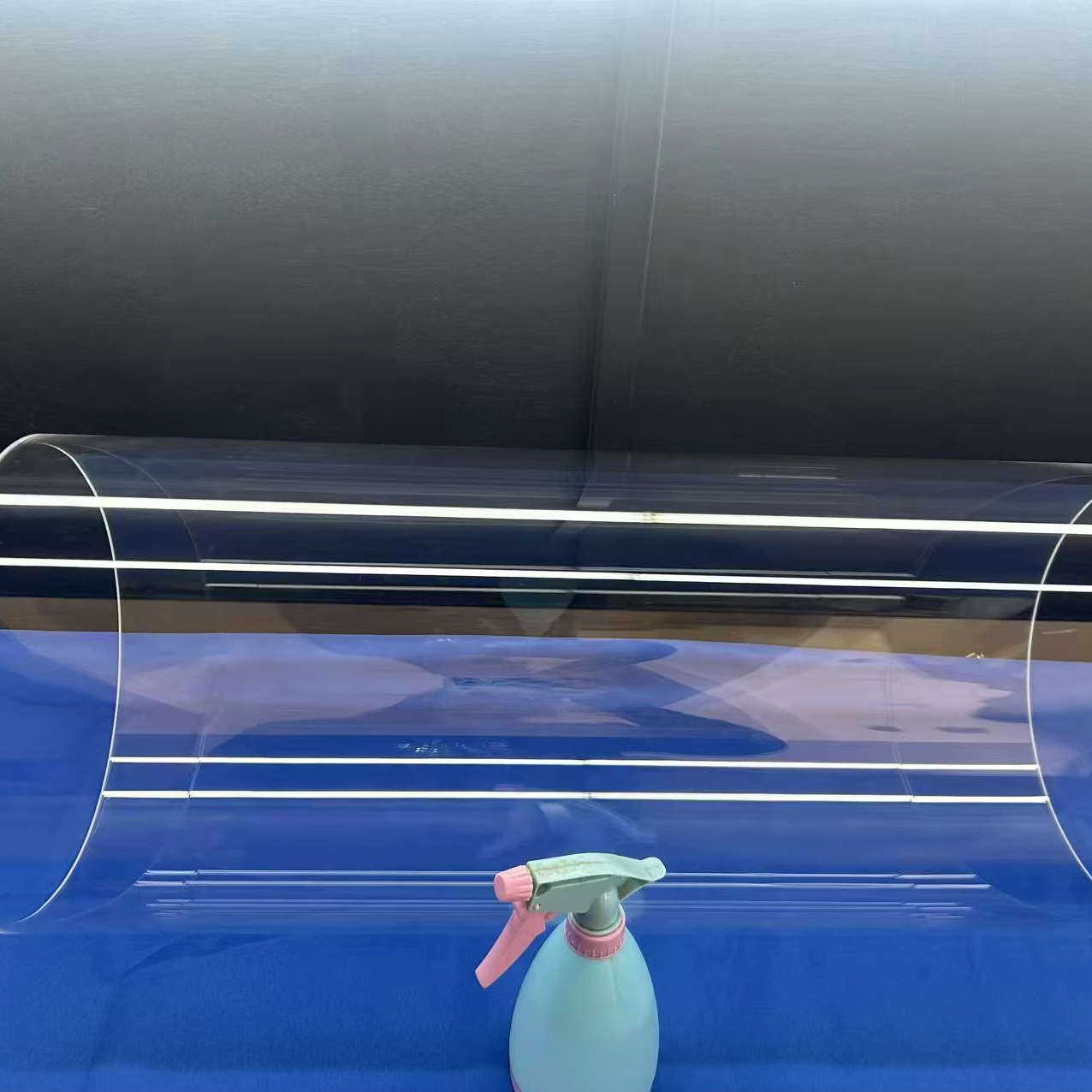
In the solar energy sector, the mass transition from P-type PERC cells to N-type TOPCon (Tunnel Oxide Passivated Contact) and Heterojunction (HJT) cell architectures requires significantly larger quartz process tubes. Modern solar cell manufacturing lines utilize extra-large fused quartz furnace tubes with outer diameters exceeding 300 mm to 550 mm. Sourcing suppliers with the technical capability to maintain strict dimensional wall uniformity (± 0.5 mm tolerances on massive diameters) while minimizing internal thermal stress is becoming a core strategic differentiator.
Trend C: Customization, Micro-Fluidics, and Complex Capillary Geometries
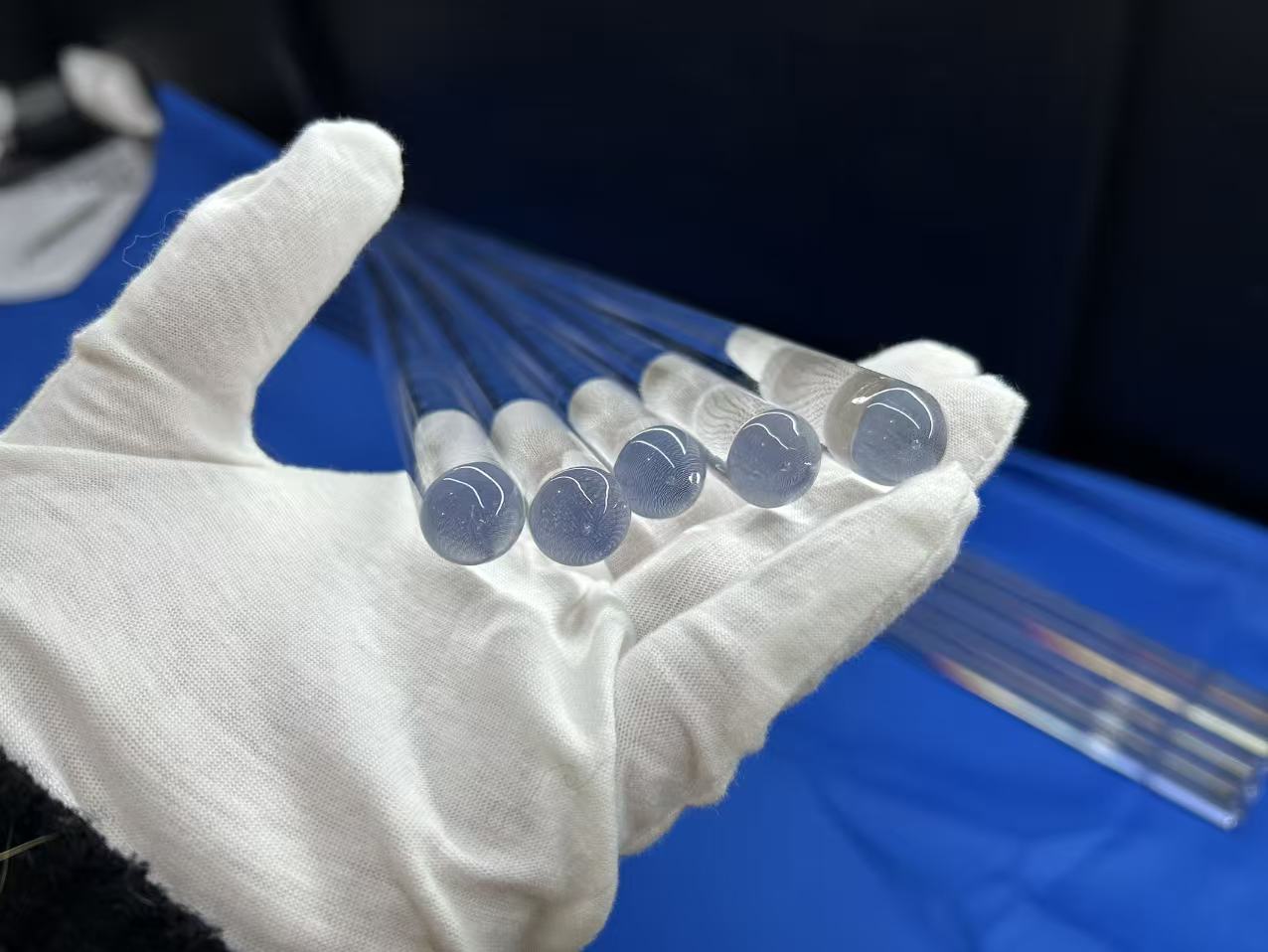
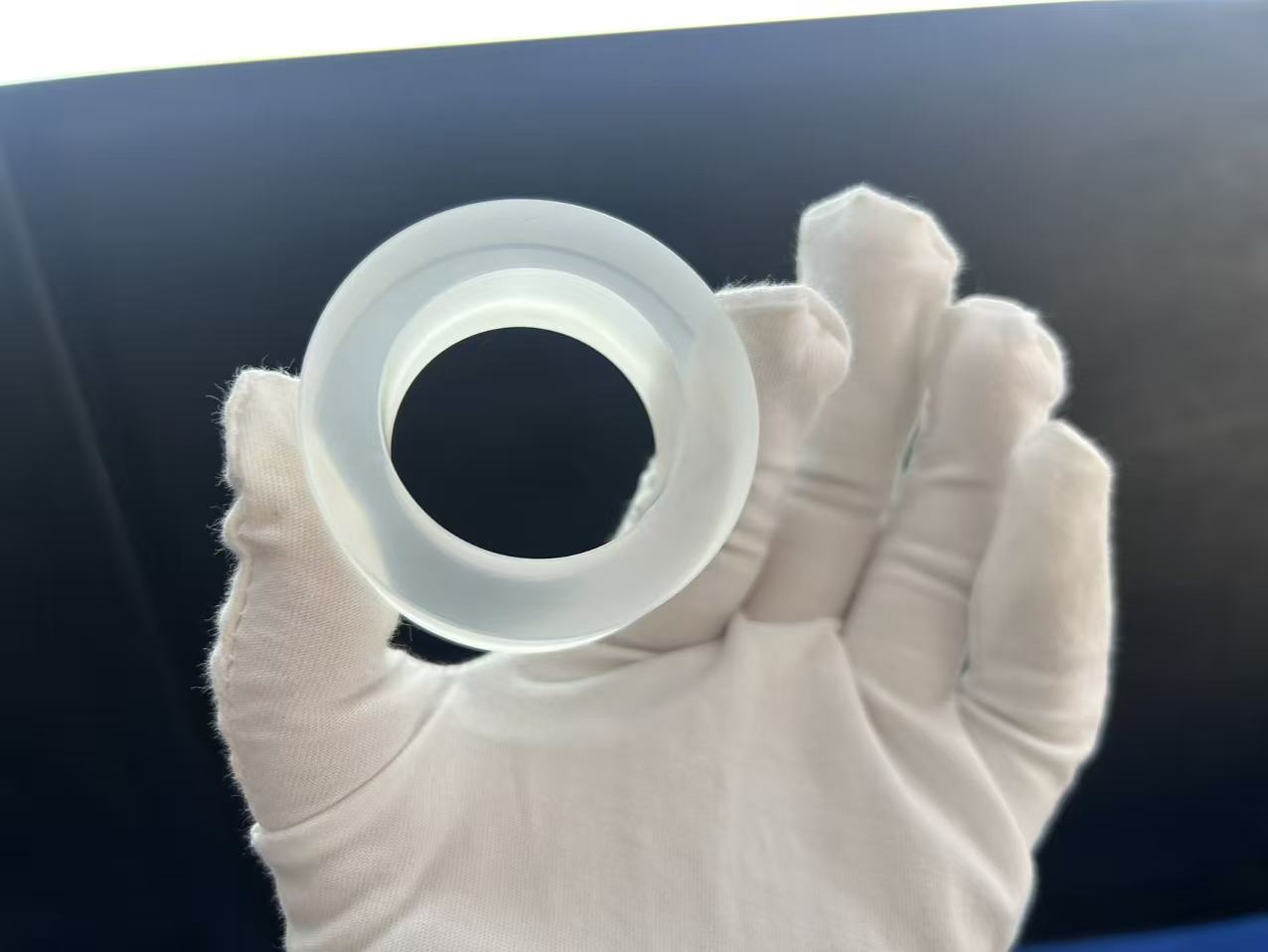
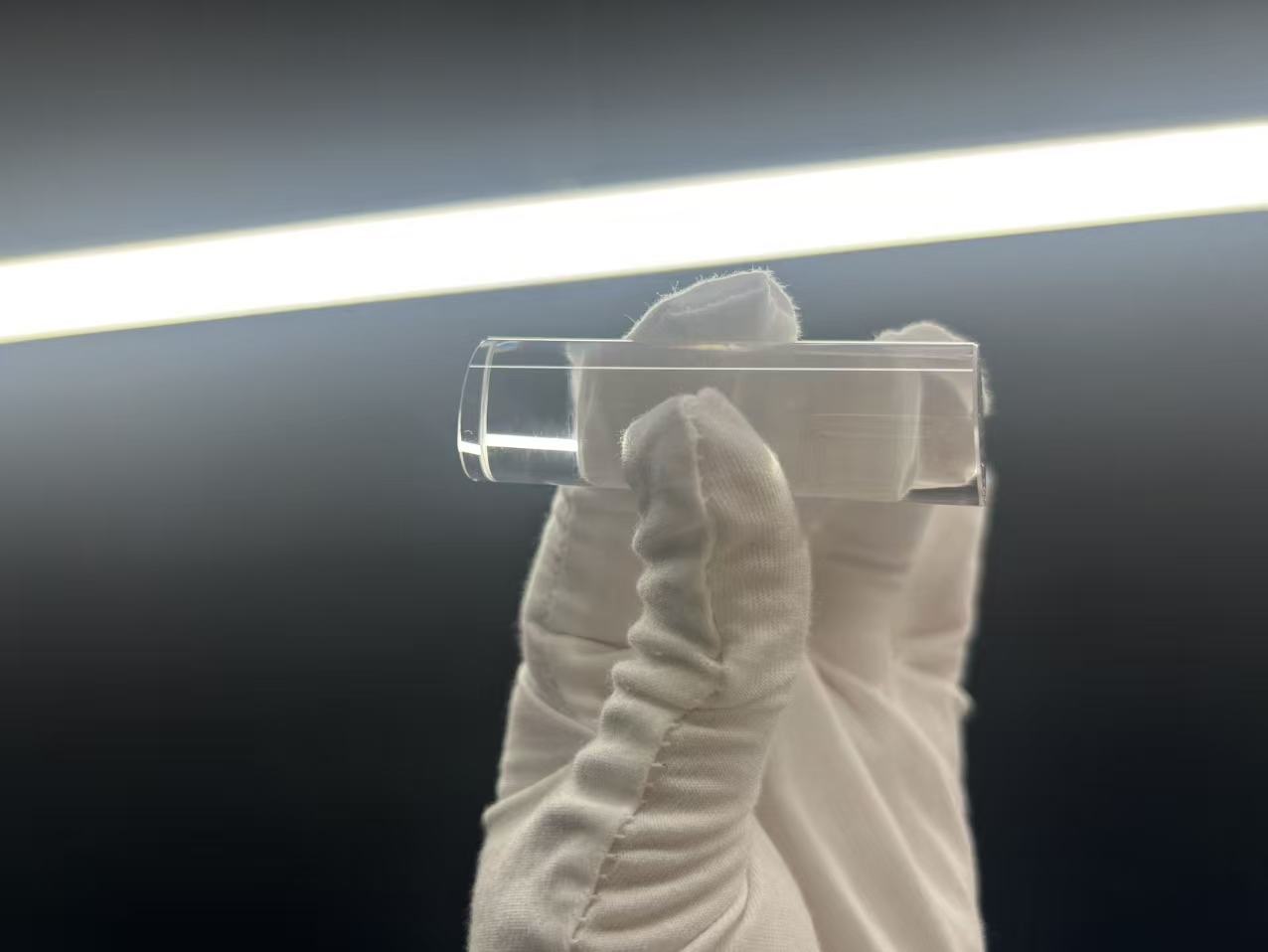
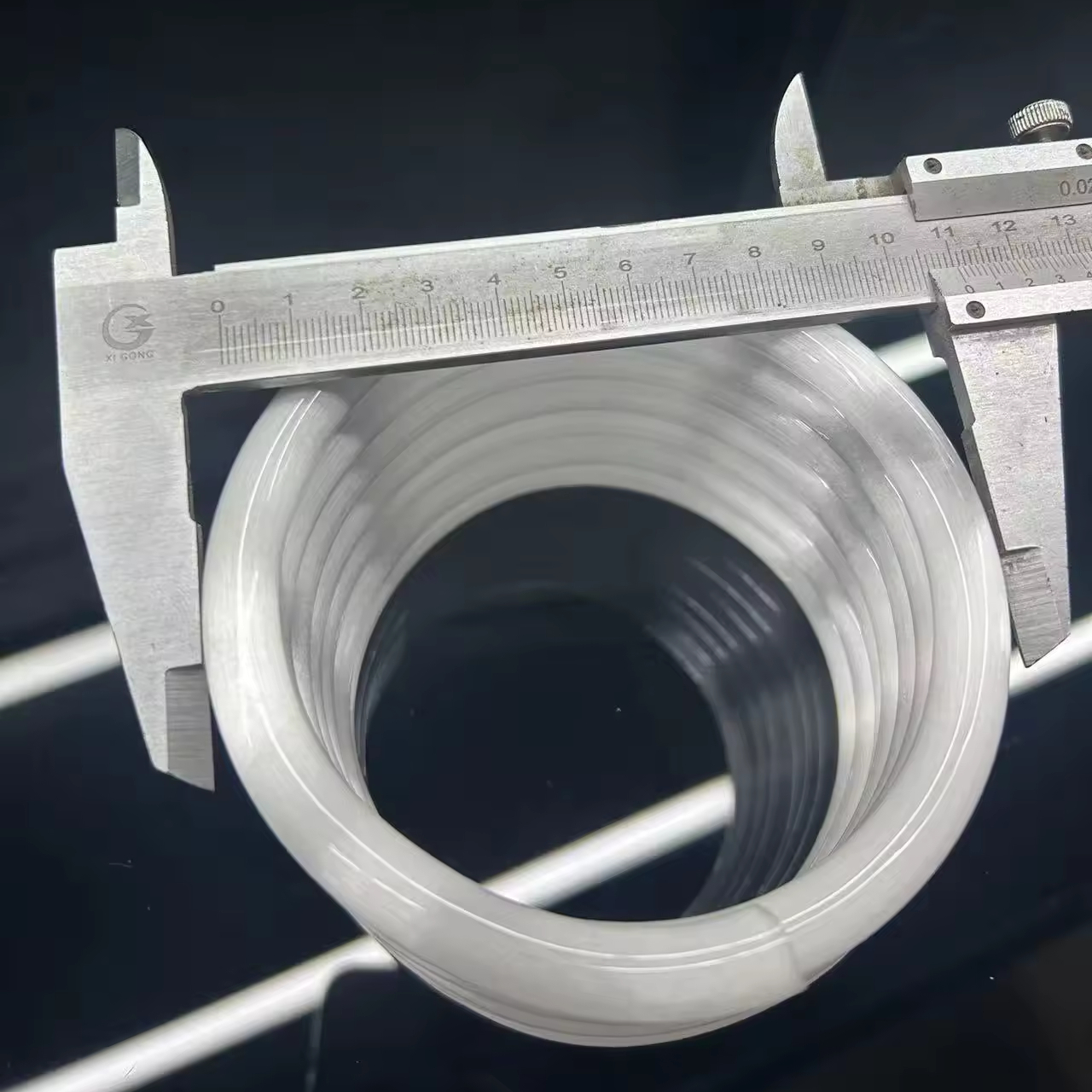
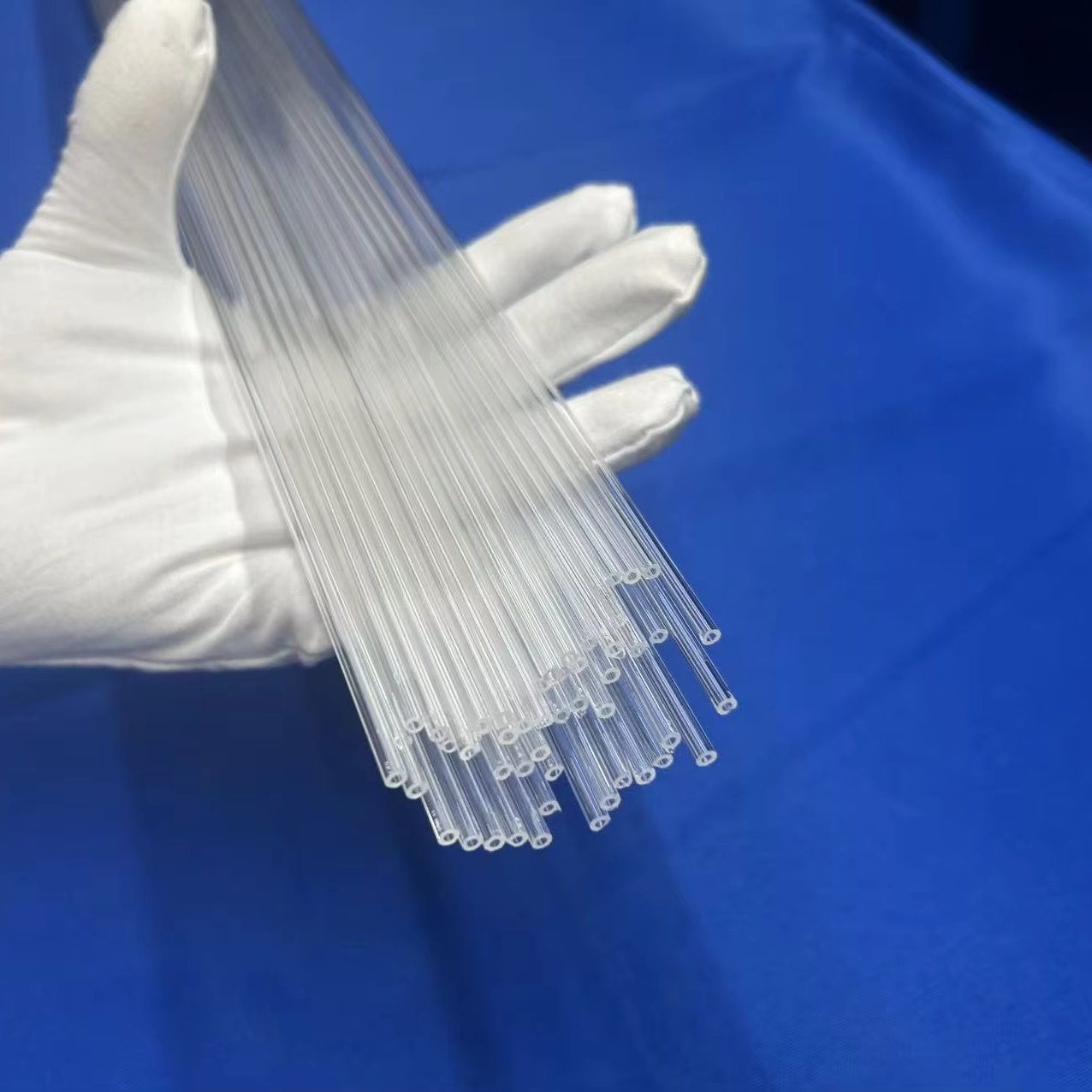
Standard off-the-shelf tubing is increasingly giving way to highly specialized, custom-engineered glass components. High-precision industries—including analytical instrumentation, biomedical diagnostic tanks, and laser optics—require intricate quartz geometry, such as multi-bore capillary tubes, helical coil heat exchangers, precision-polished quartz rings, and welded quartz manifolds. Suppliers offering end-to-end OEM/ODM engineering support—capable of converting 3D CAD models (STEP, DWG) into physical glass prototypes—are capturing market share over rigid catalog distributors.
Trend D: Carbon-Neutral Production and Sustainable Quartz Powder Supply Chains
Environmental regulations and corporate Scope 3 emission targets are driving quartzware manufacturers to adopt eco-friendly melting processes. Leading factories in Donghai are investing in clean-energy oxy-hydrogen flame welding, electric arc fusion technologies, and closed-loop acid cleaning processes. Procurement departments in Europe and North America now evaluate factory environmental compliance, recycling capabilities, and localized raw material security as part of their standard vendor qualification audits.
3. Key Technological Trends in Fused Quartz Processing & Manufacturing
To produce fused quartz tubes that can withstand rigorous thermal cycling and aggressive chemical environments, manufacturing processes have undergone substantial technological upgrades:
- Precision CNC Cold Processing & Ultrasonic Machining: Modern quartz fabrication has evolved beyond manual flame blowing. Ultrasonic drilling and 5-axis CNC grinding enable micro-machining of quartz flanges, internal slotting on quartz boats, and smooth edge-chamfering on optical wafers with dimensional tolerances tight to ± 0.01 mm.
- Automated Lathe Flame Working & Annealing: High-purity quartz tubing requiring precision bends, flared ends, or welded flanges is now processed on computer-controlled glass lathes equipped with hydrogen-oxygen burner arrays. Following hot working, mandatory stress relief in computer-controlled electric annealing ovens eliminates residual internal stress, preventing spontaneous shattering under thermal shock.
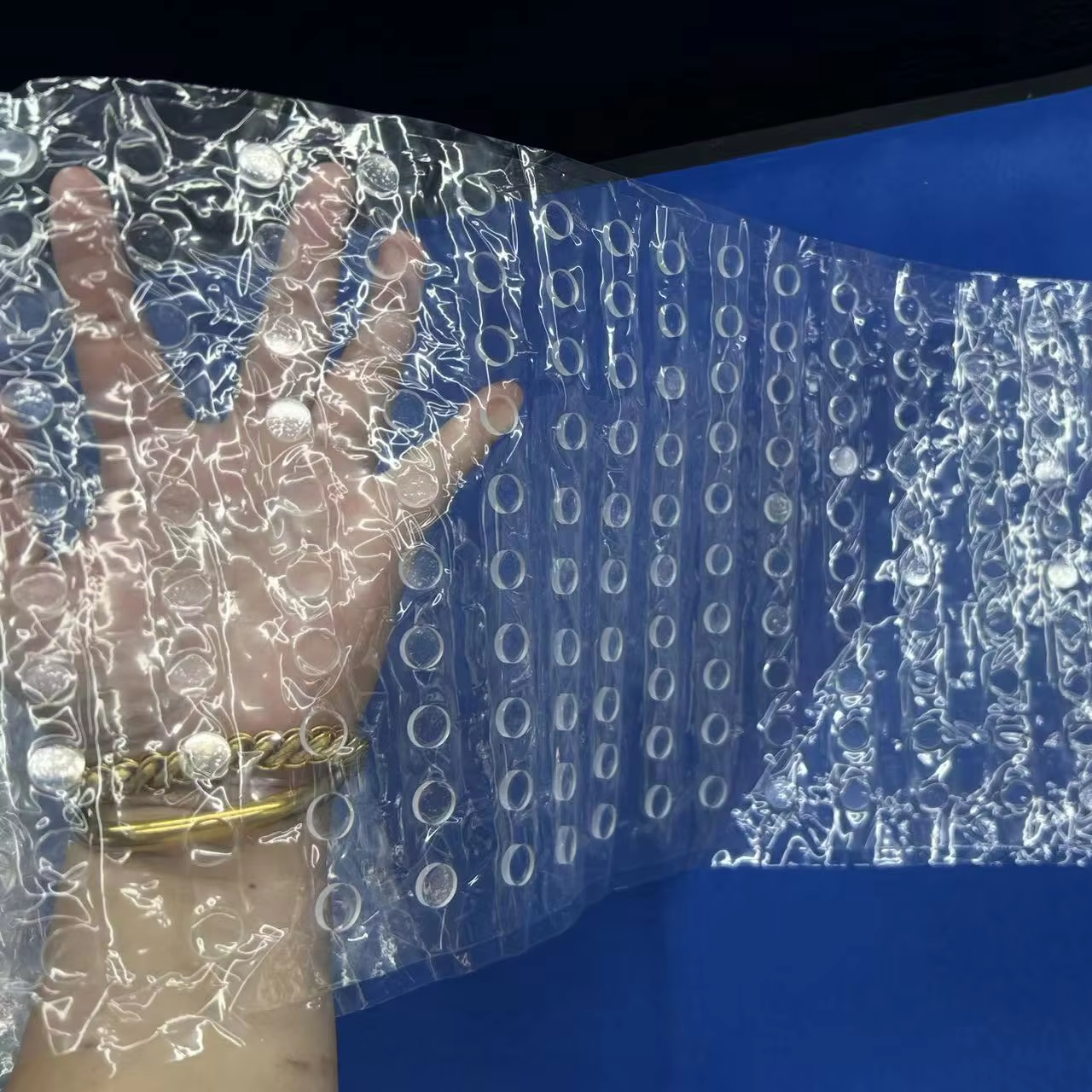
- Advanced Optical Polishing & Surface Passivation: For optical sight glasses, wafers, and analytical cuvettes, mechanical lap polishing combined with cerium oxide or colloidal silica slurred polishing achieves surface roughness (Ra) down to < 0.5 nm, delivering ultra-clear clarity and scratch-free surface finishes compliant with ISO 10110 standards.
- Non-Destructive Defect Detection & Polarized Stress Inspection: Quality assurance protocols now integrate automated spectrophotometers to verify spectral transmission curves, alongside polarized light stress meters to detect microscopic structural strain before products are approved for export packaging.
4. Strategic Factory Profile & Corporate Advantages
Located in Donghai County, Lianyungang City, Jiangsu Province—widely recognized as China's premier crystal and high-purity quartz material hub—Donghai County Nivra Quartz Products Co., Ltd. represents a fully integrated manufacturing and export enterprise. Built upon a foundation of engineering excellence, strict quality control, and customer-centric service, Nivra Quartz serves global OEM buyers, laboratory equipment integrators, and semiconductor process engineers across North America, Western Europe, East Asia, and beyond.
Core Corporate Capabilities & Strengths:
- Unrivaled Raw Material Access & Local Ecosystem: Nestled at the heart of China’s quartz processing capital, Nivra Quartz leverages direct access to superior high-purity silica raw materials. This strategic location drastically lowers material logistics costs while ensuring consistent access to premium grade-A quartz ingots and tubing blanks.
- Comprehensive OEM & ODM Processing Spectrum: Employing between 101 to 200 skilled glass technicians, engineers, and quality inspectors, our facility excels in custom quartz fabrication. Our processing capabilities encompass precision tube drawing, diamond-saw cutting, CNC surface grinding, optical polishing, flame lathe welding, coil bending, acid washing, and cleanroom vacuum packaging.
- Rapid Engineering Response & High Service Efficiency: In global procurement, time-to-quote and technical clarity are paramount. Nivra Quartz maintains an industry-leading average inquiry response time of ≤ 5 hours with an 88.89% verified response rate. Technical inquiries accompanied by technical drawings (PDF, DWG, STEP) receive rapid manufacturability assessments and transparent price breakdowns.
- Verified Track Record & Global Export Trust: Backed by a verified 5.0/5 buyer rating and a 23% reorder rate among international accounts, our factory processes dozens of international shipments monthly. Every fragile component is protected using multi-layer shock-absorbing polyethylene foam, custom vacuum sealed packs, and fumigation-free reinforced wooden crates designed for international sea and air freight.
5. Frequently Asked Questions (FAQ) for Quartz Tube Procurement
Need Custom Fused Quartz Tubes or Specialized Glassware?
Submit your engineering drawings (PDF, DWG, STEP) or detailed dimensional specs today. Our technical team in Donghai will review your design and provide a comprehensive price quotation within 5 hours.
Get Catalog