Precision Quartz Products & Components
Factory-direct custom quartz tubes, high-purity optical plates, heating sleeves, and ultra-thick double-layer step plates engineered for extreme thermal, optical, and semiconductor environments.
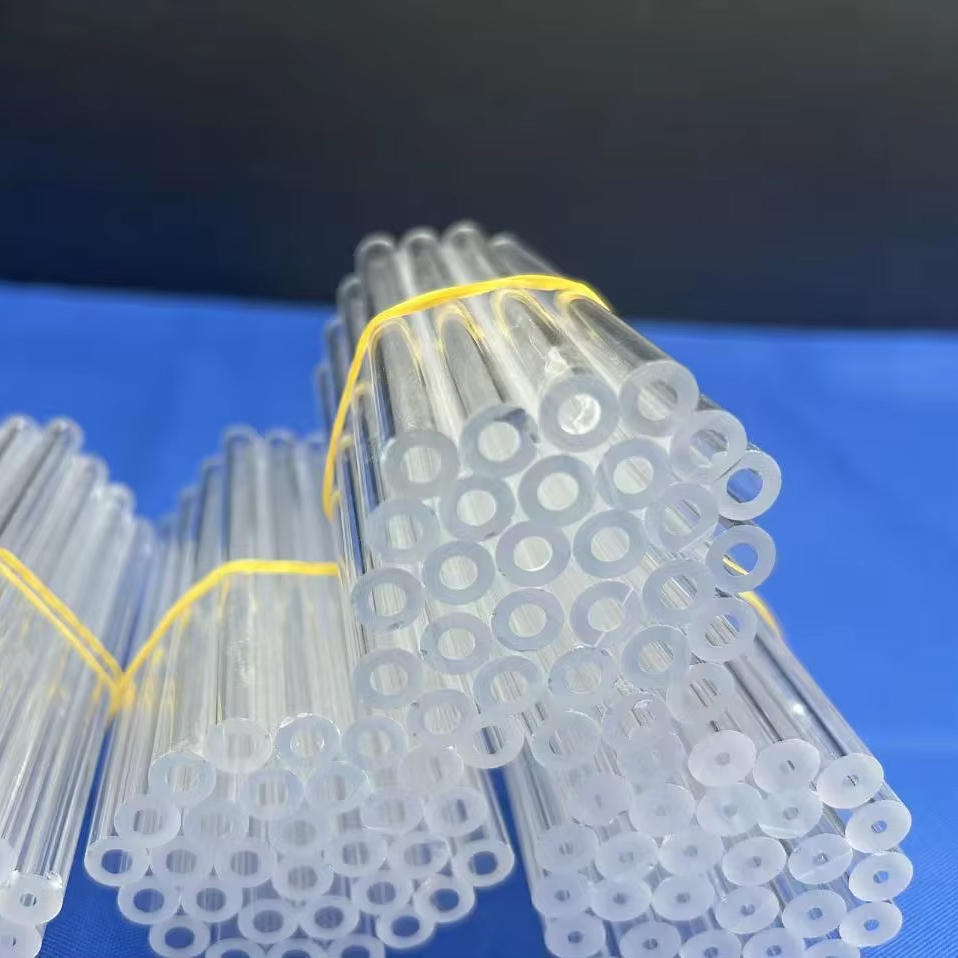
Customized Size Clear Quartz Glass Tube BET Test Tube
Ultra-clear high-purity transparent quartz tubing crafted for BET surface area analysis, borosilicate chemistry compatibility, and high thermal resistance.
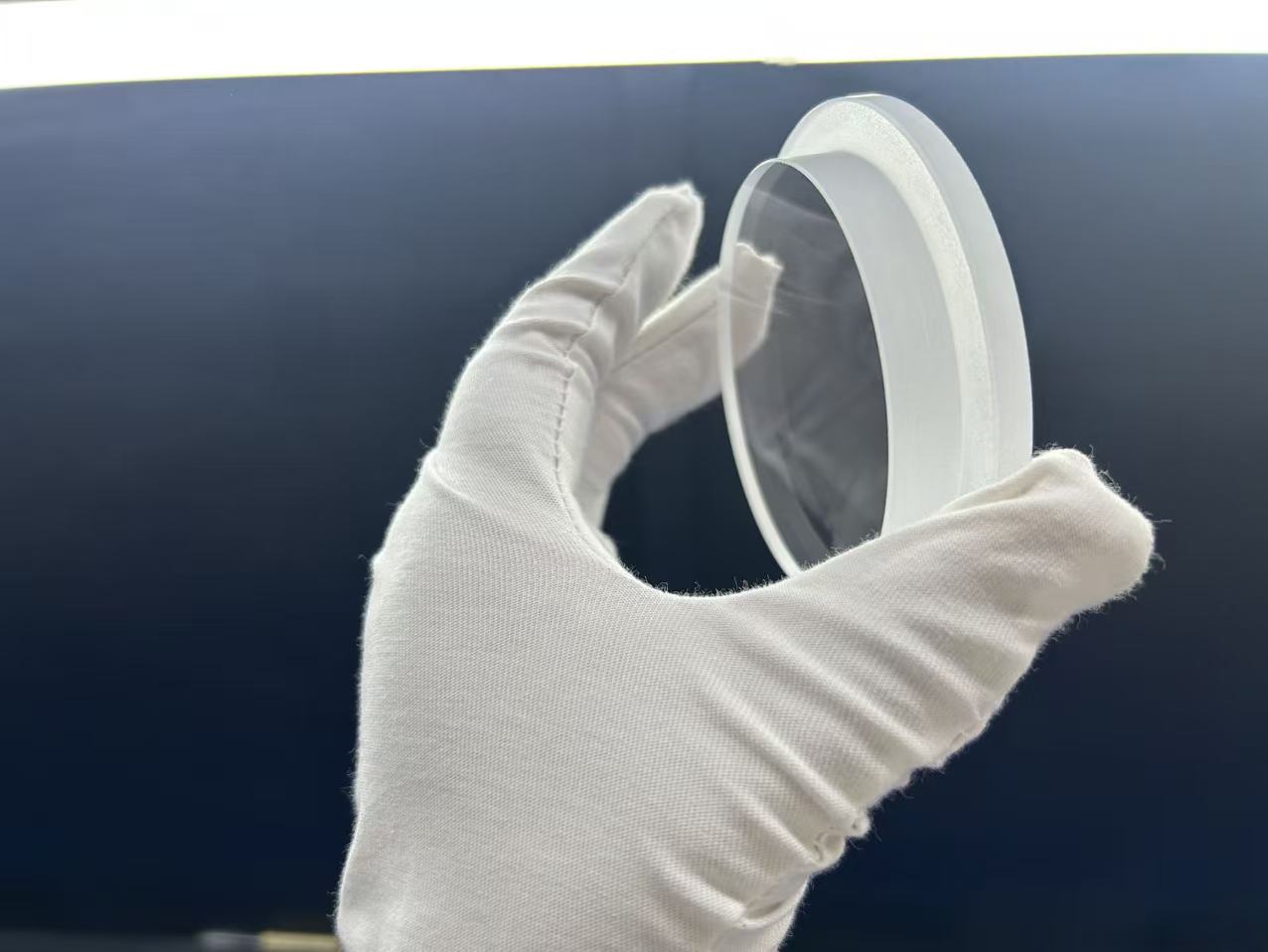
High-Purity Ultra-Thick Quartz Double-Layer Step Plate
Factory-machined step plates engineered via precision CNC diamond cutting and optical flame polishing for heavy-duty industrial vacuum and sight glass setups.
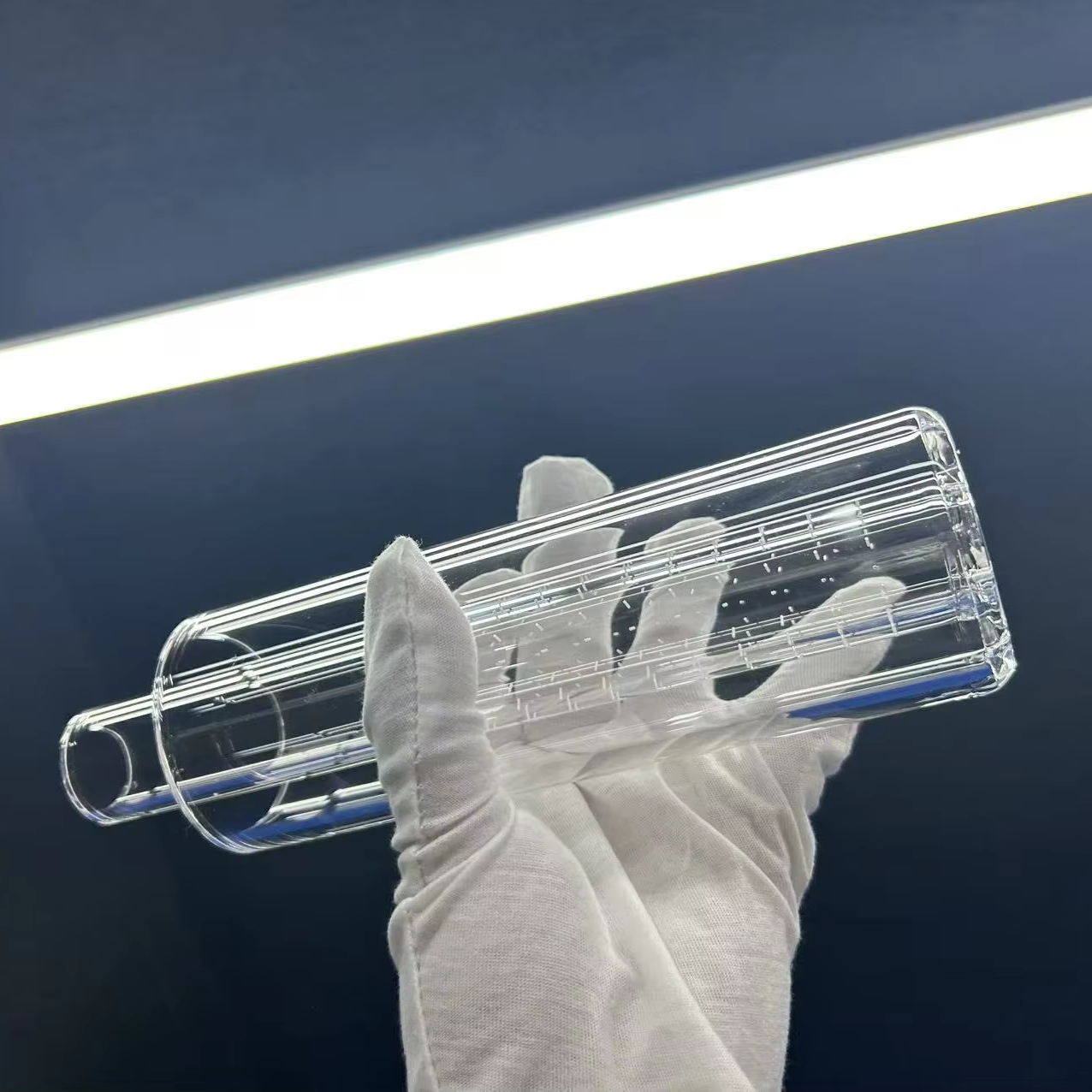
Customized Perforated Quartz Tube for Gas Distribution
Precision micro-hole drilled quartz tubes designed for uniform gas dispersion, chemical vapor deposition (CVD), and high-temperature furnace diffusion.
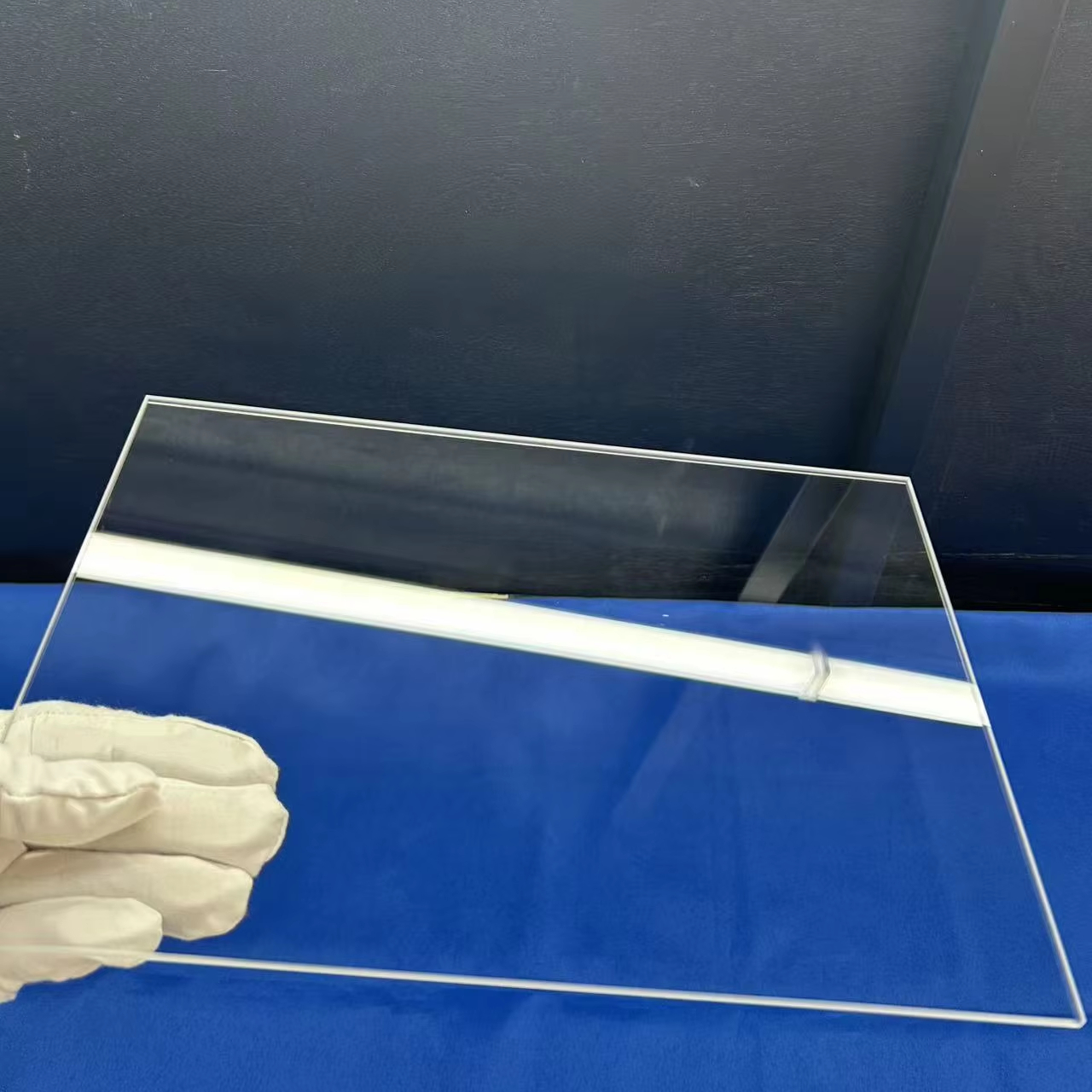
Custom Polished Transparent Square Quartz Glass Plate (4mm)
Optical-grade JGS1/JGS2 synthetic square quartz sheets featuring parallel double-sided polishing, bubble-free structure, and high UV-Vis light transmission.
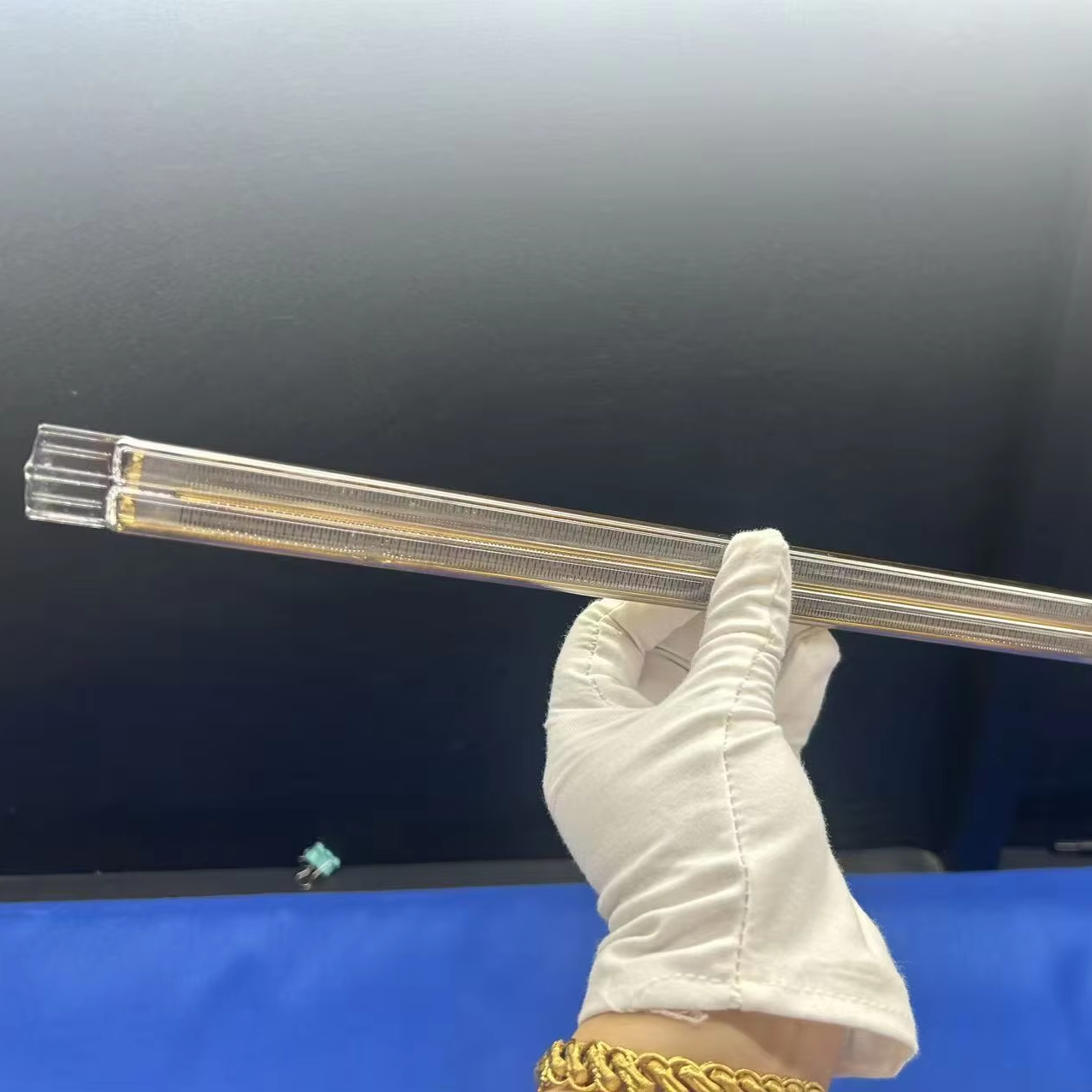
High-Efficiency Graphene Coating Quartz Heating Tube
Advanced infrared heating element utilizing high-purity quartz tubing combined with electrothermal graphene film for rapid thermal response and energy savings.
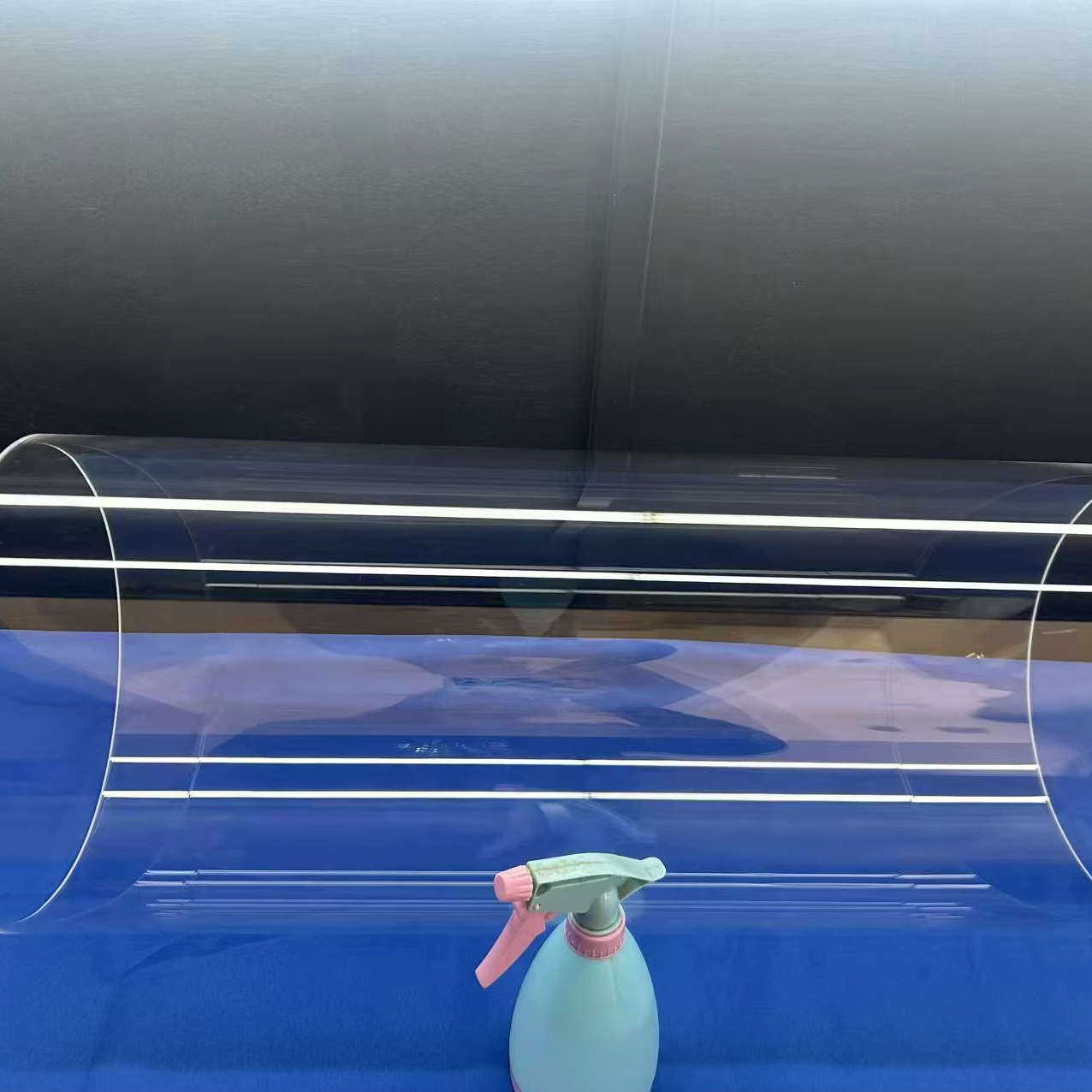
Customizable High Purity Fused Quartz Glass Tube (1100°C+)
Continuous thermal resistance up to 1100°C with peak exposure at 1450°C. Excellent thermal shock immunity and high chemical inertness against acids.
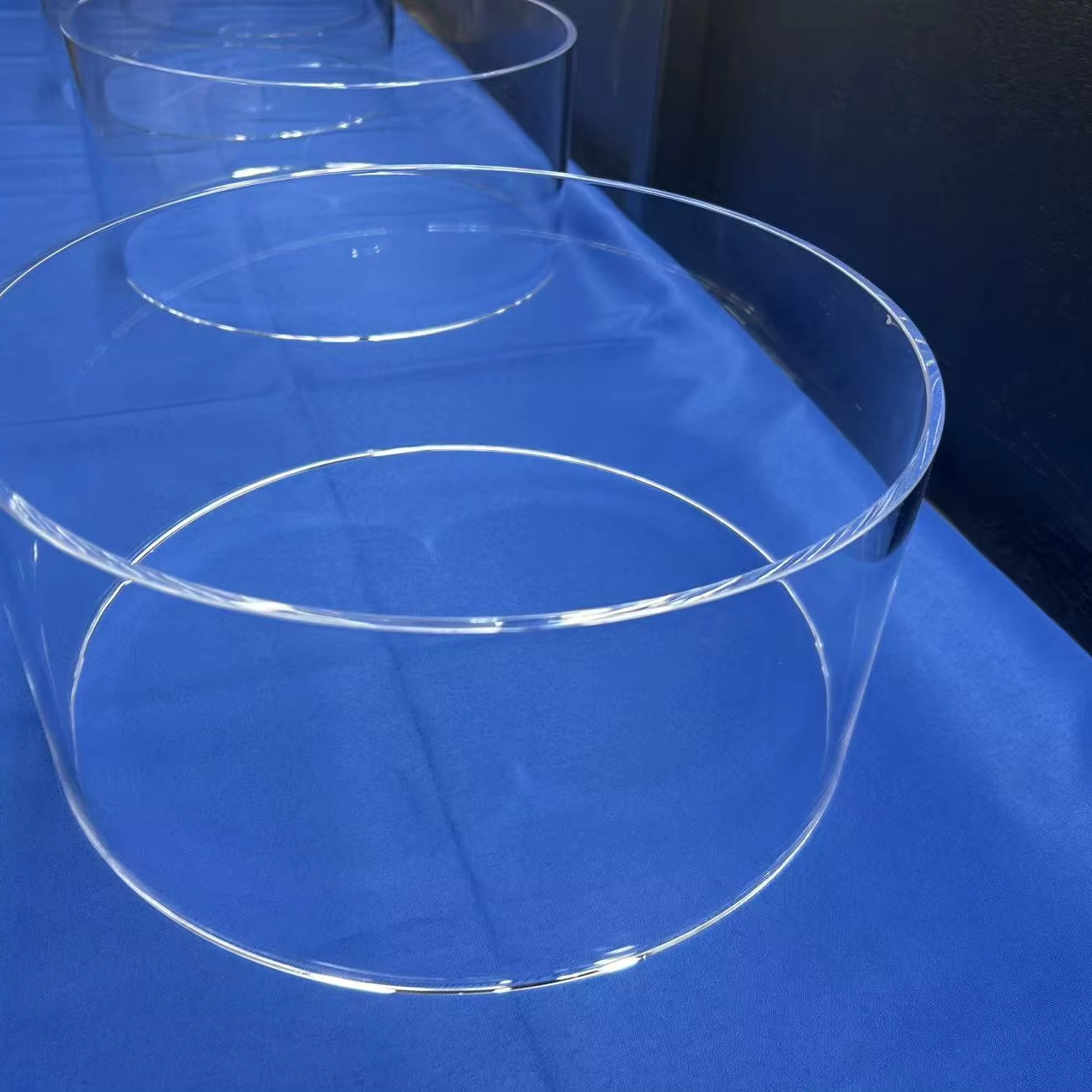
Large Diameter Fused Quartz Rods: Cutting, Welding & Bending
Solid glass quartz ingots and large-diameter rods processed with fine grinding, hot-bending, precision slotting, and flame sealing for industrial apparatuses.
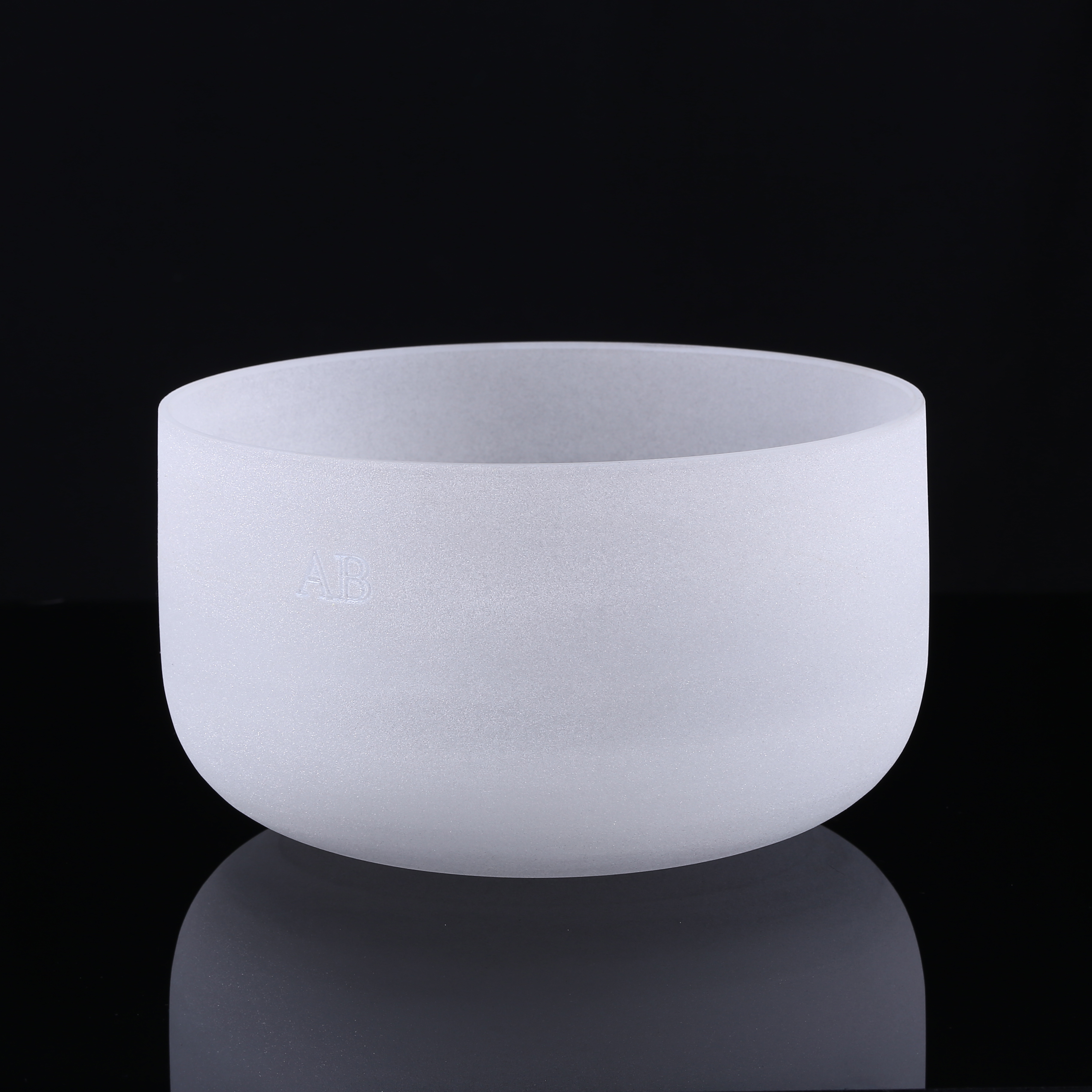
High-Temperature Fused Silica Quartz Melting Crucible
Sintered arc-fused silica crucibles specifically constructed for photovoltaic silicon ingot growth, precious metal refining, and analytical laboratory melting.
Technical Whitepaper: High-Purity Fused Quartz Glass Sheet Manufacturing & Optical Specifications
In modern advanced manufacturing—spanning semiconductor wafer fabrication, solar photovoltaic cell processing, high-power fiber laser optics, and analytical biophotonics—fused quartz glass sheets and synthetic fused silica plates serve as indispensable structural and optical materials. Unlike standard soda-lime or borosilicate glass, industrial fused quartz is composed of almost pure silicon dioxide (>99.99% SiO₂). This elemental purity unlocks exceptional physical characteristics: ultra-low thermal expansion coefficients, broad optical transmission spanning from deep ultraviolet (UV) to far infrared (IR), and unmatched dimensional stability under severe thermal shock.
As a leading China quartz glass sheet manufacturer rooted in Donghai County—the premier international processing hub for natural silica and synthetic crystal—Donghai County Nivra Quartz Products Co., Ltd. integrates state-of-the-art cold CNC mechanical processing, hot flame glass-blowing, and precision double-sided lap-polishing. Understanding material classification is critical for global engineering procurement teams evaluating total cost of ownership (TCO) and long-term functional performance.
Optical Quartz Grade Selection Matrix (JGS1 vs. JGS2 vs. JGS3)
Selecting the optimal quartz grade directly dictates component performance and project cost efficiency. Fused silica sheets are categorized primarily by raw material source (synthetic silicon tetrachloride vs. refined natural pegmatite quartz crystal) and residual hydroxyl content (OH⁻ concentration):
| Quartz Material Grade | Source Material | Primary Spectral Transmission Range | Typical Hydroxyl (OH⁻) Content | Target Industry Applications |
|---|---|---|---|---|
| JGS1 (Synthetic Fused Silica) | Synthetic SiCl₄ Gas Synthesis | 185 nm – 2,500 nm (Deep UV to Near IR) | > 1,000 ppm (High OH) | EUV/UV Lithography Optics, Excimer Laser Windows, UV Cuvettes, Semiconductor Photolithography |
| JGS2 (Fused Quartz from Crystal) | Refined Natural Quartz Crystal | 220 nm – 2,500 nm (UV to Near IR) | 100 – 300 ppm (Standard OH) | High-Temp Sight Glasses, Furnace Tube Windows, Semiconductor Wafer Carriers, Optical Substrates |
| JGS3 (Infrared Grade Fused Quartz) | Vacuum Plasma Melted Natural Quartz | 260 nm – 3,700 nm (Visible to Far IR) | < 5 ppm (Low OH) | Infrared Thermal Imaging Windows, CO₂ Laser Optics, High-Temperature Inspection Viewing Ports |
Enterprise Advantages: Donghai County Nivra Quartz Products Co., Ltd.
Founded in February 2019 in Donghai County, Lianyungang City, Jiangsu Province—celebrated globally as China's Capital of Crystal & Quartz Raw Materials—Donghai County Nivra Quartz Products Co., Ltd. operates as a hybrid direct-manufacturing powerhouse and international trade company. Backed by a dedicated workforce of 101 to 200 skilled engineers, optical technicians, and CNC machinists, our enterprise delivers end-to-end quartz fabrication from raw ingot slicing to cleanroom packaging.
Our geographical location gives us direct access to high-purity silica reserves, reducing raw material procurement overhead and passing significant cost advantages to global OEM buyers. Verified independently by third-party inspection agencies and Alibaba platform audits, our facility integrates comprehensive cold processing (diamond sawing, edging, beveling, laser drilling, surface grinding) and specialized hot processing (high-temperature glass lathe welding, hydrogen-oxygen flame sealing, thermal stress annealing).
✓ Rapid OEM Drawing Response
Our engineering office maintains an average response speed of ≤ 5 hours with an 88.89% fast-quote inquiry resolution rate for CAD/STEP files.
✓ Precision Manufacturing Tolerance
Standard dimensional tolerances controlled within ±0.05mm to ±0.01mm, surface roughness polished up to optical grade 60/40 or 40/20 Scratch/Dig.
✓ Global Export Compliance
Strong international export footprints across North America (40%), Western Europe (20%), Eastern Europe (14%), South America (11.4%), and Northern Europe (10%).
Product Development & Technological Trends in Fused Quartz Glass Manufacturing
Driven by modern semiconductor shrinkage (down to 3nm and 2nm nodes) and the rapid scaling of high-power industrial laser cutting systems, the quartz glass manufacturing sector is undergoing major technical evolution. Key development trajectories shaping high-purity quartz sheet production include:
1. Ultra-High Purity Synthetic Silica for EUV & Sub-5nm Wafer Fabrication
Traditional natural quartz sheets contain micro-ppm levels of metallic impurities (Al, Fe, Na, K, Li, Ti). While acceptable for standard heating tubes and industrial sight glasses, advanced semiconductor etching and atomic layer deposition (ALD) processes demand total alkali metal impurities < 0.1 ppm. The industry is rapidly transitioning toward synthetic vapor-deposited quartz sheets (JGS1 class) that prevent wafer contamination during high-temperature thermal diffusion cycles.
2. Large-Format Double-Sided Chemical Mechanical Polishing (CMP)
Demand for ultra-large optical quartz plates (exceeding 800mm x 800mm) with sub-micron flatness (λ/4 to λ/10 per 25mm) is expanding rapidly in optical mask blanks and flat panel display (FPD) exposure chambers. Modern factories utilize specialized multi-axis double-sided CMP machines to achieve surface roughness below 0.5 nanometers while keeping stress-induced birefringence to a minimum.
3. Structural Micro-Machining and Femtosecond Laser Hole Drilling
Mechanical diamond drilling on brittle quartz glass typically introduces micro-cracks and edge chipping. The latest manufacturing technology uses high-frequency femtosecond laser ablation and ultrasonic-assisted CNC milling to cut intricate micro-fluidic channels, tapered blind holes, and stepped edges on custom quartz plates without creating surface tensile stress.
Future Procurement Trends & Strategic Sourcing for B2B Quartz Glass Buyers
As global supply chains place greater emphasis on operational resilience and total cost optimization, B2B procurement managers facing quartz supply decisions are adopting critical long-term procurement strategies:
- Consolidation of Custom OEM Component Fabrication: Global buyers prefer single-source manufacturers capable of executing raw quartz synthesis, secondary CNC glass machining, step polishing, and ultrasonic cleaning in one factory—minimizing logistics risk and cumulative lead times.
- Strict Traceability and Material Certification: Modern semiconductor, medical, and aerospace buyers demand full lot batch certification, GDMS (Glow Discharge Mass Spectrometry) chemical purity reports, and bubble/inclusion quality gradings according to ISO 12123 standards.
- Vibration-Proof Safe Export Packaging Solutions: Because thin quartz sheets and long quartz tubes are brittle, forward-thinking buyers mandate custom-molded shock-absorbing EVA foam matrix enclosures inside export-grade fumigation-free wooden cases, preventing micro-stress fractures during multimodal sea/air freight transit.
- Dynamic Prototype-to-Mass-Production Flexibility: Procuring teams prioritize Chinese factories that support small MOQ prototype verification (1–10 pieces) for custom engineer drawings prior to committing to volume production runs.
Frequently Asked Questions (Sourcing FAQ)
Technical guidance and commercial parameters for engineering buyers procuring quartz glass sheets, tubes, and crucibles from China.
What is the fundamental difference between JGS1, JGS2, and JGS3 optical quartz glass?
JGS1 is synthetic fused silica synthesized from high-purity gaseous silicon compounds. It features no bubbles or inclusions and delivers superior light transmission in the deep UV spectrum (>85% at 185 nm), making it the gold standard for UV laser optics and photolithography. JGS2 is produced from high-purity natural quartz crystal; it provides excellent transmission across the UV-Visible range (220 nm – 2500 nm) and serves as the industry workhorse for high-temperature sight glasses, industrial windows, and furnace tubes. JGS3 is a specialized vacuum-melted infrared-grade quartz with low hydroxyl content (OH⁻ < 5 ppm), extending light transparency up to 3700 nm in the mid-IR band.
What maximum continuous working temperature can your fused quartz plates endure?
Clear fused quartz plates produced by Donghai County Nivra Quartz Products Co., Ltd. withstand continuous operating temperatures up to 1,100°C (2,012°F), with short-term peak exposure limits up to 1,450°C (2,642°F). The softening point of our fused silica is approximately 1,683°C. For applications operating above 1,000°C, thermal annealing procedures are applied during manufacturing to relieve internal stresses and prevent devitrification (crystallization).
How do you ensure thin quartz glass plates do not break during international shipping?
Export packaging for fragile quartz sheets incorporates multi-stage safety layers. Each quartz plate is precision ultrasonic cleaned, wrapped in protective scratch-resistant film, and fitted into high-density CNC-molded EVA shock-absorbing foam inserts. The foam blocks are placed inside inner boxes and sealed in heavy-duty, fumigation-free ply-wooden crates reinforced with corner brackets, achieving a proven break-free shipping rate over 99.8% across global air and sea shipments.
Can you manufacture custom quartz glass sheets directly from customer CAD drawings?
Yes. We specialize in OEM and ODM custom quartz manufacturing. We accept standard industrial design files including 2D drawings (PDF, DWG, DXF) and 3D CAD files (STEP, IGES). Our CNC diamond machining center handles custom edge chamfering, internal slotting, step-plate milling, precision optical polishing, beveling, and laser hole drilling according to your specified drawing tolerances.
What standard dimensional tolerances and surface finishes can your factory achieve?
Our standard machining tolerances for length, width, and thickness are ±0.05 mm, with high-precision grinding capable of achieving ±0.01 mm upon request. Surface quality options range from flame-polished (clear commercial grade) to lap-ground matte surfaces, up to optical double-sided polishing meeting 60/40, 40/20, or 20/10 Scratch/Dig specifications (surface roughness Ra < 0.5 nm).
What is your Minimum Order Quantity (MOQ) and sample lead time for custom quartz parts?
To support product engineering R&D and prototype testing, many standard quartz tube and plate items feature low MOQs starting from 1 to 10 pieces. Small customized optical wafers or micro-discs typically start from 50 to 100 pieces. Prototype samples are produced and dispatched within 5 to 7 business days following drawing sign-off.
Request Your Custom Quartz Glass Quotation Today
Need a custom quartz glass sheet, step plate, furnace tube, or high-purity optical window? Upload your technical drawing or specifications, and our expert engineering team in Donghai will review manufacturability and issue a formal quote within 5 hours.