Featured Precision Quartz Products
Directly manufactured in Donghai, China — engineered for extreme chemical inertness, high temperature tolerance, and optical clarity.
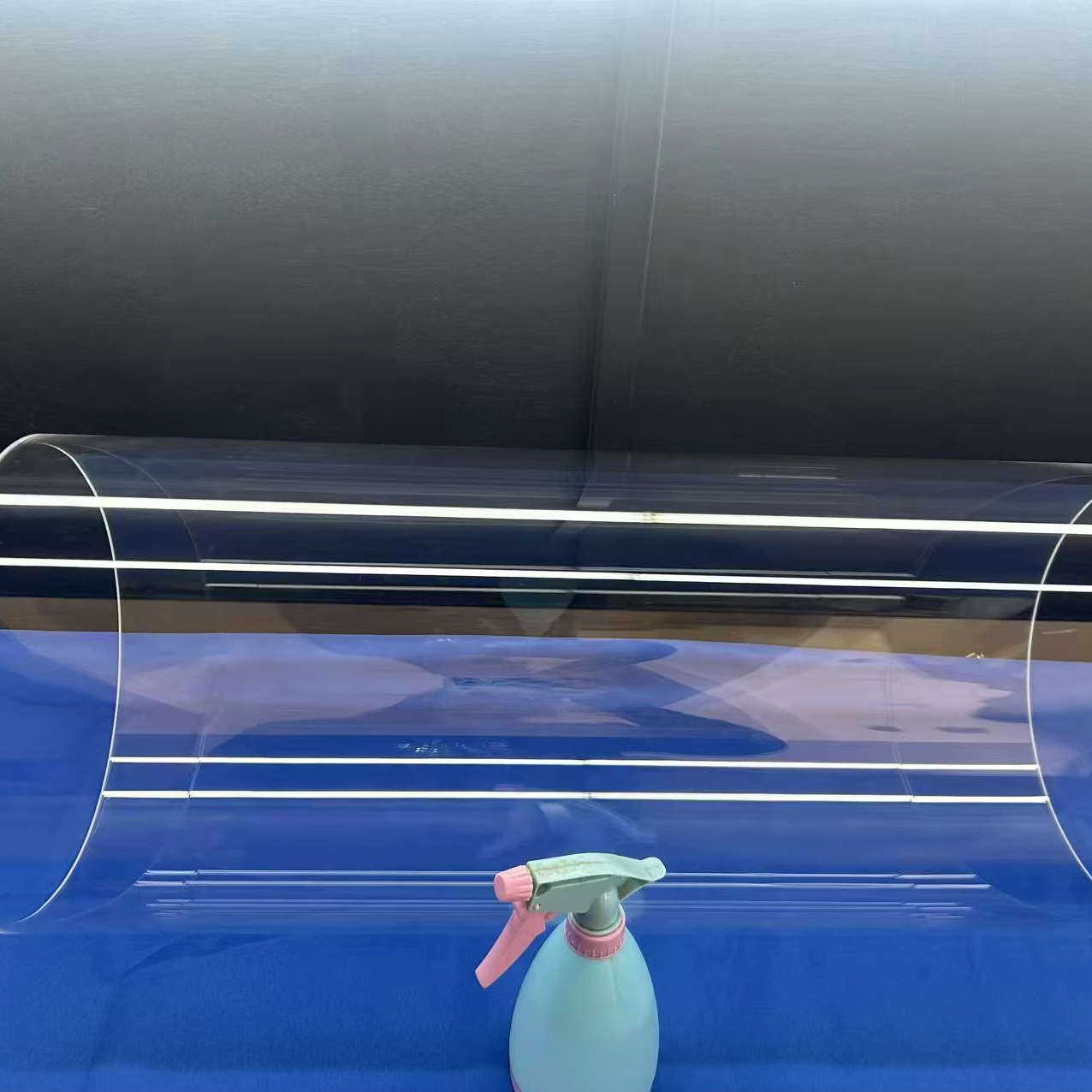
Customizable High Purity Fused Quartz Glass Tube High Temperature Resistant
View Details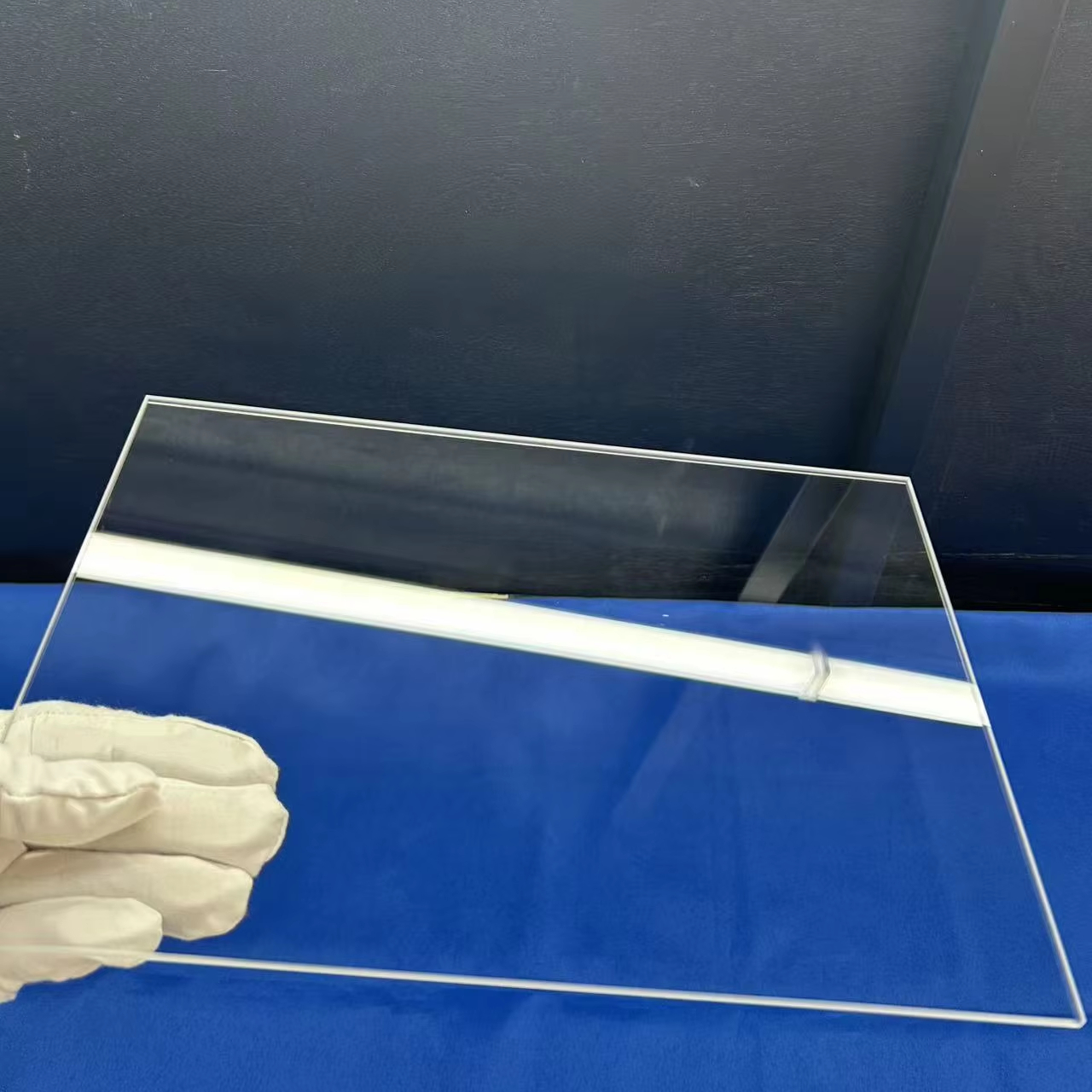
Custom Polished Purity Transparent Square Quartz Glass Clear Plate 4mm Thick
View Details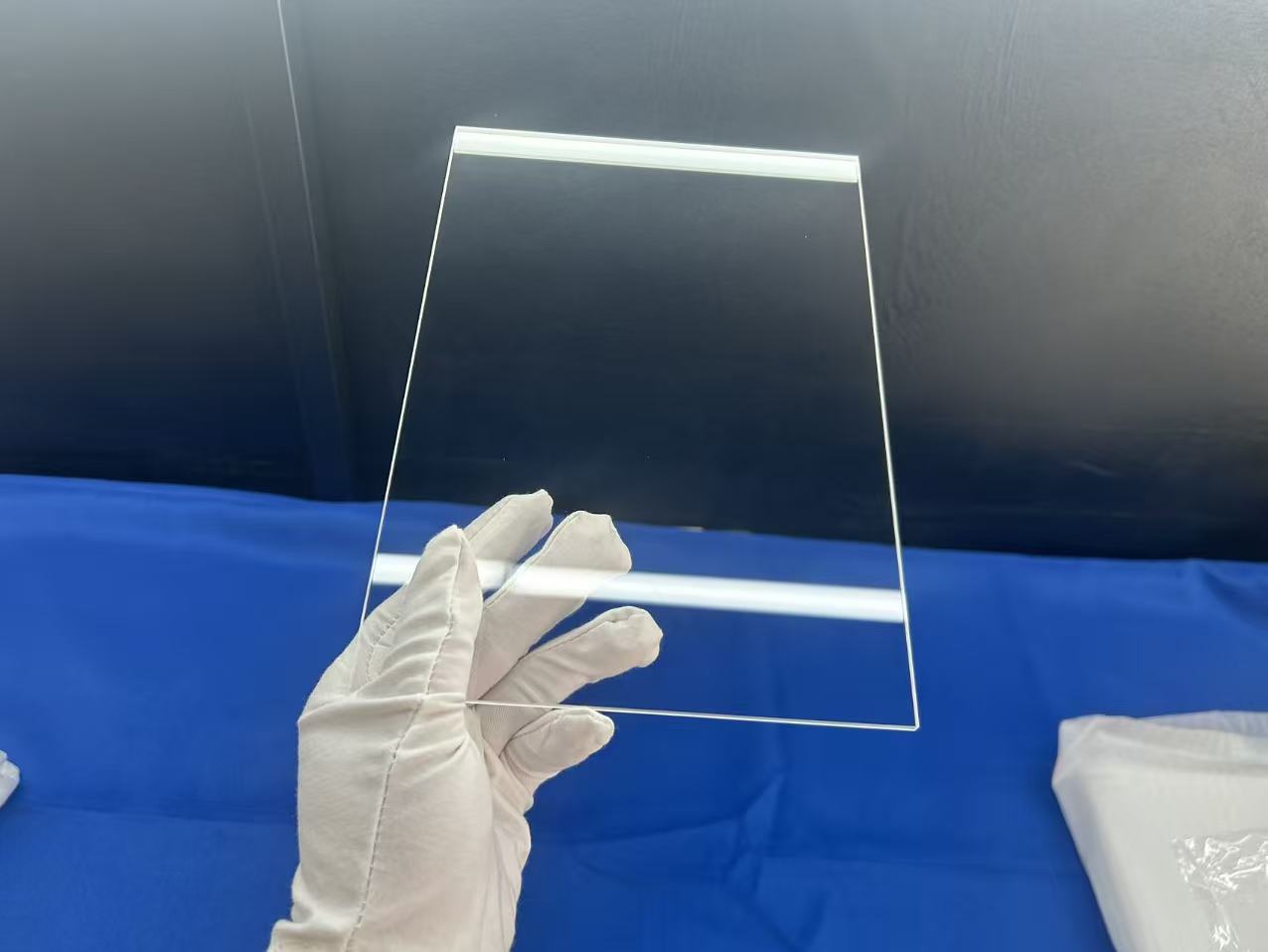
Custom Polished Purity Transparent Square Quartz Glass Plate 3mm Thick Clear
View Details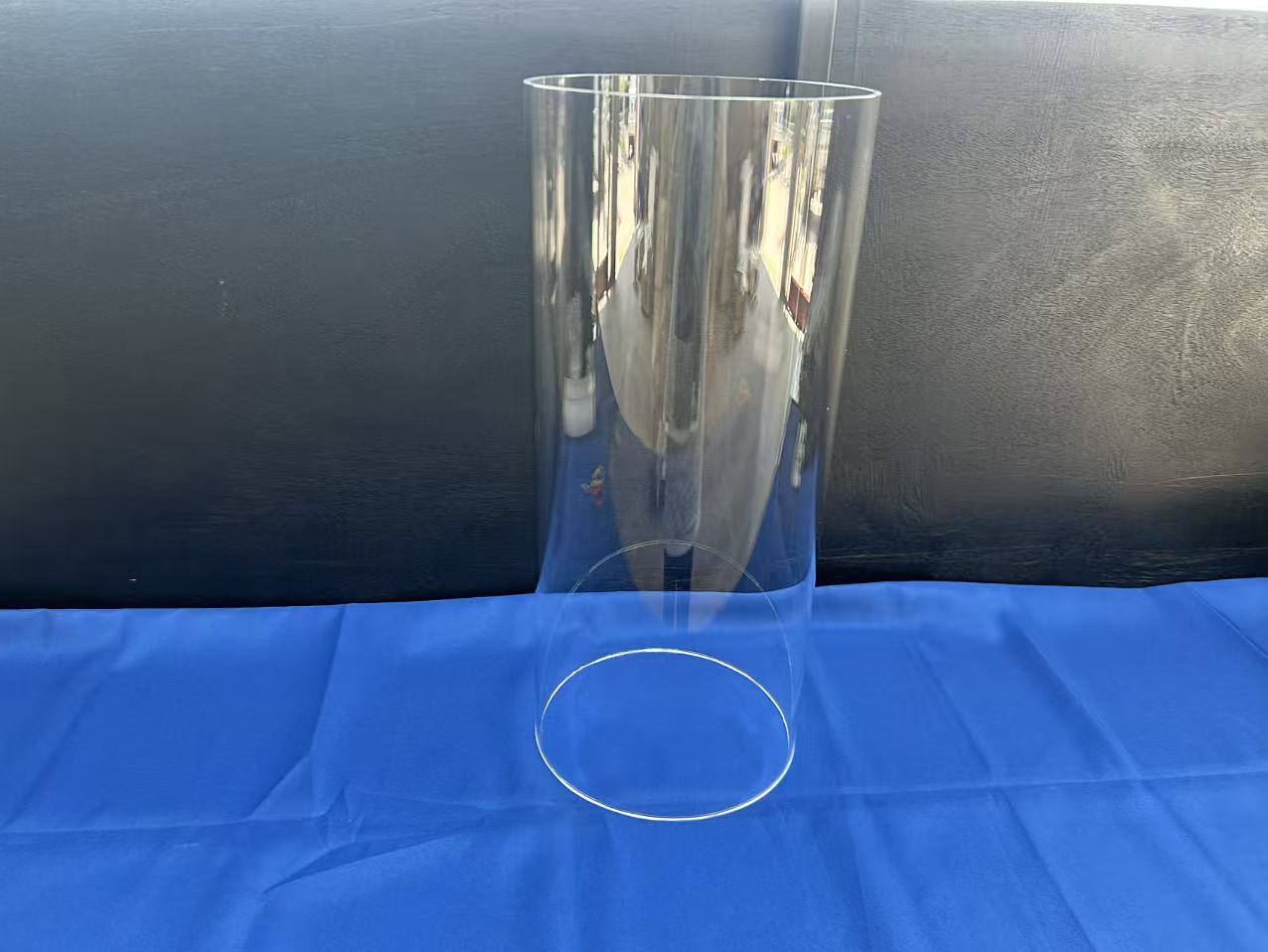
Custom Large-diameter High-purity Fused Quartz Transparent Glass Tubes
View Details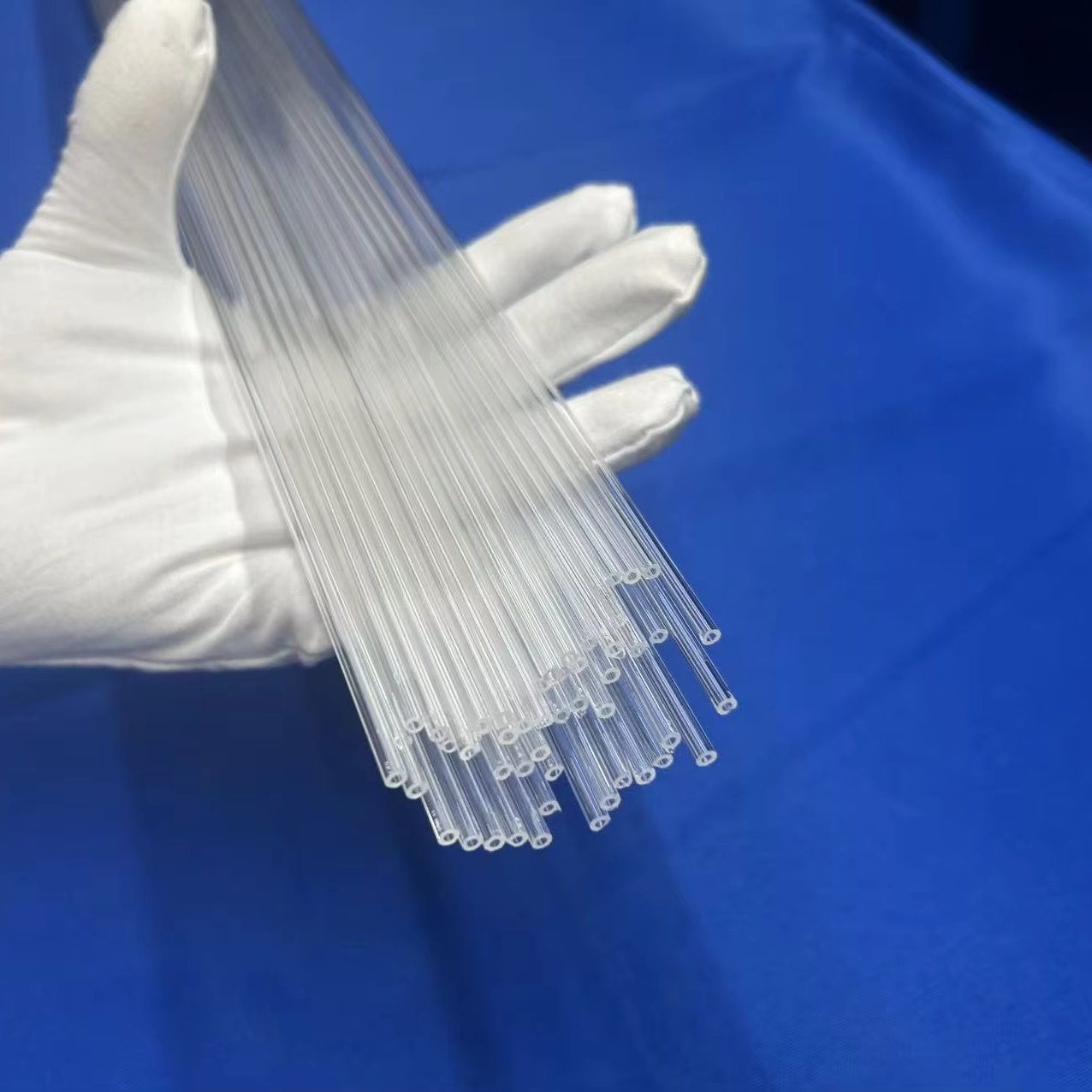
Precision Capillary Quartz Tube for Microfluidics and Chromatography
View Details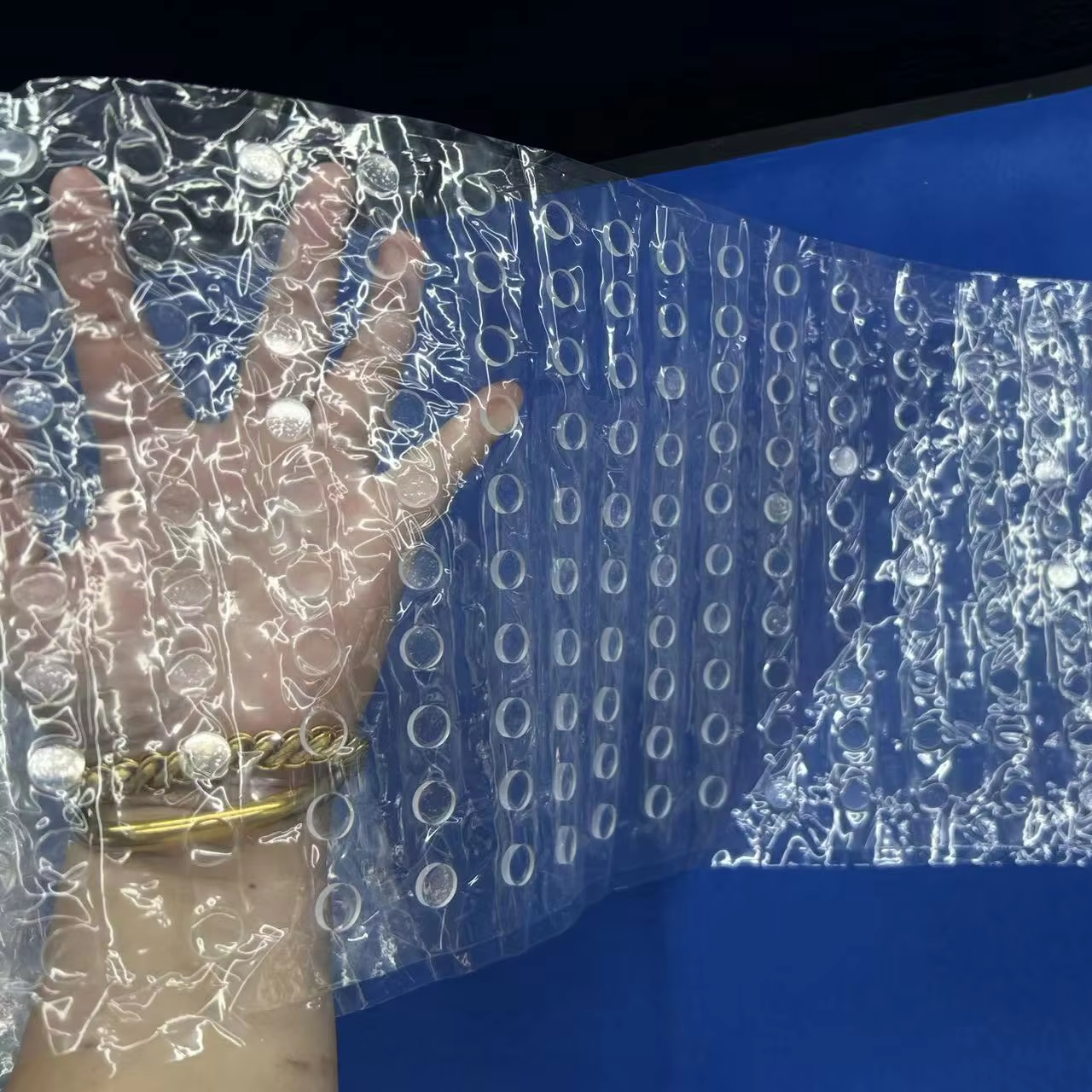
Factory-Made High-purity Small Size Quartz Wafer Cutting and Polishing
View Details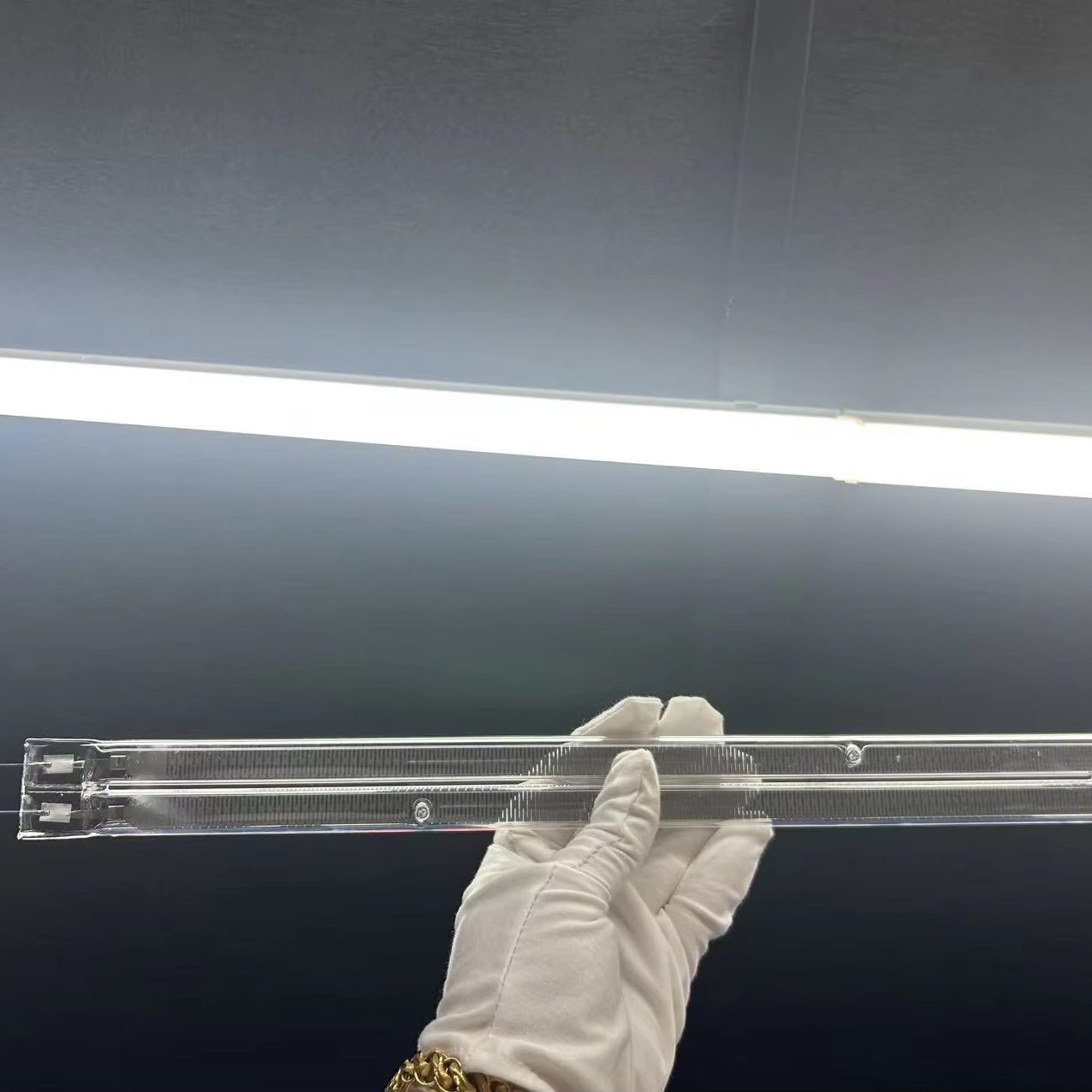
220V 700W 300MM 10mm Infrared Heating Tube Carbon Fiber / Halogen Tube
View Details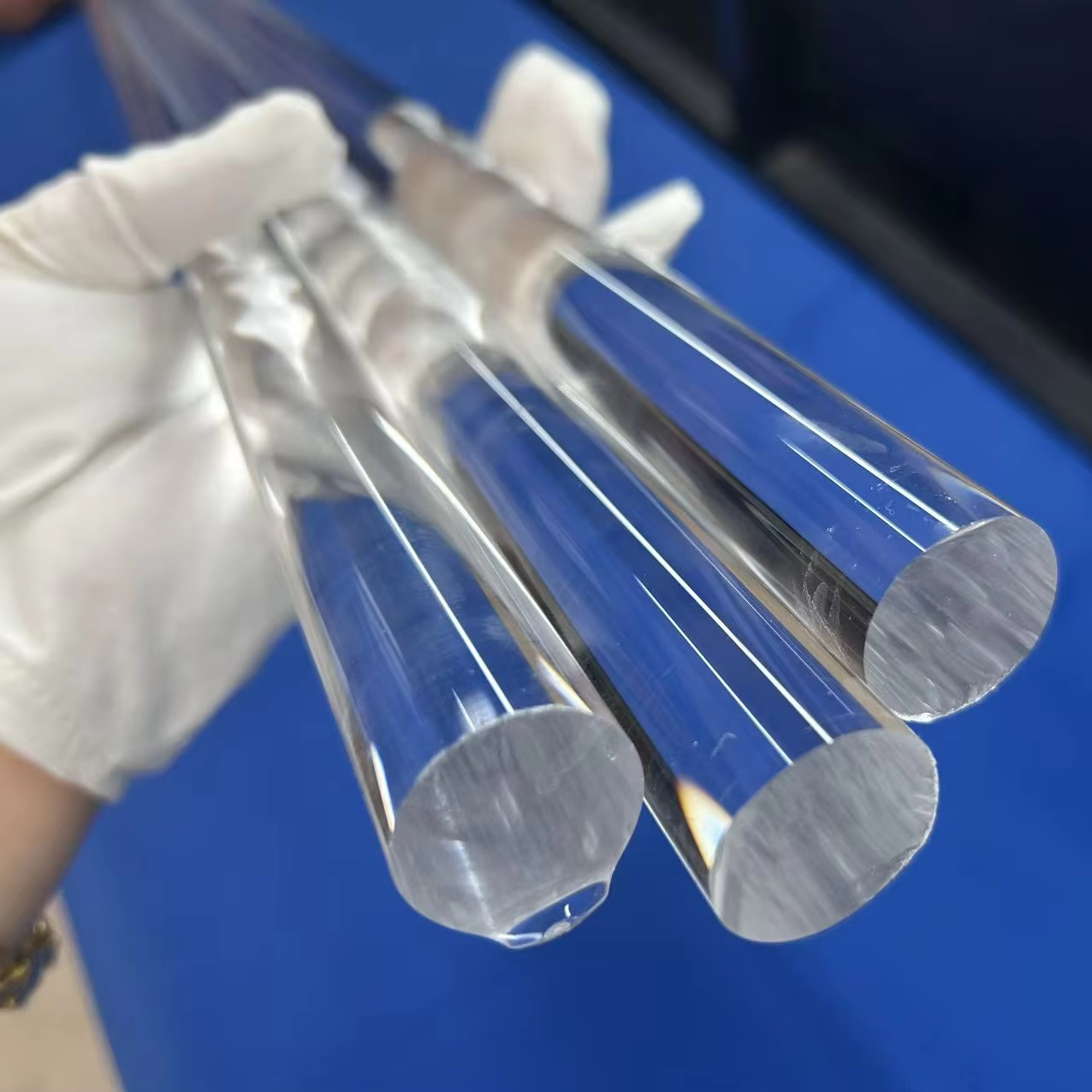
High-purity Fused Quartz Large Diameter Round Rods Custom Fabrication
View DetailsHigh-Purity Quartz Glass Flask Technology: An Industry Whitepaper
Understanding material thermodynamics, synthesis mechanisms, and chemical resistance parameters for advanced laboratory and industrial processing.
In modern industrial synthesis, high-end analytics, semiconductor processing, and photochemical research, standard borosilicate glassware frequently hits physical limitations. When operating environments demand continuous temperatures exceeding 1000°C, extreme thermal shock tolerance, or exceptional optical transmission spanning deep ultraviolet (UV) to near-infrared (NIR) spectrums, high-purity fused quartz glass flasks become indispensable assets. As China's premier manufacturer based in Donghai County—the global epicenter of high-purity natural silica reserves and quartz refining—Donghai County Nivra Quartz Products Co., Ltd. delivers world-class OEM and ODM quartz glassware engineered to stringent ISO and ASTM international standards.
Core Technical Insight: Fused Quartz vs. Standard Borosilicate
While standard borosilicate glass contains roughly 80% silica alongside boron oxide and alkali fluxes, high-purity fused quartz is constructed entirely of pure silicon dioxide (SiO2 ≥ 99.99%). This non-crystalline, amorphous structure eliminates elemental leaching, provides a near-zero coefficient of thermal expansion (5.5 × 10⁻⁷ /°C), and prevents thermal stress fractures even under rapid liquid nitrogen to direct flame transitions.
Whether utilized in semiconductor wafer wet-etching stations, analytical distillation assemblies, high-vacuum chemical reactors, or photolytic synthesis, fused quartz flasks serve as unyielding barriers against contamination. Their near-total absence of heavy metals (such as iron, titanium, and aluminum impurities controlled below single-digit parts-per-million thresholds) guarantees that delicate catalytic reactions and high-purity chemical syntheses remain uncompromised.
Quartz Flask Technical Classification & Synthesis Types
Selecting the correct optical and thermal quartz grade tailored to specialized chemical environments.
JGS1 Synthetic Fused Silica
Synthesized from silicon tetrachloride (SiCl4) in an oxygen-hydrogen flame. Offers supreme UV transmittance (≥ 90% at 185 nm) with zero bubbles or inclusions. Perfect for laser-induced photochemistry, UV-reactor flasks, and deep-UV spectroscopy.
JGS2 Optical Quartz Glass
Manufactured from refined natural quartz crystal. Provides superior transmission across the visible and ultraviolet spectrums (220 nm to 2500 nm). Excellent choice for high-temperature boiling flasks, reaction vessels, and distillation columns.
JGS3 Infrared Fused Quartz
Produced via electrically fused vacuum processes, resulting in an exceptionally low hydroxyl (OH⁻) content (< 5 ppm). Extends transmittance deep into the infrared wavelength (up to 3500 nm), making it optimal for thermal pyrometer flasks and IR heating apparatus.
Common Quartz Flask Geometries & Custom Modifications
Round Bottom Flasks
Designed for uniform stress distribution during vacuum heating or high-boiling point fractional distillations. Available in single, two-neck, three-neck, and four-neck configurations with standard ground glass joints (ST 14/23, 24/29, 29/32).
Erlenmeyer / Conical Flasks
Featuring flat bases for direct hotplate contact and sloped sides to minimize splash losses during energetic titrations or culturing under intense thermal or light exposure.
Kjeldahl & Volumetric Flasks
Precision-calibrated volumetric quartz flasks with laser-etched graduation marks. Built to withstand highly corrosive mineral acid digestions (sulfuric, nitric) at elevated temperatures.
Custom Jacketed Reactors
Double-walled and vacuum-jacketed quartz reaction flasks engineered with GL thread sideports, quartz cooling coils, and PTFE stopcocks for precise thermodynamic process control.
Physical, Thermal & Optical Specifications
Empirical engineering data representing Nivra Quartz manufactured products under standard test conditions.
| Property Parameter | Technical Value / Range | Engineering Significance |
|---|---|---|
| Chemical Composition (SiO2) | ≥ 99.99% (Natural) / ≥ 99.999% (Synthetic) | Prevents ion migration; zero contamination in trace analytics |
| Density | 2.20 g/cm³ | Lightweight structural integrity with dense atomic lattice |
| Softening Point | 1683°C (3061°F) | Structural viscosity threshold during extreme furnace operation |
| Annealing Point | 1215°C (2219°F) | Critical stress relief temperature during torch-welding fabrication |
| Continuous Max Operating Temp | 1100°C (2012°F) | Safe prolonged working threshold without devitrification risk |
| Short-Term Thermal Ceiling | 1450°C (2642°F) | Peak emergency thermal threshold for brief process spikes |
| Coefficient of Thermal Expansion (CTE) | 5.5 × 10⁻⁷ /°C (20°C to 320°C) | Ultra-low expansion prevents thermal shock cracking |
| Refractive Index (Nd) | 1.4585 | High optical consistency for light-scattering or photolytic reactions |
| Dielectric Strength | 25-30 kV/mm (at 20°C) | Exceptional electrical insulation at high temperatures |
| Acid Resistance | Unmatched against HCl, HNO3, H2SO4 | Inert to all acids except Hydrofluoric (HF) & Phosphoric (>300°C) |
Future Procurement & Sourcing Trends (2025–2030)
How evolving semiconductor nodes, green hydrogen, and green chemistry are reshaping global quartz demand.
1. Demand for Sub-Nanometer Purity
As chipmakers transition toward 2nm and sub-2nm semiconductor fabrication nodes, trace element impurities in quartz reaction vessels must be suppressed to fractional parts-per-billion (ppb) levels. Future procurement strategies prioritize suppliers with advanced flame-refining and automated ultrasonic cleaning suites.
2. Expansion of Green Photocatalysis
Industrial-scale solar hydrogen production and carbon capture photochemistry require large-format, high-transmittance JGS1 multi-neck reaction flasks. Procurement teams are moving away from traditional glass, seeking customized fused quartz reactors that maximize UV energy transfer.
3. Modular & Standardized Jointed Systems
To mitigate breakage overheads in high-throughput automated laboratories, global buyers are mandating high-precision CNC-ground interchangeable joints (such as ISO standard taper and spherical joints) with strict dimensional tolerances within ±0.01 mm.
Manufacturing & Materials Engineering Evolution
State-of-the-art technological advances driving quartz glass fabrication quality and efficiency.
Automated Precision Torch Welding
Manual glassblowing, while artistic, introduces dimensional variance and residual stress concentration points. Industry-leading exporters are implementing 5-axis robotic oxy-hydrogen torch lathes. This automation guarantees seamless neck-to-body welds on quartz flasks, uniform wall thickness distributions, and significantly reduced internal thermal stress without manual deformation.
Advanced Fire-Polishing & Optical Buffing
To maximize structural strength, micro-cracks along cut edges must be eliminated. Modern quartz manufacturing incorporates dual-stage thermal annealing followed by computer-controlled surface fire-polishing. This raises micro-fracture thresholds, allowing quartz flasks and plates to maintain structural stability under high vacuum and mechanical pressure.
Why Donghai County Nivra Quartz Is Your Ideal Partner
Leveraging regional raw material dominance, end-to-end manufacturing capability, and rigorous international quality control.
Geological Raw Material Hub
Situated directly in Donghai County, Jiangsu, we harvest direct access to pristine silica deposits, ensuring low raw material costs, high purity baseline stock, and uncompromised supply chain stability.
OEM/ODM Customization
From custom flask capacity (5mL to 50,000mL) to complex multi-port configurations and ground joints, our engineering team translates CAD/STEP drawings into precise physical quartzware.
Certified Quality Control
Every batch undergoes Polariscope internal stress testing, spectrophotometric transparency verification, and laser dimensional checks to ensure 100% compliance prior to export.
Shockproof Export Packing
Recognizing the fragile nature of high-purity glass, our custom multi-layer polyethylene foam molds and reinforced fumigated wooden crates guarantee zero-breakage international transit.
Frequently Asked Sourcing & Technical Questions
Comprehensive answers addressing procurement, operational care, and technical capabilities.
What is the primary difference between JGS1, JGS2, and JGS3 quartz flasks?
JGS1 is a synthetic silica optimized for deep UV transmission (185-2500 nm), ideal for photochemistry and light spectroscopy. JGS2 is made from refined natural quartz, providing excellent UV-Visible performance (220-2500 nm) for general high-temperature reactions. JGS3 is an infrared grade with low hydroxyl (OH⁻ < 5 ppm) designed for IR applications and thermal processing up to 3500 nm.
Can quartz flasks be placed directly over an open flame or induction heater?
Yes. Fused quartz features an exceptionally low coefficient of thermal expansion (5.5 × 10⁻⁷ /°C). It can withstand direct torch heating and rapid temperature changes without cracking. Continuous operating temperatures up to 1100°C are safe, with short-term resistance up to 1450°C.
What causes devitrification (cloudiness) on quartz glass and how can it be prevented?
Devitrification is the thermal crystallization of amorphous silica into cristobalite, which occurs when quartz is heated above 1000°C in the presence of surface contaminants like alkali salts, fingerprints, or dust. To prevent devitrification, thoroughly clean flasks with acid or alcohol, rinse with deionized water, and handle with clean gloves before high-temperature heating cycles.
Are quartz flasks resistant to all laboratory acids and chemical reagents?
Fused quartz glass is chemically inert to almost all organic compounds, halogens, and acids (including concentrated nitric, sulfuric, and hydrochloric acids). However, it is severely etched by Hydrofluoric Acid (HF) and Phosphoric Acid (H3PO4) at temperatures above 300°C. Strong alkaline solutions will also slowly etch the surface at elevated temperatures.
What drawing formats do you accept for custom quartz glassware fabrication?
Our engineering department accepts PDF, DWG, DXF, STEP, and IGS files. If engineering CAD files are unavailable, hand-drawn sketches with clearly defined dimensions, tolerances, joint sizes, and working temperatures will allow us to generate an exact production proof.
What is your typical production lead time and Minimum Order Quantity (MOQ)?
For standard quartz flasks, tubes, and plates, MOQ starts at just 1 to 10 pieces. Custom fabricated reactors typically ship within 7 to 15 working days following sample drawing approval. Accelerated production schedules are available upon request for urgent laboratory or plant downtime situations.
Request Your Customized Quartzware Solution Today
Consult with our lead optical and thermal engineers. Receive instant quotes, technical drawing reviews, and complete product catalog documentation within 5 hours.
Get Catalog