Engineered Quartz Components & Assembly Portfolio
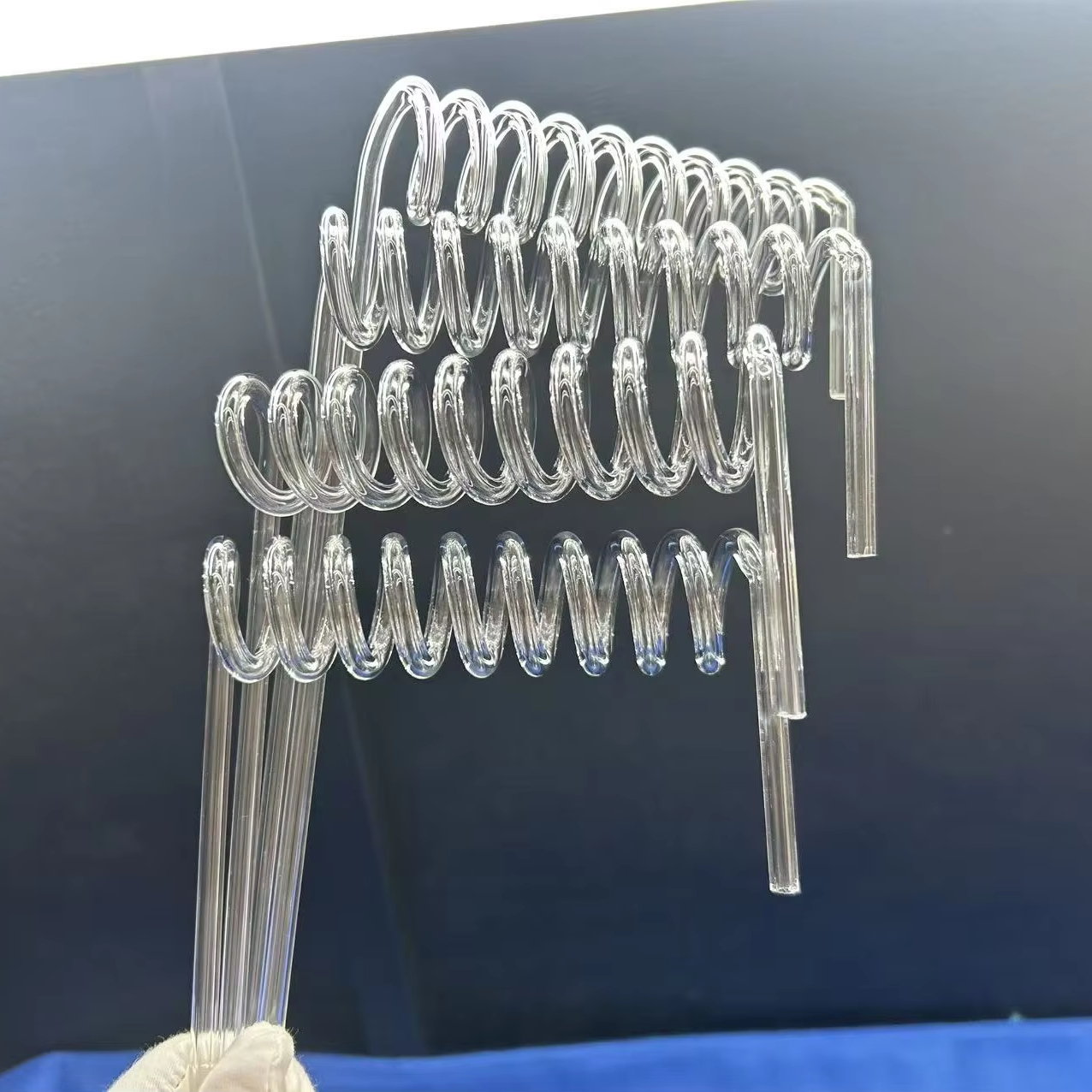
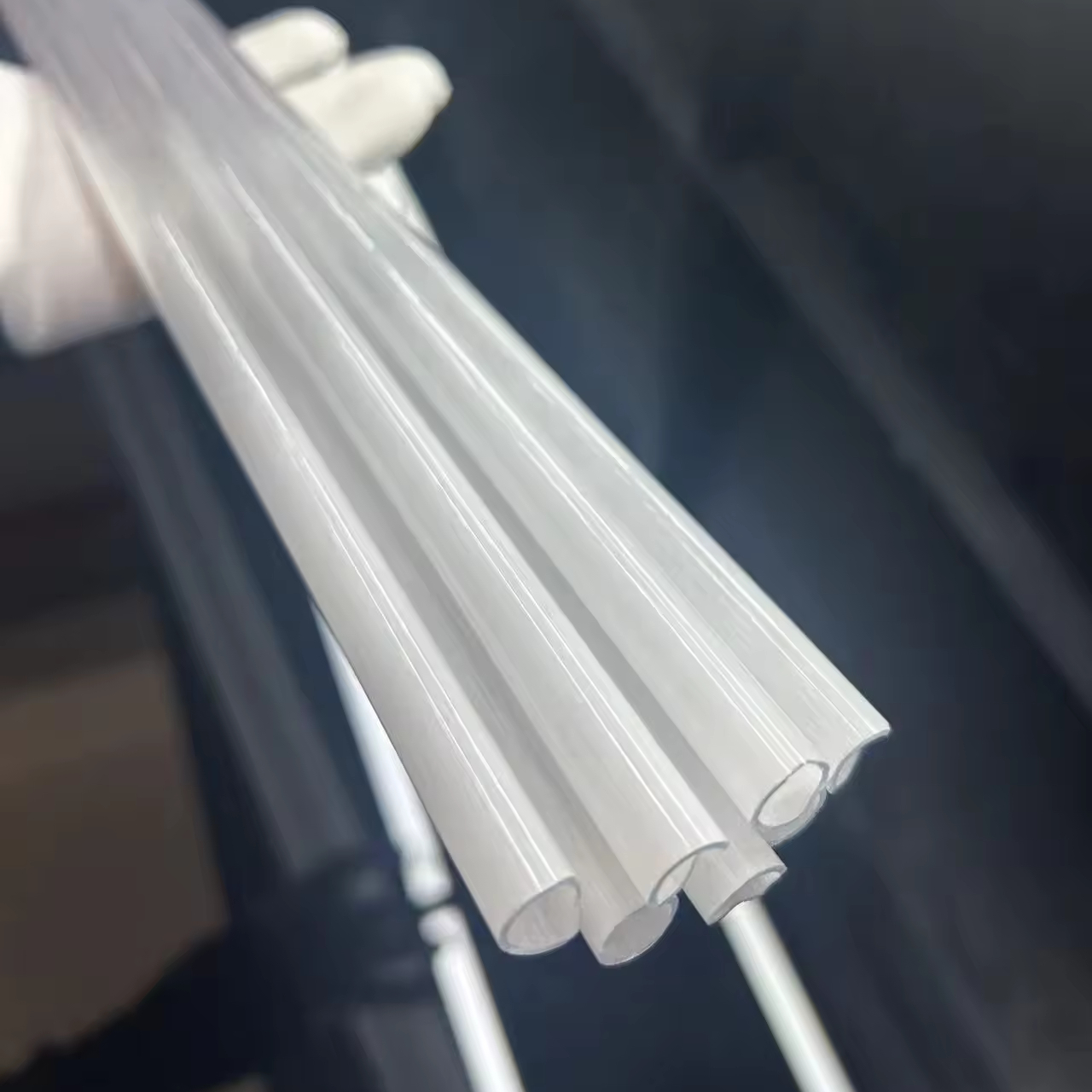
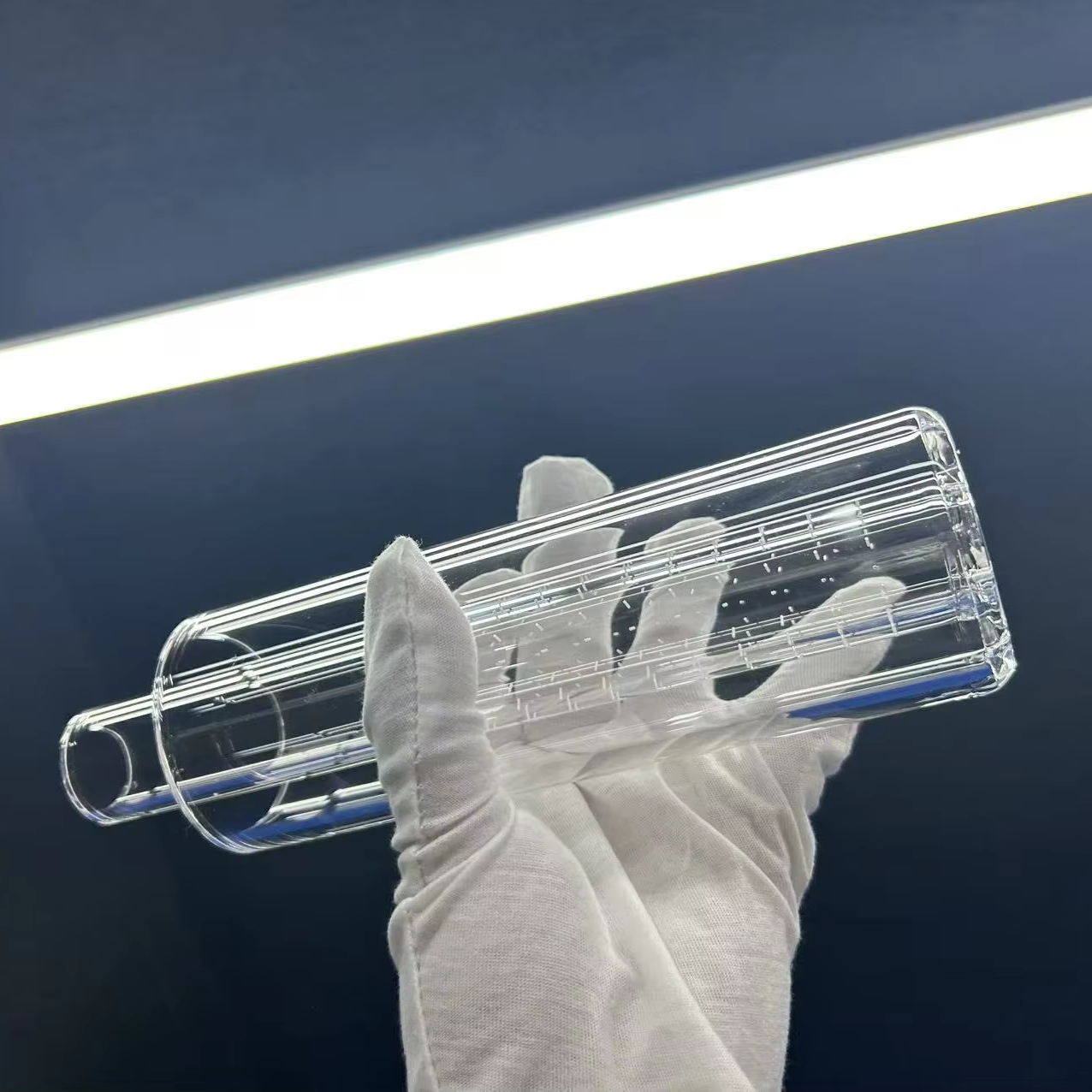
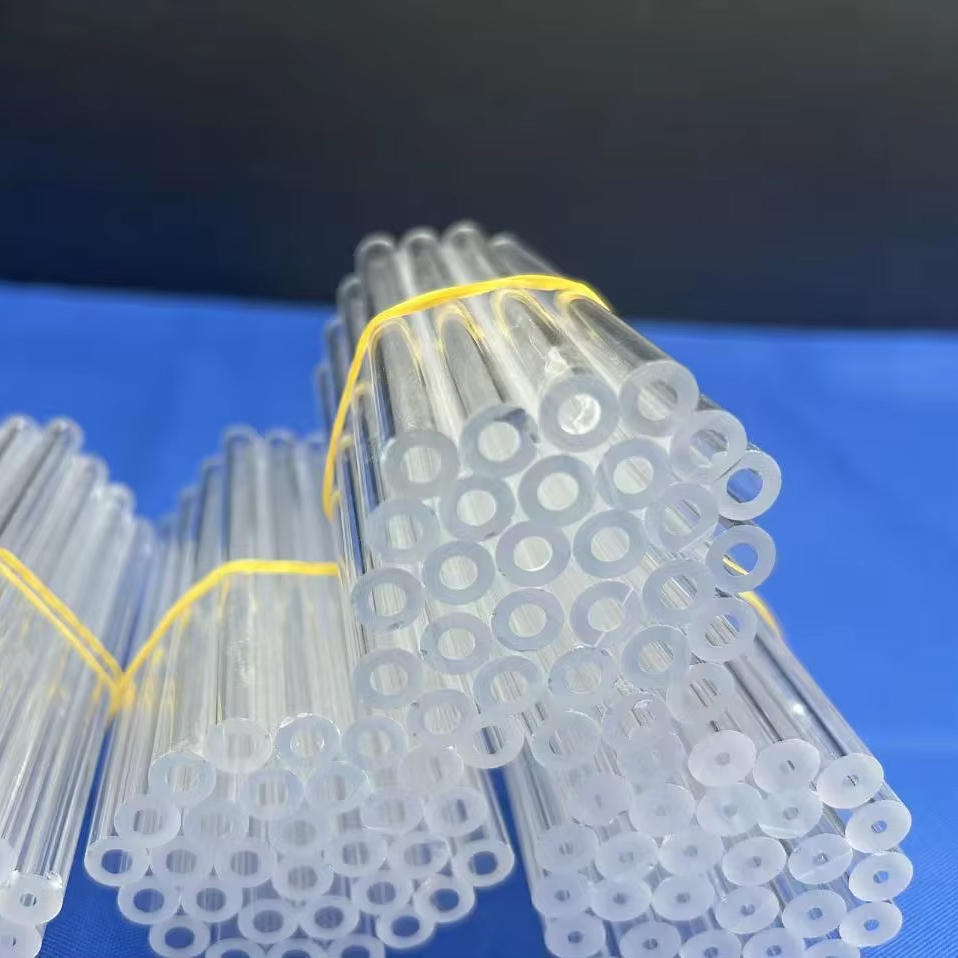
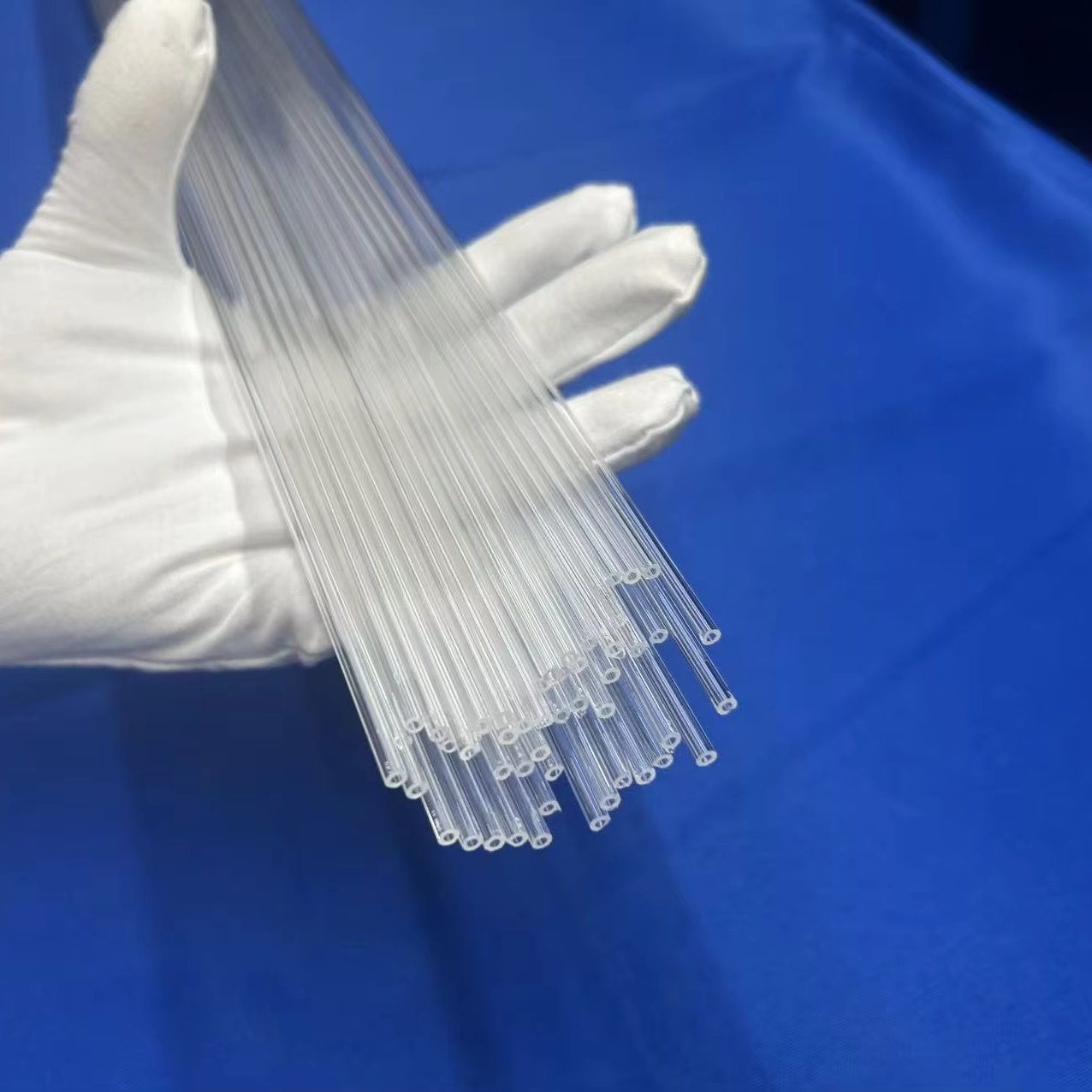
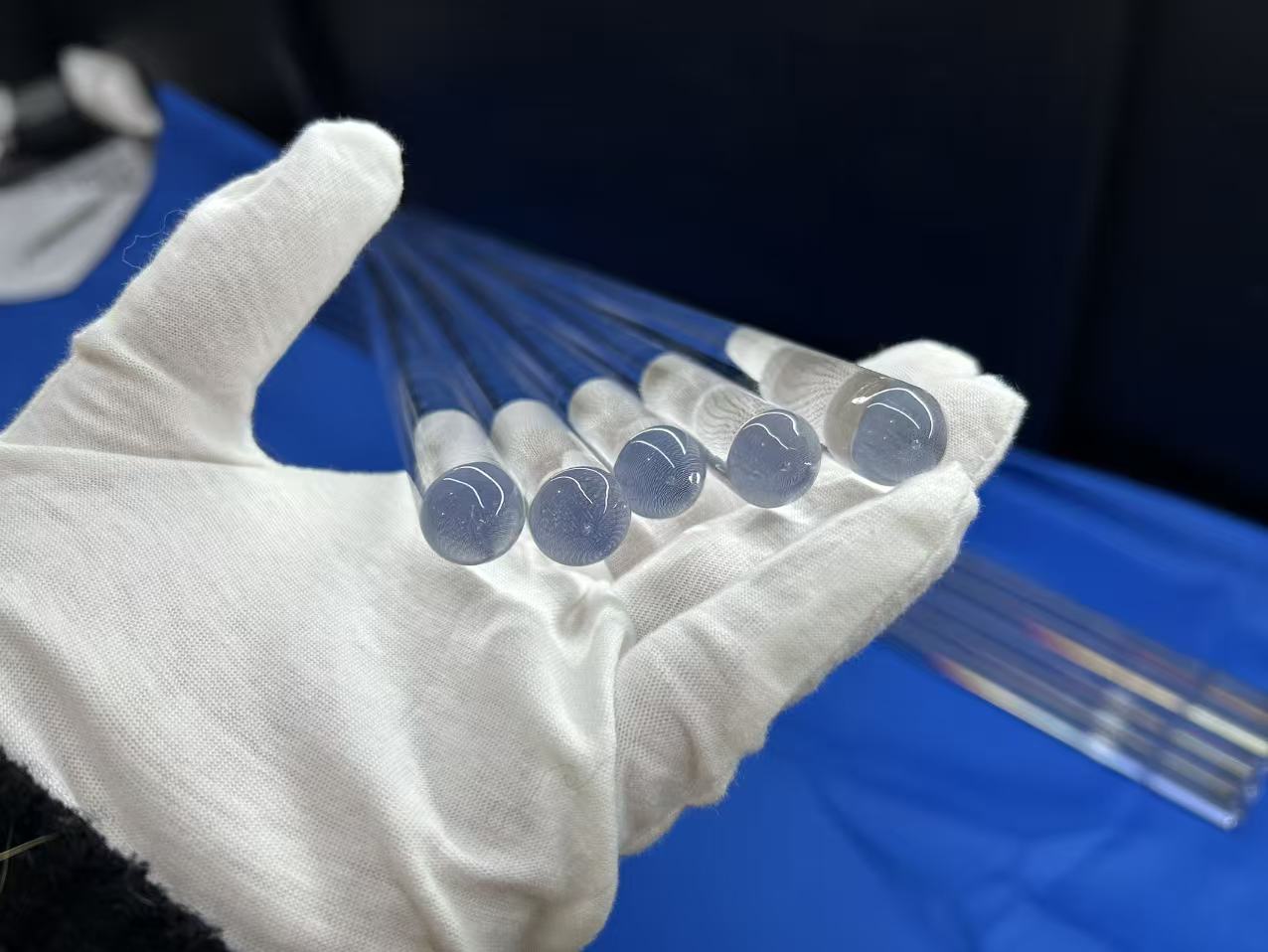
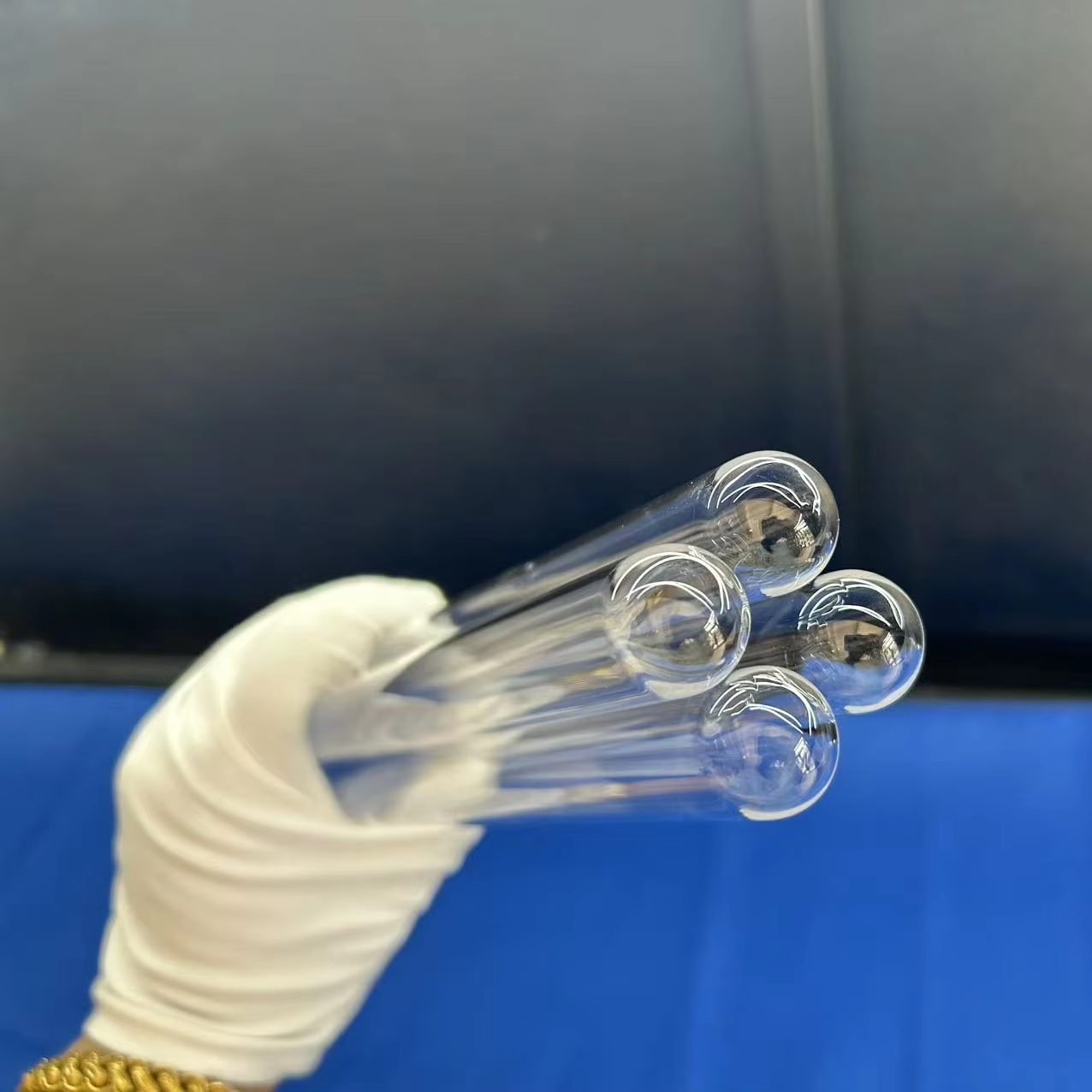
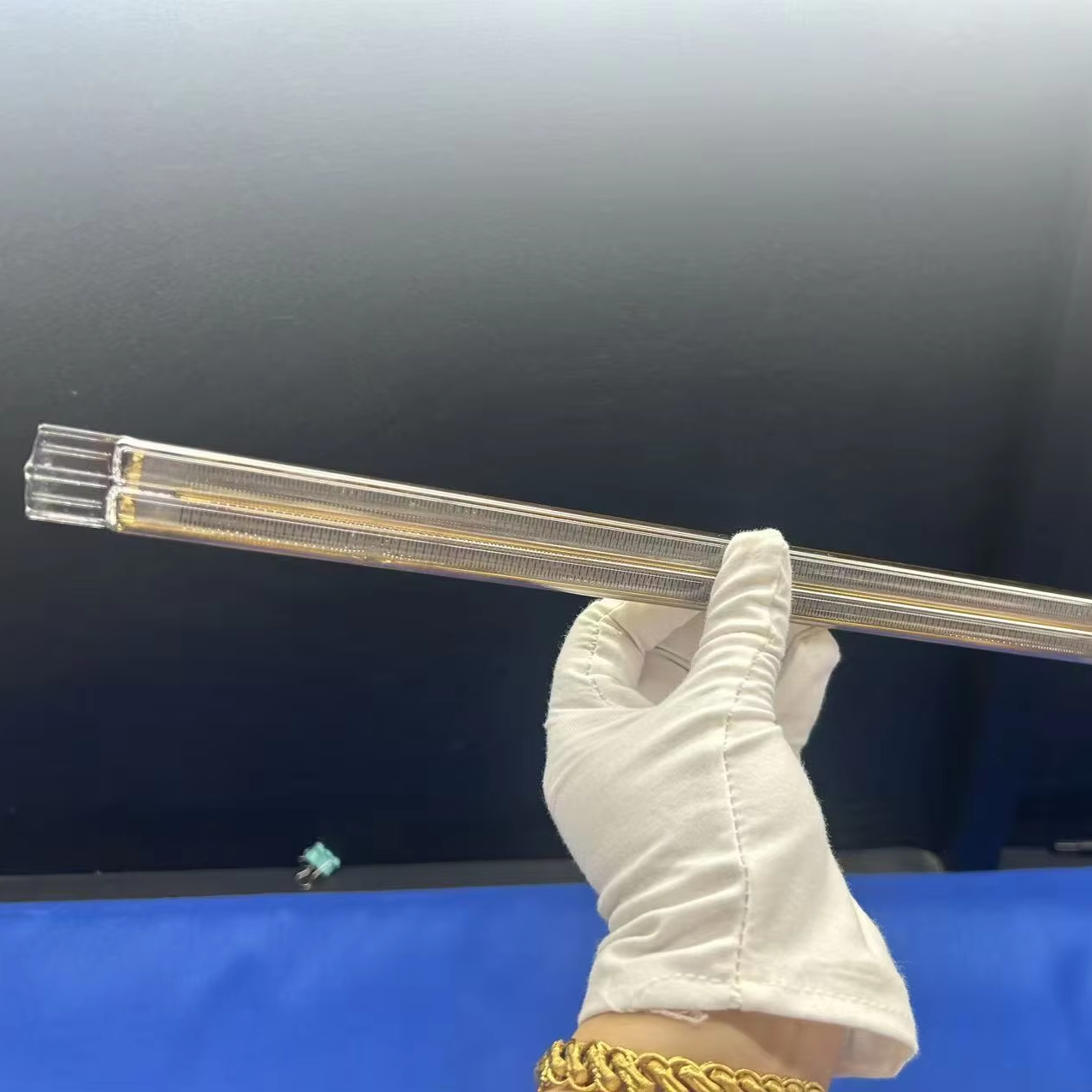
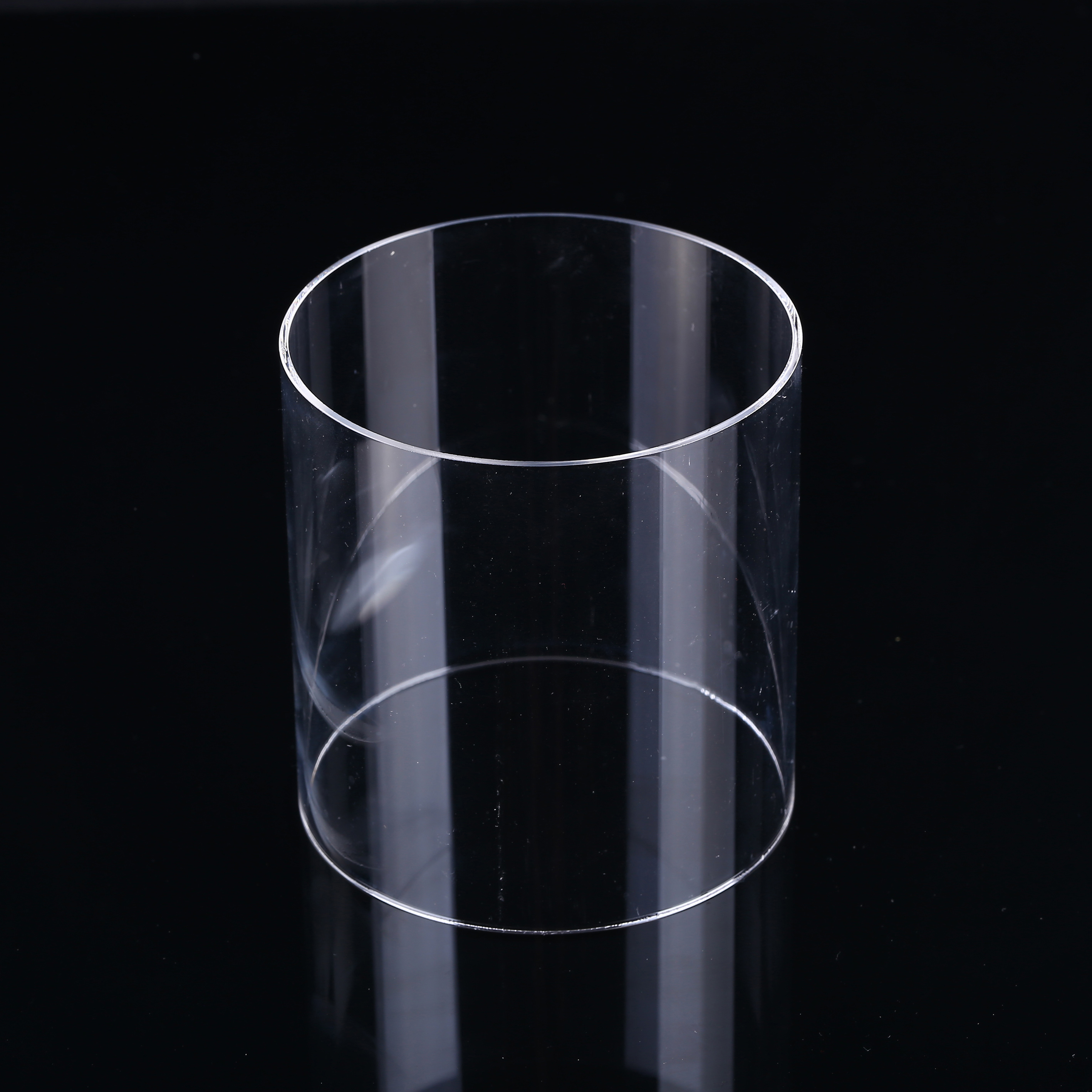
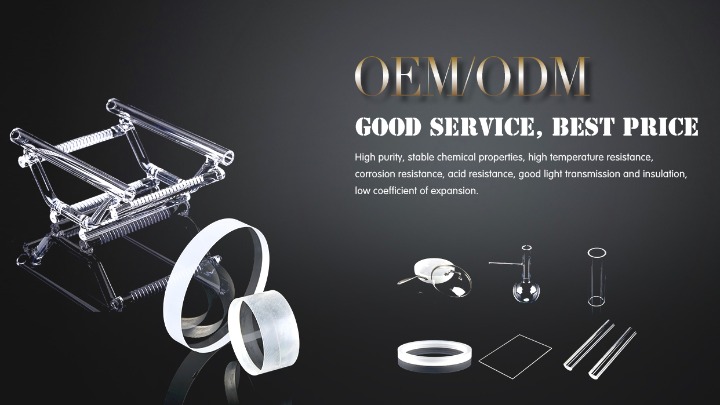
Explore standard and customizable high-purity quartz tubing, precision-machined flanges, heating elements, and optical components manufactured to ultra-tight geometric tolerances.
Engineering Fundamentals of Quartz Flanges in Vacuum & Semiconductor Systems
Fused silica and quartz glass flanges serve as vital connection interfaces in Ultra-High Vacuum (UHV), high-temperature corrosive furnaces, chemical vapor deposition (CVD), and plasma etch reactors where metals and conventional borosilicates suffer thermal shock or chemical degradation.
Material Selection: JGS1 vs. JGS2 vs. JGS3
Choosing the correct fused silica substrate is crucial for thermal longevity and optical transparency:
- JGS1 (Synthetic Fused Silica): Ultra-high purity, bubble-free, deep UV transparency down to 185 nm. Ideal for excimer laser viewports, photolithography chambers, and critical semiconductor wafer flanges.
- JGS2 (Optical Fused Quartz): Smelted from natural crystal powder; exceptional transparency in the visible-near UV band (220–2500 nm). Excellent for general sight glasses, observation flanges, and standard diffusion furnace tubes.
- JGS3 (Infrared Fused Silica): Low hydroxyl (OH < 5 ppm) formulation preventing intense OH-absorption bands around 2.73 µm. Unmatched in high-temperature infrared pyrometry and thermal sensor housings.
Flange Joint Geometry & Interface Standards
Nivra Quartz manufactures fused quartz flanges strictly configured to international vacuum engineering standards:
- ISO-KF / NW Quick Flanges (NW16 to NW100): Precision-tapered wing edges engineered for centering rings and aluminum clamps, providing quick vacuum disconnects down to 10⁻⁸ mbar.
- ConFlat (CF) Matched Flanges: Flat quartz faces ground for elastomer or specialized soft metal sealing rings, offering minimal degassing for UHV operations.
- Beveled, Ground Ball & Socket Joints: Spherical and conical ground taper joints for angular misalignment compensation in scientific vacuum manifolds.
- Custom O-Ring Groove Flanges: CNC-milled dovetail or rectangular sealing grooves directly recessed into quartz faces for flush elastomer O-ring integration.
Thermal Annealing & Stress Relief Protocol
Unannealed quartz welds retain severe residual mechanical strain, causing catastrophic failure under thermal cycling:
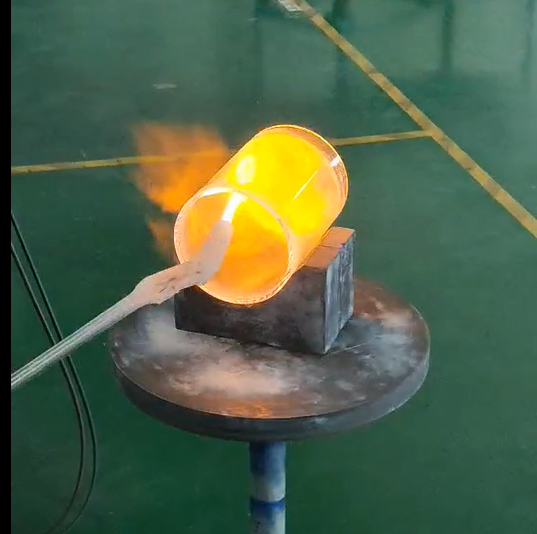
- Controlled Flame Welding: Hydrogen-oxygen micro-torches maintain uniform melt pools during quartz collar-to-tube joining, avoiding localized thinning.
- Dual-Stage Annealing Cycle: Assemblies are brought to the annealing point (1210°C), held for thermal equalization, and cooled slowly past the strain point (1120°C) at a strictly governed rate (<1.5°C/min).
- Polariscope Stress Verification: Every finished flange passes through cross-polarization inspection to ensure zero chromatic fringe birefringence across sealing faces.
Material Properties & Dimensional Tolerances
Fused silica’s negligible coefficient of thermal expansion enables quartz flanges to withstand extreme thermal shocks without fracturing. Below are certified mechanical metrics and fabrication tolerances maintained at our Donghai manufacturing plant.
| Property / Characteristic | Certified Value (Metric) | Test Standard / Method | Engineering Significance |
|---|---|---|---|
| SiO₂ Chemical Purity | ≥ 99.99% (Electronic Grade) | ICP-OES / XRF Spectrometry | Prevents ionic heavy metal contamination (Fe, Cu, Ni < 0.2 ppm) in silicon wafer processing. |
| Continuous Operating Temp | 1100 °C (Short term: 1450 °C) | ASTM C380 / DIN 52324 | Retains structural rigidity without softening or slumping in diffusion chambers. |
| Thermal Expansion (20–300°C) | 5.5 × 10⁻⁷ K⁻¹ | Dilatometry | Extreme shock resistance; can be quenched into ice water from 1000°C without breakage. |
| Helium Leak Tightness | < 1.0 × 10⁻¹⁰ mbar · L / s | Helium Mass Spectrometer | Guarantees hermetic sealing integrity for UHV chamber interfaces and toxic gas lines. |
| Flange Face Optical Flatness | λ/2 to 2λ (0.3 µm – 1.2 µm) | Optical Laser Interferometer | Eliminates micro-gaps against mating flanges, preventing premature gasket blow-out. |
| Surface Roughness (Ra) | Ra ≤ 0.2 µm (Optical Polish) | Stylus Profilometry | Prevents outgassing and particle traps on internal vacuum chamber faces. |
| Dielectric Strength (20°C) | 25–40 kV / mm | IEC 60243 | Provides outstanding high-frequency electrical isolation in RF plasma deposition systems. |
Global Sourcing Trends & Next-Gen Technological Drivers (2025–2030)
As semiconductor fabrication shifts toward sub-3nm nodes and photovoltaic cells scale to massive N-type TOPCon/Perovskite wafer formats, the technical requirements for quartz flanges and reactors have evolved rapidly.
1. Large-Bore Flange Diameters (>450mm)
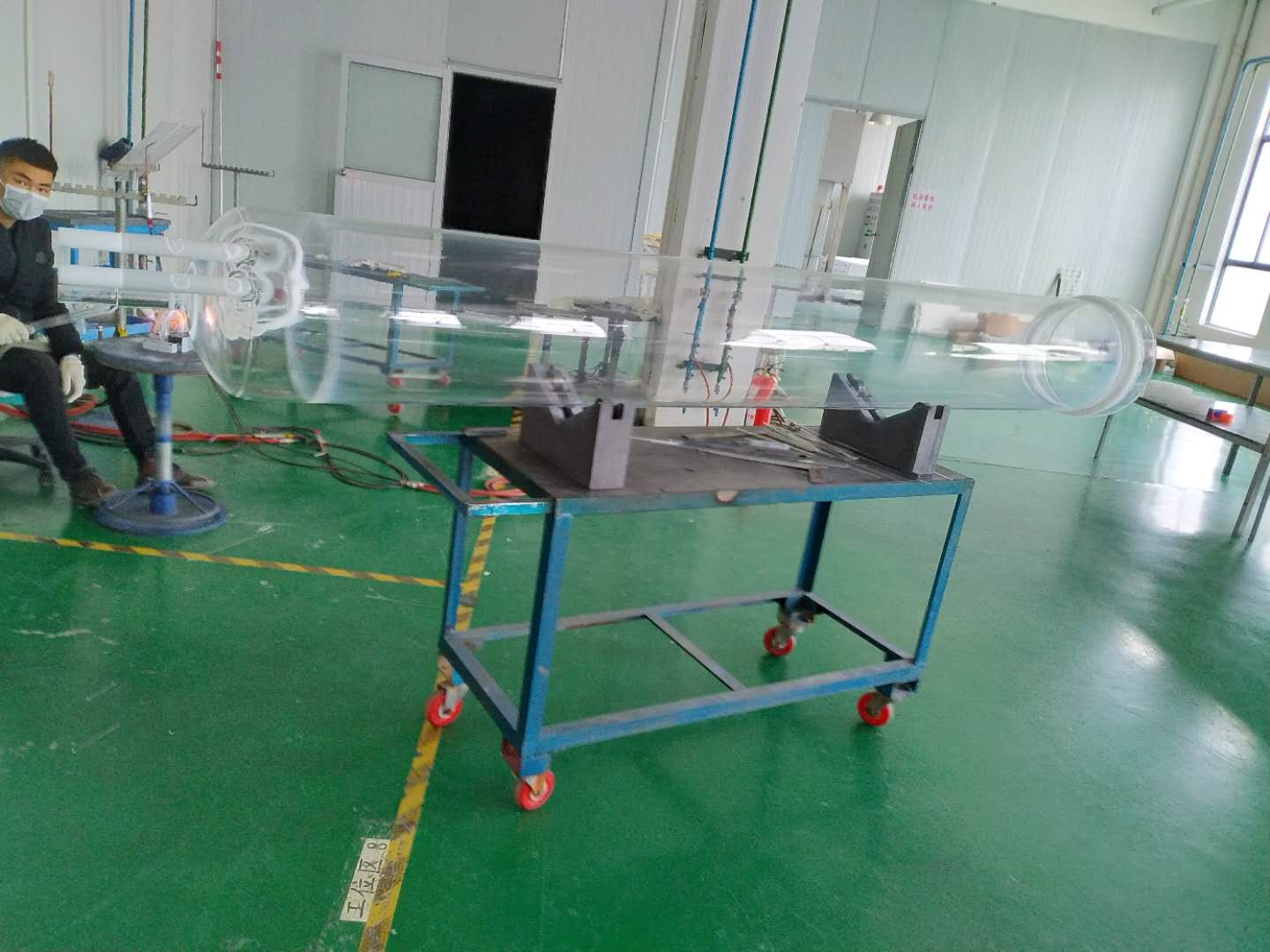
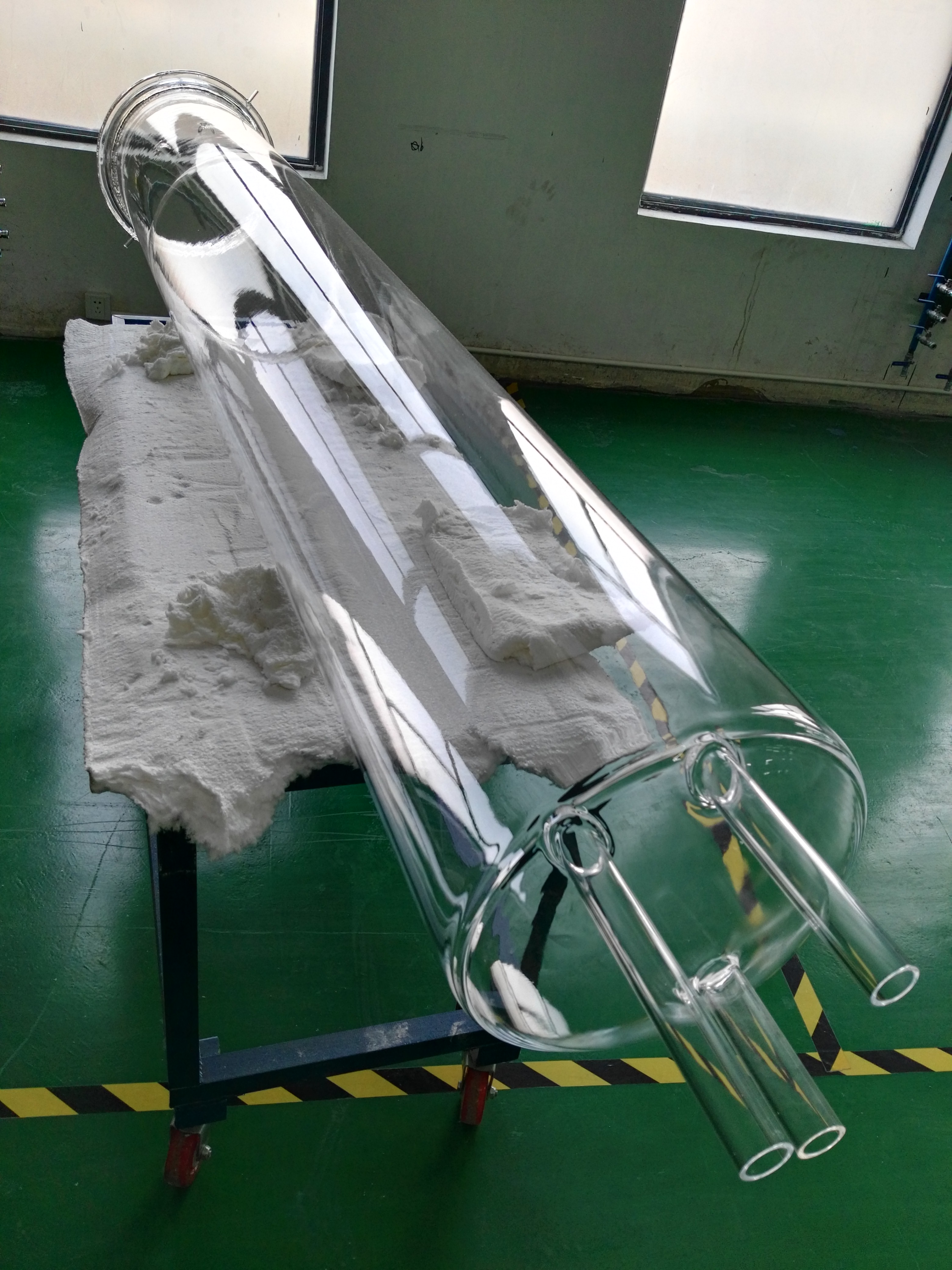
Next-generation solar and 300mm/450mm semiconductor wafer tools demand monolithic, large-diameter quartz flanges. Fabricating large collars without micro-voids or wall thickness tapering requires computer-controlled continuous rotational flame forming.
2. Transition to Synthetic Silica
Natural quartz mined from pegmatites contains baseline traces of aluminum and alkali metals. ALD and extreme-UV chambers increasingly mandate synthetic fused silica flanges (JGS1 / Corning HPFS equivalents) to eradicate plasma etching degradation.
3. Direct Metal-to-Quartz Transition Seals
Traditional mechanical flange clamps introduce stress concentrations. Procurement teams now prioritize suppliers skilled in graded seal technology—fusing quartz through Kovar/Invar graded glass joints directly into stainless steel CF flanges.
4. Supply Chain Consolidation in Donghai
OEM buyers are migrating away from fragmented brokerage models to direct vertically-integrated manufacturing partners in Donghai County. Single-facility raw quartz refining, CNC cutting, and laser inspection yield 25–40% cost reductions.
Donghai County Nivra Quartz Products Co., Ltd.
Headquartered at 285 Heping East Road, Lianyungang, Jiangsu — within China’s globally renowned quartz cluster — Nivra Quartz combines advanced automated tooling with master craftsmanship in high-purity glass fabrication.
101–200 Specialized Technicians
Founded in February 2019, our specialized workforce comprises experienced glassblowers, CNC machinists, optical polishers, and QA inspectors dedicated entirely to precision quartzware fabrication.
Rapid Turnaround & Response
Achieving a verified inquiry response time within 5 hours and an 88.89% response rate, our bilingual engineering group provides rapid DFM (Design for Manufacturability) analysis on custom STEP/DWG drawings.
5.0 / 5 Verified Buyer Rating
With 40% export volume serving North America and over 45% distributed across Western Europe, South America, and Asia-Pacific, Nivra Quartz maintains an exceptional 23% reorder rate backed by zero-defect packaging.


Certified Factory Audits & Business Qualifications
Our facility has undergone formal on-site audits by independent third-party inspection agencies and platform verification specialists.
Quartz Flange Failure Modes: Prevention Checklist for Buyers
In high-vacuum and semiconductor furnace lines, quartz failure results in costly production downtime and chamber contamination. Understanding common failure modes ensures precise procurement specifications.
1. Devitrification (Recrystallization)
Mechanism: Amorphous fused silica shifts to crystalline cristobalite when exposed to temperatures exceeding 1150°C in the presence of trace alkali ions (Na⁺, K⁺, Ca²⁺ from fingerprint oils or dirty wash water). Cristobalite undergoes volumetric expansion upon cooling, causing micro-fractures.
Prevention: Mandate HF acid-washing followed by deionized ultrasonic rinsing and Class 10,000 cleanroom packaging with PE vacuum barrier film.
2. Uneven Clamping Stress & Flange Spalling
Mechanism: Fused silica exhibits extreme compressive strength but brittle tensile characteristics. Uneven torque applied across metal flange collars or unparallel mating faces induces shearing torque, fracturing bolt holes or perimeter bevels.
Prevention: Require precision double-sided surface lapping (<0.005mm parallelism) and employ calibrated torque-limiting wrenches paired with cushioned PTFE or FFKM elastomeric gaskets.
3. Vacuum Joint Micro-Leakage
Mechanism: In vacuum chambers operating below 10⁻⁶ mbar, sub-micron scratches, air bubbles, or sub-surface grinding fractures on the flange sealing rim allow microscopic atmospheric channels to bypass the O-ring seal.
Prevention: Specify flame-edge fire-polishing or Ra ≤ 0.2 µm optical pitch polishing on all sealing contact surfaces, verified by 100% helium mass spectrometer leak tests.
Frequently Asked Questions on Quartz Flange Sourcing
Detailed technical answers addressing custom tolerances, optical grades, international logistics, and vacuum integrity.
What is the exact helium leak rate limit for your quartz vacuum flanges?
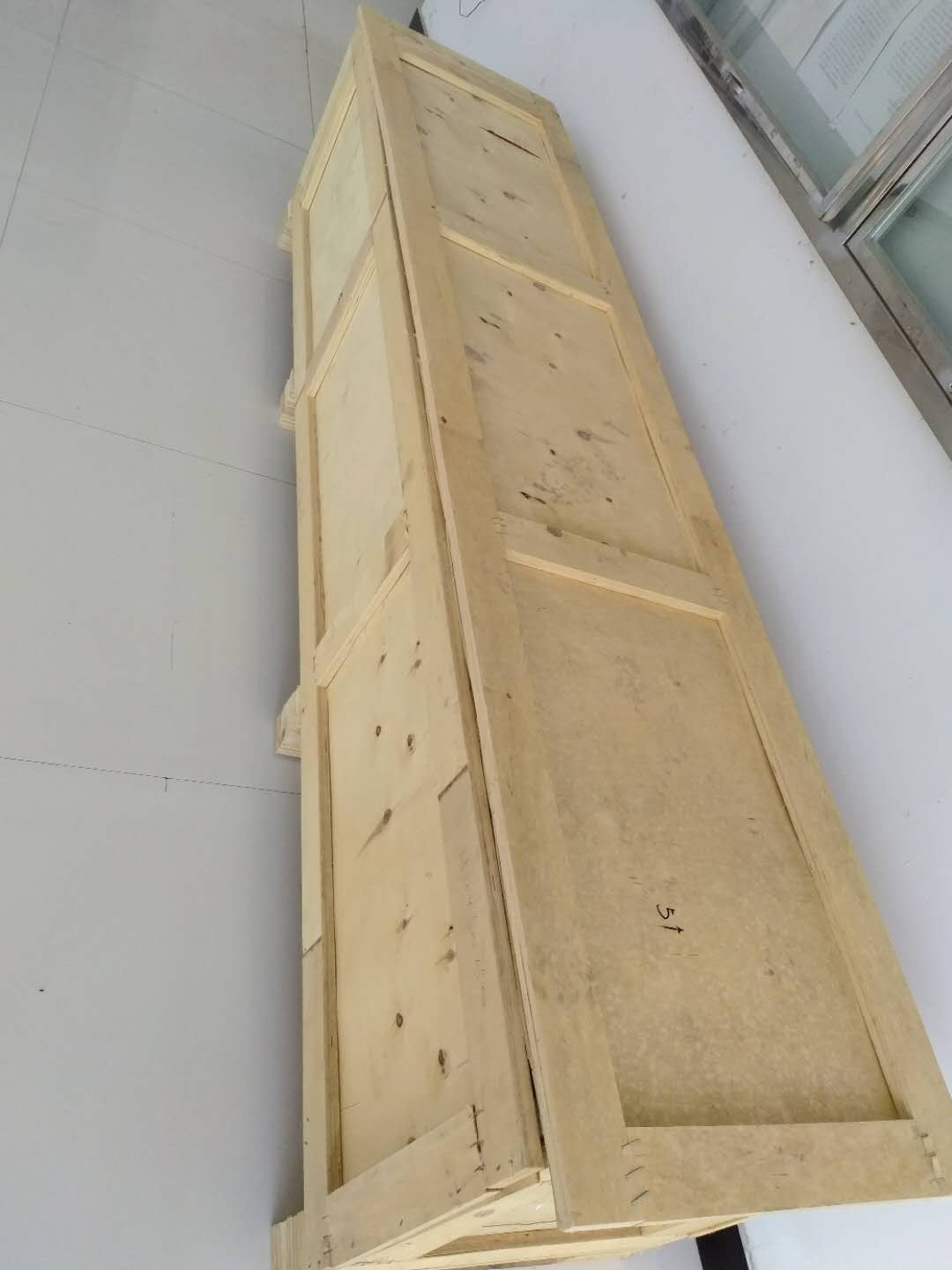
How does Nivra Quartz ensure zero breakage during international ocean and air freight?
What engineering drawings and formats do you accept for custom OEM/ODM quartz parts?
Can fused quartz flanges be welded directly onto existing quartz process tubes?
What is the practical temperature limit before a quartz flange loses dimensional stability?
What is the difference between fire-polished and optically polished flange surfaces?
What is the Minimum Order Quantity (MOQ) for custom quartz prototypes versus mass orders?
Request Your Custom Quartz Flange Engineering Consultation
Send us your dimensional drawings, target material grades (JGS1, JGS2, JGS3), operating temperatures, and batch requirements. Our technical specialists in Donghai County will furnish a detailed DFM review and quotation within 5 hours.