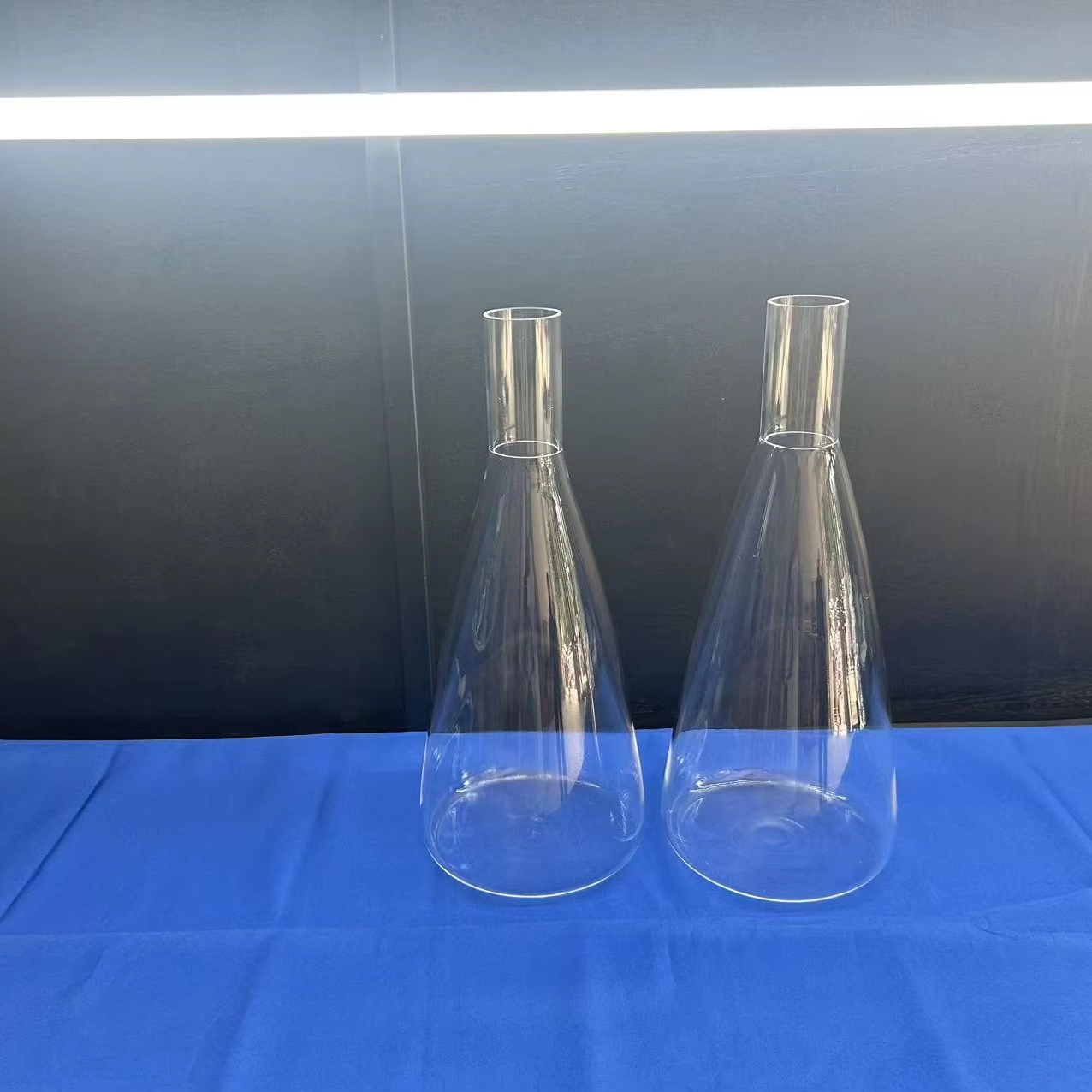
 Ultra-Pure Fused Silica
Laboratory Fused Silica Quartz Glass Flask
- Thermal Shock: 1100°C to 20°C Quench
- Hydroxyl [OH-] Content < 20 ppm
Engineered in Donghai County, China's premier silicon resource center. Each precision component undergoes rigorous flame-working, CNC machining, optical polishing, and cleanroom vacuum packaging to serve demanding semiconductor and photovoltaic applications.
Ultra-Pure Fused Silica
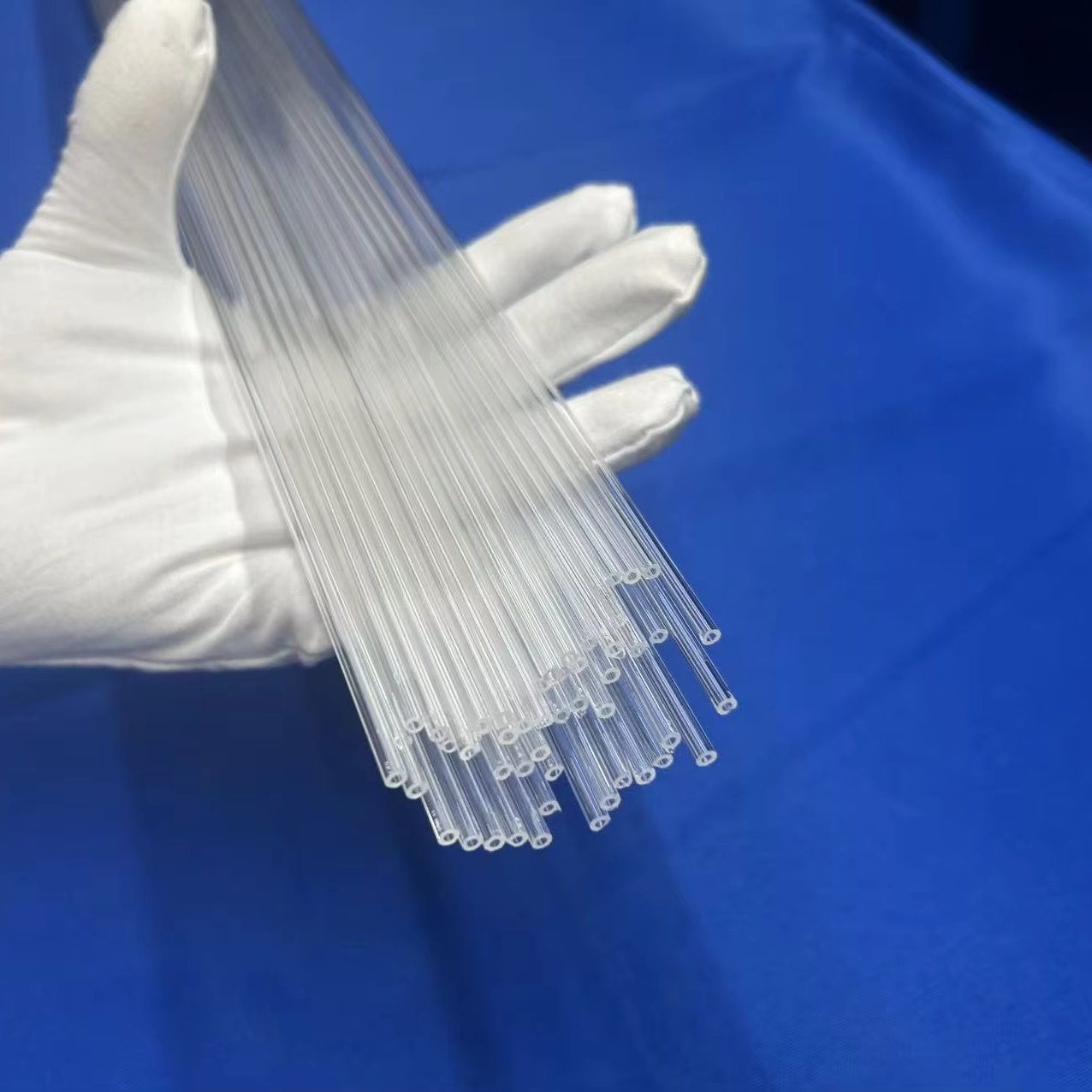 Precision Bore
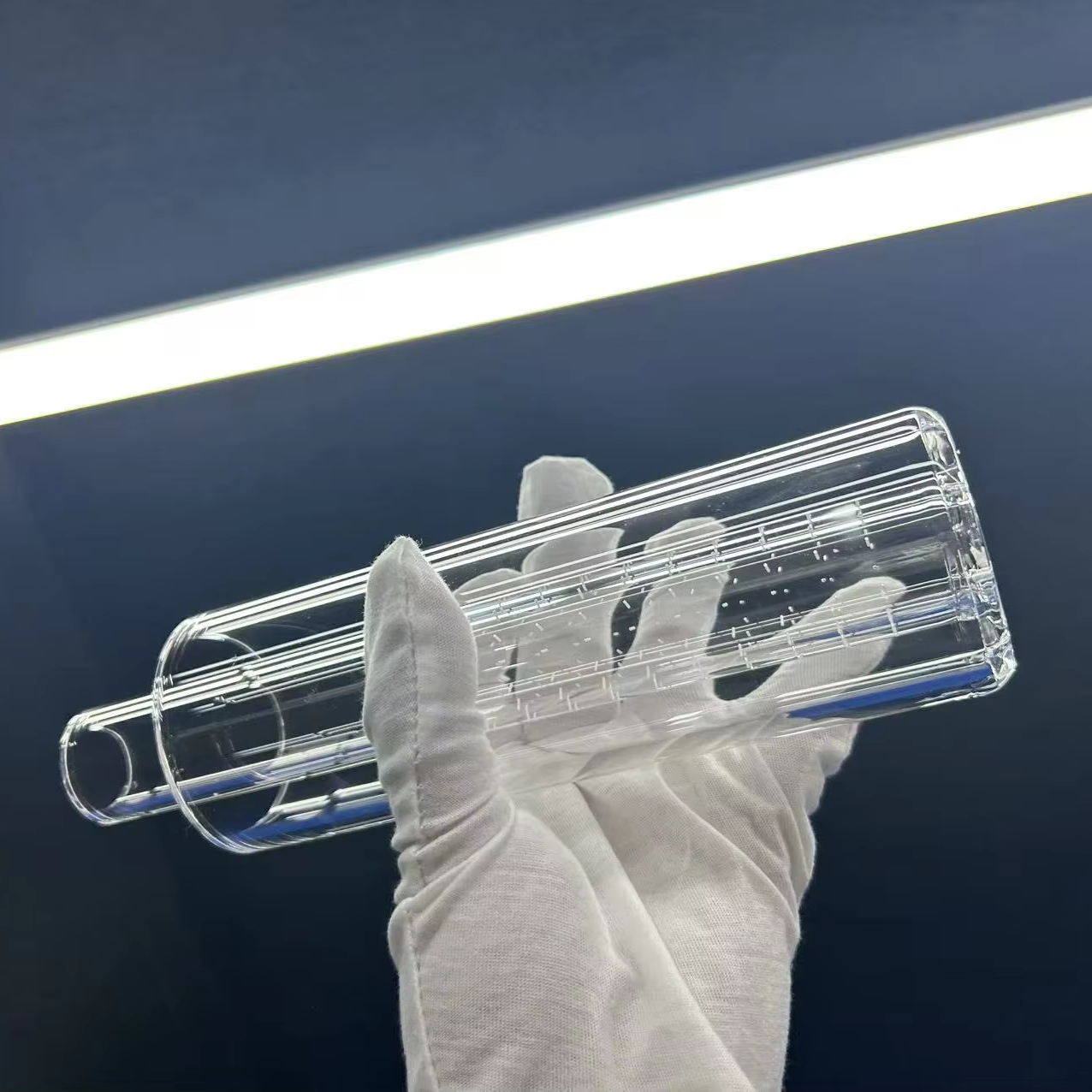 CNC Micro-Machined
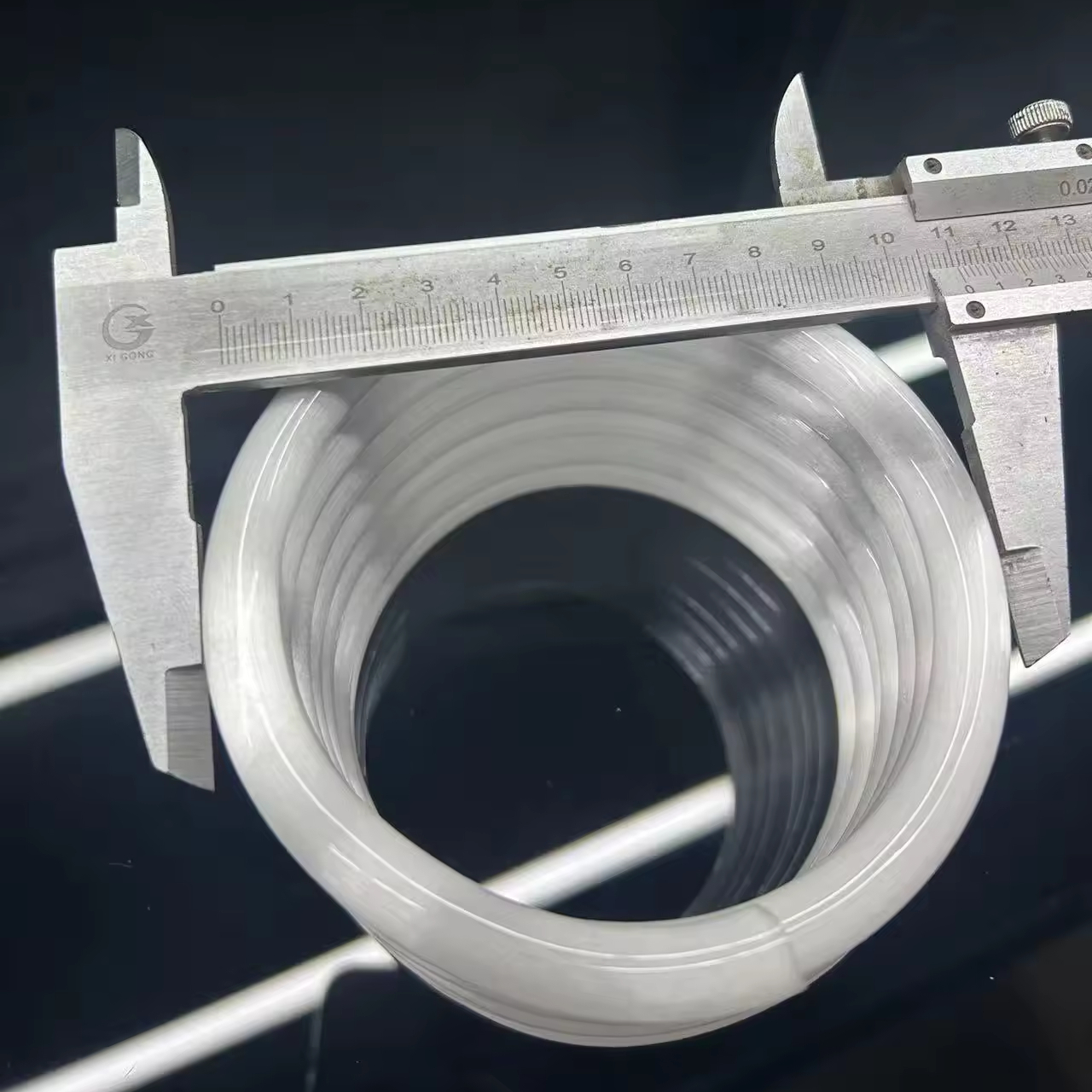 Thermal Exchanger
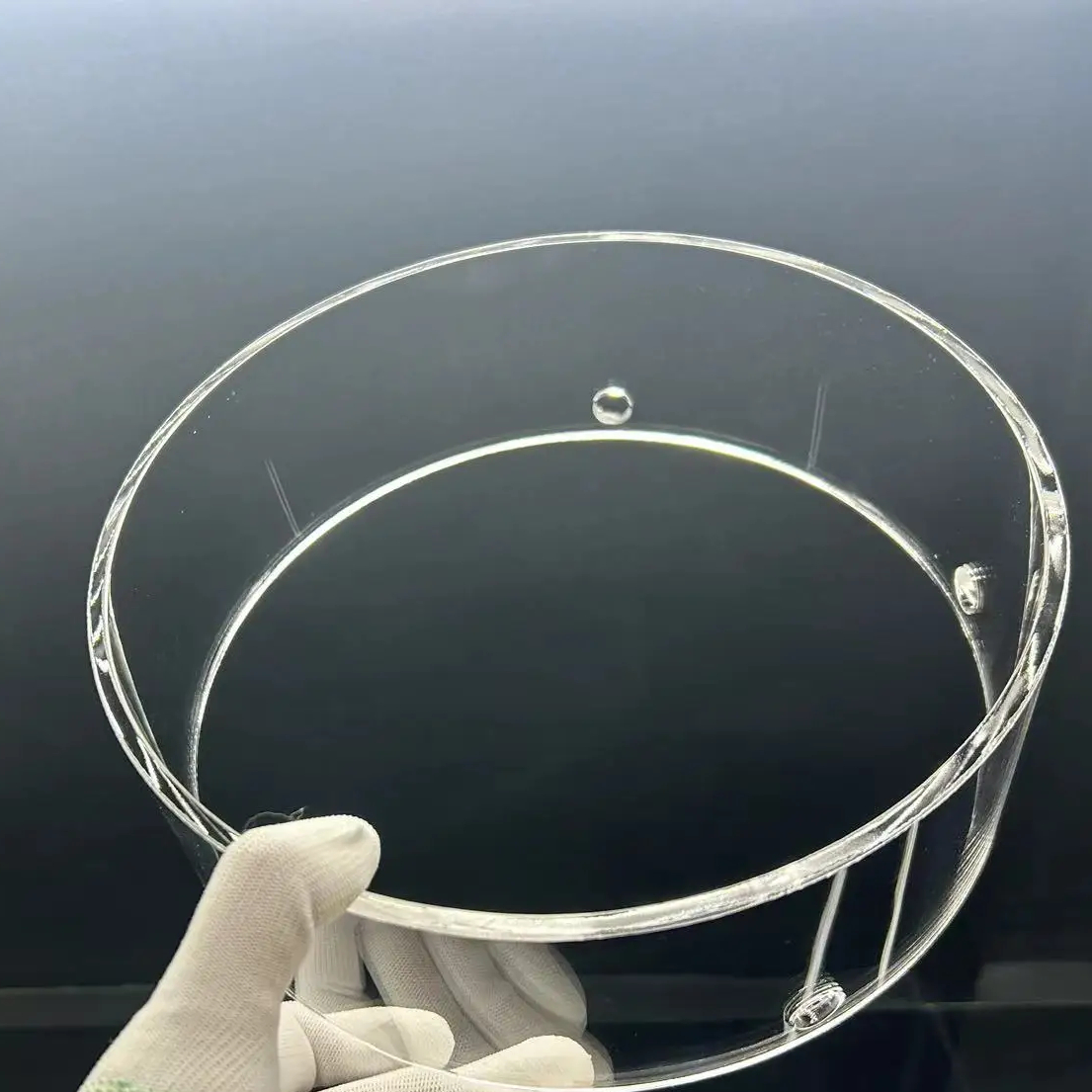 Semiconductor Grade
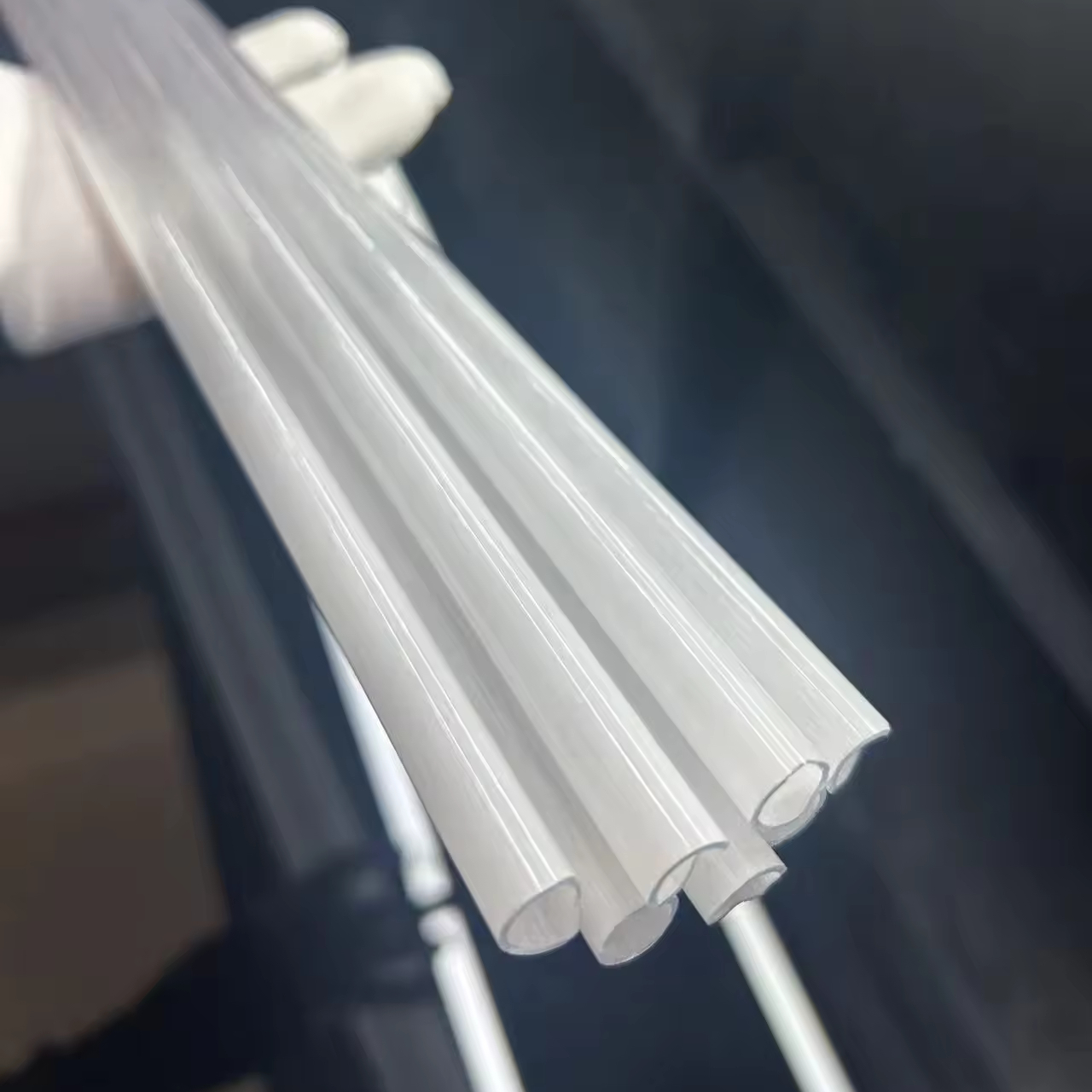 Opaque Thermal Barrier
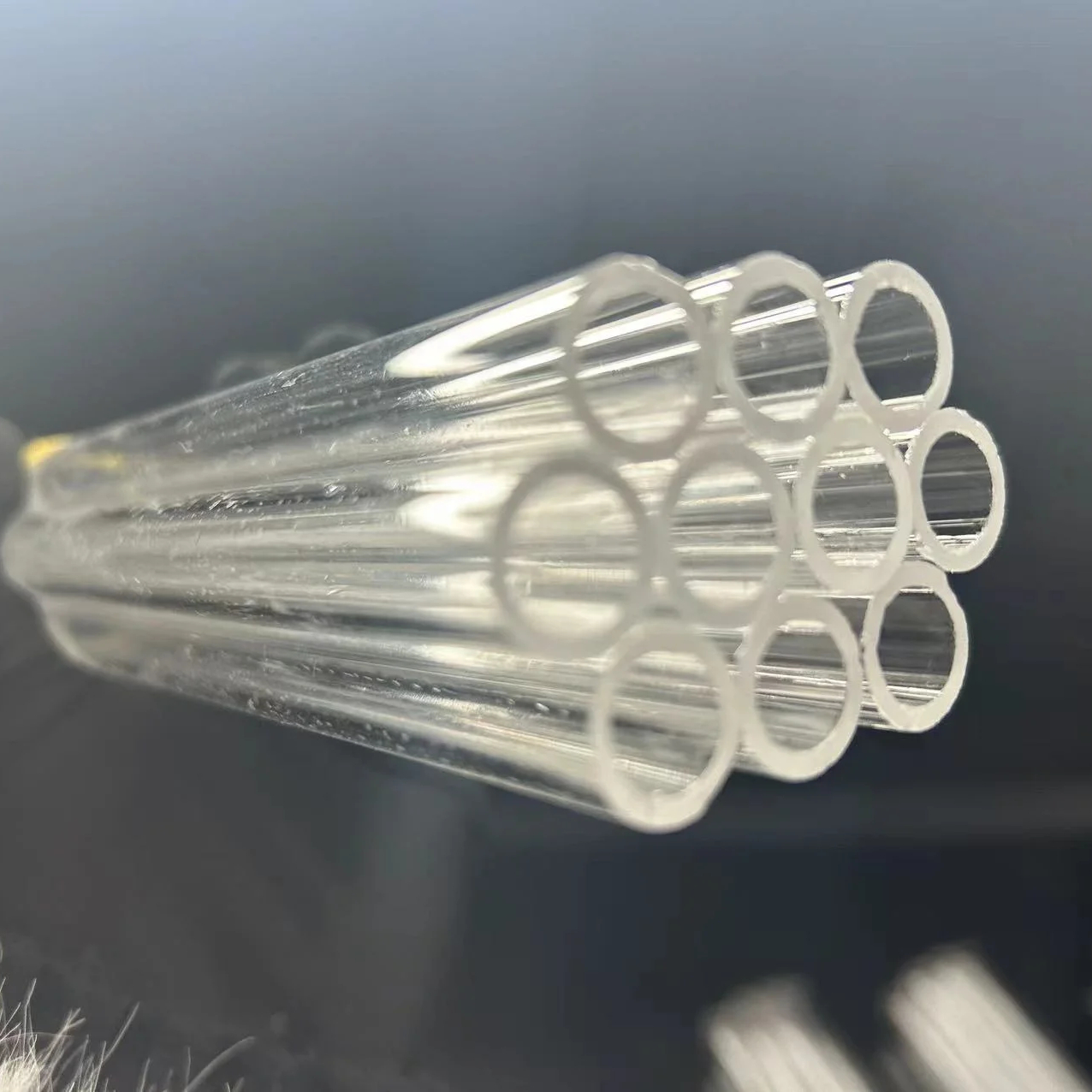 Heavy Wall Crucible Sleeve
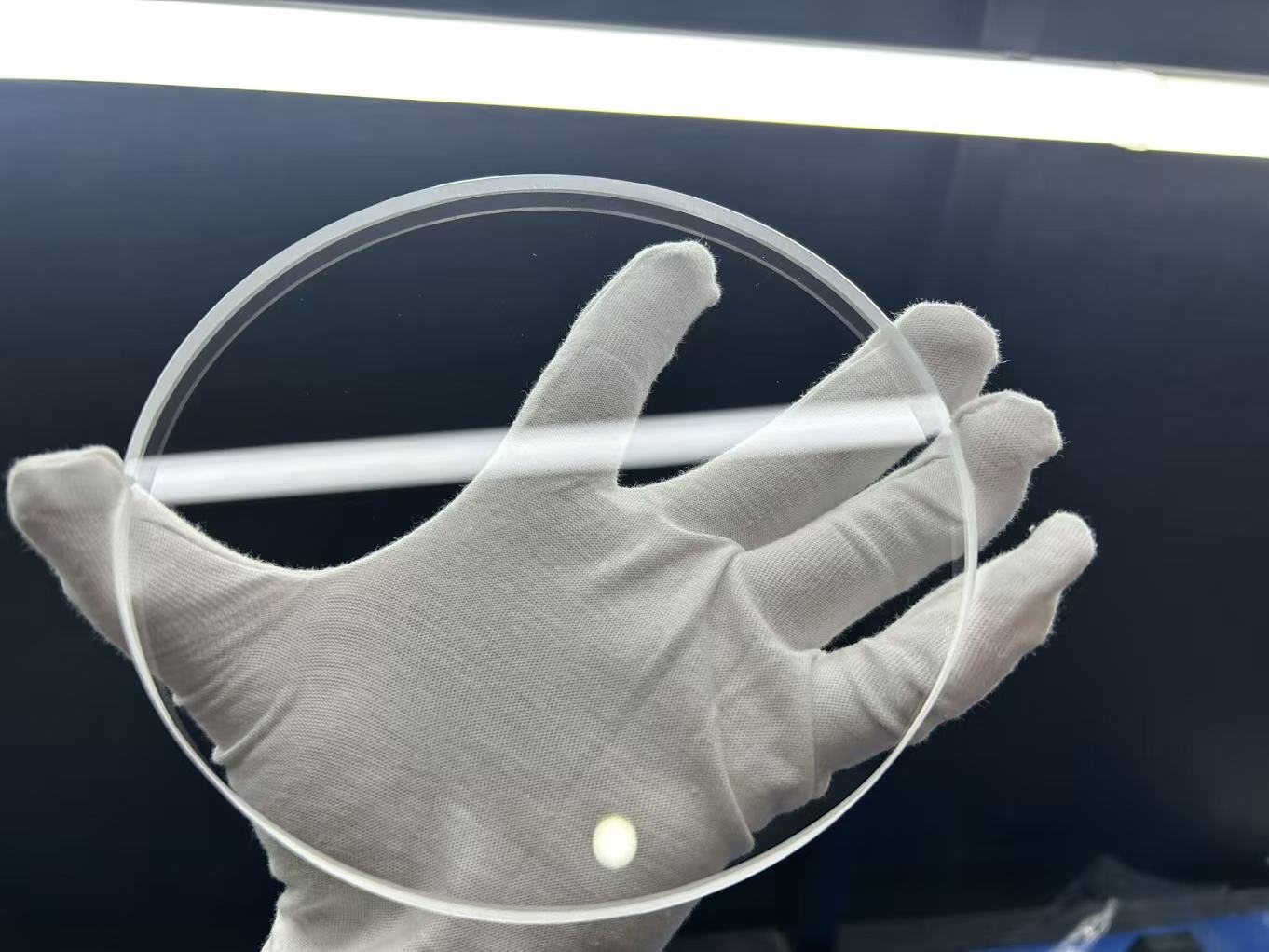 Optical & PV Substrate
In modern crystal pulling for both high-efficiency N-type TOPCon/Heterojunction solar cells and sub-28nm semiconductor monolithic wafers, the quartz crucible operates far beyond a passive containment vessel. It acts as an active chemical and thermodynamic reactor interface. The molten silicon is maintained at approximately 1420°C to 1450°C under partial vacuum in an argon atmosphere. Under these extreme operating conditions, high-purity fused silica (SiO₂) inevitably dissolves into the liquid silicon melt via the thermodynamic reaction:
Oxygen dissolved from the crucible wall is transported by intense thermal Marangoni convection into the growing silicon ingot. While controlled oxygen precipitation is necessary for intrinsic gettering of metallic impurities in semiconductor manufacturing, excessive or erratic oxygen flux in N-type photovoltaic ingots dramatically lowers carrier lifetime and initiates light-induced degradation (LID). Consequently, high-end quartz crucibles engineered by leading Chinese exporters incorporate sophisticated dual-layer or triple-layer wall architectures.
State-of-the-art Chinese quartz crucibles manufactured in the Donghai industrial belt utilize precision electric arc rotating fusion molding. The resulting crucible wall possesses two distinct, synergistic microstructures:
1. Outer Opaque Bubble Layer (Thermal Homogenization): Comprising high-purity natural quartz sand (typically sourced or refined in Donghai), this layer exhibits an engineered density of uniformly distributed micro-bubbles. These micro-bubbles act as diffuse optical scatterers, converting the directional radiant heat from external graphite heater elements into homogenous, isotropic thermal flux. This prevents localized hot spots that induce thermal stress cracking and crucible distortion.
2. Synthetic Bubble-Free Inner Layer (Chemical Barrier): Sintered using ultra-refined synthetic silica powder, this inner layer (ranging from 1.5 mm to 3.0 mm in thickness) boasts near-zero bubble content and exceptional chemical inertness. By eliminating open micro-pores and microscopic air inclusions, the inner layer eliminates bubble expansion and rupture at 1450°C, preventing structural quartz micro-particles from entering the melt and terminating single-crystal dislocation-free growth.
Prolonged exposure of amorphous fused silica to temperatures exceeding 1200°C promotes devitrification—the phase transformation from vitreous silica glass to crystalline β-cristobalite. Upon cooling below 270°C, β-cristobalite transitions to α-cristobalite accompanied by a drastic volumetric contraction of approximately 5%, inducing severe crazing and structural fragmentation.
Crucially, alkali metal ions—primarily Sodium (Na⁺), Potassium (K⁺), and Lithium (Li⁺)—act as aggressive catalytic nucleating agents for devitrification. An alkali contamination of merely 1.0 ppm can accelerate devitrification kinetics by more than an order of magnitude, triggering uneven crystallization, crucible wall sagging, and silicon melt leakage. Top Chinese exporters achieve uncompromising purity by employing multi-stage acid leaching, thermal chlorination, and inductively coupled plasma mass spectrometry (ICP-MS) screening to constrain alkali metal concentrations strictly below 0.1 ppm total.
| Trace Impurity Element | Solar Grade (PV Czochralski) | Semiconductor Grade (CZ ≤28nm) | Synthetic Inner Layer (Tier 1) | Impact on Silicon Single Crystal Ingot |
|---|---|---|---|---|
| Aluminum (Al) | ≤ 8.0 ppm | ≤ 3.0 ppm | ≤ 0.05 ppm | Acceptor dopant; alters silicon resistivity and carrier profile. |
| Iron (Fe) | ≤ 0.20 ppm | ≤ 0.05 ppm | ≤ 0.01 ppm | Deep-level defect trap; drastically degrades minority carrier lifetime. |
| Alkali Metals (Na + K + Li) | ≤ 0.35 ppm | ≤ 0.10 ppm | ≤ 0.02 ppm | Accelerates devitrification; induces crystal dislocation and wall collapse. |
| Calcium (Ca) & Magnesium (Mg) | ≤ 0.50 ppm | ≤ 0.15 ppm | ≤ 0.03 ppm | Catalyzes local nucleation; increases micro-bubble bubbling risks. |
| Transition Metals (Cu + Ni + Cr) | ≤ 0.10 ppm | ≤ 0.02 ppm | ≤ 0.005 ppm | Forms metallic silicide precipitates, causing junction leakage in cells. |
| Boron (B) & Phosphorus (P) | ≤ 0.10 ppm | ≤ 0.03 ppm | ≤ 0.01 ppm | Primary electrical dopants; strict control mandatory for N-type ingots. |
Global supply chain directors are navigating rapid technological transformations in crystal growth furnaces, changing the specification requirements for tier-1 Chinese quartz crucible suppliers.
The rapid scale-up of G12 silicon wafer formats and supercharged continuous Czochralski pulling (CCz) demands crucibles with outer diameters exceeding 36 inches, with 40-to-42-inch crucibles entering mass deployment. Sourcing requires suppliers with high-tonnage arc fusion rotary centers capable of maintaining wall thickness uniformity within ±0.5 mm.
Natural high-purity quartz reserves (historically concentrated in limited global mines) are experiencing structural geopolitical and geological supply constraints. Tier-1 Chinese exporters are heavily integrating chemically synthesized high-purity silica sand, expanding synthetic inner liner ratios from 15% to over 40% of total wall thickness.
To minimize furnace recharging downtime and graphite component thermal fatigue, crystal pullers are pushing continuous ingot pulling runs beyond 350 to 450 hours per crucible. Procurement contracts now enforce dynamic corrosion allowances (<0.015 mm/h) and anti-collapse guarantees under cyclic silicon recharging.
European and North American buyers are implementing stringent Scope 1-3 greenhouse gas tracking across quartz processing. Leading Donghai factories are transitioning to green-energy-powered plasma furnaces and closed-loop hydrofluoric acid recycling systems to comply with international CBAM audits.
Examining how advanced metallurgical processes are resolving long-standing physical constraints in thermal resistance, bubble expansion, and optical clarity.
Engineering deliberate, ultra-trace surface doping of barium compounds stimulates uniform, instantaneous formation of a micro-crystalline cristobalite passivation shield upon initial furnace heat-up. This controlled crystallization prevents erratic, localized devitrification nodules, significantly extending structural rigidity under prolonged 1450°C thermal loading.
Chinese material institutes and enterprise laboratories have developed plasma-sprayed synthetic silicon dioxide coatings that eliminate micro-bubble interfaces entirely. These 200–500 micron barrier coatings exhibit zero measurable porosity, acting as a pristine hermetic layer that prevents dopant leaching into ultra-sensitive semiconductor melts.
In precision machined quartz tubes, boats, and flanges, conventional mechanical grinding introduces sub-surface micro-fractures that propagate under thermal cycling. Integrating ultrasonic-assisted 5-axis CNC diamond milling suppresses sub-surface damage depths below 2.0 microns, yielding unmatched vacuum hermeticity and mechanical yield strengths.
Technical, commercial, and operational clarity for international supply chain managers, equipment builders, and procurement engineers.
The distinction lies primarily in raw material purification capability, electric arc fusion atmosphere control, and automated cleanroom inspection. Tier-1 manufacturers, such as Nivra Quartz in Donghai, utilize computerized multi-axis electric arc rotary furnaces operating in controlled, low-humidity filtered atmospheres. They utilize imported or synthetically refined silica sand with verified ICP-MS trace purity (total alkali metals < 0.1 ppm). In contrast, low-cost workshops rely on unrefined natural sands, resulting in uncontrolled bubble distributions, wall thickness variations exceeding ±2 mm, and high alkali contamination that leads to catastrophic crucible collapse within 80 hours of crystal growth.
JGS1 (Synthetic Fused Silica): Produced through chemical synthesis (SiCl₄ oxidation), it features exceptional transmission from deep UV through visible spectrum (185 nm – 2500 nm). It is virtually bubble-free, with negligible metallic impurities and high hydroxyl ([OH-] ∼ 800-1200 ppm) content, making it ideal for UV excimer laser optics, semiconductor photolithography masks, and high-precision analytical cuvettes.
JGS2 (Standard Fused Quartz): Smelted from high-purity natural quartz crystal sand. It exhibits outstanding optical transmittance across 220 nm – 2500 nm, widely deployed in optical sight windows, thermocouple protection sleeves, and standard furnace tubes.
JGS3 (Infrared Grade Optical Quartz): Vacuum-melted natural quartz with ultra-low hydroxyl content ([OH-] < 5 ppm). It eliminates the prominent 2.73 μm water absorption band, providing superior infrared transmission spanning 260 nm up to 3500 nm, specifically engineered for infrared thermal imaging windows, pyrometer sight glasses, and high-temperature thermal chambers.
Clear fused quartz possesses a strain point of approximately 1075°C, an annealing point of 1180°C, and a thermal softening point of 1683°C. In industrial practice, continuous operational exposure should not exceed 1100°C to 1150°C under atmospheric conditions. For short durations (e.g., thermal spike processes or semiconductor flash oxidation), fused quartz reliably withstands up to 1450°C. When temperatures exceed 1200°C, thermal cycling should be minimized to avoid entering the α-to-β cristobalite conversion zone, which causes rapid thermal shock fracturing upon cooling.
Export packaging for precision quartz is governed by strict vibration-dampening engineering protocols. Each crucible or machined quartz assembly is first decontaminated in an ultrasonic acid bath, rinsed with 18.2 MΩ·cm deionized water, and sealed in multi-layer antistatic polyethylene barrier film in a Class 10,000 cleanroom. The item is encased in custom-molded, high-density closed-cell polyethylene (EPE) foam dampeners inside double-corrugated inner boxes. For seafreight or air cargo, items are secured within international ISPM-15 compliant fumigation-free plywood crates equipped with shock-watch indicator labels and tilt sensors to verify handling compliance during transit.
Yes. Nivra Quartz operates an integrated CAM-to-CNC precision manufacturing department. Customers can submit 2D PDF engineering drawings alongside 3D neutral CAD files (STEP, IGES, DXF). Our engineering department conducts a full design-for-manufacturability (DFM) review within 5 hours, evaluating thermal annealing clearances, edge chamfers, flame-polishing radii, and dimensional tolerances (standard down to ±0.05 mm; specialized ground optical components down to ±0.01 mm).
Headquartered at 285 Heping East Road, Lianyungang, Jiangsu, Donghai County Nivra Quartz Products Co., Ltd. combines deep regional resource integration with global export execution.
Directly situated in China's quartz capital, Nivra Quartz maintains proprietary access to regional silica refining networks, dramatically reducing raw material procurement volatility and enabling competitive factory-direct pricing for international buyers.
From initial electric arc crucible fusion and continuous drawing to precision 5-axis CNC core drilling, laser perforation, flame-working, optical polishing, and stress-relief annealing furnaces, all operations are executed in-house by 101–200 skilled personnel.
With a verified 88.89% inquiry response rate, guaranteed technical feedback within 5 hours, and a 5.0/5 verified customer rating across 40+ export territories in North America, Western Europe, and East Asia, we minimize cross-border sourcing risks.
Connect directly with Nivra Quartz's application engineering team in Donghai. Receive comprehensive technical feasibility feedback, volume manufacturing pricing, and certified material inspection data sheets within 5 operational hours.