Featured Precision Optical & Quartz Components
Directly manufactured in Donghai, Jiangsu — China's Quartz Capital. Customized to tight tolerances.
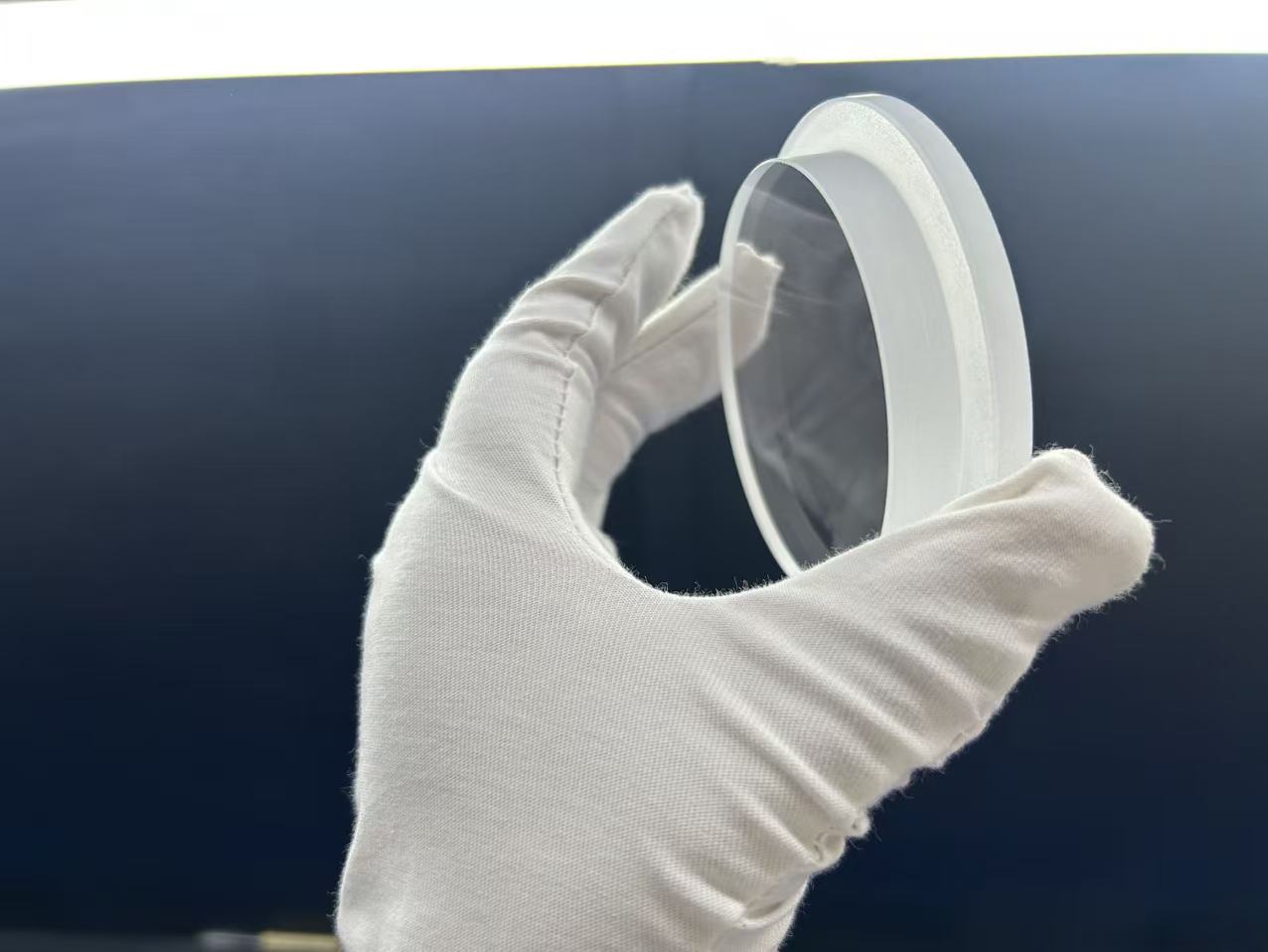
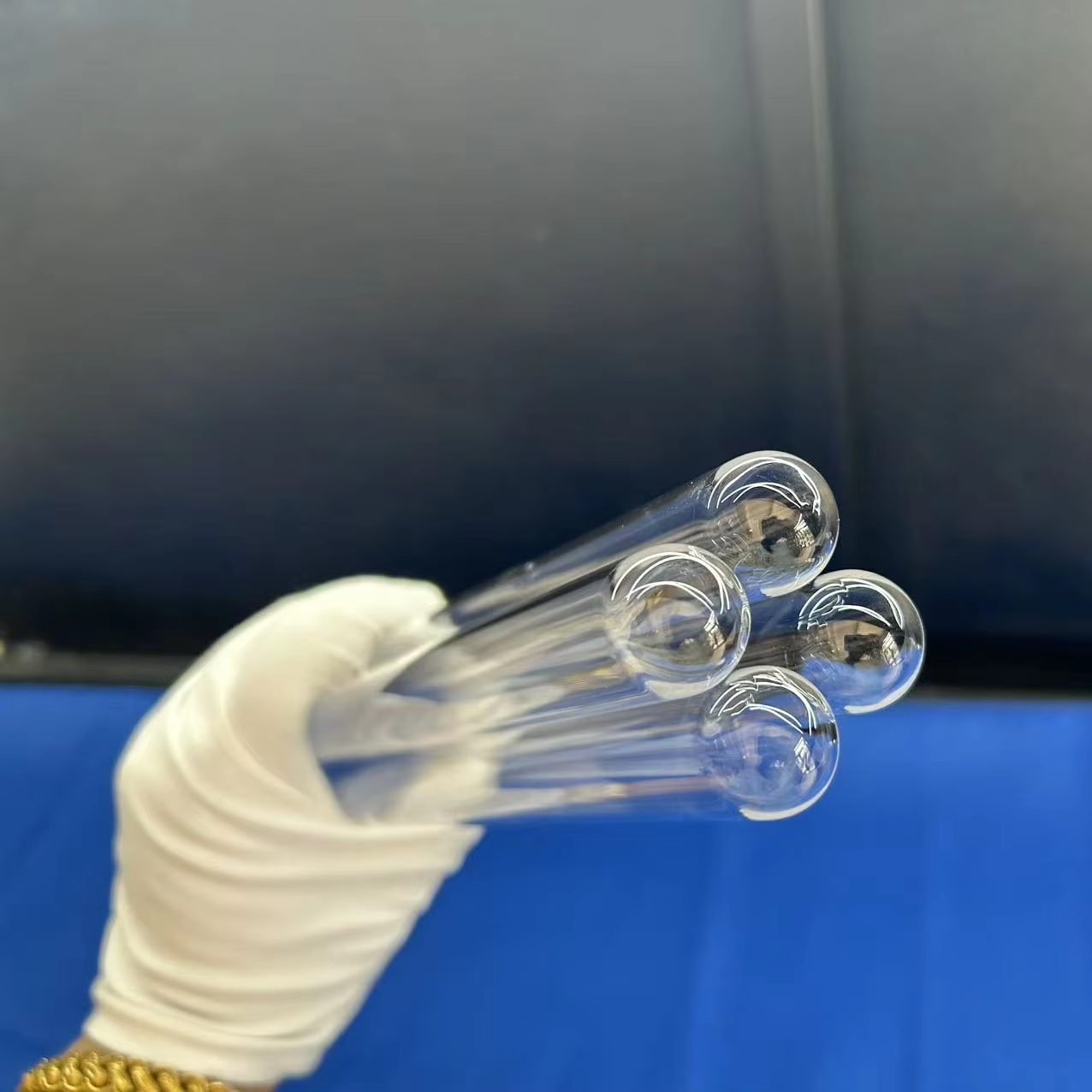
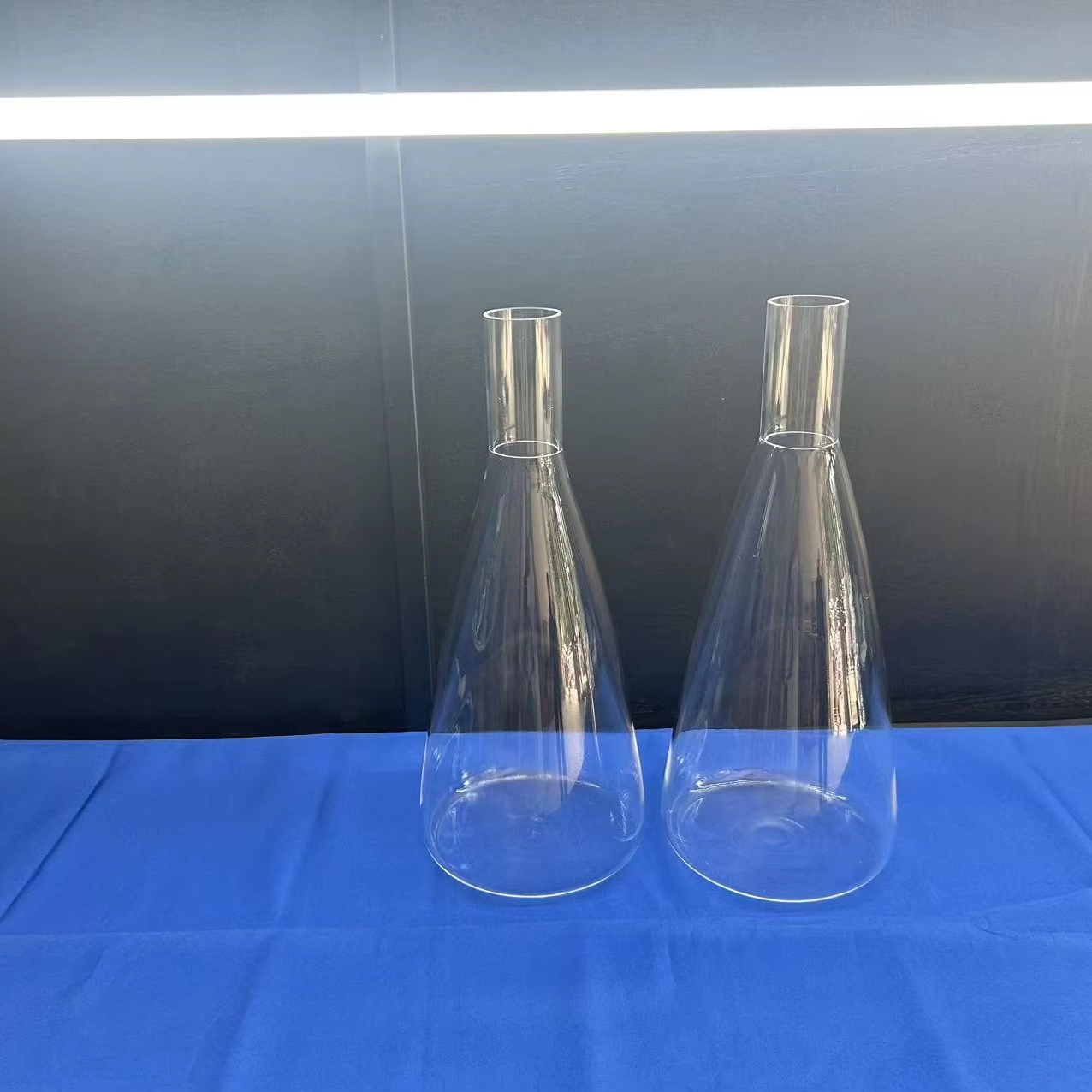
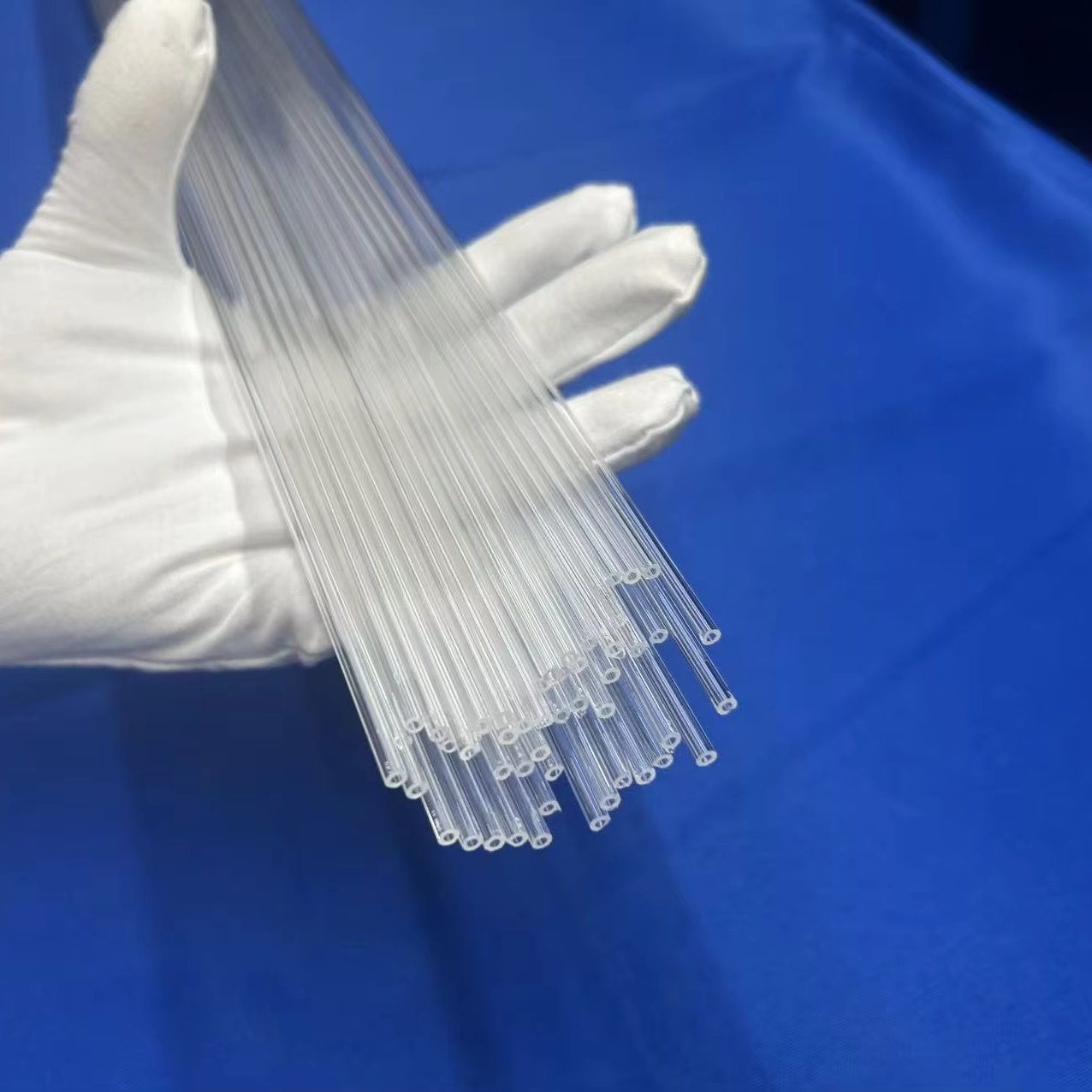
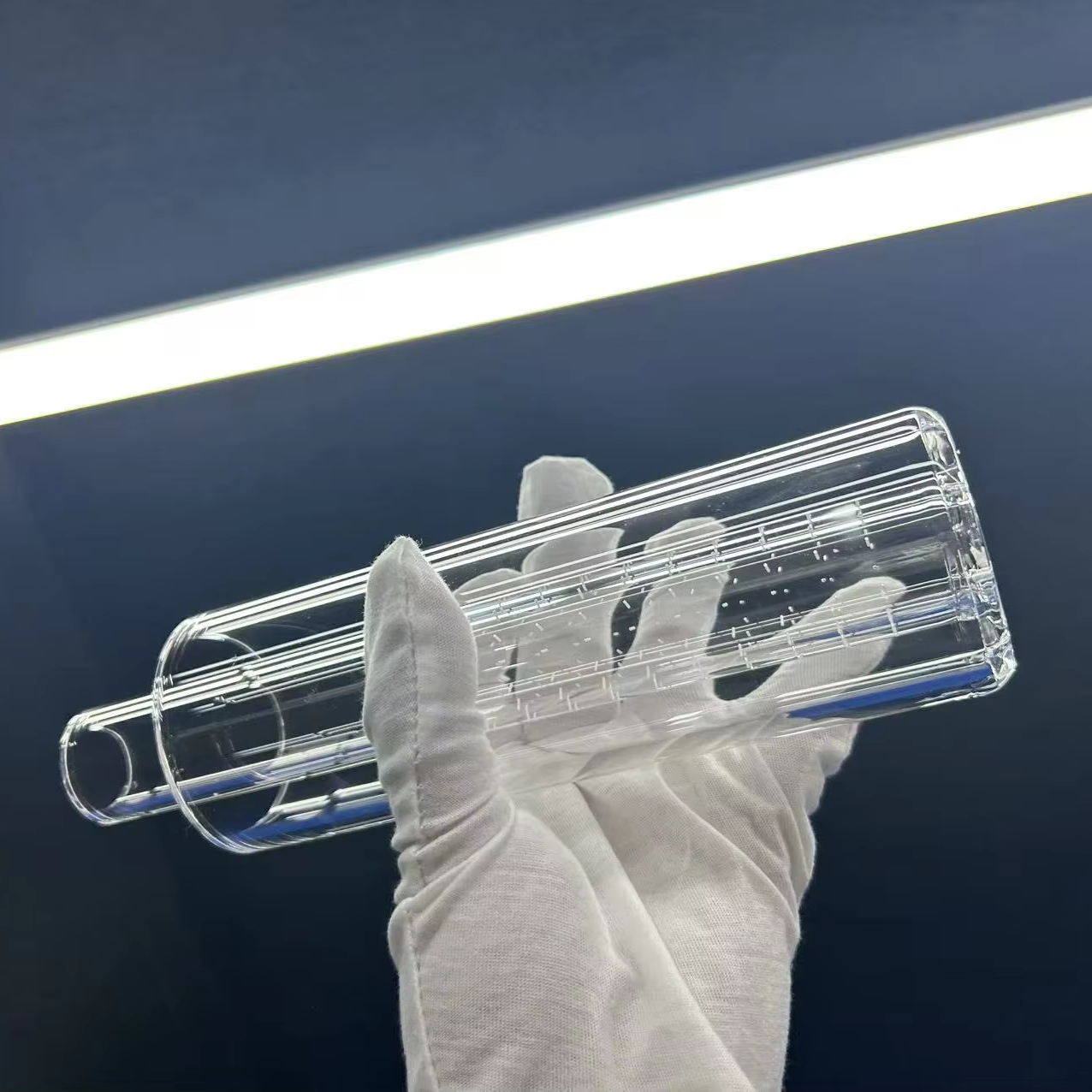
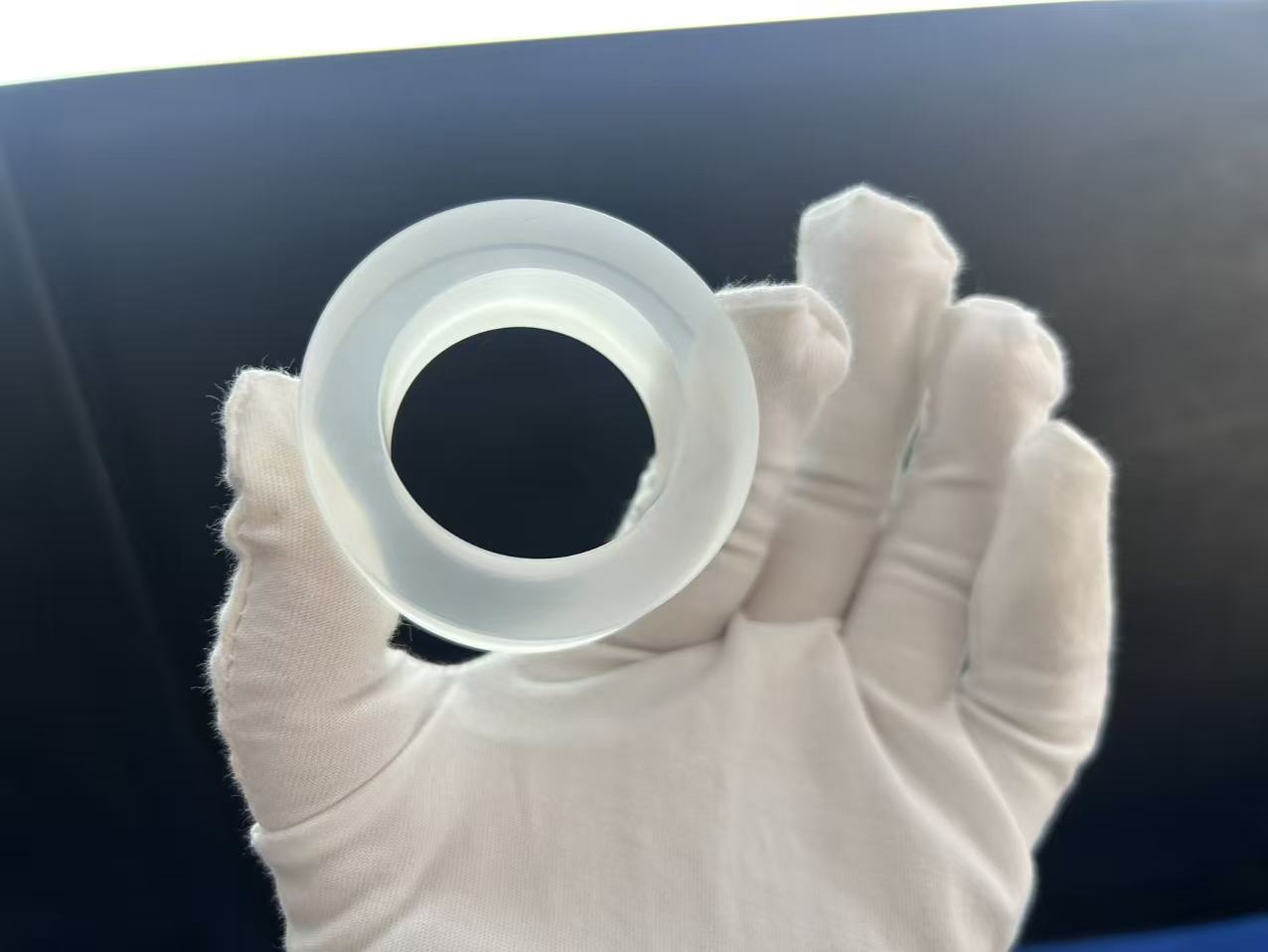
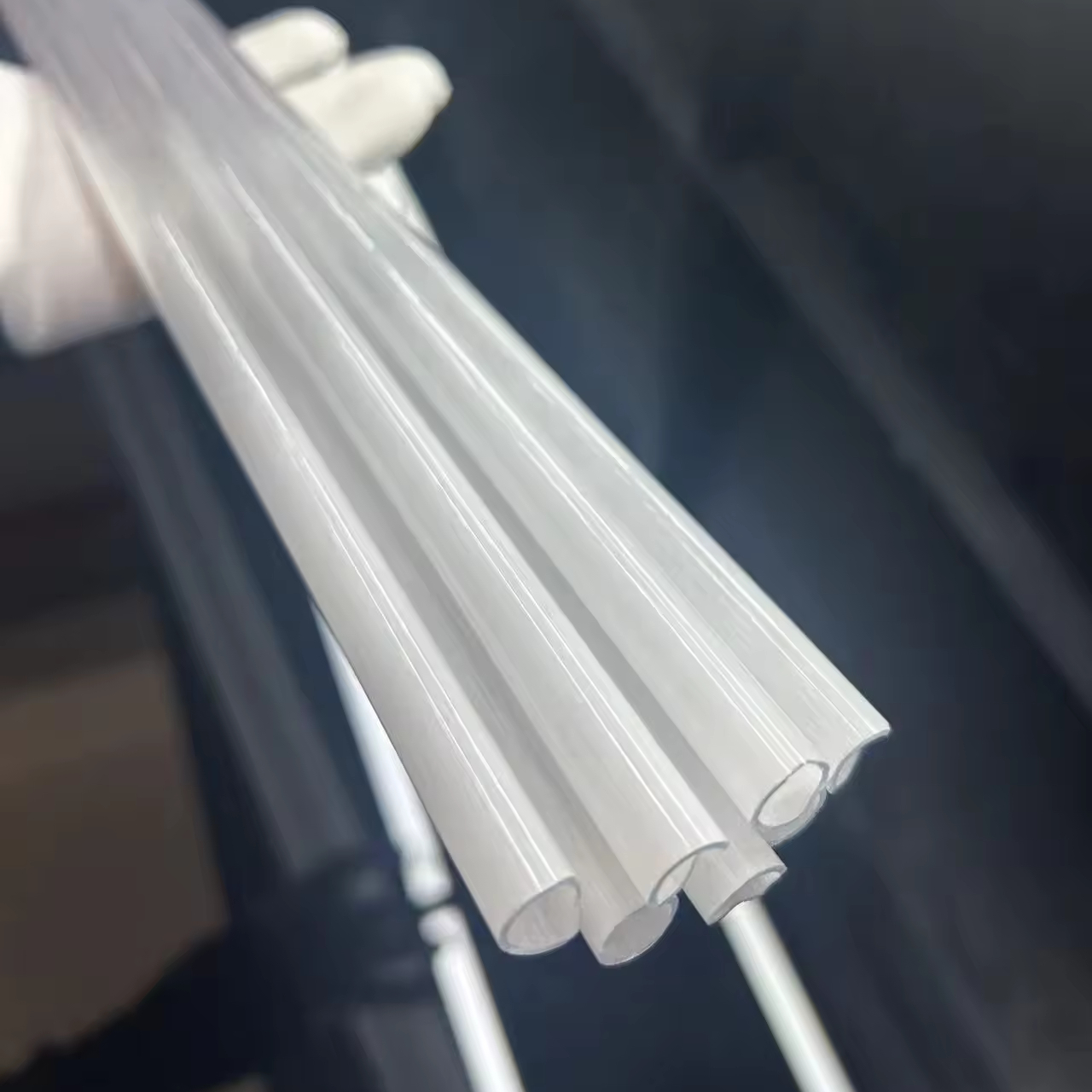
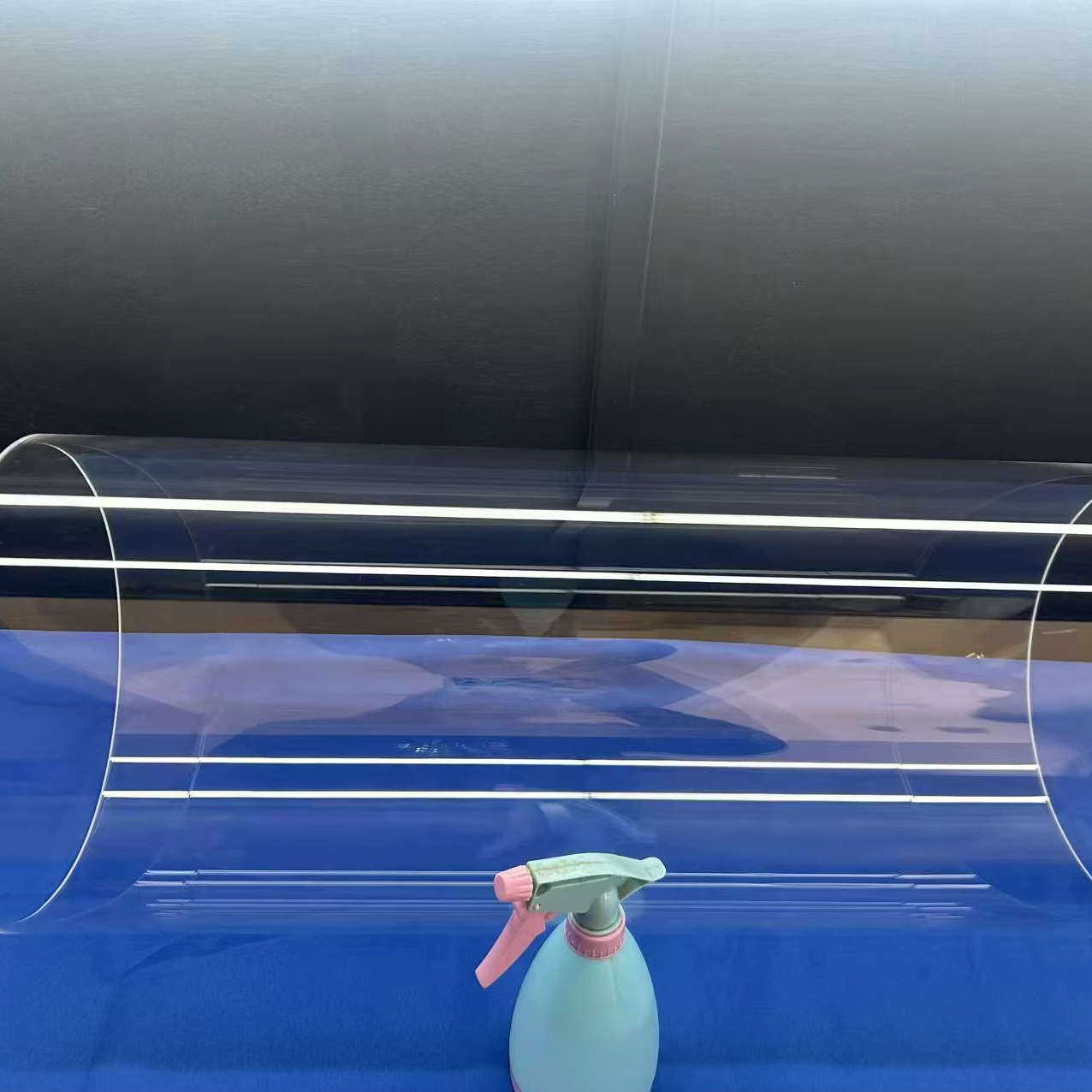
1. Material Foundations: Synthetic Fused Silica vs. Natural Fused Quartz in Prism Engineering
Optical prisms represent fundamental passive components in photonics systems, tasked with beam steering, image inversion, dispersion, and wavelength splitting. When operating across demanding spectrums—ranging from Deep Ultraviolet (DUV, down to 185 nm) through the Visible (VIS) and into the Near-Infrared/Short-Wave Infrared (NIR/SWIR, up to 3500 nm)—the optical substrate selection dictates system transmission efficiency, wave-front distortion, and laser damage resistance. As a leading China optical quartz prism manufacturer, Donghai County Nivra Quartz Products Co., Ltd. specializes in engineering high-purity synthetic fused silica and clear fused quartz prisms tailored for rigorous B2B industrial standards.
Unlike standard N-BK7 or crown/flint optical glasses, fused quartz consists almost entirely of pure silicon dioxide ($\text{SiO}_2$) in an amorphous (non-crystalline) state. The key material properties that position optical quartz prisms as the definitive substrate for optical instrumentation include an extremely low coefficient of thermal expansion ($\approx 5.5 \times 10^{-7} /^\circ\text{C}$), an ultra-broad optical transmission window, high thermal shock immunity up to $1100^\circ\text{C}$, and high resistance to laser-induced damage (LDT).
Substrate Selection Breakdown: JGS1 vs. JGS2 vs. JGS3
To optimize procurement efficiency and optical output, optical design engineers must align their prism specification with the correct optical quartz substrate grade:
| Substrate Grade | Material Origin | Transmission Bandwidth | OH⁻ Content | Primary Application Target |
|---|---|---|---|---|
| JGS1 (Synthetic Fused Silica) | Synthetic $\text{SiCl}_4$ flame hydrolysis | 185 nm – 2500 nm (Deep UV) | < 5 ppm to 50 ppm | Excimer lasers, semiconductor DUV lithography, UV spectroscopy cuvettes, beam splitters. |
| JGS2 (Fused Quartz) | High-purity natural crystal quartz | 220 nm – 2500 nm (UV-Vis) | < 150 ppm | Industrial sight glasses, UV curing systems, beam steering prisms, optical windows. |
| JGS3 (Infrared Fused Quartz) | Electric vacuum melted quartz | 260 nm – 3500 nm (Near-to-Mid IR) | < 5 ppm (Water-free) | IR sensing, thermal imaging optical wedges, FTIR spectroscopy, gas detection optics. |
Information Gain Note: JGS1 exhibits zero bubble class (ISO 12123) and virtually no inclusion defects, ensuring that total internal reflection (TIR) within prisms experiences minimum scatter loss. For applications in high-power fiber lasers ($1064\text{ nm}$), JGS1 or low-OH JGS3 substrate prevents thermal lensing caused by hydroxyl absorption bands ($2.73\ \mu\text{m}$ and $1.38\ \mu\text{m}$).
2. Optical Quartz Prism Geometries & Ray-Tracing Functionalities
At Nivra Quartz, our double-sided polishing and high-precision CNC glass grinding centers enable custom manufacturing across all classical and complex prism geometry formats. Each geometry leverages specific reflective, refractive, or dispersive principles:
Right-Angle Prisms
Deflects incoming light paths by $90^\circ$ or $180^\circ$ via Total Internal Reflection (TIR). When used as internal reflectors, quartz right-angle prisms eliminate the need for delicate metallic mirror coatings, yielding near 100% throughput across UV-IR.
Penta Prisms
Deviates optical beams by exactly $90^\circ$ without inverting or reverting the image. Crucially, the $90^\circ$ deflection angle remains invariant even if the prism is slightly misaligned, making it ideal for precision optical alignment and rangefinding.
Corner Cube Retroreflectors
Consisting of three mutually perpendicular planar surfaces, a hollow or solid quartz corner cube reflects incident light back directly to its original source ($180^\circ$) regardless of orientation. Vital for LIDAR, satellite laser ranging, and surveyor equipment.
Dove & Amici Roof Prisms
Dove prisms invert images and rotate beam fields at twice the rate of the prism's mechanical rotation. Amici Roof prisms split wavefronts to invert images while maintaining a $90^\circ$ beam path, widely implemented in medical endoscopes and military spotting scopes.
Dispersive & Brewster Prisms
Utilized for spectral separation or laser cavity tuning. Brewster angle quartz prisms isolate P-polarized light without reflection loss, maximizing power output in tunable ultra-fast femtosecond lasers.
Custom Polygon & Rhomboid
Rhomboid prisms shift the optical axis laterally without altering the image orientation or inversion state. Custom multi-faceted optical quartz polygons are engineered for high-speed laser scanners and aerospace projection arrays.
3. Sub-Nanometer Manufacturing: Machining, Polishing & Thin-Film Coating Metrology
Fabricating optical-grade fused silica prisms demands strict control over subsurface damage (SSD), angular accuracy, and surface figure error. At Nivra Quartz's 10,000-square-meter facility in Lianyungang, Jiangsu, manufacturing follows a rigorous multi-stage procedure complying with ISO 9001:2015 and MIL-PRF-13830B standards.
A. Ultra-Precision CNC Grinding & Angular Lapping
Raw quartz blocks harvested from high-purity Donghai crystal stocks undergo wire-saw slicing and 5-axis CNC diamond grinding. Angular tolerances are refined using custom planetary pitch lapping tools monitored by optical autocollimators, delivering precision down to < 2 arcseconds angle error between critical reflecting faces.
B. Magnetorheological Finishing (MRF) & Chemical Mechanical Polishing (CMP)
To achieve laser-grade surface quality ($10-5$ Scratch-Dig according to MIL-M-13508C), our optical shop implements Magnetorheological Finishing (MRF) combined with specialized cerium oxide/colloidal silica CMP slurry. This yields:
- Surface Figure Error ($\mathbf{\lambda}$/10 to $\mathbf{\lambda}$/20 PV @ 632.8 nm): Evaluated across the clear aperture using Zygo Verifire™ GPI laser interferometers.
- Surface Roughness ($\mathbf{R_a} < 0.2\text{ nm}$): Confirmed via Atomic Force Microscopy (AFM), reducing scatter in high-energy UV laser systems.
- Sub-surface Damage Mitigation: Acid etching removes micro-cracks introduced during initial rough cutting, boosting the Laser Damage Threshold (LDT) above $15\ \text{J/cm}^2$ @ 1064nm, 10ns pulse.
C. Thin-Film Dielectric & Metallic Thin-Film Coatings
Uncoated optical quartz surfaces reflect approximately 3.5% to 4% per air-glass interface due to refractive index mismatch ($n \approx 1.458$ at $589\text{ nm}$). Nivra Quartz employs Ion-Assisted Deposition (IAD) and Ion Beam Sputtering (IBS) coater chambers to apply high-adhesion optical coatings:
Broadband Anti-Reflective (AR)
Reduces surface reflection to $R < 0.25\%$ across UV (193-355nm), VIS (400-700nm), or NIR (700-1100nm) wavebands, maximizing overall optic transmission.
High Reflective (HR) Dielectric
Multilayer alternating $\text{HfO}_2/\text{SiO}_2$ or $\text{Ta}_2\text{O}_5/\text{SiO}_2$ stacks achieving $R > 99.9\%$ reflection at target laser lines ($355\text{ nm}, 532\text{ nm}, 1064\text{ nm}$).
Protected Metallic Coatings
Vacuum-deposited Aluminum (UV-enhanced), Silver (high NIR reflectivity), or Gold with dielectric overcoats ($\text{MgF}_2$ or $\text{SiO}_2$) for environmental durability.
4. Industry Trends: Future Procurement Dynamics in Optical Quartz Prisms
As global technology sectors transition toward higher frequency photonics, micro-semiconductor manufacturing, and quantum optical processing, procurement managers face shifting dynamics in optical glass sourcing:
Trend 1: Demand Acceleration in Semiconductor Lithography & EUV Inspection
Next-generation semiconductor fab lines operating $193\text{nm}$ ArF immersion lithography and EUV optical inspection setups require ultra-pure synthetic fused silica prisms with zero solarization under intense pulsed UV irradiation. OEM optics buyers are increasingly bypassing intermediate distributors to form direct manufacturing ties with certified Chinese optical shops capable of supply chain traceability from raw silica sand to finished optical prisms.
Trend 2: Shift Toward Integrated Sub-Assembly Subcontracting
Modern procurement mandates move beyond purchasing standalone loose prisms. Tier-1 optomechanical integrators require fully assembled prism pods—where synthetic quartz prisms are optically bonded, potted, or laser-welded into invar/stainless-steel mounts inside ISO Class 5 cleanrooms. Direct-manufacturer partnerships drastically reduce assembly misalignment risks and logistical overhead.
Trend 3: Regional Cluster Agglomeration — The Donghai Advantage
Donghai County in Jiangsu Province produces over 70% of China's high-purity quartz raw materials. By tapping into Donghai's complete industrial ecosystem, Nivra Quartz secures high-grade synthetic boules and fused silica quartz at reduced raw material acquisition costs, transferring substantial cost efficiency to international buyers across North America, Western Europe, and Asia-Pacific.
5. Enterprise Advantage: Why Sourcing from Nivra Quartz Mitigates Procurement Risk
Established in February 2019 at 285 Heping East Road, Lianyungang, Jiangsu, Donghai County Nivra Quartz Products Co., Ltd. operates as a vertically integrated manufacturing and trading enterprise. Backed by 101 to 200 dedicated glass engineering specialists, our facility bridges raw optical material synthesis with high-end optical prism fabrication.
Raw Material Traceability
Direct access to Donghai high-purity silica deposits guarantees material batch consistency, low bubble class rating, and zero metallic impurity contamination.
Full In-House Processing
From internal core drilling and CNC diamond shape forming to planetary polishing, thin-film coating, and ultrasonic multi-stage cleaning.
Rigorous Quality Assurance
Every custom optical prism shipment is accompanied by Zygo surface figure reports, PerkinElmer spectrographic transmission curves, and Certificate of Conformance (CoC).
With a verified 88.89% fast-response rate and an average technical inquiry feedback cycle of under 5 hours, our export team seamlessly assists international clients through drawing reviews (STEP, DWG, PDF), prototyping, and high-volume mass production runs.
6. Technical & Procurement FAQ (Frequently Asked Questions)
Key optical engineering and supply chain answers to assist procurement decisions for high-precision fused quartz and optical prisms:
Why choose synthetic fused silica (JGS1) over optical glass (e.g., N-BK7) for prisms?
What angular tolerances and surface quality can Nivra Quartz achieve for custom prisms?
How do you prevent Total Internal Reflection (TIR) leakage in quartz prisms?
Can you manufacture large-aperture or custom-geometry quartz prisms?
What is your standard lead time for prototype and mass production prism orders?
How are fragile optical quartz prisms packaged for international export?
Request a Custom Optical Quartz Prism Quote Today
Send us your engineering drawings (PDF, STEP, DWG) or optical specifications. Our team will review material grade, geometric tolerances, coating options, and provide a competitive factory-direct quote within 5 hours.
Send an Inquiry