Thermal Grade
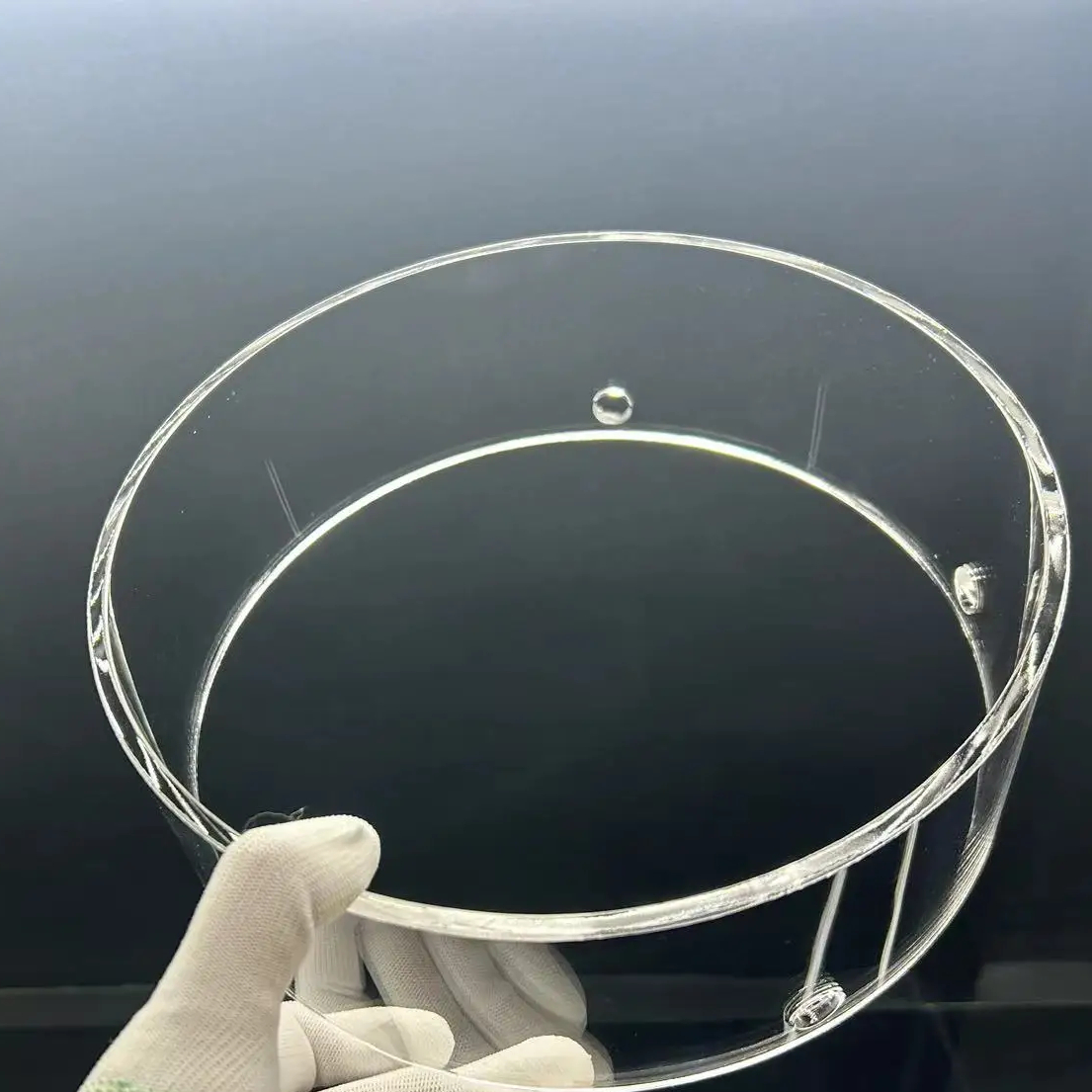
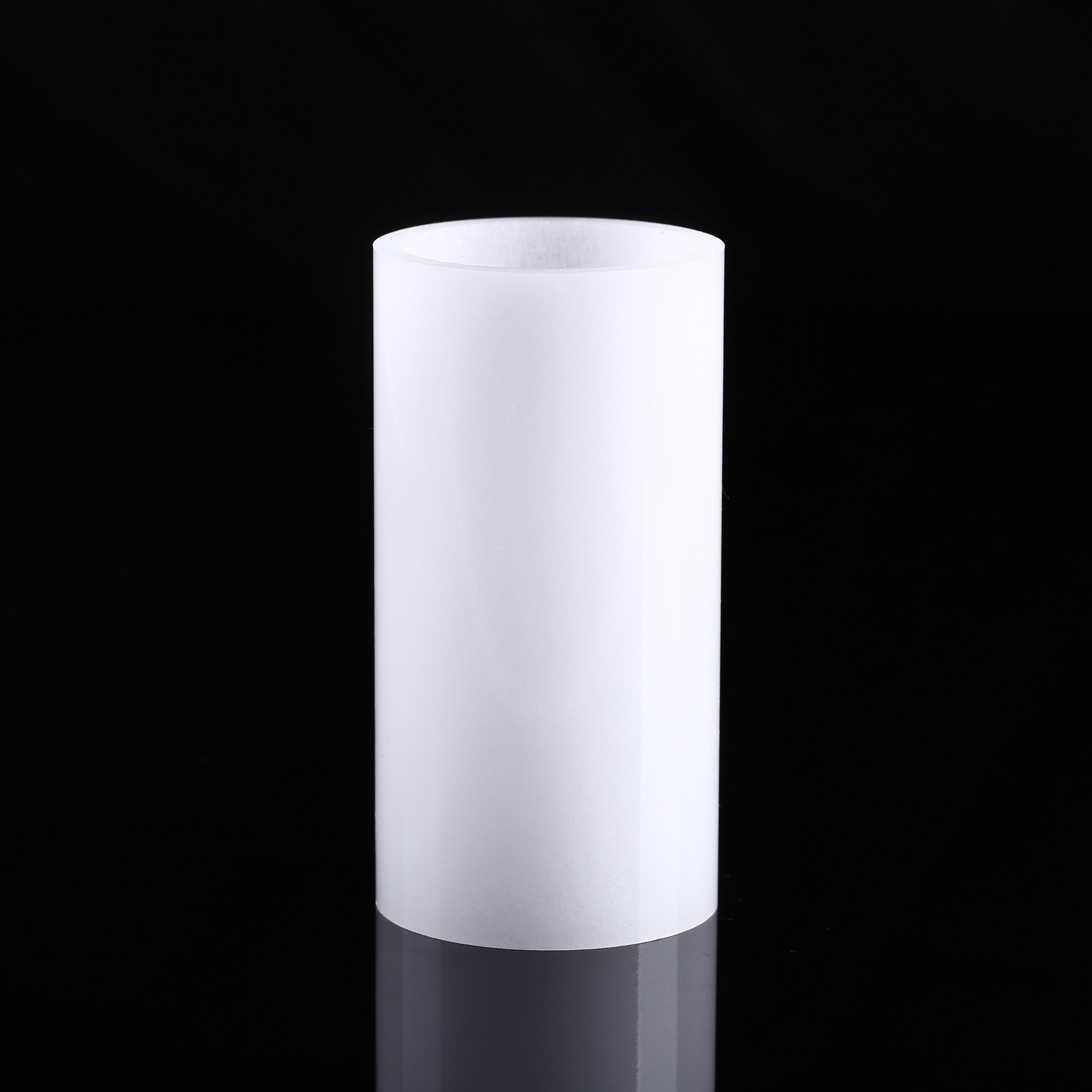
Fused Transparent Quartz Tube
- Purity: ≥ 99.99% SiO₂
- Max Temp: 1200°C Cont. / 1450°C Peak
- Application: Furnaces, CVD, Pyrolysis
Manufactured from ultra-pure natural and synthetic silica raw materials in Donghai County. CNC tolerance controls to ±0.02 mm, thermal resistance up to 1450°C, and certified bubble class zero optical homogeneities.
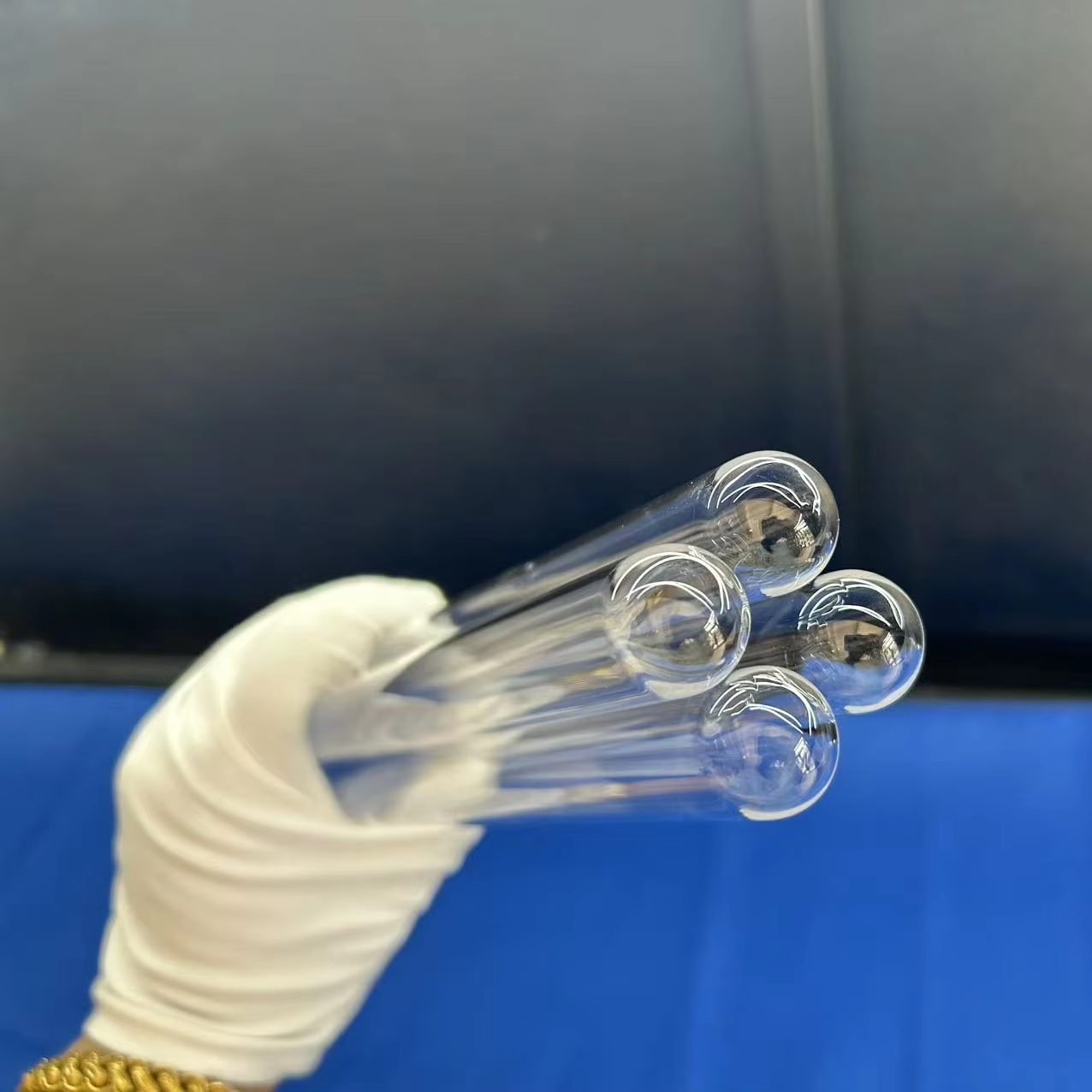
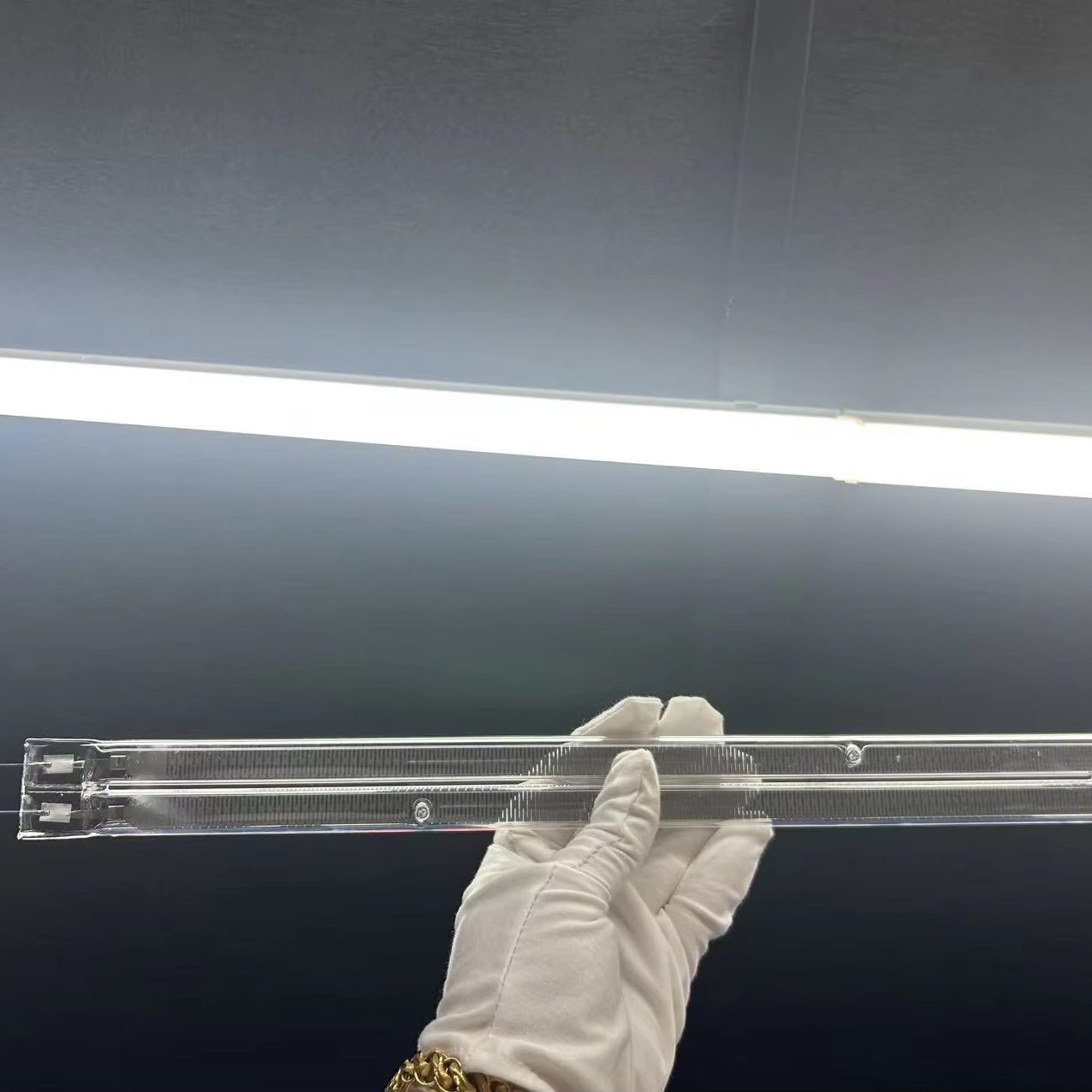
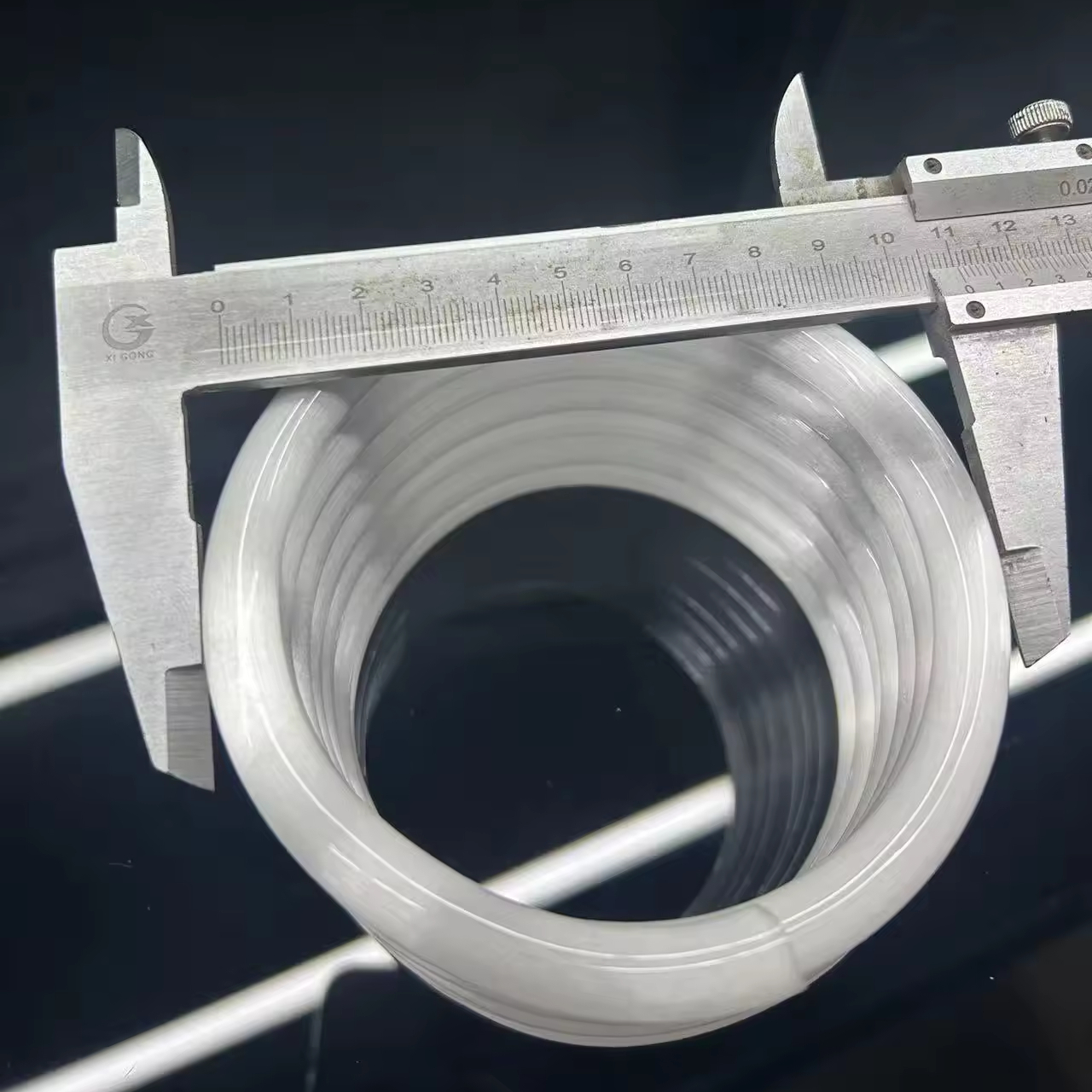
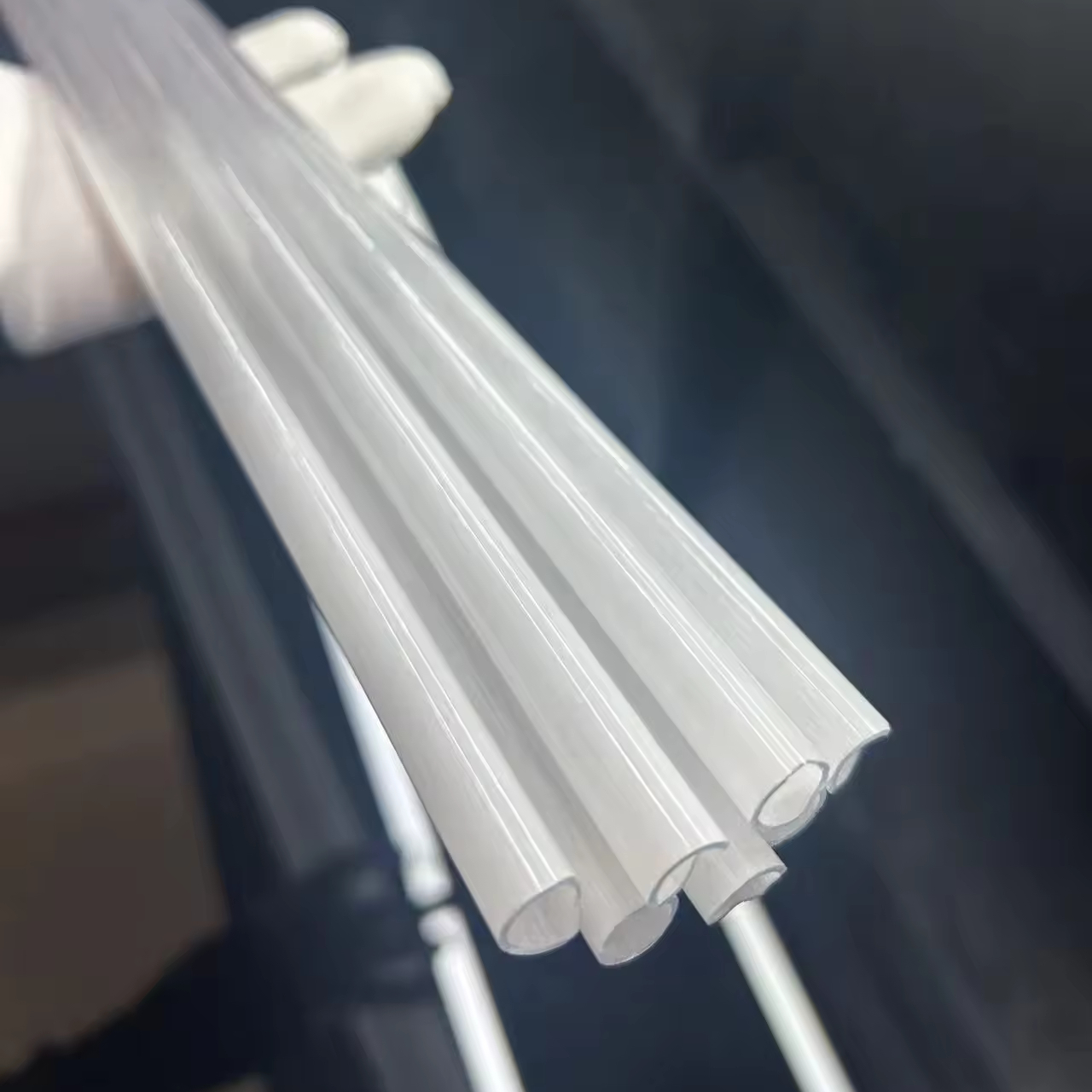
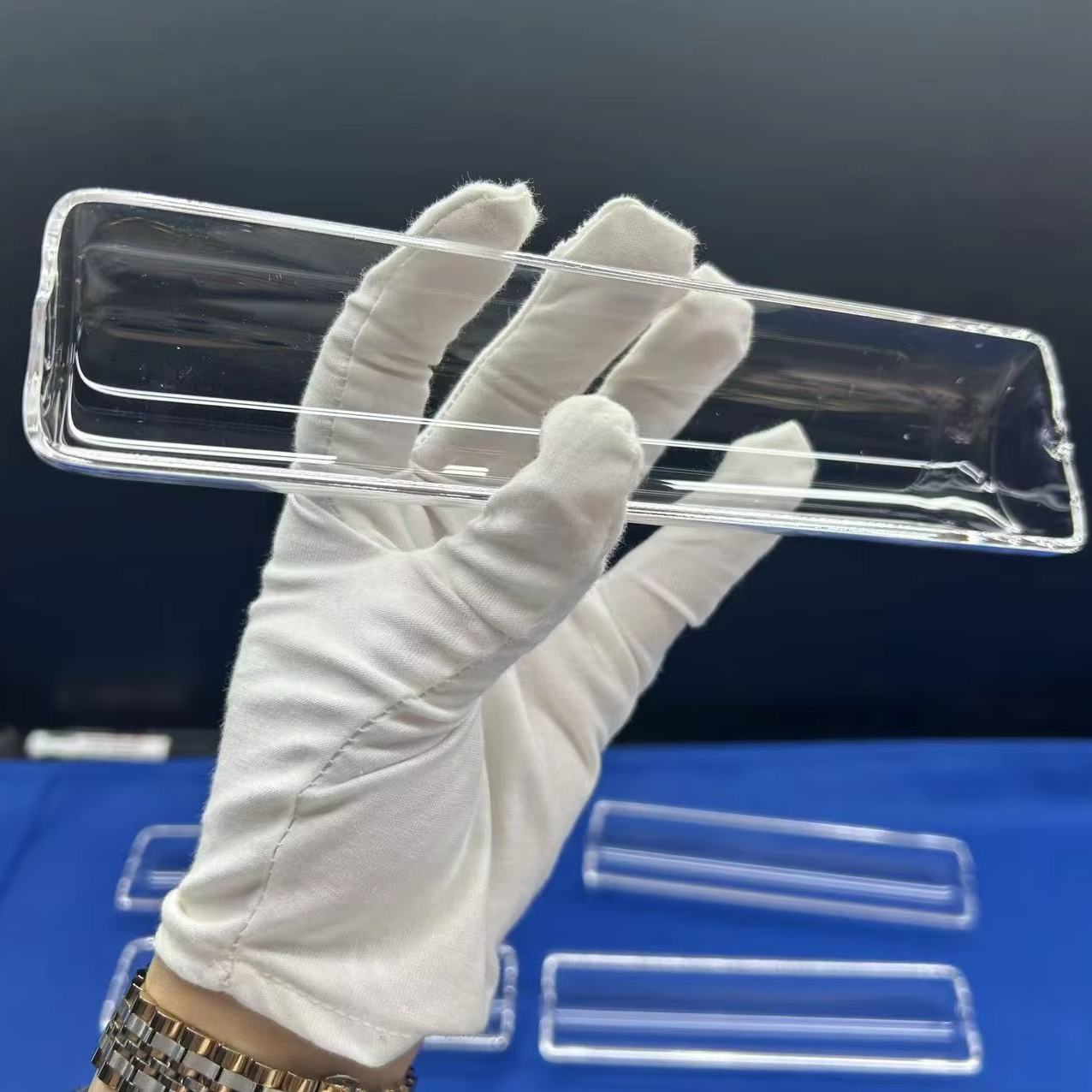
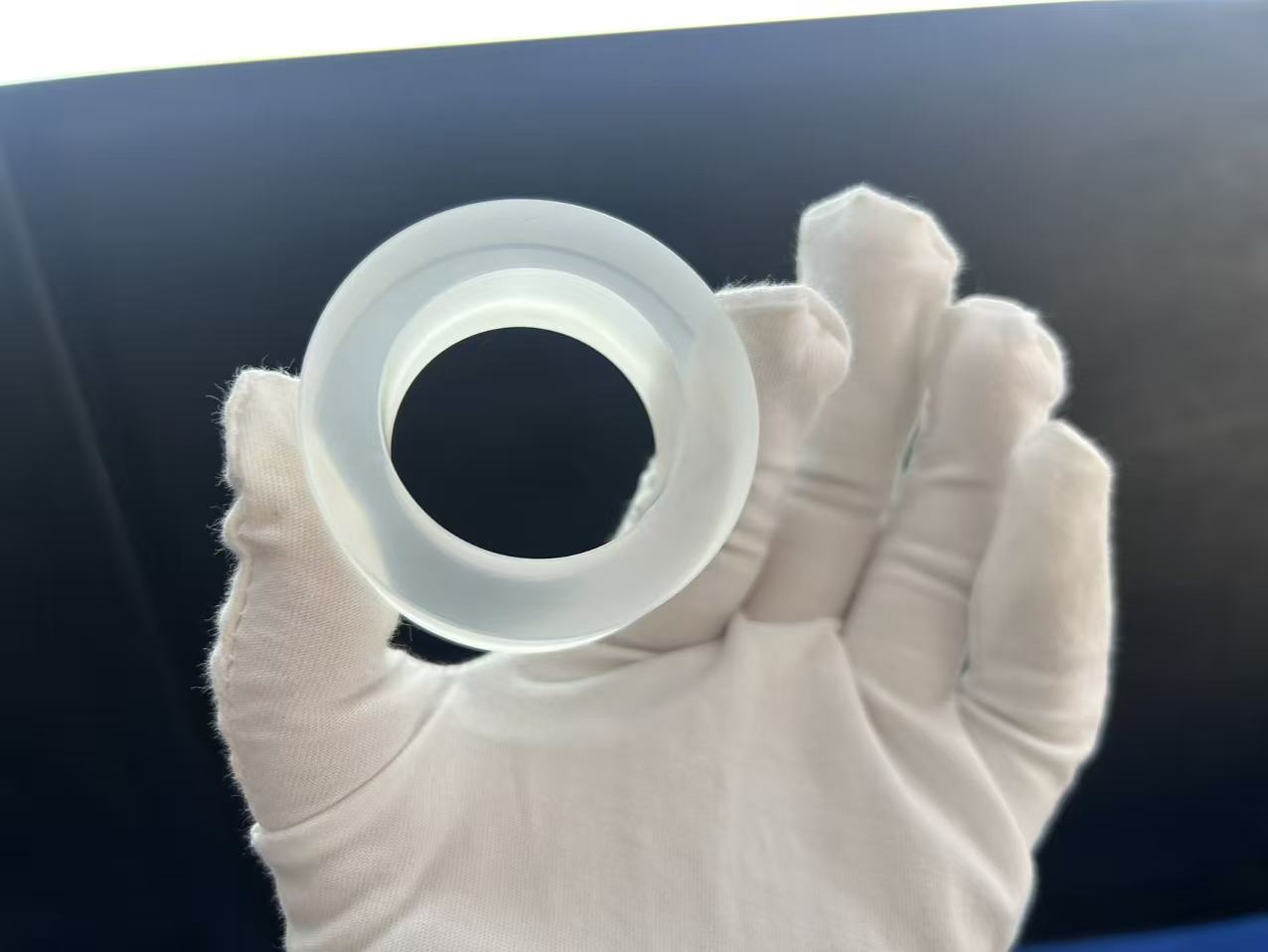
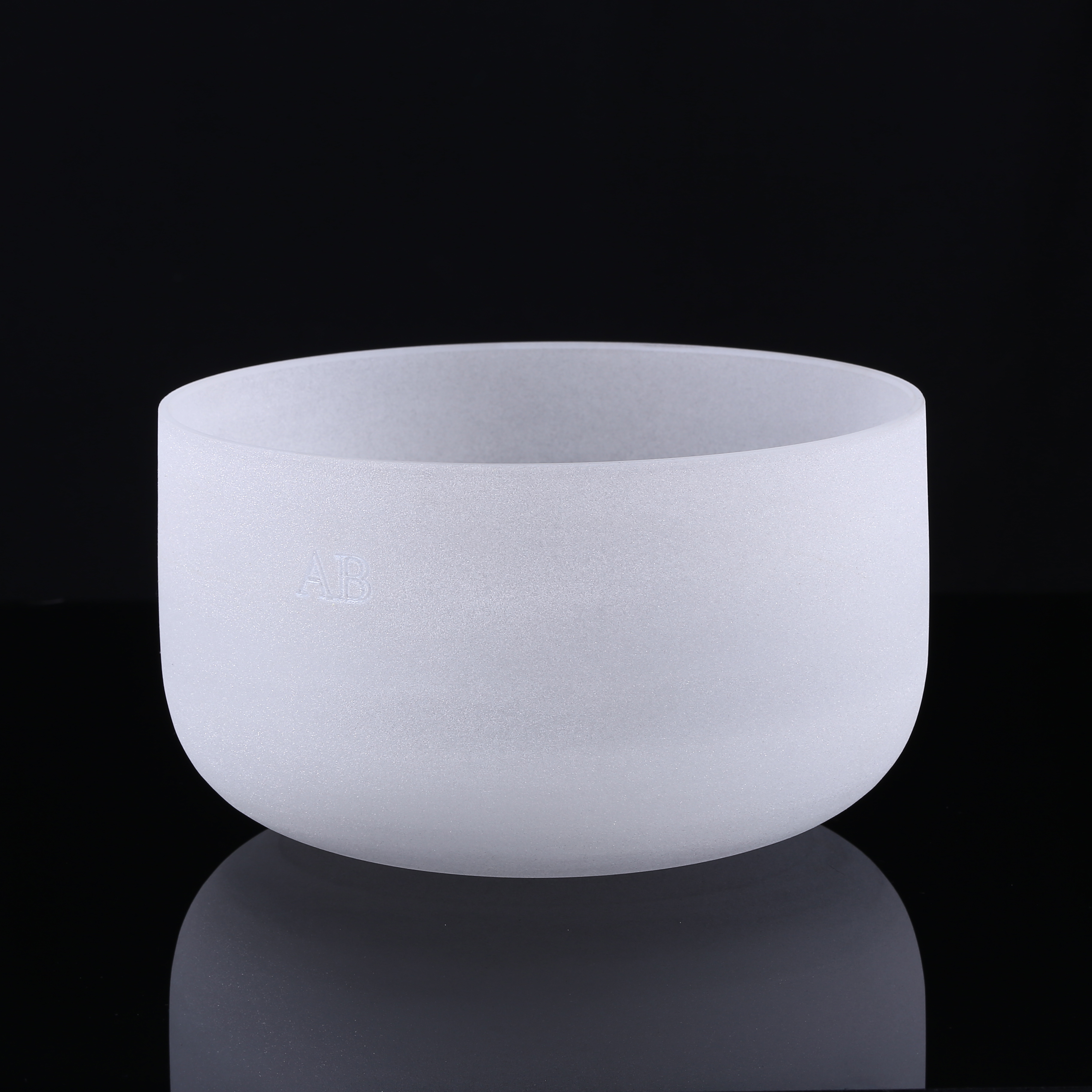
Donghai County, situated in Lianyungang, Jiangsu, is globally recognized as China's crystal and silicon hub, controlling over 70% of China's high-purity natural silica reserves and deep-processing infrastructure. Donghai County Nivra Quartz Products Co., Ltd. leverages this direct mineral proximity to eliminate intermediary supply friction, securing batch-stable raw raw quartz ingots with native heavy-metal contaminants strictly limited to single-digit parts per billion (ppb).
Unlike regional brokers who merely trade stock tubing, Nivra Quartz operates a complete in-house fabrication plant at 285 Heping East Road, Lianyungang. The facility encompasses automated inner-diameter and outer-diameter diamond sawing, ultrasonic CNC milling centers, planetary flat lapping, oxy-hydrogen automated glassblowing lathes, and cleanroom vacuum packaging lines.
Every laboratory component—whether an analytical spectrophotometer cuvette or an intricate coiled condenser—undergoes rigorous annealing in programmable electric kilns at 1150°C to permanently evacuate internal thermodynamic stress birefringence before delivery to European, American, and Asia-Pacific research destinations.
Specifying quartz glass for laboratory apparatus demands rigorous alignment between spectral transmission windows, permissible hydroxyl radical concentrations (OH⁻), and thermal devitrification parameters.
| Chinese Grade | International Equivalent | Spectral Transmission | OH Content | Bubble / Inclusion Class | Primary Scientific Applications |
|---|---|---|---|---|---|
| JGS1 | Synthetic Fused Silica (Suprasil 1 / Corning 7980) | 185 nm – 2500 nm (Deep UV) | > 1000 ppm | Class 0 (Bubble-free optical) | UV Excimer Optics, Photolithography Mask Substrates, UV Spectroscopy Cuvettes |
| JGS2 | Fused Quartz from Natural Crystal (Homosil / Herasil) | 220 nm – 2500 nm (Standard Optical) | 30 – 150 ppm | Class 1 / Class 2 | Standard Lab Sight Glasses, Viewports, Reagent Digestion Tubes, High-temp Furnace Windows |
| JGS3 | Infrared Fused Silica / Low-OH (Infrasil 301) | 260 nm – 3500 nm (Extended IR) | < 5 ppm | Class 1 (No 2.73µm absorption peak) | FTIR Spectrometry Cells, IR Pyrometric Windows, Laser Cavity Tubes, Thermal Sensing Covers |
| Electric Arc Fused | Fused Quartz Opaque / Translucent | Diffuse scattering / non-transmissive | < 30 ppm | Controlled uniform micro-bubbles | Semiconductor Furnace Flanges, Thermal Insulators, Ashing Crucibles, Epitaxy Bell Jars |
With an extraordinarily low thermal expansion coefficient of 5.5 × 10⁻⁷ /°C (from 20°C to 300°C), fused silica can undergo instantaneous 1100°C thermal shock into ice-cold water without micro-fracturing or cleavage plane structural failure.
Exhibits absolute chemical inertness against virtually all analytical-grade mineral and organic acids, including boiling Aqua Regia, fuming nitric acid, and sulfuric acid mixtures, dissolving exclusively under the presence of Hydrofluoric Acid (HF) and concentrated Hot Phosphoric Acid (>300°C).
Possesses exceptional high-frequency dielectric insulation qualities, maintaining a dielectric constant (ε) of 3.75 and an ultra-low loss factor across ambient temperatures up to 800°C, critical for RF-plasma coupling tubes and microwave digestion systems.
The progression of advanced microfluidics, synchrotron radiation research, and sub-nanometer semiconductor wafer processing is radically altering traditional glassblowing workflows into high-precision, automated manufacturing science.
Traditional mechanical diamond grinding causes subsurface micro-cracks in brittle fused silica. Nivra Quartz implements high-frequency (20–40 kHz) ultrasonic-assisted 5-axis tooling, reducing cutting force by 60%. This yields complex micro-fluidic flow-cell channels, chip carrier trays, and notched wafer carriers with Ra < 0.2 µm and zero edge chipping.
Adhesive bonding fails under aggressive solvents or elevated temperatures. Modern analytical chemistry dictates monolithic cuvettes and electrolytic tanks bonded entirely through atomic surface diffusion: optically contact-lapped surfaces are heated under controlled pressures to 1100°C, fusing the crystal lattices seamlessly without cements, resins, or chemical fluxes.
Replacing hand-held hydrogen torches with automated CO₂ and femtosecond laser fire-polishing stations ensures perfectly axisymmetric tubular wall distributions, eliminating geometric tapering and local wall-thickness disparities that trigger catastrophic failures in vacuum furnace processing chambers.
Global procurement teams across Europe, North America, and Northeast Asia are fundamentally restructuring their B2B quartz supply chain strategies to adapt to geopolitical, technical, and regulatory developments.
Tier-1 academic institutes and fab R&D laboratories no longer accept generic purity assertions. Procurement contracts increasingly specify Inductively Coupled Plasma Mass Spectrometry (ICP-MS) lot testing, demanding verified residual thresholds of Fe < 0.1 ppm, Al < 14 ppm, Ti < 1.0 ppm, and alkali metals (Li, Na, K) < 0.5 ppm.
Global laboratory distributors are bypassing regional Western packaging intermediaries. By forming direct engineering alliances with verified Donghai manufacturers like Nivra Quartz, buyers reduce unit procurement costs by 35–50% while capturing real-time engineering DFM (Design for Manufacturability) support directly from factory glassblower teams.
Mitigating transatlantic in-transit brittle breakage has catalyzed innovations in multi-layer suspended EPE closed-cell shock crating. Sourcing contracts now routinely integrate localized European or US buffer replenishment stock alongside sea/air freight programs with certified zero-breakage insurance guarantees.
Authoritative technical answers to common queries submitted by procurement officers, research scientists, and OEM apparatus engineers.
Consult directly with our Donghai technical engineering office. Receive rapid DFM evaluations, verified purity material mill certs, and transparent tier-1 manufacturer pricing for both prototype lab pieces and volume production batches.