Certified Fused Quartz Components Machined from Ingot Stocks
Engineered with ultra-low thermal expansion (5.5 × 10⁻⁷/°C), high continuous working thresholds up to 1100°C, and exceptional optical clarity across the deep UV, visible, and infrared spectra. All dimensions can be OEM/ODM custom-fabricated from raw ingot lots.
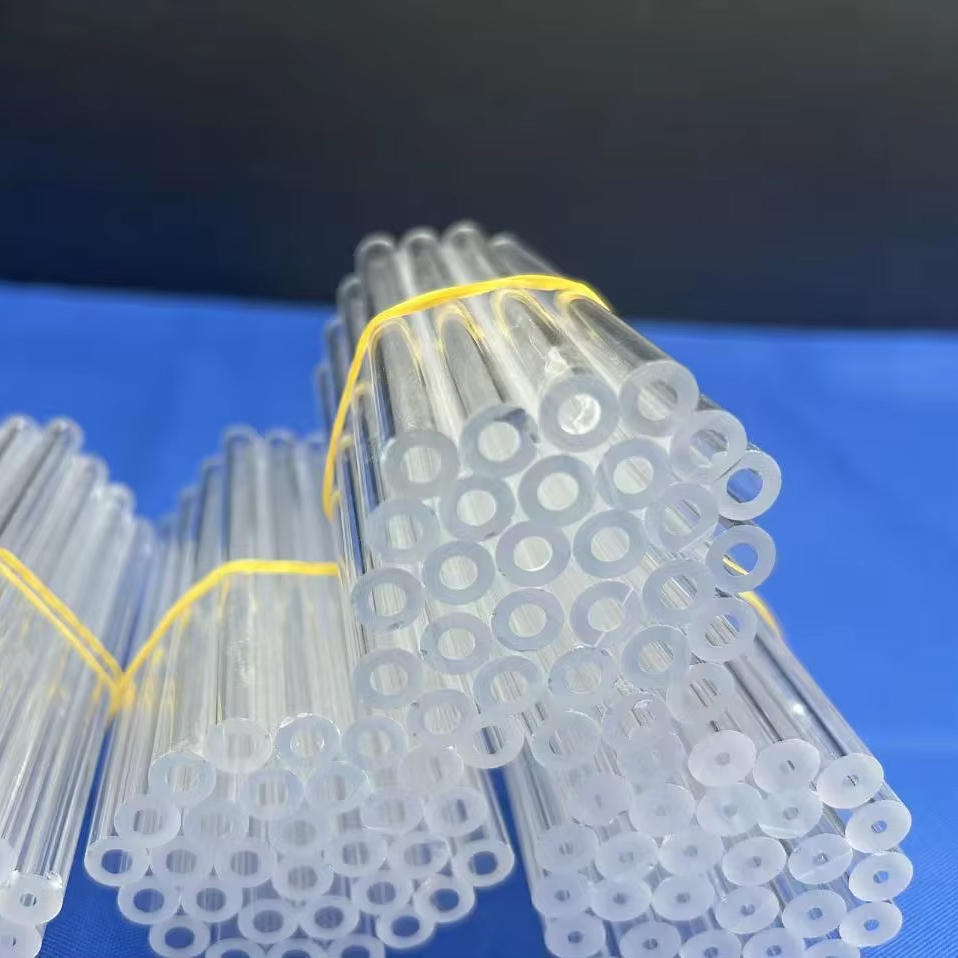
Customized Size Clear Quartz Glass Tube BET Borosilicate Glass Test Tube
Ultra-clear thermal analysis tubes customized for surface area analyzers (BET) and high-temperature reactions, offering excellent vacuum tightness.
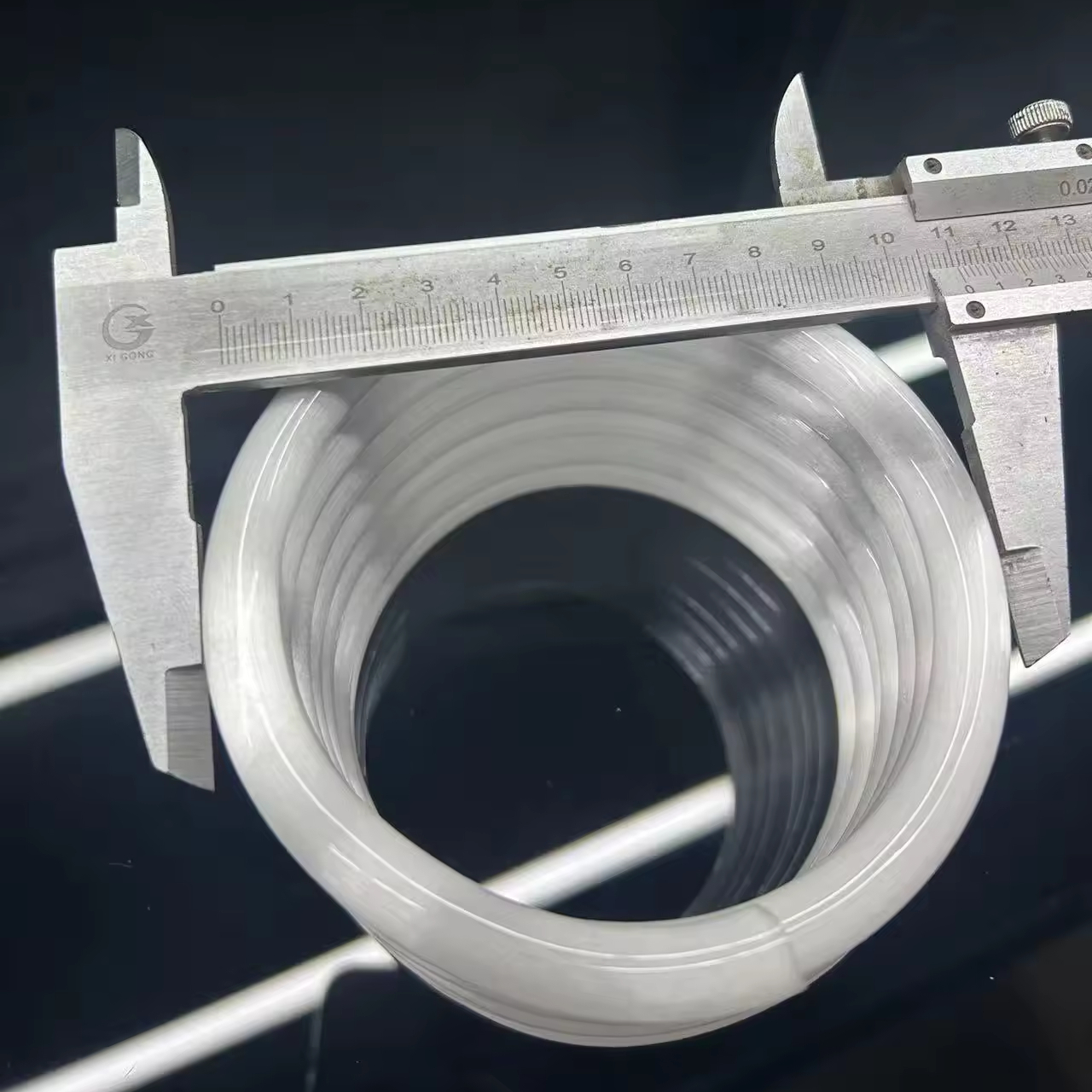
Helical Clear Quartz Glass Coil T-Tube for Heat Exchangers
Precision-bent spiral quartz tubes designed for corrosive chemical condensations and rapid high-purity fluid heating without trace metal contamination.
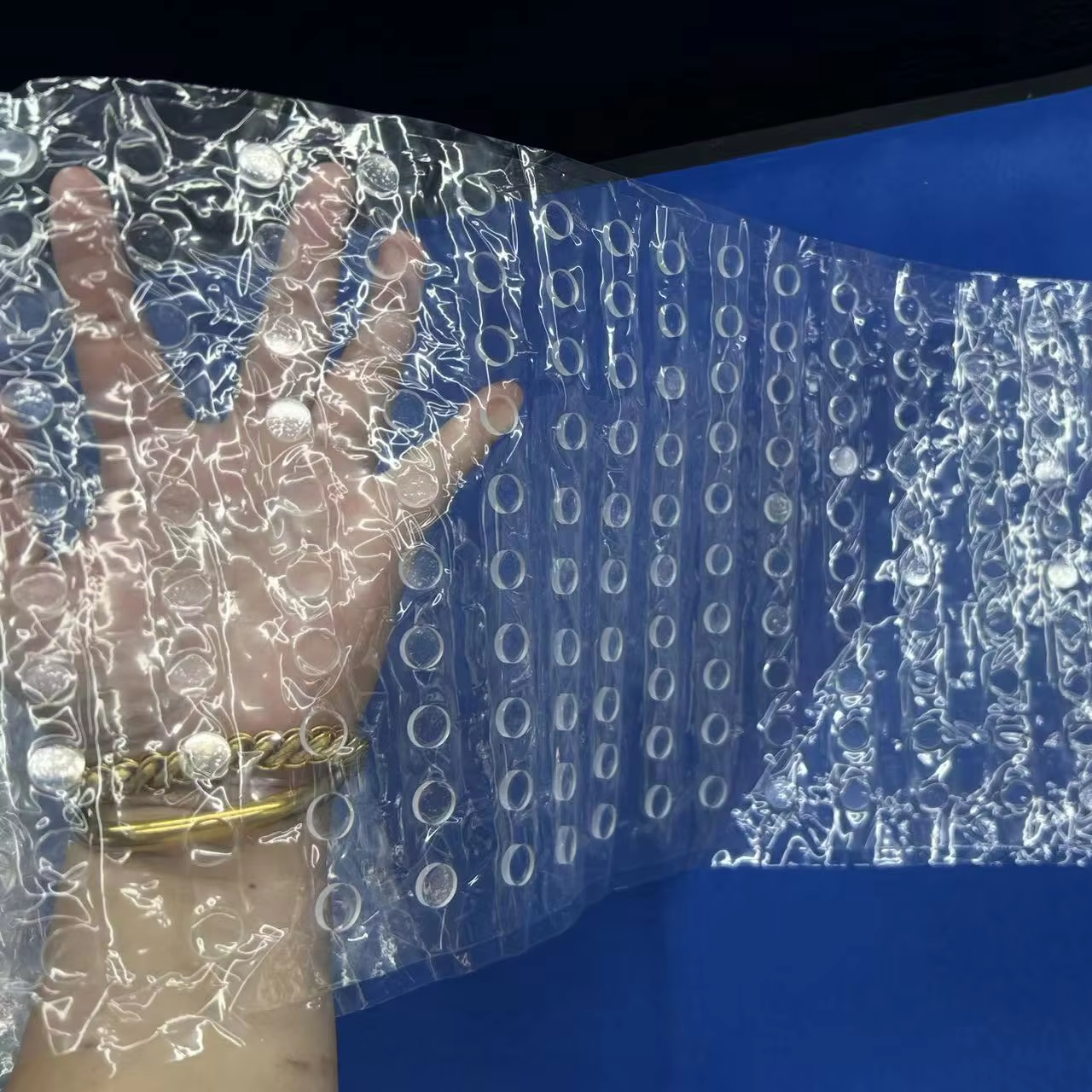
High-Purity Small Size Quartz Wafer with Slicing & Double-Side Polishing
Diced directly from ingot cores with surface roughness Ra < 0.5nm. Ideal for photolithography masking, optical sensors, and microfluidic chip substrates.
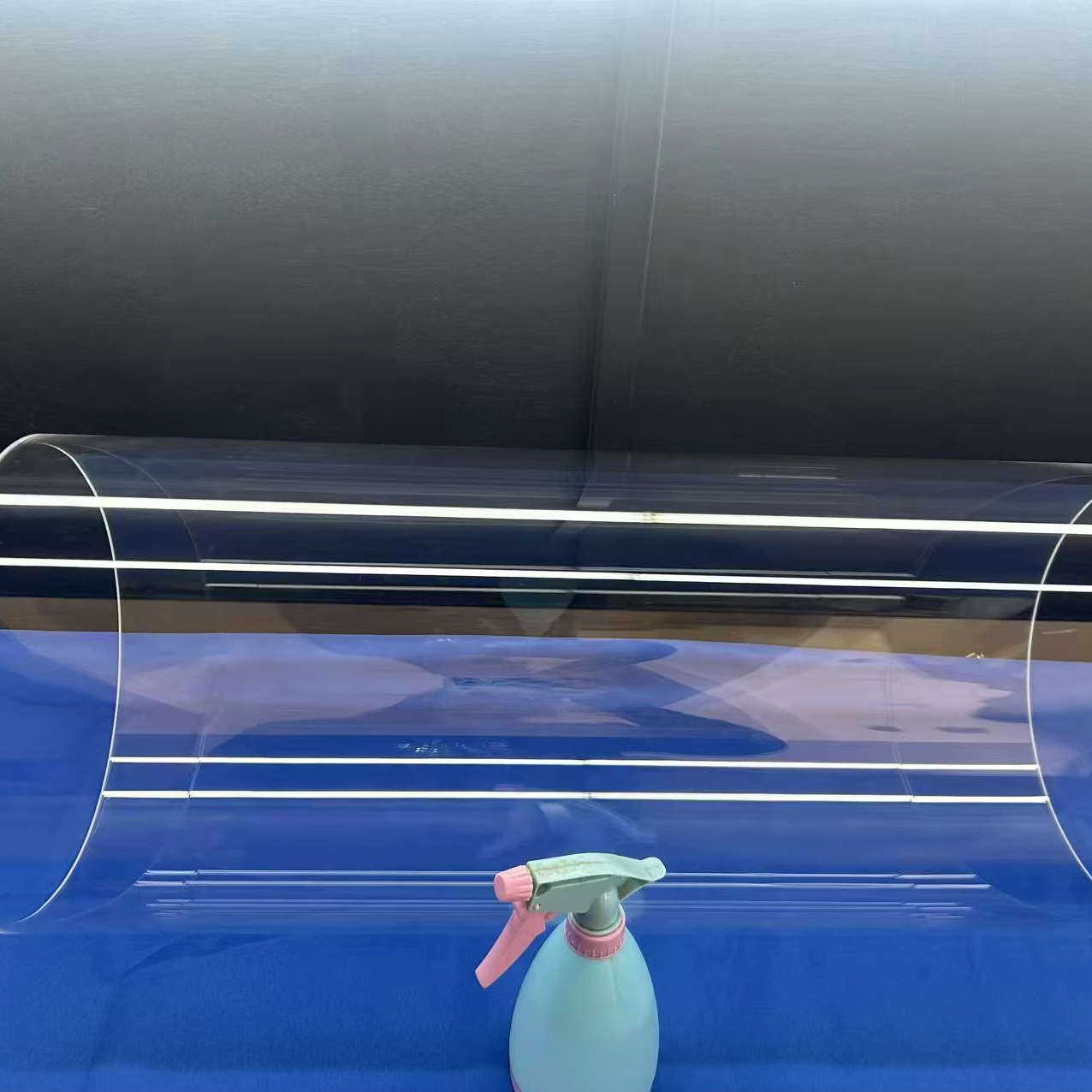
Customizable High Purity Fused Quartz Glass Tube High Temp Resistant
Continuous working up to 1100°C and short-term excursion to 1450°C. Standard and heavy-wall specifications engineered for LPCVD and diffusion furnaces.
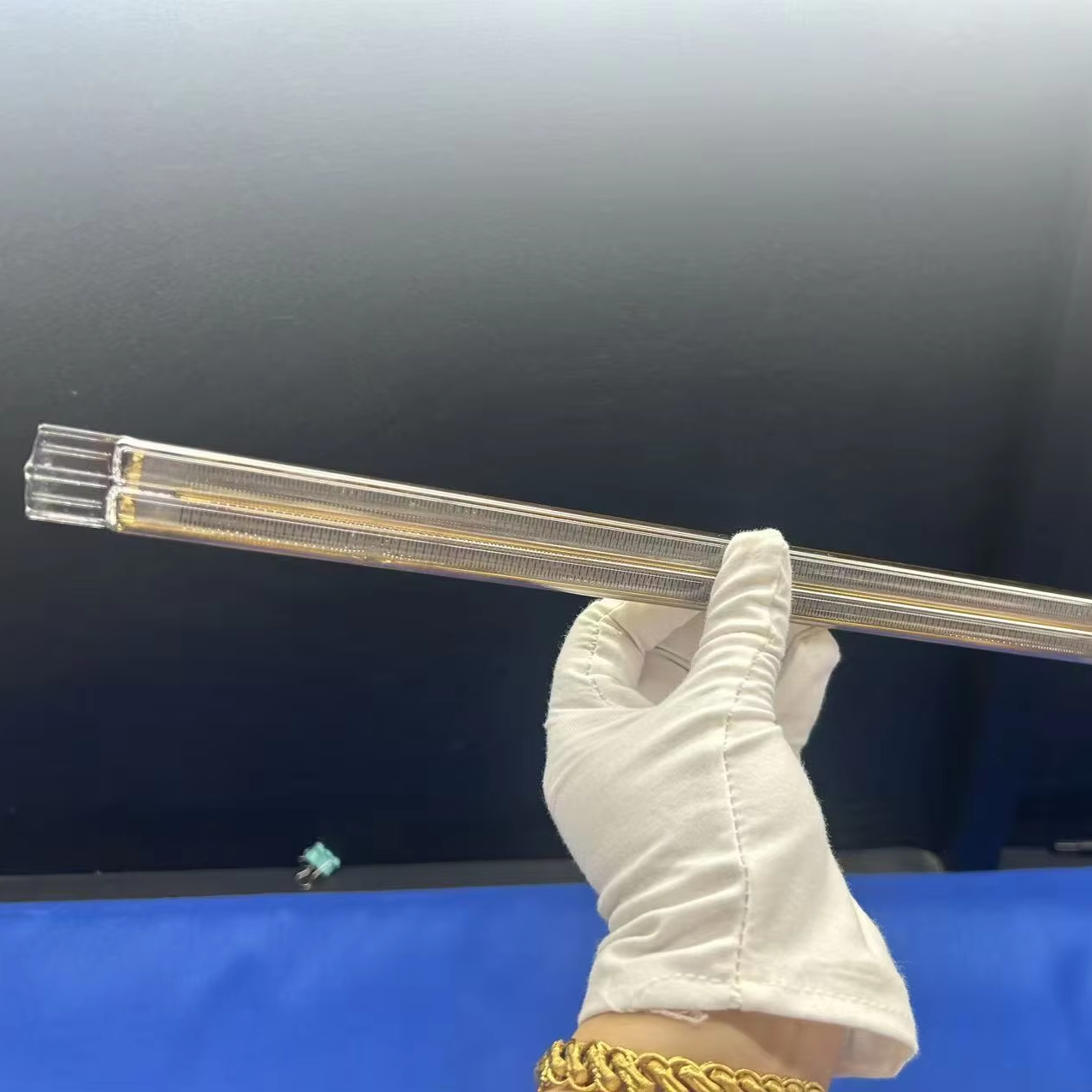
Graphene Quartz Heating Tube for High-Efficiency Thermal Radiators
Integrated with advanced conductive graphene coatings over low-OH quartz envelopes to provide rapid thermal equilibrium and uniform infrared emission.
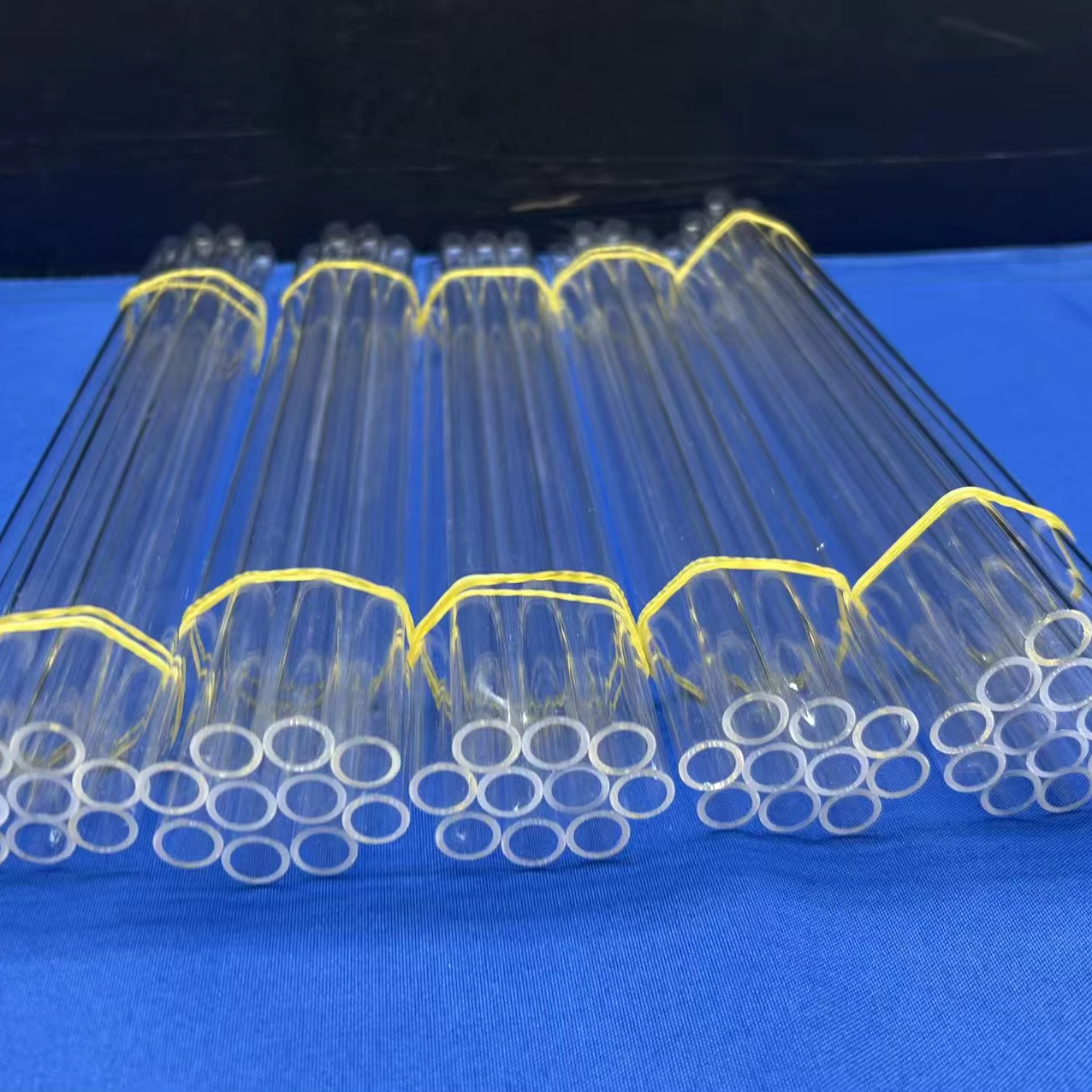
Standard & Heavy-Wall High-Purity Fused Quartz Test Tube
Transparent round or flat-bottom quartz test tubes resistant to virtually all chemical media except hydrofluoric and boiling phosphoric acid.
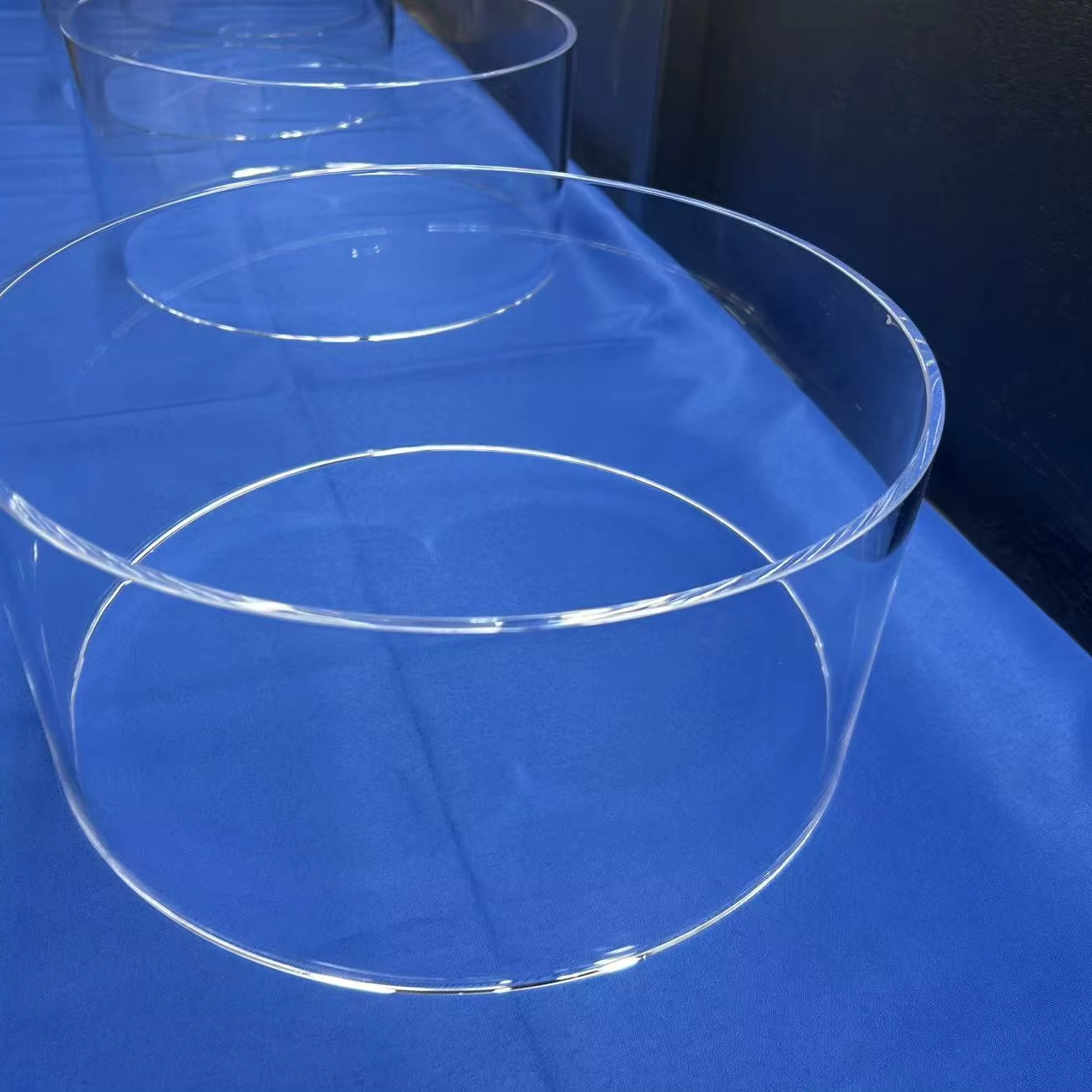
Large Diameter Round Ingot Rods with Precision Cutting & Welding
Solid cylindrical quartz ingots up to 300mm outer diameter, fabricated via continuous flame or arc fusion for structural furnace support beams and optical blanks.
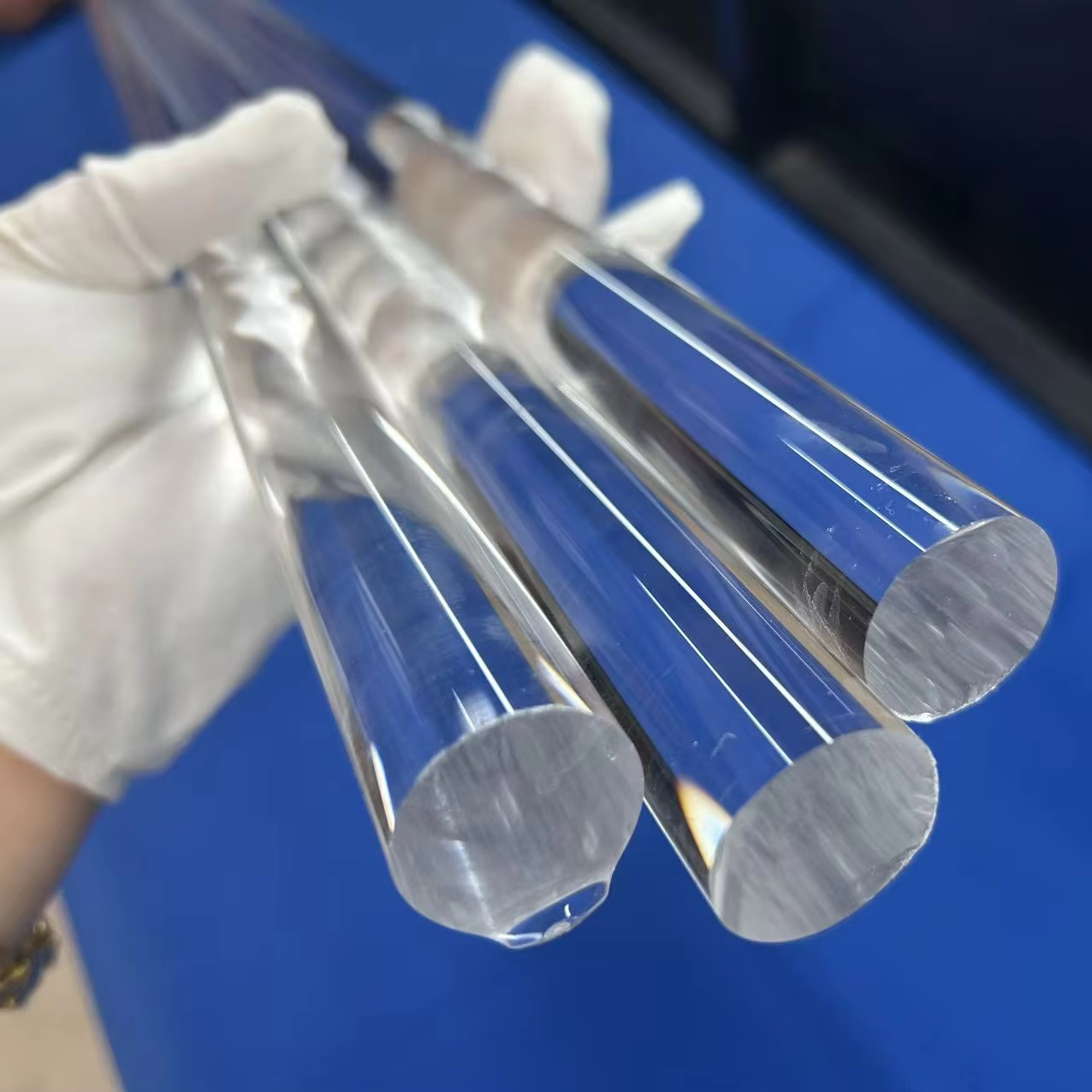
High-Purity Fused Quartz Round Rods Custom Sizing & Annealing
Direct-from-factory ingot round rods characterized by zero striae, minimal bubble inclusions, and fully customized CNC profiling for industrial furnace parts.
Engineering Principles: Natural Fused Quartz vs. Synthetic Fused Silica Ingots
In semiconductor processing, optical lithography, and photovoltaic silicon growth, fused quartz ingots are the foundational starting material. Selecting between electrically fused quartz (Type I), flame-fused quartz (Type II), and synthetic fused silica (Type III/IV) requires balancing thermal viscosity, hydroxyl [OH⁻] content, and trace metal impurities.
Electrically Fused Ingots (Type I)
Synthesized in electric vacuum furnaces at temperatures exceeding 2000°C from pure natural quartz sand. Offers the lowest hydroxyl content (<5 ppm to 30 ppm), delivering exceptional thermal viscosity and maximum resistance to sagging at elevated temperatures (1100°C–1200°C). The industry benchmark for semiconductor diffusion tubes, wafer carriers, and high-temperature crucibles.
Gas/Flame-Fused Ingots (Type II)
Refined via oxy-hydrogen burner flame melting of crushed natural crystal feedstocks. Features low trace metal contamination and superior cosmetic clarity with bubble class 0/1 ratings. Typical hydroxyl content runs between 150 ppm and 400 ppm. Extensively utilized for optical blank production, sight windows, chemical reaction cylinders, and large tubular reactor stocks.
Synthetic Fused Silica Ingots (Type III/IV)
Produced through the direct vapor-phase chemical vapor deposition (CVD) of silicon tetrachloride (SiCl₄) in oxygen-hydrogen or plasma environments. Achieves chemical purity exceeding 99.9999% (total metallic impurities <0.1 ppm). Indispensable for deep ultraviolet (DUV) lithography optics, excimer laser windows, laser gyro mirrors, and photomask blanks.
| Ingot Classification | Raw Material Source | SiO₂ Purity | [OH⁻] Hydroxyl Level | Max Continuous Temp | Primary Industrial Utility |
|---|---|---|---|---|---|
| Type I (Electric Melt) | Beneficiated Donghai / Pegmatite Sand | ≥ 99.995% | < 5 – 25 ppm | 1150 °C | Diffusion Tubes, LPCVD Liners, Heavy Ingot Rods |
| Type II (Gas-Flame Melt) | High-Purity Natural Quartz Granules | ≥ 99.998% | 150 – 400 ppm | 1050 °C | JGS2 Optical Windows, Flanges, Custom Machined Tanks |
| Type III (Synthetic Vapor CVD) | SiCl₄ Precursor (Vapor Hydrolysis) | ≥ 99.9999% | 800 – 1200 ppm | 950 °C | JGS1 DUV Optics (185nm+), Photomask Substrates, Excimer Lenses |
| Type IV (Plasma Synthesis) | SiCl₄ Precursor (Water-Free Plasma) | ≥ 99.9999% | < 1 – 5 ppm | 1100 °C | JGS3 Infrared Optics (up to 3500nm), High-Power Fiber Cores |
Why Sourcing from Donghai County Nivra Quartz Products Co., Ltd. Drives Measurable Sourcing Value
Established in February 2019 at 285 Heping East Road, Lianyungang, Jiangsu, Nivra Quartz operates inside China's legendary quartz capital. Combining local mineral purification with high-precision CNC machining and glassblowing, we deliver tier-1 quartz products to global procurement teams.

Vertical Integration from Raw Mineral Beneficiation to Micro-Machining
Donghai County accounts for the vast majority of China's quartz refining capacity. By establishing our manufacturing and testing facilities directly within this supply node, Nivra Quartz secures direct access to beneficiated silica granular stock with ultra-low elemental alkali contamination (Li < 0.2 ppm, Na < 0.5 ppm, K < 0.5 ppm).
Every batch of incoming ingot blanks undergoes Glow Discharge Mass Spectrometry (GDMS) or Inductively Coupled Plasma Mass Spectrometry (ICP-MS) validation before being allocated to cold machining or thermal welding lines. This eliminates latent structural devitrification risks before our components ever enter a customer's high-temperature fab.
Rigorous QA Metrology
Coordinate measuring machines (CMM), laser micrometer calipers, and spectrophotometers ensure dimensional tolerances within ±0.02 mm and optical wavefront fidelity.
Complete Cold & Hot Processing
In-house diamond wire slicing, ultrasonic drilling, optical polishing, hydrogen-oxygen lathe welding, and programmed vacuum stress-relief annealing furnaces.
5-Hour Engineering Turnaround
Direct communication with veteran quartz process engineers. Our rapid drawing evaluation system reviews STEP, DWG, and PDF blueprints with immediate DFM feedback.
Export Cushion Packaging
Multi-layered high-density shock foam, vacuum bagging, and reinforced, fumigation-free wooden export crates eliminate breakage risks during ocean and air transit.
Future Procurement Trends for Fused Quartz Ingots & Preforms
Global supply chain disruptions, geopolitical shifts, and the rapid expansion of advanced node semiconductors are redefining how engineering procurement managers evaluate Chinese fused quartz manufacturers. Sourcing executives should prepare for five major structural transitions through 2030.
1. Demand for Ultra-Large Monolithic Ingots
With the expansion of 300mm wafer fabrication tools and the development of next-generation chamber architectures, demand has surged for ingot diameters exceeding ∅450mm up to ∅800mm. Large-format ingots eliminate mechanical seams in plasma etch rings, showerhead gas distribution plates, and single-piece furnace bell jars, drastically lowering particulate generation during reactive ion etching.
2. Stringent Alkali & Heavy Metal Purity Thresholds
Sub-7nm GAA and 3D NAND fabrication cycles cannot tolerate sodium (Na), potassium (K), or iron (Fe) mobile ion contamination. B2B buyers increasingly reject legacy bulk certifications in favor of lot-specific GDMS 18-element compositional mapping, verifying total alkali concentrations under 1.0 ppm and individual transition metals under 0.05 ppm across the entire ingot volume.
3. Direct Sourcing to Circumvent Distributor Markups
To safeguard operating margins amidst economic tightening, international tier-1 buyers are bypassing western repackaging intermediaries and auditing qualified Chinese primary manufacturers directly. Establishing direct agreements with verified manufacturers like Nivra Quartz provides savings of 28% to 45% on equivalent raw material grades while cutting procurement lead times in half.
4. N-Type Solar TOPCon & Tandem Silicon Expansion
The photovoltaic sector's migration to N-type TOPCon, HJT, and perovskite-tandem cells requires ultra-long silicon ingot pulling times. This demands crucibles made from fused quartz with higher softening points (>1680°C) and exceptionally low bubble volume density to prevent inner-wall crucible spalling and micro-bubble collapse during continuous Czochralski (CZ) recharge.
5. Digital Quality Passports & Traceability
Enterprise procurement frameworks are adopting digital material passports. Critical quartz parts must now carry laser-etched QR codes linking to raw ingot melting furnace run records, ultrasonic bubble inspection maps, and polarimetric residual stress charts according to DIN ISO 12123 standards.
6. Decarbonized & Oxy-Hydrogen Melting Clean Energy
Driven by European CBAM (Carbon Border Adjustment Mechanism) and ESG reporting, leading Chinese producers are replacing coal-derived electrical power with green hydrogen-oxygen burner grids and closed-loop coolant recycling systems, significantly shrinking the embedded carbon footprint per kilogram of fused ingot.
Technological Breakthroughs in Fused Quartz Ingot Synthesis
From electromagnetic centrifugal arc fusion to automated sub-surface laser polishing, Chinese quartz manufacturing has evolved from basic raw-material extraction into advanced high-temperature material engineering.
Plasma Arc Vacuum Fusion & Bubbles Suppression
Historically, electric fusion furnaces suffered from volatile seed bubbles formed by trapped interstitial air between quartz sand granules. Modern Chinese facilities deploy continuous vacuum-induction plasma melting where high-temperature vacuums (< 0.1 Pa) degas molten SiO₂ at 2100°C before crystallization.
This yields ingots that meet DIN 58927 Bubble Class 0 requirements (total bubble cross-section < 0.03 mm² per 100 cm³ of glass), preventing sudden micro-crack propagations during intense thermal cycling in wafer furnaces.
Resulting Performance: Annealing point elevated to 1140°C ± 20°C; thermal shock survival: parts heated to 1100°C can be plunged directly into 20°C cold water without catastrophic fracturing.

Precision CNC Diamond Profile Slicing
Multi-axis diamond wire saws slicing monolithic ingots into ultra-thin discs and plates with kerf losses under 0.15mm and surface micro-crack depths limited to < 5 μm, minimizing grinding times.
Sub-Nanometer Optical Chemical Mechanical Polishing
Utilizing ceria and colloidal silica slurries on double-sided planetary polishers to achieve surface roughness Ra ≤ 0.2 nm and flatness ≤ λ/10 per 100mm aperture for laser interferometer windows.
Atmosphere-Controlled Vacuum Stress Annealing
Multi-zone computer-programmed annealing cycles that slowly ramp through the quartz transformation zone (1210°C → 1025°C) over 72+ hours, reducing optical birefringence to ≤ 5 nm/cm.
How Global Buyers Partner with Nivra Quartz in 5 Steps
We have optimized our overseas engineering engagement process to deliver zero-defect fulfillment, complete material certification, and transparent project tracking.
Blueprint & Spec RFQ
Submit DWG, STEP, or PDF drawings alongside target specifications (operating temp, spectral range, and mechanical tolerances).
Engineering Review
Our senior engineers evaluate raw ingot purity requirements, propose DFM cost optimizations, and return firm quotes within 5 hours.
Sample Pilot Run
Prototype components are sliced from the target ingot run, fully machined, and shipped with complete CMM dimensional reports.
Batch Machining & QA
Automated CNC slicing, ultrasonic cutting, polishing, flame annealing, and full polarimetric stress verification under cleanroom protocol.
Clean Packing & Transit
Ultrasonic degreasing, cleanroom vacuum packaging, custom-molded shock foam, and air/sea logistics with full transit insurance.
Frequently Asked Questions: Fused Quartz Sourcing & Quality Control
In-depth technical answers addressing testing protocols, raw material chemistry, thermal thresholds, and international logistics for procurement directors and mechanical design engineers.
How do Chinese fused quartz ingot manufacturers compare in purity and performance with Western brands like Heraeus, Momentive, or Tosoh?
Over the past decade, Chinese producers centered in Donghai County have made major technological leaps. By utilizing advanced multi-stage acid leaching, froth flotation, and thermal chlorination on natural pegmatite quartz, premier Chinese manufacturers achieve total chemical purity ≥ 99.995% to 99.999%, which directly rivals natural quartz grades from Western suppliers.
For synthetic fused silica (JGS1 equivalent), Chinese chemical vapor deposition lines yield transmission rates > 90% at 193nm and 248nm with virtually zero striae. Sourcing from verified manufacturers like Nivra Quartz provides comparable material performance at roughly 40% to 60% of the cost, making it the preferred solution for global OEMs optimizing their bills of materials.
What is the critical engineering difference between JGS1, JGS2, and JGS3 optical quartz grades?
The distinction lies primarily in their transmission spectra, raw material precursors, and hydroxyl [OH⁻] concentrations:
• JGS1 (Synthetic Fused Silica): High hydroxyl content (~800–1200 ppm) with almost zero metallic contaminants. It provides high optical transmittance from the deep ultraviolet (185nm) through visible light (up to 2500nm). Free of bubbles and striae, it is ideal for DUV laser optics, photolithography, and UV analytical spectroscopy.
• JGS2 (Optical Grade Fused Quartz): Melted from pure natural quartz crystals via oxy-hydrogen flames. It has medium hydroxyl content (~150–300 ppm) and transmits from 220nm to 2500nm. Widely specified for optical windows, laser mirrors, sight glasses, and lighting covers.
• JGS3 (Infrared Grade Fused Quartz): Produced via vacuum electric or plasma melting with ultra-low hydroxyl (< 5 ppm). This eliminates the strong absorption band at 2730nm, granting clear infrared transmission up to 3500nm. It is the premier choice for infrared vision, thermal imaging sensors, and furnace pyrometer windows.
What are the continuous and peak operating temperature thresholds of your fused quartz products?
Clear fused quartz features exceptional thermal resistance. The typical continuous operating temperature is approximately 1100°C to 1150°C. For short durations or thermal excursions, it can safely withstand temperatures up to 1450°C. Its softening point sits at 1683°C, its annealing point at 1140°C, and its strain point at 1075°C.
Thermal stability is closely coupled with environmental atmosphere and surface purity. Contact with fingerprint oils or airborne alkali metals will accelerate devitrification into cristobalite at temperatures above 1050°C. Proper cleanroom handling and acid washing help components achieve their full operational lifespans.
Why is devitrification a critical risk at elevated temperatures, and how does Nivra Quartz mitigate it?
Devitrification is the phase transition from metastable amorphous vitreous silica into crystalline cristobalite. This process begins above 1150°C and accelerates in the presence of mobile alkali ions (Na⁺, K⁺, Li⁺) or alkaline-earth metals (Ca²⁺, Mg²⁺). As the quartz cools through 275°C, cristobalite undergoes a sharp 5% volumetric inversion, leading to micro-cracking, hazing, and mechanical failure.
Nivra Quartz counters devitrification by utilizing ultra-low alkali electric-melt natural quartz feedstocks, precision fire-polishing to remove micro-scratches, and finishing all furnace tubes with cleanroom hydrofluoric acid passivation and ultra-pure deionized water rinses before shipment.
What dimensional tolerances, geometric surface finishes, and flatness can be achieved?
Through computer-controlled CNC ultrasonic machining, double-side planetary lapping, and centerless cylindrical grinding, we achieve tight mechanical and optical tolerances across our product lines:
• Outer & Inner Diameters (Tubes/Rods): Down to ± 0.05 mm (specialized requests to ± 0.02 mm).
• Optical Plate Thickness: Down to ± 0.01 mm.
• Surface Roughness (Ra): Polished optical surfaces achieve Ra ≤ 0.2 nm (2 Ångströms); fine ground surfaces range between Ra 0.8 μm – 1.6 μm.
• Optical Flatness: λ/4 to λ/10 per 25mm aperture measured via He-Ne laser interferometry (632.8 nm).
• Parallelism: < 10 arcseconds for precision laser-grade windows.
What quality assurance certifications and testing reports accompany each shipment?
Every commercial production batch is accompanied by comprehensive documentation: Certificate of Conformance (CoC), raw material GDMS or ICP-MS trace metal impurity breakdown (detailing parts-per-million levels for Fe, Al, Ti, Ca, Mg, Na, K, Li, Cu, Cr), CMM dimensional inspection protocols, and spectrophotometric optical transmission curves from 190nm to 3200nm upon request.
Our operations follow ISO 9001 certified quality management protocols, and third-party material verifications (SGS, RoHS, REACH) are readily provided for client engineering audits.
How do you ensure zero-breakage delivery for fragile quartz components during international ocean and air freight?
Fragile quartz glass requires purpose-engineered packaging. Every finished component is ultrasonically cleaned, vacuum-sealed in anti-static PE film, and suspended in custom-molded high-density polyethylene (EPE) foam dampeners.
Long tubes and ingots are anchored inside rigid PVC tubes or reinforced corrugated sleeves before placement in fumigation-free plywood export crates equipped with exterior impact-resistant steel corner strapping and "Tip-N-Tell" / "Drop-N-Tell" shock indicator sensors. Breakage rates across our global shipments remain under 0.1%.
What are typical lead times and Minimum Order Quantities (MOQ) for prototypes versus production runs?
For standard clear quartz tubes, rods, and standard catalog test plates, our MOQ is as low as 1 to 10 pieces, with off-the-shelf samples dispatching within 3 to 5 business days. Custom CNC-machined components, large crucibles, or bespoke laboratory glassware typically feature an MOQ of 5 to 50 pieces.
Custom prototype pilots generally ship within 10 to 14 days following drawing sign-off. High-volume containerized production orders are fulfilled within 20 to 30 days depending on annealing furnace capacity schedules.