High-Purity Precision Quartz Products
Direct OEM/ODM Solutions for Semiconductor, Photovoltaic, Laboratory, and Optical Applications
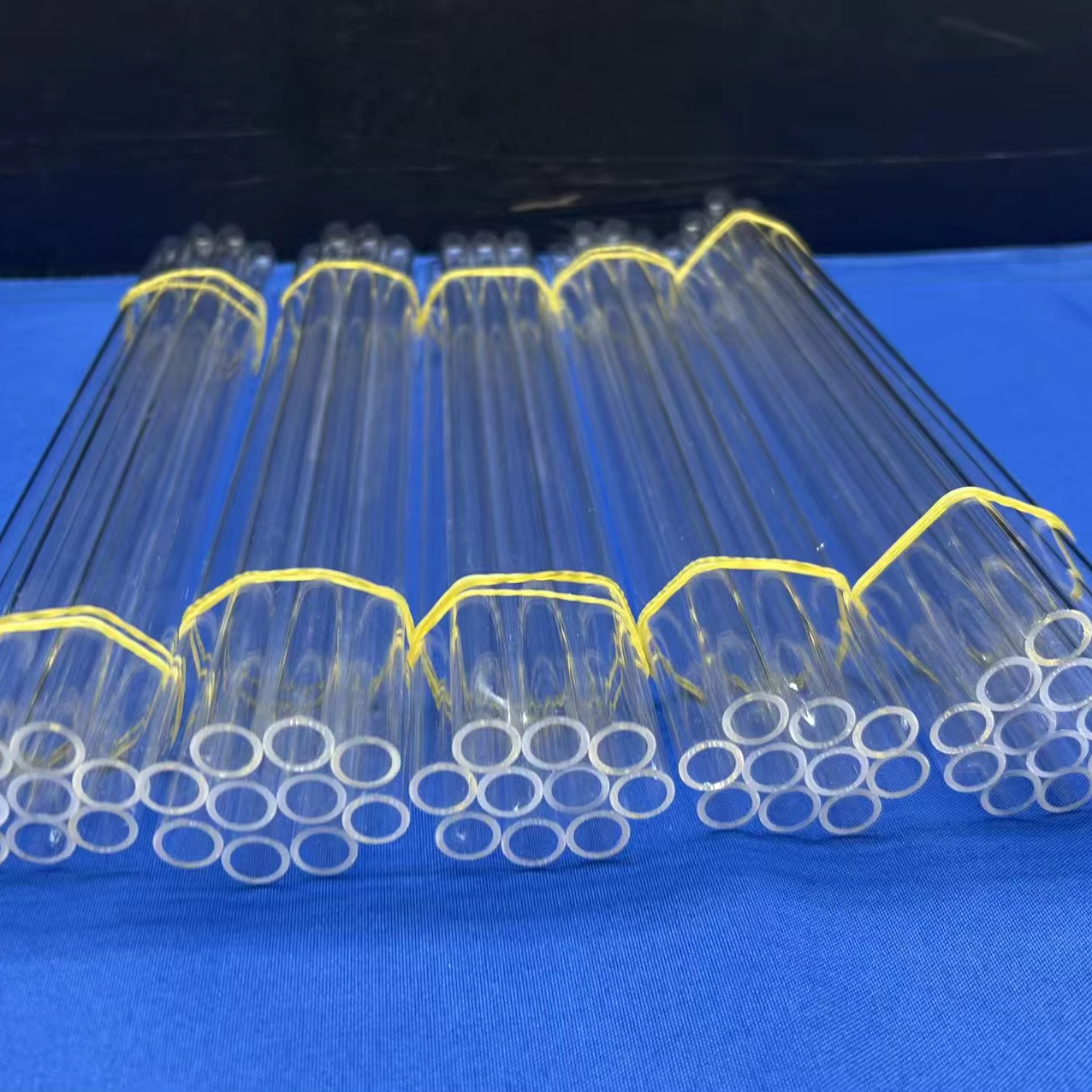
Quartz test Tube
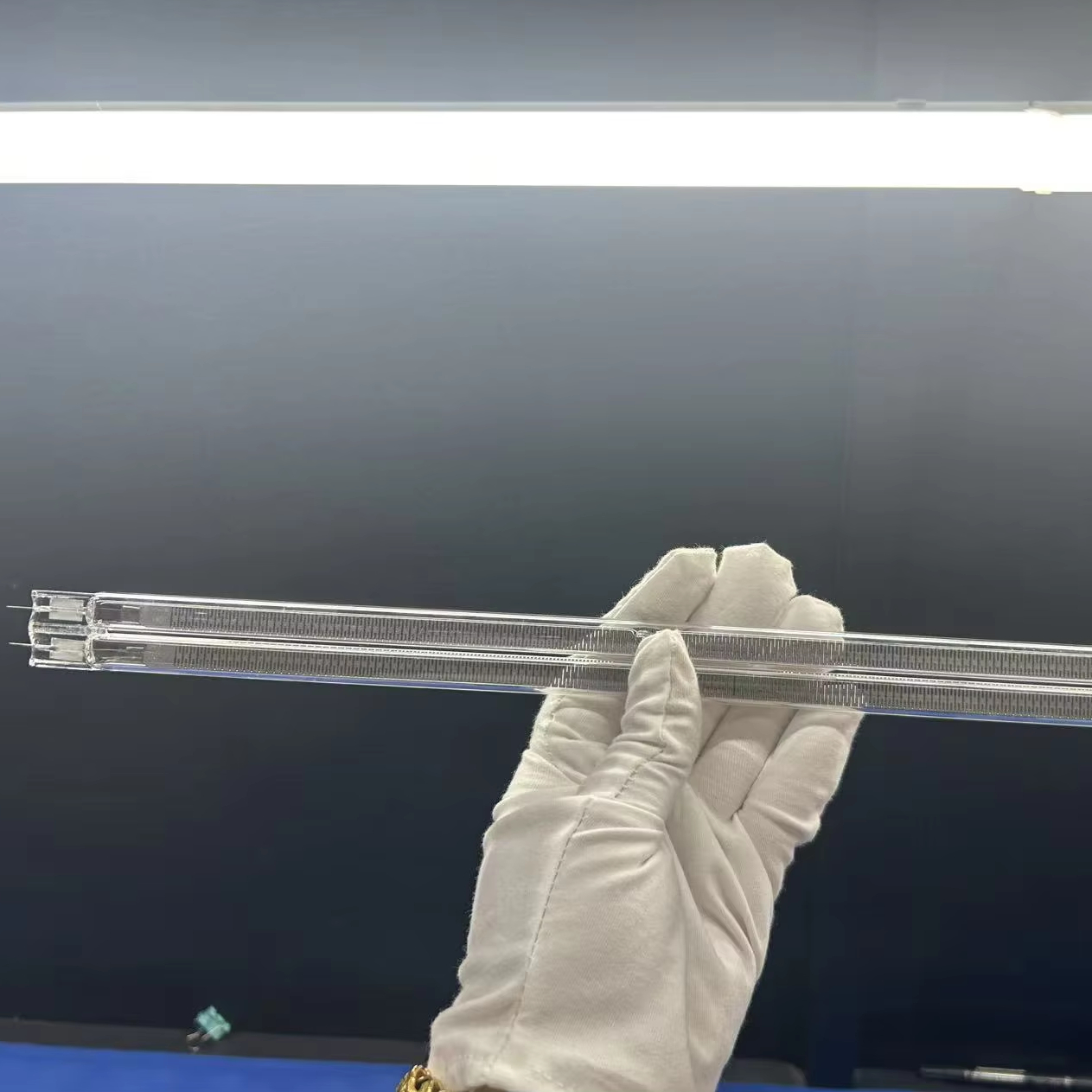
220v/380v Infrared Heating Tube Carbon Fiber/Halogen
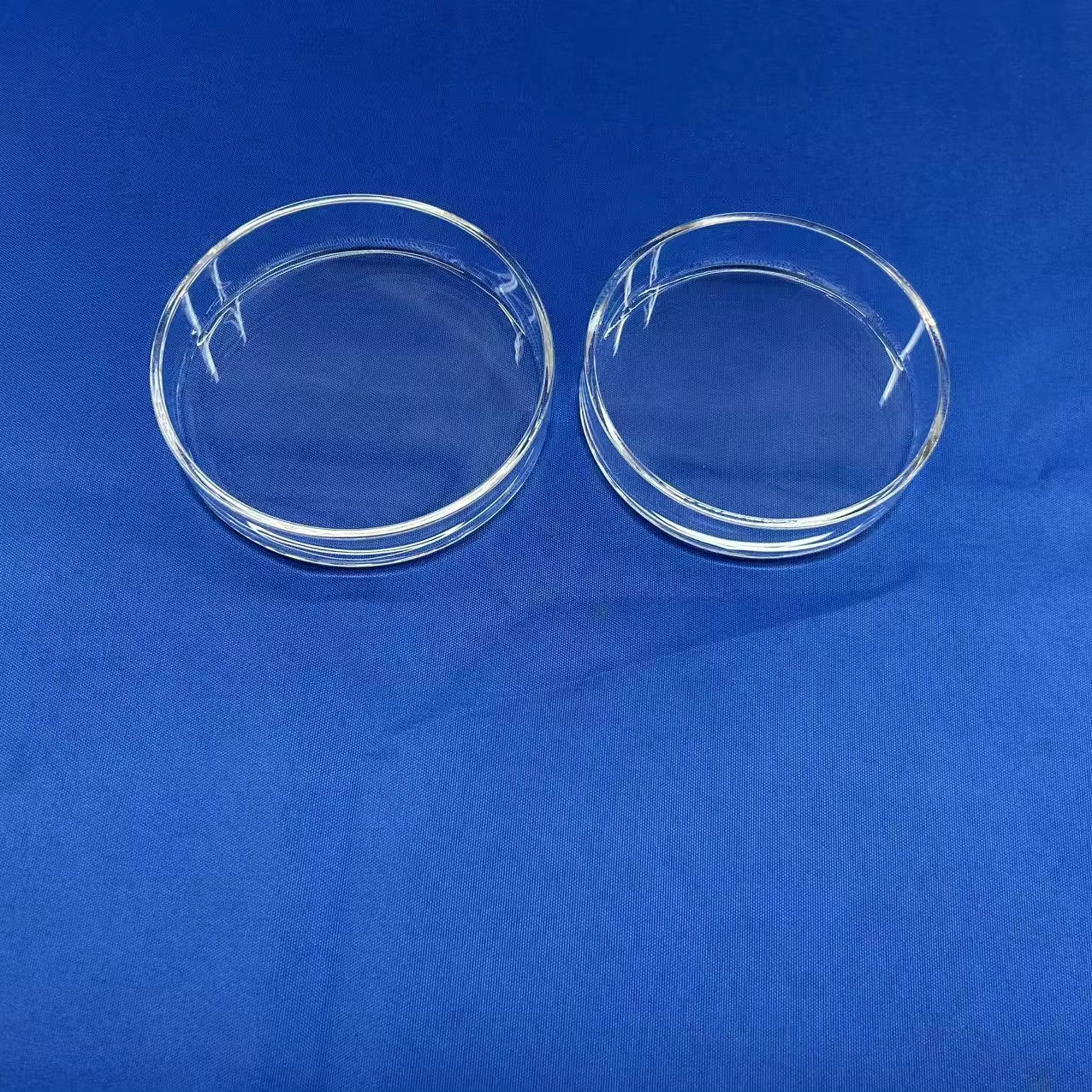
Factory High-purity Quartz Glass Petri Dishes with Lids
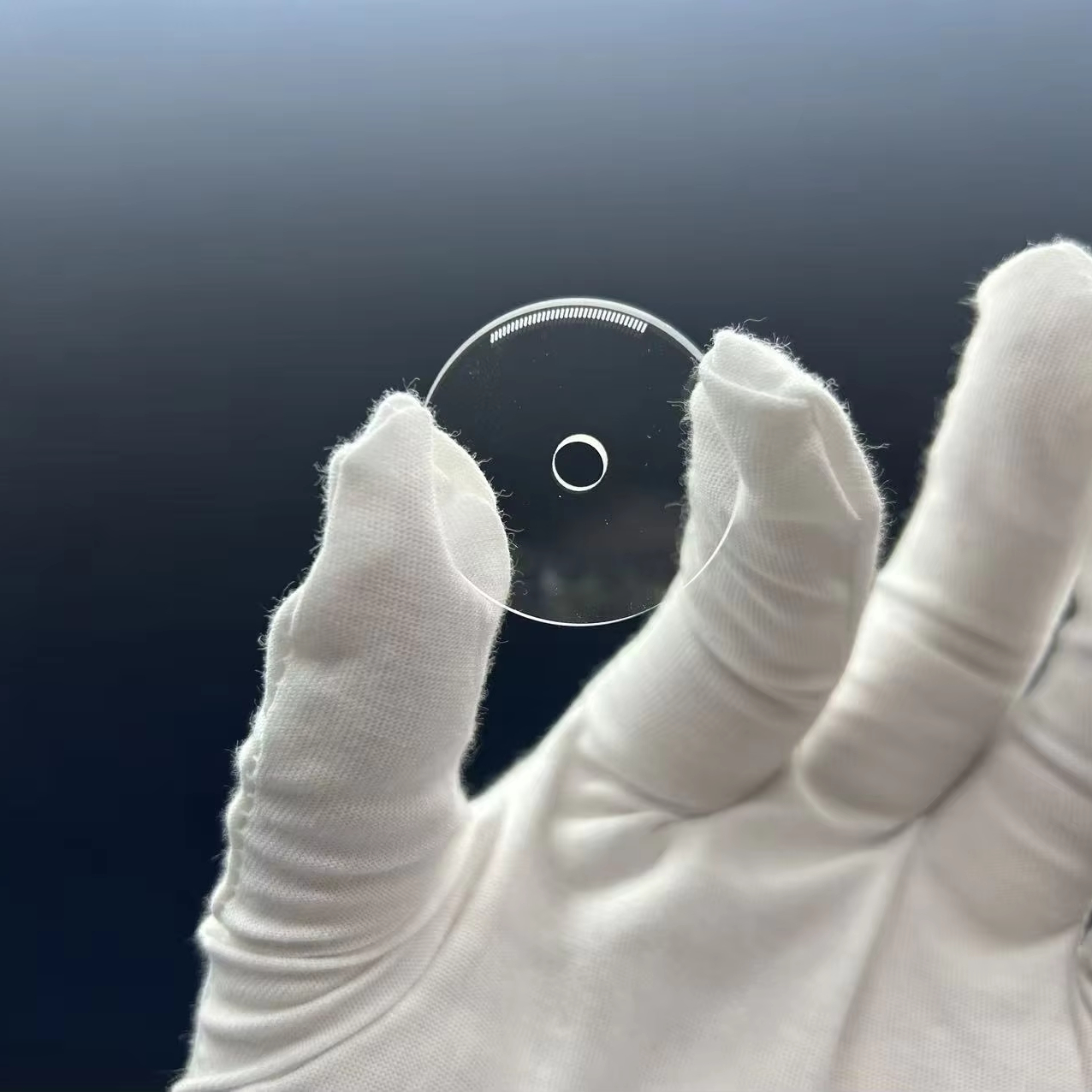
Frosted Quartz Sheet
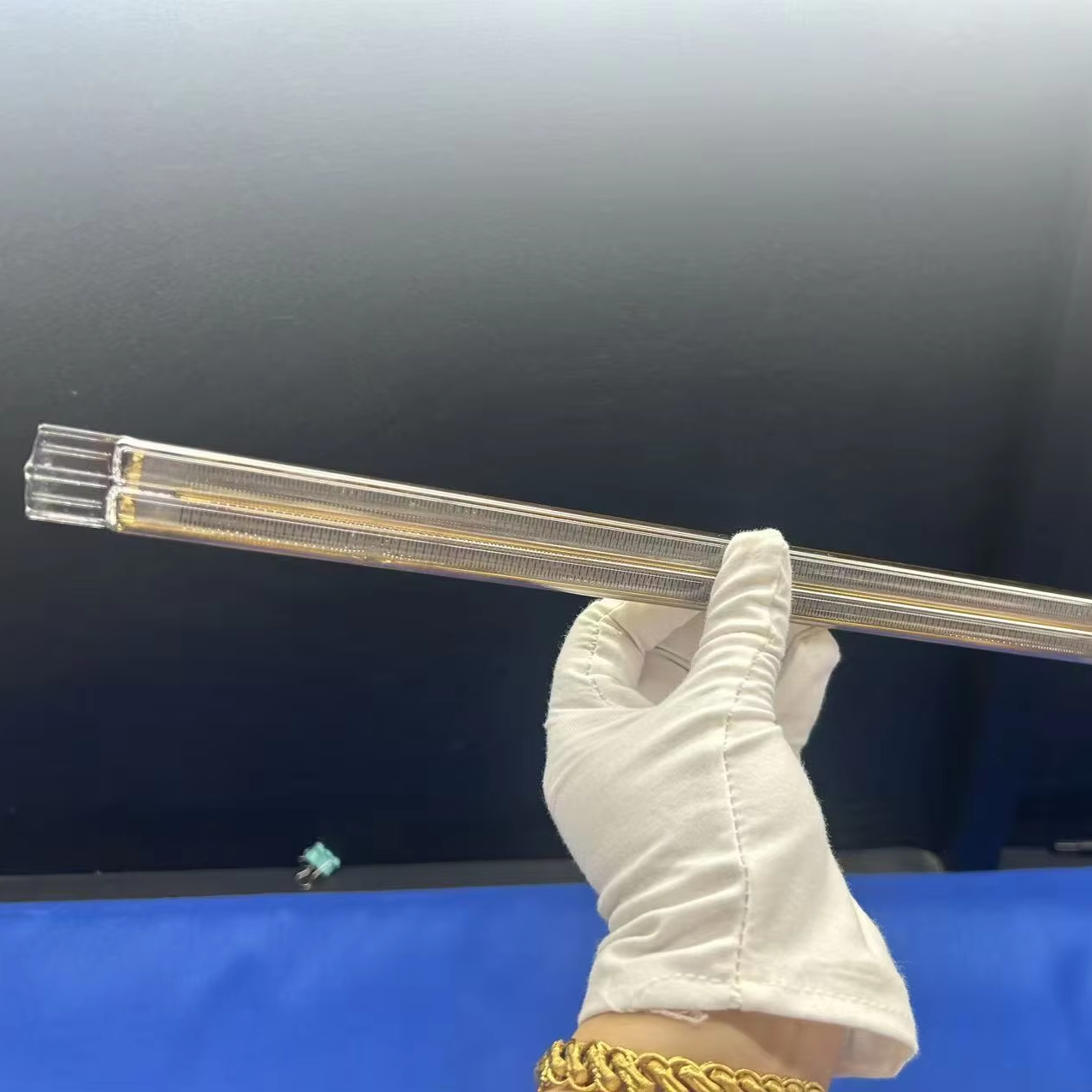
Graphene Quartz Heating Tube
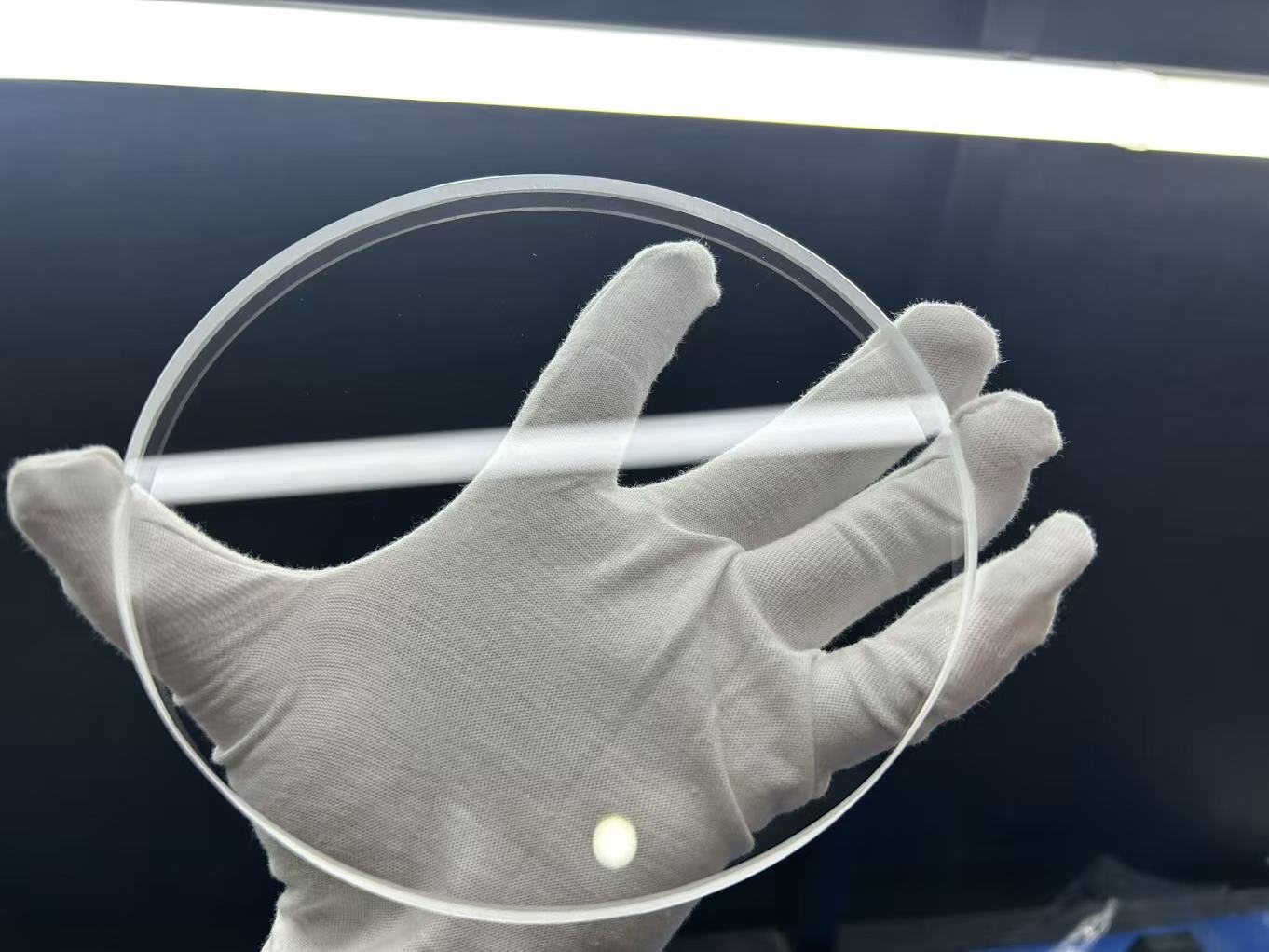
Clear Fused Quartz Glass Sheet for Optics and Photovoltaics
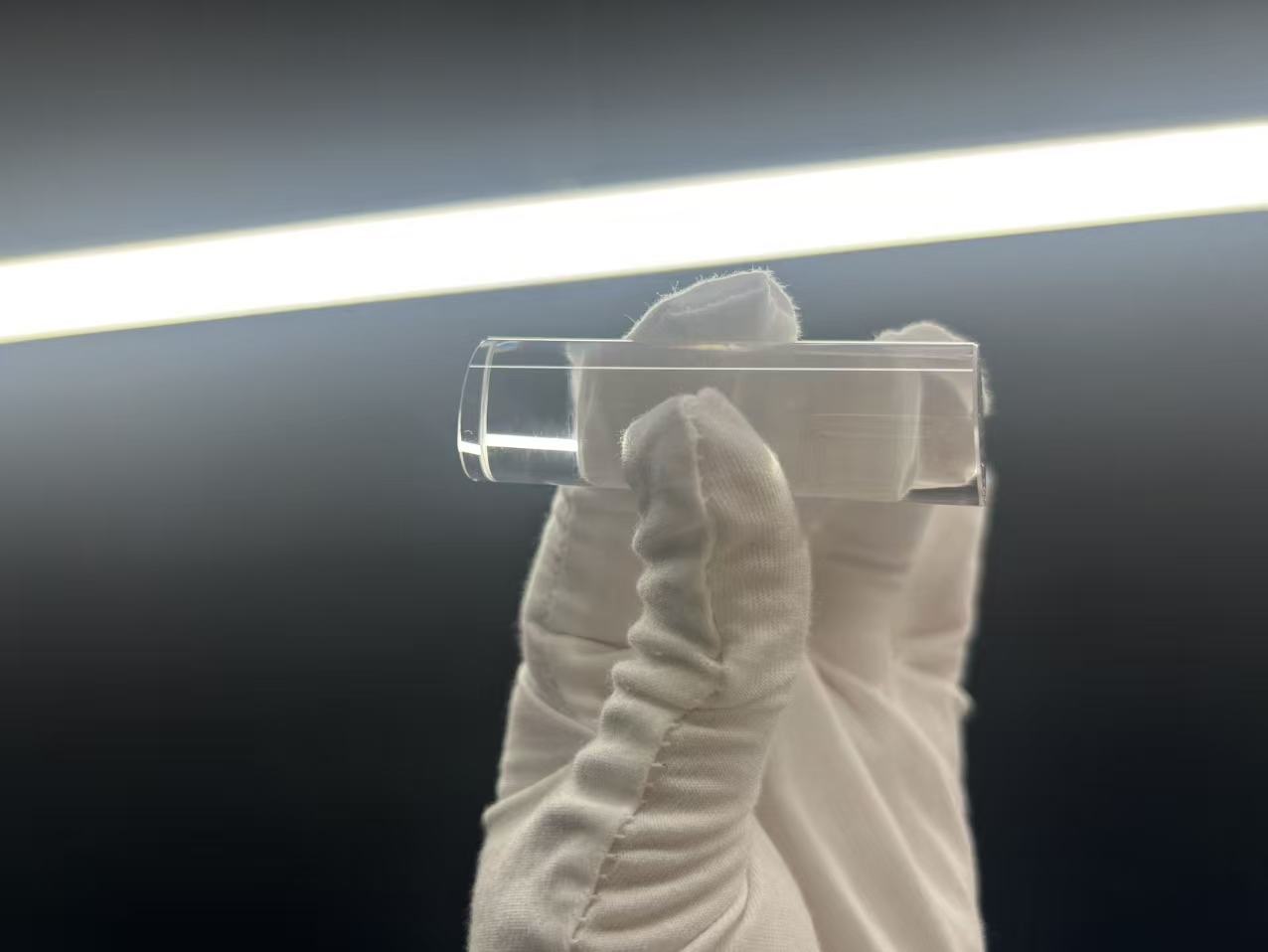
Round Head Quartz Rod
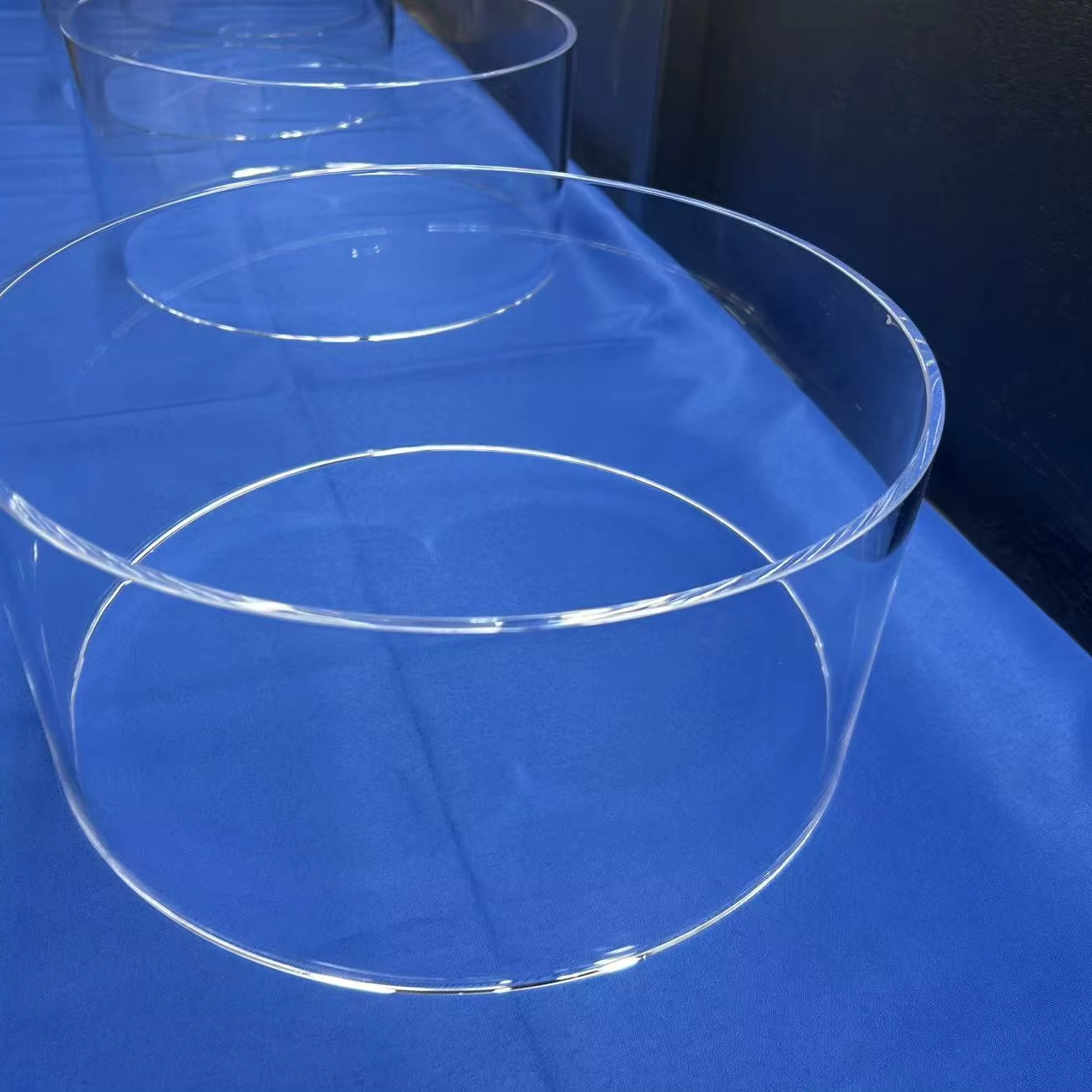
Fused Quartz Large Diameter Round Rods Processing Services
Global Industry Whitepaper: Fused Quartz Glass Cylinders
An authoritative analysis of manufacturing clusters, structural purity standards, and high-temperature optical characteristics for B2B procurement decision-makers.
High-purity quartz glass cylinders—often referred to as fused silica tubes, heavy-wall quartz cylinders, or optical quartz vessels—represent a vital hardware pillar across semiconductor fabrication, photovoltaic crystal growing, deep-ultraviolet (UV-C) sterilization, and high-temperature chemical synthesis. Unlike standard borosilicate or soda-lime glass, industrial fused quartz glass exhibits an exceptionally rigid silicon-oxygen atomic matrix ($SiO_2$), rendering it impervious to extreme thermal shock, chemical corrosion, and optical distortion.
When engineering global supply chains, identifying top-tier manufacturing partners requires an in-depth understanding of raw material synthesis (natural silica rock vs. synthetic silicon tetrachloride $SiCl_4$), thermal forming mechanics (electric vacuum fusion vs. oxy-hydrogen flame fusion), and micro-machining capabilities. This whitepaper establishes a clear, data-driven framework to evaluate the Top 10 Quartz Glass Cylinder Factories and Suppliers worldwide, detailing material properties, future procurement developments, and actionable vendor criteria.
Material Science Breakdown: Selecting the Right Fused Quartz Grade
The operational lifespan and physical integrity of a quartz cylinder depend primarily on the selection of the optical raw material grade. In international procurement, fused silica and fused quartz cylinders are broadly categorized into three core optical grades: JGS1, JGS2, and JGS3.
JGS1 (Synthetic Fused Silica)
Synthesized via high-purity chemical vapor deposition ($SiCl_4$). Free of metallic impurities and bubbles, JGS1 offers superior optical transmission in the deep UV spectrum ($185\text{ nm} - 2500\text{ nm}$) with high Hydroxyl ($OH^-$) content ($> 1000\text{ ppm}$). Essential for excimer lasers, UV photolithography, and optical windows.
JGS2 (Standard Fused Quartz)
Manufactured from high-purity natural crystal sand using continuous electric fusion. Demonstrates excellent transmission across the UV-Visible range ($220\text{ nm} - 2500\text{ nm}$) with $OH^-$ content between $10\text{ ppm} - 100\text{ ppm}$. Highly popular for sight glass cylinders, furnace process tubes, and chemical labware.
JGS3 (Infrared Grade Quartz)
Produced via specialized vacuum induction melting to extract virtually all hydroxyl radicals ($OH^- < 2\text{ ppm}$). Eliminates the significant absorption peak at $2.73\ \mu\text{m}$, unlocking extended infrared optical transparency up to $3500\text{ nm}$. Ideal for thermal imaging, infrared heaters, and optical pyrometry chambers.
| Physical / Technical Property | JGS1 (Far UV) | JGS2 (UV-Vis) | JGS3 (Infrared IR) |
|---|---|---|---|
| Optical Spectrum Transmission | 185 nm – 2,500 nm | 220 nm – 2,500 nm | 260 nm – 3,500 nm |
| Hydroxyl ($OH^-$) Content | > 1,000 ppm | 10 ppm – 100 ppm | < 2 ppm – 5 ppm |
| Continuous Max Temperature | 1,100 °C | 1,100 °C | 1,150 °C |
| Annealing Point | 1,140 °C | 1,140 °C | 1,180 °C |
| Thermal Expansion (20-300°C) | 5.5 × 10⁻⁷ /°C | 5.4 × 10⁻⁷ /°C | 5.5 × 10⁻⁷ /°C |
| Dielectric Strength | 25 – 30 kV/mm | 25 – 30 kV/mm | 28 – 33 kV/mm |
Top 10 Quartz Glass Cylinder Manufacturers & Suppliers Analysis
Evaluating global suppliers requires balancing technical manufacturing capability, material purity verification, custom machining precision, and export logistics resilience. Below is an exhaustive review of the Top 10 Quartz Glass Cylinder Manufacturing Archetypes and Leaders powering the global market.
1. Donghai Precision Quartzware Hubs (China)
Primary Specialization: High-purity natural fused quartz tubing, heavy-wall cylinders, custom flanged process vessels, and semiconductor quartz boats.
Key Competitive Advantage: Situated in Donghai County, Jiangsu Province—the global epicenter of raw quartz mining and refining—facilities like Donghai County Nivra Quartz Products Co., Ltd. possess vertically integrated access to $99.99\%$ purity quartz sand. These facilities leverage advanced electric fusion furnaces, multi-axis CNC glass grinding, and automated flame-polishing lathes to produce high-precision cylinders at direct factory costs.
2. Heraeus Quartzware (Germany)
Primary Specialization: Ultra-high purity synthetic fused silica cylinders ($HSQ^\circledR$), semiconductor lithography optics, and optical fiber preform tubes.
Key Competitive Advantage: Recognized as a global benchmark in material chemistry, Heraeus excels in bubble-free, zero-stain synthetic quartz materials engineered for 300mm silicon wafer fabrication equipment and advanced laser optics.
3. Momentive Performance Materials (USA)
Primary Specialization: Large-diameter fused quartz cylinders, furnace core tubes, and fused silica crucibles for photovoltaic crystal ingot pulling.
Key Competitive Advantage: Pioneer in electric continuous drawing processes. Their fused quartz cylinders exhibit exceptional thermal stability under high thermal gradients, reducing structural sag in diffusion furnaces.
4. Tosoh Quartz Corporation (Japan)
Primary Specialization: Micro-machined semiconductor quartzware, cleanroom-washed quartz cylinders, and high-purity wafer carriers.
Key Competitive Advantage: Unmatched dimensional tolerances ($ \pm 0.05\text{ mm}$) and surface finish ($Ra < 0.2\ \mu\text{m}$). Tosoh caters directly to tier-1 semiconductor chip manufacturers across Asia and North America.
5. Saint-Gobain Quartz (France)
Primary Specialization: Quartz fiber, thermal insulation cylinders, aerospace optical windows, and military-grade high-temperature sight glasses.
Key Competitive Advantage: Deep expertise in combined ceramic-glass composites and specialized chemical vapor deposition ($CVD$) surface coatings for extreme environmental resistance.
6. Shin-Etsu Quartz (Japan)
Primary Specialization: Synthetic quartz glass ingots, photomask substrates, and high-transmittance UV-C water treatment reactor sleeves.
Key Competitive Advantage: Proprietary synthetic gas phase hydrolysis processes that yield zero structural defects, making their cylinders indispensable for high-intensity UV-C disinfection applications.
7. Technical Glass Products (TGP) (USA)
Primary Specialization: Custom fabrication, quartz tube resizing, precision drilling, optical polishing, and prototype laboratory glassware.
Key Competitive Advantage: Exceptionally flexible fast-turnaround prototyping capabilities for North American research facilities, universities, and industrial OEM builders.
8. QSIL GmbH Quartz Glass Solutions (Germany)
Primary Specialization: Plasma-melted quartz cylinders, thick-wall reaction vessels, and chemical-resistant industrial process tubes.
Key Competitive Advantage: Advanced plasma fusion technology that processes low-hydroxyl quartz without hydrogen gas contamination, creating ultra-dense, bubble-free cylindrical profiles.
9. Pacific Quartz Co. (China)
Primary Specialization: Mass-market clear quartz tubing, lighting jackets, solar cell processing tubes, and high-purity quartz gravel/sand.
Key Competitive Advantage: Massive global production volume, ensuring reliable raw material availability and lower cost per unit for high-volume solar and lighting OEMs.
10. Quartz Scientific, Inc. (QSI) (USA)
Primary Specialization: Ultra-clean quartzware washing, reconditioning, custom flange welding, and analytical spectroscopy cuvettes.
Key Competitive Advantage: Strict cleanroom packaging procedures, ISO-certified dimensional verification, and specialized re-polishing services for extended component lifecycle.
Future B2B Procurement Trends in Fused Quartz Cylinders
As advanced technology industries evolve, industrial buyers must align their sourcing strategies with four critical market trends reshaping quartz glass cylinder manufacturing:
1. Semiconductor Scale-up (300mm to 450mm Wafers)
Fab expansion demands larger diameter quartz cylinders ($> 400\text{ mm}$ inner diameter) with zero micro-cracks and strict wall thickness uniformity ($ \pm 0.1\text{ mm}$). Procurement teams are favoring factories equipped with heavy-duty CNC vertical grinding machines and 2000°C furnace towers.
2. Demand for Ultra-Low OH Synthetic Materials
The rise of high-power industrial fiber lasers and optical sensors has accelerated demand for custom JGS3 infrared cylinders with hydroxyl levels under $2\text{ ppm}$. Material purity certification via FTIR spectroscopy is becoming a mandatory purchase order requirement.
3. Direct Factory Sourcing & Supply Chain Resiliency
To eliminate intermediary markup and reduce lead times, European and American buyers are shifting toward direct OEM partnerships with integrated Chinese clusters in Donghai, securing custom engineering feedback, rapid prototyping, and cost optimization.
Manufacturing Excellence: How High-Precision Quartz Cylinders Are Made
Transforming raw silicon dioxide into an optically perfect, mechanically sound quartz cylinder involves meticulous thermal, mechanical, and chemical processing stages:
Step 1: Raw Material Purification
Natural quartz crystal sand undergoes acid washing, magnetic separation, and thermal shock roasting to achieve $99.99\%$ purity, removing iron ($Fe$), titanium ($Ti$), and alkali metals ($Na, K, Li$).
Step 2: Vacuum Electric Arc Fusion
Purified quartz sand is fed into a continuous vertical drawing furnace at $1800\text{°C} - 2000\text{°C}$. Nitrogen/Helium shield gas prevents gas bubble entrapment during tube formation.
Step 3: Precision CNC Machining
Cylinders are sliced, edge-ground, slotted, or perforated using diamond-coated tooling. Cylindrical grinders achieve precise inner/outer diameter tolerances down to $ \pm 0.02\text{ mm}$.
Step 4: Flame Polishing & Stress Annealing
Hydro-oxygen flame lathes fire-polish cut edges to remove micro-fractures. Cylinders are then placed in an annealing oven at $1150\text{°C}$ to eliminate internal thermal stress and prevent spontaneous cracking.
Why Partner with Donghai County Nivra Quartz Products Co., Ltd.?
Founded in February 2019 in Donghai County, Lianyungang, Jiangsu—China's world-renowned quartz hub—our facility combines raw material advantages with precision manufacturing technology.
101 - 200 Skilled Personnel
Dedicated team of glassblowers, CNC machinists, quality control engineers, and international trade specialists.
< 5 Hours Fast Response
Maintain an average 88.89% inquiry response rate with comprehensive engineering feedback on customer technical drawings (PDF/DWG/STEP).
Global Export Reach
Extensive international logistics network exporting to North America (40%), Western Europe (20%), Eastern Europe (14%), South America (11.4%), and Northern Europe (10%).
5.0 / 5 Verified Rating
Proven track record of high customer satisfaction, stringent dimension inspections, and shock-proof export wood-crate packaging.
Frequently Asked Questions (FAQ)
Expert answers to critical engineering, material selection, and procurement questions.
What is the structural difference between JGS1, JGS2, and JGS3 fused quartz cylinders?
JGS1 is a synthetic fused silica made from chemical precursors ($SiCl_4$), offering maximum transmission in the deep UV spectrum ($185-2500\text{ nm}$) with high hydroxyl levels ($>1000\text{ ppm}$). JGS2 is made from natural fused quartz sand for general UV-Visible applications ($220-2500\text{ nm}$). JGS3 is an infrared-grade material processed under vacuum to reduce hydroxyl content below $2\text{ ppm}$, allowing optical transparency up to $3500\text{ nm}$.
What are the maximum continuous thermal limits for clear quartz glass cylinders?
Clear fused quartz cylinders can operate continuously at temperatures up to $1,100\text{°C}$ ($2,012\text{°F}$) and withstand short-term peak exposure up to $1,450\text{°C}$. The softening point is approximately $1,683\text{°C}$. For prolonged high-temperature use above $1,150\text{°C}$, thermal annealing is essential to prevent devitrification (crystallization).
Can you fabricate custom quartz cylinders directly from CAD or STEP files?
Yes. We provide complete OEM and ODM fabrication services. You can send technical drawings in PDF, DWG, DXF, or 3D STEP formats. Our engineering team evaluates material grade, dimensional tolerances, wall thickness uniformity, edge chamfering, and surface roughness ($Ra$) before production.
What minimum order quantities (MOQ) apply to custom quartz cylinders?
For standard clear quartz tubing and regular cylinder dimensions, the MOQ starts from just 1 to 10 pieces. Small precision discs, wafers, or highly customized micro-tubes typically start from 50 to 100 pieces. Low-volume prototype sample orders are fully welcomed prior to mass production.
How are fragile, large-diameter quartz glass cylinders protected during air/sea transit?
Every quartz part undergoes ultrasonic cleaning and individual wrapping with PE protective film. Components are suspended inside shock-absorbing High-Density Polyethylene (HDPE) foam cutouts and sealed within heavy-duty export corrugated cartons or fumigation-free wooden crates to prevent bending stress and transit breakage.
How does hydroxyl ($OH^-$) concentration affect quartz cylinder performance?
Hydroxyl radicals ($OH^-$) directly influence thermal viscosity and infrared optical absorption. High $OH^-$ content lowers the thermal softening point and creates a strong light absorption band around $2.73\ \mu\text{m}$. Low $OH^-$ content (as in JGS3) raises thermal resistance and ensures maximum IR light transmission.
What pressure resistance can a heavy-wall quartz cylinder sustain?
Hydrostatic pressure tolerance depends on wall thickness, inner/outer diameter ratio, and working operating temperature. Heavy-wall quartz cylinders engineered with thick walls ($>5\text{ mm}$) can sustain high positive internal pressures or deep vacuum conditions ($10^{-6}\text{ Torr}$). Exact calculations can be performed based on your operating environment.
What is your typical turnaround time for engineering inquiries and quotes?
Our average technical response time is under 5 hours, supported by an official inquiry response rate of 88.89%. Price estimations, material recommendations, and drawing feasibility assessments are provided promptly by experienced engineers.
Ready to Source High-Purity Fused Quartz Cylinders?
Submit your drawings, target specifications, or material questions. Our engineering team in Donghai will provide a comprehensive manufacturing proposal within 5 hours.
Send an Inquiry