Heating Elements
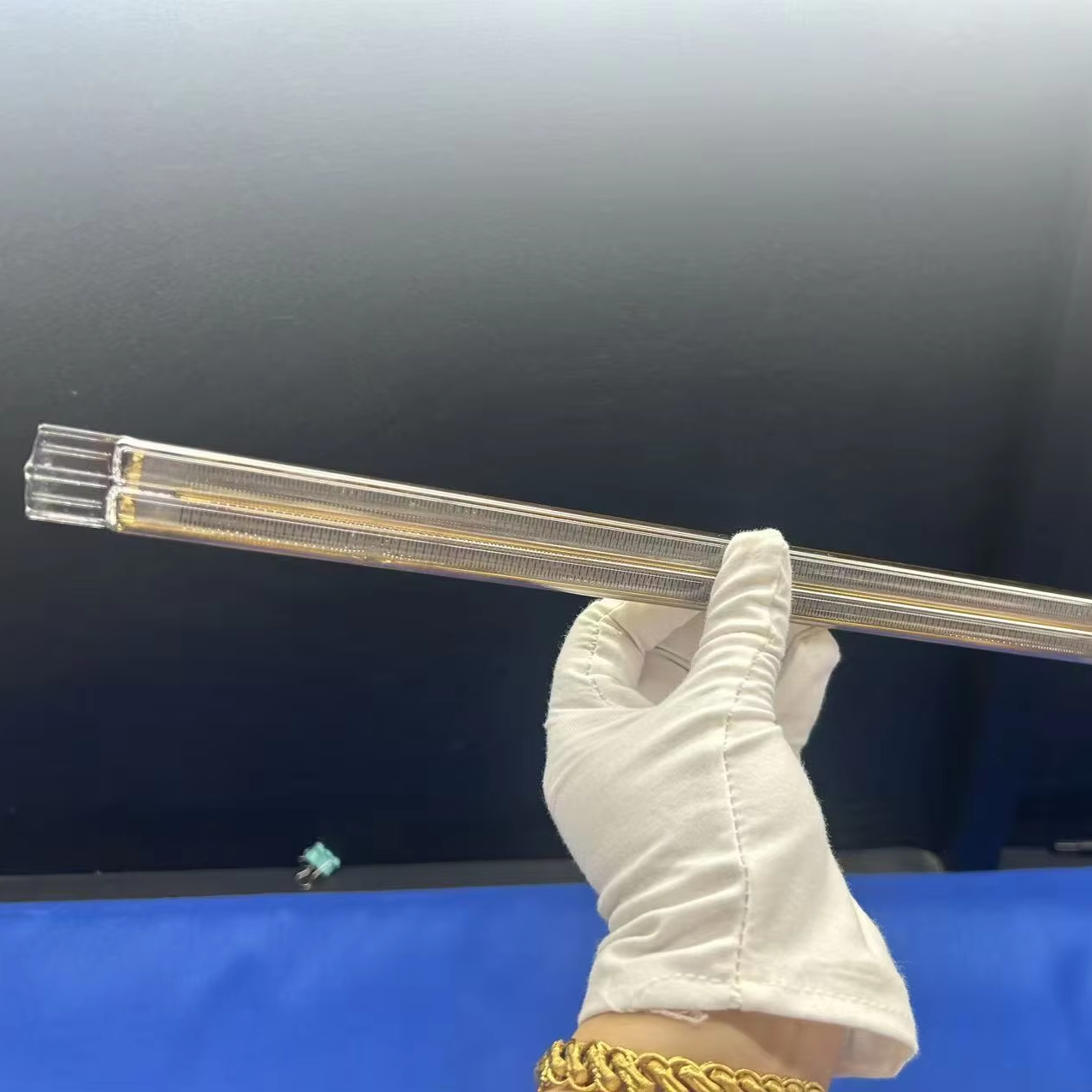
Fabricated from semiconductor-grade fused silica (SiO₂ purity ≥ 99.99%) offering continuous thermal performance up to 1100°C and ultra-low bubble inclusion rates.
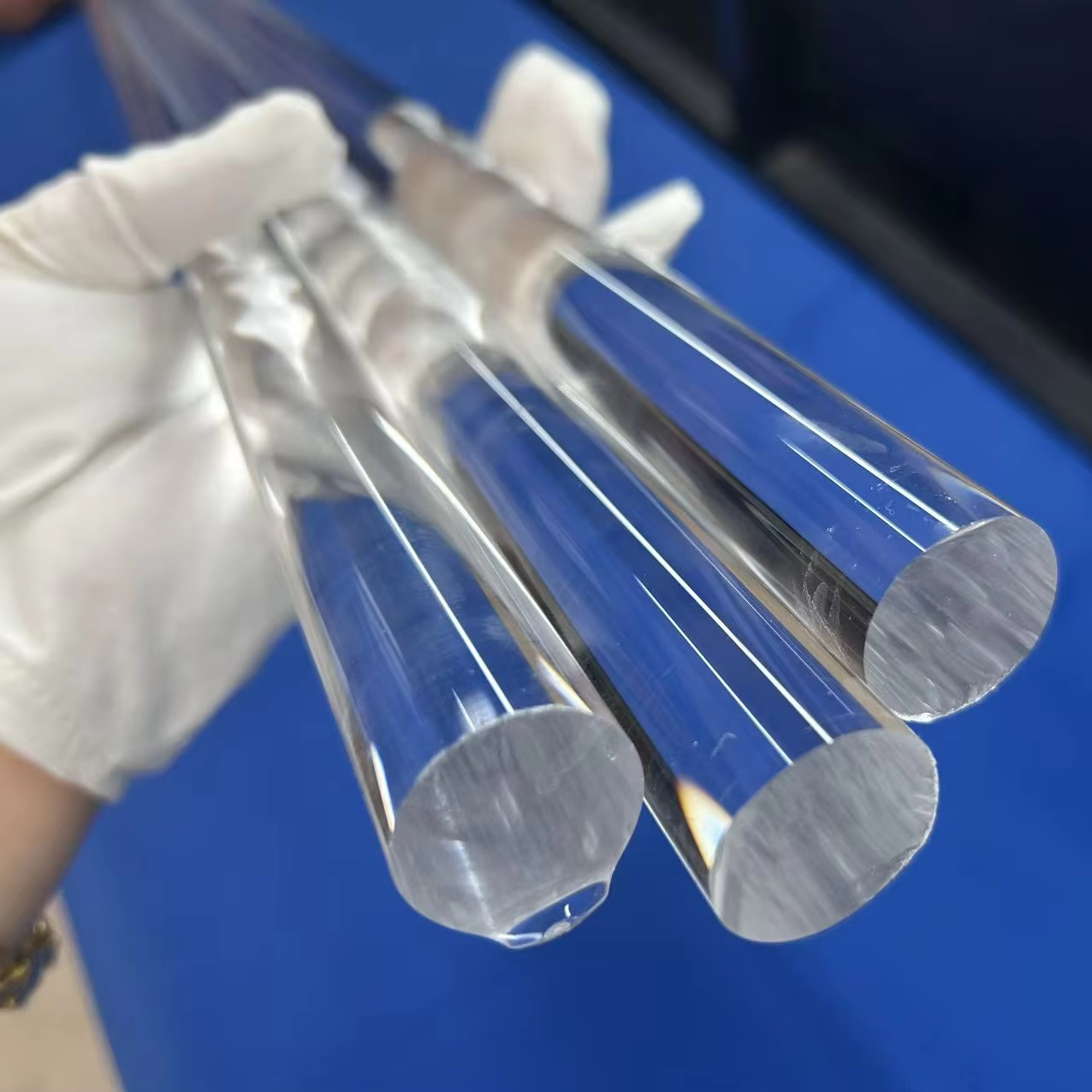
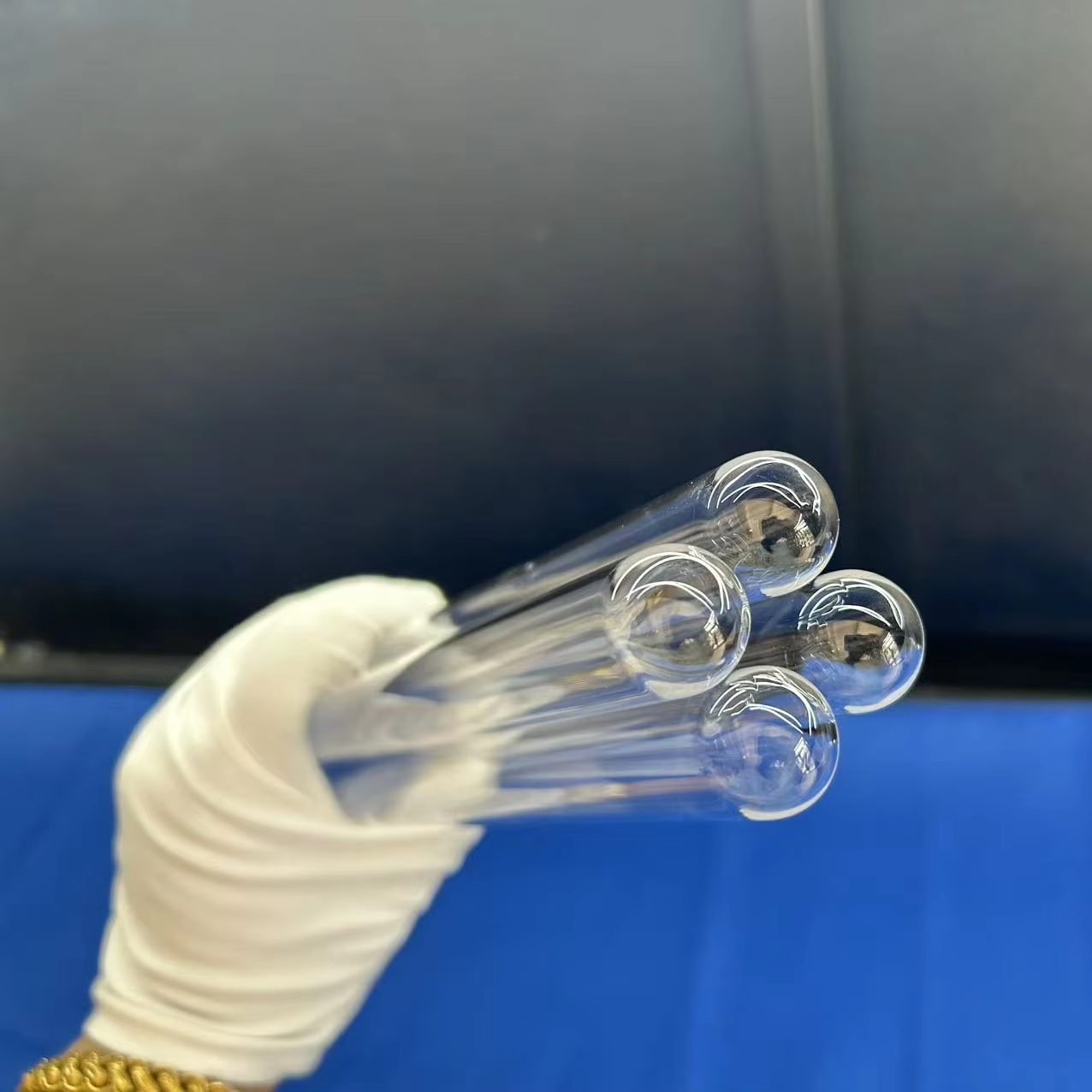
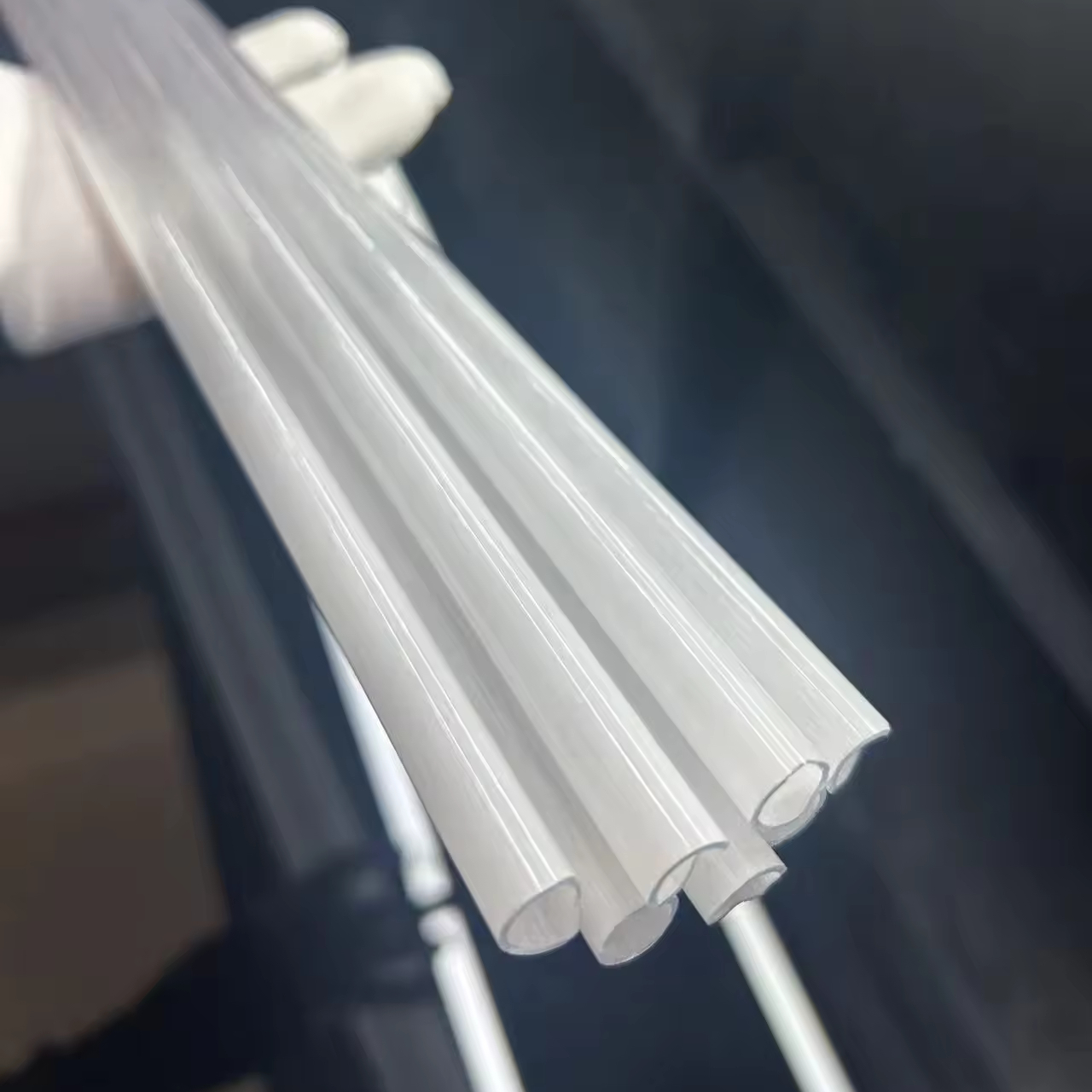
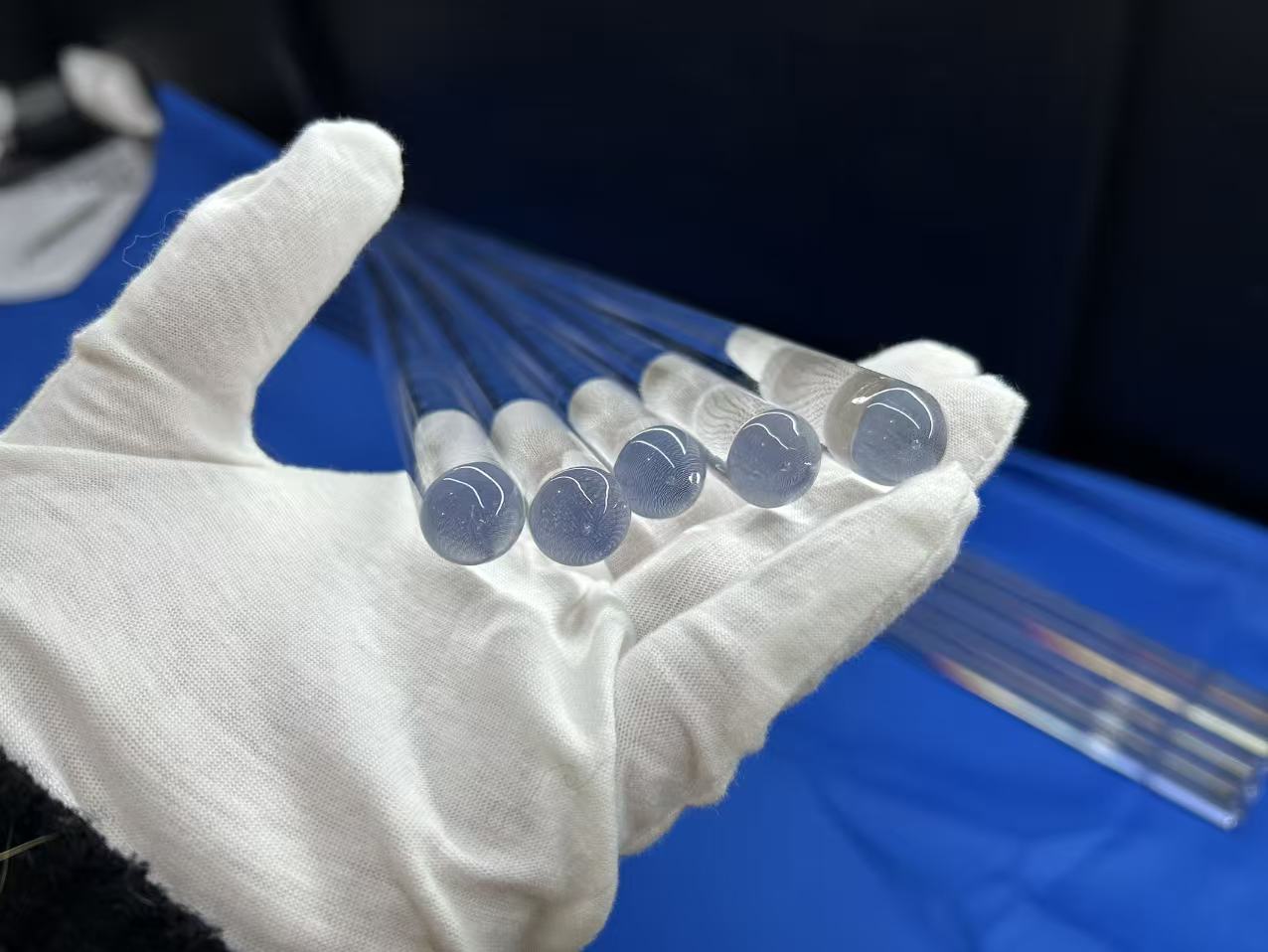
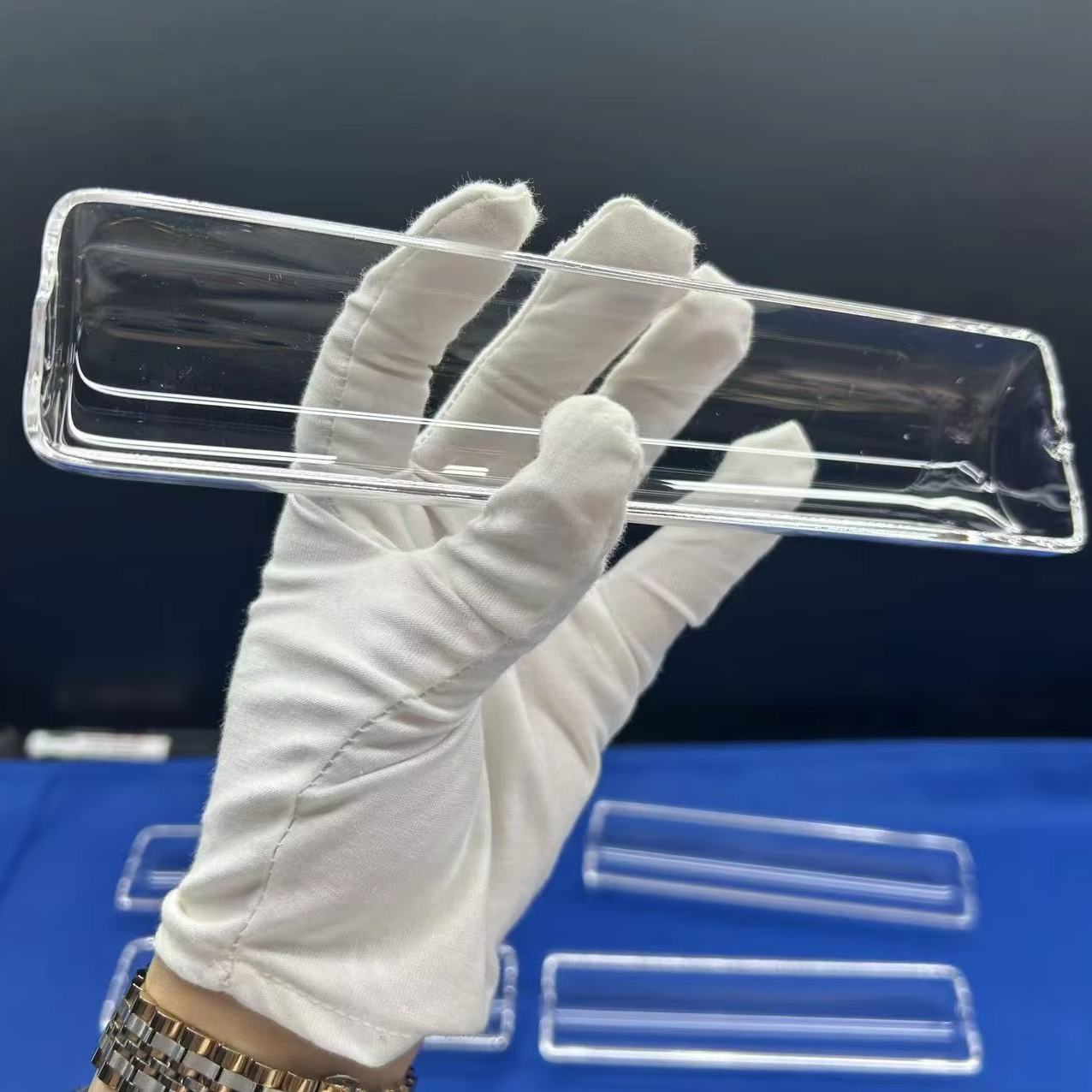
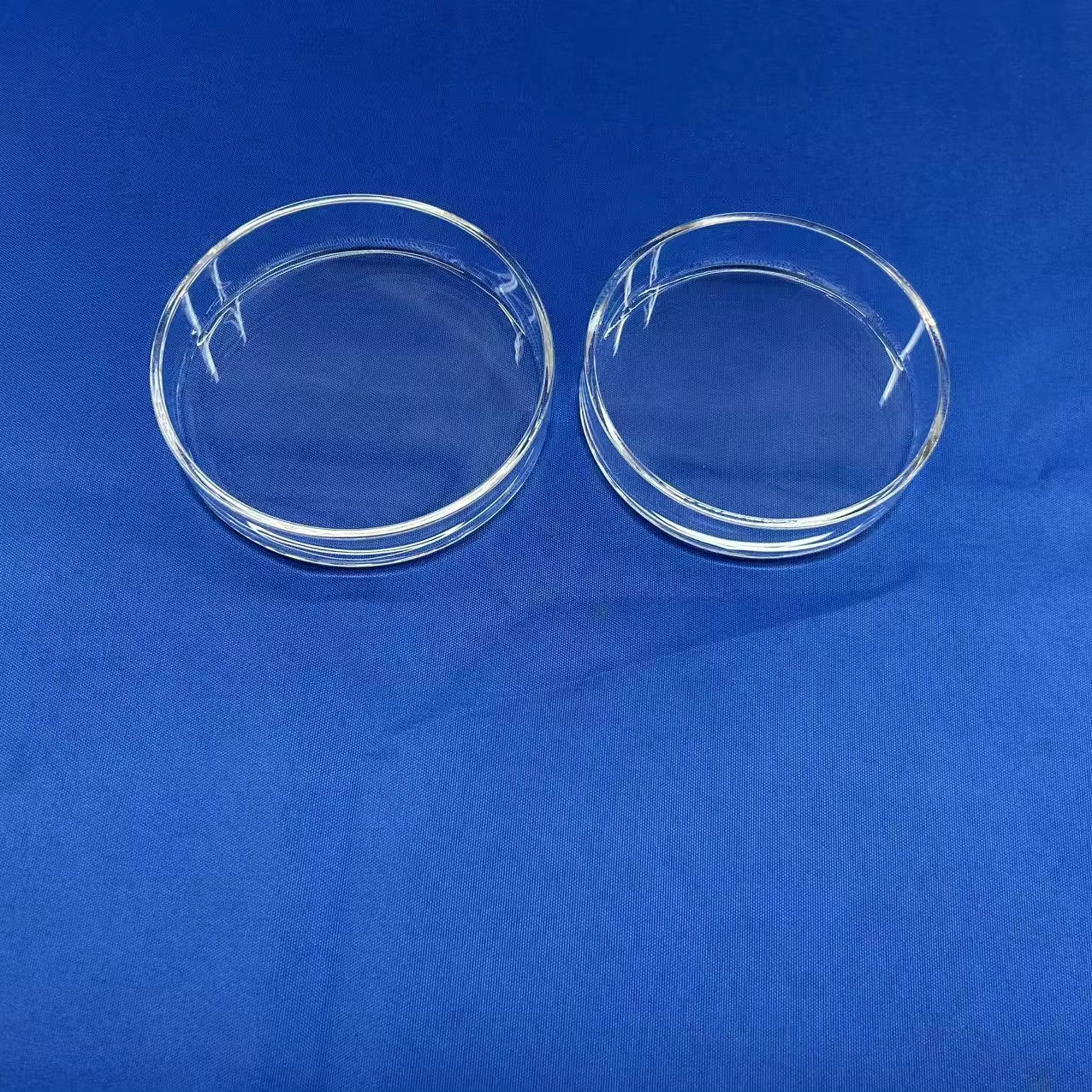
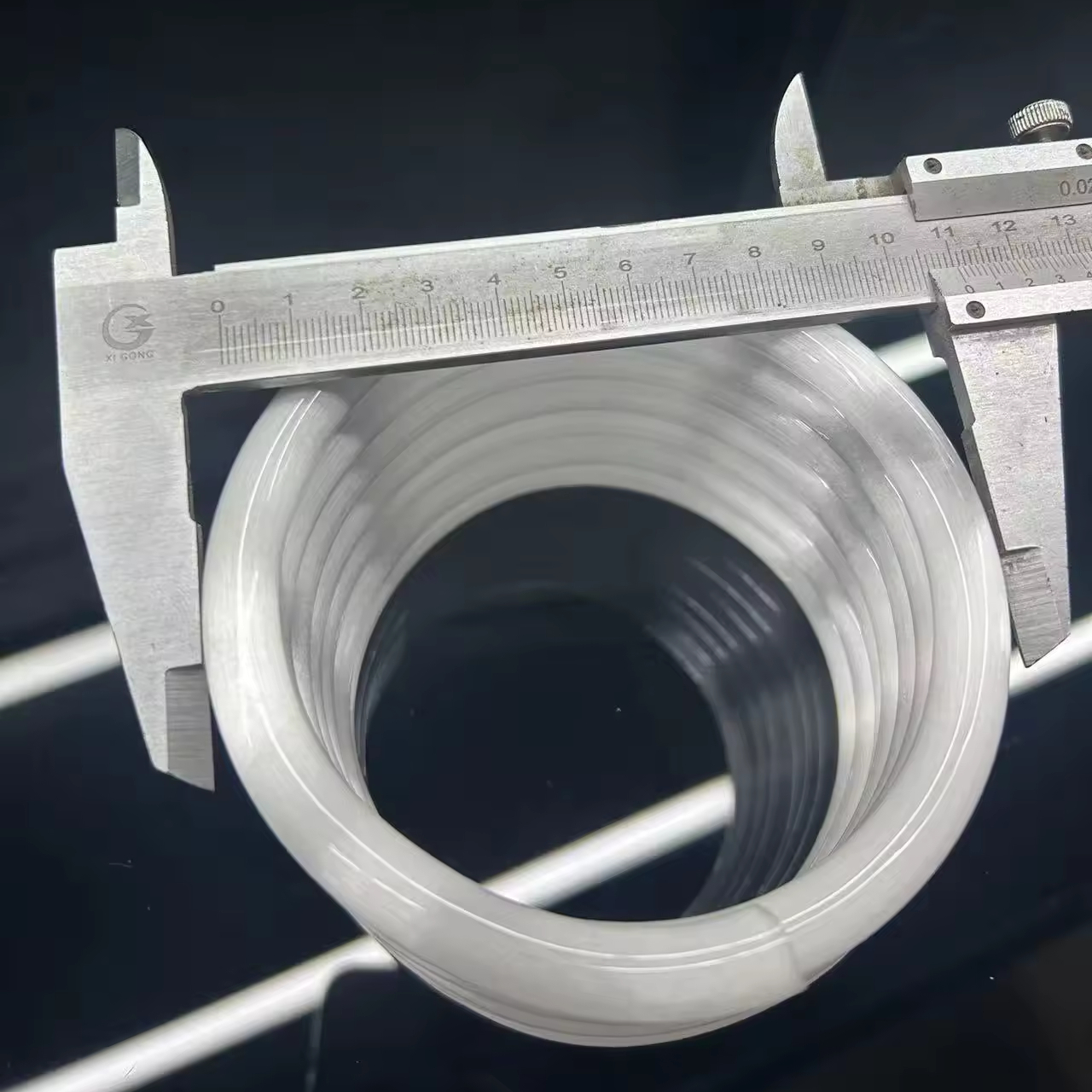
Why modern vacuum deposition, semiconductor epitaxy, and photovoltaic wafer processing depend entirely on defect-free fused silica thermal envelopes.
A quartz bell jar is an indispensable process reaction chamber engineered for high-vacuum, high-temperature, and chemically aggressive operational environments. Widely utilized in Chemical Vapor Deposition (CVD), Plasma-Enhanced CVD (PECVD), Low-Pressure CVD (LPCVD), silicon epitaxial growth, thin-film metal evaporation, and optical preform sintering, quartz bell jars isolate the substrate from ambient atmospheric contamination while sustaining continuous operating temperatures exceeding 1100°C.
Unlike borosilicate glass or traditional engineering ceramics, fused quartz (amorphous silicon dioxide, SiO₂) exhibits an extraordinarily low coefficient of thermal expansion (approx. 5.5 × 10⁻⁷ /°C between 20°C and 300°C). This gives it virtually unparalleled thermal shock resistance. A high-purity quartz bell jar can endure direct transitions from 1100°C to ambient water cooling without micro-fracturing or catastrophic structural failure.
In high-vacuum semiconductor front-end operations, the bell jar serves not merely as a physical lid, but as a calibrated dielectric enclosure that permits radiofrequency (RF) or microwave energy induction without coupling heat into the chamber walls. Furthermore, the material's near-zero trace elemental impurity profile (low parts-per-billion levels of iron, copper, lithium, and sodium) prevents hazardous mobile ion poisoning during sensitive gate-oxide layer fabrications and wafer thermal annealing.
A rigorous, comprehensive review of tier-1 quartz synthesis plants, OEM glassblowing facilities, and precision machining leaders worldwide.
Renowned globally for its Suprasil® and Spectrosil® synthetic fused silica grades. Heraeus is the benchmark producer for advanced lithography optics, UV laser optics, and colossal single-piece semiconductor quartz bell jars utilized in leading 3nm/2nm wafer fabrication fabs.
Founded in 2019 with 101–200 specialized workers, Nivra Quartz leverages Donghai's world-class raw quartz reserve to deliver custom high-purity bell jars, large diameter round rods, wafer boats, and bottom-sealing tubes. With an average response time ≤5 hours and verified 5.0/5 buyer rating, Nivra ships 40% to North America and 20% to Western Europe with breakage-proof crates.
An iconic heritage brand formerly associated with General Electric (GE Quartz). Momentive produces high-temperature fused quartz tubing, semiconductor crucible ingots, and heavy-wall bell jars renowned for high sag resistance at temperatures up to 1250°C.
A key tier-1 OEM component fabricator for semiconductor tool vendors (Applied Materials, Lam Research, Tokyo Electron). Tosoh excels at complex multi-port vertical bell jars, internal plasma tubes, and precision welded quartz gas injection assemblies.
A strategic joint venture between Shin-Etsu Chemical and Heraeus. Shin-Etsu provides flawless semiconductor glassware, silicon ingot pulling crucibles, and customized bell jars featuring exceptional bubble-class certification (DIN 58927 Class 0/1).
Leveraging centuries of French material engineering, Saint-Gobain manufactures high-performance fused silica products, aerospace quartz wool, and heavy-duty quartz vacuum containment vessels engineered for metallurgical and nuclear research.
An integrated manufacturer specializing in plasma-melted and electrically melted quartz hollow cylinders. QSIL delivers precision hollow bodies, large semiconductor process chambers, and customized glass reactor vessels for pharmaceutical and chemical synthesis.
A world powerhouse in technical ceramics and advanced quartzware. CoorsTek fabricates high-rigidity quartz bell jars, wafer handling end effectors, and plasma containment rings configured for harsh halogen and fluorocarbon plasma etch chemistries.
An experienced fabricator offering custom scientific glassblowing, large diameter bell jars with ground joints or O-ring grooved flanges, viewports, and custom quartz manifold systems for national laboratories and university physics research.
One of the world's largest suppliers of high-purity quartz sand and semiconductor ingots. Pacific Quartz supplies large-bore fused quartz tubing, photovoltaic diffusion tubes, and quartz blanks to fabricators worldwide with strong upstream cost advantages.
Consult this engineering comparison to select the exact fused quartz or synthetic silica grade matching your chamber's thermal, optical, and chemical conditions.
| Property / Specification | JGS1 (Synthetic Silica) | JGS2 (Optical Fused Quartz) | JGS3 (Infrared Fused Quartz) | Electrically Fused Clear Quartz |
|---|---|---|---|---|
| Spectral Transmission Range | 185 nm – 2500 nm (Deep UV) | 220 nm – 2500 nm (UV-Vis) | 260 nm – 3500 nm (Near-to-Far IR) | 250 nm – 3000 nm (Standard Optical) |
| Hydroxyl ([OH⁻]) Concentration | High (approx. 800 – 1200 ppm) | Moderate (approx. 150 – 200 ppm) | Ultra-Low (< 5 ppm) | Low (< 30 ppm) |
| Continuous Service Temperature | 1050°C | 1100°C | 1150°C | 1150°C (High Sag Resistance) |
| Maximum Short-Term Excursion | 1300°C | 1400°C | 1450°C | 1450°C |
| Typical Total Metal Impurities | < 0.1 ppm (99.9999% 6N) | < 5 ppm (99.995% 4N5) | < 8 ppm (99.99% 4N) | < 15 ppm (99.99% Standard) |
| Helium Leak Vacuum Tightness | < 1 × 10⁻¹⁰ mbar·L/s | < 1 × 10⁻⁹ mbar·L/s | < 1 × 10⁻⁹ mbar·L/s | < 1 × 10⁻⁹ mbar·L/s |
| Primary Industry Applications | EUV Litho, Excimer Lasers, 2nm Fab | Optical Bell Jars, Sight Glasses | Pyrometry Viewports, IR Annealing | Wafer Boats, Diffusion Chambers |
Key transformations shaping the global fused quartz market as fab nodes shrink and solar technologies shift to next-generation architectures.
Advanced semiconductor nodes are rendering traditional natural electrically fused quartz obsolete in critical etch areas. Procurement teams are mandating synthetic fused silica (JGS1 equivalents) with zero trace aluminum or boron to stop volatile contamination during atomic layer deposition (ALD).
The transition to large-batch vertical processing in silicon semiconductor and N-type TOPCon/HJT solar cell manufacturing has surged demand for oversized monolithic quartz bell jars with outer diameters exceeding 500mm, challenging precision glassblowers to manage hoop stress and flange warping.
Next-generation chambers increasingly incorporate hybrid plasma-sprayed yttrium oxide (Y₂O₃) or vapor-deposited barrier films directly onto the inner quartz wall. This mitigates fluorine radical erosion, dramatically suppresses particle shedding, and doubles chamber mean time between cleans (MTBC).
Situated in Donghai County—globally recognized as the crystal and high-purity quartz manufacturing center of China—Nivra Quartz combines geographical proximity to ultra-pure silica deposits with advanced CNC machining, precision flame lathe glassblowing, and cleanroom vacuum annealing.
Our facility hosts 101–200 skilled craftsmen and engineers operating multi-axis water-jet saws, optical surface grinders, hydrogen-oxygen lathe welders, and vacuum test stations. With rigorous on-site verification, we deliver exceptional dimensional repeatability, flawless optical transmission, and rapid response cycles for overseas procurement partners.
Real-world engineering answers covering dimensional tolerances, devitrification risks, flange sealing geometries, and international logistics.
Whether you require standard JGS2 vacuum replacement jars, 300mm wafer diffusion chambers, or high-tolerance custom scientific glassware, our Donghai engineering team provides drawing feasibility analysis, material certification, and transparent pricing.