Precision Manufacturing
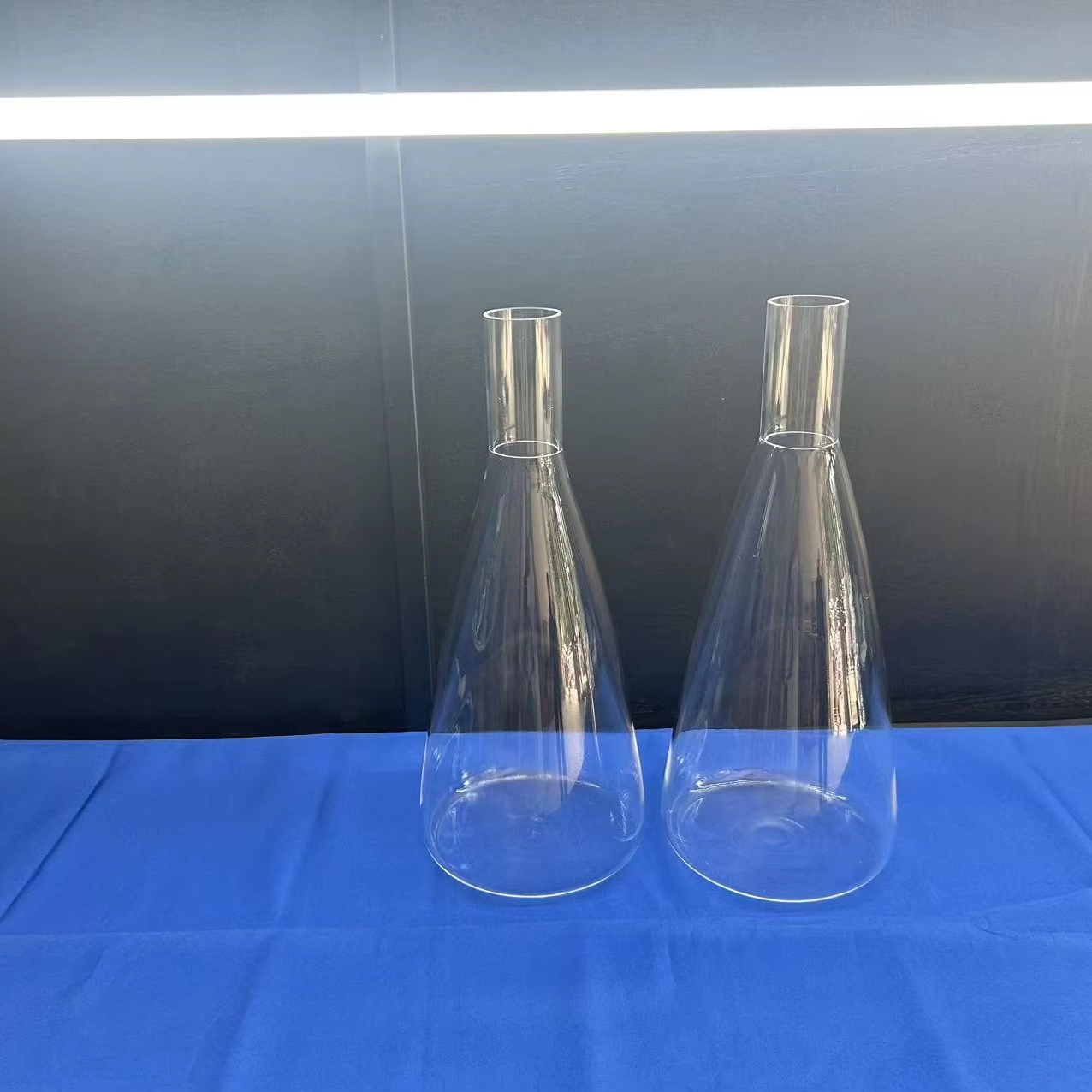
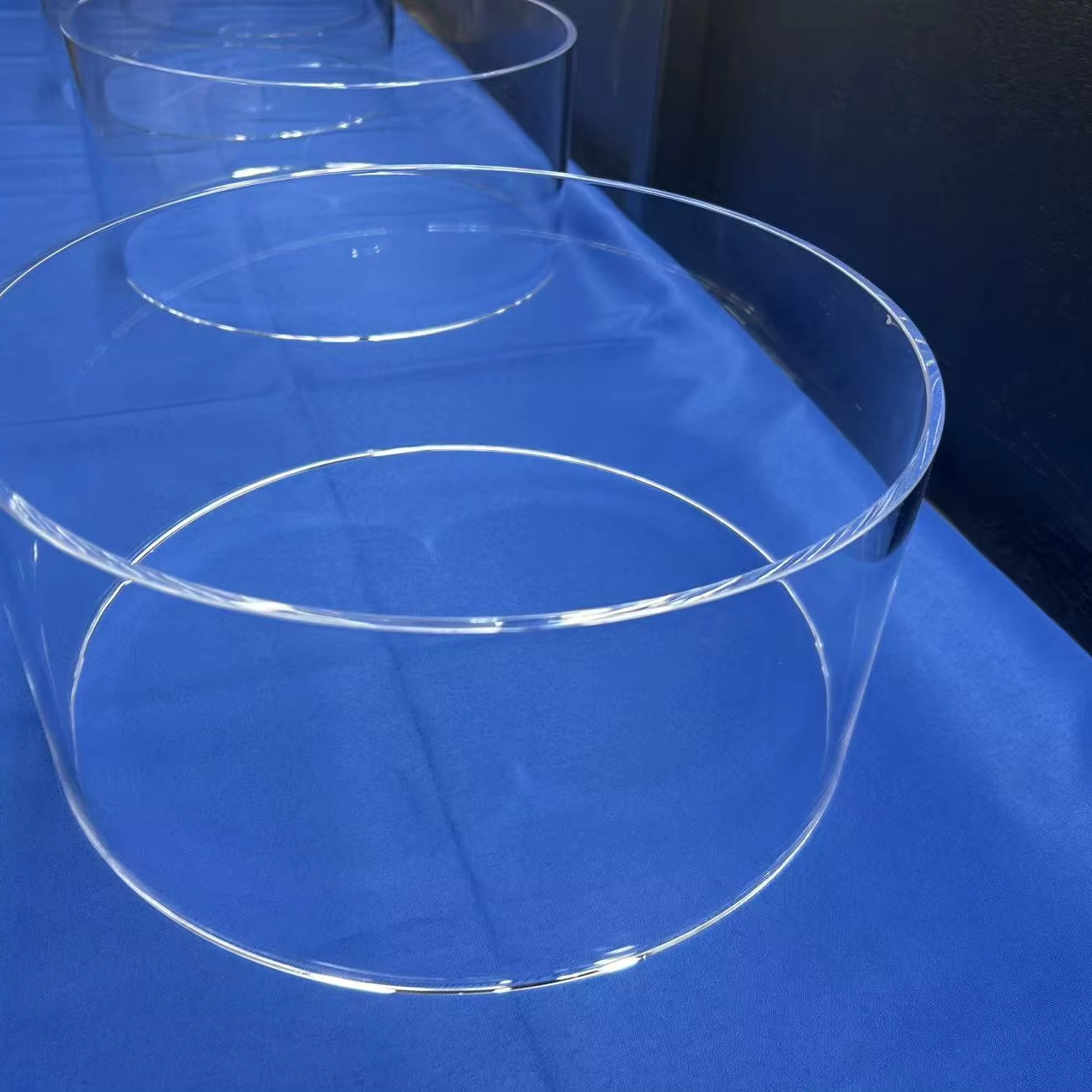
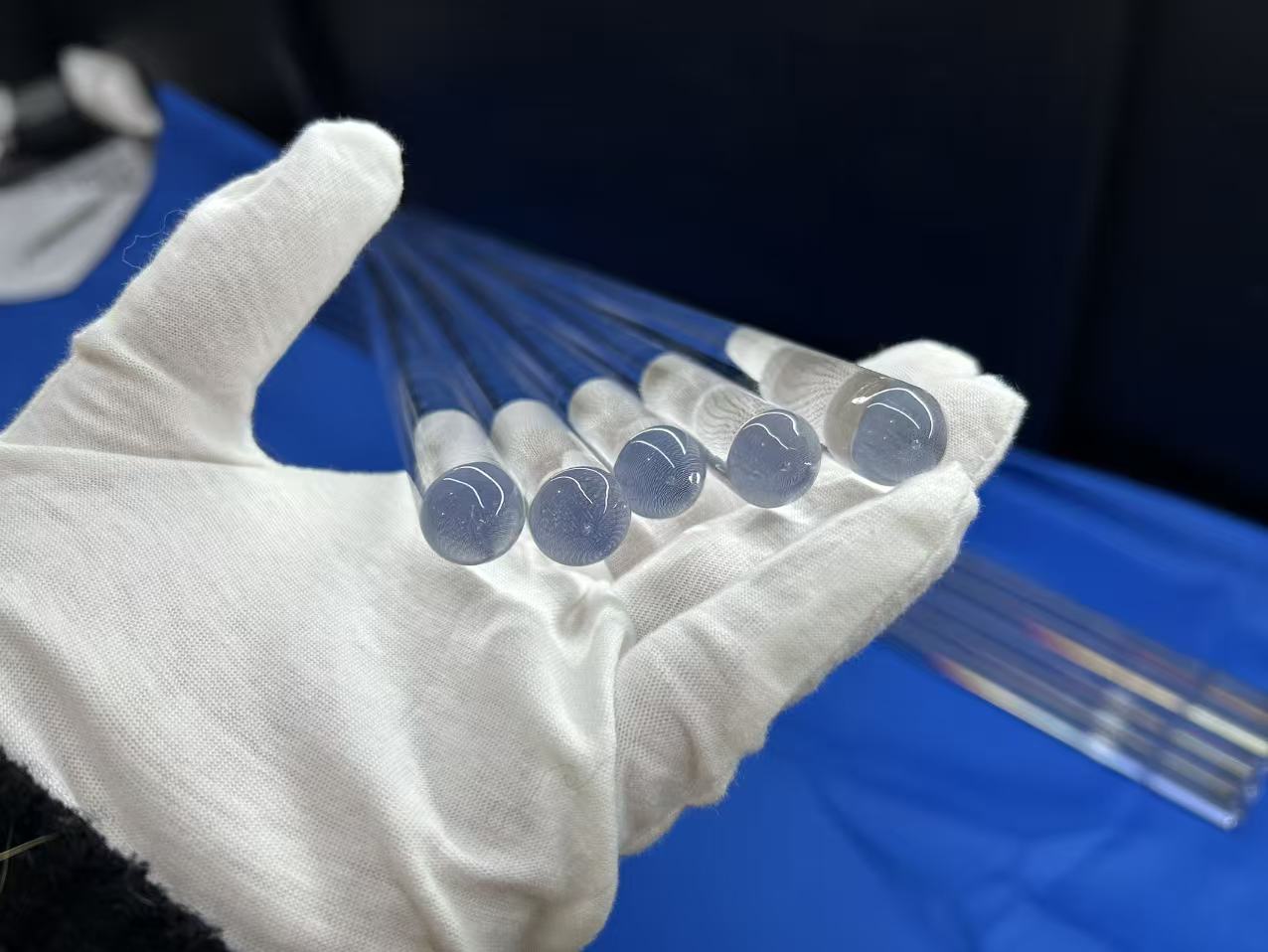
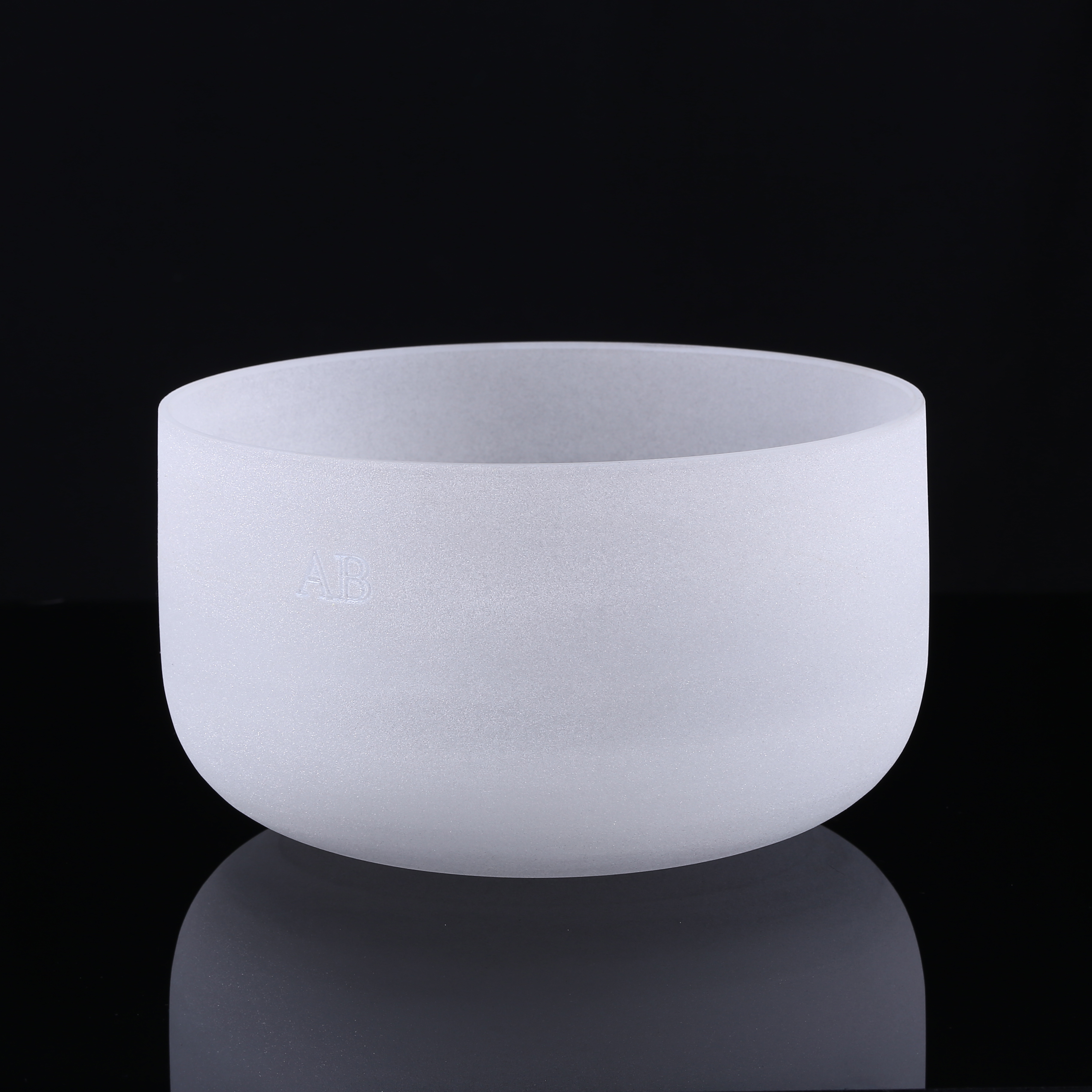
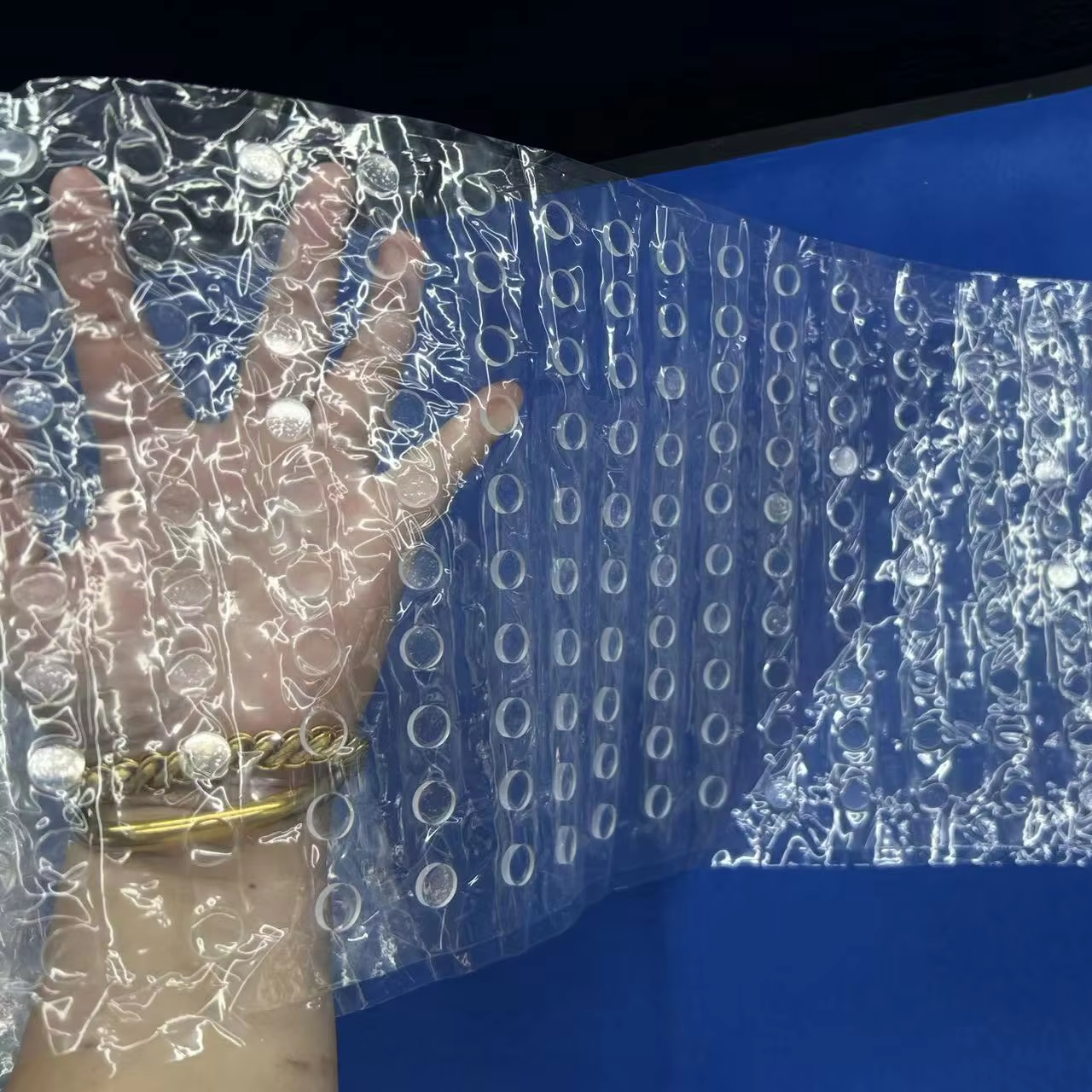
Featured Custom Quartzware Products
Direct from Donghai County — China's premier quartz capital. Standard and engineered-to-drawing high-purity fused silica components manufactured under strict ISO quality controls.
Industry White Paper
Navigating the Global Custom Quartz Glass Supply Chain in 2025
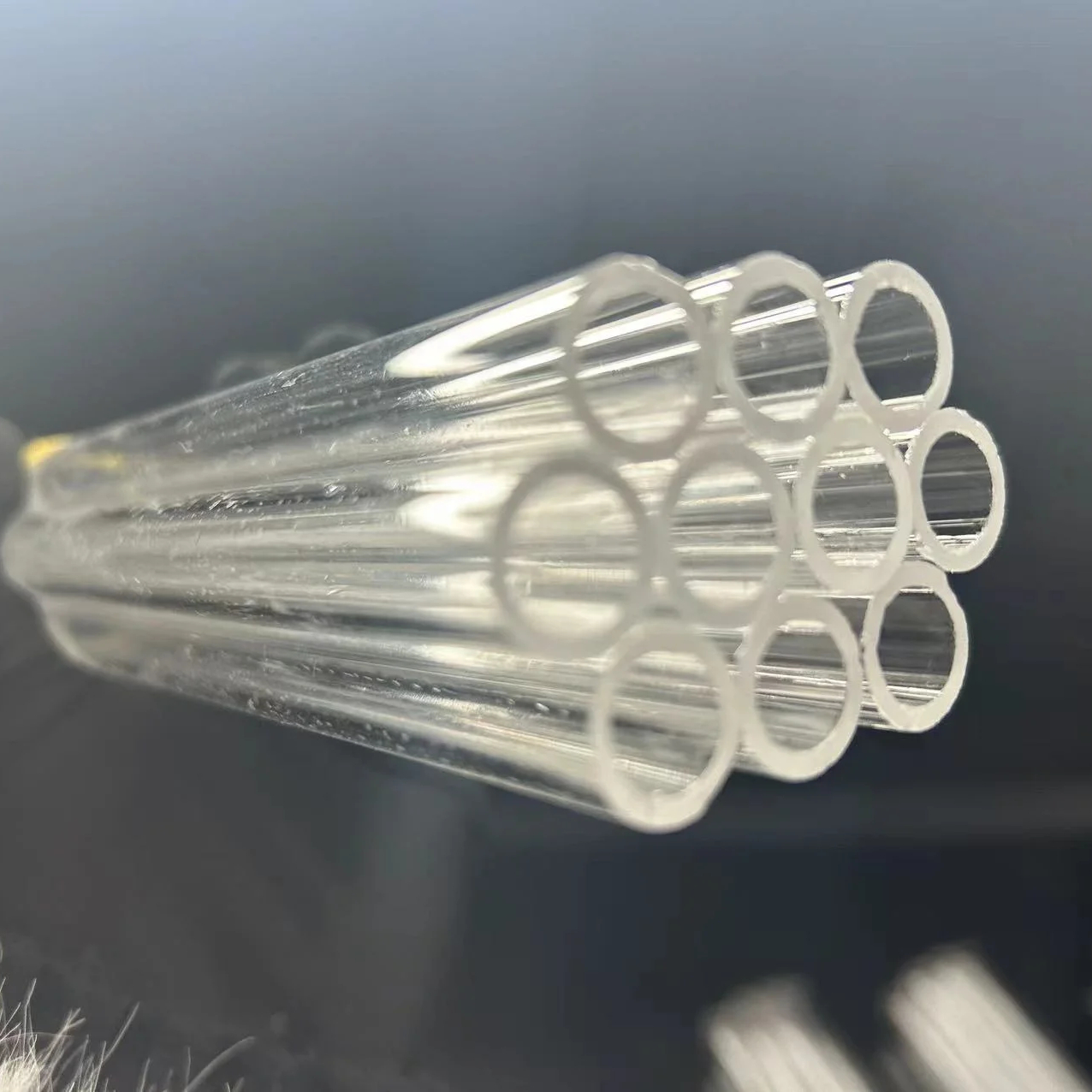
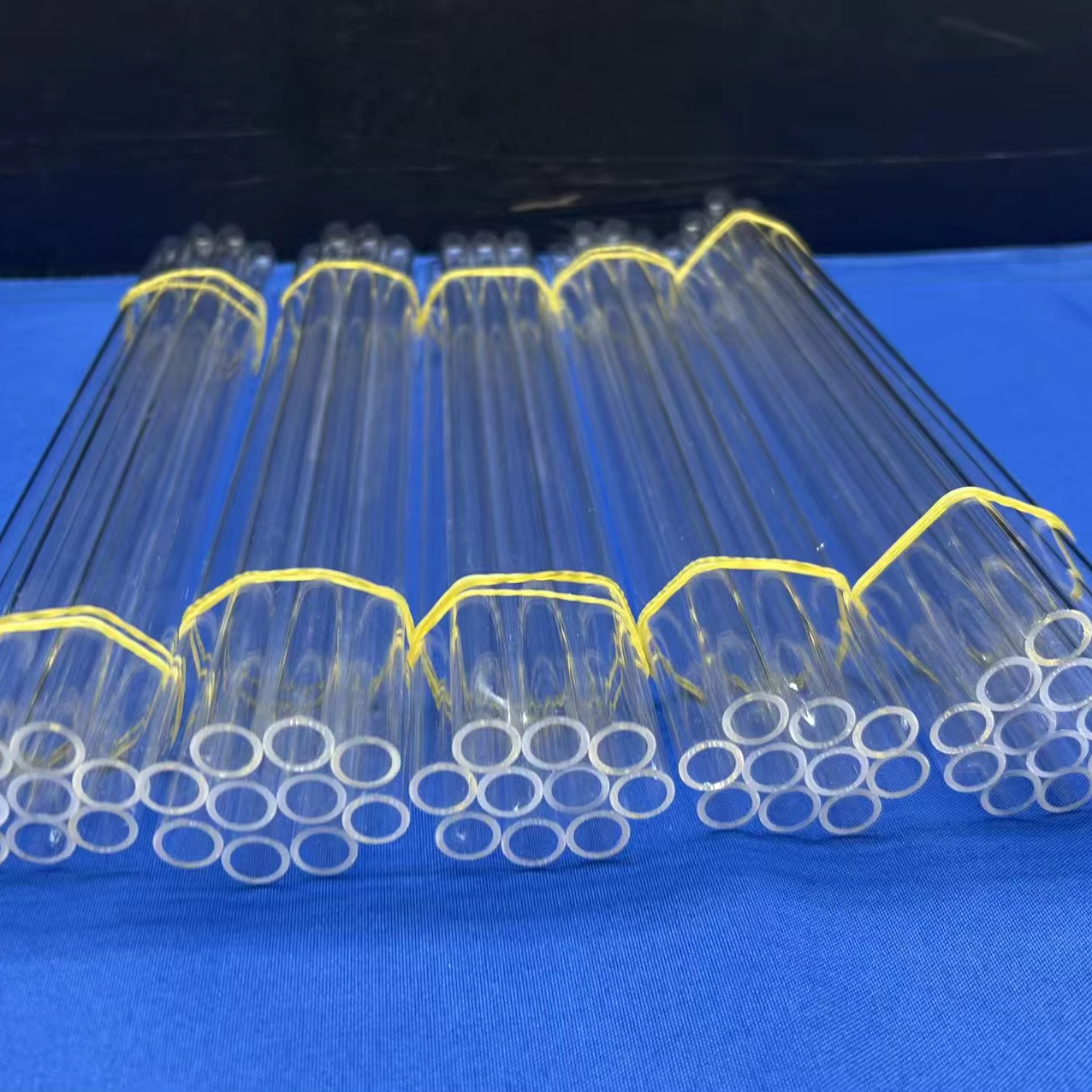
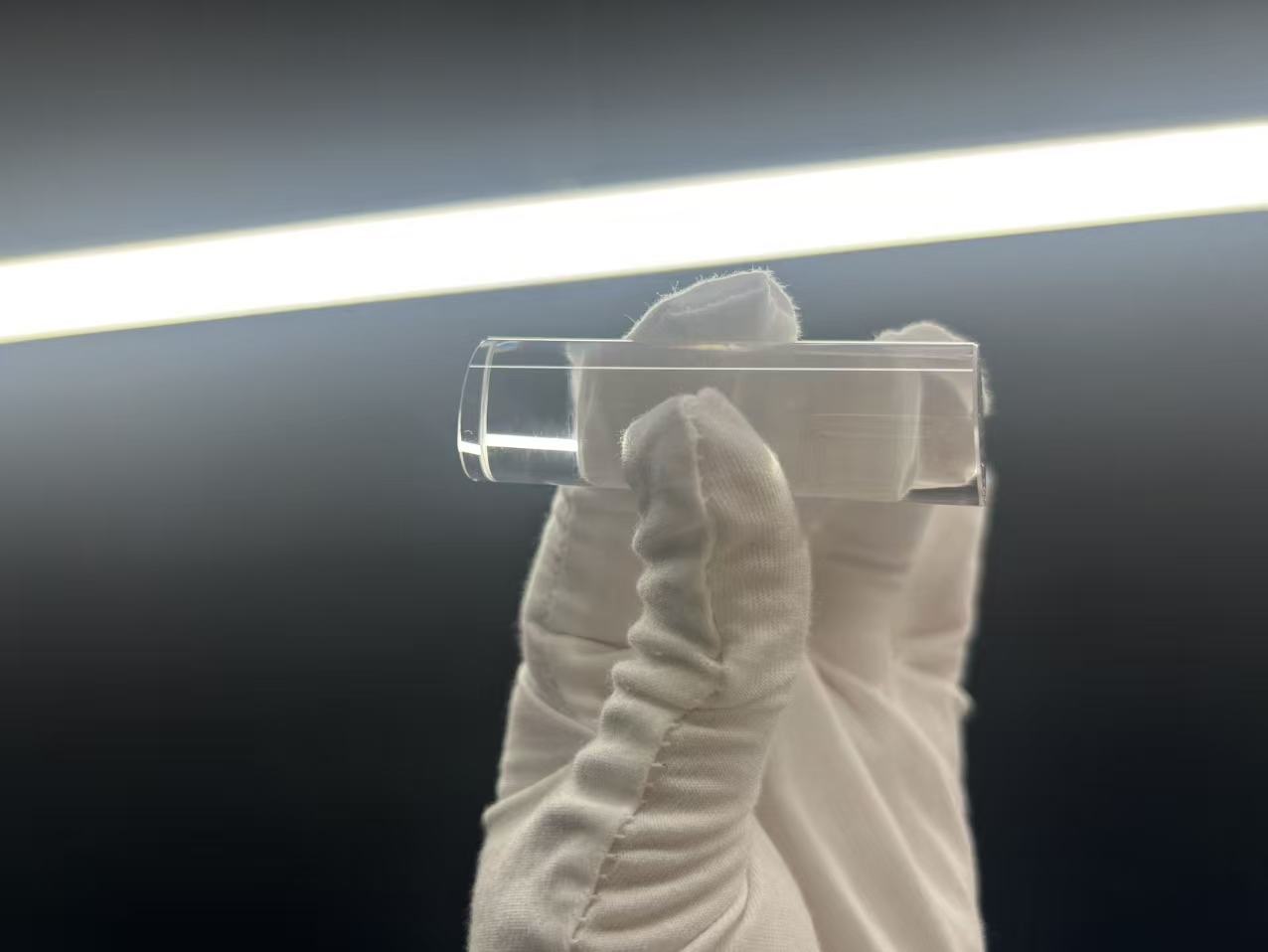
High-purity fused quartz ($SiO_2 > 99.99\%$) remains the cornerstone material for semiconductor manufacturing, optical systems, photovoltaic crystal pulling, and chemical process engineering. This technical buyer's guide evaluates top exporters, optical grades, and fabrication technologies.
99.99%
SiO2 Purity Standard
1683°C
Softening Temperature
< 5 Hours
Avg. Technical Response
88.89%
Inquiry Conversion Efficiency
As modern sub-3nm semiconductor fabrication processes, high-power fiber lasers, and solar cell manufacturing expand globally, procurement managers face unprecedented demands for material purity and dimensional precision. Fused quartz and synthetic fused silica possess unique physical properties: an extremely low coefficient of thermal expansion (5.5 × 10⁻⁷ /°C), high optical transmission ranging from deep ultraviolet (UV) through near infrared (IR), and exceptional dielectric isolation at elevated operating temperatures.
Selecting the optimal vendor requires evaluating raw quartz grain sources, cold CNC machining abilities, flame work processing, annealing protocols, and thermal stress relief systems. Donghai County in Jiangsu Province, China, has established itself as the world’s leading hub for quartz raw material refining and high-precision secondary quartz glass processing.
Supplier Evaluation
Benchmarking Top Global Custom Quartz Glass Suppliers
A comparative analysis of premier quartz fabricators based on material purity, manufacturing tolerances, custom design capability, and international export performance.
| Supplier / Exporter | Primary Regional Hub | Core Specialty & Material Grades | Drawing Tolerances | MOQ & Flexibility |
|---|---|---|---|---|
| Donghai County Nivra Quartz | Jiangsu, China | High-purity fused quartz tubes, optical wafers, custom labware (JGS1, JGS2, JGS3) | Up to ±0.005 mm | 1 to 10 pcs (Flexible Prototype to Mass) |
| Heraeus Quarzglas | Germany | Synthetic silica ingots, lithography optics, semiconductor raw material | Standard ISO Class | High MOQ / OEM Heavy Orders |
| Momentive Performance Materials | USA | Fused quartz tubing, large diameter rods, microelectronics base stock | ±0.05 mm | Bulk Commercial Supply |
| Tosoh Quartz | Japan | Semiconductor chamber fabrication, quartz boats, bell jars | High Precision OEM | Contract Tier 1 Foundries |
| Techno Quartz Inc. | Japan / Taiwan | Etching process quartz rings, bath tanks, carrier rings | ±0.01 mm | Industrial Custom Batches |
| QSIL Quartz Products | Germany | Heavy thermal furnace tubes, specialized industrial quartz glass | Standard Millimeter | Mid-to-High Volume |
Strategic Sourcing
Future Procurement Trends for Custom Quartz Glass (2025–2030)
Key technological shifts driving material specs, impurity thresholds, and manufacturing workflows in advanced industrial applications.
1. Transition to Ultra-Low OH Synthetic Silica
For high-power fiber lasers and infrared optical applications, traditional fused natural quartz is being rapidly replaced by synthetic silica with hydroxyl ($OH^-$) levels below 1 ppm. Low OH minimizes thermal lensing and absorption peaks at 2.73 µm, boosting transmission efficiency.
2. Multi-Axis Ultrasonic CNC Machining
Complex 3D quartz glass components—such as semiconductor wafer carriers, microfluidic chips, and notched flanges—now require ultrasonic-assisted 5-axis diamond milling. This reduces surface micro-cracks, delivering edge chips under 10 µm without requiring extensive post-fire polishing.
3. Large-Scale Photovoltaic Quartzware
With solar cell technology shifting to TOPCon and HJT architectures, furnace tube diameters are exceeding 500 mm to 620 mm. Managing sagging, devitrification, and structural deformation at 1200°C demands reinforced quartz formulation and thermal stress annealing.
Material Selection Guide
Optical Grade Selection: JGS1 vs. JGS2 vs. JGS3
Selecting the appropriate fused quartz grade is crucial to balance optical throughput, thermal resilience, and unit cost.
JGS1 (Synthetic Fused Silica)
Made from high-purity silicon tetrachloride ($SiCl_4$) via flame hydrolysis. Free of bubbles and inclusions.
- • Spectral Range: 185 nm – 2500 nm (Deep UV to Near IR)
- • Key Feature: High UV transmittance at 193 nm & 248 nm
- • Typical Uses: UV laser windows, cuvettes, stepper optics
JGS2 (Fused Natural Quartz)
Produced by oxy-hydrogen melting of high-purity natural quartz crystal grains. Cost-effective standard grade.
- • Spectral Range: 220 nm – 2500 nm (UV-Visible Range)
- • Key Feature: Superior mechanical stability & chemical resistance
- • Typical Uses: Sight glass, furnace tubes, quartz plates
JGS3 (Infrared Optical Quartz)
Processed via vacuum electric melting to strip hydroxyl groups ($OH^- < 5\text{ ppm}$).
- • Spectral Range: 260 nm – 3500 nm (Extended IR Spectrum)
- • Key Feature: No 2.73 µm absorption dip in IR spectrum
- • Typical Uses: IR sensor covers, pyrometer viewports
Enterprise Profile
Donghai County Nivra Quartz Products Co., Ltd.
Located at 285 Heping East Road, Lianyungang, Jiangsu, China. Operating with a dedicated workforce of 101–200 skilled engineers and glassblowers, we deliver OEM/ODM customized quartzware globally.
Raw Material Advantage
Direct sourcing from Donghai’s rich, high-purity natural quartz deposits ensures $SiO_2 \ge 99.99\%$, keeping raw material costs competitive while ensuring minimal trace metallic impurities ($Fe, Al, Na < 15\text{ ppm}$).
Full Hot & Cold Processing
Equipped with CNC ultrasonic machining centers, laser cutting, glass lathe welding, fire polishing, and large-capacity electric annealing ovens for complete stress relief.
Verified Global Reliability
Maintaining an average response time of ≤ 5 hours with an 88.89% inquiry conversion rate and 5.0/5 verified customer ratings across North America, Europe, and Asia.
Technical Support
Frequently Asked Questions (FAQ)
Answers to common engineering and procurement inquiries regarding quartz material limits, machining tolerances, and international logistics.
Q1: What is the maximum continuous working temperature for fused quartz glass?
Standard clear fused quartz can operate continuously at 1100°C and withstand short-term exposure up to 1450°C. The softening point is approximately 1683°C. Long-term operations near 1150°C can induce devitrification (cristobalite crystal growth), particularly if surface contamination from alkali metals ($Na, K$) is present.
Q2: What is the key difference between JGS1, JGS2, and JGS3 quartz grades?
JGS1 is a synthetic fused silica optimized for deep UV transmission down to 185 nm. JGS2 is a clear natural fused quartz grade ideal for UV-Visible applications (220 nm – 2500 nm). JGS3 is an infrared-grade quartz produced under vacuum to keep OH- content below 5 ppm, providing clean transmission up to 3500 nm without IR absorption dips.
Q3: Can Nivra Quartz manufacture custom parts according to complex CAD drawings?
Yes. We specialize in full OEM/ODM manufacturing. We accept technical drawings in PDF, DWG, DXF, and STEP/IGES formats. Our engineering team evaluates wall thickness, radius bends, edge bevels, and tolerance stack-ups, delivering feedback and quotes within 5 hours.
Q4: How do you prevent breakage during international transport?
Fragile glass parts undergo ultrasonic cleaning before being wrapped in anti-static protective film. They are cradled in customized high-density shock-absorbing EPE foam molds within reinforced export cartons or fumigation-free plywood crates. Long tubes and rods are secured in rigid suspension frames to prevent bending stress.
Q5: What are your minimum order quantities (MOQ)?
We support both prototype development and volume manufacturing. Standard components and initial R&D prototypes start at an MOQ of 1 to 10 pieces. Small precision optical wafers and discs typically start at 50 to 100 pieces per production batch.
Ready to Request a Technical Quote for Custom Quartzware?
Send us your engineering drawings or sample specifications. Our engineering team will review your project parameters and reply with a fast, competitive factory-direct proposal.