Precision-Engineered Quartz & Sapphire Components
Explore our customized high-purity optical components, manufactured to strict DIN/ISO specifications for demanding industrial, semiconductor, and research applications.
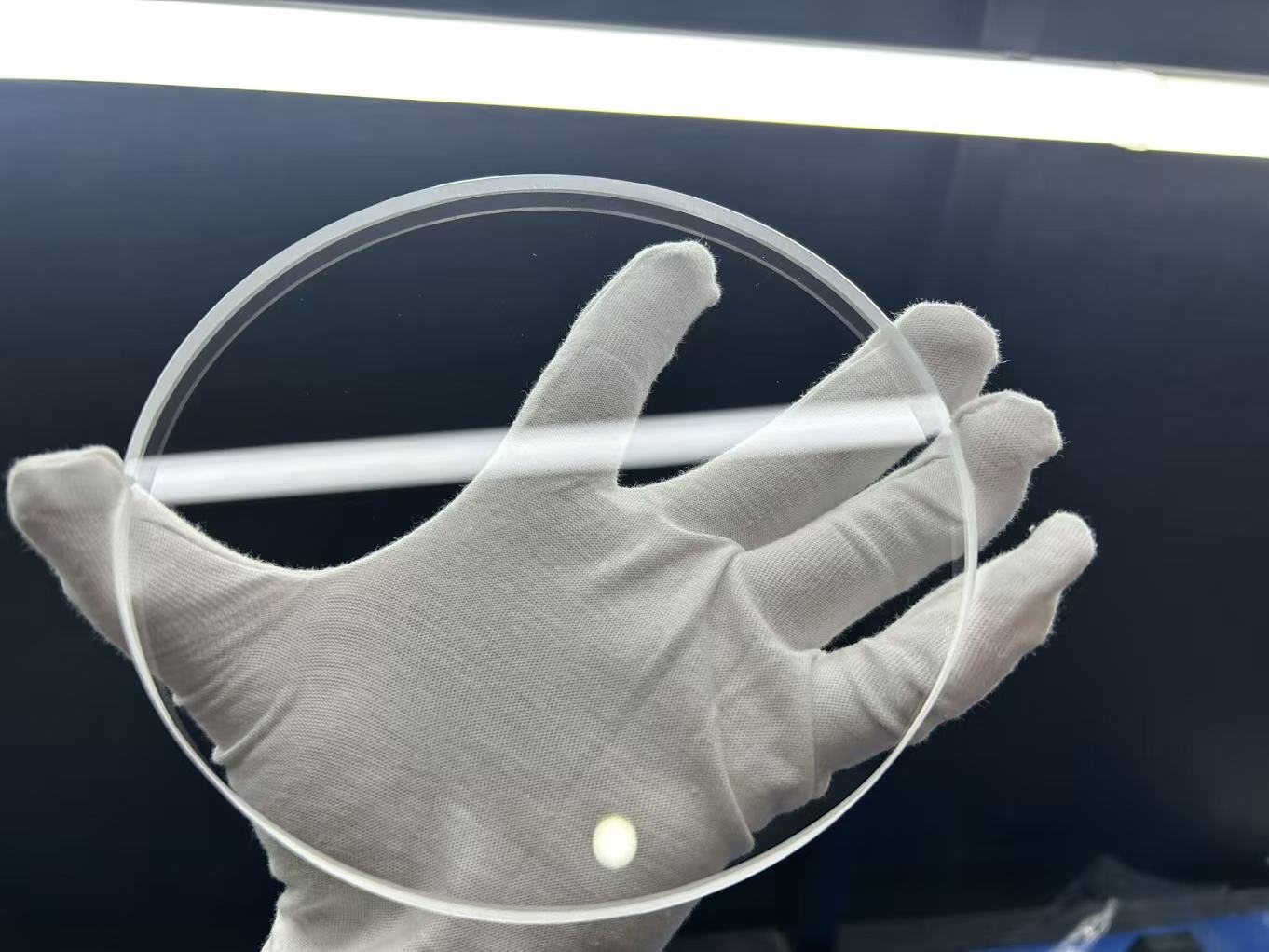
Wholesaler Customized High Quality Clear Fused Quartz Glass Sheet Custom Used in Optics and Photovoltaics
View Product Details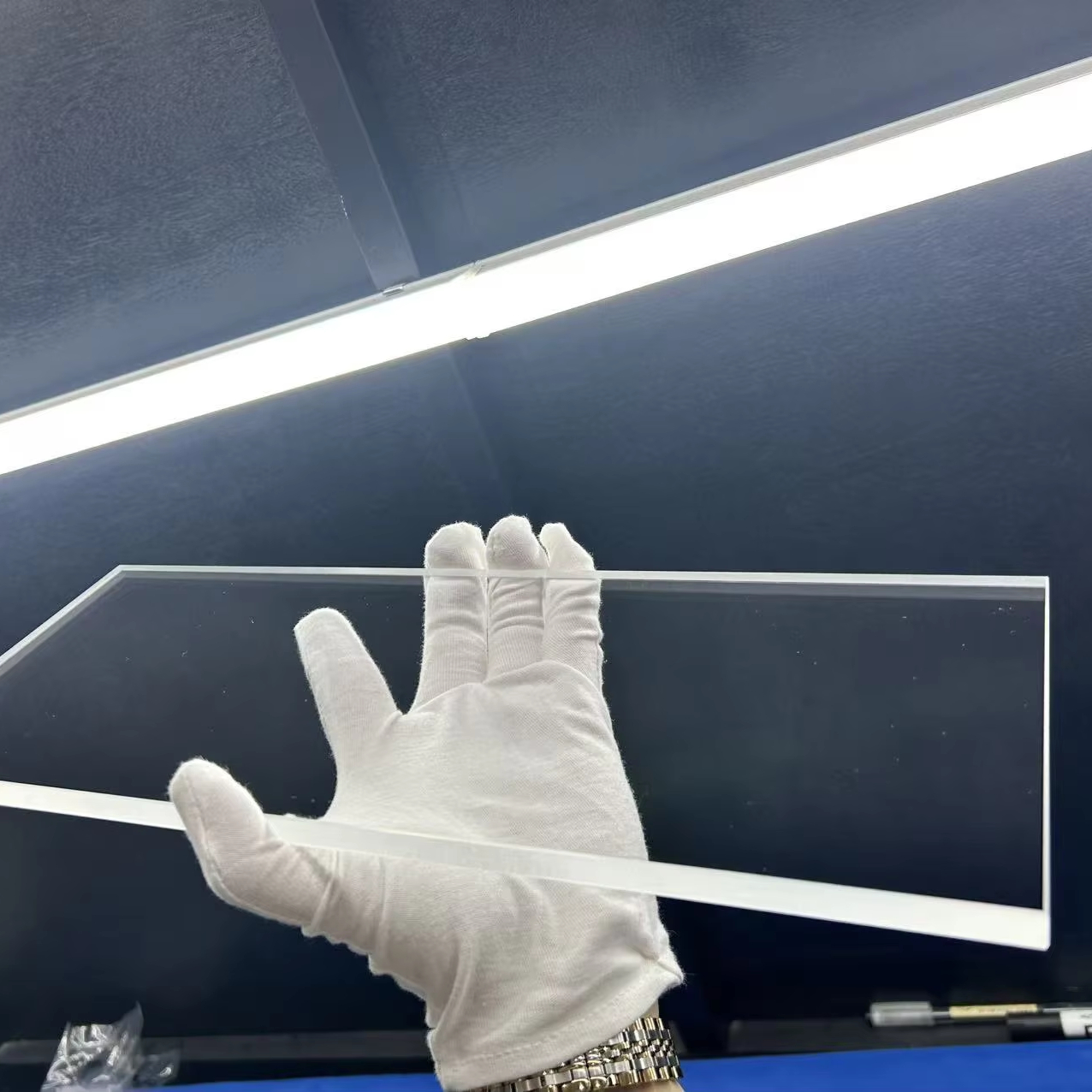
Ultra Clear High Purity Quartz Sheet
View Product Details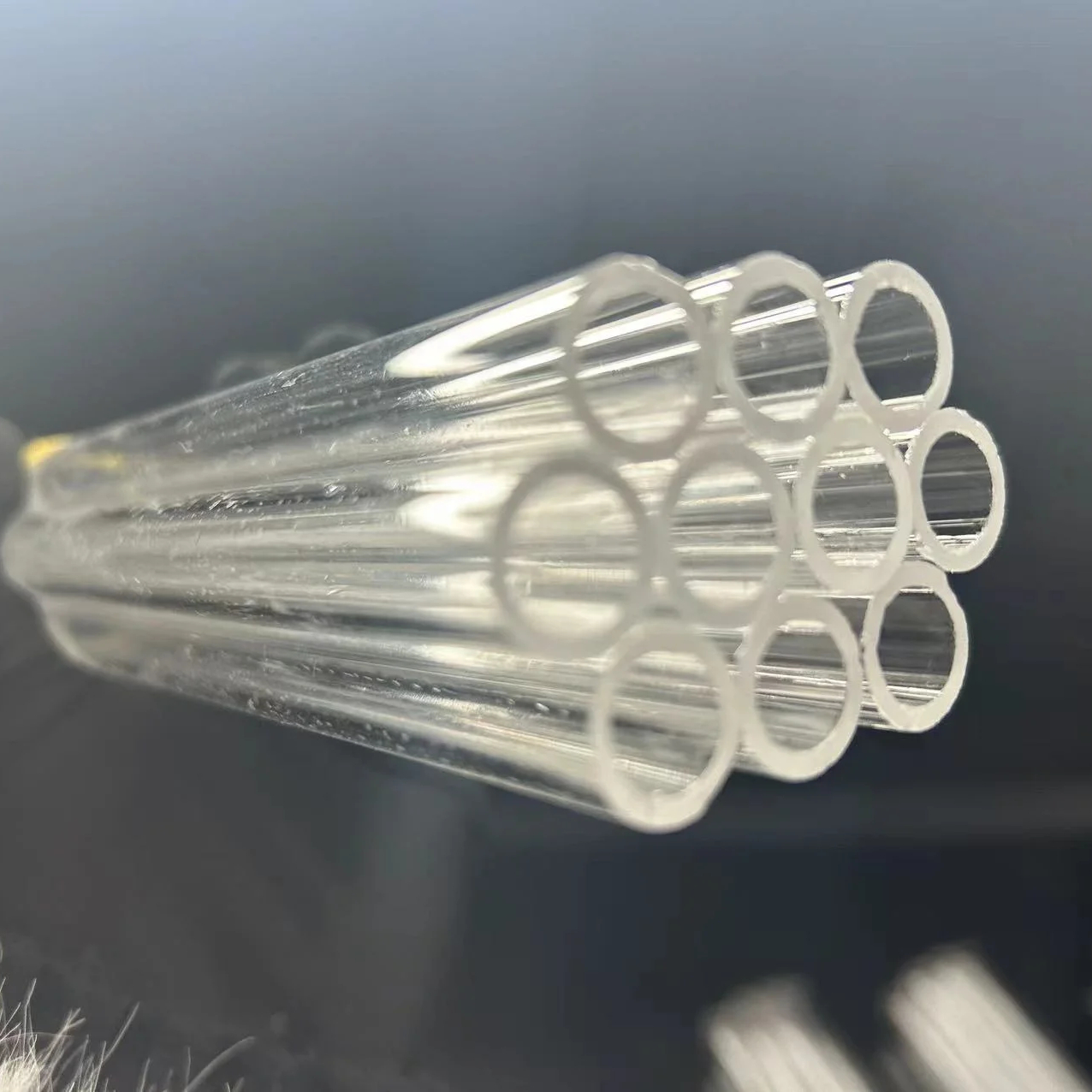
High Temperature Transparent Quartz Cylinder Tube Clear Quartz Tube Glass with Professional Manufacturer Quartz Tube
View Product Details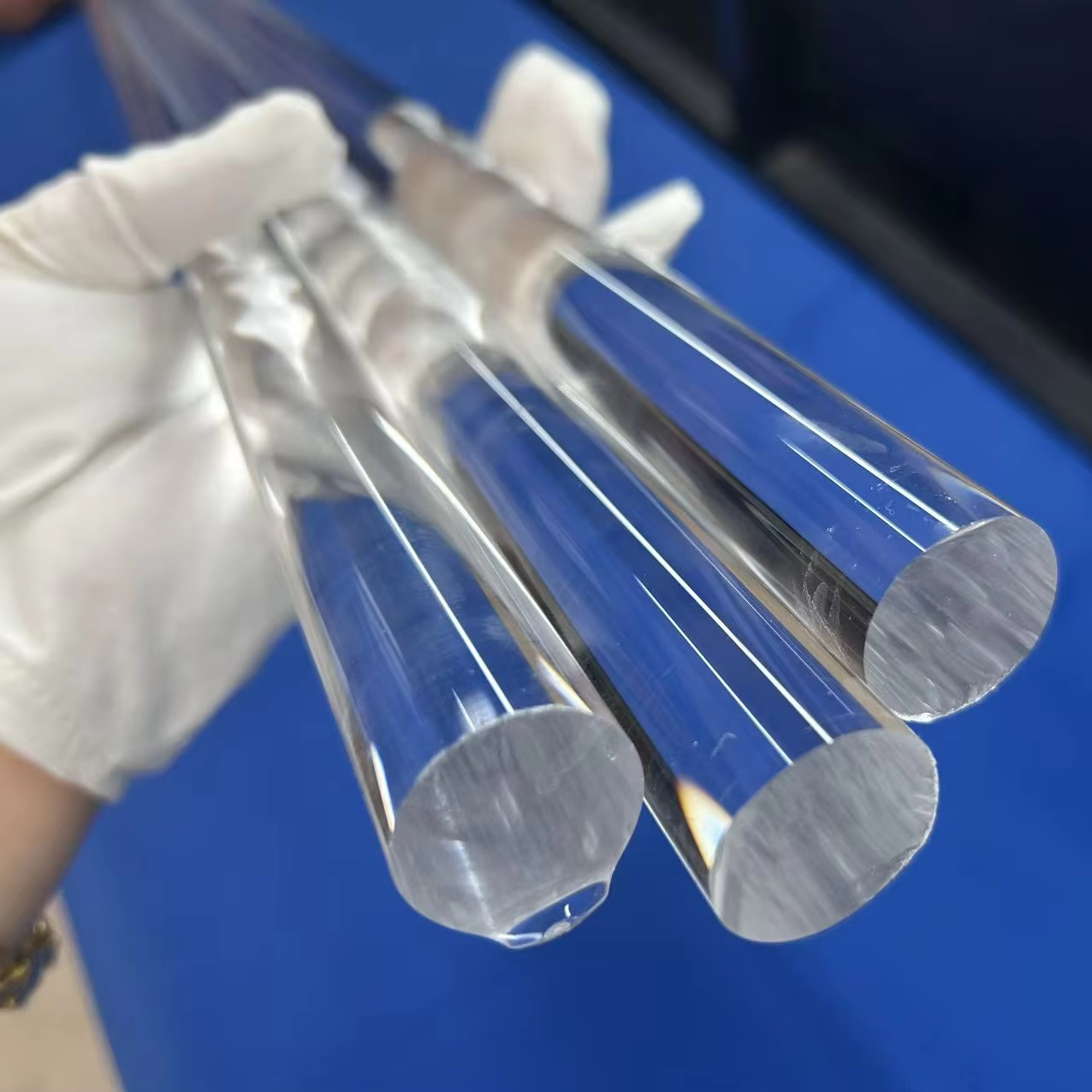
The Factory Produces High-purity Fused Quartz Large Diameter Round Rods, Offering Cutting, Welding, and Bending Services
View Product Details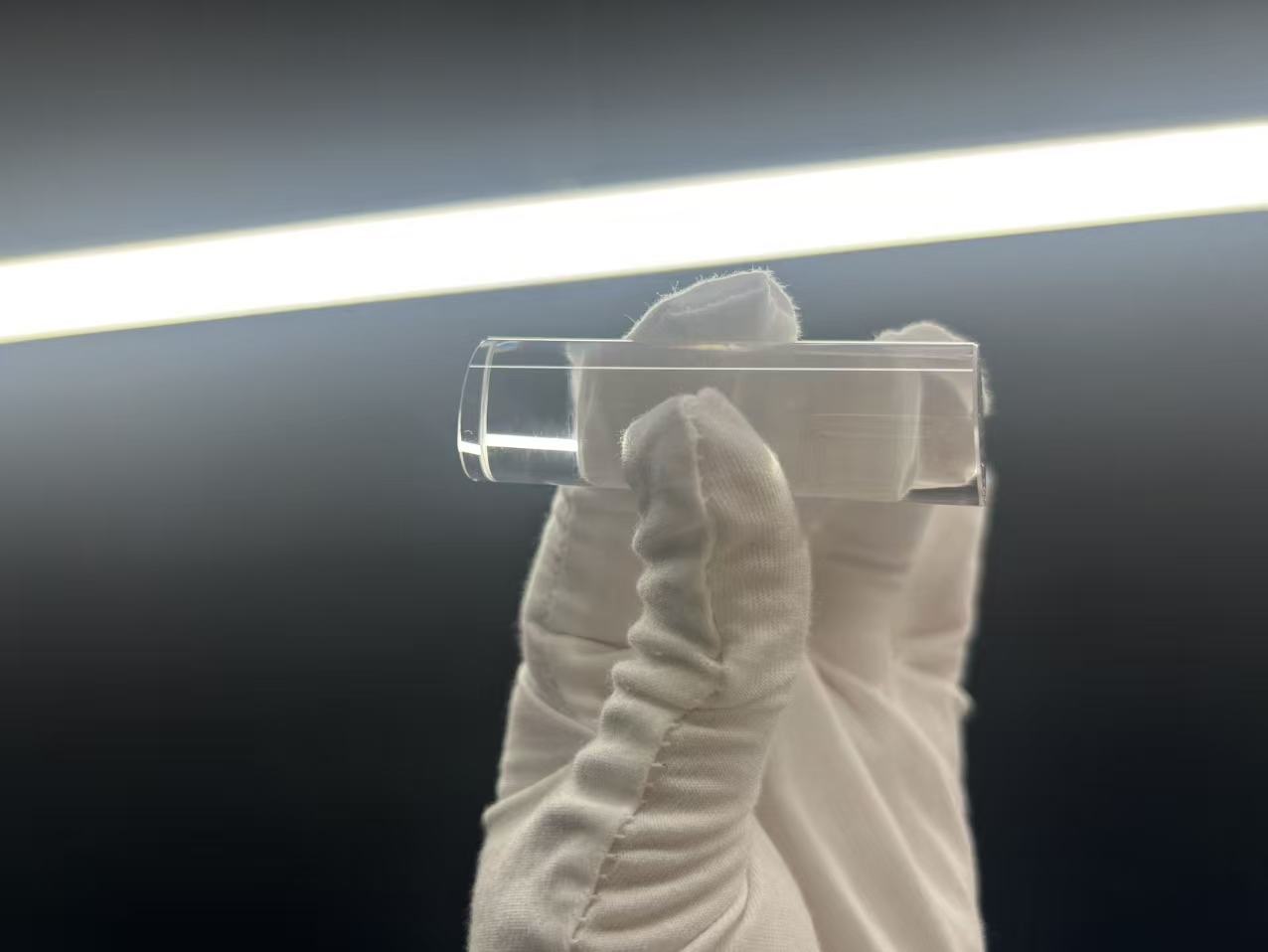
Round Head Quartz Rod
View Product Details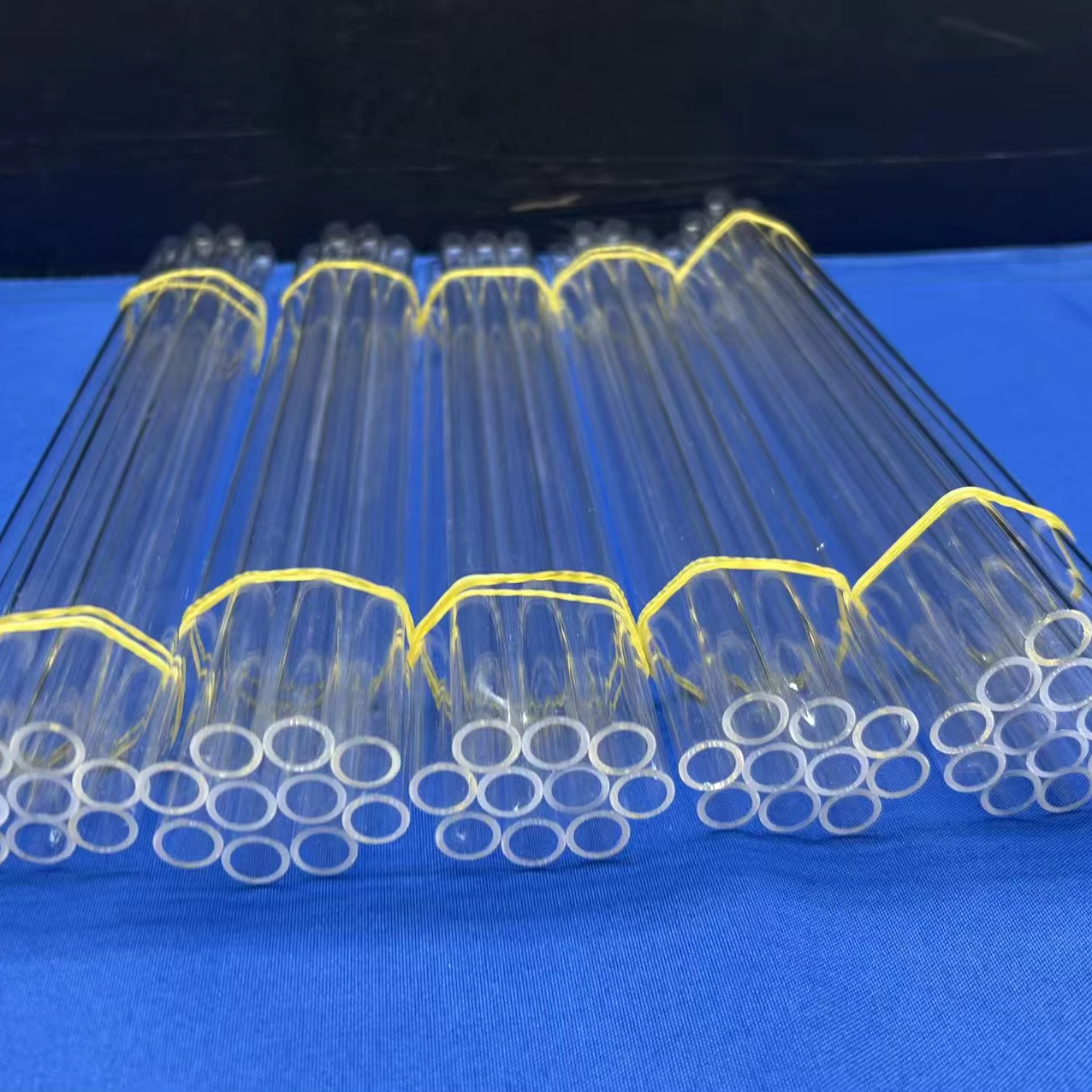
Quartz test Tube
View Product Details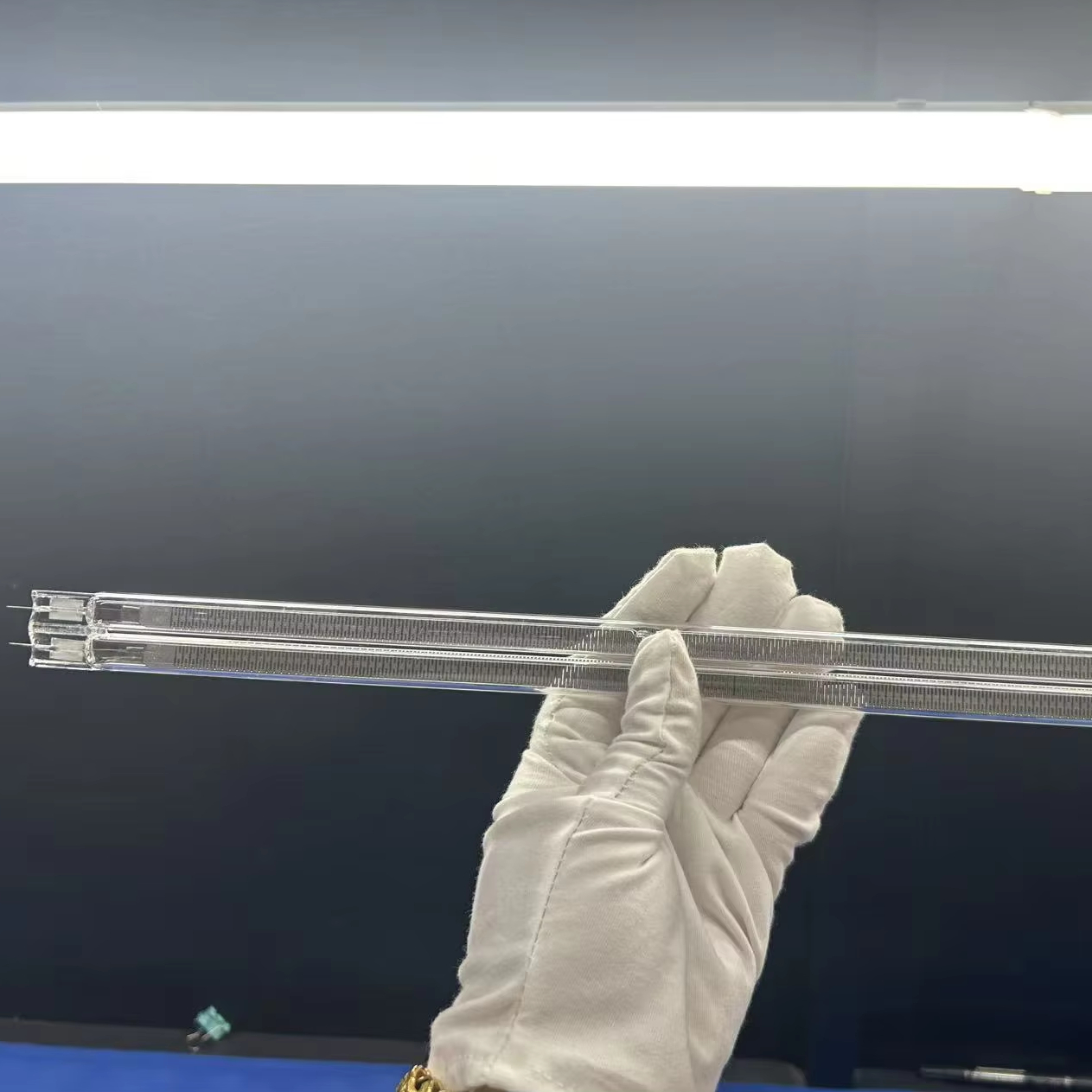
220v/380v 400mm 15*33mm Diameter Infrared Heating Tube Carbon Fiber/halogen Tube/graphite Tube for Fast Heating Equipment
View Product Details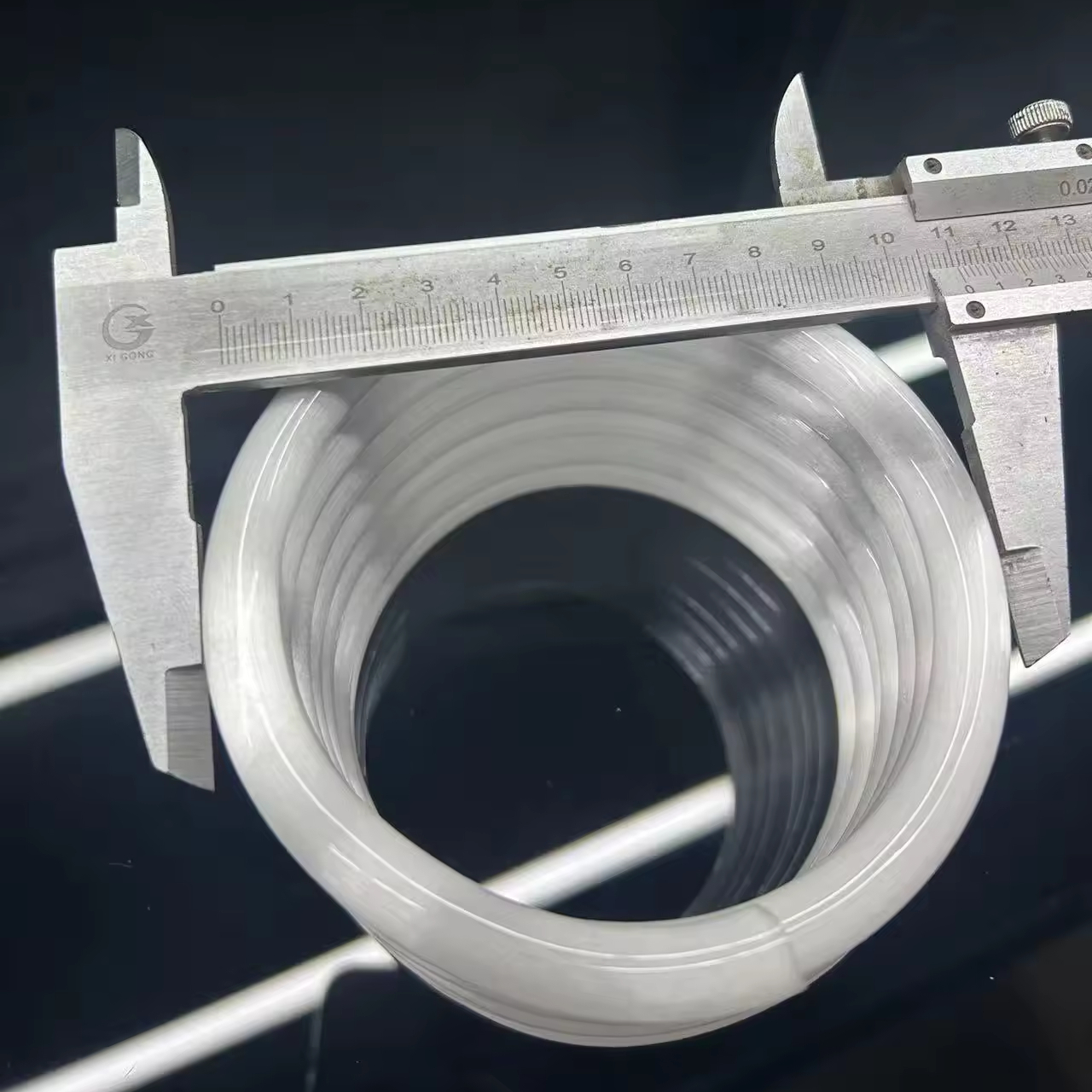
Helical Clear Quartz Glass Coil t Tube
View Product DetailsTechnical Whitepaper: OEM/ODM Sapphire Glass Window Manufacturing & Engineering Guidelines
As modern optical, semiconductor, and defense applications push operational boundaries deeper into thermal, mechanical, and chemical extremes, conventional optical glasses such as N-BK7 or soda-lime glass reach their fundamental material limits. Designers and procurement heads are increasingly forced to choose between single-crystal synthetic sapphire (α-Al2O3) and high-purity synthetic fused silica (JGS1, JGS2, JGS3 quartz). This technical guide provides a deep comparative analysis of physical properties, crystallographic orientation selection, surface finishing standards, and supply chain strategies for sourcing custom OEM/ODM sapphire glass windows and custom quartz assemblies.
1. Material Science & Crystallographic Characteristics of Synthetic Sapphire
Synthetic sapphire is a single-crystal form of aluminum oxide (α-Al2O3) featuring a hexagonal crystal structure. Renowned for its extraordinary mechanical hardness (Mohs 9, second only to diamond), extreme compressive strength (2000 MPa), and broad optical transmission spectrum (0.15 μm to 5.5 μm), sapphire windows serve as vital viewports in military sensor pods, deep-sea submersibles, high-pressure chemical reactors, and semiconductor plasma chambers.
However, because synthetic sapphire is an anisotropic crystal, its mechanical, thermal, and optical properties vary depending on crystallographic direction:
- C-Plane (0001) Sapphire Windows: Grown along the optical axis (c-axis), C-plane sapphire exhibits zero birefringence along the normal vector. It is the mandatory choice for optical windows, laser viewports, and polarized light systems where polarization state preservation is paramount.
- A-Plane (11-20) & M-Plane (10-10) Sapphire Windows: Non-polar planes exhibiting slight birefringence. These orientation cuts offer superior uniform mechanical flexural strength and are commonly utilized in high-pressure mechanical viewports, wear plates, and semiconductor wafer substrates.
- R-Plane (11-02) Sapphire Windows: Commonly selected for silicon-on-sapphire (SOS) microelectronic devices and custom optical waveplates.
| Physical / Optical Property | Synthetic Sapphire (α-Al2O3) | Synthetic Fused Silica (JGS1) | Optical Fused Quartz (JGS2) |
|---|---|---|---|
| Mohs Hardness | 9.0 | 5.5 – 6.5 | 5.5 – 6.0 |
| Optical Transmission Range | 150 nm – 5,500 nm (UV to Mid-IR) | 185 nm – 2,500 nm (Deep UV focus) | 220 nm – 2,500 nm (UV-Vis) |
| Density | 3.98 g/cm³ | 2.20 g/cm³ | 2.20 g/cm³ |
| Thermal Conductivity (25°C) | 35 W/(m·K) [Parallel to C-axis] | 1.38 W/(m·K) | 1.30 W/(m·K) |
| Melting Point / Softening Point | 2,040 °C (Melting Point) | 1,683 °C (Softening Point) | 1,683 °C (Softening Point) |
| Continuous Operating Temp | 1,800 °C | 1,100 °C | 1,100 °C |
| Birefringence | Anisotropic (Zero along C-plane) | Isotropic (Zero) | Isotropic (Zero) |
2. Precision Custom Machining and Surface Coating Techniques
Fabricating custom OEM sapphire windows requires specialized diamond tooling, ultra-rigid CNC machining setups, and advanced chemical-mechanical polishing (CMP) technology due to sapphire's high fracture toughness and extreme hardness. At Donghai County Nivra Quartz Products Co., Ltd., our manufacturing pipeline incorporates:
- Precision CNC Cutting & Edge Chamfering: Edge chipping severely reduces the mechanical pressure rating of optical windows. We utilize 5-axis CNC diamond grinding systems to apply uniform safety bevels (≥0.2 mm x 45°) and micro-crack-free edge finishes.
- Sub-Nanometer Optical Polishing: Achieving surface roughness Ra < 0.5 nm and surface quality of 10/5 Scratch-Dig (MIL-PRF-13830B) to minimize scatter losses in high-energy laser optics.
- Thin-Film Optical Coatings: Single and multi-layer Anti-Reflective (AR) coatings, Diamond-Like Carbon (DLC) hard coatings for marine/aerospace environments, and Metallic/Dielectric Beamsplitter coatings. Uncoated sapphire reflects approximately 8% per surface due to its high refractive index (~1.76 at 633 nm); AR coatings increase total light transmission to >98.5%.
Future Procurement Trends for OEM Sapphire & Optical Glass (2025–2030)
Global procurement metrics indicate a massive shift in B2B sourcing strategies for advanced optical substrates. Strategic supply chain directors must prepare for several emerging industrial trends over the next decade:
1. Semiconductor & Micro-LED Wafer Scaling
Demand is surging for large-diameter (8-inch to 12-inch) optical-grade sapphire carrier wafers and high-purity fused quartz processing boats. As Micro-LED display manufacturing ramps up, tight total thickness variation (TTV < 2 μm) and minimal bowing are now mandatory procurement criteria.
2. Ultra-High-Power Fiber Laser Optics
Industrial laser processing systems are scaling beyond 20 kW. Optical window procurement is shifting towards ultra-low absorption synthetic silica (JGS1) and single-crystal C-plane sapphire windows capable of enduring pulsed energy thresholds exceeding 15 J/cm² at 1064 nm.
3. Subsea & Harsh Environment Sensing
Deep-sea exploration, oil/gas optical viewports, and chemical processing plants require viewports that resist hydrofluoric chemical attack, thermal shock, and pressure spikes up to 10,000 PSI. Sapphire-to-metal hermetic brazing is becoming a standard supply request.
Industry & Technological Growth Trends in Material Processing
The global precision optics manufacturing landscape is undergoing rapid innovation, driven by automation, atomic-level metrology, and green manufacturing practices:
A. Adoption of Magnetorheological Finishing (MRF) and Laser Machining
Traditional pitch polishing is increasingly supplemented by computer-controlled Magnetorheological Finishing (MRF) and picosecond laser ablation. MRF allows deterministic surface figure correction to wave/20 accuracy while removing subsurface damage caused by initial grinding operations.
B. Hybrid Quartz-Sapphire Glass Assemblies
To balance project budget constraints with local thermal demands, systems engineers are moving toward hybrid optical assemblies. High-wear, high-impact exterior surfaces utilize thin sapphire protective windows, while larger structural body components utilize custom-welded high-purity fused quartz tubing or sheets, optimizing overall cost-to-performance ratios.
Enterprise Advantages of Donghai County Nivra Quartz Products Co., Ltd.
Headquartered in Donghai County, Jiangsu Province—recognized globally as China's premier hub for quartz raw material reserves and crystal glass processing—Donghai County Nivra Quartz Products Co., Ltd. stands out as a reliable OEM/ODM partner for international buyers.
Complete In-House Manufacturing Chain
From raw crystal selection, wire-saw slicing, and CNC lathe turning to manual gas flame welding, annealing, and optical polishing, we manage every step in-house to guarantee quality and competitive pricing.
Rigorous ISO-Standard Quality Control
Every custom sapphire window and quartz tube undergoes strict dimensional inspections, interferometric surface flatness checks, and spectrophotometric transmission verification before vacuum sealing and export packaging.
Rapid B2B Engineering Response
With a measured response rate exceeding 88% and average technical evaluation times under 5 hours, our engineering staff translates your PDF, DWG, or STEP drawings directly into actionable production workflows.
Comprehensive B2B Optical Sourcing FAQ
Below are detailed responses to key technical questions commonly raised by global optical design engineers and B2B procurement professionals:
Request a Custom OEM/ODM Quote Today
Partner with Donghai County Nivra Quartz Products Co., Ltd. for factory-direct precision optics, rapid sample prototyping, and reliable mass manufacturing. Click below to initiate instant communication with our optical engineers.