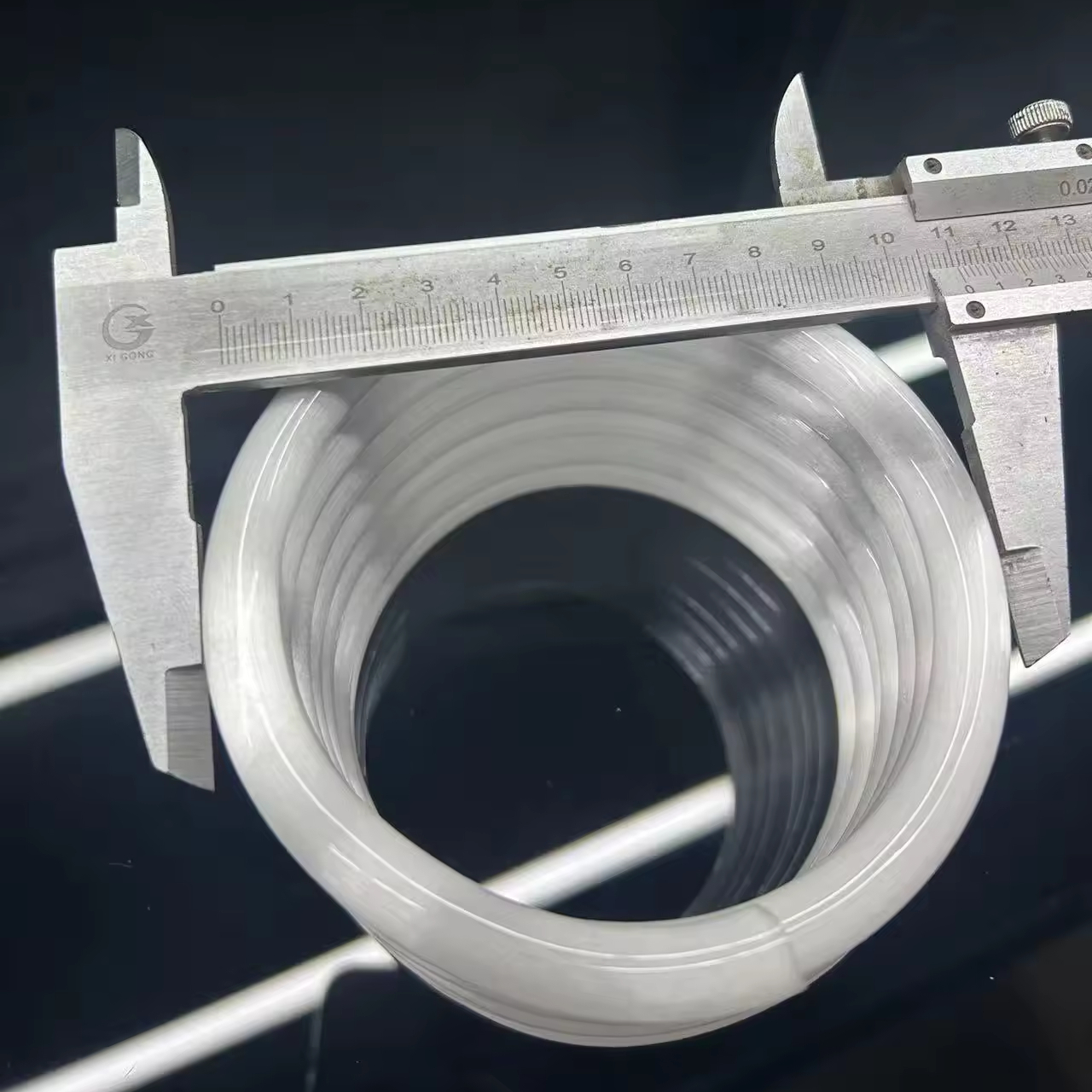
Catalog Showcase
Featured Semiconductor & Optical Quartz Products
Engineered in our Donghai fabrication hub, these components represent our precision capabilities in sub-micron slotting, chemical vapor welding, and optical fire-polishing.
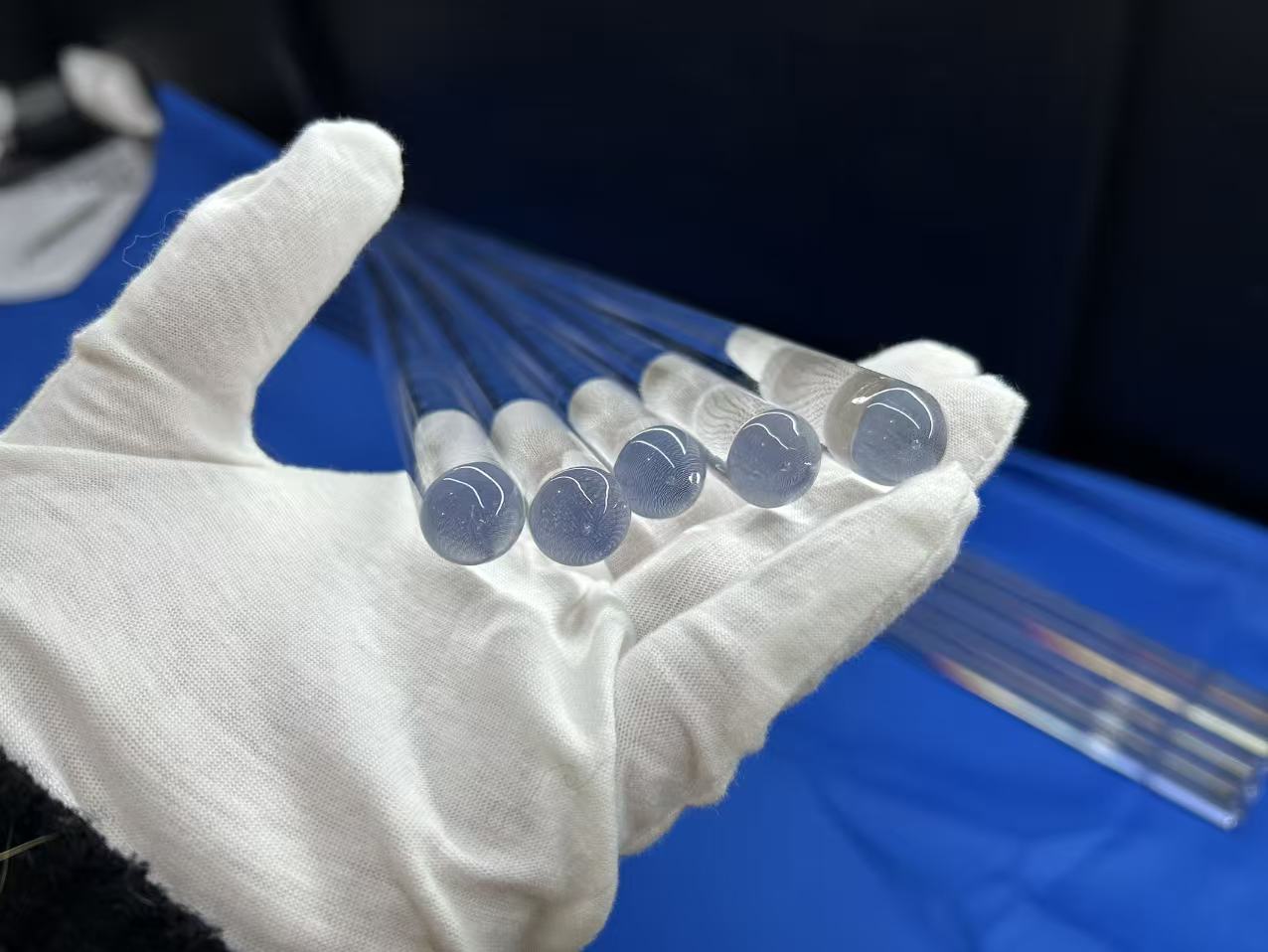
High-Purity Fused Quartz Round Rods (Cutting, Welding & Bending)
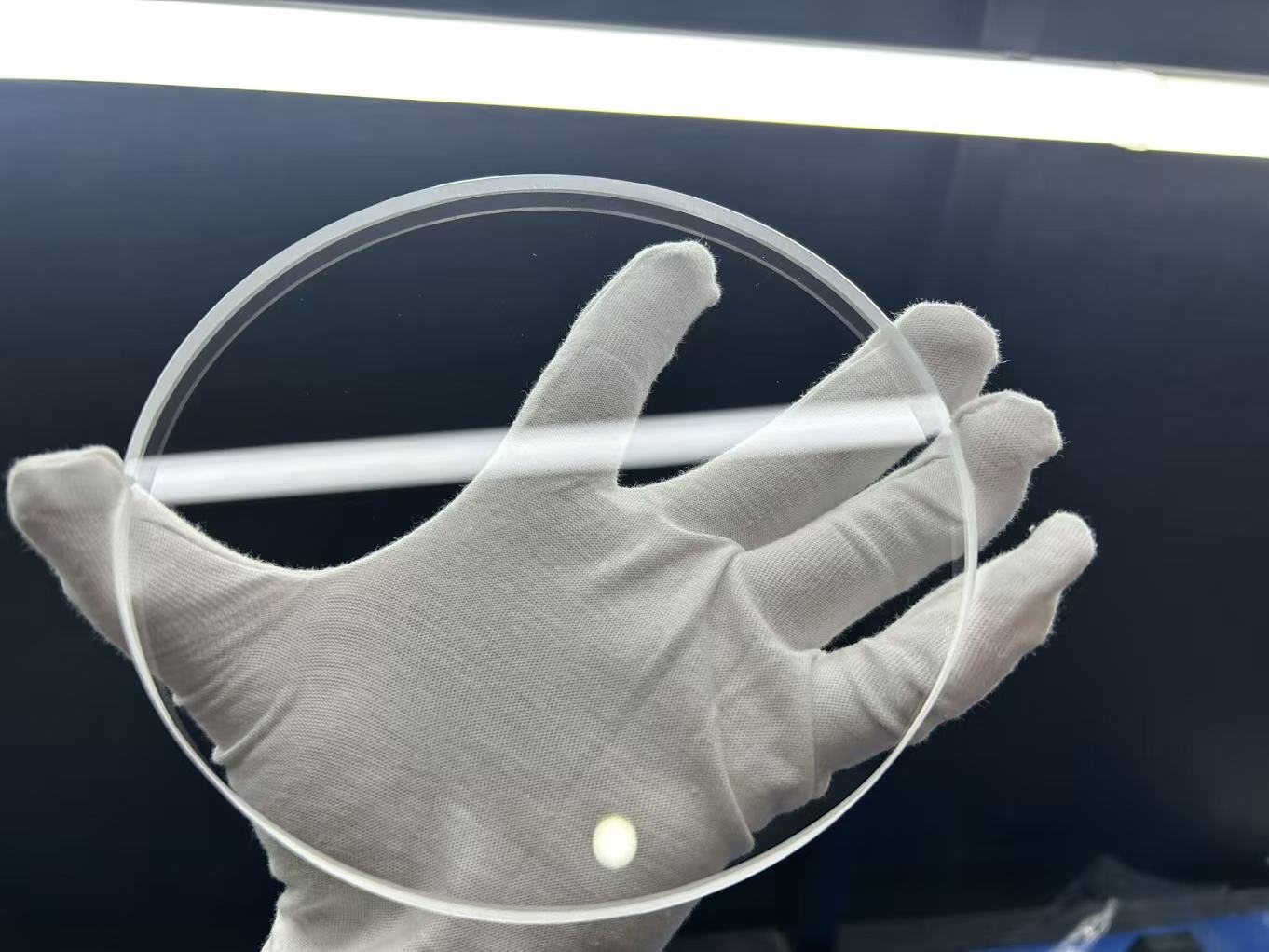
Clear Fused Quartz Glass Sheet for Optics and Photovoltaics
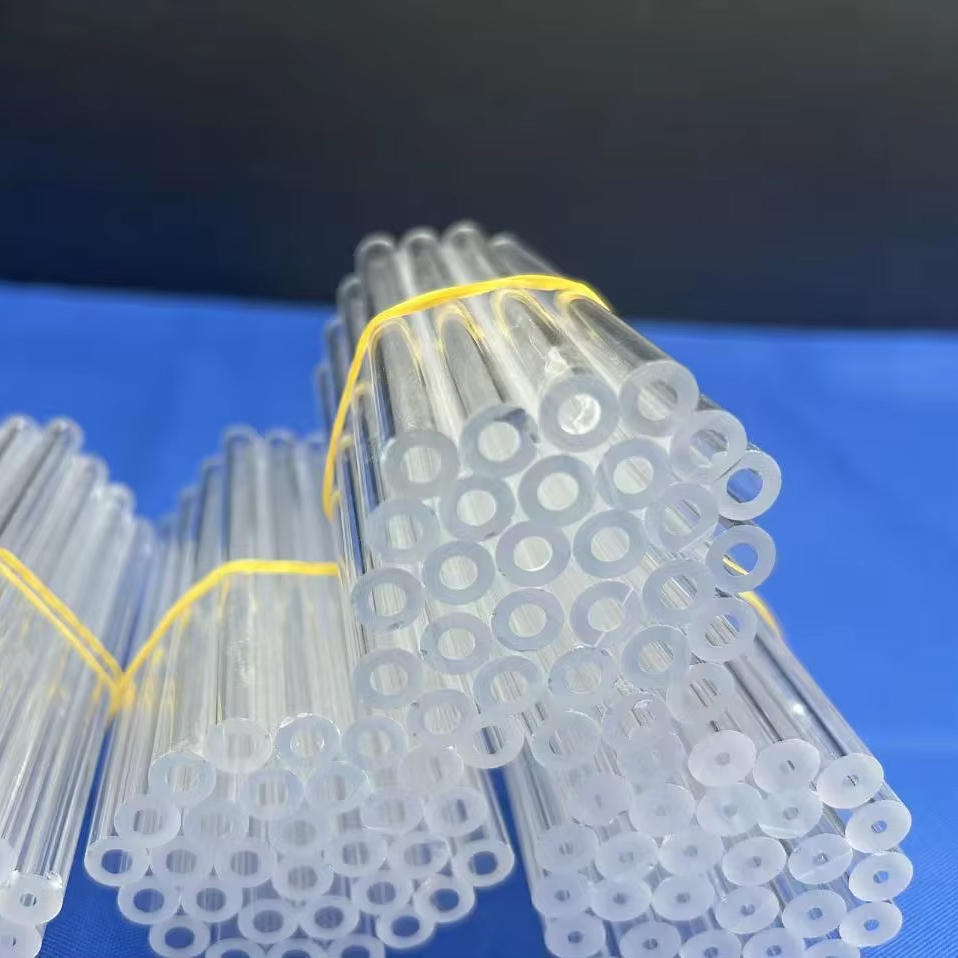
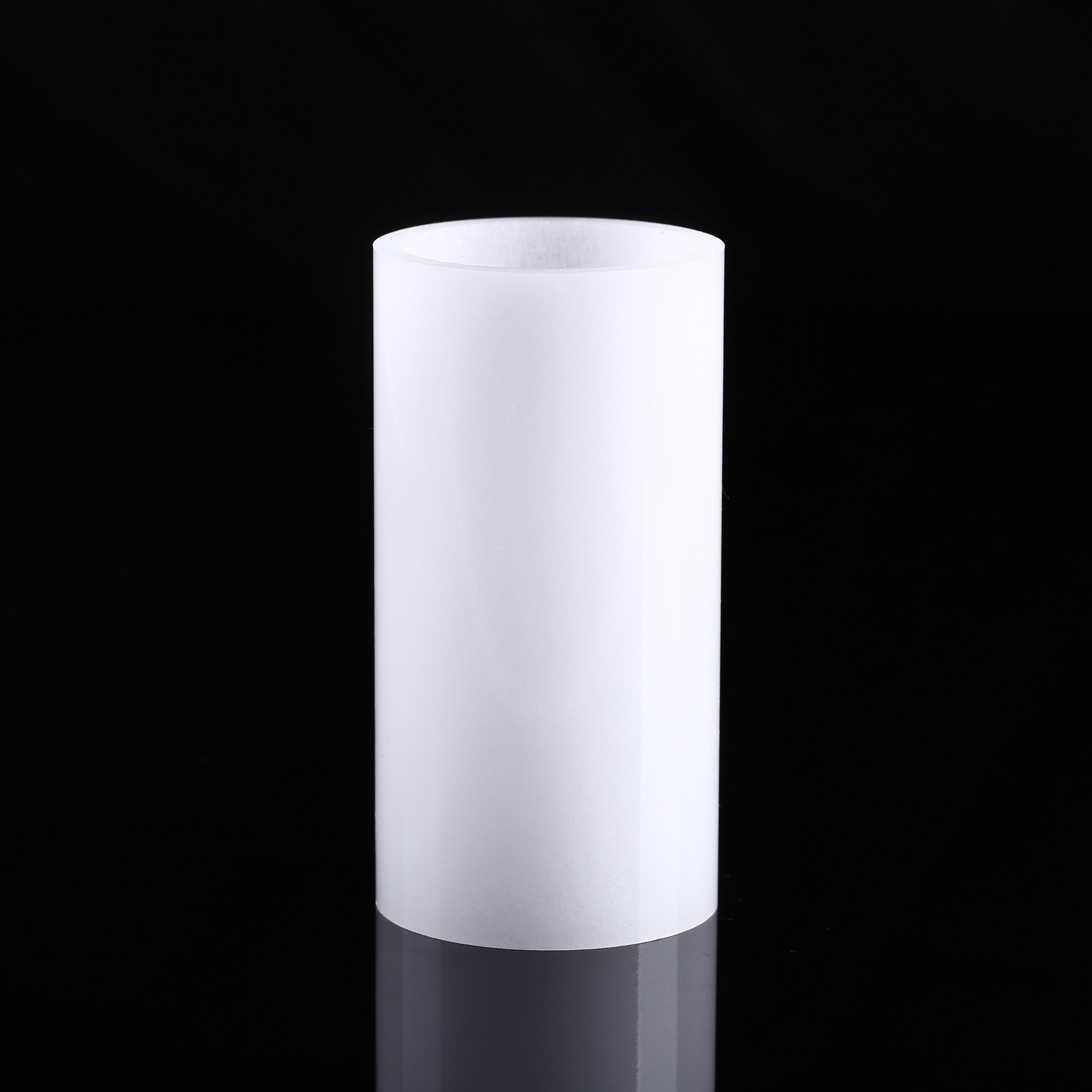
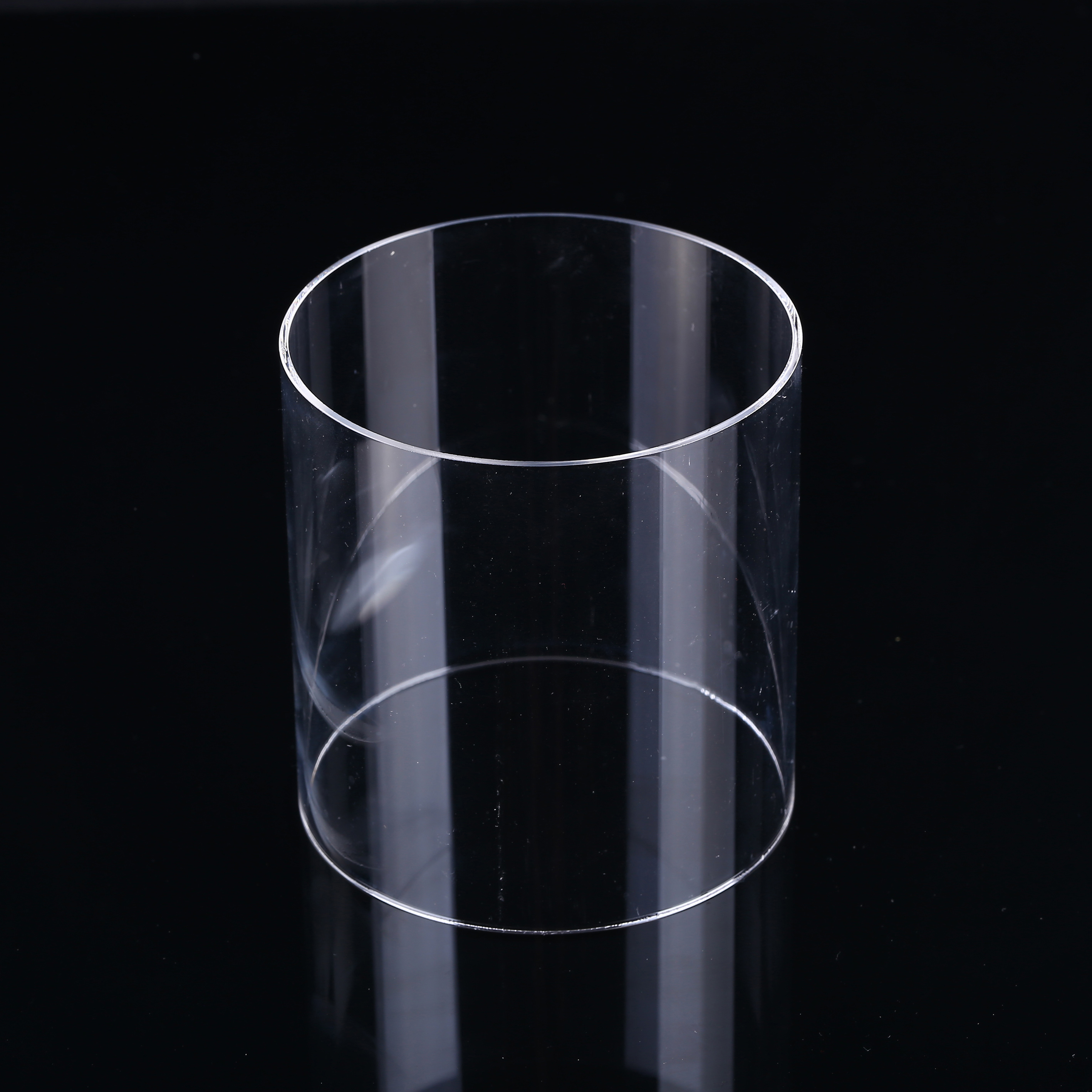
Customized Size Clear Quartz Glass Tube BET Borosilicate Glass Test Tube
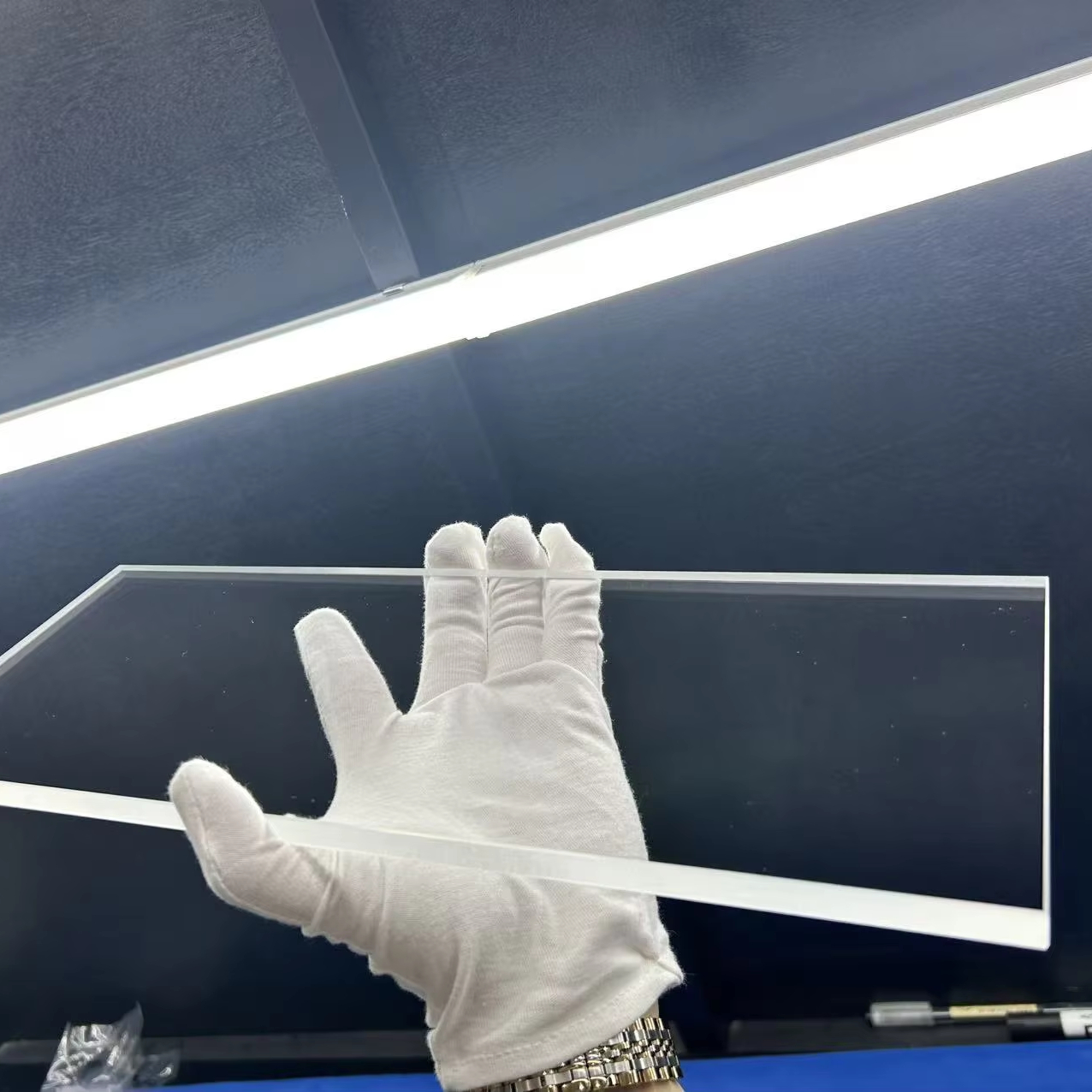
Ultra Clear High Purity Quartz Sheet
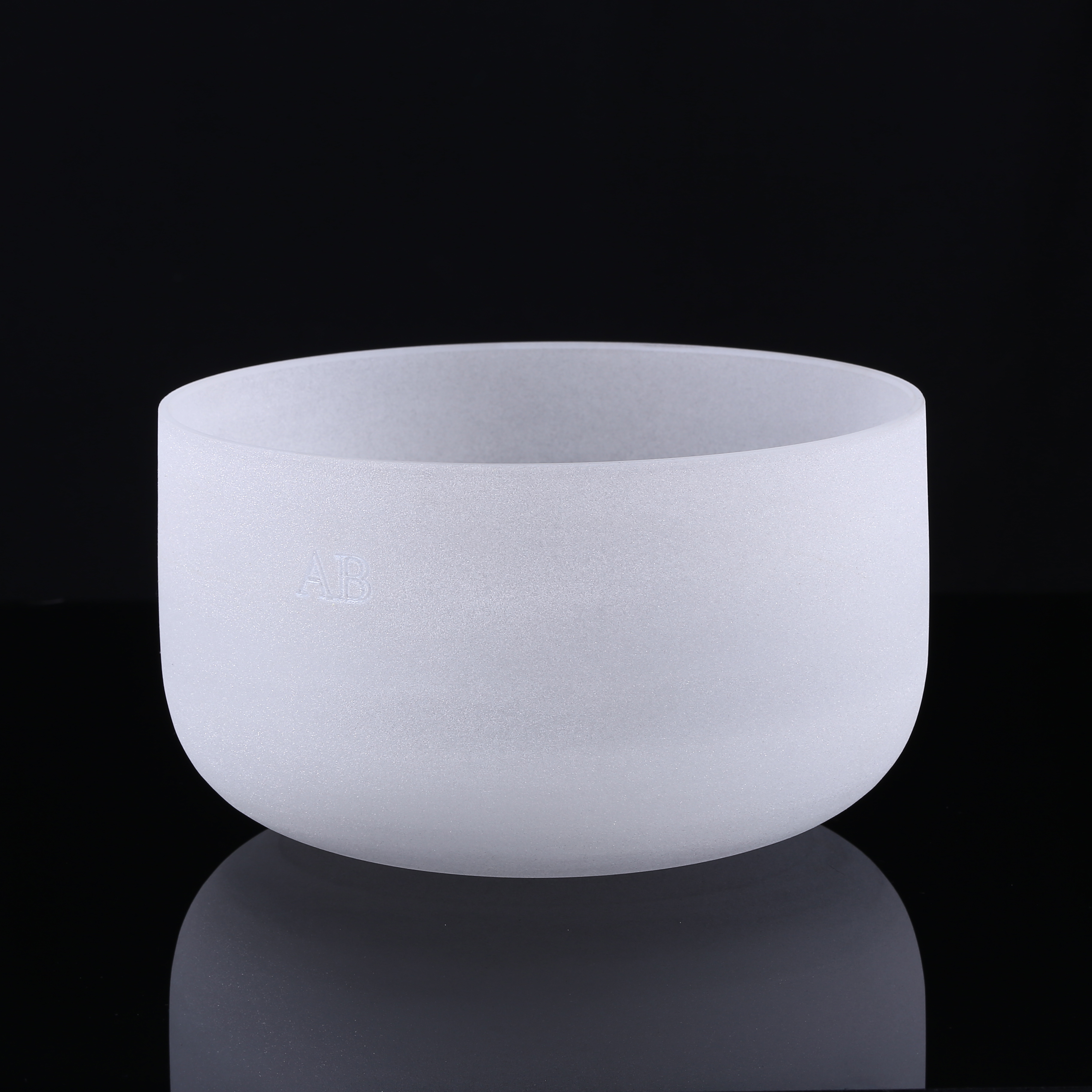
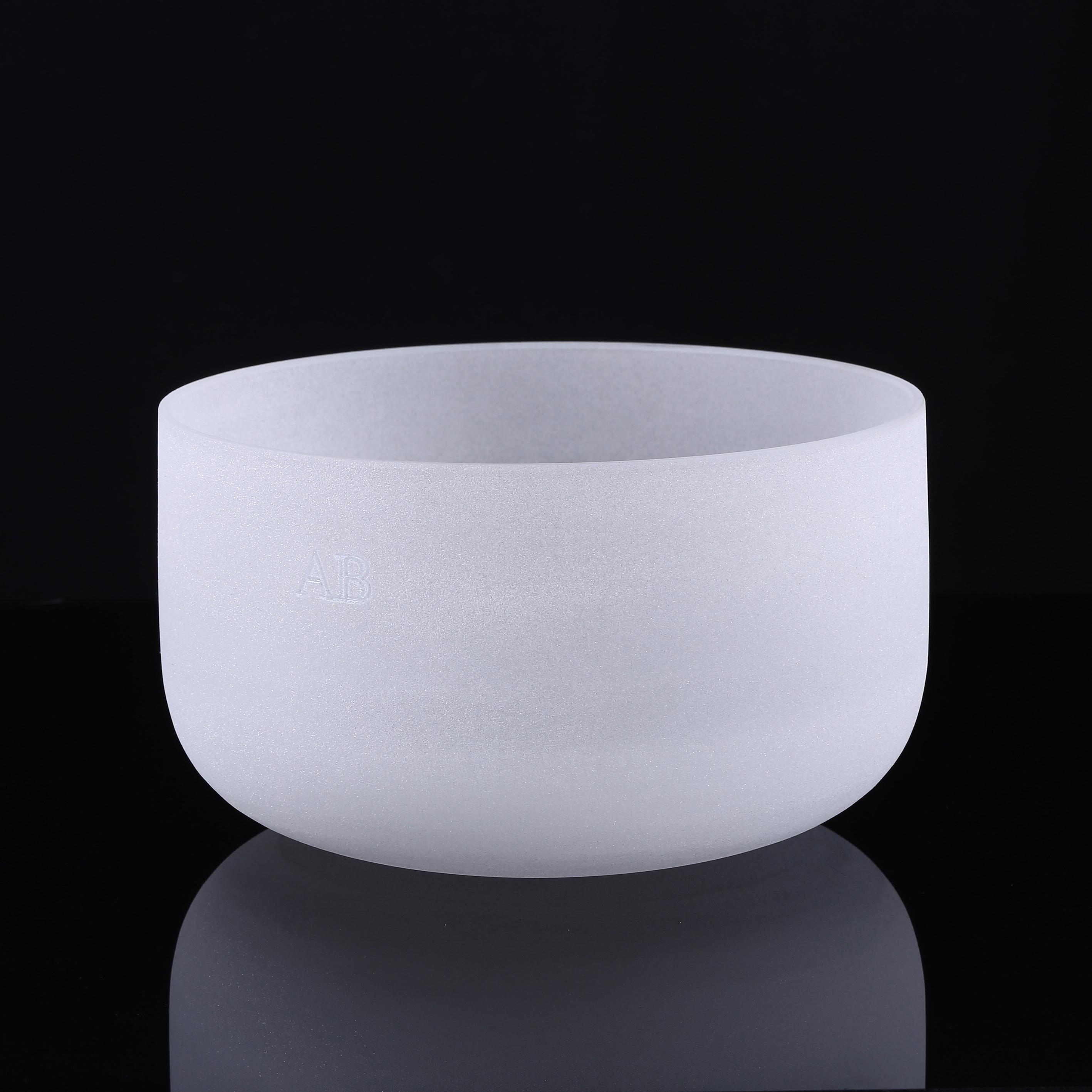
High Temperature Fused Silica Quartz Crucible
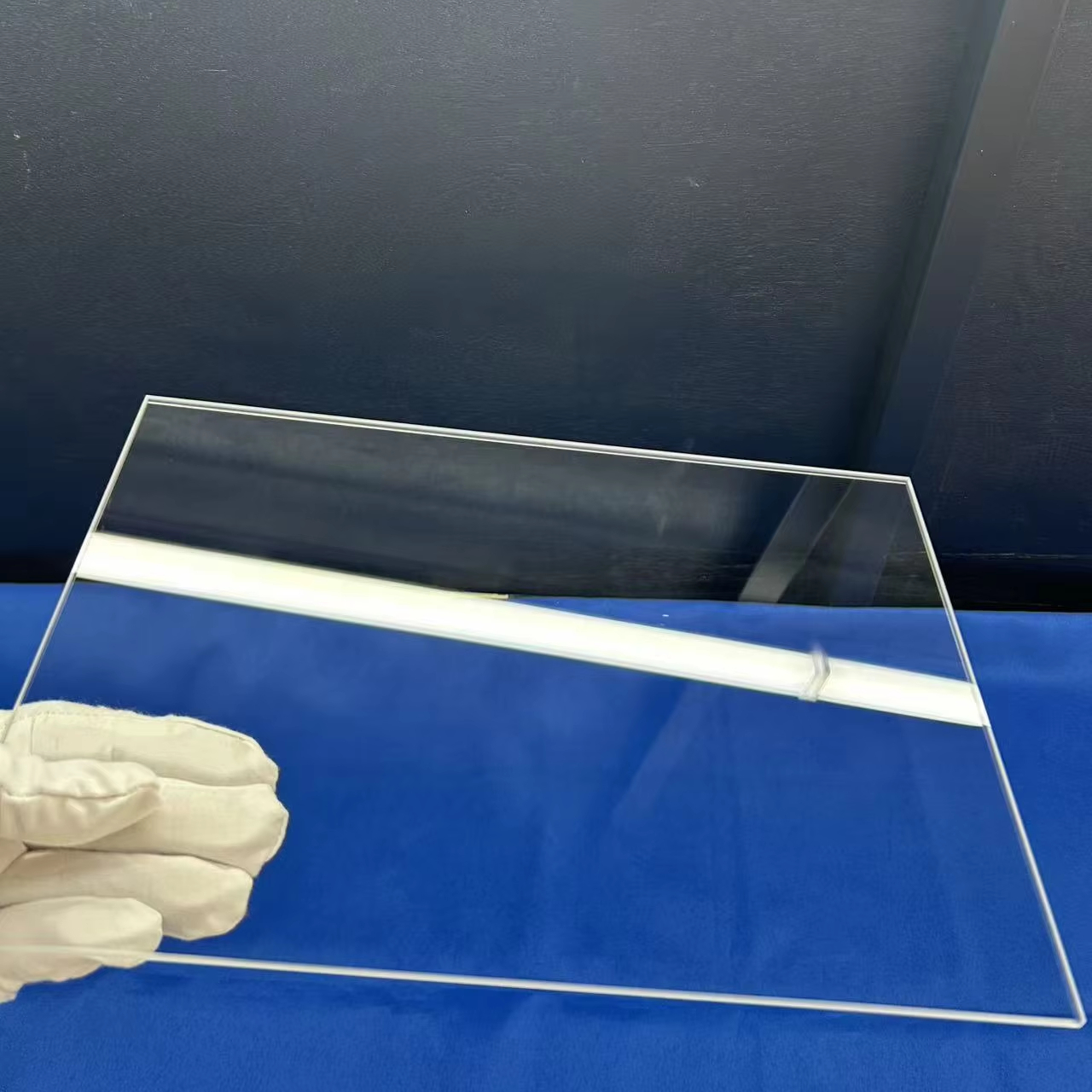
Custom Polished Transparent Square Quartz Glass 4mm Plate
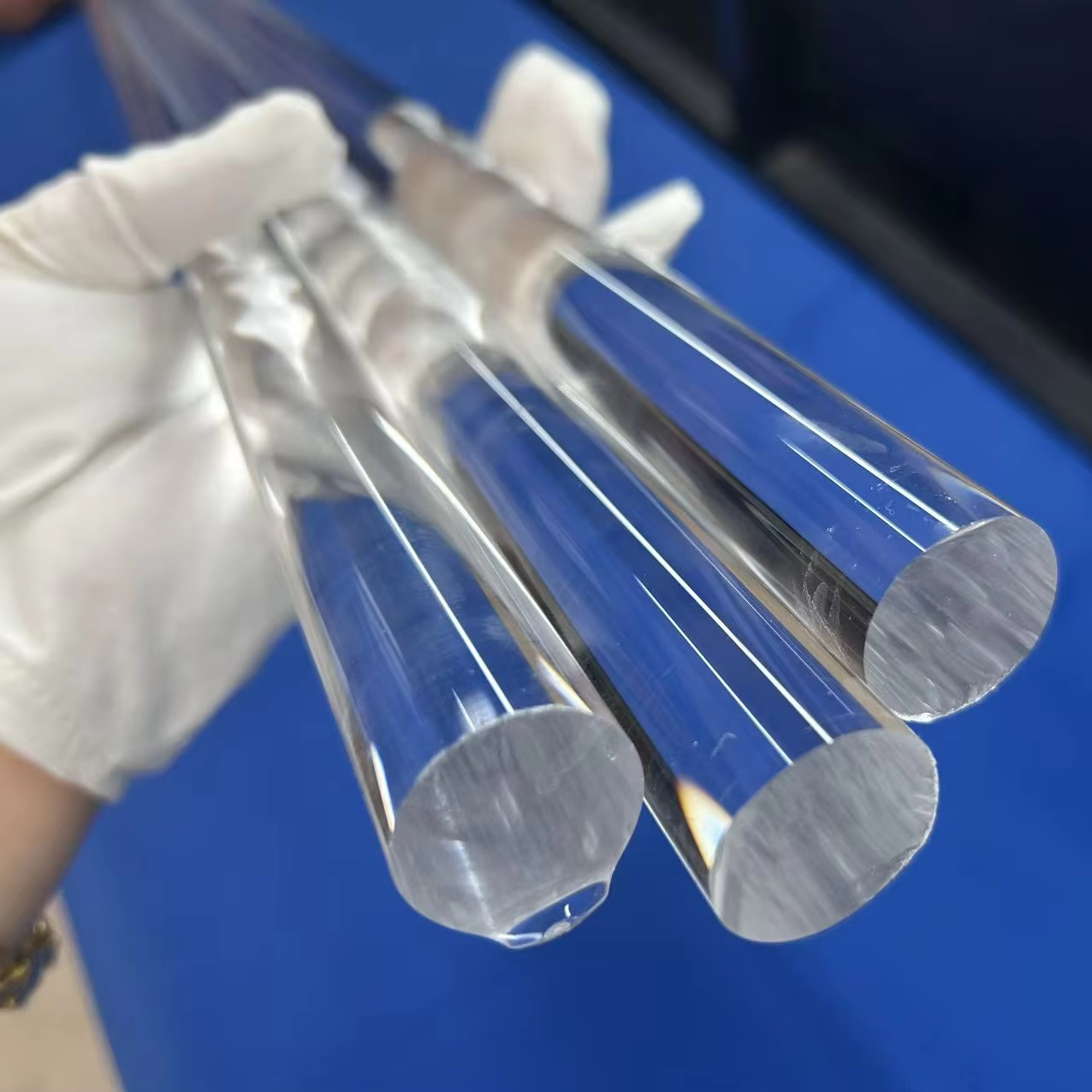
High-Purity Fused Quartz Large Diameter Round Rods Fabricated
Industry Whitepaper & Technical Foundation
The Critical Science of Quartz Wafer Carriers in Front-End Semiconductor Manufacturing
In thermal diffusion furnaces, dry/wet oxidation tubes, and low-pressure chemical vapor deposition (LPCVD) reactors, the quartz wafer boat is not merely a passive carrier; it is an active mechanical, thermal, and chemical component of the semiconductor yield equation.
Devitrification Phase Kinetics
At temperatures exceeding 1150°C, amorphous fused silica (α-SiO&sub2;) risks surface phase transition into crystalline β-cristobalite. This structural alteration triggers localized micro-cracking during cool-down due to volumetric contraction (∼2.8% volume delta during the β-to-α inversion at 220°C-270°C).
Our OEM furnace boats utilize selected low-alkali raw quartz with combined Na, K, and Li concentrations below 0.8 ppm, substantially raising the activation energy barrier for crystal nucleation and prolonging operating lifecycles by up to 45% in cyclic runs.
Sub-Micron Slot Geometry & Wafer Slip
Subsurface damage along slot channels generates friction points that pin silicon, SiC, or GaN wafers during thermal expansion. As the furnace ramps at rates up to 10°C-30°C/min, unequal thermal expansion induces shear stresses that surpass the critical resolved shear stress (CRSS), producing crystallographic slip dislocations.
By implementing 5-axis ultrasonic CNC diamond profiling paired with precision oxy-hydrogen fire-polishing, our slot profiles exhibit corner radii with continuous curvature (R ≥ 0.35 mm) and surface roughness Ra < 0.12 μm, eliminating stress risers.
Hydroxyl (OH¯) Concentration & Sagging
Residual hydroxyl radicals weaken the three-dimensional silicon-oxygen tetrahedral network (Si-O-Si bridging bonds). In elevated temperature oxidation regimes (1100°C-1300°C), quartz with hydroxyl concentrations greater than 30 ppm exhibits accelerated viscosity degradation, leading to sag deflection in horizontal ladder rails.
Nivra Quartz specifies electrically fused quartz tubing and rods with OH¯ levels under 5 to 15 ppm for load-bearing horizontal rails, ensuring slot alignment stability and maintaining automatic end-effector transfer compatibility.
| Wafer Boat Architecture | Supported Diameters | Operating Temperature | Slot Pitch Tolerance | Typical Furnace Application | Material Purity Grade |
|---|---|---|---|---|---|
| Horizontal Ladder Boat | 76 mm – 200 mm (3"–8") | Up to 1180°C continuous | ±0.04 mm | POCl&sub3; Diffusion, Poly-Si LPCVD | ≥ 99.995% SiO&sub2; |
| Vertical Batch Carrier Tower | 150 mm – 300 mm (6"–12") | Up to 1250°C continuous | ±0.025 mm | Gate Oxidation, SiN LPCVD, RTP | ≥ 99.998% Synthetic / Fused |
| Acid Wet-Bench Cassette | 50 mm – 300 mm (2"–12") | Ambient to 180°C (Hot H&sub3;PO&sub4;) | ±0.05 mm | RCA Clean, Piranha Etch, HF Strip | Corrosion Resistant JGS2 |
| Suspended Low-Mass Boat | 100 mm – 200 mm (4"–8") | Up to 1200°C dynamic | ±0.03 mm | Fast-Ramp Annealing, Dry Oxidation | ≥ 99.995% Low-OH Type II |
Strategic Sourcing Insights
Future Procurement Trends for Semiconductor Quartz Components
As global semiconductor manufacturing bifurcates between sub-3nm trailing nodes and aggressive 200mm/300mm mature-node expansion in compound semiconductors, quartzware procurement strategies must shift from transactional piece-cost metrics to yield-centric life cycle evaluations.
1. TCO-Driven Lifecycle Sourcing
Procurement teams at Tier-1 fabs are transitioning from purchase-price-variance (PPV) models to Total Cost of Ownership (TCO) benchmarks. A boat with superior structural integrity that survives 12 HF strip-and-clean cycles rather than 6 cuts downtime overhead, outgassing disruptions, and requalification runs.
2. Raw Material Traceability (Trace PPB)
Stringent semiconductor specs require supplier documentation down to single-digit parts-per-billion (ppb) for iron, copper, nickel, and sodium. Sourcing from verified manufacturing clusters like Donghai provides transparent raw crystal tracking, ensuring trace element stability lot over lot.
3. Automation & SEMI Standard Interfaces
With lights-out automated fabs and robotic wafer transfer systems (WTS) expanding globally, quartz boat dimensions must conform strictly to SEMI E47.1 cassette and carrier standards. Angular tilt tolerances have narrowed to ≤ 0.15°, requiring integrated coordinate measuring machine (CMM) verification.
4. Supply Chain Localization & Agility
Disruptions in quartz base tube deliveries have highlighted the vulnerability of single-source procurement. Fabs in North America, Western Europe, and East Asia are qualifying vertically integrated OEM/ODM partners capable of rapid prototyping within 7 to 14 working days.
Engineering Evolution
Technological Milestones Reshaping High-Purity Quartz Carrier Fabrication
Technological evolution in high-temperature wafer transport is driven by thinner wafer substrates, higher thermal cycle ramp rates, and the critical need to suppress airborne molecular contamination (AMC).
Monolithic Micro-Machining vs. Welded Assemblies
Traditional multi-piece ladder boats rely on manual oxy-hydrogen flame welding to join slotted rods to structural crossbars. Each flame-welded joint retains localized thermal stress zones that prove vulnerable to chemical attack during repetitive HF acid baths.
Modern manufacturing is rapidly advancing toward monolithic continuous milling: machining complex ladder rails directly from solid, stress-annealed fused quartz blanks. This method cuts residual mechanical stress by over 60%, delivering structural repeatability under extreme thermal cycling.
Sub-Surface Damage (SSD) Suppression
During diamond wheel slot cutting, micro-fractures penetrate 10 μm to 30 μm below the quartz surface. If left unmitigated, these micro-cracks propagate under thermal shock, causing wafer slot flaking and particulate shedding onto active device dies.
New finishing technologies integrate sequential multi-stage chemical acid etching followed by high-temperature hydrogen-oxygen torch annealing at 1650°C. This process reflows surface layers, smooths mechanical micro-notches, and provides pristine, defect-free contact points for high-value wafers.
Next-Generation Synthetic Quartz for Advanced CVD
For demanding atomic layer deposition (ALD) and advanced memory silicon nitride LPCVD steps, standard natural quartz can liberate trace dopants (Al, B, Fe) when challenged by reactive halogenated precursor gases (SiH&sub2;Cl&sub2;, NH&sub3;, Cl&sub2;).
The adoption of synthetic fused silica (JGS1 equivalent), manufactured via high-temperature vapor phase hydrolysis of pure silane or silicon tetrachloride, provides 99.9999% chemical purity with zero bubble inclusions, safeguarding nanometer-scale node architectures.
Manufacturing Leadership
Donghai County Nivra Quartz Products Co., Ltd.
Established in February 2019 in Donghai County, Lianyungang, Jiangsu — internationally recognized as China's quartz and crystal processing capital — Nivra Quartz has expanded into a vertically integrated high-purity quartz manufacturing enterprise.
Operating with 101 to 200 skilled production technicians, glass blowers, and precision CNC machinists, we handle the full production chain in-house: rough cut, precision cold-machining, CNC slot profiling, flame welding, high-temperature furnace annealing, cleanroom washing, and cleanroom vacuum packaging.
Location: Donghai Industrial Hub
Direct Factory Pricing
OEM & ODM Custom Drawings
Full Purity Certification
Operational Metrics & Quality Benchmarks
- Founded:February 2019
- Workforce:101 – 200 Employees
- Inquiry Response Time:≤ 5 Hours
- Measured Response Rate:88.89%
- Buyer Reorder Rate:23% Sustained
- Customer Review Rating:5.0 / 5.0 Verified
- Export Footprint:North America (40%), Western & Eastern Europe (34%)
2019
Founded In Donghai
≤ 5h
Avg Engineering Response
88.89%
Response Rate
5.0 / 5
Buyer Quality Score
Engineering Due Diligence
Frequently Asked Questions for Quartz Wafer Boat Sourcing
Direct answers to the most common questions from semiconductor process integration engineers, equipment procurement managers, and foundry supply chain directors.
What dimensional tolerances can Nivra Quartz hold on wafer slot pitch and width?
+
On high-precision vertical and horizontal ladder boats, our automated CNC slotting machinery maintains a slot pitch tolerance of ±0.025 mm to ±0.05 mm and slot width accuracy within ±0.03 mm. Parallel runout along the entire rail length (up to 1200 mm) is held within ≤ 0.1 mm.
Every critical dimension is measured on a Mitutoyo 3D Coordinate Measuring Machine (CMM) in our temperature-controlled inspection lab, with full multi-point inspection reports included with each production shipment.
How does hydroxyl (OH¯) concentration affect furnace boat longevity?
+
Hydroxyl ions act as structural terminators within the SiO&sub2; network, lowering the transformation point (annealing point ∼1140°C) and increasing plastic deformation rates under high-temperature thermal loads (>1100°C). High OH¯ levels accelerate ladder rail sagging over successive furnace runs.
For high-temperature thermal oxidation and diffusion processes, we utilize electrically fused quartz (Type II) with OH¯ concentrations <15 ppm, or vacuum-annealed quartz with OH¯ <5 ppm, maximizing cycle count between re-straightening runs.
What cleaning and maintenance protocols should be utilized for quartz furnace boats?
+
To strip deposited polysilicon, silicon oxide, or silicon nitride films, boats should be immersed in a filtered, ultrapure solution of 5%–10% hydrofluoric acid (HF) or HF/HNO&sub3; mixture. Do not exceed a 20-minute immersion cycle, as prolonged HF contact etches grain boundaries, creating micro-voids that accelerate devitrification.
Following acid stripping, execute a megasonic rinse in 18 MΩ·cm deionized (DI) water until resistivity stabilizes, followed by cleanroom dry-baking in a high-purity nitrogen ambient before re-entering furnace tubes.
Can Nivra Quartz manufacture custom wafer boats from customer drawings (DWG/STEP)?
+
Yes. Over 75% of our semiconductor production is dedicated to OEM and ODM custom components. We accept native CAD files in STEP, IGES, DXF, DWG, and PDF formats. Our engineering team reviews your drawings for thermal mass balance, slot corner radii, and manufacturability.
Technical feedback, design-for-manufacturing (DFM) suggestions, and formal quotation packets are returned within our verified average response time of ≤ 5 hours.
How do you protect fragile quartz wafer boats from shock and vibration during international export?
+
Export packaging is engineered to eliminate both mechanical impact and airborne particulate contamination. Finished quartz boats are cleaned with 18 MΩ DI water, dried in a cleanroom, and double-vacuum sealed in cleanroom-grade antistatic polyethylene bags.
The sealed assembly is suspended within high-density expanded polyethylene (EPE) custom foam inserts inside a heavy-duty inner carton, which is enclosed within a reinforced, fumigation-free plywood crate equipped with external shock-watch and tilt-watch indicator sensors.
What are the minimum order quantities (MOQ) and sample lead times?
+
To support process development and qualification runs, our MOQ for custom quartz wafer boats is 1 piece. Prototype units generally ship within 7 to 14 business days following drawing sign-off. High-volume production batches (50 to 500+ pieces) are scheduled according to customer release plans.
Direct Factory Collaboration
Request an Engineering Review & Quotation for Your Quartz Boats
Share your CAD drawings, required slot pitch tolerances, process temperatures, and annual volume. Our Donghai quartz technical team will provide a comprehensive engineering assessment within 5 hours.
Inquire Now