Factory Direct OEM/ODM Quartz Components
Engineered for Semiconductor, Optical Instrumentation, UV/IR Radiation, and Thermal Processing Applications
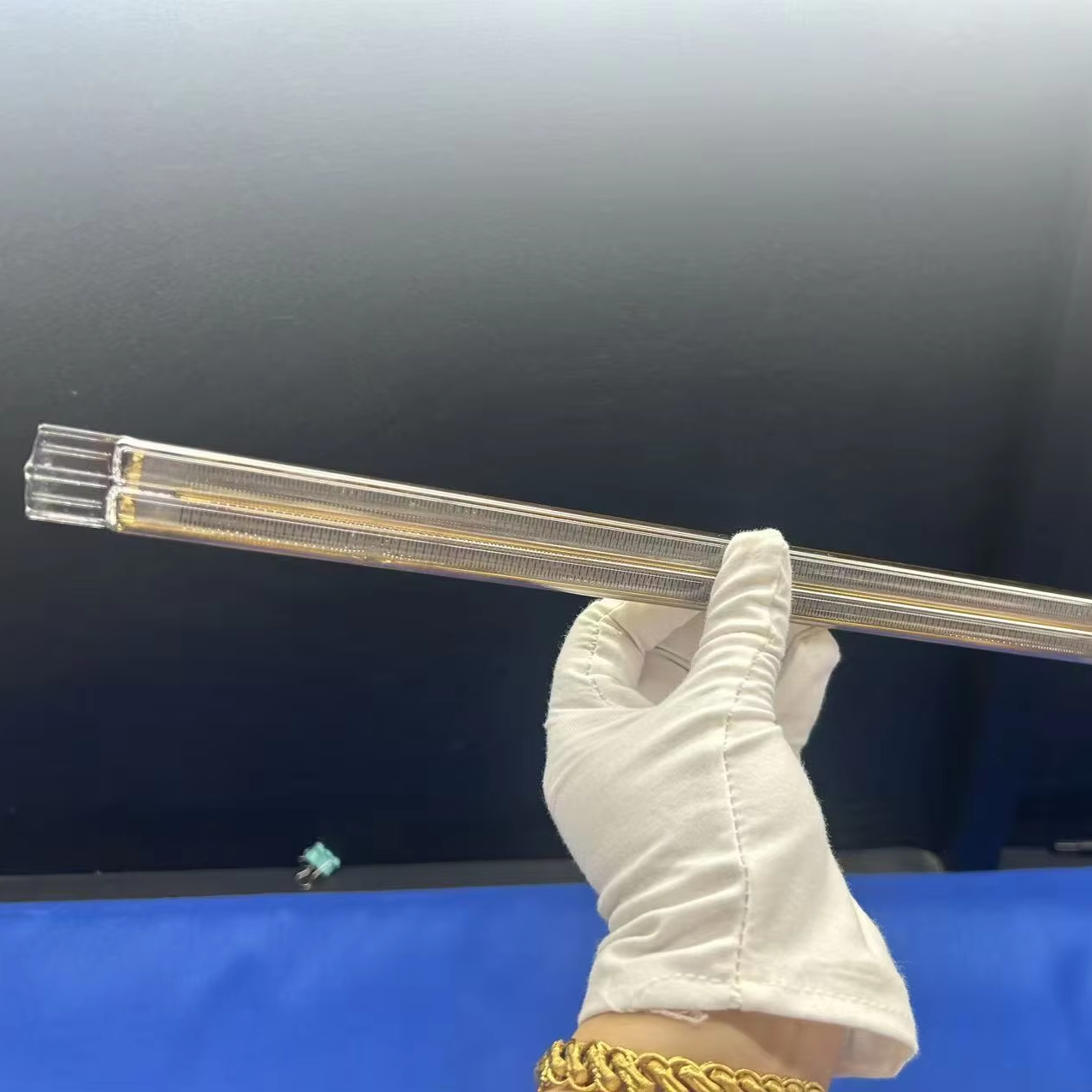
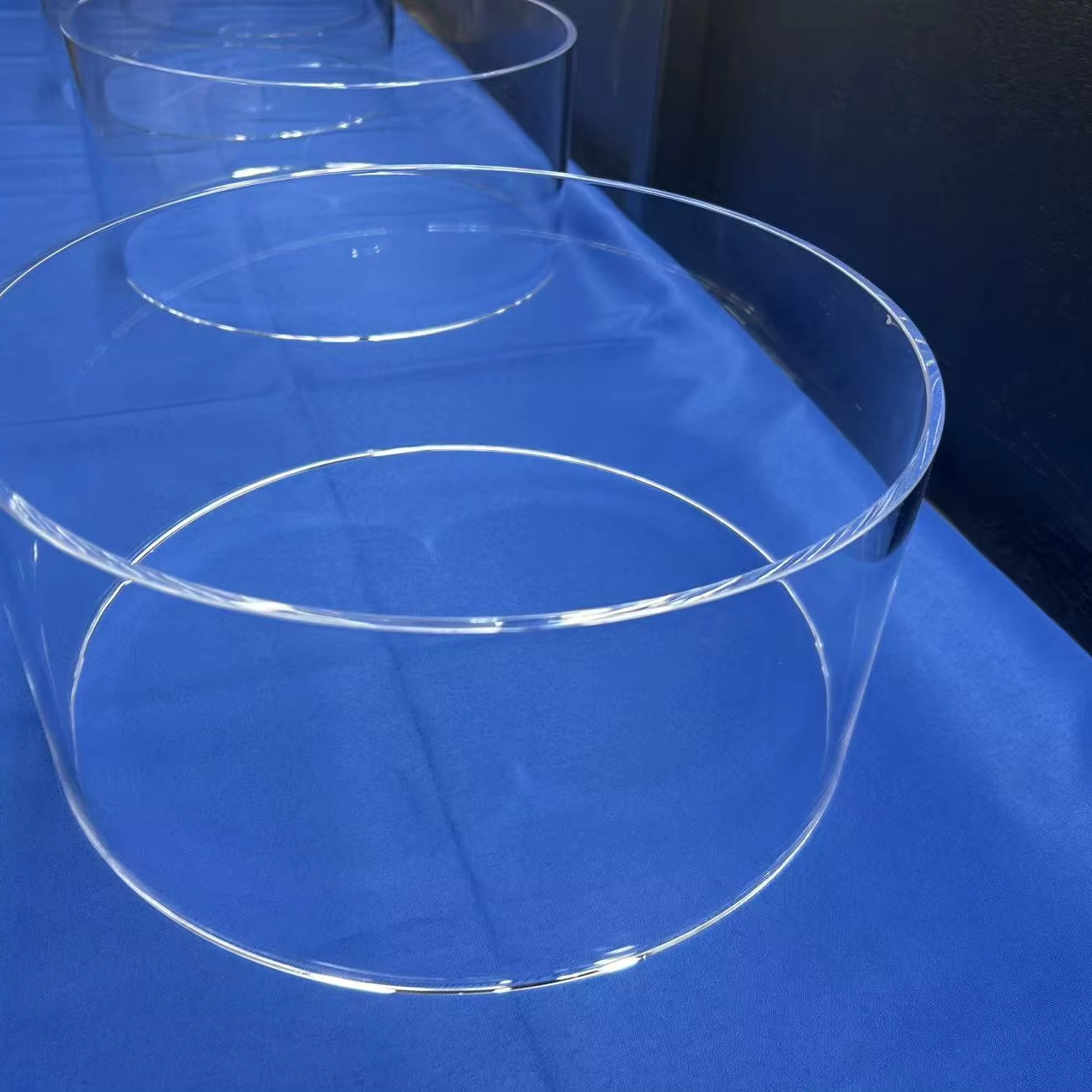
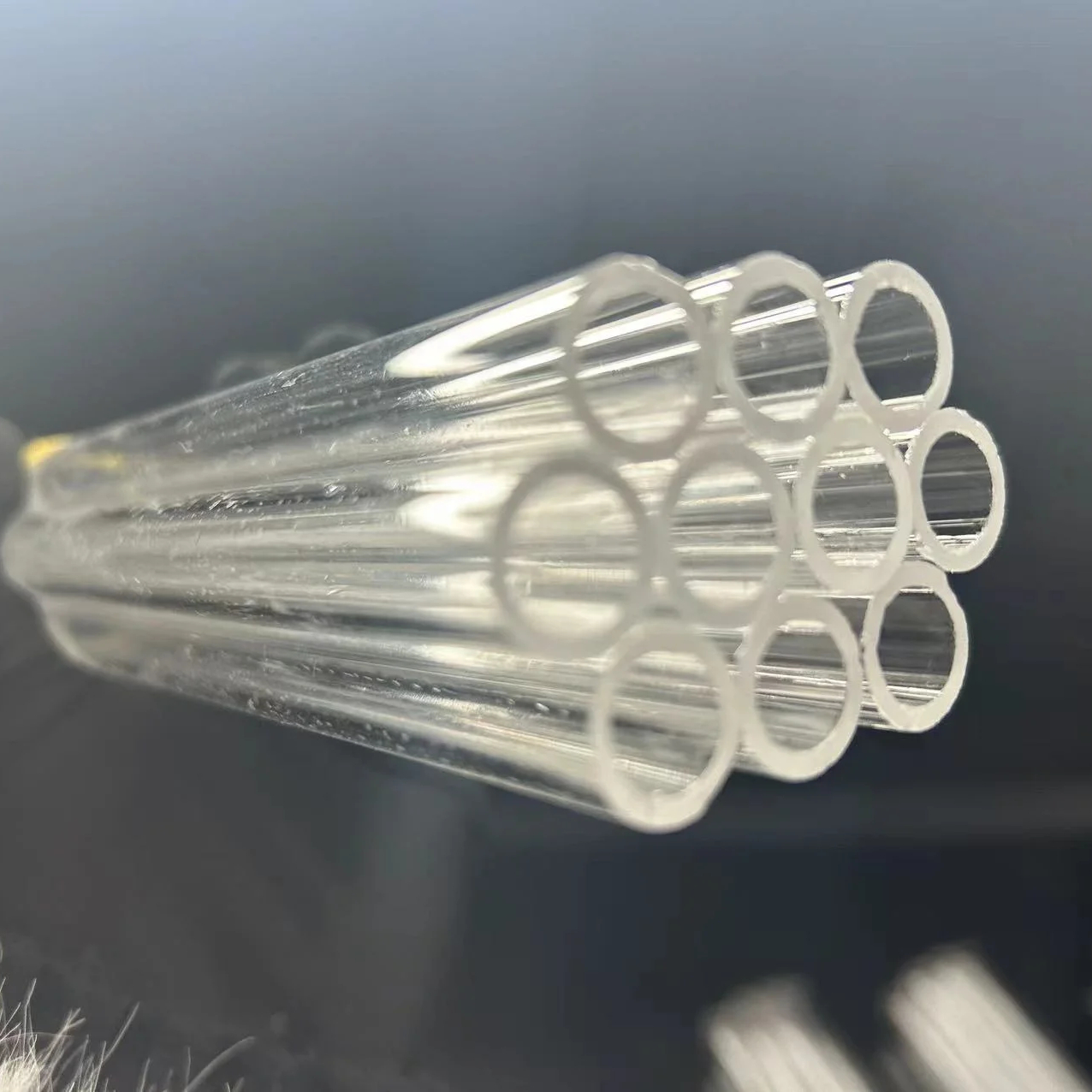
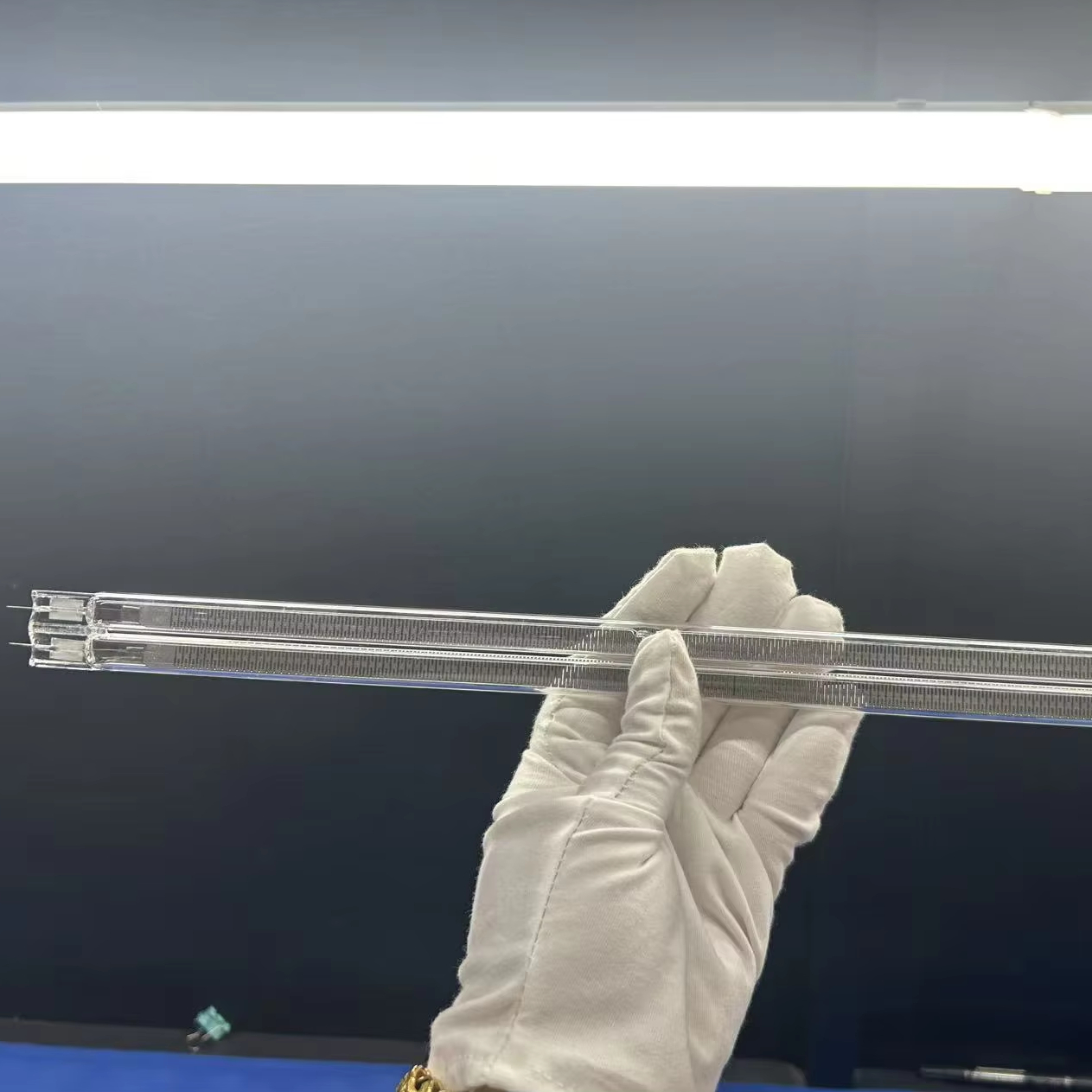
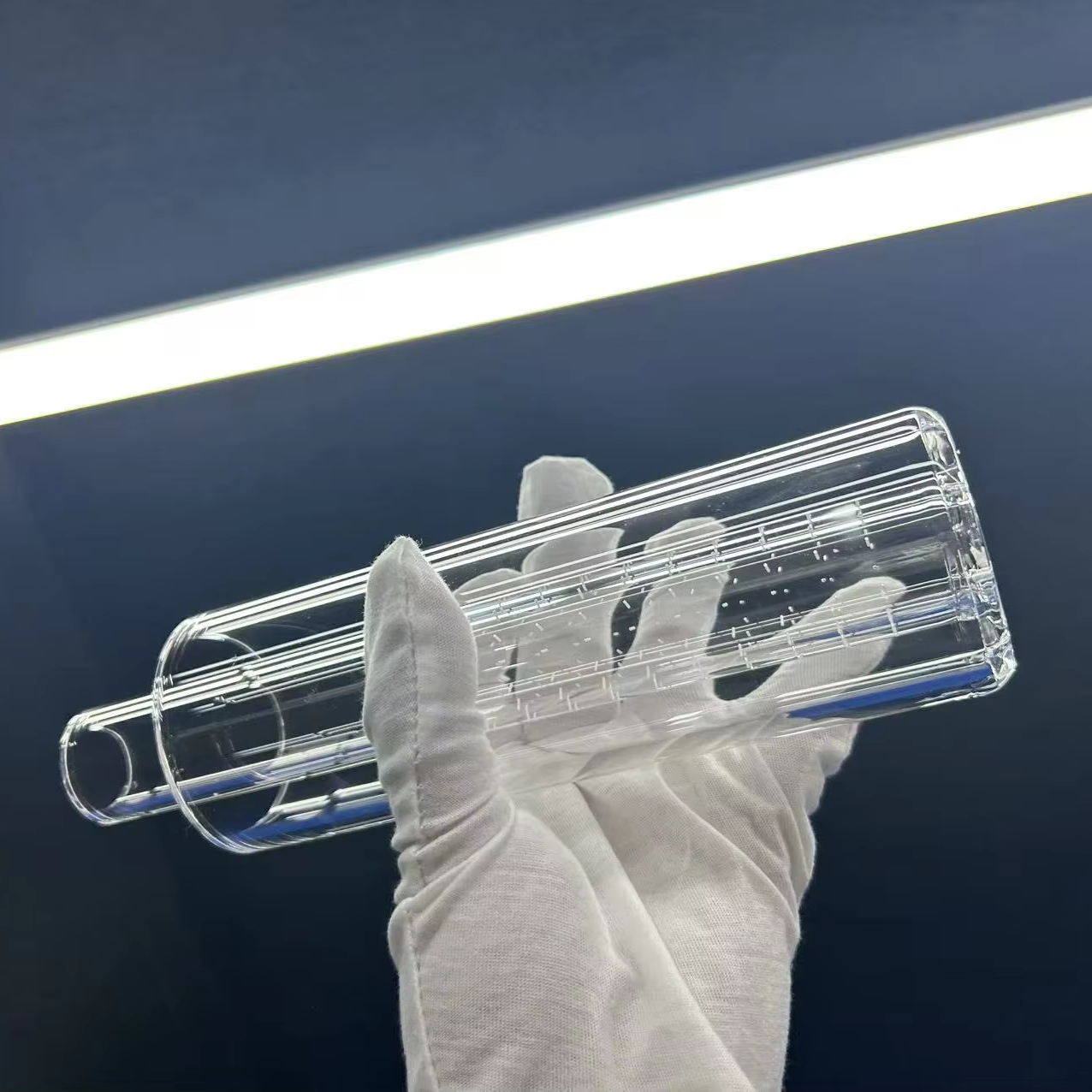
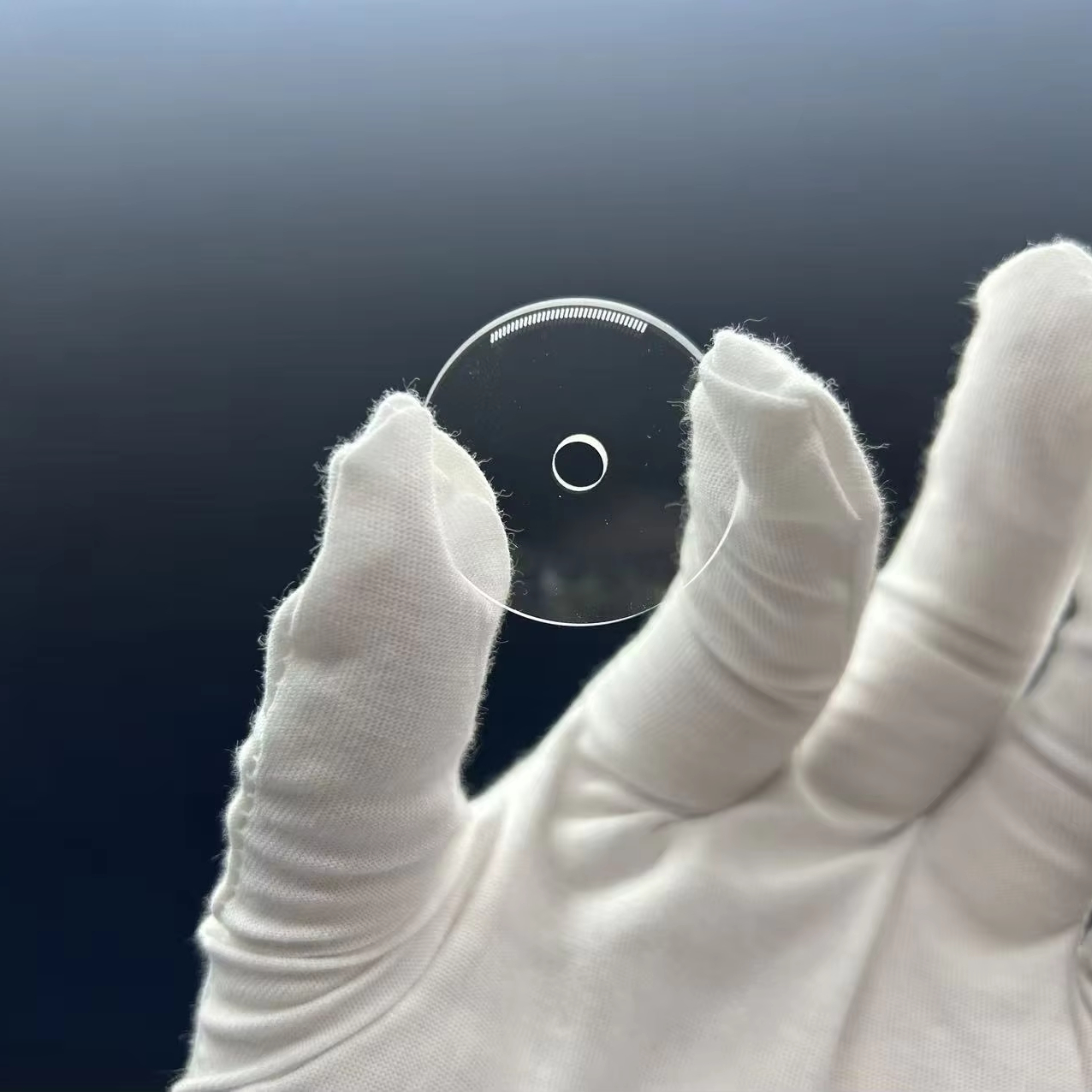
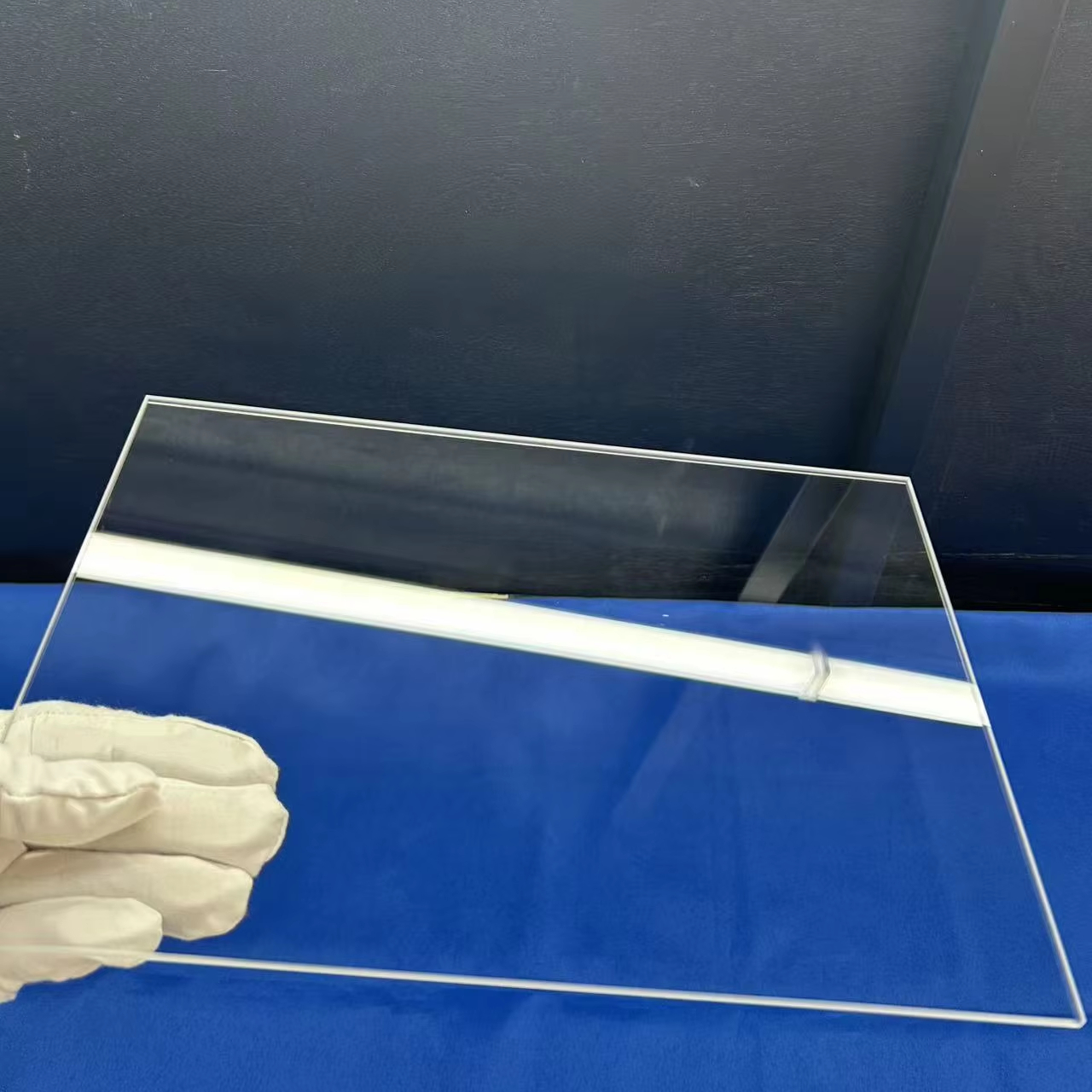
OEM/ODM Quartz Glass Window Manufacturing Standards
An In-Depth Engineering Analysis of Fused Silica Material Selection, Thermal Shock Thresholds, and Optical Transmission Metrics
In high-precision optical, semiconductor, and industrial heat processing environments, the selection of viewing windows and structural optical elements dictates system performance and durability. Standard borosilicate or soda-lime glass structures fail under extreme thermal stress, corrosive plasma environments, and deep ultraviolet (DUV) or infrared (IR) light waves. **OEM/ODM Fused Quartz Glass Windows** represent the ultimate engineering solution, combining ultra-low coefficient of thermal expansion ($\alpha = 0.54 \times 10^{-6}/\text{K}$), exceptional dielectric strength, and broad spectral transparency spanning from 185 nm to 3500 nm.
Located in Donghai County, Lianyungang, Jiangsu Province—the global epicenter for high-purity quartz crystal processing—**Donghai County Nivra Quartz Products Co., Ltd.** operates state-of-the-art manufacturing facilities specialized in custom optical flat fabrication, high-precision CNC lapping, double-sided optical polishing, laser cutting, and complex thermal welding.
1. Optical Glass Grade Classification & Selection Criteria
Understanding the synthetic structure and chemical purity of quartz glass grades is critical for procurement officers and optical design engineers. OEM manufacturing utilizes three primary synthesized quartz material grades based on raw material provenance and hydroxyl (OH⁻) content:
- JGS1 (Synthetic Fused Silica): Manufactured via chemical vapor deposition (CVD) from silicon tetrachloride ($\text{SiCl}_4$). It contains zero gas bubbles or inclusions, exhibiting extraordinary transmission in the Deep Ultraviolet (DUV) spectrum down to 185 nm. It is the definitive choice for excimer lasers, lithography stepper windows, and UV spectroscopy.
- JGS2 (Fused Quartz from Natural Crystal): Produced by flame-melting high-purity natural quartz crystals. It maintains superior transmission across the visible and UV spectrum (220 nm – 2500 nm). Ideal for furnace sight windows, high-temperature inspection ports, and semiconductor processing equipment.
- JGS3 (Infrared Grade Fused Quartz): Processed in a vacuum furnace to reduce hydroxyl ($\text{OH}^-$) content below 5 ppm. This eliminates water absorption bands around 2.73 µm, achieving optimal light transmission across the Near-Infrared (NIR) and Mid-Infrared (MIR) spectra up to 3500 nm.
| Quartz Grade | Transmission Bandwidth | OH⁻ Content | Key Applications | Thermal Shock Max |
|---|---|---|---|---|
| JGS1 (Synthetic Silica) | 185 nm – 2500 nm (DUV to NIR) | < 50 – 1500 ppm | Excimer Lasers, Lithography, UV Optics | 1100°C Rapid Quench |
| JGS2 (Natural Fused) | 220 nm – 2500 nm (UV to NIR) | < 150 – 200 ppm | Furnace Windows, Sight Glasses, Photovoltaics | 1150°C Continuous |
| JGS3 (Infrared Fused) | 260 nm – 3500 nm (Vis to MIR) | < 5 ppm (Water-Free) | IR Sensors, Gas Analysis, Laser Windows | 1200°C Short Peak |
Why Partner with Donghai County Nivra Quartz
Vertical Raw Material Integration, Advanced Precision Machining, and Verified Global Export Excellence
Hub Raw Material Advantage
Situated in Donghai County—China's crystal capital—our factory benefits from direct access to premium natural quartz deposits and synthetic silica feedstocks, dropping production costs while maintaining 99.99% purity.
Micron-Level CNC Precision
Equipped with multi-axis CNC glass machining centers, ultrasonic drilling, laser inner engraving, and magnetorheological polishing (MRF) capable of delivering surface flatness up to λ/10 and scratch-dig ratios of 10-5.
Rapid Engineering Turnaround
Our dedicated engineering unit (over 101-200 skilled technical personnel) reviews STEP/DWG drawings with response times under 5 hours, offering prototype sample dispatch in as fast as 3 to 5 working days.
Direct OEM/ODM Pricing
By eliminating middle-tier trading markups and consolidating cutting, grinding, fire polishing, and annealing under one roof, we pass up to 25% cost savings directly to foreign equipment manufacturers.
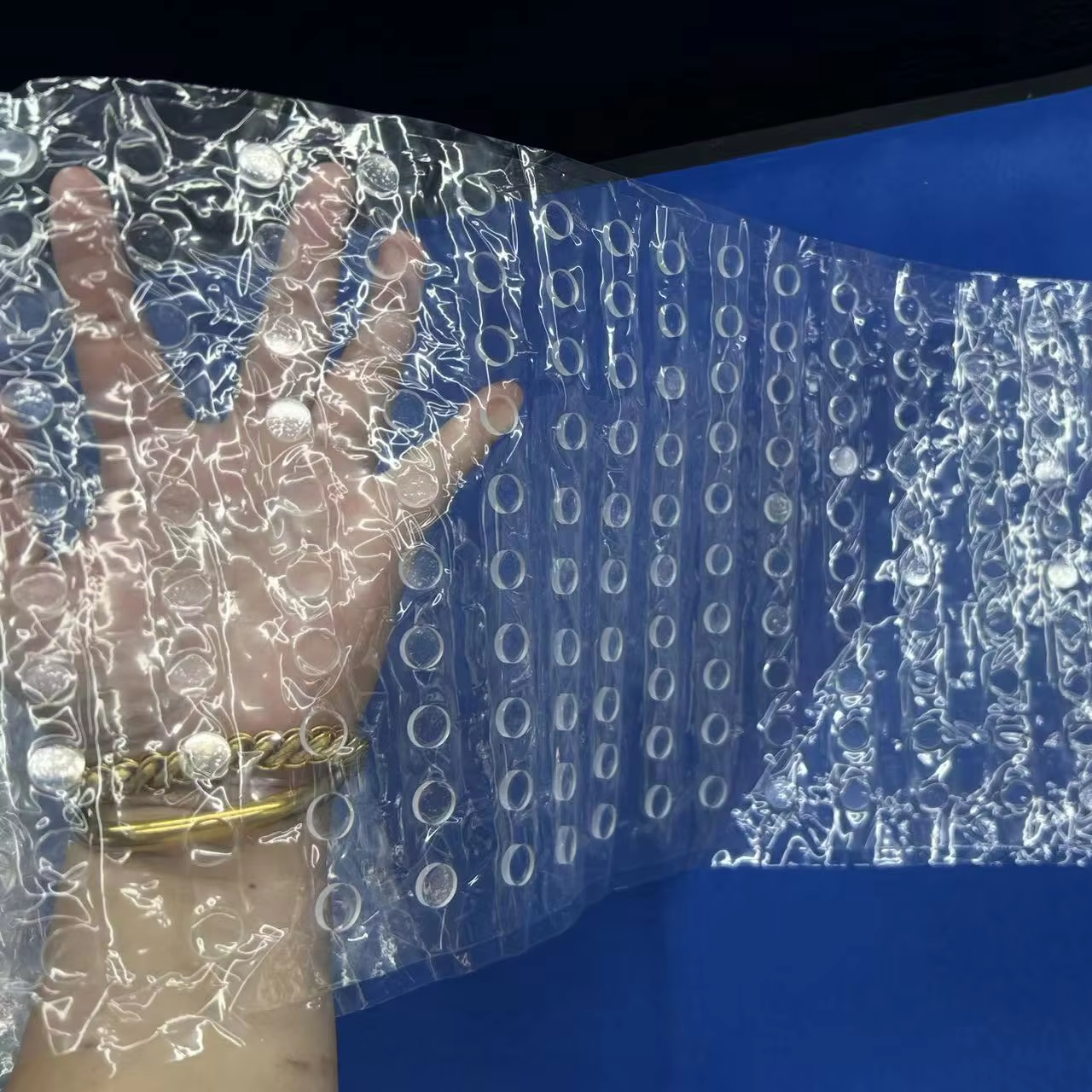
Zero-Breakage Export Packaging
Precision-molded vacuum-sealed EPE foam casing, anti-static films, and fumigation-free wooden crates guarantee that fragile large-diameter plates and high-aspect-ratio tubes arrive pristine anywhere worldwide.
Future Sourcing & Technology Trends in Quartz Procurement
Key Drivers Reshaping the Global Quartz Glass Supply Chain for 2025–2030
1. Expansion of Semiconductor Sub-3nm Nodes & EUV Demand
As the semiconductor industry pushes beyond sub-3nm chip production architectures, the demand for ultra-pure synthetic fused silica (containing total impurity levels under 0.1 ppm) is surging. Quartz glass windows utilized in photolithography chambers and wafer handling units require near-zero thermal distortion and absolute immunity to deep-UV solarization. Procurement teams are moving away from multi-tiered distributor models toward direct contract manufacturing with factories possessing high-purity synthetic quartz processing capability.
2. Next-Generation Solar PV (TOPCon & Perovskite Tandem Cells)
The global energy transition is forcing photovoltaic solar manufacturers to transition from standard PERC technologies to higher-efficiency TOPCon and Perovskite-Silicon tandem solar cells. This shift demands quartz diffusion tubes, large-format square quartz tanks, and high-purity quartz flange windows capable of handling processing temperatures exceeding 1200°C for extended thermal cycles without devitrification (crystallization).
3. Customized Complex Machining over Standard Blanks
Industrial B2B procurement data shows a 42% shift in buyer intent toward fully machined quartz optical components rather than standard raw quartz discs or plates. Equipment designers increasingly request integrated features—such as custom mounting stepped bevels, polished anti-reflective (AR) coating preparations, CNC-drilled counterbored holes, and high-vacuum metal flange seal bonding—direct from the glass manufacturer to minimize downstream assembly failures.
Frequently Asked Questions (FAQ)
Technical Answers to Essential Engineering and Purchasing Inquiries
What is the distinction between JGS1, JGS2, and JGS3 quartz glass windows?
JGS1 is synthetic fused silica optimized for deep-ultraviolet (DUV) optical applications down to 185 nm, featuring bubble-free optical homogeneity. JGS2 is produced from natural fused quartz crystal, tailored for UV-visible optical spectrum applications (220 nm – 2500 nm) such as high-temperature sight glass windows. JGS3 is an infrared (IR) grade quartz engineered under vacuum conditions to eliminate hydroxyl (OH⁻) ions, delivering clean optical transmission up to 3500 nm without water absorption spikes.
What maximum thermal limits can custom fused quartz windows withstand?
High-purity clear fused quartz exhibits a softening point around 1683°C. It functions continuously at 1100°C and can endure short-term thermal exposure up to 1450°C. Due to its extremely low thermal expansion coefficient ($5.5 \times 10^{-7} /\text{K}$), a quartz glass window can be heated to 1000°C and rapidly quenched in cold water without cracking.
Can Donghai County Nivra Quartz manufacture custom parts according to technical drawings?
Yes. As a direct OEM/ODM manufacturer, we fabricate custom quartz plates, discs, CNC-milled stepped windows, curved sight glasses, and perforated tubes based on your provided PDF, DWG, or STEP files. We accommodate tight dimensional tolerances down to ±0.01 mm and surface finishes up to optical grade 10-5 Scratch-Dig.
What are the typical Minimum Order Quantities (MOQ) and lead times?
For custom engineering prototypes and specialized optical windows, our MOQ starts at just 1 piece. Standard optical wafer production runs typically start at 10 to 50 pieces. Production lead time for prototype samples is 3 to 7 days, while bulk OEM orders are completed in 12 to 20 days depending on coating and tolerance complexity.
How do you ensure zero damage during international freight shipping?
Every single quartz window or polished sheet undergoes multi-stage ultrasonic cleaning and visual surface inspection before being wrapped in non-abrasive protective lens paper. Parts are secured in custom laser-cut shock-absorbing EPE foam molds within double-walled corrugated shipping cartons or fumigation-free wooden export cases.
How do I request an official quotation and technical feasibility review?
Click the Inquire Now button on this page or send your engineering specifications, required dimensions, quartz grade, and quantity directly to our sales engineering department at [email protected]. Our engineering group reviews every RFQ within 5 hours.
Ready to Engineer Your Custom Quartz Windows?
Whether you need optical-grade JGS1 synthetic silica wafers, heavy-duty furnace sight glass, or complex CNC-milled laboratory glassware, Donghai County Nivra Quartz delivers factory-direct precision.