Precision Quartzware Product Line
Factory-direct OEM/ODM fabricated fused quartz plates, wafer carriers, heating tubes, and optical components manufactured to exact technical tolerances.
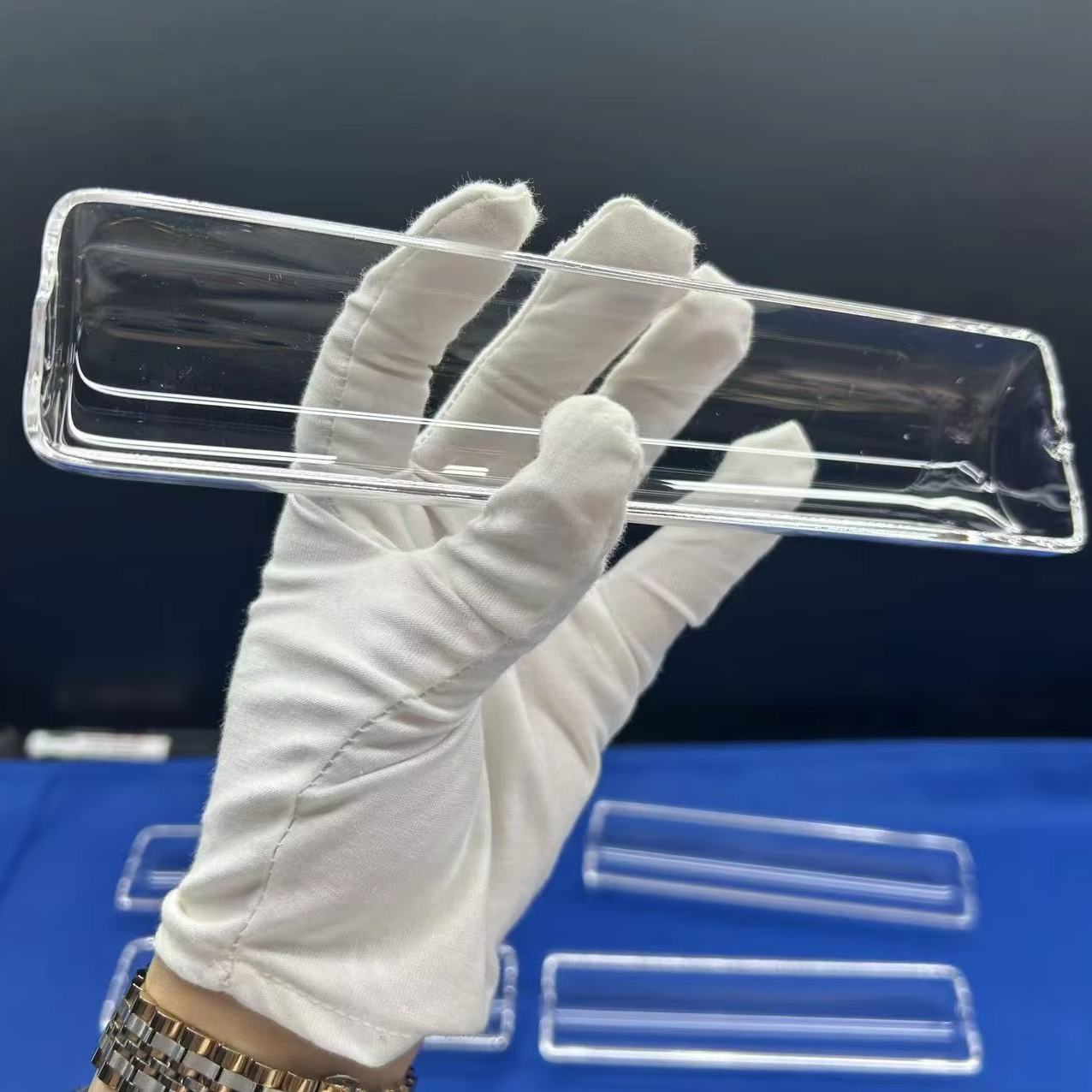
Customized Clear Fused Silica Quartz Boat Polished Clear Quartz Wafer Carrier
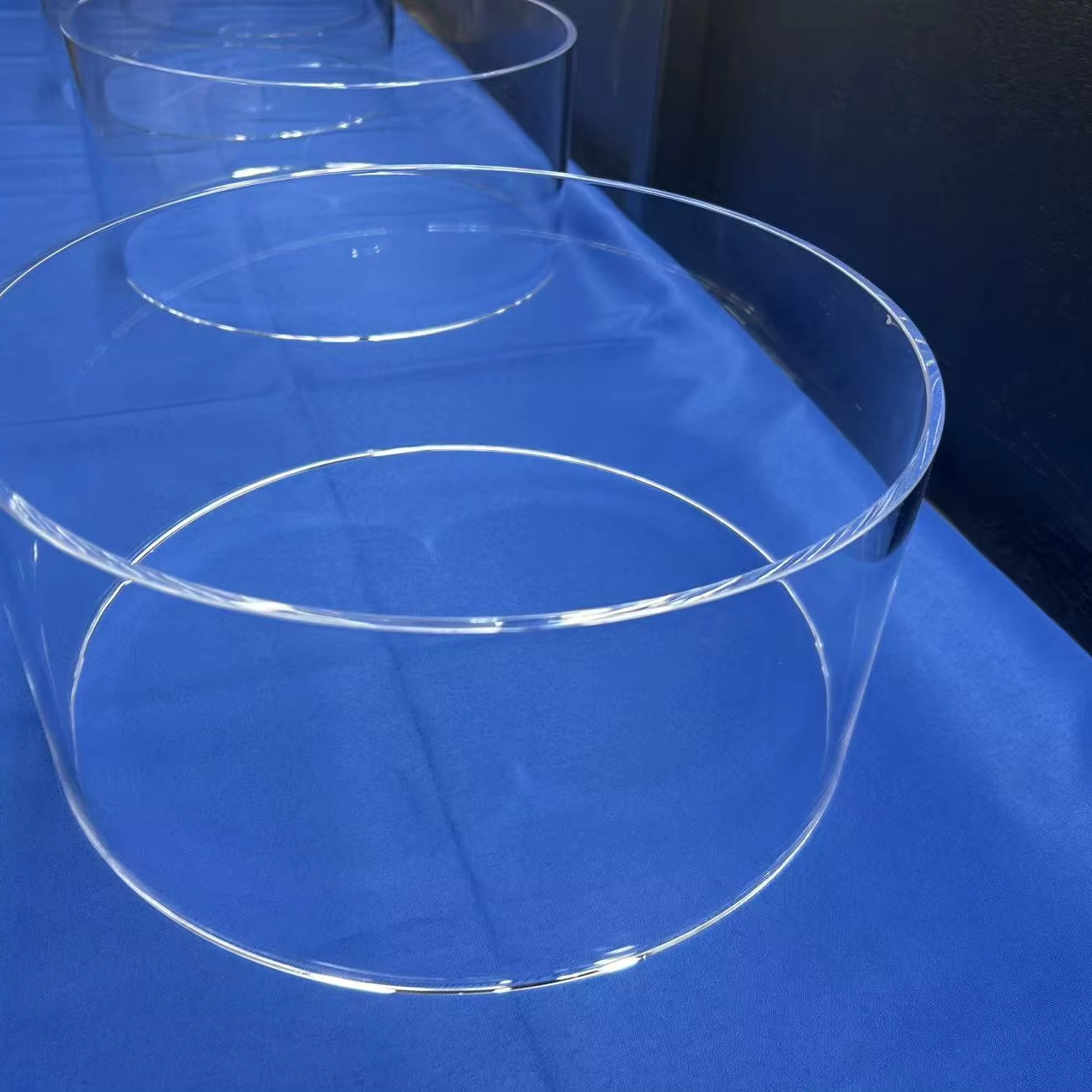
High-Purity Fused Quartz Large Diameter Round Rods Cutting Welding & Bending Services For Industrial Production
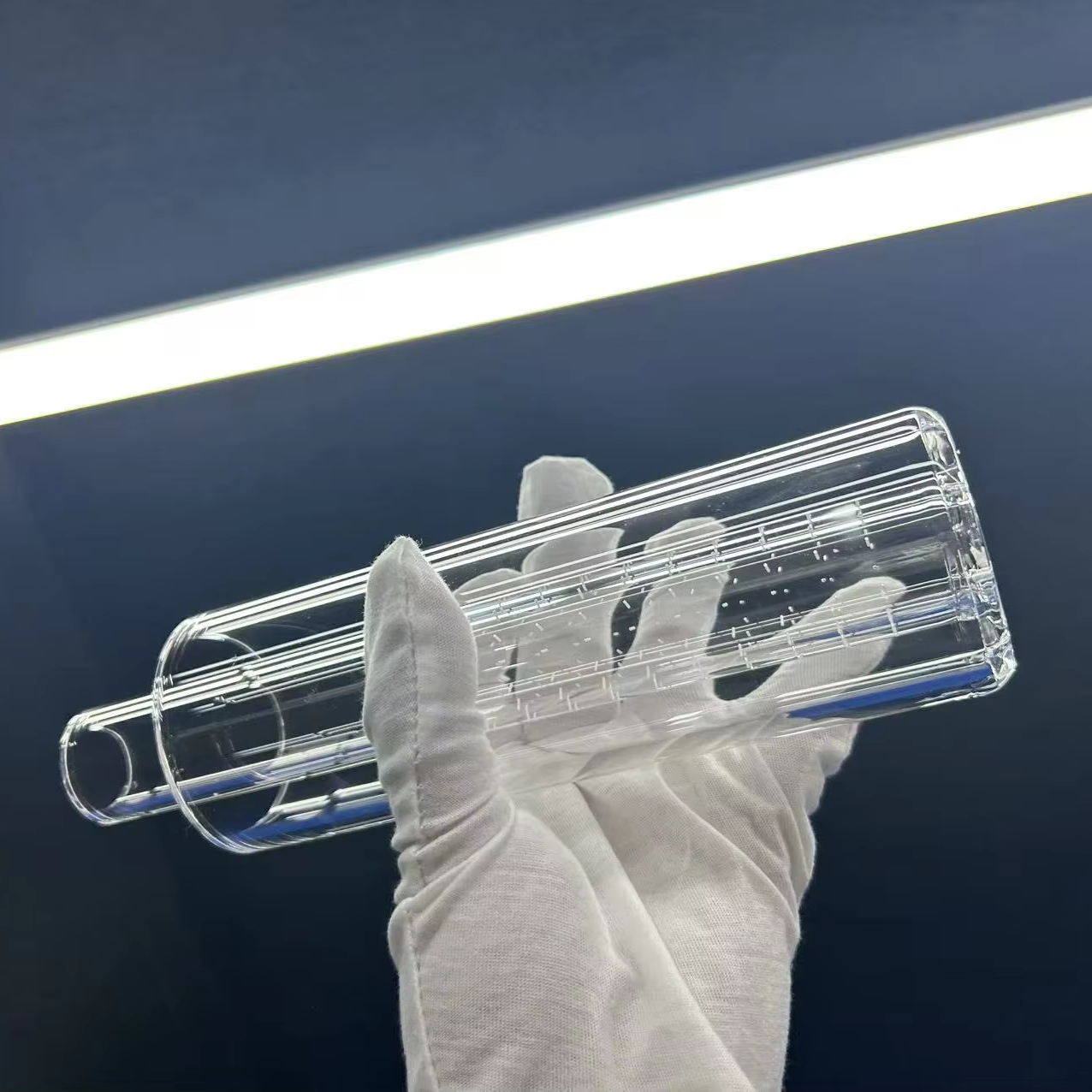
Customized Perforated Quartz Tube
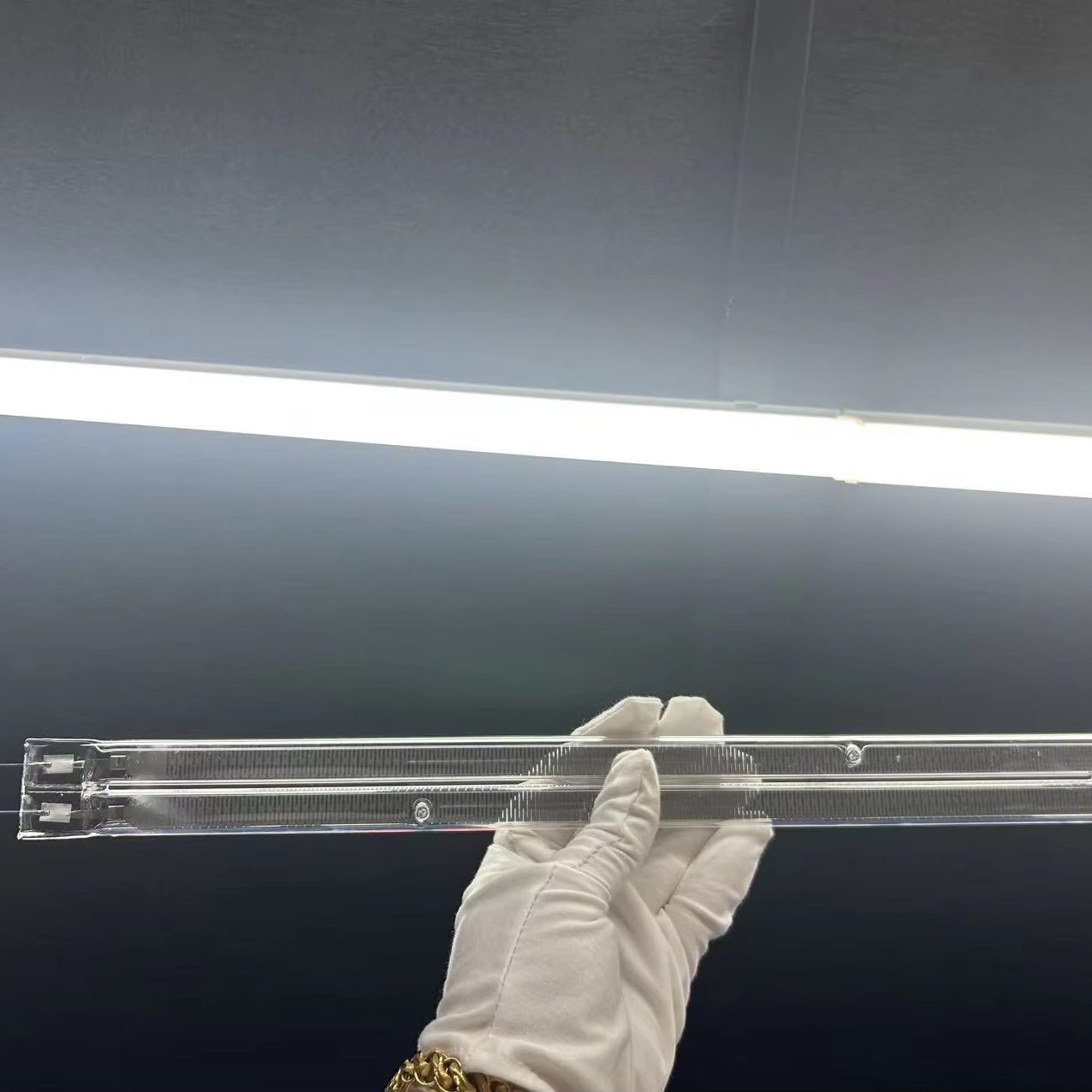
220V 700W 300MM 10mm Diameter Infrared Heating Tube Carbon Fiber/halogen Tube/graphene Tube
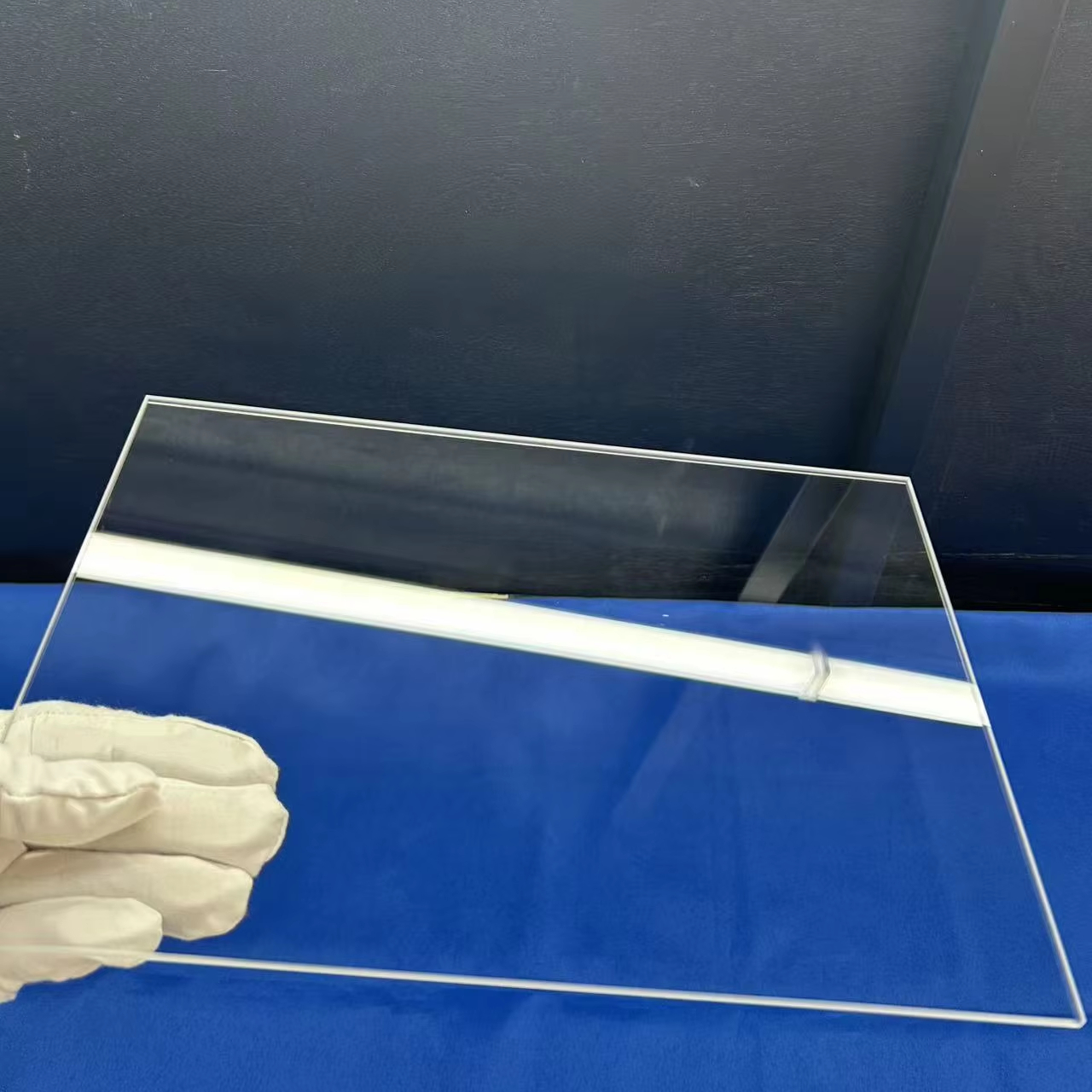
Custom Polished Purity Transparent Square Quartz Glass Clear Plate 4mm Thick for Optical Instruments
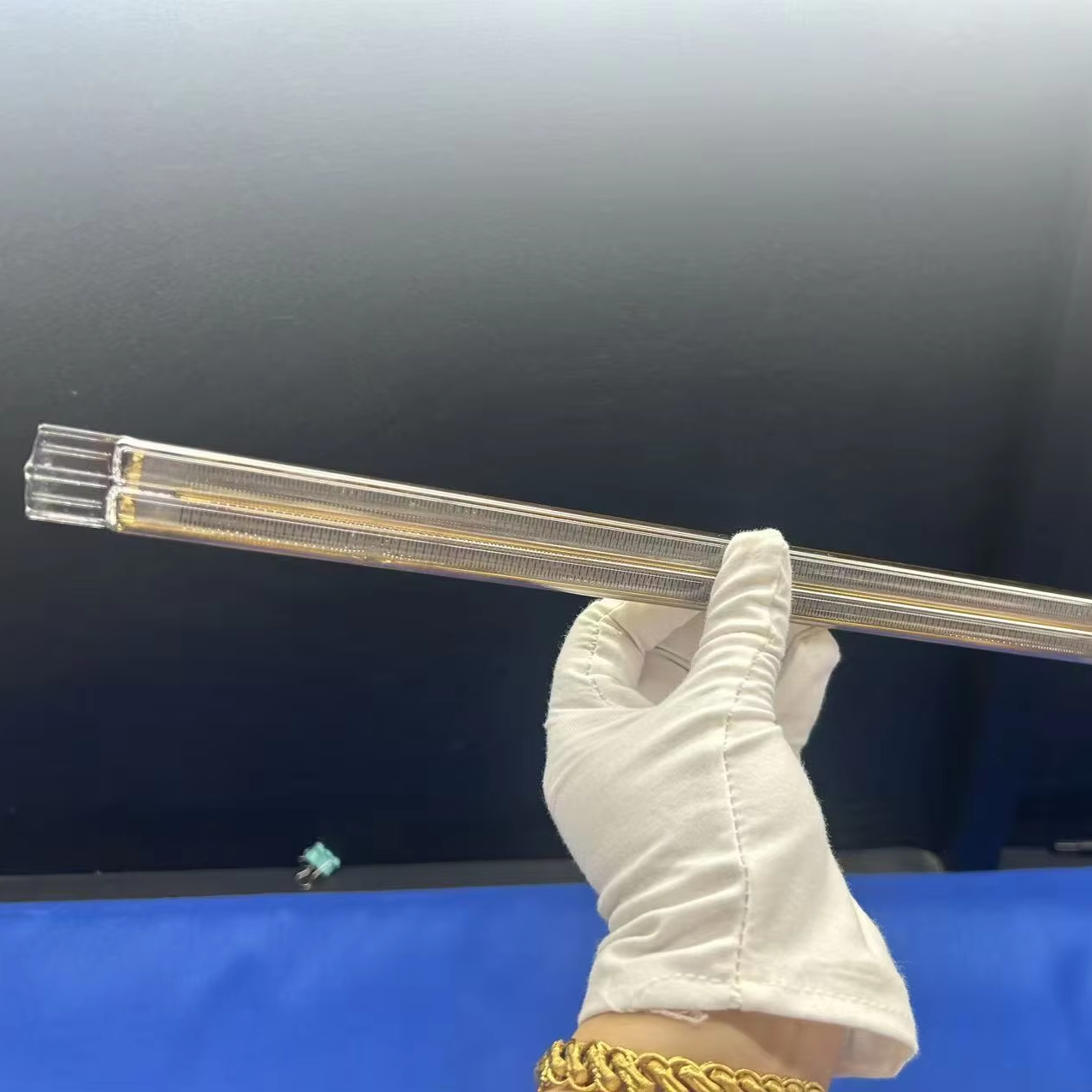
Graphene Quartz Heating Tube
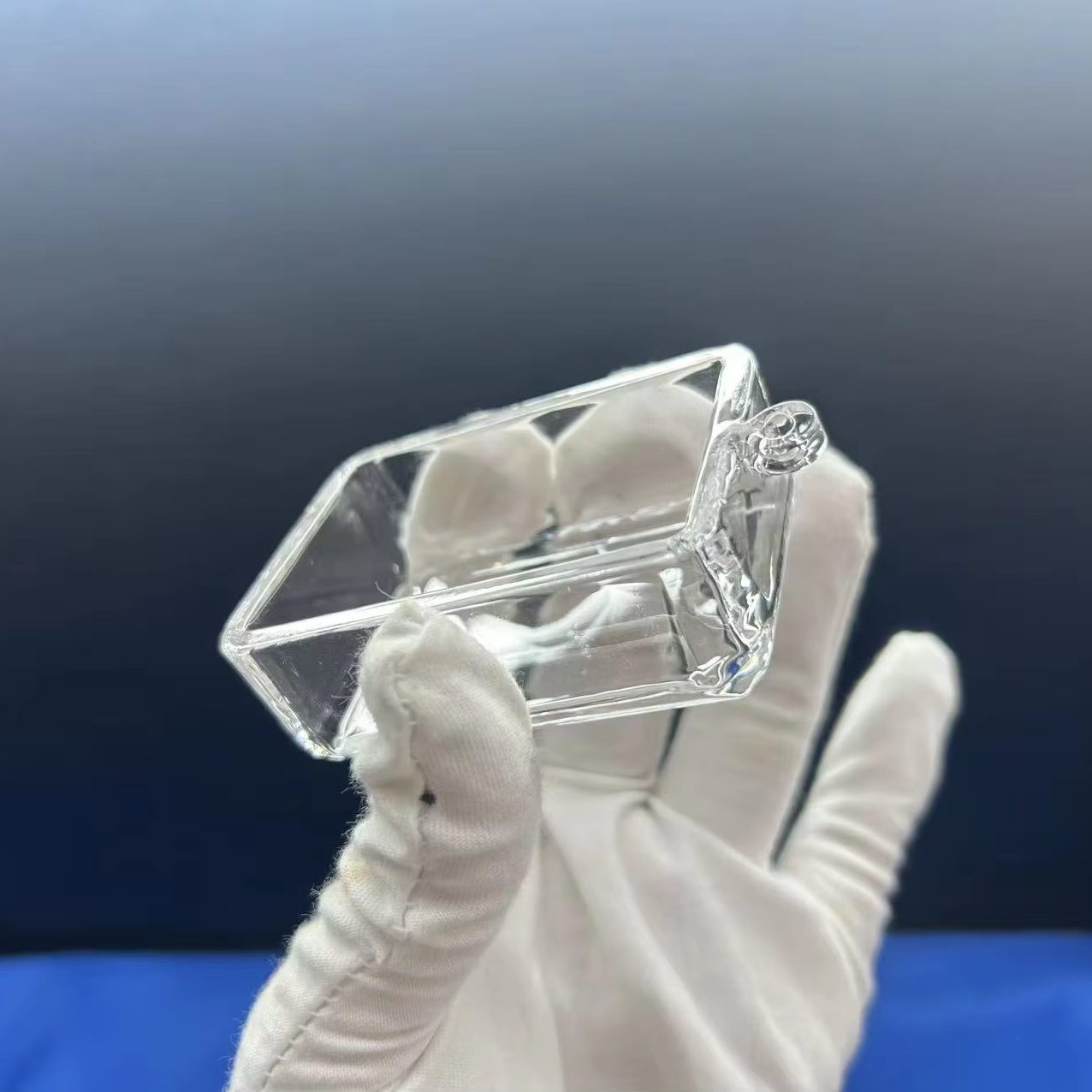
High-Purity Corrosion Resistant Industrial Quartz Tank
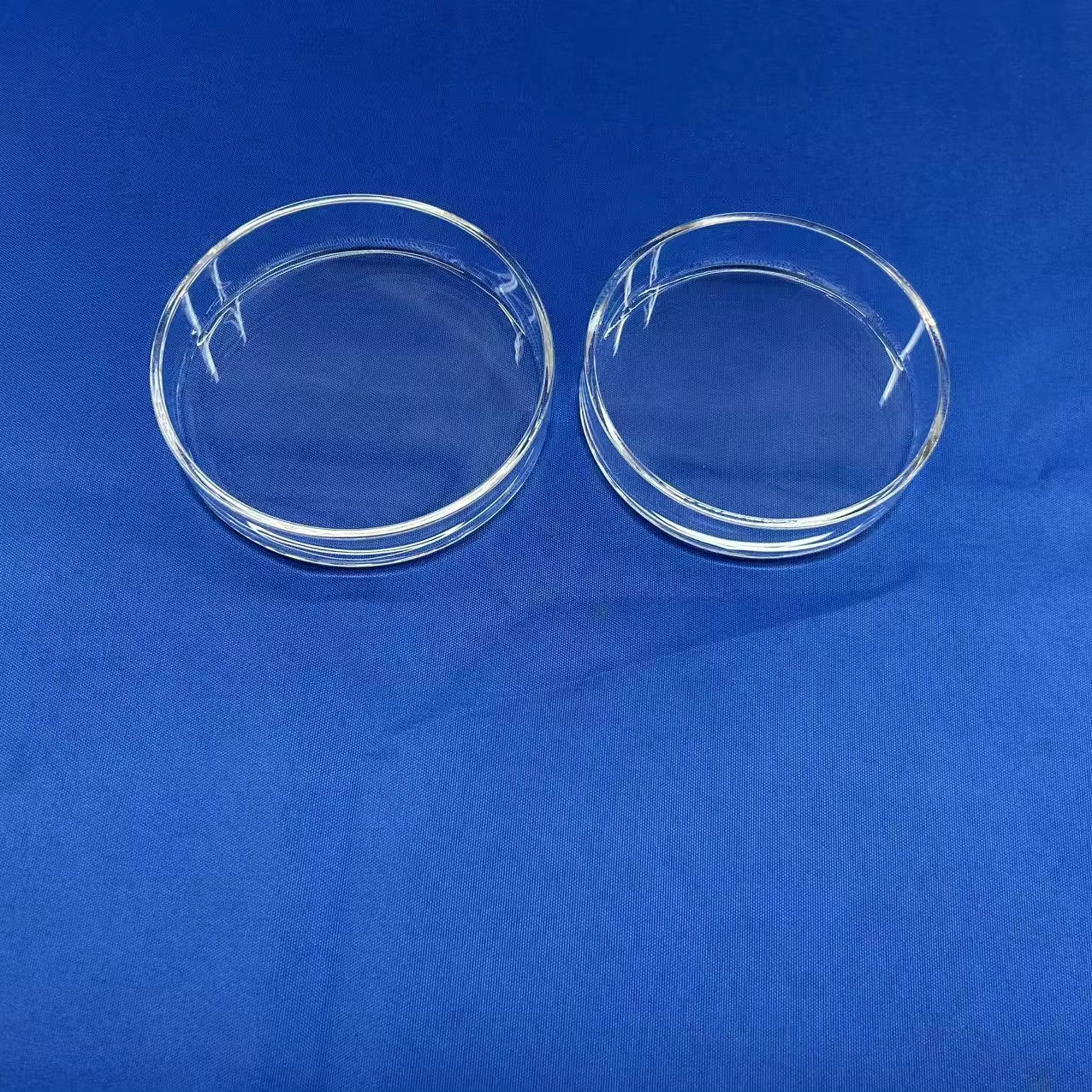
Factory Customized High-purity Quartz Glass Petri Dishes with Lids for Laboratory & Medical Equipment
Technical Analysis: Fused Quartz Plate Material Physics
Understanding silicon dioxide ($\text{SiO}_2$) structural grades, optical transmission ranges, and physical thermal stability for industrial component engineering.
In advanced industrial engineering, selecting an optimal OEM/ODM quartz glass plate manufacturer requires a deep evaluation of material chemistry, thermal phase change behavior, and optical dispersion properties. Fused quartz is an amorphous form of silica ($\text{SiO}_2$) produced by melting natural high-purity quartz crystal sand at temperatures approaching $1700^\circ\text{C}$ to $2000^\circ\text{C}$. Unlike standard soda-lime or borosilicate glasses, fused silica possesses an exceptionally low coefficient of thermal expansion ($\approx 5.5 \times 10^{-7} /\text{K}$), rendering it practically immune to thermal shock while enabling continuous working temperature thresholds exceeding $1100^\circ\text{C}$.
When sourcing quartz glass substrates, technical procurement directors must differentiate between three principal standard grades: JGS1 (Synthetic Fused Silica), JGS2 (Fused Natural Quartz), and JGS3 (Infrared Synthetic/Fused Quartz). Each material classification features distinct impurity profiles, hydroxyl ($\text{OH}^-$) ion concentrations, and light transmission windows tailored for specific optical, semiconductor, and industrial laser applications.
| Material Grade | Origin & Synthesis Process | Spectral Transmission | Hydroxyl ($\text{OH}^-$) Level | Primary Industrial Applications |
|---|---|---|---|---|
| JGS1 (Synthetic UV) | Chemical Vapor Deposition ($\text{SiCl}_4$) | 185 nm – 2500 nm (Deep UV) | < 50 ppm to 200 ppm | Laser optics, lithography photomasks, UV windows, precision cuvettes |
| JGS2 (Fused Natural) | Electric Arc Fusion of Pure Natural Quartz | 220 nm – 2500 nm (UV-Vis-NIR) | < 30 ppm to 150 ppm | Sight glasses, semiconductor furnace windows, quartz plates, labware |
| JGS3 (IR Grade) | Vacuum Electric Fusion (Low OH Process) | 260 nm – 3500 nm (Extended IR) | < 5 ppm (Low Hydroxyl) | Infrared optics, thermal imaging viewports, high-power CO2 laser systems |
OEM/ODM Precision Machining & Custom Fabrication
From raw quartz ingot slicing to sub-micron optical flat polishing, explore our specialized factory processing capabilities.
5-Axis CNC & Ultrasonic Milling
We execute complex slotting, stepped counterboring, micro-hole drilling, and custom edge chamfering on quartz plates with positional tolerances down to $\pm 0.01\text{ mm}$.
Optical Polishing & Surface Flatness
Achieving double-sided optical polishing with scratch-dig standards up to 20/10, surface flatness of $\lambda/4$ or $\lambda/10$, and surface roughness $Ra < 0.5\text{ nm}$.
Thermal Annealing & Stress Relief
Computer-controlled high-temperature annealing cycles eliminate internal birefringence stress, ensuring structural integrity during rapid laser or thermal cycling.
Future Procurement & Technology Trends (2025–2030)
Strategic insights for global purchasing directors navigating semiconductor scaling, PV energy transition, and supply chain resilience.
1. Semiconductor Transition to Sub-2nm Lithography
As semiconductor fabrication shifts to sub-2nm nodes and 300mm wafer architectures, demand for ultra-pure synthetic fused quartz plates (JGS1) with zero metallic micro-inclusions (<0.1 ppm Fe, Al, Ti) is experiencing explosive growth. Quartz plates act as critical optical window barriers in plasma etching, chemical vapor deposition (CVD), and atomic layer deposition (ALD) chambers where gas purity is paramount.
2. N-Type Photovoltaic Sintering & TOPCon Expansion
The global solar energy market transition toward TOPCon and Heterojunction (HJT) cell architectures requires larger, high-durability quartz furnace plates and boat carriers. These components must endure aggressive thermal ramping ($1200^\circ\text{C}$) without devitrification, forcing procurement officers to establish long-term ODM supply agreements with vertically integrated regional factories.
3. Femtosecond Laser Micro-Machining Adoption
Traditional diamond wheel grinding is rapidly being supplemented by ultrafast laser micro-machining. This advancement enables crack-free edge profiling, micro-fluidic channel engraving, and high-aspect-ratio hole arrays directly on polished quartz glass sheets without inducing micro-fractures, drastically reducing post-processing rejection rates.
4. Supply Chain Consolidation & Raw Material Traceability
Overseas OEM buyers are shifting away from intermediate traders toward direct manufacturer partnerships located in silica hubs like Donghai, Jiangsu. Direct factory sourcing provides full lot-traceability, lower landed unit costs, and customized packaging strategies that eliminate breakage during international freight transit.
Product Development & Material Innovations
Pushing the boundaries of optical purity, thermal resistance, and laser damage thresholds.
Recent breakthroughs in synthetic quartz glass development focus heavily on eliminating hydroxyl group absorption bands in the infrared spectrum. Standard natural quartz glass exhibits a strong $\text{OH}^-$ absorption dip around $2.72\text{ }\mu\text{m}$. By employing specialized vacuum electric fusion techniques, low-OH infrared quartz (JGS3) achieves exceptional transmission efficiency exceeding $90\%$ across the near and mid-infrared spectrum ($800\text{ nm}$ to $3500\text{ nm}$).
Simultaneously, high-power fiber laser cutting and industrial UV sterilization require quartz windows capable of enduring high laser damage thresholds (LDT > 15 J/cm² at 355nm, 10ns pulse). Advanced flame polishing and chemical etch-passivation processes are now deployed to heal microscopic surface scratches and subsurface micro-cracks generated during mechanical sawing, increasing surface mechanical strength by over $300\%$.
Enterprise Strength: Why Partner With Us
Leveraging China's premier quartz crystal capital, direct manufacturing infrastructure, and stringent E-E-A-T quality control protocols.
Donghai Regional Raw Material Advantage
Situated in Donghai County, Jiangsu Province—the core hub of high-purity quartz reserves in China—we secure direct access to ultra-pure silica crystal sand, ensuring continuous material consistency and competitive pricing.
End-to-End Vertical Manufacturing
From electric arc furnace synthesis, cold wire-slicing, and edge grinding to optical polishing, custom welding, and cleanroom packaging, every process step is managed in-house under ISO-standard quality protocols.
Strict Quality Assurance & Metrology
Equipped with Zygo optical interferometers, UV-Vis-NIR spectrophotometers, CMM dimensional checkers, and polariscopes to guarantee 100% compliance with client specifications before shipment.
Frequently Asked Questions (Sourcing FAQ)
Technical and logistics guidance for engineering buyers and global purchasing agents.
How do I choose between JGS1, JGS2, and JGS3 material for custom quartz glass plates?
Selection depends directly on your required operating spectrum and application environment. Choose JGS1 (Synthetic Fused Silica) for deep-ultraviolet optics (185-2500 nm), laser windows, or semiconductor photolithography requiring freedom from bubble inclusions and high UV transparency. Select JGS2 (Fused Natural Quartz) for standard optical sight glasses, furnace viewports, thermal shields, or chemical tanks operating in visible to near-infrared spectra. Choose JGS3 (Infrared Grade Fused Quartz) for infrared detectors, thermal imaging viewports, or systems operating between 2000 nm and 3500 nm where low hydroxyl ($\text{OH}^- < 5\text{ ppm}$) content is required to prevent water-absorption dips.
What are the continuous thermal operating limits and thermal shock resistance of your quartz plates?
Our clear fused quartz plates withstand continuous operating temperatures up to $1100^\circ\text{C}$ and peak short-term exposures reaching $1450^\circ\text{C}$. The softening point is approximately $1683^\circ\text{C}$. Due to an exceptionally low thermal expansion coefficient ($5.5 \times 10^{-7}/\text{K}$), a heated quartz plate at $1000^\circ\text{C}$ can be quenched into $20^\circ\text{C}$ cold water without structural fracturing.
What edge finishes and custom geometrical tolerances can be manufactured?
We provide multiple edge profiles, including ground edges, flat edge with arris, pencil edge, bevels, and fire-polished smooth edges. Dimensional tolerances for outer dimensions can be held to $\pm 0.05\text{ mm}$ via precision CNC milling, with thickness tolerances reaching $\pm 0.02\text{ mm}$ upon request.
How do you prevent damage during international sea and air shipments?
Fragile quartz plates and components undergo specialized export packaging. Each component is thoroughly ultra-sonically cleaned, vacuum-sealed in protective PE film, encapsulated in high-density shock-absorbing EPE foam, and housed inside reinforced, fumigation-free wooden cases or heavy-duty corrugated export cartons designed for high-vibration ocean or air freight.
What is your typical lead time for custom OEM prototyping and batch orders?
Prototype samples and custom small-batch orders typically require 7 to 12 working days depending on machining complexity and optical polishing specifications. Standard batch production runs are fulfilled in 2 to 3 weeks. Rapid expedited engineering samples are available upon drawing review.
Can you provide full chemical purity and material inspection certifications?
Yes. Upon request, every delivery can be accompanied by a Certificate of Analysis (COA), RoHS & REACH compliance certification, spectral transmittance curves measured via spectrophotometers, and dimensional measurement reports generated by our QC department.
Request a Custom OEM/ODM Quartz Engineering Quote
Submit your technical drawings (PDF, DWG, STEP) or specs. Our quartz engineering team will review manufacturability, material selection, and submit a competitive factory-direct quote within 5 business hours.