Engineered Quartz Components & Optical Substrates
Direct factory manufacturing from Donghai County Nivra Quartz Products Co., Ltd. Our facility delivers precision CNC cutting, thermal flame bending, planetary mechanical polishing, and optical finishing down to sub-micron surface tolerances.
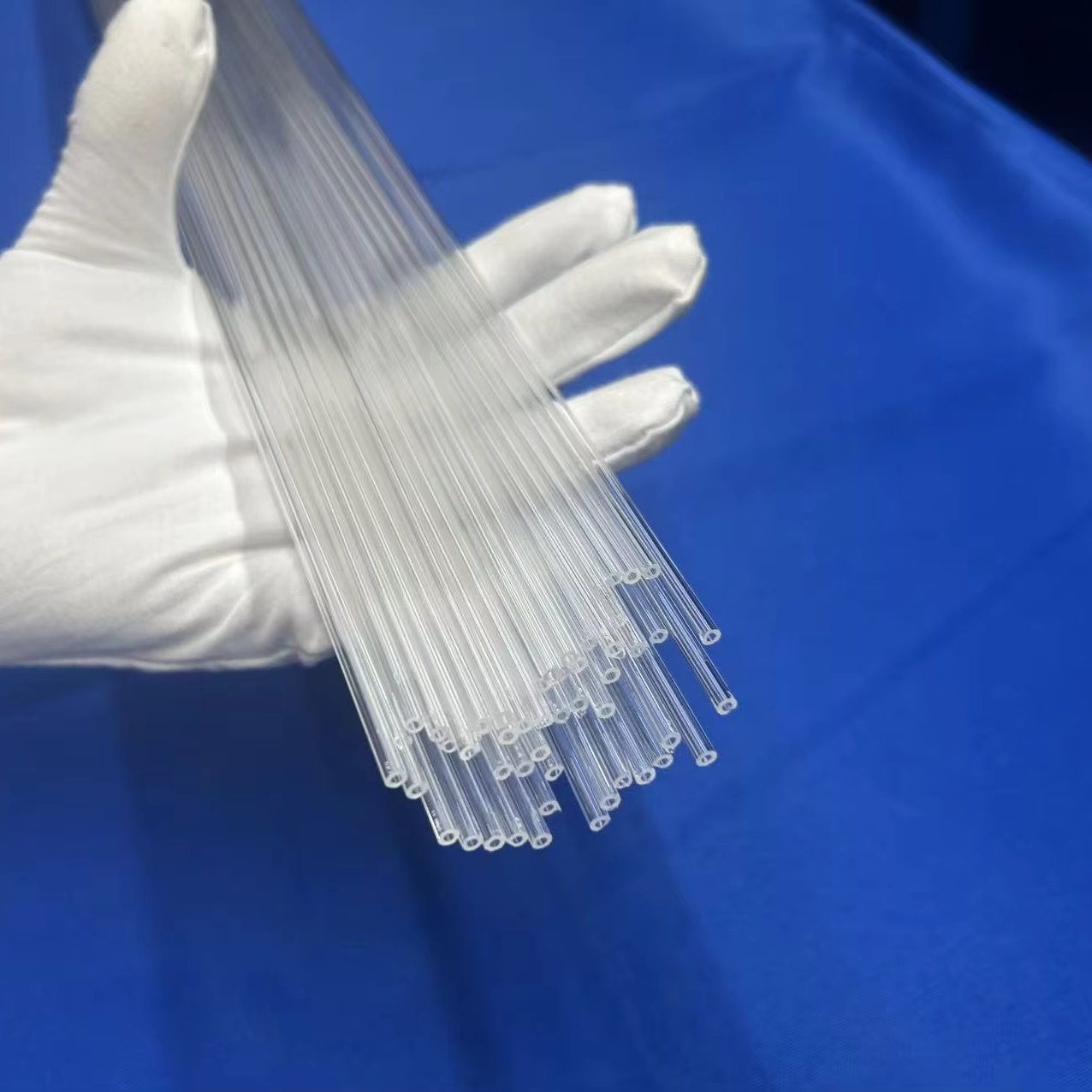
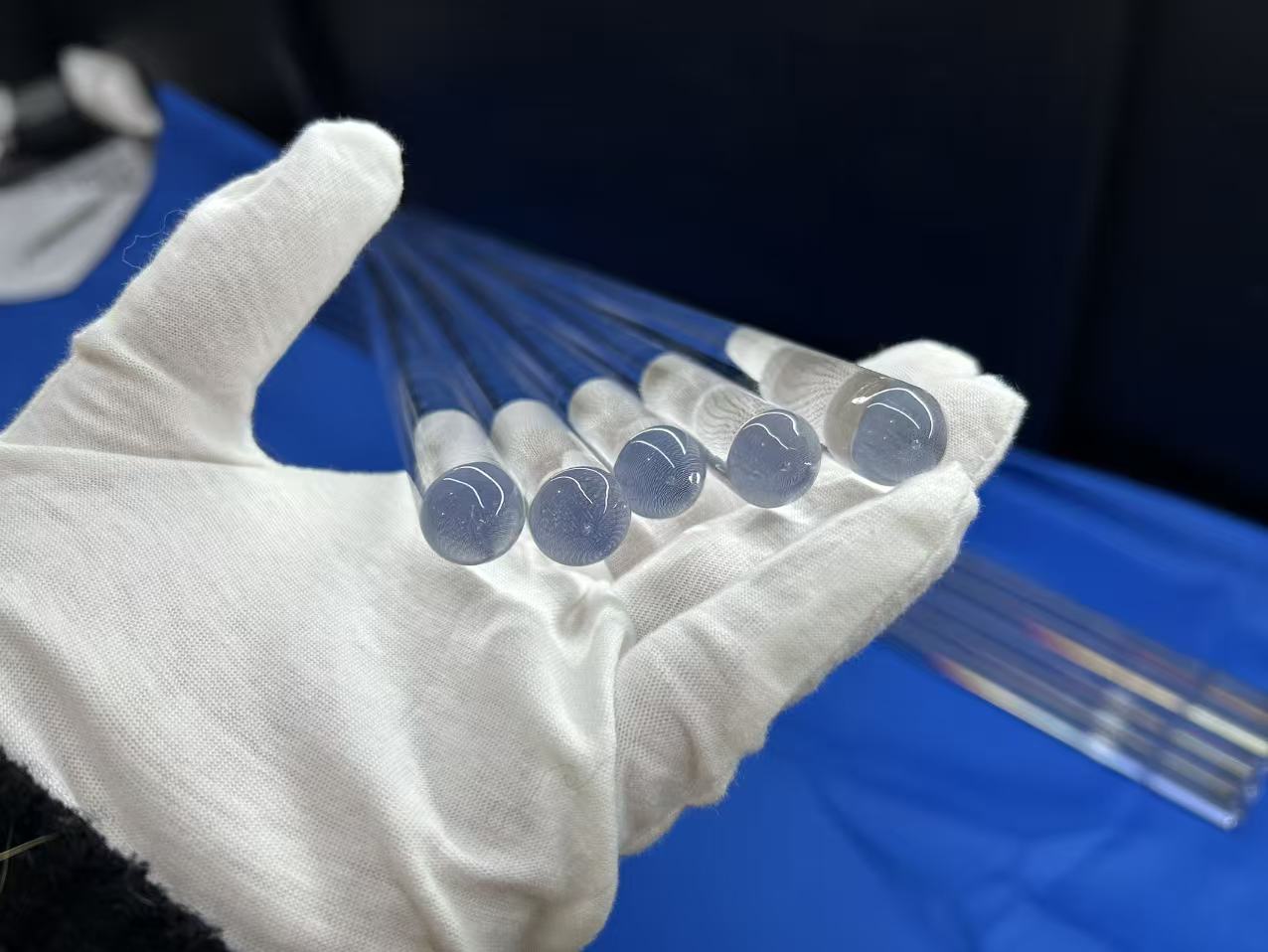
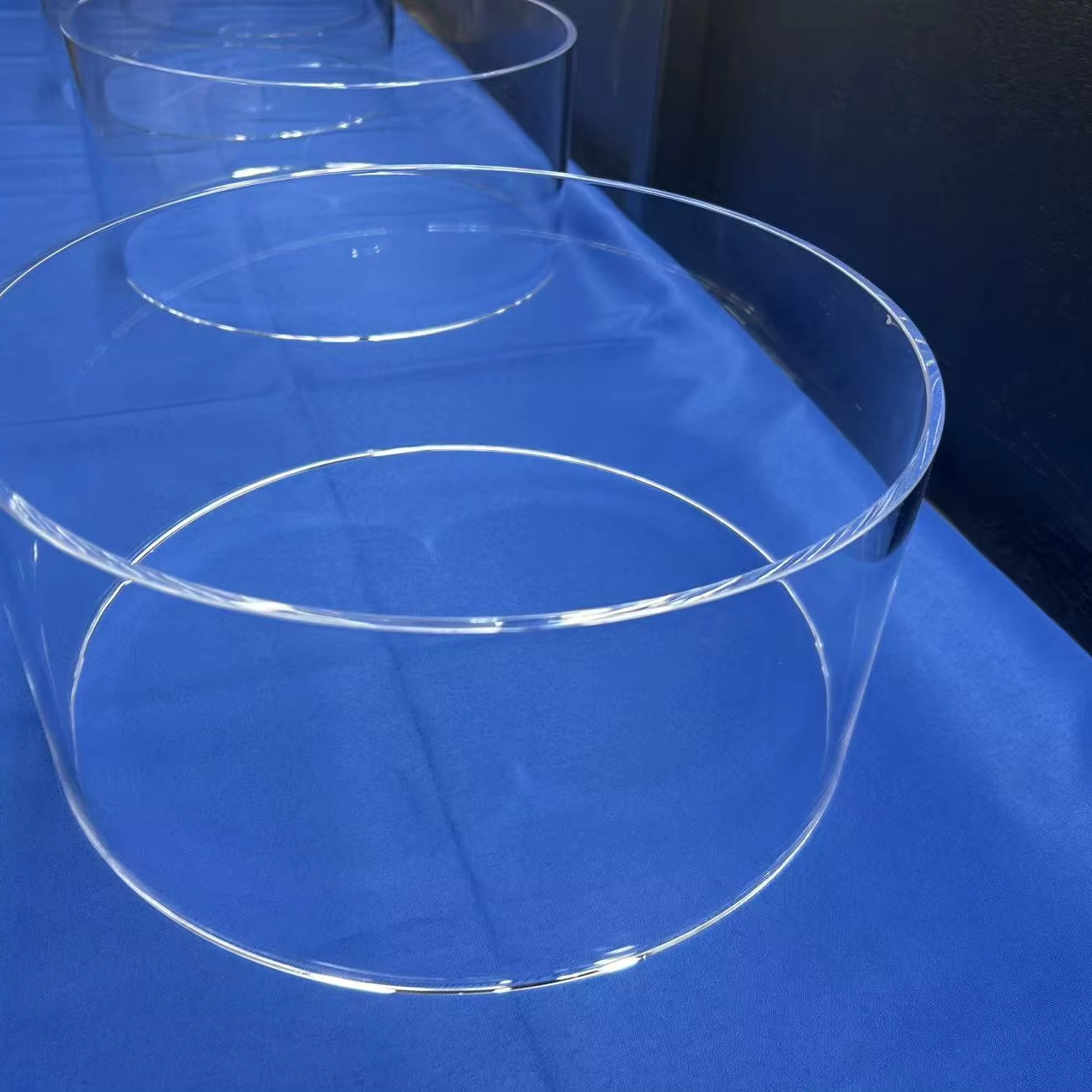
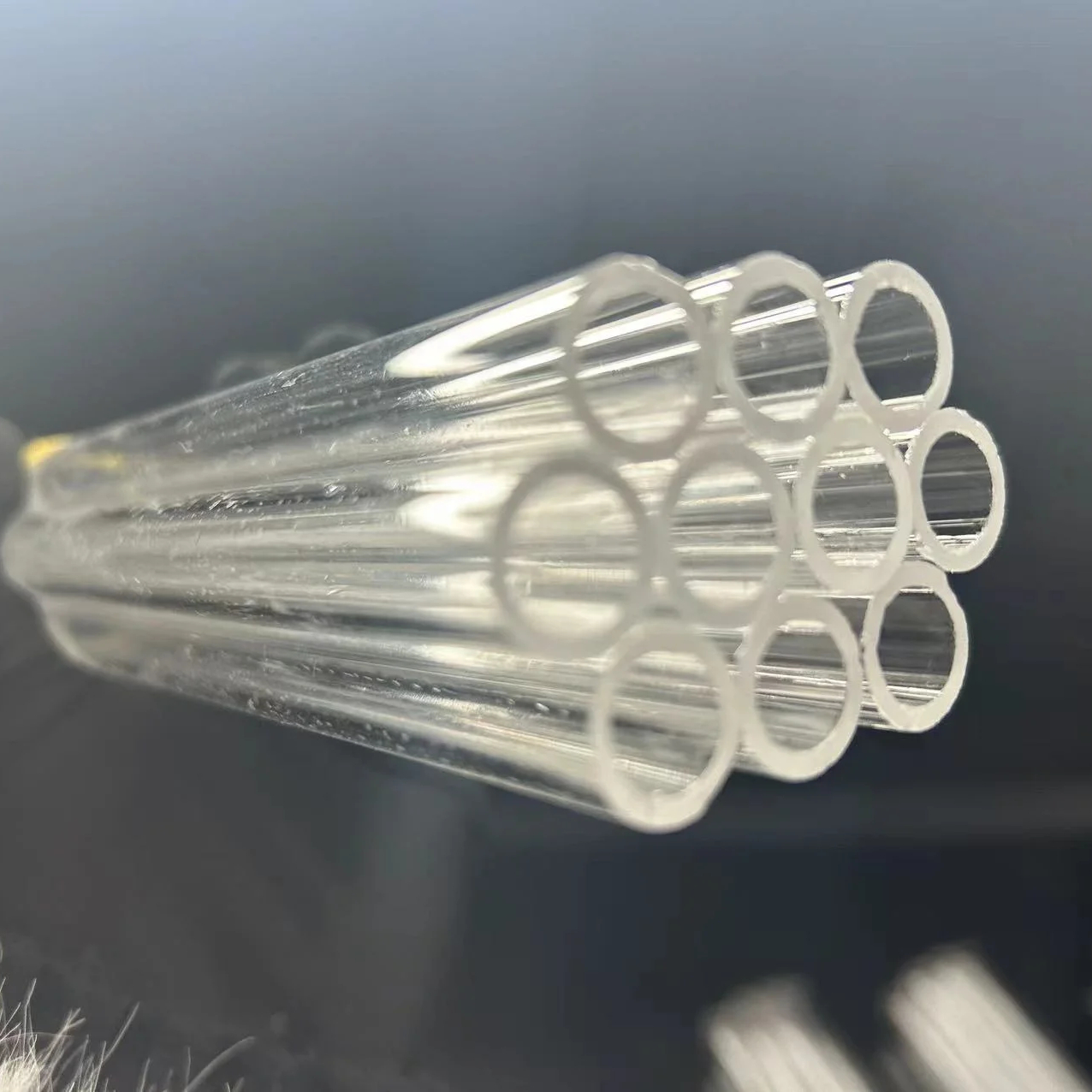
Engineering White Paper: Quartz Glass Lens Materials & Transmission Physics
In high-precision optoelectronic, laser beam steering, and spectroscopy systems, selecting the appropriate grade of vitreous silica is paramount to avoiding optical distortion, solarization, and thermal degradation. Vitreous silica encompasses both fused natural quartz (derived from high-grade natural pegmatite crystals) and synthetic fused silica (synthesized via vapor chemical deposition from silicon tetrachloride, SiCl₄). Each variant features distinct transmission curves, internal defect structures, trace metal impurity concentrations, and hydroxyl (OH⁻) radical content.
Substrate Optical Material Selection Guide
| Chinese Grade | International Standard Equivalent | Transmission Bandwidth | Hydroxyl [OH⁻] Content | Primary Industrial Applications |
|---|---|---|---|---|
| JGS1 | Corning 7980 / Suprasil 1 & 2 / Spectrosil A | 185 nm – 2500 nm (Deep UV to NIR) | ≈ 800 – 1200 ppm | Excimer laser optics (193 nm, 248 nm), DUV lithography condensers, UV spectrophotometer cuvettes & lenses. |
| JGS2 | Homosil / Herasil 1, 2, 3 / Vitreosil | 220 nm – 2500 nm (Near UV to NIR) | ≈ 150 – 300 ppm | Optical sight glasses, laser protective windows, analytical collimating lenses, UV curing system reflectors. |
| JGS3 | Infrasil 301, 302 / Suprasil 300 | 260 nm – 3500 nm (Full Vis to MWIR) | ≤ 2 – 5 ppm (Water-free) | IR detection lenses, high-energy Nd:YAG / Fiber laser optics (1064 nm), thermal imaging chambers, IR pyrometry windows. |
| Corning HPFS 7980 | High Purity Fused Silica (K-Grade) | 190 nm – 2000 nm | ≈ 1000 ppm | Interferometer reference flats, aerospace telescope mirrors, high-energy laser transmission optics. |
| Monocrystalline Sapphire | Al₂O₃ (Single Crystal Corundum) | 190 nm – 5000 nm (DUV to MWIR) | 0 ppm | Extreme pressure sight windows, Mohs 9 scratch-resistant lenses, harsh military & downhole sensors. |
Key Thermomechanical & Dielectric Properties
Precision quartz lenses offer physical properties unmatched by conventional borosilicate (BK7) or soda-lime glass formulations:
- Near-Zero Coefficient of Thermal Expansion (CTE): At 5.5 × 10⁻⁷ /°C (20 °C to 320 °C), fused quartz demonstrates extreme immunity to thermal shock. An optical engineer can heat a fused quartz component to 1100 °C and plunge it directly into ambient water without inducing microcracking.
- High Laser Induced Damage Threshold (LIDT): Polished JGS1 surfaces with fine optical coating routinely achieve LIDT ratings exceeding 10 J/cm² at 1064 nm with a 10 ns pulse width, preventing catastrophic optic breakdown in multi-kilowatt material processing lasers.
- Chemical Inertness: Completely non-reactive to hydrochloric, sulfuric, and nitric acids up to high temperatures, making quartz the only viable optical interface for in-situ semiconductor wet-bench etch baths and corrosive reactor monitors. (Note: Only hydrofluoric acid [HF] and hot phosphoric acid [H₃PO₄] etch SiO₂).
OEM/ODM Precision Optical Fabrication Tolerances
Fabricating optical-grade lenses from vitreous silica requires specialized multi-axis CNC diamond grinding, ultrasonic core drilling, high-pressure planetary double-sided lapping, and pitch polishing. Donghai County Nivra Quartz Products Co., Ltd. operates an integrated cold-machining and thermal glassblowing facility capable of translating 2D engineering prints and 3D CAD models (STEP, DWG, DXF) into finished functional parts.
Geometric & Dimensional Precision
Outer diameter ranges from miniature capillary optics (OD 1.0 mm) up to large vacuum furnace viewports (OD 600 mm). Outer diameter tolerances down to ±0.01 mm; center thickness tolerance to ±0.02 mm; edge runout and concentricity < 0.015 mm.
Surface Quality (Scratch-Dig)
We provide full conformance to MIL-PRF-13830B and ISO 10110 standards. Standard commercial grades achieve 60/40 scratch-dig; precision laser grades achieve 40/20; ultra-clean spectroscopy optics achieve 20/10 or 10/5 scratch-dig ratings.
Wavefront Accuracy & Flatness
Interferometric validation using Zygo helium-neon (632.8 nm) laser interferometers. Optical lens surface figure / transmitted wavefront error achieves λ/4 to λ/10 per inch. Surface microroughness Ra < 0.5 nm (5 Å) via chemical-mechanical polishing (CMP).
Thermal Glassblowing & Welding
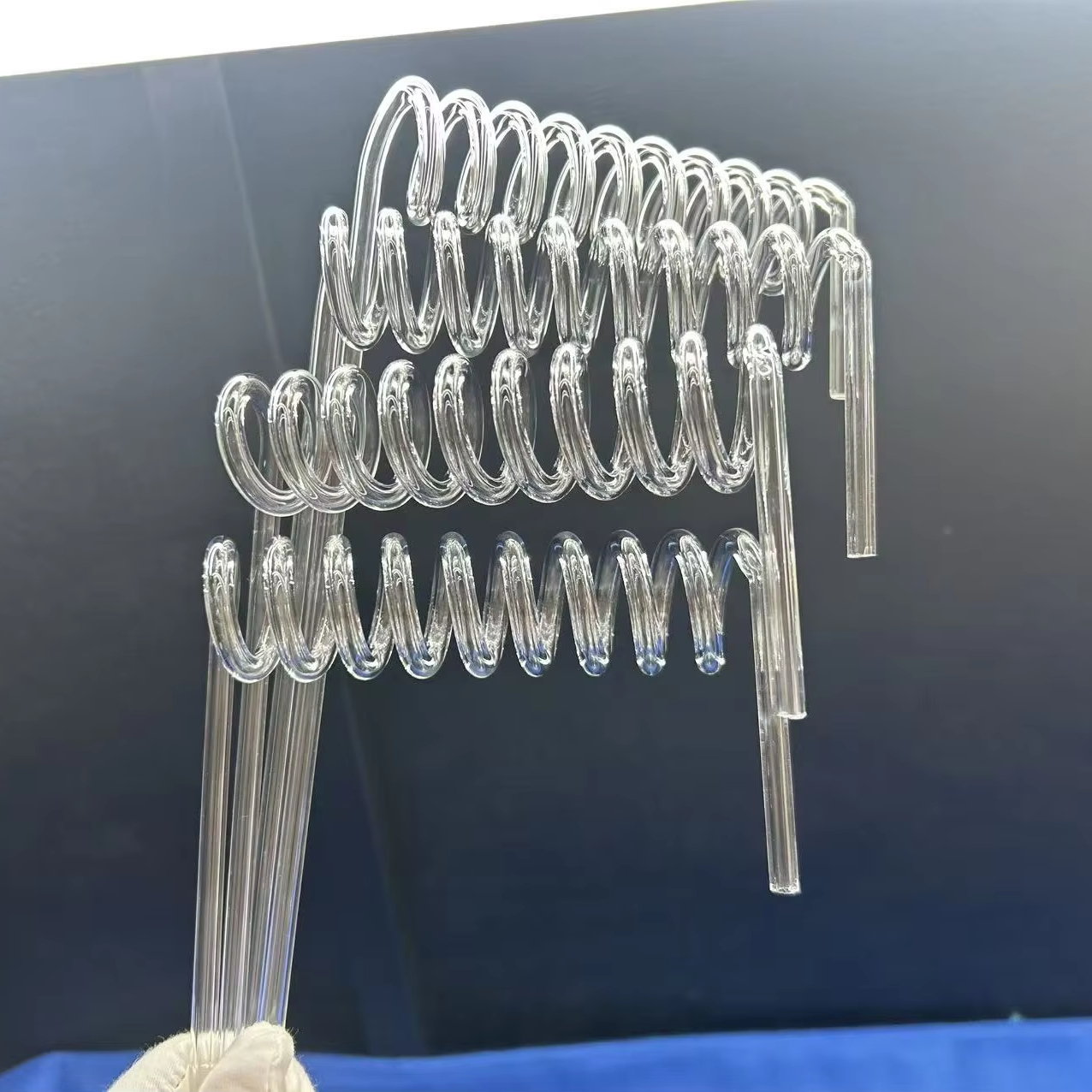
Hydrogen-oxygen flame lathe operations enable complex quartz fabrication: multi-layer quartz spiral condensing tubes, sealed degassing flanges, high-vacuum optical sight glass assemblies, and quartz wafer carriers (boats) designed without residual thermal stress.
Thin-Film AR Optical Coatings
In-house and partnered electron-beam (E-beam) ion-assisted deposition for single-layer MgF₂ and multi-layer dielectric anti-reflective (AR) coatings, optimizing optical throughput for specific wavelengths (248 nm, 355 nm, 532 nm, 1064 nm, or broadband 400–700 nm).
Industry Technology & R&D Horizons (2025–2030)
The global demand for high-purity optical components is experiencing a generational shift. While conventional lighting applications plateau, advanced photonics, clean energy processing, and next-generation lithography create rigorous new specifications for quartz lens suppliers.
1. High-Power Kilowatt Fiber Laser Collimation
As industrial fiber lasers migrate from 6 kW to 20 kW+ systems, standard optical glass exhibits thermal lensing—where slight internal absorption distorts the focal spot and shifts the beam waist. Ultra-dry, ultra-pure JGS1/JGS3 lenses fabricated with zero subsurface microfractures minimize thermal drift, ensuring focus stability across continuous shifts.
2. Sub-200nm DUV & EUV Metrology Infrastructure
Semiconductor wafer fabrication nodes below 3 nm require extreme optical homogeneity (Δn < 1 × 10⁻⁶) and virtual elimination of hydroxyl inclusions. Optical component manufacturers must supply radiation-resistant synthetic fused silica blanks certified against long-term excimer laser darkening and compaction.
3. Micro-Optics & Freeform Laser Figuring
Moving beyond standard plano-convex (PCX) and biconvex (DCX) spherical designs, OEM exporters are integrating Magnetorheological Finishing (MRF) and Computer-Controlled Optical Surfacing (CCOS). This enables complex aspheric and freeform quartz optical geometries that eliminate optical aberration in compact LIDAR and medical laser endoscopy optics.
Global Sourcing & Procurement Strategy Trends
For international supply chain managers and technical procurement directors in North America, Western Europe, and the Asia-Pacific region, navigating quartz component sourcing requires balance between upfront piece cost, raw material provenance, and total cost of ownership (TCO).
Geographic Raw Material Clustering
Procuring from Donghai County, Jiangsu—the global nexus of quartz processing—shortens upstream ingot acquisition cycles by 40% compared to fragmented regional machine shops. Direct integration with regional ingot growth furnaces provides insulation against raw material shortages and raw ingot price volatility.
Rapid Prototyping to High-Mix Low-Volume (HMLV)
Procurement teams are shifting away from large speculative inventories. The emerging standard favors contract manufacturers that support rapid prototype-to-production ramps: providing 1–10 piece verification samples with fast 5-day cycle times before scaling to repetitive batch runs of 500–5,000 units.
Certified Damage-Proof Global Logistics
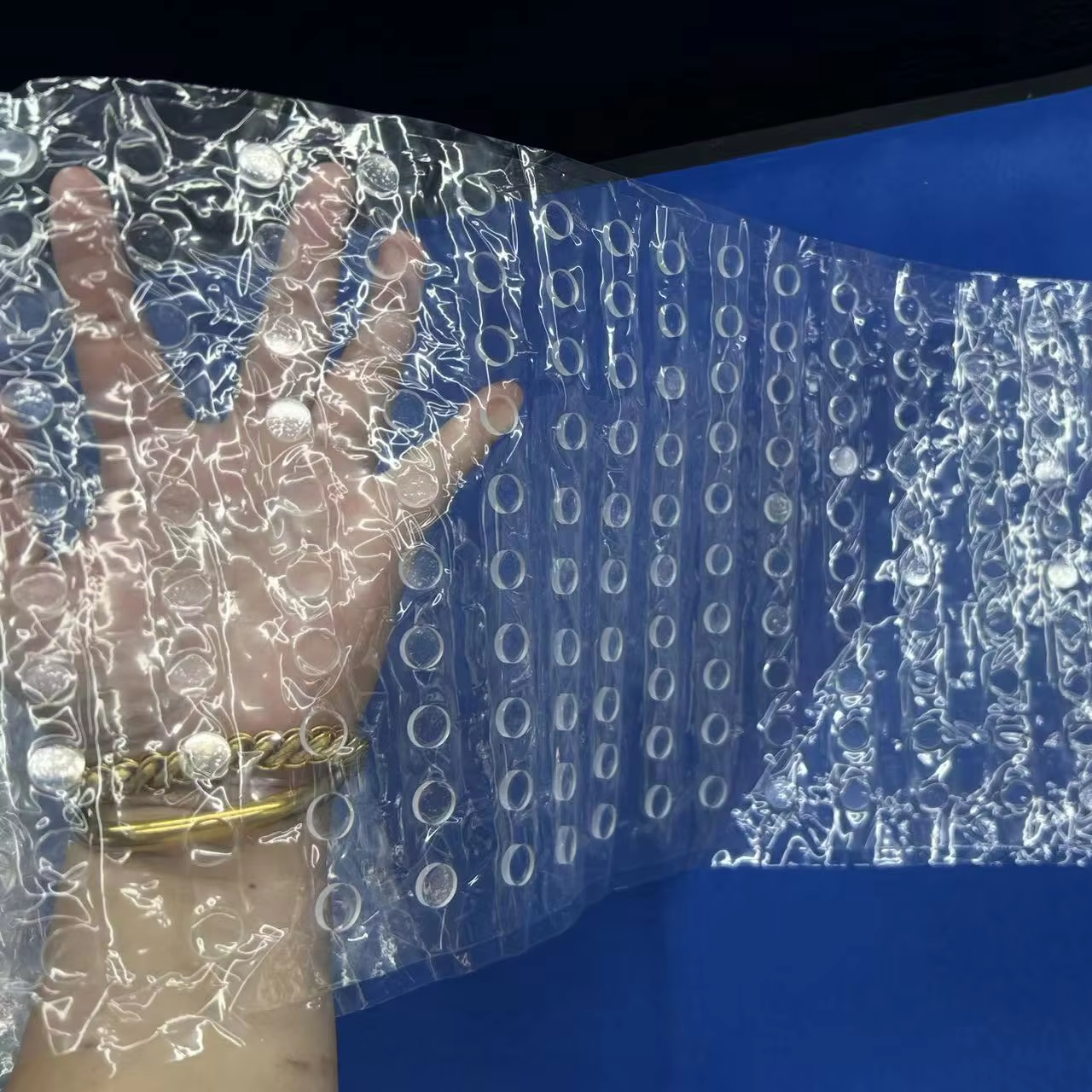
Vitreous optical components are uniquely vulnerable to transit stress. Modern procurement agreements require multi-layer packaging protocols: individual vacuum-sealed PE bags, anti-static shock-absorbing EPE foam cutouts, moisture-sealed barrier films, and certified non-fumigation plywood casing engineered to survive drop testing.
Nivra Quartz: Verified Factory Strength & Production Infrastructure
Donghai County Nivra Quartz Products Co., Ltd. (founded February 2019) is located at 285 Heping East Road, Lianyungang, Jiangsu Province, China. Operating with a dedicated workforce of 101–200 skilled glassblowers, CNC technicians, and metrology engineers, our facility bridges the gap between raw silicon ingot smelting and micron-level optical delivery.
Verified Export Performance
Exporting across all primary global corridors: North America (40%), Western Europe (20%), Eastern Europe (14%), and South America (11.4%). Verified 5.0/5.0 supplier ratings with an 88.89% rapid inquiry response rate within 5 hours.
Full Processing Chain Under One Roof
From initial raw rod/block selection to laser cutting, CNC ultrasonic drilling, edge chamfering, double-sided planetary polishing, fire polishing, and annealing ovens to relieve internal stress—minimizing subcontracting overhead and accelerating throughput.
Strict Metrology & Quality Control
Incoming raw ingot purity testing (ICP-MS testing for metal parts per billion), digital micrometers, spectrophotometric UV-Vis-NIR transmission verification, and polariscope stress inspections before every international shipment.
Frequently Asked Questions for Optical Buyers
Essential answers regarding material grades, thermal thresholds, custom CAD manufacturing, and global transport protocols.
What is the functional difference between JGS1, JGS2, and JGS3 quartz glass lenses?
JGS2 (Fused Natural Quartz): Melted from natural quartz crystals under an oxygen-hydrogen flame. Offers excellent transmission in the 220 nm to 2500 nm range. Ideal for standard optical sight windows, infrared lamps, and furnace viewports.
JGS3 (Electrically Fused Quartz / Dry Quartz): Melted in vacuum electric resistance furnaces. Contains near-zero hydroxyl (OH⁻ < 2 ppm), eliminating the deep absorption band at 2.73 µm. This is the premier choice for infrared optics, thermal radiometry, and 1064 nm fiber laser delivery lenses.
What are the continuous and maximum peak working temperatures for quartz lenses?
Can you fabricate custom quartz optical lenses directly from technical CAD drawings?
What is the typical Minimum Order Quantity (MOQ) for custom quartz optical components?
How are fragile quartz lenses packed to prevent breakage during international air and ocean transit?
Can quartz glass lenses be AR-coated for specific laser wavelengths?
Why should an international buyer source from Donghai County rather than local distributors?
Accelerate Your Optical Engineering Project
Submit your technical drawing, required spectral transmission band, dimensional tolerances, and quantity expectations. Our optical glass specialists will review manufacturability and provide an actionable, factory-direct quotation within 5 hours.