Thermal Element
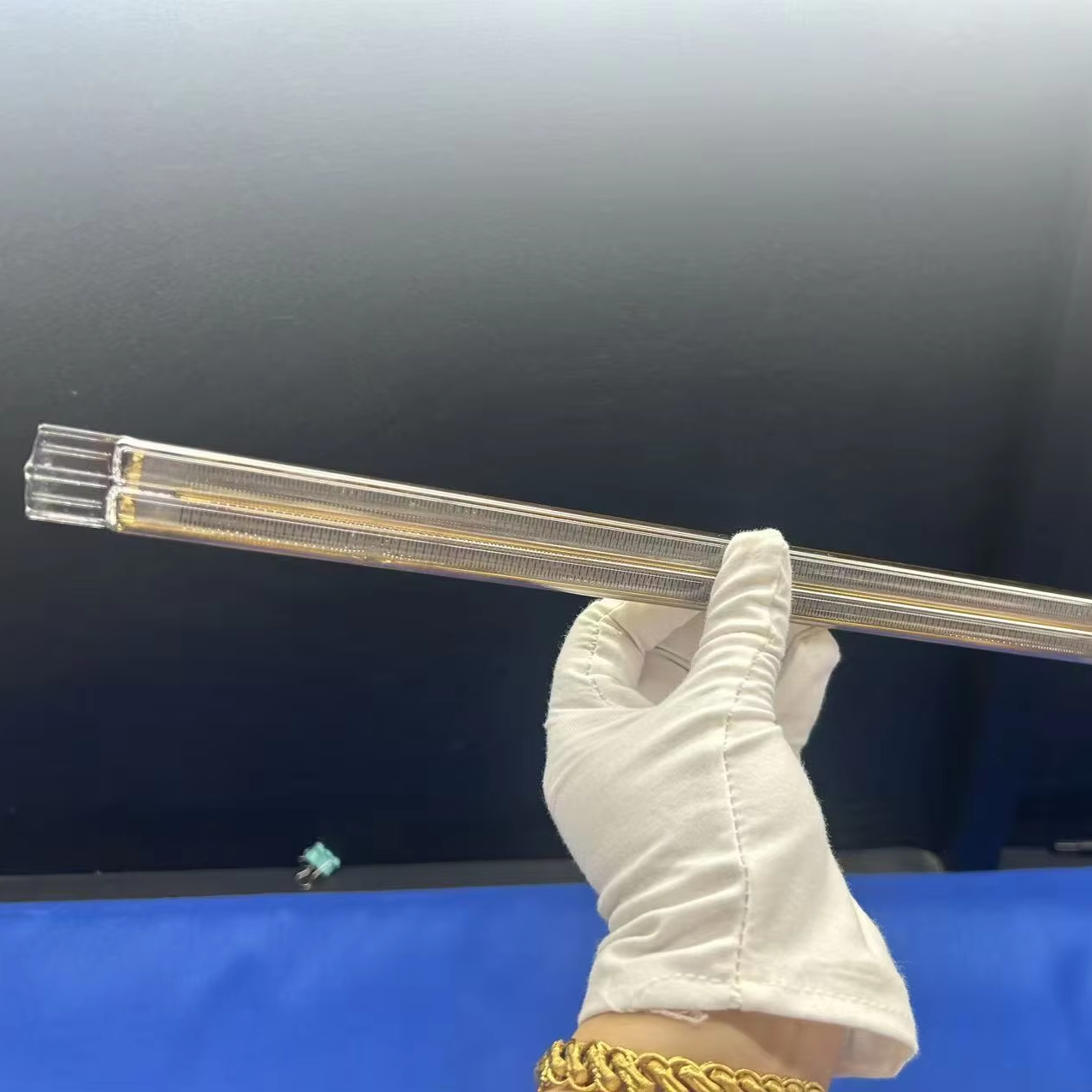
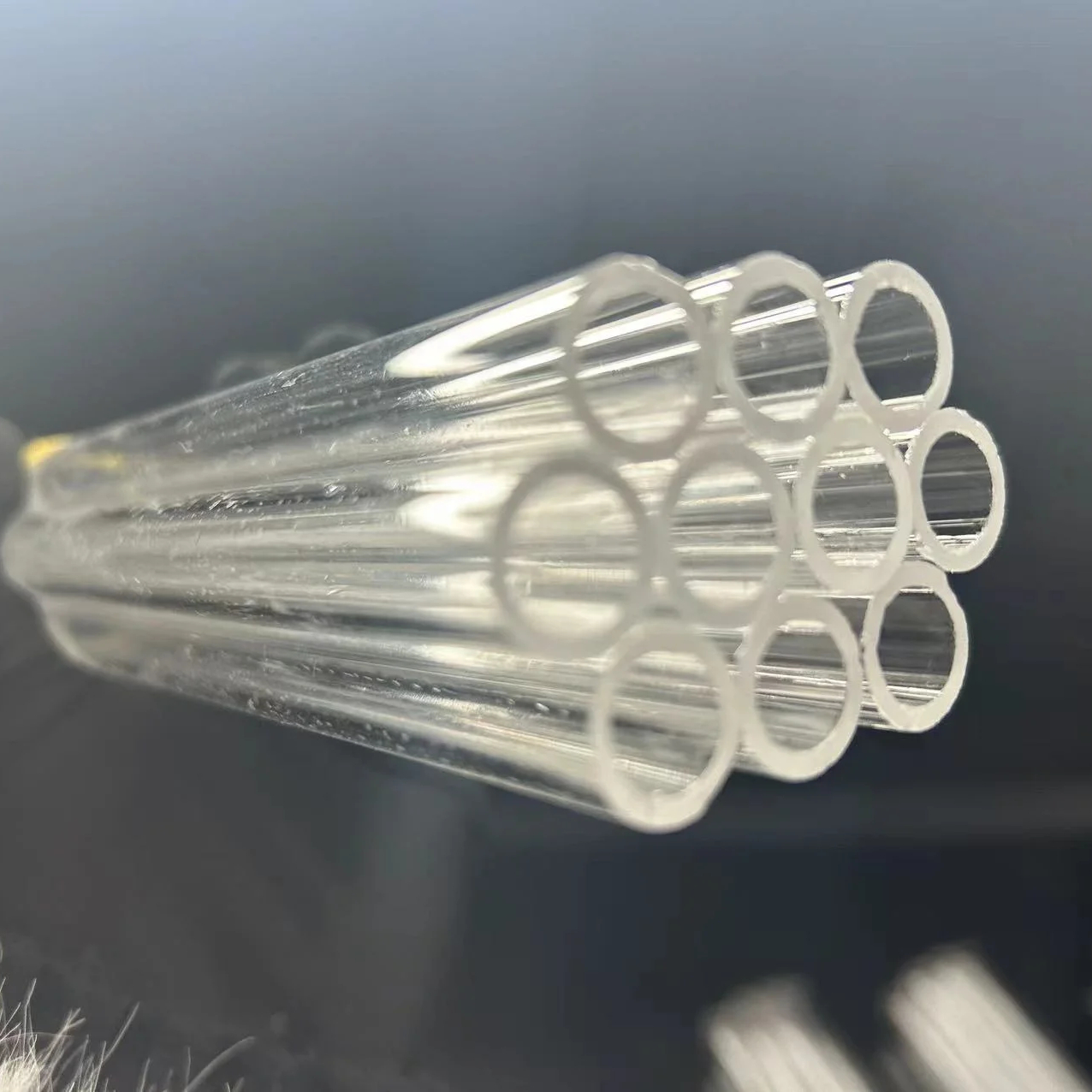
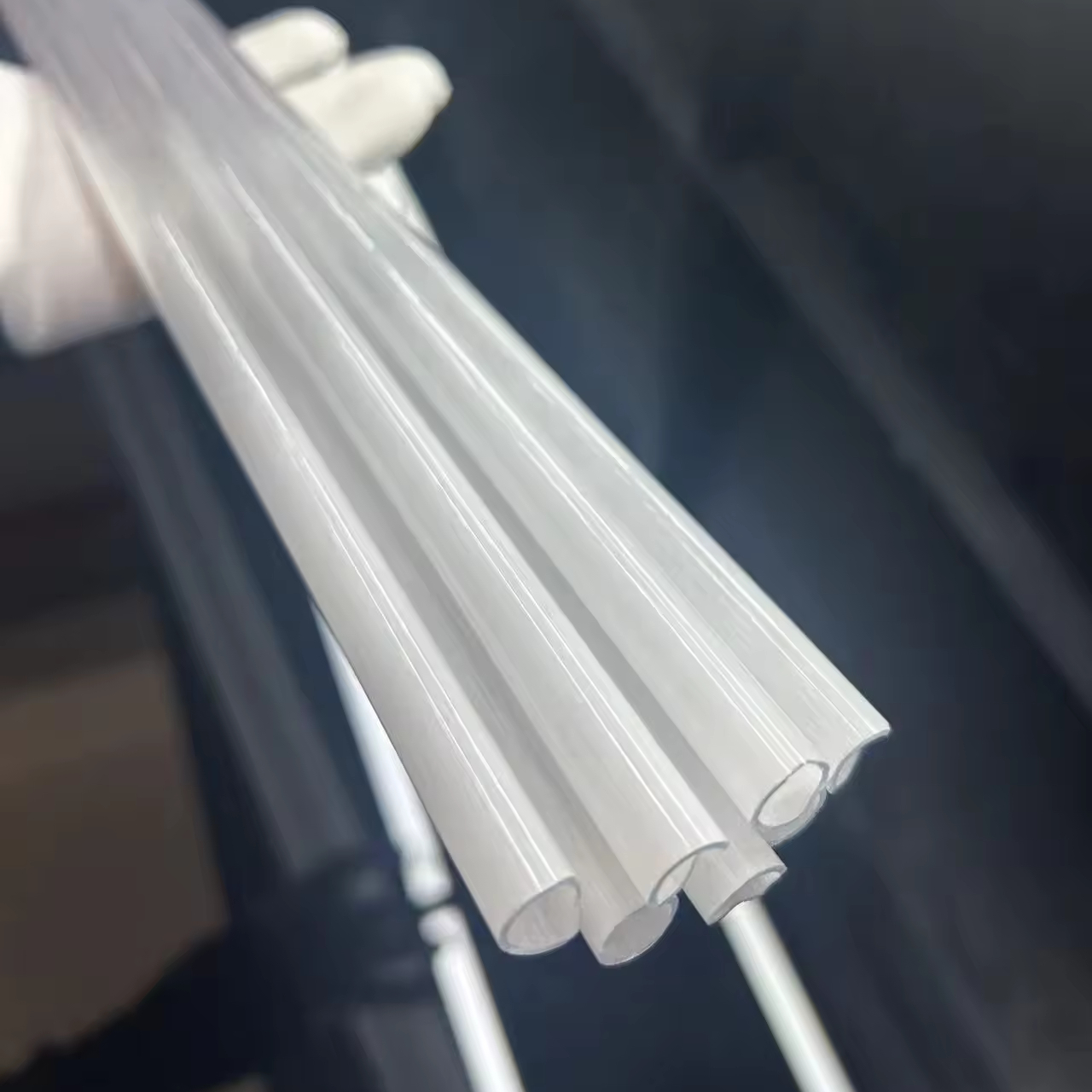
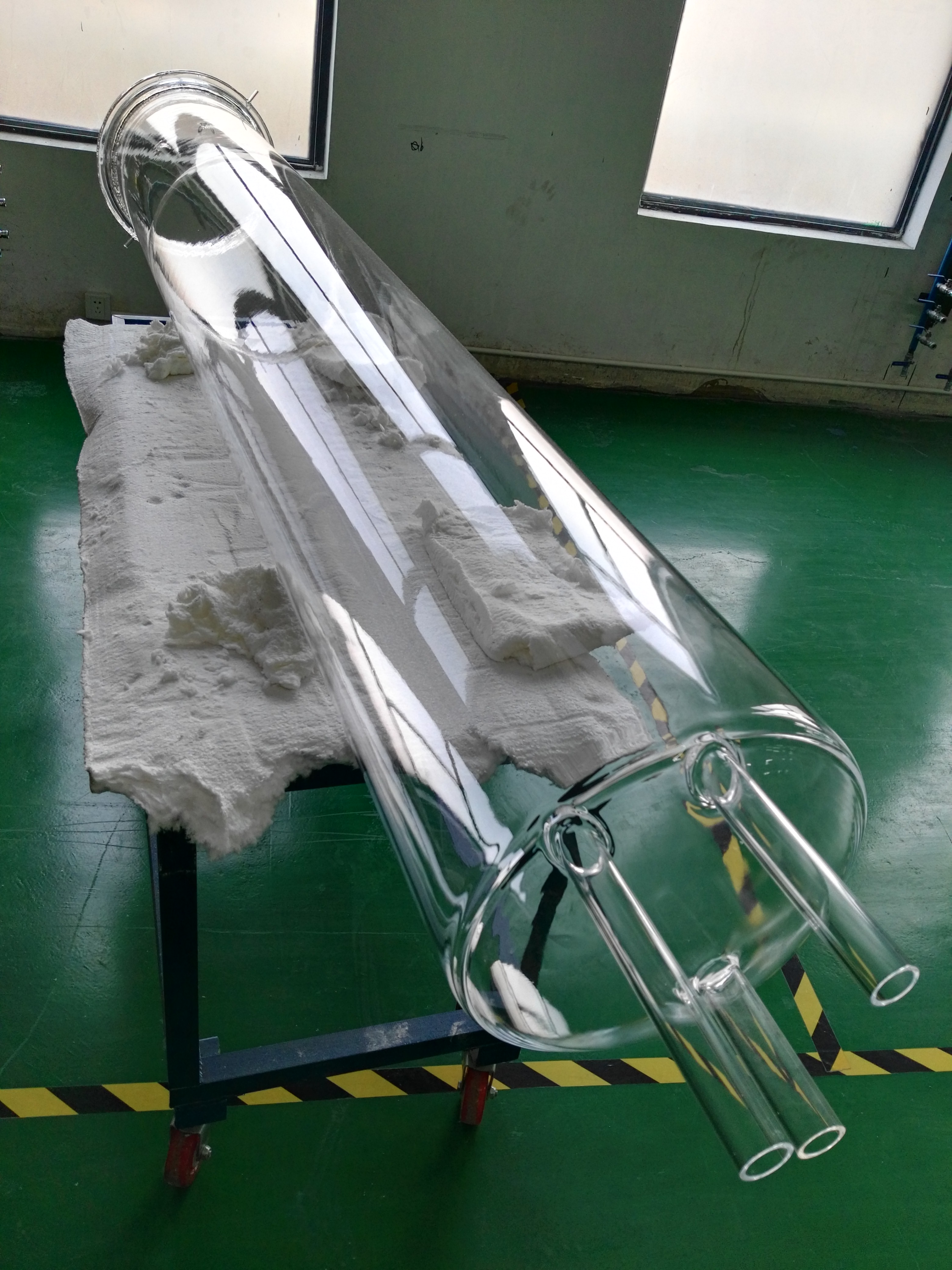
Graphene Quartz Heating Tube
Substrate:Fused Silica SiO₂
Efficiency:Rapid Thermal Transfer
Fabricated in Donghai County using premium natural rock crystal and synthetic SiO₂ ingots. Tested for severe thermal gradients, deep-UV to far-IR spectral fidelity, and ppm-level chemical inertness.
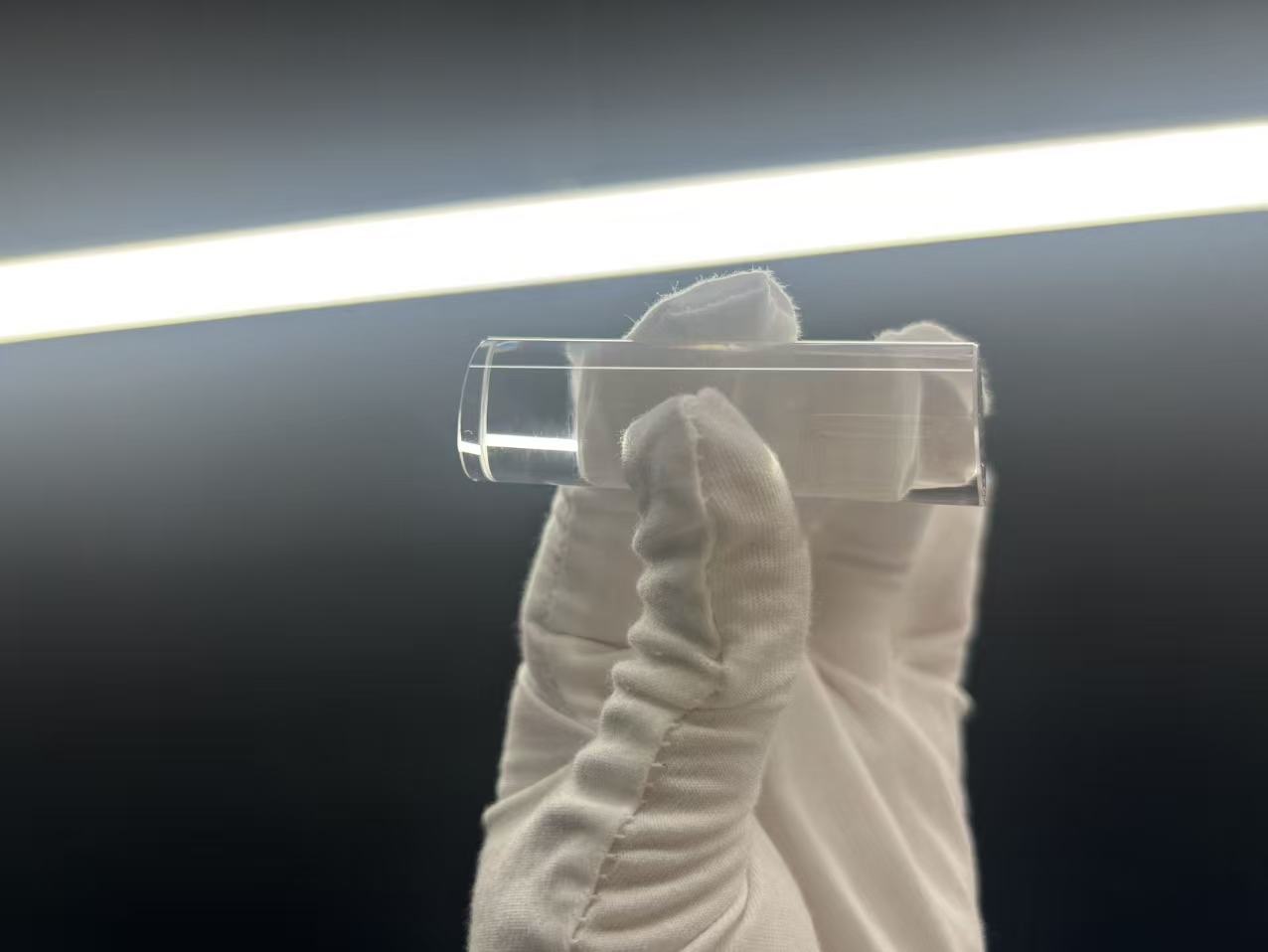
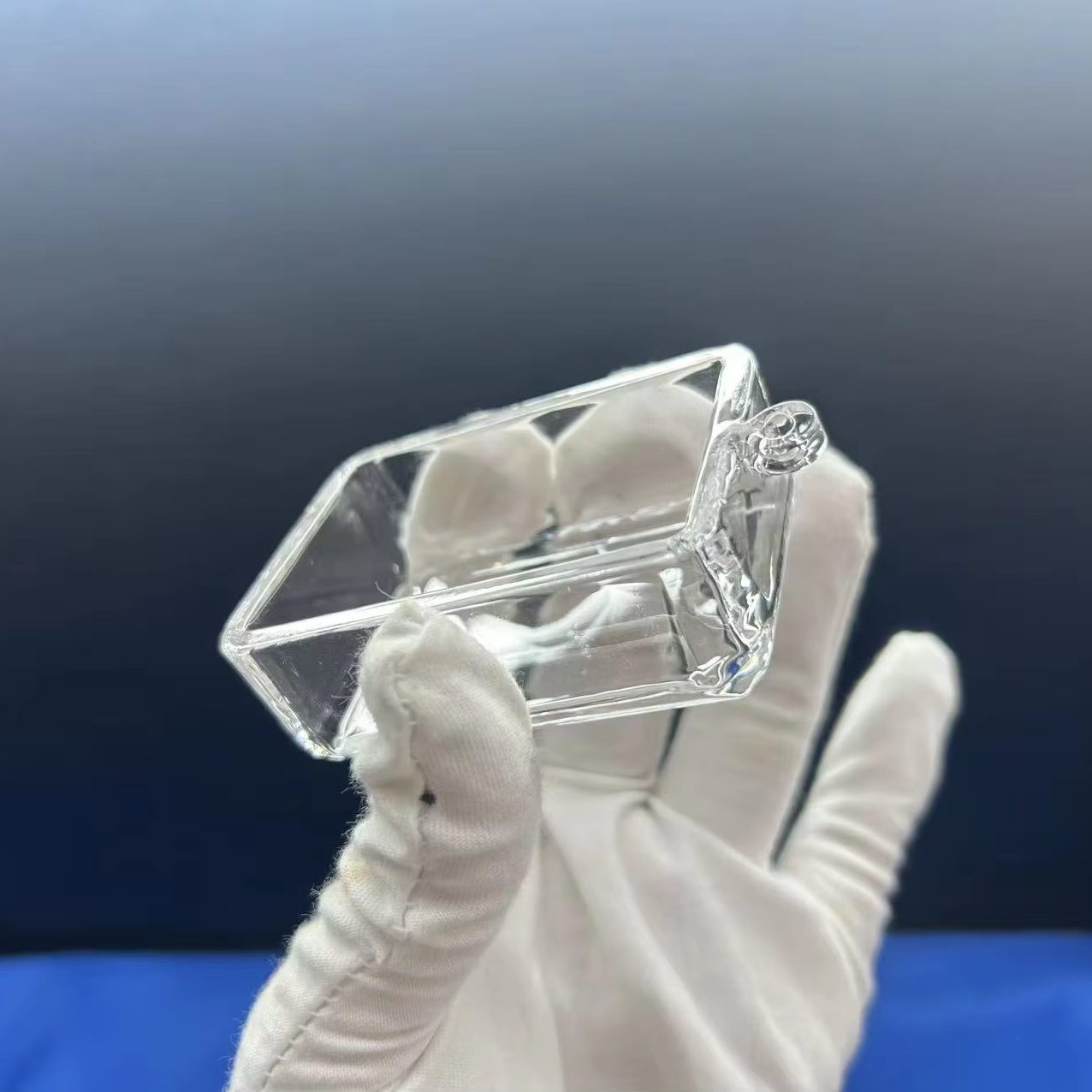
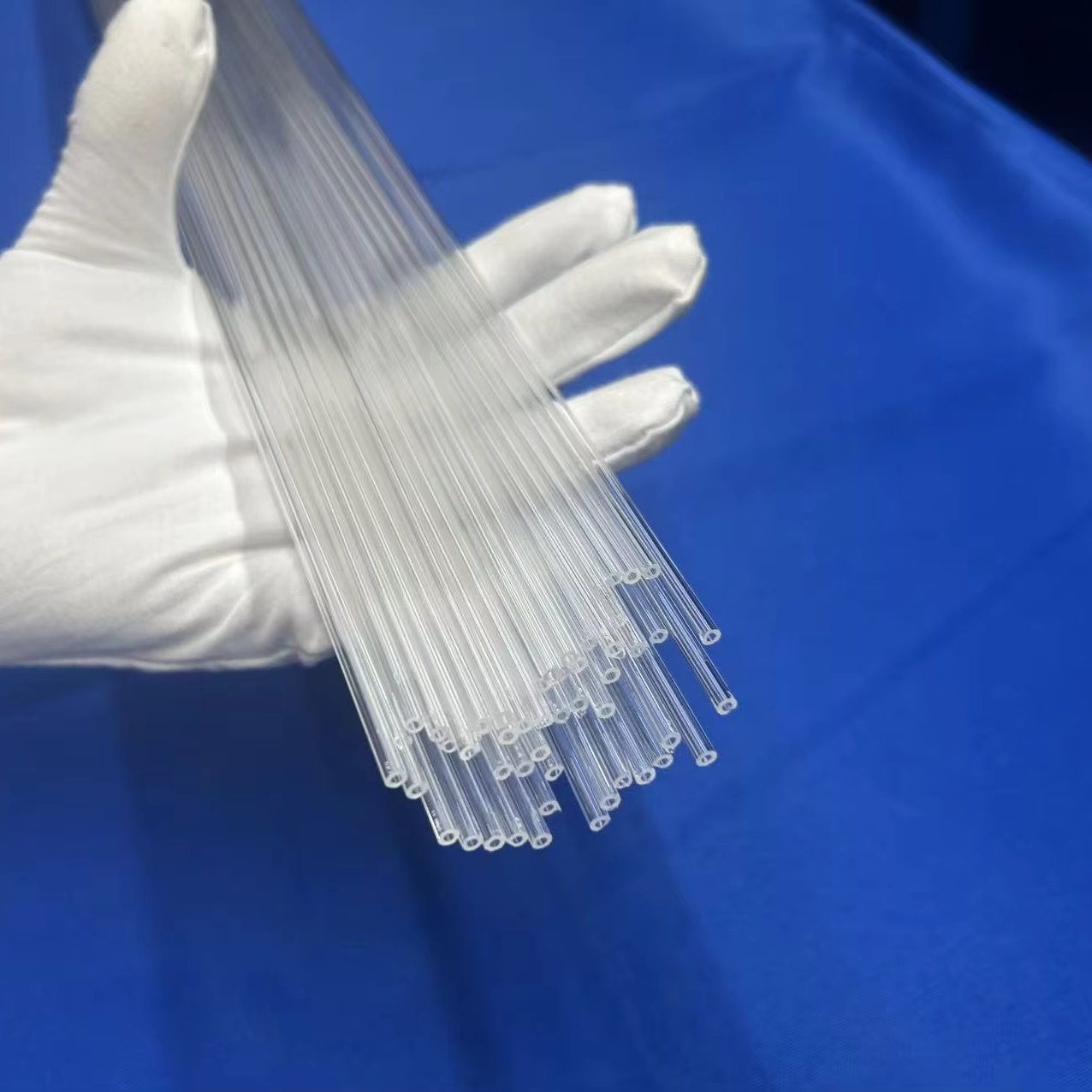
An authoritative technical review on morphology, sintering mechanics, trace-element partition coefficients, and optical filtering in mission-critical environments.
In modern industrial sub-micron filtration and photonics, standard borosilicate and soda-lime glass media fail under combined chemical aggression, severe mechanical pressure drops, and elevated operating temperatures. Fused quartz glass filters (comprising sintered porous quartz discs, laser-micro-perforated quartz membranes, and optically selective fused silica plates) represent the highest tier of solid-liquid and gas filtration technology. Synthesized from natural crystalline silica (SiO₂) deposits or flame-hydrolyzed silicon tetrachloride (SiCl₄), quartz provides an almost monolithic tetrahedral network with bond energy reaching 460 kJ/mol, delivering zero softening up to 1100°C and thermal shock resistance that withstands a 1000°C water quench without micro-fracturing.
When engineering quartz glass filters, two primary manufacturing methodologies are deployed based on user intent: Porous Sintered Frits and Precision CNC Ultrasonic Perforated Discs. Porous quartz filters are fabricated by grading crushed high-purity quartz granules through ultrasonic vibro-sieves into discrete particle sizes, followed by controlled thermal sintering within vacuum induction furnaces between 1200°C and 1450°C. Sintering kinetics are governed by surface diffusion and neck formation without inducing total bulk glass flow. The result is an open, rigid, tortuous-path capillary matrix exhibiting precise pore diameters ranging from Porosity Grade 0 (160–250 μm) down to Porosity Grade 5 (<1.5 μm), compliant with international standards ISO 4793 and ASTM E128.
| Porosity Grade | Nominal Pore Range (μm) | Permeability Constant (m/s/Pa) | Primary Application in OEM Systems |
|---|---|---|---|
| Grade 0 (P160) | 160 – 250 μm | 1.2 × 10⁻³ | Coarse gas distribution, sparging tubes, slurry pre-filtration |
| Grade 1 (P100) | 100 – 160 μm | 7.8 × 10⁻⁴ | Corrosive chemical filtration, gas scrubbing, coarse precipitates |
| Grade 2 (P40) | 40 – 100 μm | 2.4 × 10⁻⁴ | Analytical gas sampling, crystalline chemical collection |
| Grade 3 (P16) | 16 – 40 μm | 5.1 × 10⁻⁵ | Fine precipitate separation, analytical quartz gravimetry |
| Grade 4 (P10) | 10 – 16 μm | 1.6 × 10⁻⁵ | Fine biological/analytical filtration, particulate scrubbing |
| Grade 5 (P1.6) | 1.0 – 1.6 μm | 2.8 × 10⁻⁶ | Sub-micron aerosol retention, sterile gas filtration in vacuum lines |
Conversely, for optical filtration applications—such as fluorescence microscopy, analytical Raman spectroscopy, and UV sterilizer inline sensors—filters take the form of flat ground and double-sided polished plates manufactured from JGS1, JGS2, or JGS3 optical quartz grades. Here, raw synthetic ingots undergo high-precision wire-sawing, double-sided planetary lapping with cerium oxide and diamond abrasives, followed by optional dielectric or metallic thin-film interference sputtering. These filters must guarantee surface flatness up to λ/10 per 25mm diameter and surface quality exceeding 20/10 Scratch/Dig according to MIL-PRF-13830B.
Selecting the appropriate synthetic or natural silica grade ensures optimal transmittance, structural longevity, and avoids unnecessary procurement expenditure.
| Material Classification | Synthesizing / Fusion Base | Spectral Cut-off & Range | Hydroxyl (OH⁻) Content | Max Continuous Temp | Primary Industrial OEM Use |
|---|---|---|---|---|---|
| JGS1 (Synthetic Fused Silica) | Chemical Vapor Deposition (SiCl₄) | 185 nm – 2500 nm (Deep-UV) | < 5 ppm to < 30 ppm | 1050 °C | Excimer laser optics, semiconductor lithography, DUV filter windows |
| JGS2 (Fused Quartz) | High-Purity Natural Crystal Quartz | 220 nm – 2500 nm (UV-VIS) | < 30 ppm | 1100 °C | Spectrophotometer cuvettes, furnace viewing ports, process tubes |
| JGS3 (Infrared Optical Quartz) | Vacuum Electro-Fused Quartz | 260 nm – 3500 nm (Near to Far-IR) | < 5 ppm (Zero absorption dip at 2.73μm) | 1150 °C | Infrared detectors, pyrometry sight glasses, CO₂ laser monitoring |
| Borosilicate 3.3 (Pyrex Equivalent) | Boron Trioxide & Silica Fusion | 320 nm – 2000 nm (Visible only) | High / Non-Controlled | 450 °C – 500 °C | Standard laboratory chemistry, domestic sight glasses (Low-end) |
Anticipate market shifts, supply chain vulnerabilities, and technical specifications shaping the next generation of industrial quartz procurement.
With advanced sub-2nm gate-all-around (GAA) semiconductor nodes and EUV lithography deployment, tolerance for airborne particulate and chemical degas contamination is virtually zero. Semiconductor fabs are actively phasing out composite filters in favor of sintered JGS1 fused silica filters with total metallic trace elements below 0.1 ppm, ensuring atomic layer etching (ALE) gas streams remain free of mobile ion contamination.
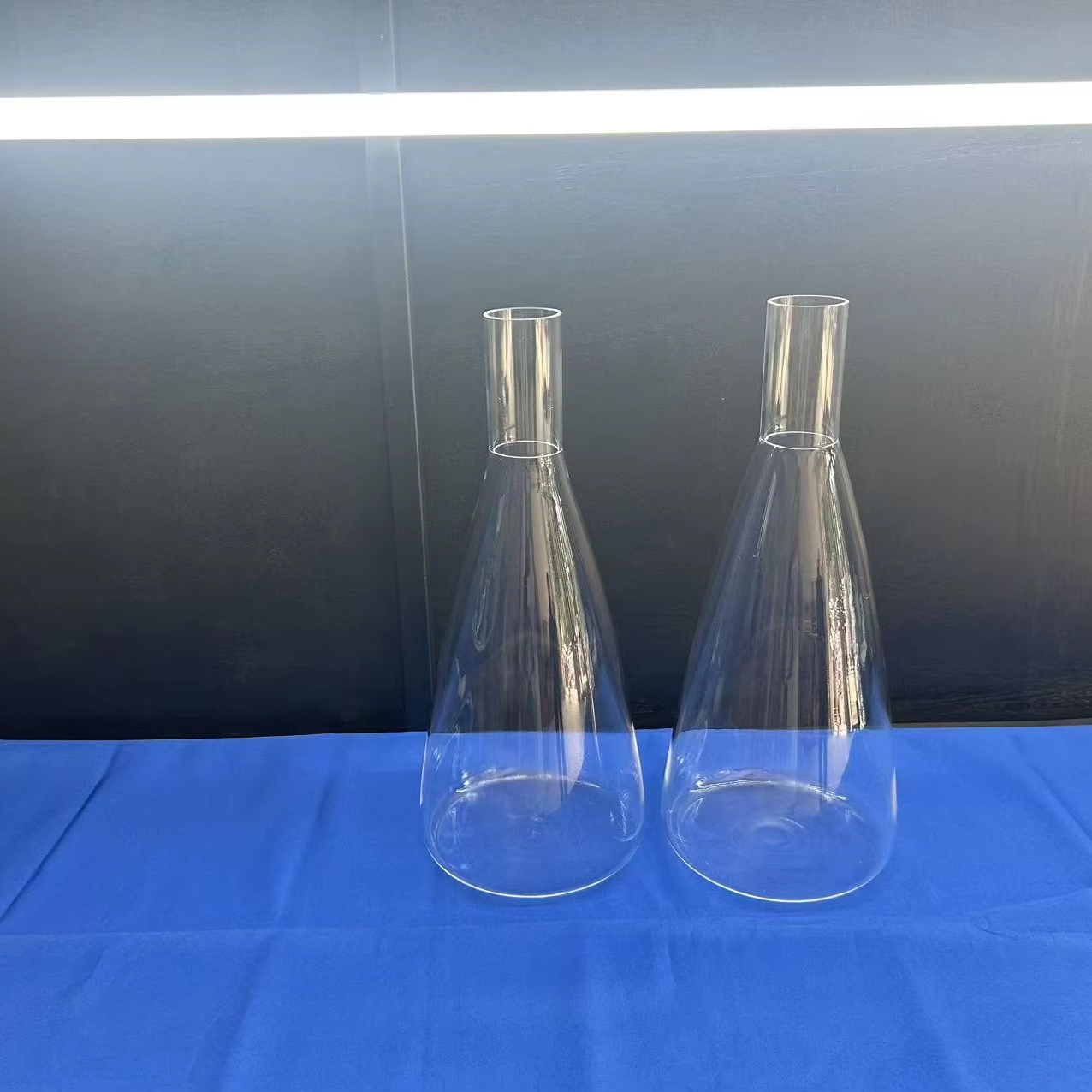
The rapid deployment of high-temperature solid oxide electrolyzer cells (SOEC) and Perovskite-Silicon tandem solar cells requires quartz thermal filter tubes and reaction vessels that operate consistently between 800°C and 1100°C. Procurement teams in the EU and North America are prioritizing direct OEM manufacturers in primary crystal regions capable of supplying large-bore (OD > 450 mm) quartz filter chambers with custom flange integration.
Global tier-1 OEMs are shifting away from intermediaries, sourcing directly from specialized production clusters. Donghai County, China—accounting for over 70% of the world's raw silica processing—offers end-to-end vertical integration from quartz mining and raw fusion to CNC 5-axis ultrasonic machining. Direct factory partnerships reduce procurement cycles by up to 40% while securing verifiable material origin certificates.
Founded in February 2019 at 285 Heping East Road, Lianyungang, Jiangsu – China's Crystal Capital. Combining raw resource dominance with micron-level CNC machining.
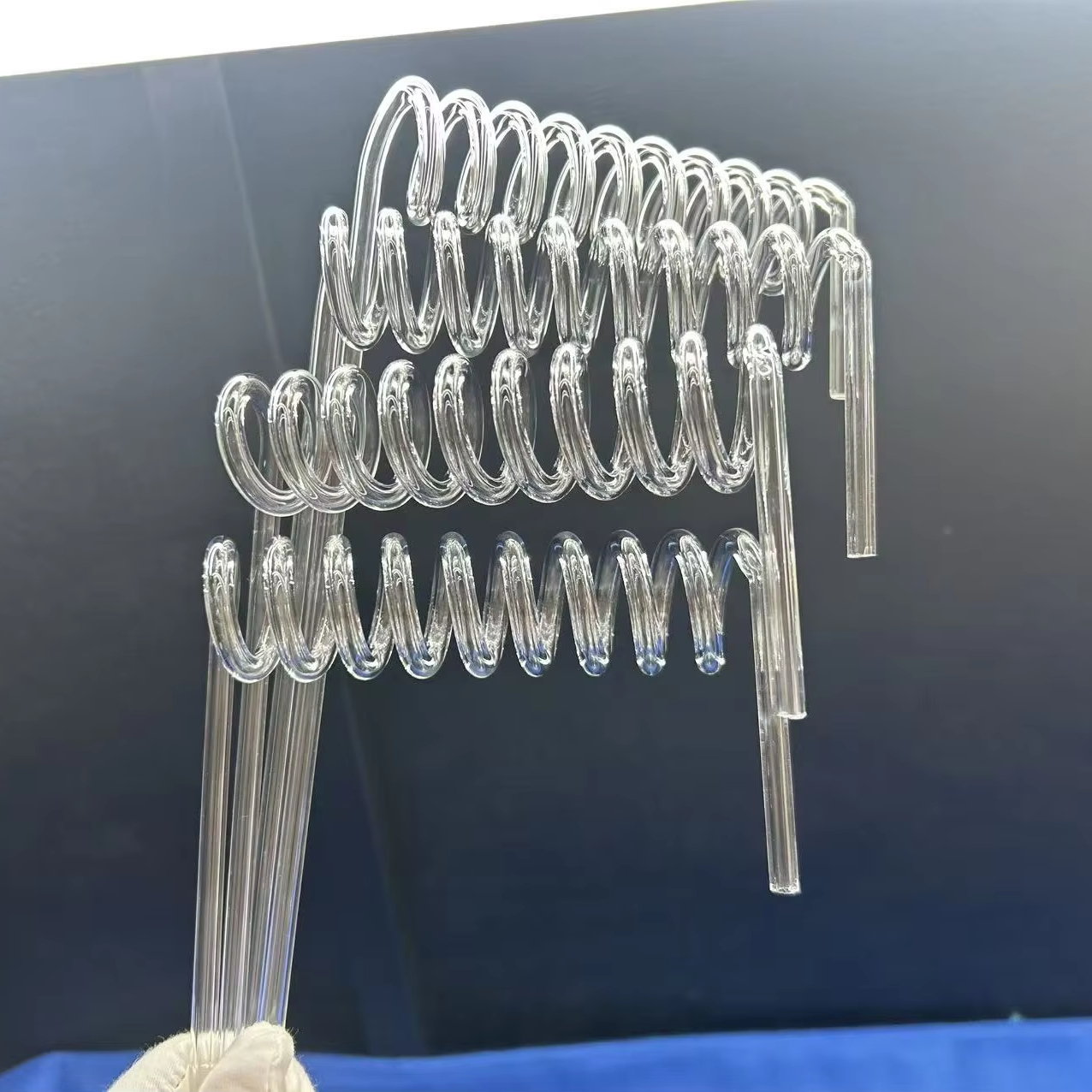
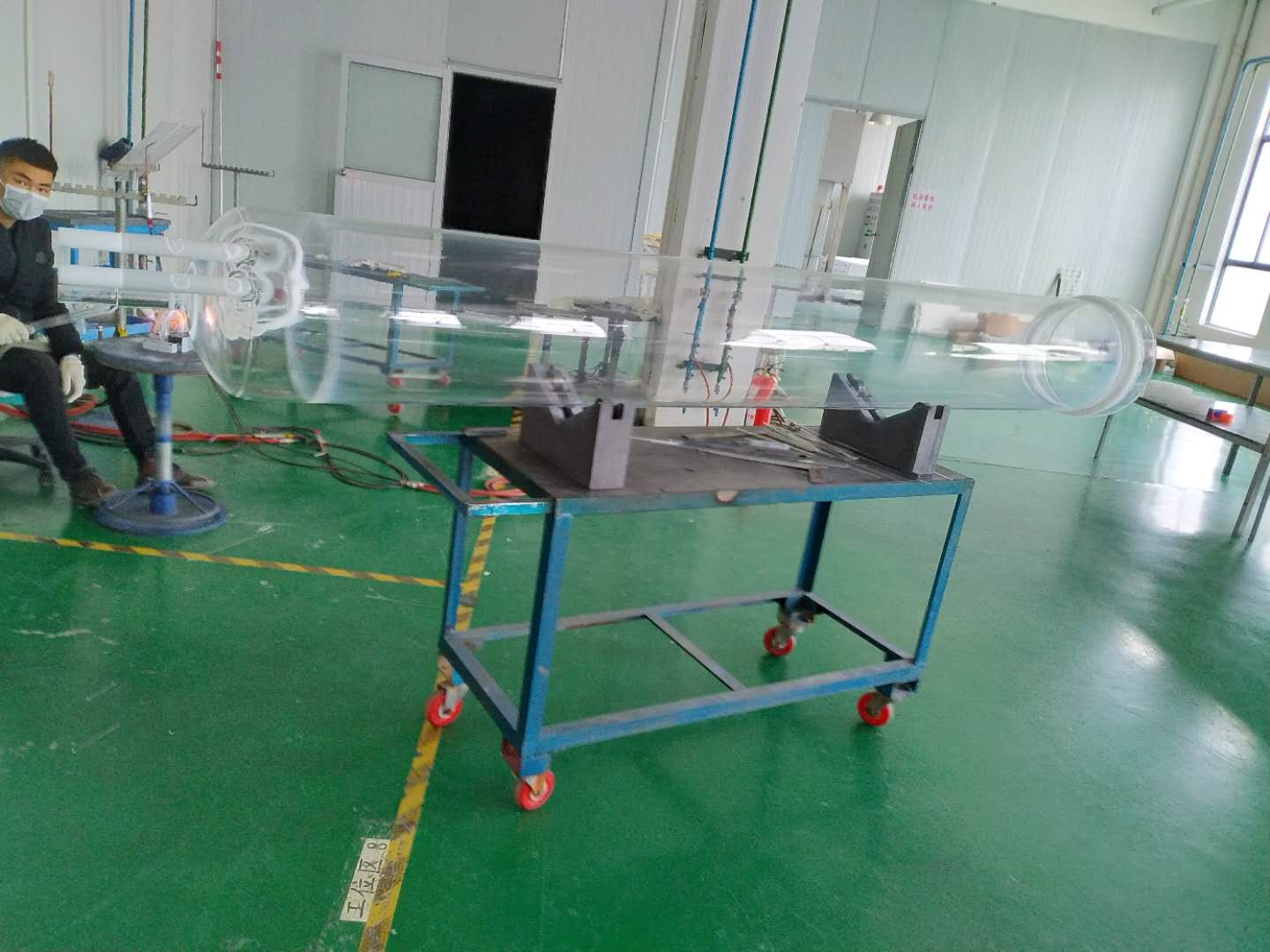
Equipped with ultrasonic CNC milling, diamond lathe turners, centerless grinding, and automated hydrogen-oxygen flame welding lathes. We convert complex STEP, DWG, and PDF technical drawings into finished quartzware with dimensional tolerances down to ±0.01 mm.
Every batch undergoes rigorous quality assurance: Zygo laser interferometry for optical wavefront distortion, PerkinElmer Lambda UV-VIS-NIR spectrophotometry, bubble-inclusion classification according to DIN ISO 10110, and bubble-point porosity validation for fritted filters.
Serving key global accounts across North America (40%), Western Europe (20%), Eastern Europe (14%), and South America (11.4%). Maintaining a verified 5.0/5.0 supplier rating, an 88.89% customer inquiry response rate, and an average response turnaround under 5 hours.
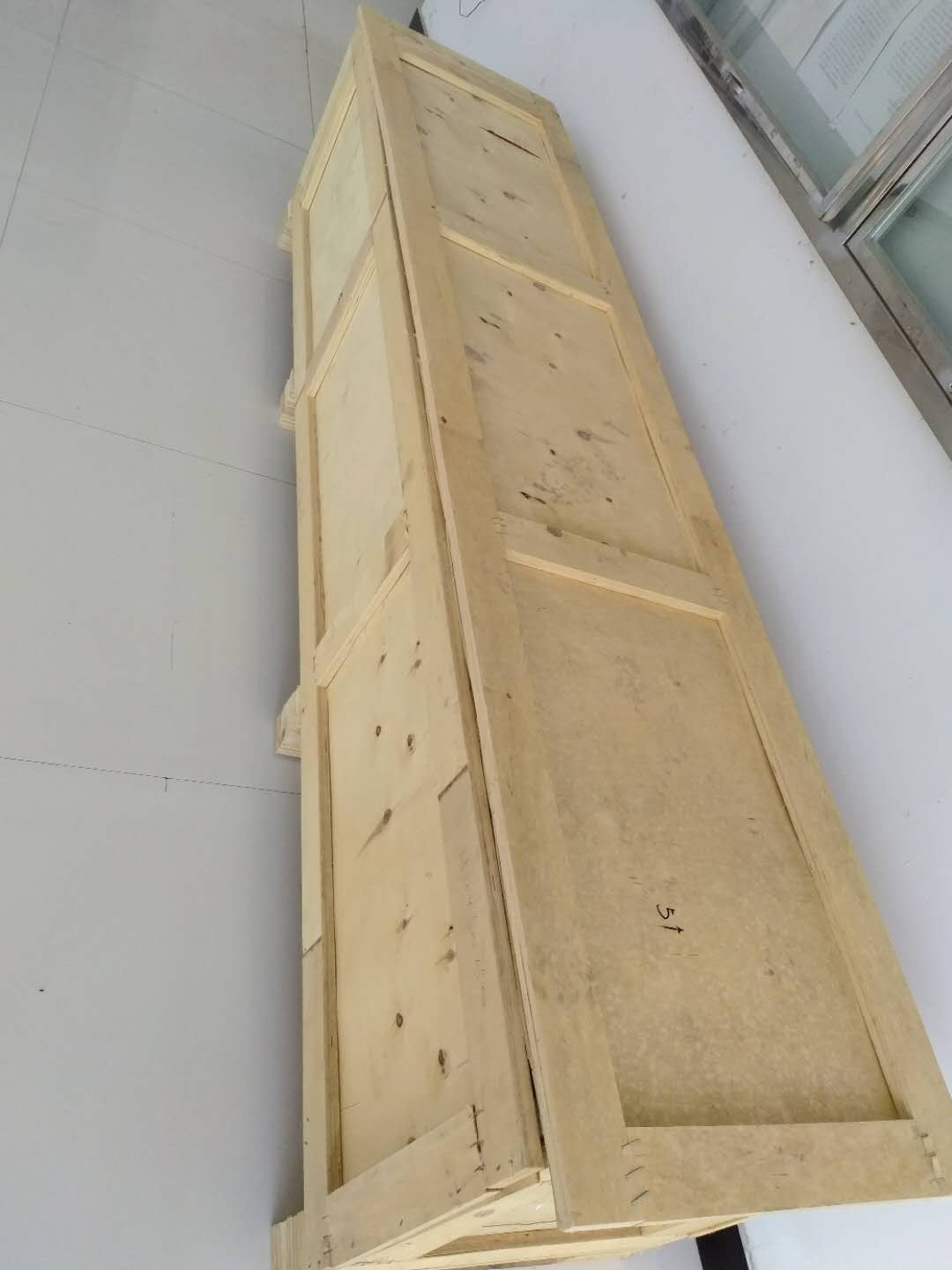
Fragile optical plates and high-aspect-ratio quartz filter tubes are ultrasonic-bath cleaned, sealed in static-free cleanroom bags, suspension-mounted with customized multi-density high-recovery foam, and crated in fumigation-free wooden cases built for multimodal ocean and air transit.

Technical, commercial, and operational clarifications covering dimensional tolerances, thermal thresholds, acid compatibility, and custom fabrication runs.
Porous Sintered Quartz Filters (Frits) are produced by fusing graded quartz particles in vacuum furnaces to form a random, 3D tortuous matrix. They provide deep-bed particulate trapping with nominal pore sizes down to 1.0 μm (Grade 5), making them ideal for gravimetric analysis, acid sparging, and liquid-gas separation. In contrast, Micro-Perforated Quartz Plates are solid, polished optical discs precision-machined with high-speed lasers or ultrasonic CNC drills to create straight, uniform through-holes (typically Ø0.1 mm to Ø1.0 mm). Perforated plates are chosen when precise laminar gas distribution, zero particulate retention inside the filter media, and rapid backwash cleanability are required.
Yes. Fused quartz exhibits outstanding chemical passivity against almost all mineral and organic acids, including boiling Hydrochloric Acid (HCl), Nitric Acid (HNO₃), and Sulfuric Acid (H₂SO₄). The only notable exceptions are Hydrofluoric Acid (HF), which dissolves the SiO₂ lattice at any temperature, and concentrated Phosphoric Acid (H₃PO₄) above 150°C. Strong alkaline caustic solutions (e.g., hot concentrated KOH or NaOH) will also slowly etch the polished surface over prolonged cycles.
Our clear fused quartz items operate continuously at 1100°C (2012°F) and can handle short-term excursions up to 1450°C (2642°F). The transformation/strain point occurs around 1075°C, the annealing point is at 1180°C, and the softening point is approximately 1683°C. When using sintered porous discs, we recommend operating below 1050°C to avoid secondary sintering that could slowly diminish nominal pore dimensions over prolonged campaigns.
Standard fabrication tolerances for outer diameters and wall thicknesses are ±0.10 mm to ±0.20 mm. For precision optical filters, windows, and ground discs, our CNC ultrasonic machining achieves outer diameter tolerances down to ±0.01 mm, thickness tolerances down to ±0.005 mm, surface flatness of λ/4 to λ/10 per inch, and surface finish down to 20/10 Scratch/Dig with parallelism under 30 arcseconds.
For standard tubes, rods, and catalog filter discs, the MOQ is 1 to 10 pieces to facilitate engineering evaluation. For custom CNC-machined parts from 2D/3D customer drawings (PDF, DWG, STEP), prototype orders typically range from 1 to 5 pieces. Prototype lead time is usually 5 to 10 business days, while full-scale mass production orders require 2 to 3 weeks depending on batch volume and annealing furnace scheduling.
We deploy a zero-damage export packing architecture. Every component is ultrasonically cleaned, bubble-wrapped in antistatic sleeves, nested inside custom-contoured high-density shock-absorbing EPE foam, and encased within double-wall corrugated export master cartons or reinforced, fumigation-free wooden crates with built-in internal shock absorbers. Long quartz tubes and heavy vessels are secured with central support cradles to eliminate flexural stress. In the rare event of transit damage, verified photographic evidence triggers immediate priority replacement under our complete buyer guarantee.
Submit your design drawings (STEP, DWG, DXF, or PDF), specify the working temperature, chemical environment, and required pore grade. Our veteran quartz glass engineers will deliver a comprehensive manufacturability review and formal quotation within 5 hours.