Precision Laboratory & Industrial Quartz Solutions
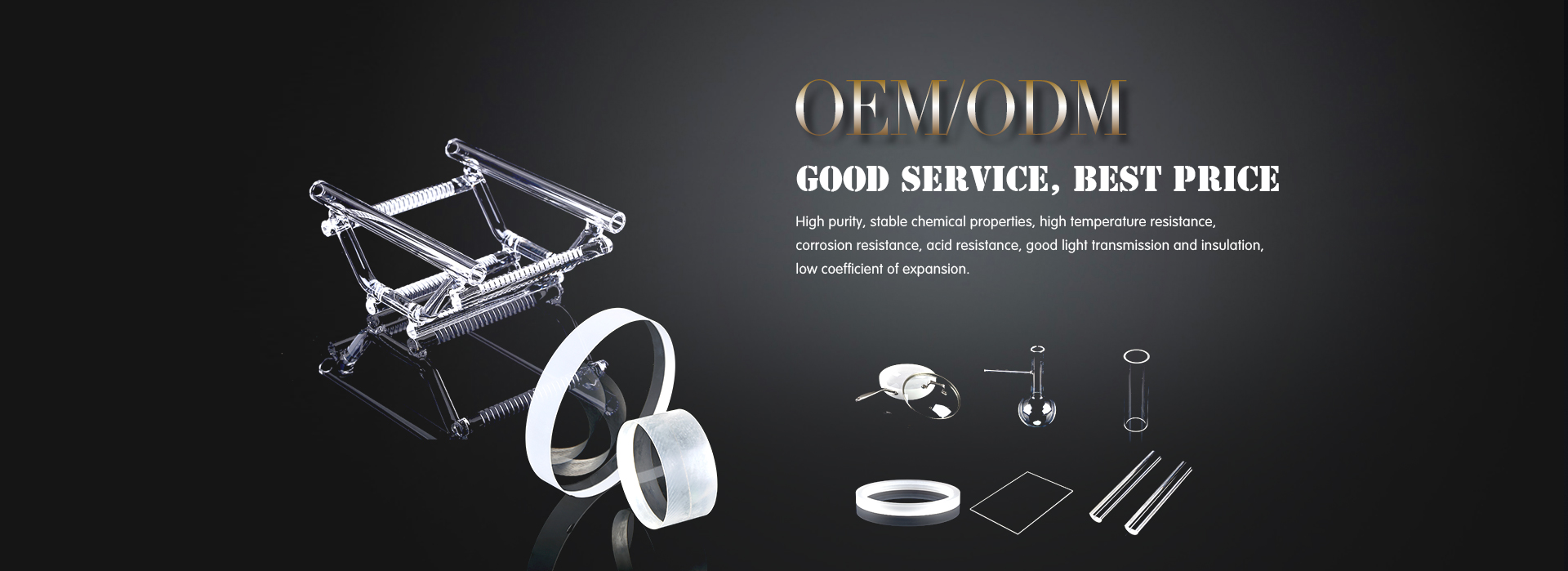
Manufactured using ≥99.99% purity natural and synthetic fused silica in Donghai County. Explore our 8 flagship engineered components built to rigorous mechanical and thermal tolerances.
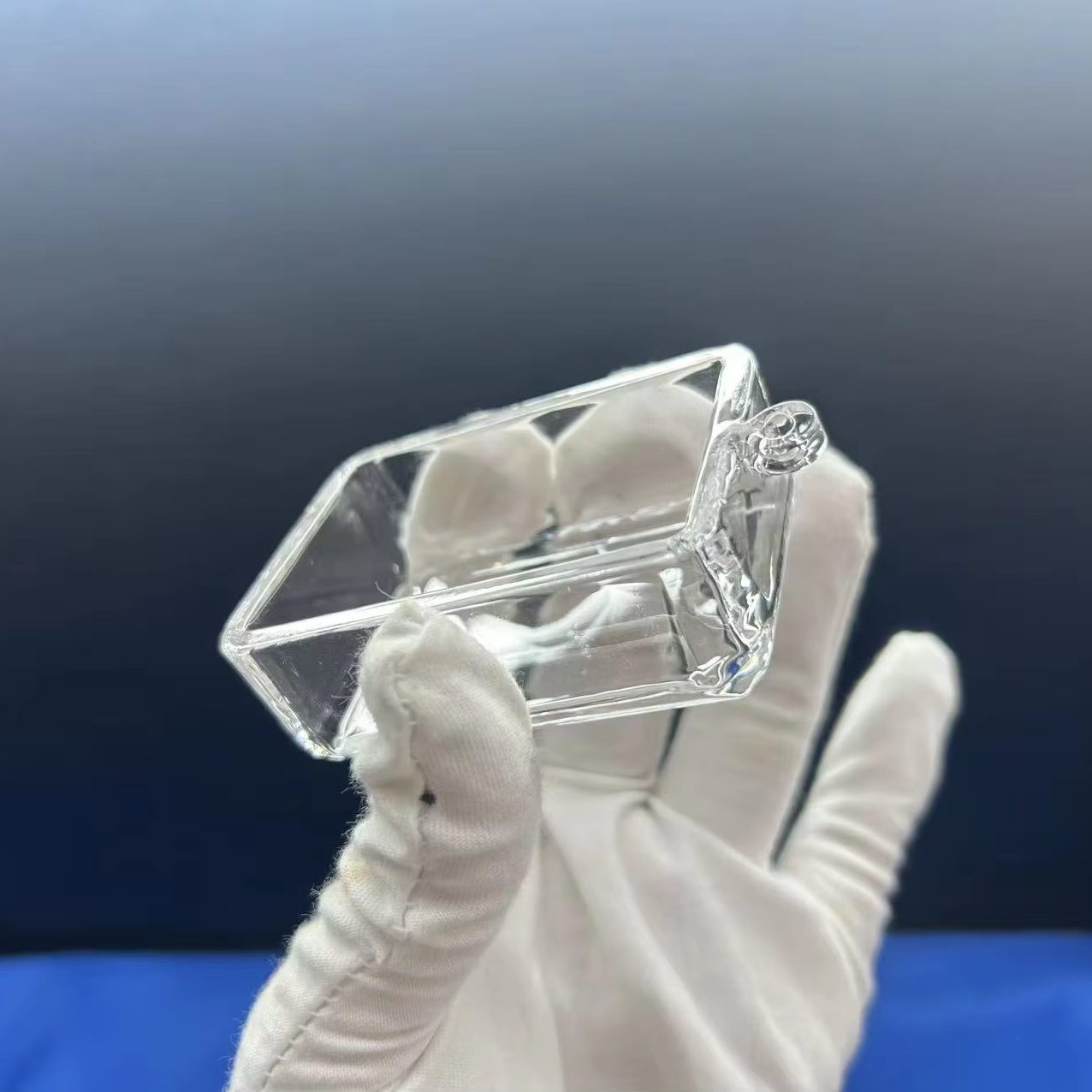
Quartz Tank
Heavy-duty welded fused silica tanks engineered for high-temperature chemical acid cleaning baths and semiconductor wafer processing.
Explore Specifications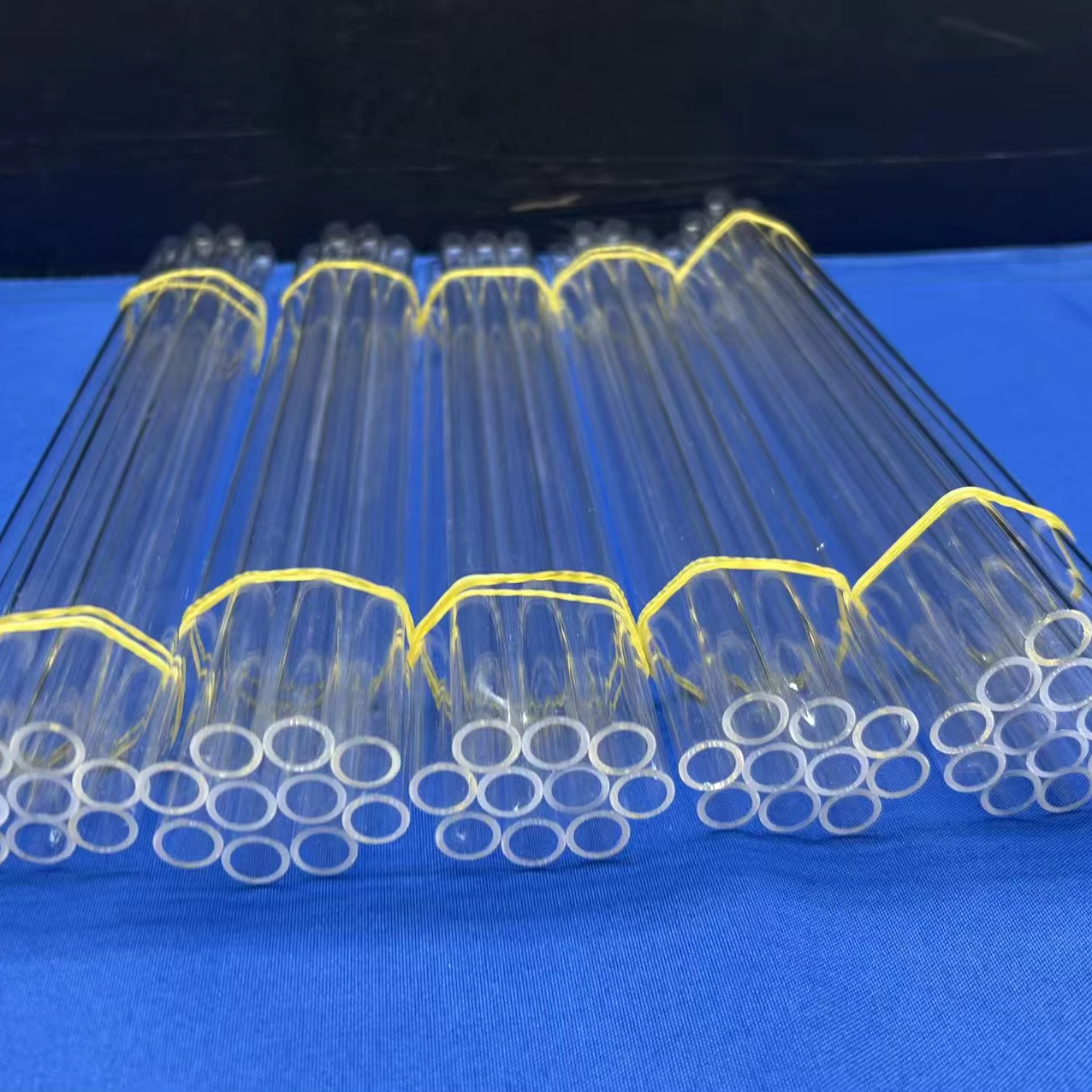
Quartz Test Tube
Flame-formed round or flat bottom test tubes with exceptional optical transmission from deep UV through near infrared bands.
Explore Specifications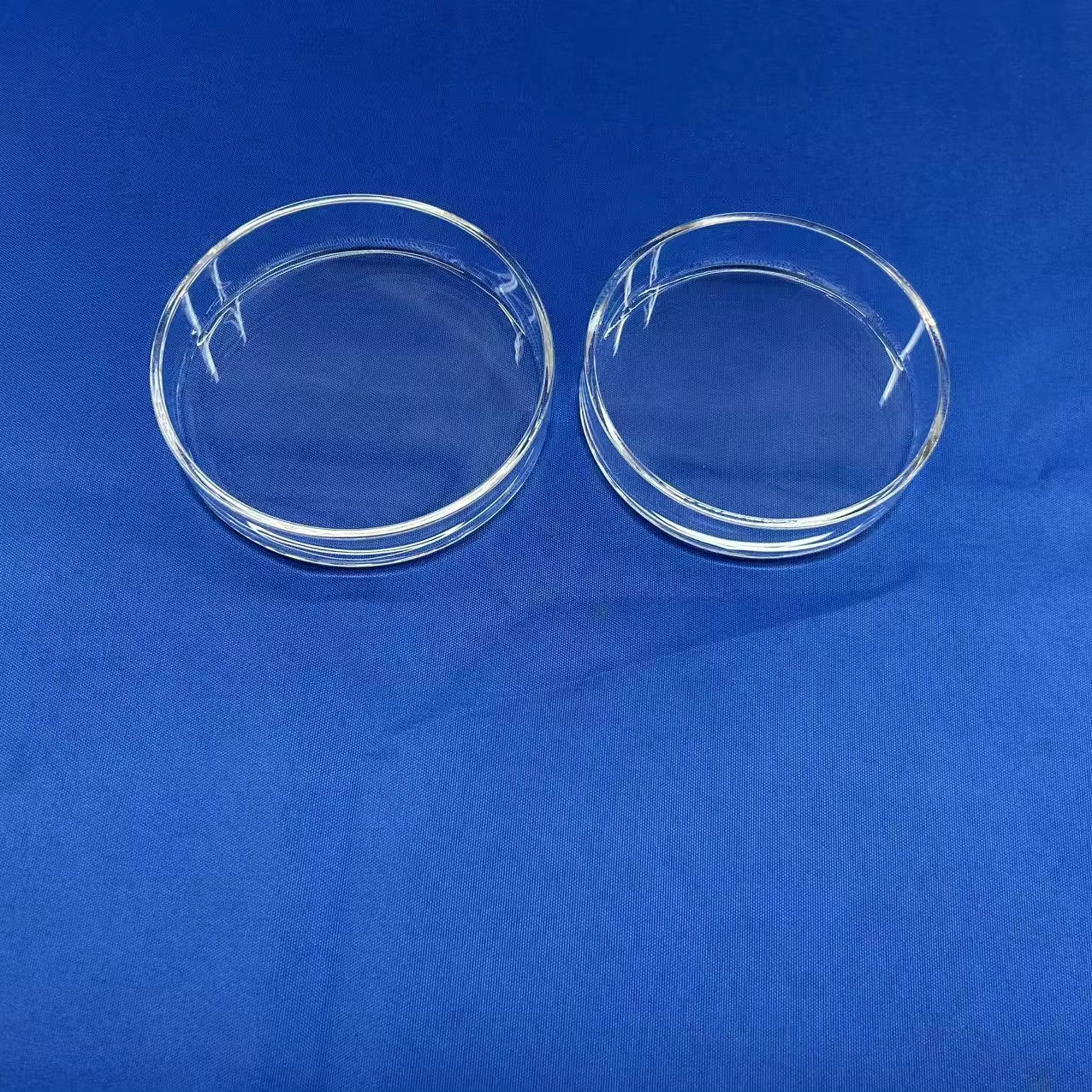
Factory Customized High-Purity Quartz Glass Petri Dishes with Lids
Biologically inert, autoclave-safe shallow quartz dishes with precision-fitting covers for micro-reaction cultivation and chemical evaporations.
Explore Specifications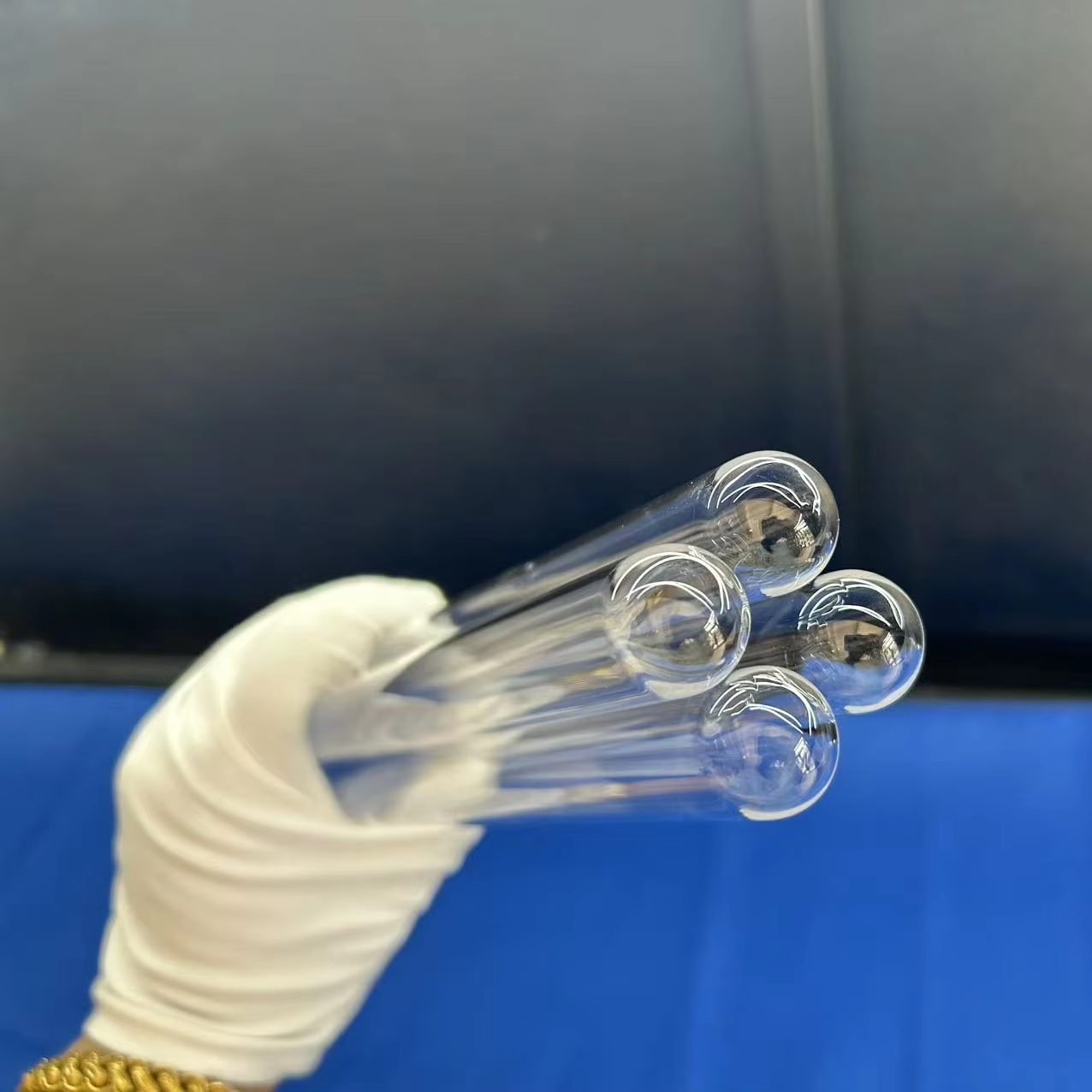
High-Purity Fused Silica Bottom Sealing Tubes (Ø20-25mm)
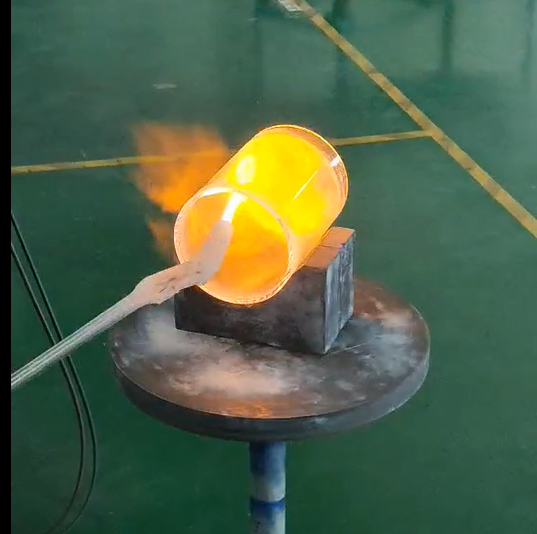
Precision CNC cutting and micro-hydrogen flame welding services delivering air-tight sealed bottoms for pyrochemical combustion.
Explore Specifications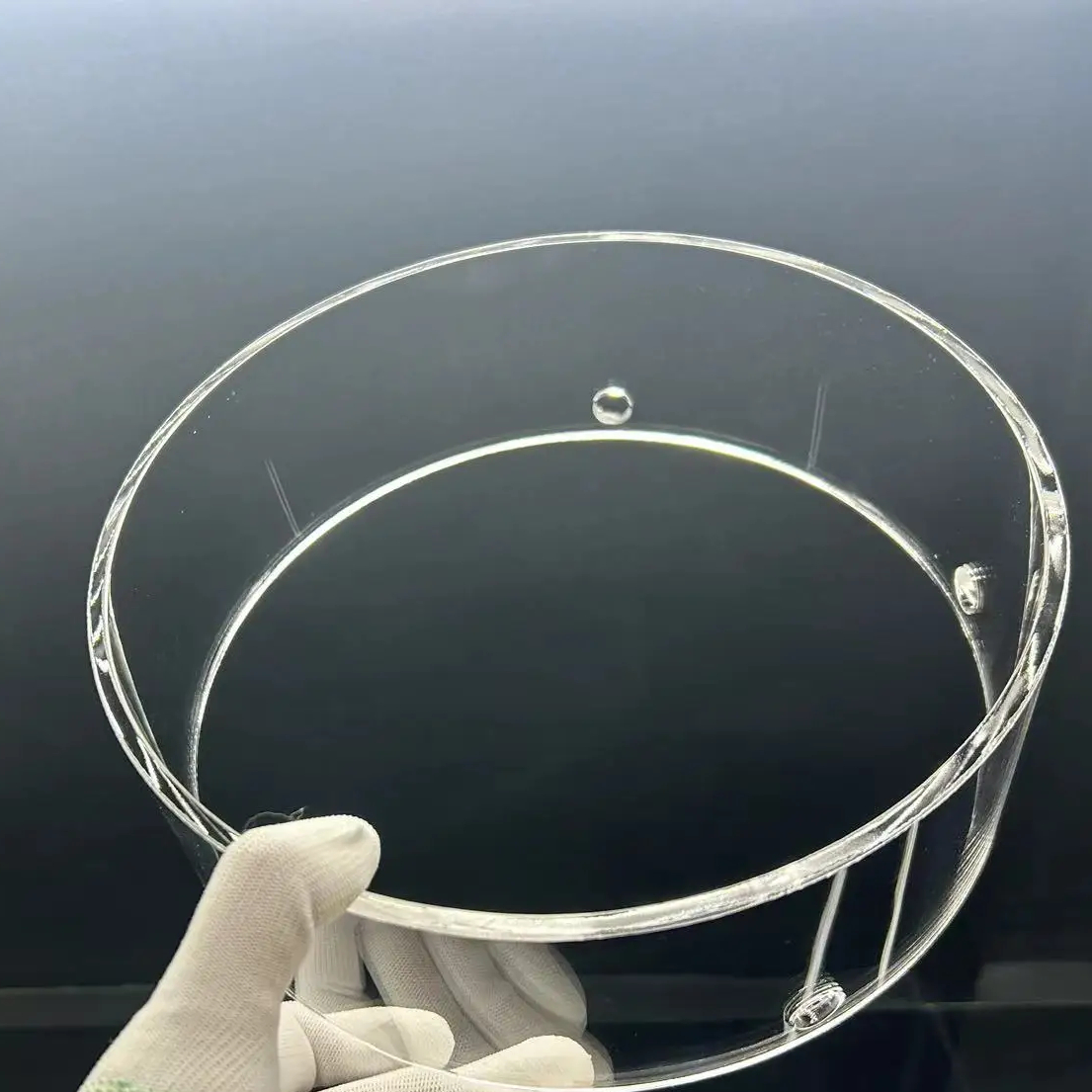
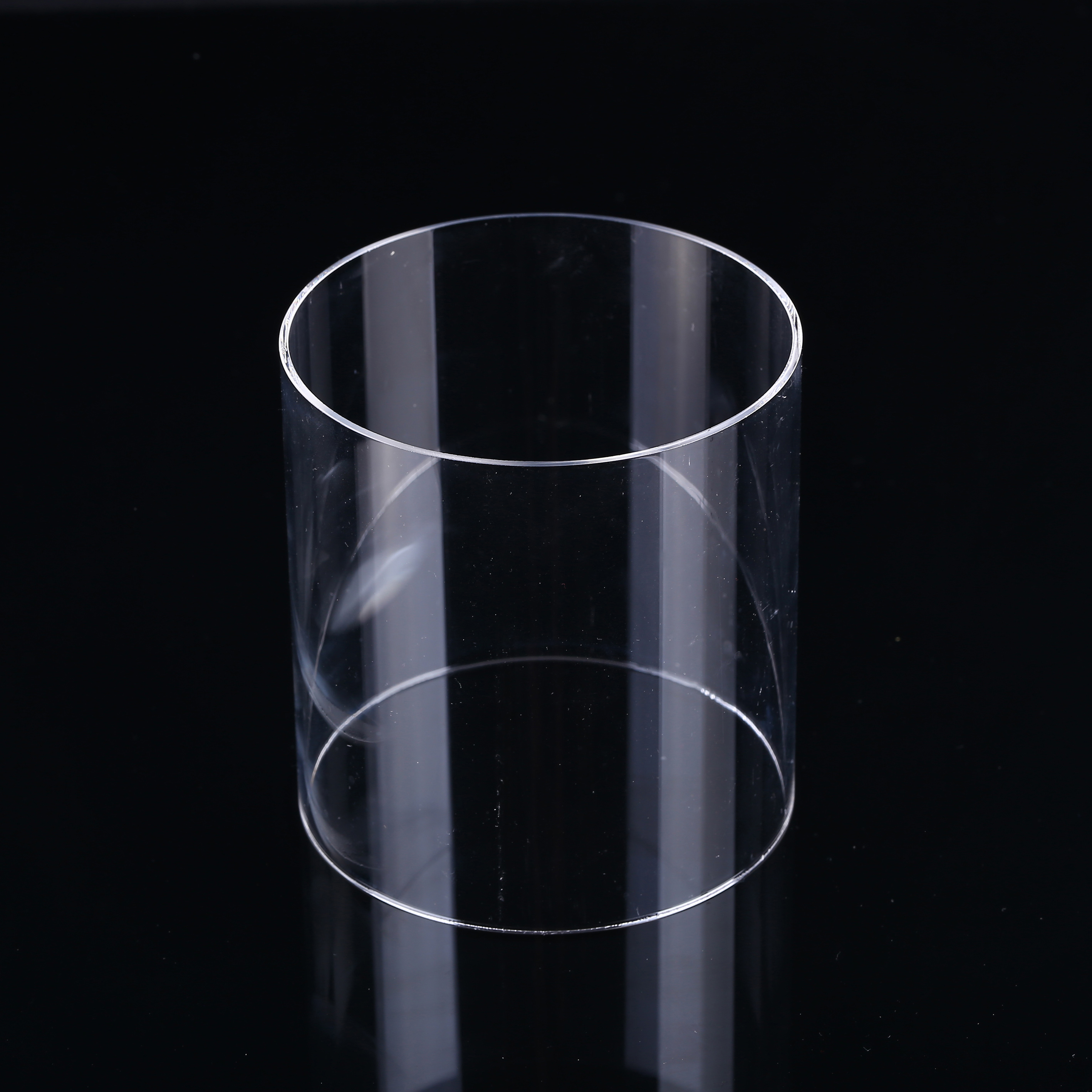
Fused Transparent Quartz Tube
Clear quartz tubing manufactured with tight outer-diameter concentricity tolerances, capable of sustained operations up to 1100°C.
Explore Specifications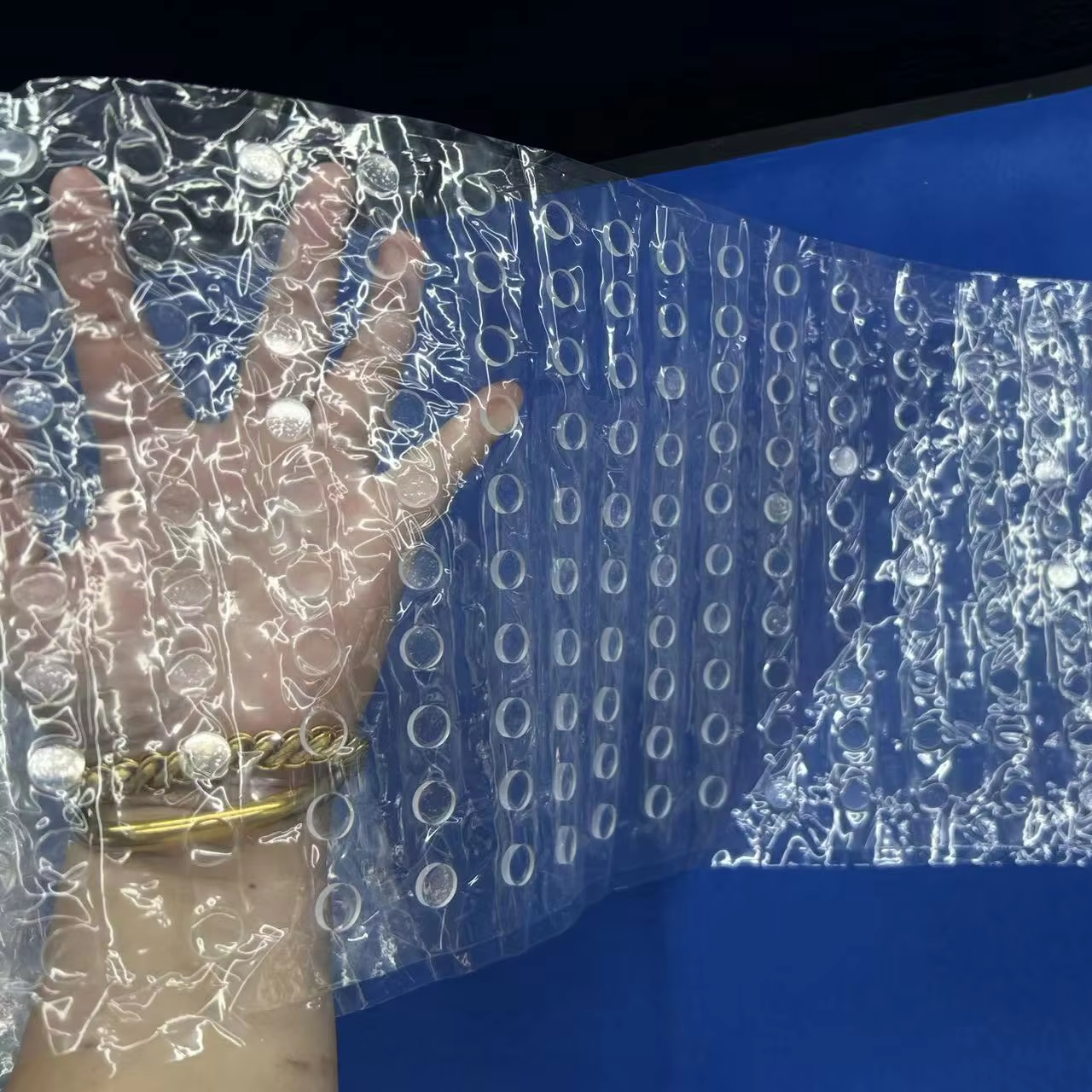
Factory-Made High-Purity Small Size Quartz Wafer
Double-sided optical polishing service achieving roughness Ra <0.5nm for laser windows, lithography substrates, and sensor windows.
Explore Specifications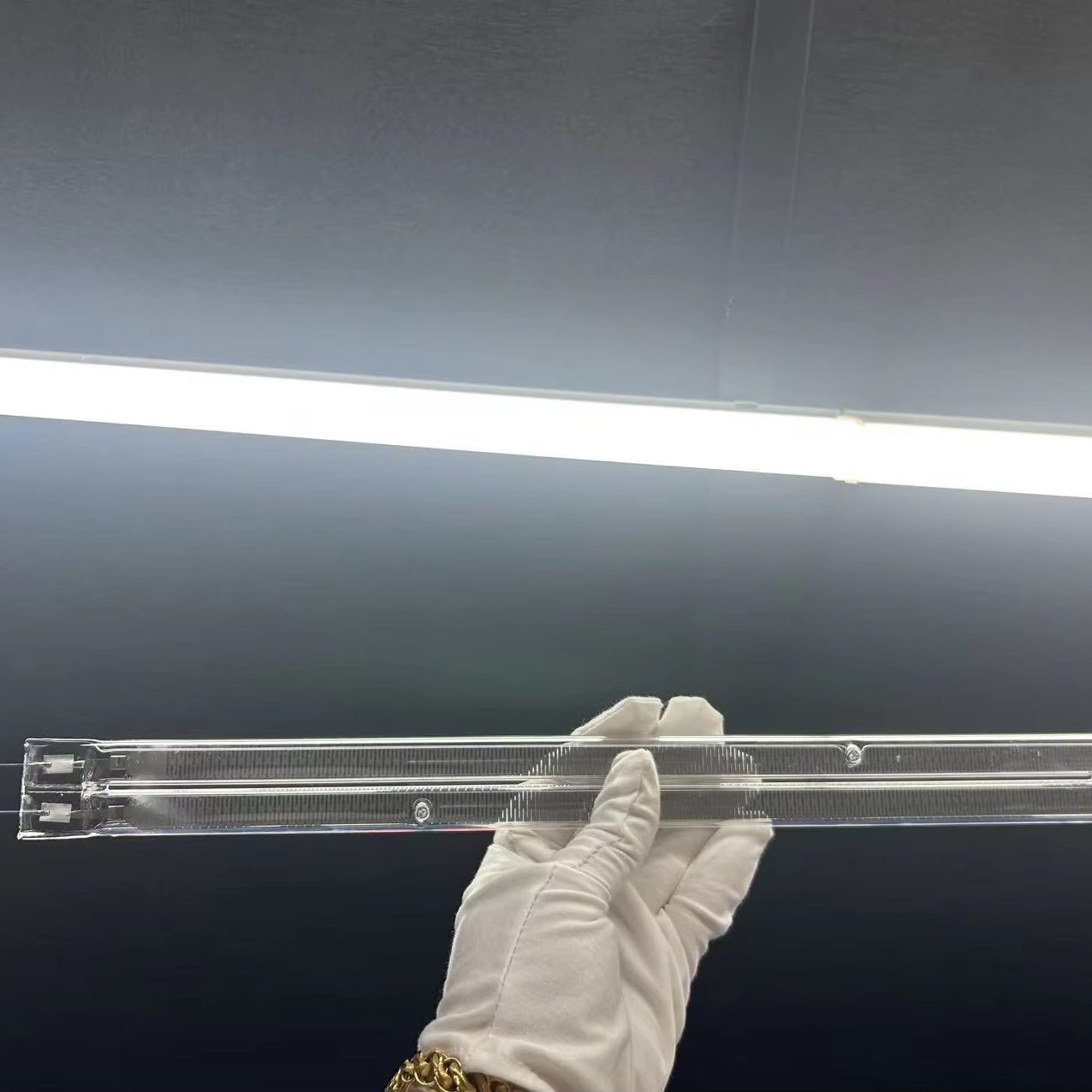
220V 700W 300MM Infrared Rapid Heating Quartz Tube
Carbon fiber, halogen, and graphene emitter elements encased inside low-hydroxyl clear quartz tubes for high-efficiency thermal processing.
Explore Specifications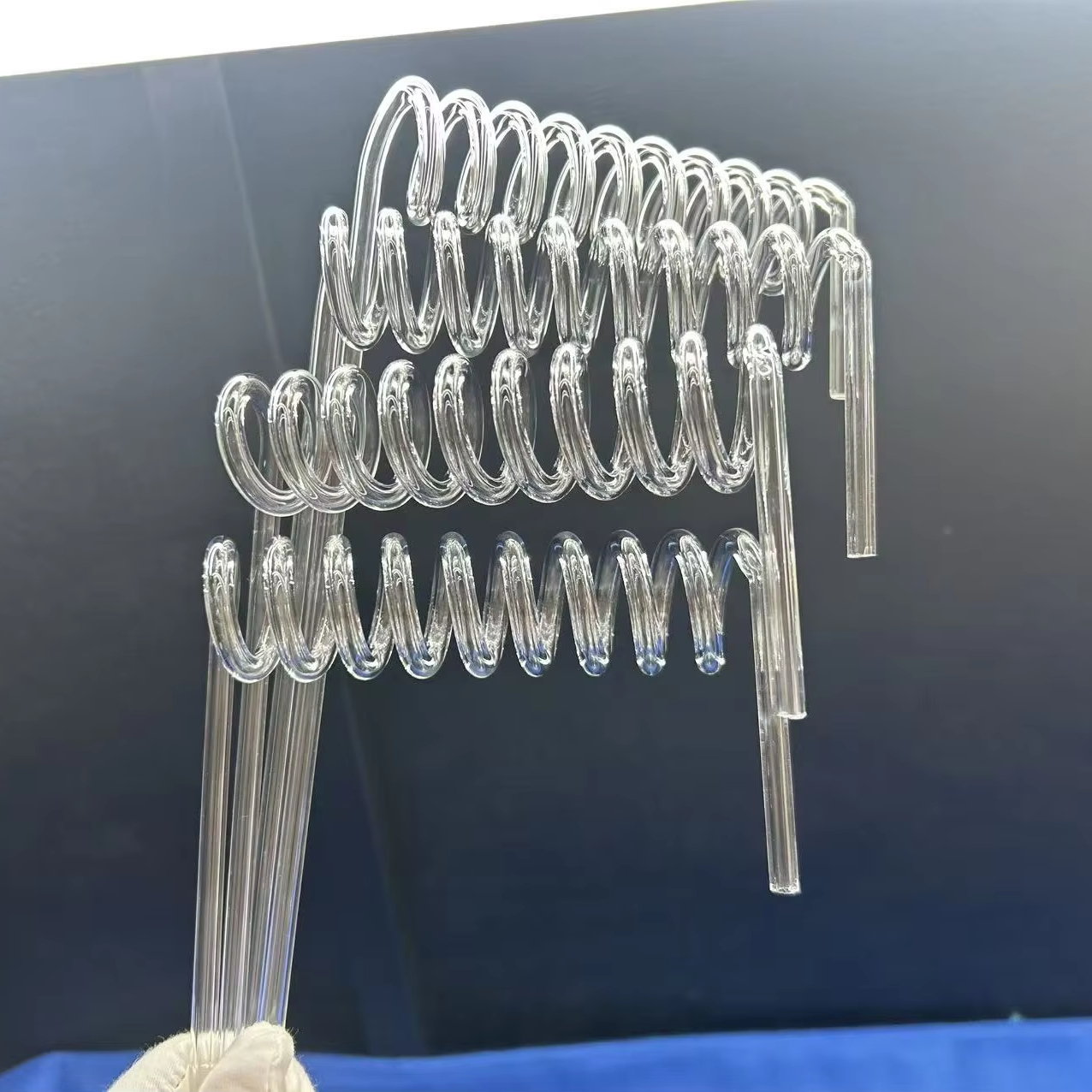
Clear Quartz Spiral Tube for Optics Laboratory Use
Specialized glass-blowing and bending craftsmanship delivering spiral condenser coils for photochemistry, distillation, and gas sampling.
Explore SpecificationsFused Quartz Beakers: The Definitive Material Science White Paper
Why Tier-1 semiconductor fabs, nuclear energy research institutes, and analytical laboratories replace standard borosilicate 3.3 glassware with pure synthetic and fused silica beakers.
Extreme Thermal Dynamics & Shock
Fused silica exhibits an exceptionally low coefficient of linear thermal expansion (α = 5.5 × 10⁻⁷ /°C between 20°C and 320°C). Unlike ordinary laboratory borosilicate glass which shatters under thermal differentials exceeding 150°C, a quartz glass beaker can be heated to 1150°C in a muffle furnace and plunged directly into ice water at 4°C without structural micro-cracking.
- Continuous operating threshold: 1100°C
- Peak intermittent thermal endurance: 1450°C
- Softening point boundary: 1683°C
Trace Metal Purity & Acid Resistance
For ultra-trace elemental analysis (ICP-MS, ICP-OES), contamination from container leaching is the primary source of analytical background noise. Nivra Quartz beakers feature total trace metal impurities (Al, Fe, Ca, Mg, Na, K, Ti) below 20 ppm in standard fused grades, and below 1 ppm in synthetic JGS1 grades, preventing ionic displacement during concentrated acid digestions.
- Impervious to Aqua Regia, HNO₃, HCl, & H₂SO₄
- Zero alkali metal leach-out during prolonged boiling
- Non-reactive substrate for radioactive isotopes
Deep-UV & Infrared Optical Clarity
In photochemical synthesis, photochemical reactor beakers must allow transmission of high-energy ultraviolet radiation. While conventional laboratory glass exhibits zero transmission below 310 nm, synthetic quartz beakers achieve >90% internal transmittance at 254 nm and 185 nm, enabling internal catalyst activation without costly auxiliary optical quartz windows.
- JGS1 UV cut-off edge: 185 nm
- JGS2 optical general grade: 220 nm – 2500 nm
- JGS3 low-hydroxyl IR grade: up to 3500 nm
Technical Performance Comparison Matrix
Direct material property comparison illustrating the performance envelope of Nivra Quartz Fused Silica Beakers versus Borosilicate Glass and PTFE vessels.
| Performance Attribute | Nivra Fused Quartz (JGS2/JGS1) | Standard Borosilicate 3.3 Glass | PTFE / PFA Fluoropolymer |
|---|---|---|---|
| Continuous Usable Temperature | 1100 °C to 1200 °C | 450 °C – 500 °C | 260 °C max |
| Maximum Short-Term Peak Temp | 1450 °C | 560 °C (Softens at 820°C) | 300 °C (Decomposition hazard) |
| Coefficient of Thermal Expansion (CTE) | 0.55 × 10⁻⁶ K⁻¹ (Negligible) | 3.3 × 10⁻⁶ K⁻¹ (Moderate) | 100–120 × 10⁻⁶ K⁻¹ (High distortion) |
| Thermal Shock Tolerance (ΔT) | > 1100 °C Quenched in Water | ~ 150 °C (Rapid shock fractures) | Excellent, but limited by melting |
| Hydrofluoric Acid (HF) Resistance | Vulnerable (Reacts to form SiF₄) | Vulnerable (Severe etching) | Immune (Recommended for HF) |
| Trace Element Background (Al, Fe, Na) | < 5 to 20 ppm (Ultra-trace suitable) | High (> 5,000 ppm boron/sodium) | Low (but risk of organic leaching) |
| Optical Transmission Spectrum | 185 nm – 3500 nm (UV to Mid-IR) | 310 nm – 2200 nm (Blocks Deep UV) | Opaque / Translucent white only |
Custom OEM/ODM Quartz Beaker Engineering Capabilities
Leveraging our 101–200 skilled personnel and dedicated glass-blowing, precision grinding, and annealing workshops in Donghai County.
Standard & Custom Form Factors
We manufacture both low-form Griffin beakers and tall-form Berzelius beakers ranging in standard volume capacities: 5 mL, 10 mL, 25 mL, 50 mL, 100 mL, 250 mL, 500 mL, 1000 mL, 2000 mL, up to massive 10,000 mL (10L) industrial synthesis vessels.
- Flared or smooth non-drip pouring spouts
- Reinforced beaded rims for robotic handlers
- Flat, optical-grade, or hemispherical bottoms
Graduations & Custom Markings
Precision calibration markings can be customized according to client laboratory SOPs. Because high-temperature operations destroy conventional organic ink graduations, Nivra Quartz provides three specialized marking methodologies:
- High-fired ceramic enamel (Resistant to 600°C)
- Permanent CO₂ laser etching (Contaminant-free)
- Mechanical micro-sandblasted frosting marks
Ancillary Welded Quartzware
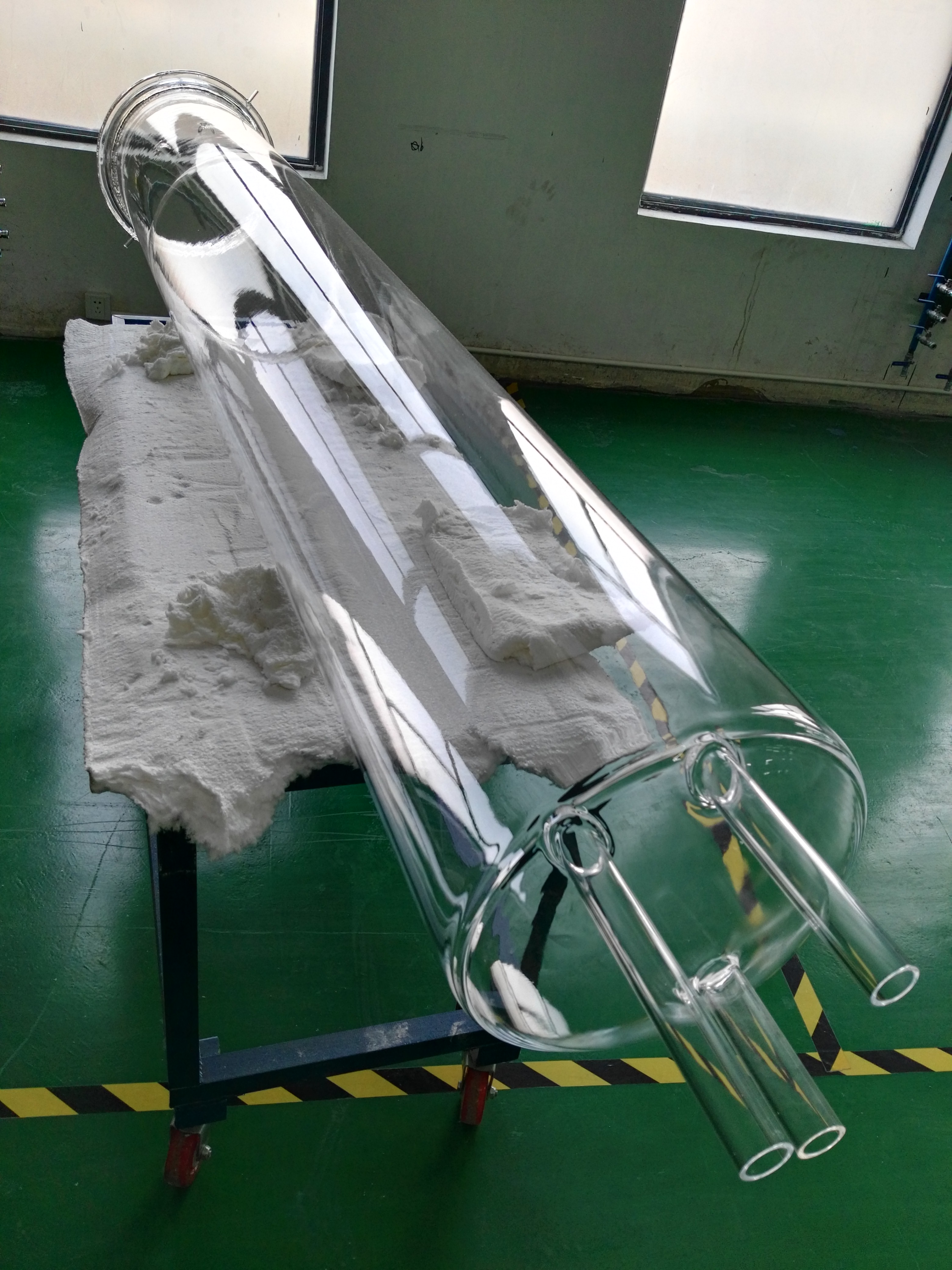
As a vertically integrated factory, we weld complex attachments directly to beaker bodies: high-vacuum quartz stopcocks, thermowells for thermocouple probes, water-cooled cooling jackets, quartz ground joints, and solid quartz lifting handles.
- Standard taper ground joints (14/20, 19/22, 24/40)
- Double-jacketed reaction beakers for baths
- Ultrasonic bubble-free gas sparging nozzles
Future Procurement Trends in Quartz Glassware (2025–2030)
How global shifts in advanced lithography, solid-state battery R&D, and global supply-chain compliance are reshaping procurement requirements.
Sub-PPB Purity Verification
Procurement directors are mandating batch-specific Inductively Coupled Plasma Mass Spectrometry (ICP-MS) trace metal certificates. Standard fused natural quartz is giving way to CVD-synthesized quartz beakers to eliminate even sub-ppm titanium and aluminum leaching in sub-3nm chip chemical formulations.
Robotic Wet-Bench Compatibility
Automated wafer cleaning benches and laboratory liquid-handling robots generate dynamic mechanical stresses. Procurement orders now stipulate strict concentricity tolerances (±0.10 mm) and heavy wall thicknesses (3.0 mm to 5.0 mm) with stress-relieved annealed rims to withstand robotic gripper jaws.
Consolidation at the Donghai Hub
Overseas buyers in North America (representing 40% of our export volume) and Western Europe are eliminating middle-tier trading brokers. Sourcing directly from manufacturer-exporters situated directly in Donghai County cuts inventory transit costs by 22% and shortens prototype lead-times to under 10 business days.
Engineered Vacuum-Form Packing
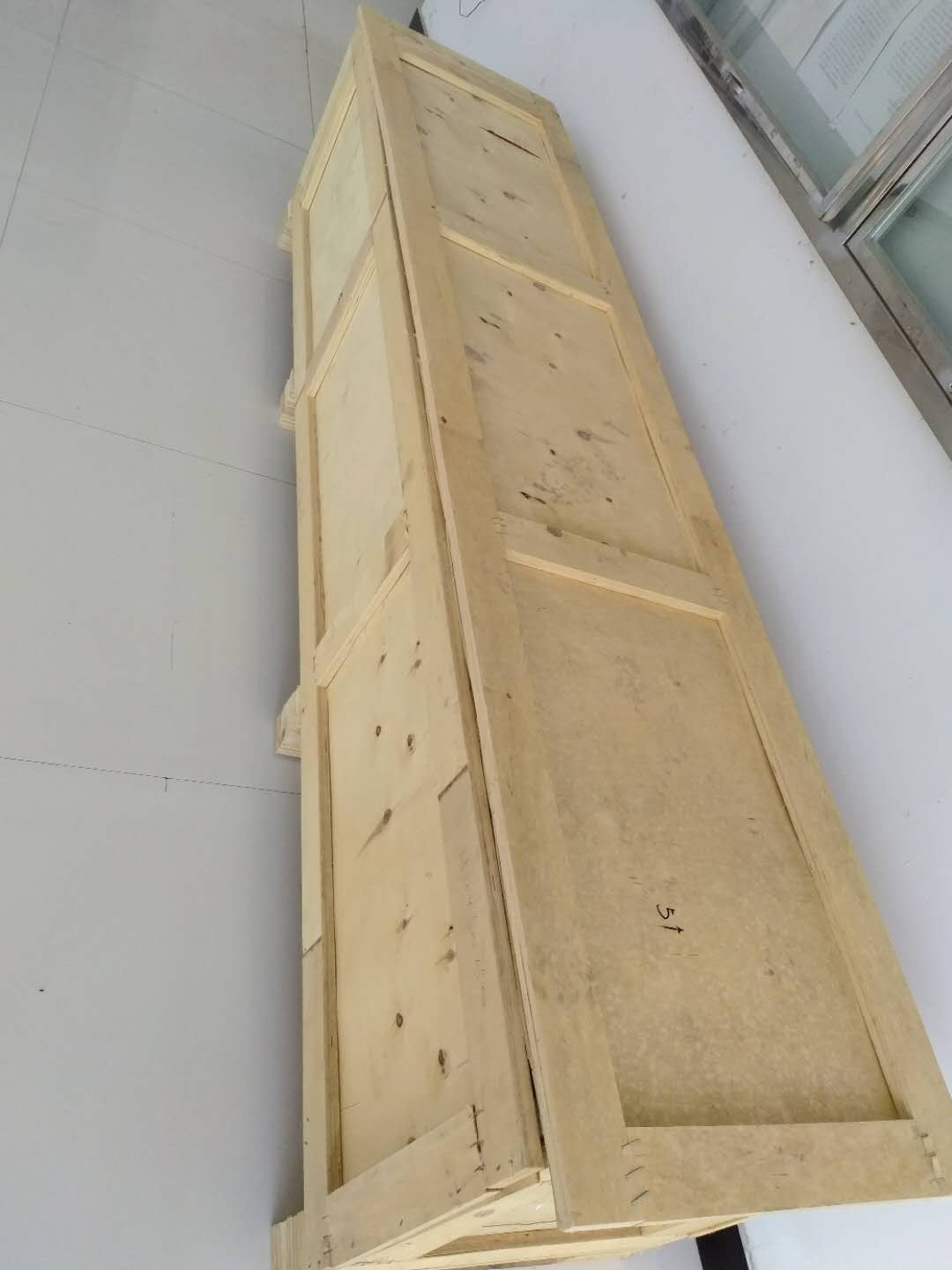
Fragile quartz glassware shipping is transitioning from manual loose styrofoam peanut packing to custom-molded high-density EPE foam cradles and drop-tested export plywood crates. This reduces ocean-freight and international express transit loss rates below 0.05% globally.
Donghai County Nivra Quartz Products Co., Ltd. Strengths
Strategically headquartered at 285 Heping East Road, Lianyungang, Jiangsu — China’s world-renowned crystal and quartz capital.
Local Raw Material Control & Integrated Processing
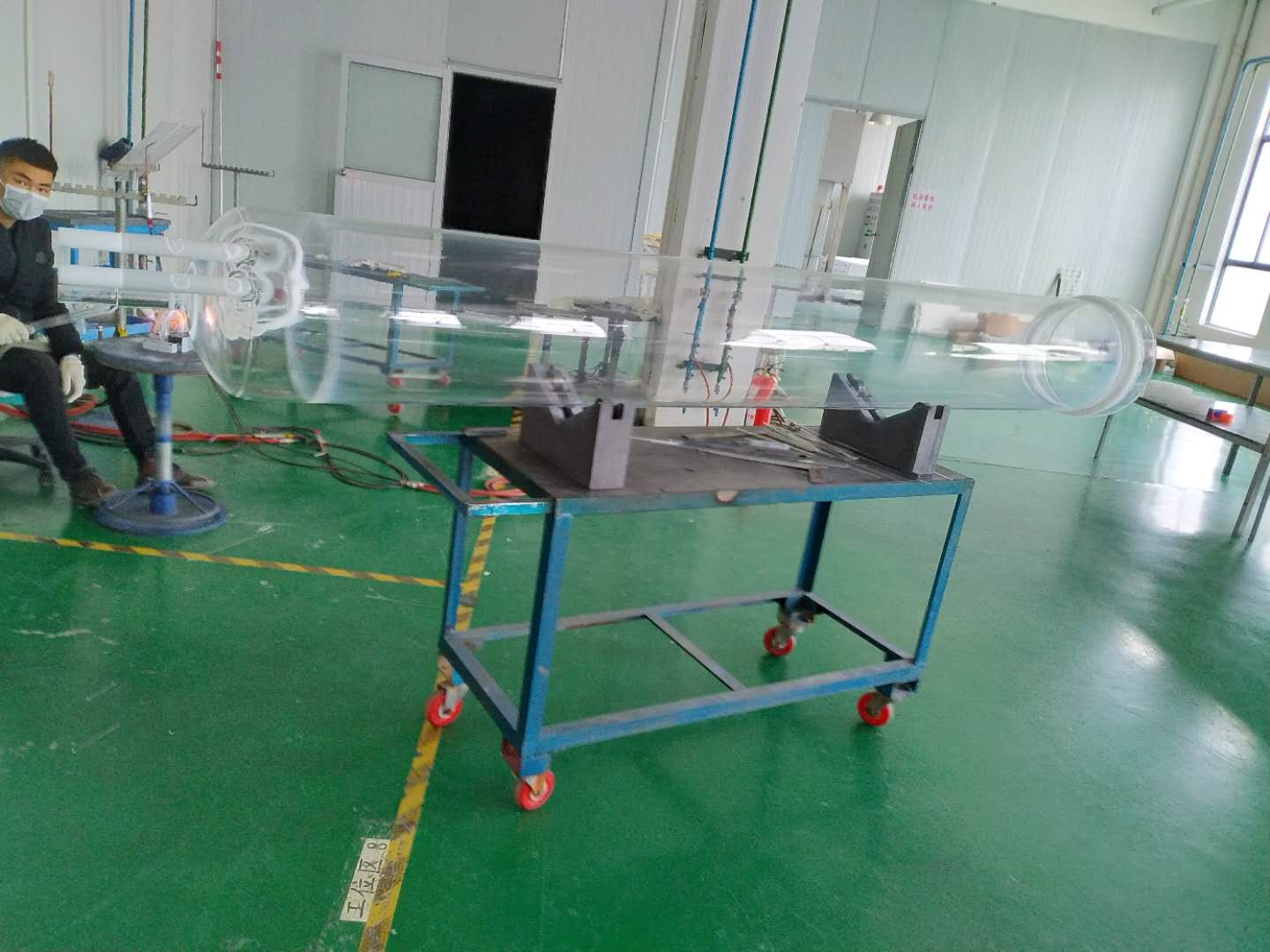
Founded in February 2019, Donghai County Nivra Quartz Products Co., Ltd. operates as a combined manufacturing and export trading enterprise with a workforce of 101 to 200 skilled personnel. Located at the heart of China's quartz deposits, we command direct access to premium natural crystal quartz sand, ensuring consistent material density, zero interior bubbles, and minimal metallic inclusions.
Our factory has been verified through strict on-site checks by Alibaba.com staff and third-party inspection agencies. We maintain an average global technical response time of under 5 hours with an audited response rate of 88.89%. With a proven 5.0/5 star customer evaluation rating and a 23% repeat buyer rate, we serve major commercial buyers across North America (40%), Western Europe (20%), Eastern Europe (14%), and South America (11.4%).
Factory Infrastructure Metrics
- Location: Donghai County, Lianyungang, Jiangsu
- Established: February 2019
- Total Employees: 101 – 200 Personnel
- Verified Export Orders: 43+ Transactions (US$40,000+)
- Customer Satisfaction Score: 5.0 / 5.0 Rating
- Response Turnaround: ≤ 5 Hours (88.89% Rate)


Government Business Licensing & Third-Party Verification
Official corporate documentation verified by international testing authorities.
Frequently Asked Questions for Quartz Beaker Sourcing
Technical, metallurgical, and export logistics answers addressing key evaluation criteria of international engineering and purchasing teams.
What is the primary difference between JGS1, JGS2, and JGS3 quartz beakers?
JGS1 is synthetic fused silica manufactured via chemical vapor deposition of SiCl₄. It features no optical bubbles, negligible trace metal content, and superior transmission down to 185 nm (deep ultraviolet). JGS2 is fused from high-grade natural quartz crystals; it transmits well in the 220 nm to 2500 nm range, making it the industry standard for thermal beakers. JGS3 is infrared-grade fused quartz with hydroxyl (OH⁻) content kept below 5 ppm, maximizing transmission across 2600 nm to 3500 nm without absorption dips.
How does the factory prevent devitrification during prolonged high-temperature use?
Devitrification (re-crystallization of amorphous SiO₂ into cristobalite) occurs when quartz is heated above 1150°C in the presence of surface contaminants such as alkali metals (sodium, potassium) or fingerprints. Every beaker from Nivra Quartz undergoes strict acid pickling in ultra-pure hydrofluoric-nitric baths and deionized water ultrasonic rinsing before vacuum-sealed packaging. We advise users to never handle beakers with bare hands prior to high-temperature runs.
What are the standard dimensional tolerances for custom OEM quartz beakers?
For standard custom beakers, outer diameter (OD) tolerance is kept within ±0.30 mm, wall thickness within ±0.15 mm, and total height within ±0.50 mm. For precision CNC-ground beakers used in automated robotic wet benches, we can achieve OD tolerances of ±0.05 mm and flat-bottom flatness within 1–2 optical fringes (λ = 632.8 nm) upon formal specification review.
What is your Minimum Order Quantity (MOQ) and prototype turnaround time?
For standard Griffin and Berzelius form beakers (50 mL to 2000 mL), our MOQ starts from just 1 to 10 pieces, supporting R&D trials. Custom OEM prototypes with non-standard nozzles, ground joints, or bespoke dimensions are typically fabricated and dimensionally inspected within 7 to 10 working days upon drawing approval.
How are fragile quartz beakers packed to ensure zero breakage during ocean/air transit?
Each quartz beaker is cleaned, dust-sealed in PE cleanroom bags, and suspended inside a custom-cut high-density expanded polyethylene (EPE) shock-absorber block. Outer packaging utilizes heavy-gauge multi-ply corrugated master cartons or fumigation-free solid plywood export cases with corner reinforcements and impact indicators, successfully maintaining transit breakage below 0.05%.
Can you provide formal material test reports and trace-element certifications?
Yes. Upon request during order placement, Nivra Quartz supplies comprehensive Material Inspection Certificates (MTC), spectroscopic UV-Vis transmission charts, and glow-discharge mass spectrometry (GDMS) or ICP-MS elemental impurity breakdown sheets validating SiO₂ content exceeding 99.99%.
Submit Your Quartz Beaker Technical Drawings
Whether you require standard JGS2 laboratory beakers, double-walled reaction vessels, or custom semiconductor acid baths, our Donghai engineering team provides comprehensive manufacturability reviews and firm quotes within 5 hours.
Contact Us