Featured Industrial Fused Quartz Components
Precision-fabricated step plates, helical tubes, high-volume crucibles, and customized wafer fixtures manufactured from high-purity natural silica sand in Donghai County.
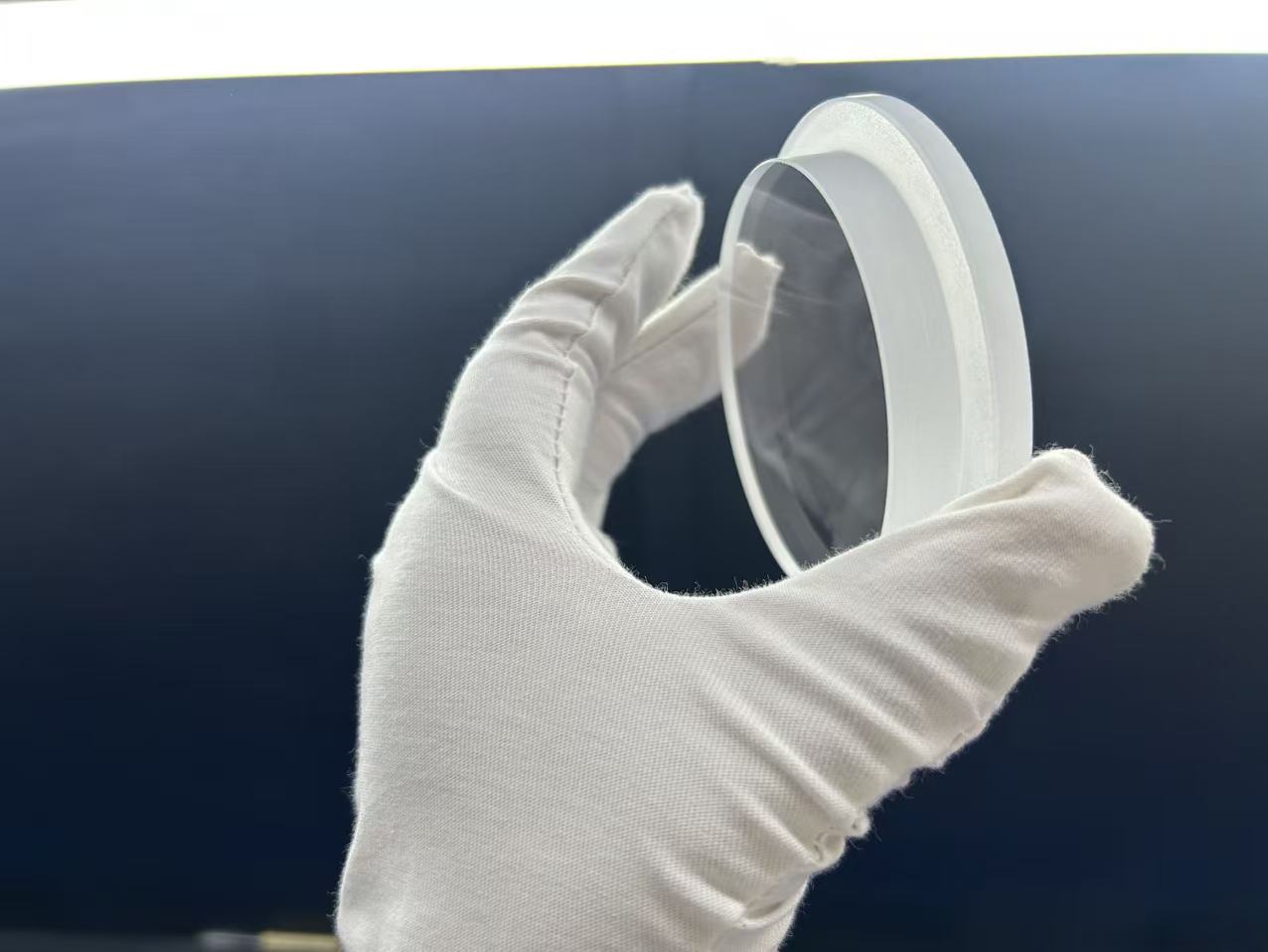
Factory-Made High-Purity Ultra-Thick Quartz Double-Layer Step Plate
Double-layer stepped profile with CNC fine-ground edges and high optical flatness for furnace observation and semiconductor clean fixtures.
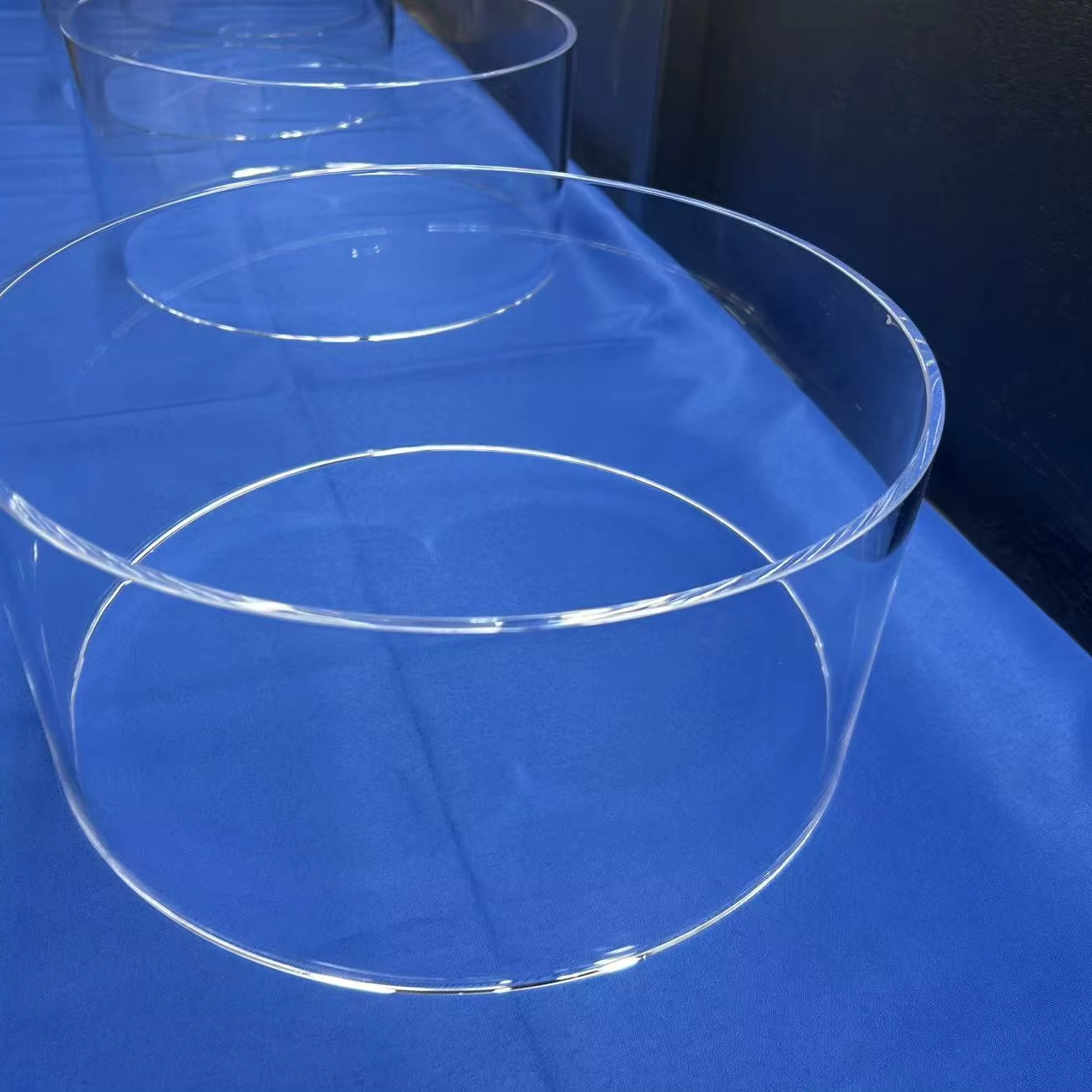
High-Purity Fused Quartz Large Diameter Round Rods
Comprehensive cutting, precision flame welding, and hot-bending services for structural thermal supports and industrial melt stirring applications.
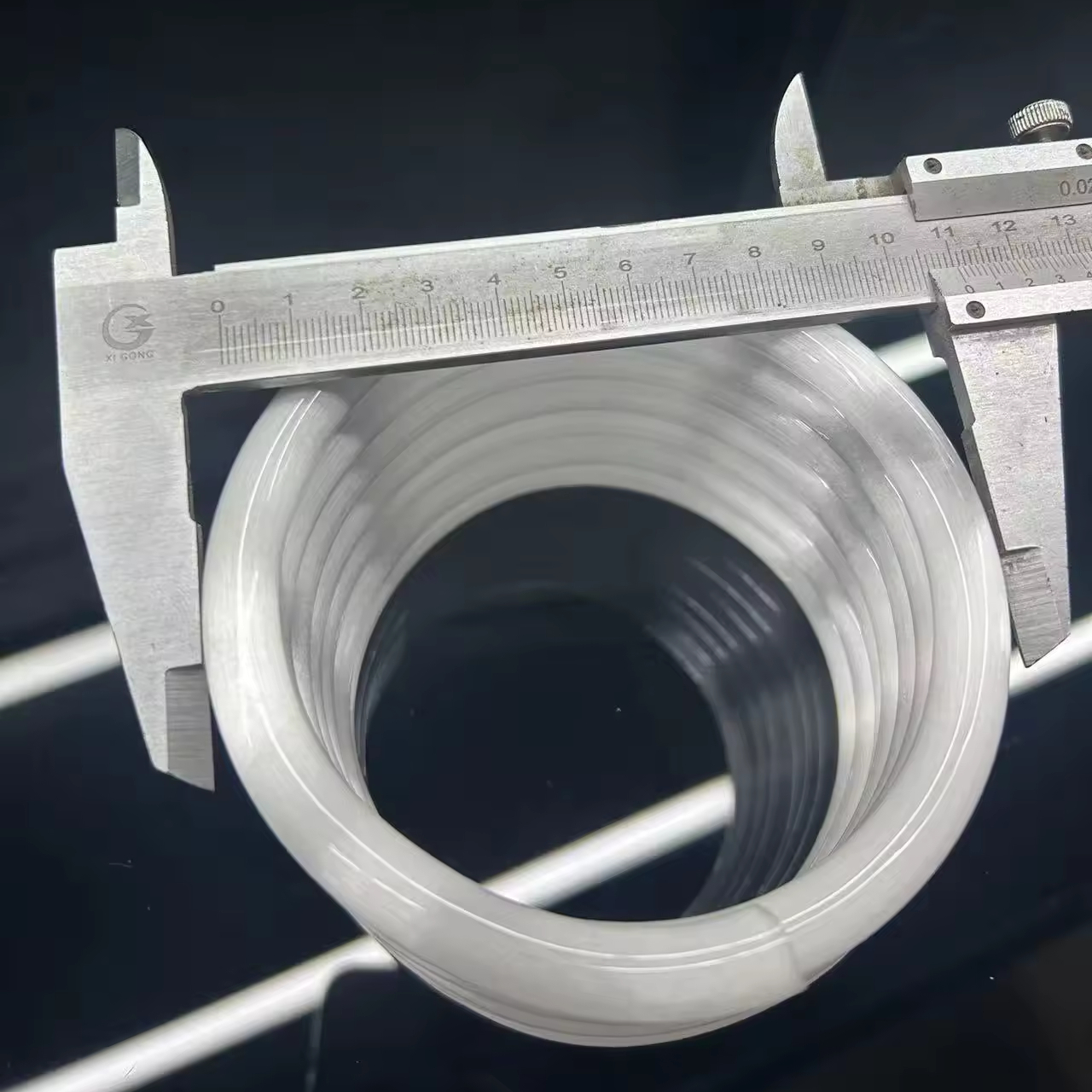
Helical Clear Quartz Glass Coil Spiral Tube
Continuous single-mandrel coiled tubing engineered for corrosive fluid heat exchangers, photo-catalytic cooling loops, and high-purity chemical distillation.
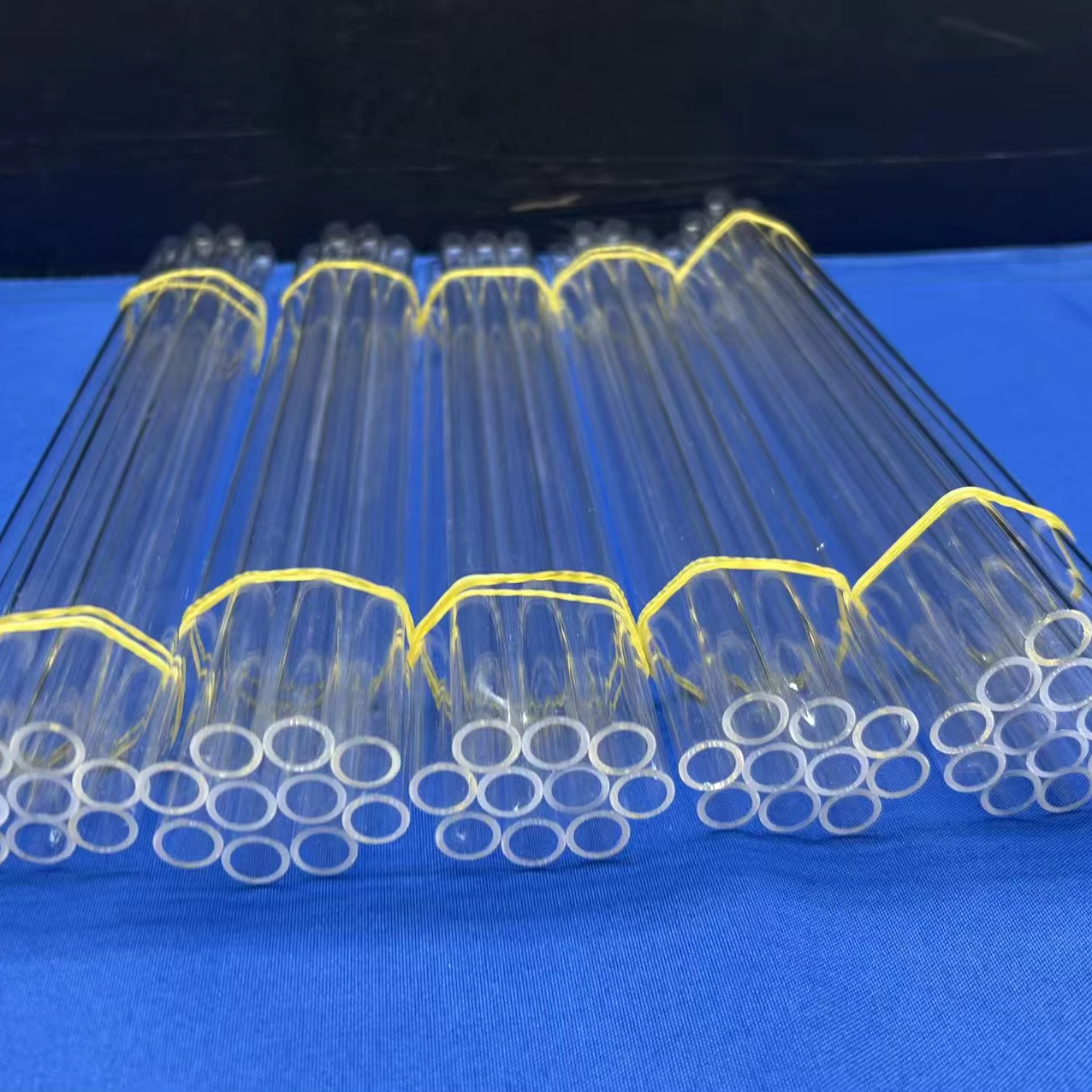
High Thermal Stability Standard & Custom Quartz Test Tube
Ultra-low thermal expansion coefficient with uniform wall thickness, zero devitrification under 1100°C continuous analytical pyrochemical testing.
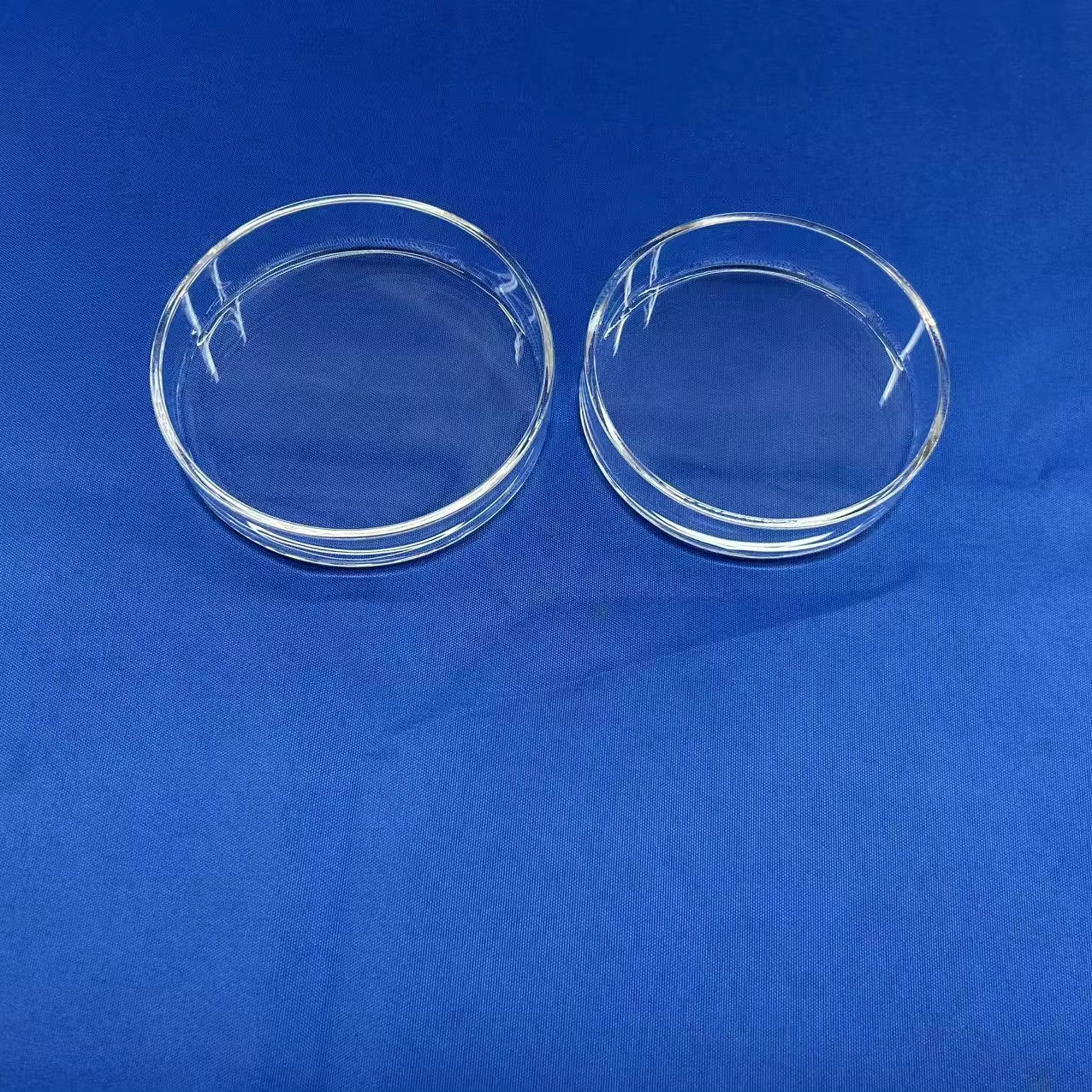
Factory Customized High-Purity Quartz Glass Petri Dishes
Ground and fire-polished petri dishes with fitted covers for biological containment, high-temperature cell growth, and aggressive acid evaporation.
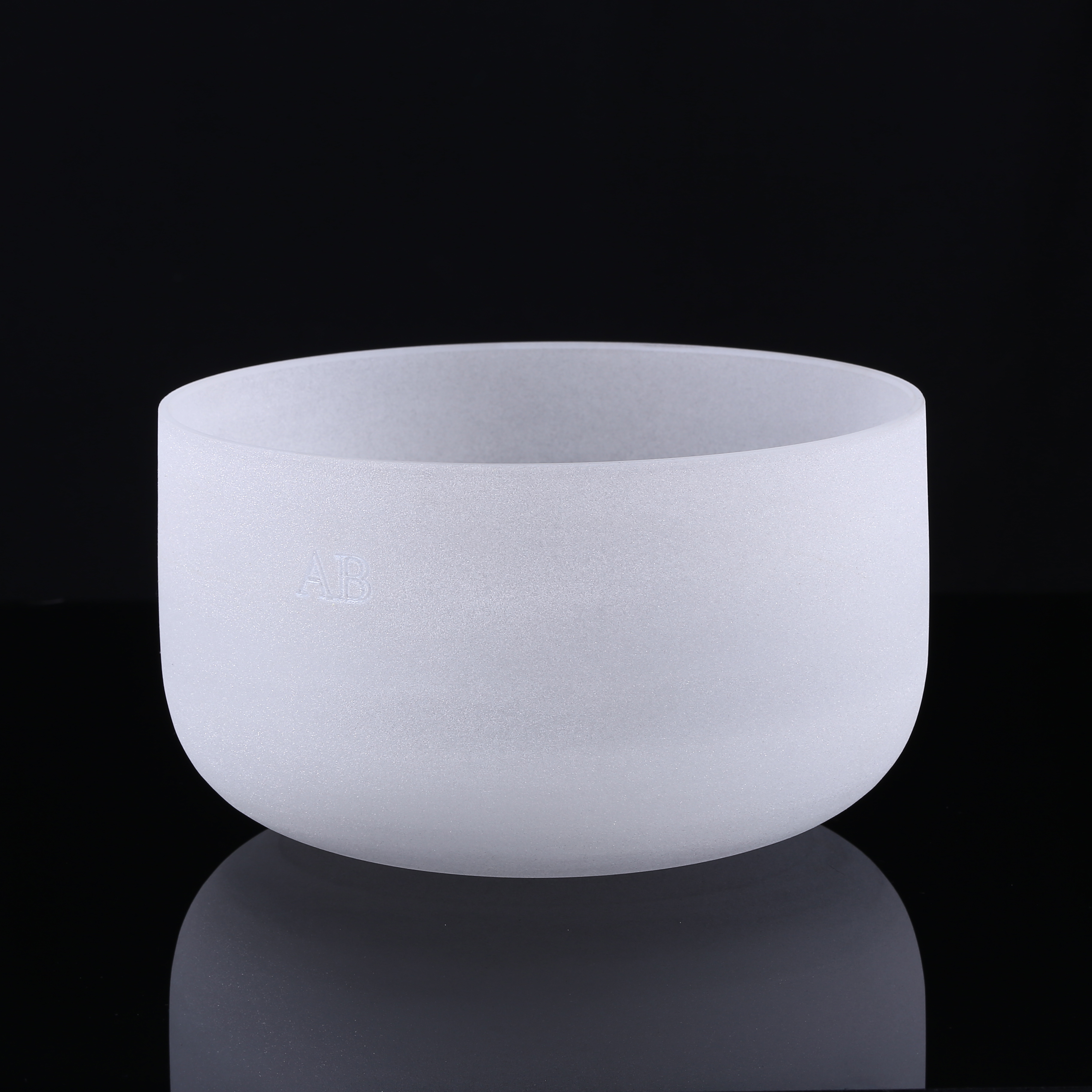
High-Temperature Arc Fused Silica Quartz Crucible
Dense fused structure with inner micro-bubble bubble-free glaze layer, ideal for photovoltaic polycrystalline melting and rare-earth smelting.
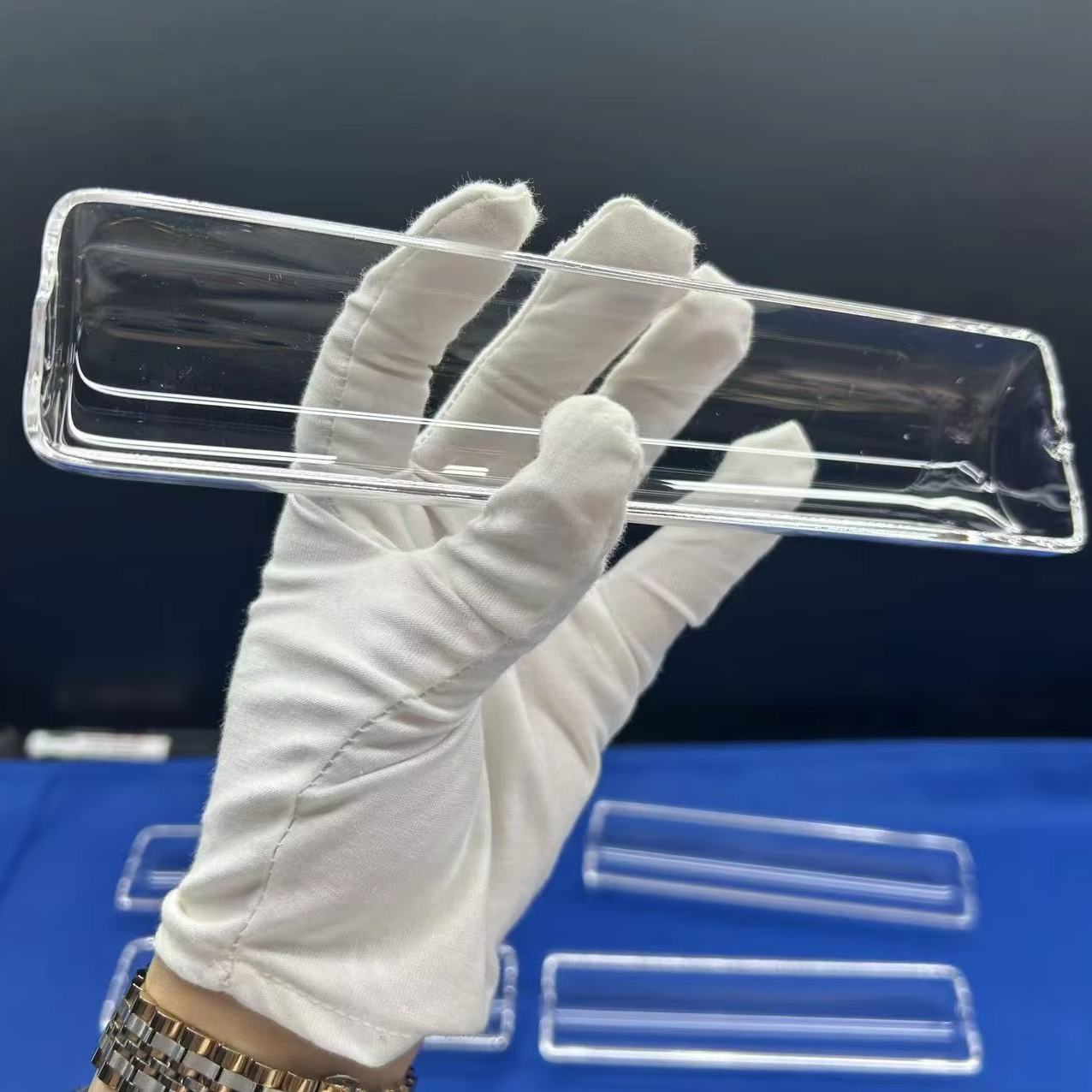
Customized Polished Fused Quartz Wafer Boat Carrier
Ultra-precise CNC slotted wafer teeth with flame-glazed surfaces, preventing particle shedding and warping inside LPCVD and diffusion tube furnaces.
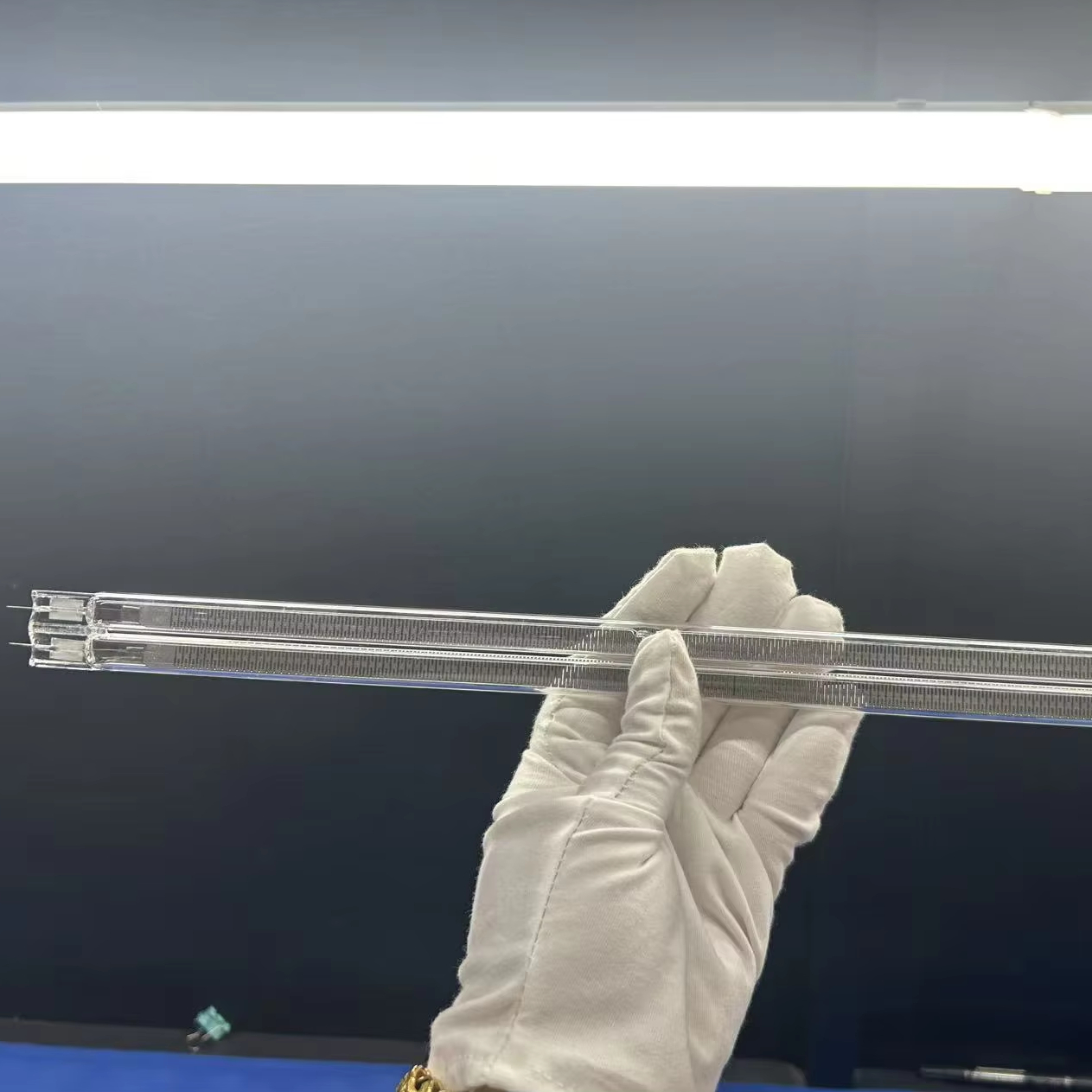
Industrial Infrared Carbon Fiber Quartz Heating Tube
High-radiation efficiency twin-bore and round quartz emitter tubes with gold/white reflective coatings for fast drying and semiconductor curing.
Microstructural Engineering & Thermal Barrier Physics
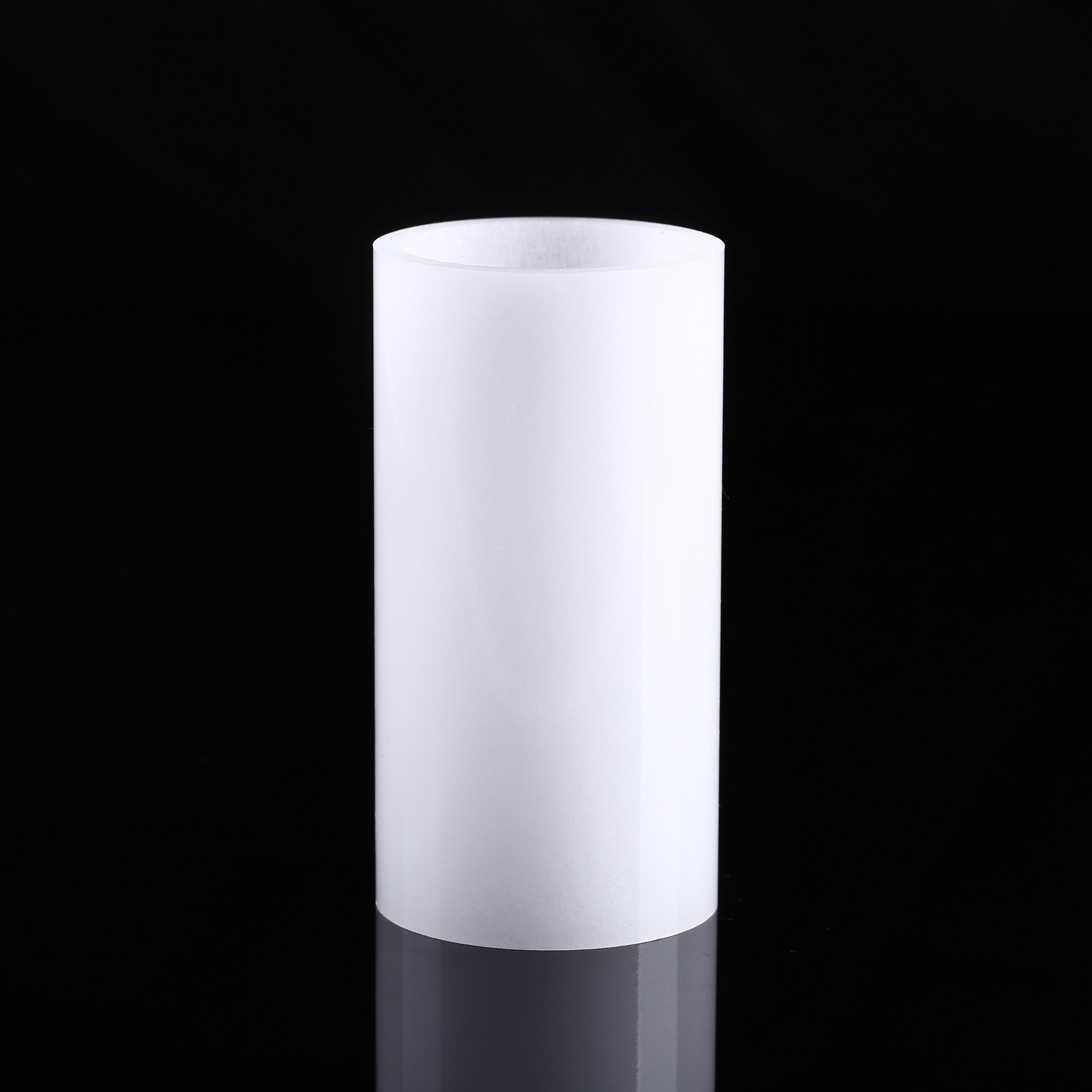
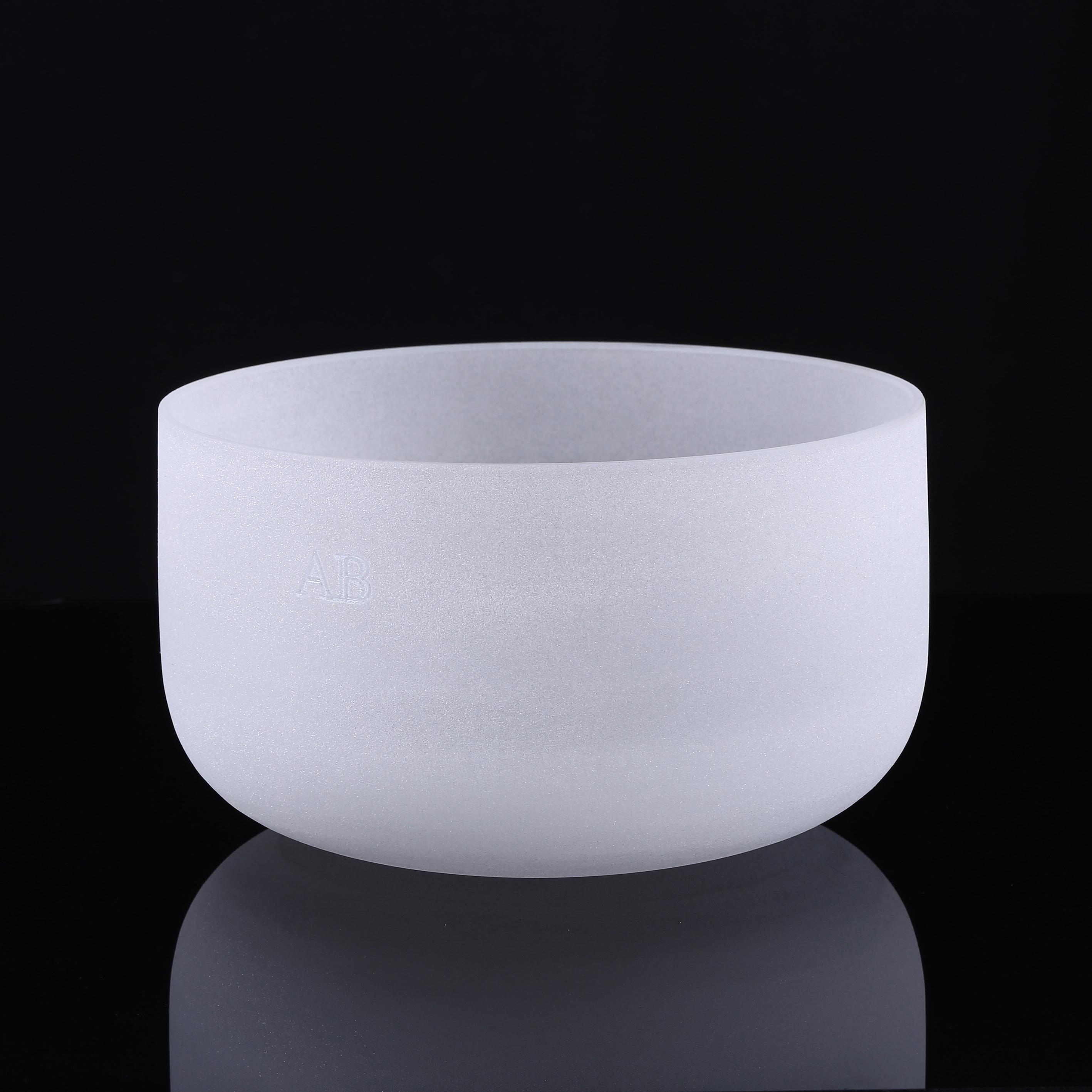
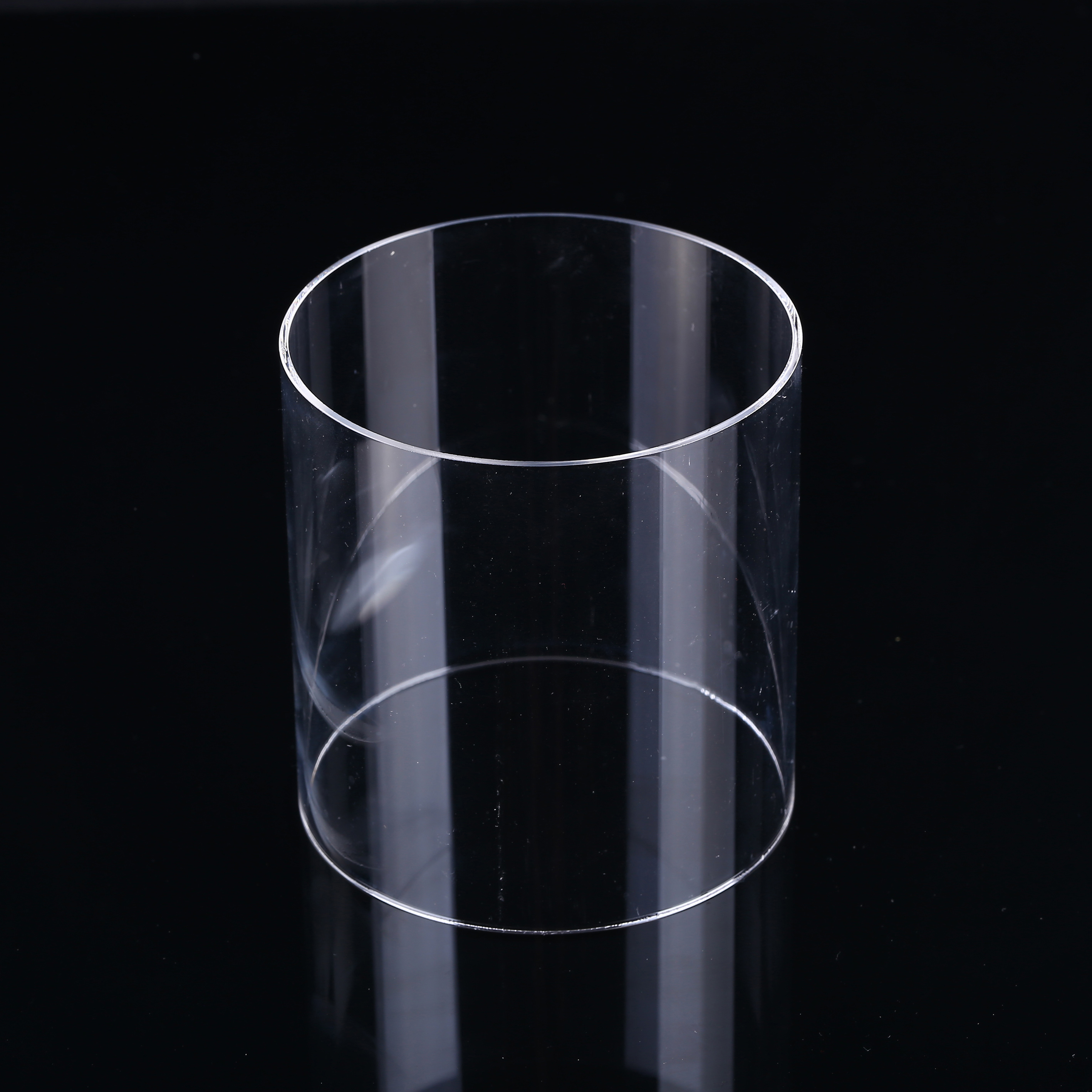
Opaque quartz glass (commonly known across industrial thermodynamics as translucent vitreous silica or milk-white quartz) represents a unique thermodynamic divergence from clear optical quartz. While clear quartz is optimized for maximum spectral transmittance from deep UV (185 nm) through near-infrared, opaque quartz is deliberately engineered with an internal matrix of uniformly distributed, hermetically sealed micro-bubbles (typically 10 to 50 micrometers in diameter).
These encapsulated gaseous micro-voids act as powerful optical Mie scattering centers. When exposed to radiant thermal emissions inside high-temperature semiconductor diffusion furnaces or epitaxial growth reactors (operating between 800°C and 1300°C), opaque quartz exhibits diffuse reflectance exceeding 90% across the peak thermal infrared waveband (1.5 µm to 4.5 µm). Consequently, the apparent thermal conductivity is drastically attenuated compared to clear quartz, converting the material into an ultra-pure, non-contaminating thermal insulator.
Unlike porous refractory ceramics (such as alumina or silicon carbide), opaque quartz maintains the absolute chemical inertness and extreme purity of synthetic SiO₂ (≥ 99.99%). This prevents toxic heavy metal outgassing, making it indispensable for furnace end-flange thermal plugs, wafer boat shields, pedestal blocks, and thermocouple protection sheaths.
Comparative Matrix: Opaque Quartz vs. Alternative Grades
Evaluate thermomechanical performance and optical differentiators to select the optimal silica substrate for your application envelope.
| Characteristic / Metric | Opaque Vitreous Quartz | JGS1 (Synthetic Silica) | JGS2 (Optical Quartz) | JGS3 (Low-OH IR Grade) |
|---|---|---|---|---|
| Primary Visual Appearance | Milky-White, Translucent, Uniform Diffuse | Ultra-Clear, Bubble-Free | Clear, High Transmittance | Clear, Free of OH Absorption Bands |
| SiO₂ Purity Content | ≥ 99.98% – 99.99% | ≥ 99.999% (Synthetic) | ≥ 99.99% | ≥ 99.99% |
| Apparent Bulk Density | 2.05 – 2.18 g/cm³ | 2.20 g/cm³ | 2.20 g/cm³ | 2.20 g/cm³ |
| Softening Point | 1650°C – 1680°C | 1730°C | 1683°C | 1680°C |
| Annealing Point | 1180°C | 1210°C | 1180°C | 1180°C |
| Thermal Conductivity (at 1000°C) | 1.10 – 1.35 W/(m·K) (Low Radiative Loss) | 2.80 W/(m·K) (High Radiative Pass) | 2.65 W/(m·K) | 2.70 W/(m·K) |
| Dominant Thermal Mechanism | Diffuse Scattering & Radiation Blockade | High UV/Vis Radiation Pass | High Broad Spectrum Pass | Near-IR Direct Conduction |
| Target Application Domain | Heat Shields, Furnace Flanges, Baffles | Deep UV Lithography, Laser Windows | Sight Glasses, Tubes, Standard Labware | IR Sensing, Pyrometer Sight Ports |
Full-Chain OEM/ODM Fabrication Technologies
Operating from China's quartz manufacturing nucleus in Donghai County, Nivra Quartz combines advanced automated CNC processing with master flame craftsmanship.
5-Axis CNC Precision Grinding & Ultrasonic Milling
Custom opaque and clear quartz step plates, slotted wafer discs, and manifold plates machined to tolerances within ±0.02 mm. Equipped with high-speed diamond CNC centers, diamond core drilling, ultrasonic hole tapping, and precision profile edge chamfering.
Large-Bore Hydrogen-Oxygen Flame Working
Master glassblowers executing hot-forming, large-diameter necking, dome closing, clear-to-opaque composite welding, and tube-to-flange integration up to 600 mm in diameter. Followed by programmable electric annealing lehrs to eliminate internal residual thermal stress.
Thermal Baffle & Composite Flange Welding
Proprietary fusion joining of opaque quartz insulation rings directly onto clear quartz tube ends. This design confines radiant furnace heat while preserving clear optical sensing zones, eliminating external ceramic blankets that shed contaminating micro-particulates.
Rooted in China's Crystal Capital: Donghai County Nivra Quartz Products Co., Ltd.
Established in February 2019, Donghai County Nivra Quartz Products Co., Ltd. operates at the geographical heart of the world's most concentrated natural quartz refining corridor. Our enterprise encompasses a dedicated workforce of 101 to 200 skilled engineers, lathe operators, and quality inspectors, blending localized mineral access with rigorous export manufacturing standards.
Our direct access to Donghai high-purity crystalline quartz deposits yields a secure, vertically integrated supply chain. Overseas buyers benefit from substantial cost efficiency, strict consistency in trace element profiles (Al < 15 ppm, Fe < 0.2 ppm, Na < 0.5 ppm), and zero sub-tier distributor markups.
Future Procurement Trends in Opaque Quartz Sourcing
Actionable insights for enterprise buyers, fab directors, and high-temperature equipment OEMs navigating volatile supply landscapes.
Tighter Sub-ppm Impurity Traceability
As semiconductor wafer fabrication transitions toward 3 nm nodes and below, secondary thermal components face intense scrutiny. Buyers increasingly mandate ICP-MS testing certificates verifying total metallic content below 10 ppm, specifically tracking mobile alkali metals (Na, K, Li) that induce threshold voltage drift.
Dual-Material Monolithic Integration
Procurement teams are shifting away from assemblies with mechanical bolts or paste bonding between clear and opaque sections. The dominant trend favors single-piece fusion-welded quartz components, such as opaque thermal shields fused directly to optical clear reactor chambers, completely eliminating gas leaks and shear stress.
Aggressive Cleanroom Direct-To-Tool Packaging
With cleanroom labor costs surging across North America and Europe, global tier-1 buyers now require factory-level Class 1000 ultrasonic de-ionized acid cleaning, double PE vacuum packaging, and reinforced custom foam inserts that permit direct installation into processing tools upon unpacking.
Low-MOQ Prototype to Mass Production Agility
Hardware developers face shorter design cycles. Sourcing contracts require agile suppliers offering low-volume prototype builds (1 to 10 units) without tooling surcharges, followed by rapid scale-up capacity to thousands of parts under strict statistical process control (SPC) data logging.
Technology Trajectory & Industry Roadmap
Key scientific advancements shaping the next generation of opaque vitreous silica components.
Advanced Synthetic Sols & Controlled Porosity
Traditional arc fusion creates random bubble diameters. Next-generation research centers on synthetic sol-gel glass formulations and controlled gas nucleation to yield sub-micron, homogeneous bubble distributions. This boosts infrared diffuse reflectance above 95% while keeping outer surfaces ultra-smooth and impermeable to chemicals.
Surging Demand from TOPCon & Perovskite Solar Cells
The photovoltaic sector's shift to N-type TOPCon and Perovskite-Silicon tandem modules requires elevated LPCVD tube processing temperatures. Opaque quartz furnace tubes and heat-retaining end-plugs have become critical to lower power consumption by up to 22% during extended solar wafer heating cycles.
Decarbonization & Circular Quartz Recycling
Modern foundries are deploying plasma remelting technologies to reclaim post-industrial clear and opaque quartz scrap. Through magnetic separation and chemical leaching, recycled quartz feedstocks achieve pristine chemical purity with a 38% reduction in manufacturing energy consumption.
Frequently Asked Technical & Procurement Questions
Authoritative answers on material performance, chemical compatibility, drawings, lead times, and international transit safety.
What causes the white, opaque coloration in opaque quartz glass? Is it an added chemical dye? +
No, opaque quartz glass contains absolutely zero chemical colorants, ceramic pigments, or titanium dioxide additives. The milk-white opacity is purely a physical optical phenomenon caused by hundreds of thousands of microscopic, enclosed air pockets (micro-bubbles) trapped during the specialized electric arc fusion of ultra-pure natural quartz crystal sand. These micro-bubbles have a distinct refractive index compared to the solid amorphous SiO₂ matrix, inducing intense, multiple Mie scattering of incident light across all visible wavelengths. This pure silica composition ensures the material delivers the exact same chemical inertness, trace element purity, and non-contaminating profile as crystal-clear fused quartz.
How does the thermal conductivity of opaque quartz compare to clear fused quartz at high temperatures? +
At ambient room temperature (20°C), clear quartz and opaque quartz exhibit comparable solid thermal conductivities (roughly 1.38 W/m·K and 1.15 to 1.30 W/m·K, respectively). However, at elevated temperatures (800°C to 1250°C), radiant thermal energy transmission becomes the dominant mechanism of heat transfer. Because clear quartz is transparent to infrared rays between 1 µm and 3.5 µm, heat radiates straight through it, raising its apparent thermal conductivity to nearly 3.0 W/m·K. In stark contrast, opaque quartz strongly diffuses and reflects radiant infrared energy back into the hot zone, maintaining an effective thermal conductivity close to 1.10–1.35 W/m·K. This makes opaque quartz vastly superior for thermal baffles, furnace plugs, and thermal insulation shielding.
Can opaque quartz glass be welded directly to transparent clear quartz glass? +
Yes. Because both clear quartz (JGS1/JGS2/JGS3) and opaque quartz share virtually identical basic amorphous silicon dioxide matrices, their coefficients of thermal expansion (CTE) are almost identical at ~5.5 × 10⁻⁷ /°C from 20°C to 1000°C. Our technicians fuse opaque collars, flanges, and rings directly onto clear quartz reaction tubes and sight vessels using specialized hydrogen-oxygen glassblowing lathes. After welding, the complete piece undergoes controlled annealing in programmable electric kilns at 1180°C to release residual stress, yielding a strong monolithic component that withstands rapid thermal cycling without cracking at the fusion joint.
What engineering tolerances and surface finishes can Donghai Nivra Quartz achieve? +
Leveraging our 5-axis CNC diamond machining equipment, surface surface grinders, and glass lathes, we reliably achieve linear and dimensional tolerances of ±0.05 mm on standard orders, and down to ±0.02 mm for critical semiconductor wafer carrier fixtures upon request. Surface finishes range from diamond-cut sawn faces (Ra ~3.2 µm) and precision fine-lapped matte finishes (Ra ~0.8–1.6 µm) to fire-polished, completely glazed surfaces that seal all surface-intersecting micro-bubbles, preventing particle retention in high-vacuum environments.
How does your factory ensure fragile quartz glassware arrives intact across ocean and air transit? +
With more than 40% of our production exported directly to buyers in North America and Western Europe, export crating is an engineered discipline at Nivra Quartz. Each finished part undergoes ultrasonic cleaning and cleanroom bagging before being cushioned in custom-molded, high-density polyethylene (EPE) shock-absorbing foam. Long tubes and rods are stabilized with internal rigid braces to prevent flexural bending failure, then encased within heavy-duty, fumigation-free multilayer wooden crates with reinforced steel corner brackets and external tip-and-shock indicator sensors.
What CAD drawing formats do you accept, and what is your average prototype lead time? +
We accept standard industry engineering files including STEP (.step, .stp), IGES (.igs), SolidWorks (.sldprt), DWG, DXF, and dimensioned PDF mechanical drawings. Our technical engineering desk delivers comprehensive feedback on manufacturability, raw material availability, and pricing within 5 hours. Standard customized prototype samples are typically fabricated, CMM inspected, and dispatched within 7 to 10 working days, with expedited 3-day turnaround options available for urgent research or production-line replacement orders.
Accelerate Your High-Purity Quartz Project Today
Whether you require custom prototype fabrication for cleanroom evaluation, replacement opaque thermal baffles for diffusion furnaces, or high-volume OEM delivery schedules, our engineering team in Donghai County provides direct factory pricing and rapid turnaround.