Engineered High-Purity Quartz Solutions for Advanced PV Pulling
Direct factory fabrication utilizing local Donghai ultra-pure quartz concentrates (SiO₂ ≥ 99.998%). Every batch is vacuum-fused, precision-annealed, and micro-machined to ensure superior devitrification resistance and strict thermal dimensional stability.
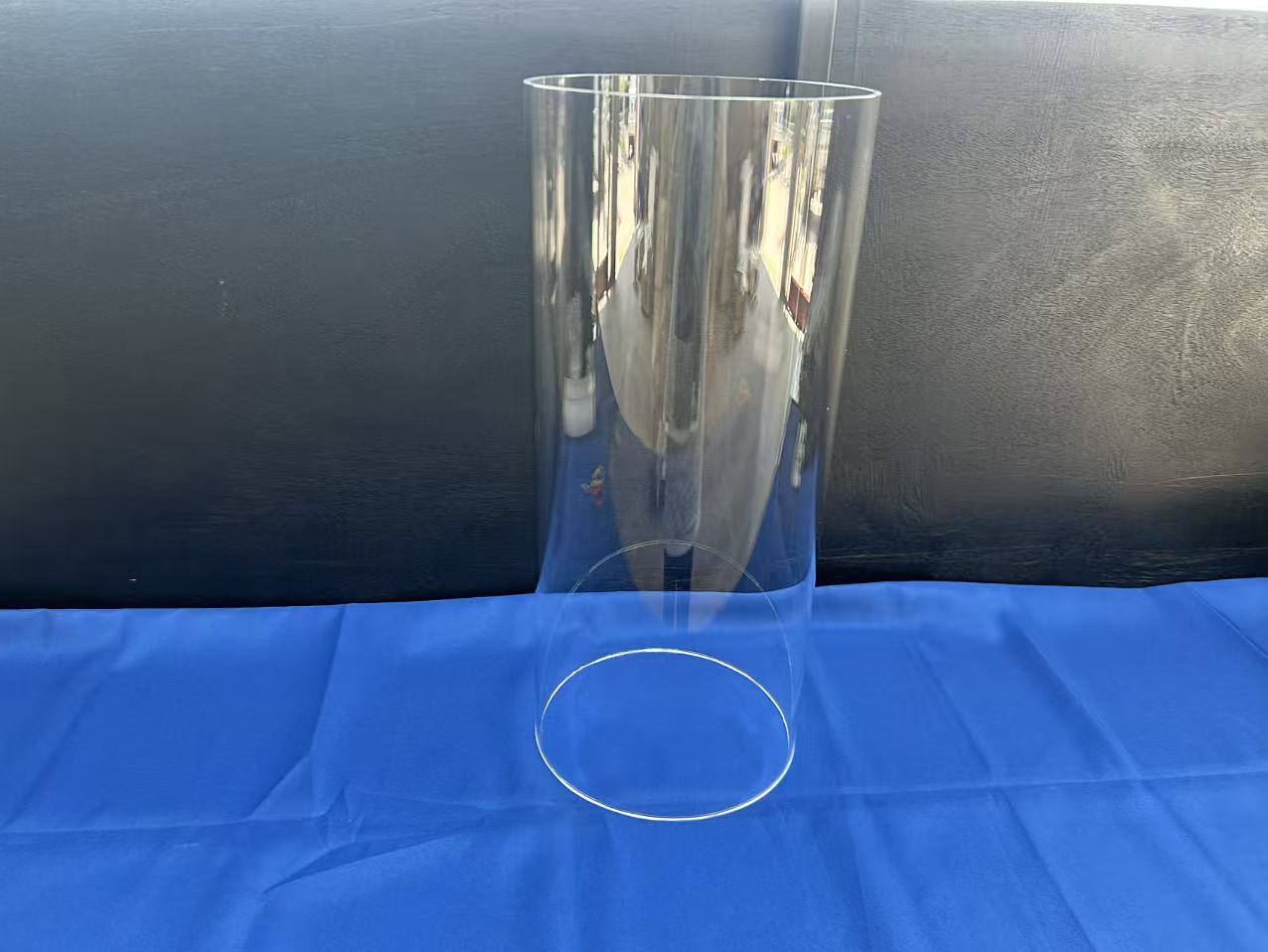
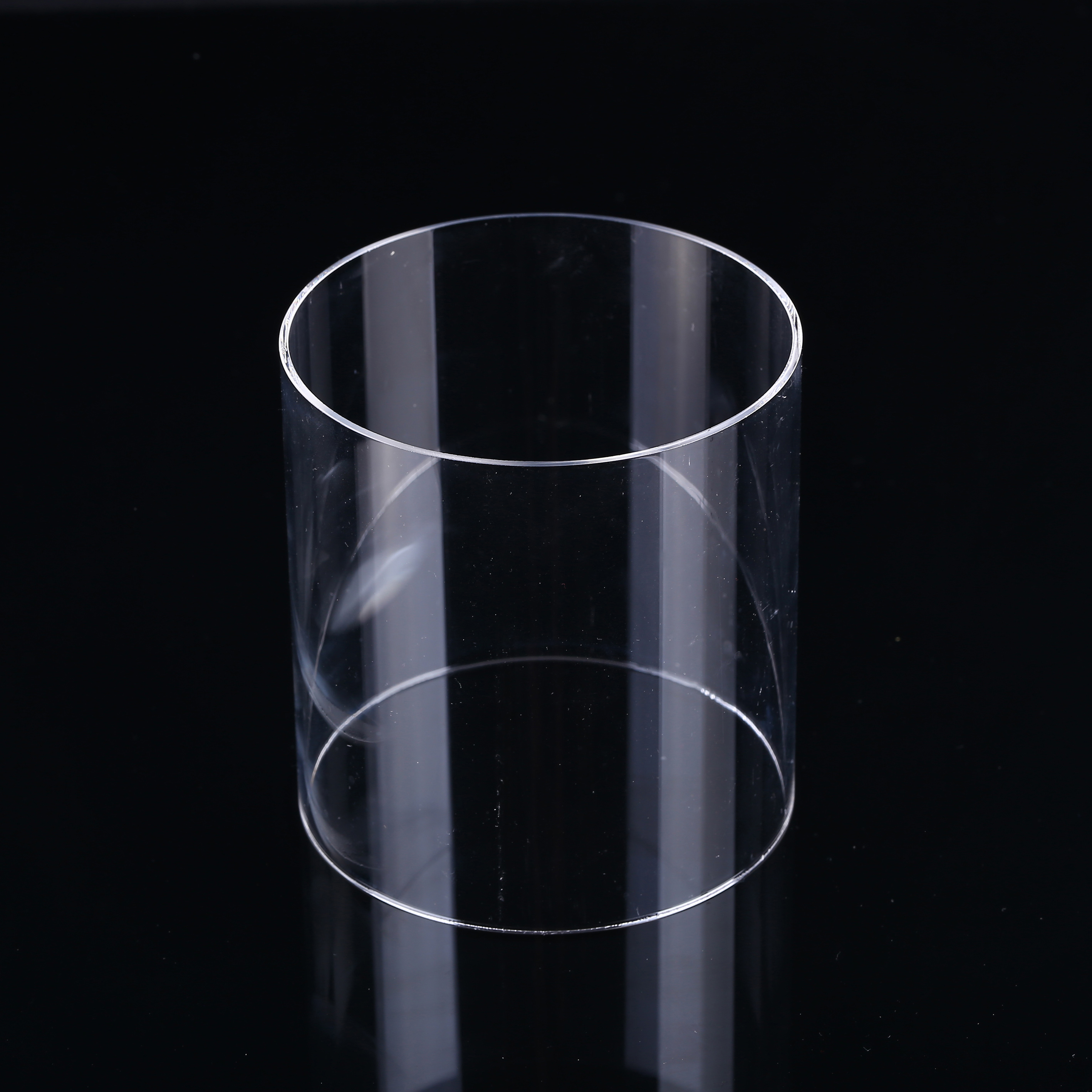
Custom Large-Diameter High-Purity Fused Quartz Tubes
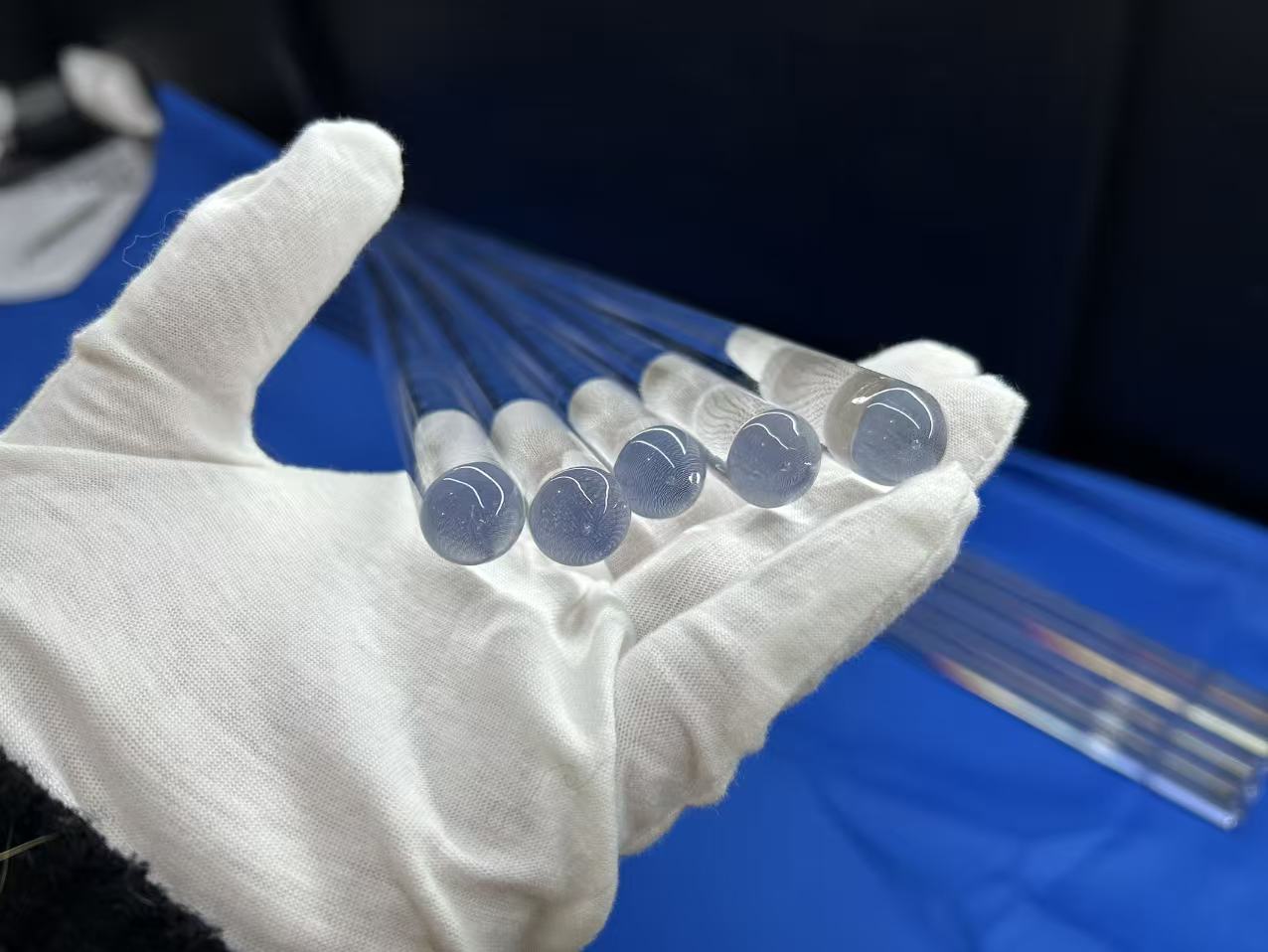
High-Purity Fused Quartz Round Rods & Structural Bars
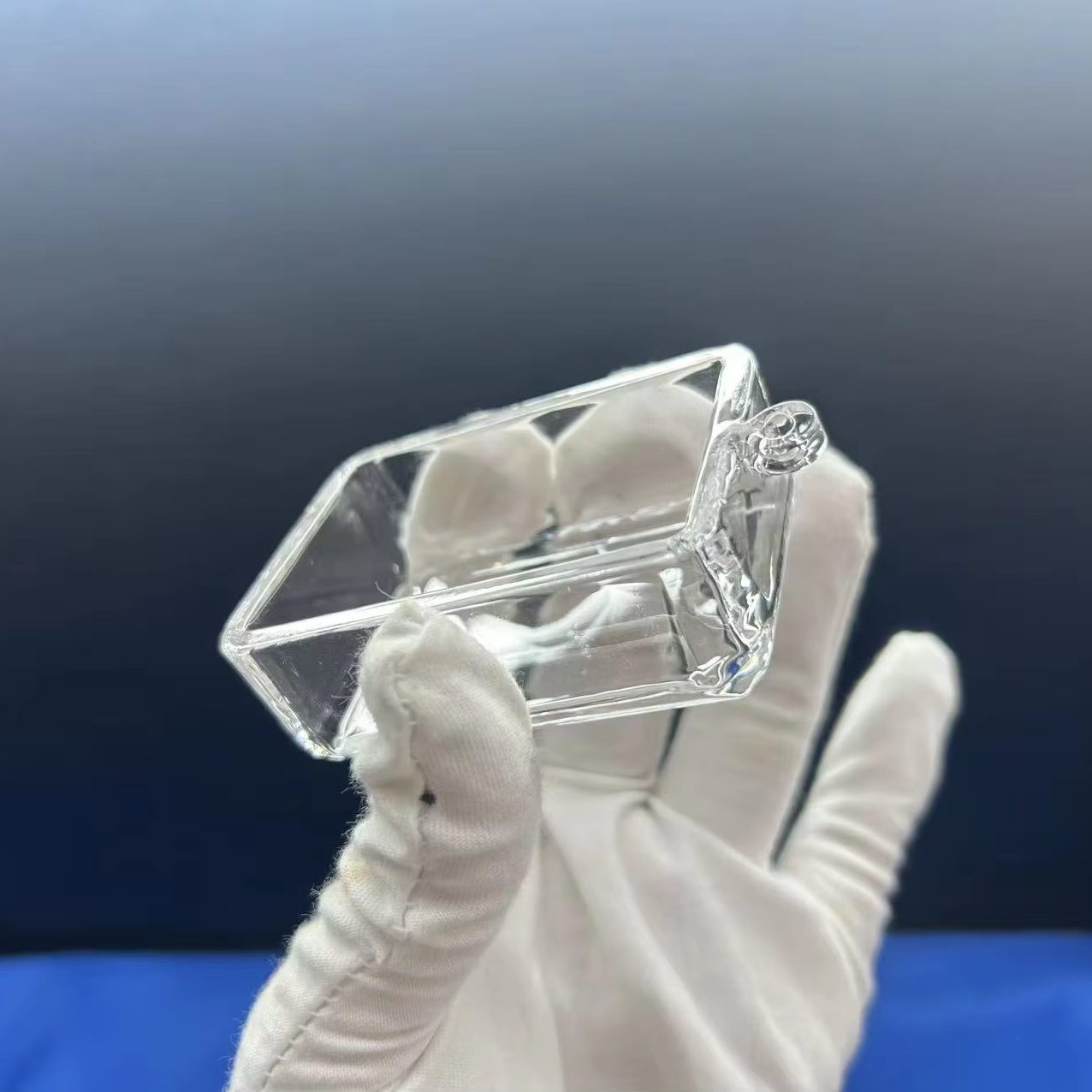
Seamless Welded Ultra-Clean Fused Quartz Tank
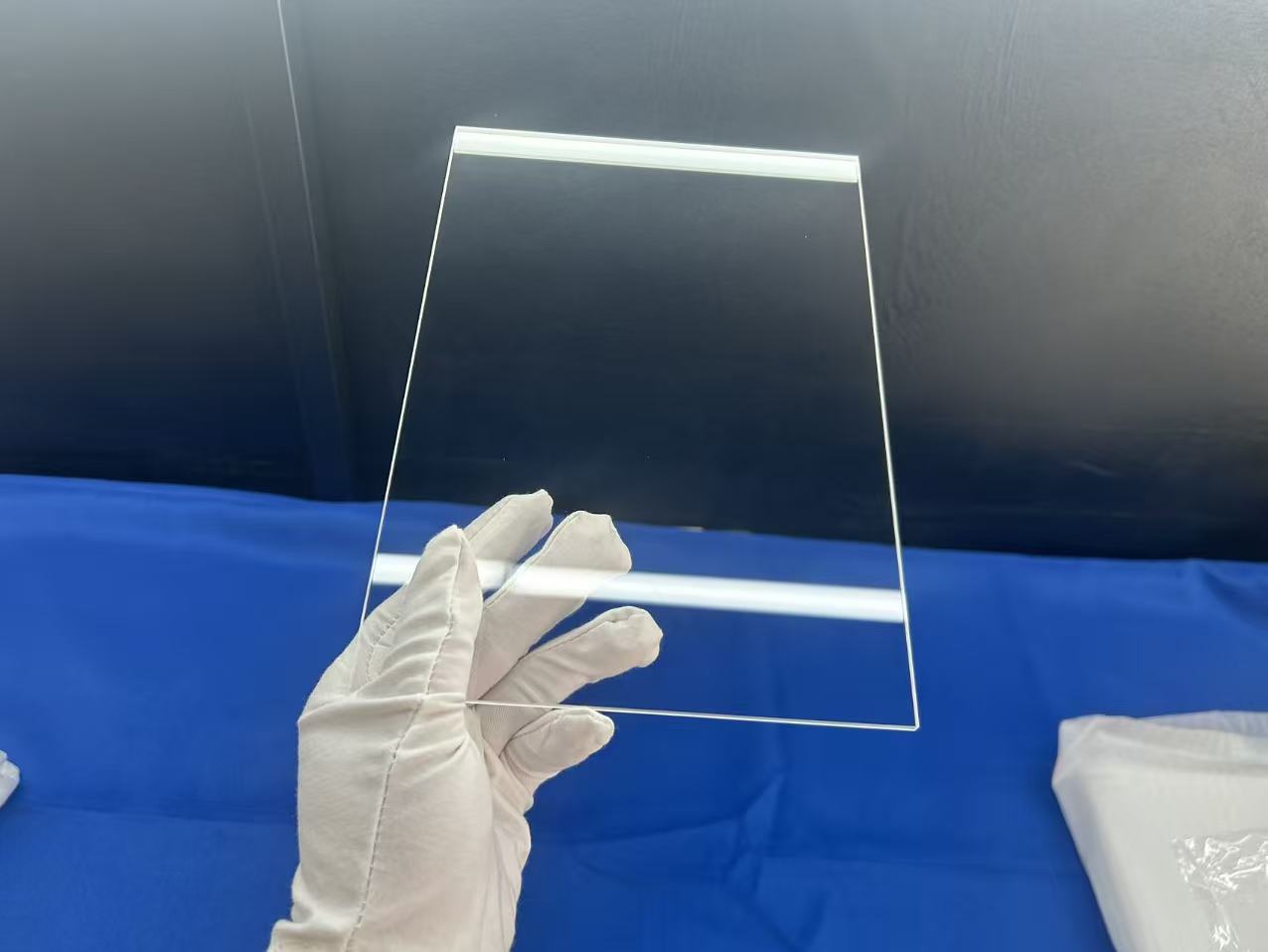
Optical Square Quartz Glass Plate & Viewport Window
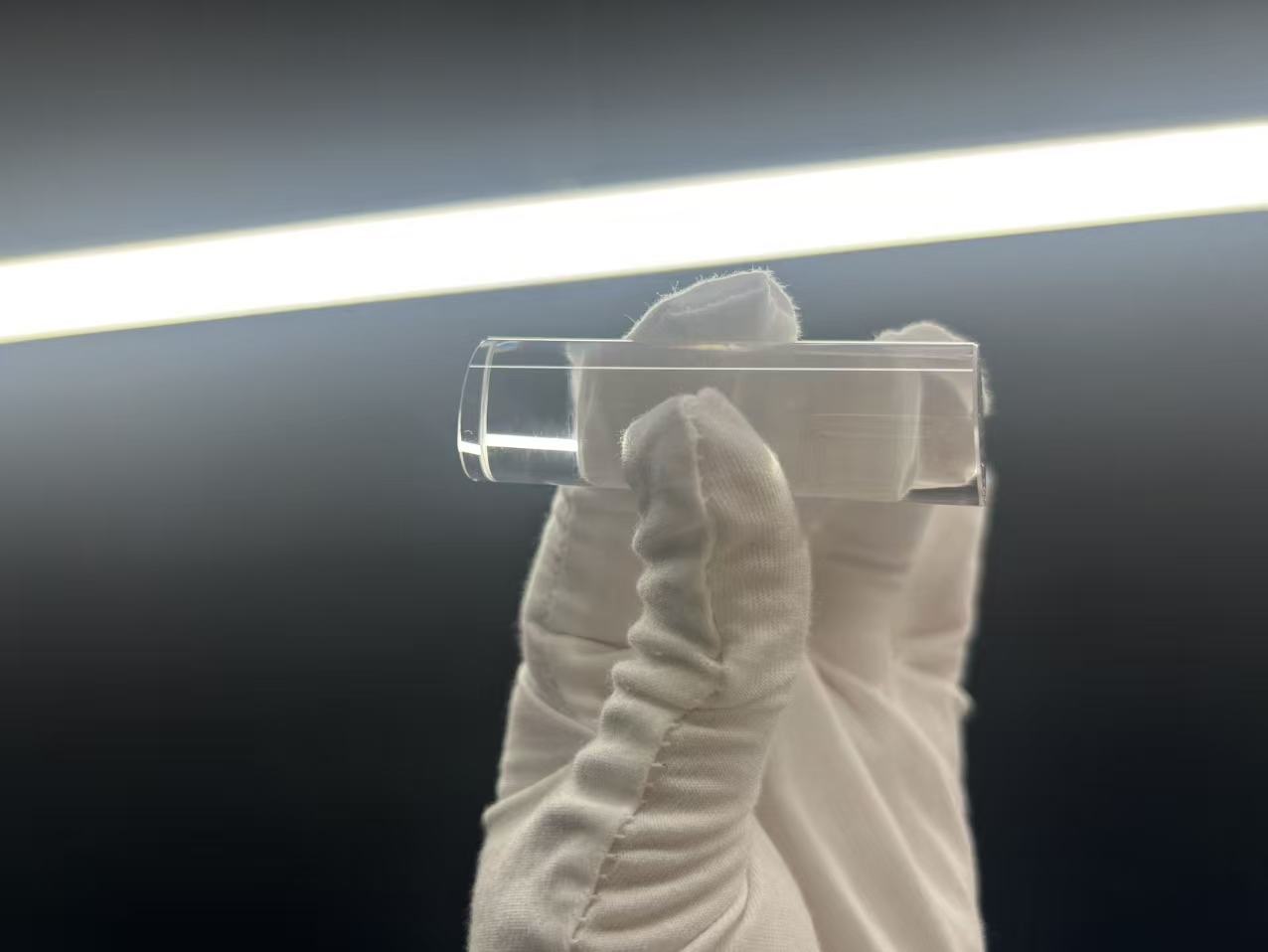
Precision Round-Head Quartz Rod Chuck Components
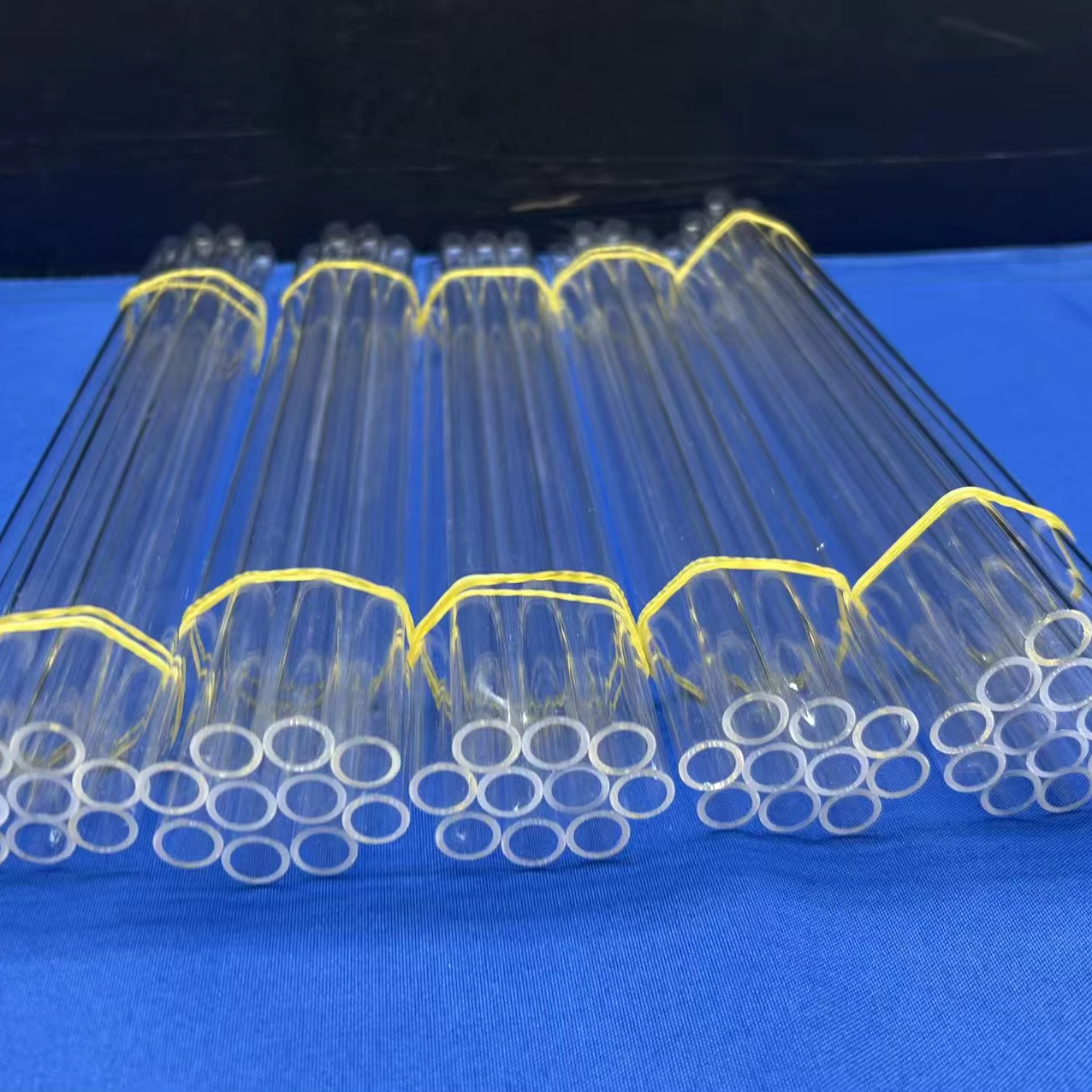
High-Purity Analytical Quartz Test Tube & Combustion Vials
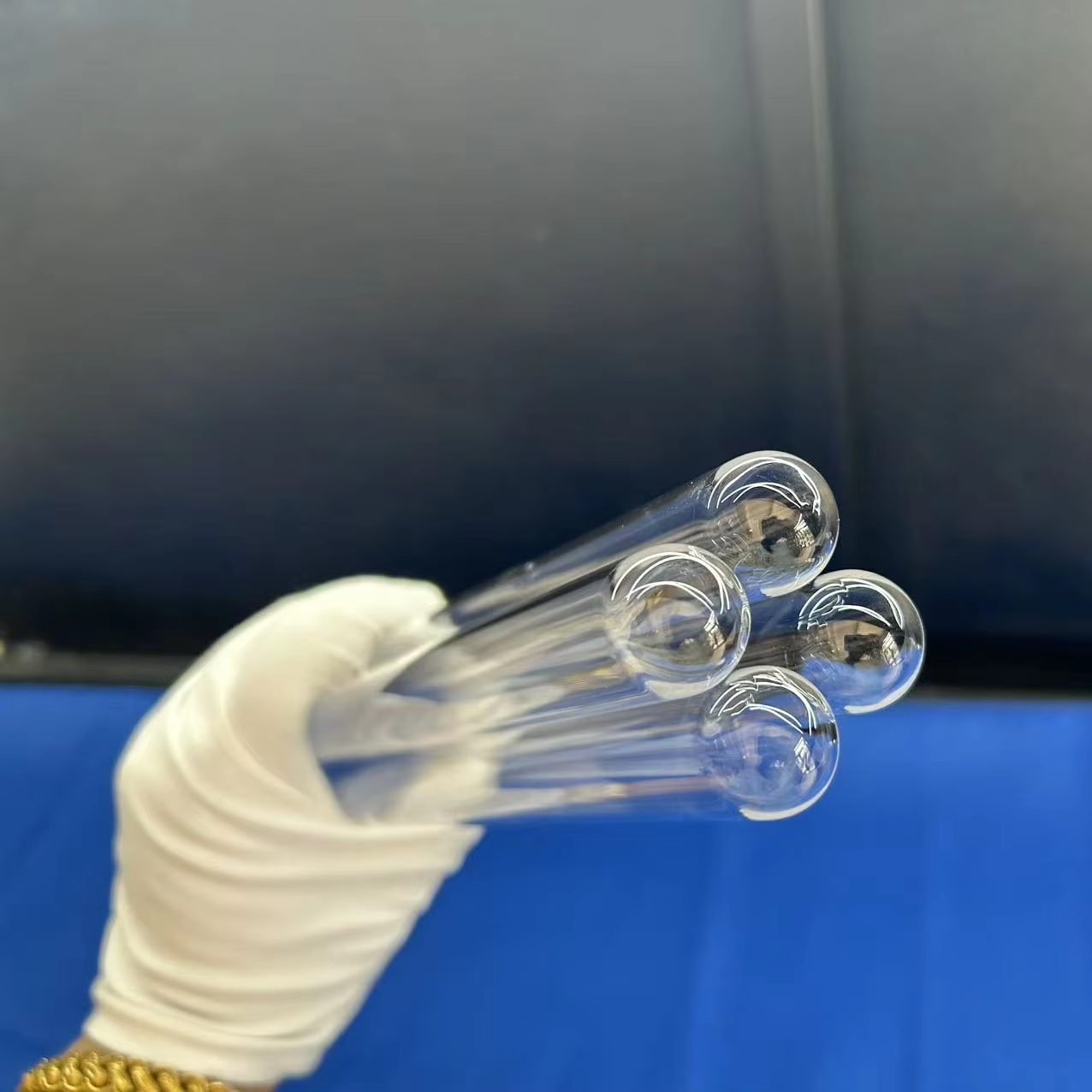
Fused Silica Bottom-Sealing Thermocouple Protection Tubes
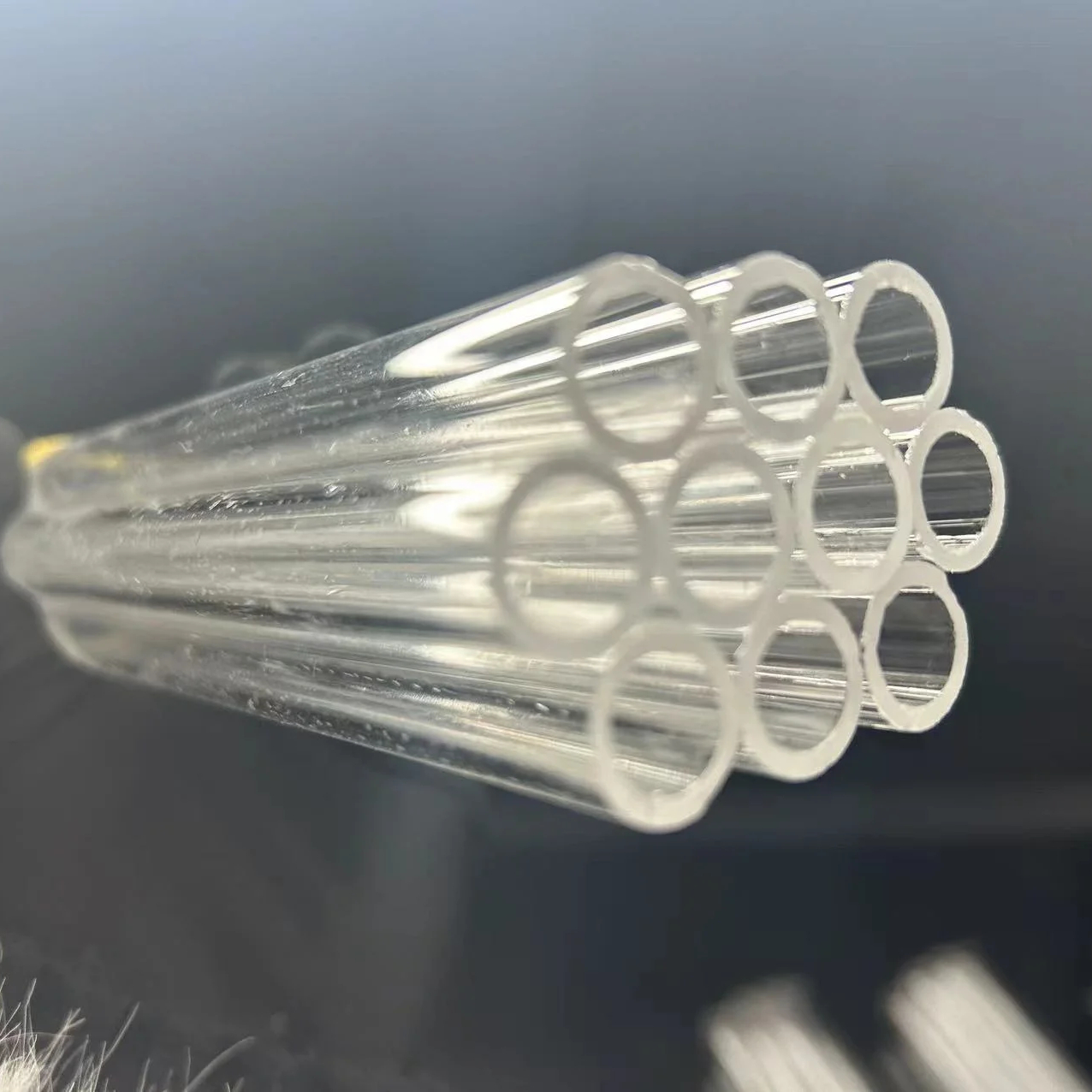
High-Temperature Transparent Quartz Cylinder Sleeves
Engineering Architecture of Modern Solar Quartz Crucibles
In modern Czochralski (CZ) monocrystalline silicon pulling, the quartz crucible is not merely an inert container; it is a critical thermodynamic participant determining the crystalline structural integrity and electrical efficiency of N-type silicon ingots.
The photovoltaic industry's relentless transition from legacy P-type PERC cells to ultra-high-efficiency N-type architectures (TOPCon, Heterojunction/HJT, and Interdigitated Back Contact/IBC) has placed unprecedented metallurgical demands on crucible longevity and raw material purity. During high-temperature pulling cycles exceeding 1450°C to 1550°C for upwards of 300 to 450 continuous hours, the quartz crucible experiences simultaneous internal dissolution into molten silicon and external structural stress against graphite susceptors.
Crucible Layer Dynamics: Inner Transparent vs. Outer Micro-bubble Matrix
State-of-the-art solar crucibles employ a co-fused, functionally graded dual-layer structure. The inner transparent layer (typically 3–5 mm thick) is engineered from ultra-refined synthetic silica or premium IOTA-grade natural quartz sand to achieve zero visible micro-bubbles (< 0.05 mm diameter) and trace elemental contamination below 0.1 ppm for critical alkali elements. The outer opaque layer features uniformly dispersed microscopic gas vesicles that provide diffuse radiant heat transmission from furnace graphite heaters while suppressing destructive thermal cracking and viscous deformation.
Devitrification kinetics represent the primary failure mechanism of high-temperature crucibles. At elevated temperatures, amorphous fused silica naturally transforms into crystalline cristobalite. If this phase transition is non-uniform or catalyzed by trace impurities—specifically lithium (Li), sodium (Na), potassium (K), or iron (Fe)—the cristobalite layer undergoes localized peeling and spalling. Dislodged quartz particulate floats into the silicon melt, inducing fatal lattice dislocations and thermal shock crystal termination during the ingot seed-pulling sequence.
Inner Wall Purity (≥ 99.998%)
Formulated with controlled low hydroxyl (OH < 20 ppm) synthetic quartz claddings to inhibit oxygen release into the molten silicon bath, directly preserving minority carrier lifetimes in N-type substrates.
Extended High-Viscosity Runtime
Optimized grain boundary fusion ensures high softening temperatures (1683°C) and superior creep resistance during prolonged multi-recharge silicon melting sequences (CCZ-ready).
Micro-Bubble Vacuum Arc Fusion
High-voltage centrifugal rotational vacuum arc fusion maintains internal layer degassing, eliminating bubble coalescence and preventing wall cavitation during long thermal cycles.
Solar Quartz Crucible Sourcing Trends for Tier-1 PV Manufacturers
As global gigawatt-scale ingot manufacturing scales toward 210mm rectangular wafers and ultra-thin slicing, procurement directors face fundamental shifts in technical validation, supplier qualification, and risk allocation.
Large Diameter Upsizing (36″ to 42″)
The dominance of G12 silicon wafers requires larger CZ furnace hot zones. Standard procurement has shifted from 28″–32″ crucibles to 36″–40″ vessels capable of containing 500–800 kg charges of poly-Si feedstock without thermal degradation.
Synthetic Clad Inner Liners
With N-type cell conversion efficiencies surpassing 25.5%, traditional natural sand inner walls are being replaced by synthetic quartz cladding. This innovation reduces alkali and transition metal leaching into the melt by over 75%.
High-Purity Sand Diversification
Procurement strategies increasingly prioritize dual-source supply chains. Tier-1 buyers require crucible suppliers to balance imported Spruce Pine HPQ concentrates with domestic beneficiated ultra-pure sand to mitigate supply disruptions.
TCO Metric: Pulling Hours & Yield
Sourcing benchmarks have moved beyond unit purchase price. Leading procurement teams evaluate crucibles on Total Cost of Ownership (TCO), calculating operational hours per dollar, number of recharge cycles, and ingot shoulder yields.
Crucible Engineering Performance Matrix: Standard vs. N-Type High Purity
| Performance Parameter | Standard PV Crucible (P-Type PERC) | Advanced N-Type CZ Crucible (TOPCon/HJT) | Semiconductor Electronic Grade |
|---|---|---|---|
| Inner Layer Raw Material | Refined Natural Quartz Sand | Synthetic Silica / Ultra-Refined IOTA HPQ | Ultra-High Purity Synthetic (VAD/Soot) |
| Total Metal Impurities | < 20.0 ppm | < 8.0 ppm (Alkali < 0.15 ppm) | < 1.0 ppm (Alkali < 0.01 ppm) |
| Continuous Pulling Lifetime | 180 – 240 Hours | 350 – 450+ Hours | Single / Multi-Run High Purity Cycles |
| Internal Bubble Density | ≤ 0.25 mm (Class II) | Zero Bubbles > 0.05 mm (Class I) | Zero Visible Micro-Bubbles |
| Cristobalite Devitrification Onset | 1380°C | > 1460°C (Extended Induction) | > 1500°C |
| Recommended Ingot Diameter | 166 mm / 182 mm (M6/M10) | 182 mm / 210 mm (M10/G12/G12R) | 200 mm / 300 mm Prime Silicon |
Emerging Technological Trends in Quartz Processing & CCZ Ingot Growth
Continuous Czochralski growth (CCZ) and granular silicon feeding technologies are redefining the physical boundaries of quartz thermal endurance.
Micro-Doping Stabilization
Incorporation of controlled trace barium (Ba) or aluminum (Al) networks during the fusion stage promotes uniform, micro-crystalline devitrification. This engineered nucleation layer acts as a mechanical barrier against bulk spalling.
CCZ Feeding Compatibility
Continuous silicon replenishment requires specialized inner wall geometries capable of handling local temperature shifts caused by incoming solid feed without premature erosion at the melt-air-quartz triple boundary line.
Automated Laser NDT Metrology
Integration of automated 3D optical profilometry and ultrasonic scanning to map crucible wall thickness variation (±0.3 mm precision) and detect sub-surface bubble inclusions prior to international dispatch.
Donghai County Nivra Quartz Products Co., Ltd.
Headquartered at 285 Heping East Road, Lianyungang, Jiangsu—the epicentre of China's silica extraction and quartz refining industry—Nivra Quartz operates an integrated manufacturing ecosystem delivering mission-critical quartz components across 6 continents.

Precision Flame-Working Facility
High-temperature hydrogen-oxygen lathe shaping, robotic tube end flanging, and fire-polishing.

5-Axis CNC Precision Machining
Ultrasonic diamond milling, planar grinding, and high-tolerance beveling for custom dimensions.
Class 1,000 Cleanroom Packaging
Multi-stage acid cleaning (HF/HNO₃), 18.2 MΩ·cm DI water rinse, and vacuum sealed dispatch.
Founded in February 2019, Nivra Quartz combines the geographical raw material advantages of Donghai County with modern precision glass engineering. Verified on-site by international inspection agencies, our multi-disciplined facility manages the complete production chain in-house: from raw high-purity quartz beneficiation, electric arc vacuum fusion, and diamond wire slicing to cleanroom chemical etching and laser metrology.
We supply Tier-1 solar ingot growers, PV wafer manufacturers, semiconductor wet benches, and analytical research institutions across North America (40%), Western Europe (20%), Eastern Europe (14%), and South America (11.4%). Operating under the standard of "Quality First, Reputation First," every custom crucible and fused component is guaranteed against thermal stress cracking and elemental leaching.
Frequently Asked Questions for Quartz Crucible Buyers
Engineering solutions and sourcing clarifications addressing technical tolerances, contamination limits, custom OEM specifications, and international export procedures.
We employ automated centrifugal vacuum arc furnace technology. During the plasma ignition phase, high-capacity vacuum pumps draw continuous negative pressure through micro-porous graphite mold channels. This evacuates trapped interstitial air from the inner raw sand charge, resulting in an inner transparent layer (3–5 mm thick) with near-zero bubble density (< 0.05 mm diameter) that resists micro-bubble expansion under operating vacuum conditions.
For standard N-type TOPCon/HJT crystal pulling using granular or chunk poly-Si feedstocks, our crucibles achieve continuous pulling runtimes between 350 and 450+ hours across multiple recharge cycles. The inner wall dissolution rate is maintained at a predictable 7–12 µm/hour at 1480°C, ensuring sufficient structural wall thickness and preventing breakthrough into the outer porous matrix.
Alkali elements are primary catalysts for rapid, non-uniform cristobalite devitrification. Nivra enforces stringent raw material screening: each incoming sand lot undergoes Inductively Coupled Plasma Mass Spectrometry (ICP-MS) verification. Alkali elements are strictly capped at Li < 0.1 ppm, Na < 0.15 ppm, and K < 0.15 ppm. This high purity profile delays devitrification crystallization onset beyond 1460°C.
Yes. We specialize in custom OEM/ODM manufacturing based on customer STEP, DWG, or PDF drawings. We regularly engineer crucibles and process tubes for furnaces from manufacturers like Linton, Kayex, Jingsheng, and PVA TePla. Variables including corner radius (R-angle), wall thickness gradients, bottom convex/concave profiles, and reinforced upper rims are tailored to match specific graphite susceptor geometry.
Every unit undergoes multi-step chemical cleaning followed by vacuum sealing in double-layer polyethylene antistatic bags within a Class 1,000 cleanroom. Products are nested in high-density custom-molded shock-absorbing EPE foam and housed within export-grade, fumigation-free wooden cases reinforced with internal metal bands. Long tubes and rods feature custom radial cushioning to neutralize resonant transit vibration.
For prototype evaluations, trial crucibles, and customized process tubes, our MOQ is 1 to 5 pieces. Standard catalog items operate at an MOQ of 10 pieces, while smaller precision wafers and viewports start at 50–100 pieces. Production lead times for custom-molded crucibles typically run 14 to 21 business days, with rapid prototype engineering reviews dispatched within 5 hours of drawing receipt.
Our transparent fused quartz grades cover the spectrum from deep ultraviolet through infrared. JGS1 synthetic silica provides over 90% transmission from 185 nm to 2500 nm (ideal for excimer UV optics). JGS2 offers high transmission from 220 nm to 2500 nm for furnace inspection sight glasses. JGS3 provides infrared transparency up to 3500 nm with negligible absorption bands at 2730 nm (low hydroxyl OH < 5 ppm).
Every delivery includes a comprehensive Factory Acceptance Certificate (FAC), Dimensional Inspection Metrology Report (CMM/laser scans), and Batch Chemical Analysis ICP-MS test sheets documenting trace elemental levels (Fe, Al, Ca, Na, K, Li, Cu). Nivra Quartz operates under ISO 9001 quality management guidelines, ensuring full traceability from raw quartz sand batches to final crating.
Accelerate Your Solar PV & Semiconductor Crystal Pulling Yields
Partner directly with Donghai's leading fused quartz manufacturing powerhouse. Request our comprehensive technical component catalog, furnace compatibility cross-reference guide, or submit engineering drawings for immediate quotation.