Semiconductor
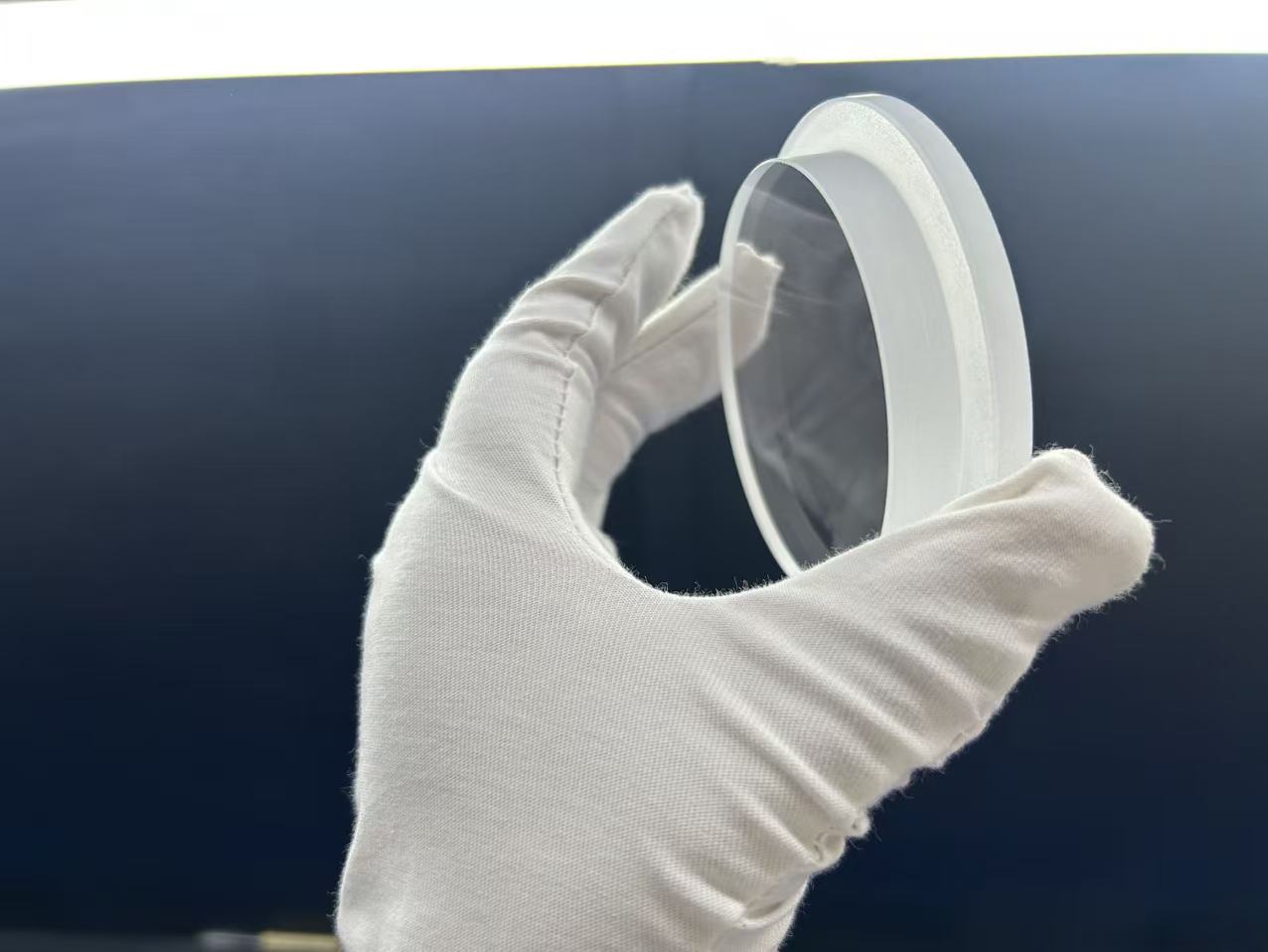
Factory-Made High-Purity Ultra-Thick Quartz Double-Layer Step Plate
Ultra-Thick Substrate
CNC Stepped
Ra < 0.5nm
Direct from Donghai County Nivra Quartz Products Co., Ltd. Every product undergoes strict tolerance validation, flame-fire edge finishing, and spectral transmission quality checks.
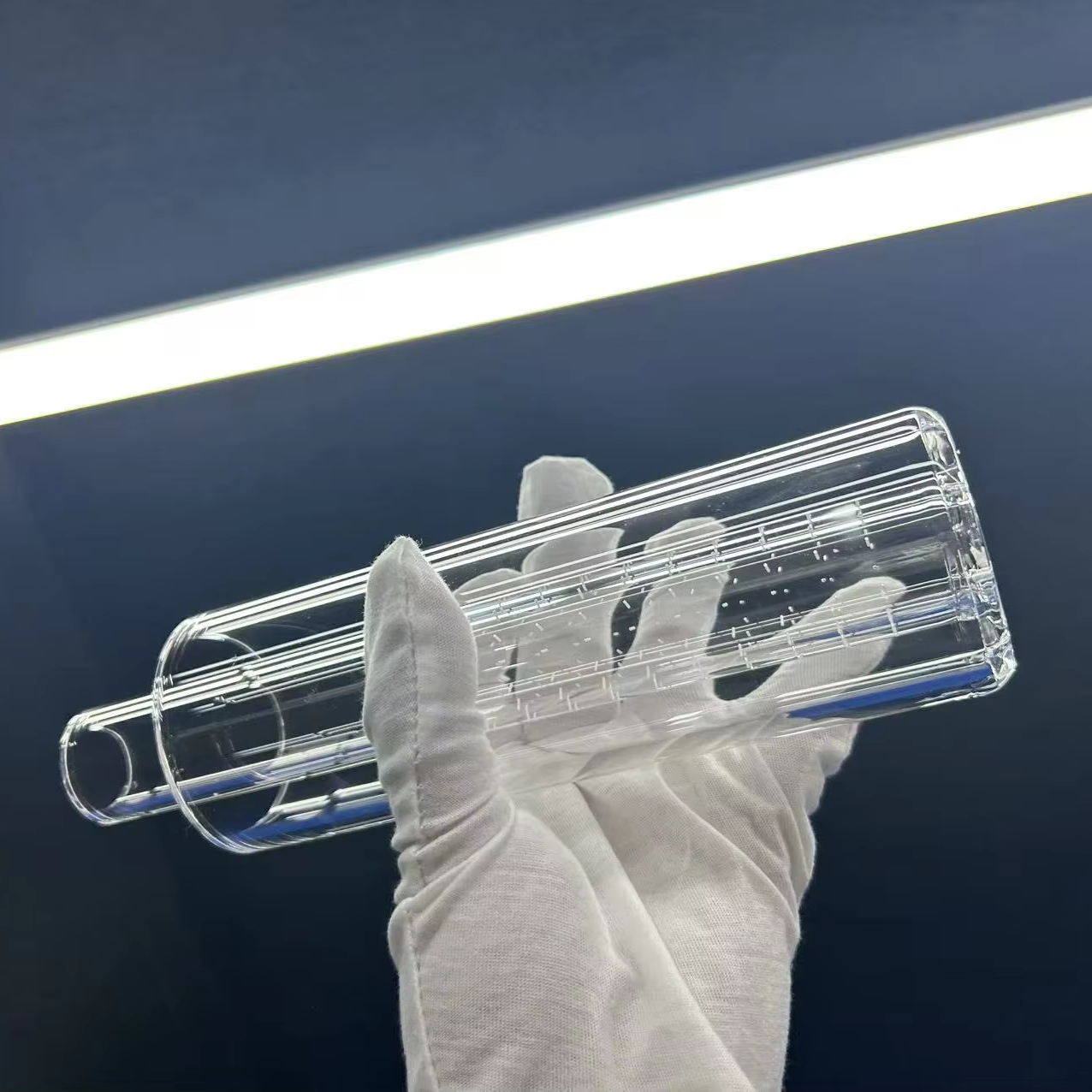
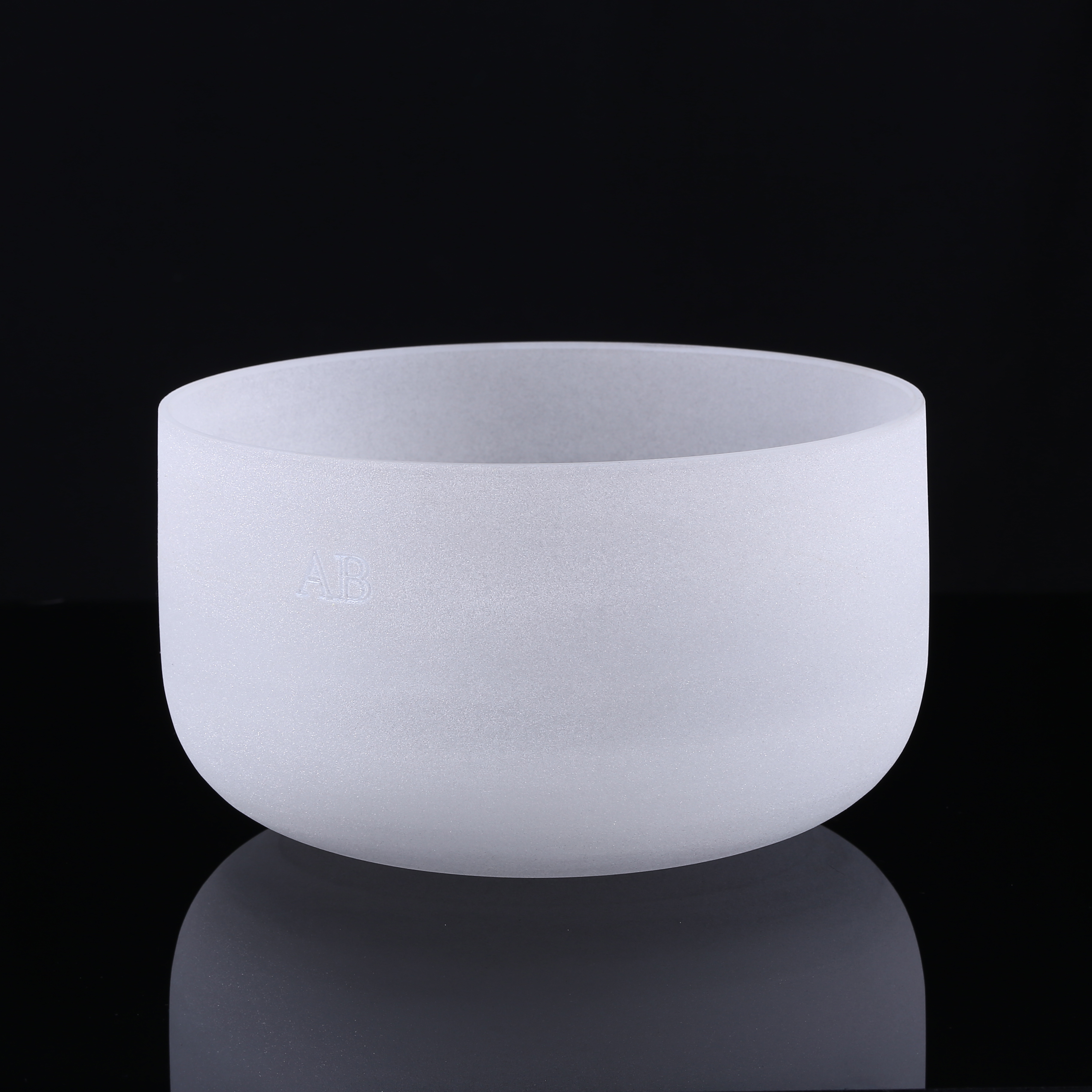
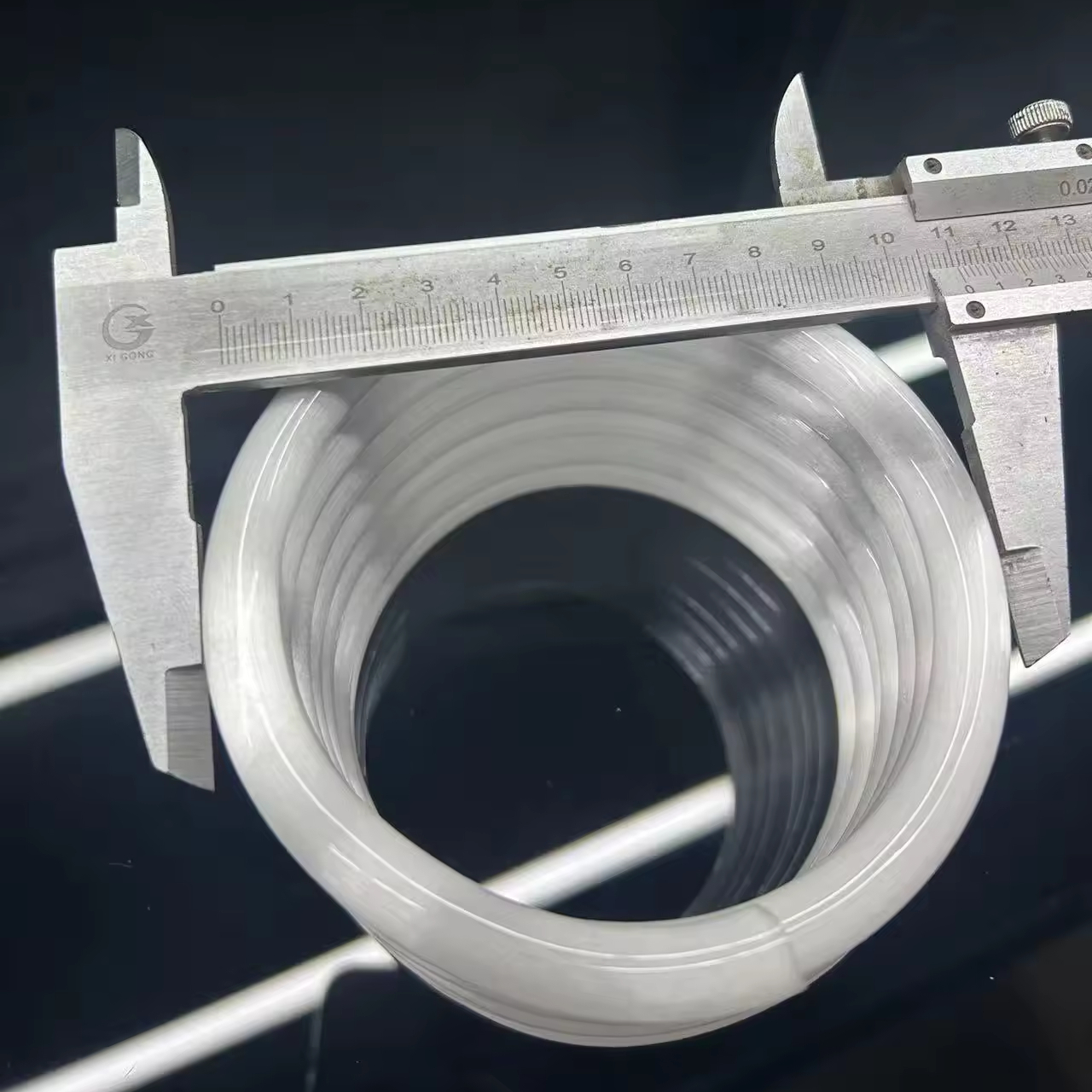
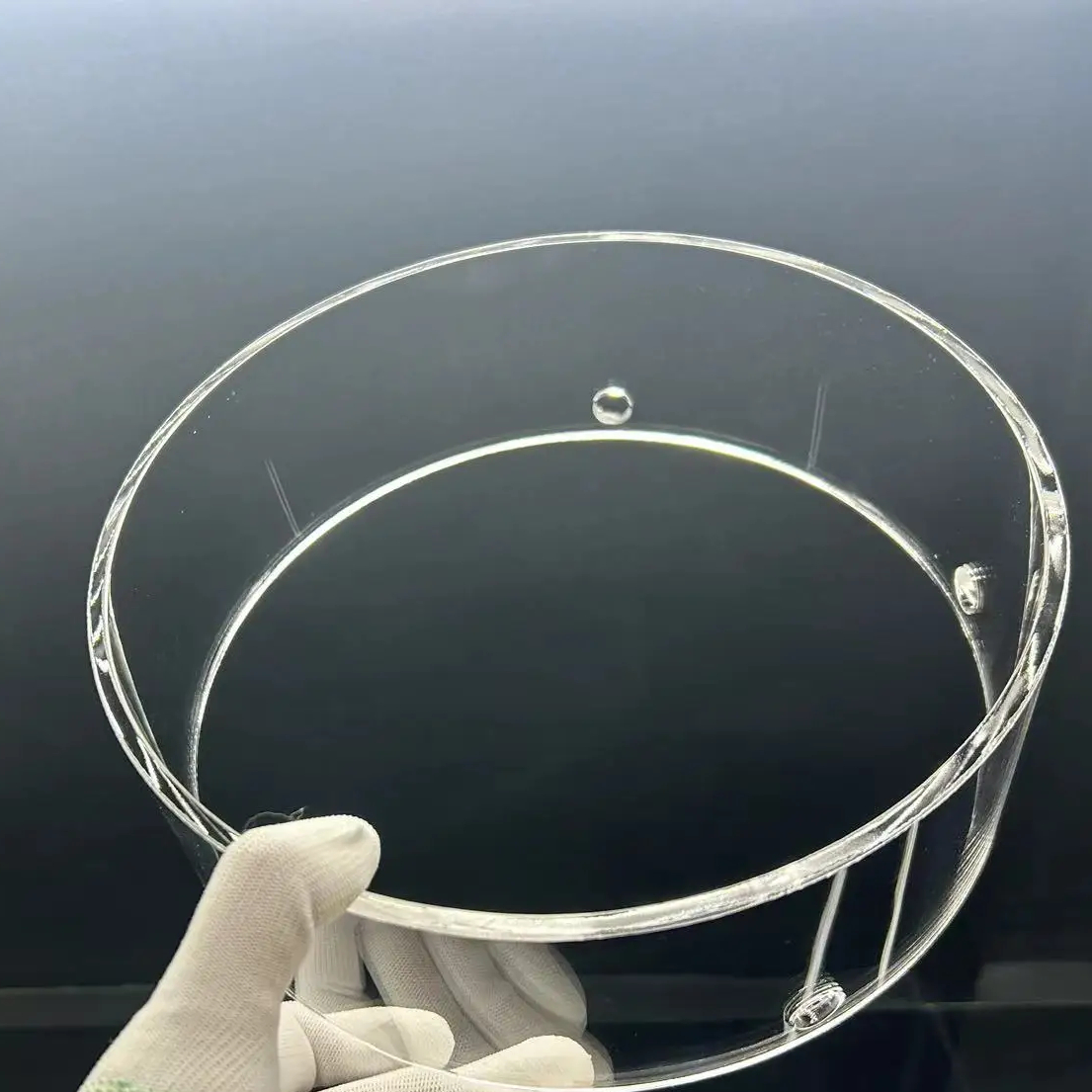
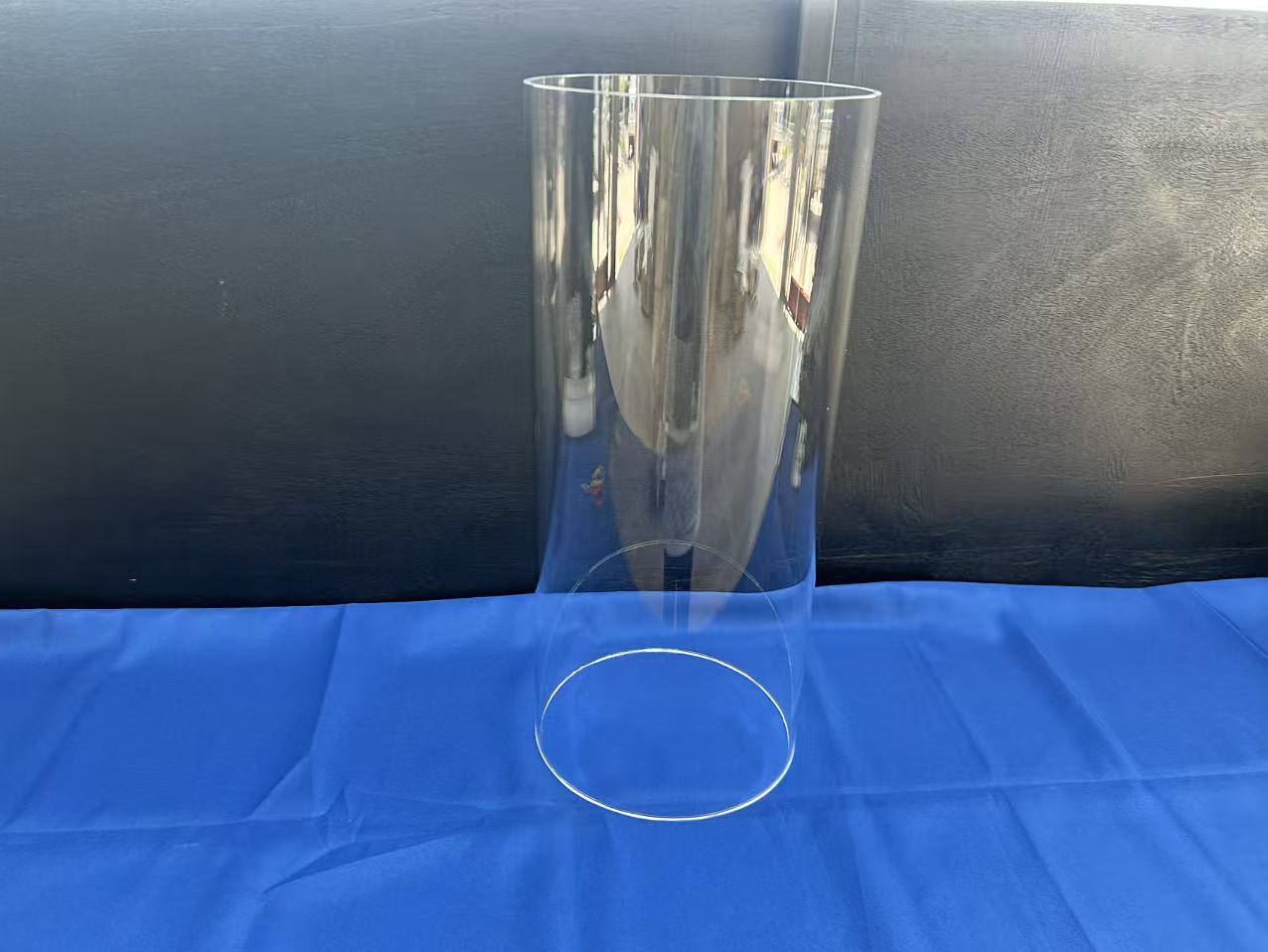
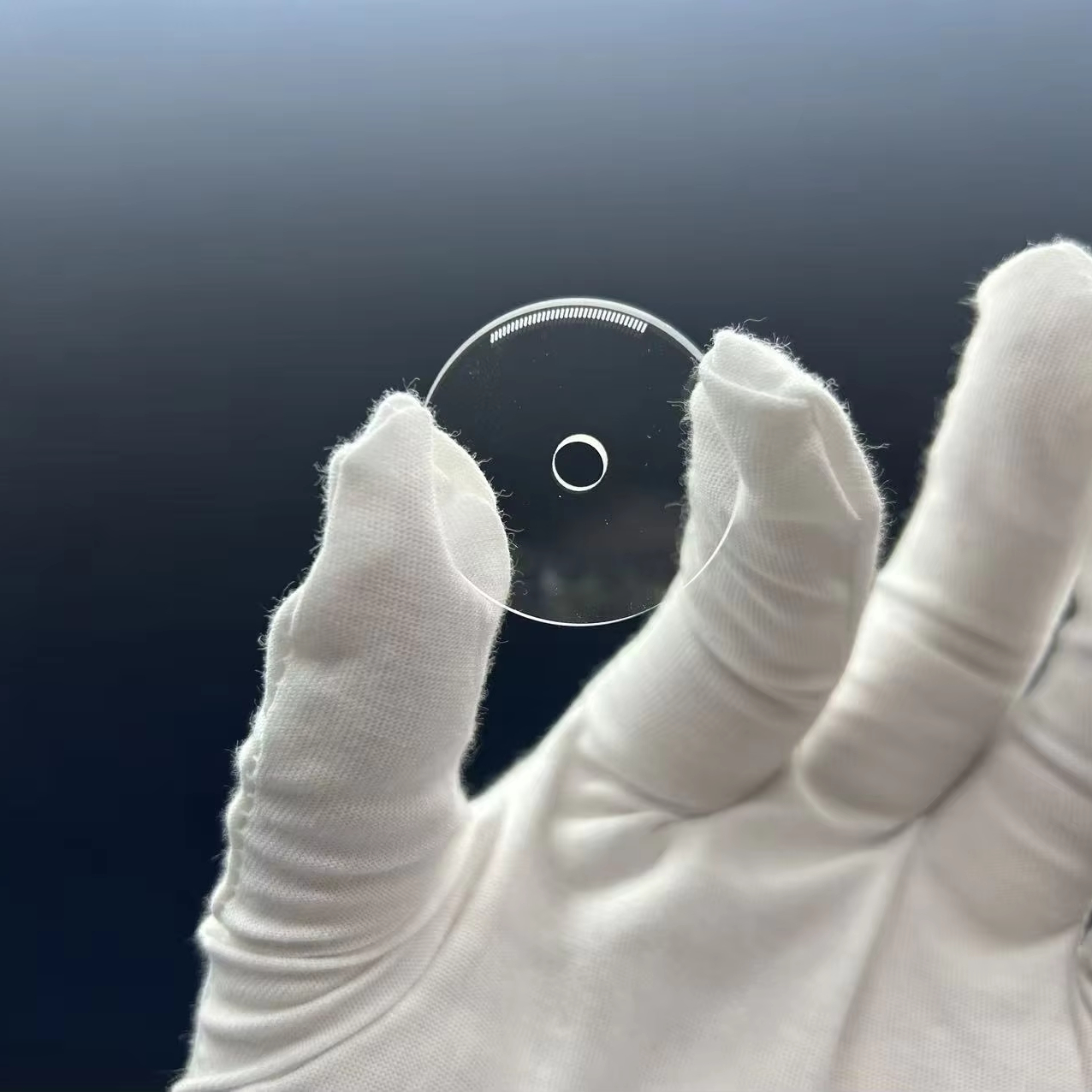
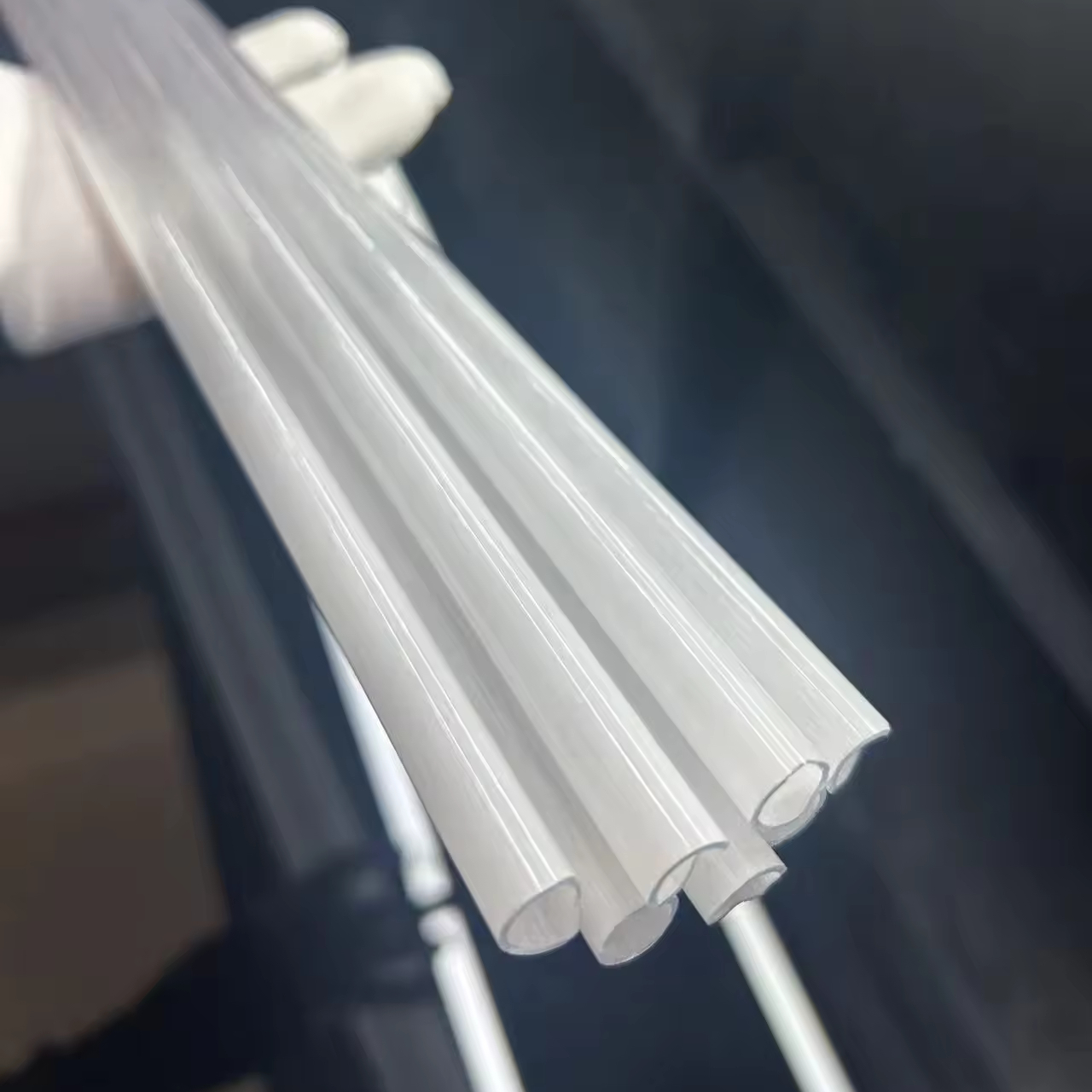
An authoritative engineering breakdown comparing synthetic fused silica against natural quartz glass for live-cell UV fluorescence, high-temperature crystallization, and corrosive wafer etching.
Standard borosilicate petri dishes suffer from ion leaching (specifically Sodium, Boron, and Calcium) when subjected to strong acids or prolonged hydrothermal conditions. Our OEM fused quartz dishes feature a minimum SiO2 purity of 99.99% to 99.999% (synthetic grade). With trace heavy metal concentrations (Fe, Cu, Ni) below 0.1 ppm, Nivra quartz dishes eliminate sample contamination during semiconductor trace-metal analysis and sensitive cell line cultivation.
Characterized by an ultra-low coefficient of thermal expansion (CTE) of approximately 5.5 × 10⁻⁷ /°C between 20°C and 320°C, custom fused silica petri dishes survive rapid quenching from 1100°C directly into ice-cold water without micro-fracturing. This near-zero expansion allows chemists and materials scientists to execute high-temperature calcination, molten salt evaporation, and furnace thermal treatments where ordinary lab glass shatters instantaneously.
Engineered for high-end optical spectroscopy and inverted confocal laser microscopy, synthetic JGS1 quartz petri dishes provide flat optical clarity with over 90% internal transmittance starting from 185 nm deep-UV into the near-infrared band (2500 nm). Natural quartz grades (JGS2) retain exceptional visual and near-UV integrity down to 220 nm, making them ideal for photochemical reactions, UV-sterilized bio-incubation, and laser ablation tracking.
| Performance Parameter | Synthetic Fused Silica (JGS1) | Optical Fused Quartz (JGS2) | IR Fused Quartz (JGS3) | Standard Borosilicate (Pyrex) |
|---|---|---|---|---|
| SiO2 Chemical Purity | ≥ 99.999% (< 0.1 ppm Fe) | ≥ 99.99% | ≥ 99.99% (Low OH < 5 ppm) | ~ 80 - 81% (High B2O3, Na2O) |
| Spectral Window | 185 nm - 2500 nm (Deep UV) | 220 nm - 2500 nm (Standard Optical) | 260 nm - 3500 nm (Infrared Optical) | 350 nm - 2200 nm (UV Cut-off) |
| Maximum Working Temp (Continuous) | 1150 °C | 1100 °C | 1150 °C | 450 °C - 500 °C |
| Softening Point | 1730 °C | 1683 °C | 1710 °C | 820 °C |
| Thermal Expansion (CTE 20-300°C) | 5.4 × 10⁻⁷ / °C | 5.5 × 10⁻⁷ / °C | 5.5 × 10⁻⁷ / °C | 33 × 10-7 / °C (6x Higher) |
| Optical Base Planarity (Ra) | < 0.5 nm (CMP Polished) | < 1.5 nm (Optical Polish) | < 2.0 nm | Float Glass Standard (~ 15-25 nm) |
| Hydrofluoric (HF) Resistance | Attacked slowly, predictable etch | Attacked slowly | Attacked slowly | Rapid destruction, chemical leaching |
At our Donghai facility, we combine computerized CNC diamond cold-milling with master-craftsman oxy-hydrogen flame manipulation to achieve tight geometric tolerances on custom petri dish lids, bases, split compartments, and flanged rims.
Review of customer STEP/DWG files. Selection of raw quartz ingots (synthetic chemical vapor deposition or natural high-grade crystal pegmatite) to eliminate native inclusions and bubble seeds.
Diamond-wire slicing, CNC inner-chamber routing, step-shoulder shaping, and ultrasonic micro-drilling. Strict dimensional control maintained within ±0.05 mm on diameter and wall thickness.
Bottom substrate optical leveling achieving optical flatness up to λ/4 per inch. Chemical mechanical polishing yields ultra-smooth finishes for automated laser autofocus and confocal imaging.
Thermal rim glazing seals peripheral micro-cracks and eliminates knife-edge chipping. Relieves mechanical edge stress while preventing particle shedding in cleanroom processing.
Precision computerized annealing cycle held at 1140°C followed by controlled cooling to 1000°C. Eliminates internal birefringence and thermal stresses, preventing delayed devitrification.
Submersion in ultra-pure acid bath removes ionic surface contaminants, followed by DI-water ultrasonic washing. Vacuum double-bagged with anti-shock suspended cellular casing for export.
How semiconductor fab consolidation, organoid-on-a-chip bio-systems, and green energy innovations are fundamentally transforming quartzware specifications and procurement protocols.
As semiconductor wafer fabs scale to sub-2nm gate-all-around (GAA) architectures, allowable ionic contamination has plummeted into parts-per-trillion (ppt) thresholds. Global procurement officers are ditching multi-tiered distributor markups and partnering directly with primary fabrication plants in Donghai that control quartz raw material calcination. Nivra Quartz guarantees documented trace metal certificates with every production lot, preventing yield losses during wafer inspection and dry etching steps.
Cellular biology and oncology drug discovery have moved decisively from 2D monocultures to 3D organoids and micro-tissues. These applications require inverted multi-photon and deep-UV fluorescence microscopy. Standard plastic and soda-lime petri dishes introduce severe autofluorescence that clouds imaging. Procurement data shows a 34% annual growth rate in custom quartz petri dishes engineered with 0.17 mm ultra-thin optically flat quartz bottom windows (matching #1.5 coverslip standards).
With volatile shipping rates and geopolitical supply chain realignments, enterprise procurement teams are minimizing risk by sourcing from consolidated industrial ecosystems. Donghai County supplies over 70% of China's high-purity natural silica sand and finished quartzware. Sourcing directly from Nivra Quartz eliminates secondary machining middle-men, lowering cost-per-part by 25-35% while slashing custom prototype lead times down to 7-10 business days.
Established in February 2019 at 285 Heping East Road, Lianyungang, Jiangsu, Nivra Quartz operates a complete end-to-end processing facility with 101–200 skilled specialists, audited on-site by third-party verification leaders.
Located in Donghai, the global center of quartz and crystal refining, Nivra maintains upstream raw mineral contracts. We pass direct manufacturing savings to international OEMs, eliminating import tariffs on raw materials and middleman surcharges.
We serve top-tier buyers across North America (40%), Western Europe (20%), Eastern Europe (14%), and South America (11.4%). Our logistical packing protocols use impact-molded foam inserts and vacuum-sealed crates, resulting in a 99.8% safe arrival record.
From one-off laboratory research prototypes (MOQ 1–10 pcs) to high-volume semiconductor wafer carrier production (thousands of units monthly), our engineers provide full DFM (Design for Manufacturability) analysis, tolerance reviews, and material optimization within 5 hours.
Direct answers to the most common engineering inquiries regarding material selection, optical verification, sterilization limits, and freight safety.
Grade selection depends strictly on the operational optical spectrum and thermal environment. JGS1 (Synthetic Fused Silica) is synthetic, free of bubbles, and optimized for deep ultraviolet transmission (185–2500 nm). It is required for UV spectroscopy, excimer laser reactions, and UV confocal microscopy. JGS2 (Optical Fused Quartz) is manufactured from natural crystalline quartz and covers the UV-visible range (220–2500 nm), making it the standard cost-effective selection for high-temperature furnace viewing, acid digestion, and general analytical laboratory petri dishes. JGS3 (Infrared Grade Fused Quartz) has an ultra-low hydroxyl content (OH < 5 ppm) that eliminates the typical absorption band at 2730 nm, extending optical transmission out to 3500 nm for thermal infrared applications.
Our clear fused quartz petri dishes have a strain point of 1070°C, an annealing point of 1140°C, and a softening point of 1683°C. In standard oxidizing or inert atmospheres, they can be operated continuously at up to 1100°C–1150°C without geometric deformation. Short-term peak thermal spikes up to 1450°C are safely tolerated. However, prolonged operation above 1150°C in the presence of alkaline dust, sodium, or potassium can induce surface devitrification (transformation into crystalline cristobalite), which reduces transparency and thermal shock resistance.
Yes. We specialize in custom OEM/ODM manufacturing. We routinely produce petri dishes ranging from miniature cell analysis formats (diameter 25 mm × height 10 mm) up to industrial crystallizing dishes exceeding 300 mm in diameter. We can incorporate internal quartz divider walls for dual-organism co-culturing, precision-ground joint rims with clamp flanges for hermetic vacuum sealing, ground-glass frosted writing patches, and custom optical-window recessed bottoms (±0.02 mm thickness tolerance). Please provide your PDF, DWG, or STEP files for engineering evaluation.
For standard chemical and thermal dishes, our precision fire-polishing provides a smooth, non-wetting surface with an Ra between 1.0 and 2.0 nm. For advanced laser microscopy, high-content screening (HCS), and inverted fluorescence observation, we perform automated double-sided Chemical Mechanical Polishing (CMP) that achieves optical flatness of 1 to 3 interference fringes per inch (λ/4 to λ/2) and an ultra-fine surface roughness of Ra ≤ 0.5 nm, eliminating laser refraction distortion.
Yes. Fused quartz is completely inert to standard sterilization protocols, including repeated autoclaving at 121°C/134°C, dry-heat sterilization up to 500°C, ethylene oxide (EtO), and gamma irradiation. Chemically, quartz is impervious to almost all concentrated organic and inorganic acids (including nitric, sulfuric, and hydrochloric acid, as well as aqua regia and Piranha solutions). The only exceptions are hydrofluoric acid (HF) at any temperature and concentrated phosphoric acid (H3PO4) when heated above 150°C.
To support corporate R&D teams and academic research labs, our standard MOQ for custom quartz petri dishes starts as low as 1 to 5 pieces for prototype review. Standard catalog sizes often ship from inventory within 48 hours. Custom CNC or optical-grinding sample prototypes are typically manufactured and dispatched within 7 to 10 working days. Production volume orders (100 to 5,000+ units) typically run on a 3 to 4-week production cycle depending on flame-working complexity.
Every single quartz dish is individually acid-degreased, wrapped in dust-free optical tissue, sealed in a moisture-barrier bag, and cushioned inside custom-molded high-density polyethylene (EPE) shock-absorbing foam compartments. For air express and consolidated sea freight, batches are secured within export-grade, fumigation-free plywood shipping crates reinforced with corner metal angle protectors. Our packaging withstands vertical drop tests of 1.2 meters, ensuring intact delivery to overseas facilities across North America, Europe, and Asia.
Connect directly with our senior quartz fabrication engineers in Donghai. Submit your dimensional drawings, target purity standards, and annual volume requirements to receive an actionable DFM review and factory-direct quotation within 5 hours.