High-Purity Quartz Components & Integrated Solutions
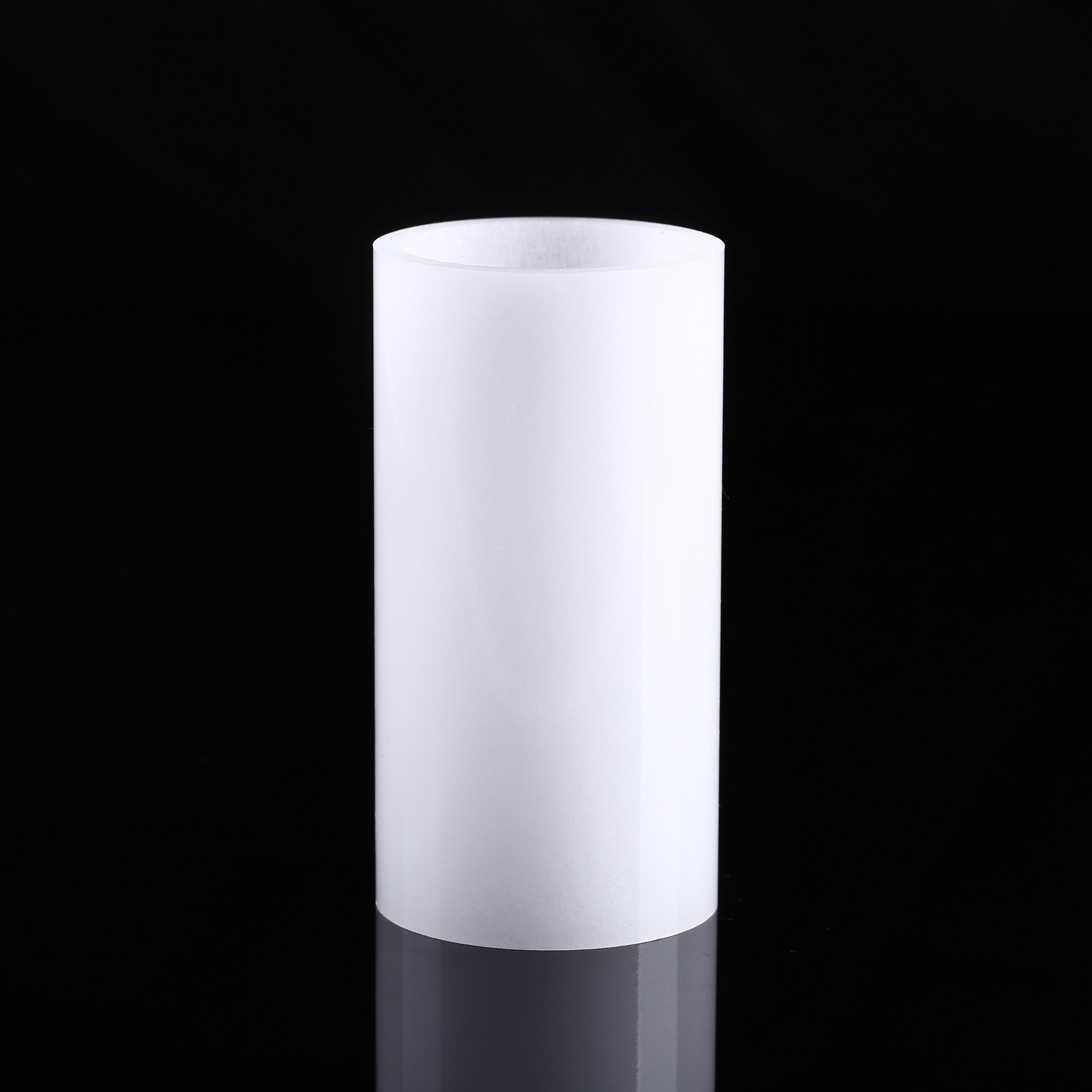
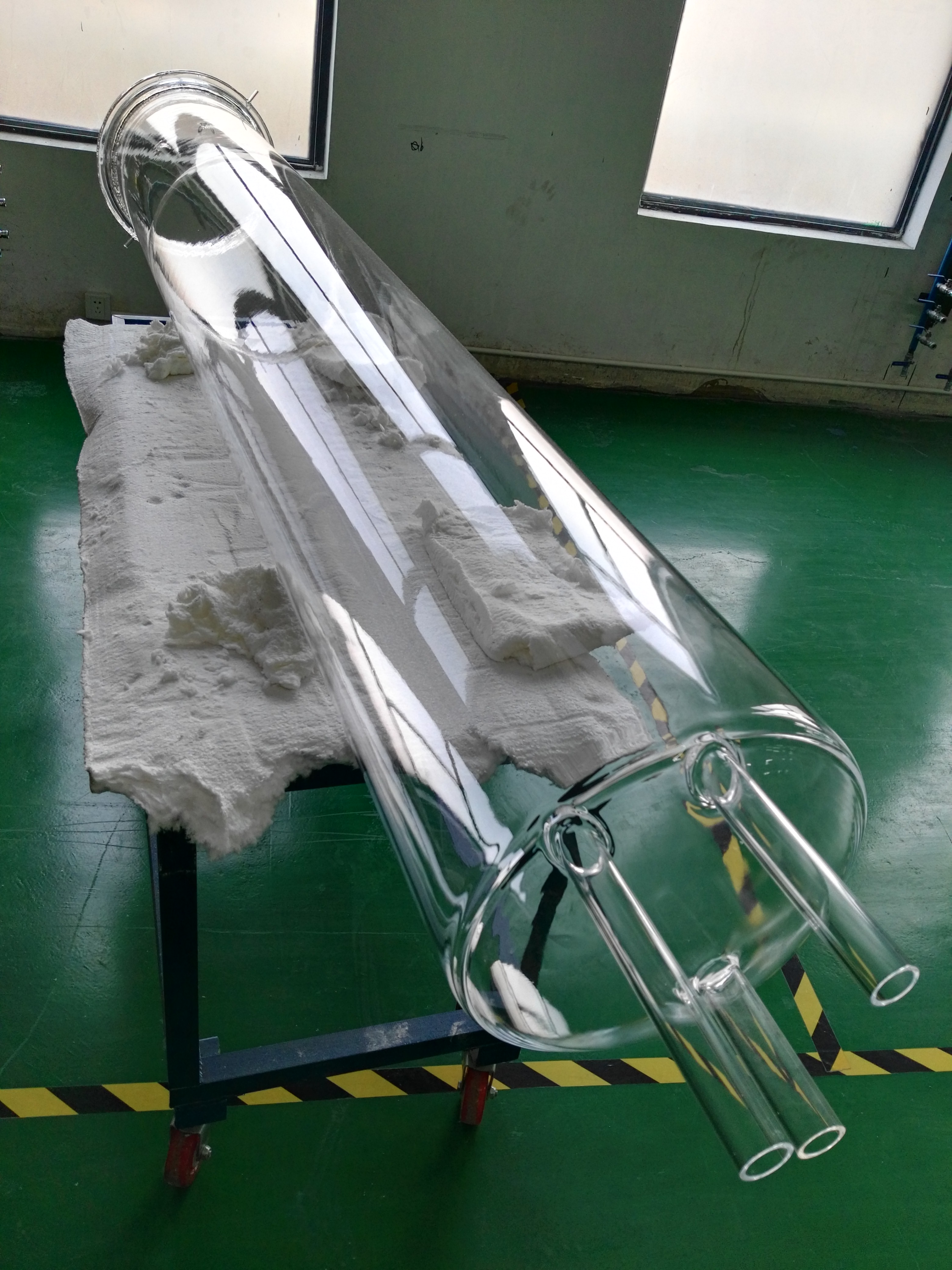
In addition to our custom precision optical discs, we supply an extensive range of high-temperature thermal tubes, quartz laboratory vessels, and machined quartzware engineered for extreme industrial environments.
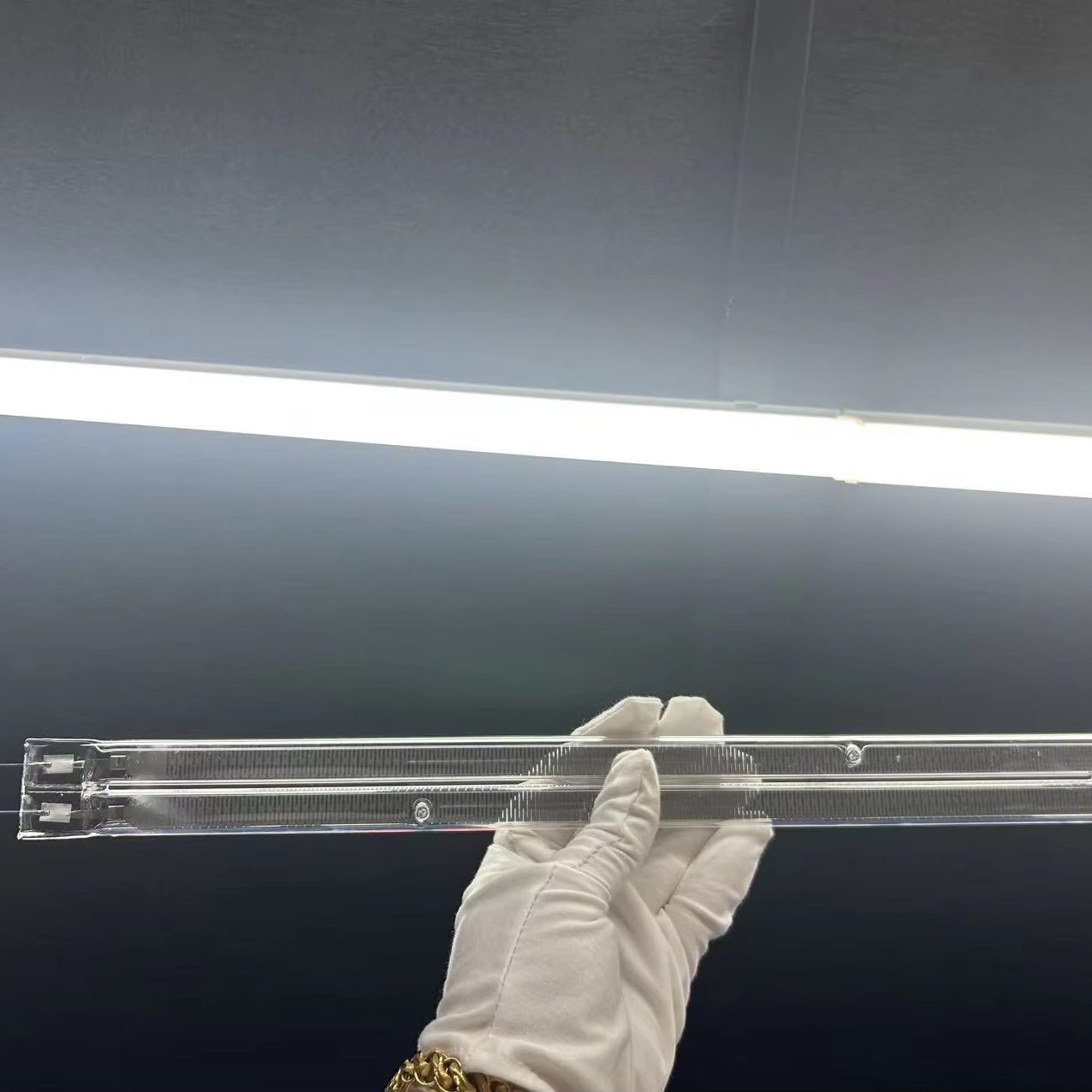
220V 700W 300MM 10mm Diameter Infrared Heating Tube Carbon Fiber/Halogen Tube
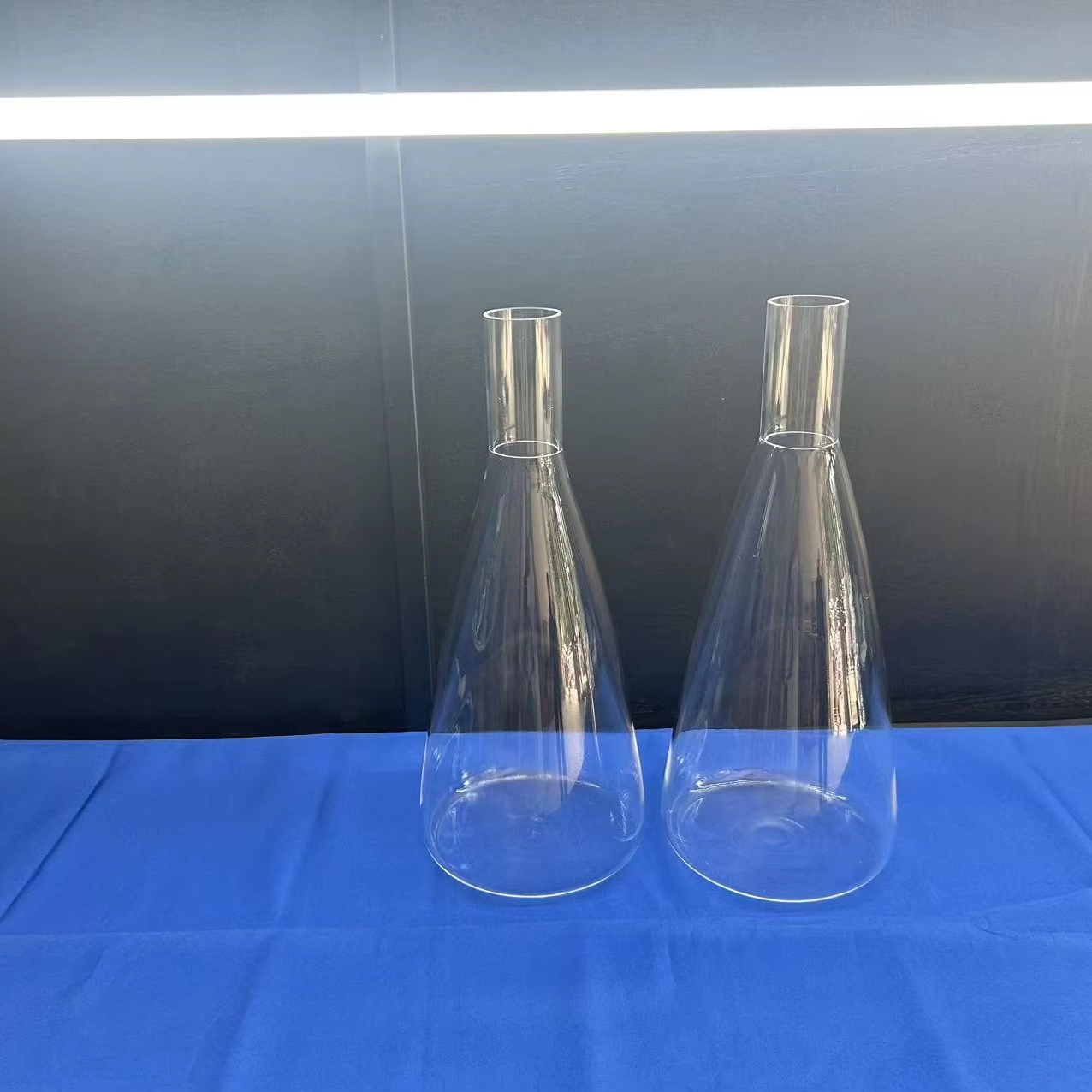
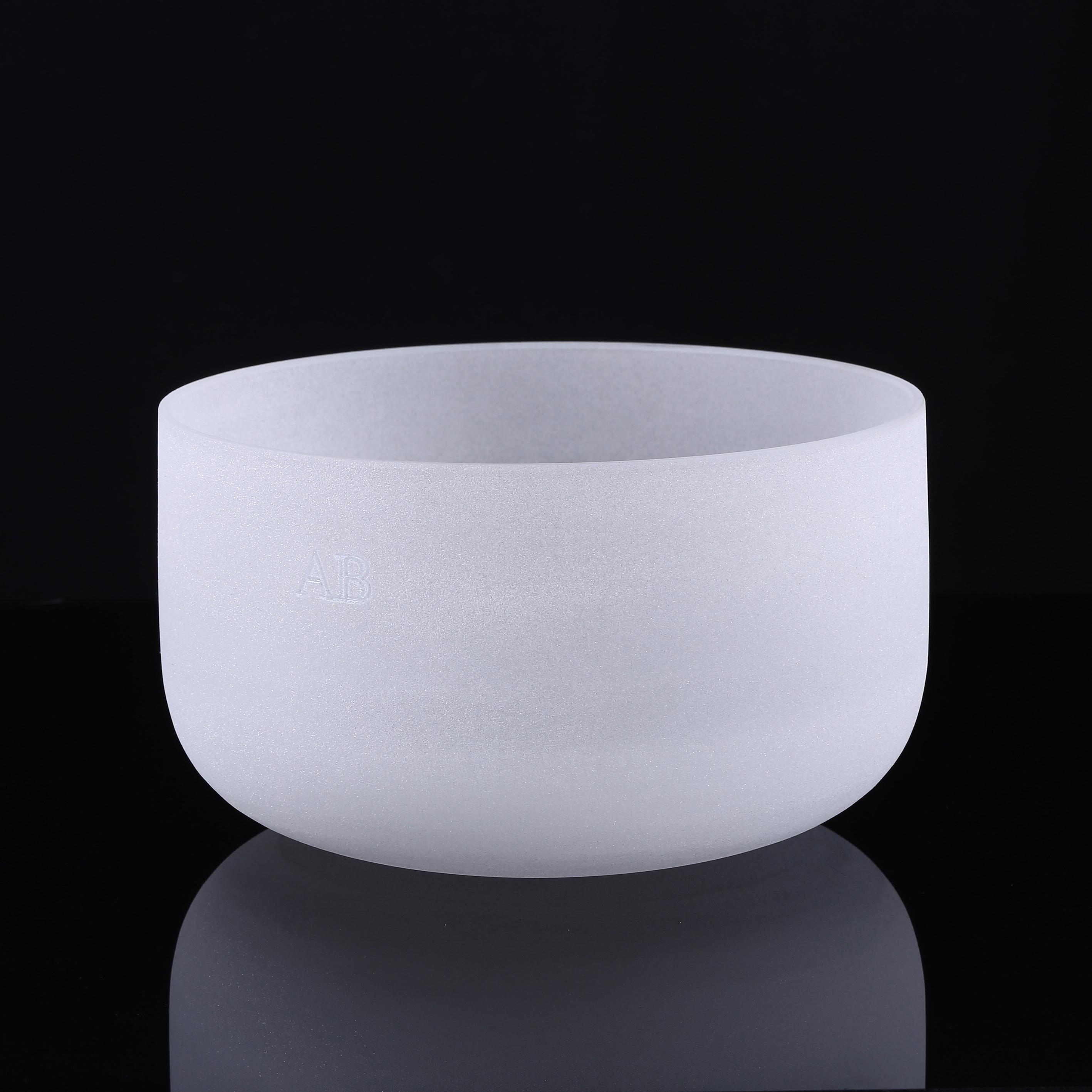
Laboratory Fused Silica Quartz Glass Flask for Extreme Thermal Shock
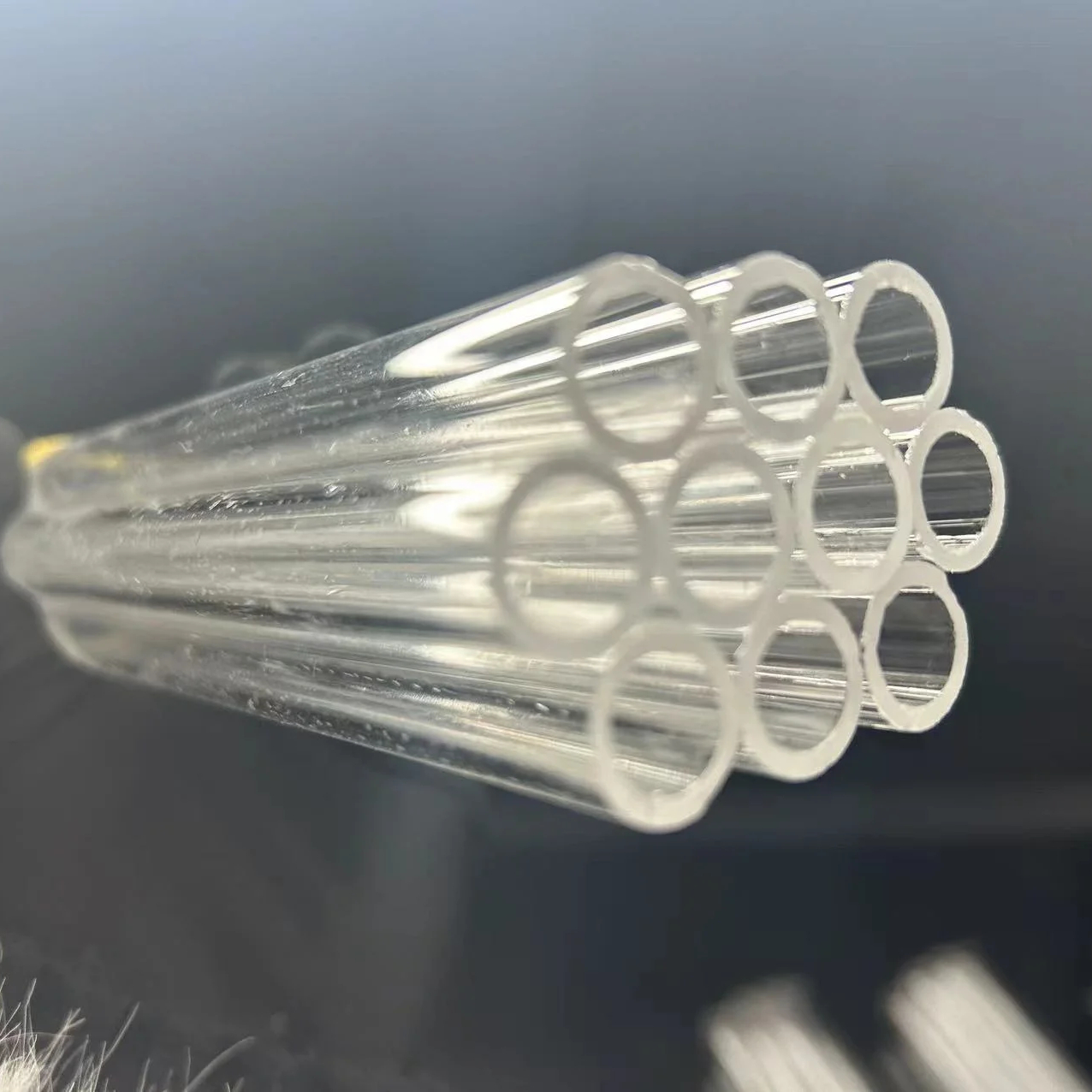
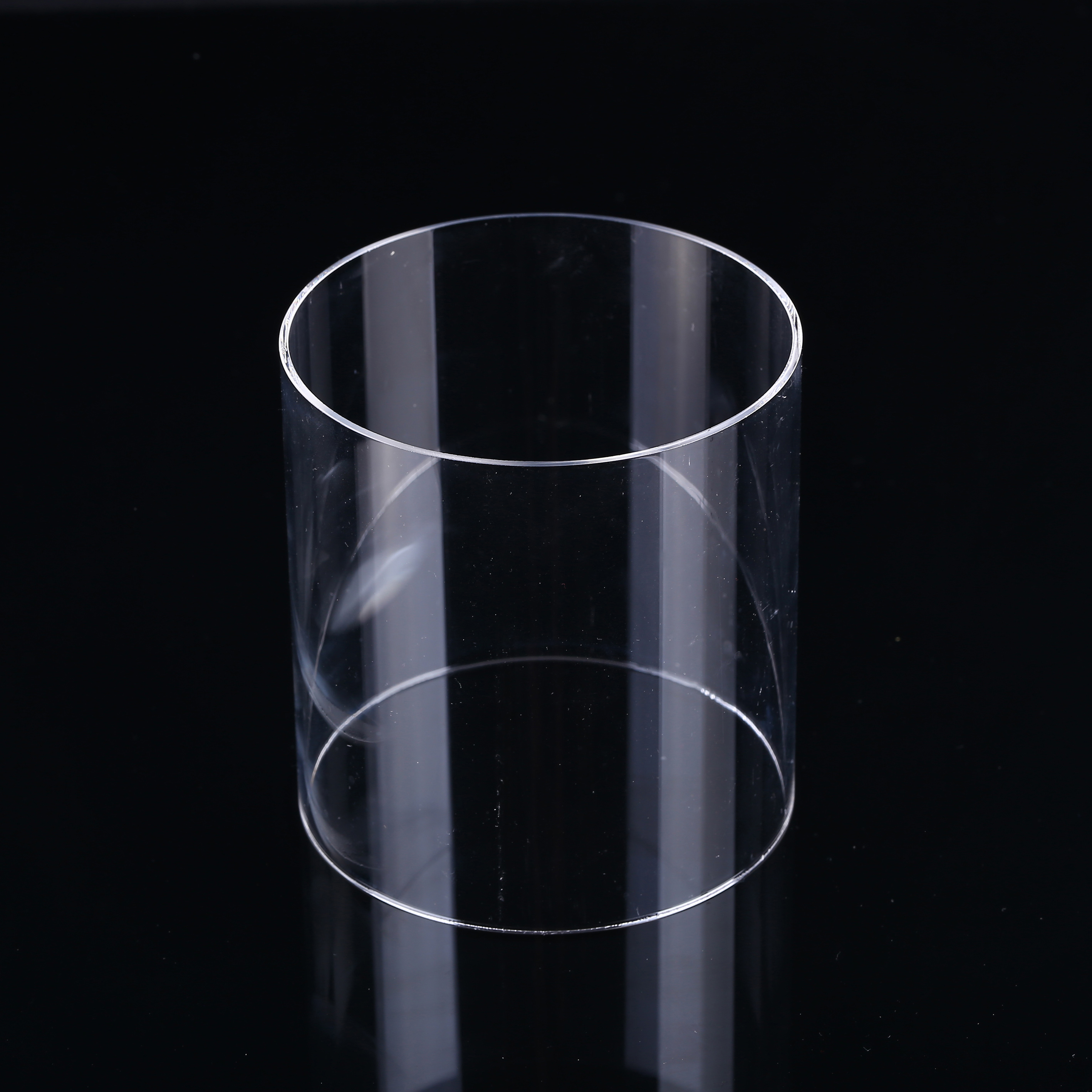
High Temperature Transparent Quartz Cylinder Tube Clear Quartz Tube Glass
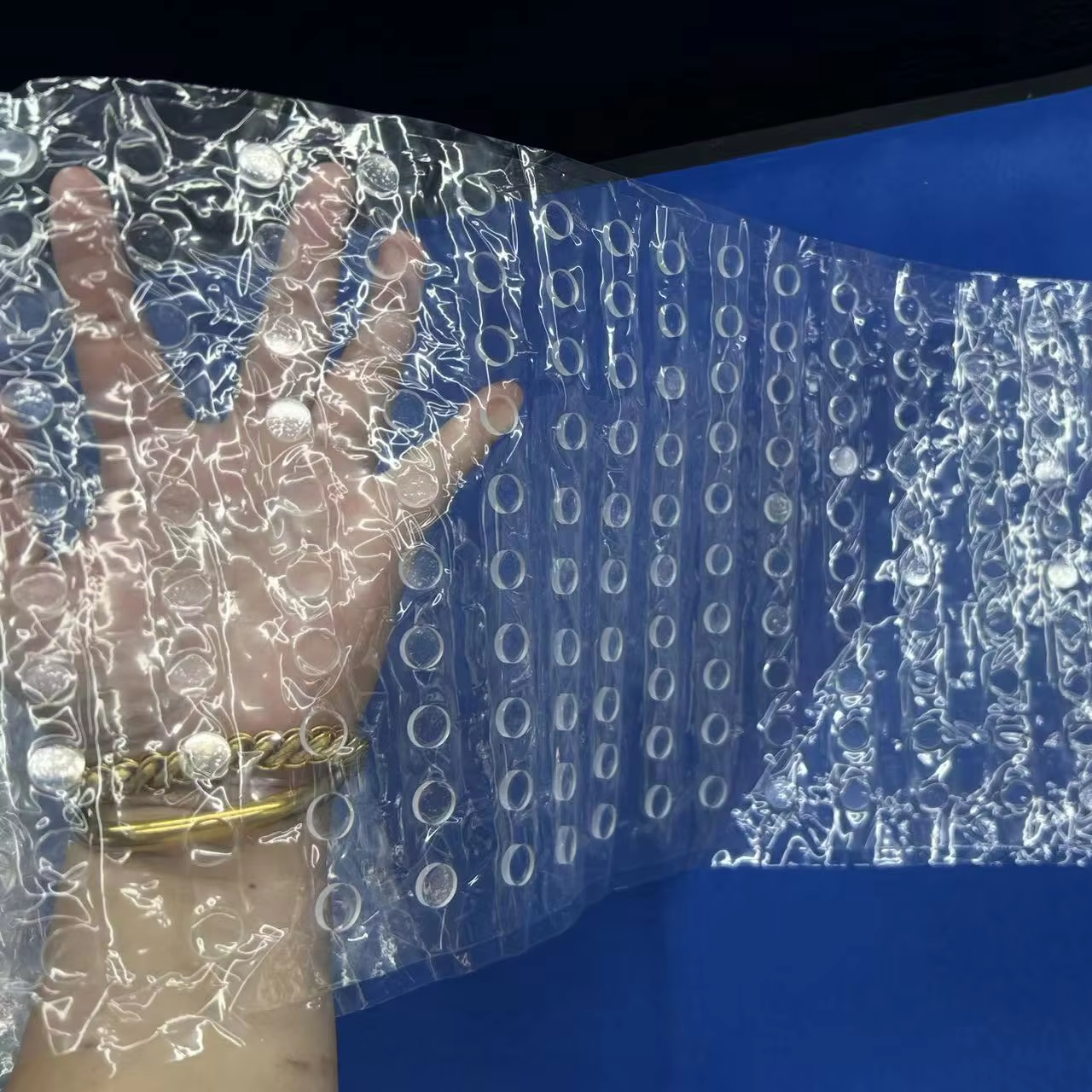
Factory-Made High-Purity Small Size Quartz Wafer, Cutting & Polishing
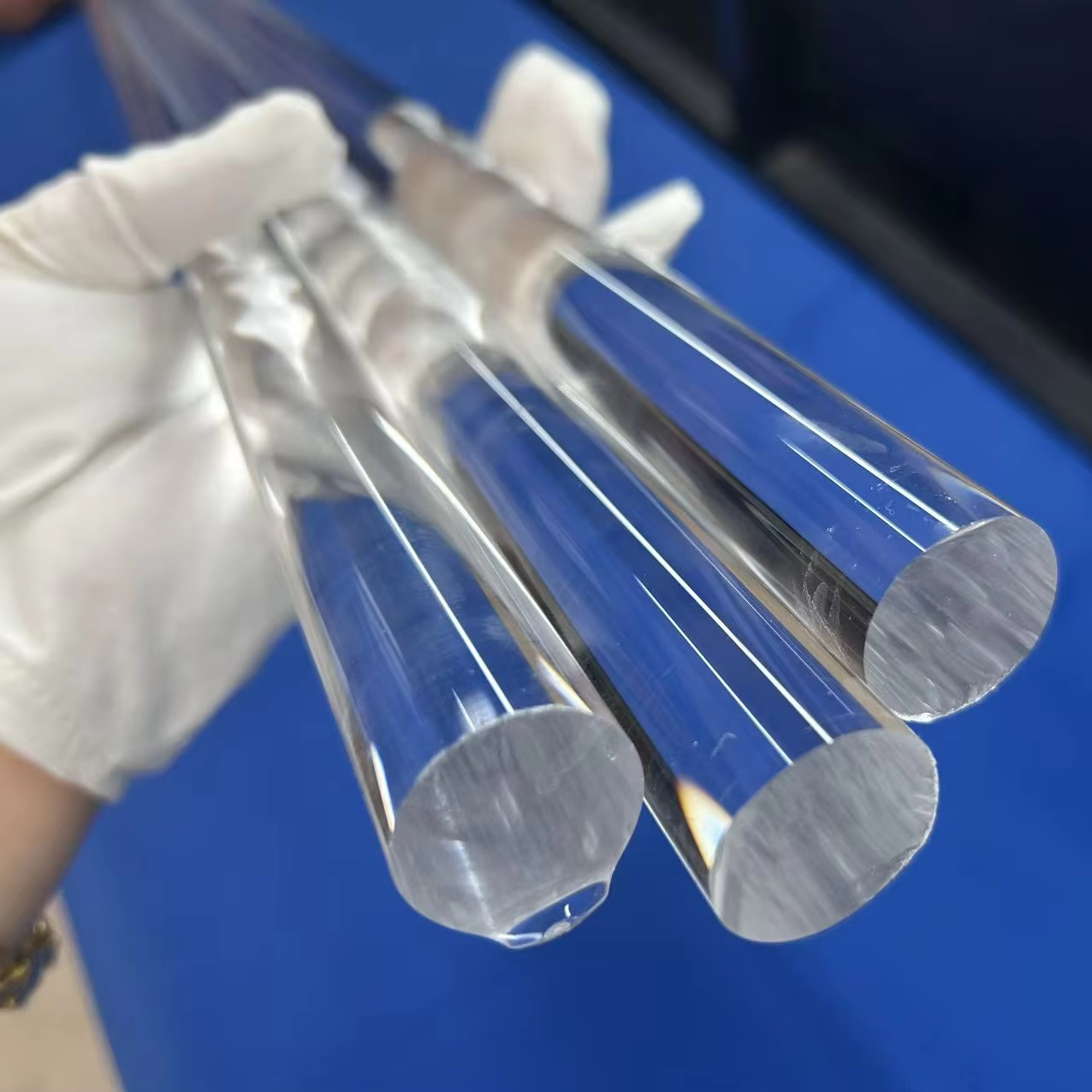
High-Purity Fused Quartz Large Diameter Round Rods, Cutting & Welding
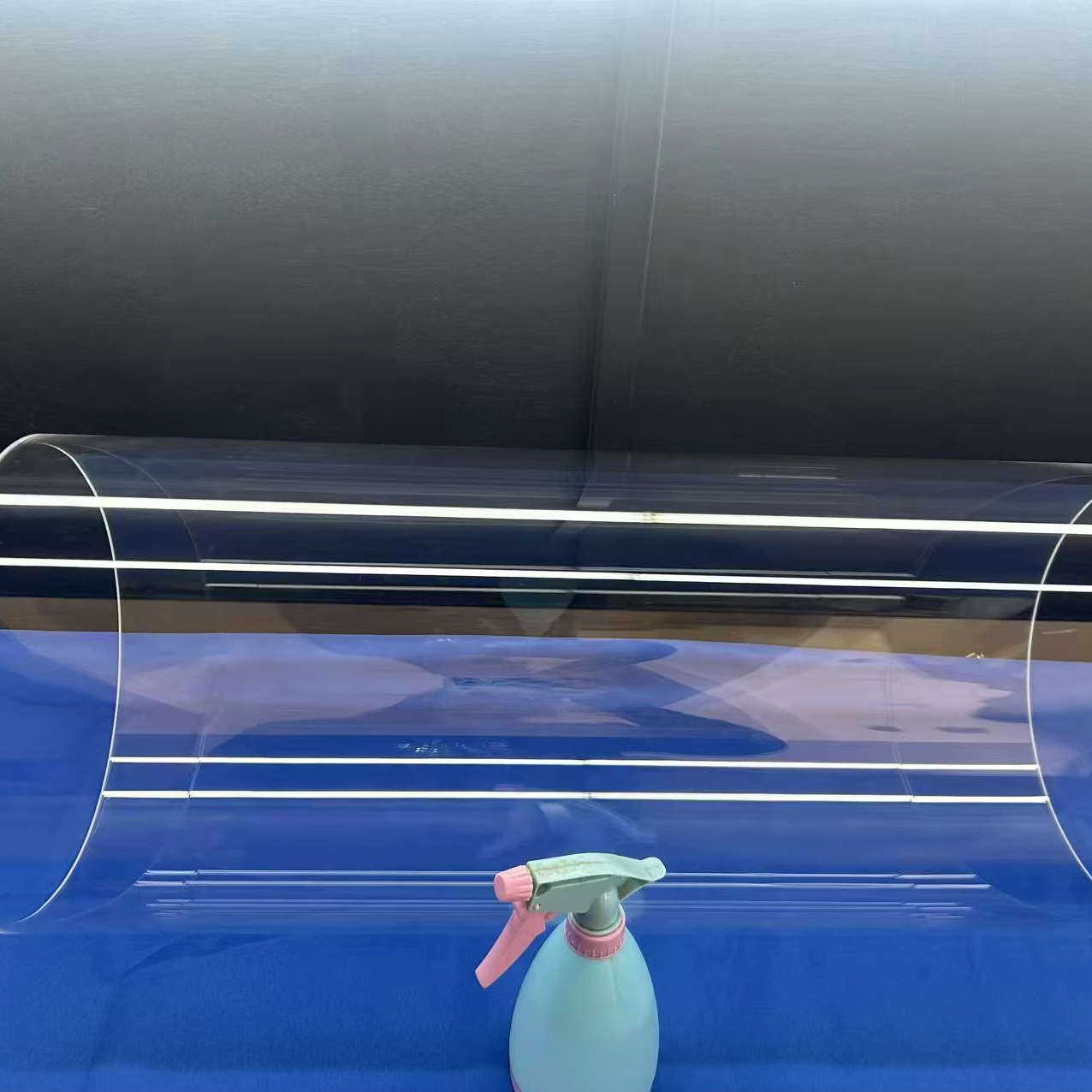
Customizable High Purity Fused Quartz Glass Tube High Temperature Resistant
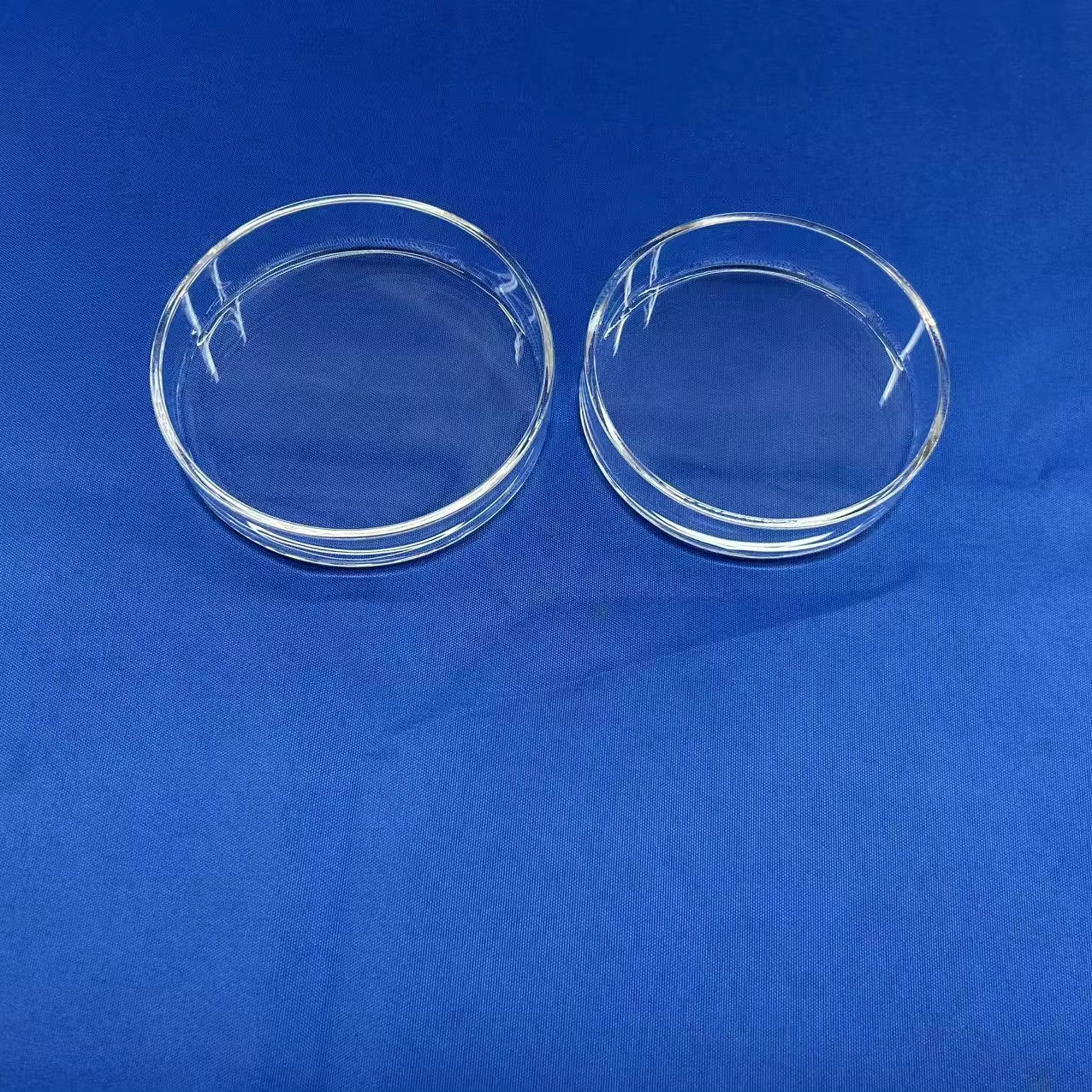
Factory Customized High-Purity Quartz Glass Petri Dishes with Ground Lids
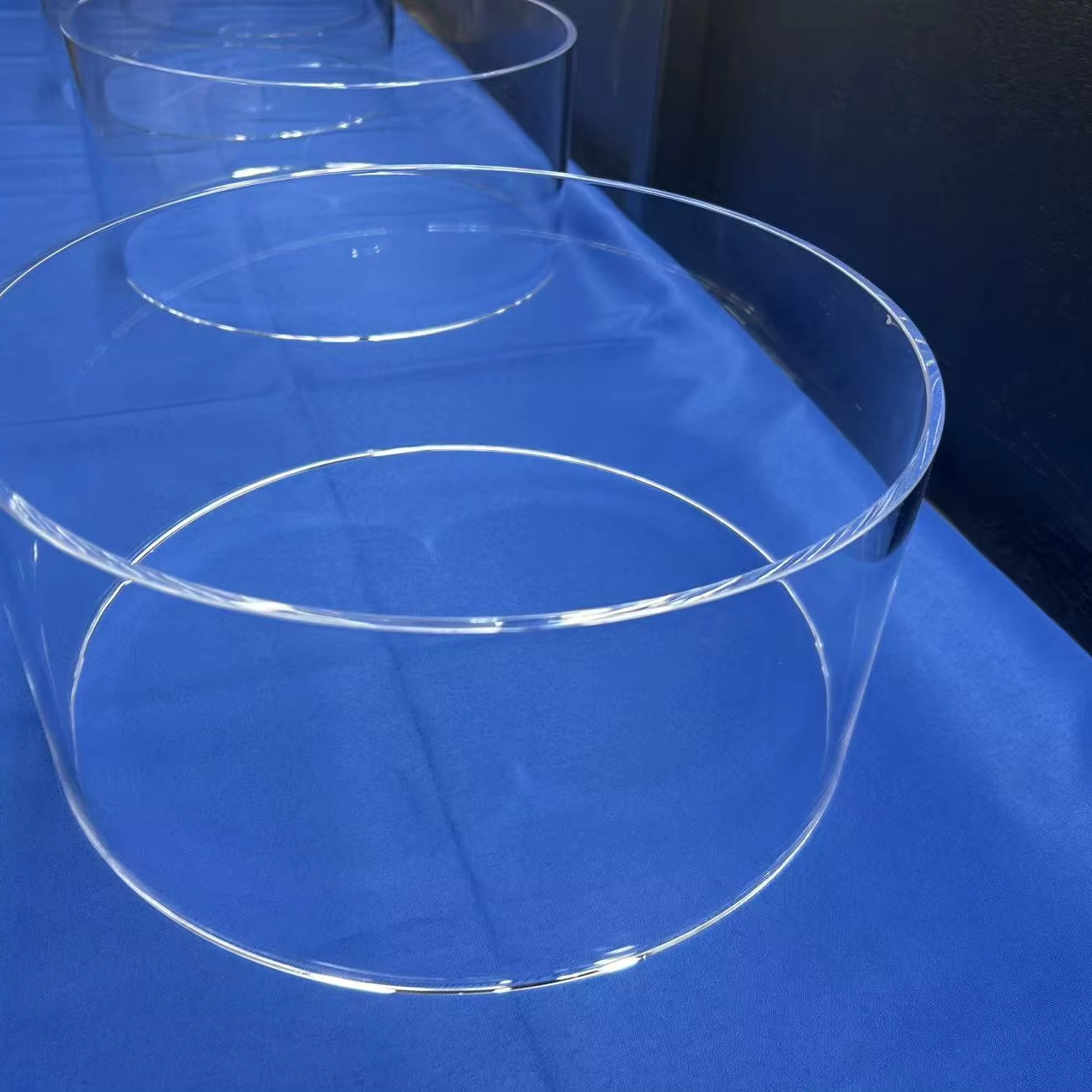
High-Purity Fused Quartz Large Diameter Round Rods for Industrial Production
Precision Quartz Glass Disc Fabrication: Materials Science & Solid-State Optics
A rigorous examination of amorphous silicon dioxide (SiO₂) morphology, optical transmission bands, mechanical integrity, and thermal stability in high-reliability OEM applications.
In high-performance industrial optics, semiconductor wafer manufacturing, and extreme-temperature pyrometry, the mechanical and optical performance of a circular optical window depends entirely on the intrinsic atomic structure of the glass substrate. Unlike common borosilicate or soda-lime glass, a custom OEM quartz glass disc is fabricated from pure silicon dioxide ($SiO_2 \ge 99.99\%$ to $99.999\%$). This non-crystalline, vitreous structure yields an extraordinarily low coefficient of thermal expansion ($\alpha \approx 5.5 \times 10^{-7}/\text{K}$ between $20^\circ\text{C}$ and $300^\circ\text{C}$), providing virtual immunity to thermal shock cracking even when cycled abruptly from $1100^\circ\text{C}$ into ice water.
For optical engineers and system procurement authorities, choosing the proper fused silica grade governs the success of deep-UV photolithography, UV curing, high-power fiber laser protection, and infrared sensor instrumentation. Fused quartz discs are broadly divided into three metallurgical and synthetic families: JGS1 (Synthetic Fused Silica, deep UV transparent down to $185\text{ nm}$, virtually bubble-free), JGS2 (Fused Natural Quartz, general optical grade with balanced transmission from $220\text{ nm}$ to $2500\text{ nm}$), and JGS3 (Infrared Grade Fused Quartz, synthesized with low hydroxyl content $[OH^-] \le 5\text{ ppm}$ to eliminate the absorption band at $2.73\ \mu\text{m}$, transmitting up to $3500\text{ nm}$).
Material Grade Selection Matrix for OEM Procurement
Compare physical, transmission, and impurity parameters to match specific wavelength and vacuum chamber requirements.
| Material Grade | Spectral Range | Hydroxyl [OH⁻] | Key Impurities (Al, Fe, Ti) | Typical Applications |
|---|---|---|---|---|
| JGS1 (Synthetic Fused Silica) | 185 nm – 2500 nm | ≤ 1200 ppm (UV wet) or ≤ 50 ppm | Total < 1 ppm (Semiconductor purity) | Excimer laser optics (193nm, 248nm), DUV lenses, laser windows, lithography discs |
| JGS2 (Standard Optical Fused Quartz) | 220 nm – 2500 nm | ≤ 150 – 200 ppm | Total < 20 – 30 ppm | UV-Vis spectroscopy discs, sight glasses for CVD reactors, plasma chamber viewports |
| JGS3 (Infrared Optical Fused Quartz) | 260 nm – 3500 nm | ≤ 5 ppm (Water-free IR) | Total < 20 ppm | IR pyrometry viewports, FTIR analysis discs, CO₂ laser monitoring optics, heat shields |
| Clear Industrial Fused Quartz | 300 nm – 2500 nm | ≤ 200 ppm | Total < 50 ppm | Furnace sight glass, high-temperature flange discs, solar cell production carriers |
| Sapphire Single Crystal (Al₂O₃) | 200 nm – 5000 nm | N/A (Crystal structure) | Fe/Cr dopant control | Extreme pressure viewing ports, ultra-abrasive slurry windows, high-speed aerospace discs |
Thermal & Shock Resilience
Capable of sustained continuous operation at $1100^\circ\text{C}$ and intermittent thermal spikes reaching $1450^\circ\text{C}$. Near-zero thermal expansion ensures zero optical wavefront distortion under intense laser irradiation or plasma thermal gradients.
Chemical Inertness & Purity
Unreactive with virtually all acids, solvents, and halogen vapors (except hydrofluoric acid and concentrated hot phosphoric acid). Ensures zero ion contamination during atomic layer deposition (ALD) and dry plasma etching cycles.
Precision Double-Sided Lapping
CNC planetary polishing yields surface roughness down to $Ra < 0.5\text{ nm}$ ($5\ \text{\AA}$) with scratch-dig metrics of 20-10 or 10-5 per MIL-PRF-13830B, enabling extreme optical transmission and low beam scattering.
Future Procurement Trends in Quartz Glass Discs (2025–2030)
How supply chain decentralization, next-gen semiconductor nodes, and green photonics are reshaping global OEM quartz glass purchasing specifications.
The global quartz components marketplace is undergoing an aggressive technical transition driven by three macro-industry tailwinds: the expansion of sub-3nm semiconductor fabrication nodes, the proliferation of high-power kilowatt industrial fiber lasers, and the surge in advanced bio-photonic diagnostics. For B2B procurement managers and system architects, procuring custom quartz glass discs is no longer a catalog-driven transaction; it is an integrated engineering collaboration where material provenance, dimensional tolerance, and laser-damage resilience define operational uptime.
1. Tightening Purity & GDMS Traceability
Semiconductor fabs demand Glow Discharge Mass Spectrometry (GDMS) certification verifying that alkali metals ($Li, Na, K$) and transition metals ($Fe, Cu, Ni$) remain strictly below sub-parts-per-billion levels. Contaminants migrate into wafer gate dielectrics at high temperatures, driving buyers toward direct-factory supply relationships with verified raw material origin.
2. Demand for Near-Net-Shape Complex Discs
Rather than purchasing plain raw discs and machining them internally, OEM buyers are contracting finished sub-assemblies: quartz discs featuring laser-drilled micro-holes, precision stepped bevels, polished ground flats, alignment notches, and metallized solderable edges for hermetic ceramic-to-metal vacuum brazing.
3. High Laser Damage Threshold (LIDT) Standard
With industrial cutting lasers expanding from 12kW to 30kW+ output, standard protective window discs experience thermal lensing and catastrophic laser breakdown. Sourcing requirements now mandate synthetic fused silica with sub-surface damage (SSD) mitigation through specialized chemical etching and ultra-smooth pitch polishing.
4. Supply Chain Regionalization & Hub Sourcing
Global procurement teams are mitigating geopolitical vulnerabilities by consolidating orders with integrated manufacturing clusters. Sourcing from Donghai County—the central nexus of China's quartz refining industry—shortens procurement cycles by over 45% compared to dispersed assembly models.
5. Digitalized Quality Verification & Rapid RFQ Turnaround
Engineering-driven purchasers increasingly favor suppliers capable of rapid drawing-to-prototype transitions (≤ 5 business days) backed by digital coordinate measuring machine (CMM) data, laser interferometry maps, and immediate technical response windows.
Technological Frontiers in Quartz Disc Engineering
Explore the manufacturing methodologies revolutionizing optical flatness, plasma etching resistance, and micro-fluidic quartz discs.
Magnetorheological Finishing (MRF)
Conventional mechanical lap polishing creates subsurface micro-fissures that degrade optical transmission. Advanced MRF utilizes a magnetically controlled fluid ribbon to polish deterministic wavefront corrections, achieving surface flatness exceeding $\lambda/20$ across large-diameter quartz discs.
Plasma Erosion Resistant Modifications
In chlorine and fluorine plasma etching chambers, bare quartz discs suffer erosion and particle shedding. Emerging dopants, such as trace yttrium or titanium stabilization during chemical vapor deposition, create surface layers with 4x higher plasma etching resistance for extended chamber component lifespan.
Femtosecond Laser Micromachining
By utilizing cold ablation with ultrafast femtosecond pulse lasers, quartz discs can be machined with internal microfluidic channels, 3D micro-cavities, and blind holes without thermal micro-cracking or residual internal stress, vital for next-gen lab-on-a-chip diagnostic discs.
Why Tier-1 OEM Buyers Partner with Nivra Quartz
Combining world-class Donghai raw material deposits with vertically integrated precision machining, stringent metrology, and verified global logistics.
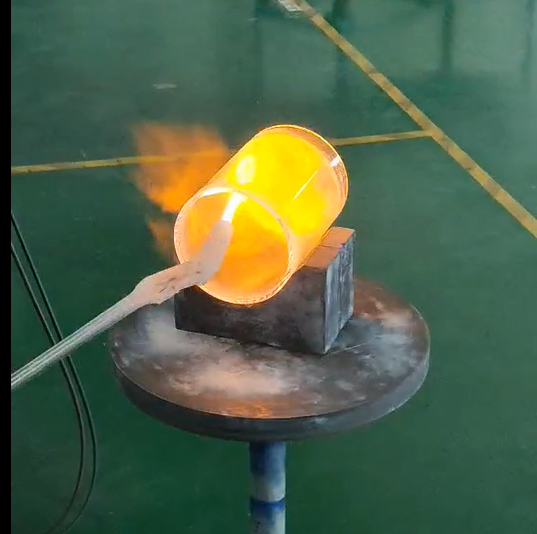
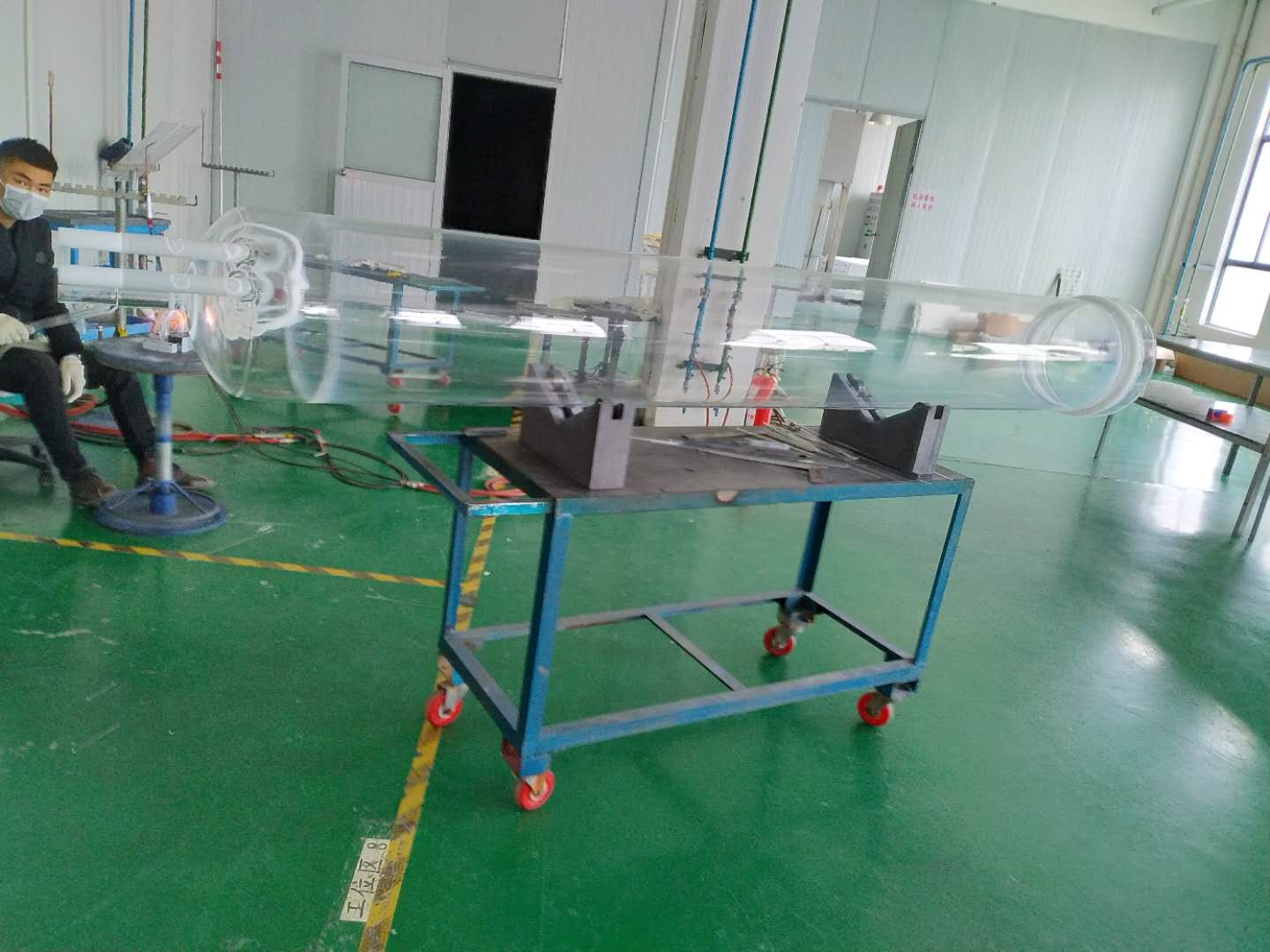
Founded in February 2019 in Donghai County, Jiangsu—the premier quartz capital of China—Donghai County Nivra Quartz Products Co., Ltd. operates as a specialized manufacturer and trading powerhouse with 101–200 skilled production technicians, glassblowers, and optical engineers. Operating under the guiding principle of "Quality First, Reputation First," our modern facility provides end-to-end custom quartz glass disc production, from rough ingot wire-sawing and core trepanning to double-sided optical lapping, CNC ultrasonic edging, flame fire-polishing, and cleanroom vacuum packaging.
Our direct access to Donghai's high-purity natural silica reserves reduces raw material sourcing latency and volatility. Furthermore, every batch of custom quartz discs is measured on Zygo-type laser interferometers, spectrophotometers (190nm–3200nm), and precision micrometer profilometers to ensure total geometric and optical compliance prior to release.
Corporate Verification & Certification Credentials
On-site inspected premises with legal commercial status certified by third-party international verification agencies.
Frequently Asked Questions: Technical Sourcing of Quartz Discs
Clear, engineering-driven answers to frequent technical questions encountered by procurement managers, optical engineers, and quality assurance leads.
What is the exact distinction between JGS1, JGS2, and JGS3 quartz discs?
JGS1 is synthetic fused silica produced via flame hydrolysis of chemical precursors (such as silicon tetrachloride, $SiCl_4$). It has near-zero metallic impurities, virtually no bubbles, and offers outstanding optical transmission in the deep ultraviolet band (down to 185 nm). It is the premier choice for UV laser windows, photolithography, and UV spectroscopy.
JGS2 is fabricated by electric or oxy-hydrogen gas fusion of purified natural crystal rock. It transmits well across visible and near-infrared bands (220 nm – 2500 nm) but contains a characteristic hydroxyl absorption dip around 2730 nm. It is economical and ideal for sight glasses, thermal reactor windows, and optical viewports.
JGS3 is an infrared-optimized fused quartz grade synthesized under vacuum or reducing atmospheres to strip hydroxyl groups down to $[OH^-] \le 5\text{ ppm}$. It eliminates the water absorption band, providing broad transmission from 260 nm through 3500 nm, making it essential for infrared thermal cameras, pyrometric viewports, and infrared laser optics.
What dimensional and surface tolerances can Nivra Quartz guarantee for OEM discs?
For custom OEM quartz glass discs, standard CNC production achieves diameter tolerances of $\pm 0.05\text{ mm}$ and thickness tolerances of $\pm 0.05\text{ mm}$. On high-precision optical requests, our planetary lapping and double-sided polishing stations achieve diameter tolerances down to $\pm 0.01\text{ mm}$, thickness parallelism $< 30\text{ arcseconds}$, surface flatness of $\lambda/4$ or $\lambda/10$ (@ 632.8 nm), and surface scratch-dig quality of 20-10 or 10-5 per MIL-PRF-13830B.
Can quartz glass discs withstand direct exposure to aggressive chemical plasma?
Yes. Fused quartz exhibits exceptional resistance to dry plasma etching environments containing oxygen, chlorine, and bromine chemistry. Under fluorine-based plasma (such as $CF_4$ or $SF_6$), bare silicon dioxide will gradually react to form gaseous silicon tetrafluoride ($SiF_4$). However, compared to borosilicate or soda lime glass, fused quartz does not contain alkali modifiers ($Na, Ca$) that leave non-volatile micromasking residues, preventing particulate contamination on semiconductor wafers.
What is the maximum thermal operating limit and thermal shock gradient?
Clear fused quartz possesses an annealing point around $1140^\circ\text{C}$ and a softening point of $1683^\circ\text{C}$. In regular operation, it operates continuously at $1100^\circ\text{C}$ without devitrification (crystallization into cristobalite). Intermittent excursions up to $1450^\circ\text{C}$ are acceptable. Due to its remarkably small thermal expansion coefficient ($5.5 \times 10^{-7}/\text{K}$), a $3\text{ mm}$ thick disc can be heated to $1000^\circ\text{C}$ and immediately quenched in room-temperature water without fracturing.
What edge profiles and chamfer finishes are available for custom discs?
We provide four distinct perimeter edge finishes: (1) C-shape Ground Chamfer: 45-degree beveled edge ground to prevent chipping during mechanical clamping; (2) R-shape Pencil Polish: Rounded radiused edge for fluid seal or silicone O-ring retention; (3) Fire-Polished Edge: Glazed with an oxy-hydrogen flame to fuse microscopic edge micro-cracks, multiplying edge tensile strength; and (4) Stepped / Rebated Edge: CNC-milled stepped flanges designed for flush-mounted sight glass assemblies.
How does Nivra Quartz ensure zero breakage during international logistics?
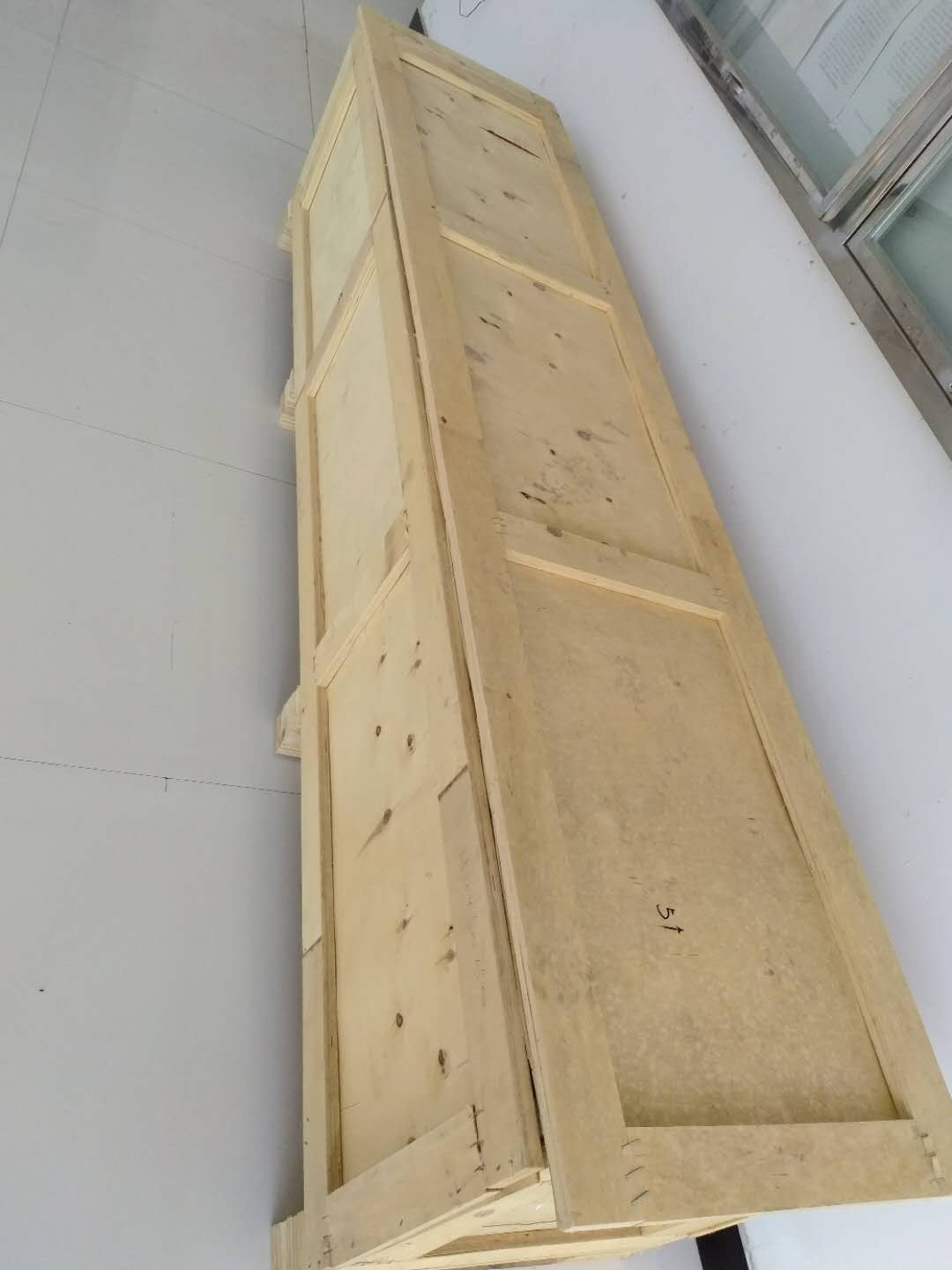
Every individual quartz disc is subjected to ultrasonic deionized water cleaning, dried, and vacuum-sealed in cleanroom dust-free static-shielding film or protective blister trays. Each part is then nestled inside customized high-density polyethylene (EPE) shock-absorbing foam cutouts within rigid corrugated cartons. For large or heavy orders, cartons are consolidated in international-standard fumigation-free plywood export crates secured with reinforced steel banding and anti-tilt tip-and-tell indicators.
What is your Minimum Order Quantity (MOQ) and rapid prototype lead time?
For custom prototype discs, our MOQ is as flexible as 1 to 5 pieces to facilitate engineering evaluation, university research, and OEM development validation. Prototype lead times typically span 5 to 8 business days upon drawing approval. For mass production runs of thousands of pieces, lead times average 2 to 3 weeks, supported by continuous warehouse stocking of raw quartz blanks in Donghai.
Can you apply anti-reflective (AR) or dielectric coatings to quartz discs?
Yes. Through physical vapor deposition (PVD) and ion-assisted e-beam deposition, we supply coated quartz discs with Single-Layer $MgF_2$ AR coatings, Broadband Anti-Reflective (BBAR) coatings covering $350-700\text{ nm}$ or $700-1100\text{ nm}$ with reflectance $R < 0.5\%$, and high-rejection notch filter or UV-blocking cold mirror coatings according to your specific optical ray-trace model.
Request a Tailored Engineering Quote for Custom Quartz Discs
Send us your dimensional drawings (PDF, DWG, DXF, or STEP format), required quartz material grade (JGS1, JGS2, JGS3), surface finish requirements, and targeted volume. Our technical engineering team will review your specifications and reply with a formal manufacturing quotation within 5 hours.
Get a Quote