Optical Grade
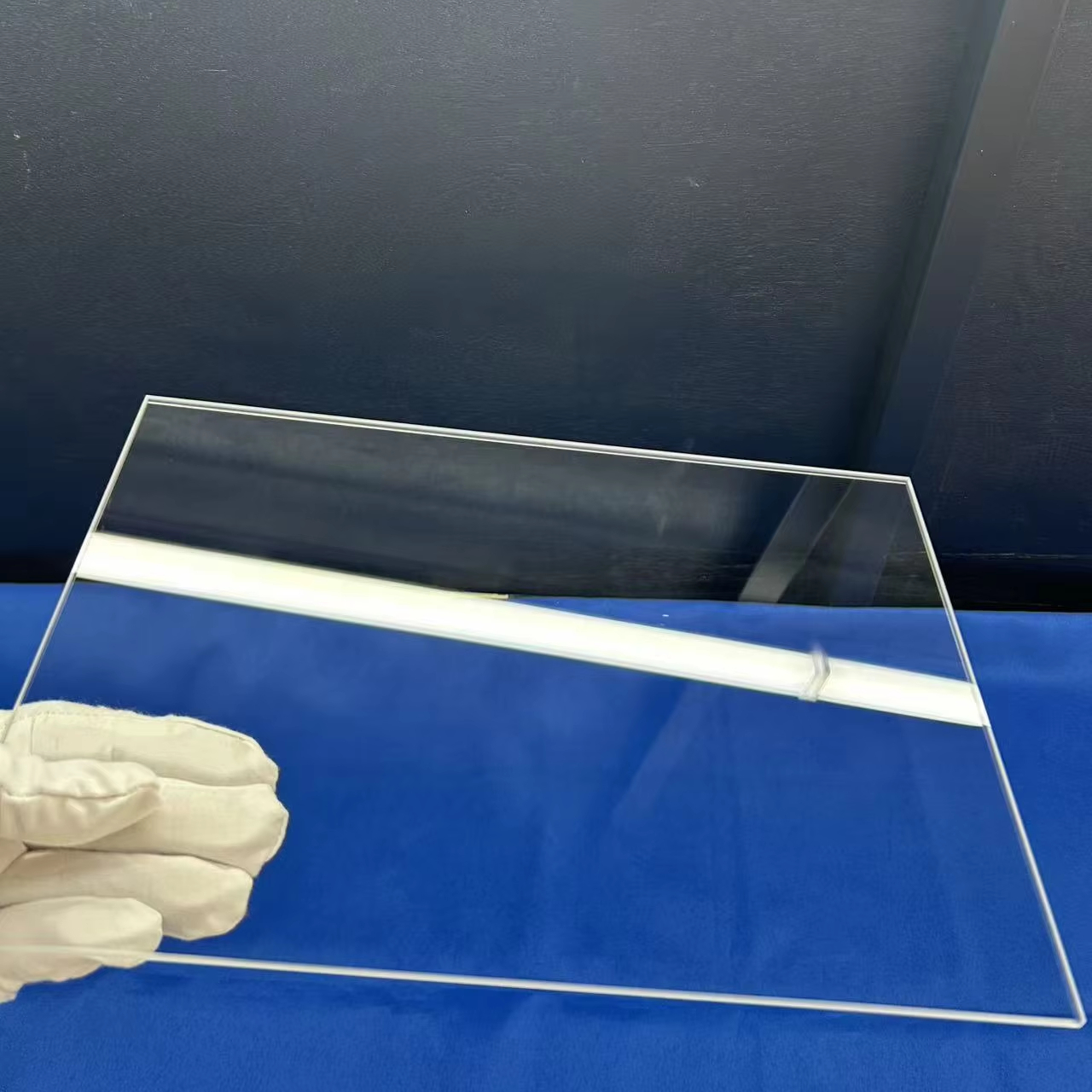
Precision-fabricated in Donghai County with high-purity SiO₂ raw materials, controlled optical flatness, laser micro-machining, and verified vacuum bubble-free clarity.
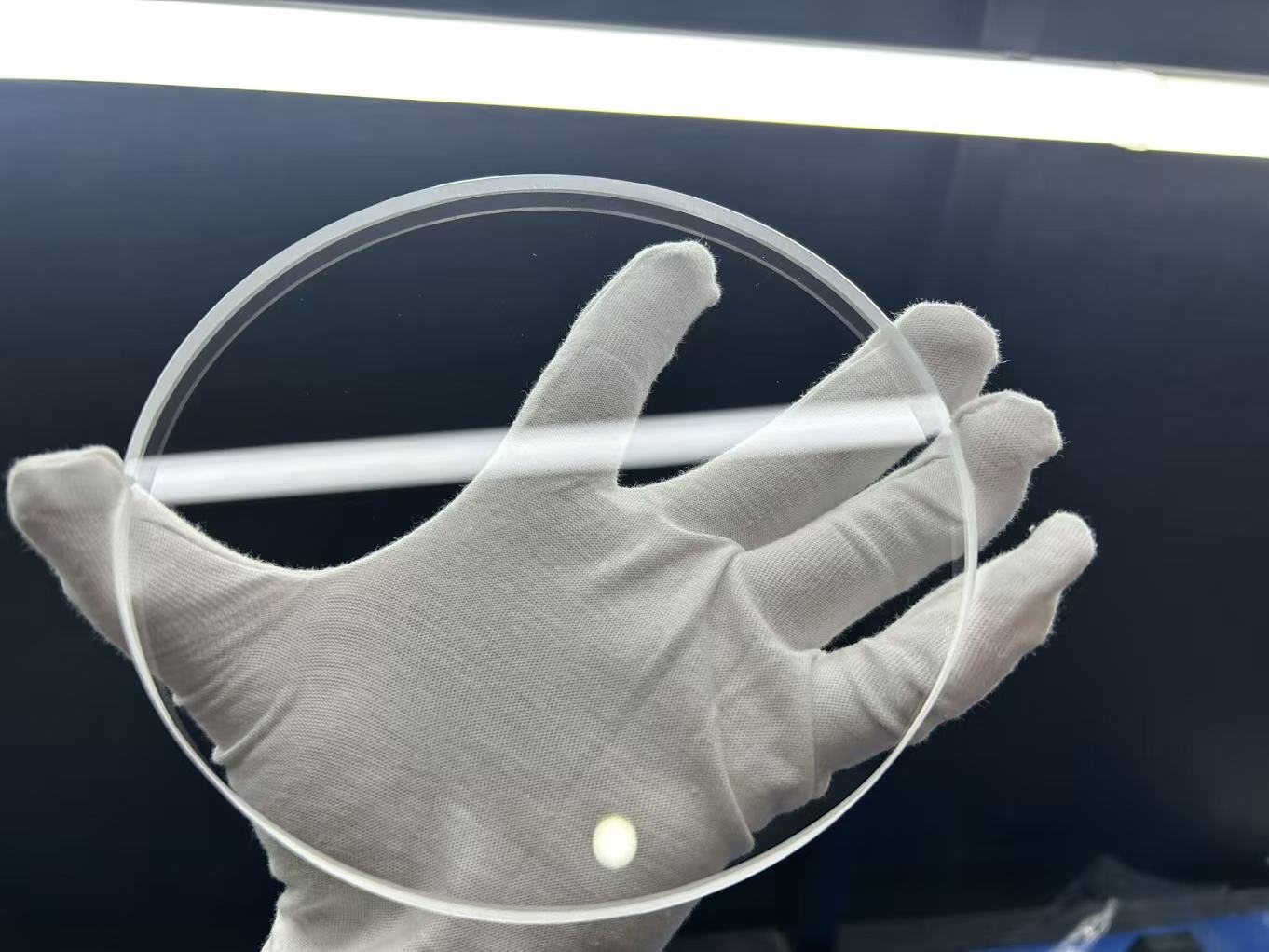
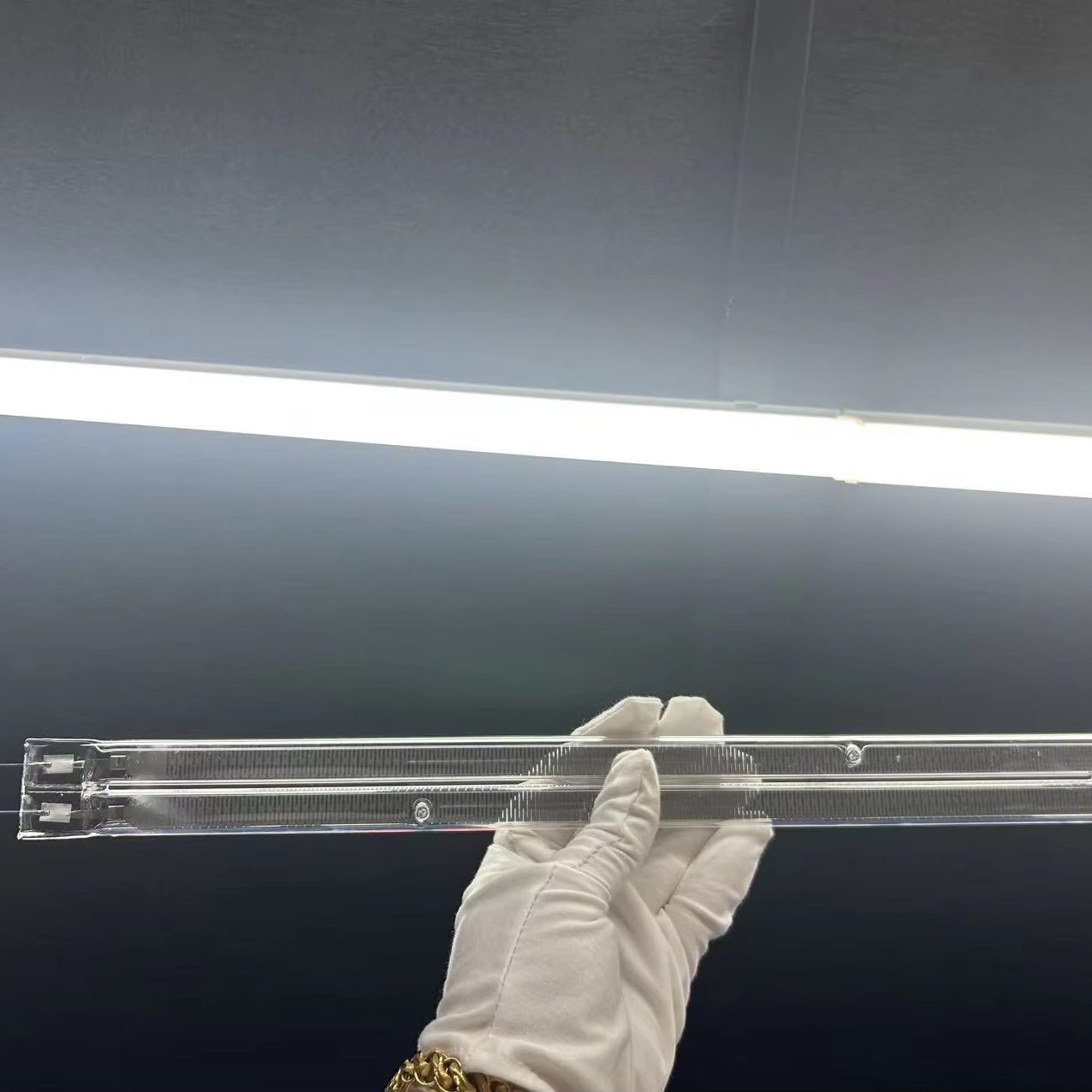
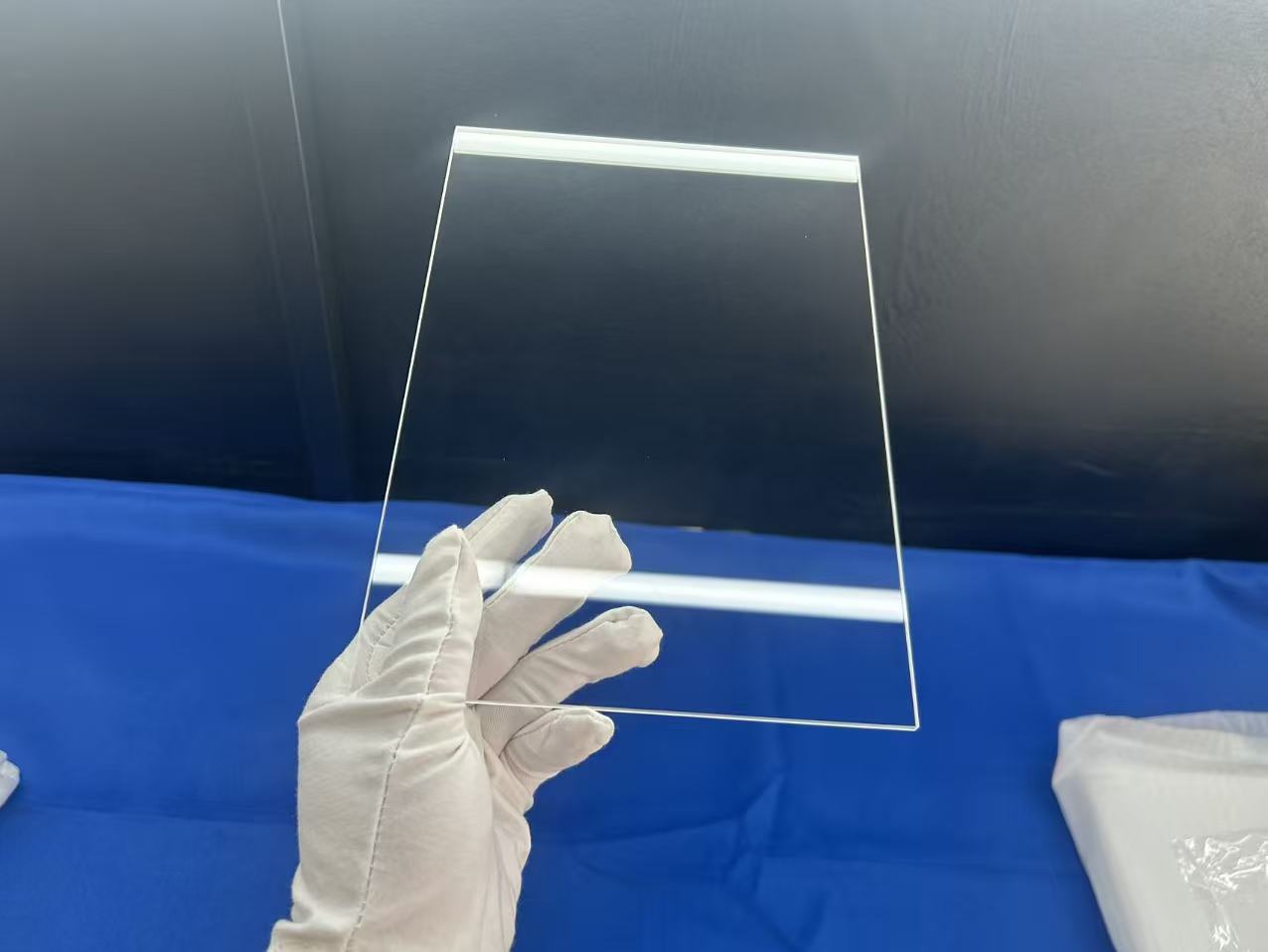
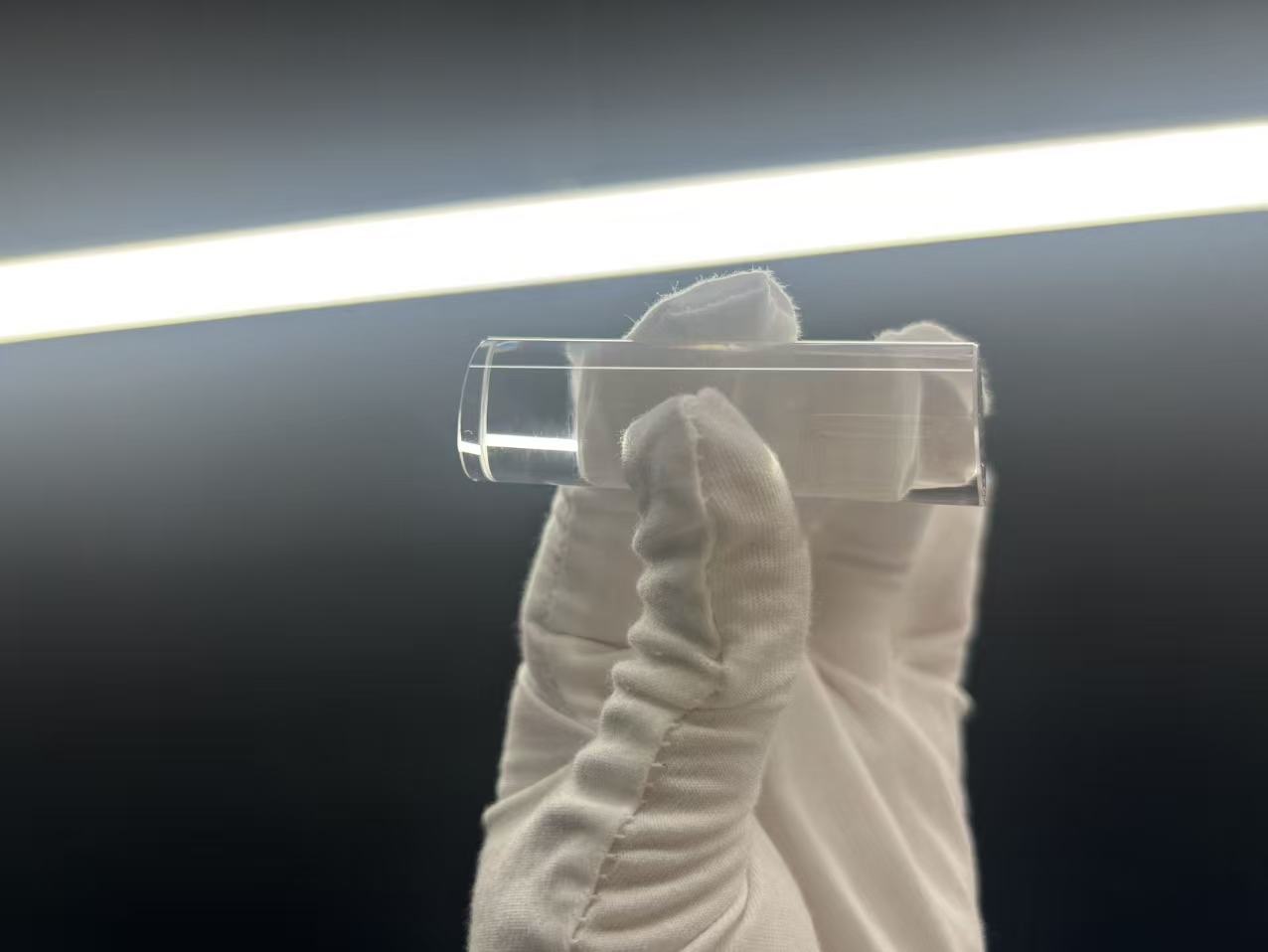
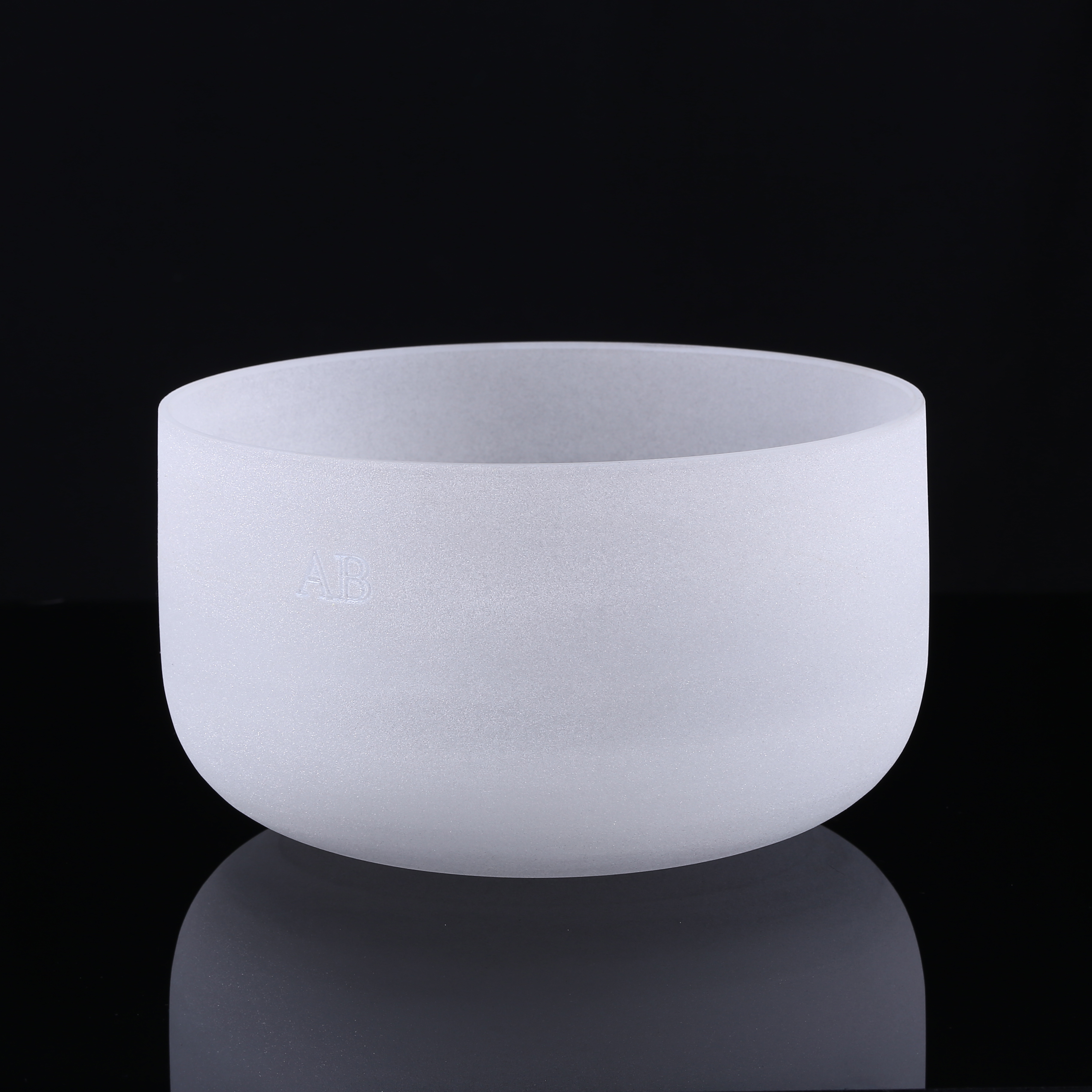
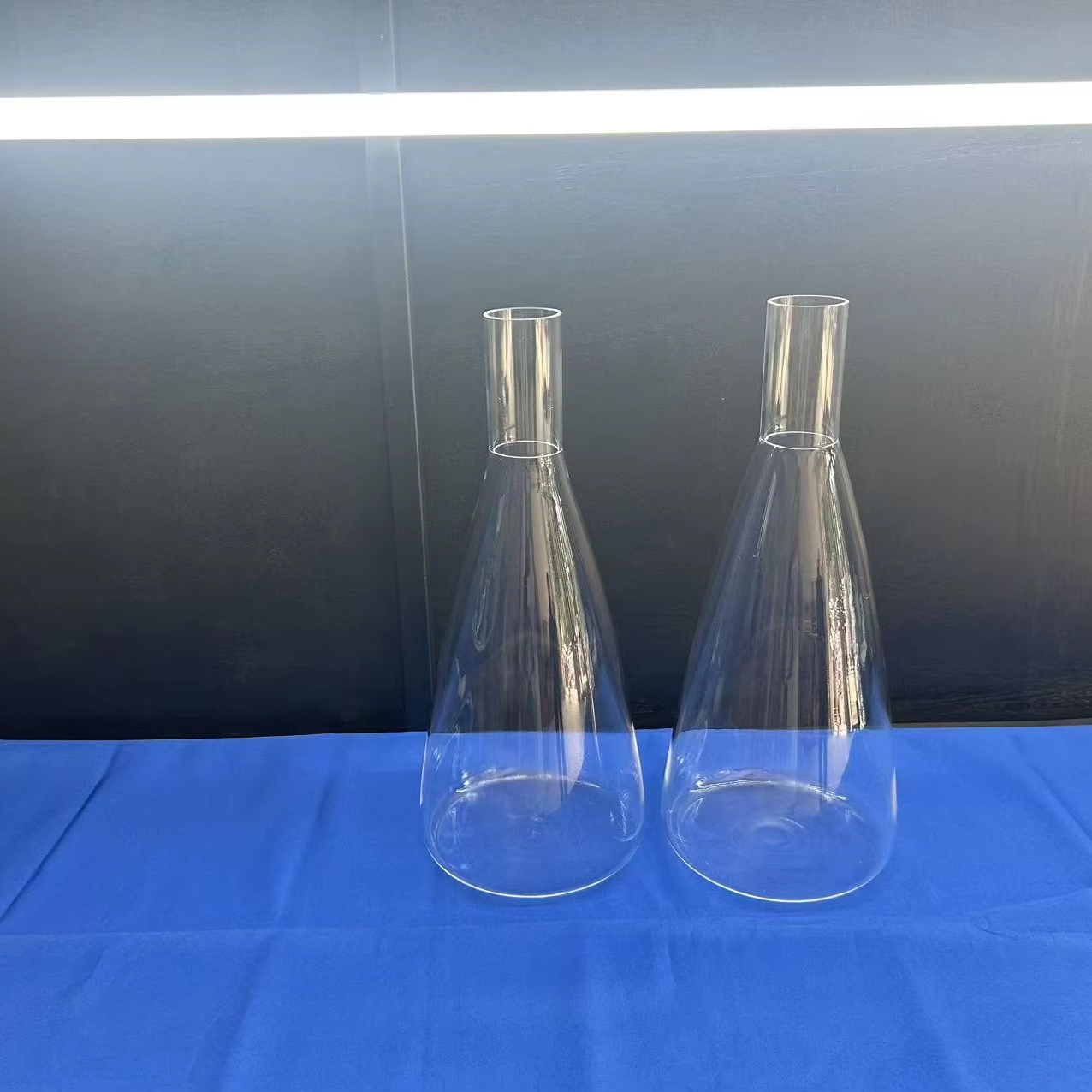
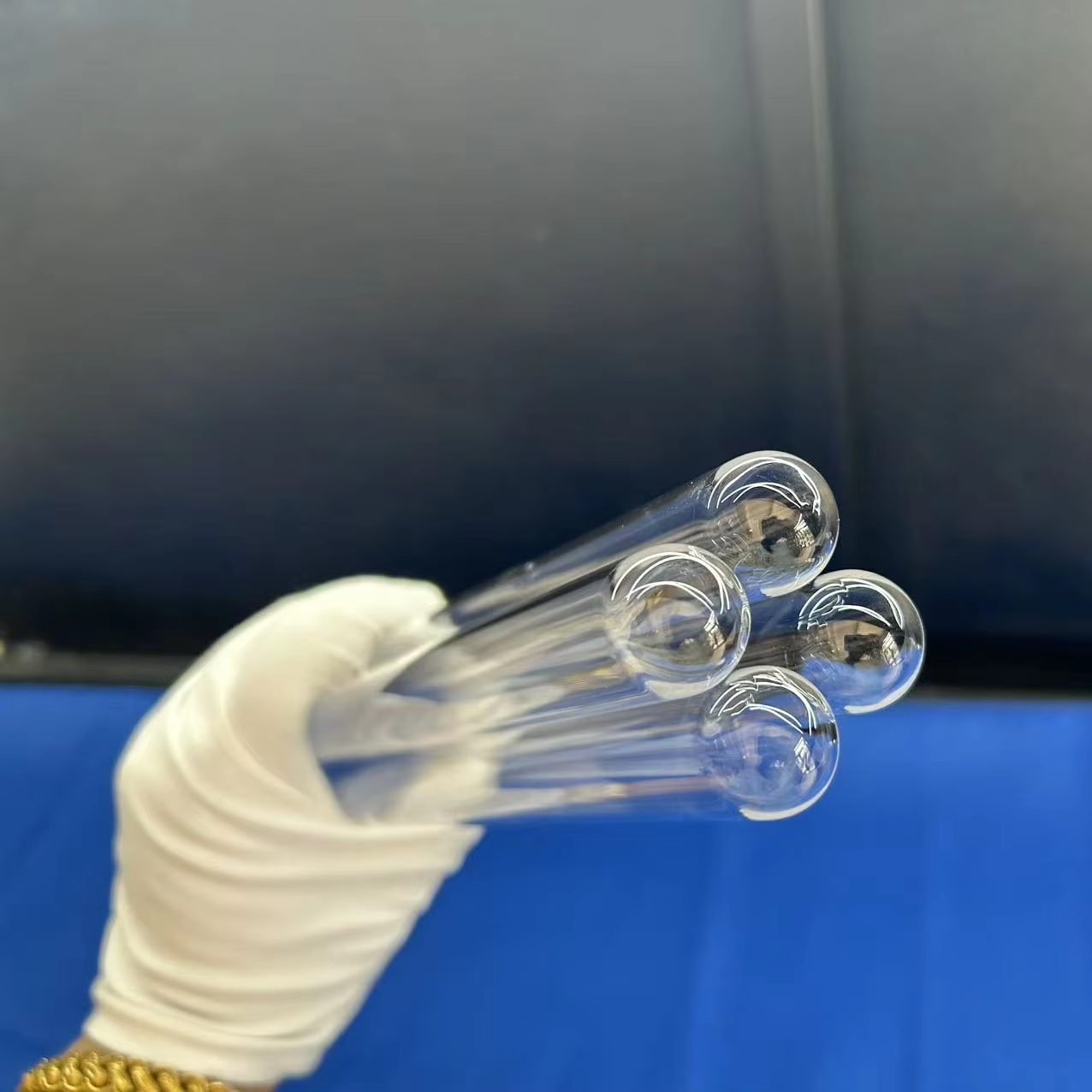
In analytical spectrophotometry, HPLC/UHPLC detection, capillary electrophoresis, and laser flow cytometry, quartz flow cells operate as the decisive optical-fluidic interface. The integrity of the optical path length, inner channel geometric uniformity, and optical window transmission directly governs instrument signal-to-noise ratios (SNR), hydrodynamic focus stability, and baseline drift.
Traditional flow cell fabrication frequently relies on organic epoxy bonding or low-melting glass frits. However, under high-pressure mobile phases (acetonitrile, tetrahydrofuran, trifluoroacetic acid) or deep-UV laser irradiation (214 nm, 254 nm, 193 nm), polymeric adhesives experience chemical leaching, optical fluorescence, and catastrophic delamination. Donghai County Nivra Quartz Products Co., Ltd. eliminates these failure modes through high-temperature molecular diffusion bonding and optical contact bonding.
By harnessing deep synthetic fused silica (JGS1) with OH content below 5 ppm or targeted UV-optimized fused silica, our custom flow cells exhibit zero bubble artifacts, zero autofluorescence under 488 nm / 532 nm excitation lasers, and broadband spectral transmittance spanning 185 nm to 2500 nm.
| Flow Cell Classification | Channel Geometry (W × H) | Standard Path Length | Bonding Technology | Wavelength Range | Max Pressure Rating |
|---|---|---|---|---|---|
| Micro-Volume HPLC UV Cell | 0.5 mm × 0.5 mm (0.25 μL) | 10.0 mm ±0.005 mm | Adhesive-Free Molecular Fusion | 190 nm – 1100 nm (JGS1) | 40 MPa / 5800 psi |
| Flow Cytometry Sheath Cell | 250 μm × 250 μm square | 1.0 mm to 5.0 mm | Optical Contacting + Thermal Fuse | 220 nm – 2200 nm (JGS2) | 15 MPa / 2175 psi |
| Inline PAT Bioreactor Cell | 2.0 mm × 10.0 mm laminar slit | 2.0 mm ±0.01 mm | Diffusion Bonded Monolithic | 240 nm – 2500 nm | 25 MPa / 3625 psi |
| Fluorescence Multi-Axis Cell | 1.0 mm × 1.0 mm cross channel | 10.0 mm (4 Polished Windows) | High-Temp Vacuum Fusion | 185 nm – 2500 nm (Suprasil JGS1) | 20 MPa / 2900 psi |
| Capillary Electrophoresis Cell | 75 μm to 150 μm ID circular | 0.1 mm ±0.002 mm | Precision Micro-Bore Laser Polish | 190 nm – 1200 nm | 12 MPa / 1740 psi |
Key shifts guiding analytical instrumentation OEMs, biotechnology purchasers, and optical lab directors toward 2026–2030 design cycles.
With the dominance of UHPLC and fast-flow microfluidics, global instrument designers demand internal channel volumes under 0.1 μL to suppress peak broadening and preserve theoretical plate counts.
Zero tolerance for background fluorescence and chemical leachables in mRNA and biotherapeutic purification mandates adhesive-free, direct thermal molecular bonding of quartz flow plates.
Process Analytical Technology (PAT) is migrating spectroscopy directly into GMP production pipelines, requiring heavy-duty quartz flow cells capable of continuous CIP/SIP steam cycles at 134°C.
OEM buyers increasingly outsource integrated quartz cells pre-fitted with PEEK or 316L stainless steel capillary ferrules, manifold housings, and certified helium leak testing certificates.
Founded in February 2019 in Donghai County — China's recognized crystal and quartz capital — Donghai County Nivra Quartz Products Co., Ltd. provides distinct supply chain certainty.
Direct proximity to the world's most concentrated quartz processing cluster guarantees premier access to JGS1, JGS2, and JGS3 raw ingots at uncompromised cost efficiency.
Our dedicated engineering, glassblowing, optical lapping, and CNC laser micro-cutting workforce supports low-volume NPI prototyping up to mass OEM batch runs.
With an independently verified 88.89% response rate, our engineering desk analyzes customer CAD drawings, tolerances, and wavelength constraints within hours.
Exporting over 40% of shipments to North America and 34% to Western/Eastern Europe, backed by shock-absorbent custom foam and zero-breakage international crating.
Critical engineering criteria for specifying custom quartz flow cells, tolerances, material selection, and global shipment safeguards.
JGS1 is premium synthetic fused silica offering unrivaled transmission down to 185 nm in the deep-UV band, with zero bubble inclusions and no fluorescent background — ideal for HPLC UV detectors and UV-Vis spectrophotometry. JGS2 is standard optical fused quartz providing excellent transmission between 220 nm and 2500 nm, commonly used in visible-light cytometry and industrial colorimetry. JGS3 is an infrared-optimized quartz with ultra-low hydroxyl (OH ≤ 2 ppm) content, preventing water-absorption bands around 2730 nm in NIR process flow analyzers.
Optical epoxy adhesives degrade, yellow, and outgas under intense UV radiation, while swelling or dissolving in organic solvents like methanol, acetonitrile, or DMSO. Our molecular diffusion bonding fuses quartz plates together under high vacuum and heat (exceeding 1100°C) without any foreign intermediate layers. This delivers a monolithic quartz assembly that shares the same mechanical strength, thermal shock resistance, and chemical inertness as raw fused quartz.
Bubbles are caused by abrupt internal pressure drops, micro-rough channel walls, and dead volume corners. We precision-machine internal corners with defined chamfer radii and perform internal flame or chemical polishing to achieve sub-nanometer wall roughness (Ra ≤ 0.4 nm). Smooth hydrodynamic tapers at both inlet and outlet ports eliminate turbulent recirculation zones where outgassed air can accumulate.
On standard CNC and laser micro-cutting lines, we maintain outer dimension tolerances of ±0.05 mm. For critical optical path lengths (such as 10 mm, 5 mm, or 2 mm flow spans), our optical lapping department achieves ultra-tight tolerances down to ±0.005 mm (±5 μm), with window surface flatness of λ/4 (λ/10 available upon request) and window parallelism ≤ 10 arcseconds.
Operating pressure limits depend on the channel cross-section and outer quartz wall thickness. Standard micro-volume analytical cells safely operate up to 5 MPa (725 psi). Heavy-wall preparative cells and monolithic UHPLC diffusion-bonded cells can be engineered to withstand 35 to 45 MPa (5000 to 6500 psi). Every high-pressure batch undergoes hydrostatic pressure and leak testing prior to delivery.
Because our fused quartz cells contain zero adhesive binders, they can be cleaned with aggressive agents including concentrated nitric acid, aqua regia, piranha solution, or hot detergent solutions. However, hydrofluoric acid (HF) and hot phosphoric acid (>150°C) must be avoided as they etch silica. Ultrasonic cleaning is supported, provided the cell is suspended in a soft Teflon basket rather than resting on the metal tank floor.
For custom flow cell prototyping and NPI projects, our standard MOQ is 1 to 5 pieces. Typical engineering sample lead times range from 10 to 18 business days depending on geometric complexity and optical polishing specs. For serial OEM mass production, lead times are compressed via dedicated inventory scheduling and reserved machine capacity.
Each quartz flow cell is ultrasonically degreased, sealed in dust-free vacuum membrane pouches inside a cleanroom, and nestled in custom-molded high-density EVA shock-absorbing foam. These assemblies are packed into heavy-duty triple-wall export master cartons or fumigation-free plywood crates, ensuring complete isolation from drop shock and vibration across international air and ocean transit.
Whether you require an individual prototype built to CAD drawings or an ongoing OEM delivery agreement for thousands of fused quartz flow cells, our Donghai engineering team is ready to analyze your technical specifications.