Thermal Vessel
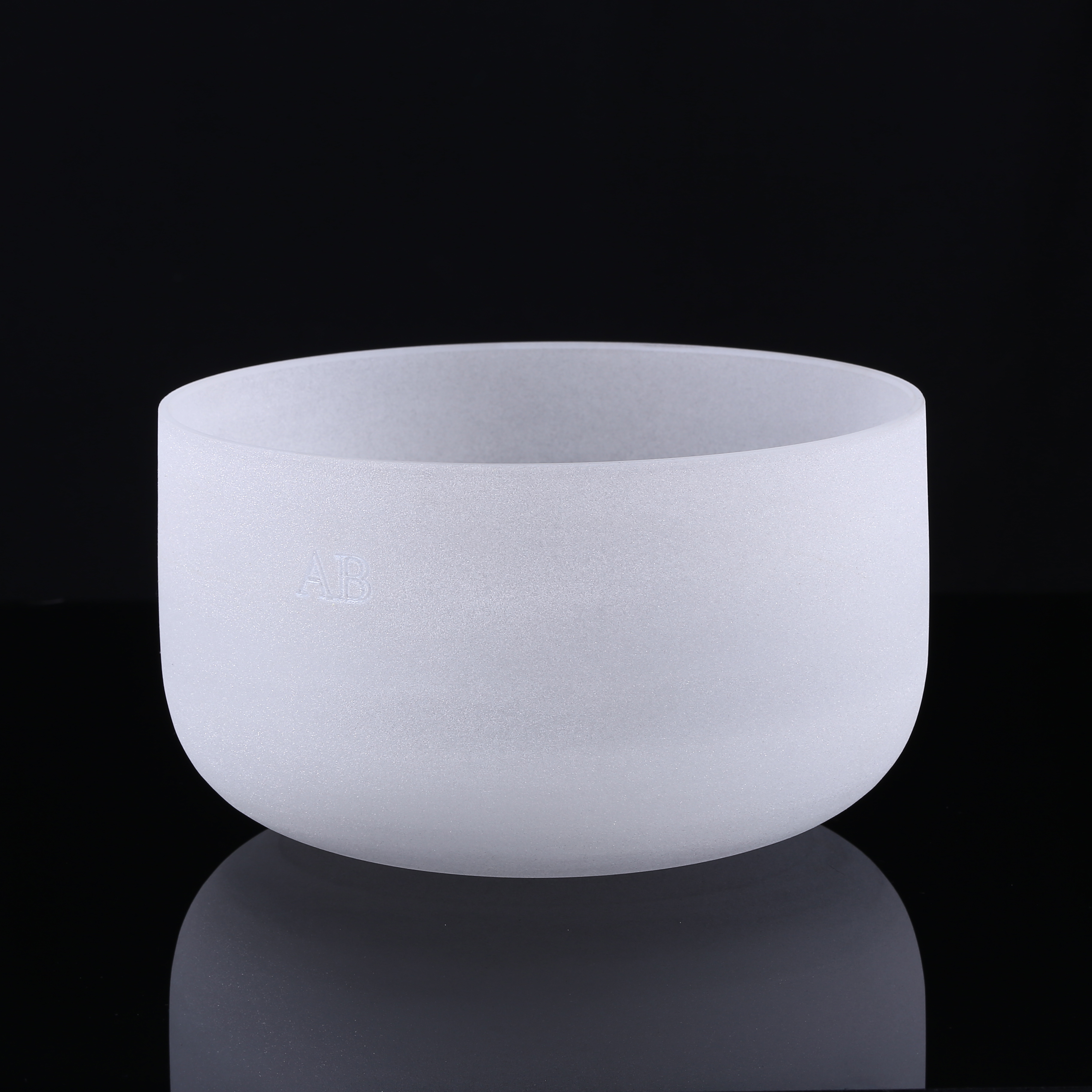
Manufactured under ISO 9001 cleanroom protocols in Donghai County, China. Review our core high-temperature fused quartz catalog with factory-direct OEM tolerances.
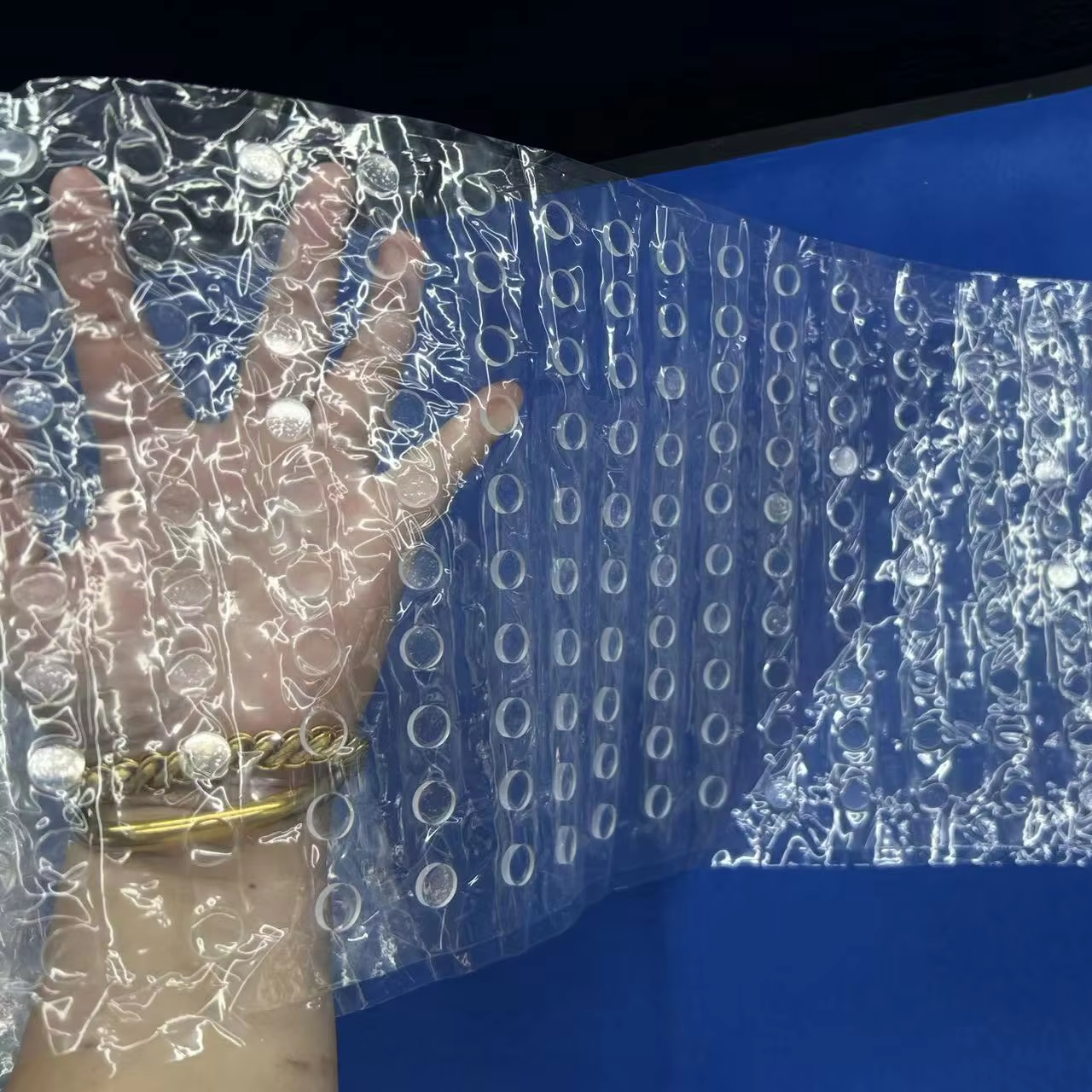
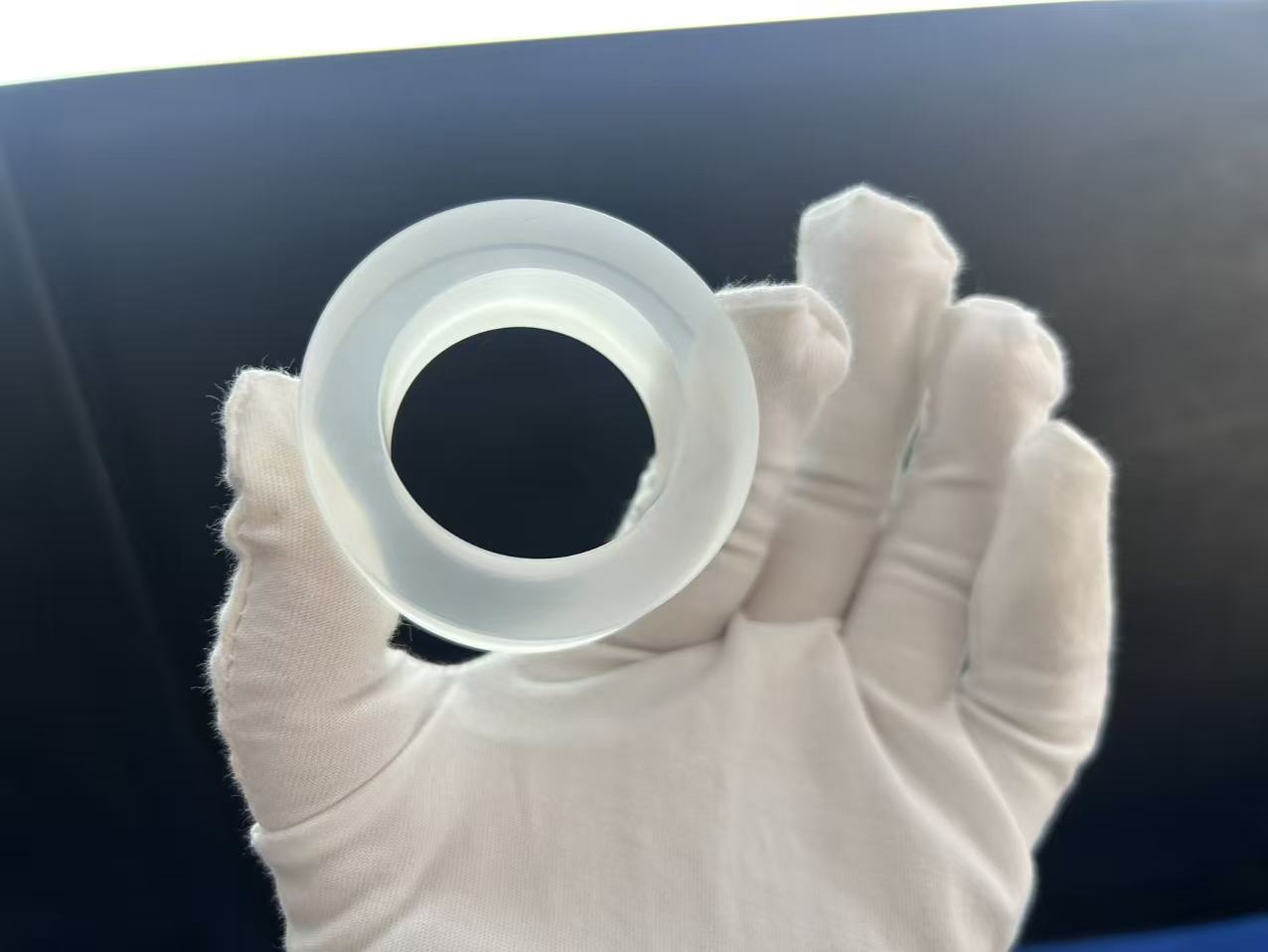
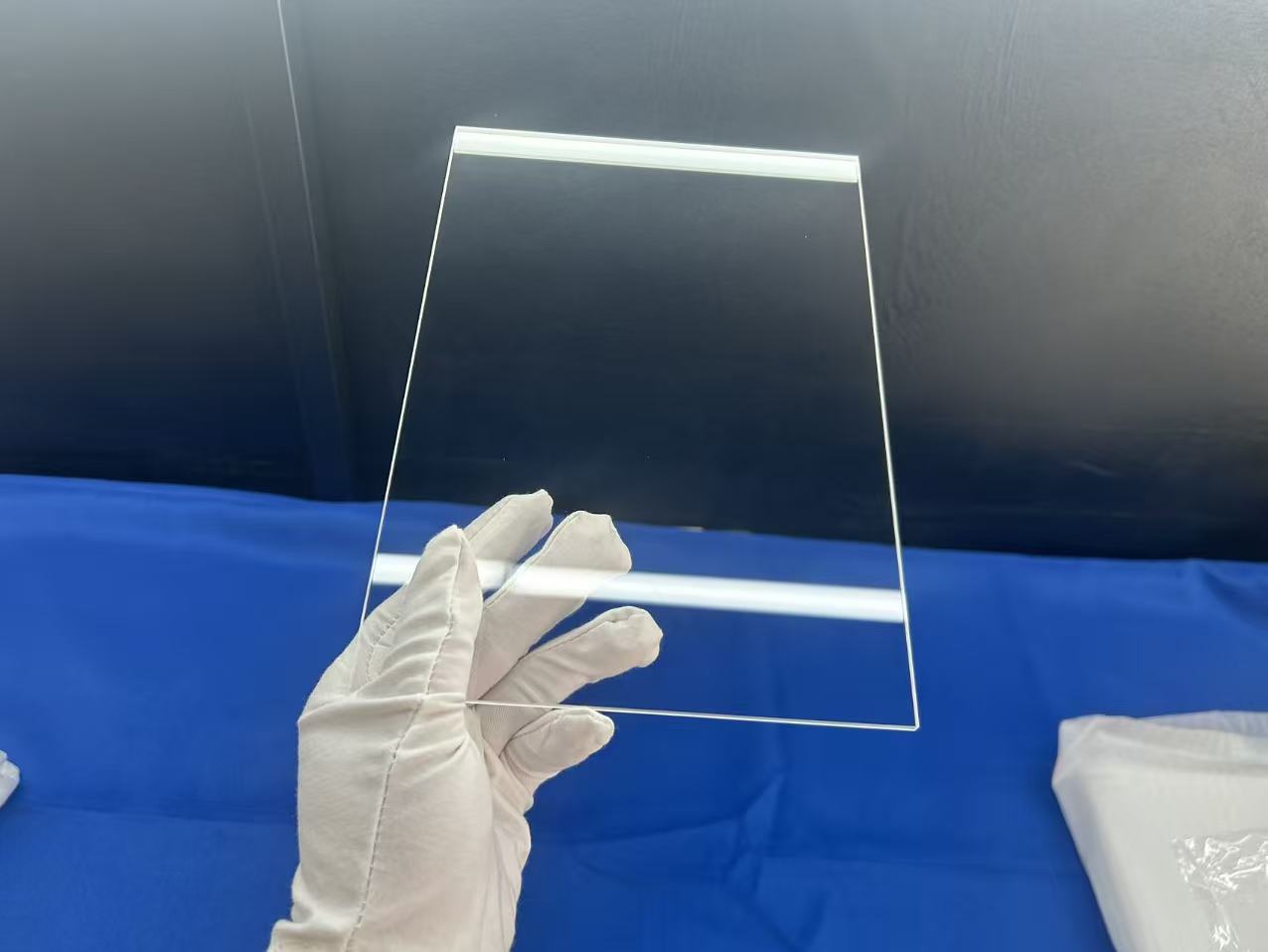
Why the dual-layer opaque fused silica morphology remains the mission-critical foundation for high-yield silicon crystal pulling and metallurgy.
In high-temperature thermal processing exceeding 1450°C, material failure is primarily governed by crystal structure reorganization and radiative heat degradation. A milky quartz crucible (opaque fused silica) is deliberately engineered with an evenly dispersed microscopic bubble structure throughout its outer wall matrix. Unlike clear fused silica, which permits direct radiative heat penetration, the micron-scale gas inclusions within milky quartz create intense diffuse reflection and scattering of infrared radiation.
This scattering mechanism establishes an exceptional thermal insulation barrier, equalizing temperature profiles across the molten silicon or alloy pool. This thermal buffering is vital for the Czochralski (CZ) pulling process, where thermal oscillations at the solid-liquid interface can trigger crystal dislocations, slip planes, and twin crystal defects.
Furthermore, Donghai County Nivra Quartz Products Co., Ltd. controls the purity of the raw silica matrix to achieve ≥99.99% SiO&sub2; purity. By stringently capping alkali metal concentrations (Lithium, Sodium, and Potassium < 0.5 ppm), the nucleation rate of cristobalite—the high-temperature crystalline polymorph of quartz that causes embrittlement, cracking, and spalling—is suppressed.
| Physical & Thermal Metric | Milky Quartz Outer Layer | Synthetic Clear Inner Layer |
|---|---|---|
| Bulk Density (ρ) | 2.05 – 2.18 g/cm³ | 2.20 – 2.21 g/cm³ |
| Micro-bubble Porosity | 4.5% – 9.0% (Infrared Scattering) | < 0.01% (Bubble-Free Boundary) |
| Thermal Conductivity (k) | 0.8 – 1.1 W/(m·K) at 1200°C | 1.4 – 1.7 W/(m·K) at 1200°C |
| Softening Point | 1680°C ± 10°C | 1730°C ± 15°C |
| Thermal Shock Tolerance | Rapid quench 1100°C to 20°C (No fissure) | Sub-surface shear resistant |
| Hydroxyl (OH‾) Content | < 25 – 35 ppm | < 1 – 5 ppm (Synthetic Fused) |
How the transition to N-type TOPCon/HJT architectures and Continuous Czochralski Growth (CCZ) is reshaping global sourcing matrices for milky quartz crucibles.
As mono-crystalline ingot pulls expand beyond 300 mm wafer diameters to optimize gigawatt-level fab economics, crucible dimensional criteria have shifted dramatically. Procurement teams are transitioning purchase orders from standard 28-to-32-inch crucibles to massive 36, 38, and 42-inch formats. Sourcing these vessels demands foundries capable of high-amperage rotational arc melting to prevent wall sag under heavy silicon charges exceeding 600–900 kg.
Single-use crucible consumption is yielding to Continuous Czochralski (CCZ) charging regimes, where crucibles are expected to survive 300 to 500+ furnace operating hours under continuous liquid silicon immersion. Sourcing managers now mandate specialized anti-devitrification coatings (such as barium-doped barrier surfaces) and ultra-low internal micro-bubble bursting rates to eliminate particulate contamination in extended batch runs.
Geopolitical concentration in high-purity quartz sand mining has compelled tier-one semiconductor fabs to diversify raw ore origins. Nivra Quartz leverages Donghai's central processing ecosystem to qualify both domestic premium granitic quartz and imported high-purity natural silica sand, assuring procurement officers of unbroken deliveries, rigorous traceability, and dual-source material certifications.
Recent advances in vacuum arc rotational melting, synthetic quartz inner layer cladding, and precision wall profiling.
Modern CNC-controlled centrifugal casting forms crucibles in heavy spinning graphite molds. Synchronized graphite electrodes generating over 10,000 amperes instantly fuse quartz sands at 2000°C, guaranteeing roundness within ±0.5 mm tolerances.
To eliminate micro-bubble expansion and pinhole dissolution into the molten silicon melt, the inner 2–4 mm layer is formed using chemical vapor deposition (CVD) synthetic silicon tetrachloride powders, yielding total metal impurity profiles below 5 ppb.
Outer opaque layers now employ ultrasonic classification of raw sand grain dimensions. By constraining bubble diameters between 20 μm and 60 μm, thermal scattering efficiency is optimized without sacrificing mechanical compressive rigidity under furnace vacuum.
Crucible corner radiuses and bottom curvatures represent peak mechanical load zones. Automated multi-axis non-destructive laser ultrasonic thickness sensors map every crucible in 3D to ensure corner wall thickening meets rigorous safety factors.
Combining Donghai's deep crystal resources with modern precision hot-working, cleanroom verification, and transparent global trade performance.
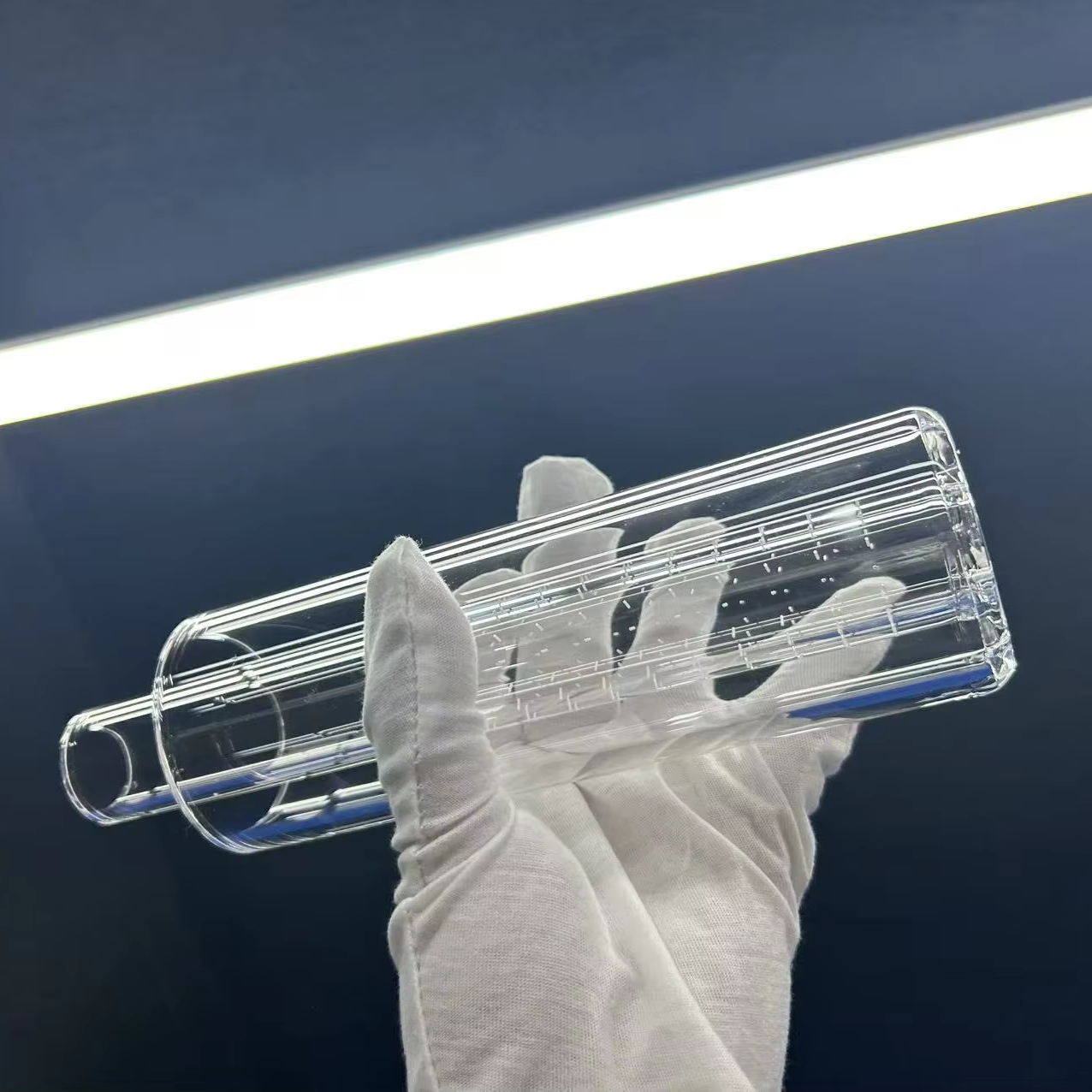
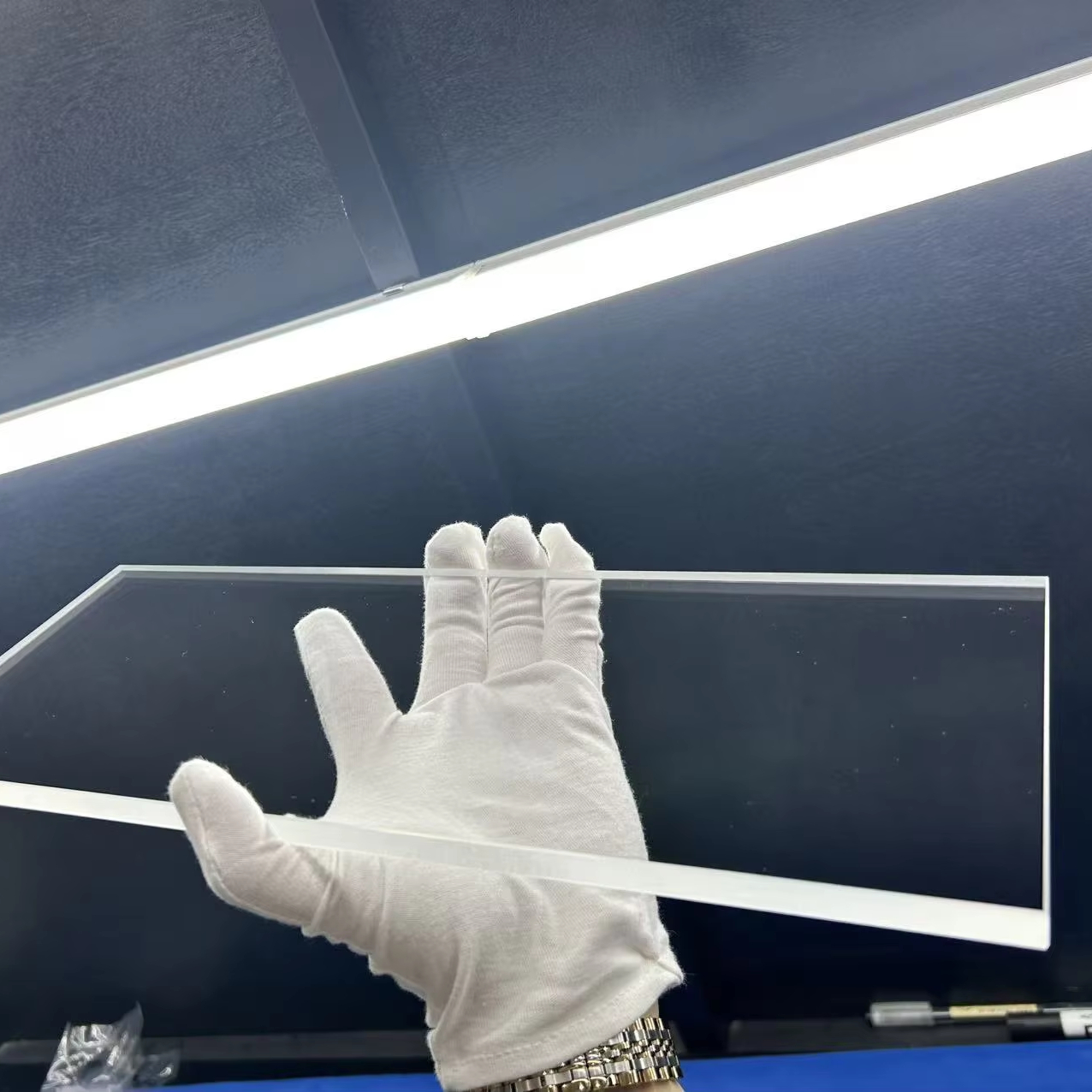
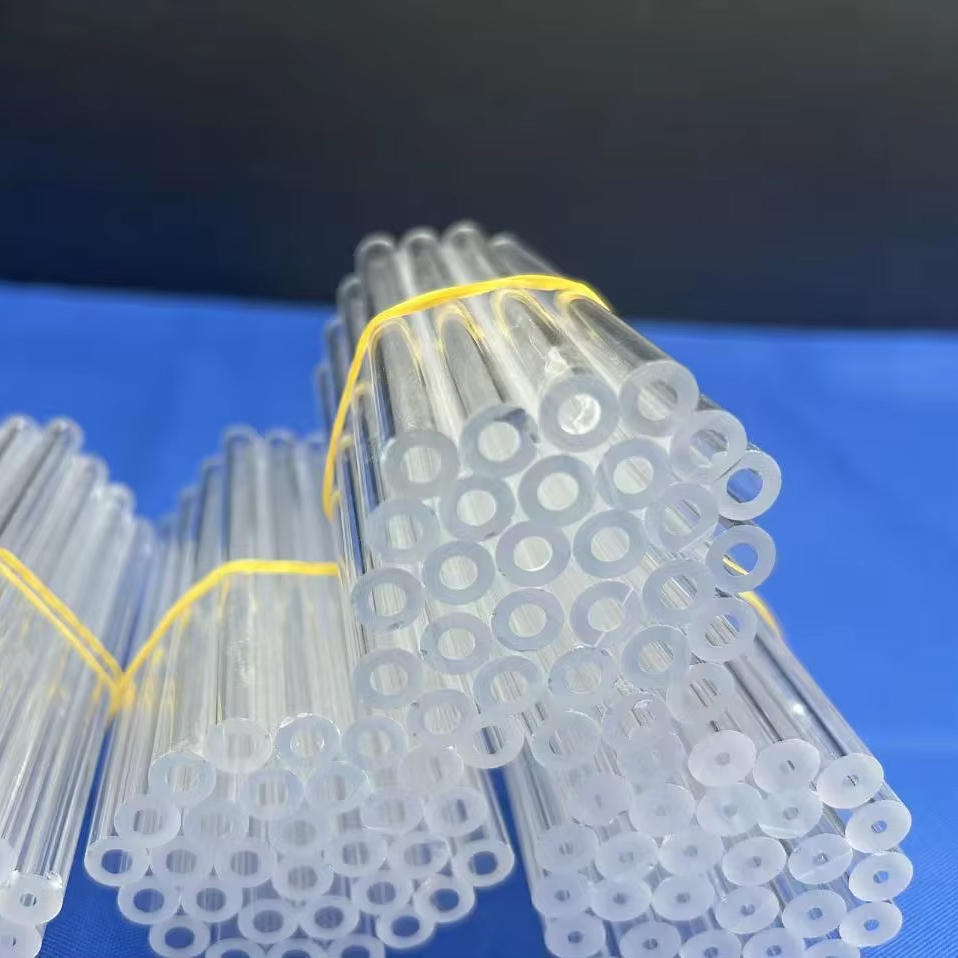
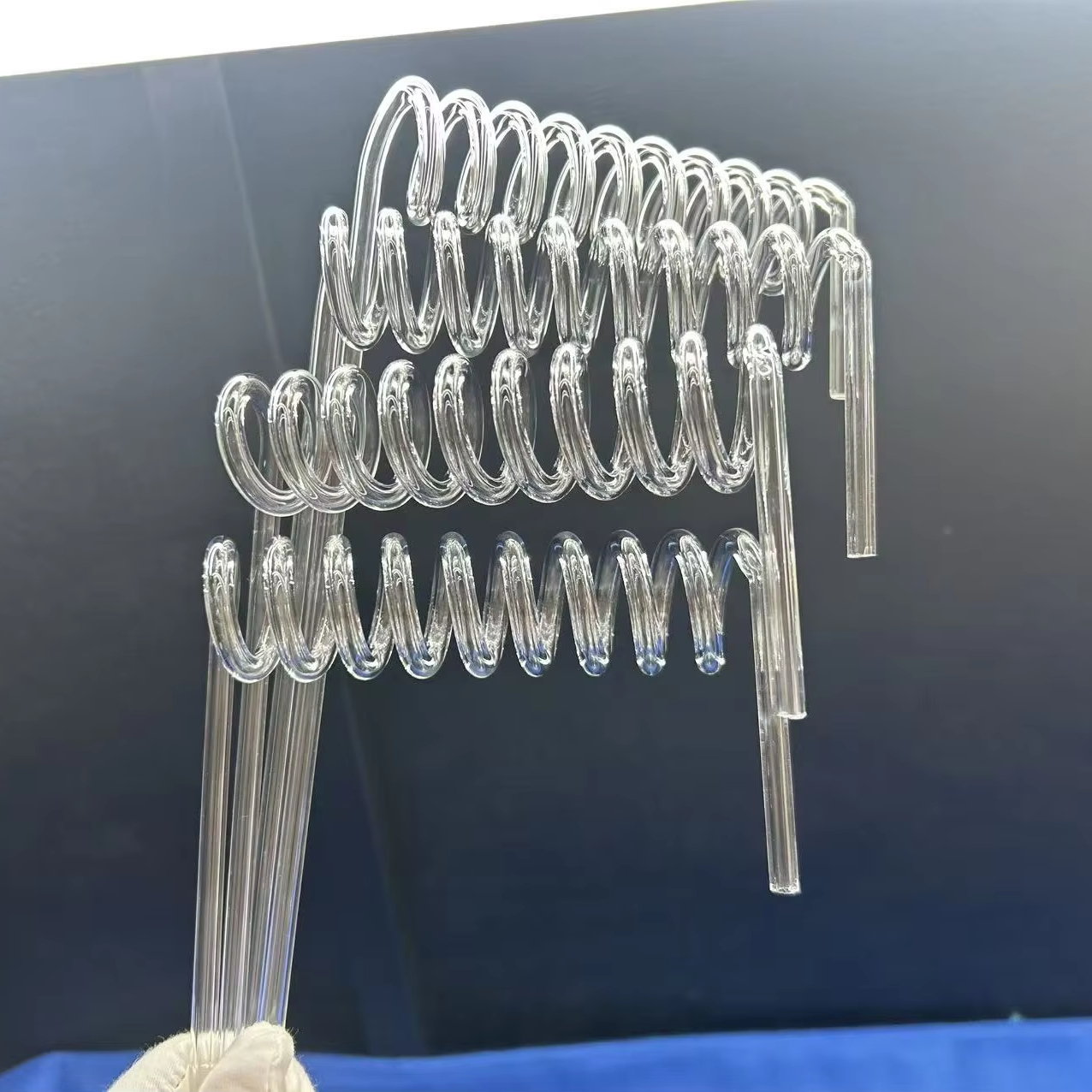
Founded in February 2019, Donghai County Nivra Quartz Products Co., Ltd. operates at the epicentre of China's silica industry—285 Heping East Road, Lianyungang, Jiangsu. Backed by a specialized manufacturing team of 101 to 200 skilled operators and ceramic engineers, we specialize in high-temperature milky quartz crucibles, clear fused silica furnace tubes, optical quartz plates, semiconductor boats, flanges, and customized quartz labware.
Our manufacturing philosophy anchors strictly to "Quality First, Reputation First." Unlike basic trading hubs, our vertically integrated plant executes in-house cutting, CNC contouring, edge chamfering, flame fire-polishing, hydrogen-oxygen lathe welding, and high-temperature stress annealing. Our facility has undergone rigorous on-site verification by Alibaba.com and third-party inspection agencies.
 Workshop Floor – Lathe & Arc Area
 Machining, CNC & Flame Polishing
 Class 10,000 Inspection & Packing
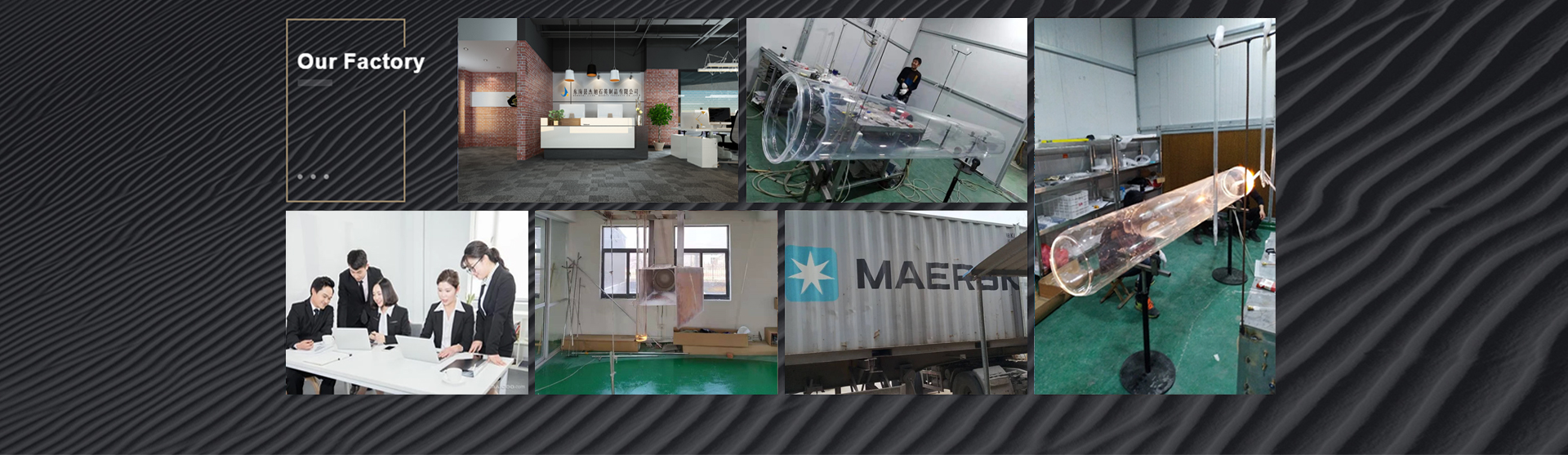 Export Staging: North America & EU
Our trade records confirm regular OEM container export volumes serving high-tech procurement networks across North America (representing 40% of shipments), Western Europe (20%), Eastern Europe (14%), South America (11.4%), Northern Europe (10%), Oceania (3.1%), and Africa. Every export crucible is ultrasonic-cleaned in multi-stage deionized water, bagged in cleanroom-grade polyethylene under vacuum, and housed within shock-absorbent composite wooden crates built for trans-oceanic shipping.
Addressing chemical interaction, devitrification, tolerances, and logistics protocols for global B2B buyers.
Devitrification is the phase transformation of metastable amorphous fused silica into crystalline cristobalite at sustained temperatures between 1200°C and 1550°C. Premature devitrification is accelerated by three primary catalysts: (1) Trace surface alkali contamination—specifically Sodium (Na), Potassium (K), and Calcium (Ca)—acting as nucleating agents; (2) Mechanical abrasive scratches or dust particles adhering to the inner wall prior to silicon loading; and (3) Inadequate vacuum atmosphere with oxygen leakage inside the furnace chamber. Nivra Quartz prevents this by enforcing raw sand beneficiation with total alkali metal limits under 1.2 ppm and sealing all crucibles in vacuum packaging within a class-10,000 cleanroom.
The composite crucible structure balances thermal and chemical demands. The opaque milky outer layer contains controlled micro-bubbles (20–80 μm) that diffuse radiant energy, preventing localized heater hot-spots from directly transferring to the silicon charge. Conversely, the inner layer (typically 2 to 4 mm thick) must be nearly 100% transparent and bubble-free. If bubbles exist near the inner wall, the corrosive molten silicon dissolves the thin silica membrane, releasing gas bubbles into the melt. These bubbles get trapped in the freezing crystal ingot, ruining single-crystal yield.
Yes. As an OEM and ODM manufacturer, our engineering team regularly fabricates bespoke crucibles, cylindrical liners, flat-bottom melting dishes, and rectangular sintering boats. You can provide 2D mechanical drawings (PDF/DWG) or 3D solid models (STEP/IGES). We evaluate critical dimensional tolerances, draft angles, corner radii, and wall thickness gradients, returning a formal DFM (Design for Manufacturability) review and quotation within 5 business hours.
For standard crucibles ranging from 14 to 32 inches, our standard tolerance for outer diameter (OD) is ±1.0 mm to ±1.5 mm, height ±1.5 mm, wall thickness ±0.8 mm, and out-of-roundness (ovality) ≤ 1.5 mm. For high-precision semiconductor crucibles and oversized 36"+ formats, precision CNC graphite tooling can tighten OD tolerances down to ±0.8 mm with bottom curvature profile deviations maintained within ±0.5 mm to match the susceptor's parabolic contours perfectly.
For standard catalog crucibles and high-temperature fused quartz accessories, our MOQ is as low as 1 to 5 pieces for pilot qualification runs. Small machined quartz components (wafers, discs, rings) typically carry an MOQ of 10 to 50 pieces. Custom prototypes can be engineered, cast, annealed, and shipped within 10 to 14 business days, while volume container orders usually take 20 to 25 calendar days.
Packaging is an engineered discipline at Nivra Quartz. Each crucible is degreased, baked to remove ambient moisture, and hermetically sealed in heavy-gauge antistatic polyethylene bags with desiccant. The unit is then suspended inside form-fitted, high-density expanded polyethylene (EPE) shock absorption foam that cushions the rim and base against multi-axis shocks. Finally, the assembly is housed in IPPC-certified fumigation-free engineered plywood crates with internal reinforcement ribs and external impact-indicator sensors.
Our milky quartz crucibles operate continuously up to 1150°C to 1250°C without external mechanical support. When contained within a precision graphite susceptor (as in typical CZ pulling furnaces), they operate reliably at molten silicon bath temperatures of 1450°C to 1550°C for continuous cycles. The maximum softening point of fused SiO&sub2; is approximately 1683°C. Heating ramp rates of up to 15°C to 20°C per minute are routinely accommodated due to the extremely low coefficient of thermal expansion (5.5 × 10⁻⁷ /°C).
Fused quartz demonstrates near-total inertness across almost all acids (including HCl, HNO&sub3;, H&sub2;SO&sub4;, and aqua regia). However, it will corrode rapidly if exposed to Hydrofluoric Acid (HF) even at room temperature, and Phosphoric Acid (H&sub3;PO&sub4;) at temperatures above 150°C. Additionally, molten alkaline hydroxides (NaOH, KOH) and basic metal oxides react directly with the acidic SiO&sub2; network at elevated temperatures, forming soluble silicates and degrading crucible structural integrity.
Partner with Donghai's premier quartz manufacturing facility. Submit your dimensional drawings, purity specifications, and target delivery schedule for rapid engineering review.
Contact Us