ISO 9001 Certified OEM & ODM High-Purity Fused Quartz Engineering

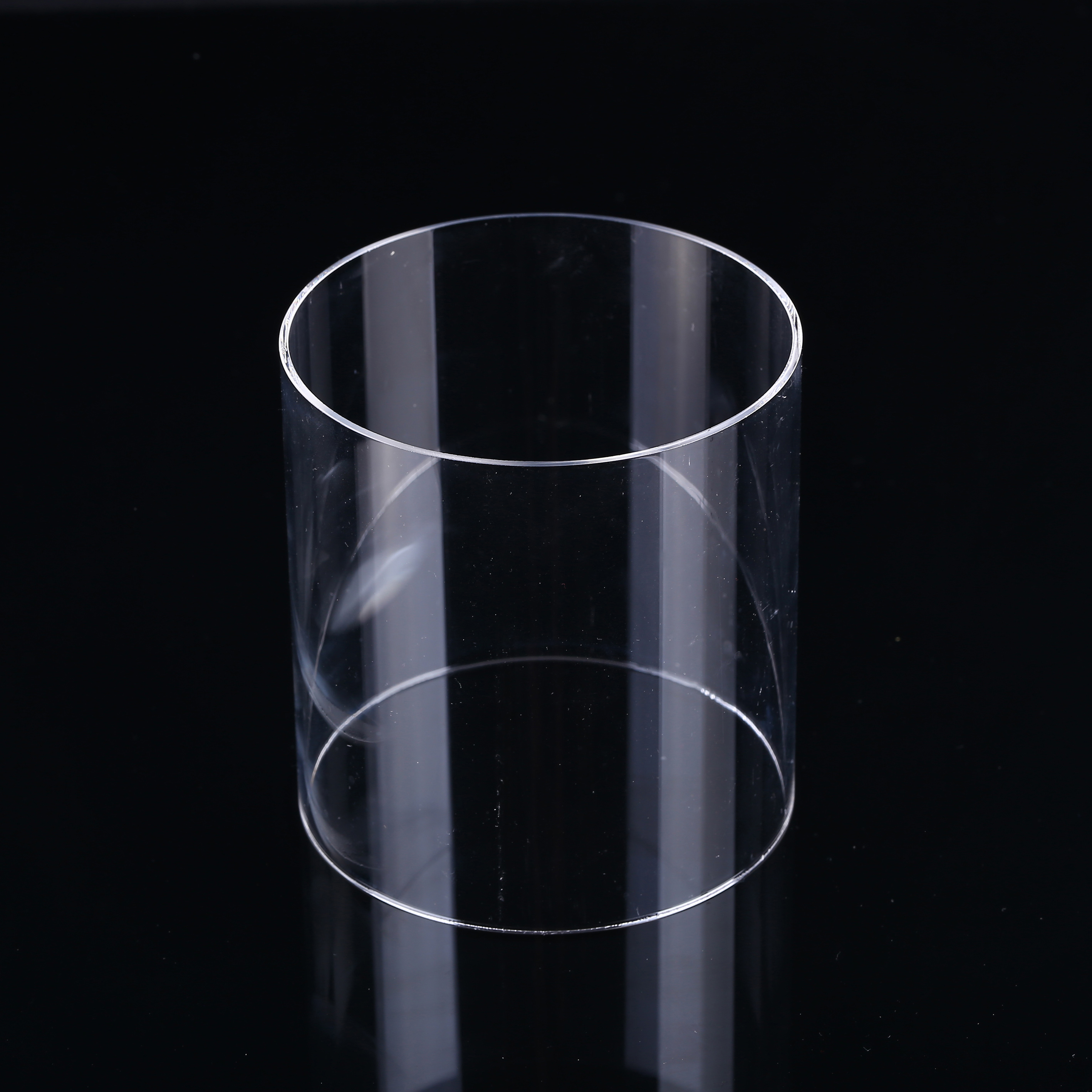
Custom OEM Large Quartz Tube Manufacturers & Exporters

Global technical procurement whitepaper, dimensional tolerance frameworks, thermal performance guidelines, and supply chain intelligence for semiconductor, solar PV, optical, and high-temperature furnace applications.

≥99.995%
SiO₂ Purity Grade
≤ 5 Hours
Avg Response Velocity
88.89%
Inquiry Resolution Rate
5.0 / 5.0
Verified Customer Trust
Direct Factory Catalog

Engineered Fused Quartz & Thermal Component Portfolio

Custom OEM large quartz tubes, machined rods, structural step plates, and heating assemblies fabricated from high-purity natural silica and synthetic fused silica ingots.
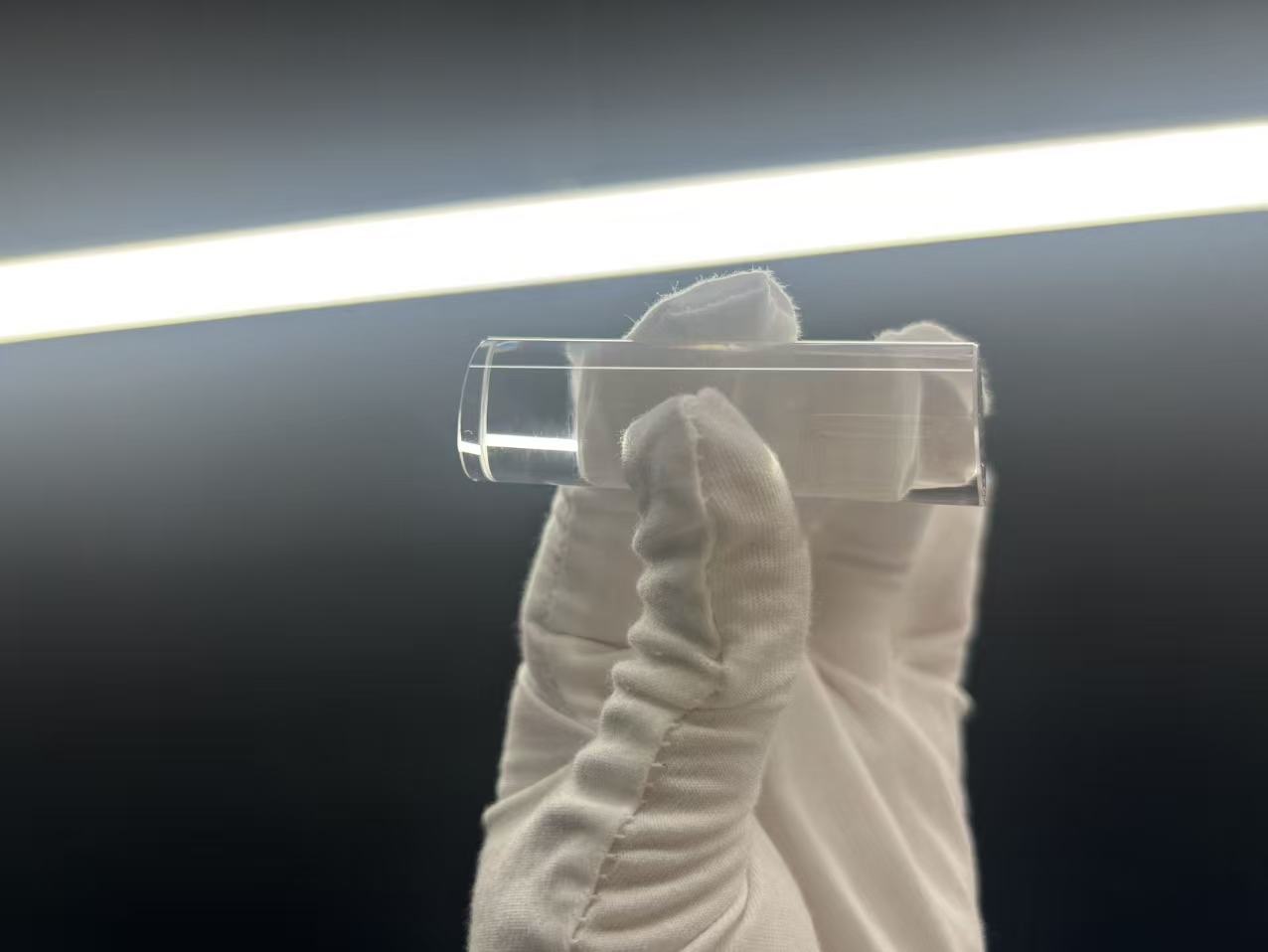
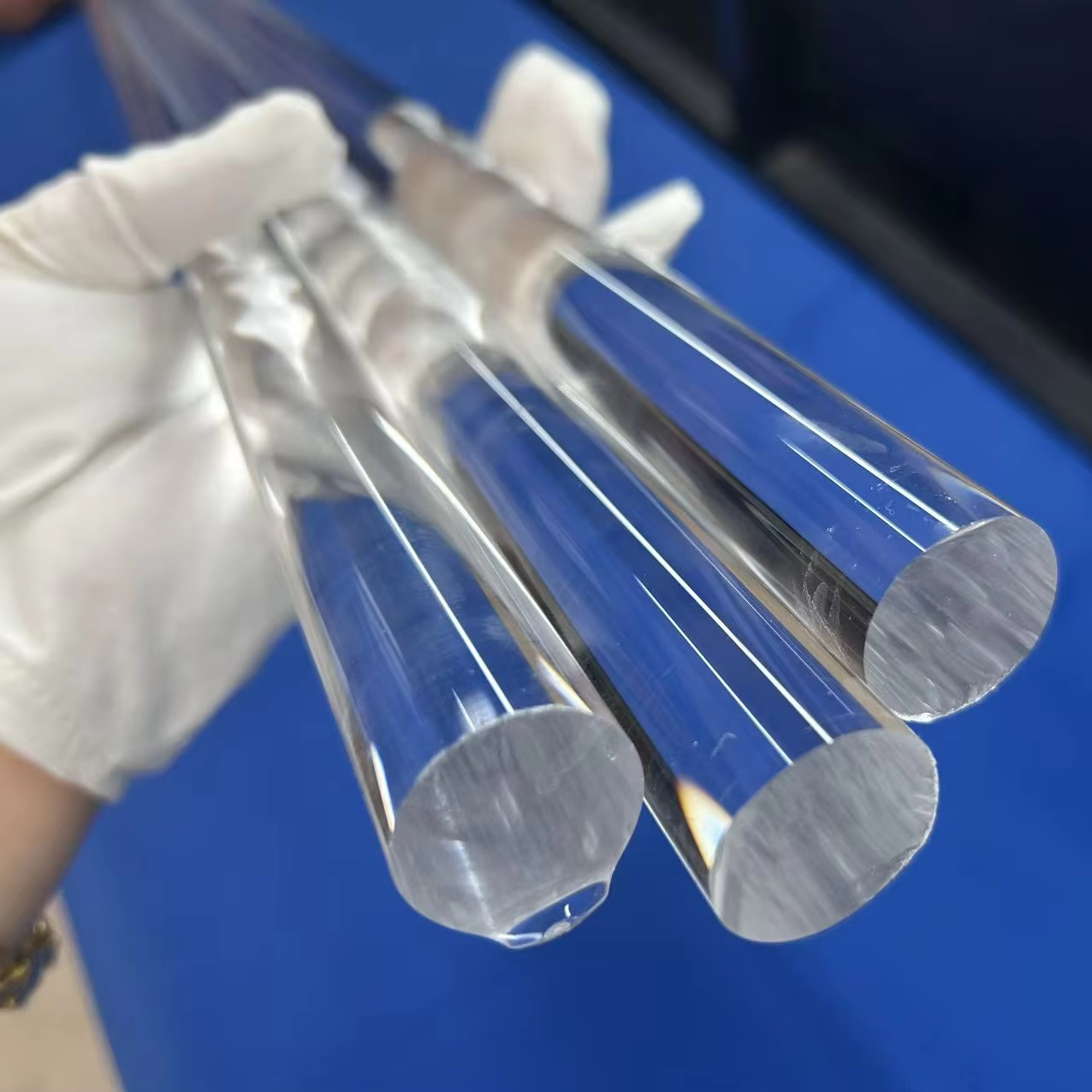
Precision Ground Round Head Quartz Rod
Material GradeJGS1 / JGS2 Fused Silica
ApplicationsSemiconductor Wafer Pushers
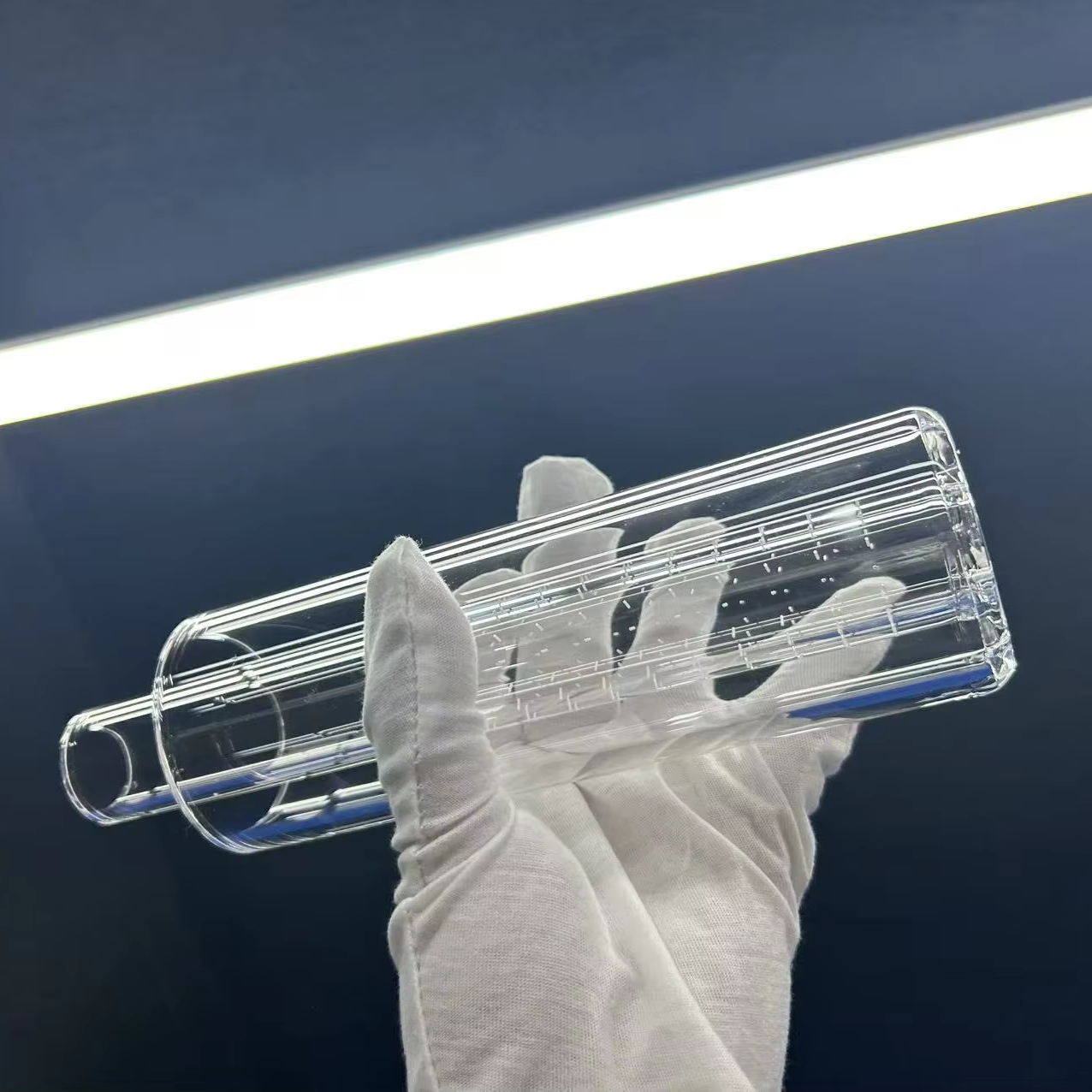
CNC Laser Perforated Customized Perforated Quartz Tube
Hole Pitch Tolerance±0.05 mm
FunctionalityGas Diffusion & Purge Lines
Heavy-Duty Solid High-purity Fused Quartz Large Diameter Round Rods
ProcessingCutting, Welding, Bending
Diameter RangeØ20 mm to Ø300 mm
Optical Diffusion Frosted Quartz Sheet
Surface FinishSandblasted / Chem-Etched
Thermal Range1100°C Continuous Run
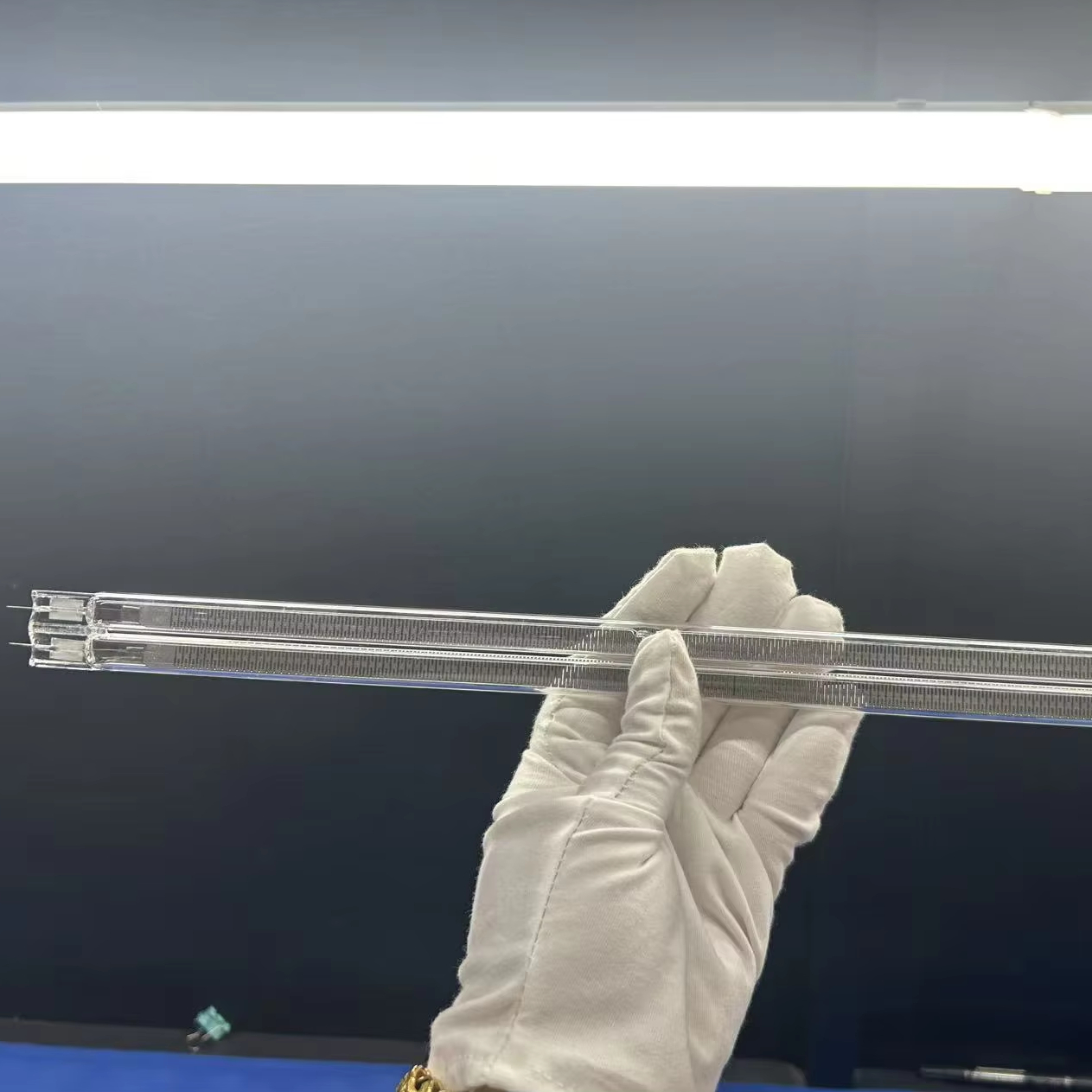
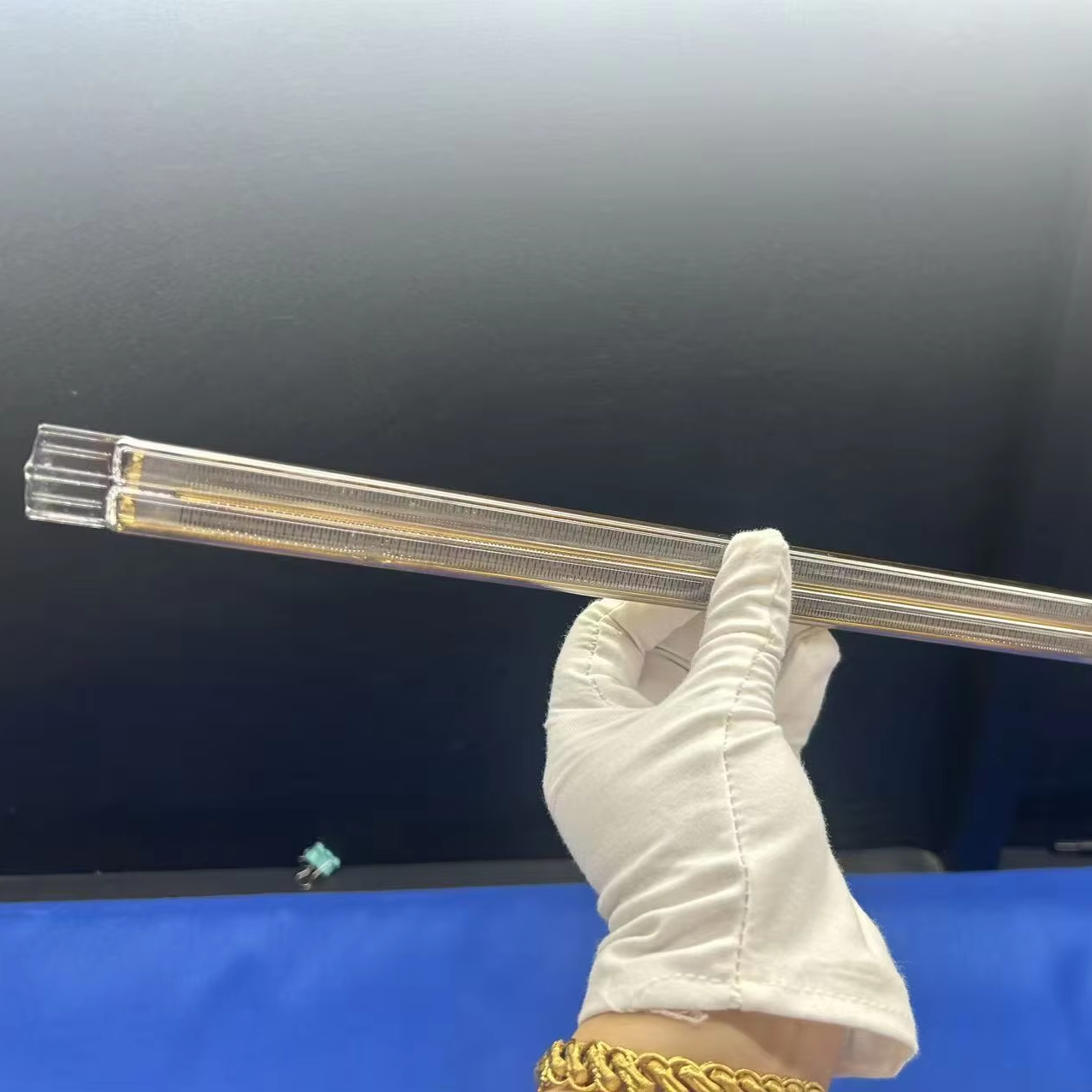
High Watt Density Infrared Heating Tube
WavelengthMedium / Fast Short Wave IR
EnvelopeTwin-Tube / Single Tube
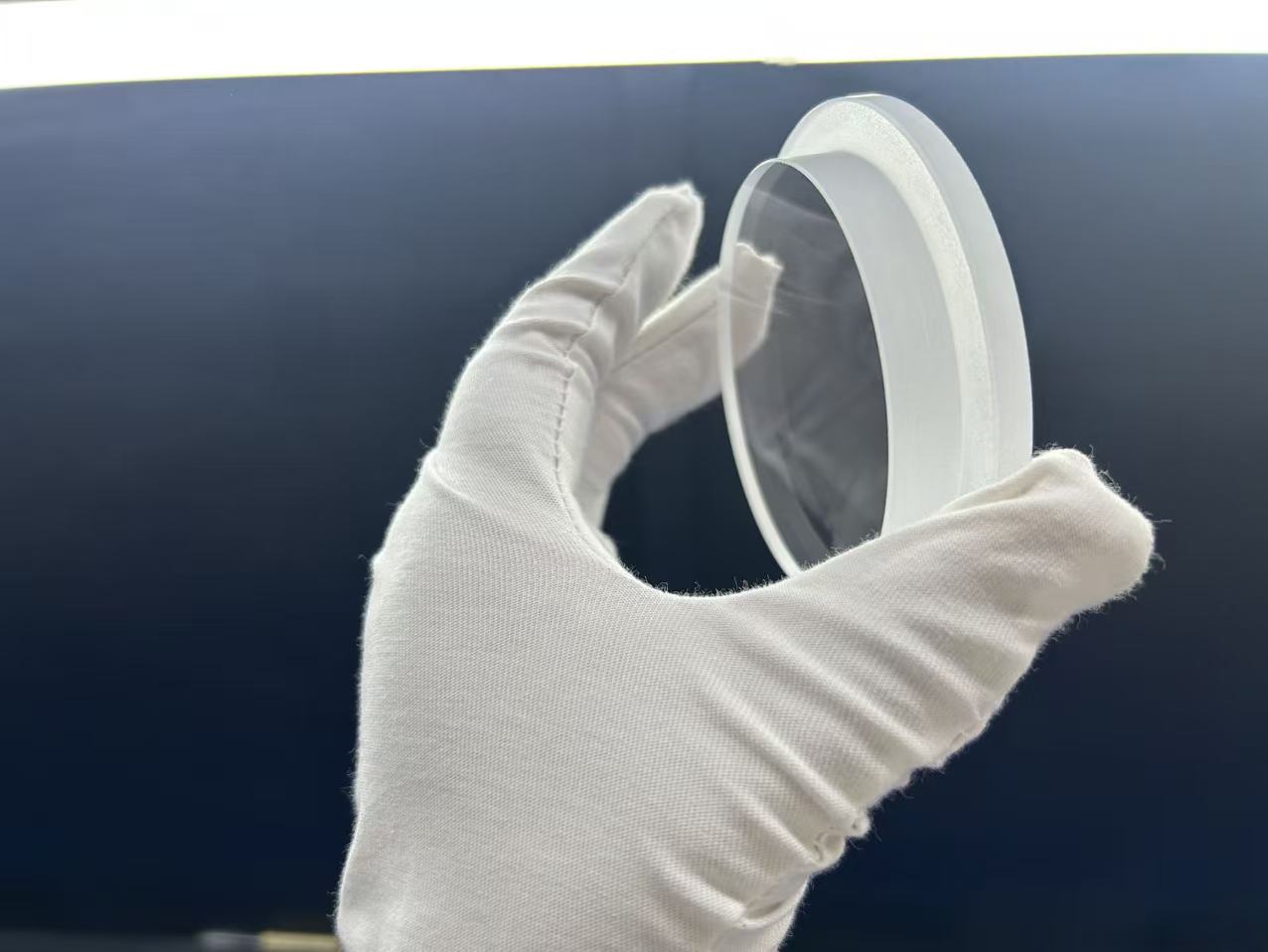
Vacuum Chamber Lid Ultra-thick Quartz Double-Layer Step Plate
Edge PrecisionCNC Beveled & Lapped
Flatnessλ/4 per 100mm span
Next-Gen Nano Emitter Graphene Quartz Heating Tube
Radiation YieldFar-Infrared ≥88%
Thermal ResponseInstant Ramp-up <3 sec
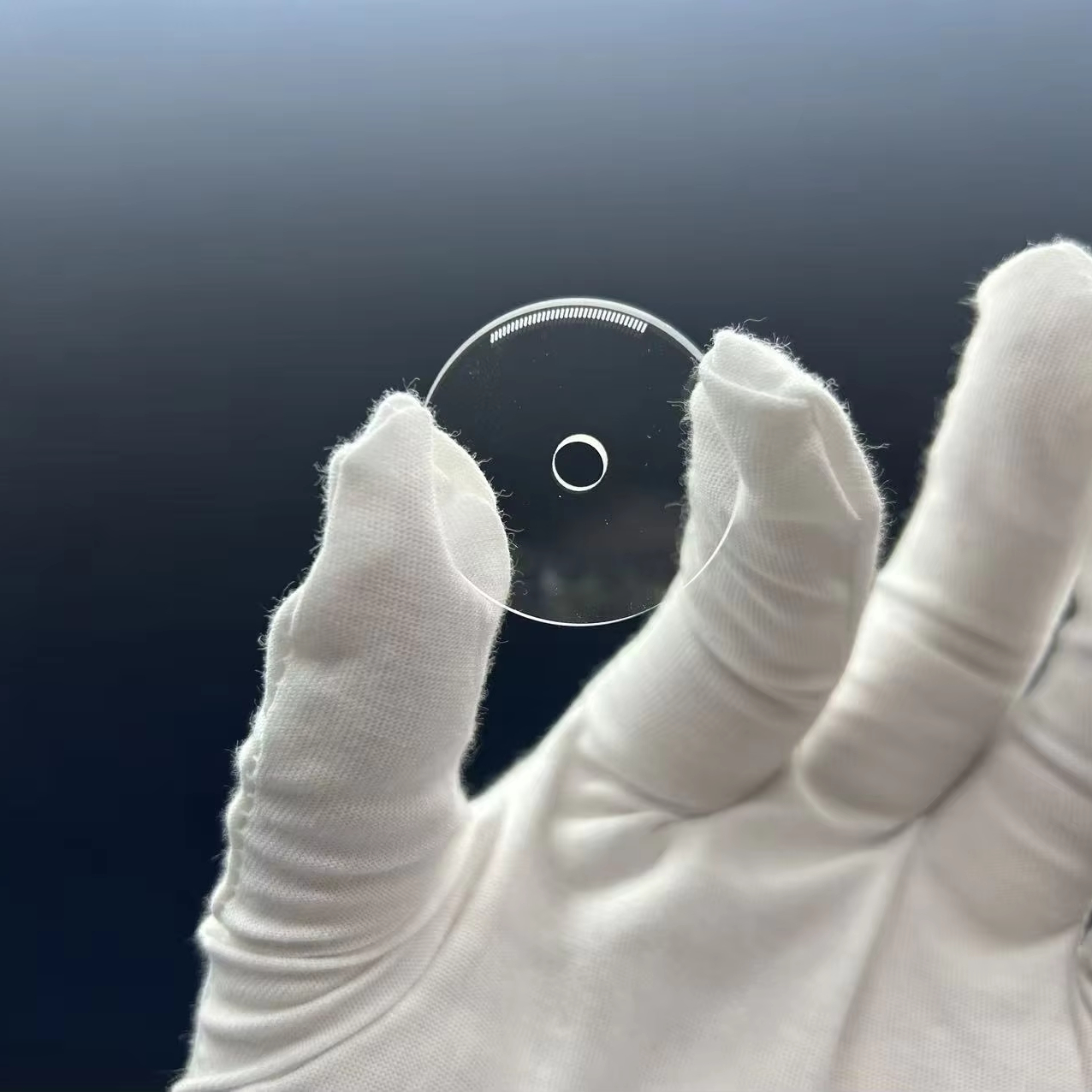
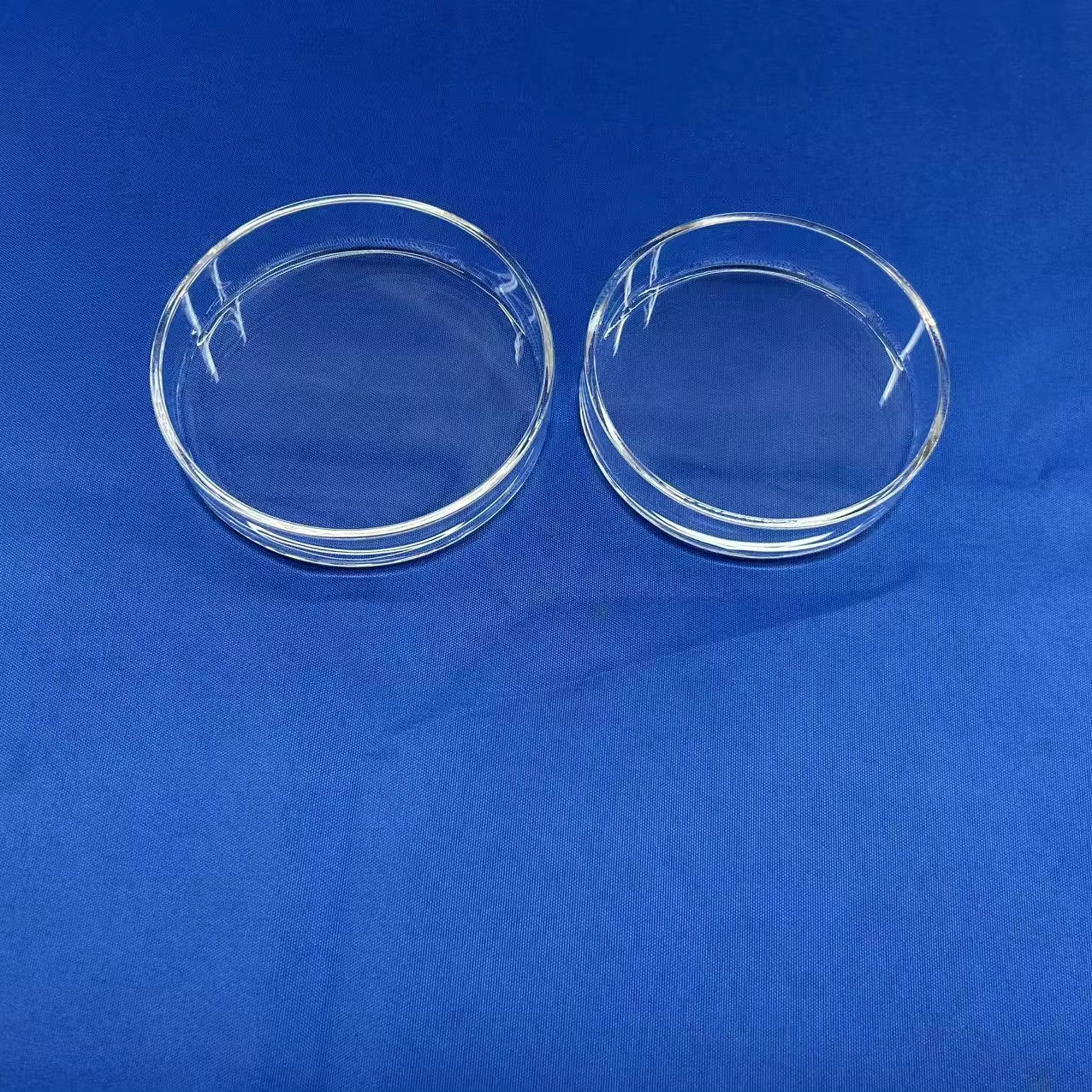
Labware Class 1 High-purity Quartz Glass Petri Dishes with Lids
Chemical ResistanceAcid Proof (Except HF)
Optical ClarityDeep UV to Near IR Clear
Engineering Whitepaper: Section 01

Material Science, Hydroxyl (OH) Dynamics & Thermomechanical Limits

Fused silica and natural high-purity fused quartz represent the pinnacle of vitreous materials for high-temperature semiconductor processing and thermal diffusion. Large-diameter quartz tubes (outer diameters ranging from 100 mm to in excess of 650 mm) operate in extreme stress regimes where devitrification, sagging, and structural wall collapse must be mitigated through precise chemical stoichiometry and annealing protocols.

Structural Purity and Devitrification Kinetics Under Prolonged High Heat

The operational lifespan of a custom large quartz tube in semiconductor diffusion, LPCVD (Low Pressure Chemical Vapor Deposition), and photovoltaic wafer oxidation furnaces depends primarily on the material's resistance to devitrification—the phase transformation from metastable amorphous SiO₂ to crystalline cristobalite. Cristobalite possesses a distinct volumetric expansion behavior during cooling, inducing micro-cracking and catastrophic tube fracture around 200°C to 275°C.

To eliminate heterogeneous nucleation sites, raw quartz must exhibit ultra-low concentrations of alkali metals (Li, Na, K) and alkaline earth elements (Ca, Mg). In large-diameter tubes manufactured by Nivra Quartz, total alkali metal content is strictly limited to <1.5 ppm, while total transition metal contaminants (Fe, Cu, Ni, Cr) are constrained below 0.8 ppm. The lower the trace metallic content, the higher the activation energy required for cristobalite crystals to nucleate along the outer and inner tube envelopes.

Thermomechanical Engineering Properties

Metric / CharacteristicStandard Engineering Value
Density (ρ)2.20 ± 0.02 g/cm³
Mohs Hardness / Knoop Hardness5.5 – 6.5 Mohs / 580 KHN
Coefficient of Thermal Expansion (20–300°C)5.5 × 10⁻⁷ K⁻¹
Strain Point (Viscosity η = 10¹⁴·&sup5; dPa·s)1075 ± 20 °C
Annealing Point (Viscosity η = 10¹³·¹ dPa·s)1180 ± 20 °C
Softening Point (Viscosity η = 10⁷·⁶ dPa·s)1683 ± 25 °C
Continuous Max Operating Temp1150 °C
Short-Term Peak Thermal Tolerance1350 – 1450 °C
Dielectric Constant (ε at 1 MHz)3.75

Typical Trace Impurity Thresholds (ppm by wt)

Element / SymbolStandard GradeSemiconductor Ultra-Pure
Aluminum (Al)14.0 – 18.0 ppm≤ 8.0 ppm
Iron (Fe)0.15 – 0.30 ppm≤ 0.08 ppm
Sodium (Na)0.50 – 0.90 ppm≤ 0.10 ppm
Potassium (K)0.40 – 0.80 ppm≤ 0.10 ppm
Lithium (Li)0.30 – 0.60 ppm≤ 0.10 ppm
Calcium (Ca)0.40 – 0.70 ppm≤ 0.20 ppm
Titanium (Ti)1.00 – 1.30 ppm≤ 0.50 ppm
Hydroxyl Radical (OH⁻)≤ 30 ppm (Dry)≤ 5 ppm (Vacuum De-OH)
Total Heavy Metals (Cu, Cr, Ni, etc.)< 0.10 ppm< 0.02 ppm
Manufacturing Evolution

Precision Fabrication, Thermal Lathes & Flange Integration

Producing large-bore quartz tubes requiring out-of-roundness tolerances under 0.8% and wall thickness variation below 5% demands specialized gas-electric hybrid fusion and numerical torch-guided joining technologies.

Two-Step Electric Fusion vs. Horizontal Hydrogen-Oxygen Thermal Sizing

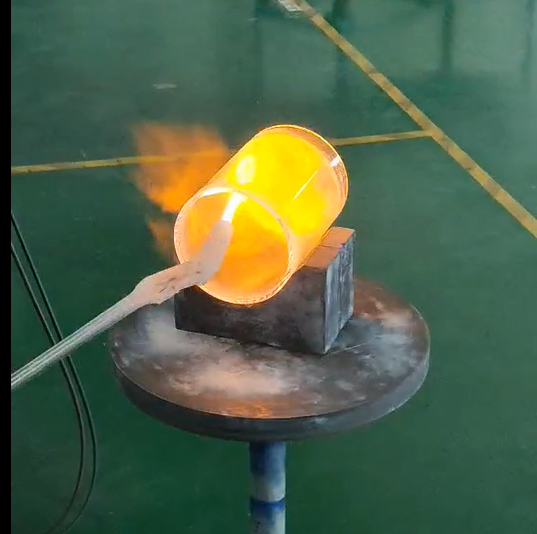
In standard tube manufacturing, continuous drawing is limited to diameters below 200 mm due to gravitational sag and uneven cross-sectional solidification. For custom OEM large quartz tubes exceeding 250 mm, 300 mm, 450 mm, and up to 650 mm outer diameter, advanced manufacturing applies a two-step thermal expansion and redrawing process. The mother tube is clamped in heavy-duty synchronized dual-headstock CNC glass lathes, heated via computer-controlled multi-jet oxy-hydrogen ring burners to its softening plateau (~1700°C), and shaped through internal micro-pressure nitrogen inflation against high-purity graphite caliper tracks.

This automated radial stabilization achieves consistent radial wall uniformity, avoiding localized hot spots during subsequent semiconductor wafer processing cycles where uneven wall thickness induces thermal gradient shear stresses and tube warping.

CNC Flange & Port Welding
Precision flame fusion of custom quartz flanges, ground ball joints, thermocouple wells, and gas inlet nozzles with stress-relieved annealing joints.
Controlled Annealing Cycles
Multi-stage 1180°C annealing followed by slow programmed ramping down to 400°C eliminates residual polarimetric stress and thermal cleavage planes.
Fire Polishing & Acid Etch
Complete optical clarity restoration via oxy-hydrogen envelope fire polishing combined with multi-tank hydrofluoric/nitric (HF/HNO₃) chemical pickling.
Laser Interferometric Metrology
100% full-body non-contact laser scanning measuring outer diameter runout, total indicator reading (TIR), wall concentricity, and axial bow.
Strategic Sourcing Insights

Future Global Procurement Trends (2025–2030)

Procurement directors and supply chain managers in the microelectronics and clean-energy sectors face significant technological transitions requiring strategic alignment with capable quartz manufacturers.

300mm / 450mm Fab Scalability
As semiconductor logic and 3D NAND fabrication advances require larger wafer processing chambers, standard 200 mm process tubes are shifting rapidly to extra-large tubes with outer diameters exceeding 450 mm to 600 mm, demanding stricter thermal sag resistance standards.
TOPCon & Perovskite Solar Cells
Next-generation N-type TOPCon and Perovskite-Silicon tandem solar cell architectures employ high-temperature boron and phosphorus diffusion recipes that accelerate devitrification, shifting OEM demand toward ultra-low hydroxyl (<10 ppm) doped quartz components.
Supply Hub Consolidation (Donghai Advantage)
With geopolitical and raw material constraints impacting silica crucibles and tubes, overseas Tier-1 buyers increasingly consolidate supplier bases directly within Donghai County—China's crystal capital—securing guaranteed raw quartz supply, integrated machining, and lower unit tariffs.
Manufacturing Foundation

Donghai County Nivra Quartz: Infrastructure & Export Authority

Founded in February 2019 at 285 Heping East Road, Lianyungang, Jiangsu, Nivra Quartz combines a vertically integrated 101–200 skilled employee workforce, advanced mechanical cold-processing workshops, and high-temperature flame fabrication facilities.

101–200 Technical Experts
Dedicated master glassblowers with decades of experience alongside CNC programming engineers executing drawings to ±0.02 mm tolerances.
≤5-Hour Response SLA
Engineering feedback, DFM (Design for Manufacturability) analysis, and firm commercial quotes dispatched within 5 hours, achieving an 88.89% inquiry rate.
Reinforced Crate Logistics
Engineered shock-absorbing EPE foam suspended internal suspensions and multi-layer fumigation-free wooden crates guarantee zero-breakage international transit.
5.0 / 5.0 Buyer Satisfaction
Serving over 40 export markets across North America (40%), Western Europe (20%), Eastern Europe (14%), and South America with a 23% repeat reorder rate.
Technical Knowledge Base

Frequently Asked Questions in Large Quartz Tube Procurement

In-depth engineering answers addressing thermal stress, devitrification protection, geometrical limits, and international shipping protocols.

What are the maximum outer diameter (OD) and length limits for custom large quartz tubes?
Nivra Quartz produces custom large-diameter fused quartz tubes with outer diameters up to 650 mm (25.6 inches) and single-section lengths up to 4000 mm (depending on diameter and wall thickness). For semiconductor process tubes (OD 200 mm to 450 mm), typical wall thicknesses range between 4.5 mm and 10 mm. Continuous drawing lines handle standard tubing up to 180 mm OD, while larger diameters are fabricated on specialized dual-drive horizontal glass-working lathes utilizing two-step gas expansion molds to maintain concentricity and avoid gravitational eccentricity.
How do you manage Hydroxyl (OH) content for high-temperature semiconductor vs. optical applications?
Hydroxyl content (OH radicals embedded in the silicon-oxygen matrix) substantially lowers the high-temperature viscosity and softening point of quartz glass. For high-heat semiconductor furnaces (operating at 1100°C–1250°C), we employ electric fusion and secondary vacuum thermal baking processes to produce "low-OH" or "dry" quartz tubes with OH concentrations below 20 ppm (and custom grades <5 ppm). Conversely, for deep-ultraviolet (DUV) optical applications (such as JGS1 synthetic silica), high-OH levels (~800–1200 ppm) are maintained deliberately to prevent UV-induced solarization, color center formation, and absorption bands at 248 nm.
What dimensional tolerances and out-of-roundness (ovality) can you hold on large-bore tubes?
Standard commercial tolerances for quartz tubes exceeding 200 mm OD allow ±1.5% to ±2.0% on outer diameter and ±10% on wall thickness. However, for precision OEM applications, Nivra Quartz maintains high-precision grinding and thermal reforming limits: OD tolerance can be held within ±0.5 mm (±0.25%), total wall thickness variation ≤0.5 mm, ovality (out-of-roundness) ≤0.8% of nominal diameter, and overall axial camber (bow) ≤1.0 mm per 1000 mm of length. All critical surfaces are verified using non-contact optical laser micrometers and coordinate measuring machines (CMM).
What cleaning and installation precautions prevent premature thermal devitrification?
Devitrification at operating temperatures above 1000°C is triggered by surface contaminants—specifically fingerprint oils, sodium chloride, tap water minerals, and dust containing alkali metals. Prior to heating, all quartz tubes must be handled strictly with clean lint-free cotton or nylon gloves. Tubes should undergo chemical pickling in a 5%–10% hydrofluoric (HF) acid bath for 5–10 minutes, followed by rinsing with high-resistivity deionized water (≥18 MΩ·cm) and cleanroom hot nitrogen drying. Never wrap hot or operating quartz tubes with asbestos or silicate insulators that contain alkaline compounds.
How does Nivra Quartz pack fragile large-diameter tubes to ensure zero breakage during international shipping?
Export packaging for fragile large quartz cylinders involves a multi-tier dynamic isolation system. The tube interior is supported with expanded polyethylene (EPE) radial formers to dampen transverse acoustic resonance. The tube exterior is sealed in anti-static PE foil, encapsulated in precision-contoured high-density foam saddles, and suspended inside a rigid, inner corrugated carton. This inner carton is floated within a heavy-gauge, fumigation-free solid plywood export crate lined with moisture barriers and external drop/tilt indicators. Long tubes (>2000 mm) incorporate steel-reinforced cradle frames to prevent mid-span harmonic bending during ocean and air handling.
What are the minimum order quantities (MOQ) and production lead times for custom OEM tube prototypes?
For standard stocked diameter profiles, our minimum order quantity is 1 piece, accommodating initial prototyping, university lab research, and OEM engineering validation. Completely custom diameter mother tubes requiring custom graphite mandrel sizing typically start from 2 to 5 pieces. Typical prototype lead times range from 7 to 12 working days following drawing sign-off (CAD/PDF/STEP format), with high-volume production schedules accommodating full 20ft/40ft container shipments within 3 to 4 weeks.

Ready to Validate Your Quartz Engineering Specifications?

Submit your CAD drawings, dimensional parameters, operating thermal profiles, or purity grade requirements. Nivra Quartz engineering teams provide comprehensive DFM evaluations and detailed commercial proposals within 5 hours.