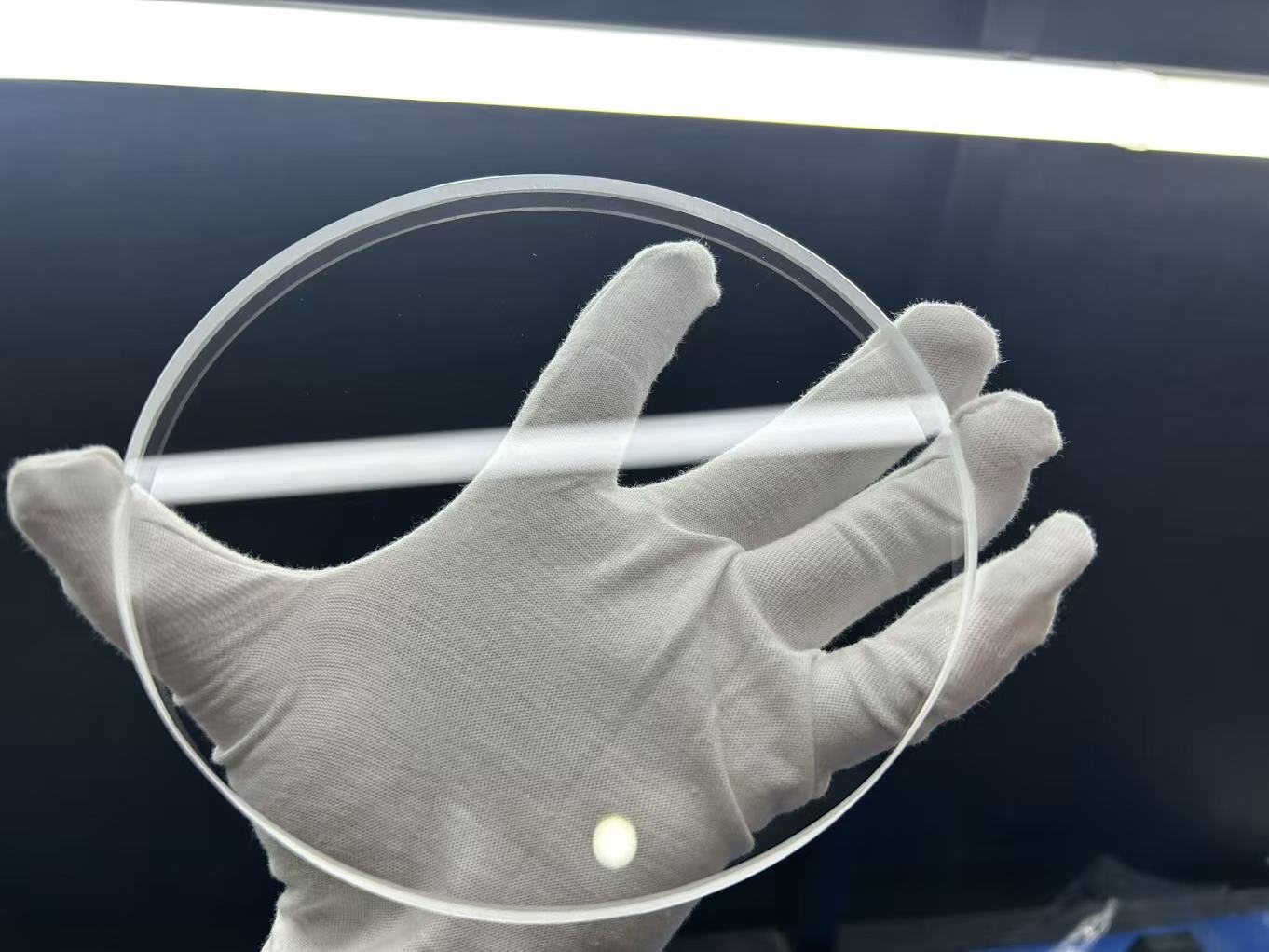
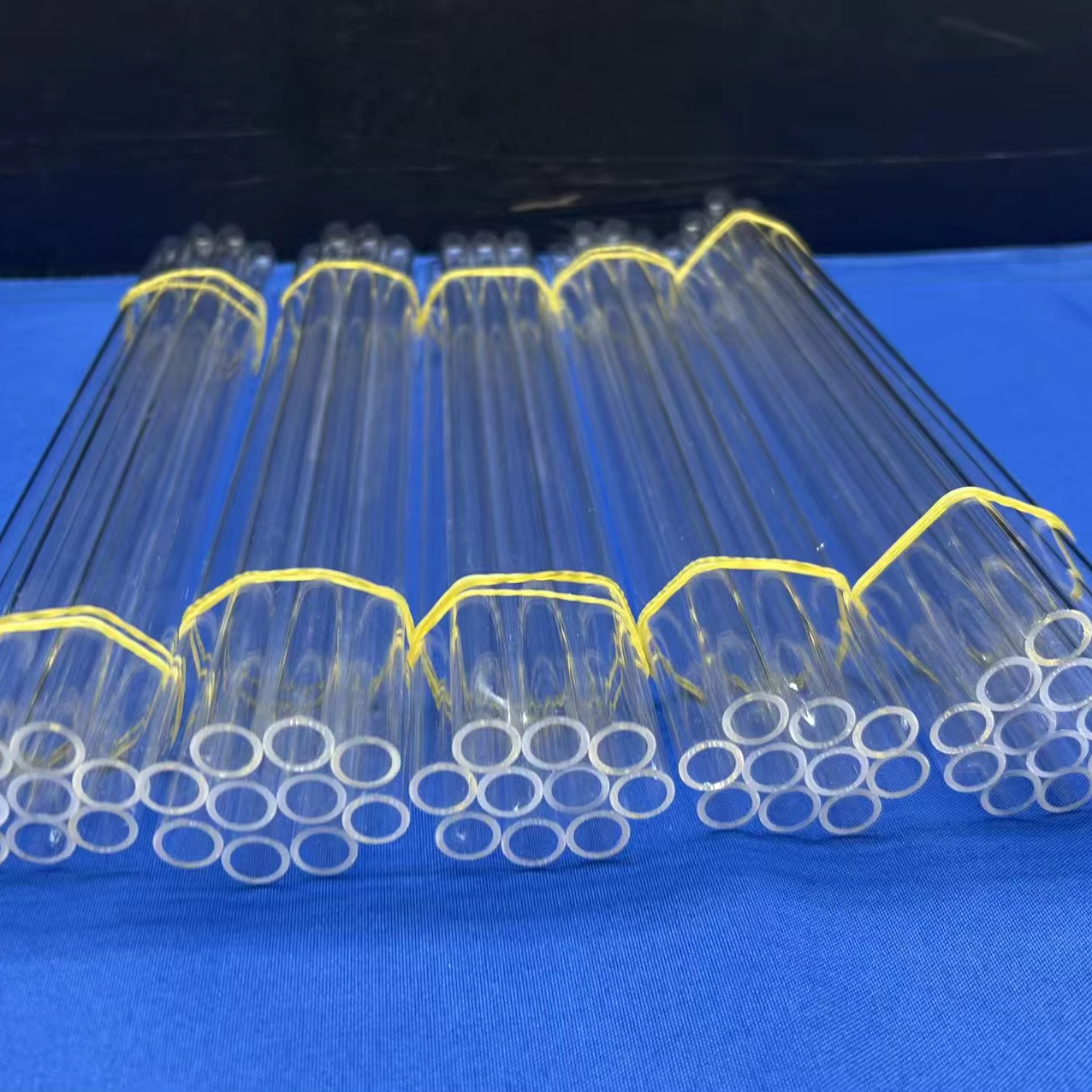
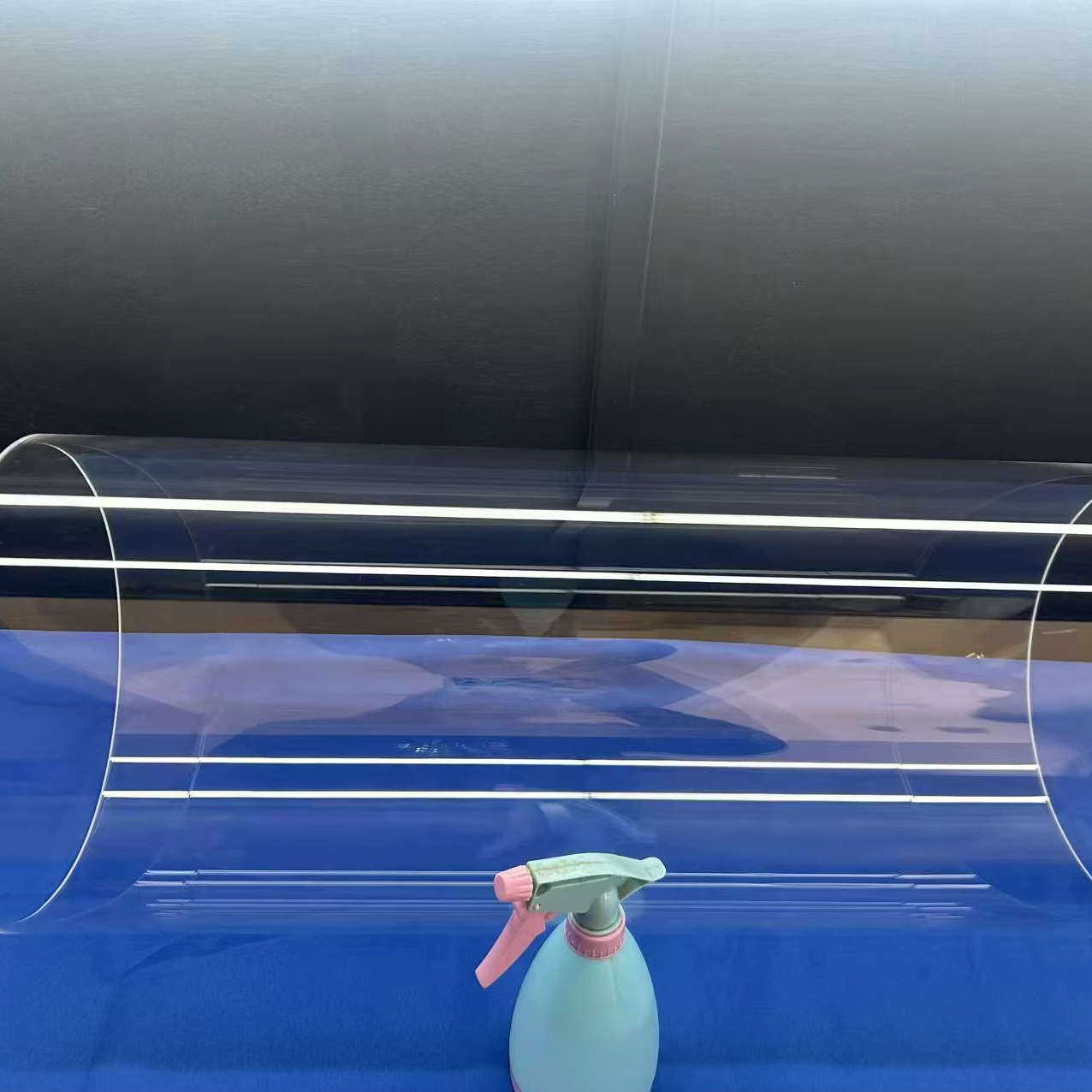
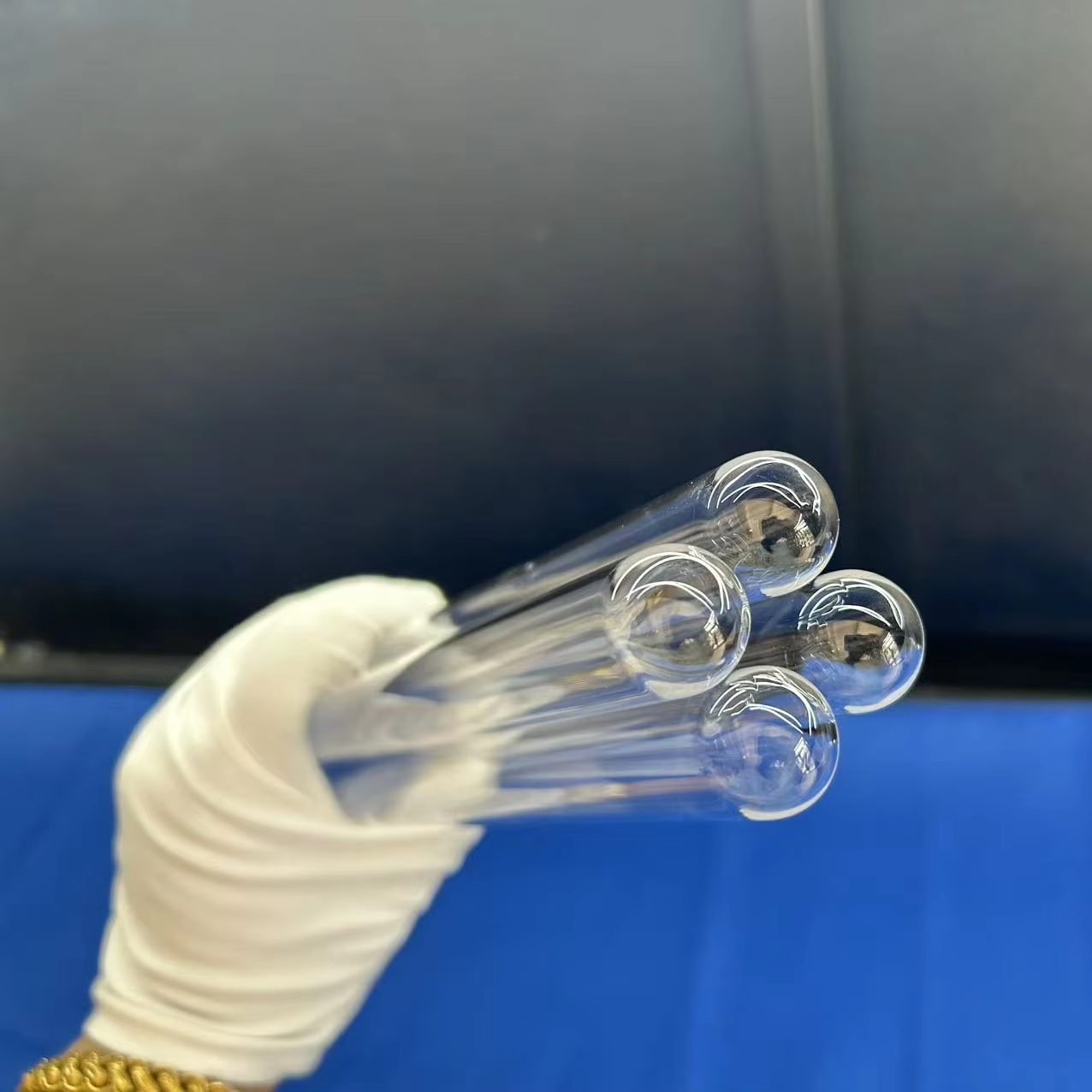
Featured OEM Fused Silica & Fabricated Quartz Components
Directly synthesized from ultra-high purity natural crystal quartz (SiO₂ ≥ 99.99%) in Donghai County. All items are manufactured to custom mechanical tolerances, surface finishes, and specific particle geometry for mission-critical industrial applications.
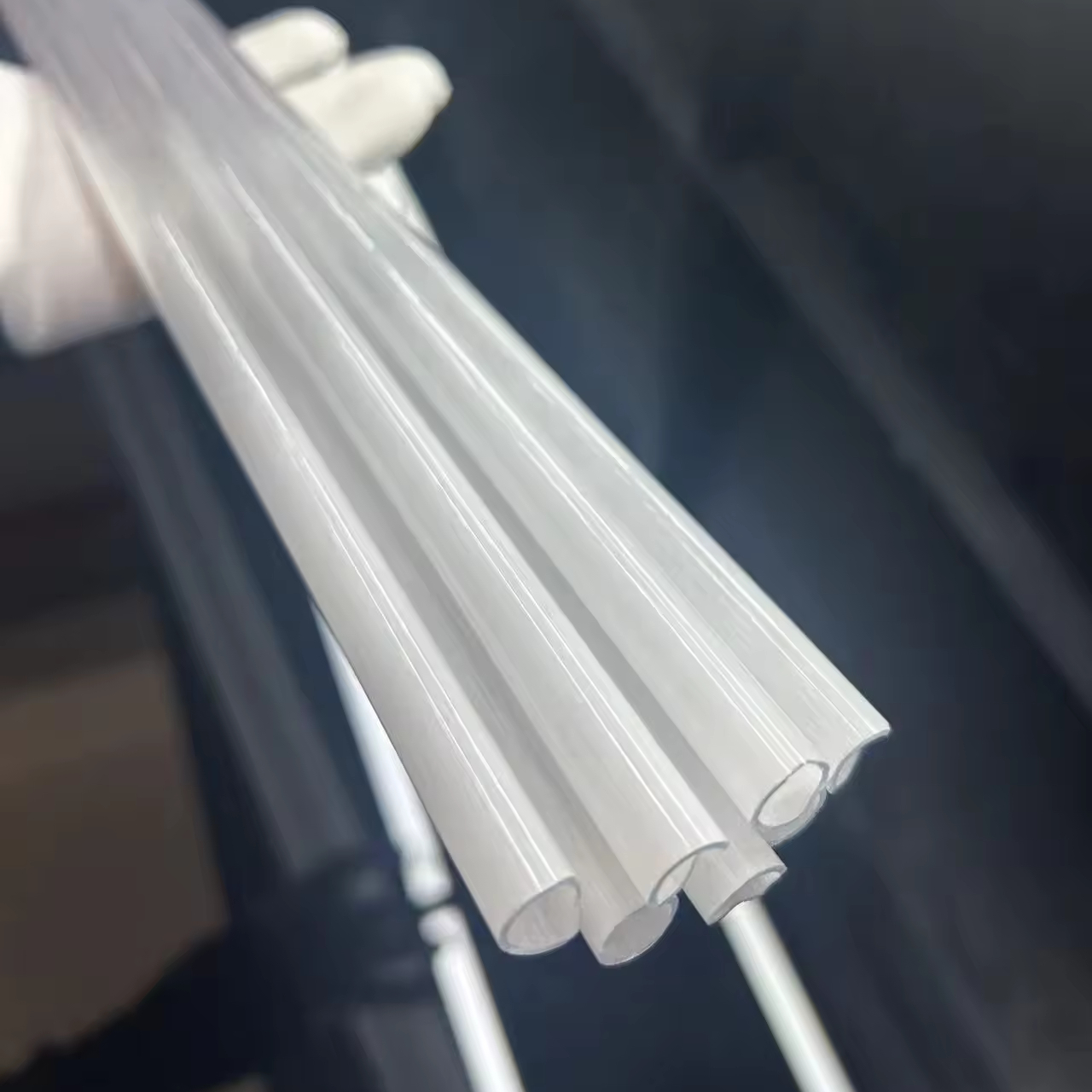
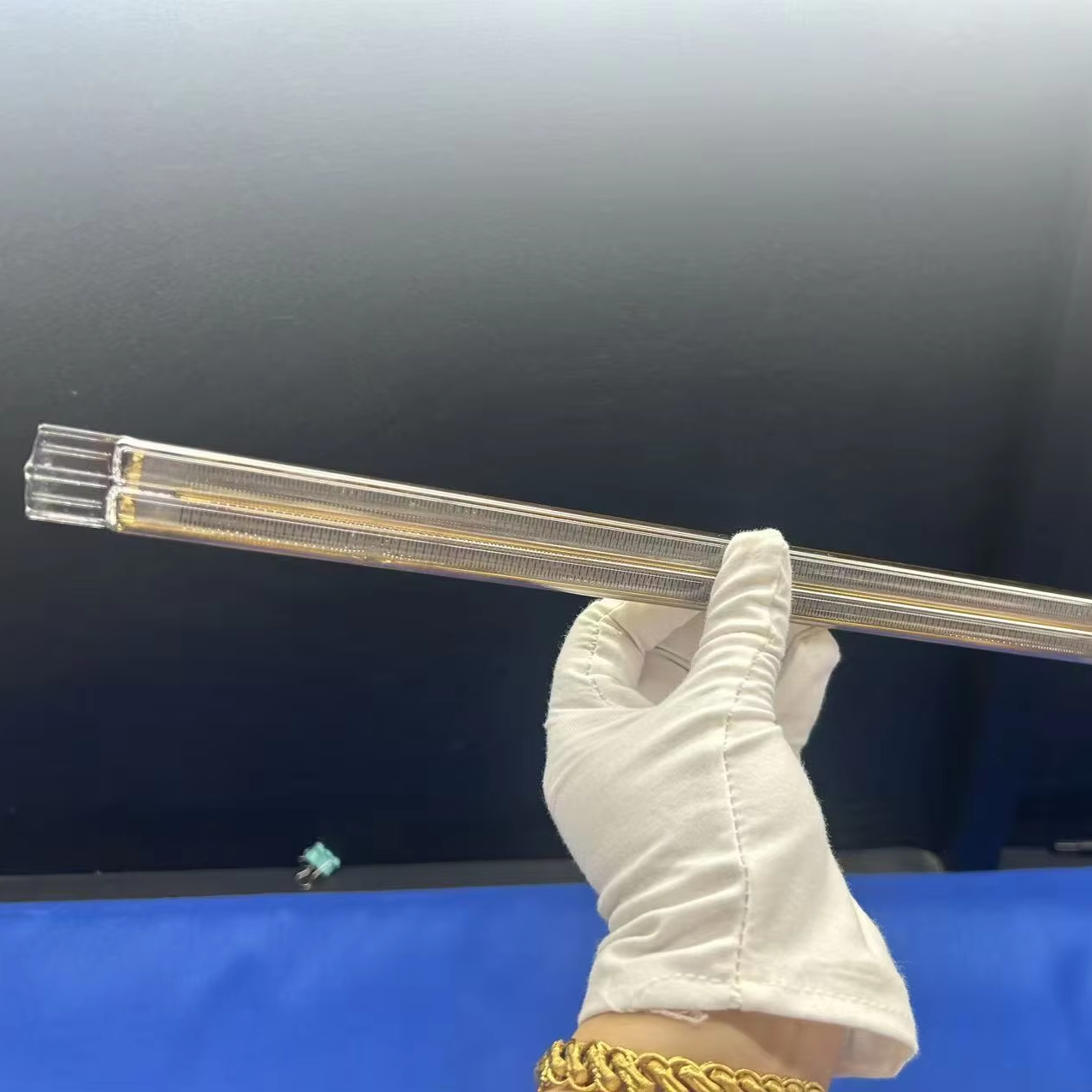
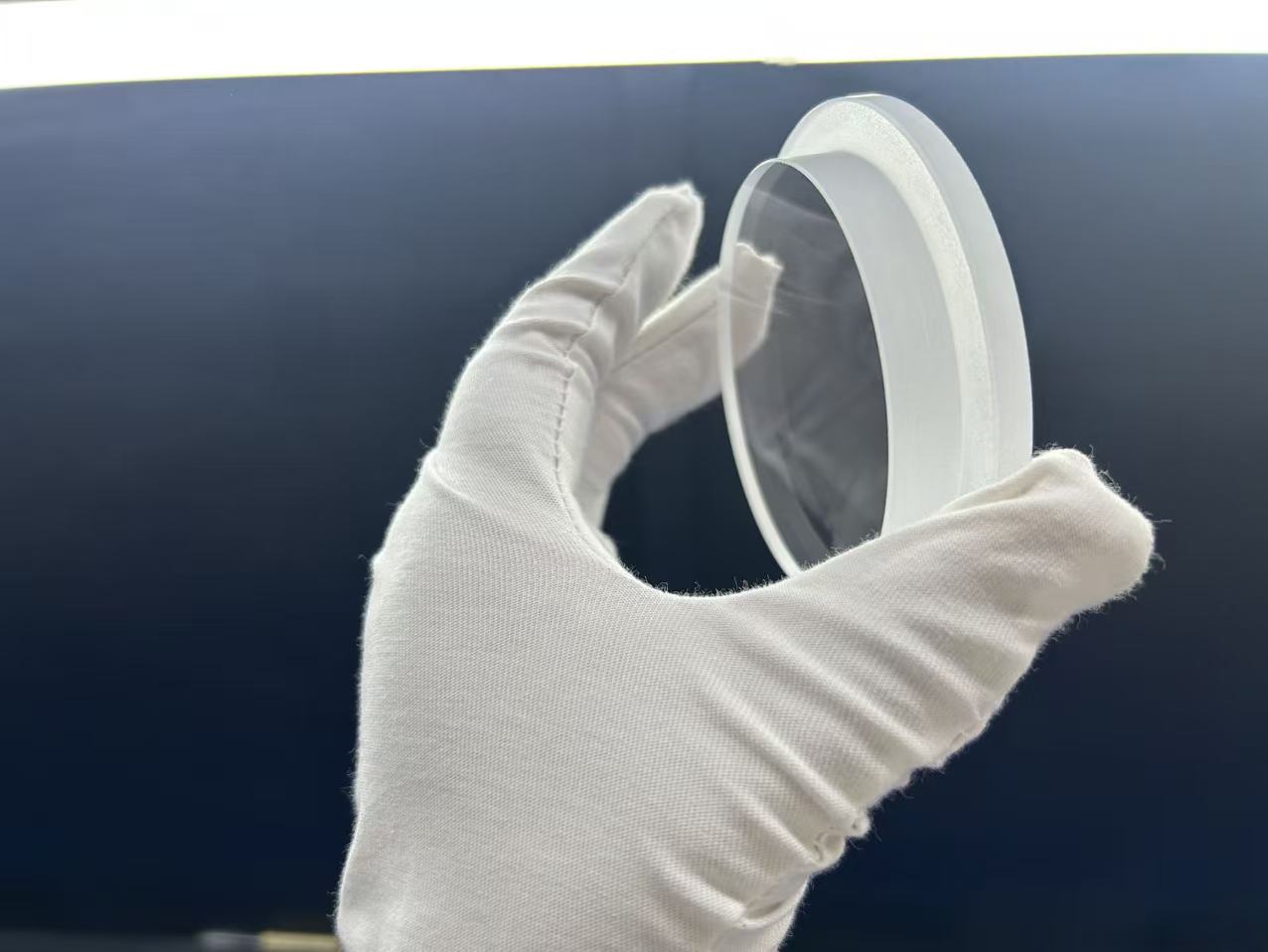
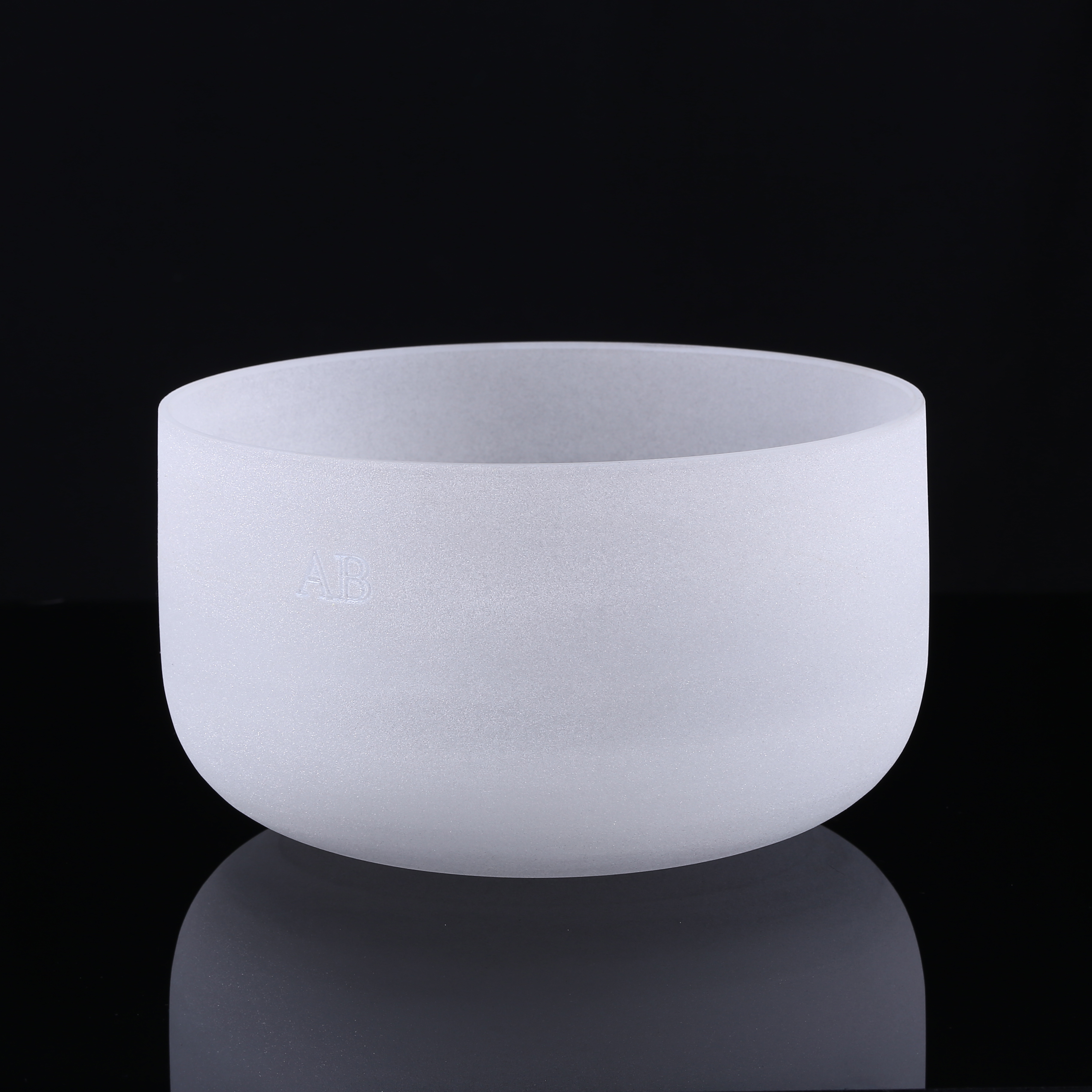
Donghai Nivra Quartz: Strategic Manufacturing & Global Export Powerhouse
Established in February 2019 in Donghai County, Jiangsu—the globally recognized capital of crystal quartz—Donghai County Nivra Quartz Products Co., Ltd. operates integrated raw material purification, electro-fusion, precision grinding, and hot working workshops.
Technical Whitepaper: Morphology, Purity Classification, and Synthesis Dynamics
Fused silica (SiO₂ ≥ 99.9% – 99.999%) represents an amorphous non-crystalline phase of silicon dioxide engineered through high-temperature fusion of ultra-pure natural quartz feedstock in electric arc furnaces operating at temperatures in excess of 2,000°C (3,632°F). Upon molten homogenization, rapid thermal quenching suppresses crystalline nucleation, creating a disordered three-dimensional network of silicon-oxygen tetrahedra ([SiO₄]). This structural vitrification results in an exceptionally low volumetric thermal expansion coefficient (0.5 × 10−⁶/K), near-zero dielectric loss, and immense chemical resistance.
As custom OEM suppliers and exporters, Nivra Quartz categorizes fused silica powder into two distinct morphological classes tailored to specific downstream processing vectors:
Produced via mechanical crushing, ball milling, and fluidized bed jet-milling of massive fused silica ingots. Characterized by irregular, faceted polyhedral geometries. Essential for investment casting shell molds, epoxy casting resins, refractory insulation, and technical ceramics where inter-particle mechanical interlocking enhances green body strength.
Synthesized via high-temperature gas flame or RF plasma spheroidization where micronized angular particles instantly melt and form perfect spherical droplets governed by surface tension. Boasts sphericity factors >0.95, minimal specific surface area, ultra-high loading capacity (up to 88-92 wt%), and superior fluidity in semiconductor Epoxy Molding Compounds (EMC).
Custom engineered with organofunctional coupling agents (e.g., Epoxysilane KH-560, Methacryloxysilane KH-570, Aminosilane KH-550) through reactive gaseous or liquid-phase surface chemisorption. Dramatically reduces interfacial tension, eliminates micro-voids, and prevents moisture ingress at resin-filler boundaries.
Chemical Impurity Limits & Physical Benchmark Matrices (Donghai Grade Standards)
| Analytical Parameter | Standard Electronic Grade | High-Purity Optical Grade | Ultra-Low Alpha Semiconductor Grade | Test Methodology |
|---|---|---|---|---|
| SiO₂ Purity (Min) | 99.90 % | 99.99 % | 99.999 % (5N) | XRF / Gravimetric Assay |
| Fe₂O₃ Impurity | ≤ 15 ppm | ≤ 5 ppm | ≤ 0.8 ppm | ICP-OES / ICP-MS |
| Al₂O₃ Impurity | ≤ 280 ppm | ≤ 18 ppm | ≤ 3.0 ppm | ICP-OES |
| Alkali Metals (Na + K + Li) | ≤ 25 ppm | ≤ 4 ppm | ≤ 0.5 ppm | Atomic Absorption Spectrometry |
| Heavy Metals (Cr, Ni, Cu) | ≤ 8 ppm | ≤ 1.5 ppm | ≤ 0.2 ppm | ICP-MS |
| Uranium (U) + Thorium (Th) | ≤ 2 ppb | ≤ 0.5 ppb | ≤ 0.05 ppb (α ≤ 0.001 cph/cm²) | Alpha Particle Counting / HR-ICP-MS |
| Specific Surface Area (BET) | 2.5 – 6.5 m²/g | 1.8 – 4.5 m²/g | 1.2 – 3.5 m²/g | Quantachrome N₂ Gas Physisorption |
| Dielectric Constant (ε at 1 MHz) | 3.82 | 3.78 | 3.72 | Split-Post Dielectric Resonator (SPDR) |
| Dielectric Loss Tangent (tan δ) | ≤ 2.5 × 10−⁴ | ≤ 1.2 × 10−⁴ | ≤ 0.6 × 10−⁴ | High-Frequency Network Analyzer (10GHz) |
| Moisture Content (105°C, 2h) | ≤ 0.1 % | ≤ 0.05 % | ≤ 0.02 % | Karl Fischer Coulometric Titration |
*Note: Batch-specific Certificate of Analysis (COA) is validated using Malvern Mastersizer 3000 laser granulometry for strict particle size distribution controls (D10, D50, D90, D99 cutoffs). Multi-modal customized grain blends are formulated upon buyer technical dispatch.
Future Procurement Trends for Global Industrial Buyers (2025–2035)
Strategic supply chain dynamics are shifting. Procurement directors across North America (40% export share), Western Europe (20%), and East Asia are adjusting purchase specifications to navigate new manufacturing regimes.
With High-Bandwidth Memory (HBM3e/HBM4) and complex Multi-Chip Modules (MCM) generating extreme circuit density, standard fillers cause thermal stress warpage and circuit failure. Global procurements are rapidly pivoting to Sub-Micron Spherical Silica with sub-ppb thorium/uranium levels to avoid Alpha particle induced soft error rates (SER).
Artificial Intelligence clusters operating high-speed interconnects (PCIe 6.0/7.0) suffer signal latency through dielectric absorption. Fused silica powder with dielectric constants (ε ≤ 3.75) and loss tangents (Df ≤ 0.001 at 10-77 GHz) has become the gold-standard functional filler replacing traditional E-glass and talc in advanced PTFE and hydrocarbon CCLs.
Automotive electrification demands resin encapsulants and potting compounds capable of high thermal conductivity combined with strict dielectric breakdown resistance (>25 kV/mm). Tier-1 automotive suppliers source specialized trimodal spherical fused silica distributions to push volumetric filler loading above 85% without sacrificing resin pumpability.
The photovoltaic industry's transition from P-type PERC to N-type TOPCon and heterojunction architectures requires elevated diffusion furnace temperatures and extended ingot pull times. Buyers require fused silica crucible components and furnace liners with near-zero bubble density and iron contamination below 2 ppm to eliminate minority carrier lifetime degradation.
Stereolithography (SLA) and Direct Light Processing (DLP) ceramic printing workflows depend heavily on sub-10-micron fused silica powders with uniform rheological properties and high refractive matching with photopolymer resins. Custom OEM grain classification prevents laser scattering during layer photopolymerization.
Procurement leaders are actively disintermediating European and American compounding middlemen, striking long-term Direct Manufacturer Supply Agreements with primary Donghai processors. This delivers a 25-40% landed cost reduction while cementing direct technical control over raw material grain matrices.
R&D Vectors: Next-Generation Fused Silica Powder Engineering
At Nivra Quartz, our continuous engineering investments reflect the frontier challenges of precision component synthesis. Our laboratory and manufacturing roadmap focuses on four high-impact processing breakthroughs:
1. Fluidized-Bed Jet Milling with Ceramic Contamination Barriers: Traditional stainless steel milling imparts minute iron and chromium debris, detrimental to semiconductor insulation. Nivra Quartz implements opposing fluidized-bed jet pulverization lined entirely with dense 99.9% alpha-alumina and sintered silicon carbide liners, achieving D50 = 1.2 μm with zero detectable extraneous heavy metal pick-up.
2. Continuous RF Thermal Induction Plasma Spheroidization: By projecting angular silica particles through a 10,000K inductively coupled argon-oxygen plasma torch, complete in-flight melting is attained. The resulting spherical particles possess an amorphous ratio of 99.98% without cristobalite phase transitions, dramatically reducing internal pore entrapment.
3. Dual-Silane Hydrophobic Chemical Functionalization: To solve the hygroscopic aggregation common in ultra-fine powders during maritime shipping, we implement dual-silane vapor deposition in fluid-bed reactors. This achieves an organosilane grafting density of ≥2.4 molecules/nm², eliminating hydroxyl (–OH) surface groups and yielding powders that exhibit permanent hydrophobicity and stellar dispersibility in non-polar matrices.
4. Monodisperse & Trimodal Particle Packing Algorithms: Utilizing the Furnas and Andreasen particle packing mathematical models, we blend custom micron and sub-micron fractions to optimize space-filling efficiency. This enables our clients to hit unprecedented viscosity-to-loading ratios, making 90% mineral-loaded resin systems commercially manufacturable.
Frequently Asked Questions: Technical & Commercial Due Diligence
Direct answers to the most critical inquiries submitted by supply chain managers, design engineers, and QA directors sourcing fused silica materials from China.
What is the structural difference between Fused Silica Powder, Crystalline Quartz Powder, and Fumed Silica?
The distinction lies in crystal lattice configuration, synthesis route, and physical properties:
Fused Silica Powder is an amorphous glass formed by high-temperature melting (>2000°C) of natural quartz, followed by rapid quenching. It exhibits an exceptionally low thermal expansion coefficient (0.5 × 10−⁶/K), superior thermal shock immunity, and low dielectric loss.
Crystalline Quartz Powder (Silica Flour) is produced by directly milling natural un-melted quartz rock. It retains an organized hexagonal crystal lattice (α-quartz), causing high thermal expansion (14 × 10−⁶/K) and undergoing a disruptive volumetric phase transformation at 573°C (α–β transition).
Fumed (Pyrogenic) Silica is synthesized chemically via vapor-phase flame hydrolysis of silicon tetrachloride (SiCl₄). It produces sub-micron primary aggregates (7-40 nm) with massive specific surface areas (100-400 m²/g), primarily utilized for liquid rheology and thixotropy control rather than mechanical bulk loading.
How does Nivra Quartz ensure zero metallic iron (Fe) contamination in high-purity fused silica flours?
Our Donghai processing facilities implement a five-stage mechanical and chemical iron suppression protocol:
1. Feedstock Sonic Washing: High-grade Donghai natural quartz rock undergoes ultrasonic acid leaching (HF + HCl) to strip surface iron oxides prior to furnace loading.
2. Non-Metallic Pulverization: Milling is conducted in specialized ball mills lined with high-density isostatically pressed high-alumina ceramic bricks or high-purity natural quartz stone liners, utilizing high-alumina or fused quartz grinding media.
3. High-Gradient Magnetic Separation (HGMS): Micronized output cascades through dual-pass superconducting magnetic separators operating at magnetic flux densities exceeding 12,000 to 18,000 Gauss, capturing paramagnetic micro-particles.
4. In-line Fluidized Jet Sorting: Ultrafine processing utilizes opposing air streams where particles collide with each other inside an Al₂O₃ chamber, eliminating mechanical tool wear.
5. Batch ICP-OES Certification: Every 5-ton production lot is sampled and tested to guarantee Fe contents remain below contractually designated limits (≤ 15 ppm for electronic grade; ≤ 0.8 ppm for 5N grade).
Can particle size distributions (PSD) be customized to proprietary multi-modal specifications?
Yes. Our German-engineered multi-rotor turbine air classifiers allow micro-adjustment of cut-points from D50 = 0.5 μm up to D50 = 150 μm. We routinely develop custom bimodal and trimodal curves where sub-micron particles populate the interstitial voids between larger 10μm and 45μm particles. This precise packing optimization allows compounders to achieve resin filler loadings exceeding 88 wt% while sustaining exceptionally low Brookfield melt viscosity.
What quality controls govern Ultra-Low Alpha (≤0.001 cph/cm²) powder used in semiconductor packaging?
Alpha particles emitted by the radioactive decay of Uranium-238 and Thorium-232 isotopes induce soft errors in DRAM, SRAM, and modern AI logic chip dies. To satisfy tier-1 semiconductor packaging requirements, Nivra Quartz selects synthetic or hyper-purified raw feedstocks where U and Th contents are quantified below 0.05 parts per billion (ppb) via High-Resolution Inductively Coupled Plasma Mass Spectrometry (HR-ICP-MS). Finished powders are monitored using ionization chamber gas-proportional counters over 72-hour sampling runs to verify alpha emission rates below 0.001 counts/cm²·hour.
How does Nivra Quartz pack fragile fabricated quartz components and bulk powders for transoceanic shipment?
Our protective packaging standards strictly adhere to international export protocols:
For Powders: 25kg multi-layer Kraft paper sacks with inner polyethylene thermal-welded moisture barriers, palletized under thermal-shrink polymer hoods with active silica gel desiccants. Bulk shipments are supplied in 1,000kg conductive anti-static big bags (Type C / Type D) suitable for hazardous dust zones.
For Fabricated Quartz Tubes, Plates & Vessels: Parts undergo class-10,000 cleanroom ultrasonic cleaning, double vacuum heat-sealing in antistatic film, and custom positioning in high-density closed-cell polyethylene (EPE) shock-absorbing foam molds. Master packing is executed inside heavy-duty, fumigation-free ISPM-15 plywood crates with internal structural shock sensors.
What are the lead times, sample policies, and Minimum Order Quantities (MOQ)?
We welcome rapid R&D sampling and pilot evaluations:
• Standard Powder Samples: 500g – 2kg technical evaluation samples shipped via DHL/FedEx air express within 48 to 72 hours.
• Fabricated Quartz Samples: CNC machined quartz plates, test tubes, or custom cuvettes completed against CAD/STEP drawings in 7 to 10 working days.
• Production MOQs: Standard powders start at 100 kg; custom-milled or surface-treated powders start at 500 kg to 1 metric ton. Fabricated quartz tubes and plates have an MOQ of 1 to 10 pieces depending on geometry.
Launch Your Custom OEM Fused Silica Project
Consult with our Donghai technical engineering team. Receive detailed chemical purity analyses, laser particle granulometry curves, manufacturability assessments, and competitive factory-direct export proposals within 5 hours.