Featured High-Purity Quartz Glass Components
Direct from China's leading synthesis and machining facilities. Built to exact drawing specs with optical-grade tolerances and exceptional thermal resistance.
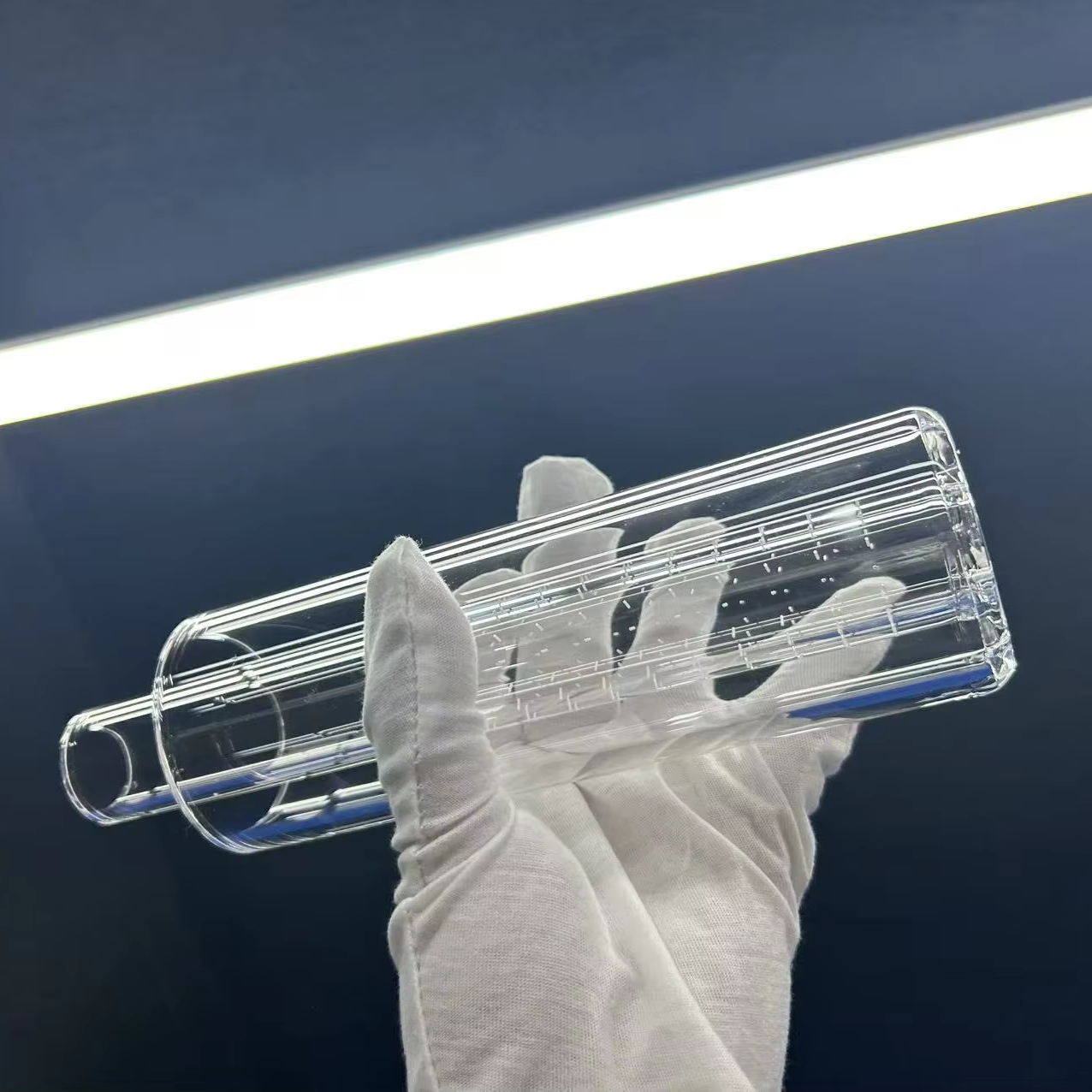
Customized Perforated Quartz Tube
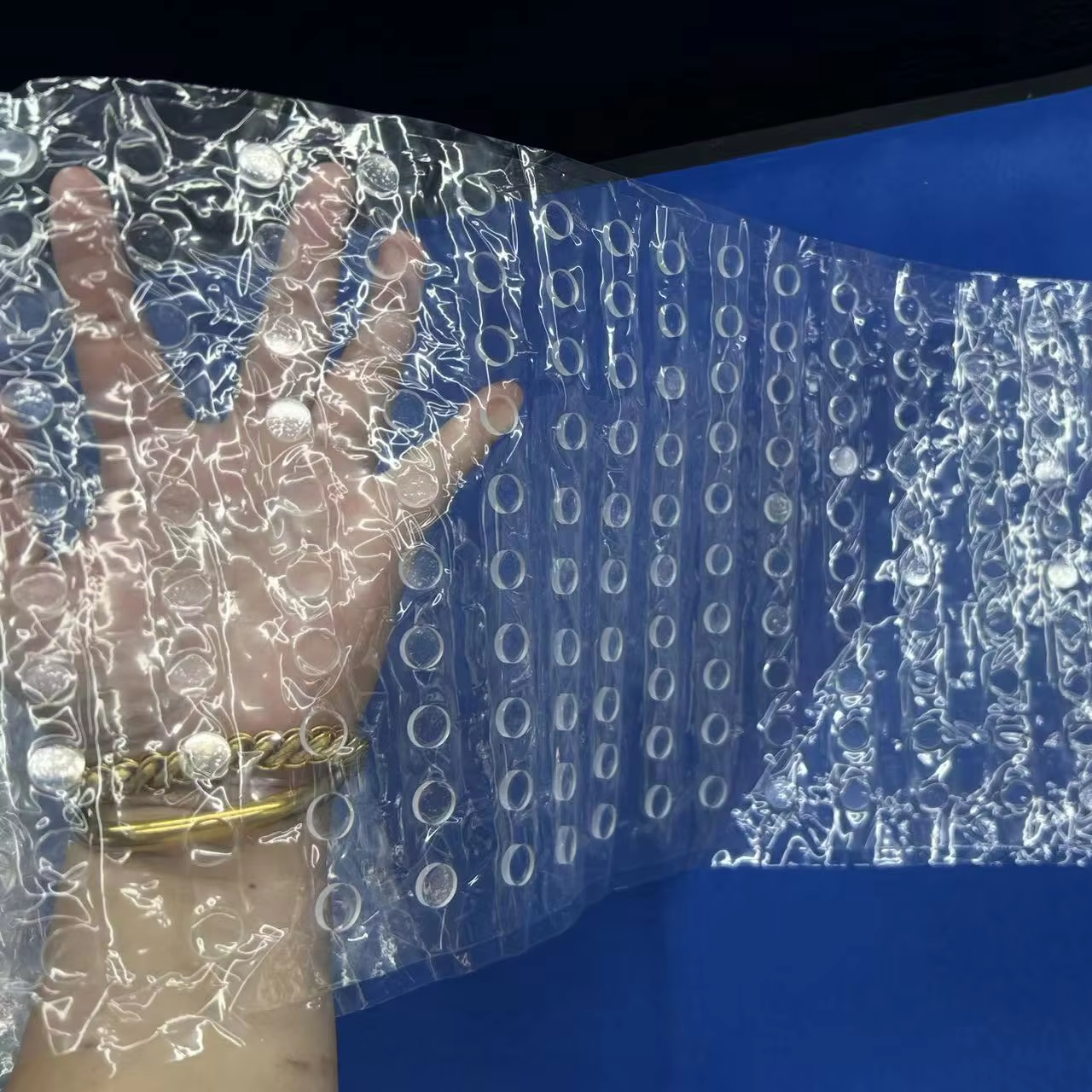
Factory-Made High-purity Small Size Quartz Wafer, Provide Cutting and Polishing Services
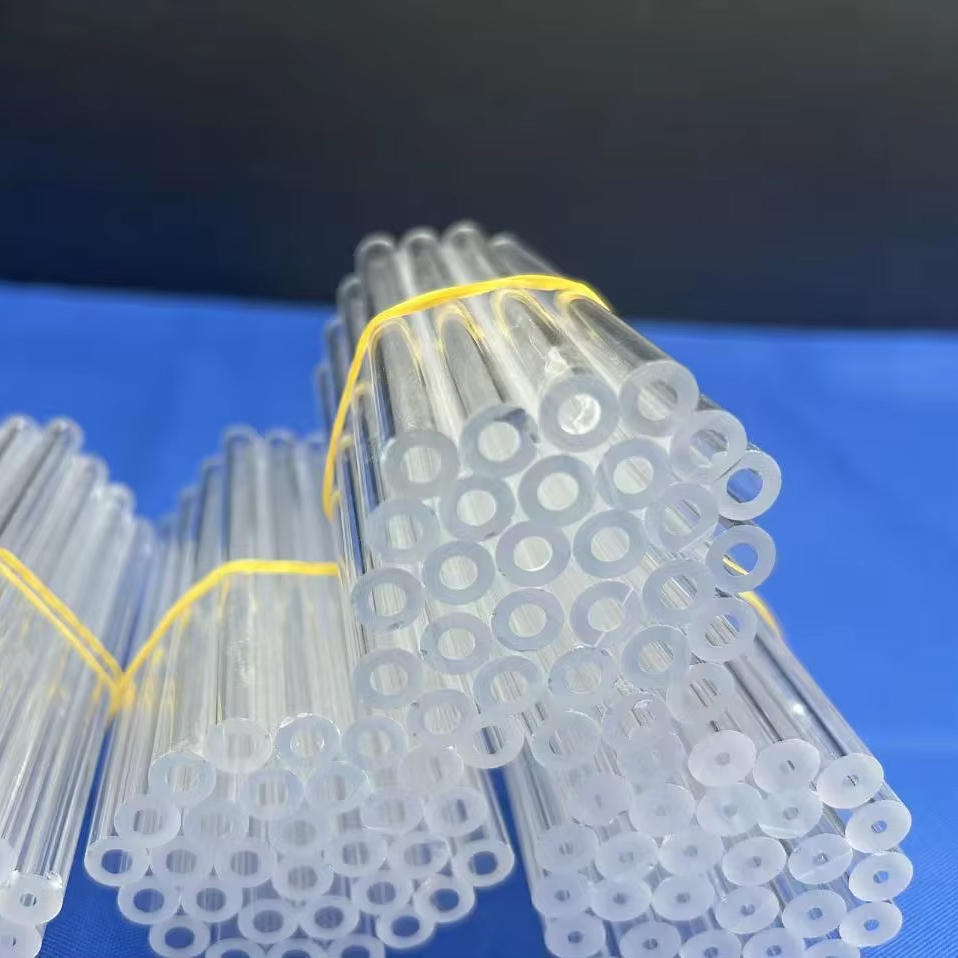
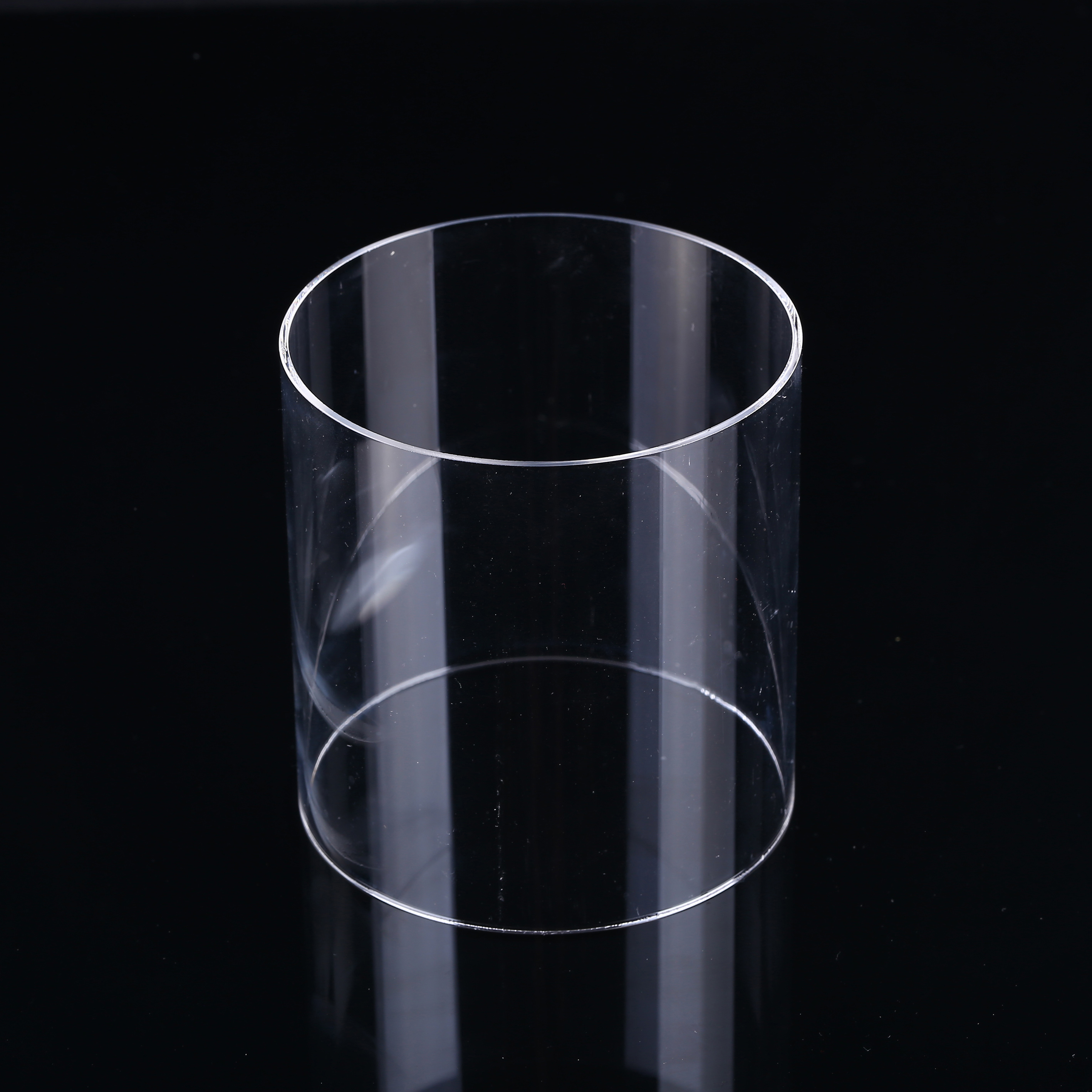
Customized Size clear Quartz Glass Tube BET Borosilicate Glass test Tube clear Quartz Glass Tube
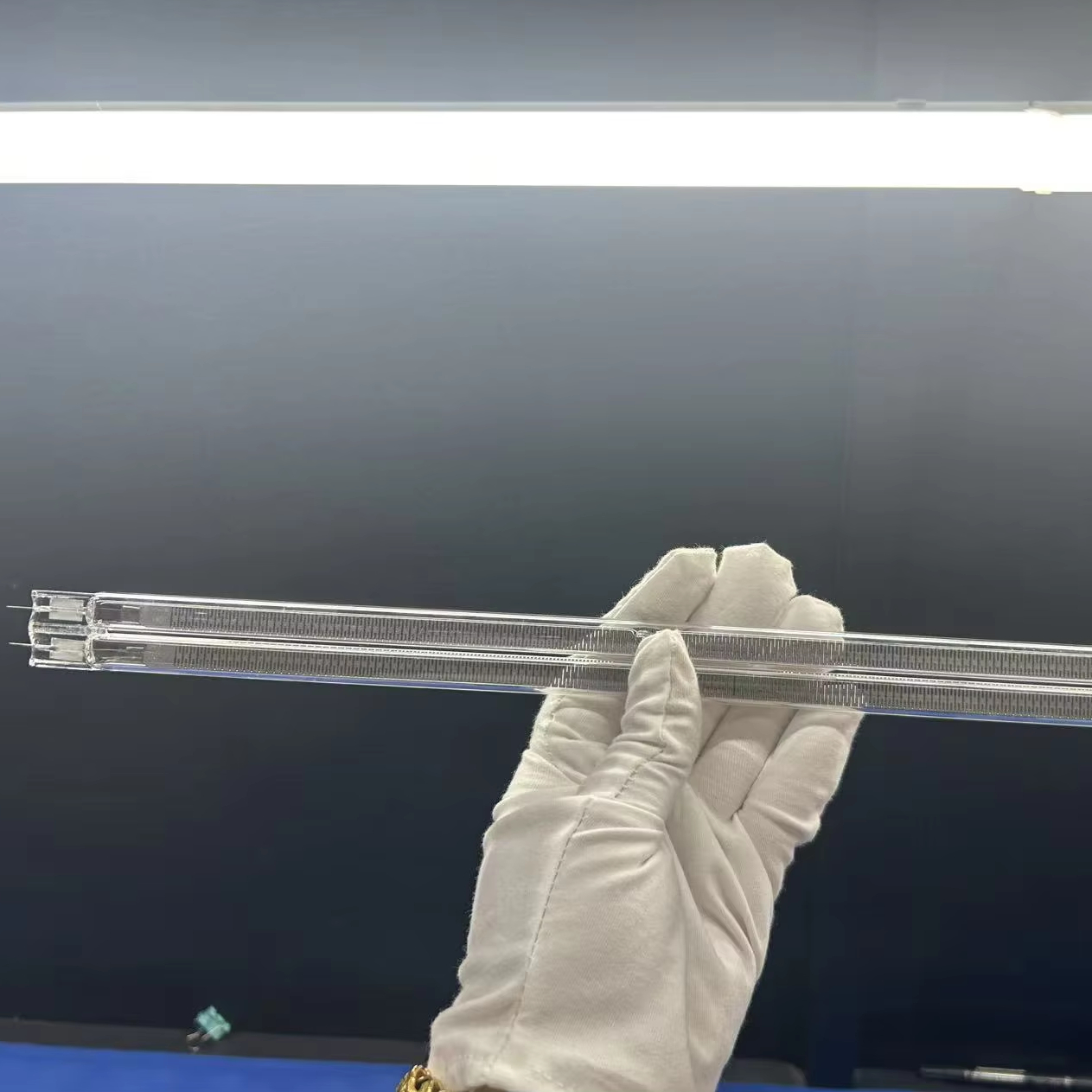
220v/380v 400mm 15*33mm Diameter Infrared Heating Tube Carbon Fiber/halogen Tube/graphite Tube for Fast Heating Equipment
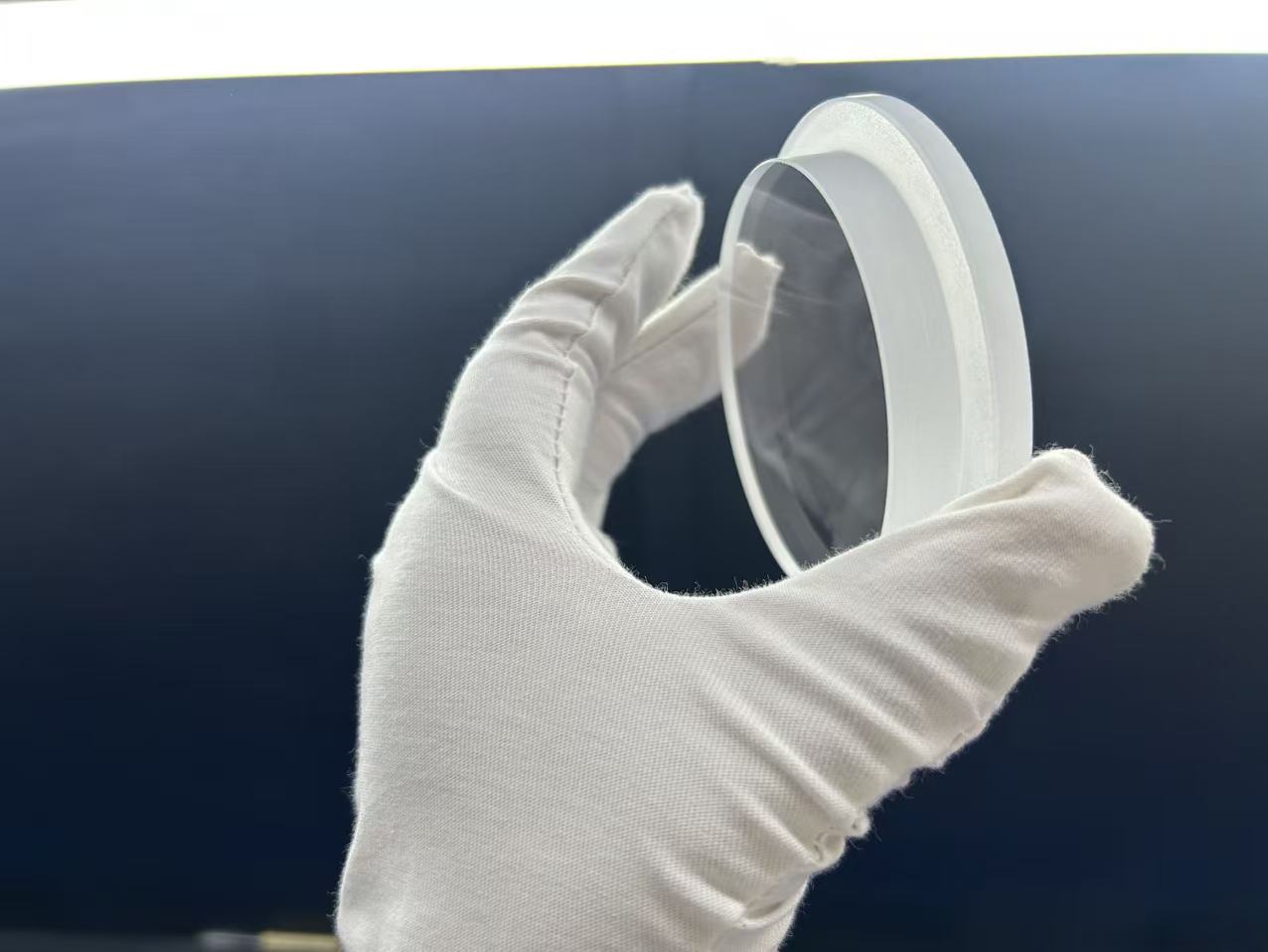
Factory-Made High-purity Ultra-thick Quartz Double-Layer Step Plate ,Provide Cutting and Polishing Services
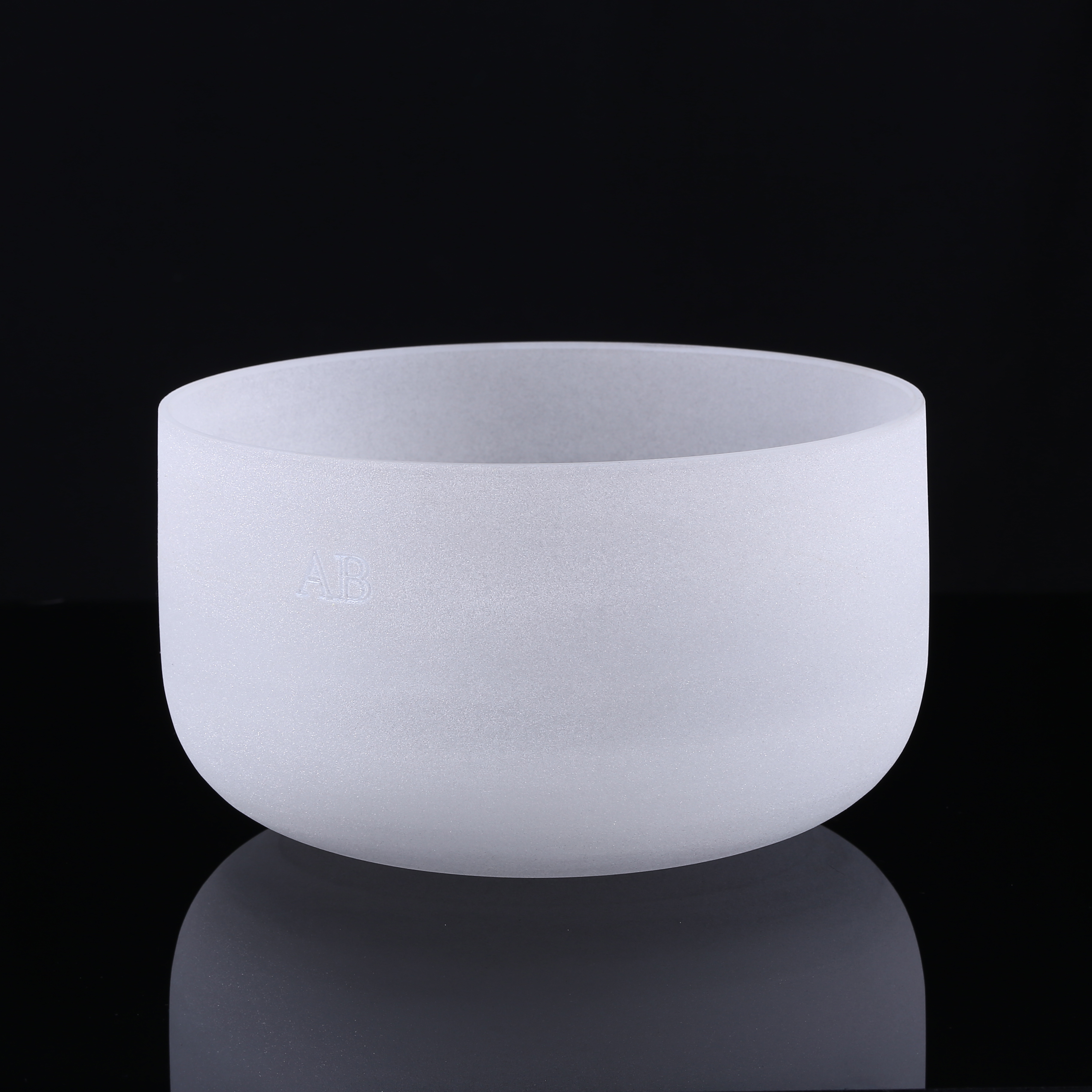
High Temperature Fused Silica Quartz Crucible
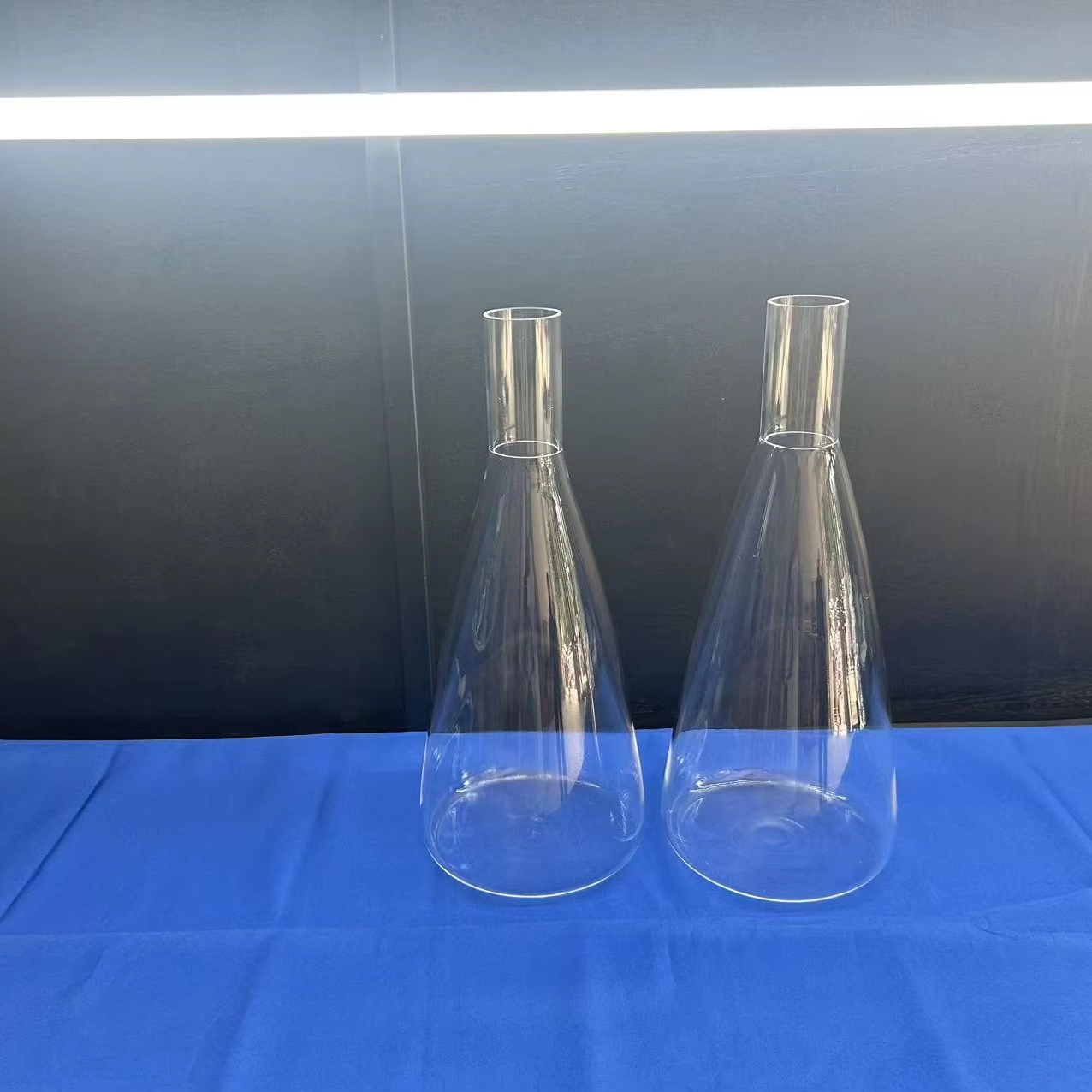
Laboratory Fused Silica Quartz Glass Flask
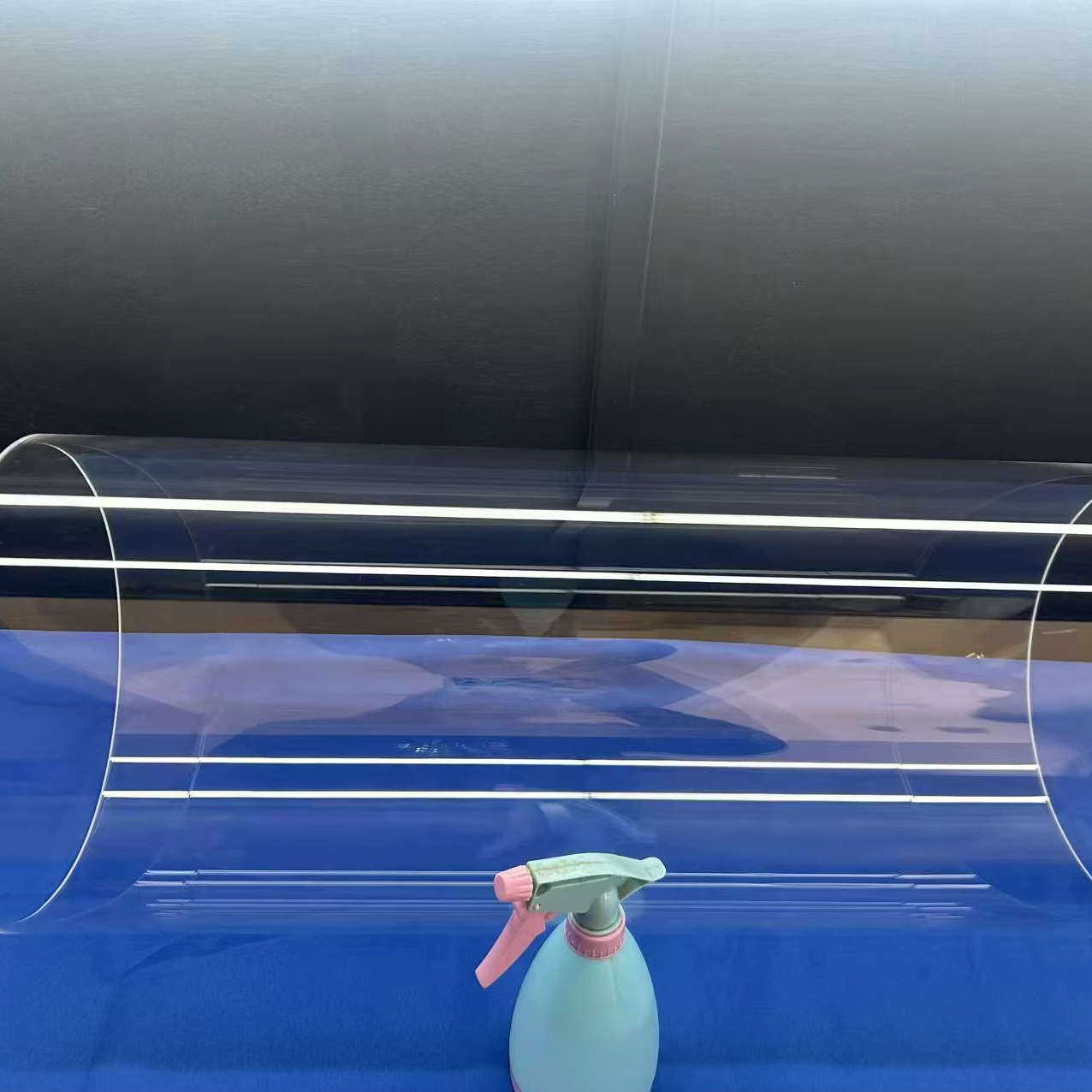
Customizable High Purity Fused Quartz Glass Tube High Temperature Resistant
Executive Overview: The Evolution of Synthetic Quartz Glass Manufacturing in China
As global technology sectors transition into advanced node semiconductor fabrication (sub-3nm processes), high-efficiency TOPCon/HJT photovoltaic cell production, and high-power deep-UV (DUV) optics, the demand for ultra-high purity vitreous silica has shifted from traditional natural quartz towards synthetic fused silica (Synthetic Quartz Glass). China has established itself as the global epicenter for precision quartz synthesis and cold-machining processing, anchored primarily in specialized manufacturing clusters such as Donghai County, Jiangsu Province.
Synthetic quartz glass differs fundamentally from standard fused natural quartz. Synthesized through chemical vapor deposition (CVD) or gas-phase flame hydrolysis of volatile silicon compounds (such as high-purity $SiCl_4$), synthetic fused silica yields an amorphous matrix virtually free of metallic impurities (Fe, Al, Na, K, Li < 0.1 ppm total). This chemical purity grants the material unprecedented optical clarity across the ultraviolet to near-infrared spectrums, zero bubble inclusions, superior bubble-class ratings, and remarkable resistance to high-energy plasma etching and laser radiation damage.
Key Industry & Technological Trends in Synthetic Quartz Manufacturing
1. Semiconductor Transition to Plasma-Resistant & Synthetic Substrates
Next-generation atomic layer deposition (ALD) and reactive ion etching (RIE) environments utilize fluorinated plasma chemistry ($CF_4, C_4F_8, NF_3$) operating at extreme power density. Standard clear quartz tubes and boats experience thermal degradation and micro-particulate flaking under these conditions. China’s leading manufacturers are addressing this by engineering specialized synthetic quartz bell jars, diffusion tubes, and wafer carriers featuring controlled hydroxyl ($OH^-$) contents and dense microstructures that extend component life by 40% to 60% in wafer fabrication cleanrooms.
2. Large-Diameter Synthesis for PV Solar Cell Expansion
The solar industry's acceleration towards N-Type TOPCon and Heterojunction (HJT) solar cell structures requires larger silicon wafers (M10, G12 formats). To accommodate these scales, high-temperature quartz crucibles and thermal heating furnace tubes must reach outer diameters exceeding 800mm to 1000mm without suffering wall deformation or sag under thermal stress at 1200°C. Advanced Chinese factories utilize automated arc synthesis and multi-axis CNC glass lathes to produce giant synthetic and fused silica vessels with sub-millimeter concentricity tolerances.
3. Optical Synthesis Grades: JGS1 vs. JGS2 vs. JGS3 Precision Standards
Selecting the appropriate glass grade is critical to optical system performance and sourcing cost optimization. Understanding the spectral characteristics of synthetic silica ensures engineering procurement aligns with operational requirements:
| Grade Standard | Material Type | Spectral Range | OH Content | Primary Application Fields |
|---|---|---|---|---|
| JGS1 | Synthetic Fused Silica ($SiCl_4$) | 185 nm – 2500 nm (Deep UV) | > 200 – 1000 ppm | DUV Lithography optics, Excimer laser windows, Spectroscopy cuvettes, UV disinfection systems. |
| JGS2 | Fused Natural Quartz (High Purity) | 220 nm – 2500 nm (UV-Vis) | 30 – 150 ppm | Optical sight glasses, high-temperature observation windows, furnace tube viewports. |
| JGS3 | Water-Free Synthetic / Fused Silica | 260 nm – 3500 nm (Vis-IR) | < 5 ppm (Infrared Grade) | Infrared optical sensors, CO₂ laser optics, high-energy thermal imaging systems. |
Future Sourcing & Global Procurement Strategies for OEM Buyers
Global supply chain resilience, total cost of ownership (TCO), and stringent material traceability are driving structural changes in how international buyers engage with Chinese quartz glass manufacturers:
Shift Towards Turnkey OEM Cold & Hot Machining: Modern OEM procurement teams no longer source raw quartz tubing or unworked plates for local post-processing. Strategic procurement contracts now demand fully finished, ready-to-install components featuring precise fire-polishing, multi-stage ultrasonic cleaning, ultrasonic hole drilling, step-bevel edging, and cleanroom heat annealing.
Standardization of Quality Assurance (GD&T Rigor): Leading Chinese suppliers are integrating coordinate measuring machines (CMM), laser interferometers, and spectrophotometric purity analysis into standard factory release protocols. Procurement specs increasingly require DIN ISO 2768-m (or fine class) mechanical tolerances and certified surface scratch-dig ratings (e.g., 60/40, 40/20, or 20/10 optical polish).
Why Sourcing From Donghai Nivra Quartz Delivers Competitive Advantage
Located in Donghai County—China’s premier quartz and crystal capital—Donghai County Nivra Quartz Products Co., Ltd. combines raw material advantage with world-class machining expertise.
Integrated Supply Chain & Location
Headquartered at 285 Heping East Road, Lianyungang, Jiangsu, our plant operates within China’s quartz synthesis hub. Direct access to high-purity silica raw materials minimizes supply chain lead times and reduces component acquisition costs by 20-35%.
Advanced Processing & Workforce
Equipped with 101–200 skilled engineers, technicians, and glassblowers. Capabilities include precision optical diamond grinding, CNC waterjet cutting, flame-lathe rounding, step-plate polishing, and stress-relieving vacuum annealing furnaces.
Rigorous Quality & Fast Response
Maintaining an average inquiry response time under 5 hours (88.89% response rate) and a 23% reorder performance metric. Verified on-site production lines ensure 100% compliance with customer technical drawings prior to export.


Frequently Asked Questions for Quartz Glass Purchasing
Essential technical and commercial answers to streamline your direct factory sourcing experience.
Ready to Upgrade Your Quartz Glass Component Procurement?
Download our complete product catalog or request direct engineering drawing feedback from our factory technical team today.