Precision Quartz Tubing & Thermal Components
Explore our industrial-grade catalog manufactured directly at our Donghai production facility with strict dimensional tolerances and multi-grade optical clarity.
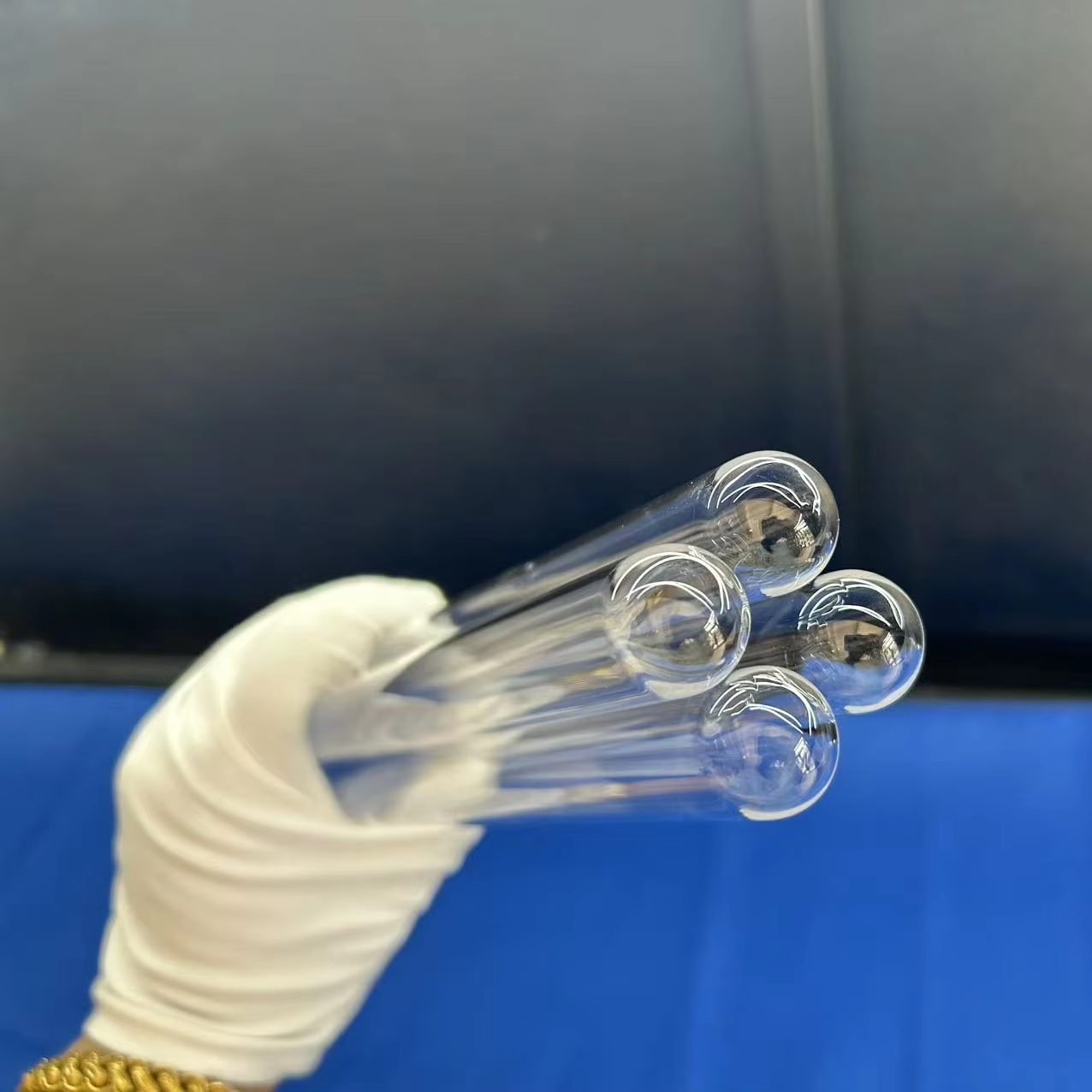
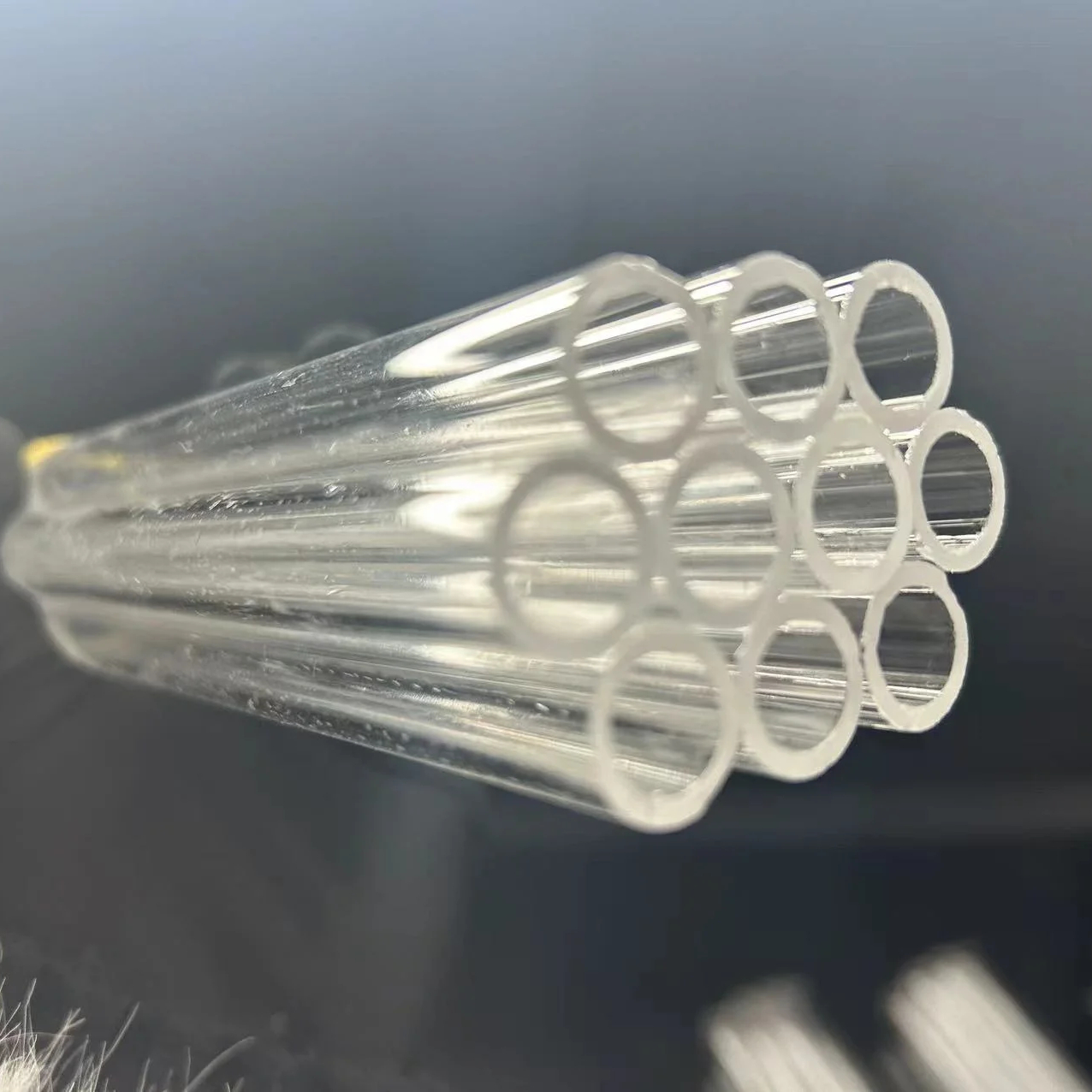
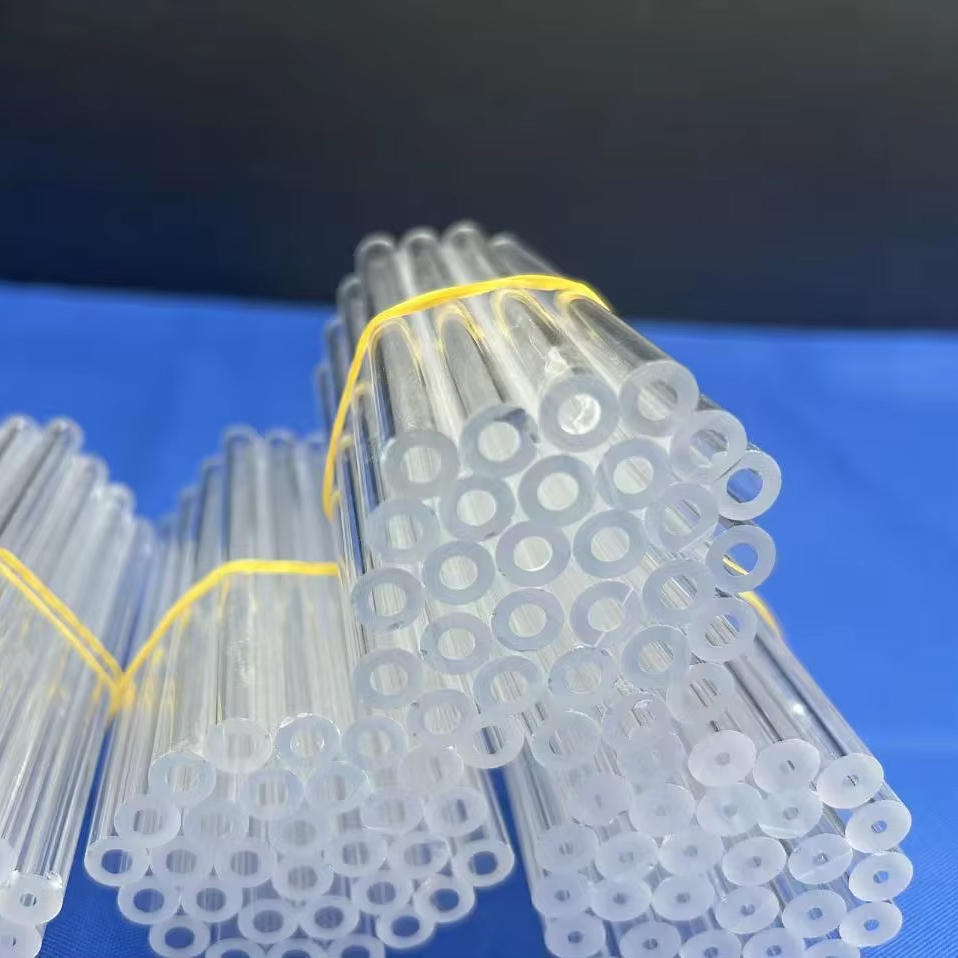
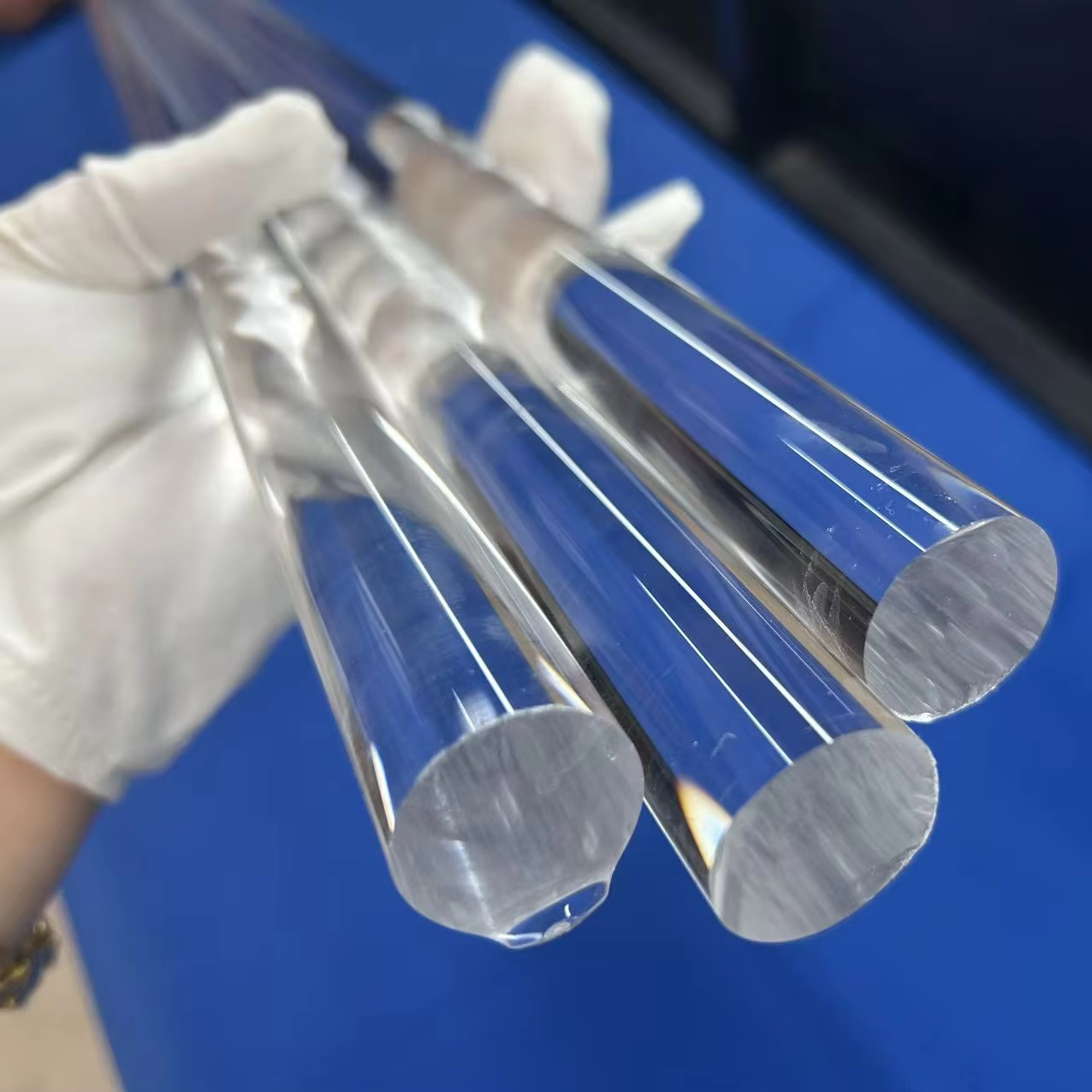
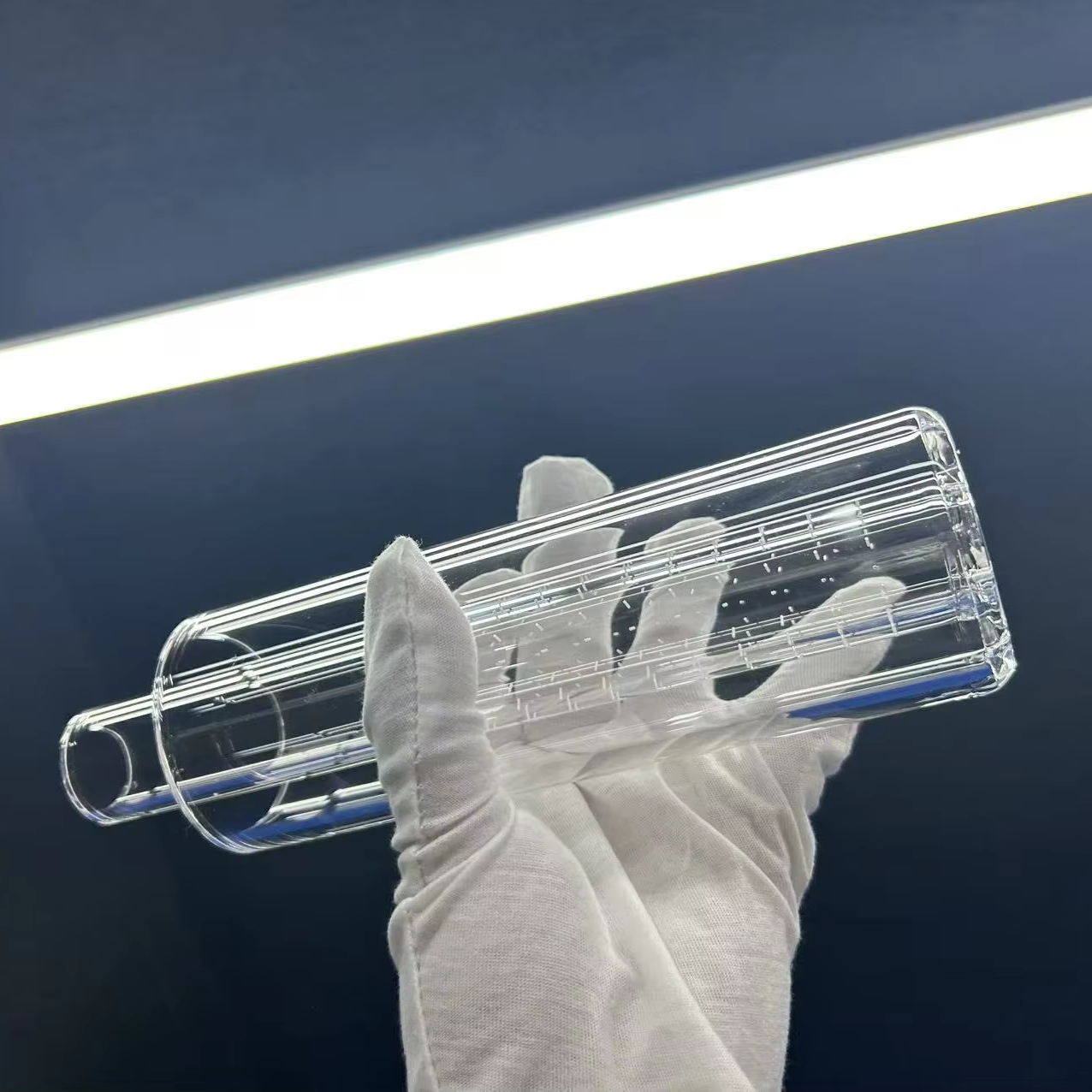
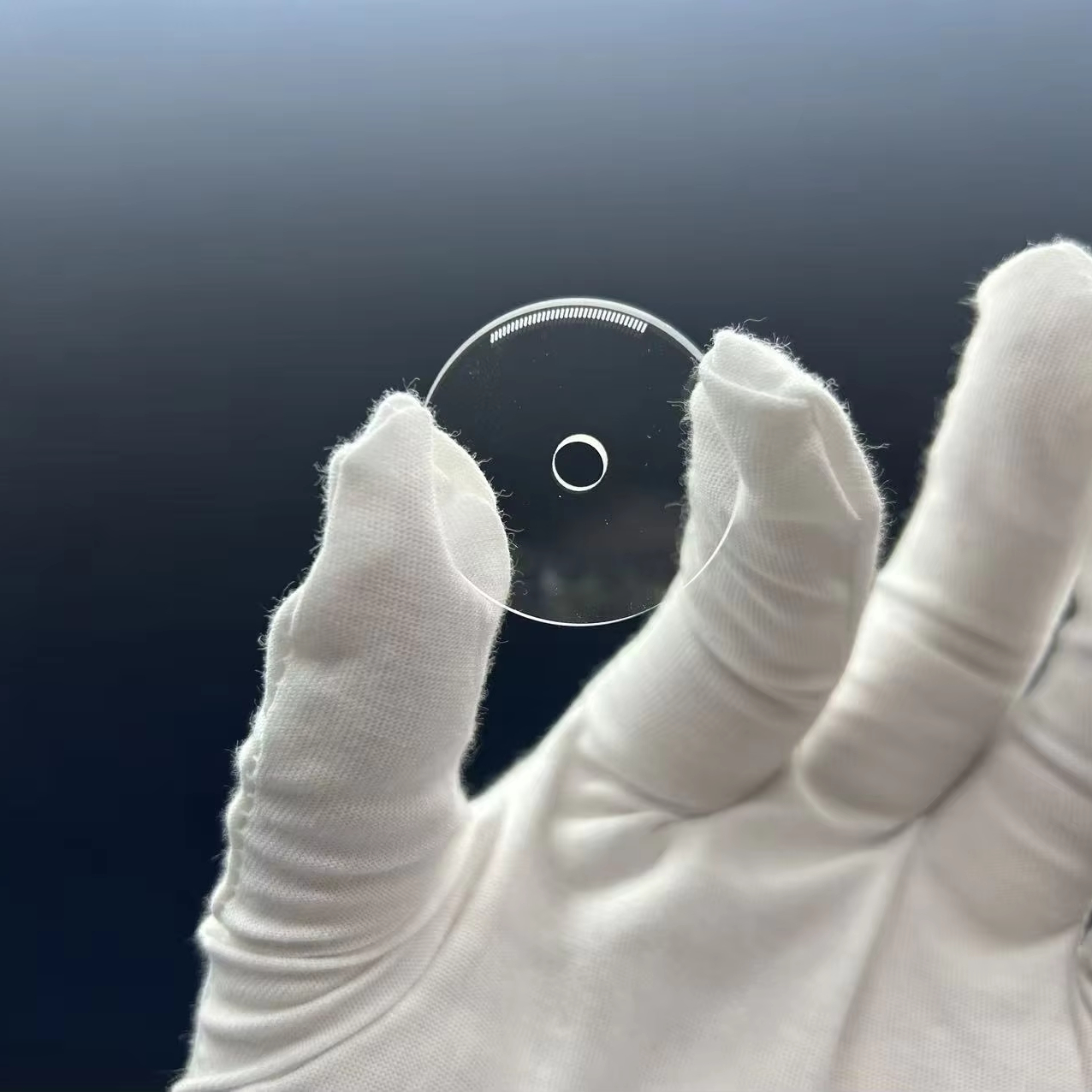
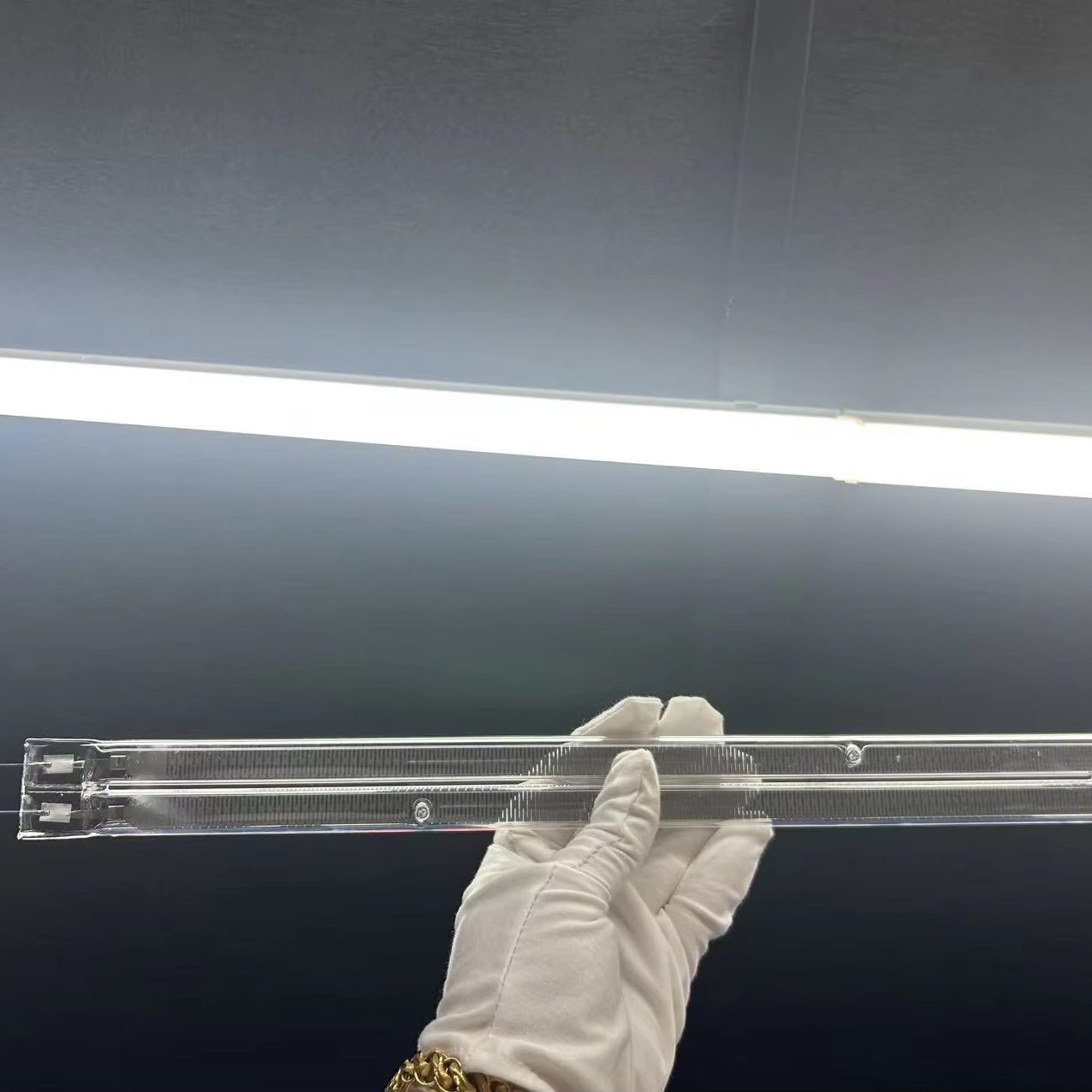
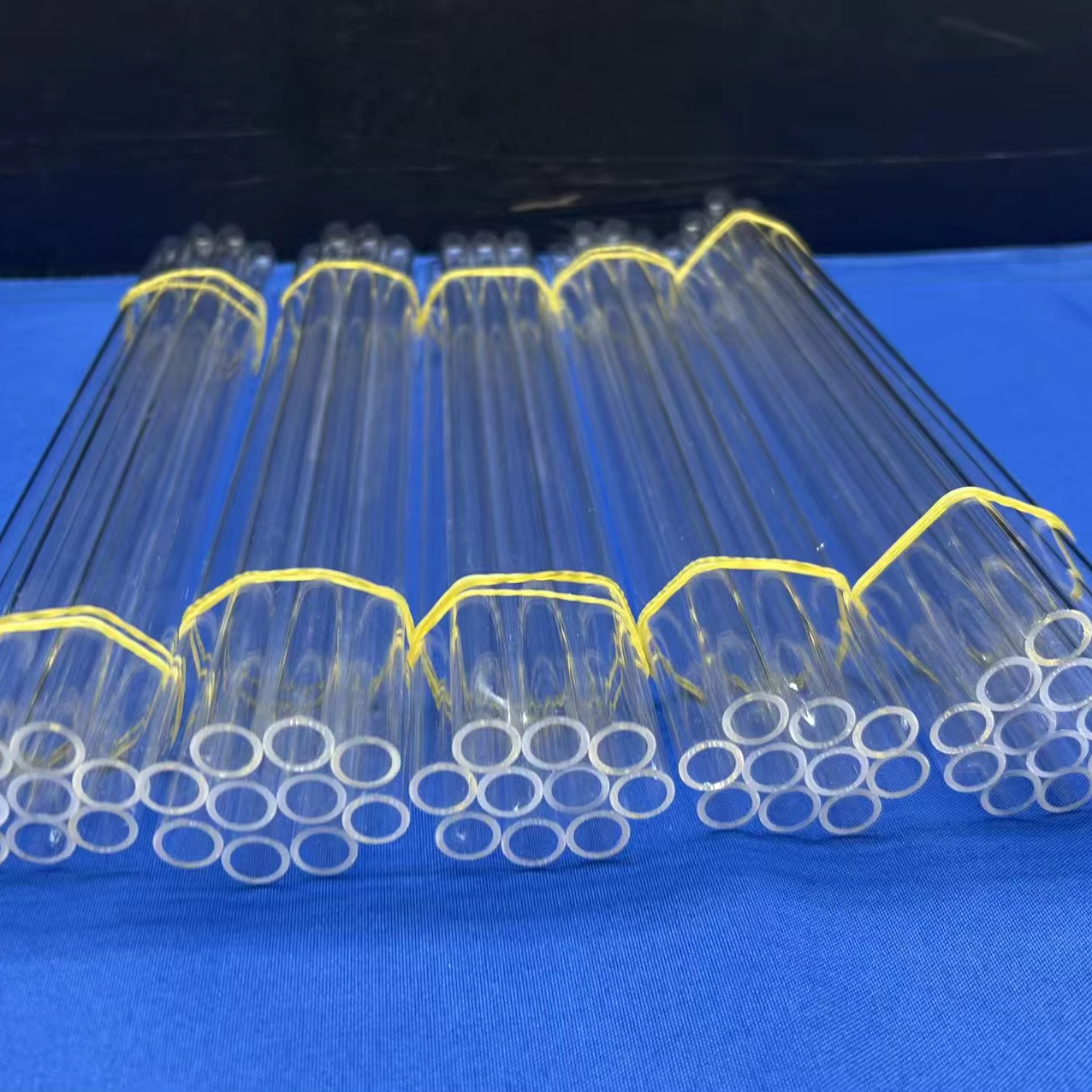
Comprehensive Engineering Overview: Precision Quartz Spiral Tubes
A rigorous examination of fluid dynamics, thermal conductivity, hydroxyl radical control, and structural mechanics in fused silica helical coil applications.
Thermodynamics & Fluid Mechanics in Helical Geometries
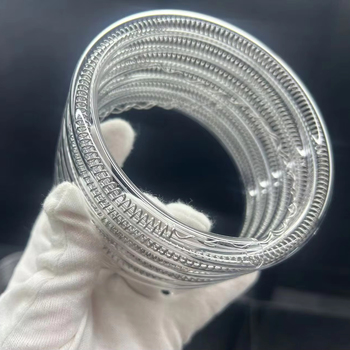
A quartz spiral tube (also known as a fused silica helical condenser or coiled heat exchange tube) represents one of the most mechanically demanding forms of scientific glassblowing and precision thermal processing. Unlike standard linear glass tubing, a helical coil forces traversing fluid or process gas through a continuous curvilinear path. This geometry induces secondary centrifugal flows known in fluid dynamics as Dean Vortices.
These vortices disrupt laminar boundary layers, promoting radial mixing across the tube cross-section without requiring internal mechanical impellers. As a direct consequence, quartz spiral tubes provide up to 250% higher heat transfer coefficients compared to straight tubes of identical footprint. Furthermore, when employed as photochemical reactors, the uniform radial mixing prevents local over-exposure and ensures that every reagent particle is exposed equally to UV irradiation penetrating the transparent fused silica wall.
Manufactured using pure crystalline silica ($SiO_2 \ge 99.99\%$) sourced from the geological reserves of Donghai County, our spiral coils resist thermal shock up to an instantaneous temperature differential ($\Delta T$) of 1100°C. Red-hot coils can be plunged into room-temperature water without incurring lattice fracture or micro-crack propagation.
Material Grade Matrix: Optical & Physical Specifications
Select the optimal quartz raw material grade according to spectral transmission bands, operating temperature windows, and hydroxyl ion concentration limits.
| Grade Type | Primary Material Base | Spectral Transmission | Hydroxyl ([OH]) Content | Maximum Temp (Continuous) | Target Applications |
|---|---|---|---|---|---|
| JGS1 | Synthetic Fused Silica (SiCl4) | 185 nm – 2500 nm (Deep UV) | < 2 ppm (Low-OH) or >800 ppm | 1100 °C | Excimer laser optics, Deep-UV photolysis reactors, high-purity semiconductor wafer processing |
| JGS2 | Refined Natural Quartz Crystal | 220 nm – 2500 nm (UV-Vis) | ≤ 30 ppm | 1150 °C | Laboratory condensation coils, sight windows, standard chemical synthesis heat exchangers |
| JGS3 | Electric-Arc Fused Natural Quartz | 260 nm – 3500 nm (Infrared) | ≤ 5 ppm | 1200 °C | IR thermal heating tubes, vacuum furnace liners, pyrolytic gas preheaters, low-water absorption optics |
| Semiconductor Clear | Electrically Purified Fused Silica | Full Spectrum Transparent | ≤ 10 ppm | 1150 °C | LPCVD / MOCVD gas supply coils, wafer carrier boats, diffusion furnace liners |
| Opaque Quartz | Sintered Silica Micro-Bubbles | Diffuse Reflective >90% | ≤ 15 ppm | 1100 °C | Thermal heat shielding, furnace end caps, high-efficiency isothermal muffles |
Strategic Procurement Trends: The Next Decade in Fused Quartz (2025–2030)
Emerging demand vectors reshaping how global procurement managers and supply chain directors evaluate quartz spiral tubes and custom fabricated glassware.
1. Semiconductor Fab Expansion into Sub-2nm Nodes
As semiconductor wafer fabrication transitions toward 2nm and GAAFET (Gate-All-Around) architectures, tolerance for metallic contamination has dropped to the parts-per-trillion (ppt) threshold. Fused quartz spiral tubes used for carrier gas preheating and liquid chemical vaporization must exhibit virtually zero sodium ($Na$), potassium ($K$), and iron ($Fe$) leaching. Procurement managers are increasingly requiring full ICP-MS trace elemental verification on each raw tube billet before helical winding.
2. Continuous-Flow Photochemistry & Green Synthesis
Pharmaceutical and fine chemical manufacturers are systematically moving away from 5,000-liter batch stirred reactors in favor of compact, high-efficiency micro-flow systems. Fused silica spiral coils serve as the backbone of continuous photo-oxidation and halogenation reactors. Their optical transparency down to 185 nm allows direct transmission of high-energy UV-LED wavelengths, reducing reaction cycle durations from 12 hours to less than 45 seconds while drastically slashing solvent usage.
3. Direct Sourcing from Donghai Cluster Fabricators
Global supply chain volatility has prompted tier-1 equipment integrators in North America, Germany, Japan, and South Korea to bypass European trading intermediaries. By establishing direct contracts with manufacturing hubs like Donghai County Nivra Quartz Products Co., Ltd., global OEMs realize a 30% to 50% reduction in procurement expenditure while shaving weeks off prototyping lead times through direct engineer-to-engineer drawing sign-offs.
Advanced Manufacturing Trends: How Modern Quartz Coils Are Built
Precision automation, high-temperature stress relief, and non-destructive optical testing standards establishing new quality benchmarks in the industry.
Multi-Axis CNC Lathe Thermal Coiling
Historical hand-turned torch fabrication often yielded inconsistent coil pitch ($\pm 3.0\text{ mm}$) and localized wall thinning on the outer radius. Modern production at Nivra Quartz utilizes multi-axis servo-driven CNC glassblowing lathes equipped with oxy-hydrogen or oxy-propane automated torch arrays. Real-time pyrometer feedback maintains glass viscosity within the optimal forming window ($1750\text{ °C} – 1850\text{ °C}$), keeping coil pitch variance under $\pm 0.3\text{ mm}$ and wall thickness thinning below 8% along outer bends.
Controlled Annealing & Polarization Stress Verification
Bending quartz tubing at extreme temperatures induces localized residual mechanical stress. Unchecked stress points inevitably crack under cyclic thermal heating or pressure pulses. Our processing facility subjects every welded spiral assembly to computer-controlled programmable electric annealing ovens up to 1215°C (annealing point), followed by slow isothermal cooling down to 1075°C (strain point). Polariscopes then verify that residual optical retardation is below $10\text{ nm/cm}$, ensuring complete structural integrity.
Enterprise Strengths: Why Choose Donghai Nivra Quartz
Rooted in China's crystal and quartz capital, combining factory-direct cost advantages with certified international standard quality control systems.

The Donghai Heritage
Located at 285 Heping East Road, Lianyungang, Jiangsu, Nivra Quartz operates at the epicenter of China's silica raw material reserves. Direct regional access to ultra-pure quartz sand reduces feedstock freight overhead and guarantees consistent chemical purity.
Skilled Workforce (101–200 Staff)
Founded in February 2019, our company balances dedicated master glassblowers who carry 20+ years of flame-welding experience with modern CNC precision machinists capable of reading complex 3D STEP and CAD drawings.
Rigorous Multi-Gate QC
Every single spiral tube, flange, and welded test apparatus is subjected to dimensional caliper profiling, spectrophotometer transmission verification, and helium mass spectrometer leak detection before packaging.
Speed & Global Fulfillment
With an average inquiry reply time of ≤ 5 hours and verified export presence across North America (40%), Western Europe (20%), and Eastern Asia, our multi-layer suspended foam wooden cases guarantee zero breakage in transit.
Procurement FAQ: Engineering Guidance for B2B Buyers
Direct technical answers addressing wall tolerances, thermal shock thresholds, pressure limits, and custom drawing submission guidelines.