Featured Quartz & Infrared Heating Components
Engineered for Semiconductor Processing, Optical Instrumentation, Photovoltaics, and High-Speed Industrial Heating
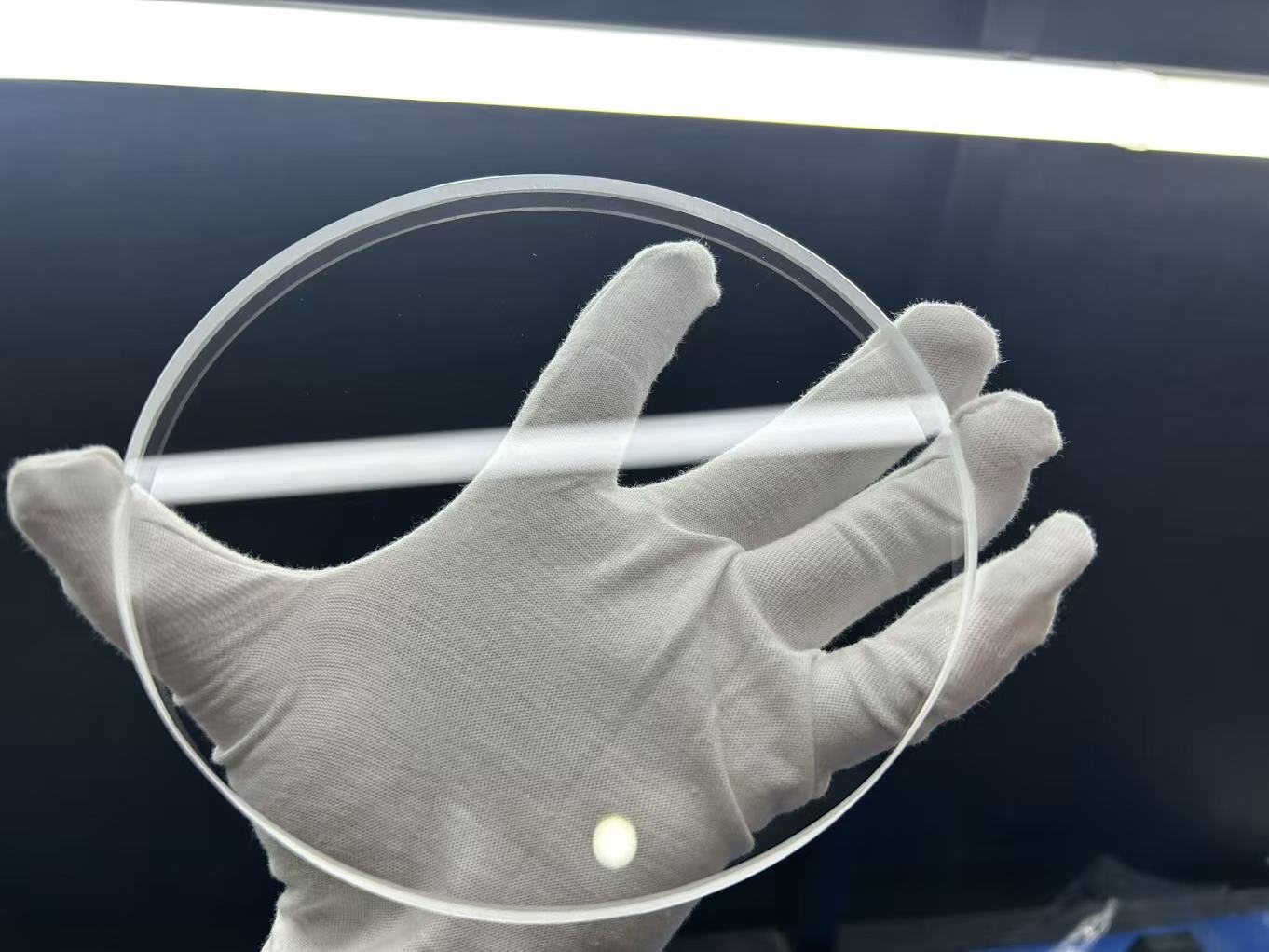
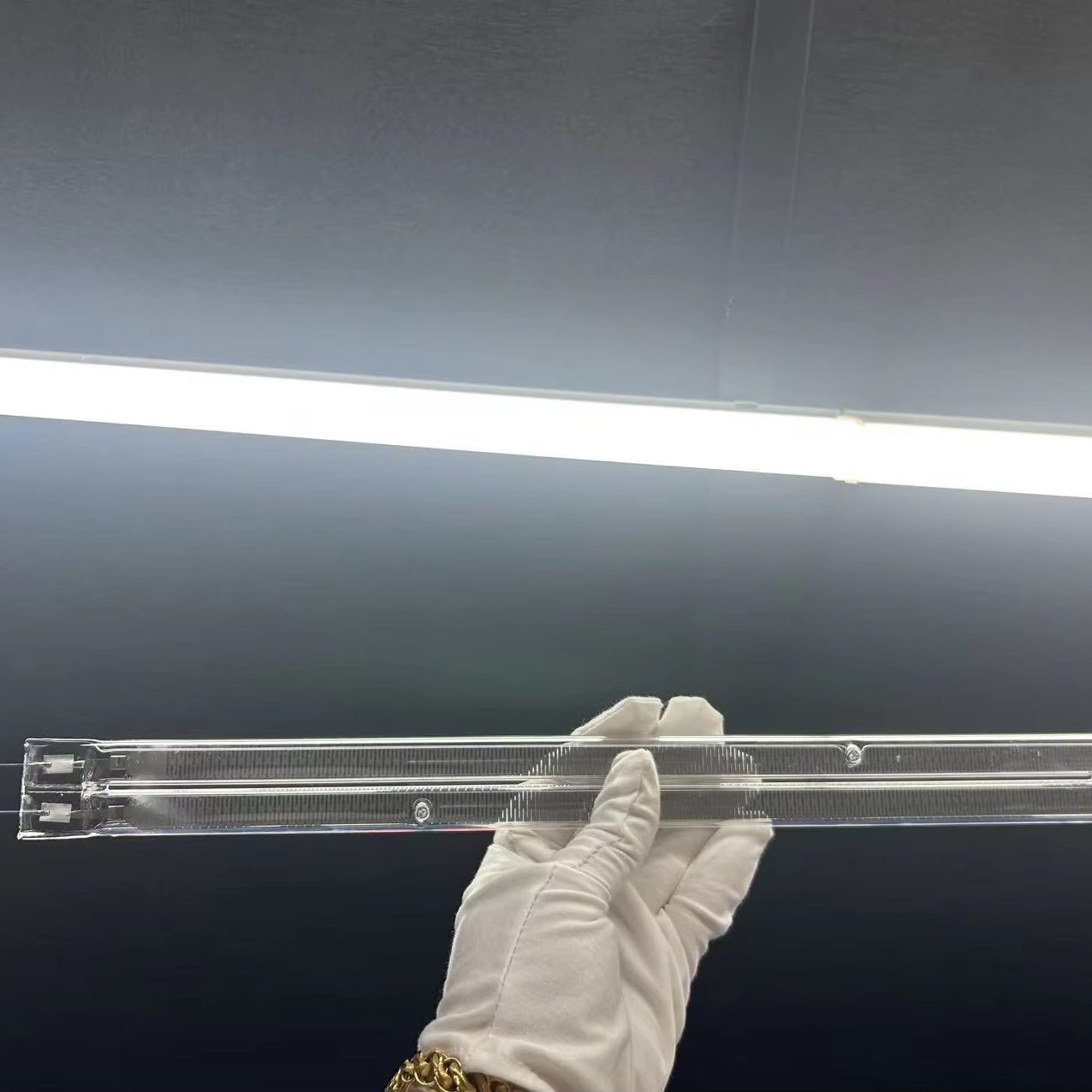
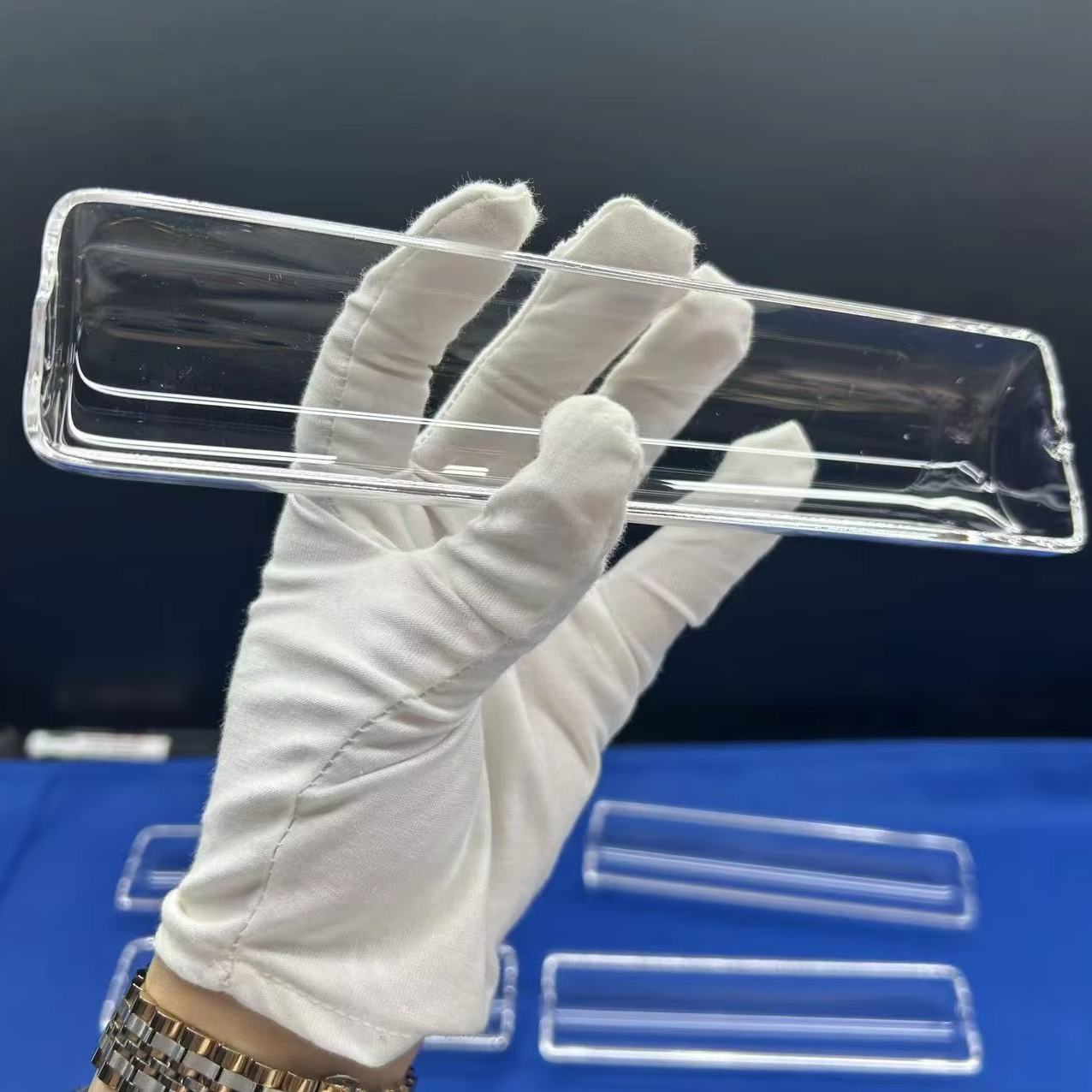
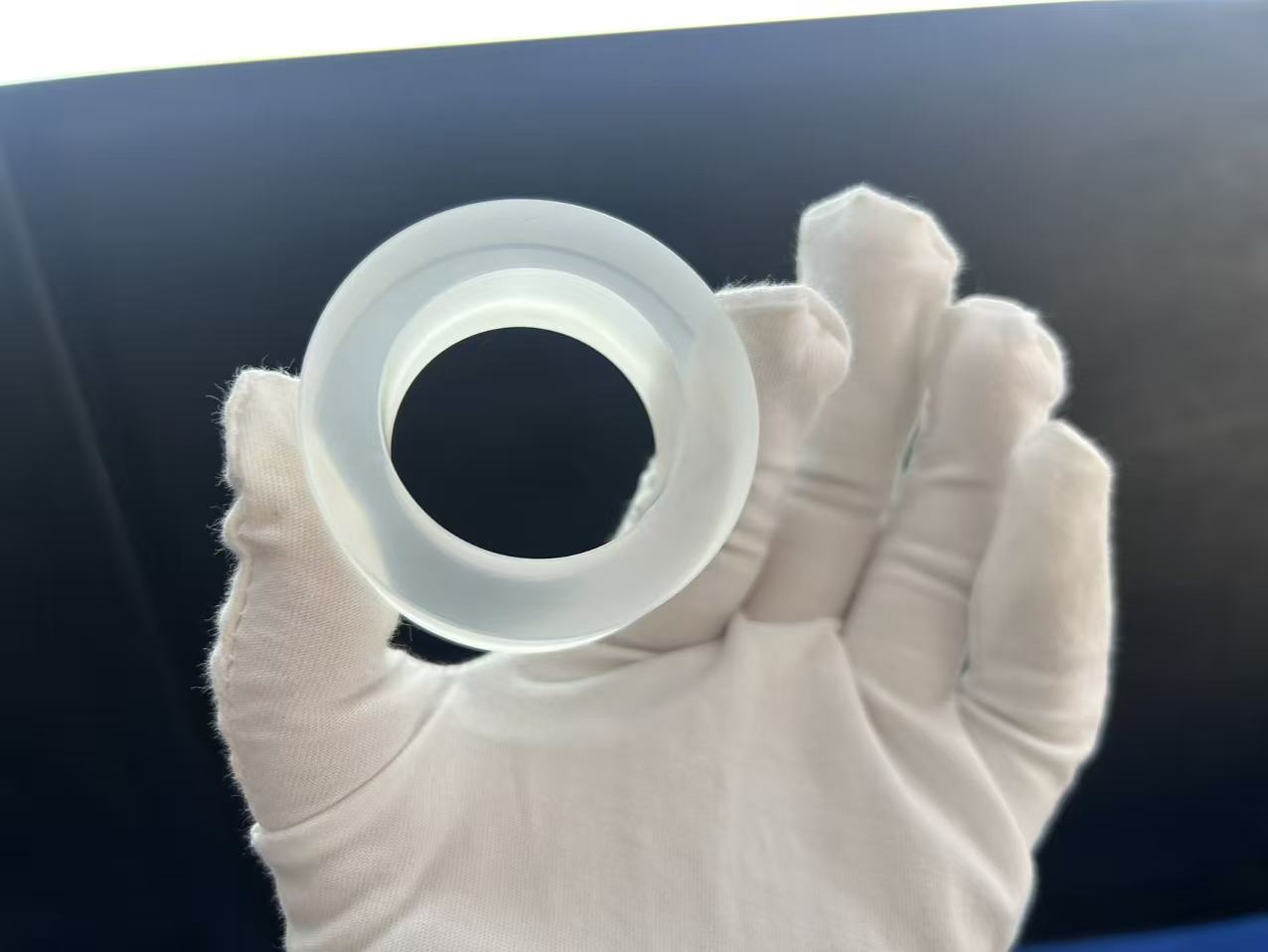
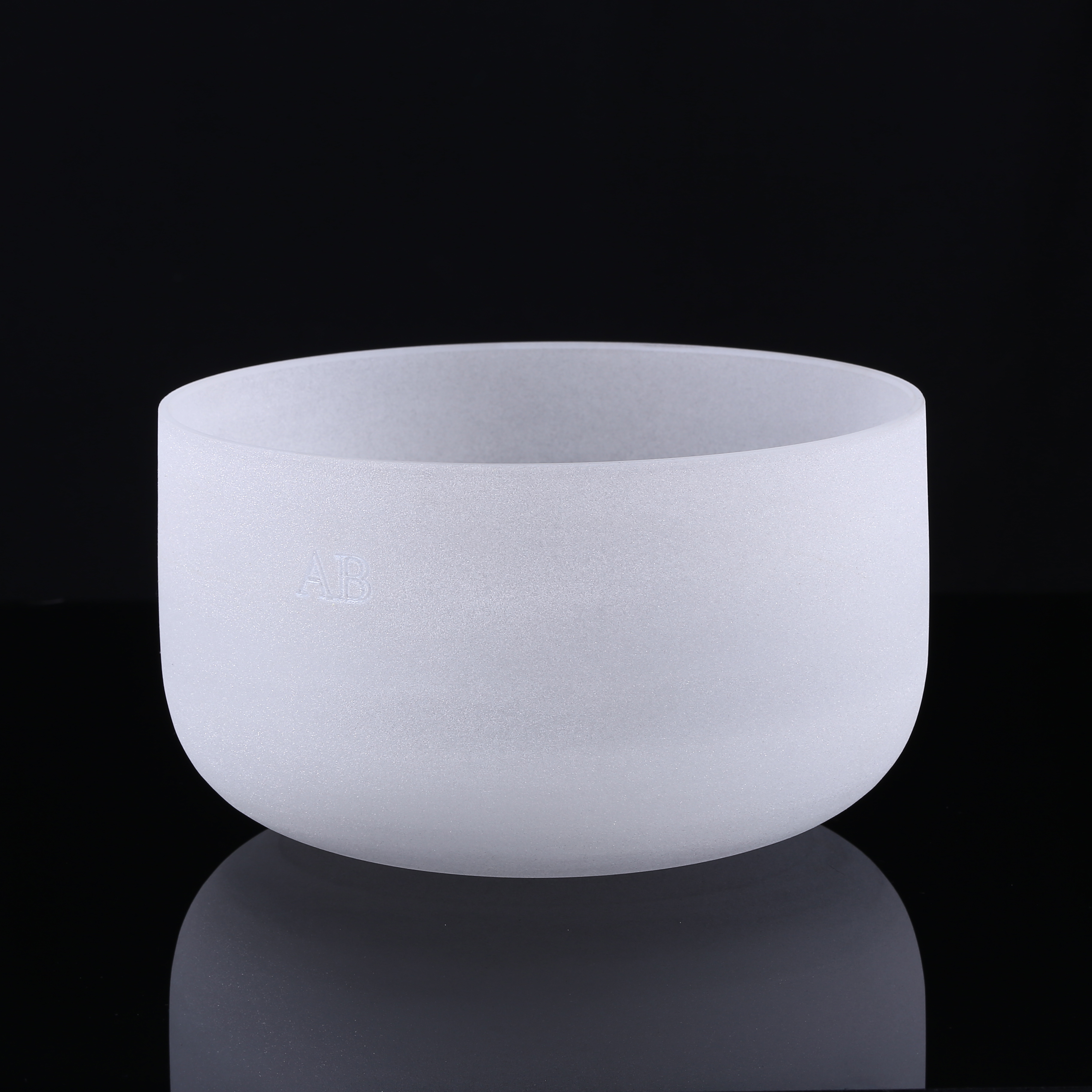
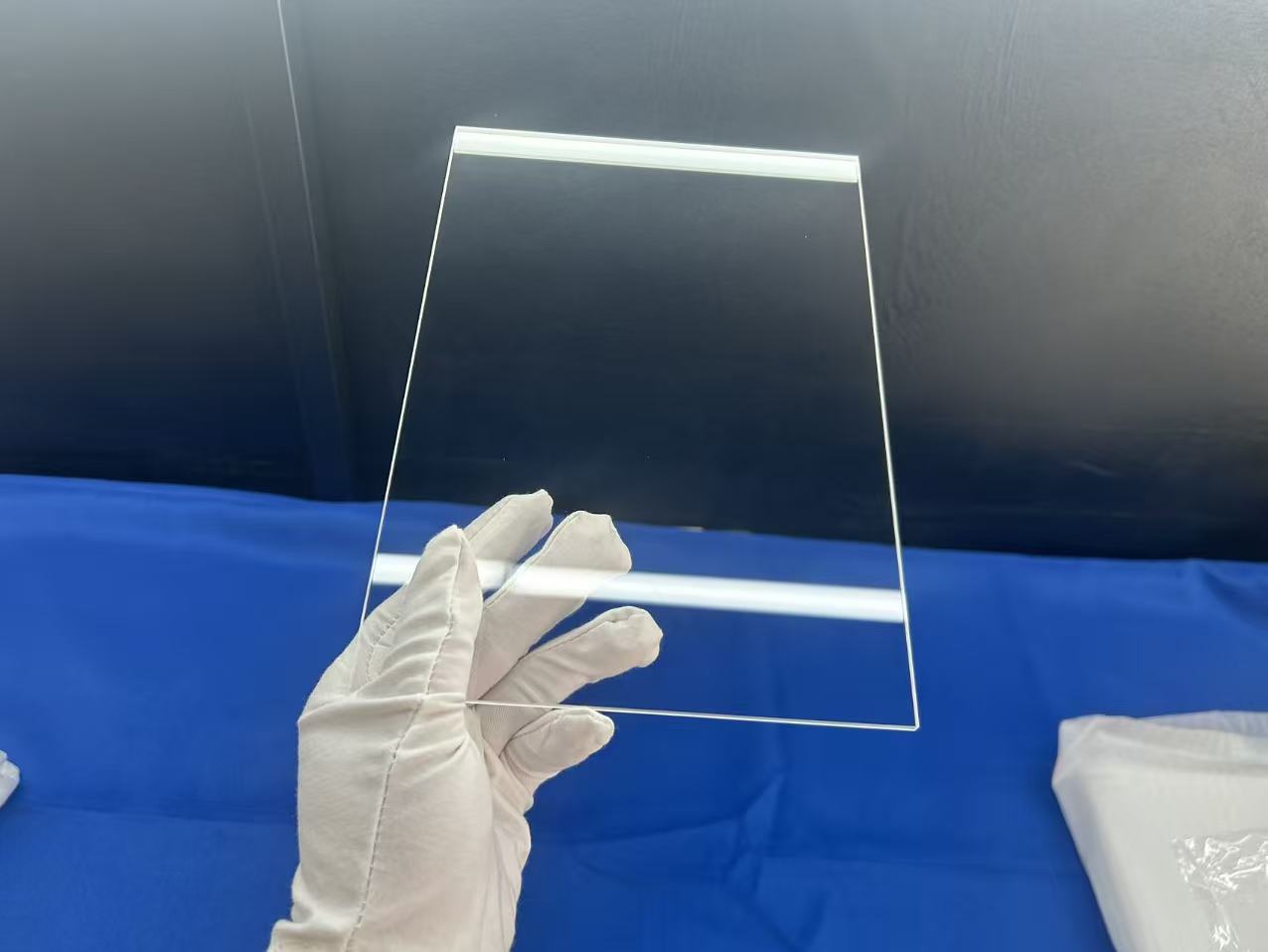
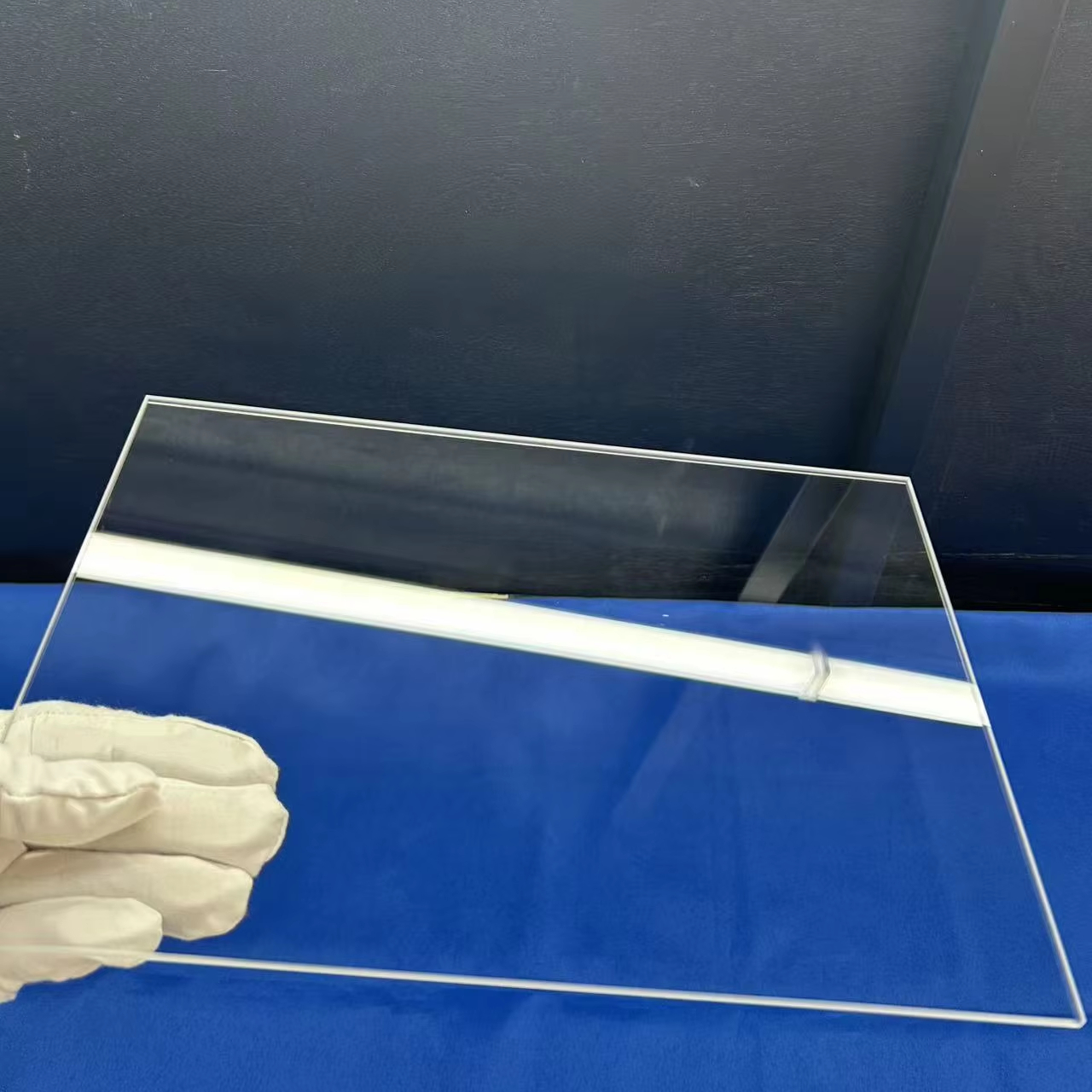
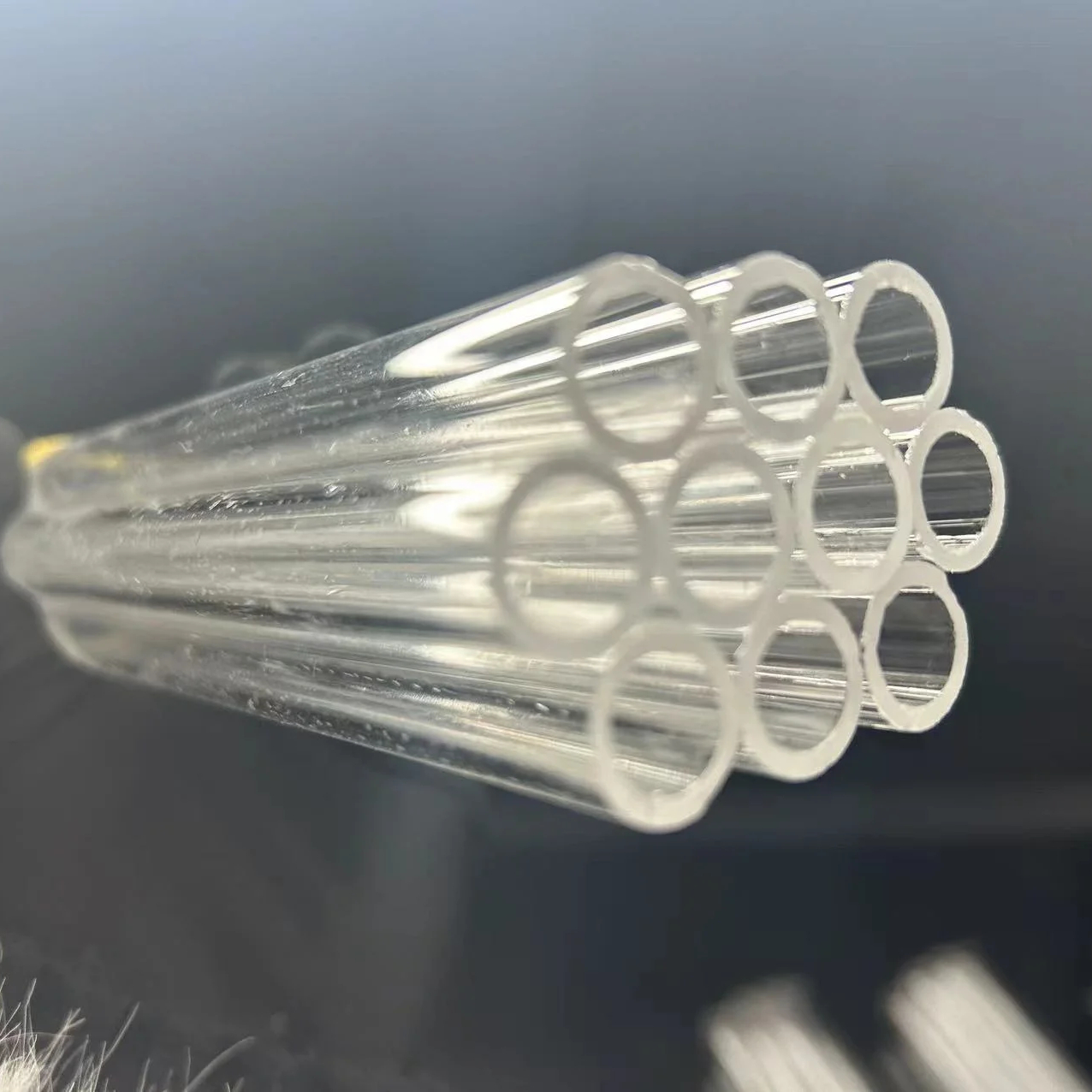
Donghai Engineering Excellence & Manufacturing Scale
Headquartered in Donghai County, Jiangsu—China's World-Renowned Quartz and Crystal Capital—Nivra Quartz Delivers Industry-Leading Precision Fabrication
Integrated Cluster Sourcing
Direct integration with Donghai's raw natural quartz deposits minimizes supply chain overhead, ensuring unmatched cost-competitiveness for premium grade materials.
Strict Quality Assurance
Class-1000 cleanroom processing, flame-polishing, CNC micro-drilling, spectral transmission verification, and laser dimensional tolerance checking.
Global Export Logistics
Custom shock-absorbing foam packaging, vacuum sealing, and fumigation-free wooden casing engineered specifically for ultra-fragile international ocean/air freight.
China Top Quartz Heating Tube Manufacturing: Technical Whitepaper & Strategic Sourcing Guide
In high-precision industrial processing, thermal engineering performance dictates yield rates, energy consumption, and equipment uptime. Quartz heating tubes—specifically clear fused silica envelopes paired with advanced heating filaments—represent the apex of controlled infrared radiation. As global equipment OEMs accelerate transitions toward energy-efficient, fast-response infrared processing, tier-one manufacturers in China have established dominant technical capabilities in high-purity quartz processing.
This whitepaper analyzes material physics, filament emission spectrums, quality control paradigms, and procurement strategies necessary for thermal engineers and purchasing directors specifying fused quartz heating elements from leading Chinese manufacturers.
1. Material Science & Structural Integrity of Fused Quartz Envelopes
The fundamental performance of a quartz heating tube relies on the chemical purity and thermomechanical resilience of the silica glass matrix. Standard borosilicate glass degrades rapidly above 450°C and suffers severe devitrification under rapid thermal cycling. High-purity clear fused quartz (chemically $\text{SiO}_2 \ge 99.99\%$), however, exhibits extraordinary physical properties:
- Ultra-Low Thermal Expansion Coefficient: At $5.5 \times 10^{-7} /\text{°C}$ (from 20°C to 300°C), fused quartz handles extreme thermal shock. A tube heated to 1000°C can be plunged into ice water without cracking.
- Softening & Operating Temperatures: Continuous operational threshold reaches up to 1100°C, with short-term excursion limits exceeding 1450°C (softening point approximately 1683°C).
- Hydroxyl ($\text{OH}^-$) Content Management: In infrared heating applications, internal hydroxyl radical concentration determines structural stability at high temperatures and infrared absorption bands. Standard flame-fused quartz contains 150–400 ppm $\text{OH}^-$, whereas electrically fused low-$\text{OH}^-$ tubes achieve $<5\text{ ppm}$, eliminating thermal deformation and preventing filament degradation caused by water vapor outgassing.
2. Comparative Analysis of Infrared Heating Element Technologies
Choosing the correct internal element (filament) dictates the spectral match between the emitter and the target material's absorption profile. Chinese manufacturers excel in fabricating three distinct heating technologies integrated into precision fused quartz tubes:
| Element Technology | Peak Wavelength ($\lambda$) | Thermal Response Time | Radiation Efficiency | Typical Operational Temp | Primary Applications |
|---|---|---|---|---|---|
| Carbon Fiber (CF) Emitter | 2.0 – 4.0 µm (Medium-Wave) | 1 – 3 Seconds | ≥ 92% Electrical-to-Thermal | 700°C – 1000°C | Automotive paint drying, PET blow molding, composite curing, textile heating |
| Halogen (Tungsten) Tube | 0.8 – 1.4 µm (Near/Short-Wave) | < 1 Second (Instant) | 85% - 90% | 1800°C – 2200°C | Semiconductor Rapid Thermal Processing (RTP), epitaxy, wafer heating |
| Graphene-Coated Quartz | 3.0 – 8.0 µm (Far Infrared) | 3 – 5 Seconds | ≥ 95% Directional Emission | 400°C – 800°C | Cleanroom sterilization, pharmaceutical drying, organic substrate processing |
| Ni-Cr / Fe-Cr-Al Alloy Coil | 2.5 – 6.0 µm (Medium/Long-Wave) | 10 – 30 Seconds | 75% - 82% | 500°C – 900°C | General industrial ovens, space heating, heavy industrial baking |
According to Wien's Displacement Law ($\lambda_{\max} \cdot T = 2898 \,\mu\text{m}\cdot\text{K}$), higher filament operating temperatures shift peak emission toward shorter wavelengths. Carbon fiber elements match the infrared absorption spectrum of organic molecules, water, and polymers extraordinarily well, resulting in up to 30% energy savings compared to traditional alloy wire quartz heaters.
3. Optical Grade Selection Framework (JGS1, JGS2, JGS3)
When quartz tubes or surrounding optical plates are deployed in high-intensity laser processing, UV curing, or spectrophotometry, material grade selection is critical:
- JGS1 (Synthetic Fused Silica): Produced from silicon halide synthesis. Free of bubbles and inclusions, delivering outstanding deep-UV transmission ($\ge 85\%$ at 185 nm). Ideal for laser window covers, photolithography, and UV optical instruments.
- JGS2 (Fused Quartz from Natural Crystal): High purity with excellent UV-visible spectrum transmission (220 nm to 2500 nm). The industry standard for sight glasses, process furnace tubes, and high-intensity lamp envelopes.
- JGS3 (Infrared Grade Synthetic/Electrically Fused Quartz): Low hydroxyl radical content ($\text{OH}^- \le 5\text{ ppm}$). Transmits effectively up to 3500 nm in the near-to-mid infrared range, preventing internal thermal lens effects in high-power IR heating arrays.
4. Future Procurement & Technological Trends (2025–2030)
As global industrial manufacturing pivots toward carbon neutrality, industrial heating is undergoing significant structural shifts:
- Transition to Directional Reflection Coatings: Advanced quartz heating tubes now feature integrated directional gold or white ceramic ($\text{Al}_2\text{O}_3$) reflective coatings applied directly onto the rear half of the tube surface. This focuses up to 90% of emitted radiant energy toward the target substrate, eliminating external metal reflectors that degrade over time.
- Demand for Sub-Micron Precision Tolerances: Semiconductor wafer processing and automated SMT reflow systems require outer diameter (OD) and wall thickness tolerances within $\pm 0.05\text{ mm}$. Leading Chinese suppliers are investing heavily in automated CNC grinding and laser gauging systems.
- Hybrid Carbon-Graphene Filaments: Next-generation heating elements combine carbon fiber multi-filament tow with graphene nano-coatings to achieve microsecond thermal response times and near-perfect blackbody radiation spectra.
5. Evaluating China Manufacturers: Risk Mitigation & Quality Verification
Sourcing custom quartz components internationally requires rigorous supplier vetting. To ensure long-term reliability and eliminate batch-to-batch non-conformity, procurement teams should evaluate suppliers against four technical criteria:
- Traceability of Raw Quartz Sand: Verify whether the supplier utilizes refined high-purity natural quartz sand (such as Donghai premium grade) or synthetic precursor silica for ultra-pure applications.
- Thermal Stress Relief (Annealing) Process: Unannealed flame-worked quartz contains high internal strain, leading to catastrophic fracturing when subjected to thermal cycling. Top suppliers utilize microprocessor-controlled annealing kilns to drop residual stress below $2\text{ MPa}$.
- Dimensional & Surface Inspection: Require optical bubble/inclusion grading per ISO 10110 standards, surface roughness ($Ra$) specifications for polished windows, and helium mass spectrometer leak detection for hermetically sealed heating tubes.
Frequently Asked Questions (Technical & Sourcing FAQ)
Clear Answers for Thermal Engineers, Equipment OEMs, and Sourcing Managers
Accelerate Your Engineering Project with Custom Quartz Solutions
Upload your technical drawings (PDF / DWG / STEP) or request a direct quotation for standard and custom fused quartz heating tubes, optical plates, crucibles, and labware.