SiO₂ ≥ 99.99%
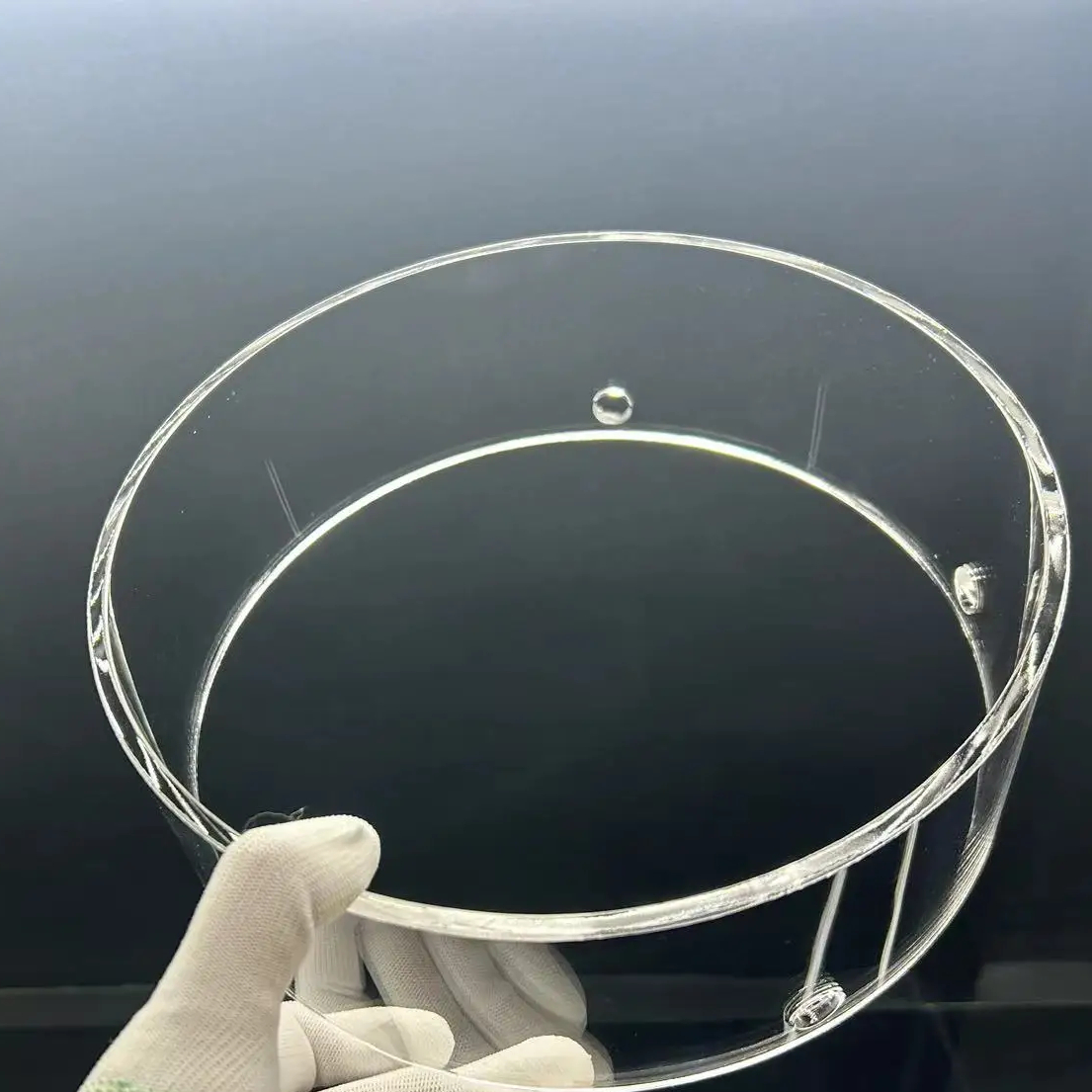
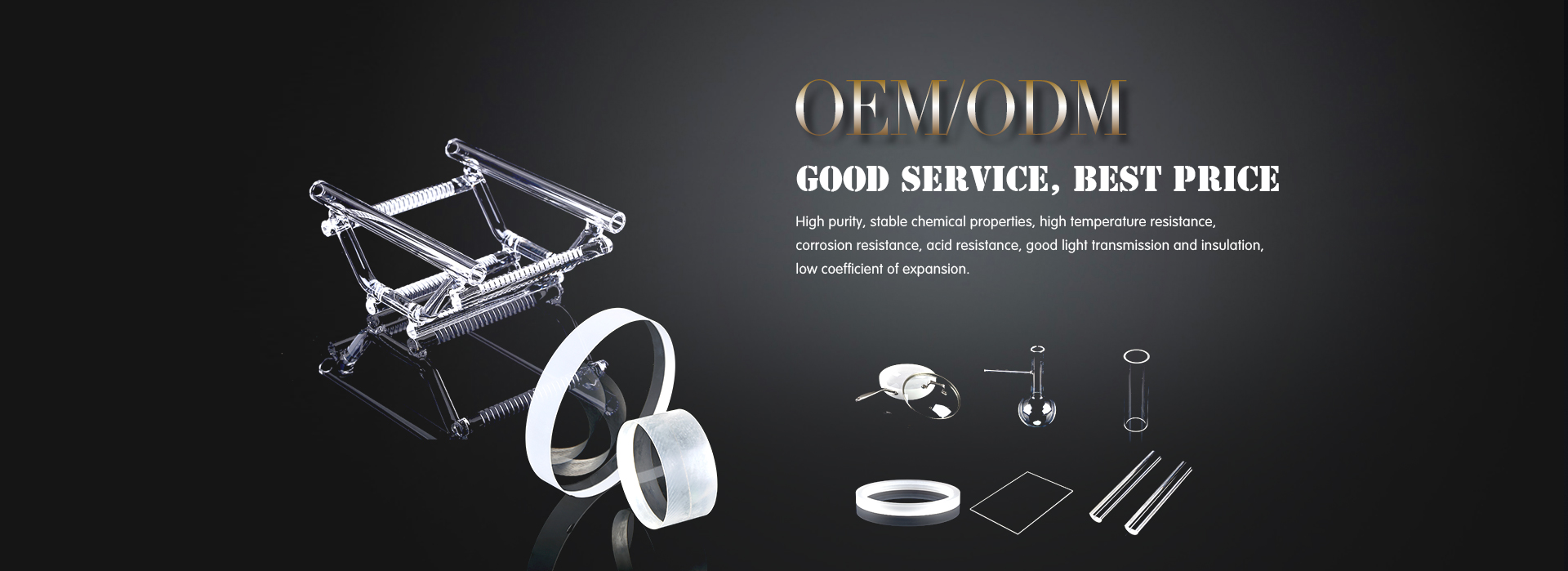
Precision-formed from natural vein crystal quartz in Donghai County. Available in custom outer diameters (OD), wall thicknesses (WT), and tailored purity grades for semiconductor, PV, laser, and thermal insulation applications.
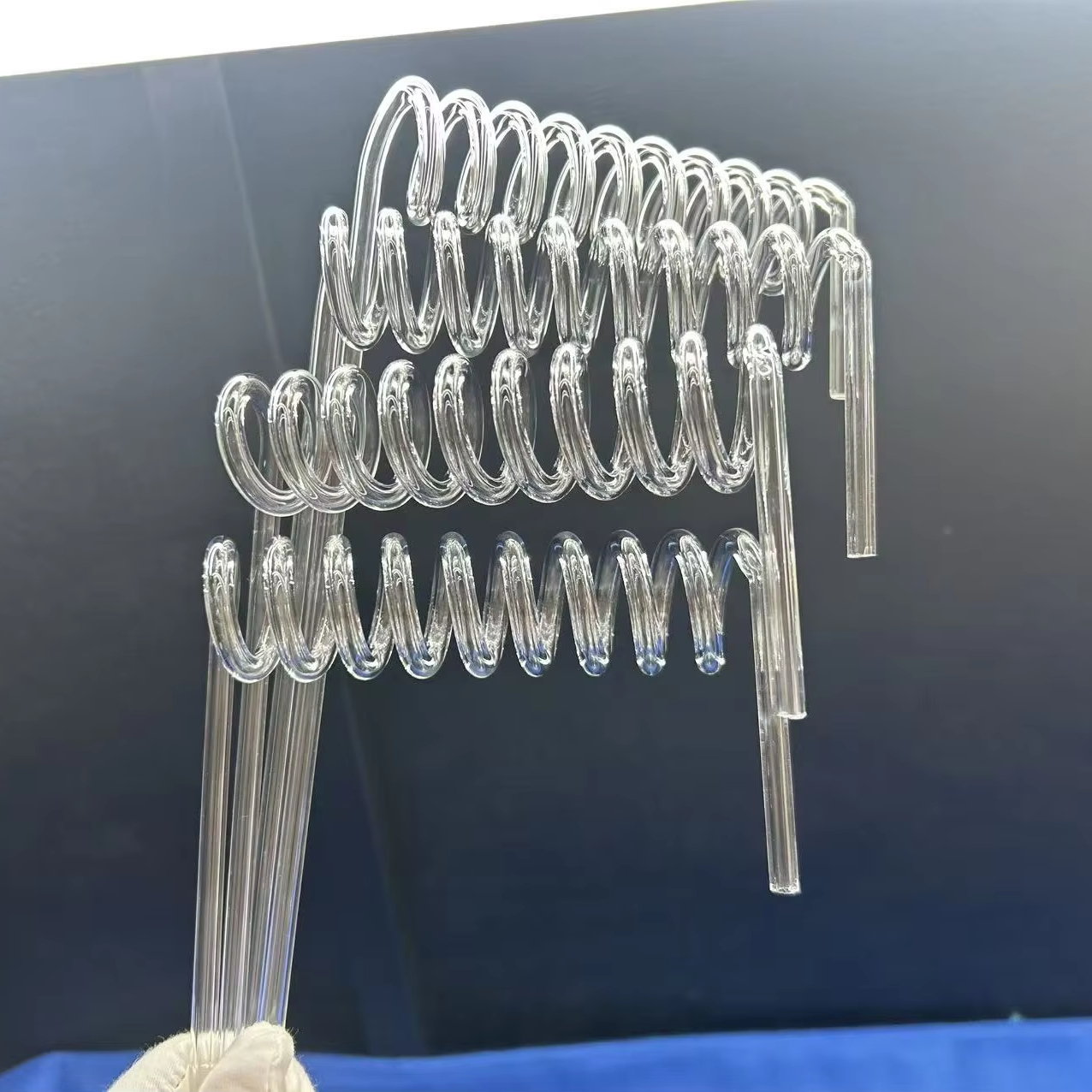
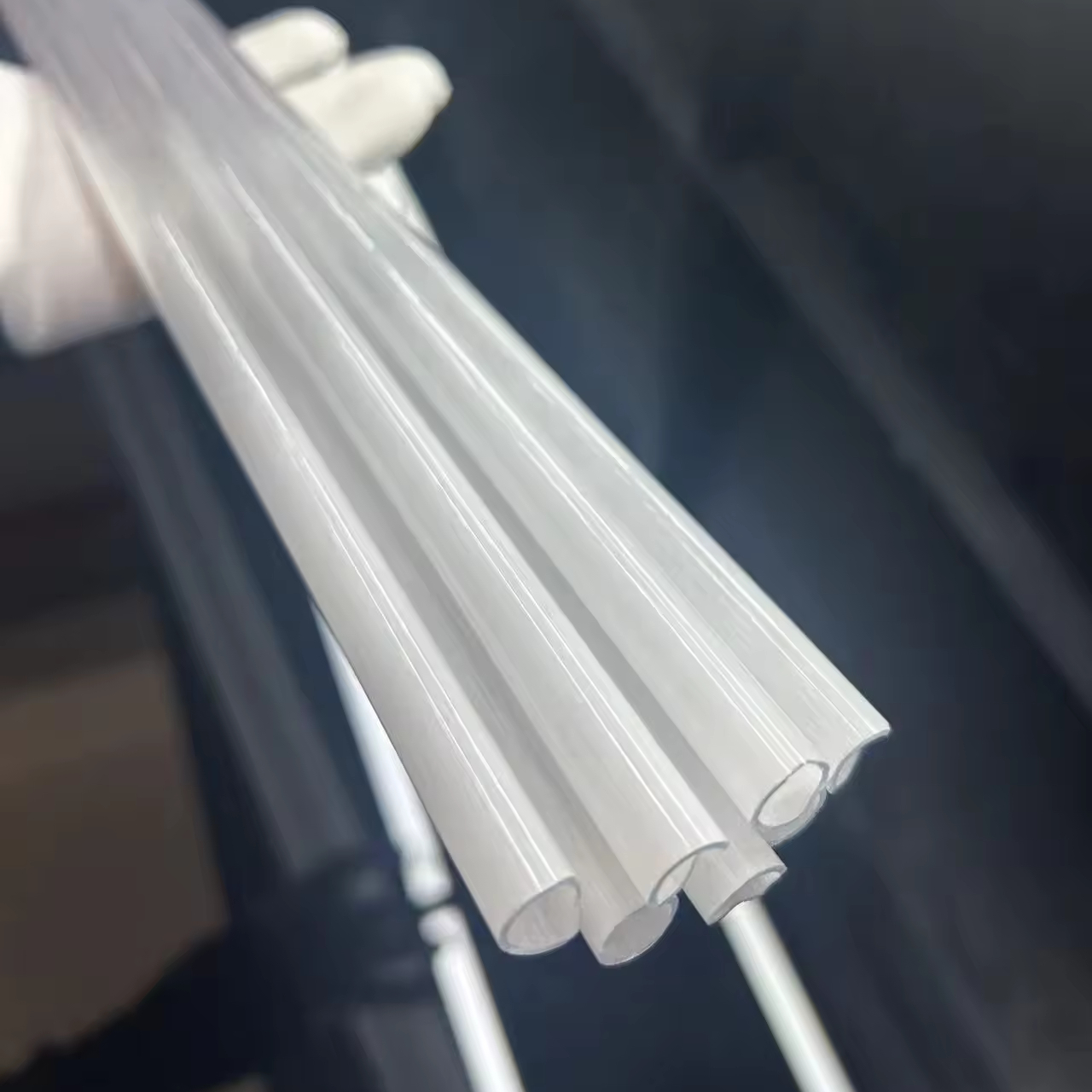
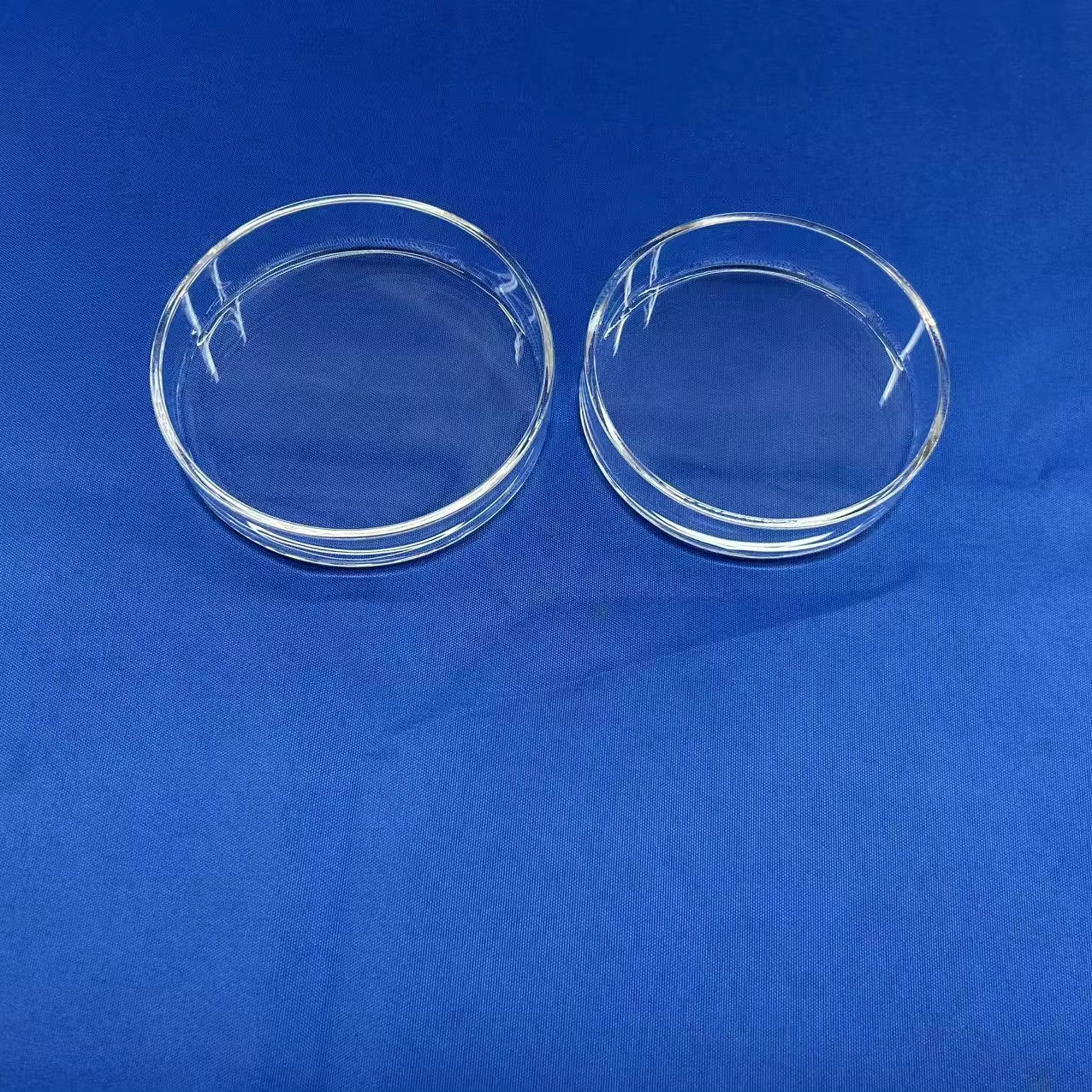
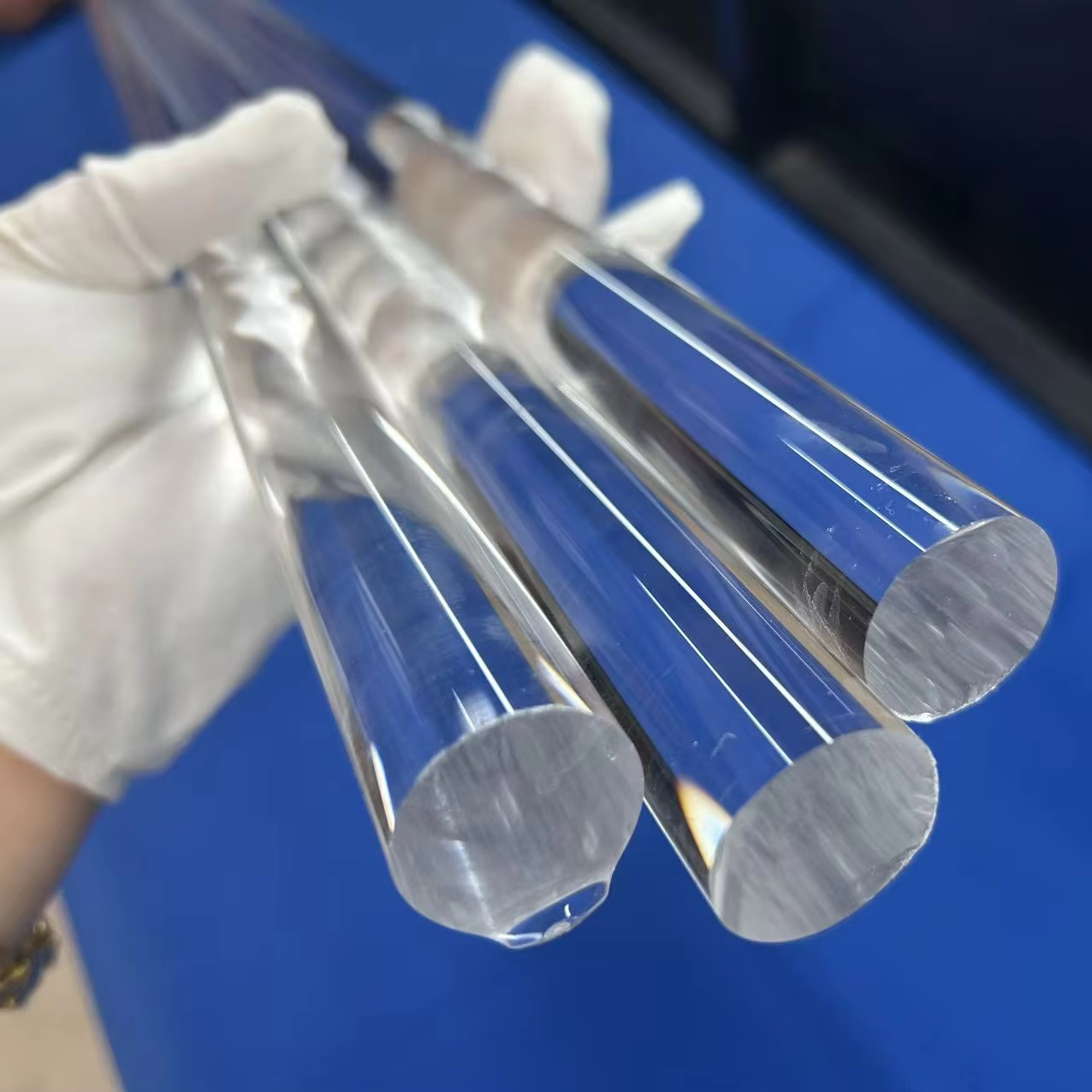
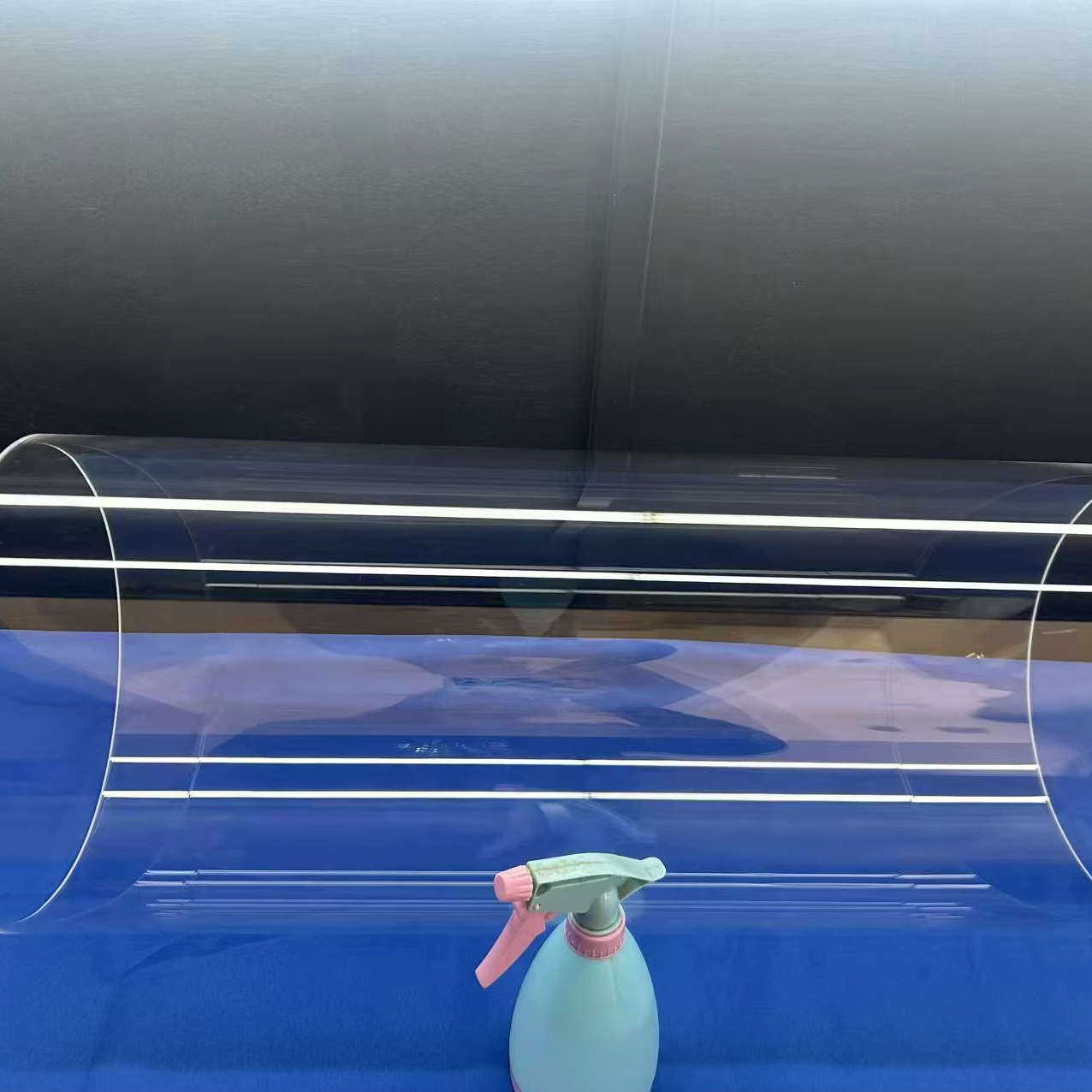
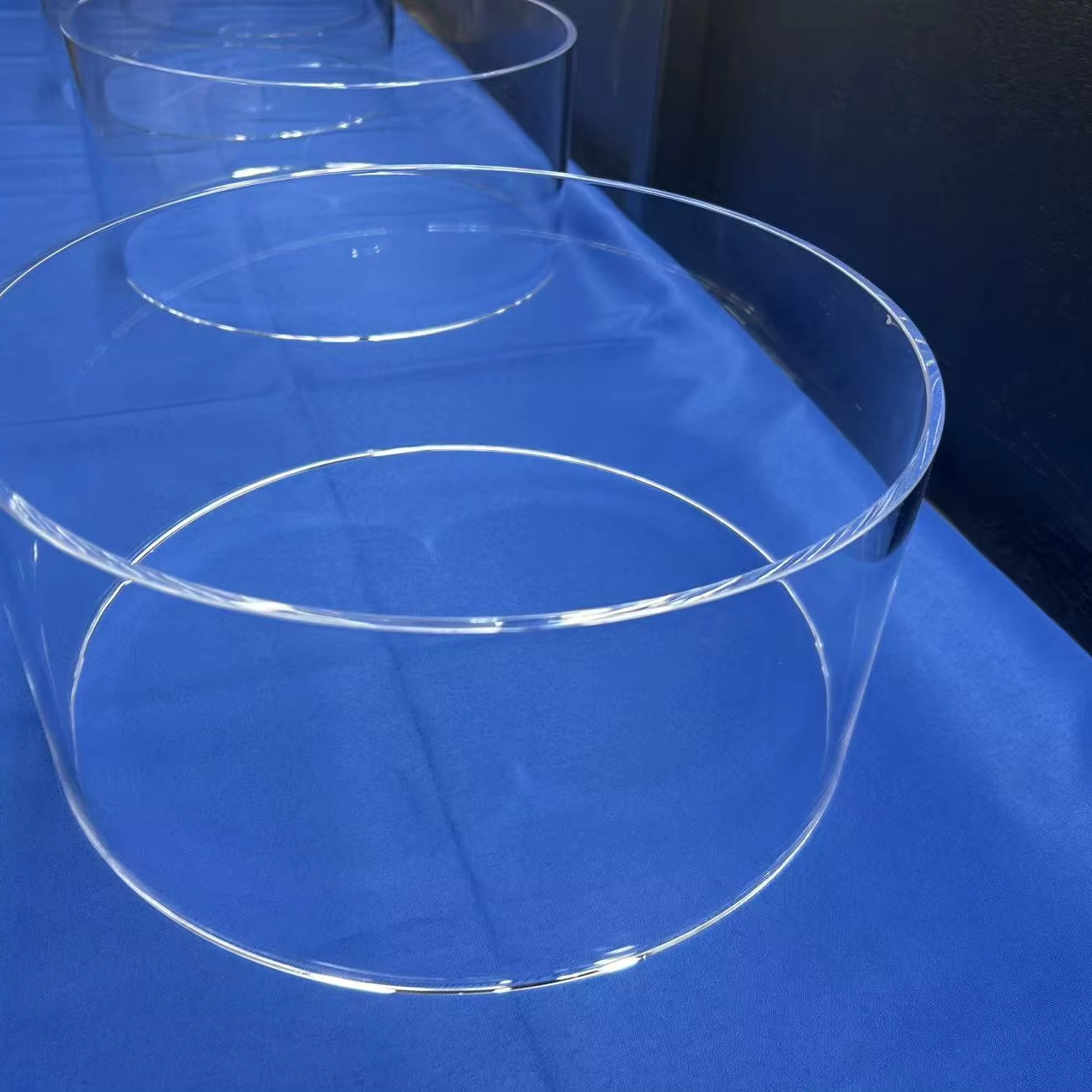
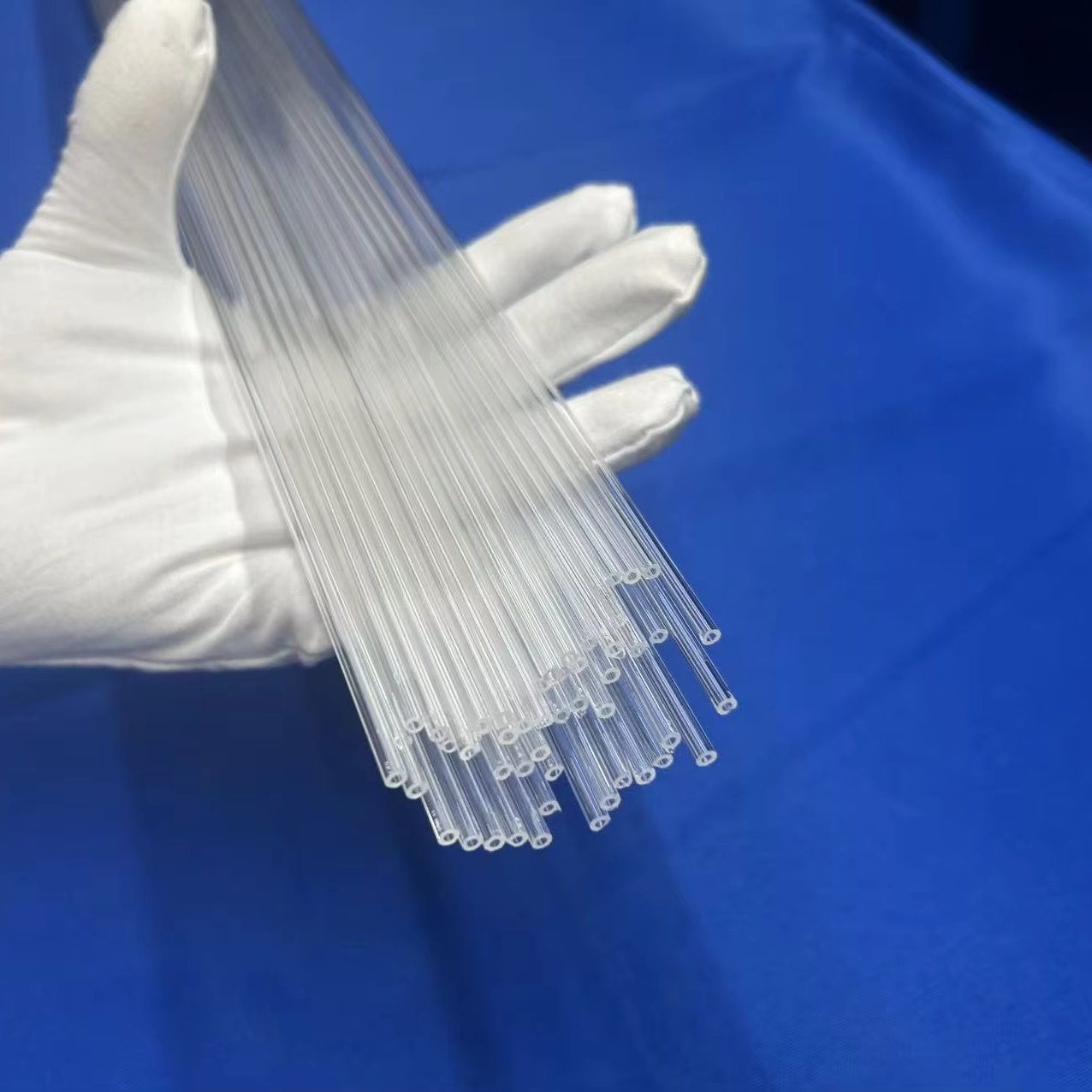
Quartz glass wool represents the pinnacle of inorganic fiber engineering. Unlike ordinary borosilicate glass wool or refractory ceramic fibers, pure quartz wool consists of amorphous silicon dioxide (SiO₂ > 99.99%) without chemical binders, offering zero outgassing, extreme dielectric performance, and thermal endurance up to 1200°C.
Manufactured by flame-drawing or rotary attenuation of high-purity fused quartz ingots from Donghai, quartz wool features micro-fibers with diameters between 1.5 µm and 9.0 µm. The amorphous, cross-linked tetrahedral network of silicon and oxygen gives the material remarkable physical resilience and thermodynamic stability:
SiO₂ Purity: ≥ 99.99%
Continuous Temp: 1100°C – 1200°C
Binder: 0% (Pure inorganic)
Corrosive Outgassing: None
Dielectric Constant: 3.75 at 1 MHz
Composition: Al₂O₃-SiO₂ mixture
Continuous Temp: 1000°C – 1300°C
Respirable Hazards: Class 1B Carcinogen in EU
Electrical Loss: High at elevated MHz
Trace Contaminants: Fe, Na up to 1500 ppm
SiO₂ Purity: ~60% – 65%
Continuous Temp: < 450°C (Softens at 600°C)
Binder: 4% – 10% Phenolic resin
Outgassing: Heavy smoke above 260°C
Acid Resistance: Poor in mineral acids
SiO₂ Purity: ~96% – 98%
Continuous Temp: 850°C – 950°C
Shrinkage at 1000°C: > 8% – 12%
Residual Fluxes: B₂O₃, Na₂O remain
Tensile Retention: Degrades rapidly after 800°C
International sourcing directors face structural shifts in quartz supply chains. As sub-5nm semiconductor fabrication, gigawatt-scale solar wafer growth, and aerospace composite demands accelerate, quartz wool and fused silica procurement are guided by four technical dynamics.
Modern 3nm node fabs require thermal furnace plugs and filtration wool with iron (Fe) < 0.1 ppm, aluminum (Al) < 6.0 ppm, and copper (Cu) < 0.01 ppm. Batch-level ICP-MS certification has replaced standard spot-auditing as an essential procurement requirement.
Stricter occupational health policies across Western Europe (REACH annexes) and North America (OSHA crystalline silica mandates) are driving the phase-out of bio-persistent refractory ceramic fibers (RCF), replacing them with non-classified amorphous pure quartz wools.
Donghai County, Jiangsu, remains the center of fused silica production. Global buyers are bypassing middlemen to establish direct supply agreements with integrated Donghai manufacturers who control natural high-purity quartz raw crystal smelting and downstream hot/cold fabrication.
Procurement teams are shifting away from bulk raw wool bales toward CNC die-cut thermal insulation quartz pads, stitched quartz needle mats, and integrated quartz plug assemblies that reduce installation time and cleanroom fiber dispersion.
Certified laboratory test values benchmarked under ASTM, DIN, and ISO standards for Donghai Nivra Quartz products.
| Physical / Thermal Parameter | Fused Quartz Glass (Solid) | Quartz Glass Wool (Fibrous) | Test Standard |
|---|---|---|---|
| Silicon Dioxide (SiO₂) Content | ≥ 99.995% | ≥ 99.99% | ICP-OES / GD-MS |
| Fiber Diameter / Form | Solid bar, tube, or flat plate | 1.5 µm – 9.0 µm continuous filaments | SEM / Laser Diffraction |
| Bulk Density | 2.20 g/cm³ | 0.045 – 0.120 g/cm³ (packed) | ASTM C167 / D792 |
| Continuous Service Temperature | 1100 °C | 1050 °C – 1150 °C | Thermal Equilibrium |
| Max Short-Term Temperature | 1450 °C | 1300 °C (Softens at 1683 °C) | Rapid Cyclic Soak |
| Thermal Conductivity (λ) at 200°C | 1.40 W/(m·K) | 0.038 W/(m·K) | ASTM C177 Guarded Hot Plate |
| Thermal Conductivity (λ) at 800°C | 2.10 W/(m·K) | 0.125 W/(m·K) | ASTM C177 Guarded Hot Plate |
| Linear Thermal Expansion (20–300°C) | 5.5 × 10⁻⁷ /°C | 5.4 × 10⁻⁷ /°C | Dilatometry ISO 7991 |
| Dielectric Constant (ε) at 1 MHz | 3.75 | 1.05 – 1.15 (loose bulk) | ASTM D150 |
| Loss Angle Tangent (tan δ) at 1 MHz | < 1.0 × 10⁻⁴ | < 3.0 × 10⁻⁴ | ASTM D150 |
| Trace Impurity Elements | Al (Aluminum) | Fe (Iron) | Ca (Calcium) | Mg (Magnesium) | Na (Sodium) | K (Potassium) | Li (Lithium) |
|---|---|---|---|---|---|---|---|
| Typical Purity (ppm by weight) | 7.0 – 14.0 | 0.1 – 0.3 | 0.4 – 0.8 | 0.1 – 0.4 | 0.3 – 0.7 | 0.2 – 0.5 | 0.1 – 0.3 |
| Semiconductor Ultra-Grade | < 5.0 | < 0.05 | < 0.2 | < 0.05 | < 0.1 | < 0.1 | < 0.05 |
Founded in February 2019 in Donghai County, Lianyungang, Jiangsu — China's crystal and quartz capital. Operating as an integrated manufacturer and exporter with 101–200 skilled craftsmen, technicians, and precision engineers.

Our factory integrates raw silica purification with advanced hot-flame and precision cold-working machinery. We control every stage of production from raw quartz selection to final cleanroom ultrasonic acid leaching:
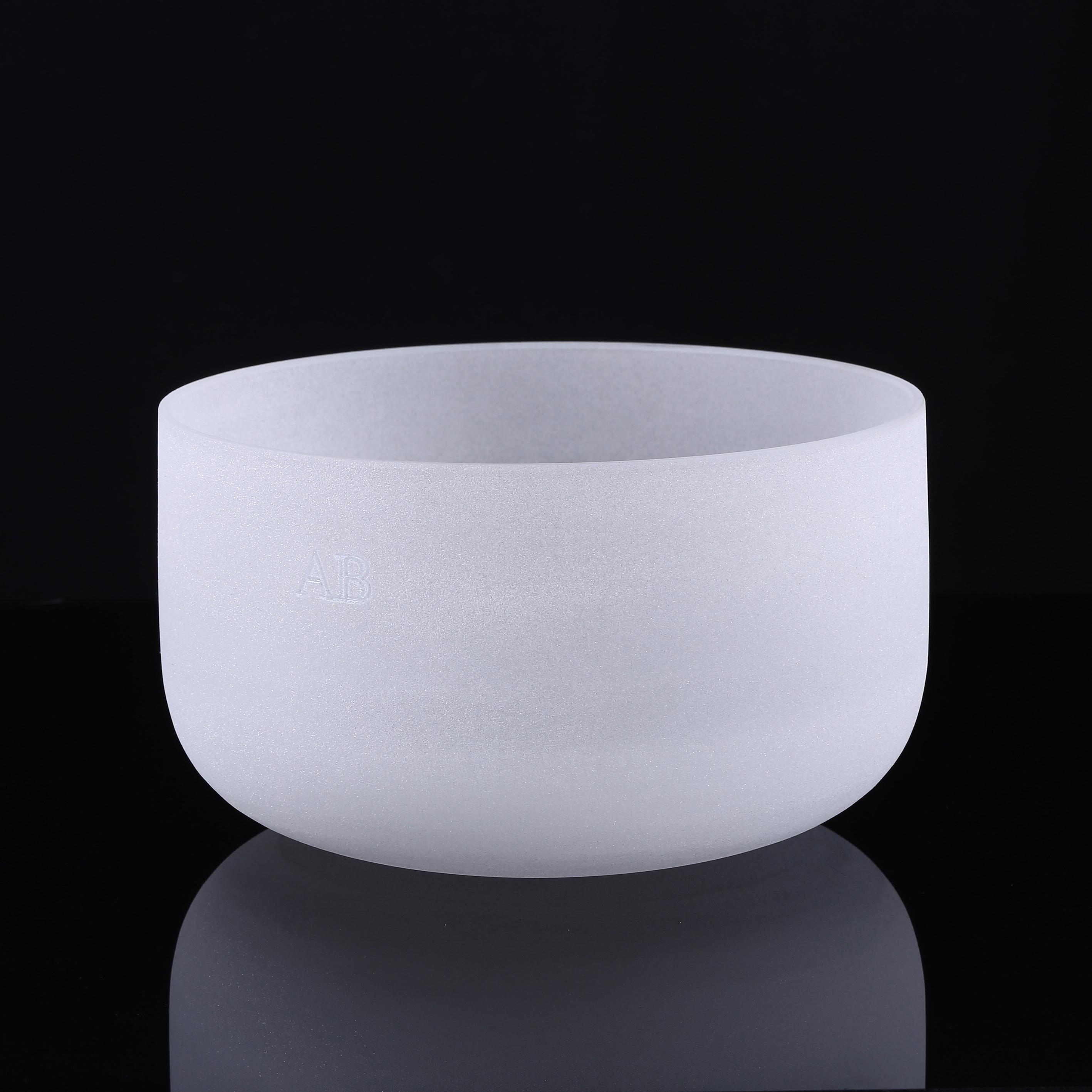
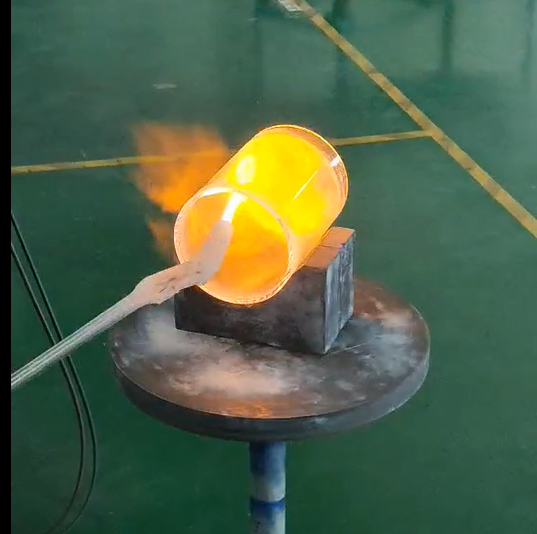
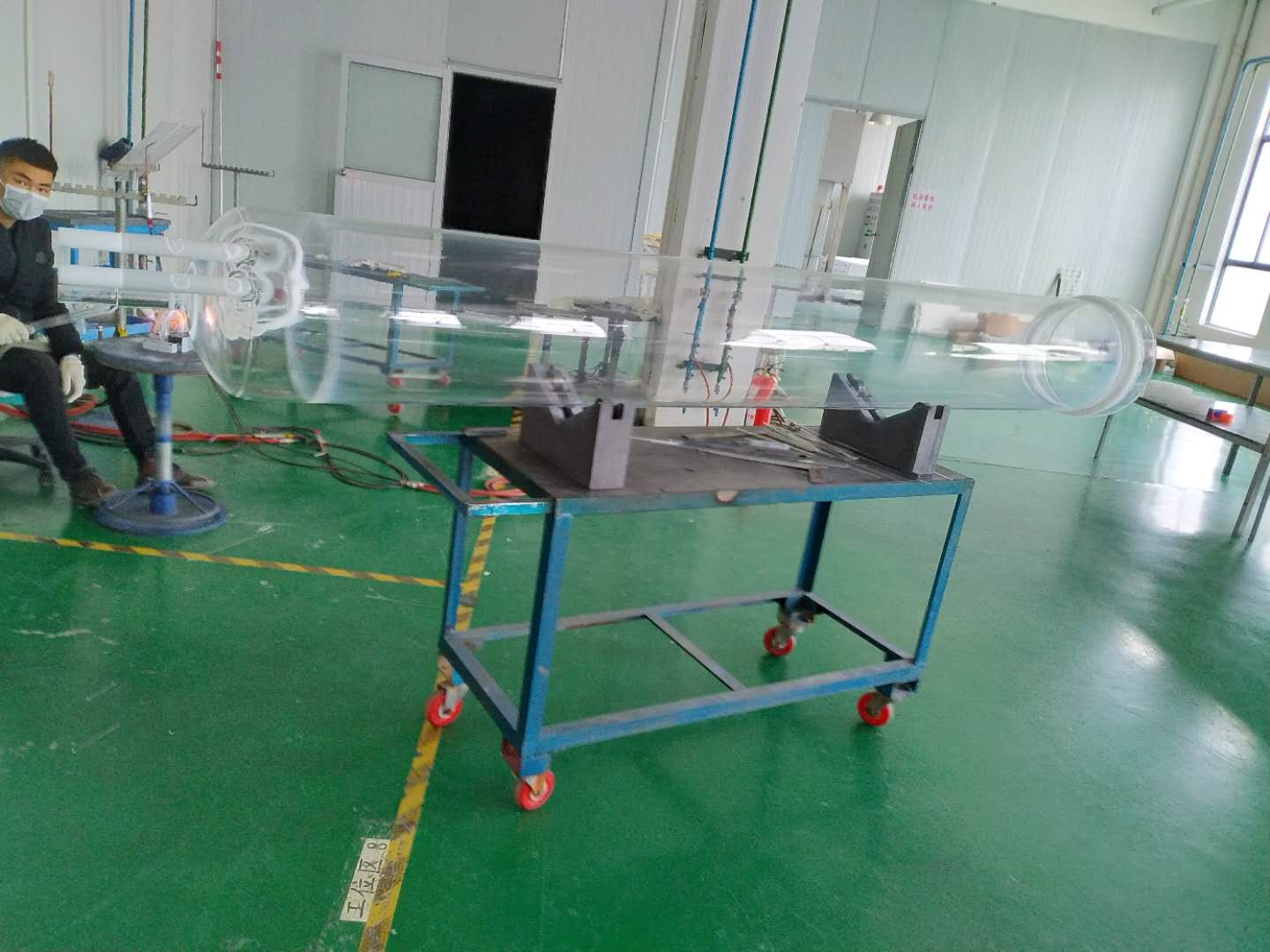
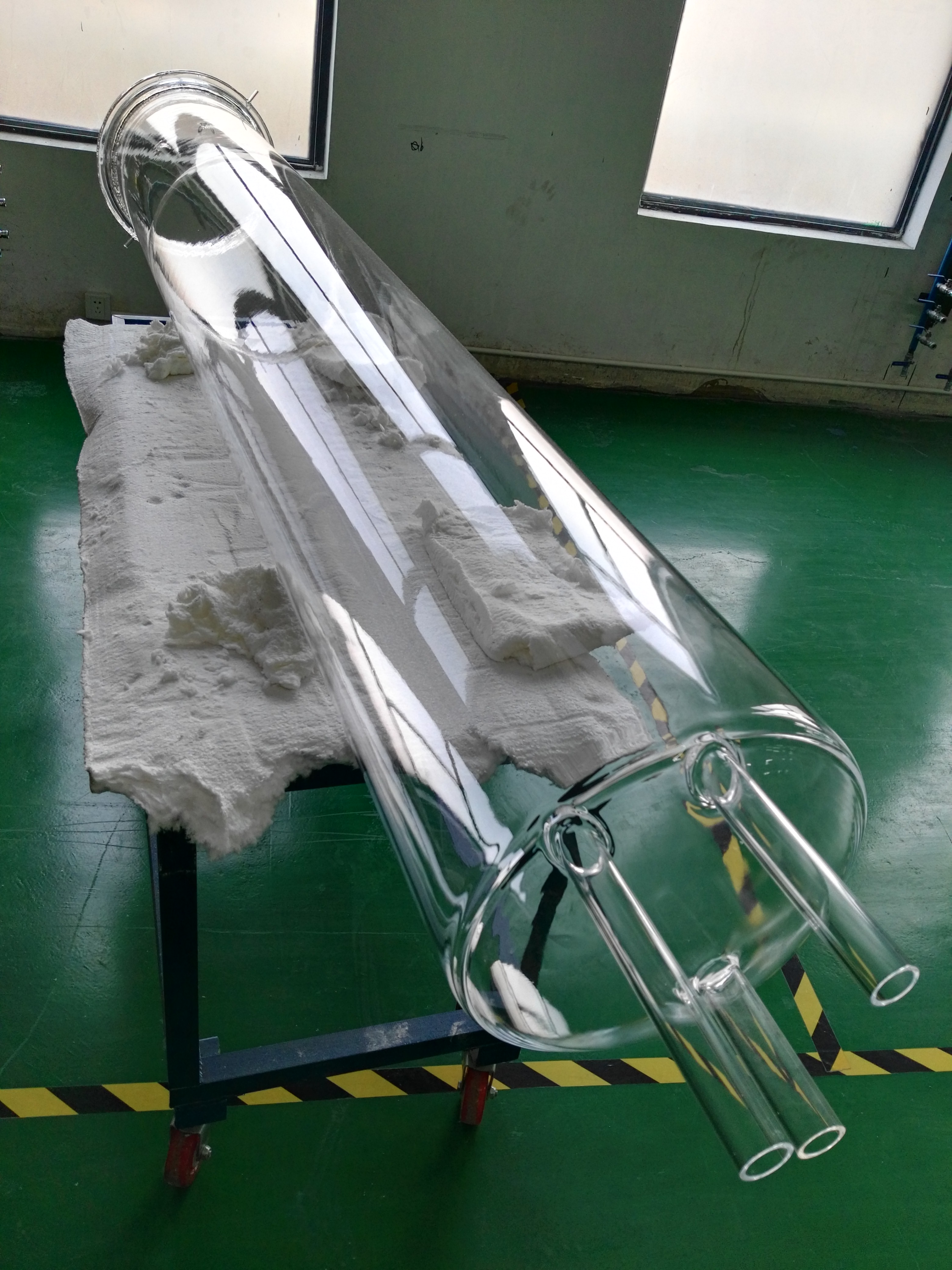
Precision cutting, slotting, and flame joining of custom quartz labware.
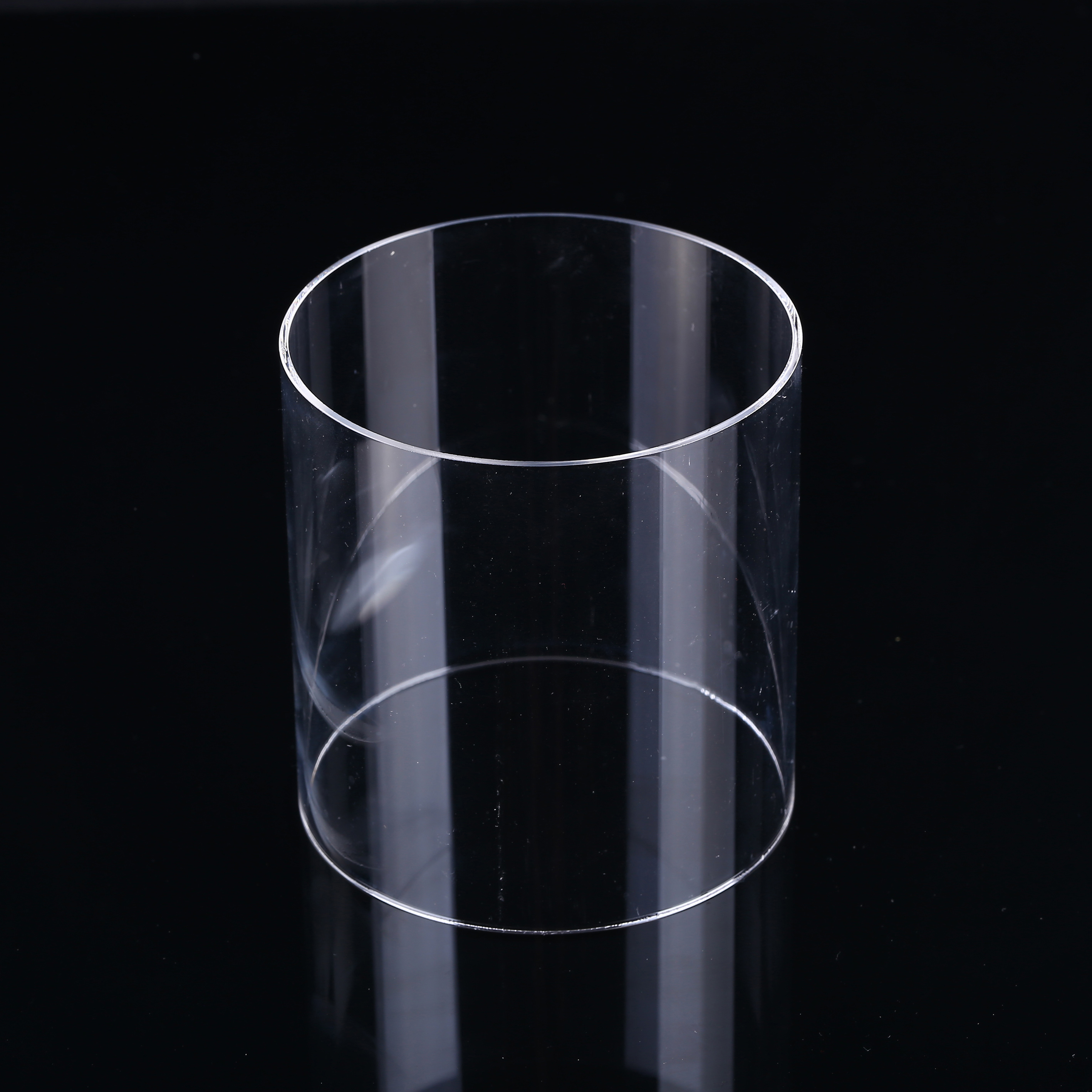
100% visual inspection under polarized light for internal stress and inclusions.
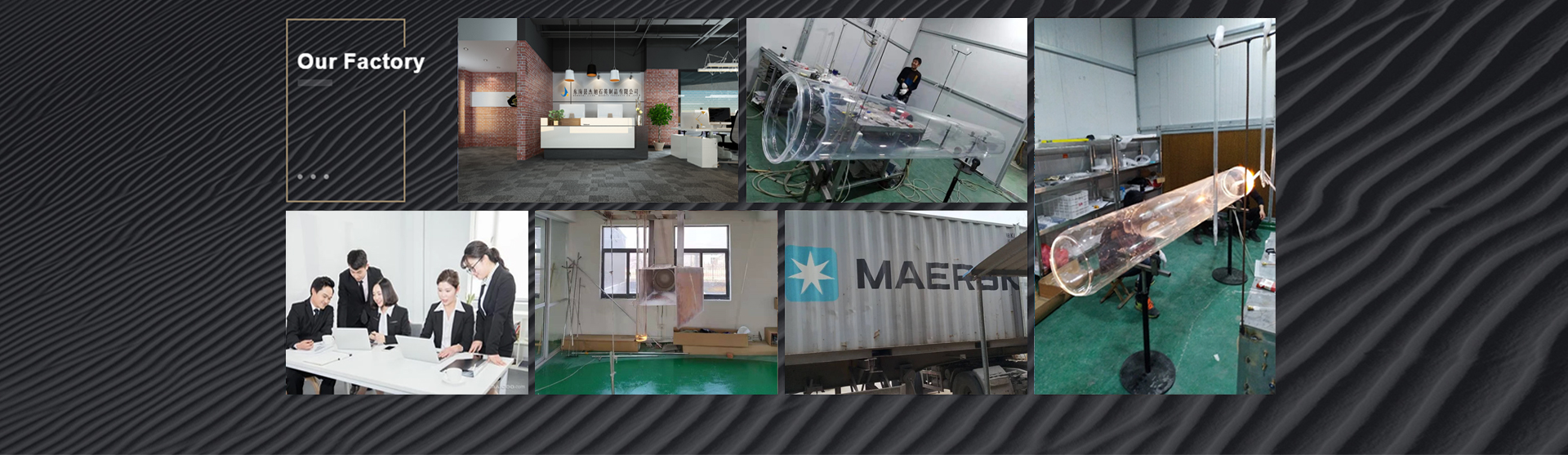
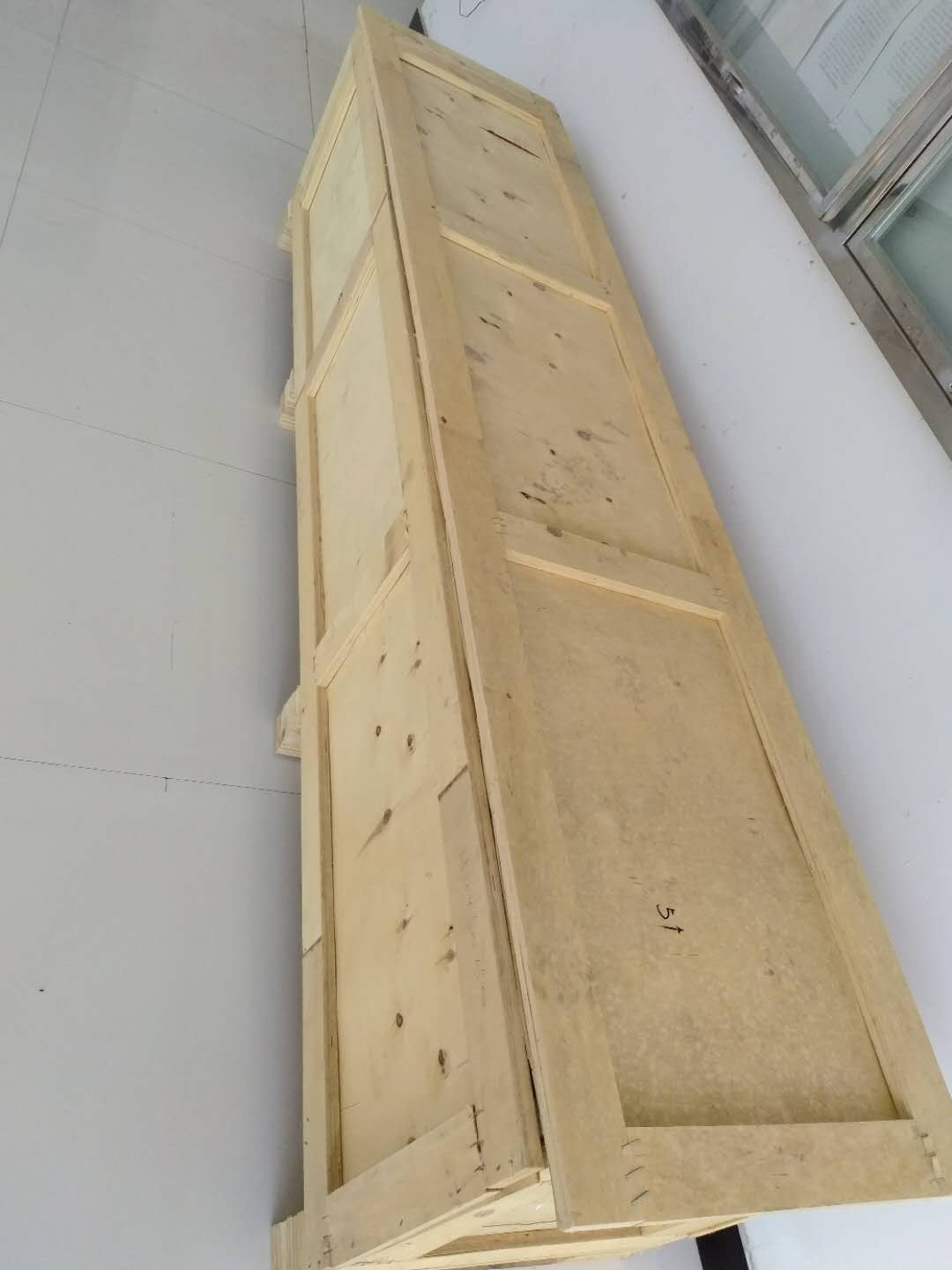
Safe, shock-resistant storage and rapid global fulfillment readiness.
Nivra Quartz is verified on-site by third-party inspection agencies. Business registration, export authority, and product testing certificates are available for global engineering compliance reviews.
Clear technical answers addressing purity validation, logistics packaging, hydroxyl radical levels, and custom fabrication tolerances.
JGS1 (Synthetic Fused Silica): Produced by vapor-phase oxidation of silicon tetrachloride (SiCl₄). Free of bubbles and inclusions, it provides high transmission through the deep ultraviolet (DUV) down to 185 nm, making it ideal for UV photolithography, excimer lasers, and precision spectrometers.
JGS2 (Fused Quartz): Smelted from natural high-purity crystal quartz sand under oxy-hydrogen flame. Transmits effectively across the UV-visible range from 220 nm to 2500 nm. Standard for sight glasses, optical windows, diffusion tubes, and high-temperature furnace sight ports.
JGS3 (Infrared Optical Quartz): Smelted under vacuum or electric resistance fusion with low hydroxyl content ([OH⁻] < 2–5 ppm). Eliminates the typical 2.73 µm water absorption band, enabling transmission across the infrared spectrum up to 3500 nm.
Refractory ceramic fibers (RCF) contain substantial alumina (Al₂O₃) and fluxing agents that shed micro-dust and trace iron (Fe) into furnace tubes. Under prolonged exposure to 1050°C+, ceramic fibers undergo recrystallization and emit particulate contaminants that reduce semiconductor wafer yields. In contrast, pure fused quartz wool is composed of >99.99% SiO₂, contains no chemical binders, and will not introduce heavy metal vapor or dust into cleanroom environments.
Clear fused quartz glass operates continuously at 1100°C and can withstand short-duration excursions up to 1450°C. The softening point begins at 1683°C, while the annealing point is approximately 1215°C. For prolonged use above 1150°C, ensure the working atmosphere remains free of alkali dust (such as sodium, calcium, or potassium salts), which can accelerate surface devitrification into cristobalite.
With 40% of our production exported to North America and 20% to Western Europe, we implement an engineered crating system. Each quartz item is sealed in anti-static PE film, wrapped in shock-absorbing EPE closed-cell foam, and secured in custom-molded cellular compartments. Long quartz tubes and rods are housed in longitudinal shock-absorbing PVC channels within reinforced, ISPM-15 export wooden crates, keeping damage rates below 0.1%.
Yes. We regularly produce OEM and ODM parts to client drawings in DWG, DXF, STEP, IGES, or PDF formats. Our CNC precision machine shop handles diamond-wire slicing, CNC slotting, precision hole drilling, cylindrical grinding, edge beveling, laser tube perforating, and flame bench welding. Standard geometric tolerances are maintained within ±0.05 mm, with tight-tolerance optical work held to ±0.01 mm.
For standard quartz tubing, rods, petri dishes, and off-the-shelf crucibles, the MOQ is 1 to 10 pieces to support R&D prototyping. Custom CNC-machined components, optical wafers, and precision capillary tubes typically carry an MOQ of 20 to 100 pieces depending on complexity. Standard prototype samples ship within 5 to 7 working days; full production batches typically dispatch within 15 to 20 days.
We source raw silica directly from verified vein quartz deposits in Donghai. Each incoming raw crystal lot is cataloged and tested via Inductively Coupled Plasma Mass Spectrometry (ICP-MS) to monitor trace impurities (Fe, Al, Ti, Ca, Mg, Na, K, Li). Finished items undergo dimensional verification, surface profilometer testing, and optical transmission checks before cleanroom vacuum packaging.