High-Purity Quartz Tubes & Thermal Process Components
Manufactured to critical ISO 9001 and SEMI standards, our components undergo multi-stage oxyhydrogen thermal forming, centerless precision grinding, and class-100 cleanroom chemical de-contamination.
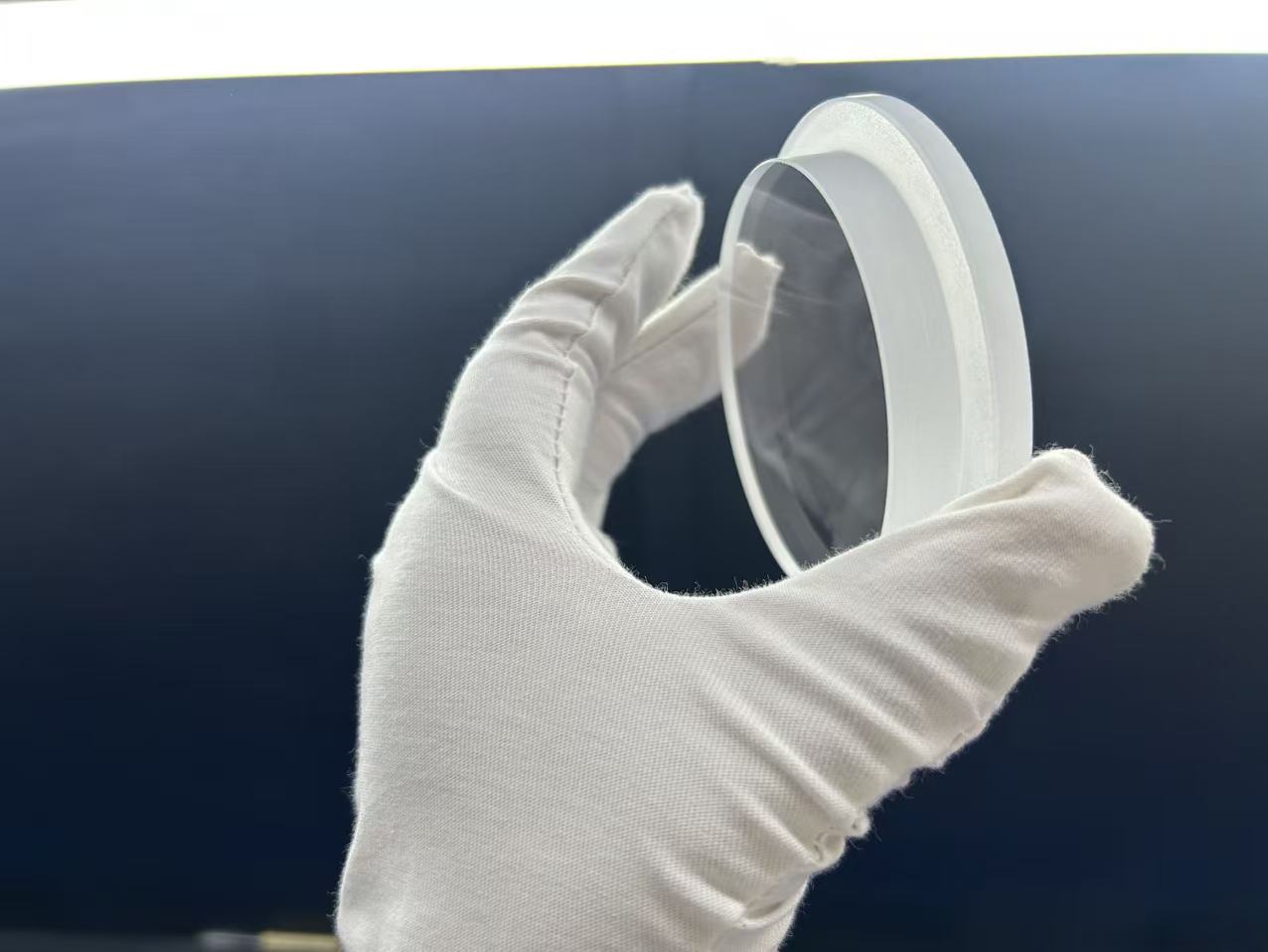
Factory-Made High-purity Ultra-thick Quartz Double-Layer Step Plate
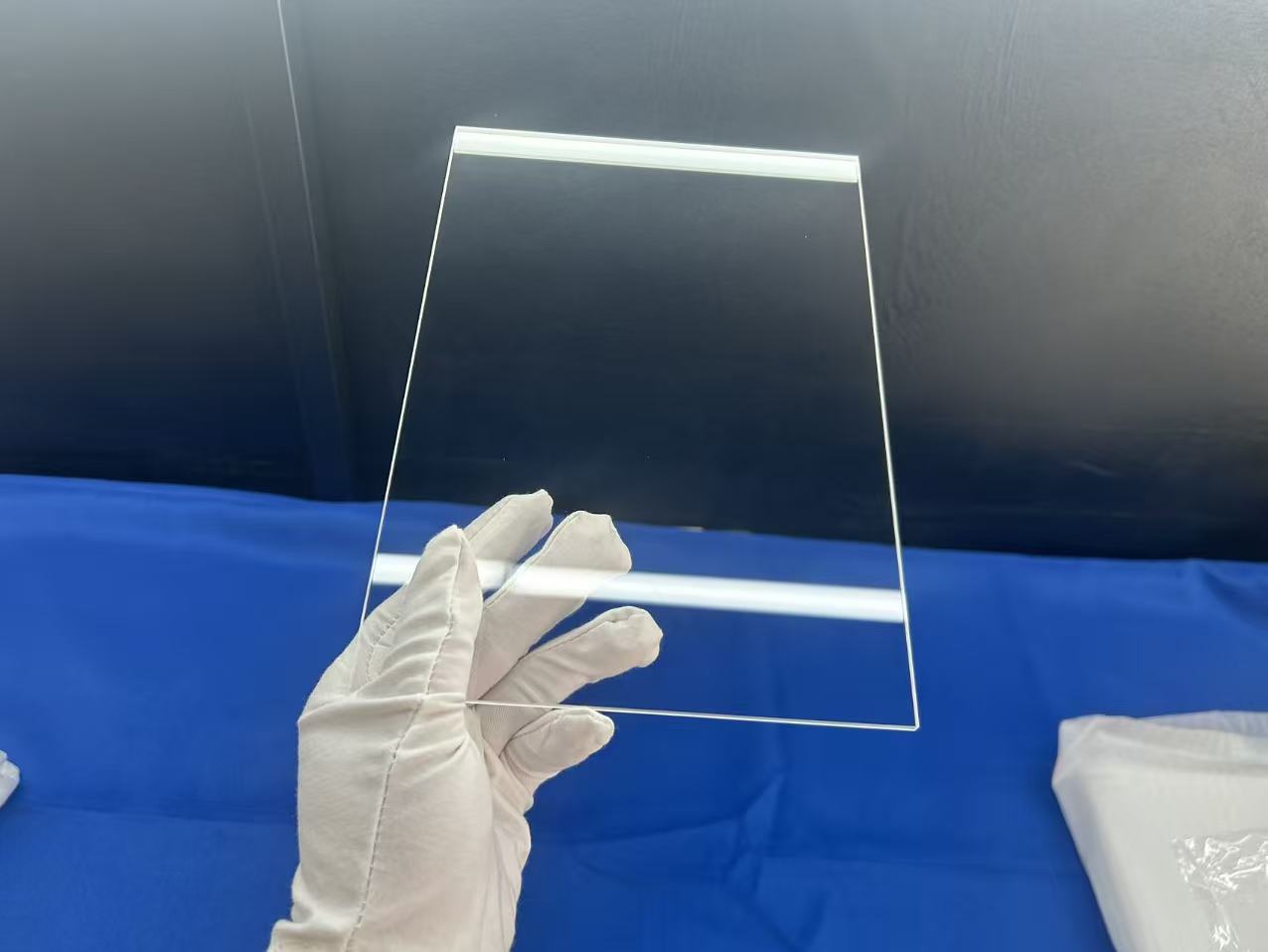
Custom Polished Purity Transparent Square Quartz Glass Plate 3mm
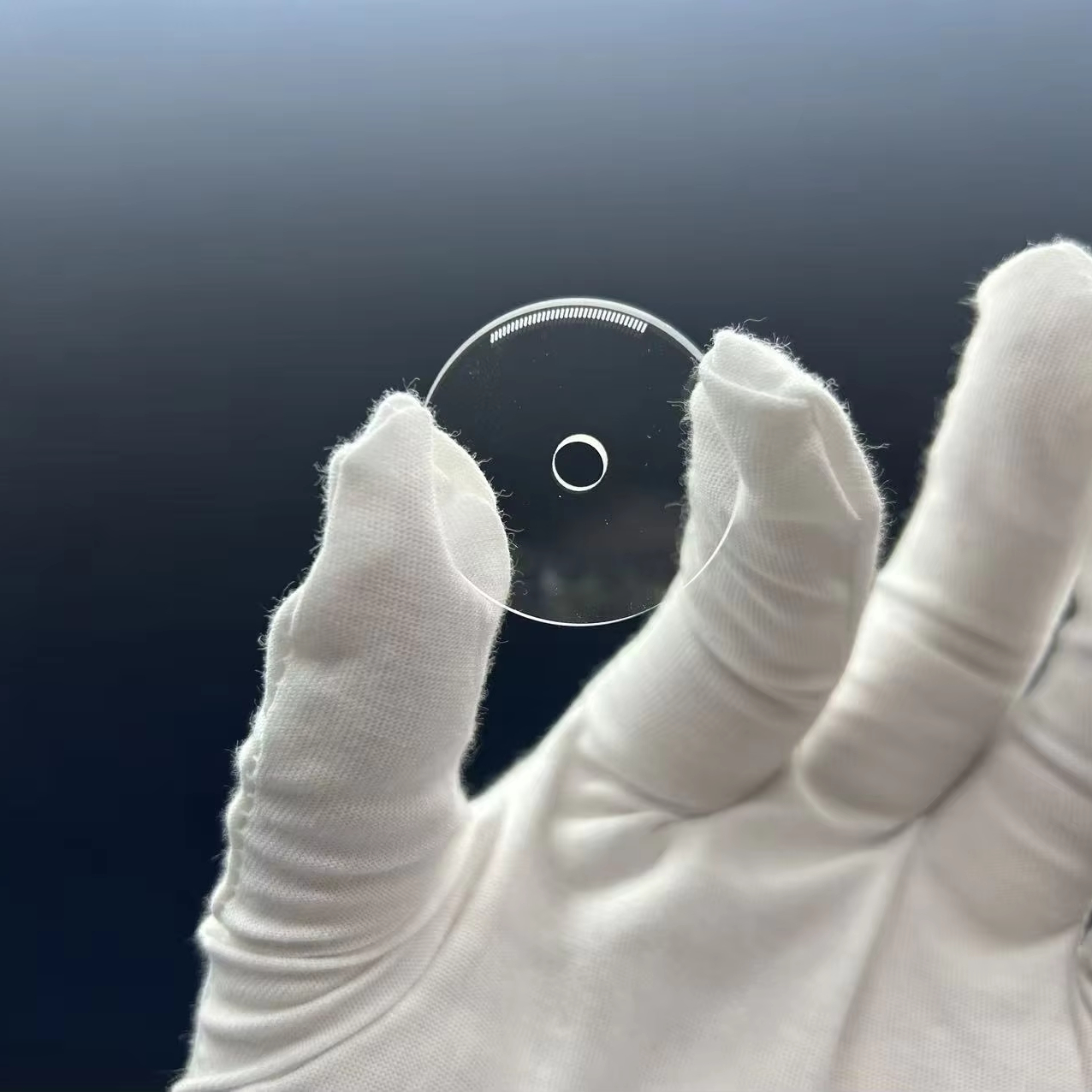
Precision Frosted Quartz Sheet for Thermal Homogenization
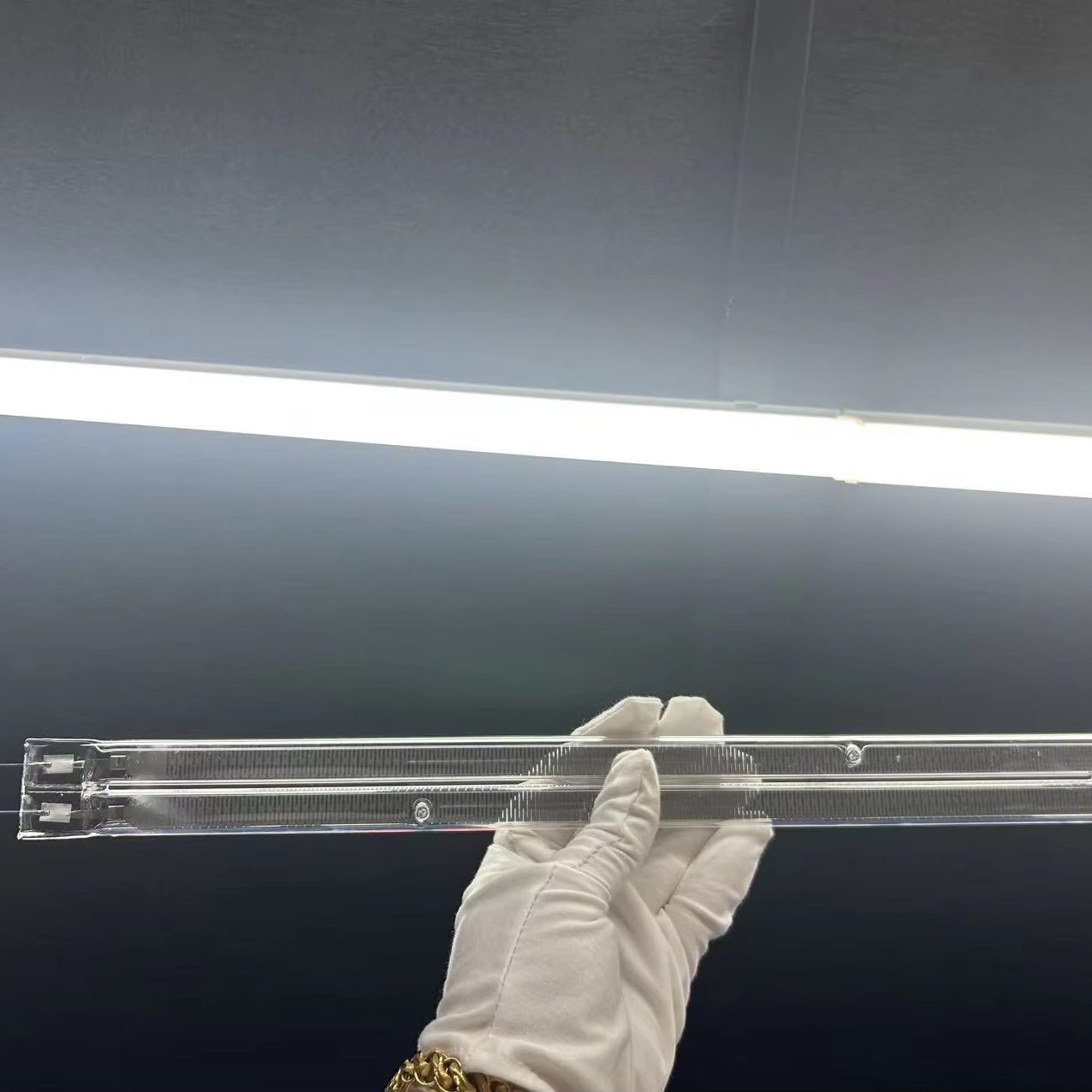
220V 700W 300MM 10mm Diameter Infrared Rapid Heating Tube
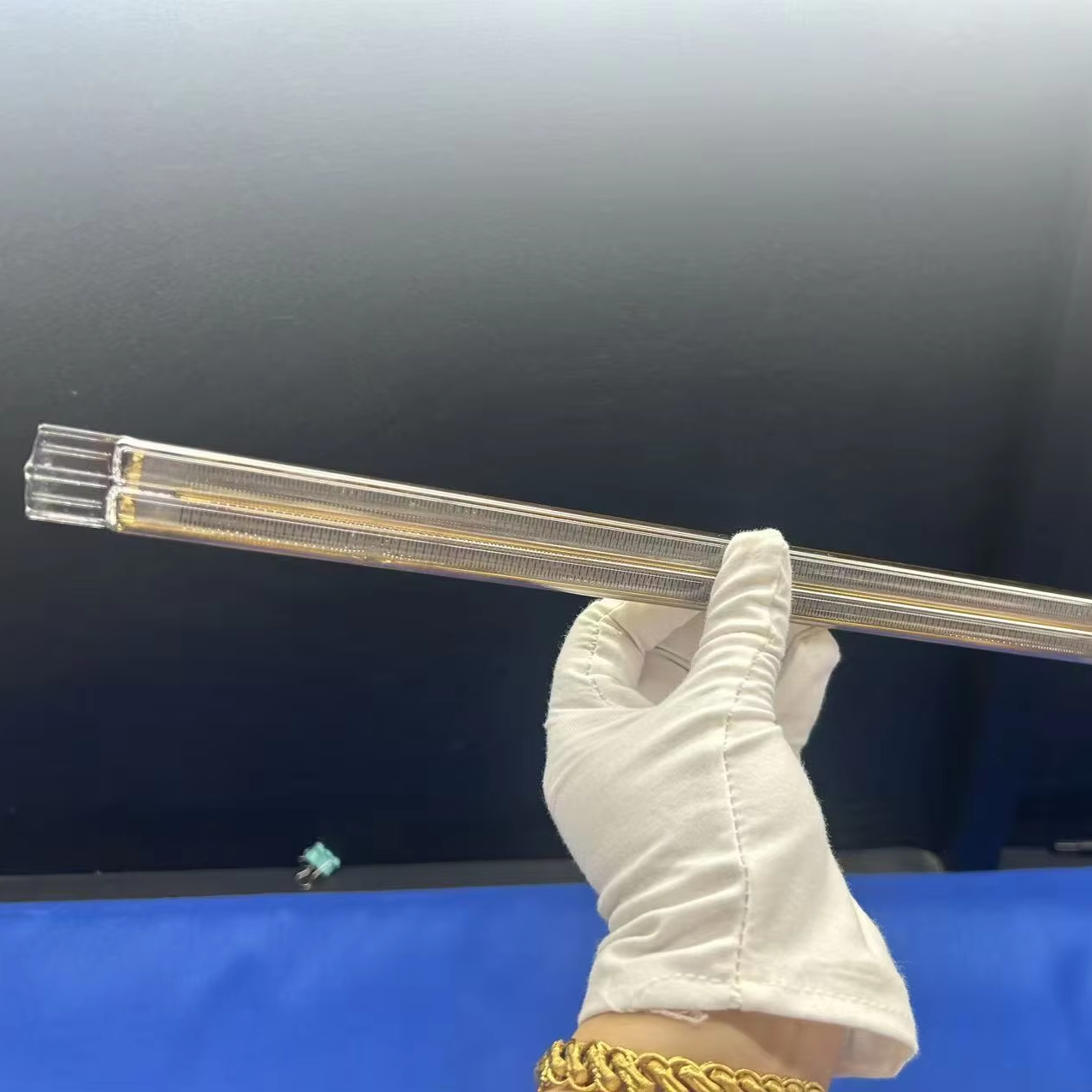
Industrial High-Efficiency Graphene Quartz Heating Tube
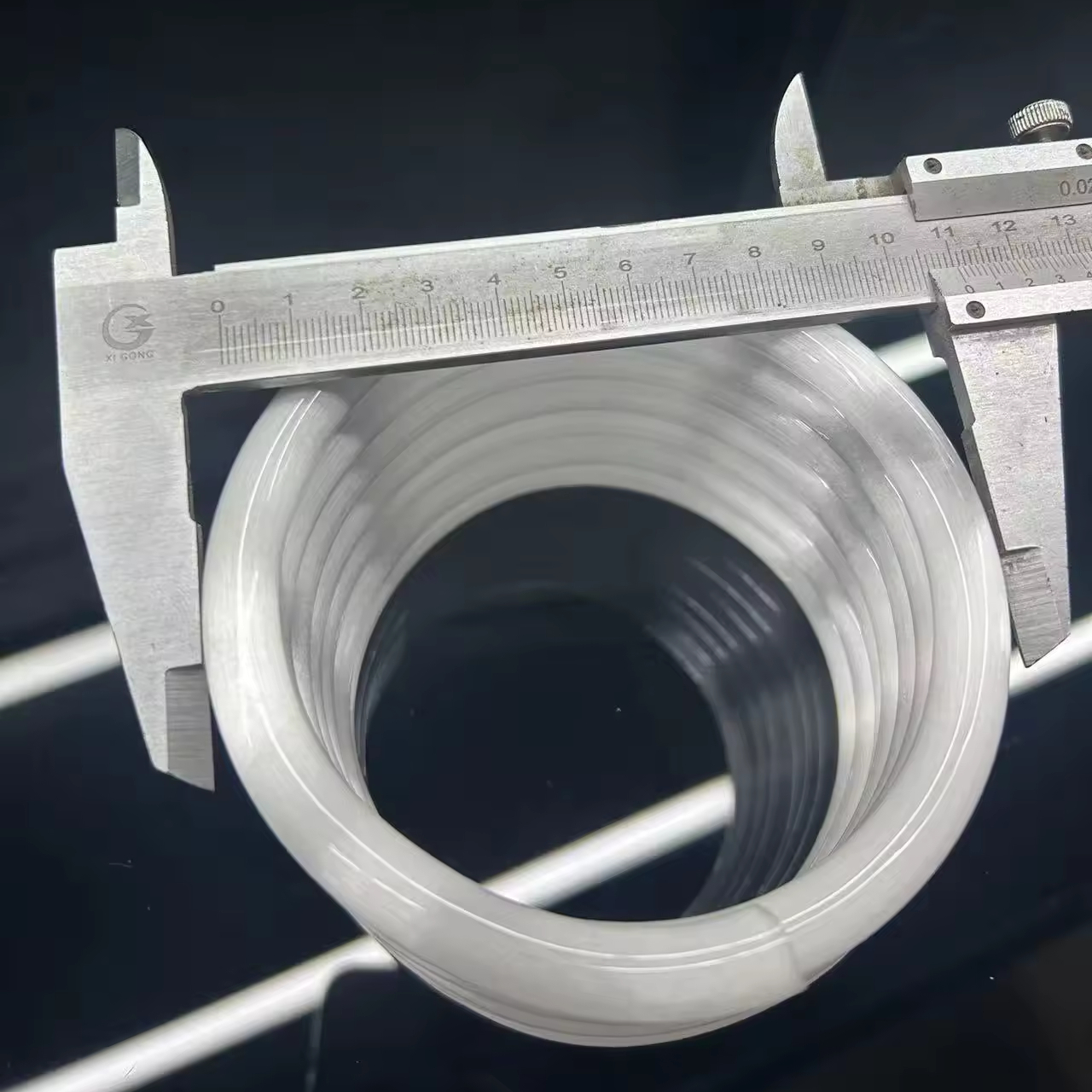
Helical Clear Quartz Glass Coil Tube for Fluidic Exchange
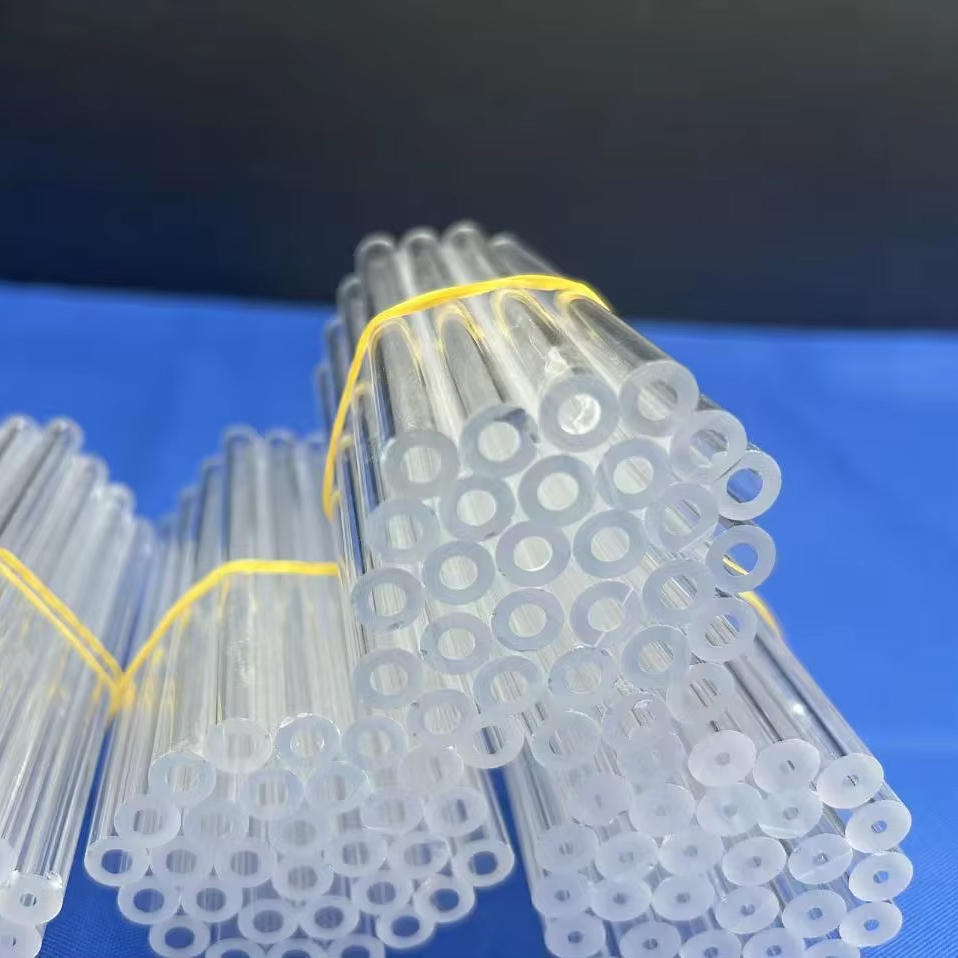
Customized Size Clear Quartz Glass Tube for BET Analysis
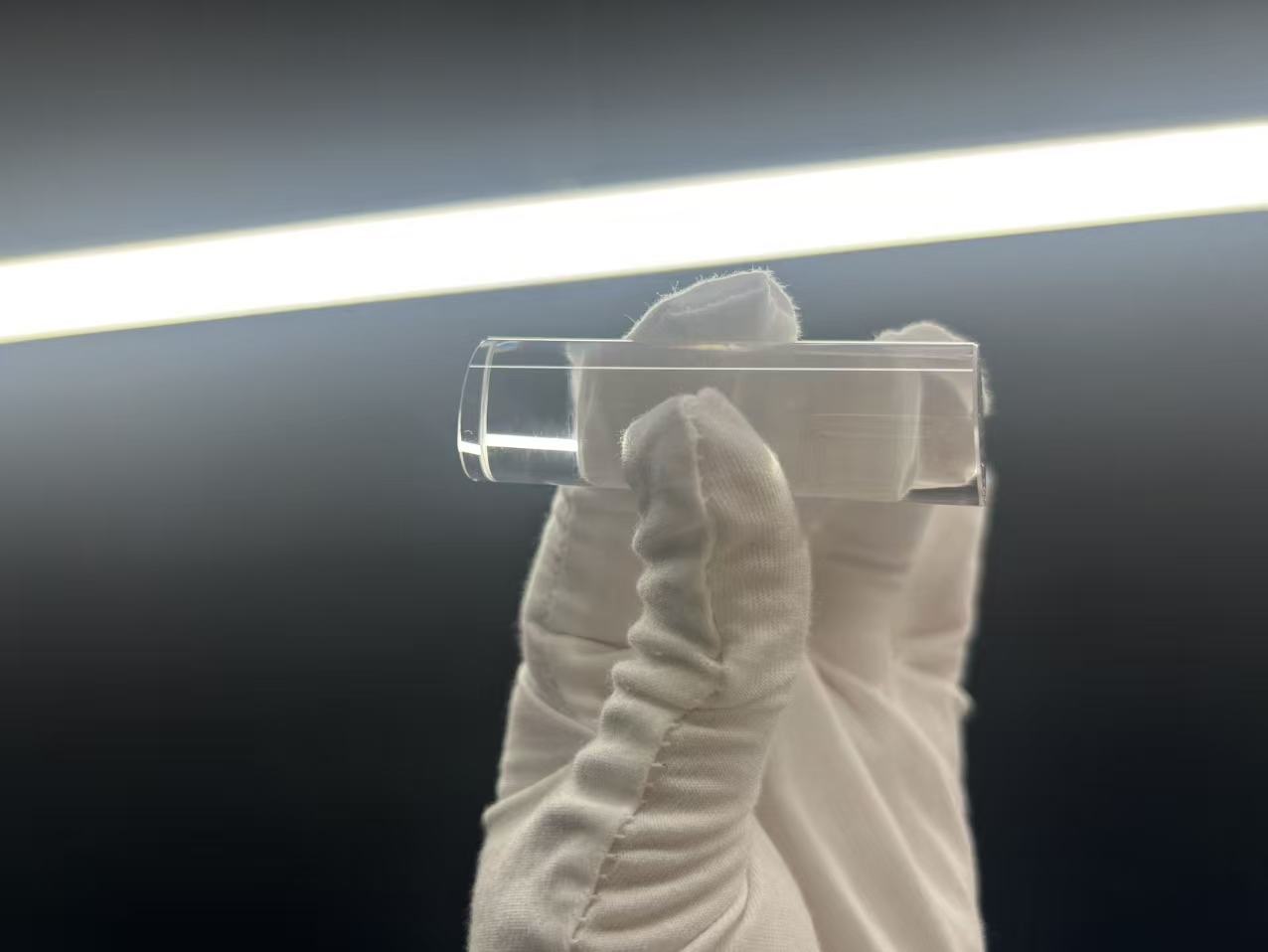
Precision Ground Round Head Quartz Rod & Manipulator
High-Purity Quartz Metallurgy: Overcoming Devitrification in Thermal Furnaces
Understanding the microstructural mechanics of vitreous silica ($SiO_2$) under prolonged high-temperature operational cycling (1100°C–1350°C).
Vitreous Network & OH Dynamics
The structural stability of fused quartz hinges on the random network of $SiO_4$ tetrahedra. The presence of hydroxyl groups (—OH) breaks siloxane bonds ($Si-O-Si$), effectively reducing viscosity and lowering the transition temperature. Our vacuum electro-fusion protocols suppress —OH levels below 5–15 ppm, preventing premature tube sagging and wall deformation during prolonged horizontal LPCVD diffusion.
Cristobalite Phase Transitions
Devitrification occurs when amorphous vitreous quartz nucleates into crystalline cristobalite at temperatures exceeding 1150°C, catalyzed by trace alkali impurities ($Na, K, Li$). Upon furnace cooling past 270°C, $\beta$-cristobalite rapidly shifts to $\alpha$-cristobalite, inducing a destructive 5% volume contraction and structural spalling. Nivra Quartz guarantees alkali metal levels <0.4 ppm to inhibit nucleation kinetics.
Geometric Concentricity & TIR
Thermal stress gradients in diffusion tubes scale non-linearly with wall thickness variations (TTV). Utilizing precision centerless diamond grinding, Nivra Quartz maintains an outer diameter tolerance of ±0.2 mm and total indicator reading (TIR) runout straightness of <1.0 mm/meter on furnace tubes up to 450 mm OD, mitigating mechanical stress points under dynamic vacuum.
| Physicochemical Metric | Semiconductor Grade Clear Fused Quartz | Synthetic Fused Silica (JGS1 Grade) | Infrared Transparent Quartz (JGS3) |
|---|---|---|---|
| $SiO_2$ Purity Content | ≥ 99.995 % (Trace metals < 15 ppm) | ≥ 99.9999 % (Synthetic chemical CVD) | ≥ 99.99 % (Electro-fused vacuum) |
| Hydroxyl ($OH^-$) Concentration | < 30 ppm (Standard) / < 5 ppm (De-OH) | 800 – 1200 ppm (UV Transmissive) | < 3 ppm (Moisture Free for IR) |
| Coefficient of Thermal Expansion (CTE) | $5.5 \times 10^{-7} \text{ K}^{-1}$ ($20^\circ\text{C} - 320^\circ\text{C}$) | $5.2 \times 10^{-7} \text{ K}^{-1}$ | $5.5 \times 10^{-7} \text{ K}^{-1}$ |
| Maximum Working Temperature (Continuous) | 1150 °C | 1100 °C | 1200 °C |
| Strain Point / Softening Point | 1075 °C / 1683 °C | 1025 °C / 1650 °C | 1120 °C / 1710 °C |
| Dielectric Strength ($20^\circ\text{C}$) | 25 – 40 kV / mm | 40 – 50 kV / mm | 25 – 35 kV / mm |
Next-Generation Quartz Procurement Trends: 2025–2030
Global semiconductor fabrication plants and Tier-1 solar cell manufacturers are actively reshaping their critical quartz component supply lines. Sourcing directors must navigate these shifts to protect yields and operational margins.
Transition to 300mm / 450mm Ultra-Large Tubes
With silicon wafer production standardizing at 300mm and advanced solar expanding into 210mm (M12) TOPCon and HJT cells, diffusion furnace tubes require diameters exceeding 380 mm to 450 mm. Sourcing demands factories with multi-axis automated glass lathes capable of heating and drawing extreme thermal tube masses without optical sagging.
Sub-ppb Metal Purity Thresholds
Next-generation sub-3nm nodes and N-type solar architectures do not tolerate even single-digit parts-per-billion contamination of transition metals ($Cu, Ni, Fe$). Modern procurement mandates comprehensive glow discharge mass spectrometry (GDMS) or ICP-MS elemental reports certified down to fractional ppb levels prior to shipment dispatch.
TCO-Driven Quartzware Lifecycle Sourcing
Procurement teams are shifting away from evaluating suppliers on initial purchase price alone. Instead, Total Cost of Ownership (TCO) models—focusing on anti-devitrification lifespan, resistance to repeated 10% HF acid etch wash cycles, and precision mechanical ground flanges that eliminate gas leakage—dominate vendor scorecards.
Geographic Cluster Consolidation
Over 70% of global crystalline fused quartz refining is clustered around Donghai County, Jiangsu. Strategic buyers are bypassing third-party trading intermediaries to partner directly with fully vertically integrated factories in Donghai, securing raw ingot price stability and reducing export lead times by 20 to 30 days.
Engineered Quartz-to-Metal Vacuum Joints
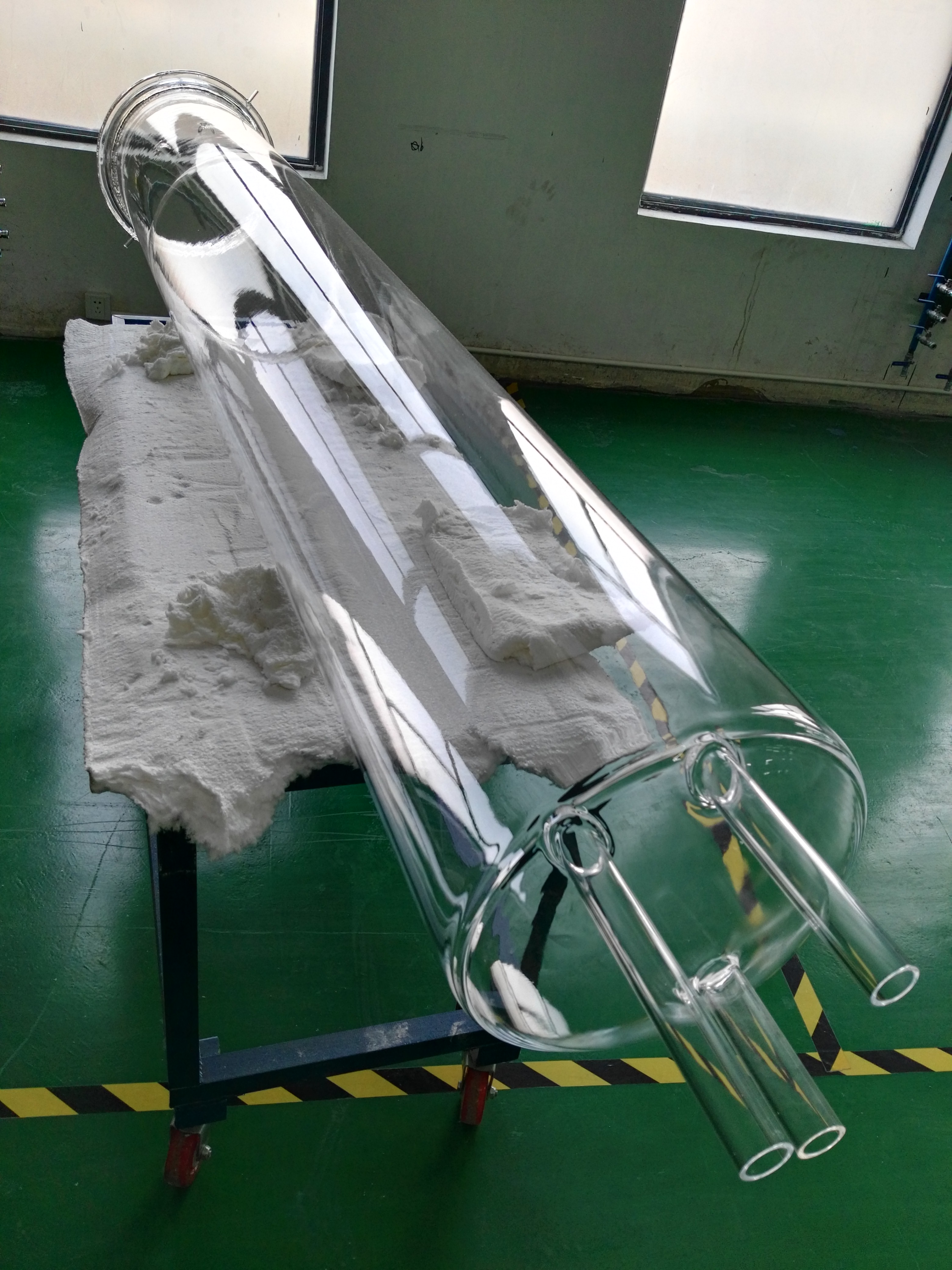
Furnace operators are replacing failure-prone mechanical clamp gaskets with factory-welded Kovar flanges, water-cooled stainless-steel collars, and integrated opaque bubble quartz thermal barriers. Single-piece assembly lowers cleanroom assembly labor and prevents catastrophic seal failure under vacuum.
Oxy-Hydrogen Carbon Offset Standards
European and North American fab operators increasingly audit factory environmental profiles. Nivra Quartz integrates high-efficiency closed-loop oxygen-hydrogen catalytic heating systems that eliminate carbon particulate emissions during manual and automated flame working operations.
Advanced Quartz Tube Fabrication Technologies
A rigorous examination of electric vs gas fusion manufacturing, plasma surface treatment, and precision thermal annealing processes.
Continuous Electric Melting
High-purity natural silica sand is fed continuously into high-temperature tungsten or molybdenum crucible induction furnaces under protective inert gas environments. The resulting cylindrical boules possess ultra-low micro-bubble counts (DIN 58927 Class 0) and pristine wall concentricity ideal for high-pressure gas diffusion tubes.
Multi-Stage Thermal Annealing
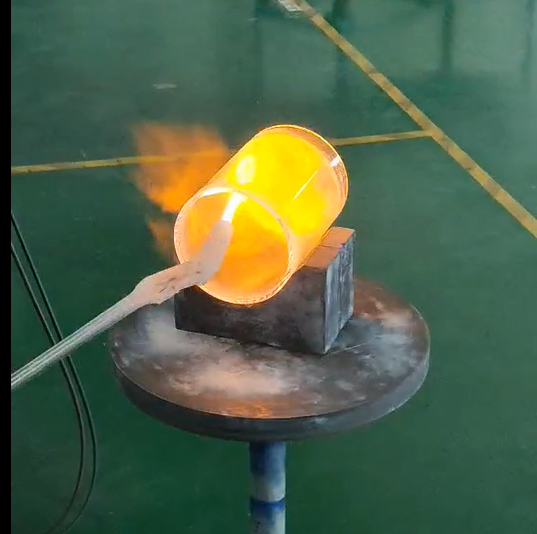
Following high-temperature lathe flame manipulation (welding flanges, quartz ground joints, or sensor ports), significant residual strain is frozen into the silica glass lattice. Our computer-controlled annealing lehrs ramp parts to 1180°C, holding for stress dissipation before slow cooling below the strain point (1020°C) to eliminate thermal birefringence.
Automated Acid Passivation
Machined quartz surfaces host micro-fractures and surface contaminants that accelerate devitrification. We subject every furnace tube to multi-stage ultrasonic baths containing specialized Hydrofluoric (HF) and Nitric ($HNO_3$) acid complexes, removing micro-fissures and generating a microscopic surface seal for maximum thermal longevity.
Donghai County Nivra Quartz Products Co., Ltd.
Headquartered at 285 Heping East Road, Donghai County, Lianyungang, Jiangsu — China's historic crystal capital. Nivra Quartz operates an integrated manufacturing facility certified by international auditing bodies.
Direct Donghai Factory Sourcing
Eliminate non-value-added broker margins. Sourcing directly from our Donghai County facility guarantees full raw material traceability back to local ultra-pure quartz gravel mines, offering superior cost-to-performance economics.
5-Hour Response SLA & Rapid Prototyping
Our in-house technical engineering team reviews custom CAD, STEP, or PDF drawings with an average response time of under 5 hours (measured response rate: 88.89%). Prototypes can be flame-worked and dispatched in 5 to 7 working days.
Zero-Breakage Export Packaging
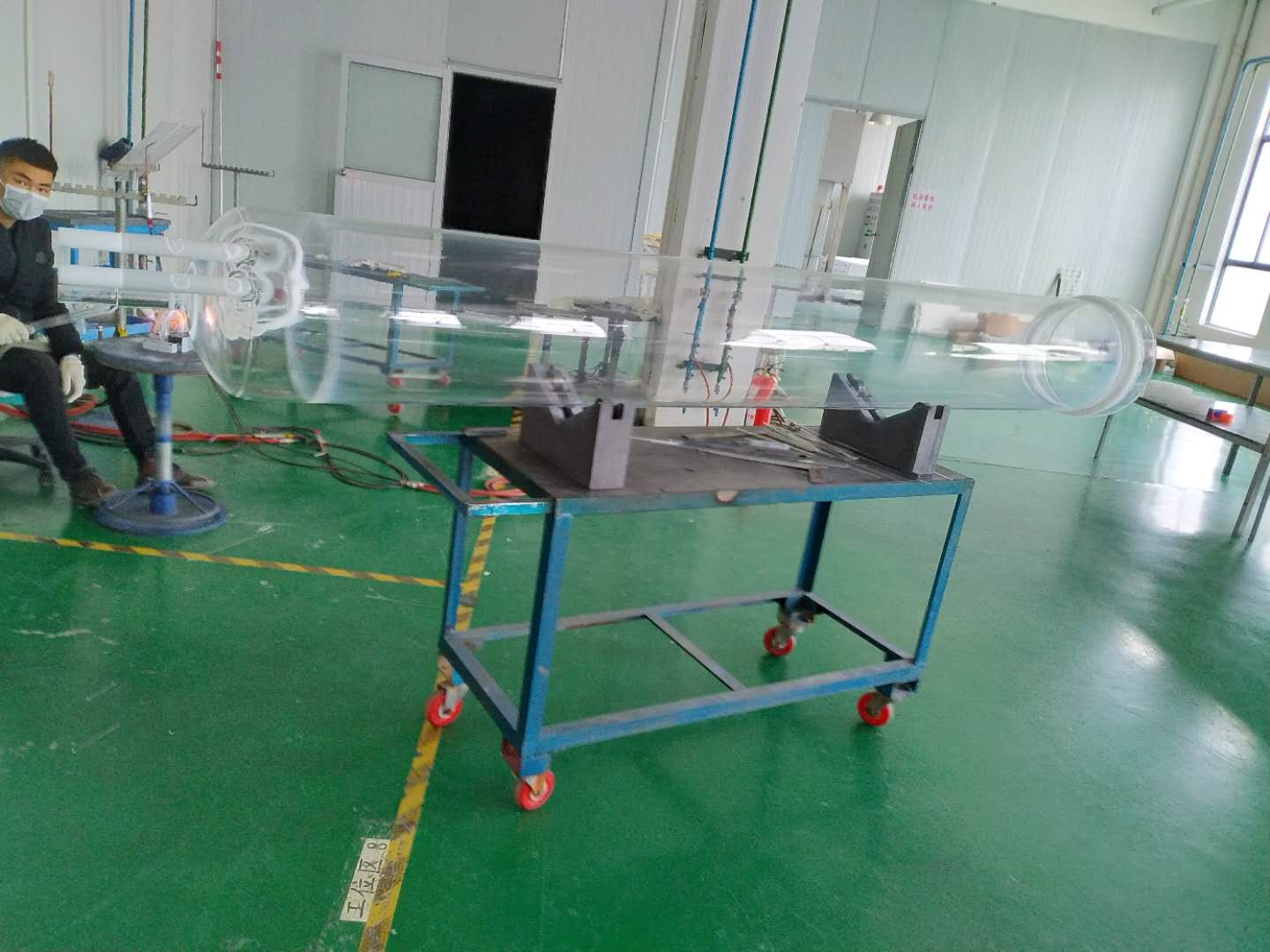
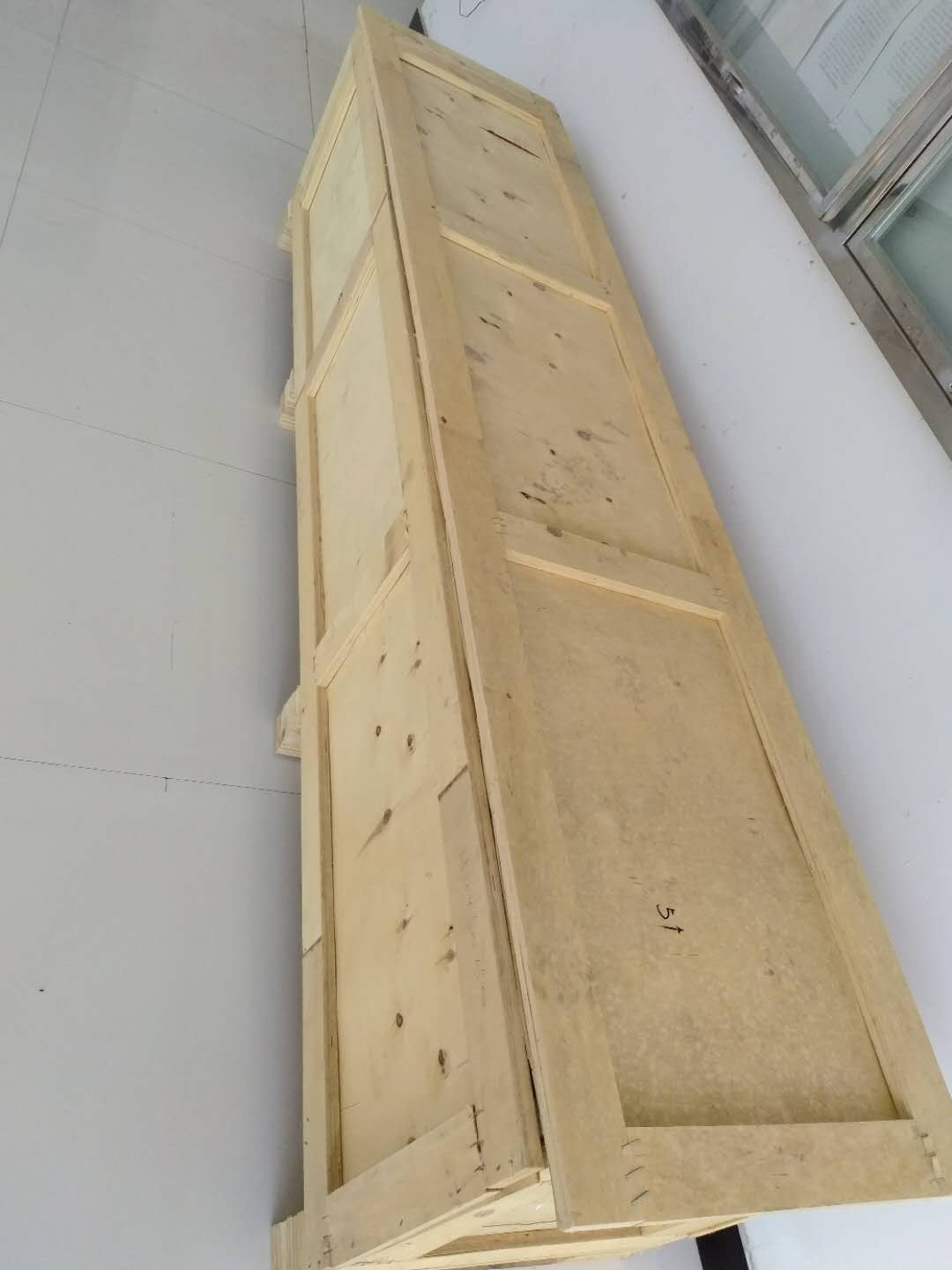
International freight demands military-grade protection. Every large quartz tube is suspended in custom-molded high-density EPE foam cradles and secured within reinforced, fumigation-free wooden export crates, ensuring zero transit breakage to 40+ countries.
Official Factory Verification & Certification Credentials
Verified on-site by international certification authorities. Business license and factory qualification documents available for enterprise buyer compliance review.
Frequently Asked Questions on Quartz Tube Procurement
Clear, engineering-driven answers to resolve common specification, manufacturing, and supply chain questions.
What are the critical purity differences between JGS1, JGS2, and JGS3 quartz?
JGS1 (Synthetic Fused Silica): Produced via high-temperature chemical vapor deposition ($SiCl_4$). It features supreme optical transparency from deep ultraviolet (UV transmission down to 185 nm) through the visible spectrum, with virtually zero bubble inclusions and metals < 0.1 ppm, but contains high hydroxyl (—OH, ~1000 ppm).
JGS2 (Standard Fused Quartz): Smelted from natural high-purity quartz crystal rocks using hydrogen-oxygen flame fusion. It provides high optical transmittance from 220 nm to 2500 nm, making it the industry workhorse for sight windows, standard process vessels, and semiconductor cleanroom observation ports.
JGS3 (Infrared Optical Fused Silica): Formed via vacuum electric melting of selected quartz crystal. It features an ultra-low hydroxyl content (< 3 ppm), eliminating the sharp 2.73 μm water absorption band. It is universally specified for infrared heating elements, pyrometry viewports, and high-temperature thermal furnace tubes operating continuously above 1150°C.
What continuous and intermittent thermal thresholds can Nivra quartz tubes withstand?
Our semiconductor-grade clear fused quartz furnace tubes withstand continuous operational exposure at 1100°C to 1150°C under vacuum or inert atmosphere. For short-duration cycling (such as rapid thermal annealing or ramped oxidation), our tubes handle peak excursions up to 1450°C.
The softening point is approximately 1683°C, while the transformation annealing point is 1120°C. Long-term structural integrity at elevated temperatures depends heavily on wall thickness ratio, tube support spacing, and the absence of external surface alkaline dust contamination.
How do you prevent tube deformation and sagging in horizontal furnaces?
Horizontal furnace tube sagging is predominantly driven by two factors: excessive hydroxyl (—OH) concentration which lowers the silica network viscosity, and non-uniform wall thickness. Nivra Quartz deploys electro-fused low-OH ($<5\text{ ppm}$) raw materials alongside precision centerless mechanical grinding to maintain total wall runout within $\pm 0.1\text{ mm}$.
Furthermore, for tubes with outer diameters exceeding 250 mm operating above 1100°C, we specify heavy-wall schedules (e.g., 6 mm to 9 mm wall thickness) or incorporate internal rib-reinforced structural supports.
Can you customize furnace tubes with welded flanges, ball joints, and gas inlets?
Yes. OEM and ODM bespoke custom manufacturing represents over 65% of our daily production volume. We regularly fabricate complex furnace tubes featuring fire-polished smooth ends, precision ground spherical ball-and-socket joints, helical fluidic coils, ground flat flanges with O-ring sealing grooves, welded thermocouple wells, and multiple offset gas injection ports.
Clients can submit engineering drawings in PDF, DWG, DXF, or 3D STEP formats for direct review by our glass engineering team.
What Minimum Order Quantity (MOQ) and sample lead times apply?
To support prototyping, research institutions, and equipment manufacturers, standard dimension tubing and custom sample prototypes have an MOQ of only 1 to 5 pieces. Mass-production wafer boats and precision cut optical wafers typically begin at 10 to 50 pieces.
Rapid prototyping can typically be produced and dispatched within 5 to 7 working days, with high-volume production orders running on a standard 15 to 21-day production cycle.
How does Nivra Quartz guarantee zero transit breakage for international orders?
We implement a comprehensive three-tier packaging procedure engineered specifically for long-distance international air and ocean cargo: First, individual quartz pieces are ultrasonically cleaned, vacuum-sealed in anti-static PE bags, and wrapped in multiple protective layers of closed-cell polyethylene cushioning.
Second, the tubes are suspended inside multi-layer shock-absorbing high-density EPE foam cavities that isolate the glass from external torque and impact. Third, the outer shell is constructed using heavy-duty, fumigation-free plywood crates reinforced with exterior galvanized steel corners and impact indicators.
What quality inspection documentation accompanies each shipment?
Every commercial dispatch is accompanied by an extensive Quality Assurance Dossier, including: Dimensional CMM Inspection Reports (OD, ID, wall thickness, ovality, TIR straightness), Spectrophotometer Optical Transmission Curves (covering 190 nm to 3500 nm), and Material Traceability Certificates confirming compliance with RoHS, REACH, and SEMI purity guidelines.
Launch Your Custom Quartz Project With Nivra Quartz
Whether you require standard high-purity replacement diffusion tubes, bespoke semiconductor wafer boats, or specialized optical quartz discs, our engineering team in Donghai is ready to review your technical specifications.