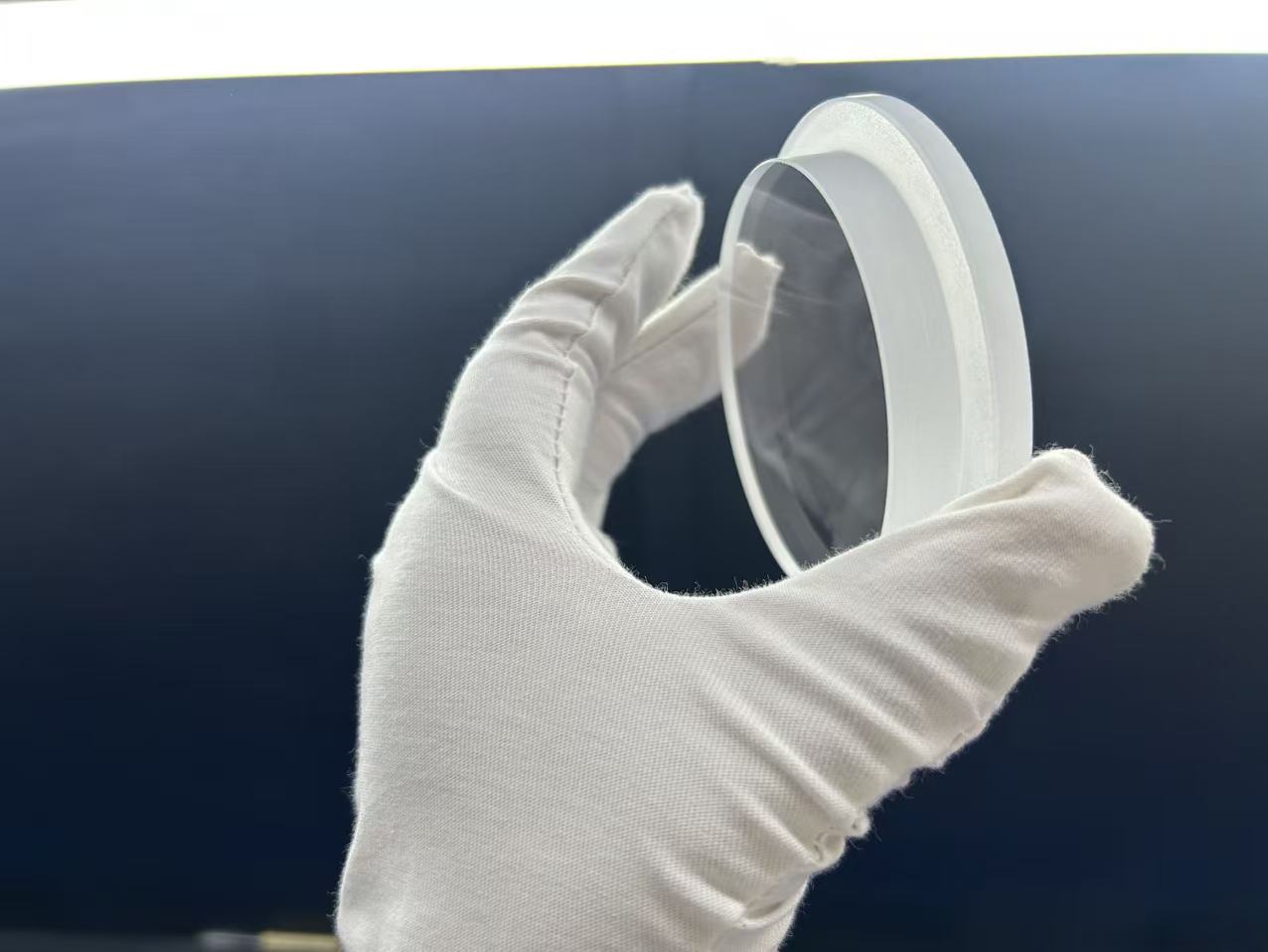
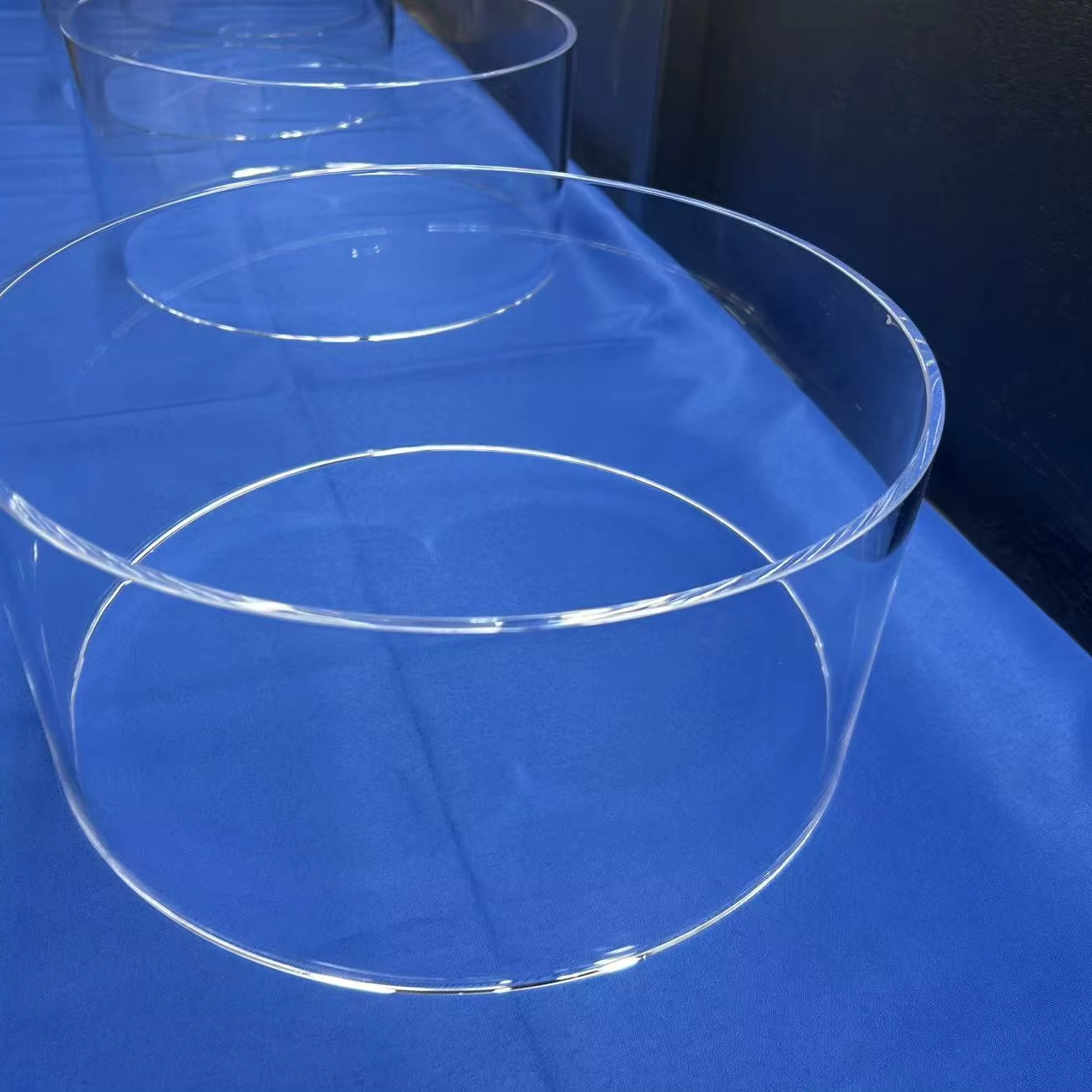
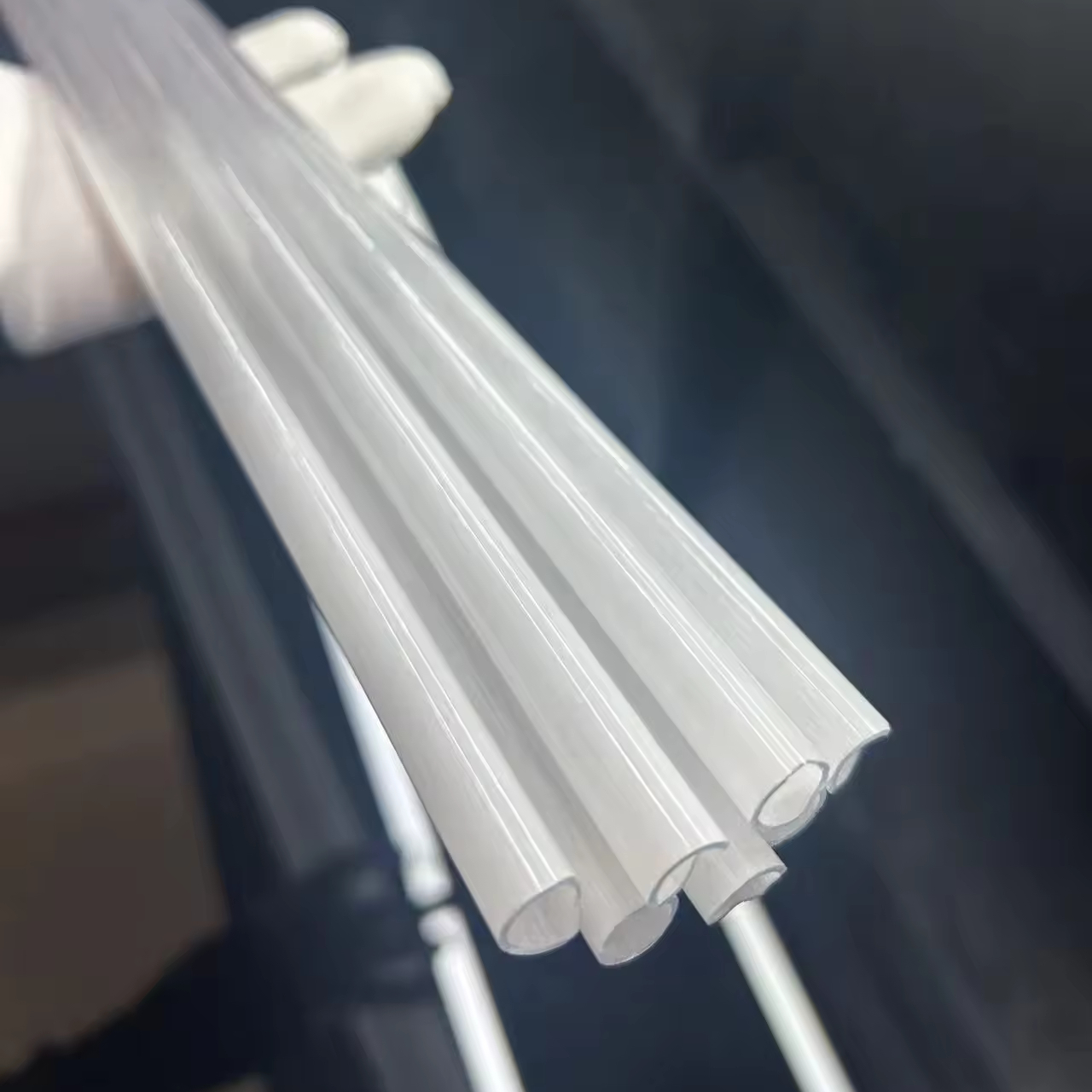
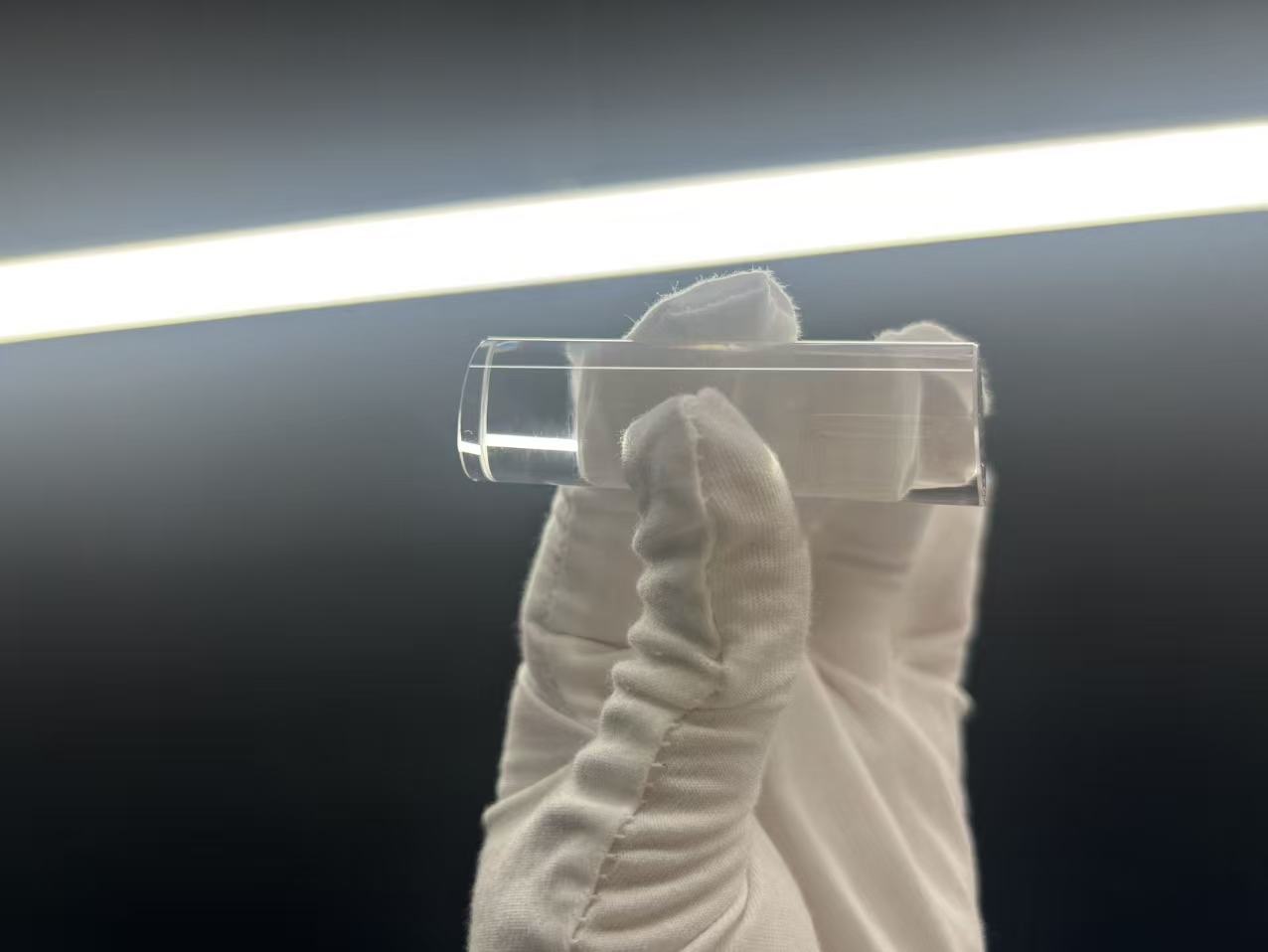
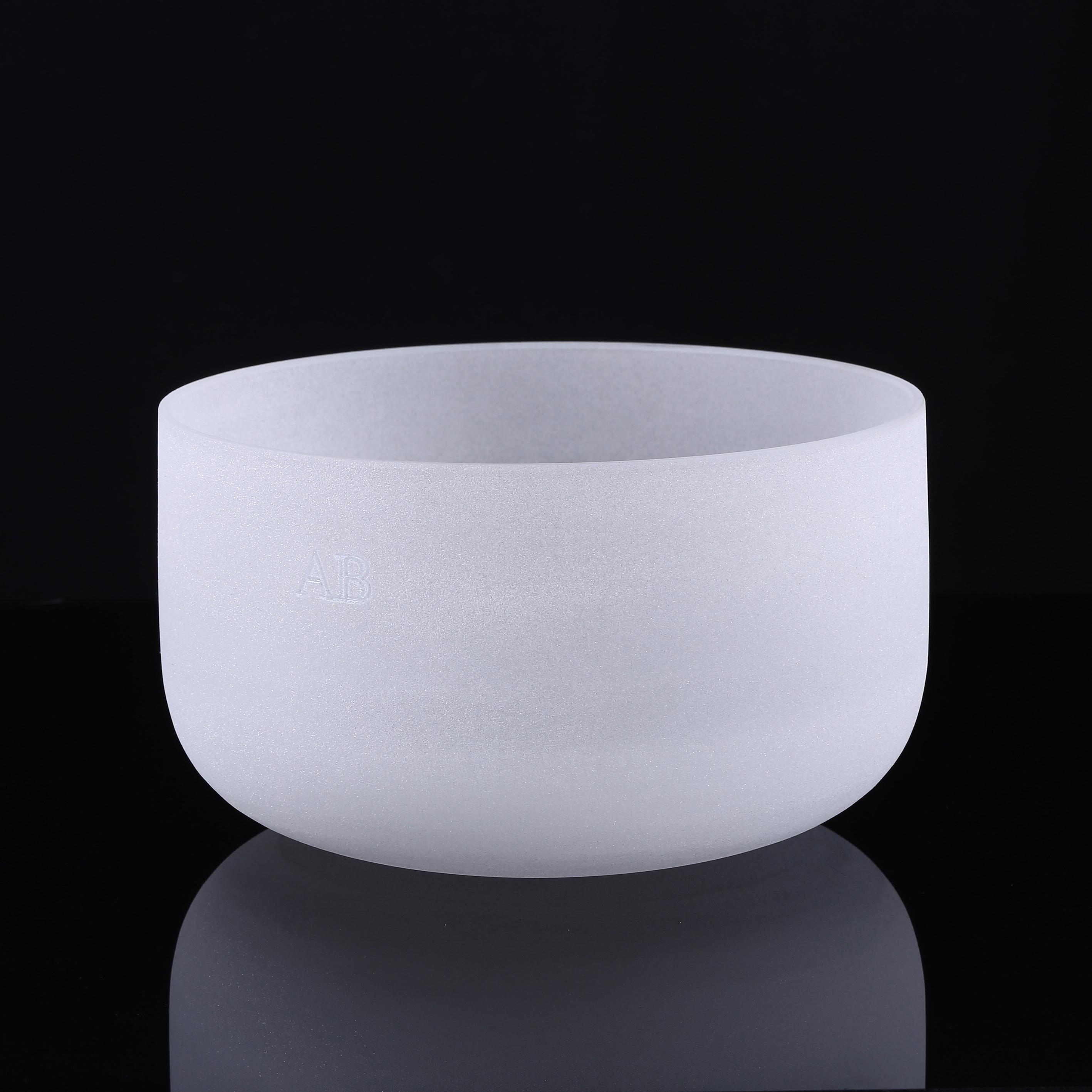
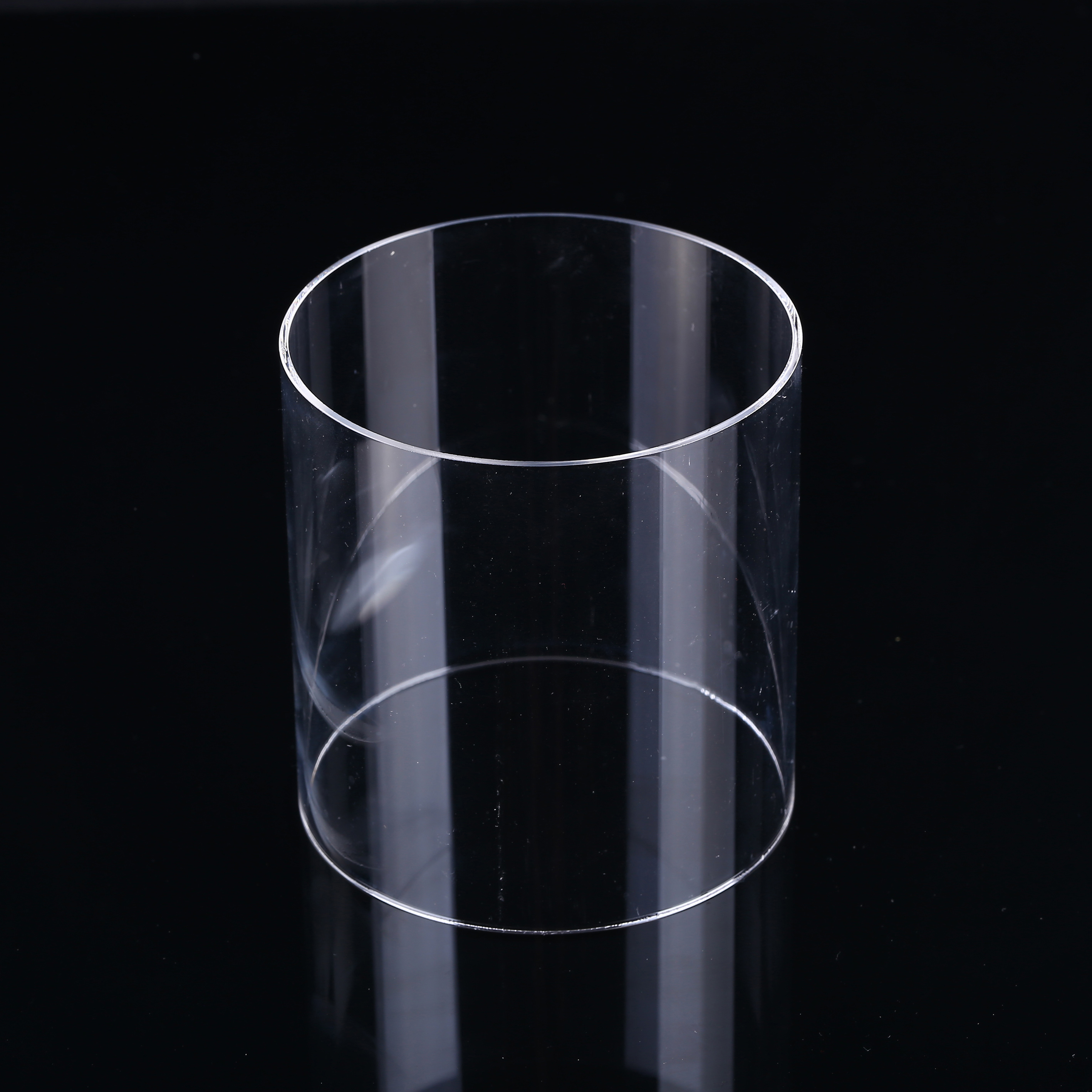
Precision-machined fused quartz solutions manufactured under strict cleanroom conditions. Each part undergoes laser interferometry, micro-porosity distribution checks, and spectrographic purity inspection before global dispatch.
In modern advanced manufacturing, porous quartz glass (also categorized as porous fused silica, sintered quartz frits, or micro-channeled vitreous quartz) represents a critical apex material. Unlike conventional borosilicate filter media or open-cell polymeric membranes, porous quartz glass merges the extreme thermomechanical resilience and elemental purity of 99.99%+ silicon dioxide (SiO₂) with tightly engineered, interconnecting pore networks. Global demand from semiconductor fabrication facilities, advanced electrochemical reactors, ultra-pure gas sparging towers, and deep-UV photochemical synthesizers has elevated porous quartz from a specialized laboratory consumable to a critical process infrastructure component.
The production of porous quartz glass requires precise thermal sintering kinetics rather than liquid melt extrusion. High-purity natural silica sand or synthetic silicon tetrachloride ($SiCl_4$) hydrolysate is refined to eliminate transition metal contaminants (Fe, Cu, Ni, Cr) and alkali metals (Na, K, Li) down to single-digit parts-per-billion (ppb) thresholds. The refined particles are fractionated into narrow particle-size distributions via air classification.
During the thermal sintering cycle in an inert or hydrogen atmosphere, quartz particles undergo controlled solid-state diffusion and viscous flow sintering at temperatures ranging between 1,200°C and 1,450°C. Sintering dwell times and temperature curves are regulated to form necking junctions between adjacent amorphous silica spheres without collapsing the interstitial void volume. This yields rigid porous matrices with pore sizes spanning from sub-micron dimensions (Grade G5, 1–1.6 µm) up to coarse gas diffusion networks (Grade G00, 250–500 µm).
Specifying porous quartz components requires an understanding of standard international porosity grades according to ISO 4793 and ASTM E128. Nivra Quartz produces all standardized frit grades alongside custom engineered permeability profiles:
| Porosity Grade | Nominal Pore Size (µm) | Permeability Coefficient ($m^2$) | Typical Flow Velocity (Air @ $\Delta P = 100\text{mbar}$) | Primary Industrial Application |
|---|---|---|---|---|
| Grade G00 | 250 – 500 µm | $8.5 \times 10^{-10}$ | 145.0 L/min·cm² | High-volume industrial gas distribution, aggressive coarse slurry support |
| Grade G0 | 160 – 250 µm | $3.2 \times 10^{-10}$ | 85.0 L/min·cm² | Gas sparging in molten salt reactors, vacuum chucks, coarse filtration |
| Grade G1 | 100 – 160 µm | $9.8 \times 10^{-11}$ | 42.0 L/min·cm² | Micro-bubble generators, semiconductor etching gas baffles |
| Grade G2 | 40 – 100 µm | $2.4 \times 10^{-11}$ | 16.5 L/min·cm² | Preparative chemical filtration, crystalline precipitate separation |
| Grade G3 | 16 – 40 µm | $4.6 \times 10^{-12}$ | 4.2 L/min·cm² | Analytical laboratory fritted discs, mercury intrusion porosimetry media |
| Grade G4 | 10 – 16 µm | $8.5 \times 10^{-13}$ | 0.9 L/min·cm² | Fine analytical filtration, particulate retention in cleanroom gas lines |
| Grade G5 | 1 – 1.6 µm | $1.2 \times 10^{-14}$ | 0.08 L/min·cm² | Sterile gas filtration, sub-micron bacterial isolation, radioactive aerosol sampling |
A decisive factor driving procurement teams to China's Donghai quartz cluster is the chemical purity of raw quartz matrices. Fused quartz exhibits unparalleled inertness against virtually all acids, including concentrated nitric acid ($HNO_3$), sulfuric acid ($H_2SO_4$), hydrochloric acid ($HCl$), and aqua regia, even at boiling points. The only exceptions are hydrofluoric acid ($HF$), which dissolves the silica lattice via hexafluorosilicic acid formation, and concentrated phosphoric acid ($H_3PO_4$) above 300°C.
Unlike borosilicate glass, which leaches boron, sodium, and aluminum into aqueous matrices, high-purity porous quartz manufactured by Donghai County Nivra Quartz Products Co., Ltd. features total metallic impurity levels below 20 ppm, with synthetic JGS1 grades achieving under 1 ppm total metallic impurities:
Key market shifts, geopolitical supply chain dynamics, and regulatory developments reshaping procurement strategies for overseas buyers.
As front-end semiconductor fabrication advances past 3nm and 2nm gate-all-around (GAA) architectures, ALD and EUV lithography tools require zero particulate sheds. Traditional PTFE membranes degrade under high-energy UV and ozone; thus, monolithic porous quartz frits are becoming the industry standard for precursor gas diffusion showerheads.
The expansion of Solid Oxide Electrolyzer Cells (SOEC) operating at 700°C–900°C requires porous gas-diffusion barriers that will not oxidize, creep, or lose porosity under continuous steam cycles. Fused quartz foam and sintered porous plates are replacing sintered metallic alloys in commercial electrolyzer stacks.
With European energy costs elevating raw quartz melting overheads, over 70% of global quartz tube and plate roughing has consolidated in Donghai County, China. Global procurement directors are mitigating multi-tier markups by contracting directly with vertically integrated Chinese manufacturers capable of drawing, CNC milling, and fire-polishing in-house.
Standard catalogue parts no longer satisfy custom laboratory research or next-generation flow chemistry setups. International buyers increasingly prioritize suppliers offering CAD-to-part iterations with sample turnaround times under 7 business days, supported by rapid CNC 5-axis ultrasonic machining centers.
How modern manufacturing methodologies overcome brittleness, micro-cracking, and geometric distortion during high-temperature glass processing.
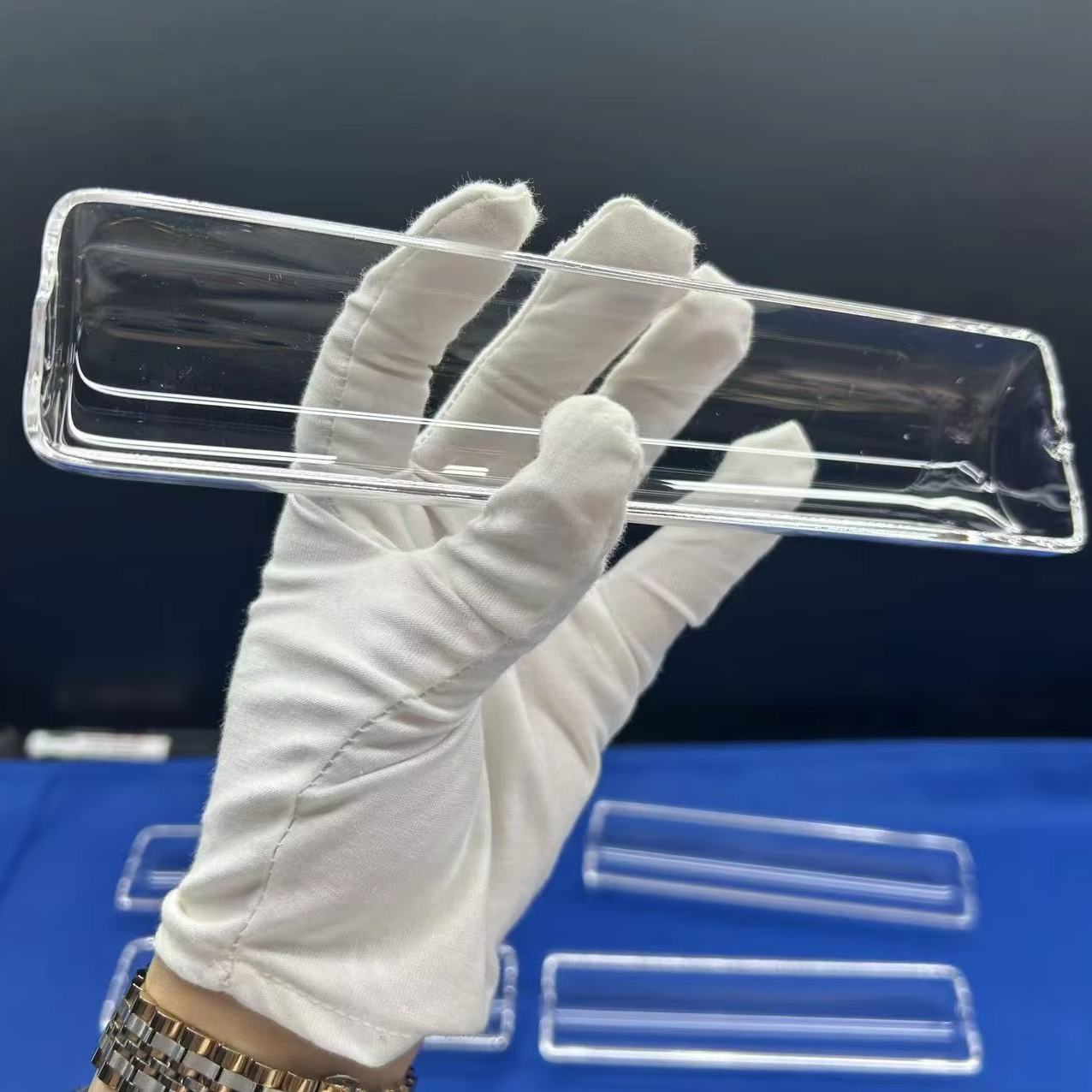
Conventional mechanical diamond tools induce subsurface micro-fractures in brittle quartz. Modern fabrication utilizes 20kHz–40kHz ultrasonic vibration-assisted CNC milling, drastically cutting grinding forces, extending tool life, and enabling tolerances down to ±0.01 mm on intricate double-layer step plates.
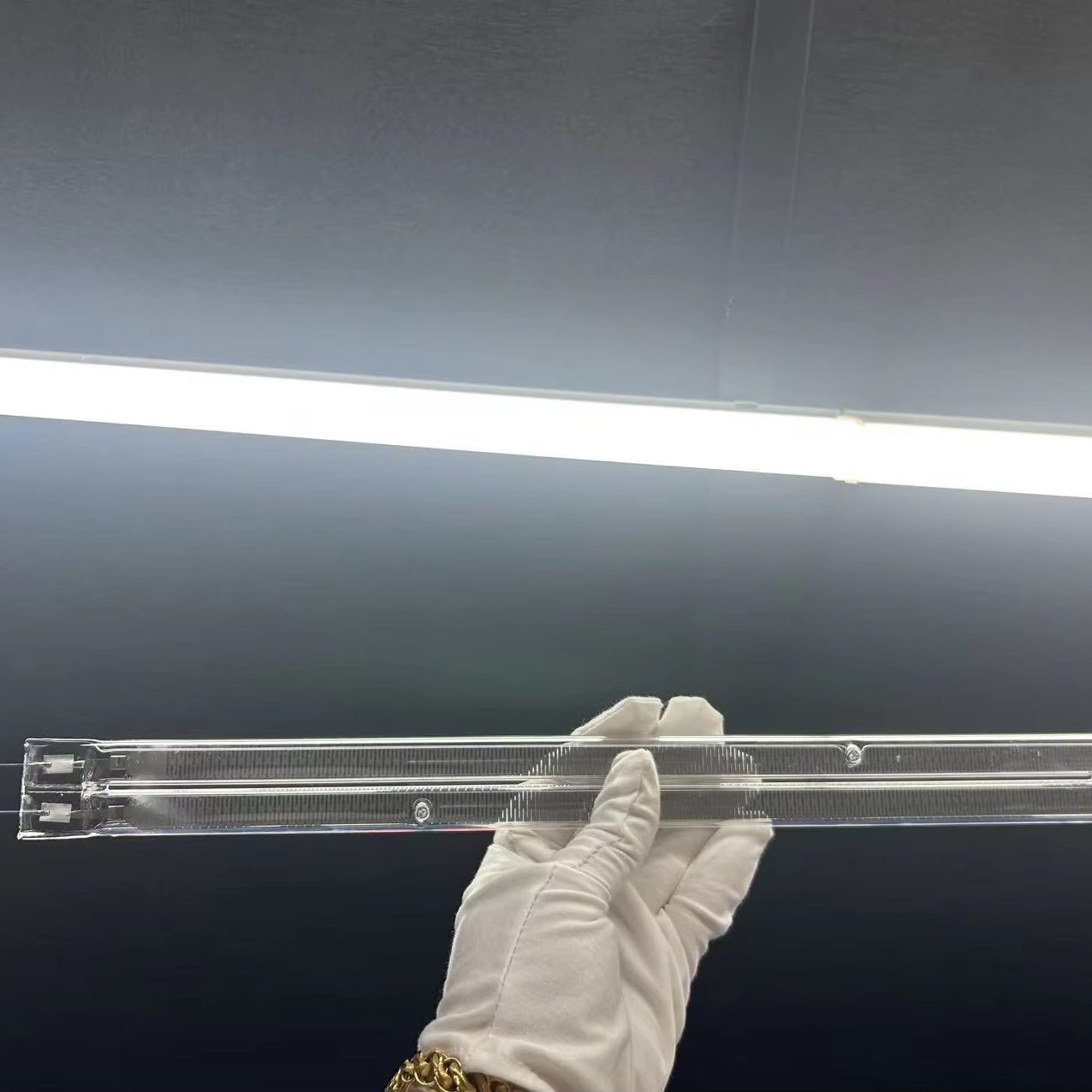
Hand lathe flame working has been augmented by multi-axis programmable oxy-hydrogen torches. By regulating temperature gradients to exact 1,750°C softening thresholds, welded quartz manifolds, joints, and large-diameter tubes exhibit optical clarity without thermal bubble inclusion or structural stress bands.
Post-machining residual stress causes premature catastrophic failure under thermal cycles. Modern batch manufacturing integrates computer-controlled vacuum annealing lehrs. Components are held at the annealing point (1,140°C) and cooled through the strain point (1,070°C) at less than 1°C per minute to eliminate optical birefringence.
Even trace skin lipid contact or ambient dust can cause localized devitrification into cristobalite at high temperatures. Finished components undergo ultrasonic etching in electronic-grade cleanrooms, followed by high-vacuum dual-layer polyethylene vacuum sealing with nitrogen purging.
Founded in February 2019 in Donghai County—the globally recognized Crystal & Quartz Capital of China—Donghai County Nivra Quartz Products Co., Ltd. operates as a certified manufacturer and trading entity with 101–200 skilled personnel.
Primary Drawing & Slicing Floor
Precision CNC Machining Center
Flame Lathe Welding & Bending
Cleanroom QC & Export Packaging
With 40% of shipments bound for North America, 20% for Western Europe, 14% for Eastern Europe, and the remainder distributed across South America, Northern Europe, Oceania, and Africa, Nivra Quartz maintains full export compliance, complete with customs tariff classification support and fumigation-free wooden crating.
From simple fused quartz test tubes to complex customized square quartz electrolytic cleaning tanks (300×300×5 mm), semiconductor quartz boats, and sapphire plate glass windows, our engineering team works directly from buyer CAD files (PDF, DWG, DXF, STEP) to prototype and scale production efficiently.
Our manufacturing premises at 285 Heping East Road, Lianyungang, Jiangsu, have undergone rigorous third-party verification and on-site audit by Alibaba.com. Buyers benefit from a 5.0/5.0 verified service rating and a 23% repeat reorder rate, reflecting dependable batch consistency.
Technical answers to key inquiries regarding material selection, tolerances, chemical exposure, and international logistics.
Selecting the appropriate fused quartz grade is essential for balancing optical transmittance and procurement cost:
While porous borosilicate glass (such as Duran or Pyrex frits) is widely used in basic laboratory filtration, it degrades rapidly when exposed to temperatures exceeding 450°C or subjected to cyclic acid exposure. Borosilicate frits continuously leach alkali ions (sodium, boron) into analytical samples, altering trace spectroscopy measurements.
In contrast, porous quartz glass is composed of pure silicon dioxide (> 99.99% SiO₂), containing virtually zero alkali metals. It operates continuously at 1,100°C, can be repeatedly heated with an open flame for carbonaceous residue burnout, and exhibits zero leaching in boiling nitric or hydrochloric acid.
Clear fused quartz has a softening point of approximately 1,683°C and an annealing point around 1,140°C. For continuous industrial operations, the safe operating ceiling is 1,100°C. Short-term peak thermal spikes up to 1,450°C are acceptable without dimensional sagging, provided the part is supported and wall thickness is adequate.
Because the coefficient of thermal expansion is only $5.5 \times 10^{-7}/\text{°C}$, clear fused quartz and porous quartz discs can be heated to 1,100°C and directly quenched into 20°C ambient water without fracturing. However, uneven thermal gradients must be minimized on thick cross-section flanges (>20 mm) to prevent internal localized shear stresses.
Because porous quartz glass is chemically resilient, clogged pores can be regenerated using aggressive cleaning procedures that would destroy other filter media:
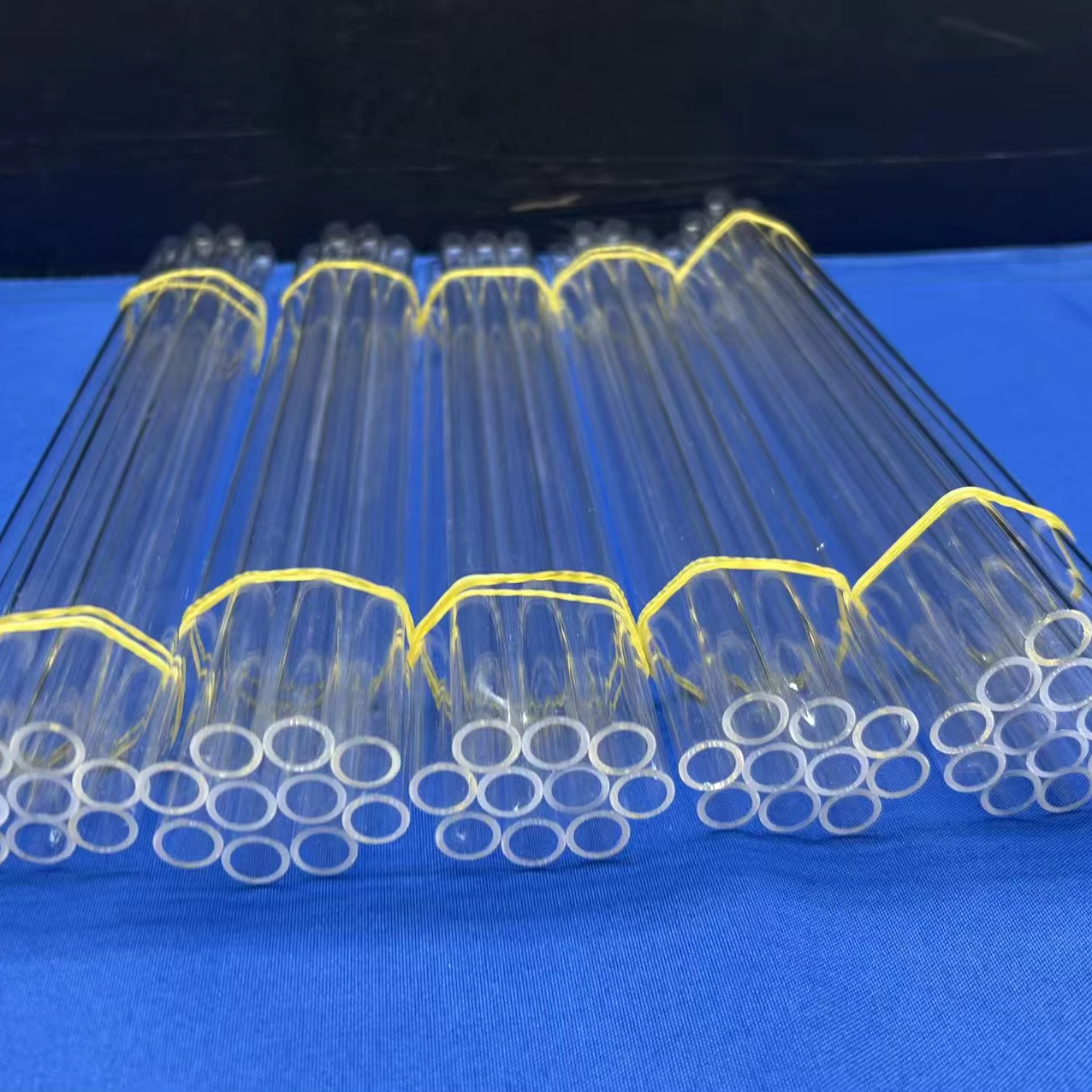
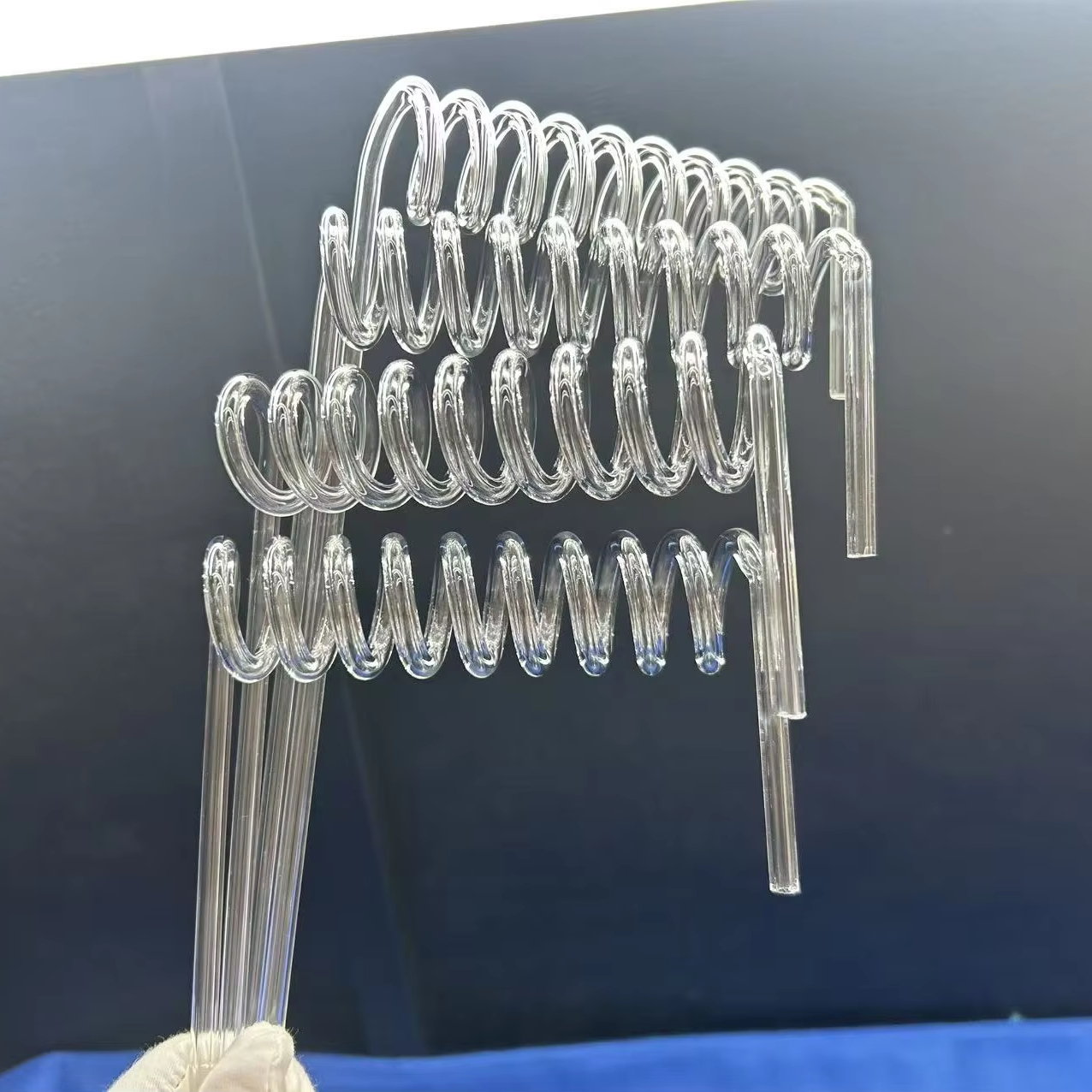
We maintain a flexible manufacturing structure designed to support both laboratory R&D trials and high-volume mass production. For standard clear quartz tubing, spiral bends, and stock crucibles, the MOQ starts at just 1 to 10 pieces. Customized precision wafers, slotted semiconductor boats, and porous sintered step plates typically carry an initial prototype batch MOQ of 10 to 50 pieces.
Engineering prototype samples are typically manufactured and dispatched within 5 to 7 working days upon final drawing approval. Full production runs of 500+ pieces generally ship within 14 to 20 days.
Exporting precision glass requires specialized packaging engineering. Each component is thoroughly degreased, ultrasonically dried, and individually wrapped in dust-free electrostatic protective film. The wrapped parts are then encapsulated in customized high-density Pearl Cotton (EPE foam) cutouts to prevent any shift or contact shock.
For heavy or long items (such as large diameter tubes and heavy step plates), internal cartons are suspended inside heavy-duty, fumigation-free composite wooden crates reinforced with corner battens and impact indicators (Drop-N-Tell / Tip-N-Tell sensors). Our breakage rate across transatlantic and transpacific routes remains below 0.05%.
Whether you need standardized sintered quartz filter discs or fully customized semiconductor-grade fused quartz assemblies, our Donghai engineering team provides direct DFM (Design for Manufacturability) analysis within 5 hours.