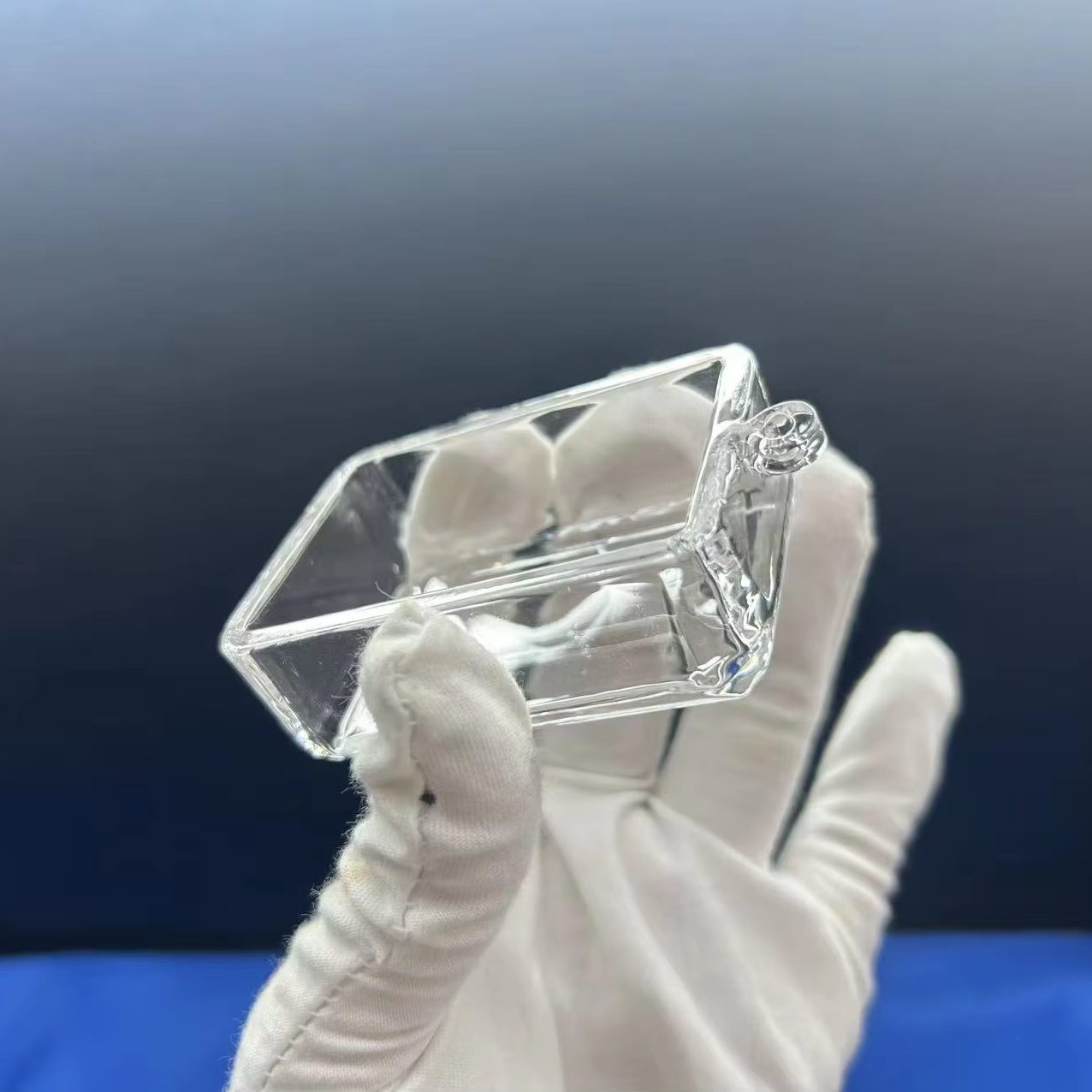
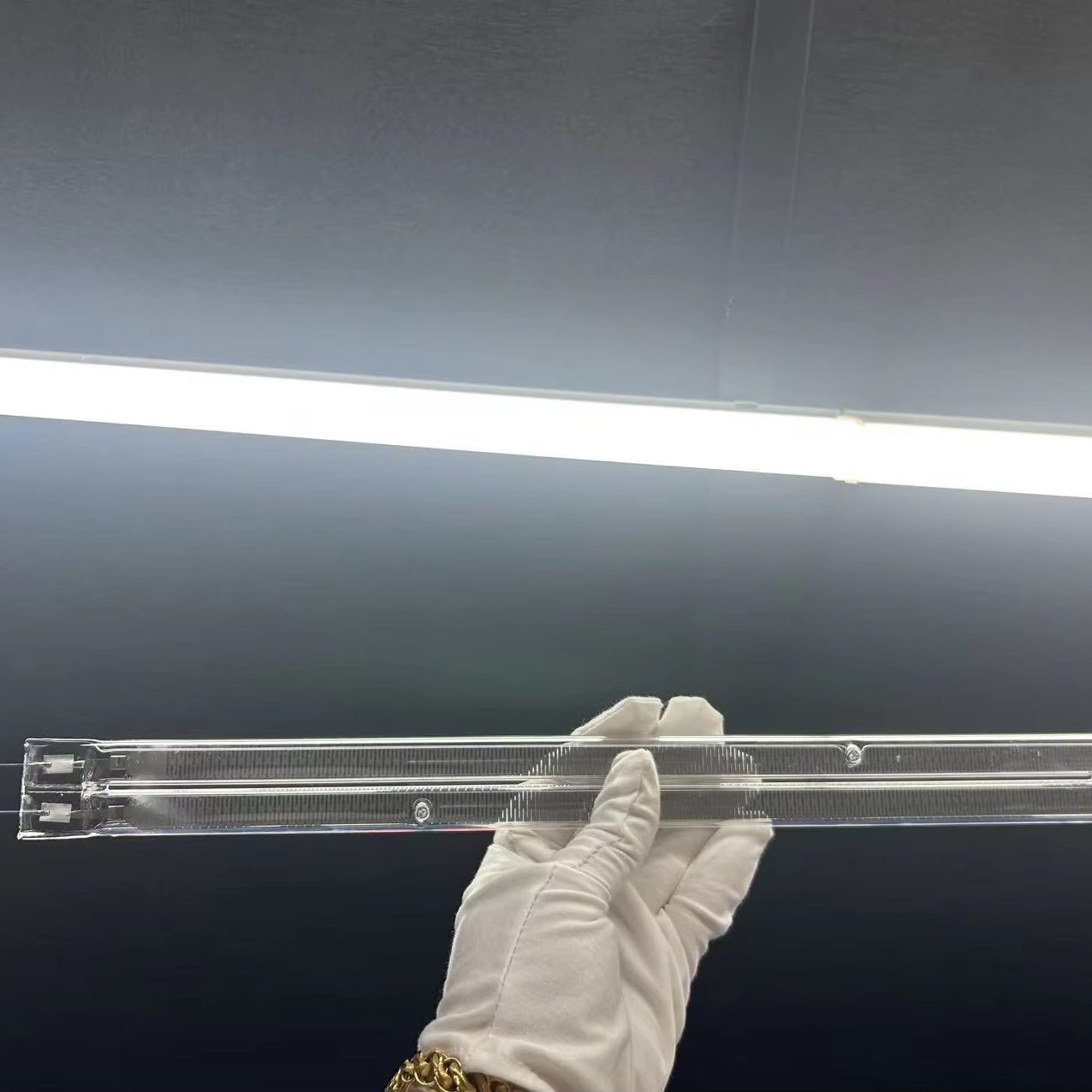
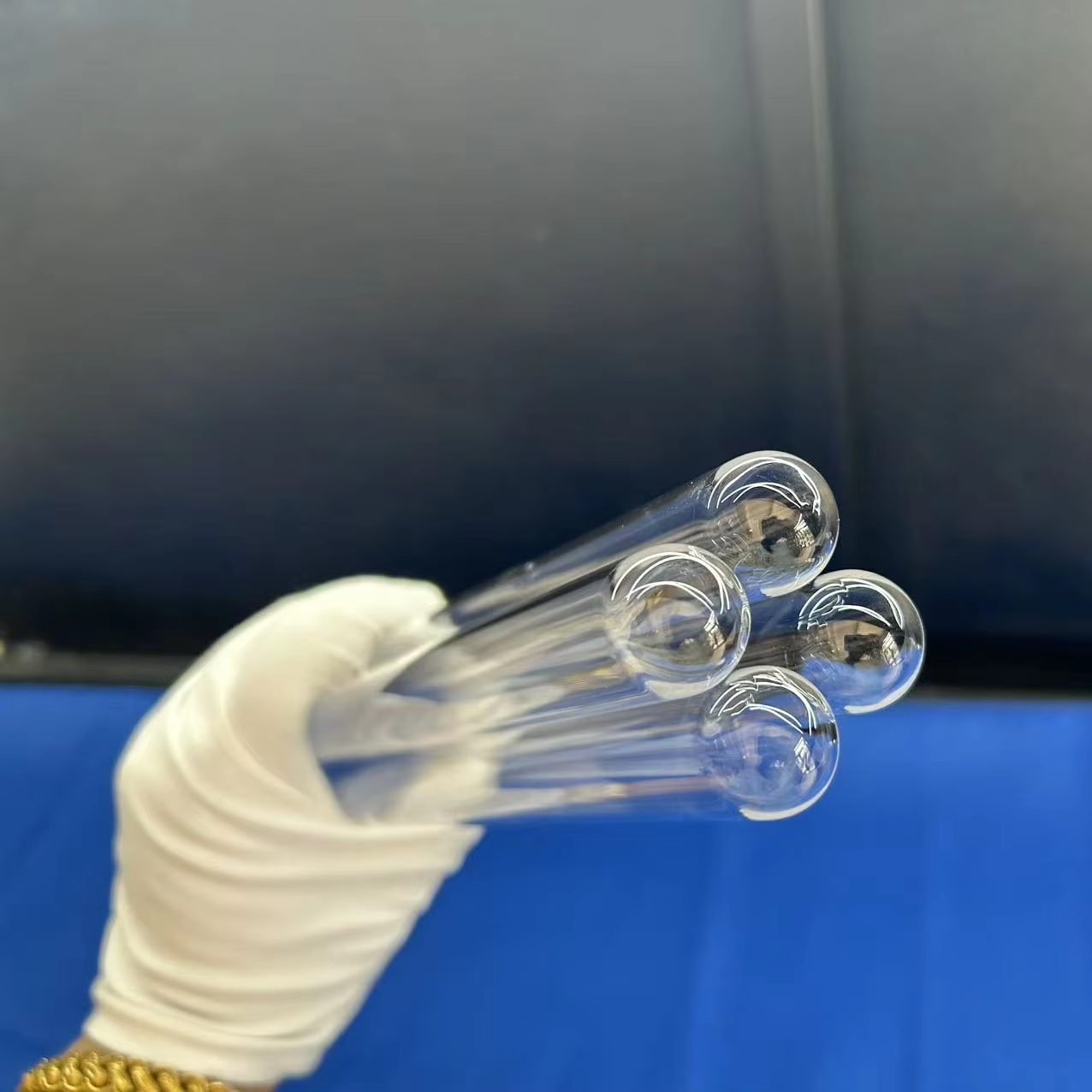
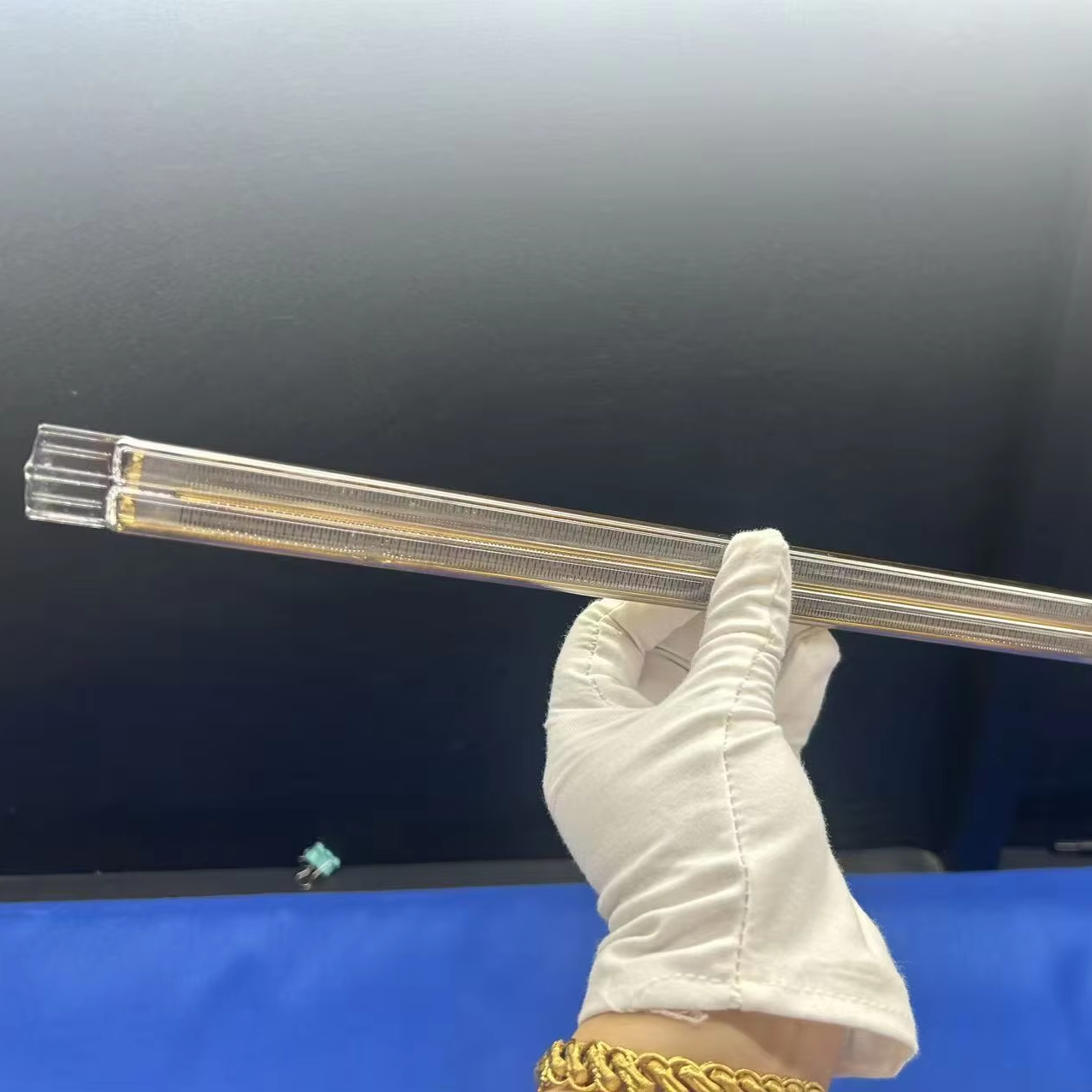
Featured Industrial & Optical Quartz Assemblies
Manufactured from ultra-pure electric and chemical vapor deposited SiO₂ feedstock. Engineered for extreme thermal stability, vacuum chamber integrity, and maximum transmittance across short, mid, and long infrared bands.
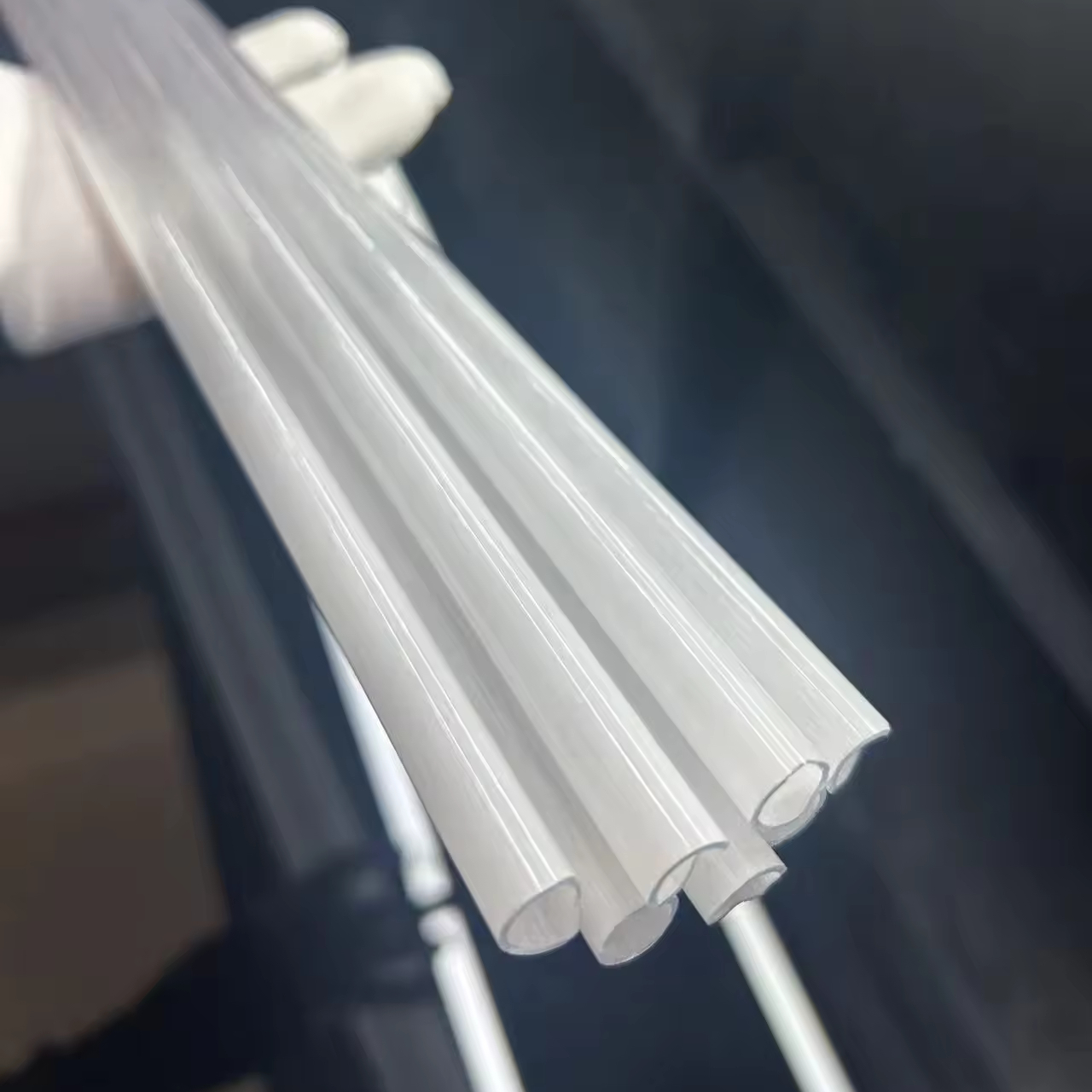
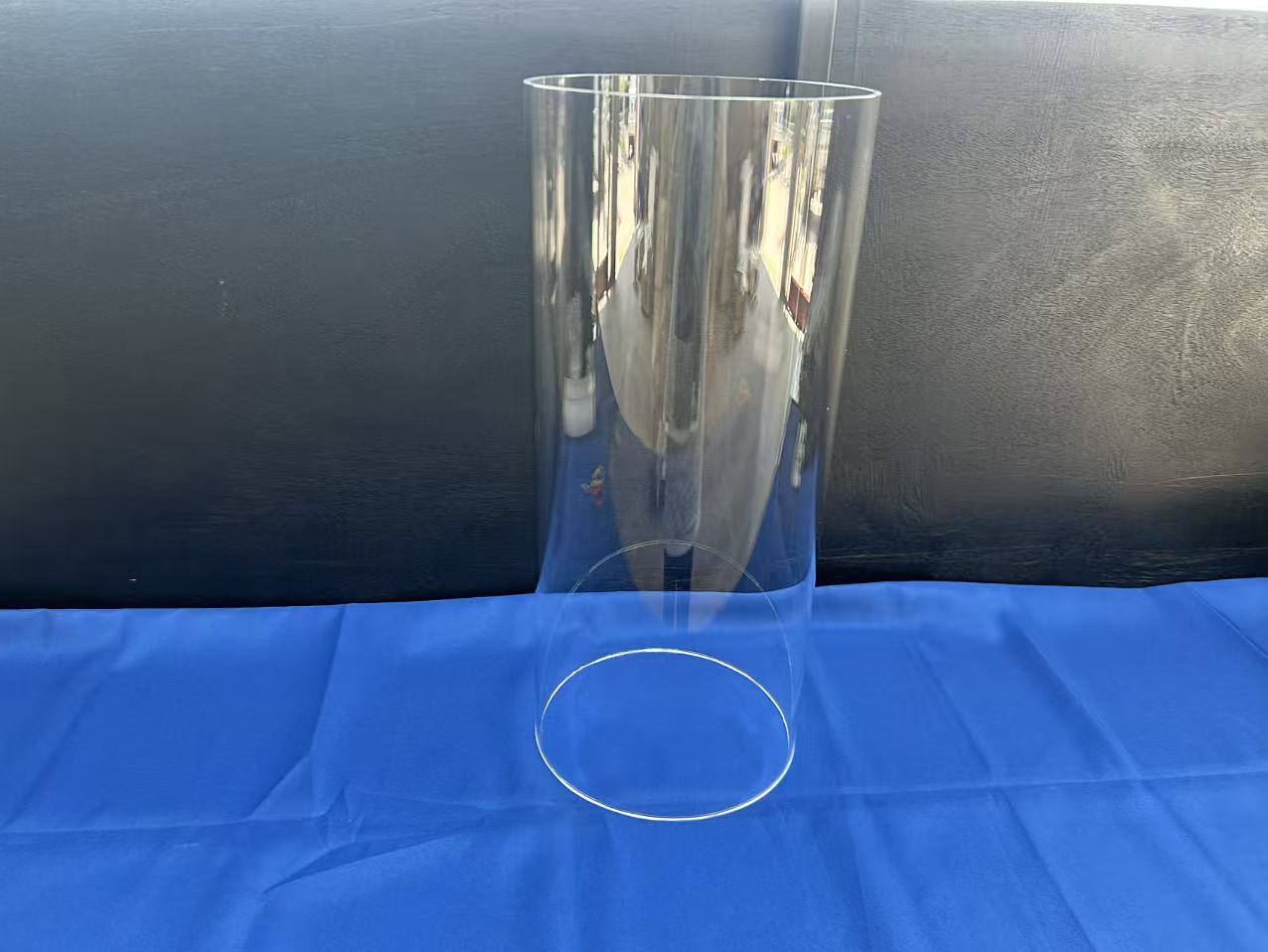
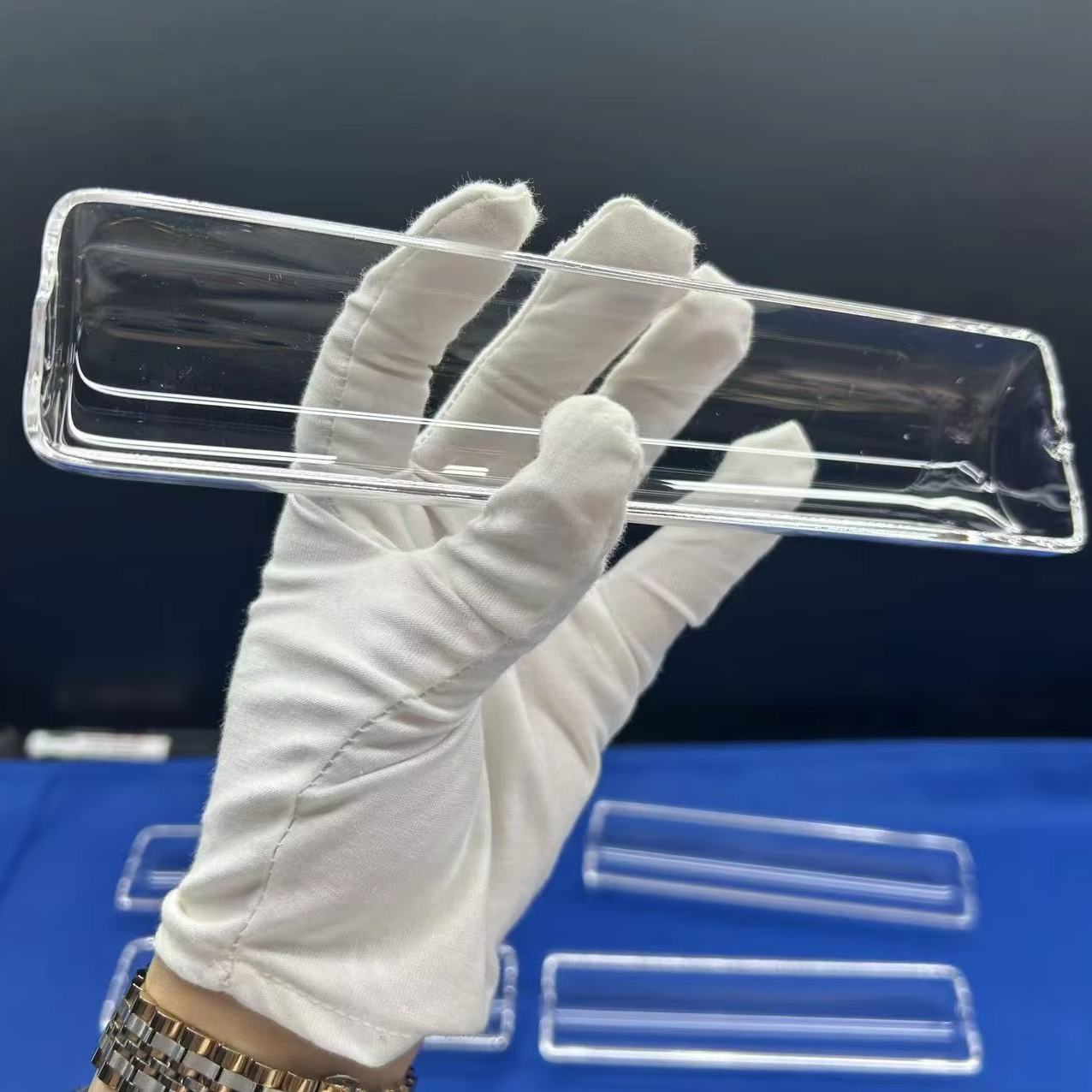
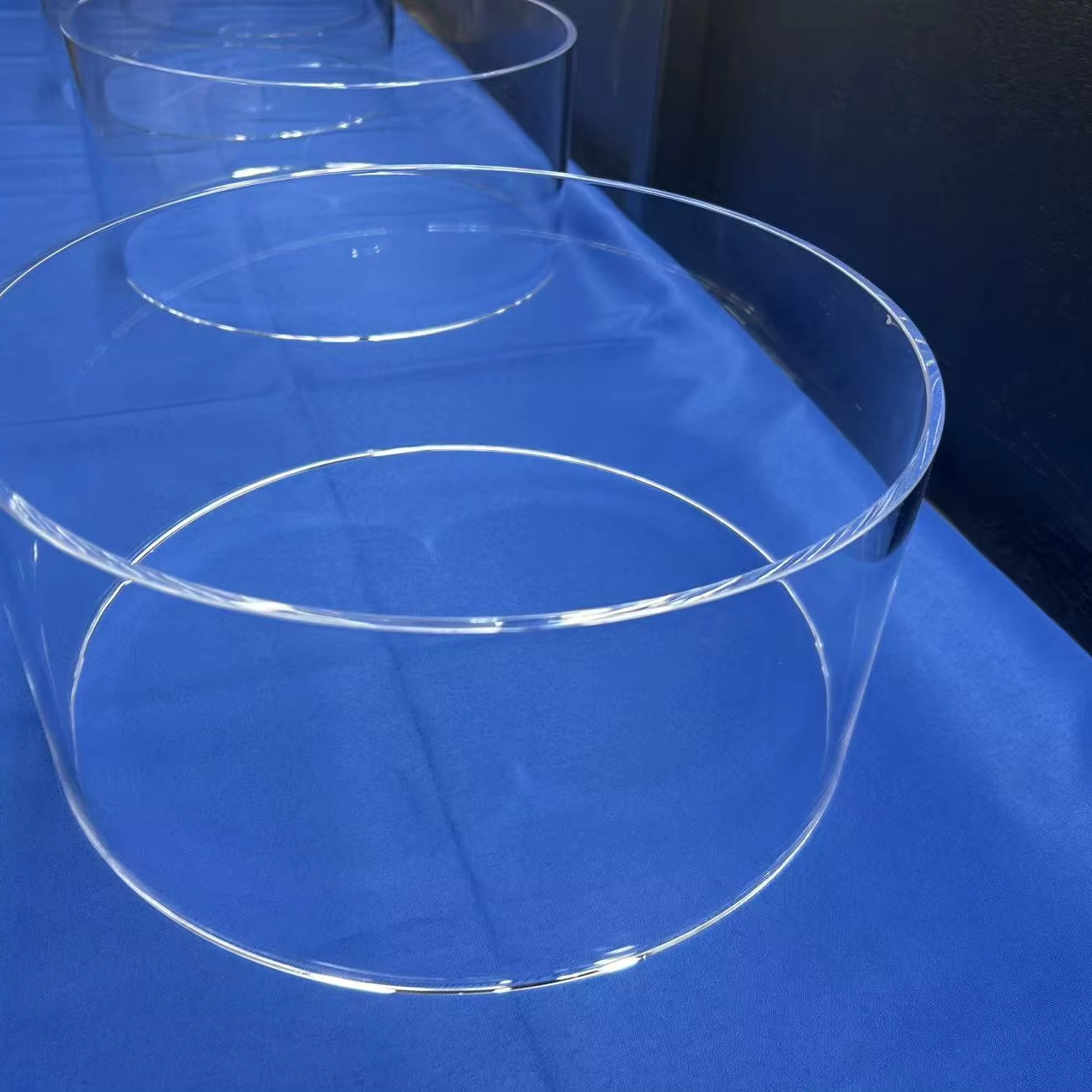
Optical Characteristics of Infrared Quartz Windows (JGS3 / IR-Grade Fused Silica)
Selecting an infrared viewing window or process sight glass requires a rigorous understanding of the molecular transmission envelope, absorption dips caused by hydroxyl radicals, and the structural resilience of synthetic versus naturally fused quartz substrates.
Suppression of OH⁻ Absorption
Standard synthetic quartz (such as JGS1) contains up to 1,200 ppm of hydroxyl groups (OH⁻), generating severe absorption band nulls at 1.38 µm, 2.22 µm, and most critically at 2.73 µm (2730 nm). Our export-grade JGS3 infrared quartz is electric-vacuum fused to depress OH⁻ levels below 5 ppm (and down to <2 ppm upon specification), ensuring an uninterrupted flat transmission plateau across the 2000 nm to 3500 nm spectrum.
- Eliminates thermal runaway under mid-IR laser flux
- Prevents signal attenuation in gas spectroscopy
- Maintains optical density under vacuum chamber heat
Sub-Nanometer Precision Polishing
Optical windows exported for defense, pyrometry, and laser optics undergo double-sided planetary chemo-mechanical polishing (CMP). We routinely achieve surface finishes compliant with laser-grade specifications, ensuring minimal beam scatter and low wavefront aberration.
- Surface Roughness: Ra < 0.5 nm (RMS < 5 Å)
- Transmitted Wavefront Error: λ/4 to λ/10 @ 632.8 nm
- Parallelism: < 10 arcseconds for zero beam deviation
- Scratch-Dig: MIL-PRF-13830B 20-10 or 40-20
Thermal Shock & Pressure Resistance
Infrared inspection windows frequently interface between pressurized, high-temperature furnace atmospheres and ambient sensor optics. With an ultra-low thermal expansion coefficient of 5.5 × 10⁻⁷ /°C, our windows withstand instantaneous temperature differentials exceeding 1000°C without risk of micro-fracturing or catastrophic spalling.
- Continuous operational threshold: 1100°C
- Intermittent peak exposure: Up to 1450°C
- High rupture modulus under differential vacuum
Optical & Physical Comparison: JGS1 vs. JGS2 vs. JGS3 Fused Quartz
Comprehensive material benchmark for optical systems engineers, procurement buyers, and furnace builders.
| Material Grade | Primary Transmission Band | Hydroxyl Content (OH⁻) | Refractive Index (nd @ 589nm) | Key Sourcing Applications |
|---|---|---|---|---|
| JGS1 (Synthetic Silica) | 185 nm – 2,500 nm (Deep UV to Vis) | Typical 800 – 1200 ppm | 1.4584 | Excimer lasers, lithography, UV spectrometry, solar simulators |
| JGS2 (Optical Fused Quartz) | 220 nm – 2,500 nm (Standard Optical) | Typical 150 – 200 ppm | 1.4585 | Sight glasses, viewport windows, furnace tubes, UV lamp jackets |
| JGS3 (Infrared Fused Quartz) | 260 nm – 3,700 nm (Broad IR Spectrum) | Strictly ≤ 5 ppm (Optional < 2 ppm) | 1.4585 | Thermal imaging ports, IR pyrometry windows, gas analyzers, SWIR/MWIR sensors |
| Clear Electric Fused Quartz | 260 nm – 3,500 nm (Industrial Grade) | ≤ 30 ppm | 1.4580 | Rapid thermal processing (RTP) chambers, diffusion tubes, reactor flanges |
| Synthetic Sapphire (Al₂O₃) | 200 nm – 5,000 nm (Extreme Hardness) | Non-hydroxyl lattice | 1.7680 | High-pressure sight ports, aerospace sensor windows, extreme abrasion environments |
Future Procurement Trends for Infrared Quartz Windows (2025–2030)
Global demand for precision IR quartz is undergoing fundamental restructuring. Sourcing strategies are transitioning from off-the-shelf catalog picking toward vertically integrated OEM supply partnerships. Key procurement trajectories include:
1. Surge in SWIR / MWIR Sensor Viewports
Automated vision, precision agriculture, and aerospace pyrometry are standardizing on short-wave infrared (900 nm – 1700 nm) and mid-wave infrared sensors. Procurement managers increasingly require customized JGS3 windows with customized Broadband Anti-Reflective (BBAR) thin-film coatings to achieve >98.5% throughput across targeted sensor wavelength peaks.
2. Monolithic Large-Aperture Windows
Next-generation semiconductor wafer chambers (300 mm and 450 mm substrate lines) demand larger observation ports without seam weld scatter. The procurement trend favors Chinese manufacturers equipped with 500 mm+ ingot electric fusion capacity that can machine oversized, distortion-free quartz viewing plates with high structural uniformity.
3. Rapid Iteration & Direct-to-Factory Prototyping
Western equipment builders are bypassing tier-3 middlemen in favor of direct communication with manufacturing engineers in Donghai. Buyers demand direct CAD-to-CNC translation, 3-to-5-day prototype dispatch, and complete batch CMM interferometry documentation to shorten product commercialization cycles.
4. Stricter Environmental & Purity Audits
As environmental directives tighten globally, international buyers specify trace metal contamination limits (Fe, Al, Ti, Na, K, Li under 15 ppm cumulative total). Ensuring cleanroom ultrasound degreasing, lint-free vacuum packaging, and RoHS/REACH compliance has transformed from a bonus into a non-negotiable vendor prerequisite.
Technological Advancements in Quartz Ingot Synthesis & Window Processing
Recent technological breakthroughs implemented in our production facilities directly resolve long-standing trade-offs between optical transmission, mechanical strength, and thermal resilience.
Vacuum Arc Fusion & Plasma Purification
Traditional flame-fusion quartz production introduces gaseous water vapor (H₂O) into the molten silica, creating pervasive OH hydroxyl linkages that destroy infrared transmission. Our Donghai facility utilizes multi-electrode vacuum arc thermal fusion paired with continuous magnetic levitation stirring. This process draws trapped micro-bubbles down to zero (DIN 58927 Class 0/1) while driving off volatile hydroxyl components under deep vacuum, achieving a pure Si-O-Si amorphous lattice with uninterrupted infrared throughput.
- Bubble & Inclusion Index: Verified Class 0 without internal striations
- Homogeneity: Grade A wavefront uniformity (Δn ≤ 2 × 10⁻⁶)
- High laser-induced damage threshold (LIDT) > 10 J/cm² @ 1064nm, 10ns
Hermetic Quartz-to-Metal Soldering & Metalized Edges
For vacuum chamber engineers, the greatest point of failure is often the elastomeric O-ring gasket degrading under thermal cycling or corrosive halogen gases. To eliminate this issue, we provide specialized high-vacuum edge metallization (Ti-Ni-Au or Cr-Ni-Au sputtering) on window peripheries. This allows direct brazing or induction soldering of the quartz window into Kovar, Stainless Steel 316L, or Invar flanges, ensuring leak rates below 1 × 10⁻¹⁰ mbar·l/s for ultra-high vacuum (UHV) systems.
- UHV compatible helium mass-spectrometer leak tested
- Thermal expansion matching with tailored transition alloys
- Resistance to aggressive fluorinated plasma etch chemistries (CF₄, NF₃)
Donghai County Nivra Quartz Products Co., Ltd. – The Export Standard
Headquartered at 285 Heping East Road, Lianyungang, Jiangsu — China’s premier quartz manufacturing capital. Founded in February 2019, Nivra Quartz operates as a verified manufacturer and global trading exporter with 101–200 specialized glassblowers, CNC machinists, and optical inspection technicians.
Rigorous In-House Processing Chain
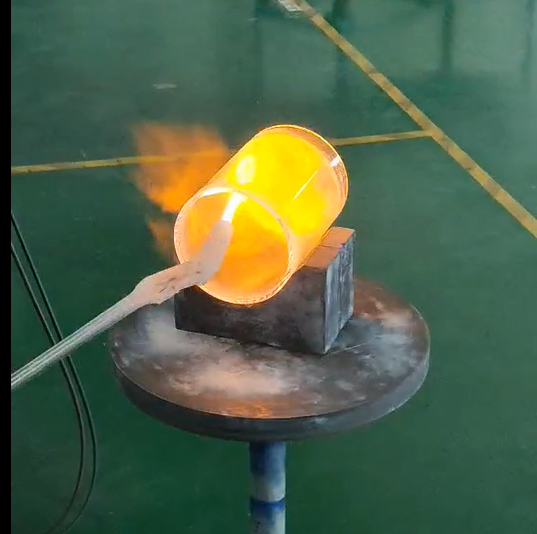
We control the entire manufacturing process: ingot raw cutting, precision core-drilling, surface diamond grinding, CNC stepped edge profiling, optical CMP double-sided lapping, flame fire-polishing, and annealing stress-relief ovens. Our self-contained facility eliminates subcontractor delays.
5.0 / 5.0 Proven Export Track Record
With 43+ verified transactions surpassing US$40,000+ in a single reporting period and a documented 23% repeat reorder rate, our clients in North America (40%), Western Europe (20%), and Eastern Europe (14%) rely on our consistency. Our average customer response time is strictly ≤5 hours with an 88.89% inquiry answer rate.
Zero-Breakage Export Packaging
Optical quartz components are delicate. Each window is ultrasonically cleaned, individually sealed in dust-free antistatic pouches, encased in multi-density shock-absorbing EPE foam, and packed inside heavy-duty, fumigation-free wooden crates reinforced with external impact and tilt indicators.
Frequently Asked Questions by Industrial Sourcing Teams
Everything you need to know about material selection, testing protocols, custom dimension tolerances, and logistics compliance before placing an international purchase order.
Why should I choose JGS3 infrared quartz over Sapphire or Zinc Selenide (ZnSe)?
JGS3 fused silica represents the optimal balance of optical performance, thermal shock resistance, and cost efficiency for wavelengths between 260 nm and 3,700 nm. While Zinc Selenide transmits further into the far-infrared (up to 16 µm), it is extremely soft (Knoop hardness ~120), toxic, easily scratched, and vulnerable to acid attacks. Sapphire offers high hardness but is 3 to 5 times more expensive, birefringent (causing optical polarization shifts), and possesses a higher thermal expansion coefficient that induces stress fractures under sudden thermal shock. JGS3 quartz provides an isotropic, chemically inert, thermal-shock-proof solution at a significantly more competitive price point.
How do you verify the hydroxyl (OH⁻) content in exported JGS3 windows?
Every raw ingot batch is sampled using a calibrated Fourier-Transform Infrared (FTIR) Spectrophotometer. The hydroxyl concentration is quantified by calculating the absorption coefficient at the fundamental OH vibration peak (2.73 µm / 3670 cm⁻¹) according to the formula: C = [log₁₀(T₀/T) × 1000] / [t × ε], where t is the optical path length and ε is the extinction coefficient. We provide batch-specific FTIR transmittance curves with our Certificate of Analysis (COA) confirming OH⁻ ≤ 5 ppm upon shipment request.
What dimensional tolerances can your CNC optical machining workshop maintain?
For standard circular windows, rectangular plates, and customized step sight glasses:
• Diameter & Width / Length: ±0.05 mm (down to ±0.02 mm for critical cell holders)
• Thickness: ±0.03 mm
• Parallelism / Wedge: ≤ 10 arcseconds to ≤ 3 arcminutes depending on optical grade
• Surface Flatness: λ/4 to λ/10 per inch @ 632.8 nm measured on Zygo white-light interferometers
• Edge Bevel: 0.2–0.5 mm × 45° protective chamfer to prevent chip propagation
Can Nivra Quartz produce custom step windows, drilled holes, or beveled flange viewports?
Yes. Our CNC ultrasonic machining centers can execute complex geometries directly from your engineering CAD files (STEP, DWG, DXF, or PDF). We regularly produce stepped sight glasses with polished optical apertures, countersunk mounting holes, O-ring groove recesses, round-to-square transitions, and custom water-cooled double-wall inspection cell assemblies.
What is your standard Minimum Order Quantity (MOQ) and sample lead time?
We accommodate both prototyping and high-volume mass production. For standard size discs and plates (e.g., 25.4 mm / 50.8 mm diameter), the MOQ is typically 1 to 5 pieces. For custom CNC designs or tailored ingot melts, MOQ starts at 10 to 50 pieces. Prototyping samples are fabricated and dispatched within 5 to 7 working days, while volume export runs are typically completed within 15 to 20 days.
How do you guarantee safe delivery and prevent transit breakage for overseas orders?
Our packaging protocol conforms to international fragile optical transport standards. Items are cleaned, vacuum-sealed in dust-free antistatic pouches, cushioned inside high-density laser-cut foam cassettes, and packed into 5-ply export master cartons or reinforced plywood crates. Outer crates are strapped, sealed with waterproof film, and fitted with "Fragile" and "TiltWatch" monitoring labels. In the rare event of transit damage, Nivra Quartz provides immediate free replacement upon photographic verification.
Can your quartz windows resist aggressive acids and semiconductor etching chemistries?
Fused quartz is chemically inert and completely resistant to virtually all organic solvents, neutral solutions, and inorganic acids (including high-concentration Hydrochloric HCl, Nitric HNO₃, and Sulfuric H₂SO₄) even at elevated temperatures. The only exceptions are Hydrofluoric Acid (HF), which directly attacks silicon dioxide, and concentrated hot Phosphoric Acid (H₃PO₄) above 150°C. In fluorinated plasma etch chambers (CF₄/NF₃), high-purity JGS3 windows exhibit significantly lower erosion rates than standard borosilicate or soda-lime glass.
What quality documentation accompanies international orders?
Every commercial export order includes a standard Quality Dossier comprising:
• Certificate of Conformity (CoC) referencing drawing revision numbers
• Raw material purity and spectral transmittance verification curves
• Dimensional CMM inspection report with critical tolerance checks
• Surface flatness & roughness inspection log
• Commercial invoice, packing list, and Certificate of Origin (CO / Form A) for customs tariff optimization.
Request a Custom Optical Quote or Engineering Review
Submit your specifications, dimensional tolerances, and spectral requirements. Our technical sales engineers in Donghai will review your design, provide feasibility feedback, and issue a competitive factory-direct quote within 5 hours.