High-Purity Fused Quartz Series
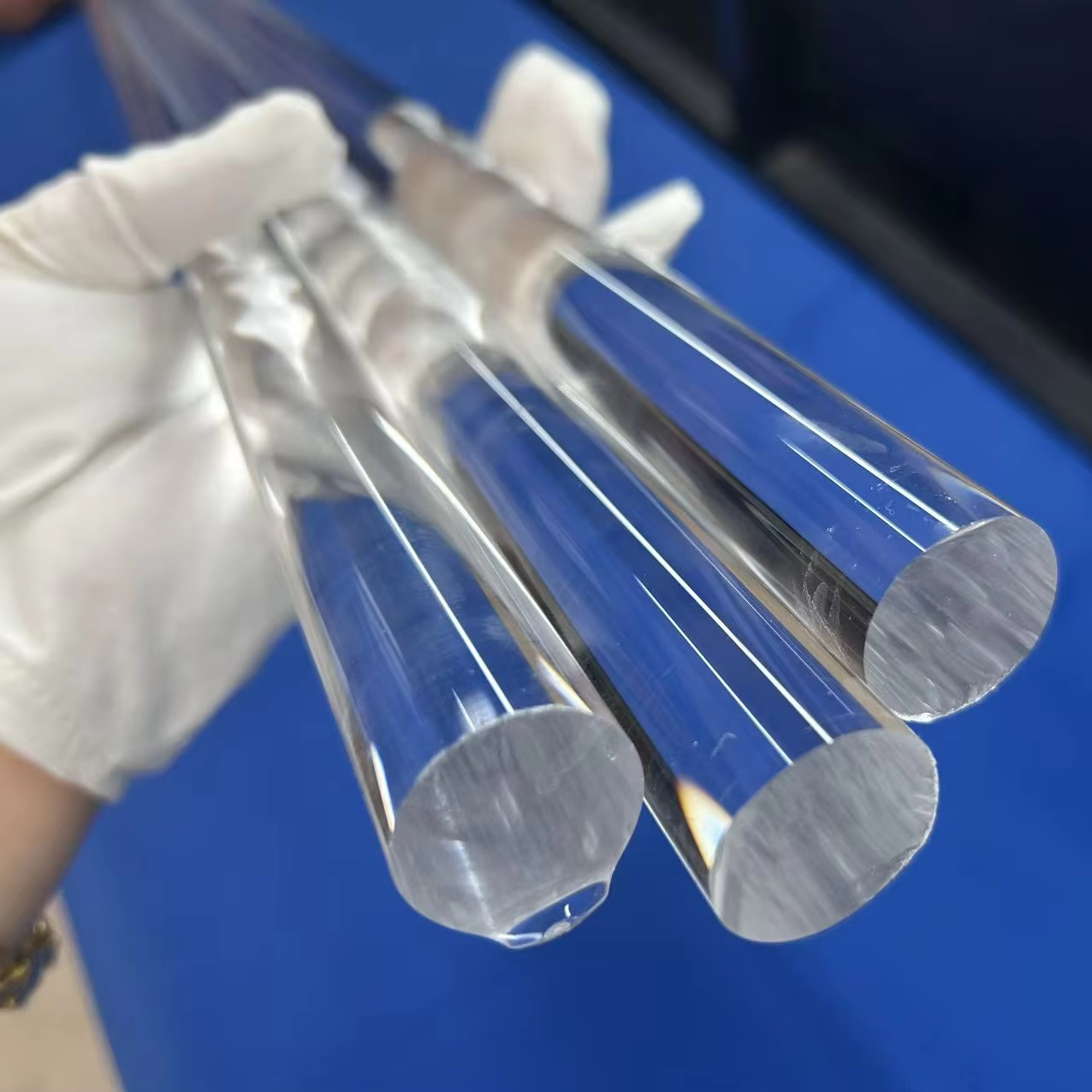
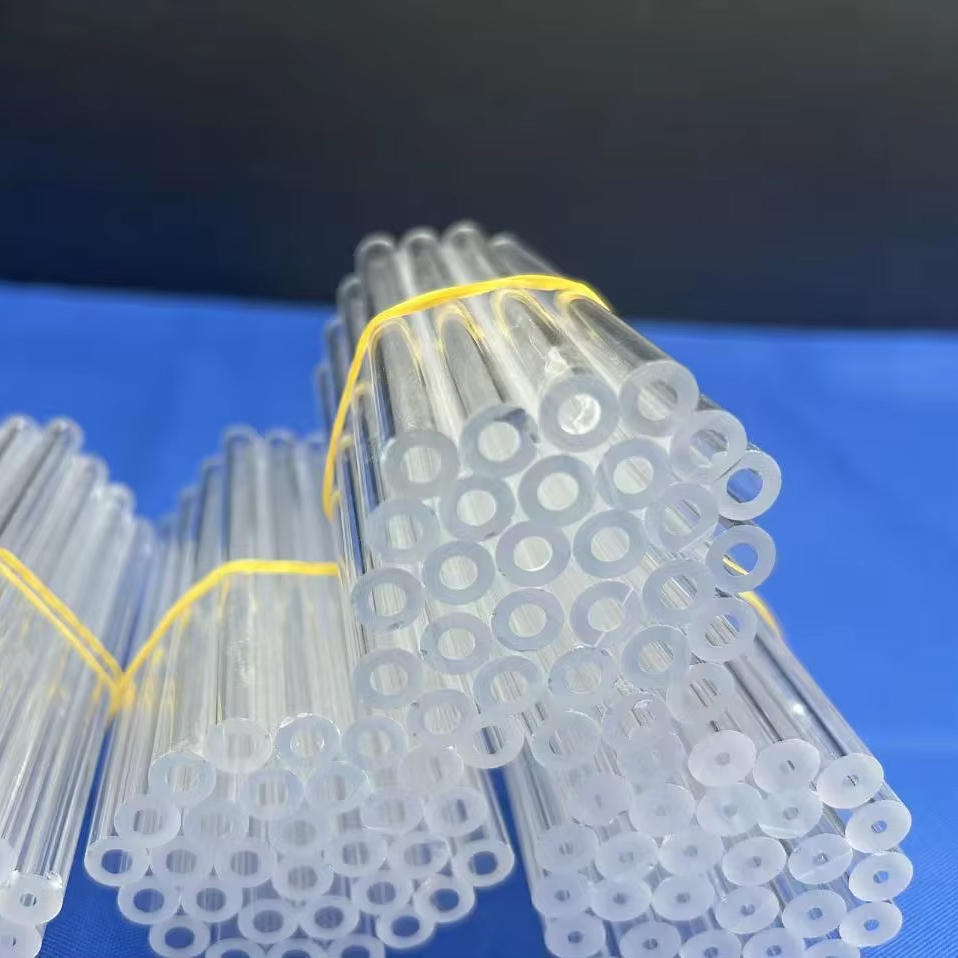
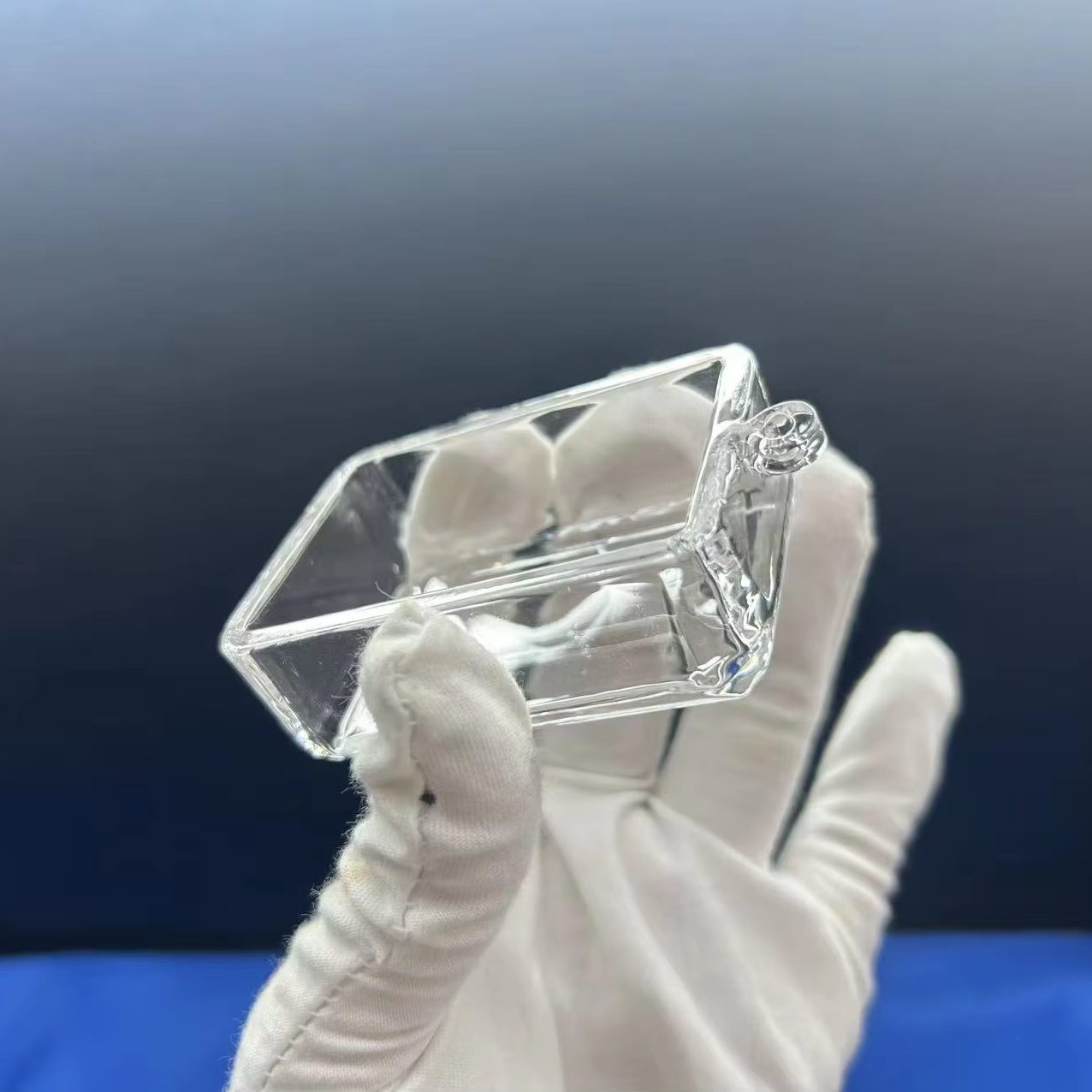
Direct from our Donghai manufacturing plant. Precision-drawn, cold-machined, and fire-polished transparent quartz components engineered for severe thermal and chemical conditions.
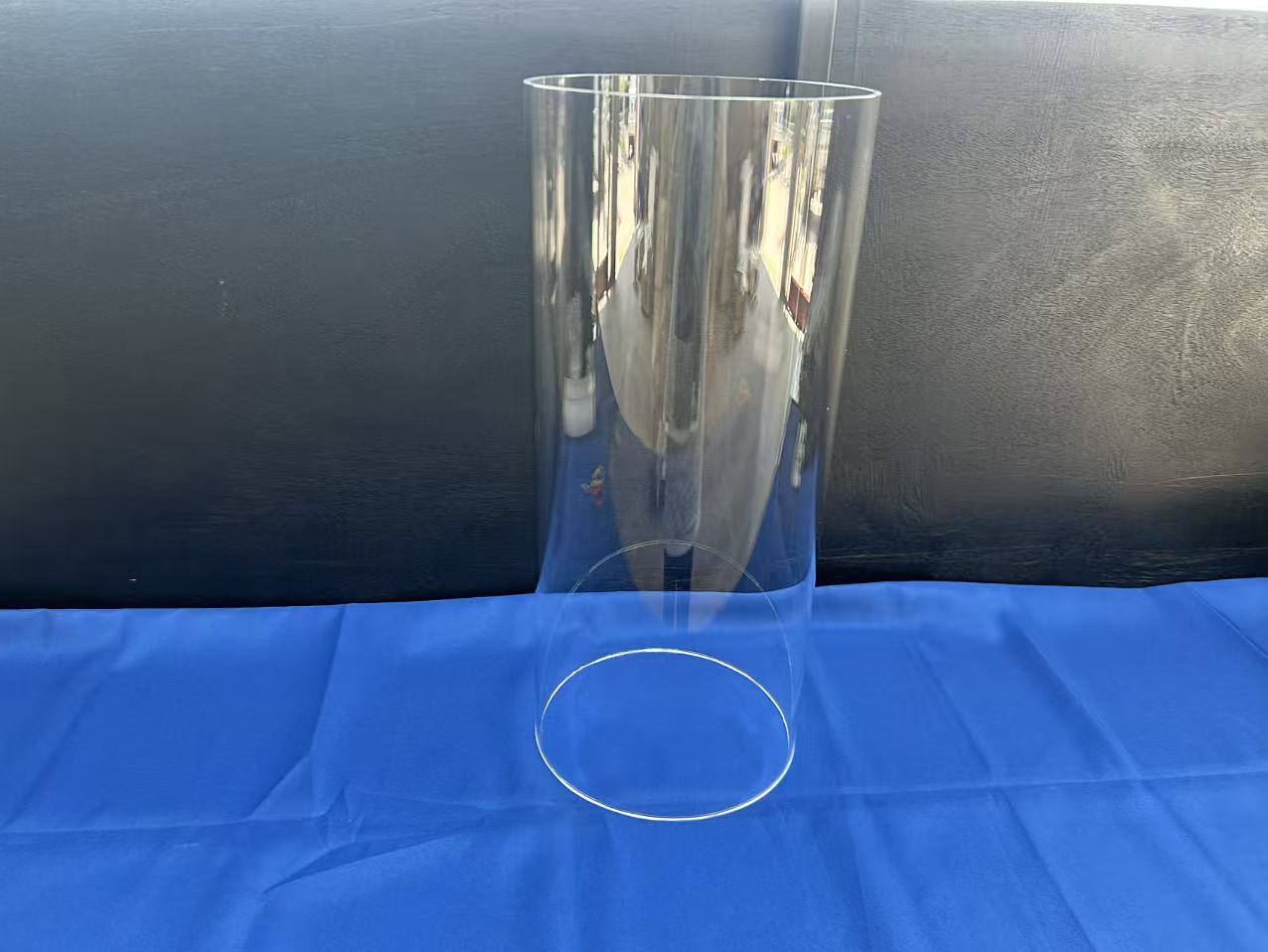
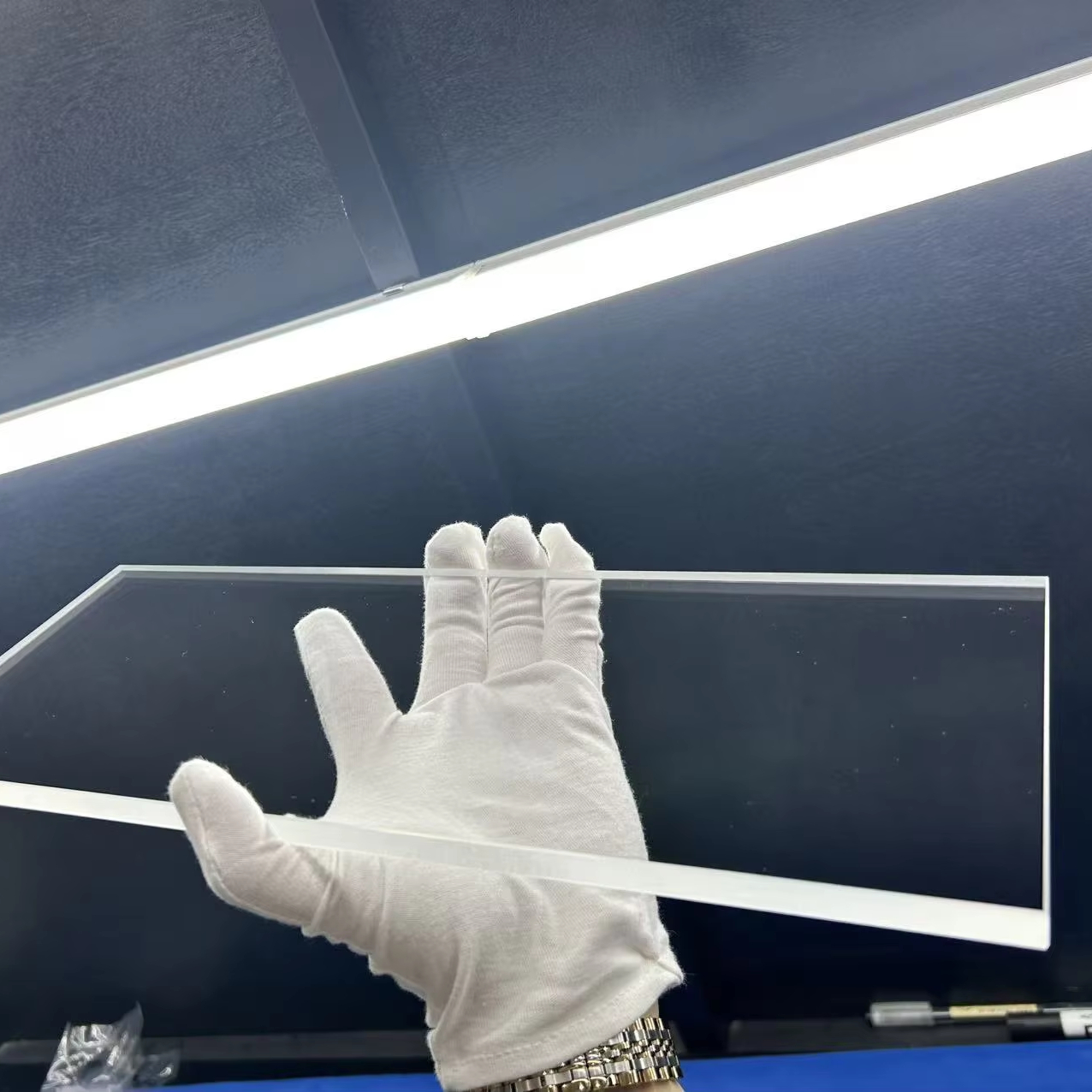
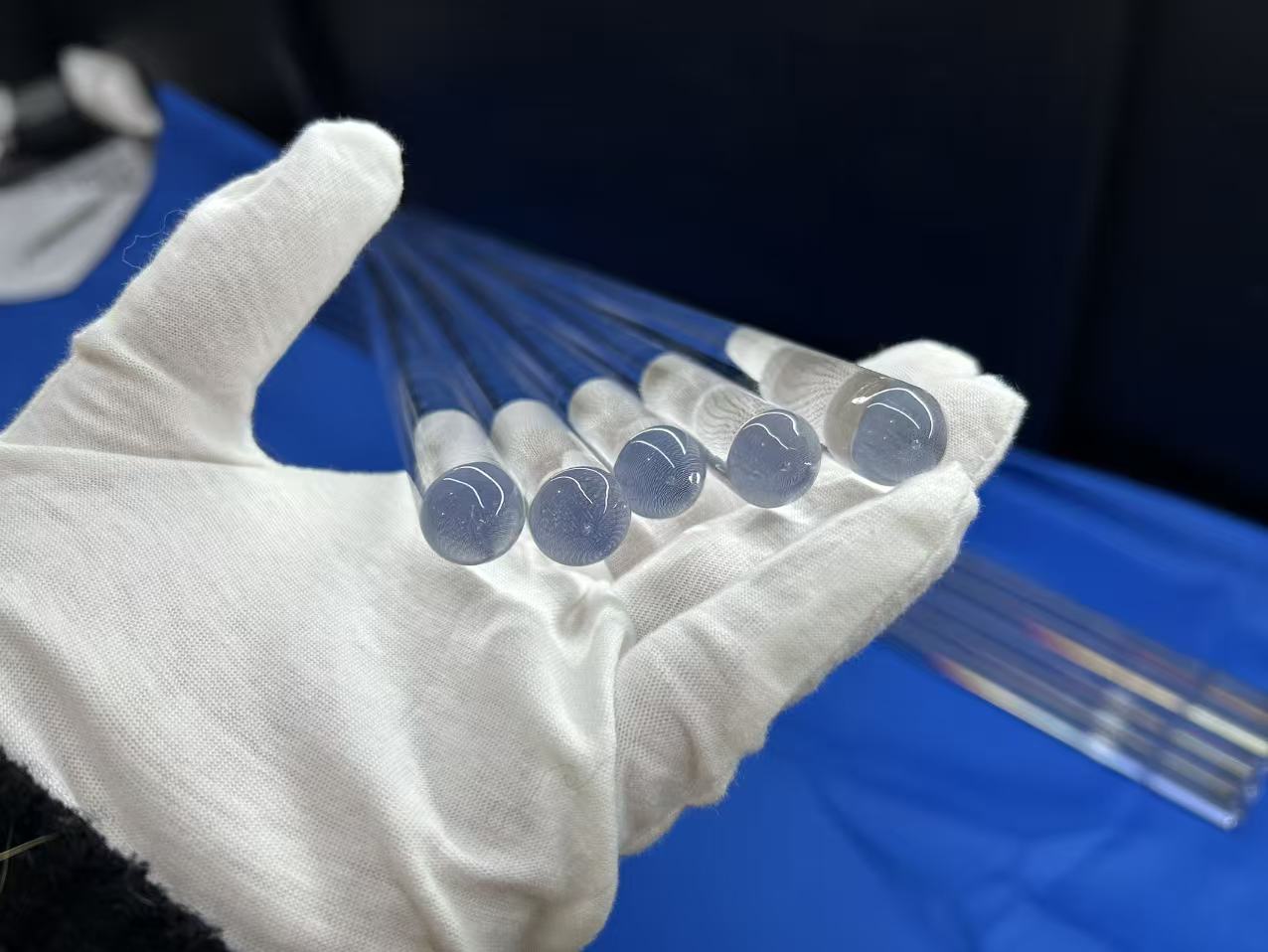
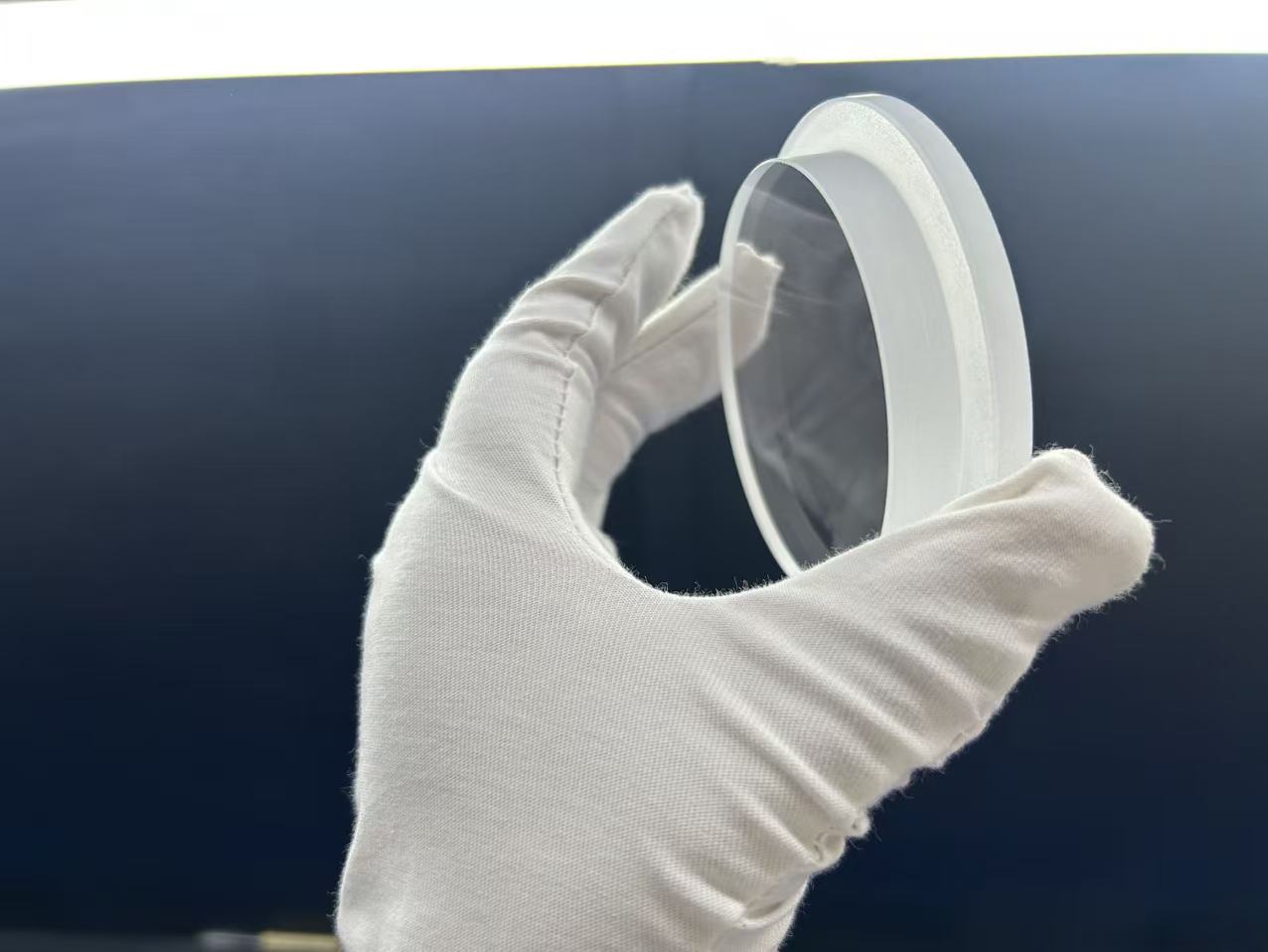
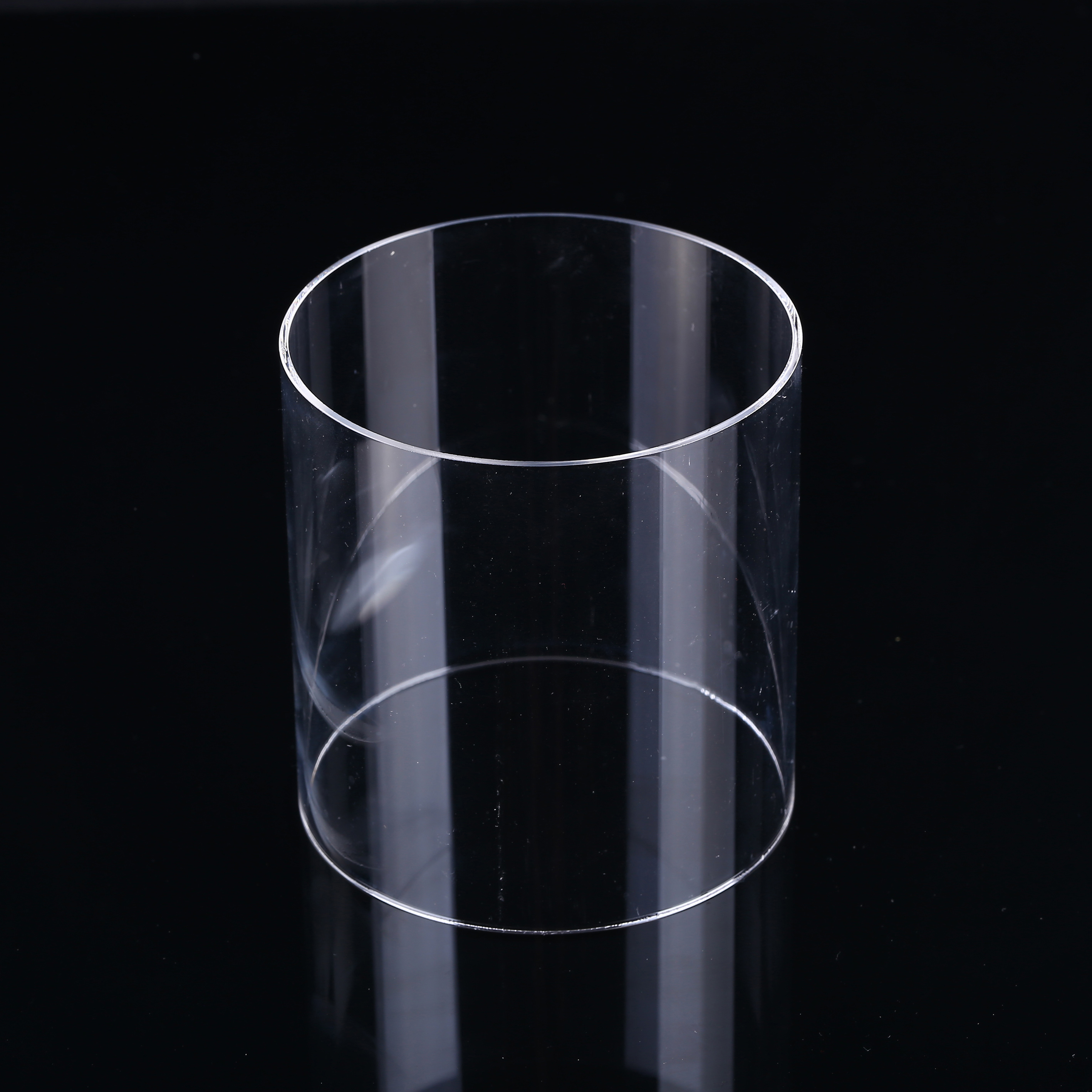
Engineering Fundamentals of Clear Fused Quartz Tubing
A rigorous examination of crystal allotropy, hydroxyl radical kinetics, and thermomechanical integrity for engineering procurement teams.
1. Vitreous Silica Architecture and Thermal Devitrification Kinetics
Clear fused quartz tubing represents an amorphous (non-crystalline) allotrope of pure silicon dioxide (SiO₂). Unlike soda-lime or borosilicate glasses which incorporate network modifiers such as sodium and boron, fused quartz relies exclusively on an interconnected, three-dimensional tetrahedral network of silicon-oxygen covalent bonds. This single-component glass structure imparts an extraordinarily low linear coefficient of thermal expansion (CTE ≈ 5.5 × 10⁻⁷ /°C between 20°C and 320°C), allowing quartz tubes to withstand violent thermal shock gradients without fracture—such as quenching from 1100°C directly into ice water.
However, when operated above 1150°C, high-purity fused quartz experiences thermodynamic pressure to transition from its metastable amorphous state back to its crystalline equilibrium phase, β-cristobalite. This phase change, termed devitrification, originates predominantly at surface sites contaminated with alkali ions (Na⁺, K⁺, Li⁺) or transition metals. As the operational cycle cools past 270°C, β-cristobalite undergoes a rapid inversion to α-cristobalite accompanied by a catastrophic 5% volume contraction, producing microscopic crazing, wall clouding, and mechanical failure. Consequently, precision supply chains mandate stringent raw material mineral separation and hydrofluoric acid surface cleaning before dispatch.
| Physical / Thermal Parameter | Standard Clear Fused Quartz | Low-OH Semiconductor Quartz | Synthetic Fused Silica (JGS1) |
|---|---|---|---|
| Silicon Dioxide (SiO₂) Content | ≥ 99.99% (4N) | ≥ 99.995% (4.5N) | ≥ 99.999% (5N) |
| Hydroxyl Group (OH⁻) Concentration | 15 – 30 ppm | ≤ 5 ppm | ≤ 1 ppm (Dry) / ≥ 800 ppm (Wet) |
| Strain Point | 1070 °C | 1120 °C | 1020 °C |
| Annealing Point (η = 10¹³ dPa·s) | 1180 °C | 1210 °C | 1140 °C |
| Softening Point (η = 107.6 dPa·s) | 1660 °C | 1683 °C | 1730 °C |
| Optical Spectral Transmission Range | 260 – 2500 nm | 260 – 3500 nm | 185 – 2500 nm (Deep UV) |
| Dielectric Loss Tangent (1 MHz at 20°C) | < 1.0 × 10⁻⁴ | < 0.8 × 10⁻⁴ | < 0.4 × 10⁻⁴ |
2. Trace Elemental Impurities & Hydroxyl (OH) Dynamics
In high-temperature semiconductor wafer fabrication (diffusion furnaces, dry oxidation, LPCVD, and epitaxy), metallic contaminants embedded within a quartz tube will migrate into the furnace atmosphere and diffuse into silicon lattices. The table below illustrates the rigorous maximum permissible parts-per-million (ppm wt) impurity profile maintained across our clear quartz tube product batches, evaluated by Inductively Coupled Plasma Mass Spectrometry (ICP-MS).
| Element | Al | Fe | Ca | Mg | Na | K | Li | Ti | Cu | Cr |
|---|---|---|---|---|---|---|---|---|---|---|
| Standard Grade (ppm) | 14.0 | 0.19 | 0.40 | 0.10 | 0.70 | 0.60 | 0.25 | 1.10 | <0.05 | <0.05 |
| Semiconductor 5N Grade (ppm) | 6.5 | 0.08 | 0.15 | 0.03 | 0.12 | 0.10 | 0.05 | 0.30 | <0.01 | <0.01 |
The control of bound hydroxyl (OH⁻) ions is equally paramount. High hydroxyl concentrations act as structural network breakers, reducing glass viscosity at elevated temperatures, which increases the tube's sagging deflection rate under self-weight inside horizontal diffusion furnaces. Furthermore, hydroxyl groups introduce strong molecular infrared absorption bands centered at 2.72 μm, dampening radiant thermal efficiency in optical furnace setups. Our vacuum-baked and electric-arc fusion processes lower OH values to below 5 ppm for critical thermal workloads.
Emerging Procurement Trends for Clear Quartz Glass Tubes
Global supply chain shifts, mega-diameter demands, and sustainable manufacturing practices dominating B2B procurement decisions over the next five years.
1. Transition to Ultra-Large Diameters (> 350mm)
As PV cell architectures scale to 210mm wafer formats and semiconductor fabs advance 300mm wafer capacity, demand is shifting rapidly from standard 150–200mm tubes toward massive outer diameters of 350mm to 480mm with wall thicknesses exceeding 6–10mm to avoid thermal sag under batch loads.
2. Integrated CNC Secondary Fabrication
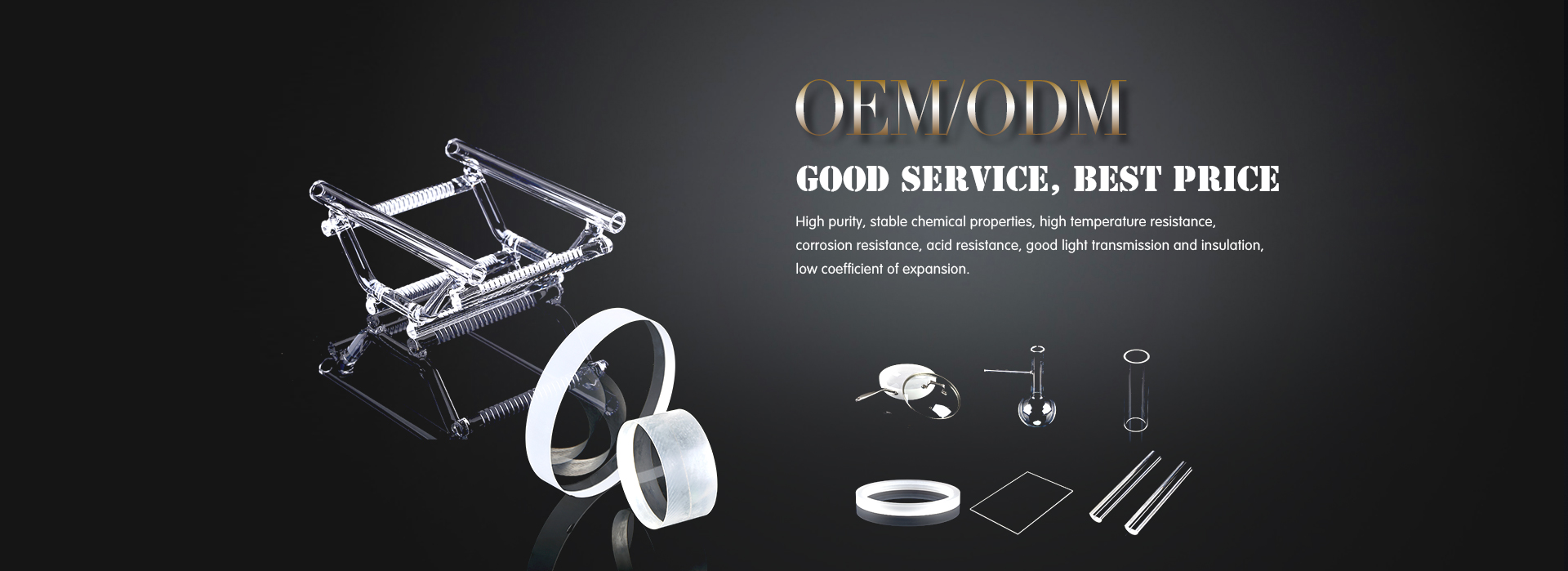
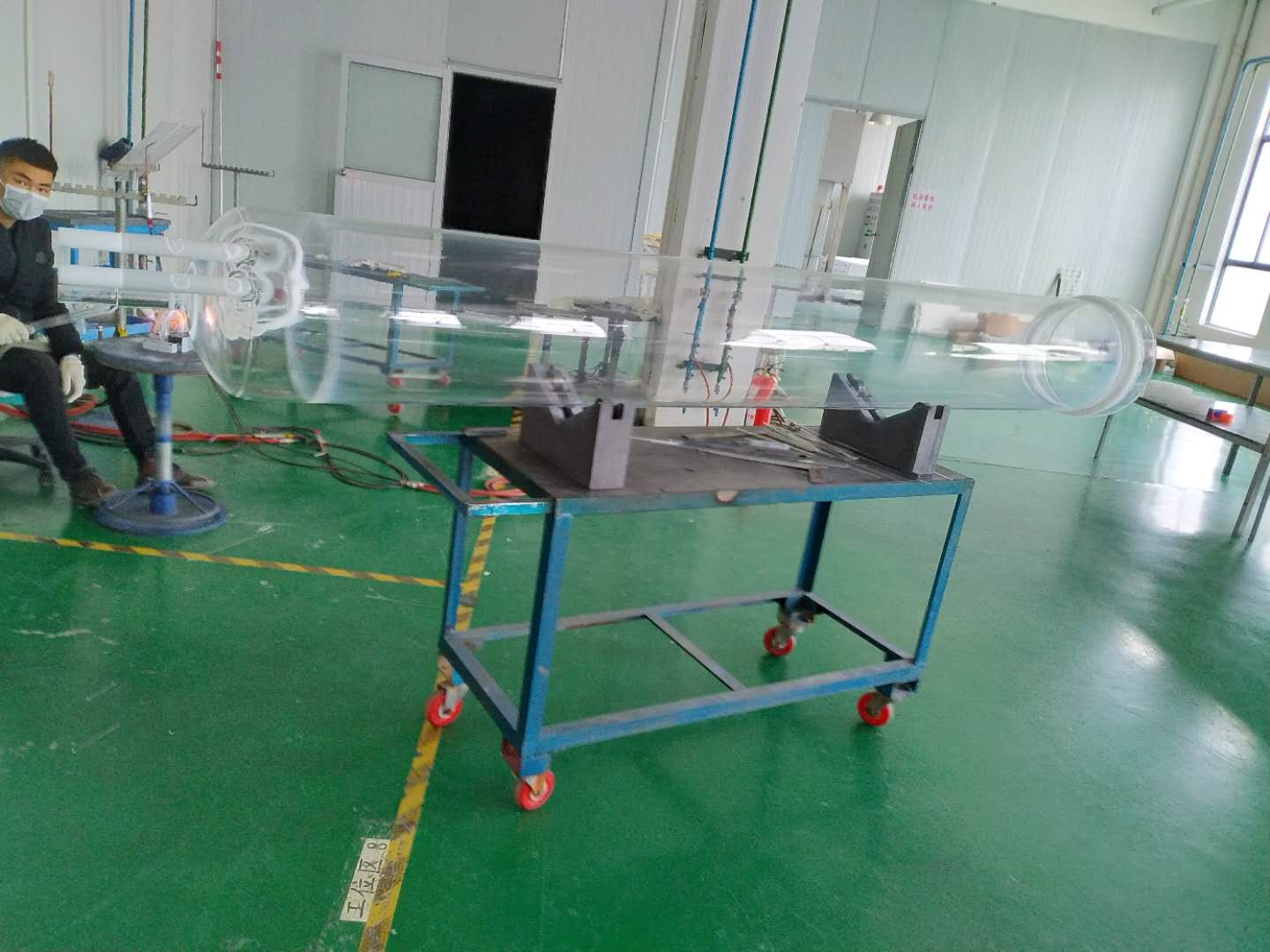
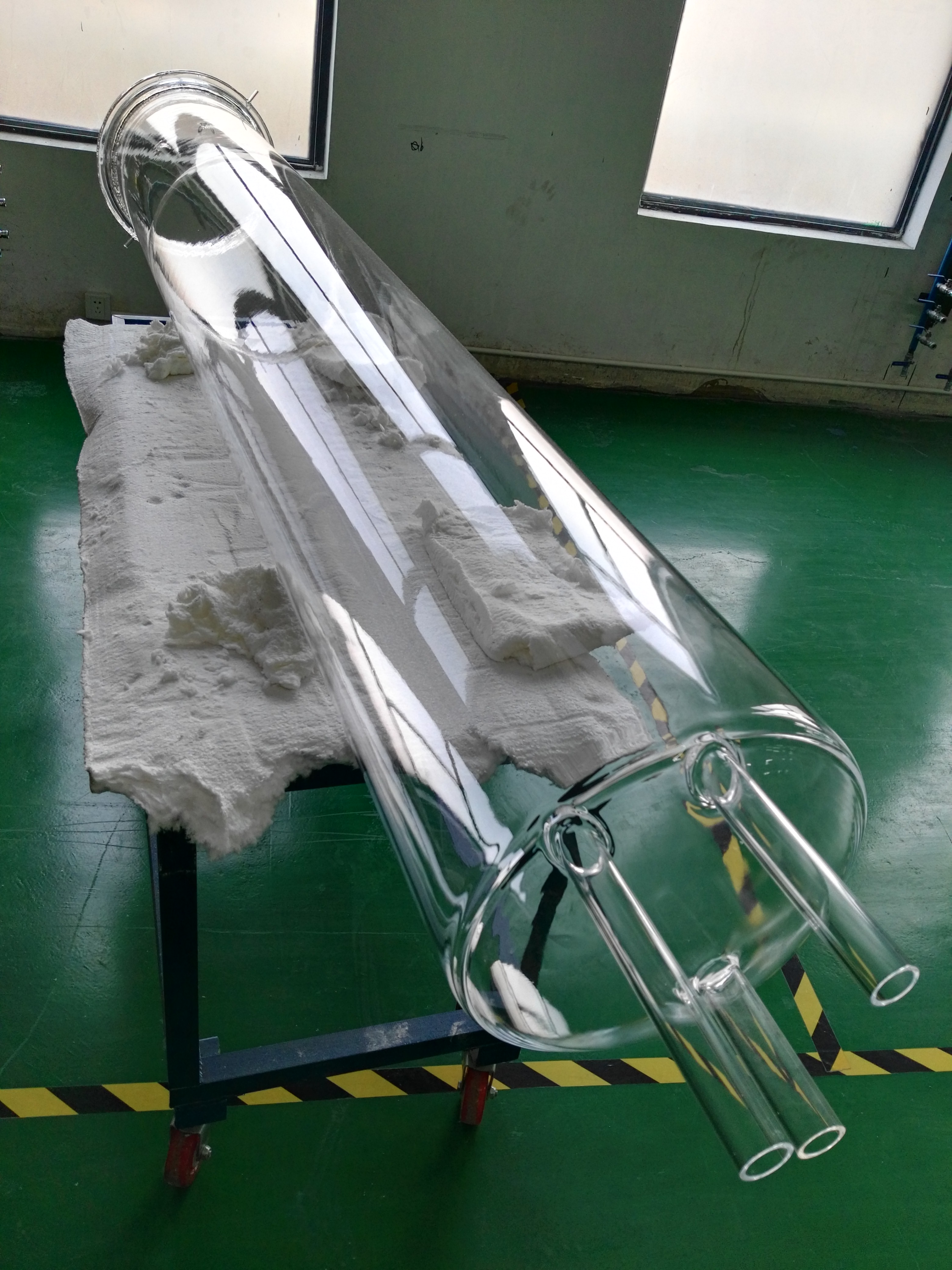
Procurement teams no longer source bare raw tubing. The industry standard requires pre-welded quartz flanges, laser-perforated gas injector holes, ground joints, spiral gas-preheating coils, and end caps fabricated within the same ISO-verified facility to reduce cross-supplier handling and breakages.
3. Cluster Localization & Hub Sourcing
International buyers are moving away from intermediaries and directly contracting with manufacturing centers in Donghai, Jiangsu—China's quartz capital. Direct factory procurement secures prioritized production schedules, material origin traceability, and 25–40% overall cost advantages.
4. Functional Nanocoatings & Composite Tubes
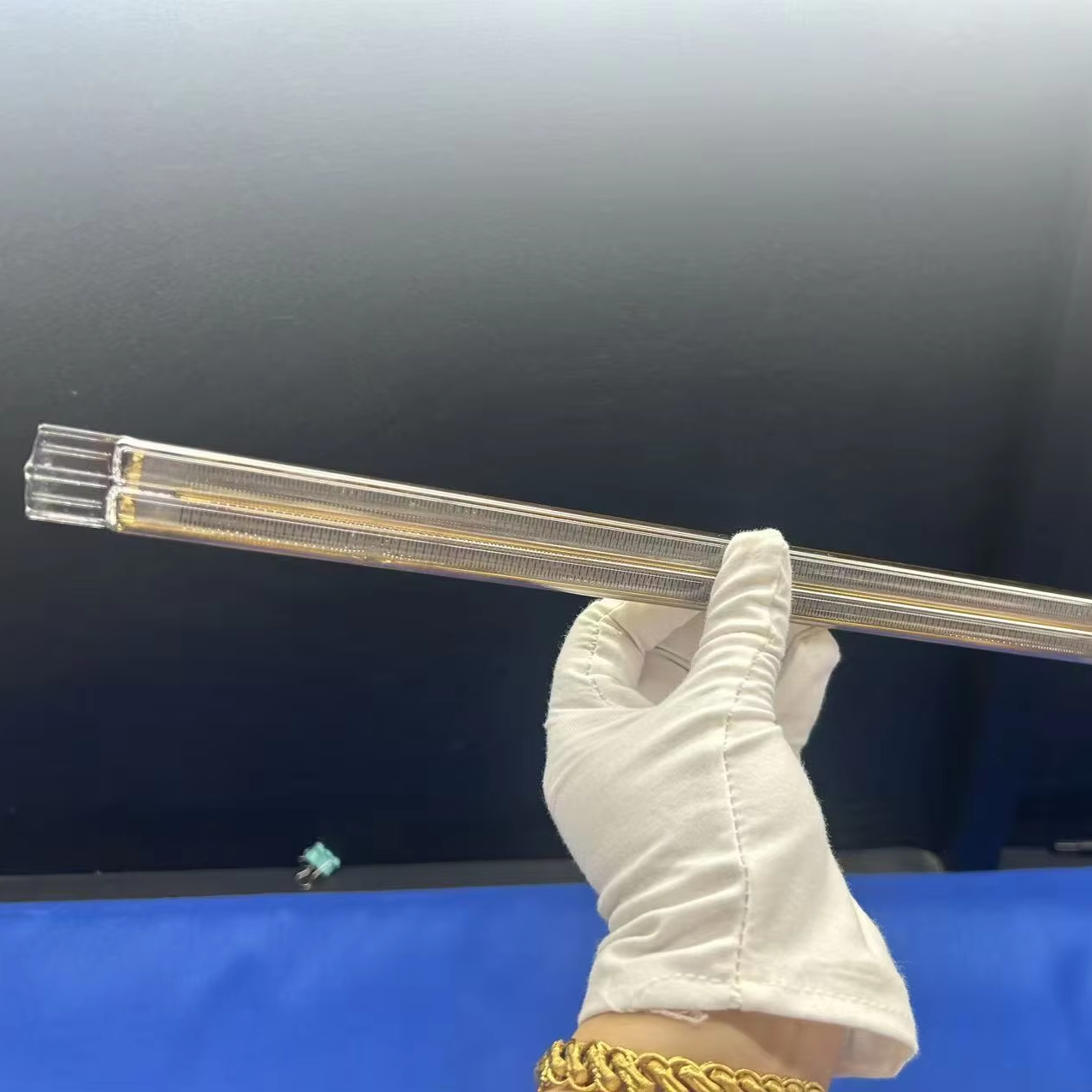
The convergence of clear fused silica with advanced conductive films—such as our graphene-quartz heating tubes—provides rapid electro-thermal response rates, uniform 360-degree infrared thermal radiating profiles, and extreme resistance to localized element burnout.
5. Complete Batch Traceability & Digital QC
Global logistics guidelines demand automated laser profilometry reports measuring outer diameter roundness, concentricity, and wall runout along the entire length of the tube, backed by spectral UV-Vis spectrophotometer curves and raw batch ICP-MS documentation.
Technological Frontiers in Clear Quartz Tube Production
From advanced gas-phase plasma deposition to automated flame annealing lathes, technical benchmarks are evolving rapidly.
Two-Step Continuous Electric Fusion
Transitioning from intermittent manual crucible melts to closed-loop induction electric drawing towers. Tungsten/molybdenum heating crucibles sheltered by hydrogen-nitrogen shielding gas deliver bubble-free clear quartz tubes with uniform diameter tolerances (±0.15mm) and near-zero wall runout.
Automated Laser Cold Ablation & Beveling
Replacing traditional diamond wheel sawing with multi-axis picosecond laser micro-machining. This eliminates micro-crack stress concentrations on tube end-faces, raising edge fracture strength by 40% and eliminating spalling during high-pressure semiconductor furnace insertion.
Polariscope Annealing & Stress Elimination
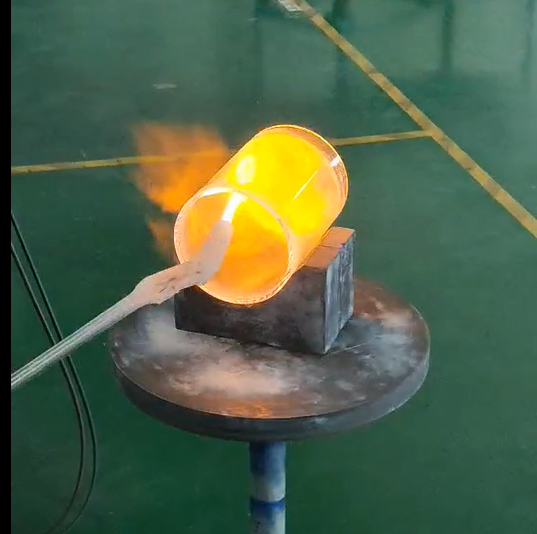
Post-welding thermal stress is the primary root cause of spontaneous quartz shattering during client heating cycles. Modern manufacturing incorporates programmable electric annealing lehrs running controlled cool-down curves (1210°C down to 900°C at 1.5°C/min) with optical birefringence polariscope validation.
Why Global Buyers Partner with Nivra Quartz
Located in Donghai County, Lianyungang, Jiangsu—China's crystal and quartz capital. Certified manufacturing integrity, rapid engineering response, and verified export metrics.
Integrated Processing Capabilities from 285 Heping East Road
Donghai County Nivra Quartz Products Co., Ltd. operates at the epicenter of China's silica raw material belt. As an audited manufacturer and trading entity, we combine deep mineral processing knowledge with high-precision downstream fabrication. Our specialized workshop handles tube drawing, CNC milling, lathe turning, flame-working, mechanical polishing, acid wash passivation, and cleanroom export packaging under strict ISO quality guidelines.
Our international track record includes long-term export relationships across North America (40%), Western Europe (20%), Eastern Europe (14%), South America (11.4%), and Northern Europe (10%). With an average response turnaround under 5 hours and an established 23% buyer reorder rate, we eliminate engineering bottlenecks for overseas procurement directors.

Third-Party Verification & Business Licenses
Frequently Asked Questions by Technical Buyers
Comprehensive engineering insights addressing dimensional tolerances, packaging safety, chemical resistance, and international logistics.
What are the standard dimensional tolerances for drawn clear quartz tubes?
How does hydroxyl (OH) content affect thermal stability and infrared transmission?
What is the critical temperature limit for fused quartz tubes during continuous vs intermittent operation?
Can you perform custom lathe cutting, optical polishing, slotting, and flange welding from CAD files?
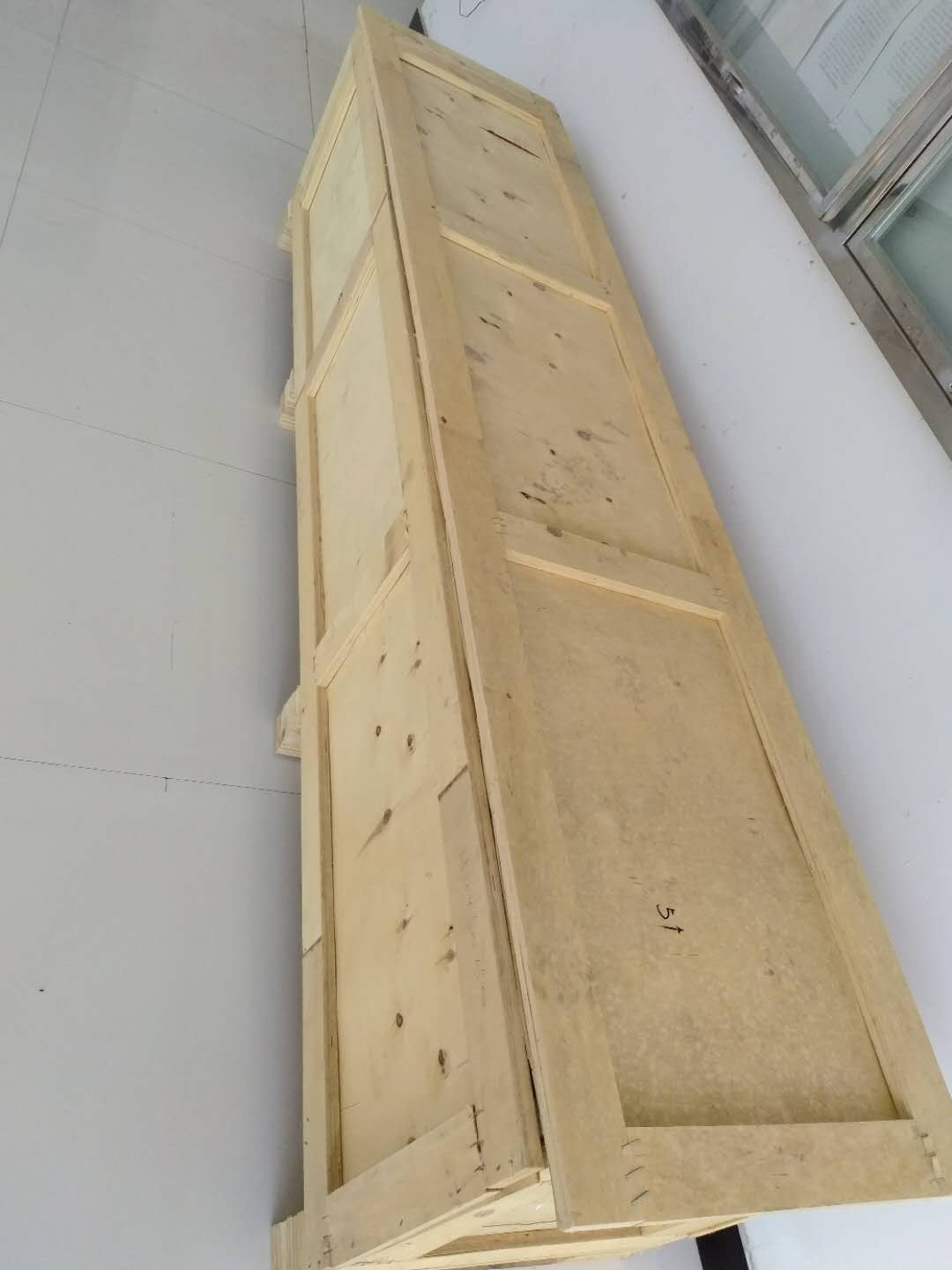
How do you pack fragile, high-aspect-ratio quartz tubes to guarantee zero breakage during sea and air transit?
What chemical environments can clear fused quartz withstand without surface hazing or etching?
What are the MOQ terms, sample turnaround, and standard production lead times?
How do you verify internal mechanical stress after flame welding or reforming?
Connect Directly with Our Quartz Engineering Team
Send your drawings, required tolerances, chemical purity grades, or dimensional specifications. Receive a comprehensive manufacturability review and formal quotation within 5 hours.