JGS1 / JGS2
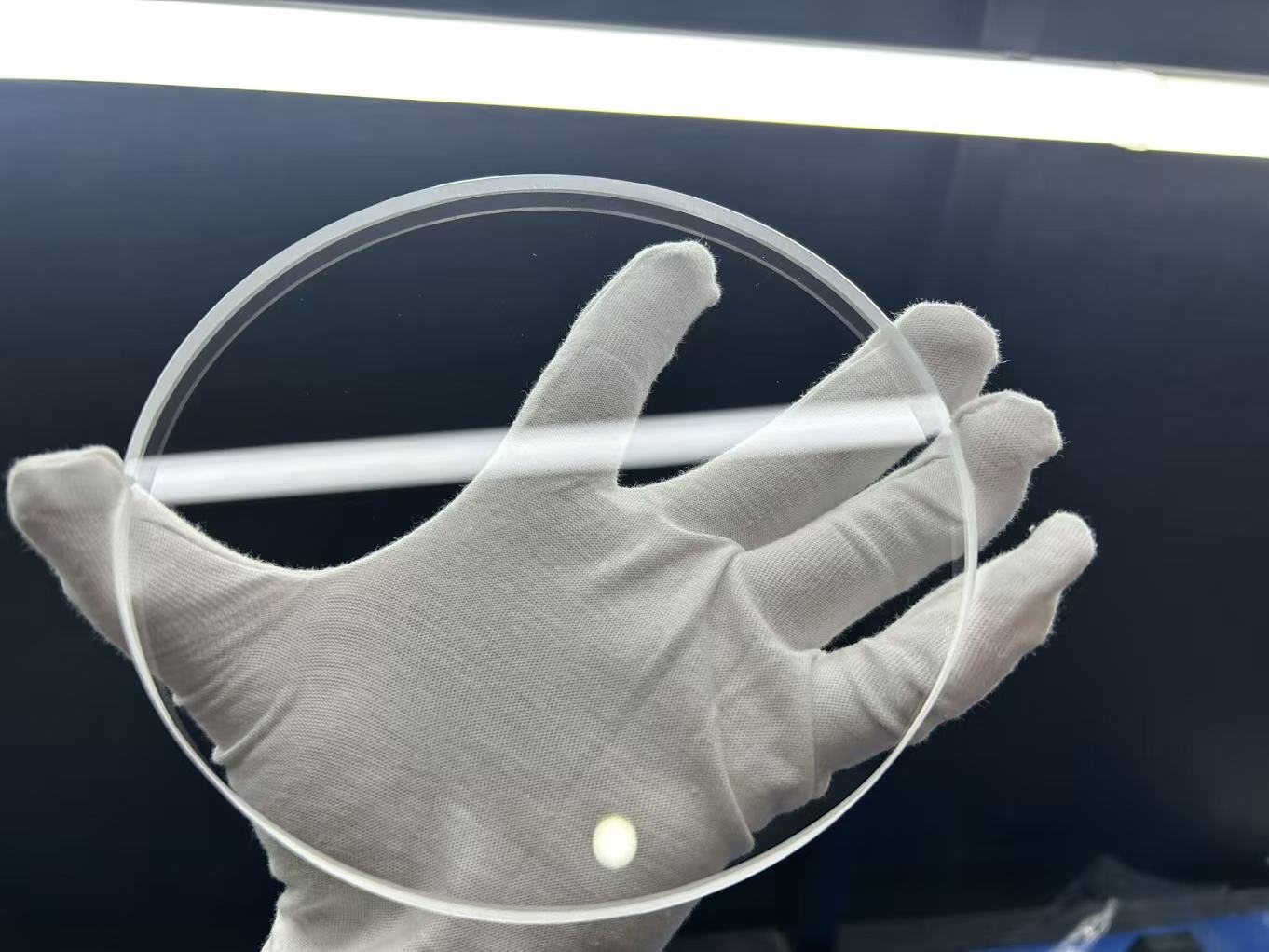
Manufactured in Donghai County with 99.99% to 99.999% SiO₂ purity. Every optical window, tube, and custom reactor component undergoes rigorous laser interferometry and spectrophotometric transmittance validation prior to dispatch.
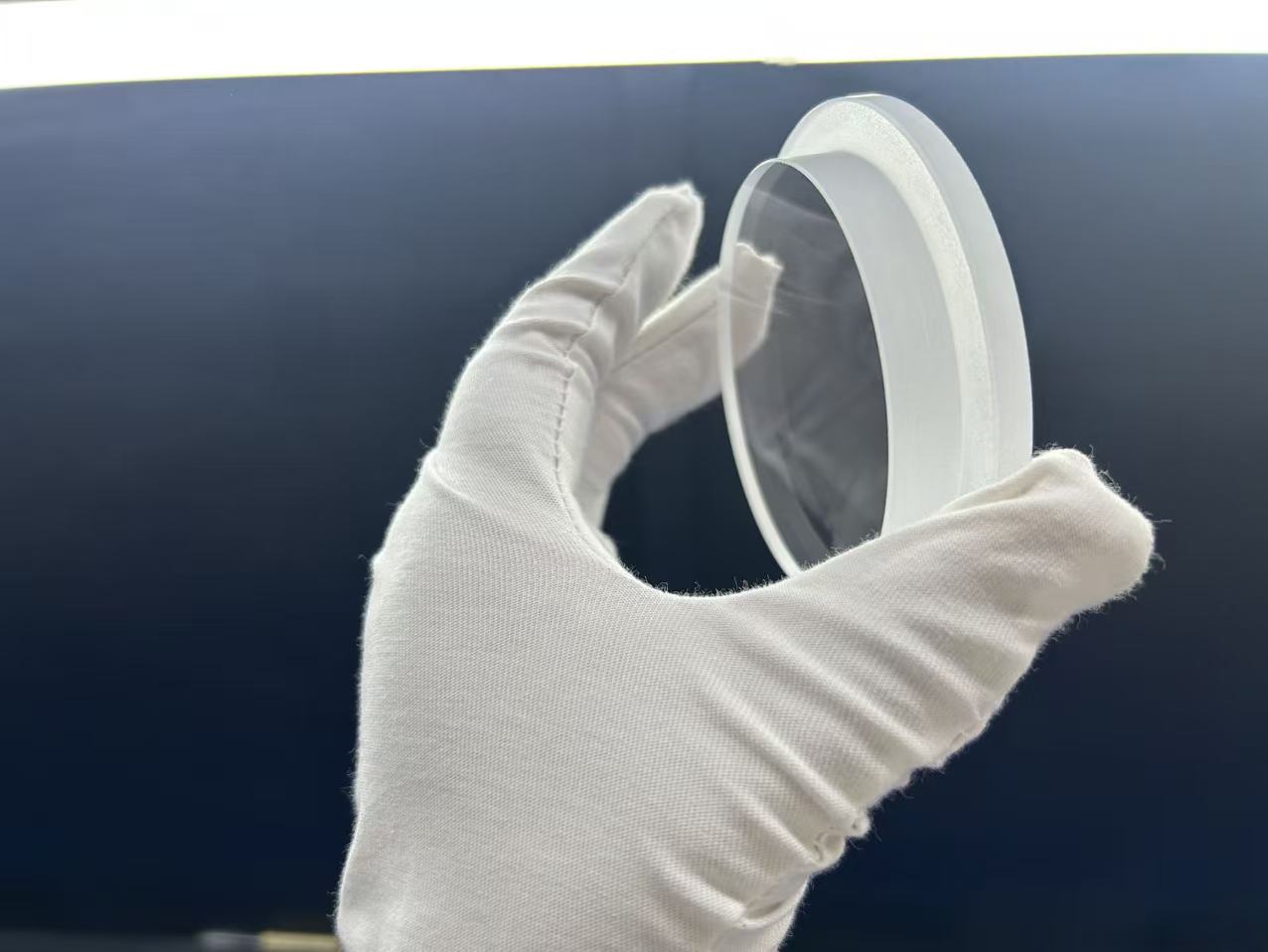
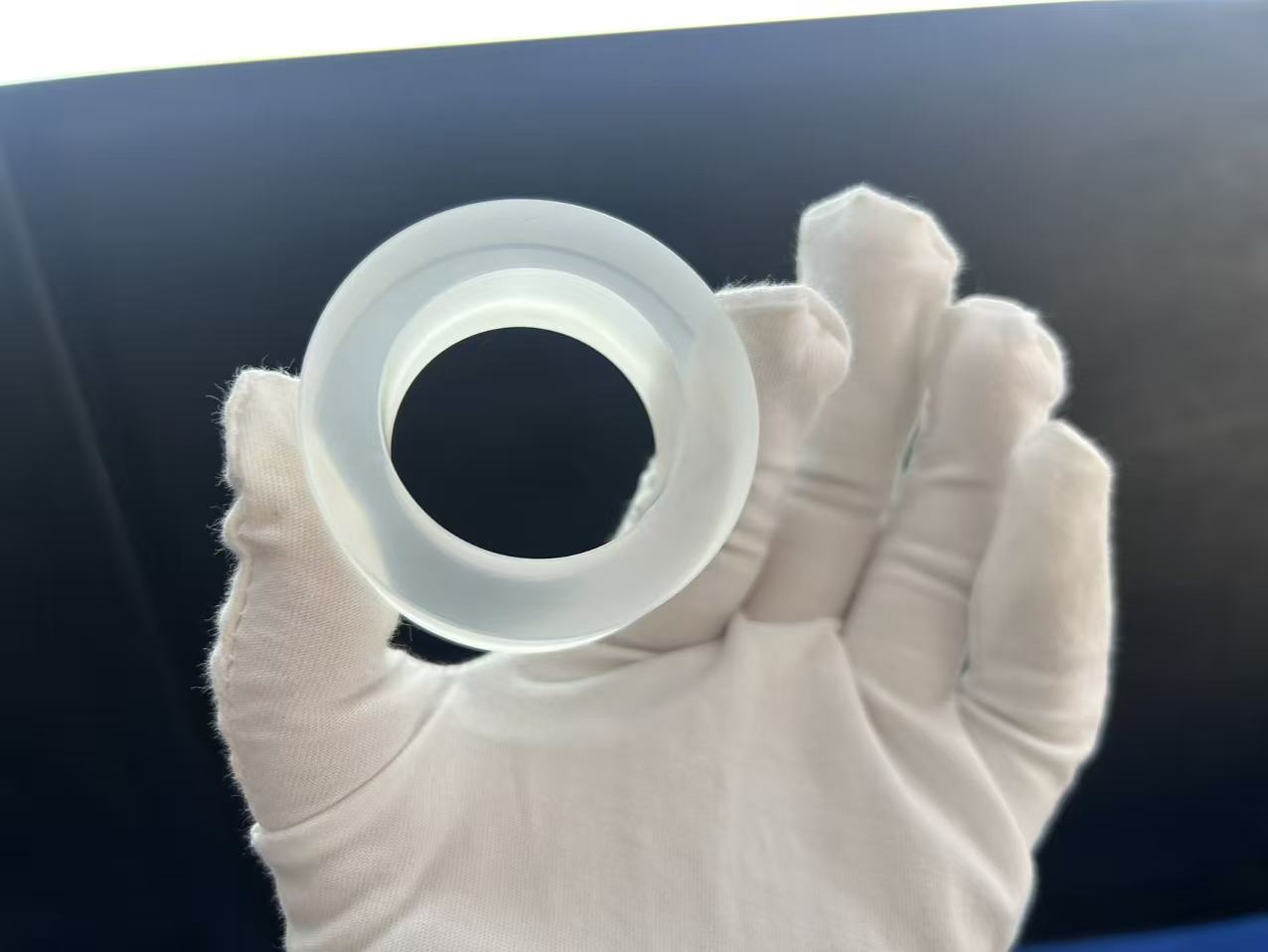
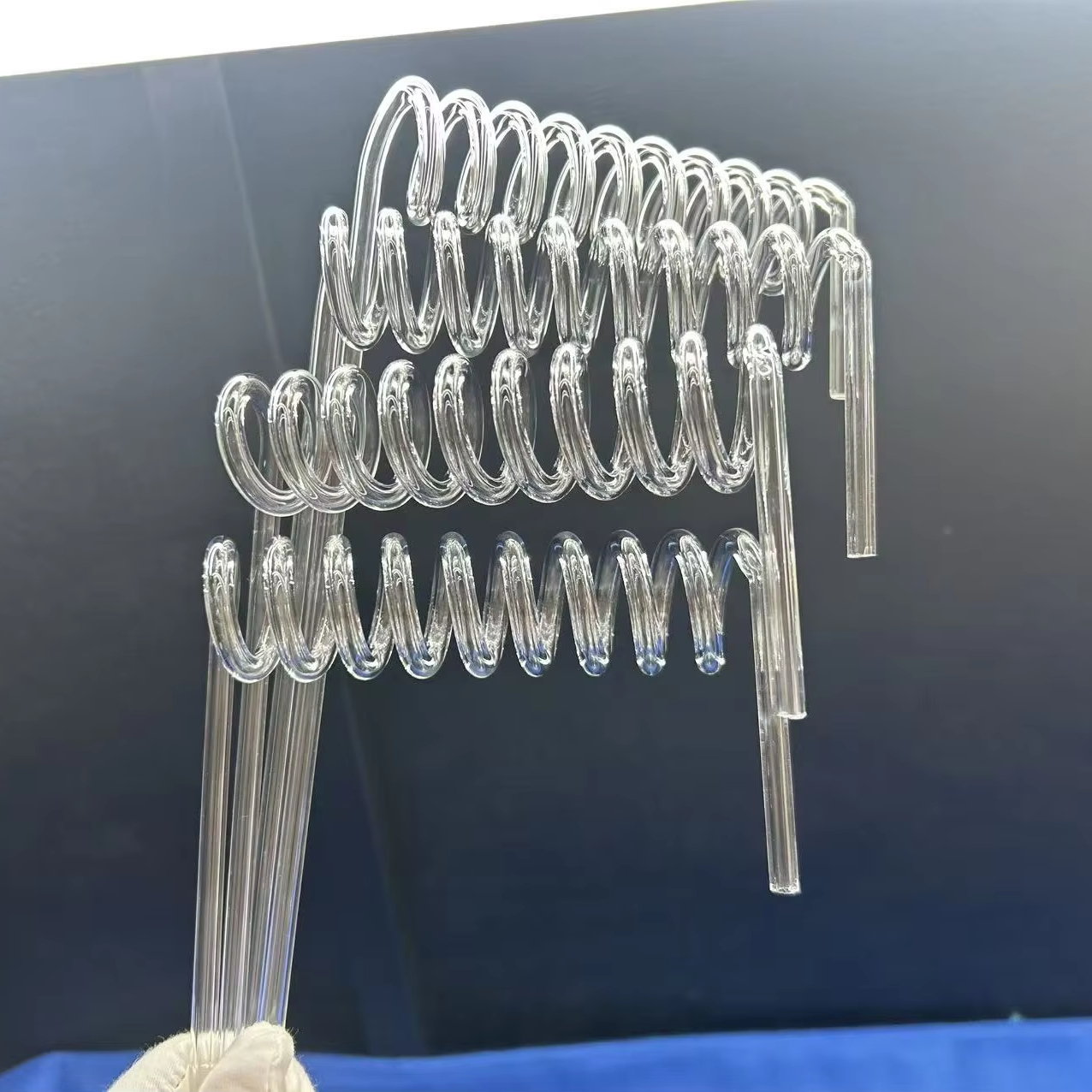
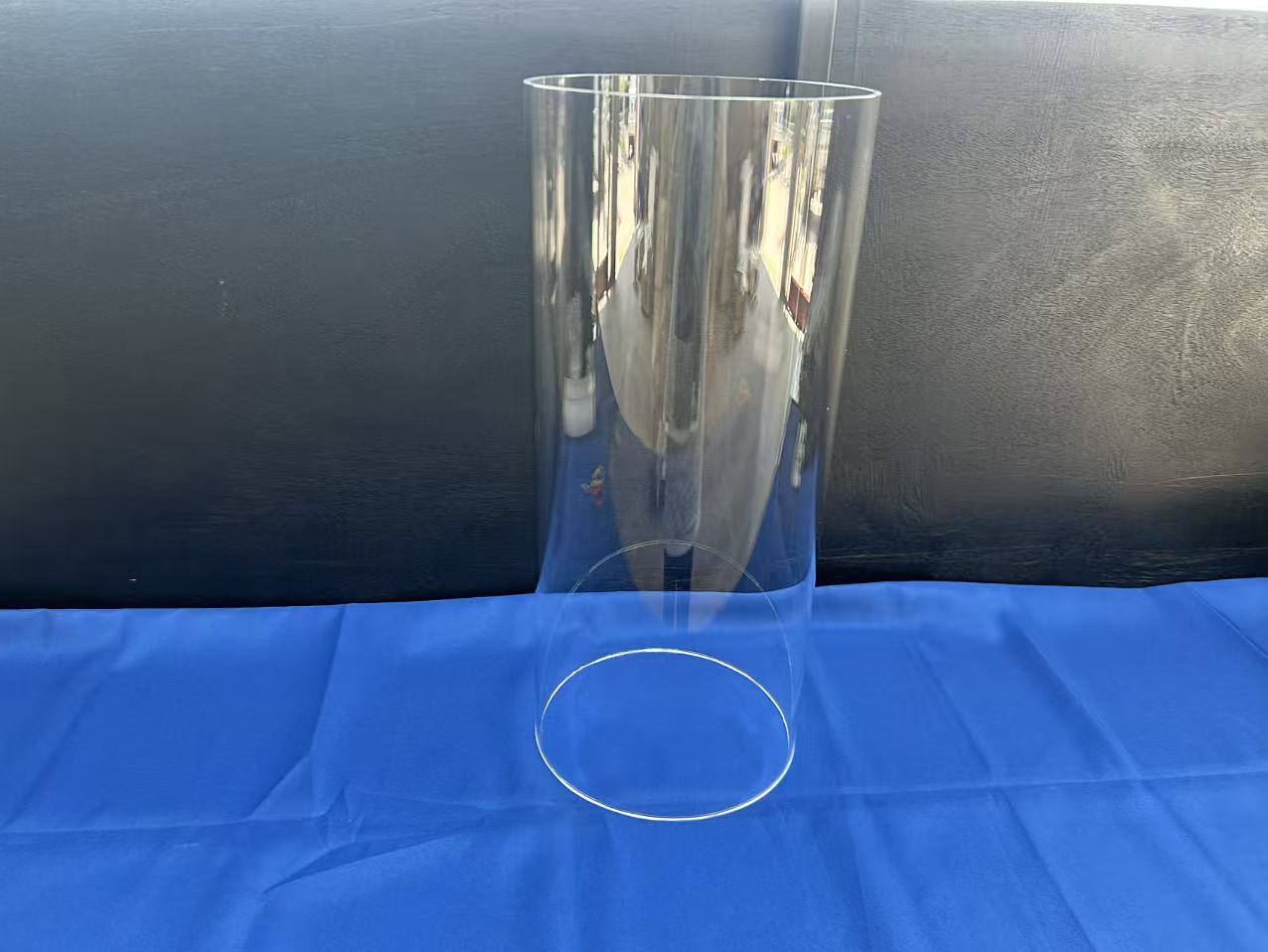
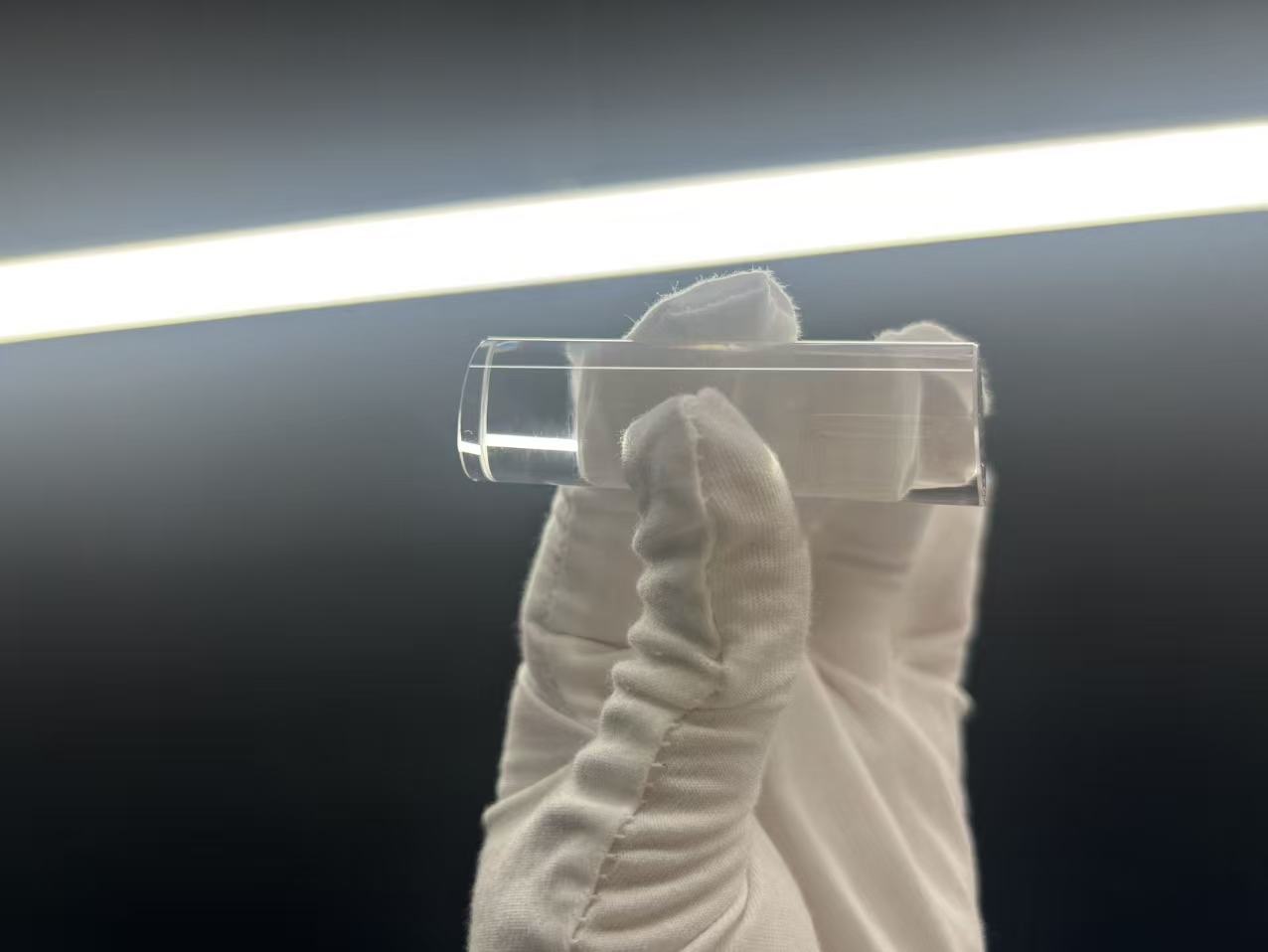
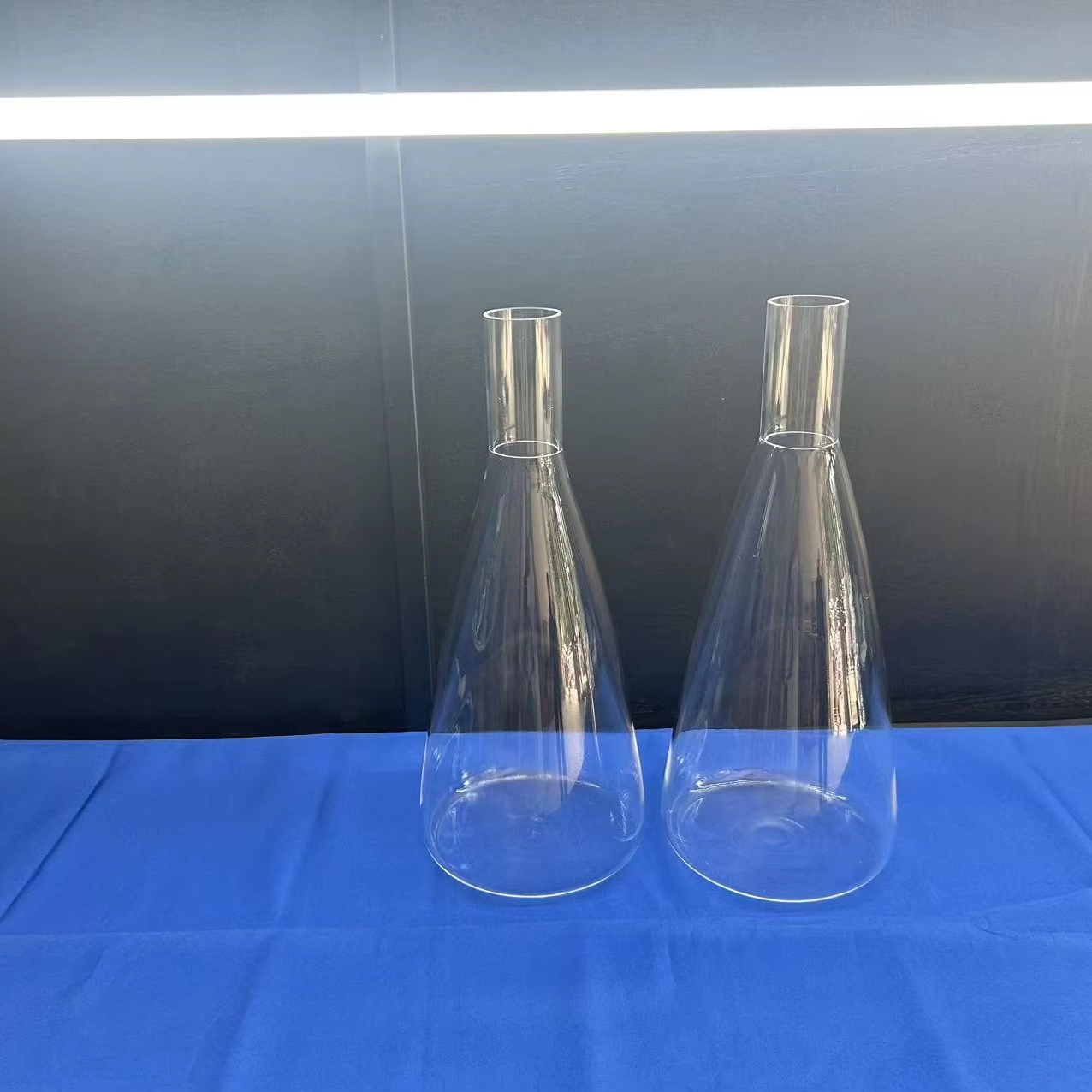
In modern optoelectronics, semiconductor manufacturing, and advanced laser diagnostics, the choice of optical viewport material directly dictates transmission efficiency, thermal longevity, and operational safety. Standard borosilicate glasses fail catastrophically under extreme deep-ultraviolet (DUV) wavelengths due to intrinsic band-gap limitations and rapid solarization. CE Certified UV Quartz Windows—primarily fabricated from Synthetic Fused Silica (JGS1 / Suprasil equivalent) and High-Purity Fused Quartz (JGS2)—bridge this physical divide by offering superior spectral transparency down to 185 nm, minimal bubble inclusions (DIN 58927 Class 0), and unmatched resistance to laser-induced thermal stress.
When procurement managers and optomechanical engineers specify quartz windows for the European Economic Area (EEA) and global markets, adherence to CE compliance under Machinery Directive 2006/42/EC, Pressure Equipment Directive (PED) 2014/68/EU (for ultra-high vacuum viewports), and EN 60825-1 (Laser Safety) is paramount. A certified window verifies not only chemical purity, but also dimensional precision, edge-chamfer integrity to prevent micro-fissure propagation, and traceable hydrostatic or thermal cycle verification.
Understanding the distinction between synthetic and naturally fused quartz grades is fundamental to cost optimization and performance reliability:
| Physical Property | Testing Standard | JGS1 (Synthetic UV) | JGS2 (Standard Quartz) |
|---|---|---|---|
| Density (ρ) | ASTM C693 | 2.201 g/cm³ | 2.203 g/cm³ |
| Refractive Index ($n_d$ @ 589.3 nm) | Abbe Refractometry | 1.4585 | 1.4584 |
| Deep-UV Transmission (T% @ 200 nm, 10mm) | Spectrophotometer | ≥ 90.0% | ≥ 72.0% |
| Coefficient of Thermal Expansion (CTE, 20–300°C) | Dilatometer | 5.4 × 10⁻⁷ /°C | 5.5 × 10⁻⁷ /°C |
| Softening Point | ASTM C338 | 1683 °C | 1680 °C |
| Thermal Shock Resistance ($\Delta T$) | Water Quench Test | 1100 °C to 20 °C without fracture | 1050 °C to 20 °C without fracture |
| Hydroxyl ($OH^-$) Content | FTIR Spectrometry | 800 – 1200 ppm | < 30 ppm |
| Surface Quality (Scratch-Dig) | MIL-PRF-13830B | 20-10 or 10-5 Laser Grade | 40-20 Standard Optical |
The extremely low thermal expansion coefficient ($\approx 5.5 \times 10^{-7}\text{ /}^\circ\text{C}$) provides quartz glass with exceptional structural resilience against high-power laser irradiation and thermal cycling. Unlike standard optical glasses that crack under abrupt gradients, a CE-certified quartz window can withstand rapid heating cycles exceeding 1100°C followed by immediate liquid quenching.
As semiconductor lithography enters sub-2nm nodes, biophotonics expands, and green hydrogen pyrolysis accelerates, procurement demands on UV quartz factories are shifting drastically.
Procurement specifications are shifting from traditional mechanical polishing (Ra < 1 nm) toward Magnetorheological Finishing (MRF) and Ion Beam Figuring (IBF). Modern DUV inspection instruments now demand surface roughness below $0.2\text{ nm}$ ($2\text{ \AA}$) to minimize scattered light and flare in wafer defect detection systems.
Global OEM purchasers are diversifying away from fragmented intermediaries, favoring direct relationships with vertically integrated manufacturing clusters such as Donghai County, China. Local access to natural raw quartz crystal and integrated CVD facilities reduces supply chain delivery lead times by 35–50%.
Extended exposure to high-energy UV-C (254 nm) and vacuum UV photons degrades optical transmission via color-center formation (E' centers). Next-generation procurement mandates hydrogen-loaded fused silica windows that repair internal chemical bond dissociations, ensuring over 10,000 continuous hours without transmission loss.
Founded in February 2019 at 285 Heping East Road, Donghai County, Lianyungang, Jiangsu—the renowned crystal and quartz capital of China—Donghai County Nivra Quartz Products Co., Ltd. operates as a verified direct manufacturer and global supplier.
Located in Donghai County, our facility has direct access to high-grade crystalline ore deposits. By refining and processing raw fused quartz domestically, we maintain full chemical traceability and cost superiority that intermediaries cannot match.
Our 101–200 employee facility houses 5-axis ultrasonic CNC milling, diamond-blade slicing, precision double-side lapping, and high-temperature hydrogen-oxygen flame lathe working for seamless custom port welding, step beveling, and fire polishing.
Serving North America (40% export share), Western & Eastern Europe (34% combined), and East Asia. Every fragile optical component is ultrasonically cleaned, sealed in class-10,000 cleanroom film, and housed in tailored shockproof foam inside fumigation-free wooden crates.

Key questions addressing optical specifications, pressure thresholds, certification standards, and OEM lead times for international engineering procurement teams.
CE compliance for industrial quartz viewports typically centers on two directives depending on application: the Machinery Directive 2006/42/EC (with optical safety standard EN ISO 11553) and the Pressure Equipment Directive (PED) 2014/68/EU for windows integrated into pressurized reaction vessels or vacuum autoclaves. We provide Certificates of Conformity (CoC), material melt origin reports, spectrophotometer transmission curves (190 nm – 1100 nm), and dimensional inspection sheets verified with laser micrometers.
Solarization occurs when high-energy photons dislodge electrons, causing formation of color centers around trace impurities like iron (Fe) or aluminum (Al). For UV-C sterilization, lithography, and ozone generation systems, we recommend JGS1 Synthetic Fused Silica. Its ultra-high chemical purity (>99.999% SiO₂ with total metallic impurities < 1 ppm) suppresses defect creation, retaining >88% transmittance even after thousands of operating hours.
Allowable pressure depends on unsupported diameter, thickness, and safety factors. Using the standard clamped glass formula:
Thickness = (Diameter / 2) × √((1.12 × Pressure × Safety Factor) / Tensile Strength)
With quartz design tensile strength calculated at 48 MPa (6,900 psi) and adopting an engineering safety factor of 4 to 8, a 50mm diameter window with 8mm thickness safely withstands over 10 bar (1 MPa) differential pressure, making it ideal for CF / KF vacuum flanges.
Yes. We support prototyping with minimum order quantities (MOQ) as low as 1 to 10 pieces for custom geometry windows, step plates, or flanges. Our engineering group accepts DWG, DXF, STEP, and PDF drawings, providing manufacturability feedback and quotations within an average of 5 hours.
For pulsed UV lasers (such as 355 nm Nd:YAG or 248 nm KrF excimers), our super-polished JGS1 windows with 10-5 scratch-dig surface finish and surface roughness Ra < 0.5 nm typically achieve an un-coated LIDT exceeding 10 J/cm² at 355 nm (10 ns pulse, 20 Hz). Anti-reflective (AR) dielectric coatings can also be tailored for specific target wavelengths.
With a verified buyer rating of 5.0/5 and 23% repeat procurement rate, zero-damage shipping is integral to our operations. Every window is wrapped in lint-free optical lens tissue, vacuum-sealed into static-free bubble pouches, suspended in multi-density EPE foam cradles, and packed into international-standard plywood cases. We partner with DHL, FedEx, and specialized sea-freight logistics forwarders with comprehensive transit insurance.
Submit your custom dimensions, surface finish tolerances (Scratch-Dig, Flatness λ/4), or CAD drawings. Receive an authoritative engineering review, batch pricing, and material test certifications within 5 business hours.