Standard & Custom Fabricated Quartz Components
Manufactured from high-purity natural silica sand (SiO₂ ≥ 99.99%) and synthetic precursors. Full in-house centerless grinding, fire-polishing, CNC micro-machining, and certified inspection.
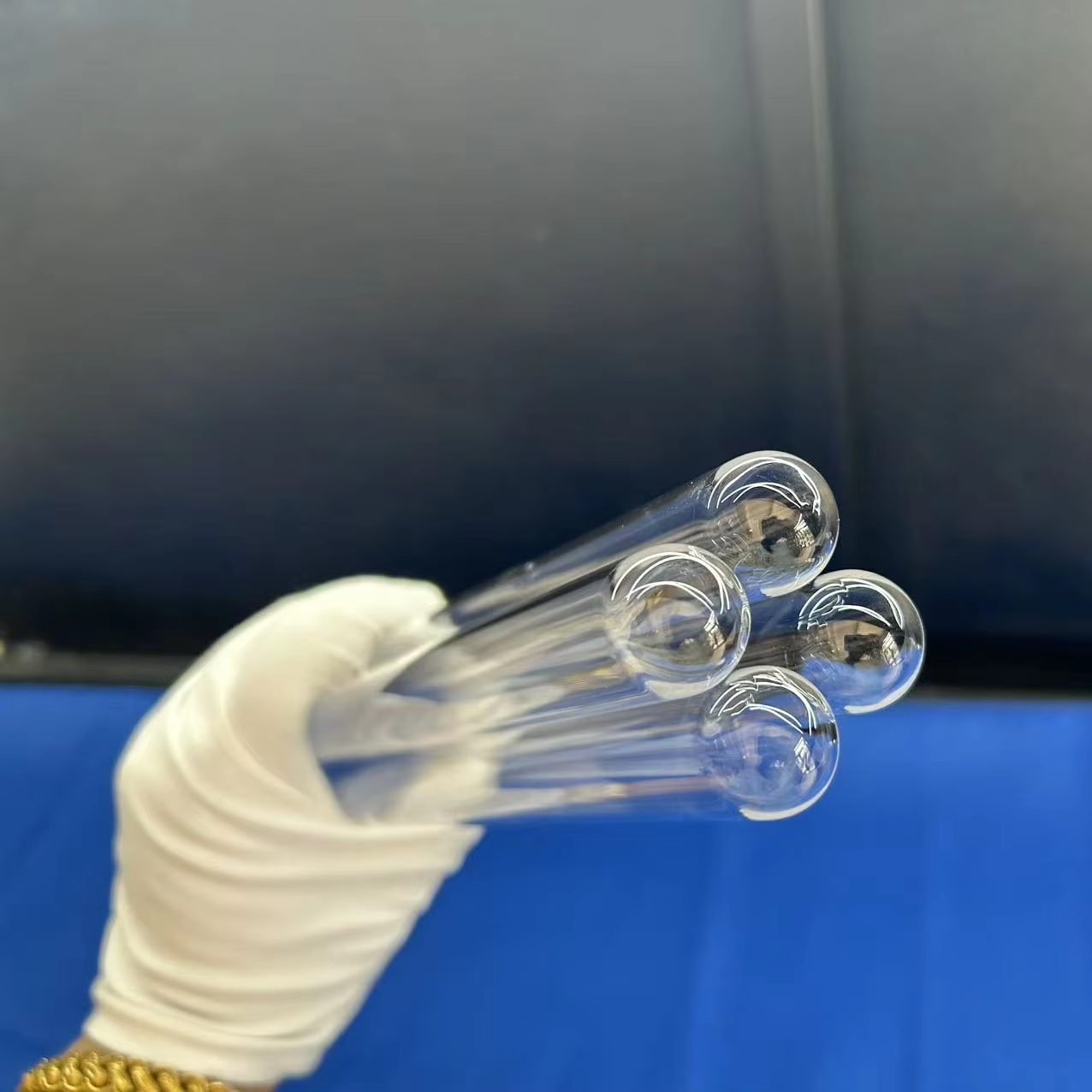
The Factory Produces High-purity Fused Silica Bottom Sealing Tubes with an Diameter of 20-25mm Cutting and Welding Services
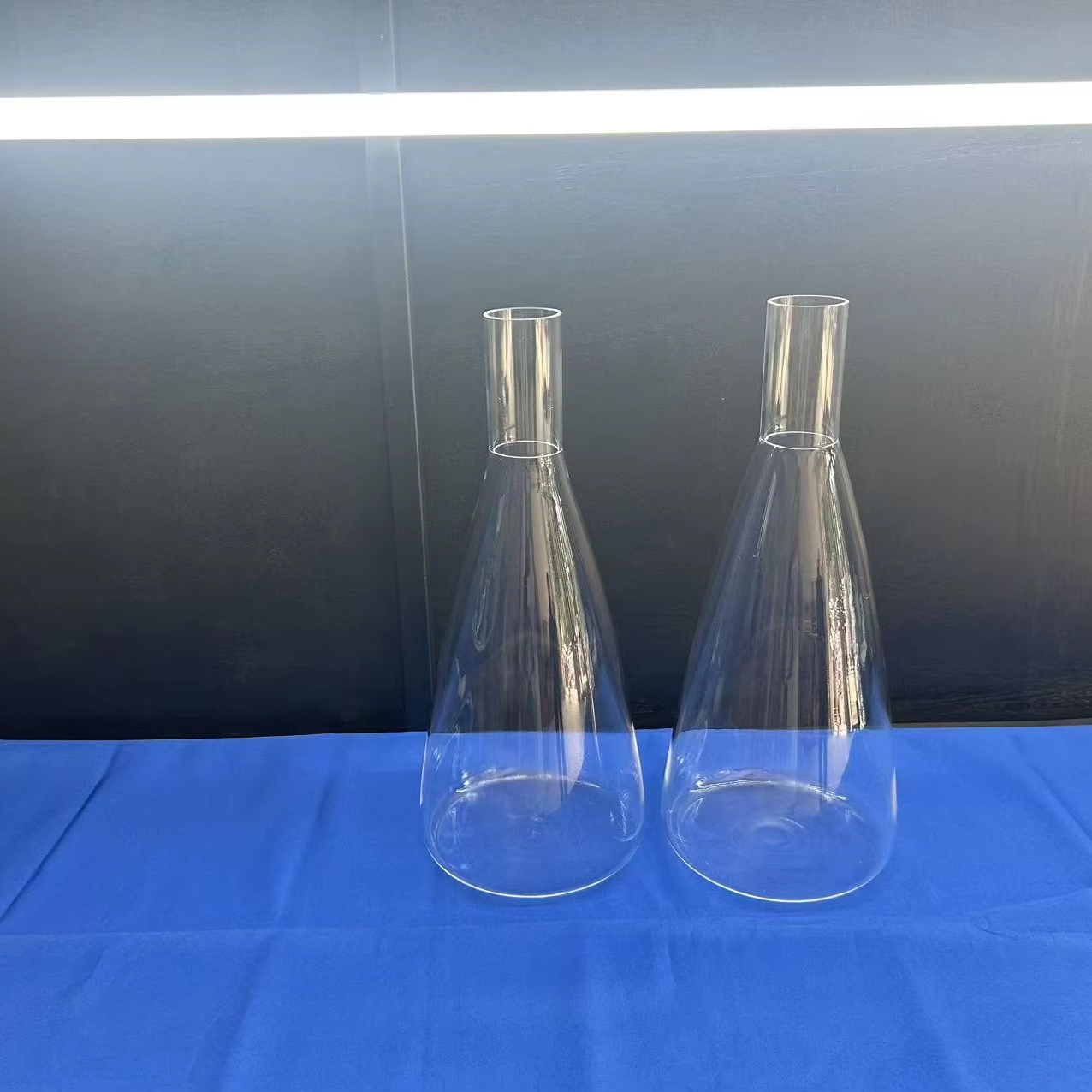
Laboratory Fused Silica Quartz Glass Flask
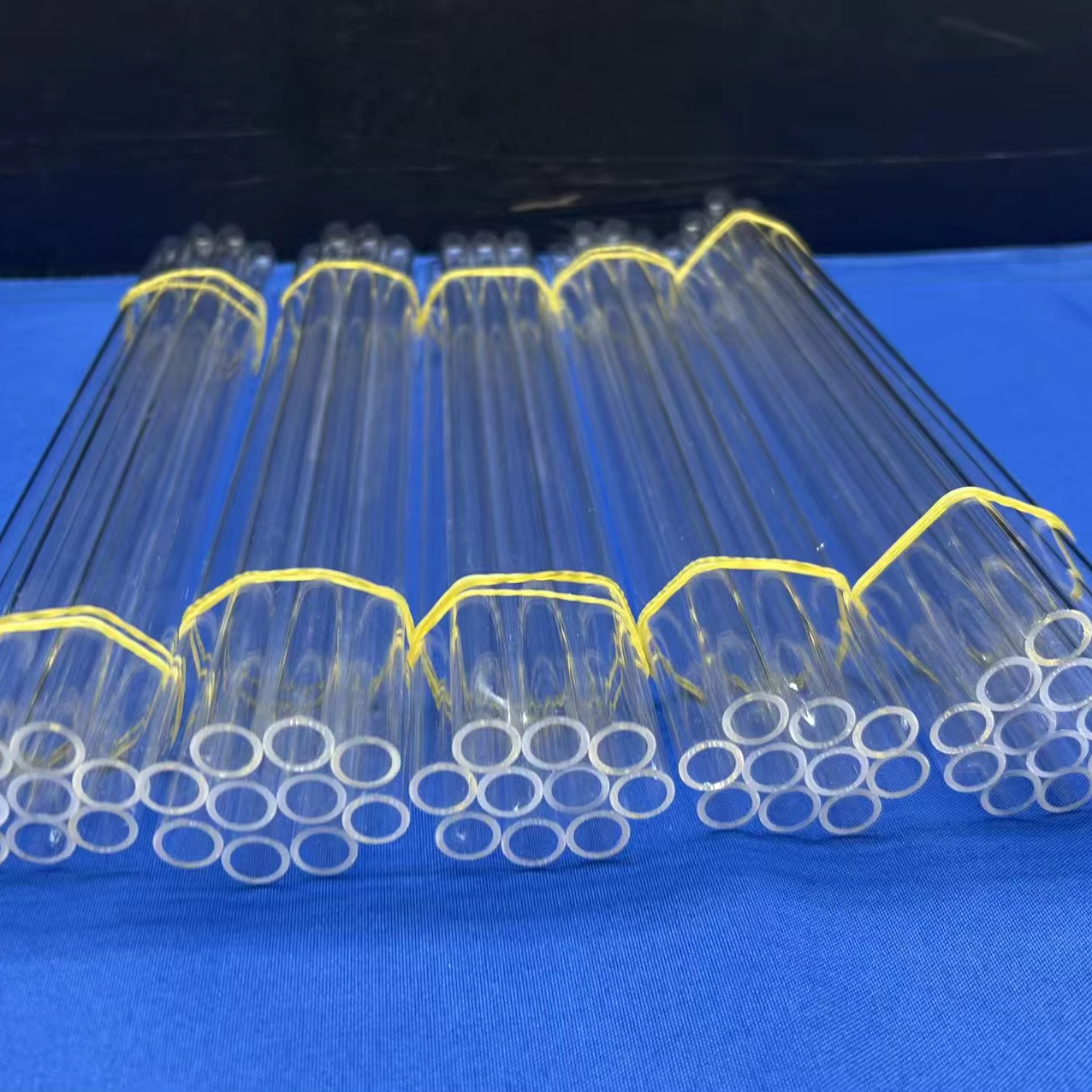
Quartz test Tube
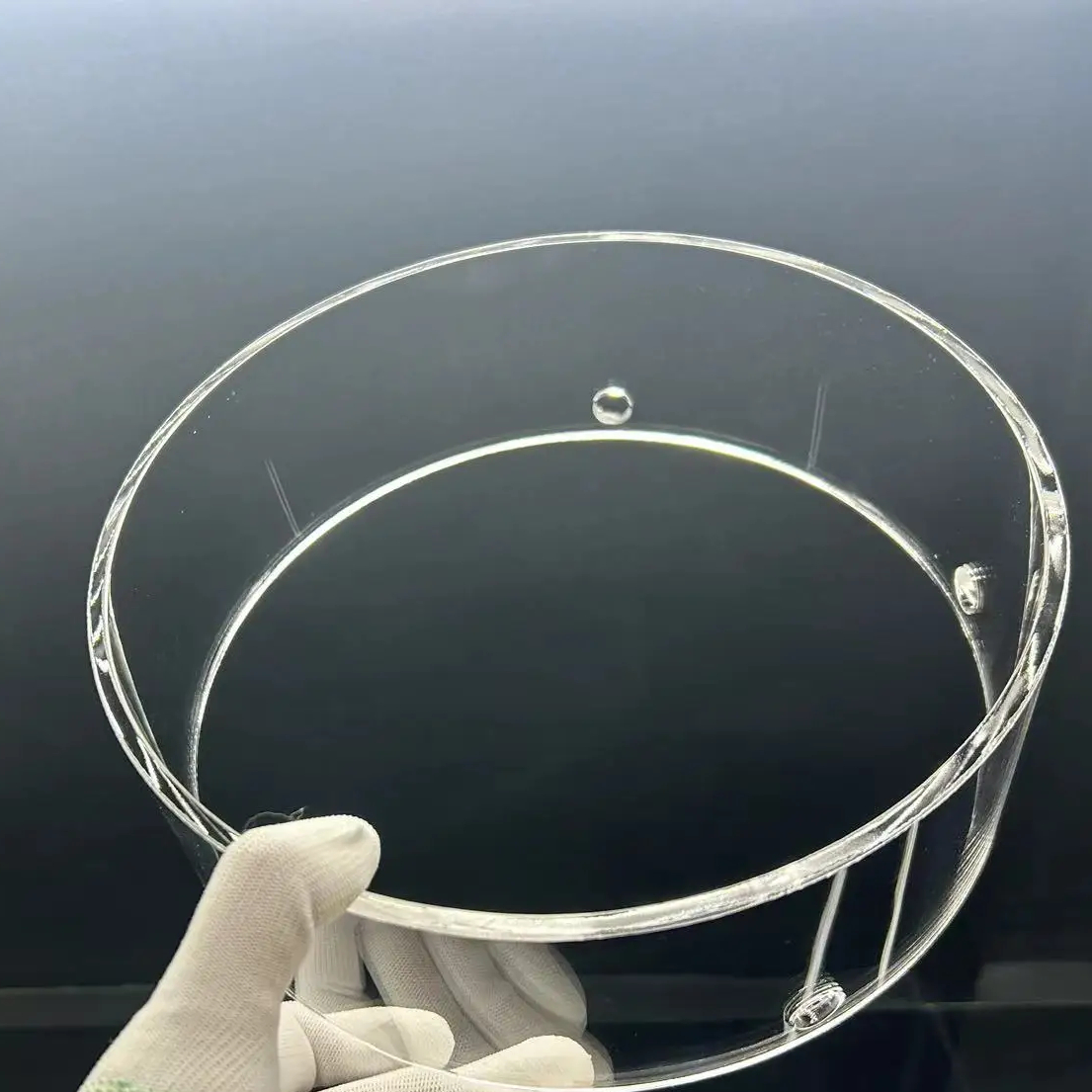
Fused Transparent Quartz Tube
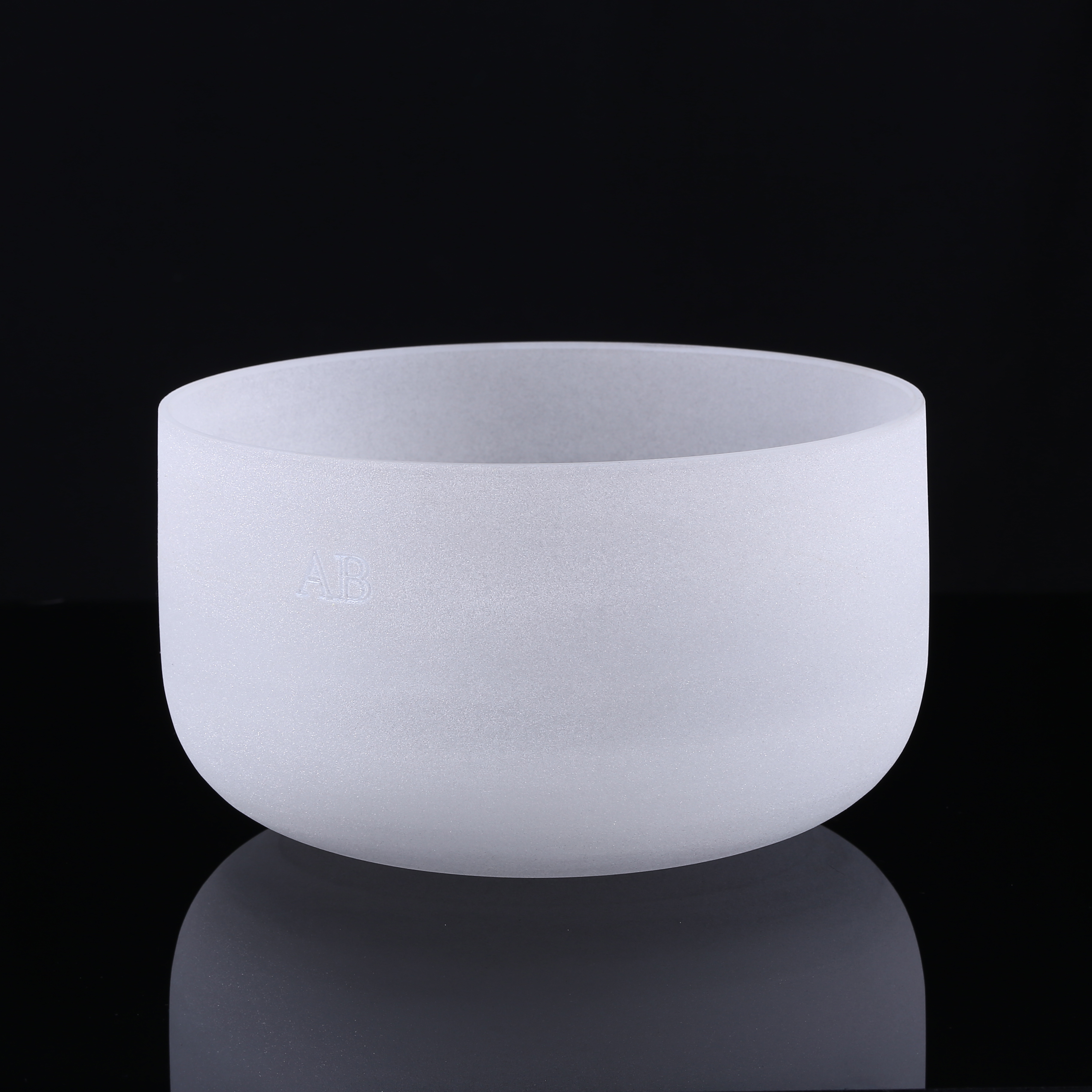
High Temperature Fused Silica Quartz Crucible
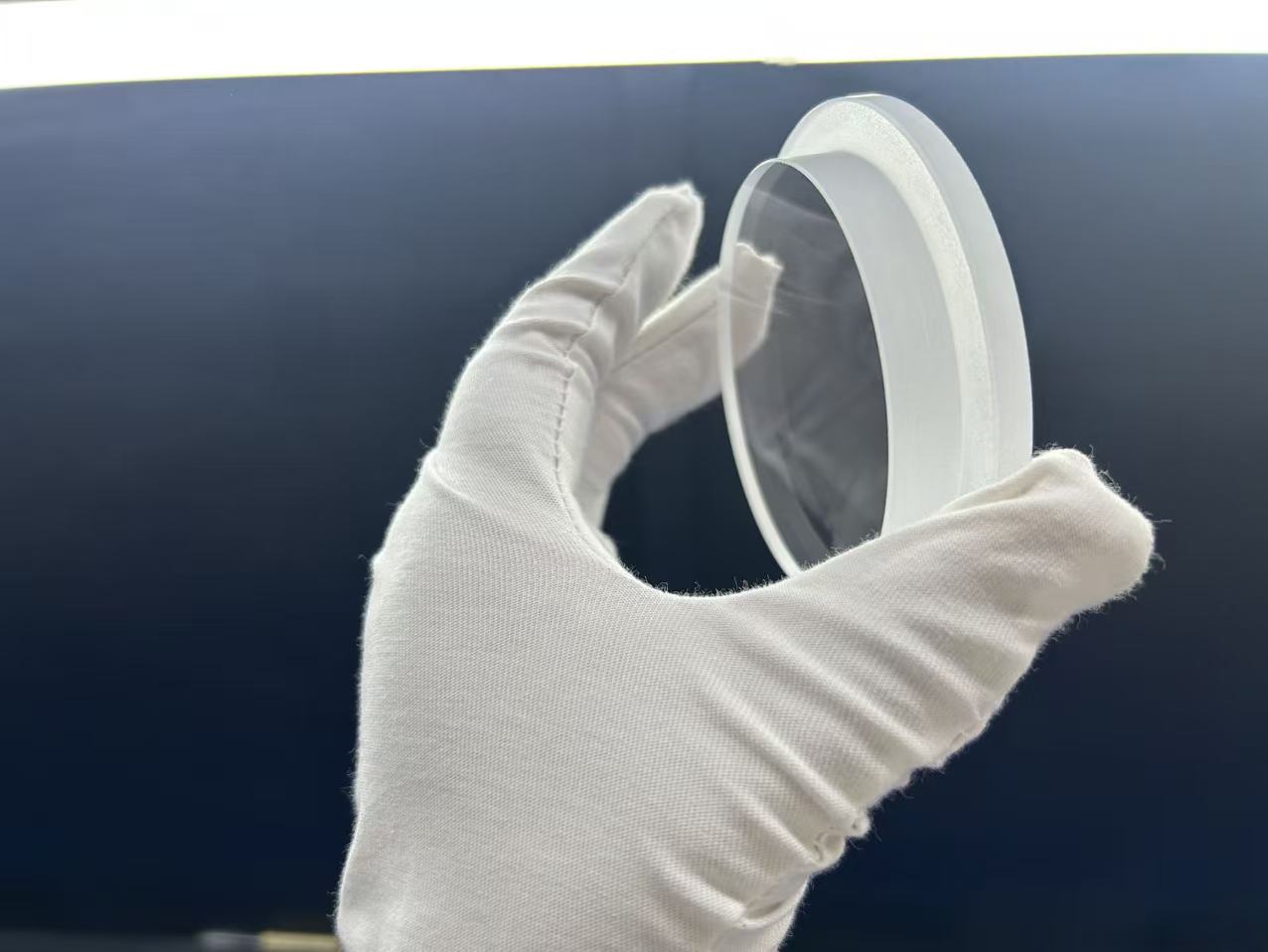
Factory-Made High-purity Ultra-thick Quartz Double-Layer Step Plate ,Provide Cutting and Polishing Services
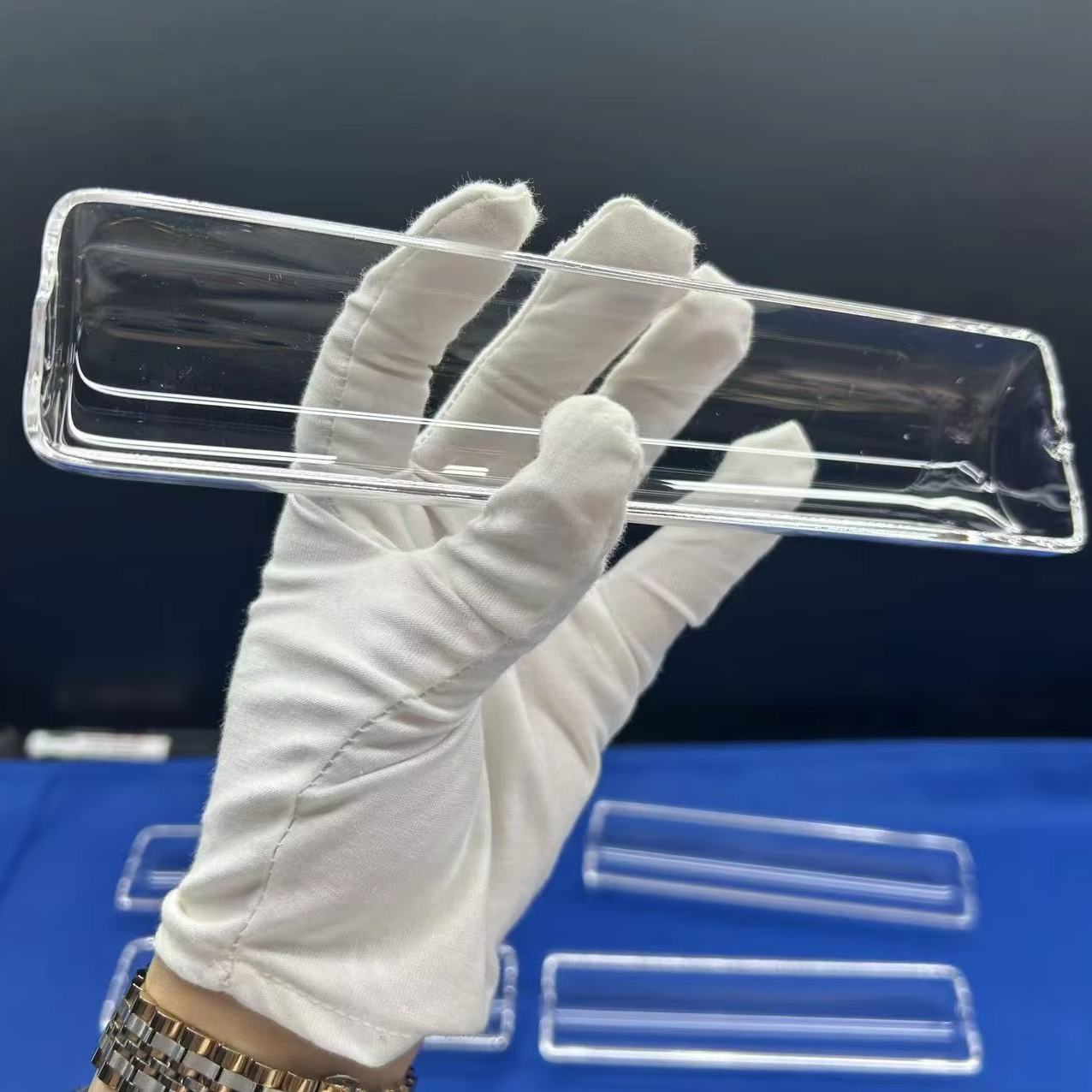
Customized Clear Fused Silica Quartz Boat Polished Clear Quartz Wafer Carrier
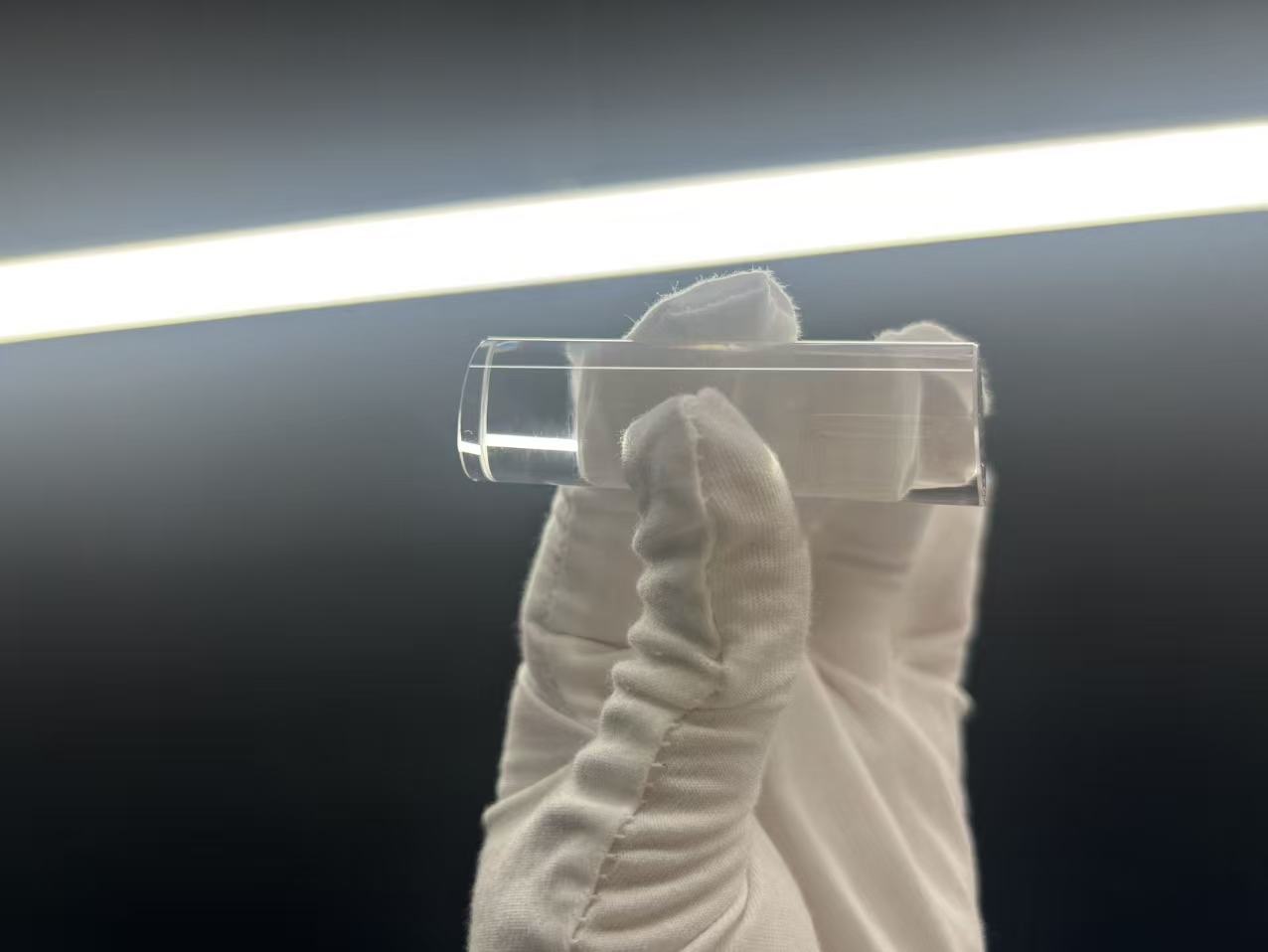
Round Head Quartz Rod
Material Science & CE Regulatory Compliance Matrix
Procuring quartz glass rods for critical thermal, optical, and semiconductor systems requires an uncompromising understanding of material grades, trace hydroxyl (OH⁻) concentrations, and CE compliance standards.
Table 1.1: Fused Silica vs. Fused Quartz Engineering Grade Specification Matrix
DIN ISO 10110 Validated| Classification Grade | Raw Material Precursor | Optical Spectral Range | OH⁻ Hydroxyl Content | Typical Impurity (Al / Fe / Ti) | Primary Industrial Sourcing Intent |
|---|---|---|---|---|---|
| JGS1 Synthetic Silica | SiCl₄ Chemical Synthesis | 185 nm – 2500 nm (Deep UV) | < 50 ppm or Low-OH synthetic | Al < 0.05 | Fe < 0.01 | Ti < 0.01 | Excimer lithography, DUV light guides, laser windows |
| JGS2 Optical Fused Quartz | High-Purity Natural Quartz Sand | 220 nm – 2500 nm (UV / Visible) | < 150 ppm (Standard Flame) | Al < 14.0 | Fe < 0.30 | Ti < 1.00 | CE-certified sight glasses, UV lamp sleeves, wafer carriers |
| JGS3 Infrared Silica | Vacuum Electric Melted Quartz | 260 nm – 3500 nm (Near-to-Mid IR) | < 5 ppm (Water-free IR grade) | Al < 16.0 | Fe < 0.50 | Ti < 1.10 | Thermal pyrometry probes, IR emitters, military optics |
| Industrial Fused Silica | Continuous Electrically Fused | 280 nm – 2800 nm (Standard) | < 30 ppm (Controlled) | Al < 20.0 | Fe < 1.00 | Ti < 1.50 | Thermocouple protection rods, furnace rollers, quartz stirrers |
Thermal & Mechanical Integrity
Clear fused quartz rods possess an exceptionally low linear coefficient of thermal expansion (α = 5.5 × 10⁻⁷ /°C from 20°C to 300°C), granting near-immunity to violent thermal shock. A red-hot 1100°C quartz rod can be instantly quenched into ice-cold water without structural cleavage.
- Softening Point: 1683°C (1956 K)
- Annealing Point: 1215°C (Relaxation point)
- Compressive Strength: > 1100 MPa
OH⁻ Concentration Dynamics
Hydroxyl radicals (Si-OH) govern the thermal devitrification threshold and infrared absorption peaks of quartz rods. For high-power fiber optic cladding preforms and IR heaters, low-OH content (< 5 ppm) is mandatory to eliminate the severe 2.73 µm water absorption band.
- Vacuum Desorption: OH < 2 ppm achievable
- High-OH UV Stability: Prevents solarization
- Anti-Cristobalite crystallization stability
CE Directives & EU Mandates
CE Certification for industrial quartz glass ensures European buyers meet occupational, environmental, and mechanical pressure criteria. Our production conforms to Pressure Equipment Directive (PED) 2014/68/EU harmonized safety levels, RoHS 3 (EU 2015/863), and REACH Annex XVII.
- Zero hazardous lead, cadmium, or mercury
- DIN 58927 Class 0/1 bubble-free certification
- EN 10204 3.1 Mill Test Reports on request
Technological Frontiers in Precision Quartz Rod Fabrication
As semiconductor wafer fabrication reaches sub-3nm nodes and high-fluence laser delivery systems proliferate, quartz rod manufacturing is transitioning from manual glassblowing to computerized precision thermal drawing.
Centerless Grinding & Micron Tolerances
Modern automated CNC centerless grinding machines achieve uniform diameter circularity with outer dimension tolerances tightened down to ±0.01 mm across rod lengths up to 2000 mm. Essential for rigid semiconductor robotic end-effector positioning.
Oxyhydrogen Fire Polishing
Thermal glazing utilizes multi-nozzle oxy-hydrogen torch matrices at ~1800°C to flash-melt the microscopic micro-cracks induced during diamond saw grinding, converting rough ground rod surfaces to optical mirror finishes (Ra < 0.02 µm) without introducing internal stress.
Induction Annealing & Stress Relief
To prevent catastrophic splintering during downstream wafer fabrication thermal cycles, quartz rods undergo 12-hour programmed electric vacuum annealing cycles. Residual birefringence is verified using precision circular polariscopes to under 5 nm/cm.
Specialty Geometry Shaping
Beyond cylindrical bars, our CNC ultrasonic 5-axis work centers produce complex profile quartz rods: slotted carrier bars, tapered optical homing cones, hemispherical lenses, curved light pipes, and flanged probe handles with seamless structural continuity.
Strategic Procurement Trends Shaping the Quartz Industry (2025–2030)
B2B procurement leaders in North America and Western Europe face dynamic market shifts. Staying competitive demands a forward-looking analysis of raw material security, micro-impurity control, and environmental ESG imperatives.
Purity Escalation: The Sub-ppb Era
As EUV lithography and 3D NAND vertical architectures expand beyond 300 layers, heavy metal contamination (specifically alkali metals like Na, K, Li and transition elements Fe, Ni, Cu) in quartz furnace tooling can trigger catastrophic gate-oxide degradation. OEM buyers now require GDMS or ICP-MS analytical verification guaranteeing cumulative contamination levels below 5 ppb for top-tier furnace boats and rods.
Direct-from-Source Cluster Advantage
Global supply disruptions have highlighted the vulnerability of multi-tier brokerage networks. Sourcing directly from certified factory hubs in Donghai County—the crystal and quartz epicenter possessing 70% of China's silica processing infrastructure—ensures resilient raw ingot allocations, uncompromised lead times, and substantial cost reductions compared to Western tier-1 distributors.
Digital Traceability & TCO Evaluation
Procurement teams are shifting away from initial unit purchase price toward Total Cost of Ownership (TCO). A slightly lower-priced quartz rod exhibiting micro-striae, bubble inclusions, or poor fire-polishing can fail prematurely in 1150°C diffusion chambers, ruining multi-million-dollar wafer runs. CE and ISO 9001 lot-traceable documentation is now a prerequisite in high-reliability RFQs.
Donghai County Nivra Quartz Products Co., Ltd.
Founded in February 2019 in Donghai County, Lianyungang, Jiangsu—internationally celebrated as China's crystal and quartz capital—Nivra Quartz has matured into a premier high-purity fused silica manufacturer and global exporter with 101–200 dedicated production professionals.
Operating under the unwavering principle of "Quality First, Reputation First," our facility integrates precision diamond saws, automated cylindrical centerless grinders, high-temperature hydrogen-oxygen fusion furnaces, and class-1000 optical cleanroom inspection stations. Every quartz rod, tube, plate, crucible, and wafer carrier is fabricated rigorously to customer CAD/STEP blueprints.
Full Supply Chain Integration
From local raw silica quartz refining to precision cutting, 5-axis CNC machining, fire polishing, and ultra-pure chemical etching, everything is executed under one roof in Donghai, eradicating subcontractor markups and quality leaks.
Custom OEM/ODM Rapid Prototyping
We welcome non-standard custom orders starting from 1 to 10 pieces for developmental prototypes, rapidly scaling into mass production runs of thousands of rods with identical dimensional repeatability.
Damage-Proof Export Packaging
Fragile quartz rods and glass tubes are individually cleaned, bubble-shielded, encased in custom-molded high-density EVA foam cassettes, and crated inside heavy fumigation-free plywood containers designed for brutal ocean and air freight.
Audited Credibility & Global Trade
Our facility has been independently inspected on-site by international certification bureaus. We maintain documented compliance serving key clients across the United States, Germany, France, Italy, Japan, and South Korea.
Frequently Asked Questions: Sourcing CE Certified Quartz Rods
Expert engineering insights addressing the common commercial, metallurgical, and optical questions submitted by international procurement engineers and supply chain directors.
What distinguishes CE-certified quartz glass rods from non-certified commercial glass?
CE-certified quartz glass rods undergo rigorous verification against European safety and environmental standards, including RoHS 3 (Directive 2011/65/EU and amendment EU 2015/863) confirming total absence of restricted hazardous substances, REACH chemical safety validation, and DIN ISO 10110 optical tolerance conformity. Furthermore, where rods are deployed in pressurized industrial chambers, they satisfy the essential mechanical integrity rules of the Pressure Equipment Directive (PED 2014/68/EU).
How does hydroxyl (OH⁻) content impact high-temperature and laser light guide applications?
Hydroxyl radicals act as network-terminating bonds inside the amorphous SiO₂ matrix. High-OH quartz (> 150 ppm) is beneficial in preventing solarization under deep-UV excimer radiation; however, at temperatures exceeding 1000°C, high OH accelerates viscous devitrification (forming crystalline cristobalite) and creates significant absorption bands at 2.2 µm and 2.73 µm. For high-temperature furnaces and infrared laser guides, our low-OH vacuum-melted quartz rods (< 5 ppm OH) are strongly recommended.
What dimensional tolerances can Nivra Quartz guarantee on custom quartz rods?
For standard fire-drawn rods, outer diameter tolerances typically hold at ±0.2 mm to ±0.5 mm depending on gauge. For precision applications requiring tight mechanical fits, our secondary CNC centerless grinding and optical polishing process yields OD tolerances down to ±0.01 mm, total runout/straightness < 0.2 mm/m, and surface roughness Ra < 0.05 µm. Ends can be precision saw-cut, chamfered, ground flat, or optically polished to 60/40 scratch-dig standards.
What is your factory's Minimum Order Quantity (MOQ) and sample lead time?
For standard round quartz rods in popular stock diameters (Ø2mm, Ø4mm, Ø6mm, Ø8mm, Ø10mm, Ø12mm, Ø20mm, Ø25mm), our MOQ is as low as 1 to 10 pieces. For custom CNC machined geometries, slotted quartz rods, or non-standard diameters, prototyping begins at 5 to 10 pieces. Standard samples ship within 3–5 working days; customized prototypes typically dispatch within 7–10 days post drawing approval.
How does Nivra Quartz ensure zero breakage during cross-continental transit?
We apply a proven 5-stage export packing protocol developed over years of shipping to North America and Western Europe. Rods are bundled into shock-absorbent shrink-tubing, suspended inside custom high-density polyethylene/EVA foam cradles, sealed within puncture-resistant 7-ply export cartons, and secured inside fumigation-free wooden crates reinforced with steel edge-strapping. Our documented historical transit breakage rate is < 0.2%.
Can you provide comprehensive test reports and batch material certifications?
Yes. Every industrial order can be furnished with an EN 10204 3.1 Material Certificate, which includes ICP-MS trace chemical impurity data (Al, Fe, Ti, Ca, Mg, Cu, Na, K, Li), spectrophotometer UV-Vis-NIR optical transmission graphs, polariscope residual stress reports, and CMM dimensional inspection certificates.
Accelerate Your Project with CE Certified Quartz Engineering
Send us your dimensional drawings (PDF, CAD, DWG, STEP) or specific industrial requirements. Our senior quartz processing engineers will review your tolerances, material grade, and delivery schedule—providing an authoritative technical feasibility review and competitive factory-direct quote within 5 business hours.