High-Purity Fused Quartz Components & Precision Labware
Precision-manufactured from thermal silica in Donghai County. Fully compliant with international dimensional tolerances, chemical purity specifications, and CE safety standards.
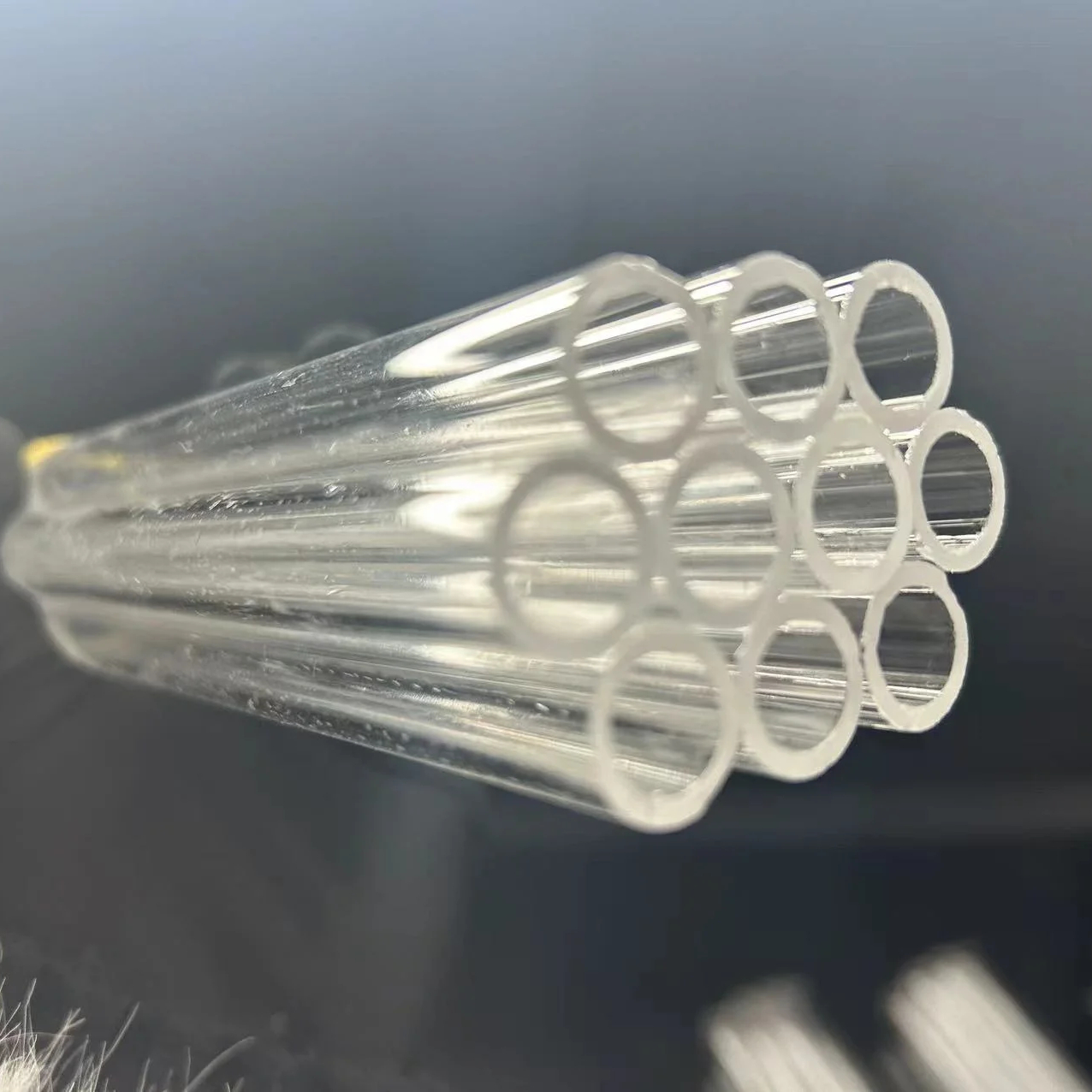
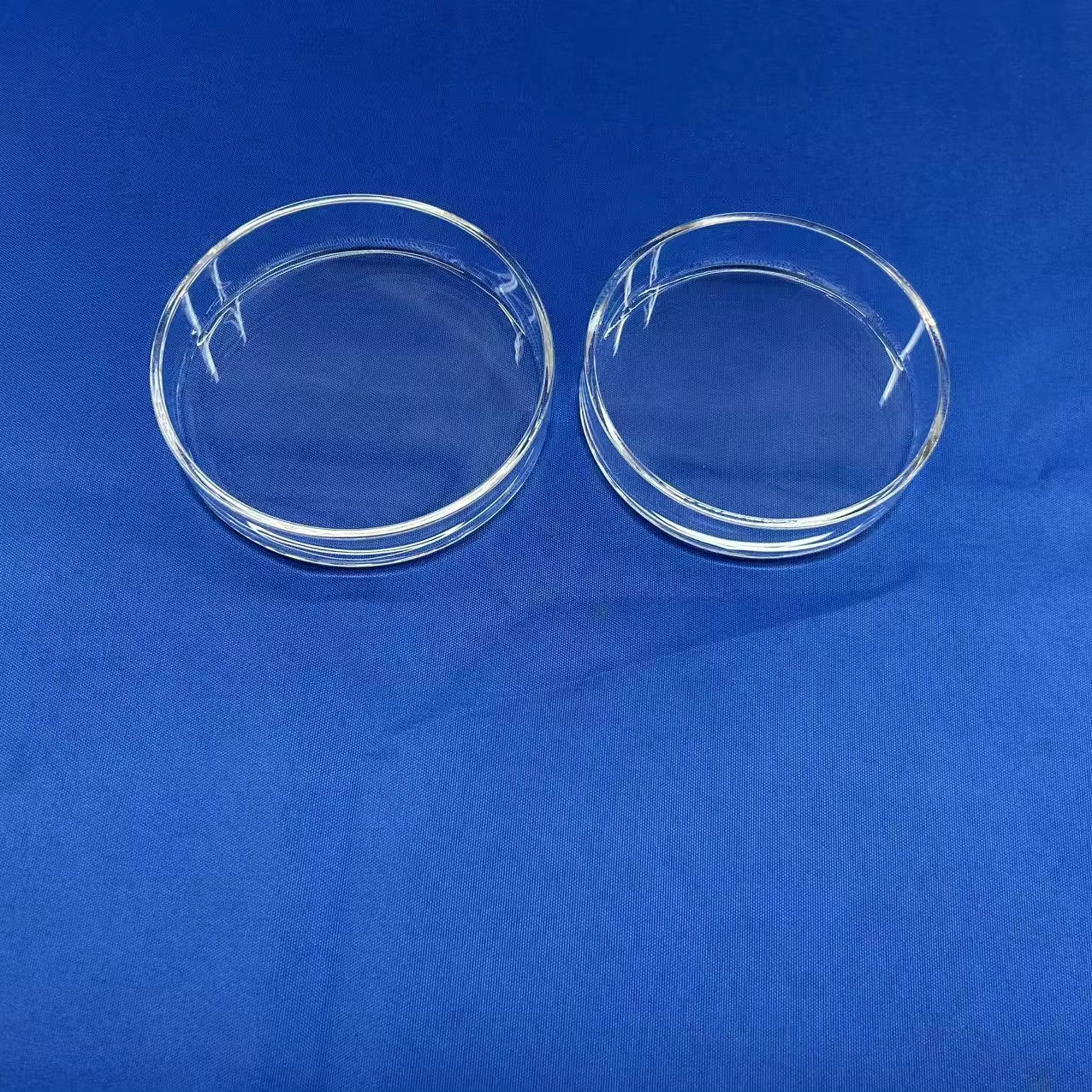
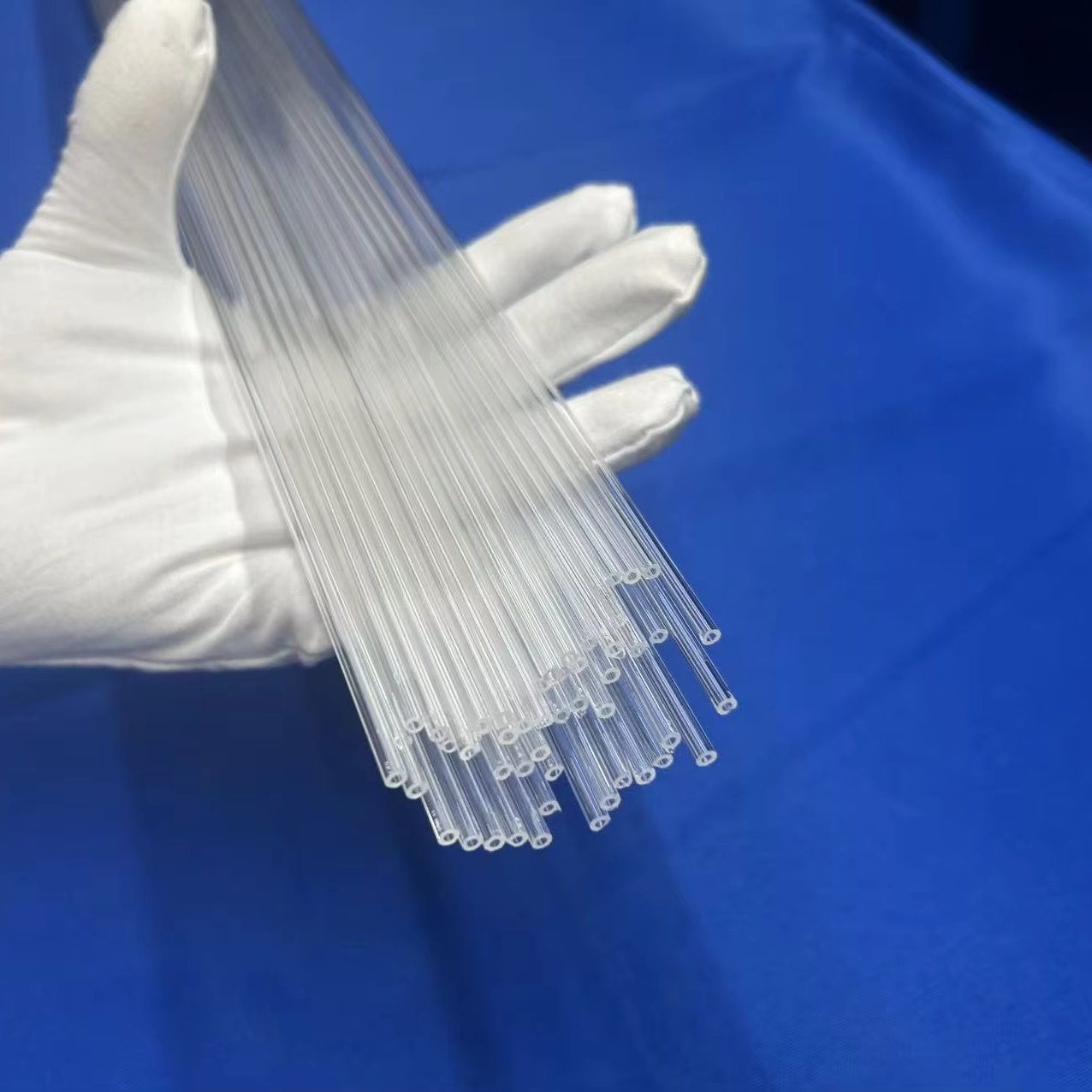
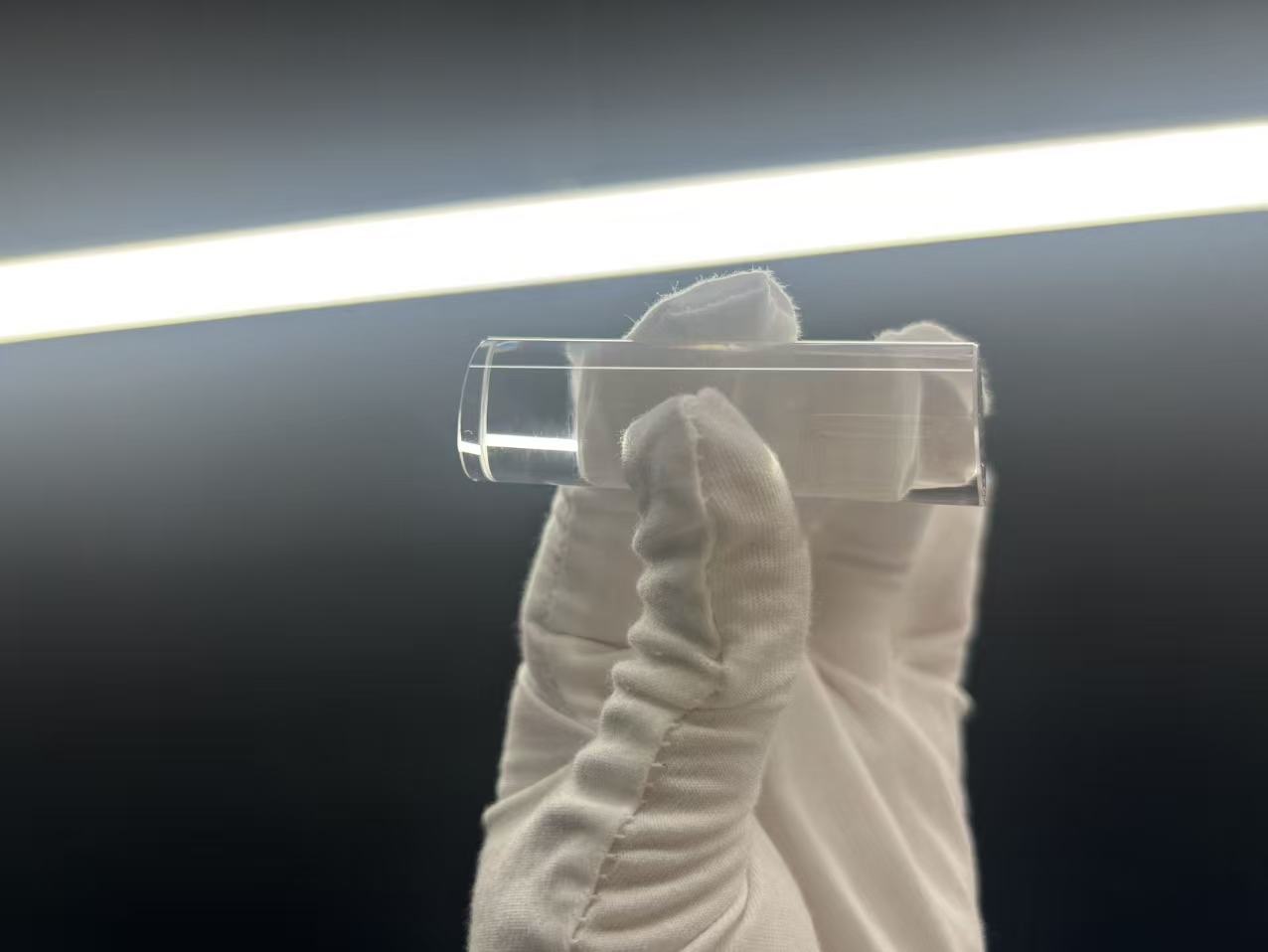
Capillary Quartz Tube High Precision Dimensional Tolerance
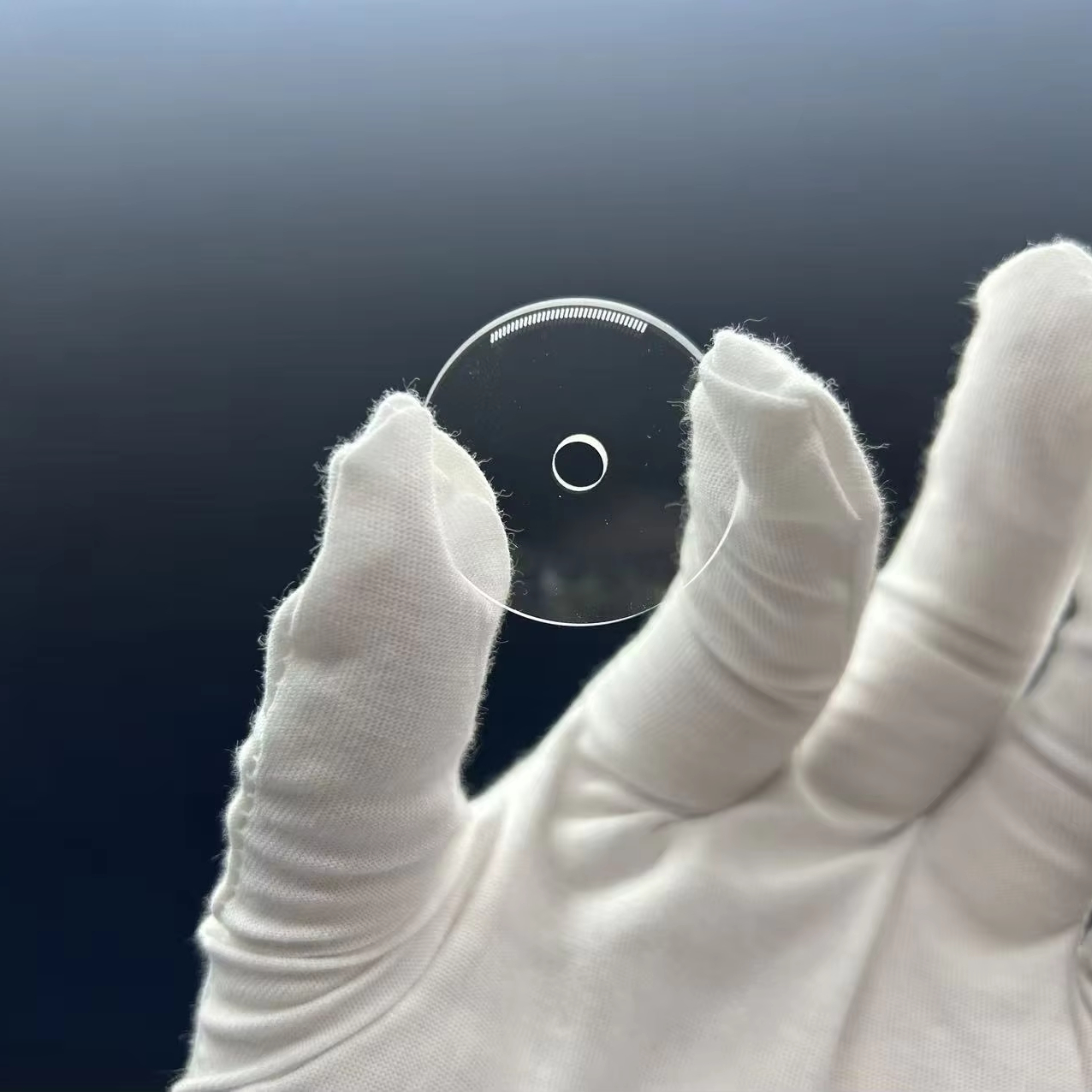
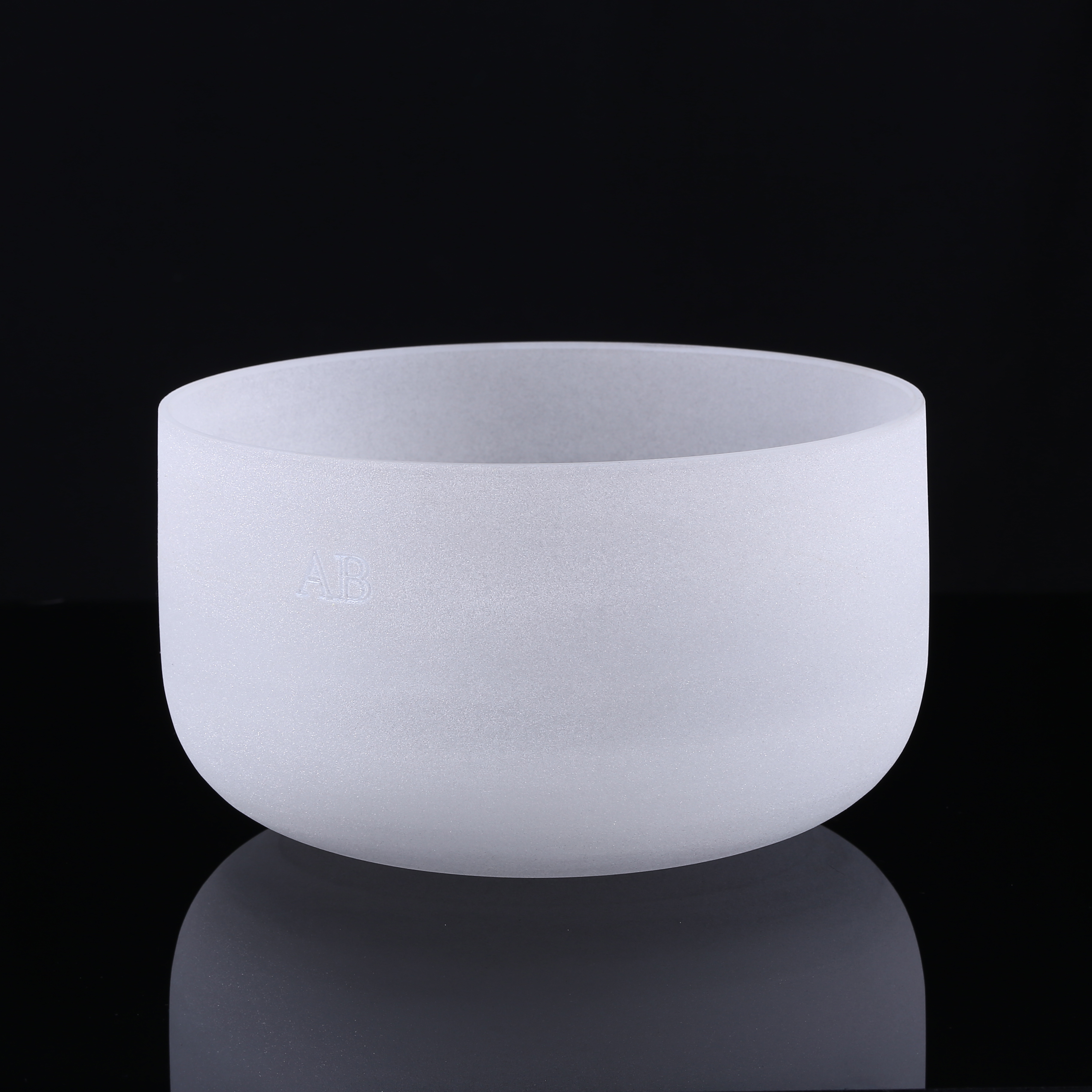
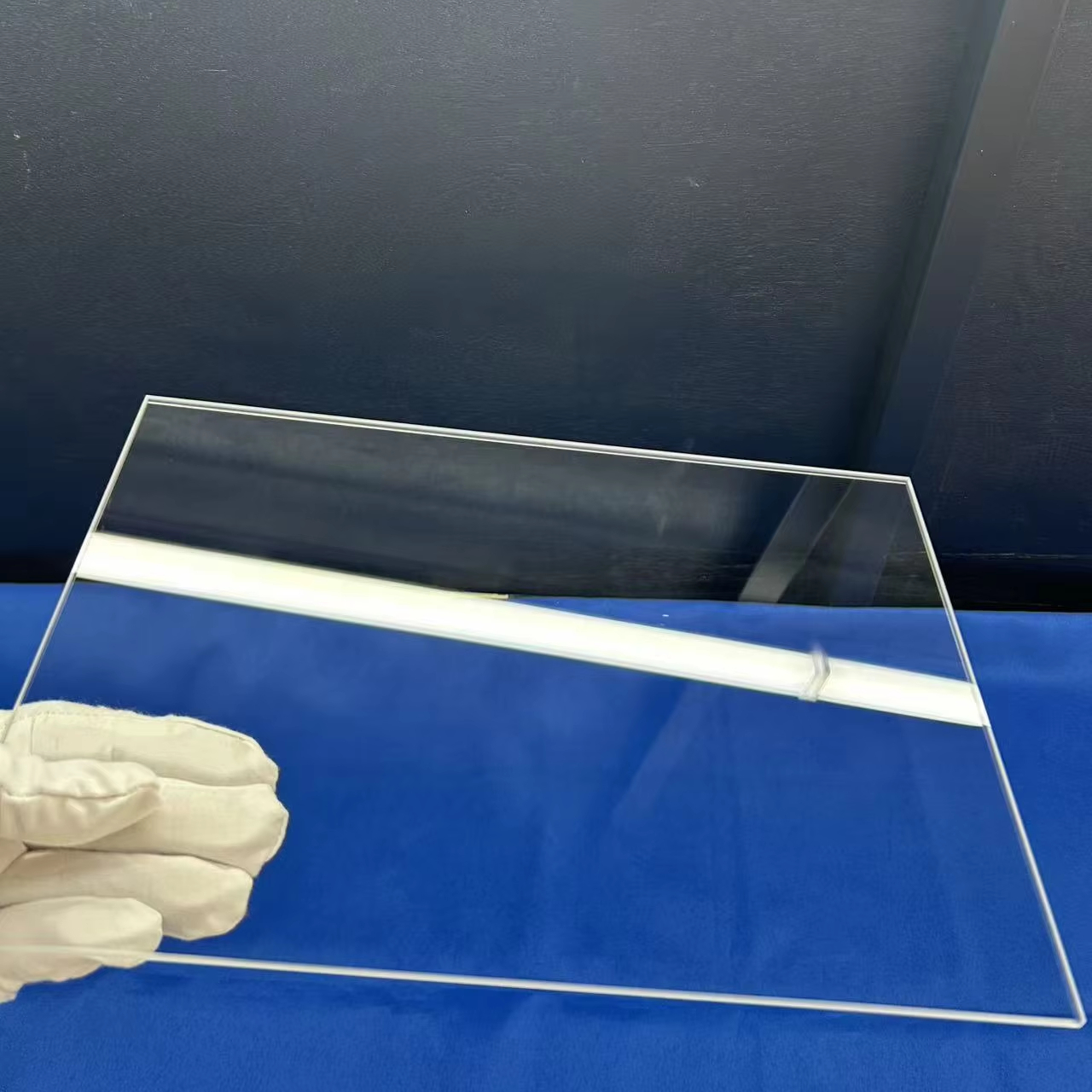
Frosted Quartz Sheet Sandblasted Thermal Diffuser Plate
Donghai County Manufacturing & Enterprise Strength
Direct factory production from Donghai County Nivra Quartz Products Co., Ltd. — Located in China's crystal and quartz capital, combining state-of-the-art thermal glass processing with strict global export compliance.
Raw Material Dominance
Situated in Donghai County, Jiangsu Province, we leverage premier global natural quartz crystal resources. Direct integration from high-purity silica sand processing to final tube drawing ensures competitive pricing without material compromise.
Advanced Flame & CNC Machining
Equipped with computerized precision glass lathes, ultrasonic drilling machines, laser optical cutters, and high-temperature flame welding apparatus capable of maintaining micro-level dimensional tolerances (down to ±0.01mm).
CE & RoHS Quality Verification
Every production batch undergoes strict quality control procedures, including stress annealing verification via polariscopes, spectrophotometer transmission grading, hydrostatic pressure tests, and CE safety certification checks.
Technical Whitepaper: CE Compliance & Fused Silica Pipe Engineering
An engineering analysis of thermomechanical, optical, and chemical characteristics defining high-performance quartz glass piping in critical processing environments.
In industrial process engineering, high-temperature fluid delivery, semiconductor wafer diffusion, and UV photochemical synthesis, selection of glass piping dictates system longevity, thermal efficiency, and yield integrity. CE Certified Quartz Glass Pipes represent the engineering benchmark for environments where standard borosilicate or soda-lime glass fails due to thermal shock, chemical degradation, or structural softening.
Understanding CE Certification Requirements for Industrial Quartz Piping
CE certification for industrial quartz glass components verifies compliance with European directives, including the Pressure Equipment Directive (PED 2014/68/EU) for pressurized quartz tubes and the Low Voltage Directive (LVD 2014/35/EU) for quartz sleeves used in heating and UV containment systems. Attaining CE certification requires stringent verification of rupture resistance, thermal stress distribution, dimensional uniformity, and trace contaminant non-leaching.
Fused silica quartz glass consists almost entirely of amorphous silicon dioxide (SiO2 purity ≥ 99.99%). The absence of network-modifying flux oxides (such as Na2O, K2O, or CaO found in conventional glass) yields an exceptionally tight three-dimensional atomic network. This molecular structure endows quartz pipes with four primary physical attributes:
- Near-Zero Thermal Expansion Coefficient: Operating at an extremely low coefficient of thermal expansion (α = 5.5 × 10⁻⁷ /°C from 20°C to 300°C), quartz glass pipes can withstand immediate thermal shocks of over 1000°C without mechanical fracture.
- High Thermal Resistance: Continuous thermal operating thresholds reach 1100°C, with short-term excursion limits exceeding 1450°C near the softening point (~1683°C).
- Broad-Spectrum Transmission: From deep ultraviolet (185 nm UV-C) across the visible spectrum into the mid-infrared wavelength band (3500 nm), customized optical quartz grades deliver optical clarity up to 92%.
- Chemical Inertness: Completely resistant to almost all acids (including nitric, sulfuric, and hydrochloric acids) even at elevated temperatures, attacked only by hydrofluoric acid (HF) and concentrated phosphoric acid above 150°C.
Material Property Matrix: Fused Quartz vs Optical Silica Grades
| Property Parameter | JGS1 (Synthetic Fused Silica) | JGS2 (Fused Quartz) | JGS3 (IR Grade Quartz) | Clear Industrial Quartz Pipe |
|---|---|---|---|---|
| Primary Application | Deep-UV Optics, Laser Windows | UV-Vis Windows, Sight Glasses | Infrared Optics, Thermal Sensors | Semiconductor, Furnace Tubes |
| SiO2 Purity Level | ≥ 99.9999% | ≥ 99.99% | ≥ 99.99% | ≥ 99.95% - 99.99% |
| Hydroxyl (OH-) Content | < 5 ppm (High OH) | < 300 ppm | < 5 ppm (Low OH) | < 150 - 200 ppm |
| Spectral Transmission Range | 185 nm - 2500 nm | 220 nm - 2500 nm | 260 nm - 3500 nm | 200 nm - 2500 nm |
| Continuous Max Temp | 1050 °C | 1100 °C | 1100 °C | 1150 °C |
| Refractive Index (nD) | 1.4585 | 1.4585 | 1.4585 | 1.4580 |
Product Development & Strategic Procurement Trends (2025–2030)
Market intelligence for B2B procurement managers, technical directors, and OEM supply chain leaders navigating technological shifts in high-purity glass fabrication.
1. Semiconductor Node Scaling & Synthetic Quartz Migration
As semiconductor fabrication transitions toward advanced sub-3nm nodes and 3D NAND architectures, trace metal impurities in process quartzware must be restricted to sub-parts-per-billion (ppb) levels. Future procurement is shifting heavily toward synthetic fused silica pipes to eliminate micro-devitrification and alkali metal leaching during atomic layer deposition (ALD) and plasma etching.
2. Solar PV N-Type TOPCon & HJT Expansion
The photovoltaic industry's rapid change to N-Type TOPCon and Heterojunction (HJT) cell manufacturing requires extra-large diameter quartz diffusion pipes (OD > 520mm) with increased wall thickness uniformity. Suppliers capable of flanging, slotting, and flame polishing massive quartz cylinders with precise straightness tolerances are securing long-term OEM contracts.
3. Ultra-Precision Micro-Machining & Laser Processing
Traditional manual torch manipulation is giving way to multi-axis CNC laser cutting, ultrasonic micro-drilling, and automated flame annealing systems. Buyers now expect precision tolerances (±0.005mm for capillary tubes) and surface roughness values (Ra < 0.2 nm) for integrated optical sensing, microfluidics, and lab-on-a-chip equipment.
Strategic Supply Chain Procurement Takeaways for B2B Buyers
Global buyers are actively diversifying procurement risks by partnering directly with integrated manufacturing hubs in Donghai County rather than intermediary trading agencies. Key strategic shifts include:
- Consolidation of Custom OEM Specifications: Contracting factories capable of providing end-to-end processing — from raw quartz tube extrusion to secondary flange welding, grinding, and cleanroom vacuum packaging.
- Focus on Total Cost of Ownership (TCO): Evaluating quartz supplier value based on extended furnace tube operating life and reduced devitrification rates rather than initial unit price alone.
- Supply Chain Transparency & Rapid Prototyping: Demanding rapid sample lead times (3–5 business days for CAD-customized drawings) alongside certified material inspection reports (COA).
Frequently Asked Questions (FAQ) for B2B Buyers
Direct technical answers regarding procurement, thermal performance, custom machining, certification, and shipping safety.
What distinguishes CE Certified quartz glass pipes from uncertified standard quartz tubing?
What continuous and peak thermal temperatures can clear fused quartz pipes withstand?
How do I select between JGS1, JGS2, and JGS3 quartz material for my application?
Can Donghai County Nivra Quartz manufacture custom quartz parts according to engineering CAD drawings?
What are the minimum order quantities (MOQ) and production lead times for custom quartz parts?
How is fragile quartz glass protected during international transit?
What chemical solutions affect quartz glass piping, and how should it be cleaned?
Request Full CE Certified Quartz Catalog & Wholesale OEM Pricing
Contact Donghai County Nivra Quartz Products Co., Ltd. today. Share your CAD drawings, material requirements, or project specifications. Our engineering team responds within 5 hours with technical feedback and factory-direct quotations.