Certified Fused Silica & Quartz Components
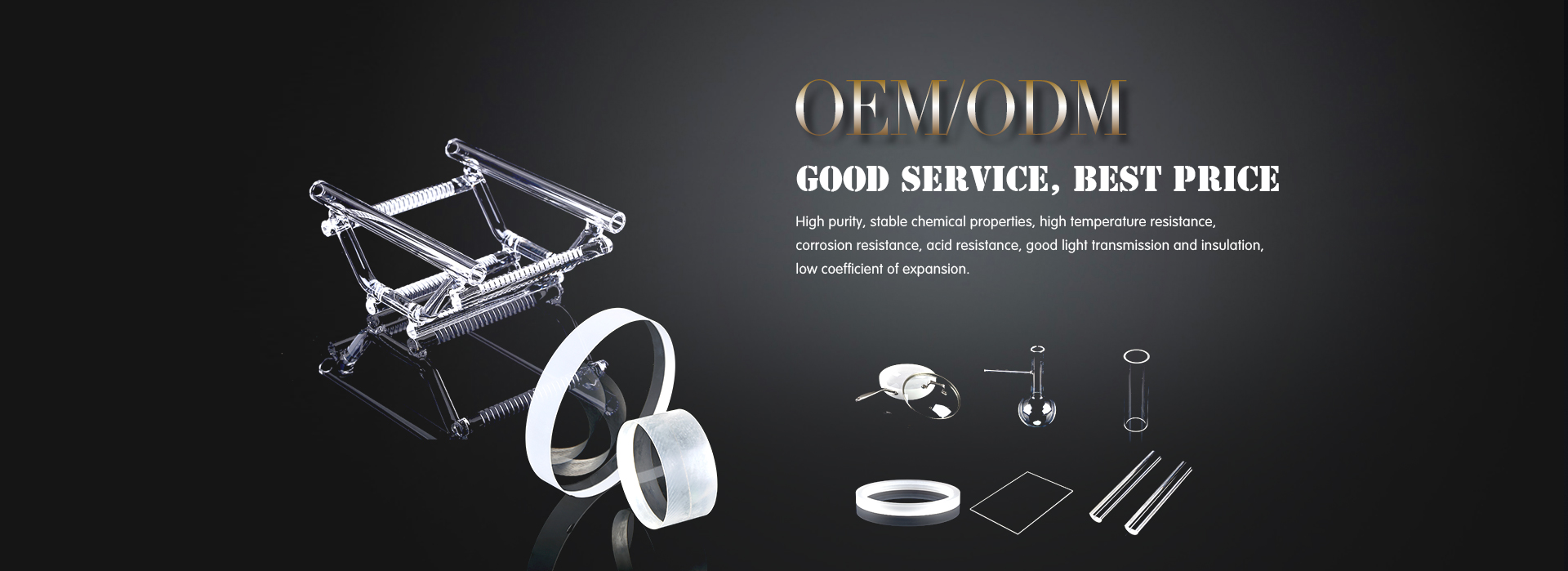
Manufactured in Donghai County Nivra Quartz facilities to strict dimensional tolerances (±0.02 mm), zero-bubble inclusion standards (DIN 58927), and complete European Conformity directives.
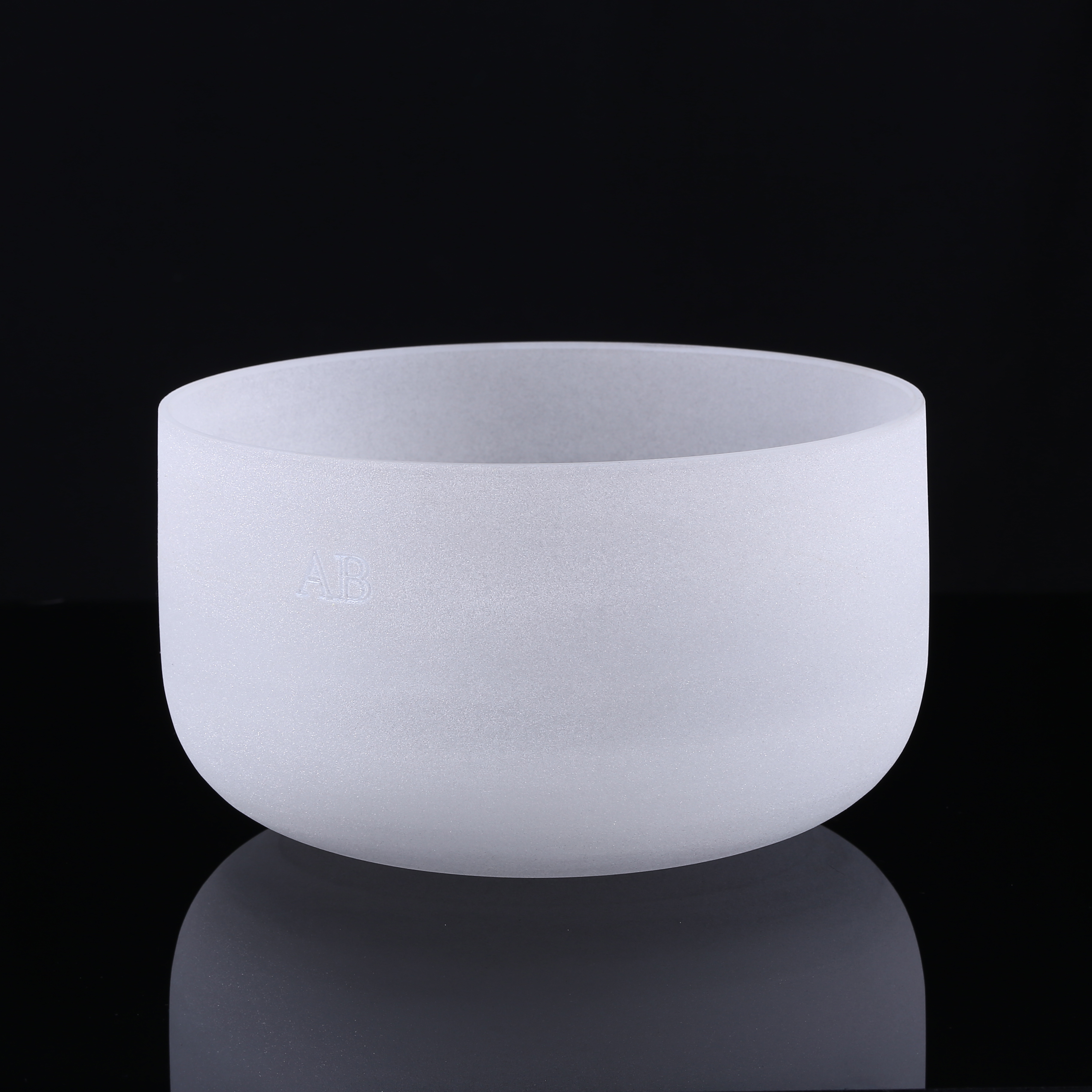
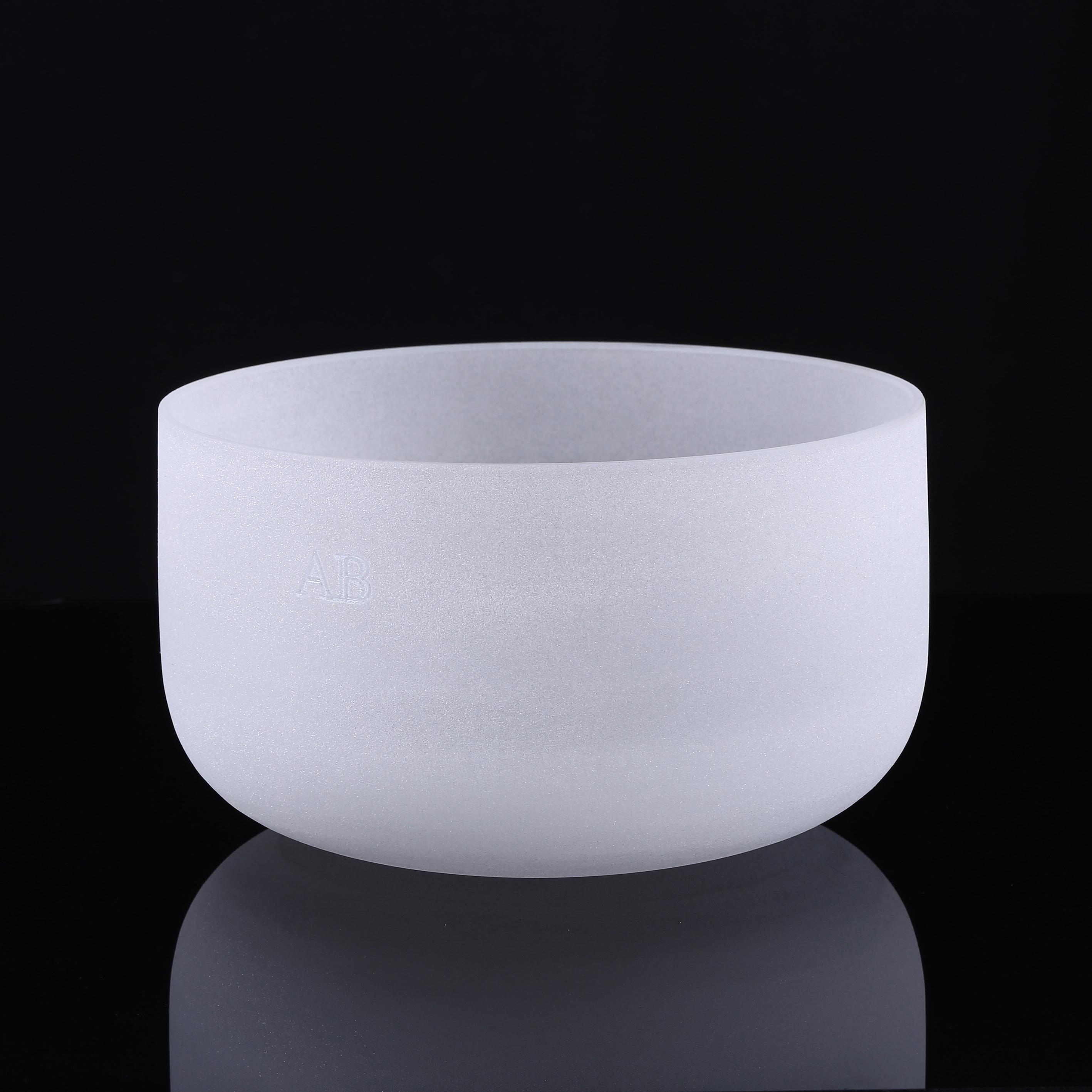
High Temperature Fused Silica Quartz Crucible
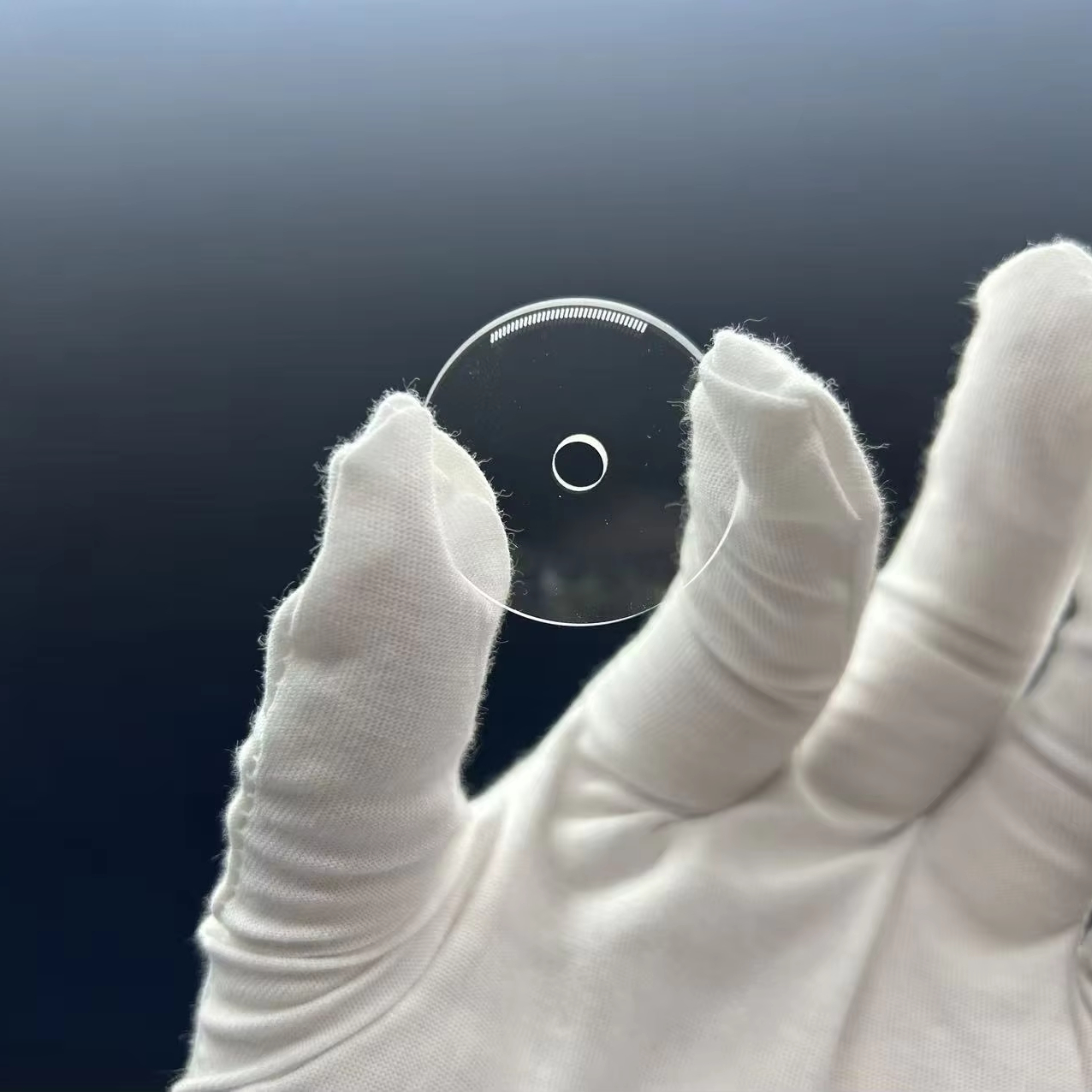
Frosted Quartz Sheet
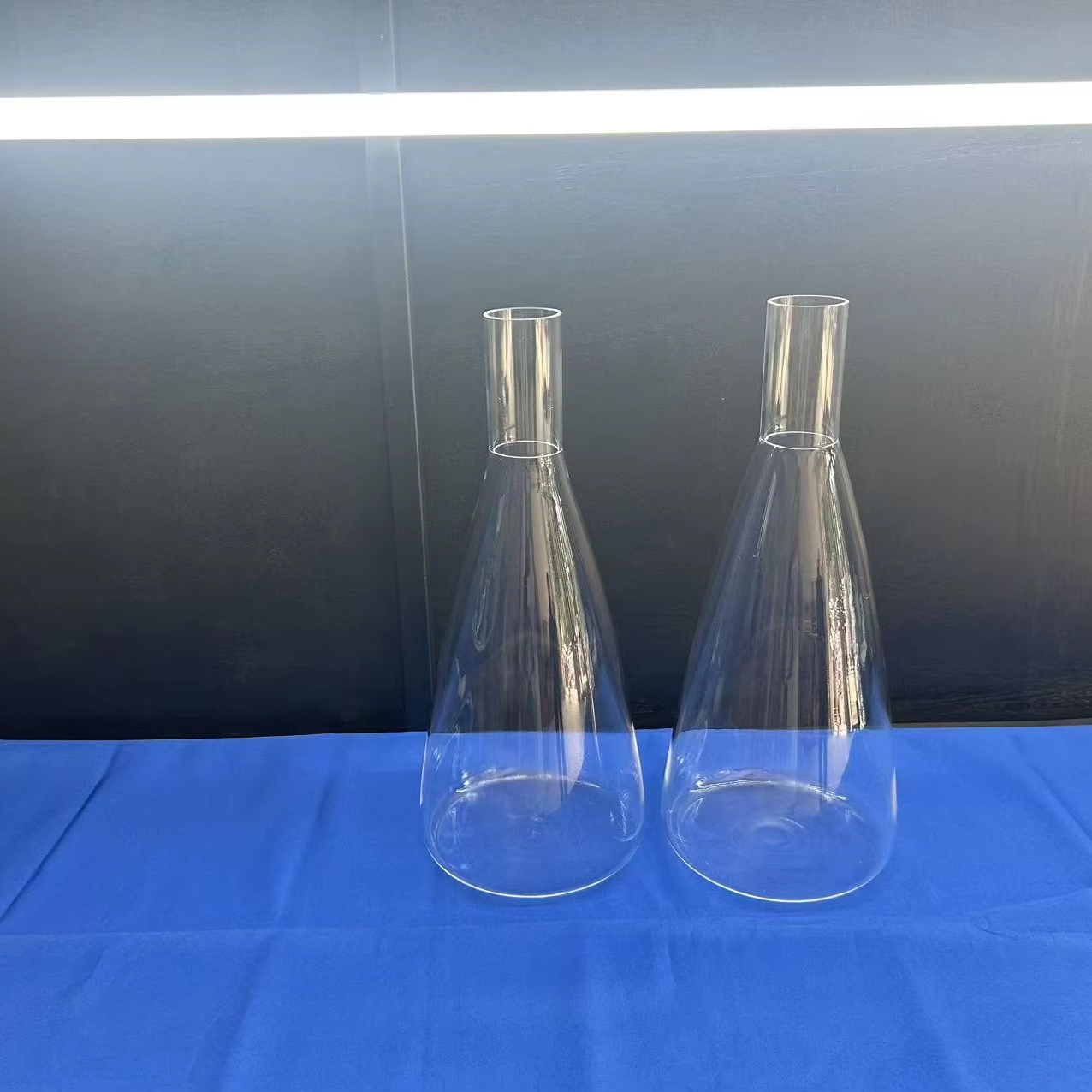
Laboratory Fused Silica Quartz Glass Flask
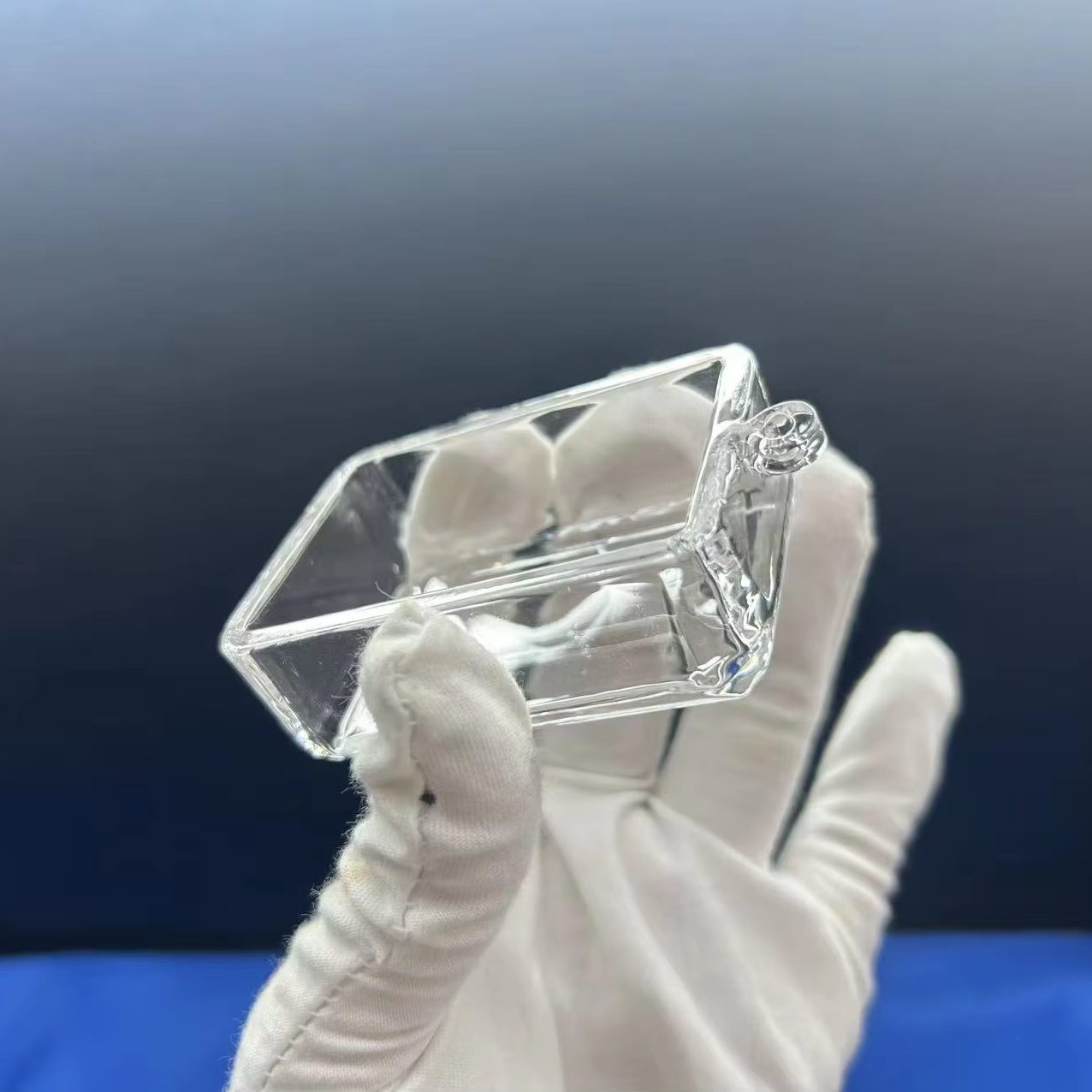
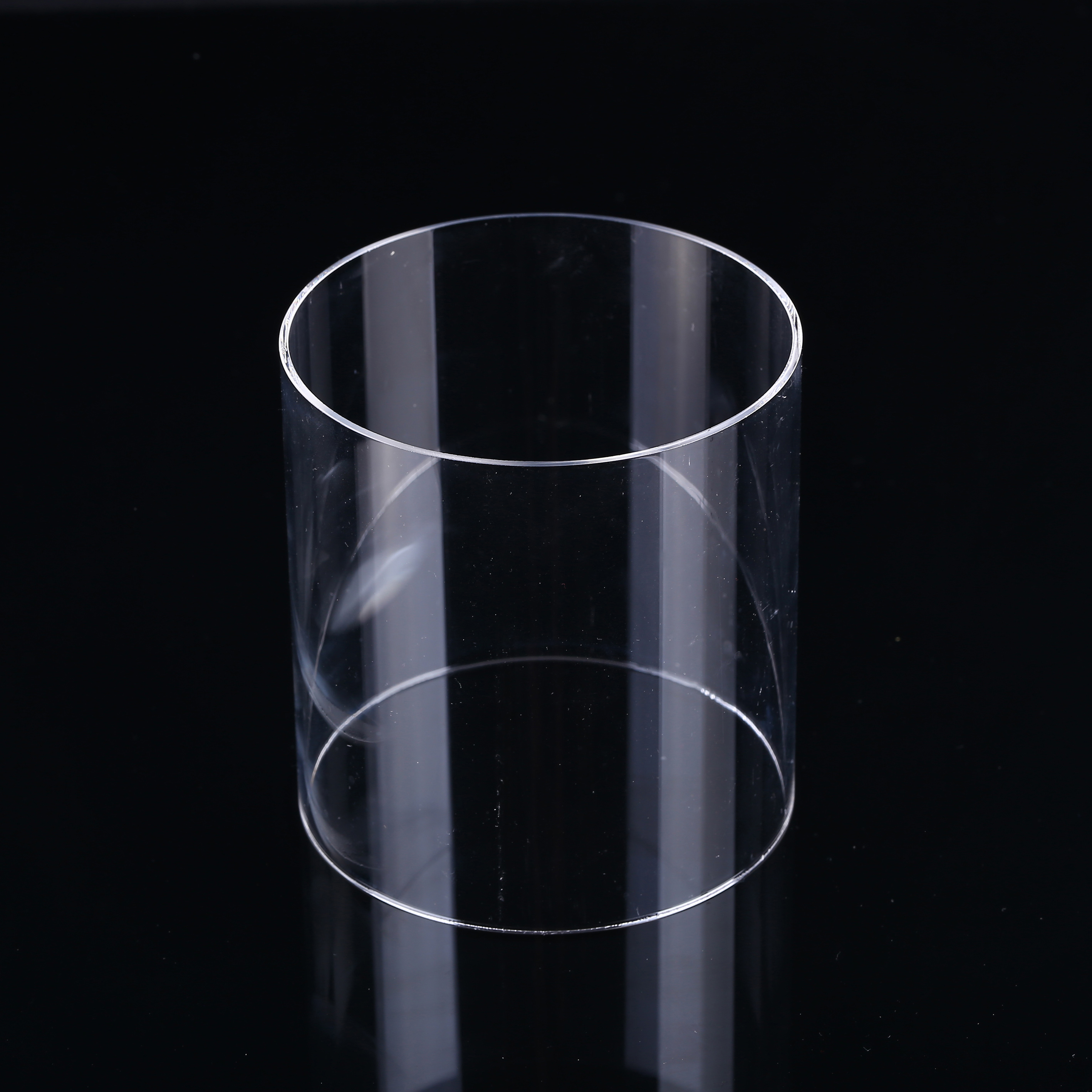
Quartz Tank
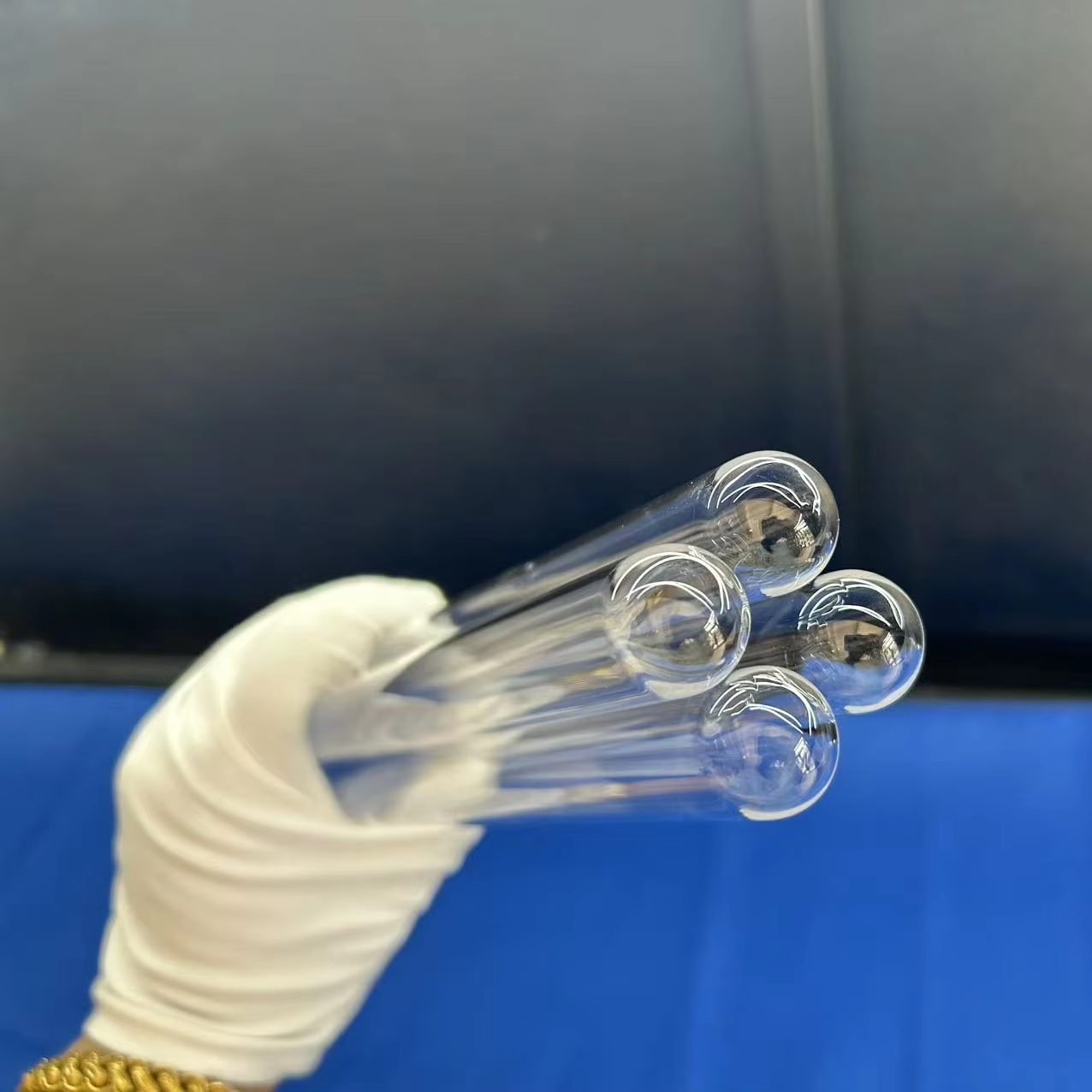
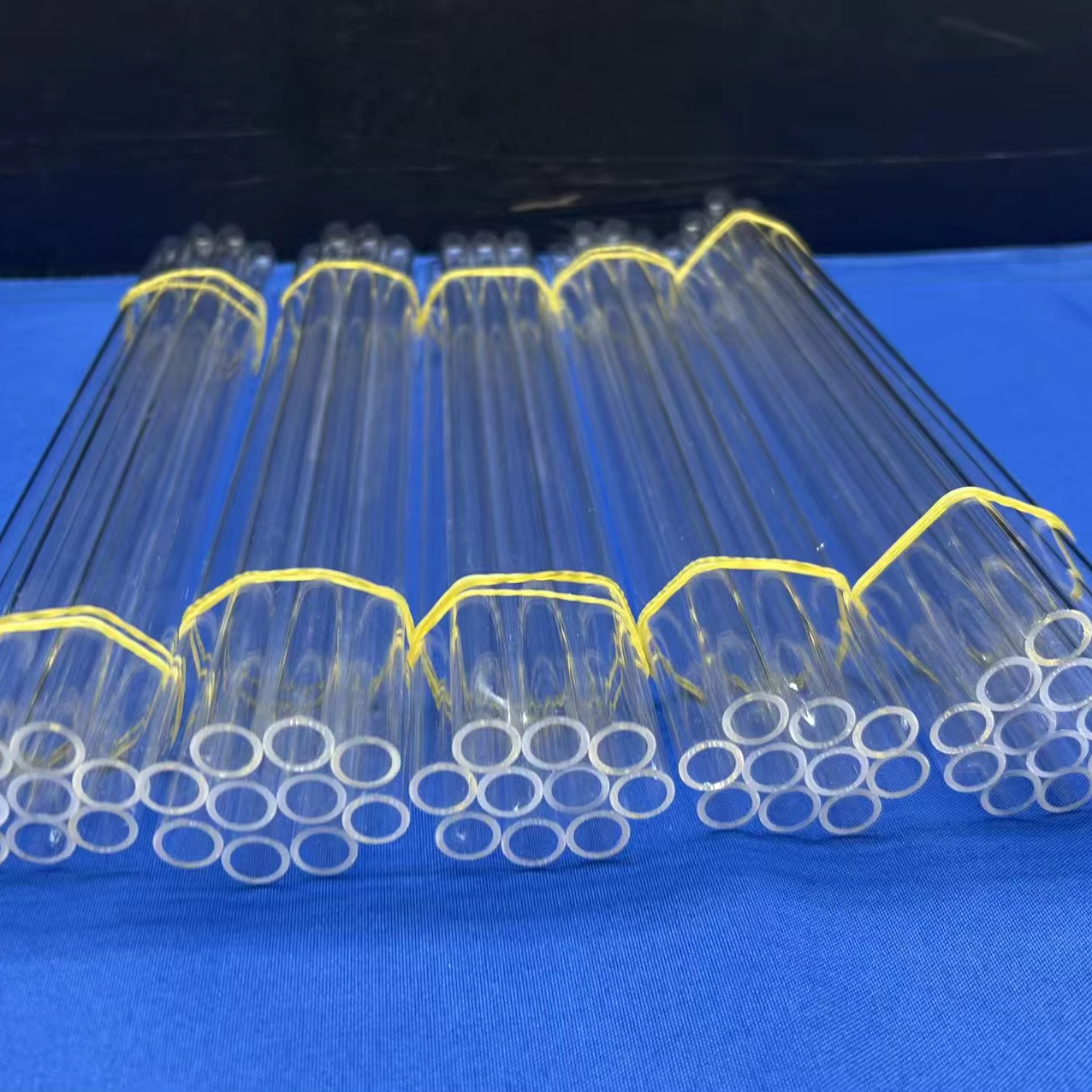
Quartz test Tube
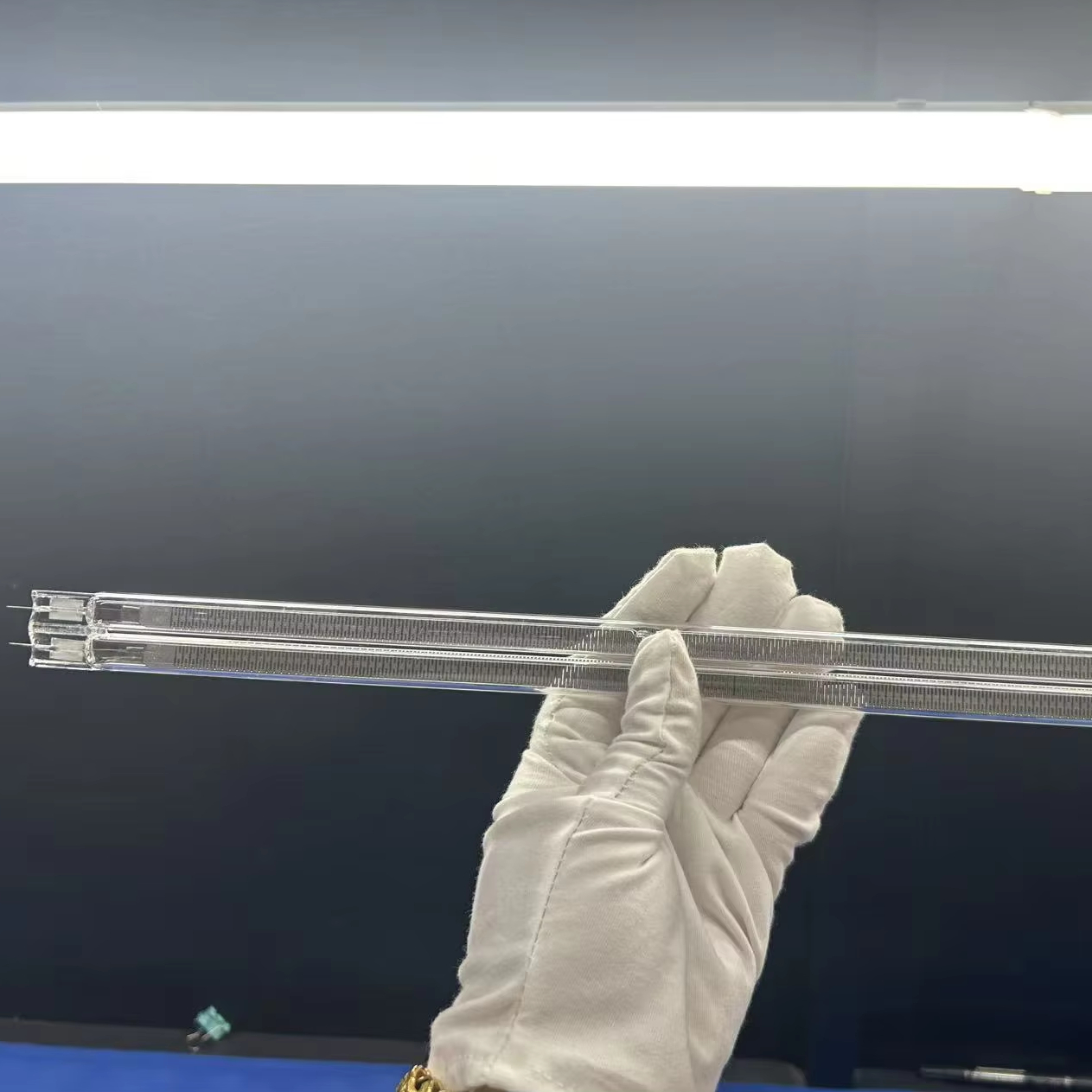
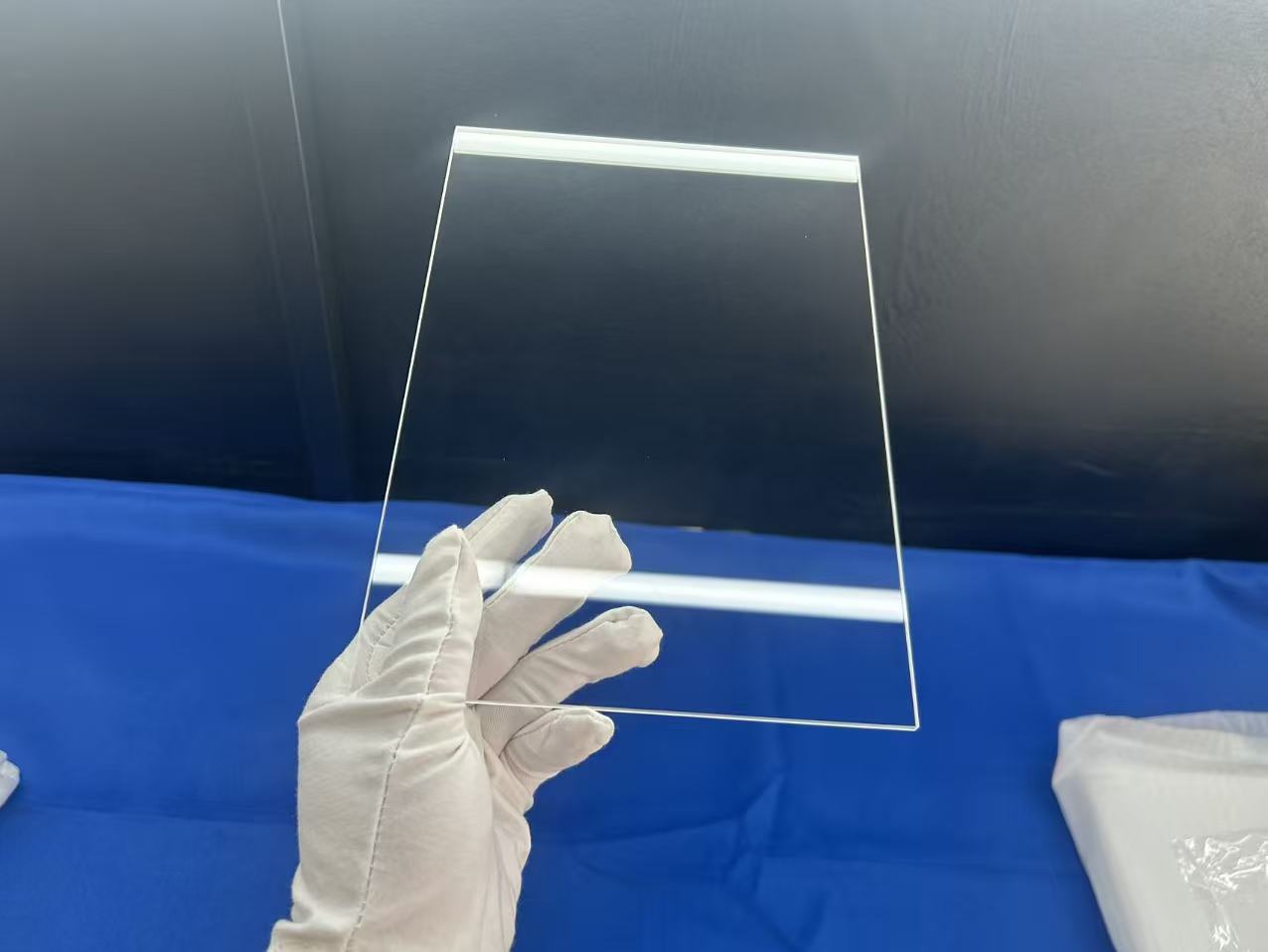
The Engineering Fundamentals of CE Certified Fused Silica Rods
In high-precision optical, semiconductor wafer handling, and thermal processing industries, the performance of transparent cylindrical rods hinges entirely on crystalline purity, hydroxyl radical control, and structural integrity under cyclic thermal fatigue. Fused silica (amorphous silicon dioxide, SiO₂) stands out from conventional borosilicate or soda-lime glass due to its ultra-low coefficient of thermal expansion (α ≈ 5.5 × 10⁻⁷ /°C between 20°C and 320°C), extreme chemical inertness against concentrated mineral acids (with the exception of hydrofluoric and hot phosphoric acid), and wide-spectrum light transmittance spanning deep ultraviolet (DUV 185 nm) to near-infrared (NIR 3500 nm).
Material Classification: JGS1 vs. JGS2 vs. JGS3 Fused Silica Rods
Engineering procurement teams must distinguish between synthetic chemical vapor deposition (CVD) silica and electrically fused natural quartz rods. Selecting an improper grade introduces absorption bands (such as the 2.73 μm fundamental OH vibration band) or premature devitrification into cristobalite under continuous operational temperatures exceeding 1100°C.
| Classification | Raw Material Precursor | Spectral Bandwidth | Typical OH Content | Primary Industrial Application |
|---|---|---|---|---|
| JGS1 (Synthetic Silica) | High-purity SiCl₄ gas synthesis | 185 nm – 2500 nm (Deep UV) | > 1200 ppm (UV grade) / ≤ 5 ppm (Laser grade) | Excimer laser delivery, DUV lithography lightguides, semiconductor inspection |
| JGS2 (Fused Natural Quartz) | Refined natural pegmatite crystals | 220 nm – 2500 nm (UV-Vis) | 30 – 150 ppm | Optical sight glass rods, UV lamp jackets, thermocouple protective sleeves |
| JGS3 (Infrared Fused Silica) | Vacuum electric-arc fused silica | 260 nm – 3500 nm (Full IR) | < 5 ppm (Water-free) | CO₂ laser beam transmission, high-temperature thermal sensor rods, IR emitters |
| Semiconductor Clear Rod | Ultra-low metal natural quartz | Broadband Commercial | ≈ 20 – 40 ppm | Wafer furnace boats, carrier push rods, quartz chamber structural crossbars |
Thermodynamic Kinetics & Devitrification Dynamics
At elevated service temperatures, amorphous fused silica undergoes phase transformation into crystalline cristobalite. This devitrification typically initiates on outer surfaces contaminated by alkali metals (Na⁺, K⁺, Li⁺) or alkaline-earth elements (Ca²⁺, Mg²⁺). At Nivra Quartz processing facilities in Donghai County, every fused silica rod undergoes HF acid pickling followed by high-temperature flame annealing (1150°C – 1200°C) in a cleanroom atmosphere. This relieves residual draw strain (≤ 5 nm/cm birefringence) and establishes an ultra-clean, dense silica boundary layer that shifts the onset of devitrification upward by over 120°C compared to standard commercial quartz.
Future Procurement Trends in Industrial Fused Silica
Strategic shifts in semiconductor nodes, high-energy laser transmission, and global supply chain compliance shaping B2B sourcing decisions from 2025 to 2030.
Sub-Nanometer Surface Roughness
With EUV lithography and 2nm semiconductor fabrication ramping up, fused silica waveguiding rods require super-polished end faces with roughness values of Ra ≤ 0.2 nm, mitigating wavefront scattering and light energy dissipation in multi-kW laser systems.
Trace Hydroxyl (OH) Tailoring
Procurement engineers are transitioning away from generic "optical quartz" specifications toward exact ppm OH level contracts. Water-free (< 2 ppm) rods are strictly demanded for mid-IR sensor windows, while high-OH (> 1000 ppm) rods are selected to prevent solarization under UV-C disinfection.
Total Trace Metal Purity Auditing
Western OEM semiconductor equipment builders now mandate ICP-MS (Inductively Coupled Plasma Mass Spectrometry) verification sheets with each batch. Total elemental impurities (Fe, Al, Ti, Cu, Cr) must be constrained below 15 ppm for natural quartz and below 0.1 ppm for synthetic CVD quartz.
Continuous Draw Automation
Traditional manual flame drawing is rapidly being supplanted by continuous vertical furnace draw towers equipped with dual-axis laser micrometer feedback, achieving diameter concentricity within ±0.01 mm over 2000 mm rod lengths without spiral twist defects.
Consolidated BOM Supply Chains
Rather than splitting orders across rod pullers, CNC machining centers, and optical polishing houses, tier-1 procurement managers are centralizing custom rods, quartz crucibles, diffusion tubes, and flanges with single integrated Donghai manufacturers like Nivra Quartz.
Strict Regulatory Traceability
CE mark conformity, coupled with full raw-material mill test certificates (MTC) and non-conflict mineral documentation, has transitioned from an optional buyer preference to a mandatory customs clearance barrier across European and North American borders.
Engineering Benchmark: Fused Silica vs. Alternative Industrial Rod Materials
Engineers evaluating candidate materials for high-temperature furnace sight ports, electrical standoff insulators, and laser collimating rods must assess physical, optical, and mechanical thresholds:
| Physical Property / Parameter | CE Fused Silica Rod (Nivra) | Borosilicate 3.3 Rod | Optical Sapphire (Al₂O₃) Rod | Alumina Ceramic (Al₂O₃ 99.7%) |
|---|---|---|---|---|
| Chemical Formula | Amorphous SiO₂ | SiO₂ / B₂O₃ / Na₂O | Single Crystal Al₂O₃ | Polycrystalline Ceramic |
| Continuous Service Temp | 1100 °C – 1150 °C | 450 °C | 1600 °C – 1800 °C | 1600 °C |
| Max Short-Term Temperature | 1450 °C | 500 °C | 2000 °C | 1750 °C |
| Thermal Shock Resistance (ΔT) | > 1000 °C (Red hot water quench) | ≈ 150 °C | ≈ 100 °C – 150 °C | ≈ 200 °C |
| Thermal Expansion (20–300°C) | 5.5 × 10⁻⁷ K⁻¹ | 33 × 10⁻⁷ K⁻¹ | 53 × 10⁻⁷ K⁻¹ | 75 × 10⁻⁷ K⁻¹ |
| Optical Transparency Range | 185 nm – 3500 nm | 320 nm – 2500 nm | 190 nm – 5000 nm | Opaque / Non-transmitting |
| Dielectric Strength (20°C) | 25 – 40 kV/mm | 10 – 15 kV/mm | 48 kV/mm | 15 – 20 kV/mm |
| Machining Flexibility & Cost | High Precision / Moderate Cost | Economical / Thermal Limits | Extremely Expensive / Hard | Difficult to Machine / Diamond Tool |
Donghai County Nivra Quartz Processing Excellence
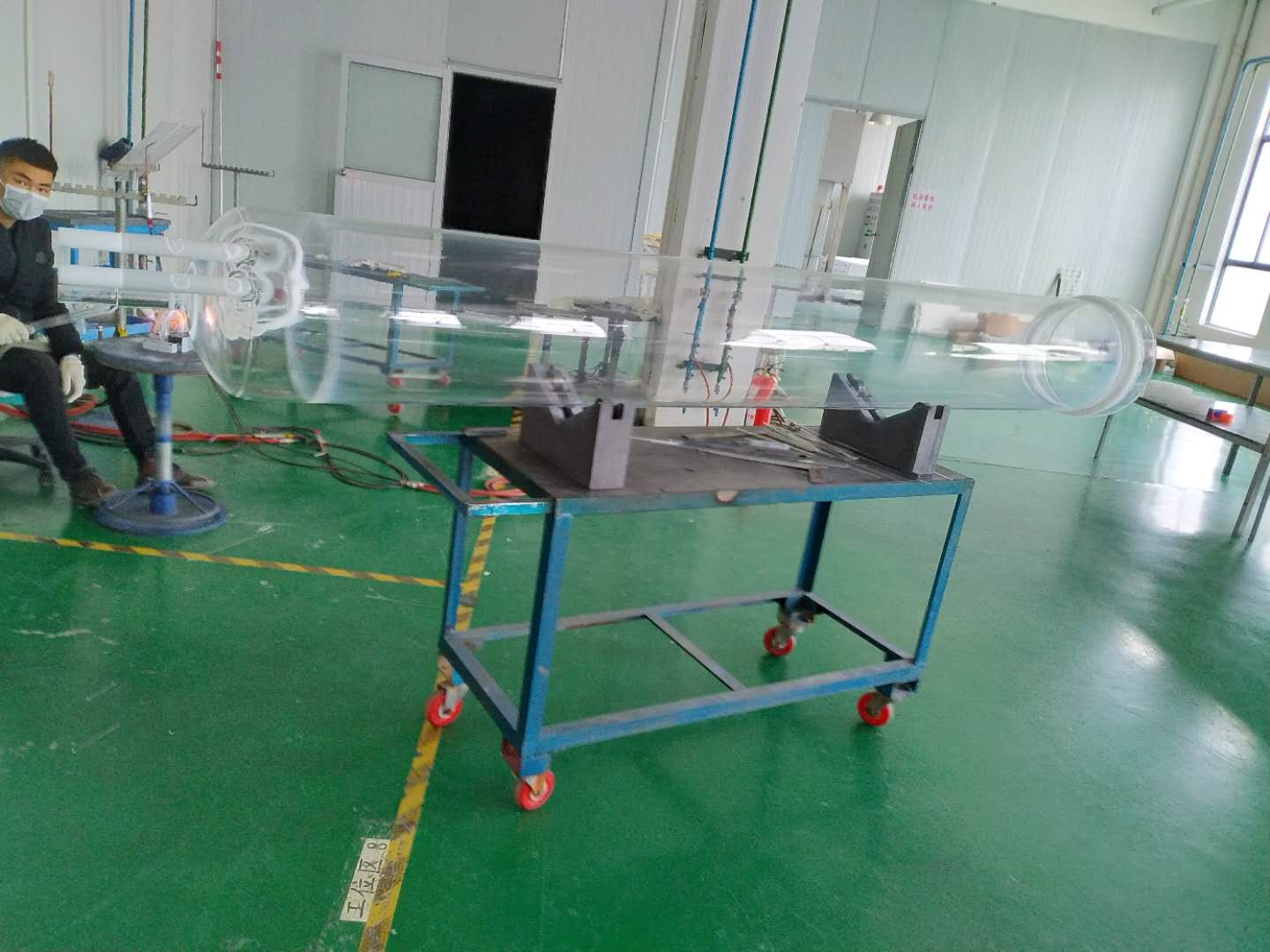
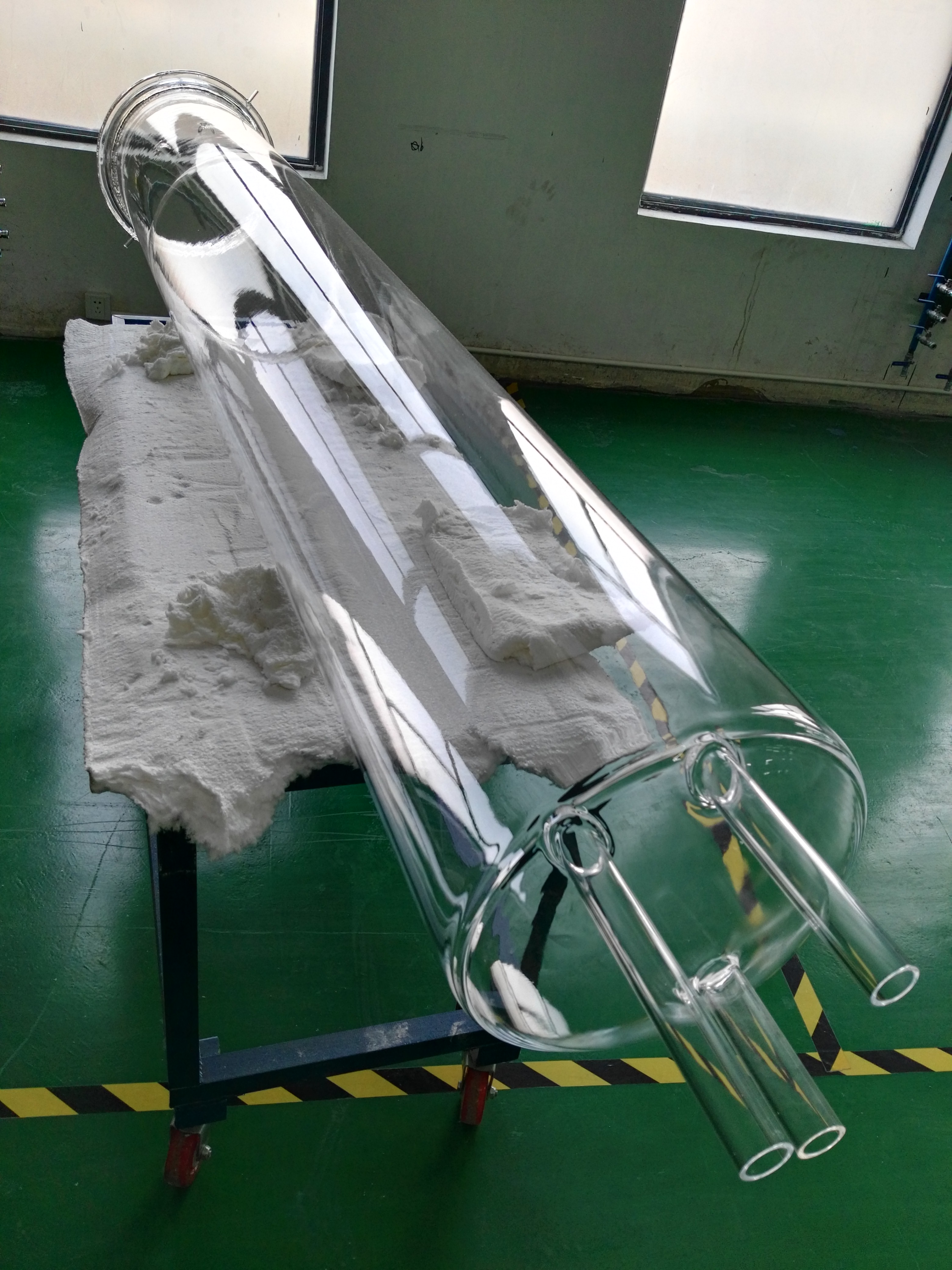
Founded in February 2019 in Donghai County, Lianyungang, Jiangsu — the globally recognized crystal and quartz capital of China — Nivra Quartz operates an integrated manufacturing and export facility spanning cutting, precision grinding, CNC fire-polishing, cleanroom inspection, and CE validation.

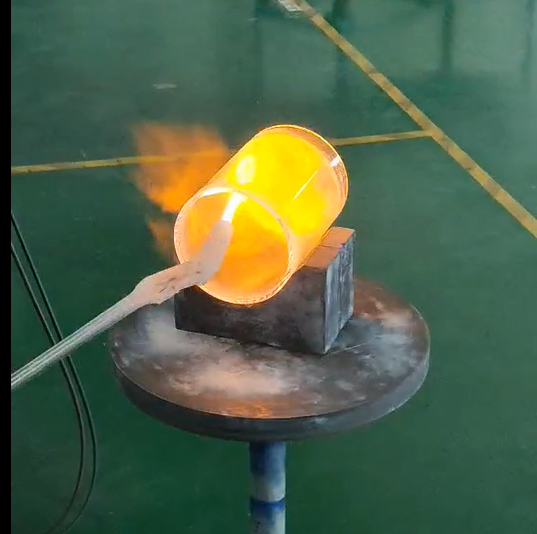
Precision Drawing & Flame Forming
Vertical drawing towers equipped with hydrogen-oxygen micro-torches producing rods from Ø1.0 mm up to Ø150 mm with tight roundness controls.
CNC Grinding & Lathe Turning
Multi-axis ultrasonic CNC centers capable of grooving, beveling, step-down tapering, and threading quartz rods for semiconductor wafer transport fixtures.
Polariscope Stress & Clarity Metrology
100% inspection under cross-polarizers to verify stress birefringence (≤ 5 nm/cm) and zero optical inclusions before Class 10,000 cleanroom vacuum packaging.
Export Ready Logistics Packaging
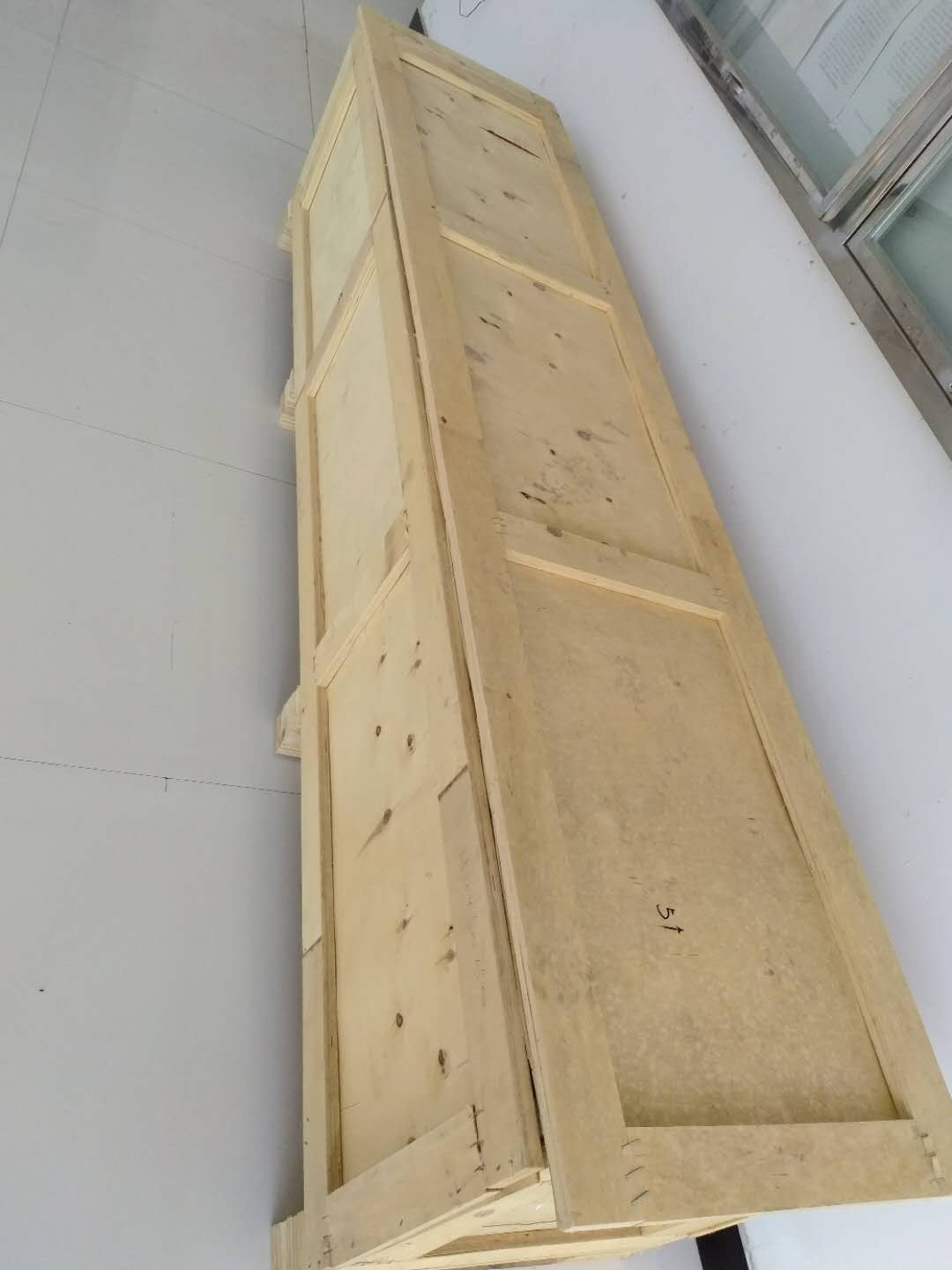
Over 40% of shipments bound for North America and 34% across Western and Eastern Europe with zero-breakage custom suspended foam wooden boxing.
Official Verification & Certification Credentials
Nivra Quartz is an on-site verified production facility by third-party inspection agencies and Alibaba.com. Business licenses, material certificates of analysis, and CE declarations of conformity are openly supplied to procurement auditors.
Frequently Asked Technical & Sourcing Questions
Key engineering answers regarding optical tolerances, thermal shock handling, CE compliance, and international shipping protocols for fused silica and quartz rods.
What specific CE standards apply to industrial fused silica rods?
CE compliance for fused silica rods depends on their assembly integration. Raw optical rods fall under RoHS Directive (2011/65/EU) and REACH (EC 1907/2006) for chemical safety and heavy metal exclusion. When incorporated into laser waveguides, heating apparatus, or pressure sight glasses, they comply with EN 61010-1 (safety requirements for laboratory and electrical equipment) and the European Pressure Equipment Directive (PED 2014/68/EU), ensuring structural stability under positive chamber pressures.
How does Nivra Quartz prevent bubble inclusions in large-diameter rods?
Large rods (Ø50 mm to Ø150 mm) are drawn from vacuum electric-arc consolidated silica ingots. We classify optical and semiconductor grade rods according to DIN 58927 bubble classification standards. For critical laser and optical windows, we guarantee Bubble Class 0 or 1, meaning total cross-sectional bubble area does not exceed 0.03 mm² per 100 cm³ of glass, preventing laser beam self-focusing and catastrophic optical breakdown.
What is the standard manufacturing tolerance on drawn vs. ground rods?
Standard hot-drawn quartz rods have outer diameter tolerances of ±0.1 mm to ±0.3 mm depending on gauge. For precision photonics or semiconductor guide applications, Nivra Quartz conducts secondary centerless diamond grinding and chemical-mechanical polishing (CMP), bringing diameter tolerances down to ±0.01 mm, circular runout below 0.02 mm, and end-face flatness to λ/4 at 632.8 nm.
Can fused silica rods withstand immediate thermal quench from 1000°C?
Yes. Due to the ultra-low linear thermal expansion coefficient of fused silica (α = 5.5 × 10⁻⁷ /°C), a clear rod heated to 1100°C can be plunged directly into ice-cold 20°C water without shattering or fracturing. This remarkable thermal shock resistance makes fused silica the premier material for furnace pushers, molten metal sampling rods, and pyrometry viewports.
What is the Minimum Order Quantity (MOQ) and sample lead time?
Standard inventory rod diameters (from Ø2 mm to Ø30 mm) have an MOQ of 1 to 5 pieces for prototyping and research laboratories. Custom diameters, stepped geometries, or precision optical waveguiding rods generally carry an MOQ of 10 to 50 pieces. First-article pilot samples are fabricated and dispatched within 5 to 7 working days, accompanied by dimensional inspection sheets.
How are long, slender fused silica rods protected against international transit breakage?
Quartz rods are brittle and sensitive to flexural bending moments. Nivra Quartz wraps each rod in anti-scratch pearl cotton sleeves, packs bundles inside rigid PVC or composite tubes, and nests them into multi-layered high-density EPE foam cavities within fumigation-free solid timber export crates. Over 99.6% of transatlantic and transpacific consignments arrive without micro-fracturing or chipping.
Can you provide flame polishing vs. mechanical optical polishing?
Yes, both finishing methods are supported. Flame polishing uses an automated hydrogen-oxygen flame torch to glaze outer surfaces, producing a glass-smooth, ultra-clean surface with high mechanical tensile strength. Mechanical optical polishing (cerium oxide or colloidal silica lap) is utilized when laser-grade surface figure accuracy (λ/4 or λ/10) and low wavefront distortion are mandatory for transmission optics.
How do I submit technical drawings for custom silica components?
You can send PDF, DWG, DXF, or 3D STEP engineering drawings along with your material grade preference (JGS1, JGS2, JGS3, or clear quartz), required quantity, and tolerance requirements. Our engineering review team averages an initial feedback response within 5 hours, offering DFM (Design for Manufacturability) advice to reduce tooling costs.
Accelerate Your High-Purity Quartz Procurement
Connect directly with the manufacturing engineers at Donghai County Nivra Quartz Products Co., Ltd. Whether you require custom diameter fused silica rods, high-temperature crucibles, semiconductor boats, or optical plates, our workshop provides rapid prototyping, CE-certified quality, and responsive factory pricing.