Engineered Quartz Tubing & High-Purity Laboratory Glassware
Directly sourced from Donghai County Nivra Quartz Products Co., Ltd. Every product is drawn from natural fused quartz or synthetic fused silica with strict dimensional metrology, thermal shock resistance up to 1450°C, and full CE/RoHS material traceability.
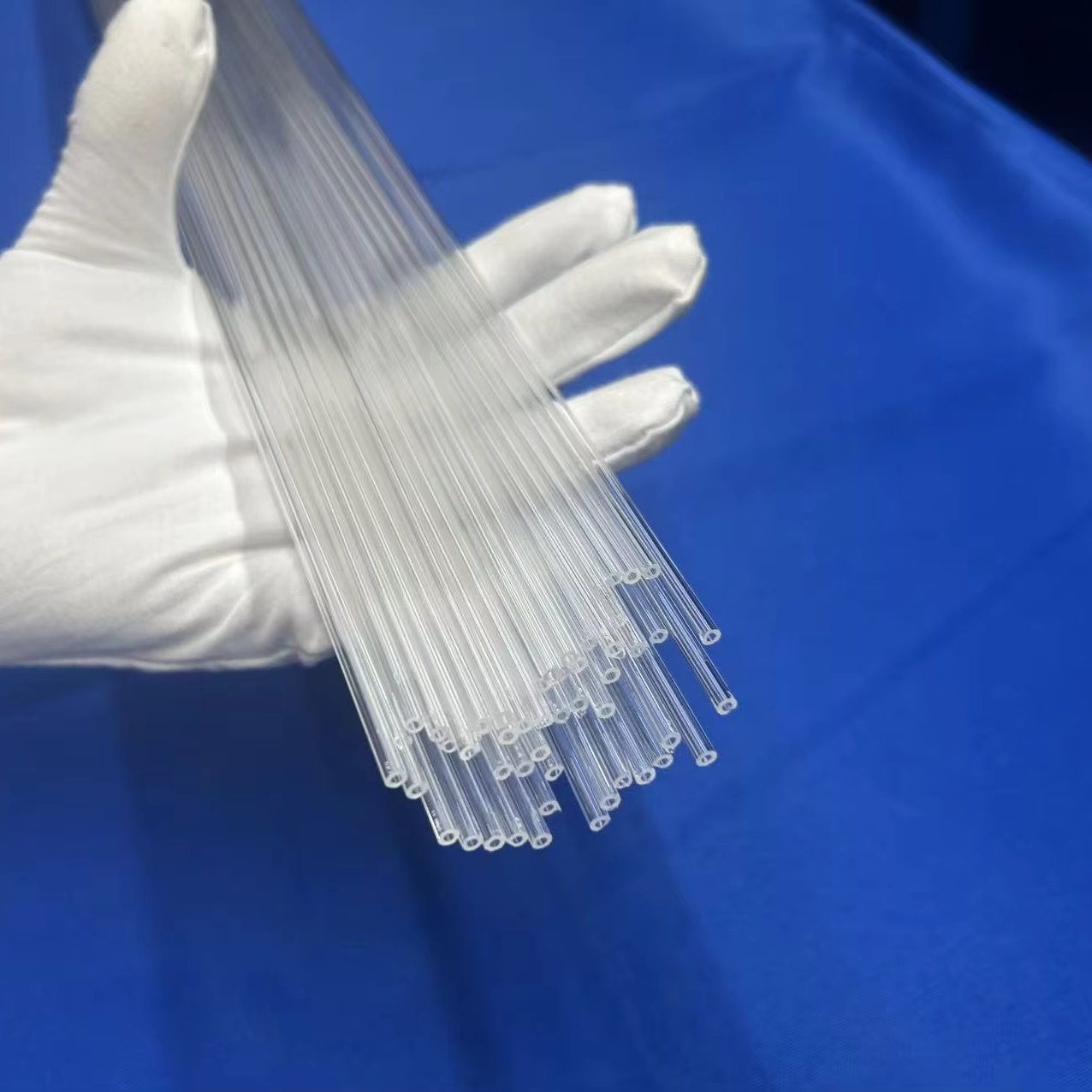
Capillary Quartz Tube
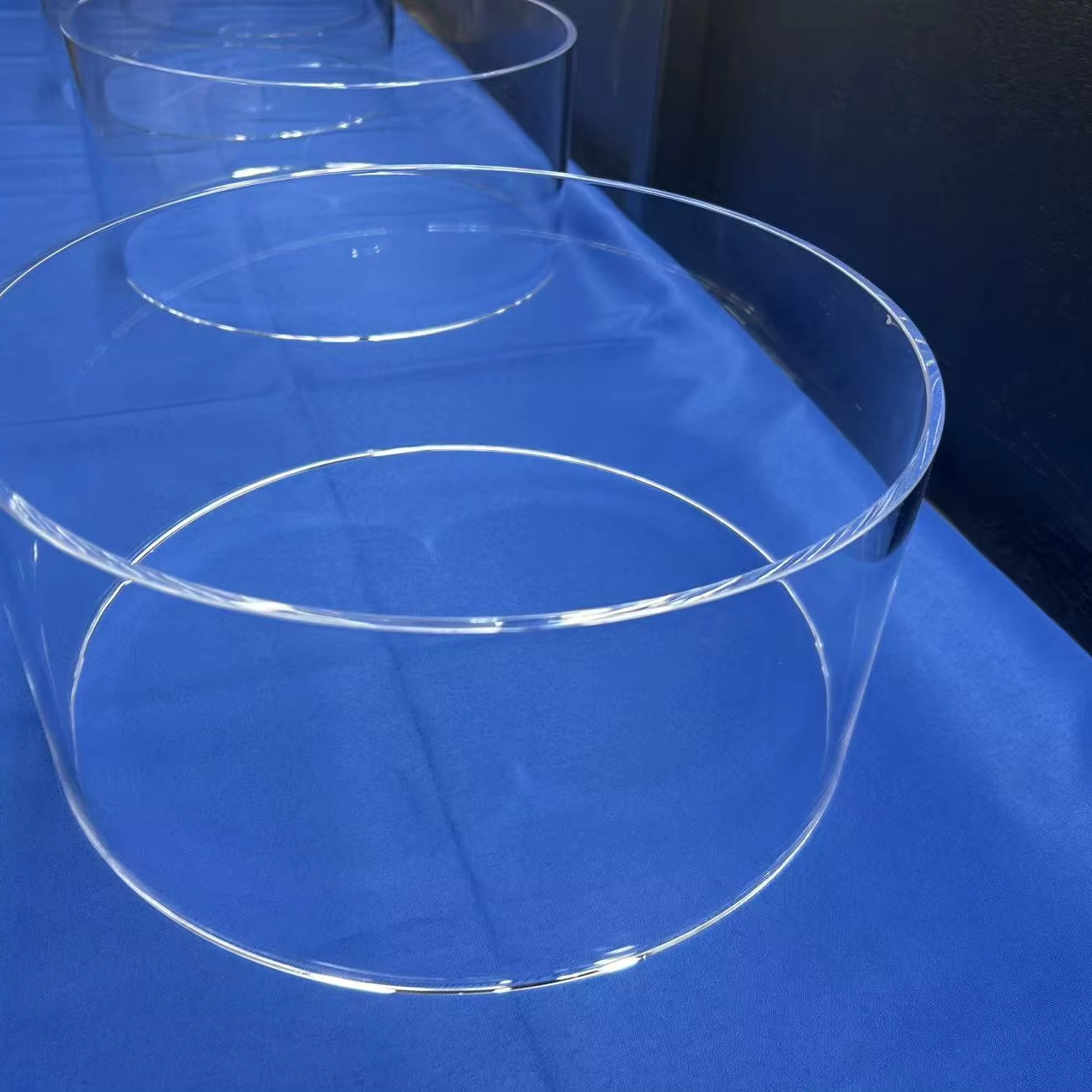
High-Purity Fused Quartz Large Diameter Round Rods Cutting Welding & Bending Services ForIndustrial Production
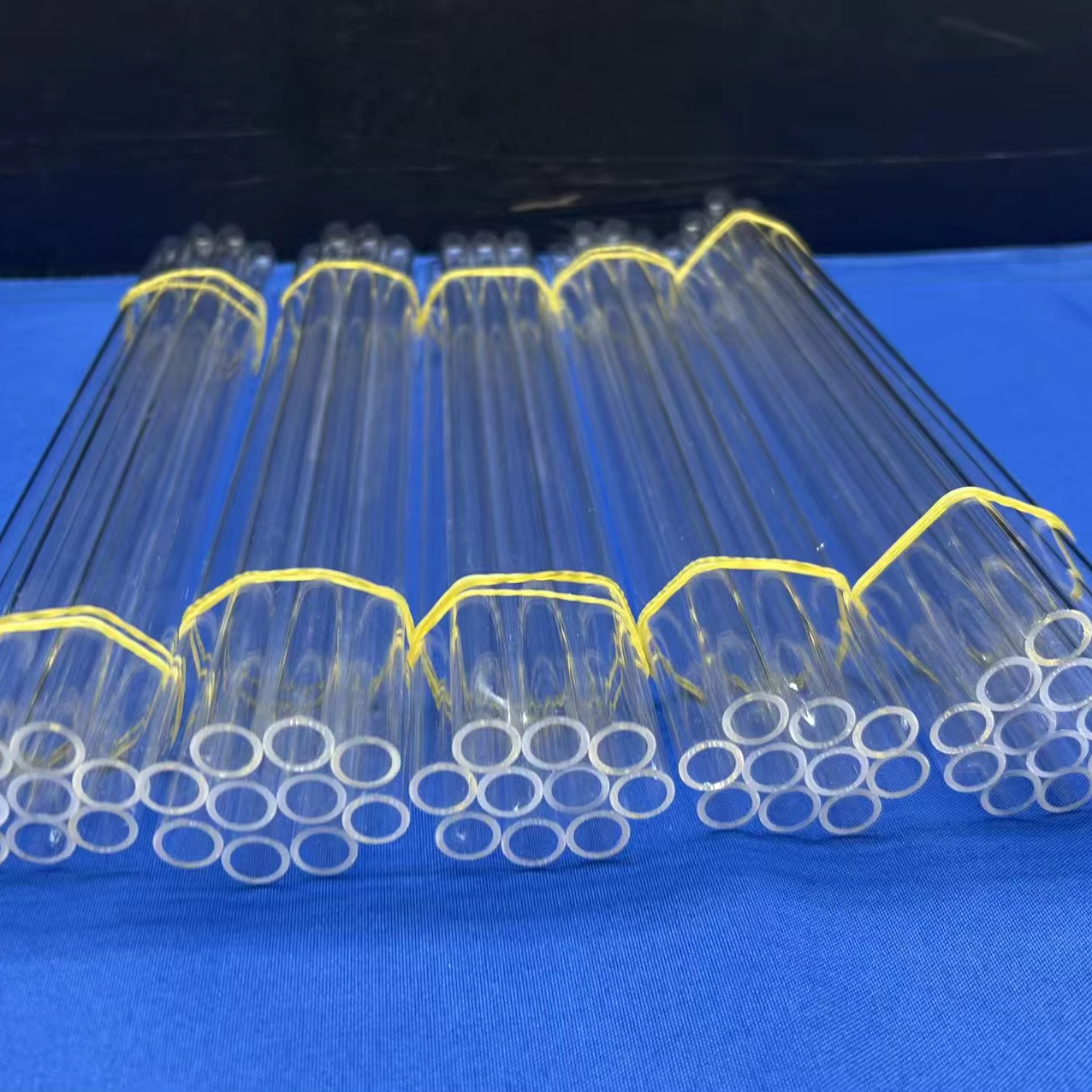
Quartz test Tube
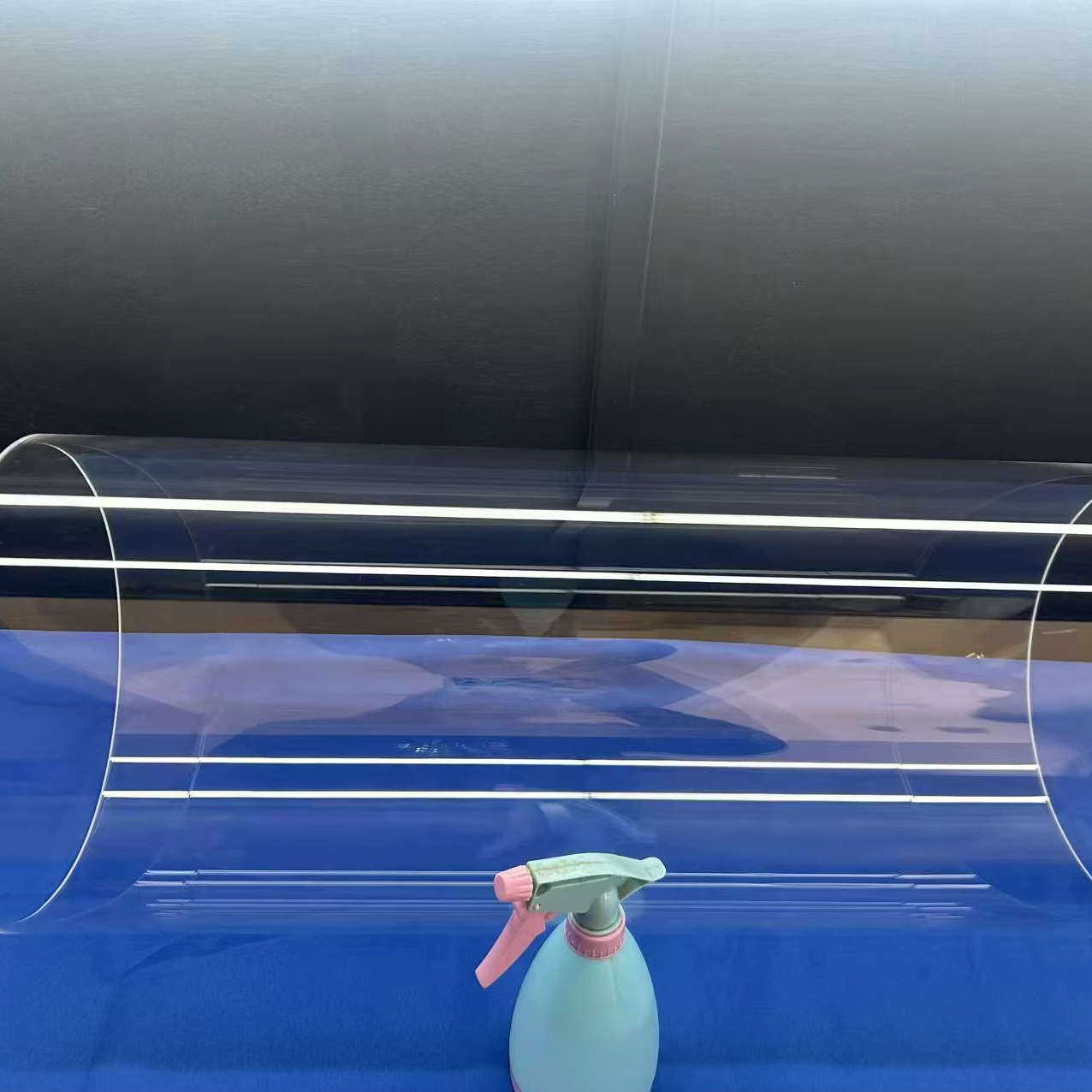
Customizable High Purity Fused Quartz Glass Tube High Temperature Resistant
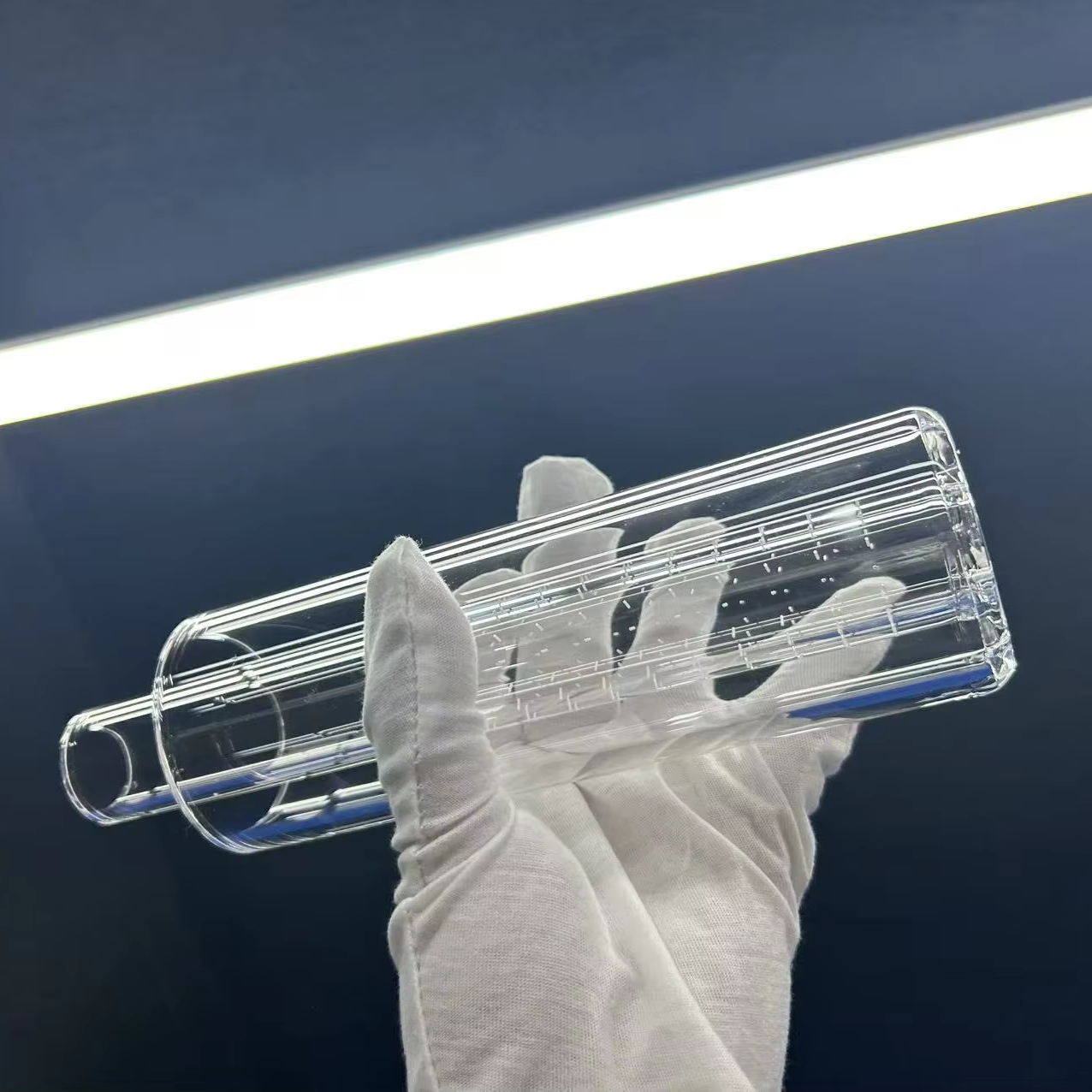
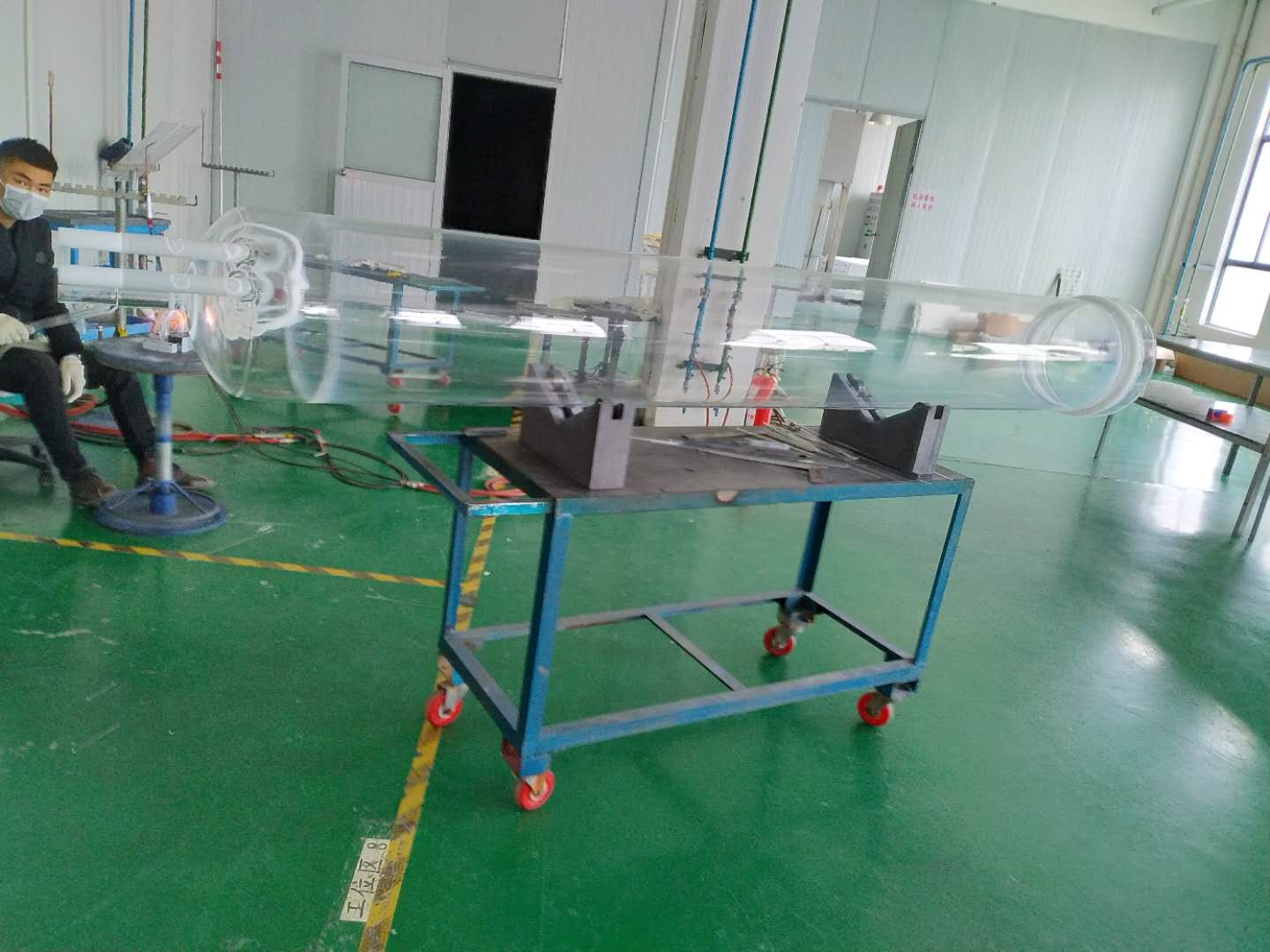
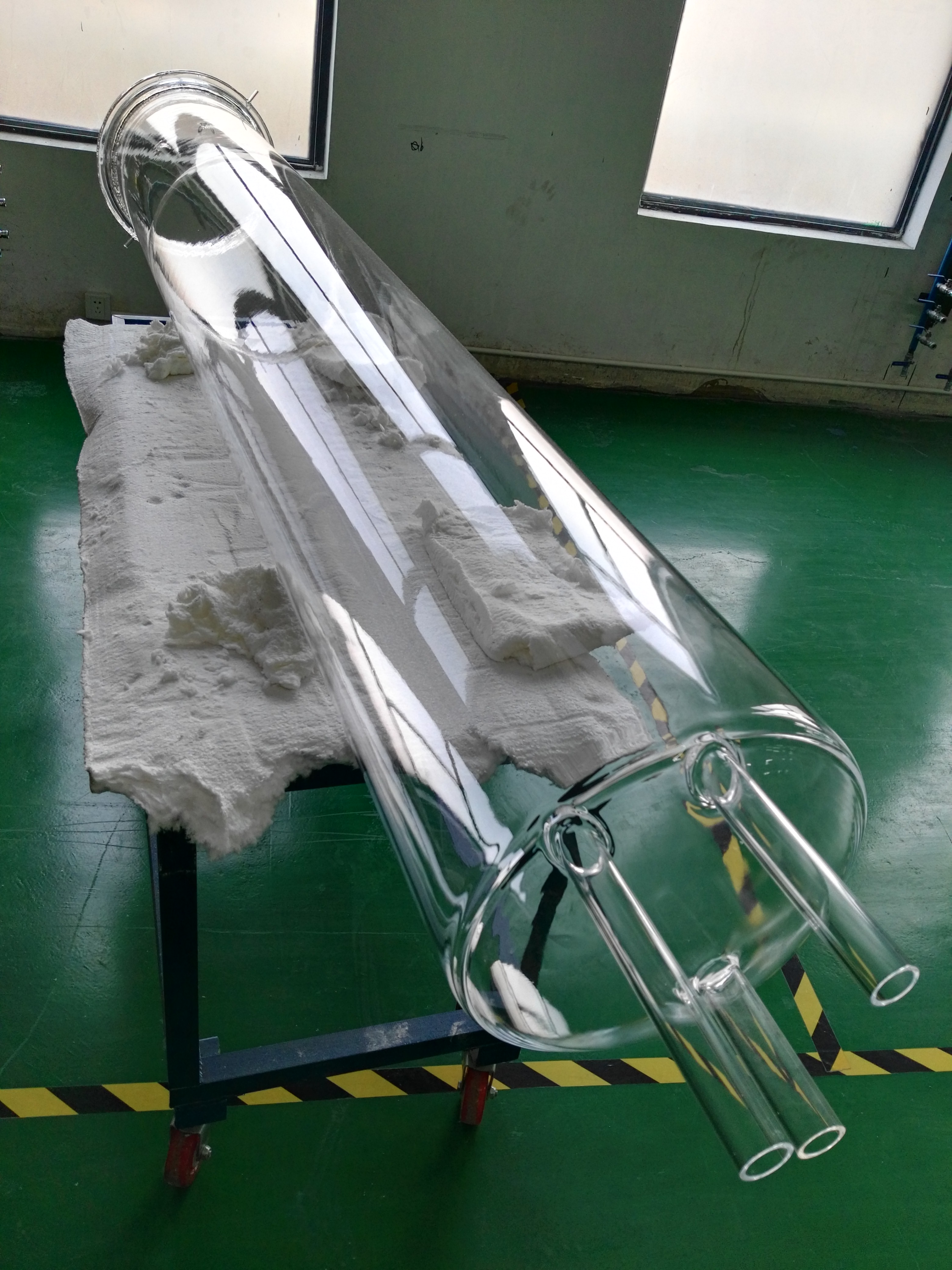
Customized Perforated Quartz Tube
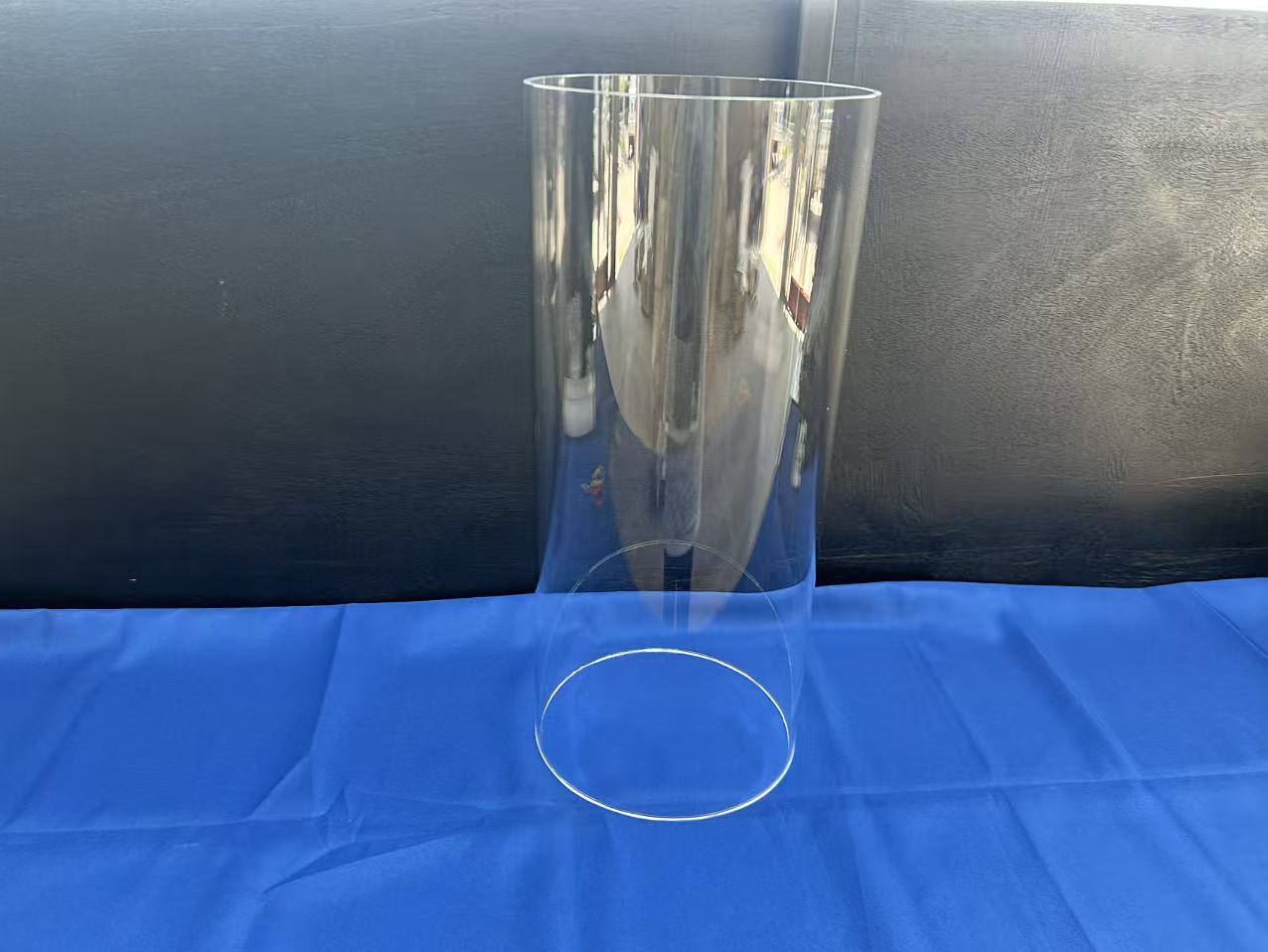
Custom Large-diameter High-purity Fused Quartz Transparent Glass Tubes, Providing Cutting and Welding Services
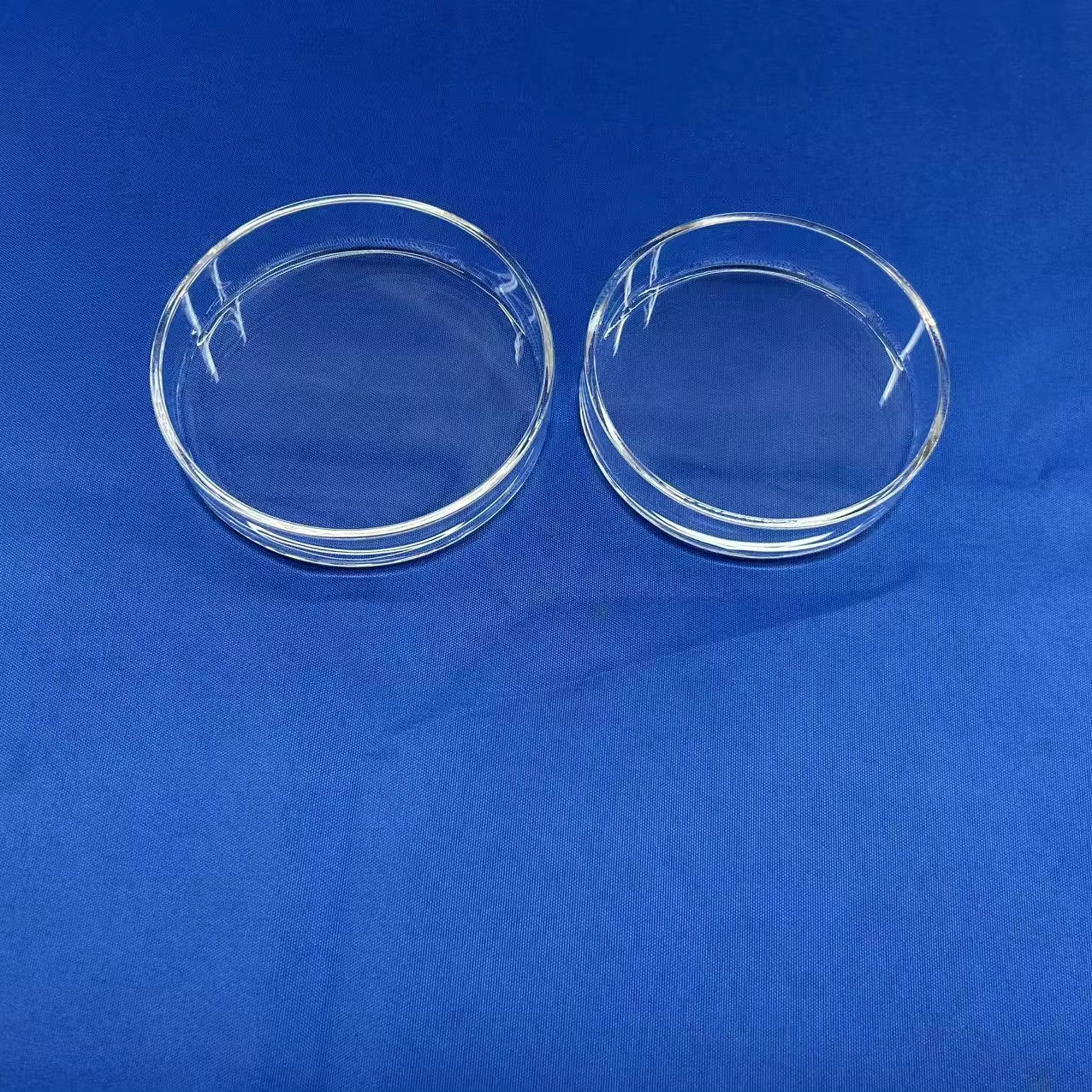
Factory Customized High-purity Quartz Glass Petri Dishes with Lids, for Laboratory, Medical Equipment, Etc.
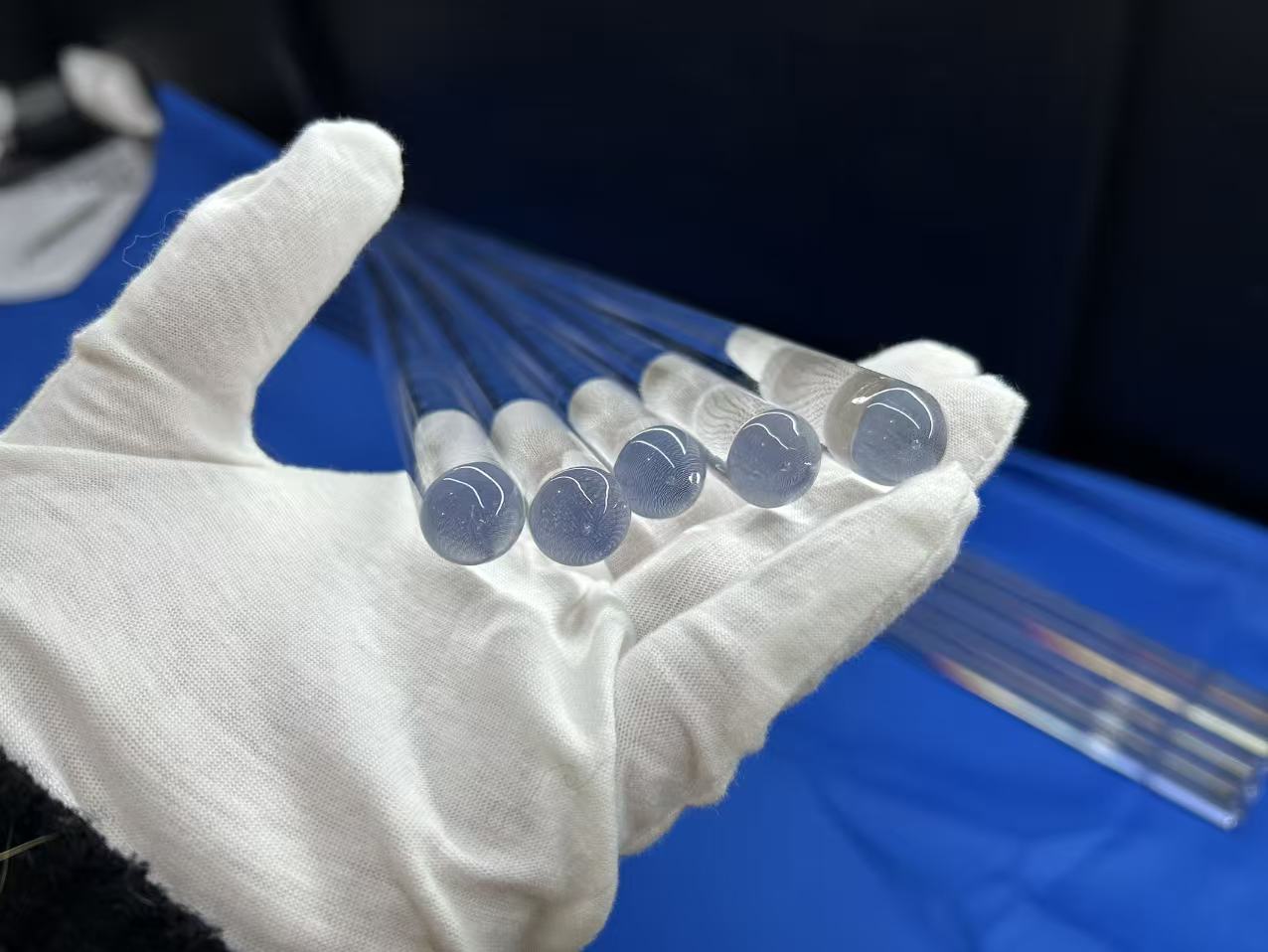
The Factory Produces High-purity Fused Quartz Round Rods, Offering Cutting, Welding, and Bending Services
Why CE Certified Capillary Quartz Tubing Dictates Modern Precision Sourcing
Beyond standard dimensional drawing, high-pressure capillary quartz tubes operate at the crossroads of molecular chromatography, laser beam management, semiconductor cleanroom diffusion, and microfluidics. Sourcing through certified Chinese manufacturing clusters reduces procurement overhead while securing laboratory-grade metrology.
CE Mark Compliance & Pressure Safety Under EU Directives
Within the European Economic Area (EEA), high-pressure capillary tubing utilized in gas chromatography (GC), high-performance liquid chromatography (HPLC), and fluidic reactors falls within the technical mandate of the Pressure Equipment Directive (PED) 2014/68/EU and RoHS Directive 2011/65/EU. When inner diameters drop below 500 microns and working pressures surge beyond 400 bar, non-certified glass tubes present catastrophic explosive shattering risks.
Our CE certified capillary tubes undergo 100% burst pressure hydrostatic simulation via the modified Barlow equation: P = (2 · S · t) / D, where hoop tensile strength (S) is stabilized by multi-stage hydrogen-oxygen flame annealing. This eliminates structural residual stress (< 2.5 nm/cm via polarimetric testing), safeguarding downstream instrumentation against thermal shock fatigue.
Material Purity Comparison: JGS1 vs. JGS2 vs. Synthetic Silica
Procuring capillary quartz tubes without specifying the exact fused silica silicon-dioxide matrix can lead to early solarization in UV spectroscopy or severe hydroxyl absorption peaks in telecom photonics. We calibrate three core grades directly at our Donghai facility:
- Synthetic Fused Silica (JGS1): Carbon arc or chemical vapor synthesis (SiCl4). Deep UV transparency down to 185 nm. Hydroxyl (OH⁻) content configurable (high-OH for UV resistance; ultra-dry < 1 ppm for IR fiber optics).
- Optical Grade Fused Quartz (JGS2): Refined from high-purity natural crystal sand. Optimal UV-visible light transmission (220 nm to 2500 nm). Excellent economic balance for fluidic chromatography columns.
- Infrared Fused Silica (JGS3): Electric vacuum fusion ensuring negligible water content. Peak transmission stretching to 3500 nm, resisting thermal devitrification at continuous 1100°C exposure.
| Capillary Type / Category | Nominal Inner Dia (ID) | Nominal Outer Dia (OD) | Tolerance (Standard / Precision) | Max Proof Pressure | CE & International Standards |
|---|---|---|---|---|---|
| Microbore Nano-Capillary | 0.010 mm – 0.075 mm | 0.150 mm – 0.375 mm | ±0.003 mm / ±0.001 mm | > 650 Bar (9,425 PSI) | PED 2014/68/EU · CE |
| Standard GC Column Capillary | 0.100 mm – 0.530 mm | 0.360 mm – 0.850 mm | ±0.005 mm / ±0.002 mm | > 420 Bar (6,090 PSI) | ISO 9001 · RoHS |
| Multi-Lumen Capillary (Double/Quad) | 0.050 mm – 1.200 mm | 1.000 mm – 4.500 mm | ±0.010 mm / ±0.005 mm | > 280 Bar (4,060 PSI) | DIN EN ISO 10993 |
| Heavy-Wall Optical Fiber Preform | 0.800 mm – 3.000 mm | 4.000 mm – 12.00 mm | ±0.015 mm / ±0.008 mm | > 180 Bar (2,610 PSI) | IEC 60793-1-10 |
| Custom Perforated Quartz Tube | 2.000 mm – 25.00 mm | 4.000 mm – 30.00 mm | ±0.020 mm / ±0.010 mm | Atmospheric / Deposition | SEMI S2 Compliance |
Future Technological Trends in Capillary Quartz Fabrication
As advanced industries push toward sub-2nm semiconductor lithography, single-molecule gene sequencing, and high-energy hollow-core laser delivery, capillary quartz tubes are moving from standardized commodity tubing to precision nanometer structures.
Nanofluidics & Bio-Sensing Flowcells
Micro-bore quartz capillaries are replacing borosilicate glass in next-generation capillary zone electrophoresis (CZE) and DNA sequencing instruments. The extreme chemical inertness of fused silica prevents analyte adsorption, while inner-surface polyimide and fluoropolymer nano-coatings enable stable electroosmotic flow under 30 kV field potentials.
Sub-2nm Semiconductor Precursor Injection
In Atomic Layer Deposition (ALD) and Extreme Ultraviolet (EUV) chamber purging, non-contaminating micro-nozzles are critical. Capillary quartz arrays deliver volatile organometallic precursors at controlled micron-level flow rates without metallic leaching (Fe, Cu, Ni < 0.5 ppb), guaranteeing wafer yield reliability.
Hollow-Core Photonic Crystal Preforms (HCF)
The telecommunications and ultrafast laser sectors increasingly rely on nested anti-resonant nodeless capillary tubes. As an exporter, Nivra Quartz draws capillary tubes with wall thickness uniformity under 1.5% variation, allowing clean optical fiber stacking with minimal attenuation across 1064nm and 1550nm bands.
Laser-Assisted Ultrasonic Cleaving & Polishing
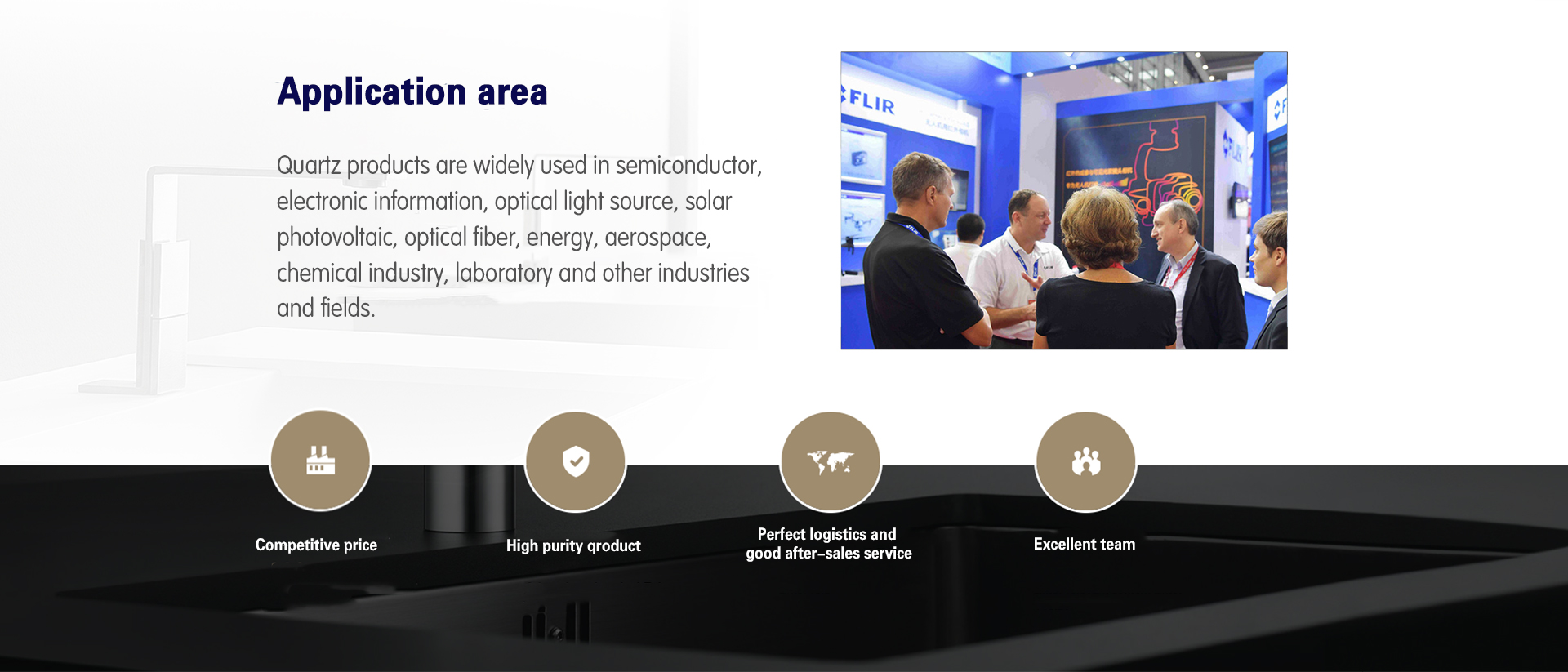
Traditional diamond wheel sawing induces micro-fractures on brittle capillary ends, leading to bubble accumulation in liquid chromatography. Modern Chinese manufacturing integrates CO2 laser cleaving and high-frequency flame fire-polishing, delivering 90-degree orthogonal end faces with surface roughness Ra < 0.2 nm.
Multi-Bore Dynamic Fluidic Geometries
Custom geometries—including D-shaped bores, square capillaries, coaxial dual-fluid mixing tubes, and hexagonal honeycomb profiles—are now produced through automated continuous vertical draw towers with real-time X-ray non-destructive wall-thickness monitors.
Procurement Trends: Navigating Cost, Quality & Supply Chain Resilience
For procurement directors in North America, Western Europe, and East Asia, sourcing capillary quartz components demands a balance of unit economics, geometric precision, and supply stability.
1. Consolidation from Sub-Tier Workshops to Direct Hub Exporters
Historically, global OEMs purchased capillary tubing through international distributors who marked up prices by 150% to 300%, sourcing from unverified sub-tier processors. Today, the strategic shift leans toward direct partnership with verified manufacturing plants in Donghai County, Jiangsu—the world's capital of natural quartz reserves and high-purity glass drawing.
Direct sourcing from a verified facility with in-house drawing towers, CNC drilling, optical testing, and export licenses delivers immediate advantages: reduced lead times (cut from 12 weeks to under 15 days), drawing-level customization, and direct engineering accountability.
2. Total Cost of Ownership (TCO) & Yield Rate Optimization
In precision manufacturing, the initial purchase price of a capillary quartz tube represents less than 20% of its total operational cost. Tube failure within a semiconductor diffusion furnace or a pharmaceutical analytical train can cause tens of thousands of dollars in downtime.
Sophisticated buyers now demand certified raw-material inspection certificates (batch-level ICP-MS metal impurity reports), rigorous packaging validation (ISTA-3A drop test verification), and guaranteed wall concentricity (> 96%). Standardizing on CE-certified exporters mitigates cross-border warranty disputes and field returns.
3. Zero-Carbon & Cleanroom Production ESG Mandates
Driven by European sustainability directives (such as the Corporate Sustainability Due Diligence Directive), procurement audits scrutinize supplier energy matrices. Fused quartz production requires temperatures up to 2000°C. Leading Chinese exporters are replacing old coal-gas furnaces with clean electric-arc induction melting and closed-loop hydrogen-oxygen flame lines, paired with zero-discharge chemical acid-washing stations.
4. Agile Low-Volume Prototyping Coupled with Mass Scalability
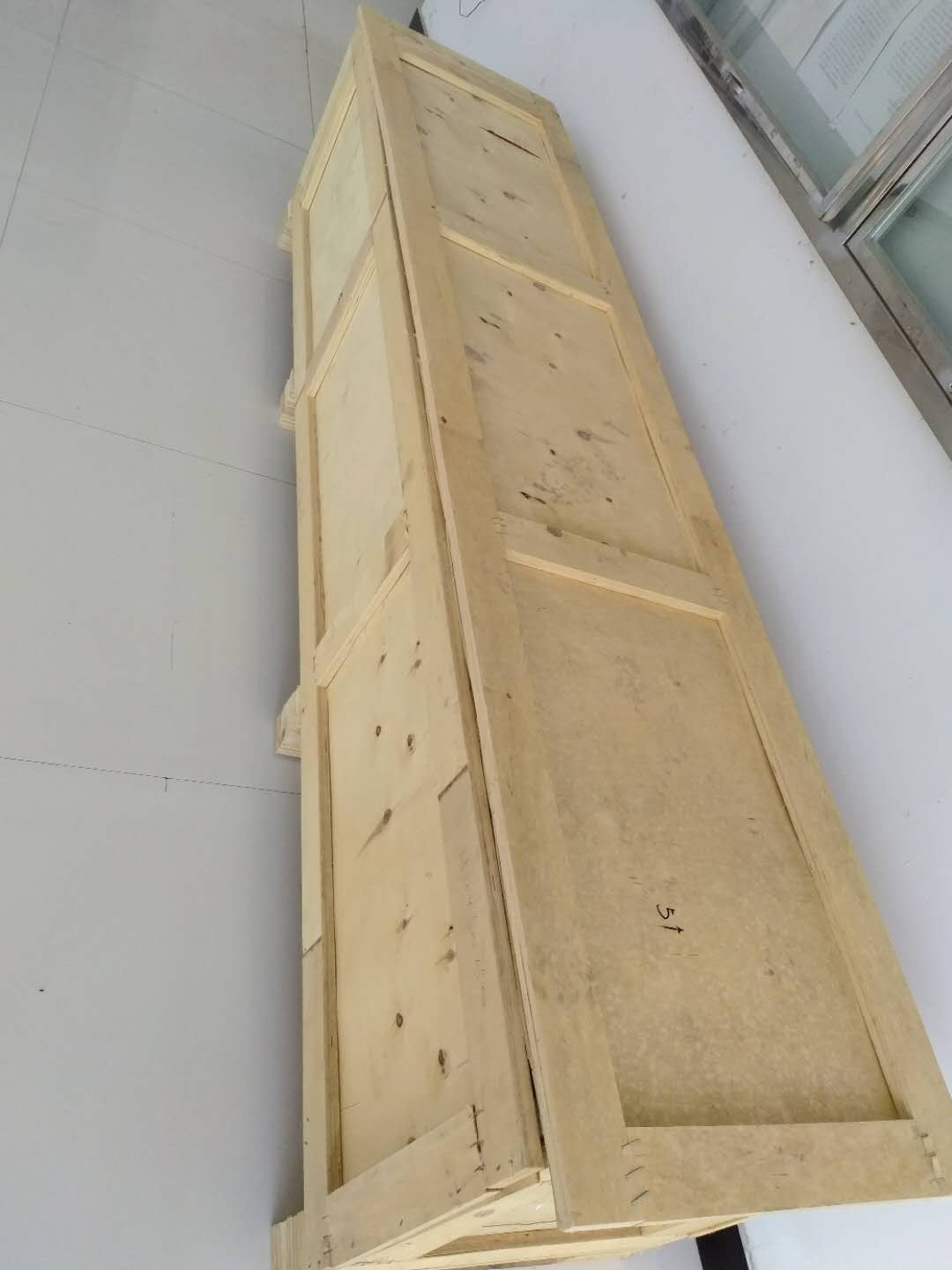
Modern analytical tech startups and OEM design teams rarely begin with 10,000-piece production runs. The emerging sourcing benchmark favors factories supporting low minimum order quantities (MOQ 1–10 pieces for prototypes) while retaining the automated infrastructure to ramp smoothly to 100,000 meters per quarter upon design sign-off.
Donghai County Nivra Quartz Products Co., Ltd. — Operational Excellence
Established in February 2019 at 285 Heping East Road, Lianyungang, Jiangsu, Nivra Quartz combines raw silica supply advantages with in-house CNC machining, flame fabrication, and international export logistics.
End-to-End Vertical Integration in China's Crystal Capital
Operating with an agile workforce of 101–200 skilled glassblowing masters, metrology engineers, and CNC operators, Nivra Quartz bridges raw quartz processing and microbore tube drawing. Because we are situated in Donghai County—the epicenter of China's quartz deposits—we control raw material grading at the source.
Our export market footprint spans over 40 countries, with North America representing 40% of shipments, Western Europe 20%, Eastern Europe 14%, and South America 11.4%. Our track record includes 43+ verified international export shipments in recent review cycles, maintaining an impeccable 5.0 / 5.0 buyer review rating for product dimensions, packaging safety, and on-time shipment.

Verified Qualifications & Business Licensing
Our factory premises have undergone strict on-site verification by international inspection bodies and Alibaba.com audit teams. Full certification documentation and heavy metal migration test reports are available upon request.
Frequently Asked Questions: Capillary Quartz Sourcing & Engineering
Detailed technical answers to common queries submitted by global procurement teams, optical physicists, and analytical laboratory buyers.
What specific standards classify a capillary quartz tube as "CE Certified" for European export?
What are the practical tightest tolerances achievable for microbore capillary inner diameters?
How do thermal shock parameters compare between natural fused quartz and synthetic fused silica?
What end-finish configurations are available for capillary quartz tubes?
- Diamond Scribe & Cleave: Flat 90° face suitable for standard compression fittings.
- Fire-Polished (Flame-Sealed or Radiused): Smooth, chip-free rounded rims that prevent septum gouging in GC autosamplers and relieve edge hoop stress.
- Optical Flat Polish: Surface finish polished to 60/40 or 40/20 scratch-dig with edge bevels for laser waveguide connections.
- Ground Taper / Beveled Needle: Angled tips (15° to 45°) for micro-injection and biomedical aspiration needles.